Éteres
Se han encontrado 40904 productos de "Éteres"
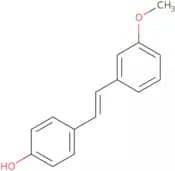
4-Hydroxy-3'-methoxystilbene
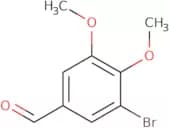
CAS:4-Hydroxy-3'-methoxystilbene is a chemical that is used as a reaction component or reagent in the synthesis of other compounds. It can be used as a building block for the synthesis of complex molecules and fine chemicals. 4-Hydroxy-3'-methoxystilbene is an intermediate for the production of high quality research chemicals. It has been reported to be useful in the synthesis of pharmaceuticals, agrochemicals, and pesticides.Fórmula:C15H14O2Pureza:Min. 95%Forma y color:White PowderPeso molecular:226.27 g/mol3-Bromo-4,5-dimethoxybenzaldehyde
CAS:3-Bromo-4,5-dimethoxybenzaldehyde is a molecule that is acidic in nature. It inhibits phosphatases and has shown cytotoxic activity against cancer cells in vitro. This compound also has antibacterial properties and can be used to treat bacterial infections. 3-Bromo-4,5-dimethoxybenzaldehyde is also a synthetic compound that can be found in the bisbenzylisoquinoline alkaloids family. It has been shown to have anti-tumor activity as well as an interaction with aldehydes and chalcones, which may lead to anti-inflammatory effects.
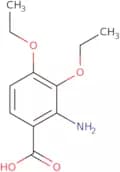
Fórmula:C9H9BrO3Pureza:Min. 95%Forma y color:PowderPeso molecular:245.07 g/mol2-Amino-3,4-diethoxybenzoic acid
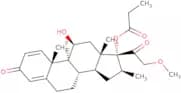
CAS:2-Amino-3,4-diethoxybenzoic acid is a high quality chemical with a CAS No. 61948-72-9. It is an organic compound that belongs to the class of aromatic carboxylic acids and has a molecular weight of 174.2 g/mol. 2DHB is a useful intermediate in the synthesis of fine chemicals, research chemicals, and speciality chemicals like pharmaceuticals, pesticides, and dyes. It can also be used as a building block in the synthesis of many other compounds. The versatility of 2DHB makes it an important component in reactions involving nucleophilic substitution or addition reactions.Fórmula:C11H15NO4Pureza:Min. 95%Forma y color:PowderPeso molecular:225.24 g/mol[(8S,9R,10S,11S,13S,14S,16S,17R)-9-Fluoro-11-Hydroxy-17-(2-Methoxyacetyl)-10,13,16-Trimethyl-3-Oxo-6,7,8,11,12,14,15,16-Octahydrocyc lopenta[a]Phenanthren-17-Yl] Propanoate
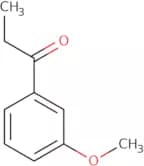
CAS:Producto controladoBetamethasone is a corticosteroid that is used to treat inflammation, ankylosing spondylitis, and rheumatoid arthritis. It has been shown to have efficacy in the treatment of pediatric patients with asthma, as well as animal models of cardiac arrest and stroke. Betamethasone has also been shown to be effective in the treatment of potassium ion-associated death due to cardiac arrhythmia or repolarization abnormalities. This drug can be administered orally or topically; it binds to the glucocorticoid receptor on cells and modulates gene transcription. The primary mechanism of action for betamethasone is not fully understood but may involve inhibition of protein synthesis and suppression of inflammatory cells.Fórmula:C26H35FO6Pureza:Min. 95%Peso molecular:462.55 g/mol3'-Methoxypropiophenone
CAS:3'-Methoxypropiophenone is an acylating agent that is used in the synthesis of racemic and optically active phenylacetic acids. It can be prepared by the reaction of ketones with methoxypropiolic acid, which is catalyzed by a base such as sodium ethoxide. 3'-Methoxypropiophenone also has been shown to undergo transformation reactions with hydrogenolysis and salt formation. The deprotection step involves removal of a protective group such as dimethylamine or diastereomer.Fórmula:C10H12O2Pureza:Min. 95%Forma y color:PowderPeso molecular:164.2 g/mol1-Chloro-3-[4-(2-methoxyethyl)phenoxy]-2-propanol
CAS:1-Chloro-3-[4-(2-methoxyethyl)phenoxy]-2-propanol is a potent antihypertensive agent that is synthesized by the chemoenzymatic process. It differs from other antihypertensive drugs in that it incorporates an oxirane group, which makes it more hydrophobic than other drugs. 1-Chloro-3-[4-(2-methoxyethyl)phenoxy]-2-propanol is a crystalline solid with a melting point of 128°C and a density of 1.0 g/mL. The chemical name for this drug is 4-[(1E)-1-(chloromethoxy)propyl]phenol, which has potent antihypertensive activity and high enantioselectivity.
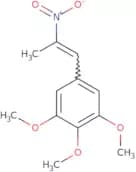
Fórmula:C12H17ClO3Pureza:Min. 95%Peso molecular:244.71 g/mol1-(3,4,5-Trimethoxyphenyl)-2-nitropropene
CAS:1-(3,4,5-Trimethoxyphenyl)-2-nitropropene is a high quality chemical that is a reagent and useful intermediate. It has been shown to be a useful scaffold for the synthesis of various compounds and as a building block for the synthesis of speciality chemicals. This compound can be used in research and as a versatile building block in organic chemistry.
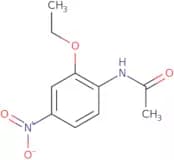
Fórmula:C12H15NO5Pureza:Min. 97 Area-%Forma y color:PowderPeso molecular:253.25 g/mol2'-Ethoxy-4'-nitroacetanilide
CAS:2'-Ethoxy-4'-nitroacetanilide is a chemical compound that is used as a building block in the synthesis of other chemicals. It is a versatile building block and can be used to synthesize many different types of compounds, including drugs, pesticides, and dyes. 2'-Ethoxy-4'-nitroacetanilide has been classified as a speciality chemical and is not for human consumption.Fórmula:C10H12N2O4Pureza:Min. 95%Forma y color:PowderPeso molecular:224.21 g/mol2,5-Dimethoxy-1,4-benzoquinone
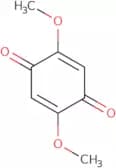
CAS:2,5-Dimethoxy-1,4-benzoquinone is an oxidizing agent that can be used to treat infections caused by bacteria. 2,5-Dimethoxy-1,4-benzoquinone has been shown to have antibacterial activity against a number of bacteria in the extracellular environment. It is also capable of inhibiting bacterial growth by inducing oxidative stress and generating reactive oxygen species. The mechanism of action is thought to involve oxidation reactions with the bacterial cell membrane and DNA. 2,5-Dimethoxy-1,4-benzoquinone is a rechargeable agent that can be regenerated from its reduced form back to its oxidized form through enzymatic or chemical reduction. This compound has been shown to react reversibly with magnesium ions in the presence of water. The crystal structure of 2,5-dimethoxy-1,4-benzoquinone has been determined using x ray diffraction techniques. The magnetic resonance
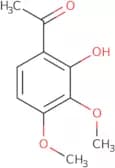
Fórmula:C8H8O4Pureza:Min. 95%Forma y color:PowderPeso molecular:168.15 g/mol3,4-Dimethoxy-2-hydroxyacetophenone
CAS:3,4-Dimethoxy-2-hydroxyacetophenone is a natural product that has been shown to have significant activity against epidermoid carcinoma. The mechanism of action of 3,4-dimethoxy-2-hydroxyacetophenone is not fully understood but it has been shown to inhibit the growth of cancer cells through an unknown mechanism. This compound can be synthesized from coumarin derivatives and its fluorescence and cellular uptake are due to its flavonoid structure. 3,4-Dimethoxy-2-hydroxyacetophenone has also been shown to increase cisplatin sensitivity in nerve cells and has been used as a fluorescent probe for microscopy and magnetic resonance imaging (MRI).Fórmula:C10H12O4Pureza:Min. 98 Area-%Forma y color:PowderPeso molecular:196.2 g/mol3-Methoxybenzamidine hydrochloride
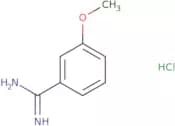
CAS:3-Methoxybenzamidine hydrochloride is a chemical that belongs to the group of acid chlorides. It is used in organic synthesis as an intermediate for the production of triazines, which are used as herbicides and insecticides. 3-Methoxybenzamidine hydrochloride is usually prepared by reacting methylamine with nitrous acid. The use of 3-methoxybenzamidine hydrochloride in organic synthesis has been shown to be highly efficient, with yields up to 95%. This chemical also exhibits fluorescence at low temperatures.Fórmula:C8H10N2O·HClPureza:Min. 95%Forma y color:PowderPeso molecular:186.64 g/mol2-Methoxy-3-nitropyridine
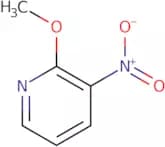
CAS:2-Methoxy-3-nitropyridine is a chemical compound with the molecular formula CHNO. It is classified as an amine and has a molecular weight of 140.24 g/mol. 2-Methoxy-3-nitropyridine is a colorless liquid that can be used to make other compounds, such as nitroarenes, boronic acids, and dyes. The molecule consists of a central carbon atom with four nitrogen atoms at the corners of a tetrahedron. The electron configuration for this molecule is 1s22s22p4. This means that the outer shell electrons are in orbitals with principal quantum numbers s=1 and p=2. These orbitals are located near the middle of the molecule rather than on the periphery as in ethane (CH3CH2). This orientation provides more space for other atoms to attach to the central carbon atom, which increases its affinity for nucleophilic attack. 2-MFórmula:C6H6N2O3Pureza:Min. 95%Forma y color:PowderPeso molecular:154.12 g/mol6-Methoxyindole-3-acetic acid
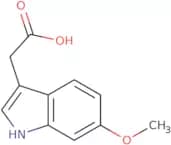
CAS:Please enquire for more information about 6-Methoxyindole-3-acetic acid including the price, delivery time and more detailed product information at the technical inquiry form on this pageFórmula:C11H11NO3Pureza:Min. 95%Forma y color:PowderPeso molecular:205.21 g/molAvanafil
CAS:Avanafil is a drug that can be used as a treatment for male erectile dysfunction. It works by inhibiting the production of PDE5, which is an enzyme that regulates the levels of cGMP in the penis. Avanafil has been shown to be effective when taken at a dose of 100 mg; this is because it takes about 30 minutes for avanafil to reach its peak level. Avanafil has a chemical stability that is greater than 12 hours, with an average lifespan of 24 hours. The drug also has no major drug interactions and does not inhibit any other drugs from working.Fórmula:C23H26ClN7O3Pureza:Min. 98 Area-%Forma y color:White PowderPeso molecular:483.95 g/mol3,4-Dimethoxy-2-methylphenylpropionic acid
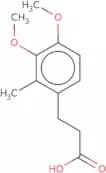
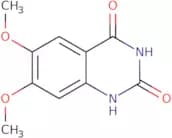
CAS:3,4-Dimethoxy-2-methylphenylpropionic acid is a building block for organic synthesis. It has been used as a research chemical and as a reaction component in the synthesis of other chemicals. 3,4-Dimethoxy-2-methylphenylpropionic acid is also available at high purity levels and can be used as a reagent for analytical purposes.Fórmula:C12H16O4Pureza:Min. 95%Forma y color:PowderPeso molecular:224.25 g/mol6,7-Dimethoxyquinazoline-2,4-dione
CAS:6,7-Dimethoxyquinazoline-2,4-dione is a chemical compound that can be synthesized by reacting amide and formaldehyde. It has been investigated as an efficient method for the synthesis of amides. 6,7-Dimethoxyquinazoline-2,4-dione is also a potential antibacterial agent which may prevent bacterial growth by inhibiting choline uptake or by binding to ribosomes and blocking protein synthesis. The reaction mechanism of this compound is not well understood, but it may involve hydrolysis of cyanate to produce hydrogen cyanide (HCN), which then reacts with the amide to form the quinazoline ring.Fórmula:C10H10N2O4Pureza:Min. 95%Forma y color:PowderPeso molecular:222.2 g/molMethyl 3,5-dimethoxybenzoate
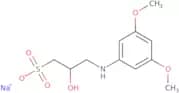
CAS:Methyl 3,5-dimethoxybenzoate is a chemical with the molecular formula CH3OCH2CH(OMe)CO2H. It is a colorless liquid that is soluble in ethanol and ether. Methyl 3,5-dimethoxybenzoate has been used as a chemical intermediate for the synthesis of other compounds. It can be extracted by solid phase microextraction (SPME). The total ion current (TIC) chromatogram shows the presence of methyl 3,5-dimethoxybenzoate in the sample at retention time 15.81 minutes. Methyl 3,5-dimethoxybenzoate is a secondary metabolite of various bacteria that produces fatty acids from acetyl-CoA via the houben-hoesch reaction. This compound has also been found to have antimicrobial activity against dermatophytes such as Trichophyton mentagrophytes and Microsporum canis.Fórmula:C10H12O4Pureza:Min. 95%Forma y color:White PowderPeso molecular:196.2 g/molN-(2-Hydroxy-3-sulfopropyl)-3,5-dimethoxyaniline sodium
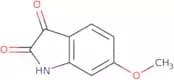
CAS:N-(2-Hydroxy-3-sulfopropyl)-3,5-dimethoxyaniline sodium is a chemical compound that has been shown to have antidiabetic activity in animal studies. It is a competitive inhibitor of the enzyme cholesterol esterase and has been shown to reduce the level of fatty acids and cholesterol in blood plasma. N-(2-Hydroxy-3-sulfopropyl)-3,5-dimethoxyaniline sodium binds to dextran sulfate as well as other amines and can be used for the analysis of test samples. This chemical also binds to monoclonal antibodies, which are proteins produced by B lymphocytes that recognize specific structures on foreign objects such as bacteria or viruses.Fórmula:C11H16NO6SNaPureza:Min. 95%Forma y color:White PowderPeso molecular:313.3 g/mol6-Methoxyindoline-2,3-dione
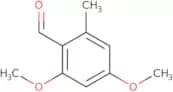
CAS:6-Methoxyindoline-2,3-dione is an indole alkaloid that has been isolated from the leaves of plants in the genus Apiaceae. It is synthesized by a reaction system that involves the oxidation of 6-methoxyindole to the corresponding oxindole and subsequent reduction to the desired product. The cytotoxicity of 6-methoxyindoline-2,3-dione has been demonstrated using a fluorescent assay with cancer cells. The compound binds to and activates cb2 receptors, which are expressed on immune cells and have been shown to be involved in inflammatory processes.Fórmula:C9H7NO3Pureza:Min. 95%Forma y color:PowderPeso molecular:177.16 g/mol2,4-Dimethoxy-6-methylbenzaldehyde
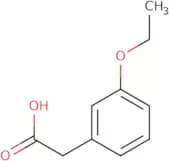
CAS:2,4-Dimethoxy-6-methylbenzaldehyde is a biomolecular that belongs to the class of depsidones. It is a tetracyclic compound that has been isolated from the fungus Antrodia camphorata and the lichen Xanthoria polycarpa. 2,4-Dimethoxy-6-methylbenzaldehyde has been shown to inhibit the growth of fungi by preventing oxidative phosphorylation in mitochondria. This compound also shows regioselectivity for phenanthrenes, which are aromatic hydrocarbons with two benzene rings and one or more methyl groups on each ring. The synthesis of 2,4-dimethoxy-6-methylbenzaldehyde is achieved through a Witting reaction between olefinic compounds and diethyl malonate in the presence of base. 2,4-Dimethoxy-6-methylbenzaldehyde can also be synthesized by oxidizing dibFórmula:C10H12O3Pureza:Min. 95%Forma y color:PowderPeso molecular:180.2 g/mol(3-Ethoxyphenyl)acetic acid
CAS:3-Ethoxyphenylacetic acid is a reagent and building block that can be used in the synthesis of pharmaceuticals and agrochemicals. This compound is also a versatile building block that can be used to synthesize a variety of other compounds, including amino acids, peptides, and drugs. 3-Ethoxyphenylacetic acid is soluble in water, alcohols, ethers, acetone, chloroform, benzene, and carbon tetrachloride. It has an mp at 115°C. The CAS number for this compound is 72775-83-8.Fórmula:C10H12O3Pureza:Min. 95%Forma y color:PowderPeso molecular:180.2 g/mol3,4,5-trimethoxybenzyl cyanide
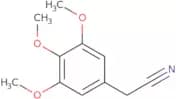
CAS:3,4,5-Trimethoxybenzyl cyanide is a natural product that has been shown to inhibit the polymerase of bacterial RNA and DNA. It binds to the active site of the enzyme and prevents its function. The mechanism of 3,4,5-trimethoxybenzyl cyanide is similar to that of other inhibitors of bacterial RNA polymerase such as quinacrine and actinomycin D. This compound has also been shown to prevent fibrillation in vitro. 3,4,5-Trimethoxybenzyl cyanide has antiarrhythmic properties. It blocks the mitochondrial membrane potential by inhibiting the synthesis of ATP. This inhibition leads to an increased permeability of the mitochondrial membrane for ions such as potassium and calcium. The increased permeability leads to a decrease in cellular excitability and a decrease in cardiac arrhythmias (irregular heartbeats).
Fórmula:C11H13NO3Pureza:Min. 97 Area-%Forma y color:PowderPeso molecular:207.23 g/molN-(2-Indol-3-ylethyl)(4-(trifluoromethoxy)phenyl)formamide
CAS:Please enquire for more information about N-(2-Indol-3-ylethyl)(4-(trifluoromethoxy)phenyl)formamide including the price, delivery time and more detailed product information at the technical inquiry form on this pageFórmula:C18H15F3N2O2Pureza:Min. 95%Forma y color:PowderPeso molecular:348.32 g/molNelotanserin
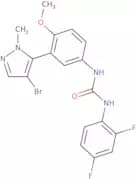
CAS:1-[3-(4-Bromo-1-methyl-1H-pyrazol-5-yl)-4-methoxyphenyl]-3-(2,4-difluorophenyl)urea is the active ingredient in a drug that is used to treat chronic schizophrenia. It has been shown to have both antipsychotic and antidepressant properties. The drug works by blocking the 5HT2A receptor, which inhibits the effects of serotonin on heterocyclic amines at the postsynaptic membrane. This causes hyperpolarization of the membrane, which blocks neurotransmitter release and prevents further transmission of signals. It also blocks the H1 receptor, which decreases histamine release and reduces inflammation in the brain.Fórmula:C18H15BrF2N4O2Pureza:Min. 95%Forma y color:PowderPeso molecular:437.24 g/mol2-Chloro-5-methoxybenzonitrile
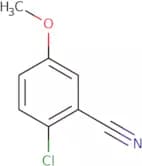
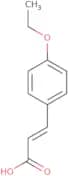
CAS:2-Chloro-5-methoxybenzonitrile is an organic compound that has a chlorinated methoxy group and a cyano group. It is synthesized by the reaction of 2-chloro-5-hydroxybenzonitrile with sulfuryl chloride in the presence of potassium carbonate. The yield of this reaction can be increased by adding a chlorinated solvent such as dichloromethane or chloroform. 2-Chloro-5-methoxybenzonitrile is used in the synthesis of various drugs and other organic compounds, such as amides and benzene ring compounds.Fórmula:C8H6ClNOForma y color:PowderPeso molecular:167.59 g/mol4-Ethoxycinnamic acid
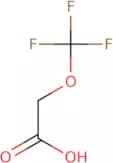
CAS:4-Ethoxycinnamic acid is a phenolic compound that is found in many plants and fruits. It has been shown to have bioactivities such as anti-inflammatory, anti-allergic, and anticancer activities. 4-Ethoxycinnamic acid has been shown to inhibit tyrosinase activity by interacting with the enzyme's active site. This inhibition reduces the production of melanin, which may be due to its ability to inhibit dopamine oxidation or the conversion of dopachrome into dopaquinone. 4-Ethoxycinnamic acid also inhibits prolyl hydroxylase activity, which can lead to increased collagen synthesis and reduced inflammation.Fórmula:C11H12O3Pureza:Min. 95%Forma y color:PowderPeso molecular:192.21 g/molTrifluoromethoxyacetic acid
CAS:Trifluoromethoxyacetic acid is a synthetic drug that has been used to treat inflammatory bowel disease, alopecia and seborrhoea. It is also used as a pharmacological agent for the treatment of autoimmune diseases, such as sclerosis, malignant and bowel disease. Trifluoromethoxyacetic acid has anti-inflammatory properties due to its inhibition of prostaglandin synthesis. This drug has been shown to be effective in treating alopecia areata in rats with an oral dose of 0.5 mg/kg for two weeks, which is comparable to the effect observed with 1 mg/kg of minoxidil (Rogaine). Trifluoromethoxyacetic acid binds to nitrogen atoms on proteins and inhibits protein synthesis, leading to cell death by inhibiting the production of proteins vital for cell division.Fórmula:C3H3F3O3Pureza:Min. 95 Area-%Forma y color:Clear LiquidPeso molecular:144.05 g/mol(+)-N-[1-(S)-Ethoxycarbonxyl-3-phenylpropyl]-L-alanine
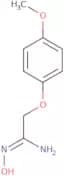
CAS:(+)-N-[1-(S)-Ethoxycarbonxyl-3-phenylpropyl]-L-alanine is an impurity of enalaprilat, which is a pharmaceutical drug used in the treatment of hypertension. Enalaprilat is manufactured by reacting 1-(S)-ethoxycarbonxyl-3-phenylpropane with L-alanine and triphosgene. This impurity has been shown to be a potent inhibitor of the enzyme angiotensin converting enzyme (ACE) and may cause adverse effects such as hypotension, cough, and dizziness. The chemical structure of (+)-N-[1-(S)-Ethoxycarbonxyl-3-phenylpropyl]-L-alanine consists of an aliphatic hydrocarbon chain with a maleate group at one end and a benzyl group at the other end. It also contains two amines, one on each side of the molecule.Fórmula:C15H21NO4Pureza:Min. 95%Forma y color:PowderPeso molecular:279.33 g/molN-Hydroxy-2-(4-methoxyphenoxy)ethanimidamide
CAS:Please enquire for more information about N-Hydroxy-2-(4-methoxyphenoxy)ethanimidamide including the price, delivery time and more detailed product information at the technical inquiry form on this pageFórmula:C9H12N2O3Pureza:Min. 95%Forma y color:PowderPeso molecular:196.2 g/mol7-Amino-2-(4-methoxyphenyl)[1,2,4]triazolo[1,5-a]pyrimidin-5(4H)-one
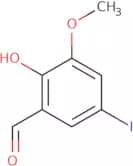
CAS:7-Amino-2-(4-methoxyphenyl)[1,2,4]triazolo[1,5-a]pyrimidin-5(4H)-one is a fine chemical that belongs to the category of versatile building blocks. It can be used as a reagent for research purposes and as a speciality chemical for the production of complex compounds. This compound is also an important building block for the synthesis of compounds with high quality and useful scaffolds.Fórmula:C12H11N5O2Pureza:Min. 95%Forma y color:PowderPeso molecular:257.25 g/mol2-Hydroxy-5-iodo-3-methoxybenzaldehyde
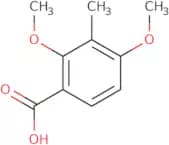
CAS:Please enquire for more information about 2-Hydroxy-5-iodo-3-methoxybenzaldehyde including the price, delivery time and more detailed product information at the technical inquiry form on this pageFórmula:C8H7IO3Pureza:Min. 98%Forma y color:PowderPeso molecular:278.04 g/mol2,4-Dimethoxy-3-methylbenzoic acid
CAS:2,4-Dimethoxy-3-methylbenzoic acid is a fine chemical that is used as a versatile building block in the synthesis of other organic compounds. 2,4-Dimethoxy-3-methylbenzoic acid has been used in research to generate novel compounds with desired properties. It is also used as a reaction component and speciality chemical. The compound can be reacted with sodium methoxide in methanol to form 2,4-dimethoxybenzaldehyde, which is an intermediate for the synthesis of other chemicals. It also reacts with nitric acid to form 2,4-dimethylbenzoic acid and oleum. These reactions are useful for the production of certain drugs or for the synthesis of polymers.Fórmula:C10H12O4Pureza:Min. 95%Peso molecular:196.2 g/mol7-Methoxy-2-tetralone
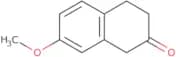
CAS:7-Methoxy-2-tetralone is an organic compound that is synthesised from the chlorination of phenol. It inhibits cancer cells by binding to their receptors and inhibiting the growth of new blood vessels, which are necessary for tumour growth. 7-Methoxy-2-tetralone also inhibits the synthesis of DNA, RNA, and protein in a cell-free system. It binds to chloride ions in solution and has a potent inhibitory activity against dehydrogenase and hydrochloric acid. 7-Methoxy-2-tetralone is used as a reagent for water treatment studies because it can be broken down to produce harmless products, such as chloride ion and cyanogen.
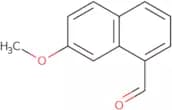
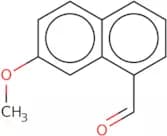
Fórmula:C11H12O2Pureza:Min. 95%Peso molecular:176.21 g/mol7-Methoxy-1-naphthaldehyde
CAS:7-Methoxy-1-naphthaldehyde is an aldehyde that is synthesized from acetaldehyde and 7-methoxy-1-naphthol. It has been shown to inhibit the cytosolic aldehyde dehydrogenase, which converts acetaldehyde to acetate. This reaction is one of the major routes for the metabolism of alcohol in humans. 7-Methoxy-1-naphthaldehyde can be used as a substrate in immunochemical assays, and its synthetic scheme has been published. 7MNA was also found to have cytotoxic effects on human liver cells in vitro.Fórmula:C12H10O2Pureza:Min. 95%Peso molecular:186.21 g/molMethyl 6-bromo-3,4-dimethoxybenzoate
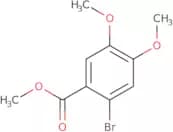
CAS:Methyl 6-bromo-3,4-dimethoxybenzoate is a potent compound that inhibits topoisomerase. It is not as selective as other topoisomerase inhibitors, but it is more reactive and has been shown to be effective in the synthesis of lactones. This compound can also be used as an intermediate for the synthesis of more potent inhibitors of topoisomerase. Methyl 6-bromo-3,4-dimethoxybenzoate has been shown to react with aliphatic aldehydes and nitro compounds to form zinc powder. The reaction proceeds via a catalytic mechanism involving an initial complexation of the methyl group with the carbonyl oxygen atom followed by nucleophilic attack by zinc.
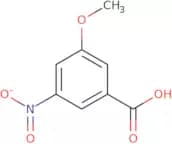
Fórmula:C10H11BrO4Pureza:Min. 98 Area-%Forma y color:PowderPeso molecular:275.1 g/mol3-Methoxy-5-nitrobenzoic acid
CAS:3-Methoxy-5-nitrobenzoic acid is an organic compound that has mesomorphic and switchable properties. It is a chalcone derivative, with homologues such as 3-hydroxybenzoic acid. It is synthesized from the reaction of nitrous acid and 3-methoxybenzoic acid. The synthesis of this compound can be achieved by two different routes: peroxide oxidation or fluorine substitution. Both routes produce the same product, but offer different advantages. The first route involves the addition of hydrogen peroxide to 3-methoxybenzoic acid, which produces a mixture of products containing 3-methoxy-5-nitrobenzoic acid. This route is advantageous in that it can be conducted at room temperature with high yields, but the disadvantage is that this method produces a mixture of products which may contain undesired byproducts. The second route involves the use of sodium hypofluorite and potassium
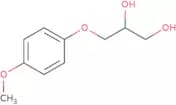
Fórmula:C8H7NO5Pureza:Min. 95%Forma y color:PowderPeso molecular:197.14 g/mol3-(4-Methoxyphenoxy)-1,2-propanediol
CAS:3-(4-Methoxyphenoxy)-1,2-propanediol is a chiral molecule that can be found in various products. It has been used in the synthesis of a variety of drugs and other organic compounds. 3-(4-Methoxyphenoxy)-1,2-propanediol is an intermediate for the synthesis of natural products such as benzofuran and benzothiophene. This compound is also used as a reagent in the asymmetric dihydroxylation of epoxides. The rate at which this reaction proceeds depends on the kinetic parameters, such as the concentration of reactant and transition state analogues, and on the reaction conditions, such as temperature and pH. The product of this reaction is an epoxide hydrolase inhibitor with a reactive anion that can be used to synthesize pharmaceuticals.
Fórmula:C10H14O4Pureza:Min. 95%Forma y color:White PowderPeso molecular:198.22 g/mol4-Methoxy-2-(trifluoromethyl)aniline
CAS:4-Methoxy-2-(trifluoromethyl)aniline is a chemical compound that is used as a research chemical, reagent, and speciality chemical. It is a versatile building block that can be used in reactions to produce complex compounds. 4-Methoxy-2-(trifluoromethyl)aniline has been identified by the Chemical Abstracts Service (CAS) as having high quality and is useful for preparing fine chemicals. This substance also has uses in the field of medicinal chemistry and can be used as a scaffold for pharmaceutical products.Fórmula:C8H8F3NOPureza:Min. 95%Forma y color:Clear LiquidPeso molecular:191.15 g/mol2-Methoxy-1-naphthaldehyde
CAS:2-Methoxy-1-naphthaldehyde is a potential chemical intermediate for the synthesis of a variety of biologically active compounds. It has been shown to have anti-tumor activity in solid tumours and can be used as a precursor for the production of new drugs that inhibit the growth of cancer cells. 2-Methoxy-1-naphthaldehyde is synthesized via an intramolecular hydrogen addition reaction with salicylaldehyde, which generates resonance stabilization. It also has an intermolecular hydrogen bond with naphthalene to form the dimer or trimer. The vibrational spectra and analytical methods are used to identify the functional groups present in 2-Methoxy-1-naphthaldehyde, which includes a hydrogen bond between the two methoxy groups. Computational methods can be used to predict how different molecules bind to this chemical intermediate and its role in biological activity.Fórmula:C12H10O2Pureza:Min. 95%Forma y color:PowderPeso molecular:186.21 g/mol{[2-(2-Methoxyphenyl)-1,3-thiazol-5-yl]methyl}amine
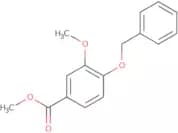
CAS:Please enquire for more information about {[2-(2-Methoxyphenyl)-1,3-thiazol-5-yl]methyl}amine including the price, delivery time and more detailed product information at the technical inquiry form on this pageFórmula:C11H12N2OSPureza:Min. 95%Forma y color:PowderPeso molecular:220.29 g/molMethyl 4-benzyloxy-3-methoxybenzoate
CAS:Please enquire for more information about Methyl 4-benzyloxy-3-methoxybenzoate including the price, delivery time and more detailed product information at the technical inquiry form on this pageFórmula:C16H16O4Pureza:Min. 95%Peso molecular:272.3 g/mol5-Bromo-2-methoxypyridine
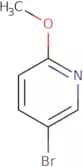
CAS:5-Bromo-2-methoxypyridine is a synthetic organic chemical that is used in organic chemistry. It is a precursor to the HIV integrase inhibitor, PSC 833, and has been shown to be effective in treating idiopathic pulmonary fibrosis. 5-Bromo-2-methoxypyridine is synthesized by reacting phosphorus oxychloride with 2-bromomethoxybenzene. This reaction produces a mixture of products that are then separated using column chromatography. The desired product can be purified by recrystallization or distillation. 5-Bromo-2-methoxypyridine has three pairs of asymmetric carbon atoms and four different functional groups: halides, sulfur trifluoride, bromine, and methoxy groups.
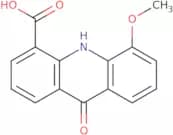
Fórmula:C6H6BrNOPureza:Min. 95%Forma y color:Clear LiquidPeso molecular:188.02 g/mol9,10-Dihydro-5-methoxy-9-oxo-4-acridinecarboxylic acid
CAS:Please enquire for more information about 9,10-Dihydro-5-methoxy-9-oxo-4-acridinecarboxylic acid including the price, delivery time and more detailed product information at the technical inquiry form on this page
Fórmula:C15H11NO4Pureza:Min. 95%Forma y color:PowderPeso molecular:269.25 g/mol3-(2-(2-(2-Aminoethoxy)ethoxy)ethoxy)propanoic acid HCI
CAS:3-(2-(2-(2-Aminoethoxy)ethoxy)ethoxy)propanoic acid HCI is a PEG compound with two different functional groups (also known as heterobifunctional). Unlike homobifunctional PEG compounds (same functional group on both ends), this type of compounds are more versatile as have two different anchor points. 3-(2-(2-(2-Aminoethoxy)ethoxy)ethoxy)propanoic acid HCI is used as a linker and spacer to add a PEG moiety, via pegylation (a bioconjugation technique) to proteins, peptides, oligonucleotides, small molecules and nanoparticles.
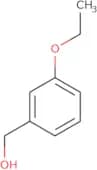
Fórmula:C9H19NO5·HClForma y color:Slightly Yellow Yellow Clear Liquid PowderPeso molecular:257.71 g/mol3-Ethoxybenzyl alcohol
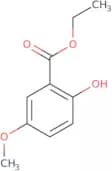
CAS:3-Ethoxybenzyl alcohol is a lead compound that has been shown to be carcinogenic in mice. It has also been shown to have strong anti-inflammatory properties, as it inhibits the production of prostaglandins. This chemical is also able to inhibit sulfation and may be used as an analyte for high-throughput analysis in order to identify novel drugs for the treatment of asthma or other inflammatory diseases. 3-Ethoxybenzyl alcohol has a number of biological effects, including inhibition of protein synthesis and cell division, which are due to its ability to bind with sulfate ions.Fórmula:C9H12O2Pureza:Min. 95%Forma y color:Clear LiquidPeso molecular:152.19 g/molEthyl 2-hydroxy-5-methoxybenzoate
CAS:Ethyl 2-hydroxy-5-methoxybenzoate (EHMB) is a phenolic compound that belongs to the group of salicylic acid. It is a natural product present in crucifers such as cabbage, broccoli, and cauliflower. EHMB has been shown to induce apoptosis in human leukemia cells through the inhibition of DNA methylation. The results showed that EHMB induces apoptosis in human leukemia cells by targeting the epigenetic regulator protein MLL1, which inhibits DNA methyltransferase 1 activity and leads to decreased levels of 5mC. EHMB also induces apoptosis in lung cancer cells by inhibiting cell proliferation and inducing cell death through the inhibition of GTPase activity, which leads to decreased levels of cyclin D1 and increased levels of p27. EHMB also regulates stem cell function by modulating gene expression; it has been shown that this compound can promote stem cell-like properties in mouse embryonic fibrobl
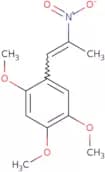
Fórmula:C10H12O4Pureza:Min. 95%Forma y color:Clear LiquidPeso molecular:196.2 g/mol1-(2,4,5-Trimethoxyphenyl)-2-nitropropene
CAS:1-(2,4,5-Trimethoxyphenyl)-2-nitropropene is a fine chemical that can be used as a building block in organic synthesis. It is also an intermediate or scaffold for the preparation of other compounds. 1-(2,4,5-Trimethoxyphenyl)-2-nitropropene has been used in the synthesis of many pharmaceuticals and natural products. The compound has high purity and quality.Fórmula:C12H15NO5Pureza:Min. 95%Forma y color:PowderPeso molecular:253.25 g/molCarbonyl cyanide 4-(trifluoromethoxy)phenylhydrazone
CAS:Carbonyl cyanide 4-(trifluoromethoxy)phenylhydrazone (FCCP) is a pharmacological agent that is used to study the mechanisms of neuronal death and mitochondrial dysfunction. FCCP is reactive with cellular components, such as proteins and nucleic acids. It also affects mitochondrial membrane potential, energy metabolism, and synchronous fluorescence in human cells. The reactive effects of FCCP are due to its ability to reduce intracellular dinucleotide phosphate (DNP). DNP binds to the electron transport chain, which leads to the production of reactive oxygen species that disrupt cellular physiology.Fórmula:C10H5F3N4OPureza:Min. 97 Area-%Forma y color:White To Yellow To Green-Yellow SolidPeso molecular:254.17 g/molMethoxytributyltin
CAS:Producto controladoMethoxytributyltin is a metathesis reagent that is used in organic synthesis. Methoxytributyltin reacts with carbon disulphide to form a hydroxyl group, which can then be used to create a variety of compounds. The reaction mechanism of methoxytributyltin is similar to the palladium-catalyzed coupling reaction. Methoxytributyltin has been shown to act as an adrenergic receptor agonist and has been shown to have inflammatory properties in vitro. Methoxytributyltin may also be able to cross-link proteins, leading to apoptosis.
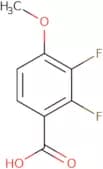
Fórmula:C13H30OSnPureza:Min. 95%Forma y color:Clear LiquidPeso molecular:321.09 g/mol2,3-Difluoro-4-methoxybenzoic acid
CAS:2,3-Difluoro-4-methoxybenzoic acid is a versatile building block that can be used to make complex compounds. This compound is a high quality, useful intermediate and reaction component that can be used in the synthesis of pharmaceuticals and other chemical products. 2,3-Difluoro-4-methoxybenzoic acid is a reagent that can be used for research purposes or as a speciality chemical. It has been shown to have many uses as a scaffold for making new compounds with different structures.Fórmula:C8H6F2O3Pureza:Min. 95%Forma y color:PowderPeso molecular:188.13 g/mol

![1-Chloro-3-[4-(2-methoxyethyl)phenoxy]-2-propanol](/_next/image/?url=https%3A%2Fstatic.cymitquimica.com%2Fproducts%2F3D%2Fthumb-webp%2FFC27415.webp&w=3840&q=75)



![(+)-N-[1-(S)-Ethoxycarbonxyl-3-phenylpropyl]-L-alanine](/_next/image/?url=https%3A%2Fstatic.cymitquimica.com%2Fproducts%2F3D%2Fthumb-webp%2FFE22880.webp&w=3840&q=75)
![7-Amino-2-(4-methoxyphenyl)[1,2,4]triazolo[1,5-a]pyrimidin-5(4H)-one](/_next/image/?url=https%3A%2Fstatic.cymitquimica.com%2Fproducts%2F3D%2Fthumb-webp%2FFA134729.webp&w=3840&q=75)

![{[2-(2-Methoxyphenyl)-1,3-thiazol-5-yl]methyl}amine](/_next/image/?url=https%3A%2Fstatic.cymitquimica.com%2Fproducts%2F3D%2Fthumb-webp%2FFM124085.webp&w=3840&q=75)