Éteres
Se han encontrado 40904 productos de "Éteres"
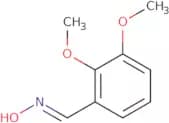
2,3-Dimethoxybenzaldoxime
CAS:2,3-Dimethoxybenzaldoxime is an oxime that can be used as a chlorinating agent in organic synthesis. It has been shown to be a good catalyst for the Suzuki coupling of chlorides and boronic acids and for the Miyaura coupling of alkenes and halides. 2,3-Dimethoxybenzaldoxime also reacts with alkenes to form dimers. This reaction is catalyzed by a palladium complex, which may be due to its ability to activate the alkene by oxidative addition or reductive elimination.Fórmula:C9H11NO3Pureza:Min. 95%Forma y color:PowderPeso molecular:181.19 g/mol2-[2-[2-(2-Hydroxyethoxy)ethoxy]ethoxy]-1-(p-toluenesulfonyl)-ethanol
CAS:2-[2-[2-(2-Hydroxyethoxy)ethoxy]ethoxy]-1-(p-toluenesulfonyl)-ethanol is a PEG polymer categorised as monofunctional (OH-PEG-X). Used as a linker, 2-[2-[2-(2-hydroxyethoxy)ethoxy]ethoxy]-1-(p-toluenesulfonyl)-ethanol is used to attached PEG to proteins, peptides, oligonucleotides, nanoparticles and small molecules via pegylation, a bioconjugation technique.Fórmula:C13H20O6SPureza:Min. 95%Forma y color:PowderPeso molecular:304.36 g/mol{[2-(2-Methoxyphenyl)-1,3-thiazol-5-yl]methyl}amine
CAS:Please enquire for more information about {[2-(2-Methoxyphenyl)-1,3-thiazol-5-yl]methyl}amine including the price, delivery time and more detailed product information at the technical inquiry form on this pageFórmula:C11H12N2OSPureza:Min. 95%Forma y color:PowderPeso molecular:220.29 g/mol4,5-Dimethoxy-1,2-phenylenediamine hydrochloride
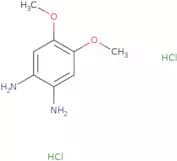
CAS:Produces fluorescent benzimidazole derivatives; detects aromatic aldehydes
Fórmula:C8H14N2O2•xHClPureza:Min. 98%Forma y color:Purple PowderPeso molecular:241.11 g/mol3-Ethoxybenzyl alcohol
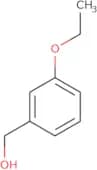
CAS:3-Ethoxybenzyl alcohol is a lead compound that has been shown to be carcinogenic in mice. It has also been shown to have strong anti-inflammatory properties, as it inhibits the production of prostaglandins. This chemical is also able to inhibit sulfation and may be used as an analyte for high-throughput analysis in order to identify novel drugs for the treatment of asthma or other inflammatory diseases. 3-Ethoxybenzyl alcohol has a number of biological effects, including inhibition of protein synthesis and cell division, which are due to its ability to bind with sulfate ions.Fórmula:C9H12O2Pureza:Min. 95%Forma y color:Clear LiquidPeso molecular:152.19 g/mol6-Methoxy-1-tetralone
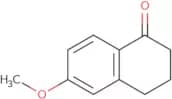
CAS:6-Methoxy-1-tetralone (6MTO) is a quinoline derivative that has been shown to have potent inhibitory activity against human liver cancer. It is related to the compound 1,4-dimethylquinoline, which has been shown to possess anticancer properties in vitro. 6MTO inhibits the growth of carcinoma cell lines by inducing apoptosis and arresting cell cycle at G2/M phase. 6MTO also inhibits isovaleric acid production in thp-1 cells and the proliferation of hepatoma cells, leading to a decrease in the viability of these cells.Fórmula:C11H12O2Pureza:Min. 95%Forma y color:PowderPeso molecular:176.21 g/molDimethoxy(methyl)silane - 90%
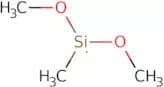
CAS:Dimethoxy(methyl)silane is a fluorescing hydrocarbon that is used as a sealant. It has been shown to react with calcium carbonate and chloride, forming stable complexes. Dimethoxy(methyl)silane reacts with hydrogen chloride to form a divalent hydrocarbon and can be used to produce polymer films.Fórmula:C3H10O2SiPureza:Min. 95%Forma y color:Clear LiquidPeso molecular:106.2 g/molTrimethoxy(3,3,3-trifluoropropyl)silane
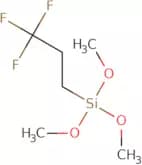
CAS:Trimethoxy(3,3,3-trifluoropropyl)silane is a chemical that is used as a coating for metals and plastics. It has been shown to be an excellent lubricant and can be used as a fuel additive. Trimethoxy(3,3,3-trifluoropropyl)silane is also used in analytical chemistry for gravimetric analysis. This chemical can undergo reactions with other compounds such as hydrogen gas to form trimethoxysilane (SiH), which can be detected by FT-IR spectroscopy. Trimethoxy(3,3,3-trifluoropropyl)silane also reacts with metal ions in the presence of light to form metal complexes that have potential applications in photovoltaic devices and electrochemical studies. !--END--> !--END-->Fórmula:C6H13F3O3SiPureza:Min. 95%Forma y color:Clear LiquidPeso molecular:218.25 g/molMethoxytributyltin
CAS:Producto controladoMethoxytributyltin is a metathesis reagent that is used in organic synthesis. Methoxytributyltin reacts with carbon disulphide to form a hydroxyl group, which can then be used to create a variety of compounds. The reaction mechanism of methoxytributyltin is similar to the palladium-catalyzed coupling reaction. Methoxytributyltin has been shown to act as an adrenergic receptor agonist and has been shown to have inflammatory properties in vitro. Methoxytributyltin may also be able to cross-link proteins, leading to apoptosis.
Fórmula:C13H30OSnPureza:Min. 95%Forma y color:Clear LiquidPeso molecular:321.09 g/mol3-(2-(2-(2-Aminoethoxy)ethoxy)ethoxy)propanoic acid HCI
CAS:3-(2-(2-(2-Aminoethoxy)ethoxy)ethoxy)propanoic acid HCI is a PEG compound with two different functional groups (also known as heterobifunctional). Unlike homobifunctional PEG compounds (same functional group on both ends), this type of compounds are more versatile as have two different anchor points. 3-(2-(2-(2-Aminoethoxy)ethoxy)ethoxy)propanoic acid HCI is used as a linker and spacer to add a PEG moiety, via pegylation (a bioconjugation technique) to proteins, peptides, oligonucleotides, small molecules and nanoparticles.
Fórmula:C9H19NO5·HClForma y color:Slightly Yellow Yellow Clear Liquid PowderPeso molecular:257.71 g/mol2-(2-Bromo-4-methoxyphenyl)acetic acid
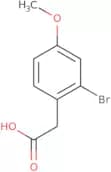
CAS:2-(2-Bromo-4-methoxyphenyl)acetic acid is a versatile building block that is used as a research chemical, reaction component, and reagent. It is also used as a speciality chemical and complex compound. This compound has the CAS number 66916-99-2.Fórmula:C9H9BrO3Forma y color:SolidPeso molecular:245.07 g/mol3-Hydroxy-2-methoxybenzaldehyde
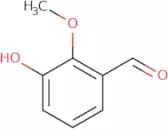
CAS:3-Hydroxy-2-methoxybenzaldehyde is a synthetic compound that is used as an antiviral agent. It has been shown to inhibit the replication of Coxsackievirus A9 (CV-A9). In addition, 3-Hydroxy-2-methoxybenzaldehyde reacts with isoeugenol and isonicotinic acid under acidic conditions to form 4-allyl-2-methoxyphenol, which has antiviral activity against CV-A9. This reaction requires a catalyst, such as zinc chloride or nickel sulfate. The rate of this reaction can be increased by increasing the reaction time. 3-Hydroxy-2-methoxybenzaldehyde also inhibits the virus's ability to bind to cells and enter them, reducing its infectivity.
Fórmula:C8H8O3Forma y color:PowderPeso molecular:152.15 g/mol4-Methoxybenzaldehyde
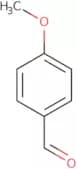
CAS:4-Methoxybenzaldehyde is a surfactant with a Langmuir adsorption isotherm. It can be used in analytical methods for the determination of sodium carbonate at concentrations of 1 mg/mL and higher. The redox potentials of 4-methoxybenzaldehyde are +0.37 and -0.35 volts, which corresponds to group P2. The reaction mechanism for 4-methoxybenzaldehyde is the oxidation of the compound by potassium permanganate (KMnO4) in aqueous solution to form 4-hydroxybenzoic acid (4HB). The fluorescent derivative of 4-methoxybenzaldehyde is magnesium salt, which has been shown to react with ryanodine receptors in skeletal muscle cells, leading to a decrease in calcium release from the sarcoplasmic reticulum. Process optimization may be necessary for this product due to its limited applications in analytical chemistry.
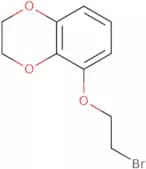
Fórmula:C8H8O2Pureza:Min. 95%Forma y color:Colorless Clear LiquidPeso molecular:136.15 g/mol5-(2-Bromoethoxy)-2,3-dihydro-1,4-benzodioxine
CAS:5-(2-Bromoethoxy)-2,3-dihydro-1,4-benzodioxine is a drug that belongs to the group of local anesthetics. It blocks nerve conduction by inhibiting voltage-gated sodium channels and is used for the treatment of pain. 5-(2-Bromoethoxy)-2,3-dihydro-1,4-benzodioxine has been shown to have two dimensional energies that are greater than those of other drugs in this category. The interactions between molecules are isomorphous and there are strong hydrogen bonds. 5-(2-Bromoethoxy)-2,3-dihydro-1,4-benzodioxine also interacts with the interatomic distance between hydrogens and bromines on adjacent molecules.Fórmula:C10H11BrO3Pureza:Min. 95%Peso molecular:259.1 g/mol3-(tert-butyl)-4-((2-hydroxy-3-methoxyphenyl)methylene)-1-phenyl-2-pyrazolin-5-one
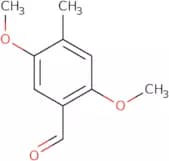
CAS:Please enquire for more information about 3-(tert-butyl)-4-((2-hydroxy-3-methoxyphenyl)methylene)-1-phenyl-2-pyrazolin-5-one including the price, delivery time and more detailed product information at the technical inquiry form on this pagePureza:Min. 95%2,5-Dimethoxy-4-methylbenzaldehyde
CAS:2,5-Dimethoxy-4-methylbenzaldehyde is a bioactive chemical that has been shown to have anticancer activity. It has been shown to be an effective inhibitor of cancer cell growth in vitro and in vivo. 2,5-Dimethoxy-4-methylbenzaldehyde has also been shown to inhibit the formation of fatty acids and improve the uptake of glucose by cancer cells. This compound is a metabolite of the amino acid methionine and is used as a marker for mesenchymal cells. The structure of 2,5-dimethoxy-4-methylbenzaldehyde consists of two methoxy groups connected with an aliphatic chain consisting of one or more carbon atoms. This functional group may provide the anticancer activity through radical scavenging activities.Fórmula:C10H12O3Pureza:Min. 95%Forma y color:Off-White PowderPeso molecular:180.2 g/mol3-Carbethoxy-2-piperidone
CAS:3-Carbethoxy-2-piperidone is a cycloaddition product of formaldehyde and an amine. This reaction proceeds through the formation of a dicarbonyl intermediate, which then reacts with chloride to form the final product. The absorption maximum of 3-carboxy-2-piperidone is at 270 nm, and its structure can be determined by using infrared spectroscopy. 3-Carbethoxy-2-piperidone has a dipole moment of 1.3 D and is electron deficient due to the absence of a hydrogen atom on the nitrogen atom. It also has an amido group (C=O) that is bonded to the carbonyl group (C=O).
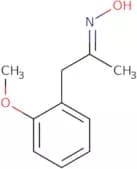
3-Carbethoxy-2-piperidone is not soluble in water, but it does dissolve in polar organic solvents such as acetone or dimethylformamide (DMF). The chemical reactionsFórmula:C8H13NO3Forma y color:White PowderPeso molecular:171.19 g/mol(2-Methoxyphenyl)acetone oxime
CAS:2-Methoxyphenyl)acetone oxime is a versatile building block that can be used in the synthesis of complex compounds. It is a colourless crystalline solid with a melting point of 138°C and a boiling point of 188°C. This compound has been assigned CAS No. 43021-97-2 and is soluble in water, ethanol, acetone, benzene, chloroform, ether and ethyl acetate. The chemical structure for this compound is shown below:
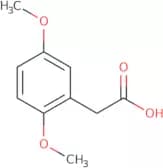
Fórmula:C10H13NO2Pureza:Min. 95%Forma y color:PowderPeso molecular:179.22 g/mol2-(2,5-dimethoxyphenyl)acetic acid
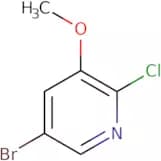
CAS:2-(2,5-dimethoxyphenyl)acetic acid (DMPA) is a potent inhibitor of epidermal growth. It blocks the production of epidermal growth factor, which is a bioactive molecule that is involved in the biosynthesis of epidermal cells. DMPA also inhibits the formation of new blood vessels, which may be due to its ability to bind to silicon and alcaptonuria. DMPA has been shown to have an effect on platelet-derived growth factor and solid-phase synthesis. This drug also binds to factor receptor tyrosine kinase and has been shown to inhibit the growth of certain tumor cells.Fórmula:C10H12O4Pureza:Min. 95%Forma y color:White PowderPeso molecular:196.2 g/mol5-Bromo-2-chloro-3-methoxypyridine
CAS:5-Bromo-2-chloro-3-methoxypyridine is a kinase inhibitor that belongs to the class of compounds called analogues. This compound has been shown to be an efficient, selective and potent inhibitor of the csf1R protein kinase. 5-Bromo-2-chloro-3-methoxypyridine has also been shown to inhibit the activity of other kinases such as cdc2, cdk4, cdk6 and cdk7. The structure of this compound was used as a starting point in the development of a new class of kinase inhibitors.
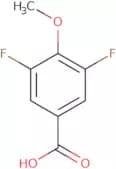
Fórmula:C6H5BrClNOPureza:Min. 95%Forma y color:SolidPeso molecular:222.47 g/mol3,5-Difluoro-4-methoxybenzoic acid
CAS:3,5-Difluoro-4-methoxybenzoic acid is a chemical compound that is used as both a starting material and an intermediate in organic synthesis. It can be obtained from the reaction of 2,4-difluoro-3-methoxybenzoyl chloride with 3,5-dimethoxyaniline. 3,5-Difluoro-4-methoxybenzoic acid has been shown to be useful as a building block in the synthesis of other compounds with potent antibiotic activity such as fluoroquinolones. This compound is also used to synthesize aminomethylcyclohexane and methylaminomethylcyclohexane, which are useful in the manufacture of pesticides.Fórmula:C8H6F2O3Pureza:Min. 95%Forma y color:PowderPeso molecular:188.13 g/mol(S)-2-((((9H-Fluoren-9-yl)methoxy)carbonyl)amino)-3-(1H-pyrrolo[2,3-b]pyridin-3-yl)propanoic acid
CAS:Please enquire for more information about (S)-2-((((9H-Fluoren-9-yl)methoxy)carbonyl)amino)-3-(1H-pyrrolo[2,3-b]pyridin-3-yl)propanoic acid including the price, delivery time and more detailed product information at the technical inquiry form on this pageFórmula:C25H21N3O4Pureza:Min. 95%Peso molecular:427.45 g/mol4-Methoxybenzil
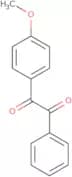
CAS:4-Methoxybenzil is an activated diketone with a processable temperature range. It is a precursor to imidazoles and can be used for the manufacture of 4-methoxybenzaldehyde by reacting with sodium carbonate, in which an aldehyde group is added. The 4-methoxybenzaldehyde can then be reacted with oxone to form 4-methoxybenzil. This compound may also be used as a stabilizer or inhibitor in polyolefin production.Fórmula:C15H12O3Pureza:Min. 95%Forma y color:PowderPeso molecular:240.25 g/mol6-Methoxy-2-naphthaldehyde
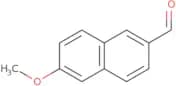
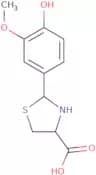
CAS:6-Methoxy-2-naphthaldehyde is a nonsteroidal antiinflammatory drug that belongs to the class of naphthalenes. It inhibits the formation of inflammatory prostaglandins, which are mediators of pain and inflammation. 6-Methoxy-2-naphthaldehyde has been shown to have cytotoxic effects on cancer cells and in vitro studies have shown that it can induce cell lysis. It has also been shown to be a potent fluorescence probe for use in biological applications. This compound binds to human serum proteins by hydrogen bonding interactions, which may affect its pharmacokinetic properties. In addition, this compound has been shown to inhibit the activity of detoxification enzymes such as CYP 2C9 and 2D6 at high concentrations, which may lead to unwanted side effects such as nausea or vomiting. The molecular docking analysis of 6-Methoxy-2-naphthaldehyde with the active site of human liver alcohol dehydrogenFórmula:C12H10O2Pureza:Min. 98 Area-%Forma y color:PowderPeso molecular:186.21 g/mol2-(4-hydroxy-3-methoxyphenyl)-1,3-thiazolidine-4-carboxylic acid
CAS:Please enquire for more information about 2-(4-hydroxy-3-methoxyphenyl)-1,3-thiazolidine-4-carboxylic acid including the price, delivery time and more detailed product information at the technical inquiry form on this pageFórmula:C11H13NO4SPureza:Min. 95%Forma y color:PowderPeso molecular:255.29 g/mol(2-Aminophenyl)-N-((3,4-dimethoxyphenyl)methyl)formamide
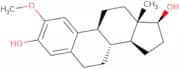
CAS:Please enquire for more information about (2-Aminophenyl)-N-((3,4-dimethoxyphenyl)methyl)formamide including the price, delivery time and more detailed product information at the technical inquiry form on this pageFórmula:C16H18N2O3Pureza:Min. 95%Forma y color:PowderPeso molecular:286.33 g/mol2-Methoxy 17b-estradiol
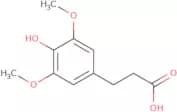
CAS:Producto controlado2-Methoxy 17b-estradiol is a synthetic estrogen that binds to DNA and alters the transcriptional process. It has been shown to induce apoptosis by activating the pro-apoptotic protein Bax and inhibiting the anti-apoptotic protein Bcl-2. This drug inhibits the metabolic response of cancer cells to chemotherapy, leading to a decrease in tumor size, and can be used as an implantable device for treating cancer. 2-Methoxy 17b-estradiol also has minimal toxicity in comparison to other estrogens, with no significant cytotoxicity observed in cells of reproductive tissues or endocrine organs, nor any significant toxic effects on liver function tests or serum lipids.Fórmula:C19H26O3Pureza:Min. 95%Forma y color:White/Off-White SolidPeso molecular:302.41 g/mol3-(3,5-Dimethoxy-4-hydroxyphenyl)-propionic acid
CAS:3-(3,5-dimethoxy-4-hydroxyphenyl)-propionic acid (3DMP) is a phenolic compound that is the major metabolite of sinalbin. It has been shown to be a bioactive compound with anti-inflammatory and antiatherosclerotic properties. 3DMP has also been found to have anti-cancer and anti-microbial activities. 3DMP is catabolized in the liver by cytochrome P450. This process produces metabolites including 3,5-dimethoxybenzoic acid, which can be excreted in urine samples. The physiological effects of 3DMP are mediated through binding to ABC transporters as well as G protein coupled receptors on cells such as BV2 microglial cells.Fórmula:C11H14O5Pureza:Min. 95%Forma y color:White PowderPeso molecular:226.23 g/mol3-(Trifluoromethoxy)hydrocinnamic acid
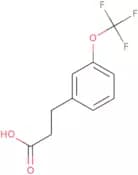
CAS:3-(Trifluoromethoxy)hydrocinnamic acid is a useful building block that is used in the synthesis of many organic compounds. It has been used as a reagent and as a speciality chemical, and is also a versatile building block for the synthesis of complex compounds. 3-(Trifluoromethoxy)hydrocinnamic acid can be synthesized from cinnamic acid, which is available commercially and can be obtained by reacting benzaldehyde with nitric acid. 3-(Trifluoromethoxy)hydrocinnamic acid has CAS No. 168833-77-0 and can be found under the name 2,4-dichloro-3-(trifluoromethoxy)benzene.
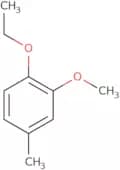
Fórmula:C10H9F3O3Pureza:Min. 98 Area-%Forma y color:Clear LiquidPeso molecular:234.17 g/mol4-Ethoxy-3-methoxytoluene
CAS:4-Ethoxy-3-methoxytoluene is a fine chemical that has been used as a building block in the synthesis of other chemicals. It is also used as a research chemical and a reagent. 4-Ethoxy-3-methoxytoluene can be used to form various compounds with different functional groups. It can be used as an intermediate for the synthesis of drugs or polymers, or as a reaction component in organic reactions. The CAS number for 4-Ethoxy-3-methoxytoluene is 33963-27-8.
Fórmula:C10H14O2Pureza:Min. 95%Forma y color:PowderPeso molecular:166.22 g/mol3-Ethoxycinnamic acid
CAS:3-Ethoxycinnamic acid is a polyhydric alcohol that has been shown to inhibit the growth of various microorganisms. 3-Ethoxycinnamic acid inhibits the growth of microorganisms by binding to the alkenyl groups in the cell membrane, thereby preventing them from synthesizing their own fatty acids. The binding of 3-ethoxycinnamic acid to alkali metal ions also prevents their uptake into the cell, which leads to an accumulation of these ions outside the cell and eventually results in cell death. 3-Ethoxycinnamic acid is soluble in water and may be used as a stain or quaternary ammonium compound.Fórmula:C11H12O3Pureza:Min. 95%Forma y color:SolidPeso molecular:192.21 g/mol4-Methoxy-2-nitroacetanilide
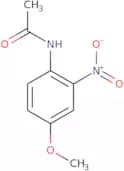
CAS:4-Methoxy-2-nitroacetanilide is a byproduct of the manufacture of 4-methoxyacetanilide, which is used in the production of analgesics. It has been shown to be an environmental pollutant that is toxic to animals and plants. The toxicity of 4-methoxy-2-nitroacetanilide is due to its ability to react with amines and form nitrosamines. The rate of acetylation is determined by the kinetics of the reaction, while substituent effects on the molecule determine its reactivity as an electrophile.Fórmula:C9H10N2O4Pureza:Min. 95%Forma y color:PowderPeso molecular:210.19 g/mol2-(2,3-dimethylphenoxy)-N-(4-(trifluoromethoxy)phenyl)ethanamide
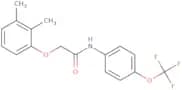
CAS:Please enquire for more information about 2-(2,3-dimethylphenoxy)-N-(4-(trifluoromethoxy)phenyl)ethanamide including the price, delivery time and more detailed product information at the technical inquiry form on this pagePureza:Min. 95%6-Methoxy-1,4-dihydroquinoxaline-2,3-dione
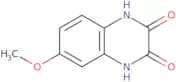
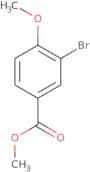
CAS:6-Methoxy-1,4-dihydroquinoxaline-2,3-dione is a nitrile that is generated by the catalytic oxidation of quinoxaline. It is a colorless to yellow solid with a melting point of about 155°C. 6-Methoxy-1,4-dihydroquinoxaline-2,3-dione has been shown to be an effective nitrile for the synthesis of diketene. 6-Methoxy-1,4-dihydroquinoxaline-2,3-dione can be converted into hydrochloric acid and ethanol through hydrolysis with hydrochloric acid or ethanol in the presence of heat. This reaction will proceed more quickly at higher temperatures. The filtration method can be used to remove any unwanted solids from the reaction mixture.Fórmula:C9H8N2O3Pureza:Min. 95%Forma y color:PowderPeso molecular:192.17 g/mol3-Bromo-4-methoxybenzoic acid methyl ester
CAS:3-Bromo-4-methoxybenzoic acid methyl ester is an isomer of 4-methoxybenzoic acid. It is a natural product that can be found in dihydroisoquinoline and in the ethyl formate oxidation products. There are two ways to synthesize this compound: by oxidation of diphenyl ethers or by hydrolysis of chloride acetaldehyde. 3-Bromo-4-methoxybenzoic acid methyl ester has been shown to have cellular toxicity against human cells and biphenyl.Fórmula:C9H9BrO3Pureza:Min. 95%Forma y color:PowderPeso molecular:245.07 g/mol2-Methoxyresorcinol
CAS:2-Methoxyresorcinol is a metabolite that is formed by the oxidation of resorcinol. It has two methoxy groups, which are functional groups that are usually found in organic compounds. 2-Methoxyresorcinol has been shown to inhibit the growth of tumour cells in vitro and in vivo. It also inhibits cell growth by decreasing protein synthesis and cell division. This compound is an analytical method for measuring hematocrit levels and can be used as a natural compound for the treatment of chronic kidney disease.
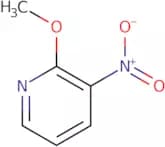
Fórmula:C7H8O3Pureza:Min. 95%Forma y color:PowderPeso molecular:140.14 g/mol2-Methoxy-3-nitropyridine
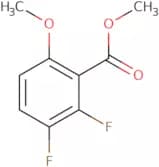
CAS:2-Methoxy-3-nitropyridine is a chemical compound with the molecular formula CHNO. It is classified as an amine and has a molecular weight of 140.24 g/mol. 2-Methoxy-3-nitropyridine is a colorless liquid that can be used to make other compounds, such as nitroarenes, boronic acids, and dyes. The molecule consists of a central carbon atom with four nitrogen atoms at the corners of a tetrahedron. The electron configuration for this molecule is 1s22s22p4. This means that the outer shell electrons are in orbitals with principal quantum numbers s=1 and p=2. These orbitals are located near the middle of the molecule rather than on the periphery as in ethane (CH3CH2). This orientation provides more space for other atoms to attach to the central carbon atom, which increases its affinity for nucleophilic attack. 2-MFórmula:C6H6N2O3Pureza:Min. 95%Forma y color:PowderPeso molecular:154.12 g/mol2,3-Difluoro-6-methoxybenzoic acid methyl ester
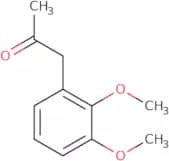
CAS:2,3-Difluoro-6-methoxybenzoic acid methyl ester is a versatile building block that can be used in the production of fine chemicals and research chemicals. It is an intermediate for the synthesis of complex compounds and can be used as a reagent or speciality chemical in research. 2,3-Difluoro-6-methoxybenzoic acid methyl ester is also a useful building block for the synthesis of drugs.Fórmula:C9H8F2O3Pureza:Min. 95%Peso molecular:202.15 g/mol(2,3-Dimethoxyphenyl)acetone
CAS:2,3-Dimethoxyphenylacetone is a synthetic compound that has been used as a precursor to other compounds. The synthesis of 2,3-dimethoxyphenylacetone requires the reaction of lithium aluminum hydride with acrylonitrile and hydriodic acid. The molecule can be cyclized in two different ways to form either 2,3-dimethoxybenzaldehyde or 3-methoxybenzaldehyde. The structure of 2,3-dimethoxyphenylacetone is similar to that of hydrazoic acid which has been used as an intermediate in the synthesis of other compounds such as pyrazines.
Fórmula:C11H14O3Pureza:Min. 95%Forma y color:PowderPeso molecular:194.23 g/molTris[3-(trimethoxysilyl)propyl] isocyanurate
CAS:Tris(trimethoxysilyl)propyl isocyanurate (TTIPi) is an efficient method for the synthesis of conjugates. TTIPi can be used to prepare a variety of conjugates, such as those containing biomolecules such as proteins, peptides, nucleotides, and small molecules. The resulting conjugates can be visualized by microscopy and analyzed using the Anova statistical package. TTIPi has been shown to form covalent bonds with DNA bases and other substrates. It has also been shown to form coordination bonds with ethylene oxide or tetraethyl silane which are worthwhile for dispersive polymerization in organic solvents. The mesoporous silica support used in this process has been shown to be acidic or basic depending on the pH of the solution. This versatile technique is useful for preparing a wide range of conjugates.
Fórmula:C21H45N3O12Si3Pureza:Min. 95%Forma y color:Colorless Clear LiquidPeso molecular:615.85 g/mol2-Nitro-3,4,5-trimethoxybenzoic acid methyl ester
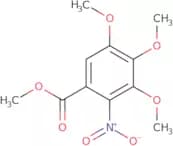
CAS:2-Nitro-3,4,5-trimethoxybenzoic acid methyl ester is a potential anticancer agent. It has been shown to inhibit the growth of cancer cells in vitro and demonstrates anticancer activity against human tumor xenografts in mice. This compound binds to the epidermal growth factor receptor (EGFR) and inhibits its activity. This binding causes downstream signalling pathways to be suppressed, which ultimately prevents tumor cells from proliferating. 2-Nitro-3,4,5-trimethoxybenzoic acid methyl ester also has directional properties that may allow for selective targeting of cancerous cells. 2-Nitro-3,4,5-trimethoxybenzoic acid methyl ester is a white crystalline powder with an orthorhombic crystal system and an amine group on each end of the molecule.Fórmula:C11H13NO7Pureza:Min. 95%Forma y color:PowderPeso molecular:271.22 g/mol2-(Di-tert-butylphosphino)-2',4',6'- triisopropyl-3,6-dimethoxy-1,1'-biphenyl
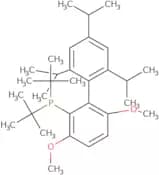
CAS:2-(Di-tert-butylphosphino)-2',4',6'-triisopropyl-3,6-dimethoxy-1,1'-biphenyl is a nucleophilic compound that can be used in amination reactions. It has been used to synthesize fluorinated compounds by reacting with various halides under palladium catalysis. This reaction is an efficient method for the synthesis of 5-membered heteroaryl compounds and pyrazole rings. 2-(Di-tert-butylphosphino)-2',4',6'-triisopropyl-3,6-dimethoxy-1,1'-biphenyl has also been shown to inhibit the growth of carcinoma cell lines and profiles in aminoimidazoles.Fórmula:C31H49O2PPureza:Min. 97 Area-%Forma y color:White Off-White PowderPeso molecular:484.69 g/mol3-(4-ethoxyphenyl)spiro[1,3-thiazolidine-2,3'-indoline]-4,7-dione
CAS:Please enquire for more information about 3-(4-ethoxyphenyl)spiro[1,3-thiazolidine-2,3'-indoline]-4,7-dione including the price, delivery time and more detailed product information at the technical inquiry form on this pagePureza:Min. 95%2-Methoxyphenothiazine
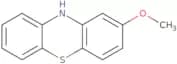
CAS:2-Methoxyphenothiazine is an antihistamine drug used to treat allergy symptoms. It is available as a liquid formulation for adults and children over the age of 12 years. The pharmacokinetic properties of 2-methoxyphenothiazine have been studied in three clinical trials. In one study, the terminal half-life was found to be around 5 hours in both healthy subjects and patients with allergic rhinitis. In another study, 2-methoxyphenothiazine was administered intravenously to healthy subjects at two different doses. After administration, 2-methoxyphenothiazine plasma concentrations were measured using high performance liquid chromatography (HPLC). The bioavailability of 2-methoxyphenothiazine was found to be dose proportional following intravenous administration. 2-Methoxyphenothiazine is metabolized by hydrolysis of its ester group by esterases or glucuronFórmula:C13H11NOSPureza:90%Forma y color:PowderPeso molecular:229.3 g/mol2-Ethoxy-5-nitropyridine
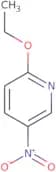
CAS:2-Ethoxy-5-nitropyridine is a potassium salt of 2-ethoxy-5-nitropyridine. It has been used as a reagent in the synthesis of sulfonates, pyridines, and phenols. The nitrogen atom in this molecule can be oxidized to nitro group. This compound also reacts with anilines to form 2-chloro-5-nitropyridine and 2-hydroxy-5-nitropyridine. In addition, it can react with halogen to form substituted anilines or chloropyridines. 2-Ethoxy-5-nitropyridine is a nucleophile that can be used for the preparation of nucleophiles for biomolecular chemistry studies.Fórmula:C7H8N2O3Pureza:Min. 95%Forma y color:PowderPeso molecular:168.15 g/mol5-Methoxy-2-methylaniline
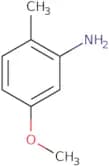
CAS:5-Methoxy-2-methylaniline is a synthetic compound that has been shown to have neurotoxic effects in rats. The neurotoxicity of this substance has been shown to be related to its ability to inhibit monoamine oxidase A (MAO-A). This inhibition leads to an accumulation of the neurotransmitter dopamine, which in turn leads to an increase in the production of free radicals and lipid peroxidation. 5-Methoxy-2-methylaniline also shows neuroprotective properties, which may be due to its ability to inhibit deoxypeganine and hydrochloric acid, two mediators involved in the generation of reactive oxygen species.Fórmula:C8H11NOPureza:Min. 95 Area-%Forma y color:PowderPeso molecular:137.18 g/molDes(methoxycarbonyl) febantel
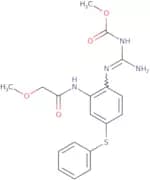
CAS:Please enquire for more information about Des(methoxycarbonyl) febantel including the price, delivery time and more detailed product information at the technical inquiry form on this pageFórmula:C18H20N4O4SPureza:Min. 95%Peso molecular:388.44 g/mol6-Methoxygramine
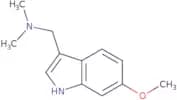
CAS:Producto controlado6-Methoxygramine is a mitochondrial oxidase inhibitor, which is used in animal models of Parkinson's disease. It has been shown to be selective for the mitochondria and not to penetrate the blood-brain barrier. 6-Methoxygramine binds to an active site that is specific for oxidases, such as monoamine oxidase (MAO). This binding prevents the oxidation of dopamine, leading to its accumulation in the brain. 6-Methoxygramine also has been shown to inhibit MAO type A in rat brains.Fórmula:C12H16N2OPureza:Min. 95%Forma y color:PowderPeso molecular:204.27 g/mol4-Methoxyphenylmagnesium bromide - 0.5M solution in THF
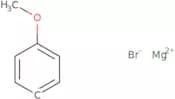
CAS:4-Methoxyphenylmagnesium bromide - 0.5M solution in THF is a cytotoxic agent that binds to the estrogen receptor, which is involved in breast cancer cell proliferation and differentiation. It is an azide that has been shown to react with hydrochloric acid to form an amide. This reaction may be stereoselective and involve dehydration of the amine group. The mechanism of this reaction involves the formation of a trifluoroacetic acid derivative, which undergoes unsaturated alkyl halogenation followed by chloride ion attack on the double bond. 4-Methoxyphenylmagnesium bromide - 0.5M solution in THF has been shown to inhibit the proliferation of human MCF-7 breast cancer cells, as well as other estrogen receptor modulators such as amines and trifluoroacetic acid.Fórmula:C7H7BrMgOPureza:Min. 95%Forma y color:PowderPeso molecular:211.34 g/molTetrafluoro-2-(tetrafluoro-2-iodoethoxy)ethanesulfonyl fluoride
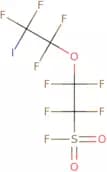
CAS:Tetrafluoro-2-(tetrafluoro-2-iodoethoxy)ethanesulfonyl fluoride (TFEI) is a fluorinated solvent that has been used in the manufacture of organic thin films. TFEI is a colorless liquid with a strong, unpleasant odor. It is soluble in water and has a boiling point of about 140°C. TFEI possesses good thermal stability and can be used as an etchant for silicon or glass surfaces. TFEI is also capable of dissolving polymers such as polyimide, polyamide, polyethylene terephthalate, and polystyrene. TFEI has been shown to be highly toxic to bacteria and fungi and can be used as an antimicrobial agent in household cleaners, paints, adhesives, varnishes, plastics, textiles, and other industrial products.Fórmula:C4F9IO3SPureza:Min. 95%Forma y color:Clear LiquidPeso molecular:426 g/mol

![2-[2-[2-(2-Hydroxyethoxy)ethoxy]ethoxy]-1-(p-toluenesulfonyl)-ethanol](/_next/image/?url=https%3A%2Fstatic.cymitquimica.com%2Fproducts%2F3D%2Fthumb-webp%2FFH07578.webp&w=3840&q=75)
![{[2-(2-Methoxyphenyl)-1,3-thiazol-5-yl]methyl}amine](/_next/image/?url=https%3A%2Fstatic.cymitquimica.com%2Fproducts%2F3D%2Fthumb-webp%2FFM124085.webp&w=3840&q=75)




![(S)-2-((((9H-Fluoren-9-yl)methoxy)carbonyl)amino)-3-(1H-pyrrolo[2,3-b]pyridin-3-yl)propanoic acid](/_next/image/?url=https%3A%2Fstatic.cymitquimica.com%2Fproducts%2F3D%2Fthumb-webp%2FFF154979.webp&w=3840&q=75)



![Tris[3-(trimethoxysilyl)propyl] isocyanurate](/_next/image/?url=https%3A%2Fstatic.cymitquimica.com%2Fproducts%2F3D%2Fthumb-webp%2FFT168667.webp&w=3840&q=75)
![3-(4-ethoxyphenyl)spiro[1,3-thiazolidine-2,3'-indoline]-4,7-dione](/_next/image/?url=https%3A%2Fstatic.cymitquimica.com%2Fproducts%2F3D%2Fthumb-webp%2FFE169782.webp&w=3840&q=75)