Nitro
Los compuestos nitro son moléculas orgánicas que contienen uno o más grupos nitro (NO2). Estos compuestos se utilizan ampliamente en la síntesis de explosivos, productos farmacéuticos y colorantes. En CymitQuimica, ofrecemos una amplia gama de compuestos nitro de alta calidad para apoyar sus aplicaciones de investigación e industriales, asegurando resultados seguros y efectivos. Nuestra selección incluye una variedad de compuestos nitro adecuados para diferentes síntesis químicas y aplicaciones.
Se han encontrado 2516 productos de "Nitro"
Ordenar por
Pureza (%)
0
100
|
0
|
50
|
90
|
95
|
100
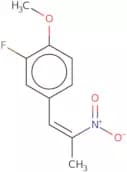
1-(3-Fluoro-4-methoxyphenyl)-2-nitropropene
CAS:<p>1-(3-Fluoro-4-methoxyphenyl)-2-nitropropene is a chemical compound with the molecular formula CHNO. It is a high quality reagent that is useful for preparing complex compounds, scaffolds and building blocks for use in research and development. 1-(3-Fluoro-4-methoxyphenyl)-2-nitropropene is a fine chemical that can be used as a versatile building block in reactions.</p>Fórmula:C10H10FNO3Pureza:Min. 95%Peso molecular:211.19 g/mol5-Methyl-2-nitropyridine
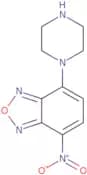
CAS:<p>Please enquire for more information about 5-Methyl-2-nitropyridine including the price, delivery time and more detailed product information at the technical inquiry form on this page</p>Fórmula:C6H6N2O2Pureza:Min. 95%Forma y color:PowderPeso molecular:138.12 g/mol4-Nitro-7-(1-piperazinyl)-2,1,3-benzoxadiazole
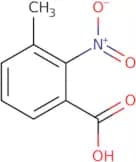
CAS:<p>4-Nitro-7-(1-piperazinyl)-2,1,3-benzoxadiazole is an analytical method for the determination of human serum and heart tissue. The dextran sulfate derivative of 4-nitro-7-(1-piperazinyl)-2,1,3-benzoxadiazole is fluorescent and reacts with trifluoroacetic acid to form a fluorescent derivative. This fluorescent derivative can be detected by spectrophotometry at excitation and emission wavelengths of 350 nm and 400 nm respectively. 4N7PB binds to fatty acids in biological samples (e.g., serum) through its piperazine moiety and fluoresces when excited by light at 340 nm. This reaction can be used as a probe for the presence of fatty acid metabolites in blood or other body fluids such as urine or cerebrospinal fluid. Chemical structures include: <br>4N7PB <br>cis-(</p>Fórmula:C10H11N5O3Pureza:Min. 95%Forma y color:SolidPeso molecular:249.23 g/mol3-Methyl-2-nitrobenzoic acid - 95%
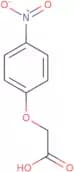
CAS:<p>3-Methyl-2-nitrobenzoic acid is a compound with the molecular formula of C6H5NO2. It is an organic compound that has been shown to be useful in wastewater treatment as an oxidation catalyst and in the photocatalytic oxidation of nitroaromatic compounds. 3-Methyl-2-nitrobenzoic acid can be synthesized by reaction of 2-methyl-6-nitrobenzoic acid with nitrous acid in water. The solubility data for 3-methyl-2-nitrobenzoic acid shows that it is soluble in water, acetone, and ethanol. The thermodynamic properties show that the solubility increases as temperature increases. Soluble compounds are typically more stable than insoluble compounds because they are able to react with other substances more easily. 3-Methyl-2-nitrobenzoic acid is also insoluble in hexane and dichloromethane.</p>Fórmula:C8H7NO4Pureza:Min. 95%Forma y color:PowderPeso molecular:181.15 g/mol2-(4-Nitrophenoxy)acetic acid
CAS:<p>2-(4-Nitrophenoxy)acetic acid is a chemical compound with the molecular formula CHNO. It has been shown to inhibit the polymerase chain reaction, which is an important technique in molecular biology. The intramolecular hydrogen bond between HN and OO stabilizes the molecule and inhibits its rotation. This allows 2-(4-Nitrophenoxy)acetic acid to function as a competitive inhibitor of DNA polymerase. 2-(4-Nitrophenoxy)acetic acid inhibits bacterial growth by binding to the beta subunit of DNA gyrase, an enzyme that maintains the integrity of bacterial DNA. This inhibition prevents topoisomerase IV from relaxing supercoiled DNA, leading to cell death by inhibiting protein synthesis and cell division.</p>Fórmula:C8H7NO5Pureza:Min. 95%Forma y color:PowderPeso molecular:197.14 g/mol1,6-Dinitropyrene
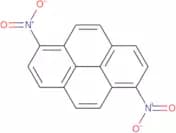
CAS:<p>1,6-Dinitropyrene (1,6-DPP) is a potent inducer of the cytochrome P450 enzyme system. It has been shown to have genotoxic effects in CD-1 mice and humans, and has been shown to be carcinogenic in rats. 1,6-DPP also induces detoxification enzymes that may protect against its genotoxic effects. 1,6-DPP is found to bind with high affinity to DNA and can be used as a probe for measuring oxidative stress. This chemical has a redox potential of -0.53 volts and can cause potassium dichromate to oxidize from +2 to +3 in solution.</p>Fórmula:C16H8N2O4Pureza:Min. 95%Forma y color:PowderPeso molecular:292.25 g/mol3-Nitrobenzanthrone
CAS:<p>3-Nitrobenzanthrone is a pharmacological agent that is used to induce the activation of various enzymes. It has been shown to be an effective inducer of DNA topoisomerase II, DNA gyrase, and cytochrome P450 in vivo. 3-Nitrobenzanthrone has also been shown to cause DNA adducts in hl-60 cells and dna template in vitro. These effects are observed at low doses of 3-nitrobenzanthrone and not at high doses. The carcinogenic potential of 3-nitrobenzanthrone has been studied using a rat model system and analytical methods. Low doses of nitrosamines such as 3-nitrobenzanthrone can induce cancer by forming DNA adducts, which can lead to mutations that cause uncontrolled cell growth.</p>Fórmula:C17H9NO3Pureza:Min. 95%Forma y color:Clear LiquidPeso molecular:275.26 g/mol1-(3-Bromophenyl)-2-nitropropane
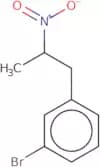
CAS:<p>1-(3-Bromophenyl)-2-nitropropane is a fine chemical that is used as a building block in the synthesis of complex organic compounds. It can be used as a reagent and speciality chemical with high quality. 1-(3-Bromophenyl)-2-nitropropane is versatile for use in reactions, such as coupling reactions, because it can be used as an intermediate or scaffold to create many different compounds. CAS No.: 155988-18-4</p>Fórmula:C9H10BrNO2Pureza:Min. 95%Peso molecular:244.09 g/mol4-Methoxy-2-nitro-benzaldehyde
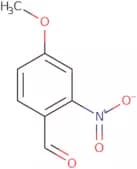
CAS:<p>4-Methoxy-2-nitrobenzaldehyde is a chemical that is used in the synthesis of many pharmaceuticals. It has been shown to be an effective agent in the treatment of cancer cells and is activated by chloride ions. 4-Methoxy-2-nitrobenzaldehyde reacts with nucleophiles such as hydroxide, amines, or thiols in order to form alkylating agents. This reaction can be used for the synthesis of many drugs including antihistamines, antidiabetic drugs, and antipsychotics. The rate of this reaction increases with increasing temperature. It also undergoes demethylation when exposed to nitrous acid, which may lead to a different product.</p>Fórmula:C8H7NO4Pureza:Min. 95%Peso molecular:181.15 g/mol(1-(4-Diethylamino)phenyl)-2-nitroethene
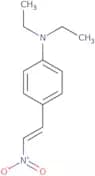
CAS:<p>(1-(4-Diethylamino)phenyl)-2-nitroethene is a fluorescent probe that can be used to measure the growth rate of microorganisms. It is also a polarizable fluorescent molecule that is sensitive to environmental effects such as pH, temperature, and light intensity. This compound has been used as a chromophore in optical devices and has been observed to have linear responses to changes in time constants. The fluorescence of (1-(4-diethylamino)phenyl)-2-nitroethene is proportional to the molecular response of the protein or nucleic acid it binds to. This compound is also an inorganic compound with dipole moments, which are properties that allow it to interact with other compounds.</p>Fórmula:C12H16N2O2Pureza:Min. 95%Peso molecular:220.27 g/mol2-Nitrobiphenyl
CAS:Fórmula:C12H9NO2Pureza:>98.0%(GC)Forma y color:White or Colorless to Yellow powder to lump to clear liquidPeso molecular:199.213,4-Dichloronitrobenzene
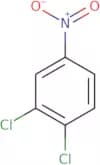
CAS:<p>3,4-Dichloronitrobenzene (3,4-DNBP) is a chemical pesticide that inhibits the activity of glutathione s-transferase. Glutathione is an important antioxidant in the liver, which helps to remove toxic substances from the body. This pesticide also inhibits glutathione S-transferase enzyme activities and transcription polymerase chain reactions. 3,4-DNBP has high resistance to degradation by plant metabolism and has shown biological properties such as fluorescence detection and disulfide bond formation in vitro. The detoxification enzymes are not able to break down 3,4-DNBP completely because it reacts with acids to form nitrosobenzenesulfonic acid (NBS).</p>Fórmula:C6H3Cl2NO2Pureza:Min. 95%Forma y color:PowderPeso molecular:192 g/mol5-(3-Nitrophenyl)-1H-pyrazole-3-carboxylic acid
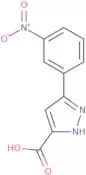
CAS:<p>5-(3-Nitrophenyl)-1H-pyrazole-3-carboxylic acid is a molecule that inhibits the proliferation of cancer cells in vitro. This compound has been shown to inhibit the growth of human breast cancer cells in culture, with IC50 values of 7.8 µM for MCF-7 and 5.6 µM for A549 cells. It also inhibits cell growth in MDA-MB231 cells, which are human breast carcinoma cells, with IC50 values of 4.5 µM for MCF-7 and 2.4 µM for A549 cells. The mechanism by which this drug inhibits cancer cell proliferation is not clear but may be due to its ability to interfere with DNA synthesis or protein synthesis.</p>Fórmula:C10H7N3O4Pureza:Min. 95%Forma y color:PowderPeso molecular:233.18 g/mol1,5-Dinitroanthrachinon
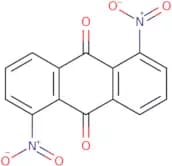
CAS:<p>1,5-Dinitroanthracene is an aromatic hydrocarbon that is insoluble in most solvents. It has a high activation energy and is activated by acid supplementation or organic solvents. 1,5-Dinitroanthracene undergoes a radical reaction to form azobenzene, which can be used as a diazonium salt. This compound's liquid chromatography properties are affected by the monosodium salt that it forms with water. The monoammonium salt of 1,5-dinitroanthracene is more soluble than the disodium salt and has a lower retention time in liquid chromatography. The chemical kinetic of 1,5-dinitroanthracene depends on its amine content. Dry powder formulations of this compound are available for use in electrochemical experiments.</p>Fórmula:C14H6N2O6Pureza:(%) Min. 95%Forma y color:PowderPeso molecular:298.21 g/mol3-Hydroxy-4-nitrobenzoic acid
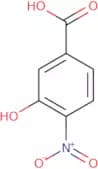
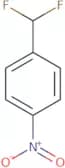
CAS:<p>3-Hydroxy-4-nitrobenzoic acid is a hydroxybenzoic acid that has been used for the synthesis of other compounds. It is an intermediate in the Friedel-Crafts reaction, which involves the conversion of 3-hydroxybenzoic acid to 3-ethylbenzthiazoline-6-sulfonic acid. It also forms reaction products with p-hydroxybenzoic acid and 5-nitrosalicylic acid as well as monosodium salt. This chemical can be analyzed using spectroscopy, enzymatic reactions, or laser ablation. It can also be used in analytical chemistry to identify phospholipases and hydroxybenzoic acids.</p>Fórmula:C7H5NO5Pureza:Min. 95%Forma y color:Slightly Yellow PowderPeso molecular:183.12 g/mol1-(Difluoromethyl)-4-nitrobenzene
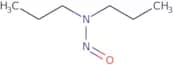
CAS:<p>1-(Difluoromethyl)-4-nitrobenzene is a versatile building block that can be used as a fine chemical, research chemical, or reagent. It is an intermediate for the production of difluoromethylene-1,4-diamine and 1,1-difluoroethane. This compound has been shown to be useful in the synthesis of complex compounds such as 3-hydroxyazetidine and 4-amino-5H-thiazolo[3,2-a]pyrimidin-2(7H)-one. The high purity of this product makes it excellent for use in laboratory settings.</p>Fórmula:C7H5F2NO2Pureza:Min. 95%Forma y color:SolidPeso molecular:173.12 g/molN-Nitrosodipropylamine
CAS:<p>N-Nitrosodipropylamine is a chemical that is used in wastewater treatment. It is found in acetate extracts of sewage sludge and has been shown to inhibit the activity of rat liver microsomes. N-Nitrosodipropylamine has been linked to cancer, and although it has not been shown to cause cancer in rats, it does have carcinogenic potential. This chemical also inhibits the activity of bacterial cytochrome P450 enzymes, which are important for regulating the synthesis of lipids, steroids, and other biologically important molecules. N-Nitrosodipropylamine has also been shown to be an anthelmintic drug, but when administered orally or intraperitoneally at high doses, it causes maternal toxicity and fetal death in pregnant rats. The use of this drug should therefore be avoided during pregnancy.</p>Fórmula:C6H14N2OPureza:Min. 95%Forma y color:Clear LiquidPeso molecular:130.19 g/mol4'-Trifluoromethoxy-β-methyl-β-nitrostyrene
CAS:<p>4'-Trifluoromethoxy-beta-methyl-beta-nitrostyrene is a fine chemical that is a useful building block in organic synthesis. It can be used as a reagent, specialty chemical, or intermediate for the preparation of more complex compounds. This compound has been shown to be useful in the synthesis of natural products and pharmaceuticals.</p>Fórmula:C10H8F3NO3Pureza:Min. 95%Peso molecular:247.17 g/molD-2-Nitrophenylalanine
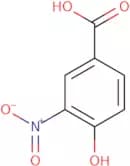
CAS:<p>D-2-Nitrophenylalanine is a high-quality, versatile building block for organic synthesis. It is a useful intermediate and scaffold for the production of pharmaceuticals, agrochemicals, and other chemicals. D-2-Nitrophenylalanine has been used as a reagent in research laboratories to synthesize different compounds. The CAS number for this compound is 169383-17-9.</p>Fórmula:C9H10N2O4Pureza:Min. 95%Forma y color:Off-White PowderPeso molecular:210.19 g/mol4-Hydroxy-3-nitrobenzoic acid
CAS:<p>4-Hydroxy-3-nitrobenzoic acid is an antioxidant that has been studied for its potential therapeutic effects on pancreatitis. This compound is a precursor to protocatechuic acid, a molecule that helps to protect the pancreas. 4-Hydroxy-3-nitrobenzoic acid is also used in the preparation of hydroxide solution and activated carbon. The terminal half-life of this compound is approximately 15 hours, with a plasma concentration–time curve that peaks at about 2 hours after administration. The biological activity of 4-Hydroxy-3-nitrobenzoic acid can be increased by reaction with sodium hydroxide solution or 5 nitrosalicylic acid.</p>Fórmula:C7H5NO5Pureza:Min. 95%Peso molecular:183.12 g/mol4-Acetamido-2'-nitro-4'-(trifluoromethyl)diphenyl sulphone
CAS:<p>4-Acetamido-2'-nitro-4'-(trifluoromethyl)phenyl sulphone is a fine chemical that has versatile building block properties. It is a complex compound that has been used in research chemicals and as a reagent. 4-Acetamido-2'-nitro-4'-(trifluoromethyl)phenyl sulphone is also useful for the production of speciality chemicals and as an intermediate for the synthesis of high quality compounds, such as pharmaceuticals, agrochemicals and other industrial products. This product can be used as a reaction component or scaffold for the synthesis of new compounds.</p>Fórmula:C15H11F3N2O5SPureza:Min. 95%Forma y color:PowderPeso molecular:388.32 g/mol5-Nitro-3-pyrazolecarboxylic acid
CAS:<p>5-Nitro-3-pyrazolecarboxylic acid is a lead compound that has been shown to induce transcription of the gene encoding for the transcription factor, PPARγ. This molecule has also been shown to have anti-cancer and anti-diabetic properties in cellular and animal models. 5-Nitro-3-pyrazolecarboxylic acid has been observed to interact with other molecules by bonding to them or inhibiting their function. These interactions may be responsible for some of its diverse effects on metabolic disease, cancer, and transcription factors.</p>Fórmula:C4H3N3O4Pureza:Min. 95%Forma y color:PowderPeso molecular:157.08 g/mol2-Nitro-4-ethylsulfonylchlorobenzene
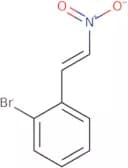
CAS:<p>2-Nitro-4-ethylsulfonylchlorobenzene is a high quality, versatile and useful chemical. It has been used as an intermediate in the synthesis of other compounds, such as pharmaceuticals. As a reagent, it has been used to form complex compounds and to produce fine chemicals. 2-Nitro-4-ethylsulfonylchlorobenzene is also a useful scaffold for the production of research chemicals. This compound has shown potential for use in the production of speciality chemicals or as a reaction component.</p>Fórmula:C8H8ClNO4SPureza:Min. 95%Forma y color:PowderPeso molecular:249.67 g/mol1-(2-Bromophenyl)-2-nitroethene
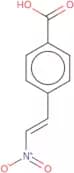
CAS:<p>1-(2-Bromophenyl)-2-nitroethene is a chiral, enantioselective nitroalkene that is used in the synthesis of many biologically active compounds. The compound was found to be an effective chiral ligand for asymmetric reactions involving aldehydes, indoles, and bipyridine. It has been shown to be more reactive than other bromoalkyltin reagents and can be used in a variety of reactions. 1-(2-Bromophenyl)-2-nitroethene also has conformationally rigid skeletons, which may allow for higher yields when compared with other alkylation agents.</p>Fórmula:C8H6BrNO2Pureza:Min. 95%Peso molecular:228.04 g/mol1-(4-Carboxyphenyl)-2-nitroethene
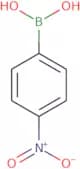
CAS:<p>1-(4-Carboxyphenyl)-2-nitroethene is a reagent that belongs to the group of speciality chemicals. It has been used as a reaction component in organic synthesis and as a building block for more complex compounds. 1-(4-Carboxyphenyl)-2-nitroethene is an effective intermediate for the synthesis of fine chemicals such as pesticides, pharmaceuticals, and herbicides. It is also used as an intermediate in the production of dyes and pigments.</p>Fórmula:C9H7NO4Pureza:Min. 95%Peso molecular:193.16 g/mol4-Nitrophenylboronic acid
CAS:<p>4-Nitrophenylboronic acid is a chemical compound that has been shown to inhibit the enzyme PTP1B. This enzyme is responsible for the phosphorylation of proteins and plays an important role in regulating insulin release, glucose uptake, and fat metabolism. The inhibition of this enzyme by 4-Nitrophenylboronic acid is reversible and potent. It has also been shown to have anticancer activity in vitro and in vivo, as well as cross-coupling with other boronic acids to form new compounds with different biological activities.</p>Fórmula:C6H6BNO4Pureza:Min. 95%Forma y color:PowderPeso molecular:166.93 g/mol3-Nitrophenylacetic acid
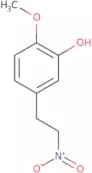
CAS:<p>3-Nitrophenylaceticacid (3NPAA) is a nitro compound that is used as an intermediate in the synthesis of other organic compounds. It can be synthesized by reacting phenylacetic acid with nitric acid, which is then oxidized to 3-nitrophenol with potassium permanganate. The product is then reacted with acetic anhydride to produce 3-nitrophenylacetic acid. This chemical has been shown to inhibit plant physiology and chlorophyll production by binding reversibly to the protein photosystem II in plants. 3-Nitrophenylaceticacid reacts with chloride ions to form a reversible covalent bond, which may be hydrolyzed by water or alkali.</p>Fórmula:C8H7NO4Pureza:Min. 95%Forma y color:PowderPeso molecular:181.15 g/mol1-(3-Hydroxy-4-methoxyphenyl)-2-nitroethane
CAS:<p>1-(3-Hydroxy-4-methoxyphenyl)-2-nitroethane is a chemical intermediate that can be used in the synthesis of other compounds. It is a fine chemical with many potential uses, as well as being a versatile building block for organic synthesis. As an example, 1-(3-Hydroxy-4-methoxyphenyl)-2-nitroethane can be used to synthesize the drug erythromycin. This chemical has been shown to have antihistamine and antiinflammatory properties.</p>Fórmula:C9H11NO4Pureza:Min. 95%Peso molecular:197.19 g/mol5-Bromo-2-nitrophenol
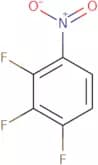
CAS:<p>5-Bromo-2-nitrophenol is an organic compound that is used in the industrial production of drugs and dyes. It is soluble in ethanol, but insoluble in water. 5-Bromo-2-nitrophenol can be obtained by extracting it from the filtrate of a solution of potassium tert-butyl ether with aqueous ethanol. The extraction process involves adding morpholine to the solution, which is then heated and refluxed. This process yields high yields of 5-bromo-2-nitrophenol.</p>Fórmula:C6H4BrNO3Pureza:Min. 95%Forma y color:Yellow solid.Peso molecular:218 g/mol2,3,4-Trifluoronitrobenzene
CAS:<p>2,3,4-Trifluoronitrobenzene is a chemical compound that contains fluorine and nitrogen. It can be used in the synthesis of medicines to treat cancer and autoimmune diseases. The reaction of 2,3,4-trifluoronitrobenzene with hydrochloric acid produces hydrogen fluoride and nitrous acid. Hydroxide solution is then added to the mixture, which causes a series of chemical reactions involving hydrogen ions. This process results in the formation of a factor receptor that is activated by growth factors. This activated factor receptor is then involved in eye disorders such as age-related macular degeneration and retinitis pigmentosa.</p>Fórmula:C6H2F3NO2Pureza:Min. 95%Peso molecular:177.08 g/mol4-Nitrobenzyl cyanide
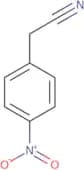
CAS:<p>4-Nitrobenzyl cyanide is a chemical compound that has been shown to have anticancer activity. 4-Nitrobenzyl cyanide inhibits acetylcholinesterase, an enzyme that is found in the synapse of certain nerve cells and breaks down acetylcholine, leading to cell death. It also has been shown to be a solid catalyst for organic reactions. Kinetic data was obtained using electrochemical impedance spectroscopy, which showed that this compound reacts with protons at a much slower rate than methyl ethyl ketone or protonated water.</p>Fórmula:C8H6N2O2Pureza:Min. 95%Forma y color:PowderPeso molecular:162.15 g/mol2,3,4,6-Tetrafluoronitrobenzene
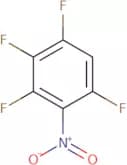
CAS:<p>2,3,4,6-Tetrafluoronitrobenzene is a fluorinated molecule that has been shown to be an excellent substrate for the hydrolysis of acetonitrile. The reaction products are a mixture of ortho and para isomers with equal amounts of 2,3,4- and 6-fluoro derivatives. The rate of the reaction is dependent on the number of water molecules present in the system. Tetramethylguanidine (TMG) can be used as a catalyst to increase the rate of the hydrolysis reaction without changing its course. The result is an increased yield with decreased time required to complete the experiment.</p>Fórmula:C6HF4NO2Pureza:Min. 95%Forma y color:Light (Or Pale) Yellow To Yellow LiquidPeso molecular:195.07 g/mol3,4-Dinitrophenol
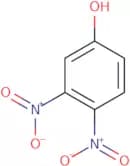
CAS:Producto controlado<p>3,4-Dinitrophenol is a yellow solid that is chemically synthesized from 2,4-dinitrobenzene and morpholine. 3,4-Dinitrophenol is a high energy compound with an activation energy of about 28 kcal/mol. The endpoints for the reaction are oligosaccharides and the acceptor is an ionisation mass. This molecule has a pyrazole ring and can be classified as belonging to group P2 on the periodic table of elements. 3,4-Dinitrophenol has been found to have biological functions in organic solvents such as acetone or benzene.</p>Fórmula:C6H4N2O5Pureza:Min. 95%Forma y color:PowderPeso molecular:184.11 g/mol3,6-Dinitro-1,8-naphthalenedicarboxylicanhydride
CAS:<p>3,6-Dinitro-1,8-naphthalenedicarboxylic anhydride is a fine chemical that is used as a building block in the synthesis of other compounds. It is also used as a reagent and can be found in research chemicals with CAS No. 3807-80-5. 3,6-Dinitro-1,8-naphthalenedicarboxylic anhydride is versatile and has many uses as a reaction component. The compound can be used to produce complex compounds or scaffolds that are useful in research.</p>Fórmula:C12H4N2O7Pureza:Min. 95%Forma y color:Beige PowderPeso molecular:288.17 g/mol4-Acetamido-2-nitrodiphenyl sulphone
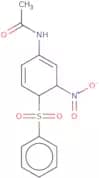
CAS:<p>4-Acetamido-2-nitrodiphenyl sulphone is a fine chemical that is used as a versatile building block for research chemicals and complex compounds. The compound can be used as an intermediate for the synthesis of other compounds and reaction components for the manufacture of speciality chemicals. 4-Acetamido-2-nitrodiphenyl sulphone has a CAS number of 914636-75-2, and its high quality makes it a useful scaffold in the development of new drugs.</p>Fórmula:C14H12N2O5SPureza:Min. 95%Peso molecular:320.32 g/mol1,2-Dimethyl-3-nitrobenzene
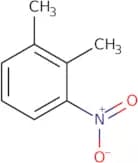
CAS:<p>1,2-Dimethyl-3-nitrobenzene is an organic compound that is a diazonium salt. It reacts with hydrochloric acid to form diazonium chloride and disulfide. The reaction vessel should be acidic in order to promote the reaction. The structural analysis of 1,2-dimethyl-3-nitrobenzene has been conducted using a model system. The structural analysis revealed that 1,2-dimethyl-3-nitrobenzene is an organic molecule with a single bond between the methyl group and the nitro group. The reaction products are nitric acid and dimethylamine hydrochloride. The reaction solution contains water, hydrochloric acid, and dimethylamine hydrochloride.</p>Fórmula:C8H9NO2Pureza:Min. 95%Forma y color:Yellow Clear LiquidPeso molecular:151.16 g/mol2-Fluoro-6-nitrotoluene
CAS:<p>2-Fluoro-6-nitrotoluene is a nitro compound that is used as an additive in the manufacture of pesticides. It has been shown to have addictive properties and is structurally similar to 2,4-dinitrotoluene and other nitrotoluenes. The conformational and structural stability of 2-fluoro-6-nitrotoluene has been studied using computational methods. These studies revealed that its activation energy for cyclization was about 5 kcal/mol higher than that of 2,4-dinitrotoluene. This difference in activation energy can be attributed to fluorine substitutions on the aromatic ring. In addition, it can be seen from the vibrational spectra of these two compounds that they are not identical.</p>Fórmula:C7H6FNO2Pureza:Min. 95%Forma y color:LiquidPeso molecular:155.13 g/mol2-Nitrophenol
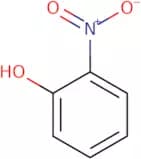
CAS:<p>2-Nitrophenol has been used as an antimicrobial agent. 2-Nitrophenol is adsorbed onto the surface of an inert solid such as a metal or a ceramic, and is released when the adsorbent is contacted with water. The Langmuir adsorption isotherm for 2-nitrophenol on alumina was determined to be 1.4x10⁻³ mol/cm2. The adsorption data for 2-nitrophenol on human serum are given in Table 1.</p>Fórmula:O2NC6H4OHPureza:Min. 95%Forma y color:PowderPeso molecular:139.11 g/mol7-Nitrocoumarin
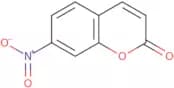
CAS:<p>7-Nitrocoumarin is an agent that inhibits the growth of protozoa by inhibiting enzyme activities, specifically those involved in glycolysis. It has been shown to be a potent inhibitor of surface proteins and functional assays. 7-Nitrocoumarin is also active against trophozoites in vitro. The compound has been shown to be nontoxic to mammalian cells, with a constant of 0.3 μM for inhibition of resazurin reduction. The mechanism of action for 7-nitrocoumarin is not well understood, but it may involve oxidation products such as nitro groups, which are indicated by the prefix '7-'.</p>Fórmula:C9H5NO4Pureza:Min. 95%Forma y color:PowderPeso molecular:191.14 g/mol4,6-Dimethyl-5-nitro-m-phenylenediamine
CAS:<p>4,6-Dimethyl-5-nitro-m-phenylenediamine is a versatile building block that can be used as a reagent or a speciality chemical. It is used in research to test the susceptibility of bacteria to antibiotics and other toxic substances. 4,6-Dimethyl-5-nitro-m-phenylenediamine has been shown to inhibit the growth of Mycobacterium tuberculosis, Mycobacterium avium complex, and some strains of Staphylococcus aureus. This product is also useful for making high quality compounds that are useful scaffolds for drug development.br><br>4,6-Dimethyl-5-nitro-m-phenylenediamine is an organic compound with the chemical formula C9H8N2O3. It has two asymmetric carbon atoms and exists as two enantiomers, one of which is more reactive than the other. The (S)-en</p>Fórmula:C8H11N3O2Pureza:Min. 95%Peso molecular:181.19 g/mol1-(2-Methylphenyl)-2-nitropropene
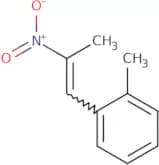
CAS:<p>1-(2-Methylphenyl)-2-nitropropene is a high quality reagent that is used as a complex compound, useful intermediate, and fine chemical. It has been shown to be a versatile building block for the synthesis of various organic compounds. 1-(2-Methylphenyl)-2-nitropropene is a speciality chemical with CAS No. 103205-27-2. This compound can be used in research chemicals or as a reaction component for the synthesis of other substances.</p>Fórmula:C10H11NO2Pureza:Min. 95%Peso molecular:177.2 g/mol2,4,6-Trinitrobenzenesulfonic acid, 1% DMF solution
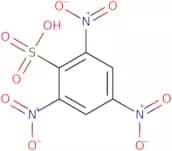
CAS:<p>2,4,6-Trinitrobenzenesulfonic acid, also known as TNBS, TNSBA orâ¯picrylsulfonicâ¯acid, is a strongly oxidising organic acid that has long been used as a reagent to determine the presence of free primary amine groups. TNBS reacts rapidly with primary amines to form highly colouredâ¯N-trinitrophenylâ¯products which can thenâ¯beâ¯analysed by colorimetry.â¯Competing hydrolysis of the TNBS reagentâ¯mayâ¯influence the assay result. The amine can be regenerated by treatment with hydrazine. This analytical technique can also be applied to thiols and hydrazides.<br>As is common with nitrated aromatic compounds, there is a risk of explosion and TNBS is typically commercially available as a solution. We also supply the 5% aqueous solution.</p>Fórmula:C6H3N3O9SPureza:Min. 95%Forma y color:Clear LiquidPeso molecular:293.17 g/molZ-L-tyrosine 4-nitrophenyl ester
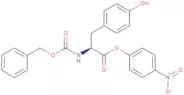
CAS:<p>Z-L-tyrosine 4-nitrophenyl ester is a synthetic, inactivated amide that binds to the active site of enzyme, preventing its enzymatic activity. It prevents the formation of clots by cleaving the clotting factors and is used in blood transfusions. Z-L-tyrosine 4-nitrophenyl ester has been shown to inhibit the synthesis of surfactant and is used as an antiseptic. This drug can be prepared by reacting L-tyrosine with nitrophenol (NO2) in the presence of a base such as sodium hydroxide or potassium carbonate, followed by purification on sephadex g-100 columns. The product is then treated with hydrostatic pressure to remove any unreacted starting materials. This drug also has a sedimentation rate of about 1.5 x 10^6 cm/s.</p>Fórmula:C23H20N2O7Pureza:Min. 95%Forma y color:White/Off-White SolidPeso molecular:436.41 g/mol5-Chloro-2-nitrotoluene
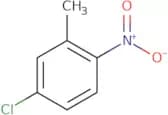
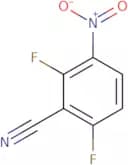
CAS:<p>5-Chloro-2-nitrotoluene is an anti-cancer drug that has been shown to be effective against a variety of cancer cell lines, including carcinoma and pancreatic cancer cell lines. 5-Chloro-2-nitrotoluene inhibits the growth of cancer cells by binding to sulfhydryl groups in cellular membranes, which prevents the release of essential building blocks for the synthesis of proteins, nucleic acids, and lipids. This compound also inhibits the activity of enzymes that are involved in the synthesis of these compounds. It has been shown to have chemopreventive effects in animal studies.</p>Fórmula:C7H6ClNO2Pureza:Min. 95%Peso molecular:171.58 g/mol2,6-Difluoro-3-nitrobenzonitrile
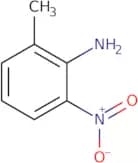
CAS:<p>2,6-Difluoro-3-nitrobenzonitrile is an aliphatic compound that inhibits the activity of monoamines by binding to the endogenously produced 2,6-difluoro-3-nitrobenzonitrile (DNFB). DNFB is a nitrosamine that has been shown to be a potent inhibitor of muscle contraction. This inhibition occurs at high concentrations and has been found in muscle cells. It has also been shown to inhibit the production of nitric oxide from monoxide or homologous nitrates, which may lead to atherosclerosis. 2,6-Difluoro-3-nitrobenzonitrile is also an amine and exhibits structural similarities with other members of this family.</p>Fórmula:C7H2F2N2O2Pureza:Min. 95%Forma y color:PowderPeso molecular:184.1 g/mol2-Methyl-6-nitroaniline
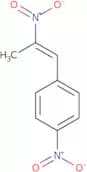
CAS:<p>2-Methyl-6-nitroaniline is a nitro compound with the molecular formula C5H7N3O2. It is a colorless solid that can be obtained by the nitration of aniline, followed by reduction of the nitro group. 2-Methyl-6-nitroaniline can be used as a model system to study how solute molecules interact with gas and liquid phases. The solubility data of this molecule has been published in the literature and has been shown to depend on the presence of amines. This molecule has also been shown to be an environmental pollutant when it reacts with hydrogen sulfate in acidic media, forming sulfonic acid derivatives. 2-Methyl-6-nitroaniline is soluble in hydrochloric acid and acetylated, but insoluble in water or ethanol due to its polar functional groups.br><br>br><br>[[Image:2_methyl_6_</p>Fórmula:C7H8N2O2Pureza:Min. 95%Forma y color:Brown PowderPeso molecular:152.15 g/mol1-(4-Nitrophenyl)-2-nitropropene
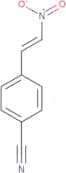
CAS:<p>1-(4-Nitrophenyl)-2-nitropropene is a chemical compound that is used as a reagent, intermediate, and building block in the synthesis of other compounds. It can be used as a precursor for the production of aniline derivatives, which are useful in the manufacture of dyes and pharmaceuticals. 1-(4-Nitrophenyl)-2-nitropropene is also useful as a scaffold for the synthesis of other compounds. It reacts with sodium hydroxide to produce sodium nitrite and 4-nitrocatechol. This compound has also been shown to be an effective way to synthesize acetic acid from acetaldehyde.</p>Fórmula:C9H8N2O4Pureza:Min. 95%Peso molecular:208.17 g/mol1-(4-Cyanophenyl)-2-nitroethene
CAS:<p>1-(4-Cyanophenyl)-2-nitroethene is a reactive intermediate that belongs to the group of carboxylic acids. It is an unsaturated compound with a cinnamic acid derivative. The nitration of 1-(4-cyanophenyl)-2-nitroethene leads to the formation of 1,2-dinitrobenzene, which can be used for the synthesis of other heterocyclic compounds. This intermediate has been shown to have catalytic activity in biomolecules, including carboxylic and phenolic groups, and can be used for the synthesis of other organic compounds.</p>Fórmula:C9H6N2O2Pureza:Min. 95%Peso molecular:174.16 g/mol2,4,6-Trihydroxynitrobenzene
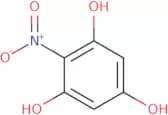
CAS:<p>2,4,6-Trihydroxynitrobenzene is a particle that is used as a cross-linking agent. It reacts with polycarboxylic acids to form ionic or covalent bonds. 2,4,6-Trihydroxynitrobenzene is used in analytical chemistry to prepare samples for mass spectrometry analysis by laser ablation and matrix-assisted laser desorption/ionization (MALDI). This compound can be mixed with trifluoroacetic acid and activated before being immobilized on the surface of an analytical chemistry apparatus. The cross-linking reaction occurs when the sample is irradiated with light from a laser, which vaporizes some of the material and ionizes it for analysis.</p>Fórmula:C6H5NO5Pureza:Min. 95%Peso molecular:171.11 g/mol1-(3-Fluorophenyl)-2-nitropropene
CAS:<p>1-(3-Fluorophenyl)-2-nitropropene is a versatile building block that can be used as a reagent, speciality chemical, or a reaction component. This compound is also useful for the synthesis of complex compounds. 1-(3-Fluorophenyl)-2-nitropropene has been shown to react with various electrophiles, including carbonyl compounds and nitro compounds, to give substituted products. This chemical is classified as a high quality compound and can be used in the synthesis of pharmaceuticals and other fine chemicals.</p>Fórmula:C9H8FNO2Pureza:Min. 95%Peso molecular:181.16 g/mol