Aldehídos
Los aldehídos son compuestos orgánicos que contienen un grupo carbonilo (C=O) unido al menos a un átomo de hidrógeno. Estos compuestos versátiles son fundamentales en diversas reacciones químicas, incluyendo oxidación, reducción y adición nucleofílica. Los aldehídos son building blocks esenciales en la síntesis de productos farmacéuticos, fragancias y polímeros. En CymitQuimica, ofrecemos una amplia selección de aldehídos de alta calidad para apoyar sus aplicaciones de investigación e industriales.
Se han encontrado 8573 productos de "Aldehídos"
Ordenar por
Pureza (%)
0
100
|
0
|
50
|
90
|
95
|
100
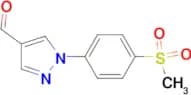
1-(4-(METHYLSULFONYL)PHENYL)-1H-PYRAZOLE-4-CARBALDEHYDE
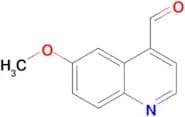
CAS:Fórmula:C11H10N2O3SPureza:95.0%Peso molecular:250.276-Methoxyquinoline-4-carbaldehyde
CAS:Fórmula:C11H9NO2Pureza:97.0%Forma y color:SolidPeso molecular:187.1982-{[2-formyl-4-(trifluoromethyl)phenyl](methyl)amino}acetic acid
CAS:Pureza:98%Peso molecular:261.2000122Ref: 10-F675603
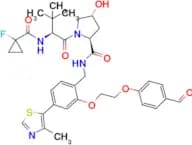
1g410,00€5g1.446,00€10g2.891,00€2.5g940,00€50mg87,00€100mg104,00€250mg175,00€500mg300,00€(3aS,8bS)-4-(4-(2,2-diphenylvinyl)phenyl)-1,2,3,3a,4,8b-hexahydrocyclopenta[b]indole-7-carbaldehyde
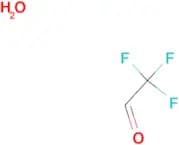
Pureza:98%Peso molecular:441.5740051Trifluoracetaldehyde monohydrate, ~75% in H2O (tech)
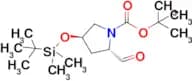
CAS:Fórmula:C2H3F3O2Pureza:75.0%Forma y color:Liquid, Clear LiquidPeso molecular:116.039tert-Butyl (2S,4R)-4-((tert-butyldimethylsilyl)oxy)-2-formylpyrrolidine-1-carboxylate
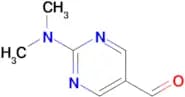
CAS:Pureza:98%Peso molecular:329.51199342-Dimethylamino-pyrimidine-5-carbaldehyde
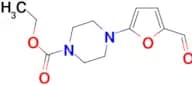
CAS:Fórmula:C7H9N3OPureza:95.0%Forma y color:SolidPeso molecular:151.169ethyl 4-(5-formyl-2-furyl)piperazine-1-carboxylate
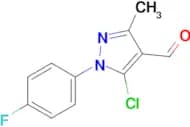
CAS:Fórmula:C12H16N2O4Pureza:95.0%Peso molecular:252.275-chloro-1-(4-fluorophenyl)-3-methyl-1H-pyrazole-4-carbaldehyde
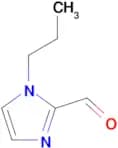
CAS:Fórmula:C11H8ClFN2OPureza:95.0%Peso molecular:238.651-Propyl-1 H -imidazole-2-carbaldehyde
CAS:Fórmula:C7H10N2OPureza:95.0%Forma y color:LiquidPeso molecular:138.172-[2-(dimethylamino)ethoxy]benzaldehyde hydrochloride
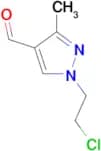
CAS:Fórmula:C11H16ClNO2Pureza:95.0%Forma y color:Liquid, No data available.Peso molecular:229.71-(2-chloroethyl)-3-methyl-1H-pyrazole-4-carbaldehyde
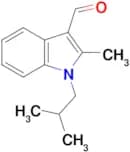
CAS:Fórmula:C7H9ClN2OPureza:95.0%Peso molecular:172.611-isobutyl-2-methyl-1H-indole-3-carbaldehyde
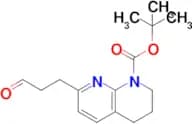
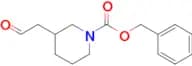
CAS:Fórmula:C14H17NOPureza:95.0%Forma y color:Liquid, No data available.Peso molecular:215.296Tert-butyl 7-(3-oxopropyl)-1,2,3,4-tetrahydro-1,8-naphthyridine-1-carboxylate
CAS:Pureza:95+%Peso molecular:290.3630066Ref: 10-F718457
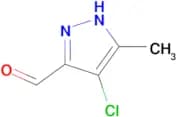
1g475,00€5g1.354,00€10g2.707,00€2.5g1.105,00€50mg94,00€100mg134,00€250mg189,00€500mg324,00€4-Chloro-3-methyl-1H-pyrazole-5-carbaldehyde
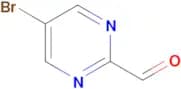
CAS:Fórmula:C5H5ClN2OPureza:95.0%Forma y color:SolidPeso molecular:144.565-Bromopyrimidine-2-carbaldehyde
CAS:Fórmula:C5H3BrN2OPureza:>95%Forma y color:No data available.Peso molecular:186.9961-isopropyl-3,5-dimethyl-1H-pyrazole-4-carbaldehyde
CAS:Fórmula:C9H14N2OPureza:≥95%Forma y color:CrystallinePeso molecular:166.22410-(4-Chlorophenyl)-5,5-difluoro-2-formyl-1,3,7,9-tetramethyl-5H-dipyrrolo[1,2-c:2′,1′-f][1,3,2]diazaborinin-4-ium-5-uide
CAS:Pureza:98%Peso molecular:386.6300049Ref: 10-F662567
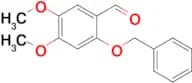
1g142,00€5g445,00€10g799,00€25g1.604,00€2.5g255,00€50mg40,00€100mg65,00€250mg96,00€500mg105,00€2-(BENZYLOXY)-4,5-DIMETHOXYBENZALDEHYDE
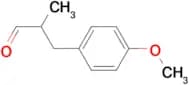
CAS:Fórmula:C16H16O4Pureza:95.0%Forma y color:SolidPeso molecular:272.33-(4-METHOXYPHENYL)-2-METHYLPROPIONALDEHYDE
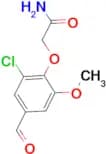
CAS:Fórmula:C11H14O2Pureza:95.0%Forma y color:LiquidPeso molecular:178.2312-(2-chloro-4-formyl-6-methoxyphenoxy)acetamide
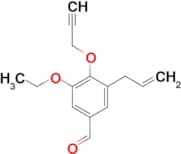
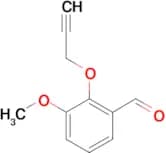
CAS:Fórmula:C10H10ClNO4Pureza:95.0%Peso molecular:243.643-allyl-5-ethoxy-4-(2-propyn-1-yloxy)benzaldehyde
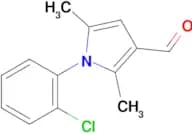
CAS:Fórmula:C15H16O3Pureza:95.0%Peso molecular:244.291-(2-Chlorophenyl)-2,5-dimethyl-1H-pyrrole-3-carbaldehyde
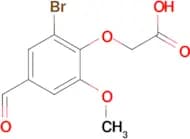
CAS:Fórmula:C13H12ClNOPureza:95.0%Peso molecular:233.7(2-bromo-4-formyl-6-methoxyphenoxy)acetic acid
CAS:Fórmula:C10H9BrO5Pureza:95.0%Peso molecular:289.0812-[(2-chloro-6-fluorobenzyl)oxy]benzaldehyde
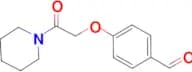
CAS:Fórmula:C14H10ClFO2Pureza:95.0%Peso molecular:264.684-(2-Oxo-2-piperidin-1-yl-ethoxy)-benzaldehyde
CAS:Fórmula:C14H17NO3Pureza:95.0%Peso molecular:247.2944,5,6,7-tetrahydro-1-benzothiophene-3-carbaldehyde
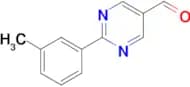
CAS:Fórmula:C9H10OSPureza:95.0%Forma y color:LiquidPeso molecular:166.242-m-Tolyl-pyrimidine-5-carbaldehyde
CAS:Fórmula:C12H10N2OPureza:95.0%Forma y color:SolidPeso molecular:198.2252-[2-(Morpholino)ethoxy]benzaldehyde hydrochloride
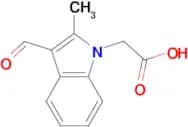
CAS:Fórmula:C13H18ClNO3Pureza:95.0%Peso molecular:271.74(3-Formyl-2-methyl-indol-1-yl)-acetic acid ethyl ester
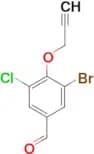
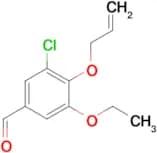
CAS:Fórmula:C14H15NO3Pureza:95.0%Peso molecular:245.2783-bromo-5-chloro-4-(prop-2-yn-1-yloxy)benzaldehyde
CAS:Fórmula:C10H6BrClO2Pureza:95.0%Peso molecular:273.512-[2-(4-Methyl-1-piperidinyl)-2-oxoethoxy]-benzaldehyde
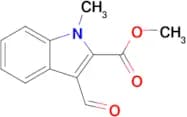
CAS:Fórmula:C15H19NO3Pureza:95.0%Peso molecular:261.321METHYL 3-FORMYL-1-METHYL-1H-INDOLE-2-CARBOXYLATE
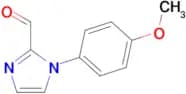
CAS:Fórmula:C12H11NO3Pureza:95.0%Peso molecular:217.2241-(4-methoxyphenyl)-1H-imidazole-2-carbaldehyde
CAS:Fórmula:C11H10N2O2Pureza:95.0%Peso molecular:202.2131-[4-(dimethylamino)phenyl]-2,5-dimethyl-1H-pyrrole-3-carbaldehyde
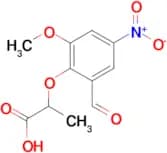
CAS:Fórmula:C15H18N2OPureza:95.0%Peso molecular:242.3222-(2-formyl-6-methoxy-4-nitrophenoxy)propanoic acid
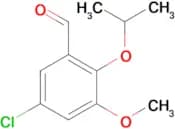
CAS:Fórmula:C11H11NO7Pureza:95.0%Peso molecular:269.2095-chloro-2-isopropoxy-3-methoxybenzaldehyde
CAS:Fórmula:C11H13ClO3Pureza:95.0%Forma y color:SolidPeso molecular:228.676-bromo-5-methoxy-1,2-dimethyl-1H-indole-3-carbaldehyde
CAS:Fórmula:C12H12BrNO2Pureza:95.0%Peso molecular:282.137Ref: 10-F857731
1g1.430,00€5g4.405,00€10g6.532,00€2.5g2.977,00€50mg394,00€100mg544,00€250mg775,00€500mg1.185,00€TERT-BUTYL 8-FORMYL-2,3-DIHYDRO-4H-BENZO[B][1,4]OXAZINE-4-CARBOXYLATE
Pureza:95%Peso molecular:263.29299932-Methyl-3-(3,4-methylenedioxyphenyl)propanal
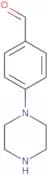
CAS:Fórmula:C11H12O3Pureza:99%+(GC-MS);RGForma y color:LiquidPeso molecular:192.2144-Piperazin-1-yl-benzaldehyde
CAS:<p>4-Piperazin-1-yl-benzaldehyde (PPBA) is a natural product that has been shown to have effects on animals and cells. PPBA can be used as an antidote for sulfite poisoning, which is caused by the ingestion of sulfites in food or drink. The mechanism of PPBA's effects is not fully known, but it may involve the inhibition of sulfite reductase, which converts sulfites into sulfates. It also reversibly forms a complex with the transition state of the reaction, enhancing the rate of this reaction. This enhancement is due to a low detection limit and shift in solution temperature. PPBA has been shown to have fluorescence and fluorescent properties when exposed to light, making it useful for endogenous labeling.</p>Fórmula:C11H14N2OPureza:Min. 95%Peso molecular:190.24 g/mol4-((4-methylphenyl)carbonyl)piperazinecarbaldehyde
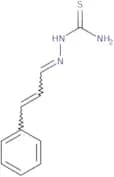
CAS:Please enquire for more information about 4-((4-methylphenyl)carbonyl)piperazinecarbaldehyde including the price, delivery time and more detailed product information at the technical inquiry form on this pagePureza:Min. 95%Cinnamaldehyde thiosemicarbazone
CAS:Cinnamaldehyde thiosemicarbazone is a nitrogen-containing molecule that has been shown to have neuroprotective properties. It is also an antioxidant and potent inhibitor of tyrosinase, which is an enzyme involved in the production of melanin. Cinnamaldehyde thiosemicarbazone has been shown to be effective at nanomolar concentrations in the inhibition of tyrosinase. This compound has been shown to be effective in both basic structure and magnetic resonance spectroscopy studies.Fórmula:C10H11N3SPureza:Min. 95%Forma y color:PowderPeso molecular:205.28 g/mol5-Nitro-2-(2'-pyridinethio)benzaldehyde
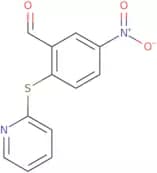
CAS:<p>Please enquire for more information about 5-Nitro-2-(2'-pyridinethio)benzaldehyde including the price, delivery time and more detailed product information at the technical inquiry form on this page</p>Pureza:Min. 95%2-(3-Trifluoromethylphenoxy)-5-nitrobenzaldehyde
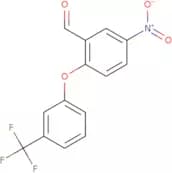
CAS:<p>Please enquire for more information about 2-(3-Trifluoromethylphenoxy)-5-nitrobenzaldehyde including the price, delivery time and more detailed product information at the technical inquiry form on this page</p>Fórmula:C14H8F3NO4Pureza:Min. 95%Forma y color:PowderPeso molecular:311.21 g/molZolpidem carbaldehyde
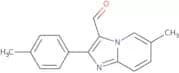
CAS:<p>Zolpidem is a sedative-hypnotic drug, which belongs to the class of imidazopyridines. It has a strong affinity for GABA receptors, and can be used as a treatment for insomnia. Zolpidem's chemical structure is similar to that of benzodiazepines. Zolpidem is an acidic compound with a pKa of 3.6. It has been shown to elute from HPLC columns at a hydrodynamic flow rate of 0.5 mL/min on the column of LiChrosorb RP-18e (250 × 4 mm). The optimum pH for chromatographic separation was found to be 4-5. Multiresponse analysis showed statistically significant differences between different batches of zolpidem in terms of particle size, shape and size distribution, surface area and surface charge. Zolpidem carbaldehyde is an organic compound that is used as an intermediate in the production of drugs such as zol</p>Fórmula:C16H14N2OPureza:Min. 95%Peso molecular:250.3 g/mol2-(4-Trifluoromethylphenoxy)-5-nitrobenzaldehyde
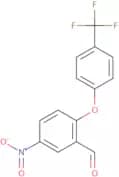
CAS:<p>Please enquire for more information about 2-(4-Trifluoromethylphenoxy)-5-nitrobenzaldehyde including the price, delivery time and more detailed product information at the technical inquiry form on this page</p>Fórmula:C14H8F3NO4Pureza:Min. 95%Forma y color:PowderPeso molecular:311.21 g/molN-[3-(1,1,2,2-Tetrafluoroethoxy)phenyl]formamide
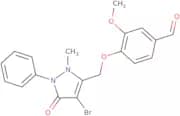
CAS:Please enquire for more information about N-[3-(1,1,2,2-Tetrafluoroethoxy)phenyl]formamide including the price, delivery time and more detailed product information at the technical inquiry form on this pageFórmula:C9H7F4NO2Pureza:Min. 95%Forma y color:PowderPeso molecular:237.15 g/mol4-((4-bromo-2-methyl-5-oxo-1-phenyl(3-pyrazolin-3-yl))methoxy)-3-methoxybenzaldehyde
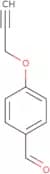
CAS:<p>Please enquire for more information about 4-((4-bromo-2-methyl-5-oxo-1-phenyl(3-pyrazolin-3-yl))methoxy)-3-methoxybenzaldehyde including the price, delivery time and more detailed product information at the technical inquiry form on this page</p>Fórmula:C19H17BrN2O4Pureza:Min. 95%Forma y color:PowderPeso molecular:417.25 g/mol4-(2-propynyloxy)benzenecarboxaldehyde
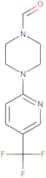
CAS:<p>4-(2-Propynyloxy)benzenecarboxaldehyde is an organic chemical compound that is classified as a copper complex. This molecule has been shown to have antibacterial properties against P. aeruginosa and other bacteria. It also possesses a constant antibacterial activity in both acidic and neutral pH conditions, which makes it an efficient method of treatment for bacterial infections. 4-(2-Propynyloxy)benzenecarboxaldehyde has been shown to inhibit the growth of P. aeruginosa by binding to the DNA gyrase enzyme and stopping its function, thus inhibiting bacterial replication. 4-(2-Propynyloxy)benzenecarboxaldehyde also inhibits the synthesis of proteins in neuronal cells, which may be due to its ability to react with carbonyl groups in proteins.</p>Pureza:Min. 95%4-(5-(Trifluoromethyl)-2-pyridyl)piperazinecarbaldehyde
CAS:<p>Please enquire for more information about 4-(5-(Trifluoromethyl)-2-pyridyl)piperazinecarbaldehyde including the price, delivery time and more detailed product information at the technical inquiry form on this page</p>Fórmula:C11H12F3N3OPureza:Min. 95%Forma y color:PowderPeso molecular:259.23 g/molN,N,N-Tributyl-1-butanaminium Salt with (E)-3-Hydroxy-2-propenal
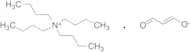
CAS:Producto controlado<p>Applications N,N,N-Tributyl-1-butanaminium Salt with (E)-3-Hydroxy-2-propenal is a useful reagent for preparation of crystalline (±)-fecapentaene.<br> Not a dangerous good if item is equal to or less than 1g/ml and there is less than 100g/ml in the package<br>References Pfaendler, H., et al.: J. Am. Chem. Soc., 108, 1338 (1986);<br></p>Fórmula:C16H36N•CH3O2Forma y color:Off-WhitePeso molecular:242.46 + 71.062-Propyl-2-heptenal (Technical Grade)
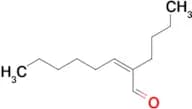
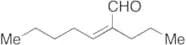
CAS:Producto controlado<p>Applications 2-Propyl-2-heptenal is an alkene shown as an metabolic by-product of unsaturated fatty acids metabolism to oxylipins.<br>References Montanari, C., et al.: J. App. Microbiol., 115, 1388 (2013);<br></p>Fórmula:C10H18OForma y color:Clear ColourlessPeso molecular:154.25(2E,4E,6E)-2,4,6-Nonatrienal
CAS:Producto controlado<p>Stability Light Sensitive, Temperature Sensitive<br>Applications (2E,4E,6E)-2,4,6-Nonatrienal is an unsaturated aldehyde that is a natural volatile constituent of aggregation pheromones produced by male flea beetles. (2E,4E,6E)-2,4,6-Nonatrienal is also found in licorice root, one of the widely used herbs for its<br>References Zilkowski, B., et al.: J. Agr. Food Chem., 56, 4982 (2008)<br></p>Fórmula:C9H12OPureza:>90%Forma y color:NeatPeso molecular:136.19cis-4-Decenal (>90%)
CAS:Producto controlado<p>Applications CIS-4-DECENAL (cas# 21662-09-9) is a useful research chemical.<br></p>Fórmula:C10H18OForma y color:NeatPeso molecular:154.242,4-Octadienal, predominantly trans,trans (Technical Grade)
CAS:Producto controlado<p>Applications 2,4-Octadienal, predominantly trans,trans >=95%, FG is a useful research chemical for organic synthesis and other chemical processes.<br>References Feng, J., et al.: J. Org. Chem., 82, 1412 (2017); Sun, S., et al.: J. Appl. Phycol., 24, 1003 (2012)<br></p>Fórmula:C8H12OForma y color:NeatPeso molecular:124.183-(2,4-Dihydroxyphenyl)-2-propenal
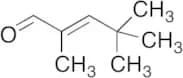
CAS:Producto controladoFórmula:C9H8O3Forma y color:NeatPeso molecular:164.162,4,4-Trimethyl-2-pentenal
CAS:Producto controladoFórmula:C8H14OForma y color:NeatPeso molecular:126.2(E,E)-5-[4-(Diethylamino)phenyl]penta-2,4-dienal
CAS:Producto controlado<p>Stability Light Sensitive<br>Applications (E,E)-5-[4-(Diethylamino)phenyl]penta-2,4-dienal is used in polymerization process.<br>References Innocenzi, P., et al.: J. Mater Chem., 15, 3821 (2005), Cai, Y., et al.: Polymer, 2006, 47, 6560 (2006),<br></p>Fórmula:C15H19NOForma y color:NeatPeso molecular:229.32Oct-7-enal
CAS:Producto controlado<p>Stability Air Sensitive<br>Applications Oct-7-enal is a useful research chemical, an aliphatic aldehyde isolated from the roots of Cirsium Cipsacolepis.<br>References Takano, S., et al.: Phytochemistry, 26, 435 (1987); Halle, M. B., et al.: RSC Adv., 4, 63342 (2014)<br></p>Fórmula:C8H14OForma y color:NeatPeso molecular:126.24-Bromobenzaldehyde
CAS:<p>Please enquire for more information about 4-Bromobenzaldehyde including the price, delivery time and more detailed product information at the technical inquiry form on this page</p>Fórmula:C7H5BrOPeso molecular:185.03 g/mol4-Bromofuran-2-carbaldehyde
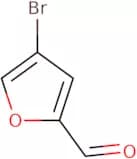
CAS:<p>4-Bromofuran-2-carbaldehyde is a synthetic compound that has been shown to have antioxidant properties. It contains an electron-donating carbonyl group and an electron-withdrawing bromine atom. 4-Bromofuran-2-carbaldehyde is useful in the treatment of endophytic fungi infections, as it inhibits the synthesis of ergosterol, which is an important component of the fungal cell membrane. The molecule's conformational properties are also important for its biological activity, as they enable it to act as a chiral ligand by binding to proteins in a way that will inhibit their function. In addition, 4-bromofuran-2-carbaldehyde has been shown to be effective against cancer cells in vitro, particularly against MMCF7 cells. This may be due to its ability to bind to DNA and prevent transcription or replication of DNA strands.</p>Fórmula:C5H3BrO2Pureza:Min. 95%Peso molecular:174.98 g/molAdrenalone
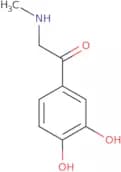
CAS:Producto controlado<p>Adrenalone is a caffeic acid derivative that contains a hydroxyl group. It is used in the treatment of infectious diseases, bowel disease, and autoimmune diseases. Adrenalone inhibits bacterial growth by interfering with cell wall synthesis, which prevents the formation of new cell walls and leads to bacterial death. It also inhibits the production of dopamine by acting on an amine oxidase enzyme. This drug has been shown to be effective in treating inflammatory bowel disease (IBD) in both mice and humans due to its ability to inhibit pro-inflammatory cytokines such as TNF-α, IL-1β, and IL-6.</p>Fórmula:C9H11NO3Pureza:Min. 95%Forma y color:Colourless To Pale Yellow SolidPeso molecular:181.19 g/mol2-Hydroxy-4-(trifluoromethyl)benzaldehyde
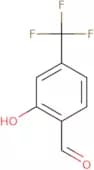
CAS:<p>2-Hydroxy-4-(trifluoromethyl)benzaldehyde is an analgesic and anti-inflammatory agent that belongs to the pyrazole family. It has shown analgesic and anti-inflammatory effects in animal studies. 2-Hydroxy-4-(trifluoromethyl)benzaldehyde has been shown to be a potent inhibitor of cyclooxygenase (COX), which is responsible for prostaglandin synthesis, and as such, may have potential as a treatment for inflammatory conditions such as rheumatoid arthritis. This drug also inhibits the production of nitric oxide, which is involved in vasodilation and increased blood flow. 2-Hydroxy-4-(trifluoromethyl)benzaldehyde has been demonstrated to inhibit COX enzymes by forming a covalent bond with active site serine residues on the enzyme. The docked complex shows hydrogen bonding interactions between the hydroxyl group of 2</p>Fórmula:C8H5F3O2Pureza:Min. 95%Peso molecular:190.12 g/mol4-Iodo-2-methoxypyridine-3-carboxaldehyde
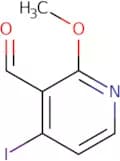
CAS:4-Iodo-2-methoxypyridine-3-carboxaldehyde is a disubstituted compound that has insulin-like properties. It inhibits the activity of the insulin receptor, which may contribute to its insulin-like growth factor effects. This inhibitor also targets the protein kinase, which is responsible for the response of cells to insulin. 4-Iodo-2-methoxypyridine 3 carboxaldehyde has been shown to inhibit IGF1R and malonate ion, and it may have potential as an oral treatment for diabetes.Fórmula:C7H6INO2Pureza:Min. 95%Peso molecular:263.03 g/mol2-Cyanobenzaldehyde
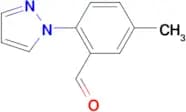
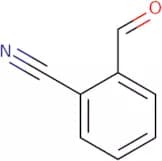
CAS:<p>2-Cyanobenzaldehyde is an aldehyde that reacts with nucleophiles such as trifluoromethanesulfonic acid to form a molecule. 2-Cyanobenzaldehyde has potent inhibitory activity against the kinase glycogen synthase kinase 3 (GSK3) and can be used to treat autoimmune diseases. It also reacts with hydrochloric acid in solution to form an intermediate, which is then reacted with glycine and ATP to produce a chiral compound. The product of this reaction has been shown to be active methylene, which was synthesized by asymmetric synthesis.</p>Fórmula:C8H5NOPureza:Min. 95%Forma y color:PowderPeso molecular:131.13 g/mol2-(1H-Pyrazol-1-yl)benzaldehyde
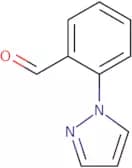
CAS:<p>2-(1H-Pyrazol-1-yl)benzaldehyde is a synthetic chemical compound that is used in the preparation of coupling reactions. It has been shown to be an efficient reagent for the synthesis of 2-bromobenzaldehyde and pyrazole. The molecule has a hydrazone attack, which can be coupled with 2-bromobenzaldehyde, with or without the use of an additional base such as sodium methoxide. This reaction can be carried out at room temperature and does not require any harsh conditions. 2-(1H-Pyrazol-1-yl)benzaldehyde also belongs to the family of aldehydes, which are molecules containing a carbon group that is connected to two hydrogen groups (i.e., RCH=O). Hydrogenation of this type of molecule gives rise to alcohols (RCHOH).</p>Fórmula:C10H8N2OPureza:Min. 95%Peso molecular:172.18 g/molN-Methyl-N-hydroxyethyl-4-aminobenzaldehyde
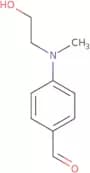
CAS:<p>N-Methyl-N-hydroxyethyl-4-aminobenzaldehyde (NHABA) is a bathochromic molecule that absorbs light at wavelengths of 400 to 500 nm. It is reactive and reacts with metal cations to form chromophores. NHABA has been shown to be a fluorescent probe for the detection of tyrosinase and autophagy in human serum. It also has inhibitory properties against tyrosinase, which may be due to its ability to inhibit the formation of melanin. NHABA is used as an analytical chemistry reagent for the determination of ammonia, nitrite, and nitrate ions in water samples. This molecule can also be used as a chemosensor for the detection of phenolic compounds in water samples.</p>Fórmula:C10H13NO2Pureza:Min. 95%Peso molecular:179.22 g/mol2-Fluoro-4-hydroxybenzaldehyde
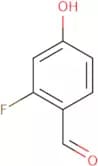
CAS:<p>2-Fluoro-4-hydroxybenzaldehyde is an oxidative compound that is a model compound of phenolic compounds. It can be used to synthesize 2,6-dichloroquinone and 2,5,7,8-tetrachlorodibenzo[p]fluoranthene. The metabolic pathway for this compound starts with the oxidative decarboxylation of L-tyrosine to form 4-hydroxyphenylpyruvic acid. This compound is then oxidized by cytochrome P450 enzymes to form 4-(2'-oxo)phenol. The 4-(2'-oxo)phenol can be methylated by S-adenosylmethionine in order to form 2-fluoro-4-hydroxybenzaldehyde.</p>Fórmula:C7H5FO2Pureza:Min. 95%Peso molecular:140.11 g/mol1-Phenyl-1H-pyrazole-4-carbaldehyde
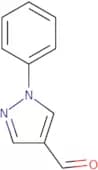
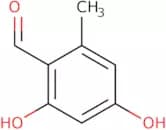
CAS:<p>1-Phenyl-1H-pyrazole-4-carbaldehyde is an antibacterial agent that has been shown to have bactericidal activity against bacteria. It inhibits the growth of bacteria by binding to the pyrazole ring in the bacterial cell wall and blocking the formation of a hydrogen bond. 1-Phenyl-1H-pyrazole-4-carbaldehyde has been shown to be effective against methicillin resistant Staphylococcus aureus (MRSA) and Ciprofloxacin resistant Pseudomonas aeruginosa isolates, but not against Mycobacterium tuberculosis or Mycobacterium avium complex.</p>Fórmula:C10H8N2OPureza:Min. 95%Peso molecular:172.18 g/mol2,4-Dihydroxy-6-methylbenzaldehyde
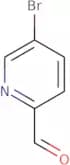
CAS:<p>2,4-Dihydroxy-6-methylbenzaldehyde is a chemical that is found naturally in a variety of plants. It has been shown to have immunomodulatory and anti-inflammatory effects in vitro and in vivo. 2,4-Dihydroxy-6-methylbenzaldehyde has been shown to reduce the production of inflammatory molecules such as tumor necrosis factor alpha (TNFα) and interleukin 12 (IL-12) by inhibiting the activation of microglia cells. This compound also inhibits LPS induced inflammatory response in human carcinoma cells. 2,4-Dihydroxy-6 methylbenzaldehyde is currently undergoing clinical trials for its potential use in regenerative medicine.</p>Fórmula:C8H8O3Pureza:Min. 95%Peso molecular:152.15 g/mol5-Bromopyridine-2-carbaldehyde
CAS:<p>5-Bromopyridine-2-carbaldehyde is a water soluble organic molecule that has been shown to inhibit the mitochondrial respiratory chain. It is a structural analog of the natural substrate for mitochondrial cytochrome c oxidase, 5-aminolevulinic acid. This compound has been shown to be selective against cancer cells and has anti-viral properties. The photophysical properties of 5-bromopyridine-2-carbaldehyde have been studied extensively. The fluorescence quantum yield of this molecule in aqueous solution is 0.06%.</p>Fórmula:C6H4BrNOPureza:Min. 95%Forma y color:White PowderPeso molecular:186.01 g/mol6-(Hydroxymethyl)pyridine-2-carboxaldehyde
CAS:<p>6-(Hydroxymethyl)pyridine-2-carboxaldehyde is a ligand that has anisotropic magnetic properties. It crystallizes in an orthorhombic system, and its structure consists of two iron atoms (II) coordinated by two hydrazone groups and one carboxylate group. The compound is dimeric, with each unit consisting of two iron atoms (II) coordinated by two hydrazone groups and one carboxylate group. The compound exhibits ferromagnetic properties, being paramagnetic at room temperature. In crystallography studies, it was found that the 6-(hydroxymethyl)pyridine-2-carboxaldehyde adducts are tetranuclear with a helicate geometry around the Fe(II) atom. This compound is also paramagnetic at room temperature due to the presence of unpaired electrons on the two Fe(II) centers.</p>Fórmula:C7H7NO2Pureza:Min. 99.8 Area-%Forma y color:White Off-White PowderPeso molecular:137.14 g/mol4-(Benzyloxy)-5-methoxy-2-nitrobenzaldehyde
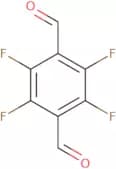
CAS:<p>4-(Benzyloxy)-5-methoxy-2-nitrobenzaldehyde (BOMBA) is an amide with affinity for microtubules. It has been shown to interact with the microtubule lattice and inhibit the polymerization of tubulin. This leads to a decrease in cell viability and cytotoxicity, as well as a decrease in tumor size. In vivo studies have demonstrated that BOMBA inhibits tumor growth by inducing thrombosis and coagulation, which results in reduced blood flow to the tumor. The mechanism of action of BOMBA is thought to be due to its ability to form sulfamates, which are known for their anti-coagulant activity.</p>Fórmula:C15H13NO5Pureza:Min. 95%Peso molecular:287.27 g/molTetrafluoroterephthaldehyde
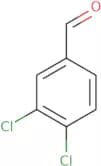
CAS:<p>Tetrafluoroterephthaldehyde (TFPA) is a reactive aldehyde that can be synthesized in the laboratory by the reaction of trifluoromethanesulfonic acid with an aromatic hydrocarbon or ester compound. TFPA has been used to study the synthesis of supramolecular assemblies and supramolecular chemistry. The radiation-induced formation of TFPA is a useful method for the synthesis of polymers, and the thermal expansion of TFPA is high enough to be used as a thermometer. TFPA has shown chemical stability in both acidic and alkaline media, as well as resistance to radiation and oxidation. TFPA also has a high boiling point, making it useful for desolvation during gas chromatography experiments.</p>Fórmula:C8H2F4O2Pureza:Min. 95%Forma y color:PowderPeso molecular:206.09 g/mol3,4-Dichlorobenzaldehyde
CAS:3,4-Dichlorobenzaldehyde is a monosubstituted aromatic organic compound with inhibitory effects. 3,4-Dichlorobenzaldehyde has shown significant antifungal activity against Candida albicans and Saccharomyces cerevisiae. It also inhibits the growth of certain cancer cells in cell culture studies. 3,4-Dichlorobenzaldehyde has been found to have anti-inflammatory properties and would be effective in treating inflammatory diseases such as asthma or arthritis. This compound has been shown to have significant effects on energy metabolism and fatty acid synthesis by inhibiting enzymes that are involved in these processes. 3,4-Dichlorobenzaldehyde can also be used to treat metabolic disorders such as diabetes mellitus type II and hyperlipidemia by inhibiting enzymes that are involved in these processes.Fórmula:C7H4Cl2OPureza:Min. 95%Forma y color:White To Off-White SolidPeso molecular:175.01 g/mol2-Methylvaleraldehyde
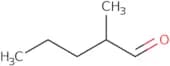
CAS:2-Methylvaleraldehyde is a colorless liquid with a pleasant odor. It is soluble in water and has an acidity of about 8.2%. The chemical formula for 2-methylvaleraldehyde is C6H12O2, and it has a molecular weight of 108.18 g/mol. 2-Methylvaleraldehyde can be obtained by the oxidation of cinnamic acid or by reduction of acetone with sodium borohydride or lithium aluminum hydride. 2-Methylvaleraldehyde can react with sodium carbonate or calcium carbonate to form sodium methoxyethoxide or calcium methoxyethoxide, respectively. The reaction intermediates are methyl ethyl ketone (MEK) and dimethyl ether (DME). These compounds are used in the synthesis of various other chemicals, including pentane, butadiene, and chloroprene. Pentane is a colorless liquid that has an odor threshold at 1Fórmula:C6H12OPureza:Min. 95%Peso molecular:100.16 g/mol(R)-Perillaldehyde
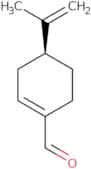
CAS:<p>(R)-Perillaldehyde is an activated cardenolide that binds to flavoproteins and inhibits the oxygenation of 4-hydroxycoumarin. It is a stereoselective, substrate binding, and oxygenated flavoenzyme inhibitor. The orientation of perillaldehyde with respect to the flavin may be important for its activity in the enzyme's active site.</p>Fórmula:C10H14OPureza:Min. 95%Peso molecular:150.22 g/molButyraldehyde
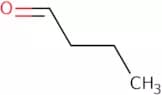
CAS:Butyraldehyde is a colorless to yellowish liquid with a strong, pungent odor. It is soluble in water and has an acidic pH of 2.6-3.0. Butyraldehyde is used as a chemical intermediate for the production of polyvinyl acetate and can be made by reacting acetic acid with butanol or butyl acetate. This chemical reacts with human serum albumin at low concentrations and may have biological properties such as catalyzing the conversion of picolinic acid to nicotinic acid, which aids in the prevention against infectious diseases. Butyraldehyde also has synergistic effects when used with picolinic acid, increasing its effectiveness in combating infection.Fórmula:C4H8OPureza:Min. 95%Forma y color:Clear LiquidPeso molecular:72.11 g/mol4-(Dimethylamino)-2-hydroxybenzaldehyde
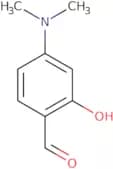
CAS:<p>4-(Dimethylamino)-2-hydroxybenzaldehyde (DMAA) is an anticancer agent that has been shown to enhance the antitumor effect of sodium succinate. DMAA binds to the tetradentate site of the DNA and prevents it from binding with a transcription factor, which may lead to cancer cell death. DMAA has low detection in urine and blood, making it difficult to detect its presence in patients. DMAA also has no known complexation partners, making it difficult for the body to excrete this drug. DMAA is not carcinogenic or mutagenic. It is used as a fluorescent probe for detecting hydroxy groups in organic compounds and as an environmental pollutant when mixed with other chemicals such as benzene and methylene chloride.</p>Pureza:Min. 95%Adrenalone hydrochloride
CAS:Producto controlado<p>Adrenalone hydrochloride is a synthetic form of epinephrine, which is an endogenous catecholamine. Adrenalone hydrochloride has been used to treat autoimmune diseases and bowel disease. Adrenalone hydrochloride binds to the alpha and beta receptors on the surface of cells, which stimulates the production of other hormones and neurotransmitters. It has also been shown to have antimicrobial properties against bacteria, fungi, and viruses. Adrenalone hydrochloride has a chemical stability that is greater than that of dopamine or adrenaline.</p>Fórmula:C9H11NO3·HClPureza:Min. 95%Peso molecular:217.65 g/molPropargylaldehyde diethyl acetal
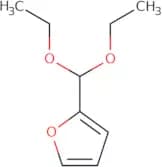
CAS:Propargylaldehyde diethyl acetal is a chemical compound that is used as an intermediate in the synthesis of other compounds. It is a white crystal or crystalline powder that is soluble in organic solvents such as ether, alcohols, and benzene. Propargylaldehyde diethyl acetal has been shown to be potent inhibitors of HSV-1, HSV-2, and HCMV. Furthermore, it has been reported that propargylaldehyde diethyl acetal inhibits the growth of cancer cells in vitro. In addition, propargylaldehyde diethyl acetal has been shown to inhibit the production of autoimmune diseases such as rheumatoid arthritis and multiple sclerosis.Fórmula:C7H12O2Pureza:Min. 95%Forma y color:Colorless Clear LiquidPeso molecular:128.17 g/mol2-Furaldehyde diethylacetal
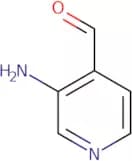
CAS:<p>2-Furaldehyde diethylacetal is a synthetic compound that has been used in the synthesis of calcium carbonate. It is also a potent inhibitor of p. aeruginosa and other bacteria, as well as organic acids and halogen compounds. It reacts with hydroxy groups to form aldehydes, which are then oxidized to form carboxylic acid derivatives. The reaction mechanism for this compound is not well understood, but it is thought that the activation energy for the reaction may be low due to the presence of a furfural functional group.</p>Fórmula:C9H14O3Pureza:Min. 95%Peso molecular:170.21 g/mol3-Aminopyridine-4-carboxaldehyde
CAS:3-Aminopyridine-4-carboxaldehyde (3APCA) is an acridone that is a colorless, crystalline solid. It has a molecular formula of C8H6N2O2 and a molecular weight of 174.14 g/mol. 3APCA can be synthesized by heating 2-pyridinecarboxylic acid with chloroacetyl chloride in the presence of pyridine as a solvent. The compound can be detected by nmr spectra, which are efficient methods for characterization of this chemical. The spectrum shows peaks at δ 8.22 ppm (1H), 7.61 ppm (1H), 6.99 ppm (2H), 5.87 ppm (1H), 4.06 ppm (2H). 3APCA has been shown to react with alkyl bromides to form carboxylic acids, which are shown by the peaks at δ 8.22 ppm andFórmula:C6H6N2OPureza:Min. 95%Peso molecular:122.12 g/molSuccinicsemialdehyde
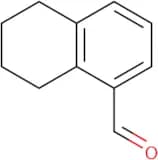
CAS:<p>Succinicsemialdehyde is a semialdehyde that is formed by the oxidative degradation of succinic acid. Succinicsemialdehyde has been shown to have high affinity for 5-HT3 receptors, which are found in the gastrointestinal tract and are involved in intestinal motility and bowel disease. The 5-HT3 receptor has been shown to be an important target for the treatment of irritable bowel syndrome. This semialdehyde also inhibits polymerase chain reaction (PCR) activity, which may be due to its ability to inhibit DNA synthesis. Succinicsemialdehyde has been shown to inhibit enzymes involved in energy metabolism, such as glutamate dehydrogenase and pyruvate formate lyase. The structural analysis of this molecule shows a keto group at C2, which indicates that it is a keto acid.</p>Fórmula:C4H6O3Pureza:Min. 95%Forma y color:PowderPeso molecular:102.09 g/mol5,6,7,8-Tetrahydronaphthalene-1-carbaldehyde
CAS:<p>Please enquire for more information about 5,6,7,8-Tetrahydronaphthalene-1-carbaldehyde including the price, delivery time and more detailed product information at the technical inquiry form on this page</p>Fórmula:C11H12OPureza:Min. 95%Forma y color:Clear LiquidPeso molecular:160.21 g/mol4-Nitro lenalidomide
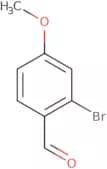
CAS:<p>4-Nitro lenalidomide is an organic compound that is a derivative of the drug lenalidomide. It is synthesized by reacting 2-nitrobenzaldehyde with amines, yielding 4-nitro-N-(2-chloroethyl)-N-(2,3-dihydroxypropyl)benzamide or 4-nitrolenalidomide. This reaction occurs in tetrahydrofuran (THF) as a solvent and in the presence of sodium borohydride (NaBH4). The four nitro groups are used to control the enantiomeric purity of the product. The chemical formula for 4-nitro lenalidomide is C12H14ClNO2.</p>Fórmula:C13H11N3O5Pureza:Min. 95%Peso molecular:289.24 g/mol2-Bromo-4-methoxybenzaldehyde
CAS:2-Bromo-4-methoxybenzaldehyde is a cyclic, stereoselectively eliminable, acrylate that can be used in the asymmetric synthesis of sulfamidate and lactam. It can also be used to synthesize quinoline derivatives with aluminium chloride. This product has been shown to yield good yields when reacted with functional groups such as halides and nature. 2-Bromo-4-methoxybenzaldehyde is found in biomolecular reactions.Fórmula:C8H7BrO2Forma y color:PowderPeso molecular:215.04 g/mol6-Chloro-1,3-dimethyl-1H-pyrazolo[3,4-b]pyridine-5-carboxaldehyde
CAS:<p>Please enquire for more information about 6-Chloro-1,3-dimethyl-1H-pyrazolo[3,4-b]pyridine-5-carboxaldehyde including the price, delivery time and more detailed product information at the technical inquiry form on this page</p>Fórmula:C9H8ClN3OPureza:Min. 95%Peso molecular:209.63 g/mol1,2,4,5-Tetramethyl-1H-pyrrole-3-carbaldehyde
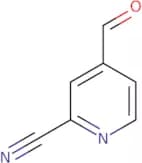
CAS:<p>Please enquire for more information about 1,2,4,5-Tetramethyl-1H-pyrrole-3-carbaldehyde including the price, delivery time and more detailed product information at the technical inquiry form on this page</p>Fórmula:C9H13NOPureza:Min. 95%Peso molecular:151.21 g/mol2-Cyanopyridine-4-carboxaldehyde
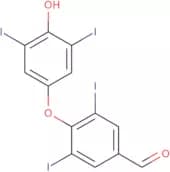
CAS:<p>Please enquire for more information about 2-Cyanopyridine-4-carboxaldehyde including the price, delivery time and more detailed product information at the technical inquiry form on this page</p>Fórmula:C7H4N2OPureza:Min. 95%Peso molecular:132.12 g/mol3,5,3',5'-Tetraiodo thyroaldehyde
CAS:<p>Please enquire for more information about 3,5,3',5'-Tetraiodo thyroaldehyde including the price, delivery time and more detailed product information at the technical inquiry form on this page</p>Fórmula:C13H6I4O3Pureza:Min. 95%Forma y color:PowderPeso molecular:717.8 g/mol2-Phenoxyacetaldehyde
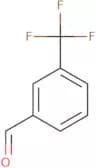
CAS:<p>2-Phenoxyacetaldehyde is a reactive molecule that has been shown to inhibit the growth of hematopoietic cells. It also inhibits the production of active enzymes, such as amylase, by interfering with the nucleophilic attack and oxidation of 2-phenoxyacetaldehyde. The synthesis methods for 2-phenoxyacetaldehyde include homogeneous catalysts and chemical reactions. This molecule has been used in detergent compositions, but it is not suitable for use in food contact materials because of its toxicity.</p>Fórmula:C8H8O2Pureza:Min. 95%Peso molecular:136.15 g/mol3-(Trifluoromethyl)benzaldehyde
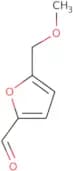
CAS:<p>3-(Trifluoromethyl)benzaldehyde is an organic compound that has the chemical formula C8H7FO. It is a trifunctional molecule with three phenolic hydroxyl groups, which makes it a good candidate for drug design. 3-(Trifluoromethyl)benzaldehyde can be synthesized by reacting an imine with a chiral acid chloride in the presence of a base and a catalytic amount of DMAP. The reaction yield is low, but this synthetic method is efficient. 3-(Trifluoromethyl)benzaldehyde has been shown to inhibit the growth of Mycobacterium avium, but not Mycobacterium tuberculosis or other bacteria such as Listeria monocytogenes and Escherichia coli. This might be due to its ability to inhibit protein synthesis by binding to ribosomes. This compound also possesses anti-inflammatory properties and inhibits leukemia Hl-</p>Fórmula:C8H5F3OPureza:Min. 95%Forma y color:Clear LiquidPeso molecular:174.12 g/mol5-(Methoxymethyl)-2-furancarboxaldehyde
CAS:<p>5-hydroxymethylfurfural (5-hmf) is an organic compound that is produced when a carbohydrate or sugar undergoes oxidation. It is used as an additive in animal feed and as an industrial chemical. 5-hmf is a solid catalyst that can be used at high temperatures, making it suitable for use in the production of 2,6-dihydroxybenzoic acid. The reaction mechanism of 5-hmf involves the dehydration of furfural to form 5-hydroxymethylfurfural. This process occurs when a molecule of water reacts with furfural to produce two molecules of 5-hmf. The reaction may be accelerated by introducing heat, which breaks down the hydrogen bonds between the molecules of furfural and water.</p>Fórmula:C7H8O3Pureza:Min. 95%Forma y color:Clear LiquidPeso molecular:140.14 g/mol

amino}acetic acid](/_next/image/?url=https%3A%2Fstatic.cymitquimica.com%2Fproducts%2F10%2Fthumb-webp%2FF675603.webp&w=3840&q=75)

![(3aS,8bS)-4-(4-(2,2-diphenylvinyl)phenyl)-1,2,3,3a,4,8b-hexahydrocyclopenta[b]indole-7-carbaldehyde](/_next/image/?url=https%3A%2Fstatic.cymitquimica.com%2Fproducts%2F10%2Fthumb-webp%2FF788638.webp&w=3840&q=75)


![2-[2-(dimethylamino)ethoxy]benzaldehyde hydrochloride](/_next/image/?url=https%3A%2Fstatic.cymitquimica.com%2Fproducts%2F10%2Fthumb-webp%2FF361707.webp&w=3840&q=75)

![10-(4-Chlorophenyl)-5,5-difluoro-2-formyl-1,3,7,9-tetramethyl-5H-dipyrrolo[1,2-c:2′,1′-f][1,3,2]di…](/_next/image/?url=https%3A%2Fstatic.cymitquimica.com%2Fproducts%2F10%2Fthumb-webp%2FF865148.webp&w=3840&q=75)

![4-[(4-Formylphenoxy)methyl]benzoic acid](/_next/image/?url=https%3A%2Fstatic.cymitquimica.com%2Fproducts%2F10%2Fthumb-webp%2FF606977.webp&w=3840&q=75)

![2-[(2-chloro-6-fluorobenzyl)oxy]benzaldehyde](/_next/image/?url=https%3A%2Fstatic.cymitquimica.com%2Fproducts%2F10%2Fthumb-webp%2FF314614.webp&w=3840&q=75)
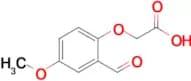
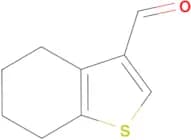
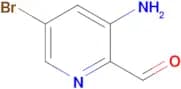

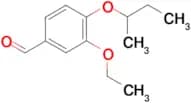
![4-[(1-methoxypropan-2-yl)oxy]benzaldehyde](/_next/image/?url=https%3A%2Fstatic.cymitquimica.com%2Fproducts%2F10%2Fthumb-webp%2FF660610.webp&w=3840&q=75)

![2-[2-(Morpholino)ethoxy]benzaldehyde hydrochloride](/_next/image/?url=https%3A%2Fstatic.cymitquimica.com%2Fproducts%2F10%2Fthumb-webp%2FF361560.webp&w=3840&q=75)


![2-[2-(4-Methyl-1-piperidinyl)-2-oxoethoxy]-benzaldehyde](/_next/image/?url=https%3A%2Fstatic.cymitquimica.com%2Fproducts%2F10%2Fthumb-webp%2FF075396.webp&w=3840&q=75)
![4-[ethyl(phenyl)amino]benzaldehyde](/_next/image/?url=https%3A%2Fstatic.cymitquimica.com%2Fproducts%2F10%2Fthumb-webp%2FF674479.webp&w=3840&q=75)
![1-[4-(dimethylamino)phenyl]-2,5-dimethyl-1H-pyrrole-3-carbaldehyde](/_next/image/?url=https%3A%2Fstatic.cymitquimica.com%2Fproducts%2F10%2Fthumb-webp%2FF314986.webp&w=3840&q=75)
![3-methoxy-4-[(2-nitrobenzyl)oxy]benzaldehyde](/_next/image/?url=https%3A%2Fstatic.cymitquimica.com%2Fproducts%2F10%2Fthumb-webp%2FF314275.webp&w=3840&q=75)




![SPIRO[2.3]HEXANE-5-CARBALDEHYDE](/_next/image/?url=https%3A%2Fstatic.cymitquimica.com%2Fproducts%2F10%2Fthumb-webp%2FF536241.webp&w=3840&q=75)
![3-[1-(dimethylamino)ethyl]benzaldehyde](/_next/image/?url=https%3A%2Fstatic.cymitquimica.com%2Fproducts%2F10%2Fthumb-webp%2FF309521.webp&w=3840&q=75)

![[1,2,4]TRIAZOLO[1,5-A]PYRIDINE-7-CARBALDEHYDE](/_next/image/?url=https%3A%2Fstatic.cymitquimica.com%2Fproducts%2F10%2Fthumb-webp%2FF829859.webp&w=3840&q=75)



![TERT-BUTYL 8-FORMYL-2,3-DIHYDRO-4H-BENZO[B][1,4]OXAZINE-4-CARBOXYLATE](/_next/image/?url=https%3A%2Fstatic.cymitquimica.com%2Fproducts%2F10%2Fthumb-webp%2FF850892.webp&w=3840&q=75)
![4H,5H,6H-CYCLOPENTA[D][1,3]THIAZOLE-2-CARBALDEHYDE](/_next/image/?url=https%3A%2Fstatic.cymitquimica.com%2Fproducts%2F10%2Fthumb-webp%2FF852241.webp&w=3840&q=75)





![N-[3-(1,1,2,2-Tetrafluoroethoxy)phenyl]formamide](/_next/image/?url=https%3A%2Fstatic.cymitquimica.com%2Fproducts%2F3D%2Fthumb-webp%2FFA169600.webp&w=3840&q=75)





![(E,E)-5-[4-(Diethylamino)phenyl]penta-2,4-dienal](/_next/image/?url=https%3A%2Fstatic.cymitquimica.com%2Fproducts%2FTR%2Fthumb-webp%2FD443665.webp&w=3840&q=75)








![6-Chloro-1,3-dimethyl-1H-pyrazolo[3,4-b]pyridine-5-carboxaldehyde](/_next/image/?url=https%3A%2Fstatic.cymitquimica.com%2Fproducts%2F3D%2Fthumb-webp%2FFC30642.webp&w=3840&q=75)