Heterociclos mixtos
En esta sección, encontrará una colección de compuestos cíclicos que tienen átomos de al menos dos elementos diferentes como miembros de la estructura del anillo. Los heterociclos mixtos son versátiles y ampliamente utilizados en la síntesis de productos farmacéuticos, agroquímicos y materiales debido a sus diversas propiedades químicas y actividades biológicas. Estos compuestos son esenciales en el desarrollo de moléculas complejas y materiales innovadores. En CymitQuimica, ofrecemos una amplia gama de heterociclos mixtos de alta calidad para apoyar sus investigaciones y aplicaciones industriales.
Subcategorías de "Heterociclos mixtos"
- 7H-Purina(1 productos)
- Azaindoles(25 productos)
- Benzofuranos(922 productos)
- Benzotiofenos(690 productos)
- Benzotriazoles(436 productos)
- Benzoxazina(30 productos)
- Benzoxazol(39 productos)
- Carbolines(37 productos)
- Indazoles(2.016 productos)
- Isoquinolina(1.063 productos)
- Morfolina(2.207 productos)
- Oxadiazoles(1.168 productos)
- Oxaziridinas(4 productos)
- Oxazol(152 productos)
- Pirazolo [1,5-a] piridina(232 productos)
- Pirido [2,3-b] pirazina(35 productos)
- Pirrolo [1,2-a] pirazina(11 productos)
- Pirrolo [1,2-b] piridazina(10 productos)
- Pirrolo [2,3-b] piridina(282 productos)
- Pirrolo [2,3-c] piridina(195 productos)
- Quinazolina(1.005 productos)
- Quinolinas(5.365 productos)
- Quinoxalina(436 productos)
- Tiadiazoles(475 productos)
- Tiazinas(124 productos)
- Tiazoles(4.489 productos)
- Tiomorfolina(371 productos)
- [1,2,3] Triazolo [4,5-b] piridina(20 productos)
- [1,2,4] Triazolo [4,3-a] piridina(161 productos)
Mostrar 21 subcategorías más
Se han encontrado 4831 productos de "Heterociclos mixtos"
Ordenar por
Pureza (%)
0
100
|
0
|
50
|
90
|
95
|
100
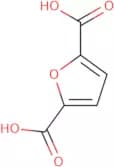
2,5-Furandicarboxylic acid
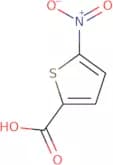
CAS:<p>Interest in renewable based polymers has led to 2,5-furandicarboxylic acid being proposed as a green, sustainable alternative to the widely used petroleum-based terephthalic acid in the synthesis of polyesters. 2,5-Furandicarboxylic acid is produced from oxidation of 5-hydroxymethylfurfural (HMF) which is obtained from the dehydration of bio-based sugars such as fructose.</p>Fórmula:C6H4O5Pureza:Min. 98 Area-%Forma y color:White Clear LiquidPeso molecular:156.09 g/mol5-Nitrothiophene-2-carboxylic acid
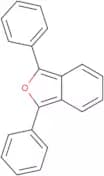
CAS:<p>Used for preparation of pentathiophene amide</p>Fórmula:C5H3NO4SPureza:Min. 95%Forma y color:White PowderPeso molecular:173.15 g/mol1,3-Diphenylisobenzofuran
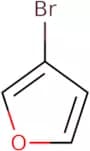
CAS:<p>1,3-Diphenylisobenzofuran is a reactive compound that has been shown to have anti-infectious and anticancer properties. It has been shown to cause cell lysis in a variety of infectious diseases, such as Chlamydia pneumoniae, Borrelia burgdorferi, and Salmonella typhimurium. It also has anticancer activity against human tumor cells lines and is ancillary to photodynamic therapy (PDT). 1,3-Diphenylisobenzofuran is able to induce apoptosis in rat liver microsomes by binding to the thiol group of cysteine residues on proteins. The activity index for this compound was found to be 10.0 μM.</p>Fórmula:C20H14OPureza:Min. 95%Forma y color:Yellow SolidPeso molecular:270.32 g/mol3-Bromofuran
CAS:<p>3-Bromofuran is a synthetic chemical that can be used to treat cancer, specifically as an anti-cancer agent. 3-Bromofuran has been shown to inhibit the growth of tumour cells in culture. It also selectively inhibits antigen expression and induces apoptosis in tumour cells. 3-Bromofuran is synthesized by a Sharpless asymmetric dihydroxylation of hippuric acid and efficiently undergoes cross coupling reactions with electron deficient polyatomic molecules such as organoaluminium compounds. The major metabolite of 3-bromofuran is 3,4-dihydroxybenzoic acid (3,4-DHBA), which has been found to have antiviral and antibacterial properties.</p>Fórmula:C4H3BrOPureza:Min. 95%Forma y color:Clear LiquidPeso molecular:146.97 g/molPhenoxazine
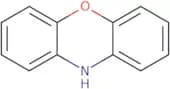
CAS:<p>Phenoxazine is a fluorescence probe that binds to DNA and has minimal toxicity. It is used in biological studies as a redox potential indicator to measure the electrochemical impedance of cells. Phenoxazine has been shown to have anti-inflammatory activity by inhibiting prostaglandin E2 levels in HL-60 cells. This drug also can be used as a model system for studying infectious diseases, such as tuberculosis, which are caused by mycobacteria. Phenoxazine has been shown to inhibit the growth of mycobacteria using an electrochemical impedance spectroscopy (EIS) polymerase chain reaction (PCR) technique.</p>Fórmula:C12H9NOPureza:Min. 96.5 Area-%Forma y color:Beige PowderPeso molecular:183.21 g/mol2-Benzofurancarboxylic acid
CAS:<p>2-Benzofurancarboxylic acid is a potent antimicrobial agent that inhibits the growth of bacteria by binding to amines, carthamus tinctorius, coumarin derivatives, and reaction mechanism. It has been shown to be effective against several types of cancer cells and autoimmune diseases. 2-Benzofurancarboxylic acid binds reversibly to the active site of an enzyme with high affinity for amines, carthamus tinctorius, coumarin derivatives, and reaction mechanism. This binding prevents the enzyme from performing its normal function.<br>2-Benzofurancarboxylic acid has also been shown to inhibit bacterial growth in a microgravity environment and was found to be more effective than its analogs in a molecular docking analysis.</p>Fórmula:C9H6O3Pureza:Min. 98 Area-%Forma y color:PowderPeso molecular:162.14 g/mol2-Amino-3-(furan-3-yl)propanoic acid hydrochloride
CAS:<p>Please enquire for more information about 2-Amino-3-(furan-3-yl)propanoic acid hydrochloride including the price, delivery time and more detailed product information at the technical inquiry form on this page</p>Fórmula:C7H9NO3•HClPureza:Min. 95%Forma y color:PowderPeso molecular:191.61 g/mol3-Furaldehyde
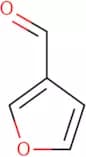
CAS:<p>Plant-derived; solvent</p>Fórmula:C5H4O2Pureza:Min. 96 Area-%Forma y color:Yellow To Dark Brown Clear LiquidPeso molecular:96.08 g/mol2,3-Dimethylbenzofuran
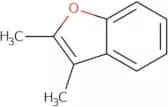
CAS:<p>2,3-Dimethylbenzofuran (2,3-DBF) is a specific interaction that is an inorganic chemical. It has shown genotoxic effects, such as DNA damage and chromosomal aberrations, in hl-60 cells. 2,3-DBF can be acetylated by the activity of acetyltransferases to form 2,3-dimethylbenzoic acid (DMBA). DMBA is oxidized by cytochrome P450 enzymes to form DMBA quinone. DMBA quinone reacts with deuterium isotope to form an ionizable compound which can then be hydrolyzed into benzoic acid and methyl alcohol. The oxidation products of 2,3-DBF have been studied using analytical methods such as gas chromatography and mass spectrometry. These analyses showed the presence of acidic hydrolysis products and ionizable compounds.</p>Fórmula:C10H10OPureza:Min. 98 Area-%Forma y color:Clear LiquidPeso molecular:146.19 g/molUDP-3-O[R-3-hydroxymyristoyl]-N-acetylglucosamine tris, 90%
CAS:<p>Please enquire for more information about UDP-3-O[R-3-hydroxymyristoyl]-N-acetylglucosamine tris, 90% including the price, delivery time and more detailed product information at the technical inquiry form on this page</p>Fórmula:C31H53N3O19P2•C4H11NO3Pureza:Min. 95%Forma y color:PowderPeso molecular:954.85 g/molN2-Isobutyryl-5'-O-(4,4'-dimethoxytrityl)-2'-deoxyguanosine-3'-O-succinate triethylamine
CAS:<p>Please enquire for more information about N2-Isobutyryl-5'-O-(4,4'-dimethoxytrityl)-2'-deoxyguanosine-3'-O-succinate triethylamine including the price, delivery time and more detailed product information at the technical inquiry form on this page</p>Fórmula:C39H41N5O10•C6H15NPureza:Min. 95%Peso molecular:840.96 g/mol2-Thiophenecarboxylic acid hydrazide
CAS:<p>2-Thiophenecarboxylic acid hydrazide is a potent antifungal agent that inhibits the growth of bacteria by binding to the cell membrane. It has been shown to be an effective inhibitor of Candida albicans, as well as other fungi, including Saccharomyces cerevisiae and Aspergillus niger. 2-Thiophenecarboxylic acid hydrazide binds to the cell membrane by forming stable complexes with nitrogen atoms in the bacterial cell wall. This binding prevents the formation of an antibiotic-inhibitor complex with enzymes required for protein synthesis, resulting in inhibition of protein synthesis and cell division. 2-Thiophenecarboxylic acid hydrazide also inhibits epidermal growth factor (EGF) activity in vitro, which may be due to its ability to form amide bonds with α1-acid glycoprotein.</p>Fórmula:C5H6N2OSPureza:Min. 98 Area-%Forma y color:White PowderPeso molecular:142.18 g/mol2-(3,5-Dichlorophenyl)-6-benzoxazole carboxylic acid
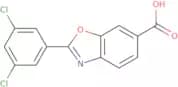
CAS:<p>2-(3,5-Dichlorophenyl)-6-benzoxazole carboxylic acid (XZP) is a diagnostic agent used in the diagnosis of certain diseases. XZP binds to the matrix metalloproteinases and inhibits their activity, which has been shown to reduce the effects of these enzymes on collagen fibers. This inhibition can be demonstrated using a titration calorimetry technique. The drug is also a potential therapeutic agent for congestive heart failure, as it can stimulate cardiac natriuretic peptide levels and reduce transthyretin levels. XZP has also been shown to be an effective adjunct therapy in vancomycin therapy for treatment of tubulointerstitial injury in rats.</p>Fórmula:C14H7Cl2NO3Pureza:Min. 98 Area-%Forma y color:PowderPeso molecular:308.12 g/mol1,5-Anhydro-D-glucitol 6-dihydrogenphosphate disodium
CAS:<p>Please enquire for more information about 1,5-Anhydro-D-glucitol 6-dihydrogenphosphate disodium including the price, delivery time and more detailed product information at the technical inquiry form on this page</p>Fórmula:C6H13O8P•Na2Pureza:Min. 95%Peso molecular:290.12 g/mol1,2-Naphthoquinone-4-sulfonic acid potassium salt
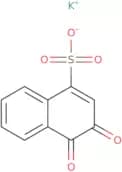
CAS:<p>1,2-Naphthoquinone-4-sulfonic acid potassium salt is a pesticide that has been shown to be active against many types of insects. It is used as an insecticide and acaricide in agriculture, horticulture, and forestry. The compound is stable and does not hydrolyze in water, making it easy to handle. This product is also a natural product that can be synthesized from cyanamide and amines, which are both commercially available. 1,2-Naphthoquinone-4-sulfonic acid potassium salt has been found to be effective at killing insects when injected into their bodies with the use of a syringe or when sprayed on the surface where they live. GC–MS analysis has shown that this compound contains no reactive functional groups or substances that would cause harm to humans or animals. Research has shown this product to be safe for use in food crops and animal feed.</p>Fórmula:C10H5O5SKPureza:Min. 98 Area-%Forma y color:Orange PowderPeso molecular:276.31 g/mol4-(Cyclopropylmethyl)-1-oxa-4,9-diazaspiro[5.5]undecan-3-one hydrochloride
<p>Please enquire for more information about 4-(Cyclopropylmethyl)-1-oxa-4,9-diazaspiro[5.5]undecan-3-one hydrochloride including the price, delivery time and more detailed product information at the technical inquiry form on this page</p>Fórmula:C12H20N2O2•(HCl)xPureza:Min. 95%Forma y color:Powder2-Acetyl-5-bromothiophene
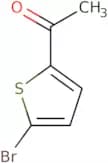
CAS:<p>2-Acetyl-5-bromothiophene is an organosulfur compound that is a reactive intermediate in the Suzuki coupling reaction. It has been used as a substrate for biological studies of toxicity and cancer, and to generate unsymmetrical compounds with multi-walled carbon light emission. 2-Acetyl-5-bromothiophene also has the ability to inhibit glutamate dehydrogenase and hydroxide solution, which are enzymes necessary for the production of energy in cells. 2-Acetyl-5-bromothiophene is toxic to animals and humans because it can cause cancer and other health problems such as neurotoxicity, liver dysfunction, and kidney damage. 2-Acetyl-5-bromothiophene has been shown to cause DNA strand breaks in human breast cancer cells.</p>Fórmula:C6H5BrOSPureza:Min. 98.5 Area-%Forma y color:PowderPeso molecular:205.07 g/molLevoglucosenone
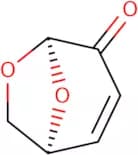
CAS:<p>Levoglucosenone is a molecule that inhibits the reaction mechanism of glycosidic bond formation. It is used in biochemical research to study reactions that involve surface methodology, such as hydroxyl group formation and zirconium oxide deposition. Levoglucosenone can be used to inhibit the acid formation that occurs during the reaction between nitrite ion and a chiral compound. The reactant solution can be activated by adding levoglucosenone to it, which will then inhibit the reaction. Sample preparation for these types of experiments involves dissolving the reactant solution in water and adding ammonium hydroxide to it, followed by adding a small amount of levoglucosenone.</p>Fórmula:C6H6O3Pureza:Min. 95%Forma y color:Clear LiquidPeso molecular:126.11 g/mol3-Chloro-1,2-benzisothiazole
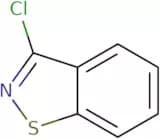
CAS:<p>3-Chloro-1,2-benzisothiazole is a nucleophilic agent with a hydrogen bond donor. It has been shown to inhibit the replication of RNA in the presence of adenosine triphosphate (ATP) and to bind to amines. 3-Chloro-1,2-benzisothiazole is used as an inhibitor for non-nucleoside reverse transcriptase inhibitors. It has been shown to have high potency and strong inhibitory activity against HIV and other retroviruses. 3-Chloro-1,2-benzisothiazole also inhibits vibrational modes associated with enzymatic reactions.</p>Fórmula:C7H4ClNSPureza:Min. 95%Forma y color:PowderPeso molecular:169.63 g/molTetrahydrofurfuryl alcohol
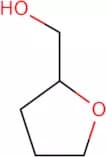
CAS:<p>Tetrahydrofurfuryl alcohol is a clear, colorless liquid. It has a boiling point of 176 °C and a flash point of -40 °C. Tetrahydrofurfuryl alcohol is soluble in water and glycol ethers. This compound is used as an industrial solvent for paints, dyes, lacquers, varnishes, and other coatings. Tetrahydrofurfuryl alcohol also serves as an excellent catalyst for hydrogenation reactions. The use of tetrahydrofurfuryl alcohol as a catalyst for the hydrogenation of unsaturated hydrocarbons to produce saturated compounds is well known. Tetrahydrofurfuryl alcohol may be injected into the body to treat conditions such as epilepsy and depression. This drug can also be used as a transfer reagent in organic synthesis reactions that require transfer of the tetra-hydro-group from one reactant to another.</p>Fórmula:C5H10O2Pureza:Min. 95%Forma y color:Colorless Clear LiquidPeso molecular:102.13 g/molDibenzofuran
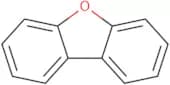
CAS:<p>Dibenzofuran is a polycyclic aromatic hydrocarbon (PAH) that can be found in the environment and in living organisms. The body mass index, concentrations of dibenzofurans in maternal blood, and analytical method are factors that determine the levels of this compound. Dibenzofurans have been shown to induce enzyme activities in human serum. It is also an oral pathogen for humans, causing health problems such as DNA damage and cancer. Dibenzofurans are metabolized by cytochrome P450 enzymes and can react with other PAHs to form polychlorinated dibenzodioxins. Structural analysis shows nitrogen atoms on the benzene ring, which are essential for biological properties such as mutagenicity.</p>Fórmula:C12H8OPureza:Min. 95%Forma y color:White PowderPeso molecular:168.19 g/mol5-Hydroxymethyl-2-furancarboxylic acid
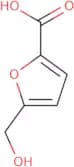
CAS:<p>5-Hydroxymethylfurfural (5-HMF) is a structural analysis of the high values obtained in the reaction solution. 5-HMF is a polymerase chain reaction product that is obtained from p-hydroxybenzoic acid and malonic acid during the enzymatic conversion of carbohydrates. It can be used as a biocompatible polymer. The reaction mechanism for this process has been proposed to be through the formation of pyrazinoic acid, followed by an elimination reaction with chlorogenic acids. This mechanism is supported by modeling studies, which show that pyrazinoic acid is a key intermediate in the conversion of glucose to 5-HMF.</p>Fórmula:C6H6O4Pureza:Min. 95%Forma y color:White PowderPeso molecular:142.11 g/mol8-Hydroxypenillic acid
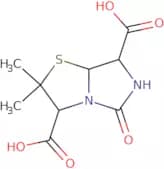
CAS:<p>8-Hydroxypenillic acid is an intermediate in the synthesis of penicillin. It is produced by the enzyme 8-hydroxylase, which converts L-lysine to L-3,4-dihydroxyphenylalanine. This reaction requires a number of cofactors, including magnesium ions and oxygen. The product is then converted to 8-hydroxypenillic acid by the enzyme hydroxypenicillinase. Inhibition of this enzyme leads to accumulation of 8-hydroxypenillic acid, which can be used as a biomarker for production of penicillin.</p>Fórmula:C9H12N2O5SPureza:Min. 95%Forma y color:PowderPeso molecular:260.27 g/mol5-Fluoro-dUMP sodium
CAS:<p>Please enquire for more information about 5-Fluoro-dUMP sodium including the price, delivery time and more detailed product information at the technical inquiry form on this page</p>Fórmula:C9H12FN2O8P•NaxPureza:Min. 95%2-Bromothiazole
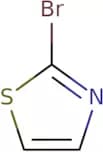
CAS:<p>2-Bromothiazole is an anticancer agent that can be prepared by coupling of 2-bromo-1,2-dithiolane and thiourea. This chemical has been found to be effective against a number of cancers in both animal and human studies. It is also used as a reagent in the industrial preparation of pesticides and dyes. 2-Bromothiazole is highly reactive with nucleophiles such as amines, alcohols, and phenols, which makes it a powerful catalyst for cross-coupling reactions. It can be used to make other organic compounds that have not been available from commercial sources due to its high reactivity. The compound's anti-inflammatory properties may be related to its ability to inhibit prostaglandin synthesis by inhibiting cyclooxygenase activity.</p>Fórmula:C3H2BrNSPureza:Min. 95%Forma y color:PowderPeso molecular:164.02 g/mol3-Methyl-4-(4,4,5,5-tetramethyl-1,3,2-dioxaborolan-2-yl)isoxazole
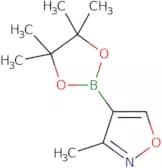
CAS:<p>3-Methyl-4-(4,4,5,5-tetramethyl-1,3,2-dioxaborolan-2-yl)isoxazole is a fine chemical that belongs to the class of boron compounds. It can be used as a reagent or in the synthesis of other compounds. 3-Methyl-4-(4,4,5,5-tetramethyl-1,3,2-dioxaborolan-2-yl)isoxazole is an intermediate for the production of pharmaceuticals and agrochemicals. It can also be used as a building block in organic synthesis and a scaffold for the preparation of complex molecules.</p>Fórmula:C10H16BNO3Pureza:Min. 95%Forma y color:PowderPeso molecular:209.05 g/mol4-Methylmorpholine N-oxide monohydrate
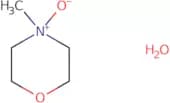
CAS:<p>Intermediate for organic syntheses</p>Fórmula:C5H13NO3Forma y color:PowderPeso molecular:135.16 g/mol2-Carboxythiazole
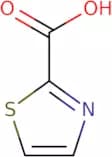
CAS:<p>2-Carboxythiazole is a heterocyclic compound that contains a thiazole ring fused with a carboxylic acid. It has been shown to have potent antagonist effects at the histamine H4 receptor, which may be due to its hydrogen bond interactions with the receptor. 2-Carboxythiazole has also been shown to be an effective treatment for autoimmune diseases, such as psoriasis and rheumatoid arthritis. This compound inhibits the production of T cells in the immune system by binding to the H4 receptor on T cells. 2-Carboxythiazole is also used as an anti-tuberculosis drug for the treatment of tuberculosis infections. It inhibits bacterial growth by binding to DNA-dependent RNA polymerase, thereby preventing transcription and replication. The high frequency of human activity has been shown using a patch-clamp technique on human erythrocytes. This active form is metabolized through a number of metabolic transformations, including hydroly</p>Fórmula:C4H3NO2SPureza:Min. 95%Forma y color:PowderPeso molecular:129.14 g/molThianaphthene
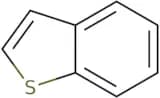
CAS:<p>Used in raloxifene synthesis and preparation of 2-thianapthenylphenyllithium</p>Fórmula:C8H6SPureza:Min. 94 Area-%Forma y color:Brown White Yellow PowderPeso molecular:134.2 g/mol3,4,5,6,7,8-Hexahydro-2,9-benzodioxacyclododecin-1,10-dione
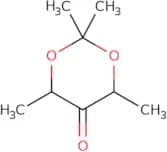
CAS:<p>3,4,5,6,7,8-Hexahydro-2,9-benzodioxacyclododecin-1,10-dione is a research chemical that is an important intermediate for the synthesis of many useful compounds. It can be used as a building block for the synthesis of more complex and valuable compounds in the pharmaceutical industry. 3,4,5,6,7,8-Hexahydro-2,9-benzodioxacyclododecin-1,10-dione is also an important reagent for organic chemistry reactions. It has been shown to behave as a good scaffold for the synthesis of other molecules with high purity. This compound has been shown to be useful in many different reactions such as condensations and cyclizations.</p>Fórmula:C14H16O4Pureza:Min. 95%Forma y color:PowderPeso molecular:248.27 g/mol2,2,4,6-Tetramethyl-1,3-dioxan-5-one
CAS:<p>Please enquire for more information about 2,2,4,6-Tetramethyl-1,3-dioxan-5-one including the price, delivery time and more detailed product information at the technical inquiry form on this page</p>Fórmula:C8H14O3Pureza:Min. 95%Forma y color:PowderPeso molecular:158.2 g/molFmoc-Lys(5-TAMRA)-OH
CAS:<p>Please enquire for more information about Fmoc-Lys(5-TAMRA)-OH including the price, delivery time and more detailed product information at the technical inquiry form on this page</p>Fórmula:C46H44N4O8Pureza:Min. 95%Peso molecular:780.9 g/molGemcitabine monophosphate disodium monohydrate
CAS:<p>Please enquire for more information about Gemcitabine monophosphate disodium monohydrate including the price, delivery time and more detailed product information at the technical inquiry form on this page</p>Fórmula:C9H12F2N3O7P•Na2•H2OPureza:90%Min By HplcForma y color:PowderPeso molecular:407.16 g/molEthyl 2-amino-4-methylthiophene-3-carboxylate
CAS:<p>Ethyl 2-amino-4-methylthiophene-3-carboxylate (EMTC) is a cytotoxic agent. It inhibits the HIV virus by interfering with the synthesis of viral proteins. EMTC has been shown to be effective against cancer cells, but not against healthy cells. The cytotoxic effect of EMTC is related to its ability to inhibit DNA synthesis and RNA transcription in both normal and cancer cells, which leads to cell death.</p>Fórmula:C8H11NO2SPureza:Min. 95%Forma y color:PowderPeso molecular:185.24 g/mol4H-Cyclopenta[2,1-b:3,4-b']dithiophene
CAS:<p>4H-Cyclopenta[2,1-b:3,4-b']dithiophene is a molecule that has been shown to be photovoltaic. It has an optical absorption spectrum that peaks in the UV region and is able to absorb light from 300 to 400 nm. 4H-Cyclopenta[2,1-b:3,4-b']dithiophene can be fabricated into devices by means of cyclic voltammetry or other techniques. As a result of its high electron mobility and its ability to absorb visible light, this molecule may lead to high efficiency solar cells. Photovoltaic devices made with 4H-Cyclopenta[2,1-b:3,4-b']dithiophene have been shown to have efficiencies as high as 2%.</p>Fórmula:C9H6S2Pureza:Min. 95%Forma y color:PowderPeso molecular:178.28 g/mol3-Thiopheneacetic acid
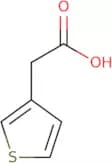
CAS:<p>3-Thiopheneacetic acid (3-TAA) is an insoluble polymer that can be used in analytical chemistry to measure the concentration of sodium carbonate. This polymer is prepared by reacting 3-thiophenecarboxylic acid with sodium carbonate. 3-TAA is a white powder and soluble in water, but insoluble in organic solvents. The transfer reactions of 3-TAA have been studied using electrochemical impedance spectroscopy and thermal expansion measurements. Due to its redox potential, it has been shown to be a potent inhibitor of human serum albumin transport and also inhibits the activity of enzymes such as glyceraldehyde phosphate dehydrogenase, phosphofructokinase, and pyruvate kinase.</p>Fórmula:C6H6O2SPureza:Min. 97.5 Area-%Forma y color:White PowderPeso molecular:142.18 g/mol2-Cyano-6-hydroxybenzothiazole
CAS:<p>2-Cyano-6-hydroxybenzothiazole is a molecule that is an intermediate in the synthesis of other compounds. This compound has been shown to have anti-inflammatory properties, with a molecular weight of 164.2 g/mol. It reacts with hydroxyl groups and nucleophilic attack to form new molecules, which can cause light emission. 2-Cyano-6-hydroxybenzothiazole has been shown to be fluorescent and can be used as a marker for hydroxyl group formation in mammalian tissue. 2-Cyano-6-hydroxybenzothiazole can also be found in the human serum and is involved in transcription processes by binding to DNA polymerase or RNA polymerase, forming polymers. The rate at which these polymers are formed depends on the concentration of 2-cyano-6-hydroxybenzothiazole and will vary depending on the light emission from a photomultipl</p>Fórmula:C8H4N2OSPureza:Min. 95%Forma y color:Slightly Yellow Yellow PowderPeso molecular:176.2 g/mol2-Acetylfuran
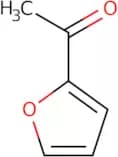
CAS:<p>2-Acetylfuran is a chemical compound that has been shown to have in vitro antifungal activity. It is an aromatic, hydroxylated compound with a 2-acetyl group and two double bonds, one of which is conjugated. 2-Acetylfuran has been used as a model system for the study of biological properties and kinetic data. It also inhibits the reaction by binding to the pyrimidine compound, preventing it from undergoing nucleophilic substitution. This inhibition can be reversed by adding ethyl decanoate to the reaction solution, which may be due to its ability to chelate the metal ion that activates the enzyme.2-Acetylfuran has been tested for its ability to inhibit fungal growth in tissue culture by inhibiting RNA synthesis. The matrix effect can cause variations in results obtained when using different solvents and this should be taken into account when conducting experiments with 2-acetylfuran.</p>Fórmula:C6H6O2Pureza:Min. 95%Forma y color:Yellow Clear LiquidPeso molecular:110.11 g/mol2,5-Furandicarboxylic acid dimethyl ester
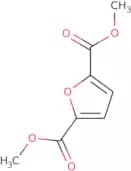
CAS:<p>2,5-Furandicarboxylic acid dimethyl ester is a structural analog of diacids. It has been synthesized by the reaction of 5-hydroxymethylfurfural with ethyl esters and phosphotungstic acid. The isolated yield was determined by gravimetric analysis. The structure of 2,5-furandicarboxylic acid dimethyl ester is shown in the following figure:</p>Fórmula:C8H8O5Pureza:Min. 98 Area-%Forma y color:White Off-White PowderPeso molecular:184.15 g/mol5-Bromoisothiazole
CAS:<p>5-Bromoisothiazole is a conformationally constrained isoform of isothiazole. It has significant antifungal activity and binds to a number of kinases. 5-Bromoisothiazole has been shown to have chemokine inhibitory effects in human breast carcinoma cells. This molecule also inhibits the production of cyclooxygenase-2, and may be used to treat inflammatory diseases such as rheumatoid arthritis. 5-Bromoisothiazole also inhibits the synthesis of nitric oxide by inhibiting the enzyme nitrosylating reductase, which is involved in the conversion of nitrate to nitrite. The biological function of this molecule is not yet well understood, but it may play a role in cellular metabolism or cell signaling.</p>Fórmula:C3H2BrNSPureza:Min. 95%Forma y color:Brown Liquid.Peso molecular:164.02 g/mol6-FAM azide
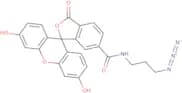
CAS:<p>6-Fluorescein Azide or 6-FAM azide finds application in biomolecules labelling. 6-FAM azide reacts with a terminal alkyne or cyclooctene derivative with a fast click reaction, forming a stable adduct.</p>Fórmula:C24H18N4O6Pureza:Min. 95%Forma y color:PowderPeso molecular:458.43 g/mol1,6-Anhydrochitobiose hydrochloride
<p>Please enquire for more information about 1,6-Anhydrochitobiose hydrochloride including the price, delivery time and more detailed product information at the technical inquiry form on this page</p>Fórmula:C12H22N2O8•(HCl)xPureza:Min. 95%Forma y color:PowderPeso molecular:322.31 g/molLauroyl coenzyme A lithium
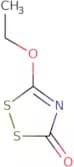
CAS:<p>Please enquire for more information about Lauroyl coenzyme A lithium including the price, delivery time and more detailed product information at the technical inquiry form on this page</p>Fórmula:C33H58N7O17P3S•LixPureza:90%Forma y color:Powder3-Ethoxy-1,2,4-dithiazolidine-5-one
CAS:<p>3-Ethoxy-1,2,4-dithiazolidine-5-one (3ED) is a small molecule that has been shown to have potent antitumor activity against multiple tumor types. It is a selective inhibitor of epidermal growth factor receptor (EGFR) that can be used in combination with chemotherapy or radiation therapy. 3ED has also been shown to inhibit the growth of bladder cancer cells and cervical cancer cells by affecting the EGFR pathway. In addition, 3ED inhibits the proliferation of human urothelial carcinoma cells through its inhibition of the EGFR pathway and can be used as an adjuvant treatment for patients with nonmetastatic bladder cancer and patients with locally advanced or metastatic urothelial carcinoma. 3ED also inhibits creatine kinase, which is an enzyme important in maintaining the health of the detrusor muscle in the urinary bladder and could potentially be used to treat overactive bladder disease.</p>Fórmula:C4H5NO2S2Pureza:Min. 97 Area-%Forma y color:Yellow PowderPeso molecular:163.22 g/molcis-N-(3-Chloroallyl)-1-(R)-aminoindan hydrochloride
CAS:<p>cis-N-(3-Chloroallyl)-1-(R)-aminoindan hydrochloride is a high quality, research chemical that is a versatile building block. It is used as a reagent and reaction component for the synthesis of fine chemicals, speciality chemicals, and complex compounds. cis-N-(3-Chloroallyl)-1-(R)-aminoindan hydrochloride has CAS number 1175018-80-0.</p>Fórmula:C12H14ClN·HClPureza:Min. 95 Area-%Forma y color:PowderPeso molecular:244.16 g/mol2-Iodothiazole
CAS:<p>2-Iodothiazole is a molecule that contains two iodine atoms. It is an isomeric compound of thiourea and 2-thiazolidine. The nucleophilic attack by the amide group on the magnesium leads to the formation of a magnesium amide complex, which can be hydrolyzed to get valine. This reaction can also be catalyzed by palladium complexes or vitamin B1, which results in one molecule of 2-iodothiazole being produced for each molecule of magnesium amide complex. The halides and diazonium salt are used as oxidizing agents in this reaction. 2-Iodothiazole can be synthesized from primary amines and iodides or halides. 2-Iodothiazole has been shown to inhibit bacterial growth by inhibiting RNA synthesis (ribosome binding) in bacteria such as Mycobacterium tuberculosis and Mycobacterium avium complex, but not in</p>Fórmula:C3H2INSPureza:Min. 95%Forma y color:Yellow PowderPeso molecular:211.03 g/mol2,5-Furandicarboxylic diethyl ester
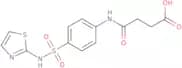
CAS:<p>2,5-Furandicarboxylic acid diethyl ester is a synthetic monomer that can be used in the production of polyesters. It is synthesized from primary alcohols by an acid-catalyzed reaction, followed by dehydration with phosphotungstic acid or heating to produce furanic and furfural. 2,5-Furandicarboxylic acid diethyl ester is a sustainable compound because it does not contain any toxic chemicals and it only contains one carbon atom that can be recycled into biomass. It has been shown to have control experiments and sequences that are similar to diglycerol.</p>Fórmula:C10H12O5Pureza:Min. 95%Forma y color:PowderPeso molecular:212.2 g/molSuccinylsulfathiazole
CAS:<p>Succinylsulfathiazole is a sulfa drug that has antimicrobial activity. It is a structural analogue of sulfanilamide, which is an antibiotic used to treat infectious diseases. Sulfa drugs are structurally related to the amino acid pantothenic acid and have been shown to have beneficial effects in animal models for bowel disease, autoimmune diseases, and other conditions. Succinylsulfathiazole has been shown to inhibit the growth of Aerobacter aerogenes and other bacteria by binding to their cell wall and interfering with synthesis of DNA. Succinylsulfathiazole has been shown to inhibit the growth of Aerobacter aerogenes and other bacteria by binding to their cell wall and interfering with synthesis of DNA.</p>Fórmula:C13H13N3O5S2Pureza:Min. 98 Area-%Forma y color:PowderPeso molecular:355.39 g/molHydrochlorothiazide-d2
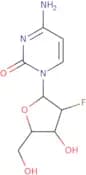
CAS:Producto controlado<p>Please enquire for more information about Hydrochlorothiazide-d2 including the price, delivery time and more detailed product information at the technical inquiry form on this page</p>Fórmula:C7H6ClD2N3O4S2Pureza:Min. 95%Forma y color:PowderPeso molecular:299.75 g/mol4-Amino-1-(2-deoxy-2-fluoro-β-D-arabinofuranosyl)-2(1H)-pyrimidinone
CAS:<p>Please enquire for more information about 4-Amino-1-(2-deoxy-2-fluoro-β-D-arabinofuranosyl)-2(1H)-pyrimidinone including the price, delivery time and more detailed product information at the technical inquiry form on this page</p>Fórmula:C9H12FN3O4Pureza:Min. 95%Peso molecular:245.21 g/mol


![UDP-3-O[R-3-hydroxymyristoyl]-N-acetylglucosamine tris, 90%](/_next/image/?url=https%3A%2Fstatic.cymitquimica.com%2Fproducts%2F3D%2Fthumb-webp%2FFU183491.webp&w=3840&q=75)


![4-(Cyclopropylmethyl)-1-oxa-4,9-diazaspiro[5.5]undecan-3-one hydrochloride](/_next/image/?url=https%3A%2Fstatic.cymitquimica.com%2Fproducts%2F3D%2Fthumb-webp%2FFC182982.webp&w=3840&q=75)



![4H-Cyclopenta[2,1-b:3,4-b']dithiophene](/_next/image/?url=https%3A%2Fstatic.cymitquimica.com%2Fproducts%2F3D%2Fthumb-webp%2FFC13994.webp&w=3840&q=75)