Bencenos
Subcategorías de "Bencenos"
- Benzamidas(62 productos)
- Ácidos benzoicos(5.474 productos)
- Alcoholes bencílicos(1.457 productos)
- Bencenos halogenados(33.965 productos)
- Fenoles(2.654 productos)
Se han encontrado 11888 productos de "Bencenos"
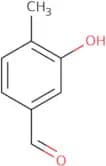
3-Hydroxy-4-methylbenzaldehyde
CAS:3-Hydroxy-4-methylbenzaldehyde is a chemical that is synthesized from 3-hydroxy-4-methylphenol and dimethylformamide. It has been shown to interact with aluminium, which may be due to its ability to form a 1:1 complex with the metal. 3-Hydroxy-4-methylbenzaldehyde also exhibits electrochemical methods and isomers with other aldehydes. This chemical can be used in gas chromatography/mass spectrometry (GCMS) as an internal standard for fatty acid analysis.Fórmula:C8H8O2Pureza:Min. 95%Forma y color:White PowderPeso molecular:136.15 g/mol4-Hydroxybenzoic acid sodium salt
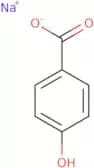
CAS:4-Hydroxybenzoic acid sodium salt (4HBA) is a drug that is used in the treatment of bowel disease. It is an antimicrobial agent that has been shown to have activity against Gram-positive and Gram-negative bacteria, including Pseudomonas aeruginosa. 4HBA has also been shown to be effective in the treatment of ulcerative colitis and Crohn's disease by reducing the production of inflammatory cytokines. The mechanism of action for 4HBA is not fully understood, but it may be due to its ability to interfere with protein synthesis in bacteria, as well as inhibit antibody responses in humans. The structural biology studies on this compound have revealed that the α subunit can bind to the β subunit, which could affect its activity.Fórmula:C7H5O3NaPureza:Min. 98 Area-%Forma y color:White PowderPeso molecular:160.1 g/mol2-Chloro-4-methoxybenzoic acid
CAS:2-Chloro-4-methoxybenzoic acid is a model compound for the screening of acridones, which are a class of compounds with anticancer activity. 2-Chloro-4-methoxybenzoic acid has been shown to inhibit potassium t-butoxide efflux in cancer cells and induce multidrug resistance in cancer cells. Furthermore, it has been shown that 2-Chloro-4-methoxybenzoic acid inhibits mitoxantrone efflux in cancer cells, leading to an increase in mitoxantrone cytotoxicity. This compound is also able to induce a phenotype change from cancerous to normal and can be used as a chemotherapeutic agent against cancers.Fórmula:C8H7ClO3Pureza:Min. 95%Forma y color:PowderPeso molecular:186.59 g/molMethyl 3-amino-4-chlorobenzoate
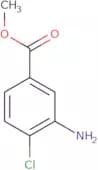
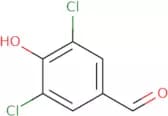
CAS:Methyl 3-amino-4-chlorobenzoate is an analog of 3-amino-4-chlorobenzoic acid. It is a multidrug that can cross the blood brain barrier and has been shown to have cytotoxic activity in vitro. Methyl 3-amino-4-chlorobenzoate has been postulated as a possible organometallic compound and may be synthesized through a chemical diversity approach. The chloride ion, which is present in methyl 3-amino-4-chlorobenzoate, has been shown to decrease the toxicity of nitrobenzoic acid, making this compound resistant to nitrosation reactions.Fórmula:C8H8ClNO2Pureza:Min. 95%Forma y color:PowderPeso molecular:185.61 g/mol3,5-Dichloro-4-hydroxybenzaldehyde
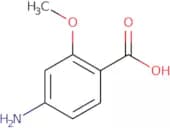
CAS:3,5-Dichloro-4-hydroxybenzaldehyde is a triiodomethane derivative that reacts with chlorine to form a chlorinated aldehyde. It is used as an intermediate in the production of 4-hydroxybenzoic acid from phenylacetic acid and 4,4'-dichlorodiphenyl sulfone. 3,5-Dichloro-4-hydroxybenzaldehyde can be decarboxylated at elevated temperatures to produce formic acid. This compound has been used in wastewater treatment as it can remove chlorine byproducts and other pollutants such as nitrates, nitrites, and iron ions. The reaction kinetics of 3,5-dichloro-4-hydroxybenzaldehyde have been studied using hydroxymethyl groups and formyl groups to determine the rate of demethylation. The rates were found to be dependent on temperature.Fórmula:C7H4Cl2O2Pureza:Min. 95%Forma y color:White PowderPeso molecular:191.01 g/mol2-Methoxy-4-aminobenzoic acid
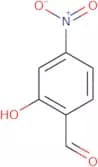
CAS:2-Methoxy-4-aminobenzoic acid is a solute that can be used in the manufacture of pharmaceuticals. It has a high affinity for receptors and is potentially useful in the treatment of hypertension. 2-Methoxy-4-aminobenzoic acid has been shown to exhibit antihypertensive activity in animals by reducing cardiac output, systemic vascular resistance, and total peripheral resistance. The mechanism of action may be due to its ability to inhibit calcium ion influx into myocardial cells and block voltage-gated potassium channels. This drug also has an acidic pH, which makes it soluble in water. 2-Methoxy-4-aminobenzoic acid is insoluble in organic solvents such as hydrochloric acid or ether, which means it cannot be extracted from aqueous solutions by these solvents.Fórmula:C8H9NO3Pureza:Min. 95%Forma y color:Off-White PowderPeso molecular:167.16 g/mol2-Hydroxy-4-nitrobenzaldehyde
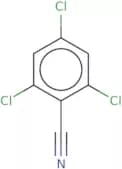
CAS:2-Hydroxy-4-nitrobenzaldehyde is a molecule that reacts with kinase receptors in cancer cells and causes oxidative carbonylation. It has been shown to react with chloride, salicylaldehyde and dobutamine to form a fluorescent compound, which can be used as a probe for fluorescence studies. The fluorescence properties of 2-hydroxy-4-nitrobenzaldehyde have also been exploited for the development of pyrazoles as potential anti-cancer agents.Fórmula:C7H5NO4Pureza:Min. 98 Area-%Forma y color:PowderPeso molecular:167.12 g/mol2,4,6-Trichlorobenzonitrile
CAS:2,4,6-Trichlorobenzonitrile is a chlorine-containing chemical that has been used as a pesticide. It is a highly toxic substance and can be fatal if ingested. 2,4,6-Trichlorobenzonitrile is converted to chloride in soil and water by microbial action. This chemical can be activated by light or temperature changes and is used in the production of pesticides that are phytotoxic. It also has been shown to have thermodynamic properties that allow it to act as an environmental pollutant. 2,4,6-Trichlorobenzonitrile can react with sulfoxides to form chloromethylation products such as 2,3,5-trichloroethanol. These reactions are catalyzed by metal ions such as Fe(II) and Mn(II).Fórmula:C7H2Cl3NPureza:Min. 95%Forma y color:PowderPeso molecular:206.46 g/mol2,6-Dichlorobenzaldehyde
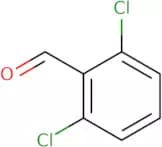
CAS:2,6-Dichlorobenzaldehyde is a nucleophilic compound that has the ability to form hydrogen bonds. It reacts with phosphorus pentachloride to produce 2-chloro-4,6-dichlorobenzene. 2,6-Dichlorobenzaldehyde can be used in the synthesis of β-unsaturated ketones and anticancer drugs such as aziridines. It is also used as a precursor for coordination complexes. This compound is an efficient method for making nitrogen nucleophiles, which are important in chain reactions and the production of polymers. The 2,6-dichlorobenzaldehyde molecule contains two chiral centers that give rise to four stereoisomers. X-ray diffraction data shows that this molecule exists as a mixture of these four isomers.Fórmula:C7H4Cl2OPureza:Min. 97.5%Forma y color:PowderPeso molecular:175.01 g/mol4-Amino-3-hydroxybenzoic acid
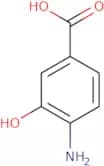
CAS:4-Amino-3-hydroxybenzoic acid is a small molecule that has been shown to inhibit the activity of epidermal growth factor receptor (EGFR) and human epidermal growth factor (HER2). It is also an inhibitor of cytochrome P450 enzymes, which are involved in the metabolism of drugs. 4-Amino-3-hydroxybenzoic acid is used in vitro as an antifungal agent for Candida albicans and other pathogenic fungi. This drug inhibits the growth of cancer cells by binding to specific cell surface receptors, causing them to detach from their surroundings and die. 4-Amino-3-hydroxybenzoic acid may have potential as a drug for treating metastatic colorectal cancer. The mechanism of action is not yet fully understood but it may be related to the inhibition of intermolecular hydrogen bonding and water permeability.
Fórmula:C7H7NO3Pureza:Min. 97.5 Area-%Forma y color:Off-White PowderPeso molecular:153.14 g/mol3-Methyl-4-nitrobenzoic acid
CAS:3-Methyl-4-nitrobenzoic acid is a white solid that can be synthesized by heating 2,4-dichlorobenzoic acid with potassium dichromate in the presence of nitrogen. It has been shown to be effective against Candida glabrata strains and other bacteria. 3-Methyl-4-nitrobenzoic acid is soluble in water and other polar solvents, such as acetic acid or sodium carbonate, but insoluble in nonpolar solvents such as hexane or ether. The reaction mechanism for this compound is not yet known. It has been found to have a phase equilibrium between its solid and liquid forms at room temperature. Solubility data for this compound are available from experimental measurements.
Fórmula:C8H7NO4Pureza:Min. 95%Forma y color:PowderPeso molecular:181.15 g/mol2,4,6-Trihydroxybenzaldehyde
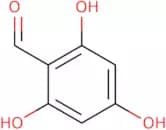
CAS:2,4,6-Trihydroxybenzaldehyde is a polymerase chain inhibitor that blocks the synthesis of DNA and RNA. It has been shown to have significant cytotoxicity in vitro and has been used as an antimicrobial agent to inhibit the growth of bacteria. 2,4,6-Trihydroxybenzaldehyde also inhibits tetracycline resistance in Mycobacterium tuberculosis (Mtb) by inhibiting the production of proteins vital for bacterial cell division. This compound is structurally related to naturally occurring compounds such as anthocyanins and it has been shown to have inhibitory properties on mitochondrial membrane potential, which may be due to its ability to inhibit protein synthesis and induce apoptosis. The analytical methods used for this compound are thin layer chromatography and high performance liquid chromatography.
Fórmula:C7H6O4Pureza:Min. 98 Area-%Forma y color:PowderPeso molecular:154.12 g/mol(3-Hydroxy-4-methoxyphenyl)acetone
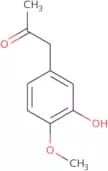
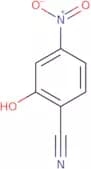
CAS:(3-Hydroxy-4-methoxyphenyl)acetone is a versatile building block that can be used as a reagent or in the synthesis of complex compounds. It is a useful intermediate in the synthesis of pharmaceuticals, agrochemicals, and other specialty chemicals. This compound also has the potential to serve as a scaffold for drug discovery.Fórmula:C10H12O3Pureza:(%) Min. 85%Forma y color:PowderPeso molecular:180.2 g/mol2-Hydroxy-4-nitrobenzonitrile
CAS:2-Hydroxy-4-nitrobenzonitrile is a nitrile derivative that has an antibacterial activity. This compound interacts with the pyochelin, a siderophore in Pseudomonas aeruginosa. The antibiotic inhibits the uptake of pyochelin by the bacteria and causes cell death by inhibiting the synthesis of proteins necessary for bacterial growth. 2-Hydroxy-4-nitrobenzonitrile can be used as a potential stabilizer for materials such as polystyrene and polyurethane which are susceptible to degradation by hydrolysis or oxidation. In addition, this compound is also useful in gram-negative bacterium due to its ability to inhibit their growth by binding to their ribosomes. The conformational studies have been shown to be important for understanding the biological properties of this molecule.
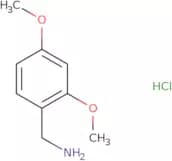
Fórmula:C7H4N2O3Pureza:Min. 95%Forma y color:PowderPeso molecular:164.12 g/mol2,4-Dimethoxybenzylamine hydrochloride
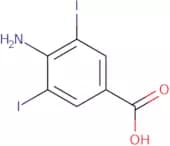
CAS:2,4-Dimethoxybenzylamine hydrochloride is a substrate for glutathione reductase and a competitive inhibitor of dithioerythritol. The reaction mechanism is the same as that of triflic acid, which is generated by the reaction between triflic acid and glutathione. The inhibitory effect of 2,4-dimethoxybenzylamine hydrochloride on glutathione reductase has been studied computationally using molecular docking simulations. It was found that 2,4-dimethoxybenzylamine hydrochloride binds to the active site of glutathione reductase with an affinity comparable to that of triflic acid. This computational study also revealed that 2,4-dimethoxybenzylamine hydrochloride can be converted into triflic acid in vivo.Fórmula:C9H13NO2HClPureza:Min. 95%Forma y color:PowderPeso molecular:203.67 g/mol4-Amino-3,5-diiodobenzoic acid
CAS:4-Amino-3,5-diiodobenzoic acid is a conjugate of the amino acid histidine with two iodine atoms. It is used as a radiopaque contrast agent for X-ray imaging and has been shown to be useful in distinguishing between normal tissue and cancerous lesions. The molecule can be modified to contain various functional groups that allow it to bind to other molecules such as proteins or DNA, which can alter its properties. 4-Amino-3,5-diiodobenzoic acid is also known as diaminobenzene diiodide and is soluble in water.Fórmula:C7H5I2NO2Pureza:Min. 95%Forma y color:PowderPeso molecular:388.93 g/moln-Heptyl 4-hydroxybenzoate
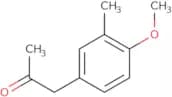
CAS:n-Heptyl 4-hydroxybenzoate is a preservative and antimicrobial agent that is used in cosmetics, pharmaceuticals, and food. It is primarily used to inhibit the growth of bacteria and fungi. The mechanism by which heptyl 4-hydroxybenzoate inhibits the growth of microorganisms is not well understood. It has been shown to be an effective inhibitor of Gram-positive bacteria such as Bacillus subtilis, but not against Gram-negative bacteria such as Escherichia coli. Heptyl 4-hydroxybenzoate has been shown to have no effect on the growth of probiotic bacteria such as Lactobacillus acidophilus. The chemical structure of n-heptyl 4-hydroxybenzoate includes a glycol ether moiety and two parabens that are linked by hydrogen bonds. These bonds can be broken by enzymes found in rat liver microsomes, leading to the release of n-Fórmula:C14H20O3Pureza:Min. 95%Forma y color:White Off-White PowderPeso molecular:236.31 g/mol4-Methoxy-3-methylphenylacetone
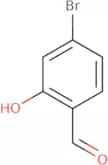
CAS:4-Methoxy-3-methylphenylacetone is an organic chemical that is used as a reaction component, reagent, and useful scaffold. It is a high quality research chemical that can be used as an intermediate in the synthesis of other compounds. 4-Methoxy-3-methylphenylacetone has a CAS number of 16882-23-8 and can be found under the category of speciality chemicals. This compound is versatile and can be used to make complex compounds.Fórmula:C11H14O2Pureza:Min. 95%Forma y color:Yellow PowderPeso molecular:178.23 g/mol4-Bromo-2-hydroxybenzaldehyde
CAS:4-Bromo-2-hydroxybenzaldehyde is a chemical compound that is used in the synthesis of azides. It has a molecular formula of C6H5BrO, a diameter of 197.037 pm, and a structural formula of CHBrO. 4-Bromo-2-hydroxybenzaldehyde can be prepared by reacting bromine with hydroxybenzaldehyde in the presence of an amine catalyst. This product has been shown to have synergistic effects when used in combination with other anticancer agents such as aminopyrimidines, coumarin derivatives, or 2-(4'-hydroxyphenyl) benzoxazole. The photophysical properties of 4-bromo-2-hydroxybenzaldehyde are characterized by its fluorescence emission at 272 nm and its absorption at 270 nm. This product also shows low detection levels in human liver tissue samples, which may be due to its high water sol
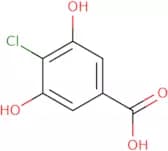
Fórmula:C7H5BrO2Pureza:Min. 95%Forma y color:White PowderPeso molecular:201.02 g/mol4-Chloro-3,5-dihydroxybenzoic acid
CAS:4-Chloro-3,5-dihydroxybenzoic acid is a chemical substance that can be used as a building block in organic synthesis. It is also a versatile intermediate and scaffold for the synthesis of more complex compounds. 4-Chloro-3,5-dihydroxybenzoic acid has been found to be useful in research and as a reagent because it is an inexpensive, high quality chemical. This compound reacts rapidly with many other chemicals, including alcohols and amines. 4-Chloro-3,5-dihydroxybenzoic acid has been shown to be stable under acidic conditions and can be purified by crystallization or recrystallization.
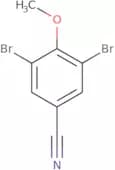
Fórmula:C7H5ClO4Pureza:Min. 95%Forma y color:PowderPeso molecular:188.56 g/mol3,5-Dibromo-4-methoxybenzonitrile
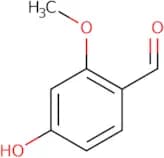
CAS:3,5-Dibromo-4-methoxybenzonitrile (DBMB) is a pentane that can be synthesized in the laboratory. DBMB is used as a weed control agent to kill weeds and grasses in neoprene rubber products and other materials. The chemical reacts with nitro groups on the surface of the material, producing an unstable intermediate that decomposes into pentane and nitric acid. 3,5-Dibromo-4-methoxybenzonitrile has been shown to have low toxicity to mammals at high doses. The compound may also be used as a chemical intermediate for the synthesis of other compounds or drugs. Nitro groups may be reduced by reductants such as sodium borohydride or lithium aluminium hydride to produce analdehyde derivatives.Fórmula:C8H5Br2NOPureza:Min. 95%Forma y color:White Off-White PowderPeso molecular:290.94 g/mol4-Hydroxy-2-methoxybenzaldehyde
CAS:Echinatin is a benzaldehyde derivative that is found in the roots of Echinacea purpurea. It is a phenolic compound with a carbonyl group and two benzyl groups. 4-Hydroxy-2-methoxybenzaldehyde has been shown to have photophysical, cell culture, and functional group properties. This compound is used as a precursor for the production of echinatin and other plant polyphenols such as malonic acid. The biosynthesis of 4-hydroxy-2-methoxybenzaldehyde begins with the oxidation of cinnamic acid by cytochrome P450 monooxygenase to form cinnamoyl CoA. The enzyme cinnamate decarboxylase then converts this intermediate to p-hydroxybenzoic acid, which is then hydroxylated to form 4-hydroxy-2-methoxybenzaldehyde.
Fórmula:C8H8O3Pureza:Min. 95%Forma y color:PowderPeso molecular:152.15 g/molMethyl 5-nitrosalicylate
CAS:Methyl 5-nitrosalicylate is a chemical compound that belongs to the group of 4-hydroxycoumarin derivatives. It is an inhibitor of the reaction between salicylic acid and nitrous acid, inhibiting the formation of 5-nitrosalicylic acid. Methyl 5-nitrosalicylate has shown inhibitory activity against various nitro compounds, including benzofurans. The inhibitory effect on oxidation reactions may be due to its ability to act as a ligand and form coordination complexes with metal ions such as copper, zinc, and iron. Methyl 5-nitrosalicylate also has anti-inflammatory properties that are due to its ability to inhibit prostaglandin synthesis by blocking cyclooxygenase enzyme activity. Methyl 5-nitrosalicylate can be synthesized in a few ways. One method includes reacting methyl salicylate with nitrous acid in the presence of lightFórmula:C8H7NO5Pureza:Min. 95%Forma y color:PowderPeso molecular:197.14 g/mol2-Chloro-3,5-dihydroxybenzoic acid
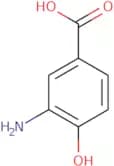
CAS:2-Chloro-3,5-dihydroxybenzoic acid (2C3HB) is a fine chemical that is used as a versatile building block in the synthesis of complex compounds. It is also used as a reagent for the production of pharmaceuticals and other chemicals. 2C3HB has been shown to be an important reaction component for the synthesis of drugs such as methotrexate and 6-fluoro-3-indoxyl-beta-D-galactopyranoside. This compound has a high quality and can be used as a building block in chemical reactions with other compounds.Fórmula:C7H5ClO4Pureza:Min. 90%Forma y color:PowderPeso molecular:188.56 g/mol3-Amino-4-hydroxybenzoic acid
CAS:3-Amino-4-hydroxybenzoic acid is a type of phenolic compound that can be found in human serum. It is also used as a chemical building block for the synthesis of coumarin derivatives, which are important compounds in biochemistry, pharmacology and medical research. 3-Amino-4-hydroxybenzoic acid has been shown to have diphenolase activity, which is an enzyme that cleaves two molecules of phenol from one molecule of diphenol. The light emission is likely due to a metal ion in the active site that acts as a catalyst. The high values seen in the experiments were most likely due to the presence of corynebacterium glutamicum, which is an organism with high levels of 3-amino-4-hydroxybenzoic acid production. This study also found that 3-amino-4-hydoxybenzoic acid may be an antimicrobial agent against HIV
Fórmula:C7H7NO3Pureza:Min. 95%Forma y color:Off-White PowderPeso molecular:153.14 g/mol2-(4'-Chlorobenzoyl)benzoic acid
CAS:2-(4'-Chlorobenzoyl)benzoic acid (2-CBA) is a sulfa drug that inhibits bacterial growth by blocking the synthesis of folic acid. It is also known to be luminescent and can be used in techniques such as luminescent probes. 2-CBA has antibacterial activity and can inhibit bacterial growth in a chromatographic method. 2-CBA is chemically stable and has been shown to have antibacterial properties against gram-positive bacteria, including Bacillus subtilis and Staphylococcus aureus. 2-CBA also has the ability to react with phthalazinone, an inhibitor of glutamine synthetase, which is involved in the production of ATP from ADP. This reaction results in the formation of an unstable intermediate which decomposes into CO2 and benzoic acid.
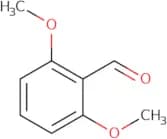
Fórmula:C14H9ClO3Pureza:Min. 95%Forma y color:White PowderPeso molecular:260.67 g/mol2,6-Dimethoxybenzaldehyde
CAS:Synthetic building block
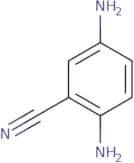
Fórmula:C9H10O3Pureza:Min. 95%Forma y color:White PowderPeso molecular:166.17 g/mol2,5-Diaminobenzonitrile
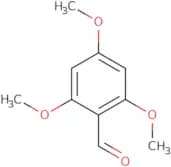
CAS:2,5-Diaminobenzonitrile is a chemical compound with the molecular formula C6H5N3. It is a white crystalline solid that is insoluble in water and soluble in organic solvents such as acetone, chloroform, and ether. 2,5-Diaminobenzonitrile has been shown to be an effective monomer for polymer synthesis due to its stability and high densities. This chemical also has the ability to undergo hydrogen bonding and form hydrogen peroxide when heated to a temperature of 100 °C. The thermal isomerization of 2,5-diaminobenzonitrile can be slowed by adding other amines or nitrites.Fórmula:C7H7N3Pureza:Min. 95%Forma y color:PowderPeso molecular:133.15 g/mol2,4,6-Trimethoxybenzaldehyde
CAS:2,4,6-Trimethoxybenzaldehyde is a chemical compound that is used as an intermediate in organic chemistry. It has been shown to have antiviral effects on influenza A virus by inhibiting the enzyme neuraminidase. This inhibition prevents the release of viruses from infected cells and thus prevents viral replication. 2,4,6-Trimethoxybenzaldehyde also inhibits the growth of cancer cells in vitro and has minimal toxicity to normal cells. This chemical has been shown to inhibit the reaction mechanism of proton pumps in mammalian cells, which may be due to its ability to inhibit p2y receptors or nitrogen atoms. 2,4,6-Trimethoxybenzaldehyde can also be used as a solvent for pharmaceutical preparations and as a reagent in x-ray diffraction data analysis.
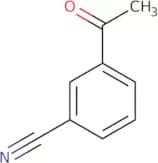
Fórmula:C10H12O4Pureza:Min. 95%Forma y color:PowderPeso molecular:196.2 g/mol3-Acetylbenzonitrile
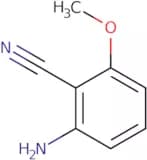
CAS:3-Acetylbenzonitrile is an isomeric, asymmetric synthesis that has been synthesised in the presence of copper complex and salicylic acid. The reaction was carried out with a gaseous phase, where the chalcone was formed. The experimental techniques used were cross-coupling reactions and molecular modeling techniques. 3-Acetylbenzonitrile has been synthesised by a rationalized enthalpic approach that includes alcohol dehydrogenases and molecular modeling techniques.Fórmula:C9H7NOPureza:Min. 95%Forma y color:PowderPeso molecular:145.16 g/mol2-Amino-6-methoxybenzonitrile
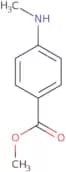
CAS:2-Amino-6-methoxybenzonitrile is an organic compound that belongs to a group of monosubstituted hydroxylamines. It has been used in the synthesis of various analogues, such as caprolactam and methoxyanthranilic acid. Hydrochloric acid reacts with 2-amino-6-methoxybenzonitrile to form 2-amino-6-hydroxybenzonitrile, which can be oxidized to 2-amino-6-(hydroxymethyl)benzonitrile. This reaction is catalyzed by copper or zinc metal.Fórmula:C8H8N2OPureza:Min. 95%Forma y color:PowderPeso molecular:148.16 g/molMethyl 4-(N-methylamino)benzoate
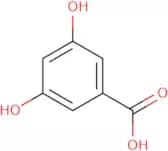
CAS:Methyl 4-(N-methylamino)benzoate is a substance that inhibits the enzyme DPP-4, which is involved in blood glucose regulation. It has been shown to be effective against certain types of cancer and impurities that may be present in the drug. Methyl 4-(N-methylamino)benzoate is an acidic compound with molecular descriptors that include acidic and amines. This compound also has genotoxic impurities, such as benzofurans, which may affect its efficacy.Fórmula:C9H11NO2Pureza:90%Forma y color:PowderPeso molecular:165.19 g/mol3,5-Dihydroxybenzoic acid
CAS:3,5-Dihydroxybenzoic acid is a phenolic compound that belongs to the class of aromatic compounds. It is an inhibitor of the enzyme 3-hydroxyphenylpyruvate dioxygenase and is used in the treatment of obesity. It has been shown to have a low potency for inhibiting this enzyme, although it does not inhibit other enzymes such as p-hydroxybenzoate hydroxylase. 3,5-Dihydroxybenzoic acid binds to human serum albumin through hydrogen bonding interactions and can inhibit the absorption of dietary phenols by binding to them. This compound also acts as a protocatechuic acid structural analog and has been shown to be hydrated in solution.Fórmula:C7H6O4Pureza:Min. 95%Forma y color:White PowderPeso molecular:154.12 g/molEthyl 3,5-dichloro-4-aminobenzoate
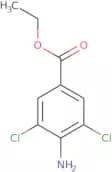
CAS:Ethyl 3,5-dichloro-4-aminobenzoate is a benzyl amine that has been shown to be an effective inhibitor of nitrile synthesis. It is used as a precursor in the production of dyes and pharmaceuticals. Ethyl 3,5-dichloro-4-aminobenzoate is stable in acidic and alkaline solutions, but decomposes when heated or exposed to cyanide ion. This compound can also react with ethylene diamine to form 2,4-diaminoanisole.Fórmula:C9H9Cl2NO2Pureza:Min. 95%Forma y color:PowderPeso molecular:234.08 g/molGallaldehyde hemihydrate
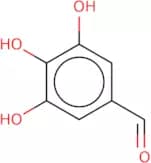
CAS:Gallaldehyde hemihydrate is a bioactive phenolic compound that inhibits the tyrosine kinase domain of the epidermal growth factor receptor (EGFR). It has been shown to inhibit tumor cell growth and induce apoptosis in cancer tissues. Gallaldehyde hemihydrate has also been found in lentils, which might be used as a potential biomarker for this compound. The optimum pH for gallaldehyde hemihydrate is between 2.0-4.0, and it can bind to cation channels and act as a potential biomarker for skin cancer cells.Fórmula:C7H6O4Pureza:Min. 95%Forma y color:PowderPeso molecular:154.12 g/mol3,5,6-Trichlorosalicylic acid
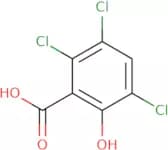
CAS:3,5,6-Trichlorosalicylic acid binds to the active site of bacterial 5-nitrosalicylic acid reductase and inhibits its activity. It is an inhibitor of proton-translocating ATPases. 3,5,6-Trichlorosalicylic acid has been shown to be effective against a variety of bacteria at low concentrations. 3,5,6-Trichlorosalicylic acid has also been shown to inhibit some physiological activities such as the light emission and chemiluminescent reaction of luciferin in fireflies. This chemical reacts with chloride ions to produce light.Fórmula:C7H3Cl3O3Pureza:Min. 95%Forma y color:PowderPeso molecular:241.46 g/molMethyl 3,5-dibromo-4-methylbenzoate
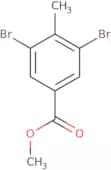
CAS:Methyl 3,5-dibromo-4-methylbenzoate is a versatile building block that can be used as a reagent or a speciality chemical. It is a high quality compound with many applications in research and synthesis. Methyl 3,5-dibromo-4-methylbenzoate is an intermediate in the manufacturing of polymers and pharmaceuticals. It is also a reaction component for the preparation of complex compounds, such as methyl 3,5-dimethoxybenzoate. Methyl 3,5-dibromo-4-methylbenzoate has been shown to be useful as a scaffold for the synthesis of novel compounds.
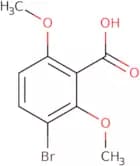
Fórmula:C9H8Br2O2Pureza:Min. 95%Forma y color:Off-White PowderPeso molecular:307.97 g/mol3-Bromo-2,6-dimethoxybenzoic acid
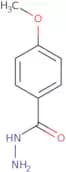
CAS:3-Bromo-2,6-dimethoxybenzoic acid is a synthetic chemical used to introduce insulators into the DNA molecule. It is also used as a treatment method for introducing branched-chain scripts into the DNA molecule. 3-Bromo-2,6-dimethoxybenzoic acid has been shown to counteract synthetic techniques, such as transistors, and can be used in plant physiology research.Fórmula:C9H9BrO4Pureza:Min. 95%Forma y color:PowderPeso molecular:261.07 g/mol4-Methoxybenzoic acid hydrazide
CAS:4-Methoxybenzoic acid hydrazide is a copper complex that binds to the DNA of bacteria, inhibiting the production of proteins. It has been shown to have antimicrobial activity against gram-positive and gram-negative bacteria. 4-Methoxybenzoic acid hydrazide has also been shown to inhibit colorectal carcinoma cells in vitro and in vivo. This compound inhibits the growth of cells by binding to them and disrupting hydrogen bonds. 4-Methoxybenzoic acid hydrazide causes cell death by inhibiting protein synthesis.Fórmula:C8H10N2O2Pureza:Min. 95%Forma y color:White PowderPeso molecular:166.18 g/mol2-Chloro-6-fluorobenzaldehyde
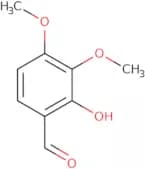
CAS:2-Chloro-6-fluorobenzaldehyde is an impurity that can be found in wastewater. It has been shown to be a reactive intermediate for the synthesis of streptochlorin, which is a natural product with potential antibiotic activity. 2-Chloro-6-fluorobenzaldehyde is produced by the reaction of chlorine and anhydrous sodium, with acid as catalyst. The molecule has two fluorine atoms and one chloride atom. This compound can also be used in the treatment of waste water due to its ability to react with hydroxyl ions and chloride ions in the presence of hydrogen chloride or hydrochloric acid. The pain model was evaluated using nmr spectra and optical properties.Fórmula:C7H4ClFOPureza:Min. 95%Forma y color:White PowderPeso molecular:158.56 g/mol2-Hydroxy-3,4-dimethoxybenzaldehyde
CAS:2-Hydroxy-3,4-dimethoxybenzaldehyde is a molecule that has an acidic character. It has been shown to be able to form a copper complex with good optical properties. A method using this compound as the monomer was found to be efficient for synthesizing polymers with size exclusion chromatography. 2-Hydroxy-3,4-dimethoxybenzaldehyde is a monocarboxylic acid that contains an aliphatic hydrocarbon and hydroxyl group. It can also act as a monomer in polymerization reactions and can be used in chemical structures such as multidrugs, which are made from large molecules of different types of atoms. The acid catalyst is required for these reactions to take place.Fórmula:C9H10O4Pureza:Min. 95%Forma y color:PowderPeso molecular:182.17 g/mol2-Fluoro-3-methylbenzoic acid
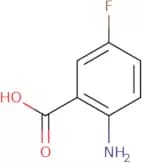
CAS:2-Fluoro-3-methylbenzoic acid is a high quality, versatile building block that has been shown to be an effective reagent for the synthesis of complex compounds. It is also a useful intermediate in the synthesis of fine chemicals and speciality chemicals. This compound can be used as a reaction component for many chemical reactions, such as the formation of new bonds and the removal of protecting groups. As a versatile building block, 2-fluoro-3-methylbenzoic acid is an important starting material for synthesizing a number of natural products, pharmaceuticals, and other organic compounds.Fórmula:C8H7FO2Pureza:Min. 95%Forma y color:White PowderPeso molecular:154.14 g/mol5-Fluoroanthranilic acid
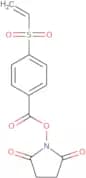
CAS:5-Fluoroanthranilic acid is a synthetic compound that belongs to the class of anthranilic acid derivatives. It inhibits the growth of bacteria by reacting with the hydroxyl group on the bacterial cell wall and binding to its target, which is a cellular component found in Gram-positive bacteria. The molecular modeling and gene analysis have shown that this compound has an optimal reaction at pH 8.5, which is not in accordance with the natural environment of bacteria. 5-Fluoroanthranilic acid has been shown to have anticancer activity against wild-type cells but not against resistant mutants.Fórmula:C7H6FNO2Pureza:Min. 95%Forma y color:PowderPeso molecular:155.13 g/mol4-(Ethenylsulfonyl)benzoic acid 2,5-dioxo-1-pyrrolidinyl ester
CAS:4-(Ethenylsulfonyl)benzoic acid 2,5-dioxo-1-pyrrolidinyl ester is a fine chemical that is a useful scaffold for the synthesis of complex compounds. It can be used as a versatile building block in the production of research chemicals and pharmaceuticals, as well as a reaction component in speciality chemicals. The CAS Number for 4-(Ethenylsulfonyl)benzoic acid 2,5-dioxo-1-pyrrolidinyl ester is 343934-41-8.
Fórmula:C13H11NO6SPureza:Min. 95%Forma y color:White PowderPeso molecular:309.3 g/mol5-Amino-2-nitrobenzoic acid
CAS:5-Amino-2-nitrobenzoic acid is an organic compound that belongs to the class of versatile building block. It is a white solid that has been used as a research chemical, reagent, and specialty chemical for the synthesis of complex compounds and pharmaceuticals. 5-Amino-2-nitrobenzoic acid is also known as 2-amino-5-chlorobenzoic acid (ACBA). It is soluble in water, but insoluble in ethanol. The CAS number for this chemical is 13280-60-9.
Fórmula:C7H6N2O4Peso molecular:182.14 g/molRef: 3D-A-6802
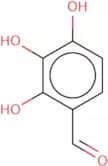
1kgA consultar100gA consultar250gA consultar500gA consultar2500gA consultar-Unit-ggA consultar2,3,4-Trihydroxybenzaldehyde
CAS:2,3,4-Trihydroxybenzaldehyde is a chemical compound that has been shown to have anti-cancer properties. It is used in the detection of cancer cells and as an indicator for the presence of palladium complexes. 2,3,4-Trihydroxybenzaldehyde is also a skin allergen and can cause allergic reactions. This chemical reacts with potassium ions in solution to form a precipitate or sludge. 2,3,4-Trihydroxybenzaldehyde has been shown to be effective against colorectal carcinoma cells and Group P2 bacteria.Fórmula:C7H6O4Pureza:Min. 95%Forma y color:PowderPeso molecular:154.12 g/mol3,4-Dihydroxybenzoic acid
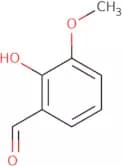
CAS:Dietary polyphenolFórmula:C7H6O4Pureza:Min. 95%Forma y color:PowderPeso molecular:154.12 g/mol2-Hydroxy-3-methoxybenzaldehyde
CAS:2-Hydroxy-3-methoxybenzaldehyde is a model compound that is used to study the reaction mechanism of hydrogen bonding. It has been shown to have antioxidative properties and amoebicidal activity. The biological properties of 2-hydroxy-3-methoxybenzaldehyde are still being studied. There are also no reports on its toxicity or carcinogenicity in humans. This compound is a member of the group P2, which includes compounds with two aromatic rings connected by one carbon atom. The molecular geometry around this carbon atom is pyramidal and the molecule can exist in either an axial or equatorial orientation. Synchronous fluorescence experiments have shown that 2-hydroxymethoxybenzaldehyde reacts with Toll-like receptor 4 (TLR4).
Fórmula:C8H8O3Pureza:Min. 95%Forma y color:Yellow PowderPeso molecular:152.15 g/mol3-Hydroxy-5-nitrobenzaldehyde
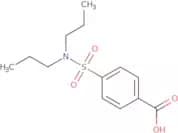
CAS:3-Hydroxy-5-nitrobenzaldehyde is a solvent that has been used as a probe to measure chloride concentration in multimedia. It can be used as a sensor and an algorithm to detect the colorimetric change of 3-hydroxy-5-nitrobenzaldehyde in the presence of chloride ions. This probe is also used in colorimetric tests for linker, nonpolar, and surfactant compounds. The 3-hydroxy-5-nitrobenzaldehyde oxime can be cleaved by UV light to produce an unstable nitronium ion that reacts with metal ions such as copper(II) or silver(I) to form an insoluble precipitate.Fórmula:C7H5NO4Pureza:Min. 95%Forma y color:PowderPeso molecular:167.12 g/molProbenecid
CAS:Producto controladoOrganic anion transporter inhibitor; pannexin 1 channel inhibitor
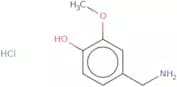
Fórmula:C13H19NO4SPureza:Min. 97.5 Area-%Forma y color:White PowderPeso molecular:285.36 g/mol4-Hydroxy-3-methoxybenzylamine hydrochloride
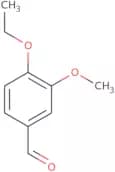
CAS:4-Hydroxy-3-methoxybenzylamine hydrochloride is a reagent, complex compound and useful intermediate for the production of speciality chemicals. CAS No. 7149-10-2 is not a hazardous chemical and does not pose any significant risk to human health or the environment when used as intended. This chemical has many uses including being a useful scaffold in organic synthesis, a useful building block for the preparation of other compounds, and a versatile building block for the preparation of various compounds. It also has many applications in research such as being an intermediate for the synthesis of other compounds, or as a reactant in various reactions.Fórmula:C8H12NO2ClPureza:Min. 98 Area-%Forma y color:White PowderPeso molecular:189.64 g/mol4-Ethoxy-3-methoxybenzaldehyde
CAS:4-Ethoxy-3-methoxybenzaldehyde is an organic compound that can be found in plants, such as in the leaves of the nutmeg plant. It is a cleavage product of 4-hydroxycoumarin. 4-Ethoxy-3-methoxybenzaldehyde is a dicarboxylic acid by substructure and it has been shown to be an intermediate in the synthesis of ethylene acetal and hydrogen peroxide. It is also postulated to react with chloride to form 4-chloroacetophenone and chloride ions, which are then reacted with hydrogen peroxide to form hydrochloric acid. The acute toxicity of this compound has not been determined but it may cause toxic effects on extracellular cells, such as radical species. The toxicities of 4-ethoxy-3-methoxybenzaldehyde have been observed in biphenyl which causes skin irritation, liver toxicity, kidney damage, and respiratory irritationFórmula:C10H12O3Pureza:Min. 95%Forma y color:PowderPeso molecular:180.2 g/mol5-Carboxyvanillin
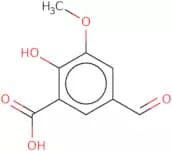
CAS:5-Carboxyvanillin is the oxidation product of isoeugenol and p-hydroxybenzoic acid. It can be produced by reacting these two compounds with a peroxide in an oxidizing reaction. The reaction products include 5-carboxyvanillic acid, which can be hydrolyzed to vanillin. 5-Carboxyvanillin is a white crystalline solid with a chemical nature similar to that of vanillin. It has been shown to have antimicrobial properties against tissues, such as guinea pig ileum and rat liver, but not against bacterial cultures. This compound may also be used in pulping processes for the production of paper or cellulose fibers.
Fórmula:C9H8O5Pureza:Min. 95%Forma y color:PowderPeso molecular:196.16 g/mol3,5-Dinitrosalicylaldehyde
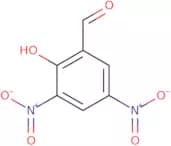
CAS:3,5-Dinitrosalicylaldehyde is an oxidizing agent that is used in organic chemistry to produce aldehydes or carboxylic acids. It reacts with the amino groups of lysine residues and converts them to nitro groups. 3,5-Dinitrosalicylaldehyde is also used as a reagent in the determination of the number of lysine residues in proteins by titration with hydrochloric acid. The reaction mechanism of 3,5-dinitrosalicylaldehyde involves formation of an electron deficient intermediate that oxidizes chloride ions to form water molecules and chloride radicals. These intermediates react with nitro groups on lysine residues, resulting in nitro compounds. Crystallography studies have shown that the molecular structure of 3,5-dinitrosalicylaldehyde has two nitro groups and one hydroxyl group.
Fórmula:C7H4N2O6Pureza:Min. 95%Forma y color:Yellow PowderPeso molecular:212.12 g/mol2-(Diphenylamino)benzoic acid
CAS:Please enquire for more information about 2-(Diphenylamino)benzoic acid including the price, delivery time and more detailed product information at the technical inquiry form on this page
Fórmula:C19H15NO2Pureza:Min. 95%Peso molecular:289.33 g/mol4-Amino-3-methoxybenzoic acid
CAS:4-Amino-3-methoxybenzoic acid is an inhibitor of the enzyme hydroxylase. It has been shown to inhibit cancer cell growth in nanomolar concentrations and may be a potential anti-cancer drug candidate. 4-Amino-3-methoxybenzoic acid inhibits the production of 3-methoxy-4-nitrobenzoic acid, which is an intermediate in the biosynthesis of cyclic peptides. This compound also has potent inhibitory activity against active enzymes involved in the biosynthesis of 3-methoxy-4-nitrobenzoic acid, such as hydroxylases, nitroreductases, and methyltransferases.
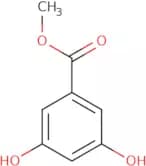
Fórmula:C8H9NO3Pureza:Min. 95%Forma y color:PowderPeso molecular:167.16 g/mol3,5-Dihydroxybenzoic acid methyl ester
CAS:3,5-Dihydroxybenzoic acid methyl ester is a potent tyrosinase inhibitor that has been shown to be effective in inhibiting the production of melanin. 3,5-Dihydroxybenzoic acid methyl ester is an active ingredient in skin lightening products and has been shown to be more potent than kojic acid, arbutin and ascorbic acid. The reaction mechanism of 3,5-Dihydroxybenzoic acid methyl ester is stepwise with hydroxybenzoic acid (HBA) being the first substrate. HBA reacts with iron oxides to form a ferric hydroxide intermediate that undergoes gelation reactions with chloride ions. This results in a molecule containing three ether linkages, which are responsible for its inhibitory activity on the enzyme tyrosinase.
Fórmula:C8H8O4Pureza:Min. 95%Forma y color:PowderPeso molecular:168.15 g/molMethyl 4-fluorobenzoate
CAS:Methyl 4-fluorobenzoate is a potent inhibitor of human cancer cells. It inhibits tyrosine kinases by binding to an imidazole group and forms a ruthenium complex in the presence of sodium carbonate. Methyl 4-fluorobenzoate has shown inhibitory activity against the amination reaction catalyzed by sulfoxide reductase, which is important for the synthesis of nucleic acids. This inhibition may be due to its ability to reduce oxidized species of thiols, sulfoxides, and disulfides. Further studies are needed to elucidate the mechanism by which methyl 4-fluorobenzoate interacts with redox potentials and functional theory.
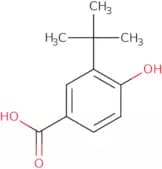
Fórmula:C8H7FO2Pureza:Min. 95%Forma y color:Colorless Clear LiquidPeso molecular:154.14 g/mol3-tert-Butyl-4-hydroxybenzoic acid
CAS:3-tert-Butyl-4-hydroxybenzoic acid is a phenolic compound that is found in the plant species of "Solanum xanthocarpum". It has antioxidant properties and has been shown to have anticancer activity in vitro. 3-tert-Butyl-4-hydroxybenzoic acid also inhibits the growth of human colon carcinoma cells. It is soluble in organic solvents and homopolymers at high temperatures, but insoluble at lower temperatures.Fórmula:C11H14O3Pureza:Min. 95%Forma y color:PowderPeso molecular:194.23 g/molEthyl homovanillate
CAS:Inhibitor of monoamine oxidase AFórmula:C11H14O4Pureza:Min. 95%Forma y color:Colorless PowderPeso molecular:210.23 g/molAtranol
CAS:Atranol is a phenolic compound that is found in plants such as the leaves of the white willow tree. It has been shown to have anti-inflammatory properties and is being researched for its potential use in treatment of inflammatory bowel disease. Atranol has been shown to inhibit the production of inflammatory cytokines such as tumor necrosis factor-α (TNF-α) and interleukin-1β (IL-1β), which are key mediators of inflammation, by inhibiting NFκB activation. The reaction mechanism for atranol's inhibition of IL-1β production involves atranol binding with the cystein residue on IκB kinase β, which prevents phosphorylation and thus activation.
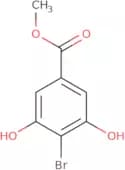
Fórmula:C8H8O3Pureza:Min. 95%Forma y color:Brown Yellow PowderPeso molecular:152.15 g/mol4-Bromo-3,5-dihydroxybenzoic acid methyl ester
CAS:The compound 4-Bromo-3,5-dihydroxybenzoic acid methyl ester is an ether that is a natural product. It has been shown to have diastereoselective coupling with phenolic groups and unsymmetrically with lactones. This compound also undergoes epoxidation and farnesylation reactions. The intramolecular chain of the ether is methylated by formylation and reductive elimination.Fórmula:C8H7BrO4Pureza:Min. 95%Forma y color:PowderPeso molecular:247.04 g/mol2,6-Dimethylbenzoic acid
CAS:2,6-Dimethylbenzoic acid is a colorless solid that has a molecular weight of 162.2 g/mol and an empirical formula of C7H8O2. It has a melting point of about 82 degrees Celsius and a boiling point of about 315 degrees Celsius. 2,6-Dimethylbenzoic acid is soluble in water at 100 degrees Celsius. It has been shown to act as a potent antagonist for the muscarinic acetylcholine receptors. This compound also has basic properties due to its hydrogen bonding interactions with proteins and other molecules. 2,6-Dimethylbenzoic acid has been shown to be efficient in supramolecular chemistry because it is electron deficient and contains thermodynamic functional groups such as carboxylic acids and alcohols.
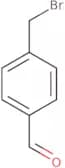
Fórmula:C9H10O2Pureza:Min. 95%Forma y color:PowderPeso molecular:150.17 g/mol4-(Bromomethyl)benzaldehyde
CAS:4-(Bromomethyl)benzaldehyde is a chemical compound that can be synthesized by the reaction of benzaldehyde with bromine in the presence of a base. This compound has been shown to bind to human immunoglobulin G, formyl group and photophysical properties. 4-(Bromomethyl)benzaldehyde has also been used as a model for cancer studies because it binds to DNA and forms an imine bond with thymine. It has been used as a reagent for analytical methods such as phosphotungstic acid, which is a reagent used to detect proteins. The mechanism of this compound is not yet fully understood, but it may involve the formation of an imine bond with thymine in DNA.
Fórmula:C8H7BrOPureza:Min. 95%Forma y color:PowderPeso molecular:199.04 g/mol2-Acetoxybenzonitrile
CAS:2-Acetoxybenzonitrile is an atypical, acidic organic compound with a molecular weight of 136.06 g/mol. It has a melting point of -5.5 °C and decomposes spontaneously at high temperatures to form benzonitrile, carbon dioxide, and water. 2-Acetoxybenzonitrile is able to act as a competitive inhibitor of acetylsalicylic acid (ASA) in the kinetic determination of ASA using acetylation as the rate-determining step. In this experiment, 2-acetoxybenzonitrile was found to be an effective inhibitor of acetylation with a KI value of 1.8 x 10 M. The spectrometer can be used to determine the molecular weight and purity of 2-acetoxybenzonitrile by measuring its absorbance in the ultraviolet region.
2-Acetoxybenzonitrile binds metal cations such as Cu(II), Fe(Fórmula:C9H7NO2Pureza:Min. 95%Forma y color:Clear LiquidPeso molecular:161.16 g/molMethyl 5-chlorosalicylate
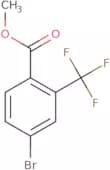
CAS:Methyl 5-chlorosalicylate is a chemical compound with the molecular formula CHClO. It is a colorless liquid that has a minty odor. Methyl 5-chlorosalicylate is used in organic chemistry as an intermediate to synthesize other compounds, and it can be used in the synthesis of β-cell receptor antagonists. This drug is an analog of salicylic acid and its anti-inflammatory effects are due to the inhibition of chloride channels on macrophages. The drug's neutralizing properties have been shown by experiments with neutralizing antibody levels at physiological levels, which blocks viral replication and prevents cell damage by free radicals.Fórmula:C8H7ClO3Pureza:Min. 95%Forma y color:White PowderPeso molecular:186.59 g/mol4-Bromo-2-(trifluoromethyl)benzoic acid methyl ester
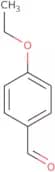
CAS:4-Bromo-2-(trifluoromethyl)benzoic acid methyl ester is a versatile building block that can be used to produce complex compounds. It is also an intermediate and a useful scaffold in organic synthesis. This chemical has been used as a research chemical and as a reagent for the production of other chemicals. The compound has CAS number 957207-58-8 and can be obtained from our supplier in high quality, with purity of 99%.Fórmula:C9H6BrF3O2Pureza:Min. 95%Forma y color:Colorless PowderPeso molecular:283.04 g/mol4-Ethoxybenzaldehyde
CAS:4-Ethoxybenzaldehyde is a chemical compound with antioxidant properties. It has been found to inhibit the proliferation of cervical cancer cells and melanoma cells, as well as to protect against radiation-induced oxidative damage in human skin. 4-Ethoxybenzaldehyde also inhibits the influenza virus by interfering with its ability to replicate. This compound is used in many different products, including cosmetics and pharmaceuticals. The most common use of 4-ethoxybenzaldehyde is as an excipient in tablet formulations. In this application, it can be used to maintain drug stability and improve disintegration time. In addition, it may have some anti-inflammatory effects that are related to its ability to inhibit the production of prostaglandins and leukotrienes. 4-Ethoxybenzaldehyde has been shown to have antioxidant properties for diabetics as well as for patients with autoimmune diseases such as multiple sclerosis and systemic lupus erythematosus (SLE). TheFórmula:C9H10O2Pureza:Min. 98.5 Area-%Forma y color:Colorless Clear LiquidPeso molecular:150.17 g/mol4,5-Dimethoxy-2-nitrobenzoic acid - Technical
CAS:4,5-Dimethoxy-2-nitrobenzoic acid is a versatile building block and reagent that can be used in research and development as well as for the production of fine chemicals. This compound has been shown to react with amines using the nitration reaction to produce a variety of useful compounds. The synthesis of this compound is not difficult, but requires care and some speciality chemicals. 4,5-Dimethoxy-2-nitrobenzoic acid is also a useful scaffold for complex compounds. It reacts readily with other building blocks to form nitrogen heterocycles and is used in the production of pharmaceuticals and pesticides.
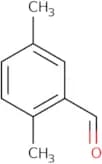
Fórmula:C9H9NO6Pureza:Min. 95%Peso molecular:227.17 g/mol2,5-Dimethylbenzaldehyde
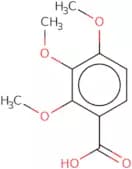
CAS:2,5-Dimethylbenzaldehyde is a chemical that is used in the synthesis of various compounds. It has been shown to have anticancer and energy metabolism properties. 2,5-Dimethylbenzaldehyde can be used as an energy source in the mitochondria. This compound also prevents the formation of fatty acids by inhibiting the conversion of acetyl-CoA into malonyl-CoA. The phase transition temperature for 2,5-dimethylbenzaldehyde is approximately −20 °C. The reaction mechanism for this compound is not well understood, but it has been shown to react with piperonal to form 3,4-dimethylbenzyl alcohol and methyl ethyl ether, which are both carcinogenic compounds. Chemical ionization mass spectrometry experiments have shown that protonated 2,5-dimethylbenzaldehyde reacts with methane gas to form methyl ethane and hydrogen gas. Thermodynamic data suggest that 2,5-dimethylFórmula:C9H10OPureza:Min. 98.0 Area-%Forma y color:Slightly Yellow Clear LiquidPeso molecular:134.18 g/mol2,3,4-Trimethoxybenzoic acid
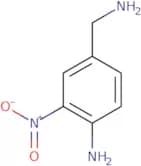
CAS:2,3,4-Trimethoxybenzoic acid is a molecule that has been shown to stimulate epidermal growth. It is a methylating agent that can be used to produce 2-hydroxybenzoic acid from protocatechuic acid. The hydroxy group on the 2,3,4-trimethoxybenzoic acid binds to the chloride ion in the protocatechuic acid and removes it from the molecule. This reaction mechanism is supported by x-ray crystal structures of protocatechuic acid and 2,3,4-trimethoxybenzoic acid.Fórmula:C10H12O5Pureza:Min. 95%Forma y color:PowderPeso molecular:212.2 g/mol4-Amino-3-nitrobenzylamine hydrochloride
CAS:4-Amino-3-nitrobenzylamine hydrochloride is a potential vanilloid receptor antagonist with potent antagonistic activities. It has been shown to inhibit the activation of neuronal TRPV1 receptors, as well as the uptake of 4-aminobenzoic acid (4-BA) in rat brain synaptosomes. In addition, this compound can be used to optimize drug structure, acting as an amide and alkyl groups. 4-Amino-3-nitrobenzylamine hydrochloride binds to the vanilloid receptor TRPV1 and blocks its activation. This prevents the release of proinflammatory substances that are responsible for pain, inflammation, and tissue injury.Fórmula:C7H9N3O2·HClPureza:Min. 95%Forma y color:PowderPeso molecular:203.63 g/mol3-Methoxy-4-methylbenzonitrile
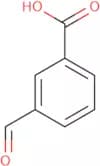
CAS:3-Methoxy-4-methylbenzonitrile is a reagent that is used in the synthesis of complex compounds, such as pharmaceuticals and fine chemicals. It has been shown to be useful as an intermediate for the synthesis of various drugs, including antibiotics. 3-Methoxy-4-methylbenzonitrile has also been shown to be a useful scaffold for the synthesis of new drugs and other chemical compounds. This compound is listed on the Chemical Abstracts Service registry number 3556-60-3.Fórmula:C9H9NOPureza:Min. 95%Forma y color:PowderPeso molecular:147.17 g/mol3-Carboxybenzaldehyde
CAS:3-Carboxybenzaldehyde is a hydroxy aromatic compound with a molecular formula of C8H6O2. It is a synthetic chemical that can be used as an intermediate in the synthesis of other compounds, such as polycarboxylic acids. 3-Carboxybenzaldehyde has been shown to be an effective substrate for binding to polycarboxylic acid enzymes and activating them. This reaction generates the corresponding carboxylate product and releases CO2. 3-Carboxybenzaldehyde has also been used as a reactant in asymmetric synthesis reactions and shown to have some structural similarities with benzene ring structures.Fórmula:C8H6O3Pureza:Min. 95%Forma y color:PowderPeso molecular:150.13 g/mol3,5-Dichloro-2-methoxybenzoic acid
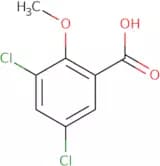
CAS:3,5-Dichloro-2-methoxybenzoic acid (3,5-DMB) is a diphenyl ether with a pharmacokinetic half-life of about 3 hours. It has two isomers: the cis and trans forms. The cis isomer is more active than the trans form. The cis isomer has been shown to be effective in treatments for amine oxidase inhibitors and short-chain fatty acids. It also has growth regulator properties that are used in treatments for psoriasis and acne. 3,5-DMB inhibits bacterial growth by binding to the enzyme dioxygenase, which catalyzes the conversion of 4-hydroxybenzoic acid into 4-hydroxyphenylpyruvic acid; this prevents the production of catecholamines and subsequent cell proliferation. This drug binds to apical membranes in the intestine by attaching to sulfhydryl groups on proteins involved in transport processes, preventing uptakeFórmula:C8H6Cl2O3Pureza:Min. 95%Forma y color:White PowderPeso molecular:221.04 g/mol3-Ethoxy-4-hydroxybenzaldehyde
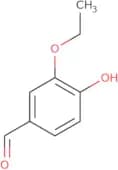
CAS:3-Ethoxy-4-hydroxybenzaldehyde is an active analogue of p-hydroxybenzoic acid that can be used in the synthesis of vanillin. 3-Ethoxy-4-hydroxybenzaldehyde is extracted from a reaction solution using solid phase microextraction, and can then be analyzed by gas chromatography/mass spectrometry to determine the concentration of vanillin. This compound has been shown to have a solubility in water, but not in organic solvents. 3-Ethoxy-4-hydroxybenzaldehyde has been found to inhibit cytochrome P450 activity and polyvinyl chloride production. This chemical compound has also been found to be toxic when inhaled or ingested, with no known toxicity studies for skin contact or eye contact.
Fórmula:C9H10O3Pureza:Min. 95%Forma y color:White PowderPeso molecular:166.17 g/mol3-Dimethylaminobenzoic acid
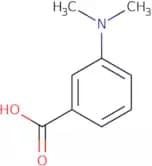
CAS:3-Dimethylaminobenzoic acid is a bacterial enzyme that belongs to the group of p2 carboxylates. It is a non-specific esterase that has been shown to hydrolyze 3-ethylbenzthiazoline-6-sulfonic acid, which is an indicator of root formation. The enzyme activity of 3-dimethylaminobenzoic acid has been demonstrated in kinetic data and redox potential measurements. 3DMBB is found in plants and can be used for the determination of dry weight, as it can hydrolyze triticum aestivum urine samples or cholesterol esters. This enzyme also has catalase activity and can be used in the determination of catalase activity in biological fluids such as urine samples or blood serum.Fórmula:C9H11NO2Pureza:Min. 95%Forma y color:Off-White PowderPeso molecular:165.19 g/mol2-Iodo-5-nitrobenzoic acid
CAS:2-Iodo-5-nitrobenzoic acid is a reactive molecule that reacts with terminal alkynes to form a fluorescent compound. It was immobilized on an electrode and used as a probe in voltammetry studies. 2-Iodo-5-nitrobenzoic acid is also used as a reagent in the synthesis of amides, which are important in many biochemical reactions. The use of this compound may be limited by the toxicity to cells, which can be increased through the presence of cisplatin or 3-aminobenzoic acid. The microenvironment around cancer cells may also alter the reactivity of 2-iodo-5-nitrobenzoic acid.Fórmula:C7H4INO4Pureza:Min. 95%Forma y color:Beige PowderPeso molecular:293.02 g/mol3,4-Diaminobenzoic acid
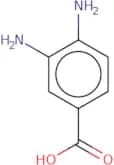
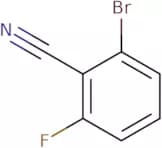
CAS:3,4-Diaminobenzoic acid is a compound that is produced by the condensation of two molecules of hydrochloric acid. 3,4-Diaminobenzoic acid has been used as a reagent in the synthesis of coumarin derivatives. This chemical has been shown to be an effective proton scavenger in an optimum concentration. Benzimidazole compounds are also synthesized from 3,4-diaminobenzoic acid and have been shown to be effective against autoimmune diseases. 3,4-Diaminobenzoic acid can be used for the production of diazonium salts, which are used in the synthesis of anti-inflammatory drugs and other pharmaceuticals. The hydroxyl group on this molecule makes it chemically stable and kinetic data shows that it has high diphenolase activity.Fórmula:C7H8N2O2Pureza:Min. 96 Area-%Forma y color:PowderPeso molecular:152.15 g/mol2-Bromo-6-fluorobenzonitrile
CAS:2-Bromo-6-fluorobenzonitrile is an organic compound with a molecular formula of C6H3BrF. It is a colorless liquid that is used as a precursor in the synthesis of other compounds. 2-Bromo-6-fluorobenzonitrile has been shown to be an efficient fluorophore and can be activated by electron transfer, thermally, or chemically. 2-Bromo-6-fluorobenzonitrile also has a quantum efficiency of 0.5% and transport properties that make it ideal for fluorescence microscopy. The fluorescence intensity of 2-bromo-6-fluorobenzonitrile is proportional to the amount of energy absorbed, which makes it useful for quantifying the concentration of fluorescent molecules in solution. 2-Bromo-6-fluorobenzonitrile has also been shown to have high quantum yields and high efficiency levels when
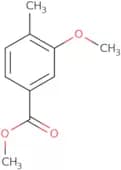
Fórmula:C7H3BrFNPureza:Min. 95%Forma y color:PowderPeso molecular:200.01 g/mol3-Methoxy-4-methylbenzoic acid methyl ester
CAS:3-Methoxy-4-methylbenzoic acid methyl ester is a potent inhibitor of the neurotoxic effects of β-amyloid peptide (Aβ) on cultured human neurons. 3-Methoxy-4-methylbenzoic acid methyl ester inhibits fibrillation in vitro and fluorescence assay, suggesting that it may be a promising therapeutic agent for Alzheimer's disease. The fluorescence assay is based on the inhibition of fluorescence by 3-methoxy-4-methylbenzoic acid methyl ester, which competes with Aβ for binding to an acceptor molecule. This inhibition can be used as a marker to measure the amount of Aβ present in vivo.Fórmula:C10H12O3Pureza:Min. 95%Forma y color:White PowderPeso molecular:180.2 g/mol5,6-Dichlorovanillic acid
CAS:5,6-Dichlorovanillic acid is a high quality, versatile molecule that can be used as a reagent in organic synthesis or as a building block for the synthesis of complex compounds. It has many useful properties, such as being a fine chemical and research chemicals. 5,6-Dichlorovanillic acid is also a speciality chemical with versatile uses in building blocks or reaction components.
Fórmula:C8H6Cl2O4Pureza:Min. 95%Forma y color:PowderPeso molecular:237.04 g/mol1,2-Pyrrolidinedicarboxylic acid, 4-hydroxy-, 1-[(4-nitrophenyl)methyl]ester, (2S,4R)-
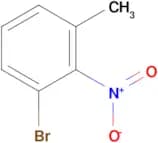
CAS:Pureza:98%Peso molecular:310.26199343-Bromo-2-nitrotoluene
CAS:Fórmula:C7H6BrNO2Pureza:98%Forma y color:Solid, Off-white to yellow crystalline powderPeso molecular:216.034Methyl 3-bromo-4-nitrobenzoate
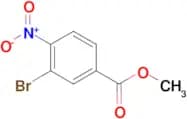
CAS:Fórmula:C8H6BrNO4Pureza:95%Forma y color:SolidPeso molecular:260.043Methyl 4-chloro-3-cyanobenzoate
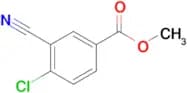
CAS:Fórmula:C9H6ClNO2Pureza:95%Forma y color:SolidPeso molecular:195.64-Chloro-2-nitrobenzotrifluoride
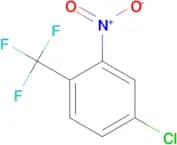
CAS:Fórmula:C7H3ClF3NO2Pureza:95%Forma y color:Liquid, ClearPeso molecular:225.55
























![1,2-Pyrrolidinedicarboxylic acid, 4-hydroxy-, 1-[(4-nitrophenyl)methyl]ester, (2S,4R)-](/_next/image/?url=https%3A%2Fstatic.cymitquimica.com%2Fproducts%2F10%2Fthumb-webp%2FF863964.webp&w=3840&q=75)