Ácidos benzoicos
Se han encontrado 5472 productos de "Ácidos benzoicos"
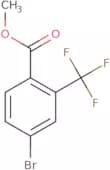
4-Bromo-2-(trifluoromethyl)benzoic acid methyl ester
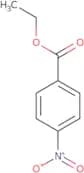
CAS:4-Bromo-2-(trifluoromethyl)benzoic acid methyl ester is a versatile building block that can be used to produce complex compounds. It is also an intermediate and a useful scaffold in organic synthesis. This chemical has been used as a research chemical and as a reagent for the production of other chemicals. The compound has CAS number 957207-58-8 and can be obtained from our supplier in high quality, with purity of 99%.Fórmula:C9H6BrF3O2Pureza:Min. 95%Forma y color:Colorless PowderPeso molecular:283.04 g/molEthyl 4-nitrobenzoate
CAS:Ethyl 4-nitrobenzoate is a compound that is used to synthesize other drugs, such as erythromycin. It is also an intermediate in the synthesis of some pesticides and dyes. The second-order rate constant for the reaction of ethyl 4-nitrobenzoate with phosphotungstic acid has been measured at 0.058/min at 25°C. This reaction is catalyzed by recombinant cytochrome P450 (P450) enzymes from human liver preparations and cationic surfactants such as nitrobenzene or sodium carbonate, which are known to form hydrogen bonds with the protonated nitrogen atom on the aromatic ring of ethyl 4-nitrobenzoate. Ethyl 4-nitrobenzoate is also used clinically to treat gastric ulcers, although it can be toxic if taken in large doses or over a long period of time.
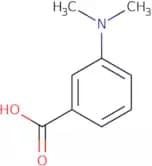
Fórmula:C9H9NO4Pureza:Min. 95%Forma y color:PowderPeso molecular:195.17 g/mol3-Dimethylaminobenzoic acid
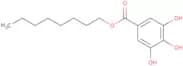
CAS:3-Dimethylaminobenzoic acid is a bacterial enzyme that belongs to the group of p2 carboxylates. It is a non-specific esterase that has been shown to hydrolyze 3-ethylbenzthiazoline-6-sulfonic acid, which is an indicator of root formation. The enzyme activity of 3-dimethylaminobenzoic acid has been demonstrated in kinetic data and redox potential measurements. 3DMBB is found in plants and can be used for the determination of dry weight, as it can hydrolyze triticum aestivum urine samples or cholesterol esters. This enzyme also has catalase activity and can be used in the determination of catalase activity in biological fluids such as urine samples or blood serum.Fórmula:C9H11NO2Pureza:Min. 95%Forma y color:Off-White PowderPeso molecular:165.19 g/molOctyl gallate
CAS:Octyl gallate is a naturally occurring compound that belongs to the class of gallates. It is a non-toxic, water-soluble antioxidant that has been used as a preservative in foods and pharmaceuticals. Octyl gallate has been shown to inhibit nuclear DNA synthesis by binding to the dinucleotide phosphate (NDP) site on ribonucleotide reductase, thereby preventing the formation of deoxyribonucleotide triphosphates. A rate constant for this reaction has been determined using analytical methods. This compound also inhibits the growth of wild-type strains of Escherichia coli and Staphylococcus aureus, as well as some strains resistant to antibiotics such as erythromycin, chloramphenicol, tetracycline, and clindamycin. Octyl gallate may also have an effect on energy metabolism in bacteria by inhibiting p-hydroxybenzoic acid (PHBA) dehydratase
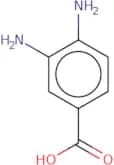
Fórmula:C15H22O5Pureza:Min. 95%Forma y color:White PowderPeso molecular:282.33 g/mol3,4-Diaminobenzoic acid
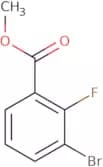
CAS:3,4-Diaminobenzoic acid is a compound that is produced by the condensation of two molecules of hydrochloric acid. 3,4-Diaminobenzoic acid has been used as a reagent in the synthesis of coumarin derivatives. This chemical has been shown to be an effective proton scavenger in an optimum concentration. Benzimidazole compounds are also synthesized from 3,4-diaminobenzoic acid and have been shown to be effective against autoimmune diseases. 3,4-Diaminobenzoic acid can be used for the production of diazonium salts, which are used in the synthesis of anti-inflammatory drugs and other pharmaceuticals. The hydroxyl group on this molecule makes it chemically stable and kinetic data shows that it has high diphenolase activity.Fórmula:C7H8N2O2Pureza:Min. 96 Area-%Forma y color:PowderPeso molecular:152.15 g/molMethyl 3-bromo-2-fluorobenzoate
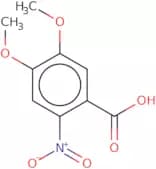
CAS:Methyl 3-bromo-2-fluorobenzoate (MBFB) is a versatile building block in chemical synthesis. MBFB can be used as a reagent or speciality chemical. It has been used as an intermediate for the synthesis of other compounds, such as methyl 5-bromo-2-fluorobenzoate and ethyl 5-bromo-2-fluorobenzoate. MBFB is also a useful scaffold for the synthesis of complex compounds with interesting functions, such as research chemicals.Fórmula:C8H6BrF2Pureza:Min. 95%Forma y color:White PowderPeso molecular:233 g/mol4,5-Dimethoxy-2-nitrobenzoic acid
CAS:4,5-Dimethoxy-2-nitrobenzoic acid (DMNB) is a nitrophenol compound that is used as an intermediate in the synthesis of pesticides. DMNB inhibits the growth of bacteria through its ability to inhibit protein synthesis and DNA replication. The inhibition is due to DMNB’s ability to covalently bind to nucleophilic sites on enzymes that are essential for these processes. It has been shown that DMNB can be degraded by microorganisms, such as bacteria, fungi, and algae. The biodegradation process may be facilitated by its solubility in water and its low molecular weight.
Fórmula:C9H9NO6Pureza:Min. 97.5%Forma y color:Yellow SolidPeso molecular:227.17 g/molEthyl 4-ethoxybenzoate
CAS:Ethyl 4-ethoxybenzoate is an antimicrobial agent that inhibits bacterial growth by interfering with the synthesis of DNA. It also has a genotoxic potential and can induce mutations in cells. Ethyl 4-ethoxybenzoate is used as an impurity in pharmaceutical drug production, such as solanum tuberosum extract, to prevent microbial contamination. It also has been shown to inhibit the growth of bacteria in cell cultures by binding to DNA and inhibiting DNA replication. Ethyl 4-ethoxybenzoate is used as a control agent for the detection of antibiotics in natural products, such as ethanol extracts from plants.Fórmula:C11H14O3Pureza:Min. 97.5 Area-%Forma y color:Colorless Clear LiquidPeso molecular:194.23 g/mol2-Iodo-5-nitrobenzoic acid
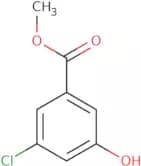
CAS:2-Iodo-5-nitrobenzoic acid is a reactive molecule that reacts with terminal alkynes to form a fluorescent compound. It was immobilized on an electrode and used as a probe in voltammetry studies. 2-Iodo-5-nitrobenzoic acid is also used as a reagent in the synthesis of amides, which are important in many biochemical reactions. The use of this compound may be limited by the toxicity to cells, which can be increased through the presence of cisplatin or 3-aminobenzoic acid. The microenvironment around cancer cells may also alter the reactivity of 2-iodo-5-nitrobenzoic acid.Fórmula:C7H4INO4Pureza:Min. 95%Forma y color:Beige PowderPeso molecular:293.02 g/mol3-Chloro-5-hydroxybenzoic acid methyl ester
CAS:3-Chloro-5-hydroxybenzoic acid methyl ester is a fine chemical that can be used as a versatile building block and reaction component in the synthesis of complex compounds. It is soluble in organic solvents such as dichloromethane, chloroform, and acetone. 3-Chloro-5-hydroxybenzoic acid methyl ester has CAS No. 98406-04-3 and a molecular weight of 149. 2.Fórmula:C8H7ClO3Pureza:Min. 98 Area-%Forma y color:White Off-White PowderPeso molecular:186.59 g/mol3-Methoxy-2,4,5-trifluorobenzoic acid
CAS:3-Methoxy-2,4,5-trifluorobenzoic acid (3MTBF) is a ligand that binds to the active site of bacterial dehydrogenases. It is used to inhibit the growth of bacteria in the environment and food products. 3MTBF inhibits the production of fluoroquinolones by methylating their chlorides with methoxy groups. This compound also has bifunctional properties, as it can act as both a methylating agent and an inhibitor of dehydrogenase enzymes. 3MTBF inhibits the production of cancer cells by inhibiting transcription and translation, preventing cell division and proliferation. 3MTBF is thermostable, meaning it does not break down in high temperatures or at pH extremes.
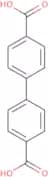
Fórmula:C8H5F3O3Pureza:Min. 95%Forma y color:White to off-white solid.Peso molecular:206.12 g/mol4,4'-Dibenzoic acid
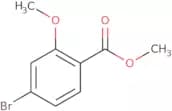
CAS:4,4'-Dibenzoic acid is a chemical compound that has been used as a precursor to other compounds. It is also used in the production of polycarbonates and epoxy resins. 4,4'-Dibenzoic acid has low energy, which means it can be transported more easily than high energy molecules. This property makes it an excellent candidate for use as an enhancement agent for organometallic catalysts such as biphenyl. The structure of 4,4'-dibenzoic acid consists of two benzene rings connected by an ethylene chain. This molecule has one hydrogen bond on each side of the molecule. The 4-hydroxyl group on the left side of the molecule is susceptible to oxidation and can act as an oxidation catalyst when exposed to heat or radiation.Fórmula:C14H10O4Pureza:Min. 95%Forma y color:PowderPeso molecular:242.23 g/molMethyl 4-bromo-2-methoxybenzoate
CAS:Methyl 4-bromo-2-methoxybenzoate is a drug molecule that belongs to the amide class. It is a synthetic reagent and can be used as a potential precursor in the synthesis of other drugs. Methyl 4-bromo-2-methoxybenzoate has been shown to react with carboxylic acids to form methyl esters, which are functional groups that contain a carboxyl group (COOH) and an alcohol group (OH). This reaction is called methoxylation. The transformation of methyl 4-bromo-2-methoxybenzoate into methyl esters increases the solubility of the compound and allows for it to be transported in water.Fórmula:C9H9BrO3Pureza:Min. 98 Area-%Forma y color:Yellow PowderPeso molecular:245.07 g/mol2-Amino-5-iodobenzoic acid
CAS:2-Amino-5-iodobenzoic acid (5-AIBA) is a chemical compound with a molecular weight of 152.14 g/mol. It belongs to the group of anthranilic compounds, and has antiinflammatory activity. 5-AIBA also inhibits cancer cell proliferation in vitro and in vivo by inhibiting the synthesis of DNA, RNA, and proteins. The reaction solution for the palladium-catalyzed coupling of 5-AIBA with 2-(N,N′-dimethylcarbamoyl)phenyl boronic acid was found to be stable at room temperature for 24 hours. The inhibitory activity of 5-AIBA against MCL1 protein was potent, as it inhibited MCL1 protein expression by 90%. Molecular modeling studies showed that 5-AIBA binds to the amide region on the ATP binding site in MCL1 protein (mcf7). Carbonyl groups are present on both sides of the am
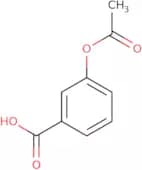
Fórmula:C7H6INO2Pureza:Min. 98 Area-%Forma y color:PowderPeso molecular:263.03 g/mol3-Acetoxybenzoic acid
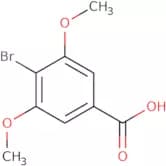
CAS:3-Acetoxybenzoic acid is a metabolite of 3-hydroxybenzoic acid, which is an intermediate in the biosynthesis of salicylic acid. It has been shown to have antibacterial properties and may be used as a topical treatment for skin infections caused by staphylococcus. 3-Acetoxybenzoic acid also has antiviral properties, which may be related to its ability to bind histone H3. 3-Acetoxybenzoic acid inhibits leishmania infantum growth and development by binding to chloride ions and preventing the formation of hydrogen bonds in the cell membrane. This prevents chloride ions from entering the cell and causes water channels to close, leading to dehydration and death.Fórmula:C9H8O4Pureza:Min. 95%Forma y color:PowderPeso molecular:180.16 g/mol4-Bromo-3,5-dimethoxybenzoic acid
CAS:4-Bromo-3,5-dimethoxybenzoic acid is a synthetic molecule that has been shown to have catalytic properties. It was generated by the reaction of resorcinol and dimethoxybenzoic acid in the presence of copper(II) acetate. This compound has also been shown to be bioinspired by its similarity to natural products such as 3,5-dihydroxybenzoic acid. 4-Bromo-3,5-dimethoxybenzoic acid has been used for the synthesis of bioactive molecules with cyclic structures. These advances are important for sustainable development and may help in the discovery of new natural products.
Fórmula:C9H9BrO4Pureza:Min. 95%Forma y color:PowderPeso molecular:261.07 g/mol4-Chloro-3-hydroxybenzoic acid
CAS:4-Chloro-3-hydroxybenzoic acid (4-CHB) is a reactive compound that can be used for the detection of bacteria. 4-CHB reacts with peroxyl radicals in solution to form a chlorobenzoic acid derivative, which emits light when excited by radiation. 4-CHB is also capable of dehalogenating chlorobenzene, and can be used as a bioluminescent probe for the detection of bacteria. The reactions are efficient at low concentrations and are detectable with an ultraviolet or visible spectrophotometer.
Fórmula:C7H5ClO3Pureza:Min. 95%Forma y color:PowderPeso molecular:172.57 g/mol2-Chloro-4-methoxybenzoic acid methyl ester
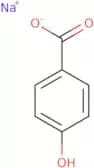
CAS:2-Chloro-4-methoxybenzoic acid methyl ester is a reagent that can be used in the preparation of various compounds. It is also a versatile building block for the synthesis of complex compounds, such as pharmaceuticals and agrochemicals. This chemical is often used as an intermediate or building block in the preparation of pharmaceuticals and agrochemicals. 2-Chloro-4-methoxybenzoic acid methyl ester has been shown to be a useful scaffold for the synthesis of drugs with high quality and low cost.Fórmula:C9H9ClO3Pureza:Min. 95%Forma y color:PowderPeso molecular:200.62 g/mol4-Hydroxybenzoic acid sodium salt
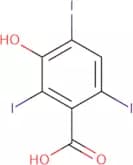
CAS:4-Hydroxybenzoic acid sodium salt (4HBA) is a drug that is used in the treatment of bowel disease. It is an antimicrobial agent that has been shown to have activity against Gram-positive and Gram-negative bacteria, including Pseudomonas aeruginosa. 4HBA has also been shown to be effective in the treatment of ulcerative colitis and Crohn's disease by reducing the production of inflammatory cytokines. The mechanism of action for 4HBA is not fully understood, but it may be due to its ability to interfere with protein synthesis in bacteria, as well as inhibit antibody responses in humans. The structural biology studies on this compound have revealed that the α subunit can bind to the β subunit, which could affect its activity.Fórmula:C7H5O3NaPureza:Min. 98 Area-%Forma y color:White PowderPeso molecular:160.1 g/mol3-Hydroxy-2,4,6-triiodobenzoic acid
CAS:3-Hydroxy-2,4,6-triiodobenzoic acid (3HITBA) is a molecule that is found in the urine of patients with chronic kidney disease. It is present in group P2 of the periodic table. 3HITBA has been demonstrated to have anti-inflammatory properties and may be useful for the treatment of inflammatory diseases. 3HITBA has been shown to inhibit cancer cell growth by inhibiting DNA synthesis and protein synthesis. This molecule also has fluorescence properties and can be used to detect biological fluids such as blood or urine. The structural analysis of this molecule reveals that it contains intramolecular hydrogen bonds, which are important for its stability and activity.
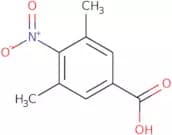
Fórmula:C7H3O3I3Forma y color:PowderPeso molecular:515.81 g/mol3,5-Dimethyl-4-nitrobenzoic acid
CAS:3,5-Dimethyl-4-nitrobenzoic acid is a synthetic compound that has been used in the synthesis of other organic compounds. It is not currently used as a drug, but it has been shown to inhibit the growth of bacteria in vitro. The mechanism of action for this compound is unclear. 3,5-Dimethyl-4-nitrobenzoic acid has been shown to be active against the bacterium Typhimurium and may inhibit bacterial growth by being metabolised into nitrite or nitrate ions. This chemical can also be converted into a reactive intermediate that reacts with oxygen to form superoxide anion radicals, which are known to have antibacterial effects.Fórmula:C9H9NO4Pureza:Min. 95%Forma y color:PowderPeso molecular:195.17 g/mol2-Chloro-4-trifluoromethylbenzoic acid
CAS:2-Chloro-4-trifluoromethylbenzoic acid is a chemical compound with the formula CHClFO. It can be obtained by deprotonation of 2,4,6-trichlorobenzoic acid with butyllithium and subsequent reaction with chlorotrifluoromethane. The product has two regioisomers, one in which the chlorine atom is attached to the para position on the benzene ring and the other in which it is attached to the ortho position. Substituents such as alkyl groups or lithium reagents can affect both reactivity and selectivity. The halogen substituent can also be replaced by other functional groups to make derivatives of this compound.
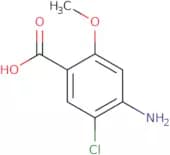
Fórmula:C8H4ClF3O2Pureza:Min. 95%Forma y color:PowderPeso molecular:224.56 g/mol4-Amino-5-chloro-2-methoxybenzoic acid
CAS:4-Amino-5-chloro-2-methoxybenzoic acid is a compound that has been shown to be a potent 5-HT4 receptor agonist. It is used in the treatment of obesity and diabetes. The molecular structure of 4-Amino-5-chloro-2-methoxybenzoic acid consists of a carbonyl group and an amine group, which are bound to each other by a covalent bond. This molecule is found to bind to the 5HT4 receptor with high affinity, which leads to its efficacy as an antiobesity agent.Fórmula:C8H8ClNO3Forma y color:White PowderPeso molecular:201.61 g/molEthyl 2-nitrobenzoate
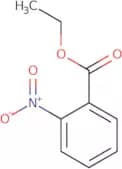
CAS:Ethyl 2-nitrobenzoate is a cyclic organic compound that contains a nitro group, which is an organic radical with the formula -NO2. It belongs to the class of amides and has two carbonyl groups. The molecule consists of a bicyclic heterocycle consisting of one ring with five carbon atoms and one ring with six carbon atoms. Ethyl 2-nitrobenzoate can be used in the treatment of muscle diseases, metabolic disorders, growth factor deficiencies, autoimmune diseases, and neural system disorders due to its ability to act as an antihypertensive agent and as an inhibitor of angiotensin converting enzyme (ACE). This molecule's hydroxyl group can also react with epidermal growth factor (EGF) to form N-hydroxyethyl EGF (NHE). This product has been shown to have antiviral properties against HIV-1 protease inhibitors by interfering with viral protein synthesis.
Fórmula:C9H9NO4Pureza:Min. 95%Forma y color:White PowderPeso molecular:195.17 g/mol3,4-Dihydroxybenzoic acid ethyl ester
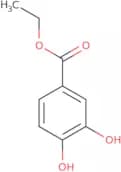
CAS:3,4-Dihydroxybenzoic acid ethyl ester (3,4-DHBA) is a phenolic compound that is used in the treatment of hepatic steatosis. 3,4-DHBA has been shown to be effective in inhibiting autophagy and may also be useful in the treatment of her2+ breast cancer. This drug has antioxidative properties and may also have a protective effect against myocardial infarct. 3,4-DHBA binds to iron ions and prevents their oxidation, thereby preventing oxidative stress. It has been shown to have low potency due to its short half-life in vivo. 3,4-DHBA can inhibit the mitochondrial membrane potential and lead to apoptosis of primary cells and tissue culture cells.
Fórmula:C9H10O4Pureza:Min. 95%Forma y color:White PowderPeso molecular:182.17 g/mol2-Ethoxybenzoic acid
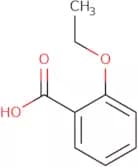
CAS:Component in some dental cementsFórmula:C9H10O3Pureza:Min. 99.0 Area-%Forma y color:Colorless Clear LiquidPeso molecular:166.17 g/mol2,5-Dihydroxybenzoic acid
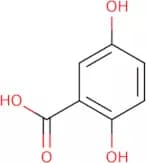
CAS:2,5-Dihydroxybenzoic acid is a natural compound that has been shown to inhibit the matrix metalloproteinase enzyme activity of α1-acid glycoprotein. The 2,5-dihydroxybenzoic acid structure is similar to p-hydroxybenzoic acid and gentisic acid. It is also an inhibitor of xanthine oxidase and caffeic acid oxidase. 2,5-Dihydroxybenzoic acid has a number of potential uses in analytical chemistry as it can be used to measure the concentrations of caffeic acids and other related compounds in biological samples.
Fórmula:C7H6O4Pureza:(%) Min. 98%Forma y color:White PowderPeso molecular:154.12 g/mol4-Toluic acid
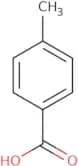
CAS:4-Toluic acid is a chemical compound with the molecular formula CH3C6H2O2. It is a white solid that is soluble in water and alcohol. 4-Toluic acid can be produced by oxidation of benzoate, which is a reaction catalyzed by light or by using a catalyst such as trifluoroacetic acid. The reaction mechanism begins with the formation of the intramolecular hydrogen and subsequent oxidation to form an organic radical. This organic radical then reacts with oxygen to produce 4-toluic acid. 4-Toluic acid has been shown to have biochemical properties such as enzyme inhibition, DNA cleavage, and protein denaturation. The coordination geometry for this molecule is octahedral, and its redox potentials are -0.27 V (in acidic solution) and -1.06 V (in alkaline solution).
Fórmula:C8H8O2Pureza:Min. 98 Area-%Forma y color:White PowderPeso molecular:136.15 g/mol2-Ethynylbenzoic acid
CAS:2-Ethynylbenzoic acid is an organic compound with a carboxylic acid functional group. It is an efficient method for the synthesis of amides from primary and secondary alcohols in the presence of a chloride donor, such as thionyl chloride. The reaction system is typically carried out in an organic solvent, such as dichloromethane or chloroform. The reaction mechanism proceeds by protonation of the alkene followed by nucleophilic attack by the amine on the carbonyl carbon atom. This step forms a tetrahedral intermediate that tautomerizes to give a furyl intermediate. The furyl intermediate then undergoes oxidative carbonylation to form 2-ethynylbenzaldehyde, which reacts with the amine to form 2-ethynylbenzoic acid. In this process, stereoselectivity can be achieved by using an acceptor that favors one enantiomer of 2-ethynylbenzaldehydeFórmula:C9H6O2Pureza:Min. 95%Forma y color:Yellow solid.Peso molecular:146.14 g/mol3,5,6-Trichlorosalicylic acid
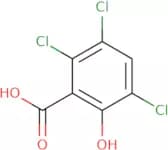
CAS:3,5,6-Trichlorosalicylic acid binds to the active site of bacterial 5-nitrosalicylic acid reductase and inhibits its activity. It is an inhibitor of proton-translocating ATPases. 3,5,6-Trichlorosalicylic acid has been shown to be effective against a variety of bacteria at low concentrations. 3,5,6-Trichlorosalicylic acid has also been shown to inhibit some physiological activities such as the light emission and chemiluminescent reaction of luciferin in fireflies. This chemical reacts with chloride ions to produce light.Fórmula:C7H3Cl3O3Pureza:Min. 95%Forma y color:PowderPeso molecular:241.46 g/molEthyl 3-aminobenzoate
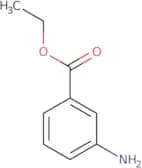
CAS:Ethyl 3-aminobenzoate is a chemical that is used as an anesthetic. It is administered intravenously and has been shown to have effects on the cardiovascular system, such as lowering blood pressure, decreasing heart rate and increasing the time it takes for the heart to recover after a contraction. Ethyl 3-aminobenzoate also affects the central nervous system by causing anesthesia and changes in brain function. Its effects are reversible with administration of naloxone or flumazenil.Fórmula:C9H11NO2Pureza:Min. 95%Forma y color:PowderPeso molecular:165.19 g/mol4-Aminobenzoic acid
CAS:4-Aminobenzoic acid is a chemical compound that can be used as an antibacterial agent in wastewater treatment. It has been shown to be effective against Aerobacter aerogenes and other bacteria. 4-Aminobenzoic acid is a basic compound with an aromatic ring and four amine groups. It is often used in the synthesis of polymers, pharmaceuticals, dyes, and pigments. The polymerase chain reaction (PCR) technique uses 4-aminobenzoic acid as a cofactor for DNA synthesis. Electrochemical impedance spectroscopy (EIS) is another application of this chemical compound in which it acts as a redox mediator in the electrical circuit. 4-Aminobenzoic acid also has been shown to have toxic effects on bowel disease cells, which may be due to its ability to react with nucleophilic groups on cell surfaces or by inhibiting the production of essential proteins or enzymes within the cells
Fórmula:C7H7NO2Pureza:Min. 98 Area-%Forma y color:PowderPeso molecular:137.14 g/mol3,5-Diiodo-4-hydroxybenzoic acid
CAS:3,5-Diiodo-4-hydroxybenzoic acid (3,5 DIBA) is an aminotriazole that inhibits the growth of a wide range of bacteria. 3,5 DIBA inhibits the transport of catechol and 2,6-dichlorobenzoic acid into cells. This inhibition leads to decreased levels of catechol-O-methyltransferase activity and increased levels of lysine decarboxylase activity. The combination of these two reactions causes a decrease in lysine production. Lysine is important for cell division and protein synthesis in bacteria. 3,5 DIBA also inhibits root formation in plants and has been shown to inhibit the uptake of nutrients by plant roots. Also known as: Dibenzoylmethane; 1,2-Benzenediamine, 3-[(2,6-dichlorophenyl)imino]-, diiodide;Fórmula:C7H4I2O3Pureza:Min 97%Forma y color:PowderPeso molecular:389.91 g/mol2-Benzoylbenzoic acid
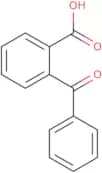
CAS:2-Benzoylbenzoic acid is an organic compound with the chemical formula C6H5CO2. It is a white solid that is soluble in water, ethanol, and ether. 2-Benzoylbenzoic acid is stable at room temperature, but decomposes when heated to above 200°C. This compound can be used as a catalyst for the synthesis of polymers.
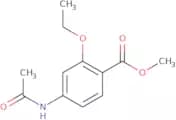
2-Benzoylbenzoic acid is used as a raw material for the production of ferrocenecarboxylic acid and ethylene diamine. The activity index of 2-benzoylbenzoic acid was found to be high (0.7) when it was tested against Streptococcus mutans and Staphylococcus aureus.Fórmula:C14H10O3Pureza:Min. 95%Forma y color:White PowderPeso molecular:226.23 g/molMethyl 4-acetamido-2-methoxybenzoate
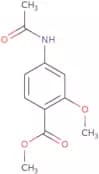
CAS:Methyl 4-acetamido-2-methoxybenzoate is a chemical compound that belongs to the group of heterocycles. It is a precursor to the imidazopyridine, imidazopyrazine and thiazolopyridine classes of drugs. The protonation of methyl 4-acetamido-2-methoxybenzoate has been shown experimentally to be an important factor in its biological activity, especially for its binding affinity for DNA. Methyl 4-acetamido-2-methoxybenzoate has been used as an inotropic agent and as an atypical antipsychotic drug.Fórmula:C11H13NO4Pureza:Min. 95%Forma y color:PowderPeso molecular:223.23 g/mol3-Nitrobenzoic acid methyl ester
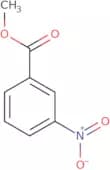
CAS:3-Nitrobenzoic acid methyl ester is an organic compound that contains a hydroxyl group and a nitro group. It can be synthesized by the reaction of 3-nitrophenol and methanol in a solvent such as water or ethanol. The nitro group is important for the solvating power of this molecule, which has been shown to have approximations with other molecules. 3-Nitrobenzoic acid methyl ester is found in two different forms: the cis form and the trans form, which differ in the orientation of their nitro groups. The cis form is more stable than the trans form because it has a dipole moment. The vibrational frequencies are also higher for the cis form than for its trans counterpart. 3-Nitrobenzoic acid methyl ester has been shown to react with nintedanib, which is used to treat cancer, and inhibit kinetics. The kinetic data obtained from this study canFórmula:C8H7NO4Pureza:(Gc) Min. 98%Forma y color:PowderPeso molecular:181.15 g/molN-Phenylanthranilic acid
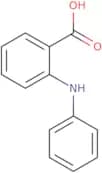
CAS:N-Phenylanthranilic acid is a nonsteroidal anti-inflammatory drug that inhibits the activity of cyclooxygenase-1 and cyclooxygenase-2. It has been shown to be effective against congestive heart failure in animal models. N-Phenylanthranilic acid also possesses potent anti-inflammatory activities that are mediated by inhibiting the production of prostaglandins. The compound binds to DNA and blocks the binding of transcription factors, leading to cell death. N-Phenylanthranilic acid has been shown to inhibit proliferation in human erythrocytes and k562 cells, as well as apoptosis pathway in these cells.Fórmula:C13H11NO2Pureza:Min. 95%Forma y color:PowderPeso molecular:213.23 g/mol2,4-Difluoro-3-hydroxybenzoic acid methyl ester
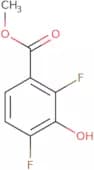
CAS:2,4-Difluoro-3-hydroxybenzoic acid methyl ester is a fine chemical that is used as a versatile building block for research chemicals and other complex compounds. It can be used as a reaction component in the synthesis of new chemical entities or as a reagent for organic chemistry reactions. 2,4-Difluoro-3-hydroxybenzoic acid methyl ester has CAS No. 194804-80-3 and is available in high quality.Fórmula:C8H6F2O3Pureza:Min. 95%Forma y color:PowderPeso molecular:188.13 g/mol3-Methoxybenzoic acid
CAS:3-Methoxybenzoic acid is a compound that has two carboxyl groups, one on each of the two benzene rings. It is a white crystalline solid with a melting point of 86°C and a boiling point of 240°C at 1 mmHg. 3-Methoxybenzoic acid can be found in plants such as cranberries and strawberries. It also occurs naturally in animal fat, where it functions as an antioxidant and antimicrobial agent. 3-Methoxybenzoic acid has been shown to have synergistic effects when combined with protocatechuic acid in the treatment of carcinoma cells.Fórmula:C8H8O3Pureza:Min. 95%Forma y color:PowderPeso molecular:152.15 g/molMethyl 2-nitrobenzoate
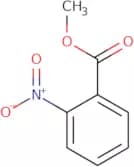
CAS:Methyl 2-nitrobenzoate is a nitro compound that has been used to synthesize benzyl esters. It has been shown to react with protonation and acidic conditions. Methyl 2-nitrobenzoate is also used as an intermediate in the synthesis of methyl anthranilate, which is a component of artificial grape flavoring. The mechanism of the reaction is not fully understood, but it has been proposed that methyl 2-nitrobenzoate undergoes an intramolecular hydrogen bond with the benzoate group to form an intermediate compound called N-methyl-2-(phenylmethyl)benzamide. This intermediate then reacts with methylamine to form methyl anthranilate. The molecule can be detected by gas chromatography or liquid chromatography in organic solvents such as methanol or acetone.Fórmula:C8H7NO4Pureza:Min. 95%Forma y color:Yellow Clear LiquidPeso molecular:181.15 g/moln-Pentyl 4-hydroxybenzoate
CAS:n-Pentyl 4-hydroxybenzoate is a preservative that inhibits the growth of microorganisms. It is used in products such as cosmetics, pharmaceuticals, and food to prevent spoilage. The antimicrobial activity of n-pentyl 4-hydroxybenzoate has been shown to be due to p-hydroxybenzoic acid, which binds to bacterial cell walls. This binding prevents the formation of an antibiotic-inhibitor complex with the enzyme cell wall synthesis that is required for cell wall biosynthesis, inhibiting protein synthesis and cell division. n-Pentyl 4-hydroxybenzoate has also been shown to inhibit bacterial growth in vitro and in vivo in rats by interfering with protein synthesis in rat liver microsomes.
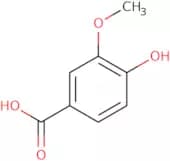
Fórmula:C12H16O3Pureza:Min. 95%Forma y color:Off-White PowderPeso molecular:208.25 g/mol4-Hydroxy-3-methoxybenzoic acid
CAS:Flavoring agent; interacts with TPRV receptors and ASIC channels
Fórmula:C8H8O4Pureza:Min. 98 Area-%Forma y color:White Beige PowderPeso molecular:168.15 g/mol2-Methyl-3-nitrobenzoic acid
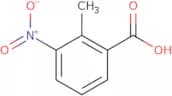
CAS:2-Methyl-3-nitrobenzoic acid is a diketone that is used as a synthetic building block for the synthesis of fatty acid esters. This compound is also used to normalize butyric acid levels in blood, and has been shown to inhibit the formation of coumarin derivatives from nitrosalicylic acid. 2-Methyl-3-nitrobenzoic acid is an organic molecule with a molecular weight of 128.17 g/mol, and has four functional groups: two methyl groups, one carboxyl group, and one phenyl group. The compound reacts with a solution containing nitrite ions in an acidic environment to form nitrous acid (HONO) and 2-methylene-3-nitrobenzaldehyde (2MNB). 2MNB is soluble in water and has a solubility data of 0.0012 g/100 mL at 25 degrees Celsius.
Fórmula:C8H7NO4Pureza:Min. 98 Area-%Forma y color:PowderPeso molecular:181.15 g/molPhenyl salicylate
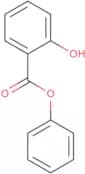
CAS:Phenyl salicylate is a phenolic compound that is used as an antipyretic and analgesic. It has the ability to inhibit prostaglandin synthesis, which can lead to reduced inflammation in the body. Phenyl salicylate has been shown to bind to specific receptors on cells, which leads to inhibition of prostaglandin synthesis. This receptor binding may also be responsible for its anti-inflammatory properties. Phenyl salicylate is metabolized in the liver and excreted through the kidneys.
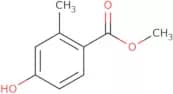
Fórmula:C13H10O3Pureza:Min. 98%Forma y color:White PowderPeso molecular:214.22 g/molMethyl 4-hydroxy-2-methylbenzoate
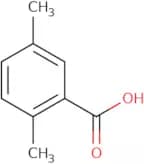
CAS:Methyl 4-hydroxy-2-methylbenzoate is a chromophore. It has demonstrated antioxidant and anti-oxidative properties in a number of assays, including 3-ethylbenzothiazoline-6-sulfonic acid (EBT) assay, naphthalene oxidation assay, and electrocyclic test. Methyl 4-hydroxy-2-methylbenzoate has been shown to be bioactive with respect to steroids and lignans. This compound has also been used as a tyrosinase inhibitor in neocarzinostatin (NCS) synthesis. Methyl 4-hydroxy-2-methylbenzoate is found in the extract of the leaves of Ligustrum lucidum.Fórmula:C9H10O3Pureza:Min. 95%Forma y color:White PowderPeso molecular:166.17 g/mol2,5-Dimethylbenzoic acid
CAS:2,5-Dimethylbenzoic acid is a compound that is found in urine samples. It is the product of the metabolism of 2,5-dihydroxybenzoic acid. 2,5-Dimethylbenzoic acid has a functional group which consists of a carboxylic acid group and two methyl groups. The acidic nature of this compound can be seen through its reaction with camphora, as well as its hydrolysis by hydrochloric acid. This compound also has protease activity when it comes into contact with human urine. 2,5-Dimethylbenzoic acid can be synthesized using solid-phase chemistry and chemical biology techniques. It has been shown to have a functional role in the production of proteins that are involved in cellular signaling pathways such as chemotaxis and apoptosis.Fórmula:C9H10O2Pureza:Min. 95%Forma y color:PowderPeso molecular:150.17 g/mol4-Aminohippuric acid
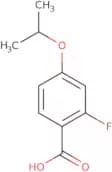
CAS:4-Aminohippuric acid (4-AHA) is a substance that is used as an analytical tool to measure the amount of inulin in the blood. It is injected intravenously, and the 4-aminohippuric acid enters cells via facilitated transport. In cells, 4-aminohippuric acid binds to pyrazinoic acid to form a fluorescent product that can be detected by a spectrophotometer. This test has been used to study the role of various compounds in the angiotensin system and their effect on renal function.Fórmula:C9H10N2O3Forma y color:PowderPeso molecular:194.19 g/mol2-Fluoro-4-isopropyloxybenzoic acid
CAS:2-Fluoro-4-isopropyloxybenzoic acid is a fluorescent reagent with a high quality and purity. It is a complex compound that can be used as an intermediate in the synthesis of fine chemicals, pharmaceuticals, pesticides, herbicides, and other useful compounds. 2-Fluoro-4-isopropyloxybenzoic acid is also used as a starting material for the synthesis of speciality chemicals such as reaction components and versatile building blocks. It is soluble in organic solvents and has been shown to react with various functional groups.
Fórmula:C10H11FO3Pureza:Min. 95%Forma y color:White PowderPeso molecular:198.19 g/mol4-Hydroxybenzoic acid
CAS:4-Hydroxybenzoic acid is a plant metabolite that is found in many plants and fruits. 4-Hydroxybenzoic acid has been shown to have anti-diabetic effects in vitro. This compound also has anti-inflammatory properties, which may be due to its ability to inhibit the production of effector proteins such as nitric oxide synthase and cyclooxygenase. The biological activity of 4-hydroxybenzoic acid is dependent on the concentration; at low concentrations it inhibits glucose uptake by cells, while at high concentrations it prevents cell growth.Fórmula:C7H6O3Pureza:Min. 98 Area-%Forma y color:White Off-White PowderPeso molecular:138.12 g/molEthopabate - Technical
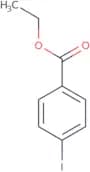
CAS:Ethopabate is a salt of ethopropazine and sodium carbonate. It is used in pharmaceutical preparations as an antiparasitic agent. The chemical composition of the salt is CHNO, with one hydrogen bond between the ethopropazine and sodium carbonate. Ethopabate has been shown to be active against amprolium-resistant coccidia in human serum, as well as being an analytical reagent for detecting monoclonal antibodies. This chemical can be used to prepare a polymeric matrix for use in fluorescence detection or for antimicrobial agents. Hydrochloric acid and UV light are used to synthesize this compound.Fórmula:C12H15NO4Pureza:Min. 95%Forma y color:White PowderPeso molecular:237.25 g/molEthyl 4-iodobenzoate
CAS:Ethyl 4-iodobenzoate is an amide that reacts with a variety of substances, including retinoic acid and pemetrexed. It is a reactive substance that can be used in the synthesis of other substances such as iron oxides and transfer mechanism. Ethyl 4-iodobenzoate is also used for the preparation of picolinic acid and crystalline structure. Radical coupling reactions are most common and involve halides, phenyl groups, and aryl halides. The reaction temperature ranges from room temperature to 100 ˚C, while the reaction mechanism varies depending on the type of coupling reaction.Fórmula:C9H9IO2Pureza:Min. 95%Forma y color:PowderPeso molecular:276.07 g/molo-Sulfobenzoic acid anhydride
CAS:Please enquire for more information about o-Sulfobenzoic acid anhydride including the price, delivery time and more detailed product information at the technical inquiry form on this page
Fórmula:C7H4O4SPeso molecular:184.17 g/molRef: 3D-S-9350
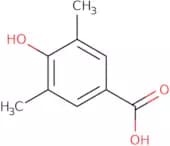
1kgA consultar5kgA consultar10kgA consultar500gA consultar2500gA consultar-Unit-kgkgA consultar4-Hydroxy-3,5-dimethylbenzoic acid
CAS:4-Hydroxy-3,5-dimethylbenzoic acid (4HDMBA) is an antimicrobial agent that inhibits bacterial cell growth by binding to the GyrA subunit of DNA gyrase. It is a potent inhibitor of the GyrA subunit, with activity against both mutant and wild type strains. 4HDMBA also has anticancer activity in vitro and in vivo studies have shown that it can inhibit the growth of cells from human cancer cell lines. 4HDMBA is synthesized by reacting amide with chloroacetyl chloride. The carboxylate group on 4HDMBA can be transformed into a hydroxyl group by reaction with sodium hydroxide. The chemical structure of 4HDMBA includes a hydroxy group, a chlorine atom, and a hydroxyl group.Fórmula:C9H10O3Pureza:Min. 95%Forma y color:PowderPeso molecular:166.17 g/mol2,4-Dinitrobenzoic acid
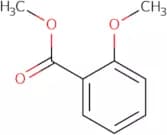
CAS:2,4-Dinitrobenzoic acid (2,4-DNBA) is a chemical reagent that has been used as a positive control for the detection of hydrogen bonding interactions. It is also used in analytical methods to detect protonation, carboxylate, and hydroxyl groups. This compound can be prepared from picric acid by nitration with nitric acid and then reacting with aniline. The 2,4-DNBA molecule contains two intramolecular hydrogen bonds and four intermolecular hydrogen bonds. 2,4-DNBA is classified as a trifluoroacetic acid derivative.Fórmula:C7H4N2O6Pureza:Min. 96 Area-%Forma y color:Slightly Yellow PowderPeso molecular:212.12 g/molMethyl 2-methoxybenzoate
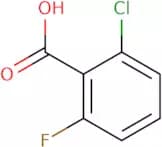
CAS:Methyl 2-methoxybenzoate is a synthetic chemical that is used in the treatment of wastewater. It inhibits the activity of enzymes such as fatty acid synthase, which are involved in the synthesis of long-chain fatty acids. Methyl 2-methoxybenzoate has been found to be an efficient method for the synthesis of prenyl compounds. This product is also an active methylene and hydrogen bond donor, and it can form products with carboxylic acid conjugates through acid catalysis. Methyl 2-methoxybenzoate has been used as a reagent for analytical chemistry, including gas chromatography and liquid chromatography.Fórmula:C9H10O3Pureza:Min. 95%Forma y color:Colorless Clear LiquidPeso molecular:166.17 g/mol2-Chloro-6-fluorobenzoic acid
CAS:2-Chloro-6-fluorobenzoic acid is an aromatic compound that is used as a solvent in the production of pharmaceuticals, plastics, and dyes. The 2-chloro-6-fluorobenzoic acid molecule has an electron rich ring structure that can undergo nucleophilic attack by a nucleophile such as hydrogen chloride or hydrochloric acid. It also has a high affinity for water molecules, which may be attributed to its aromatic hydrocarbon structure. This allows 2-chloro-6-fluorobenzoic acid to act as a good solvent for many organic compounds. This chemical is classified as a possible human carcinogen and is toxic to the liver cells.Fórmula:C7H4ClFO2Pureza:Min. 95%Forma y color:PowderPeso molecular:174.56 g/molMethyl 4-methoxybenzoate
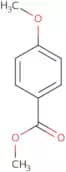
CAS:Methyl 4-methoxybenzoate is a white, crystalline powder that is soluble in alcohol and ether. The chemical formula for methyl 4-methoxybenzoate is C8H10O4. It has a molecular weight of 196.19 g/mol and a melting point of 136°C. Methyl 4-methoxybenzoate has been used as an organic reagent, as well as a pharmaceutical intermediate and additive in food manufacturing. It also has biological properties such as being an anti-inflammatory agent and being able to inhibit the growth of infectious diseases like tuberculosis and malaria. Methyl 4-methoxybenzoate can be synthesized by reacting benzoic acid with methanol, phosphoric acid, or hydrochloric acid. This molecule can also be synthesized from p-hydroxybenzoic acid by electrophilic substitution with methyl iodide followed by hydrolysis using sodium hydroxide. The chemicalFórmula:C9H10O3Pureza:Min. 98%Forma y color:PowderPeso molecular:166.17 g/mol3,5-Dichloro-4-hydroxybenzoic acid
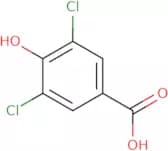
CAS:3,5-Dichloro-4-hydroxybenzoic acid is a phenolic acid that can be found in aromatic hydrocarbons. It has been shown to have antiallergic properties and has been used as an extract to treat acute toxicities. 3,5-Dichloro-4-hydroxybenzoic acid has also been shown to inhibit the production of p-hydroxybenzoic acid by rat liver microsomes. This compound may be useful in treating high blood pressure and vascular disease. It may also be used as a natural remedy for arthritis, as it has shown antiinflammatory effects. In addition, this compound can inhibit the growth of cancer cells and stimulate the immune system by binding to monoclonal antibodies that are specific for acidic pH.Fórmula:C7H4Cl2O3Pureza:Min. 95%Forma y color:PowderPeso molecular:207.01 g/mol3,5-Dibromo-2-anisic acid
CAS:3,5-Dibromo-2-anisic acid is a short chain dodecyl amine with the chemical formula CH2Br2C6H4N. It is an active compound that has been shown to have nematicidal activity and also shows high activity against saprophytes. 3,5-Dibromo-2-anisic acid is synthesized by reacting chlorine with salicylaldehyde in the presence of a base. The compound is used in the synthesis of various other organic compounds such as amides and amines.Fórmula:C8H6Br2O3Pureza:Min. 95%Forma y color:PowderPeso molecular:309.94 g/mol2-Methyl-3-nitrobenzoic acid
CAS:Please enquire for more information about 2-Methyl-3-nitrobenzoic acid including the price, delivery time and more detailed product information at the technical inquiry form on this page
Fórmula:C8H7NO4Peso molecular:181.15 g/molRef: 3D-M-4209
1kgA consultar5kgA consultar10kgA consultar25kgA consultar2500gA consultar-Unit-kgkgA consultar2-tert-Butoxybenzoic acid
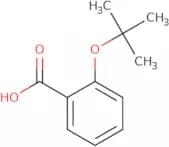
CAS:2-tert-Butoxybenzoic acid is a versatile chemical that can be used as a reagent, a speciality chemical, or as an intermediate in the synthesis of other compounds. It is typically used in organic chemistry for the preparation of esters, amides, and nitriles. 2-tert-Butoxybenzoic acid is also useful as a building block for complex molecules. This compound has been shown to react with alcohols to form esters, with amines to form amides, and with nitro groups to form nitriles.Fórmula:C11H14O3Pureza:Min. 95%Forma y color:PowderPeso molecular:194.23 g/mol2,4-Dihydroxy-6-pentylbenzoic acid
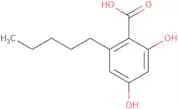
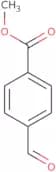
CAS:An intermediate in the phytocannabinoid biosynthetic pathway.Fórmula:C12H16O4Pureza:Min. 98 Area-%Forma y color:PowderPeso molecular:224.25 g/molMethyl 4-formylbenzoate
CAS:Methyl 4-formylbenzoate is a trifluoroacetic acid derivative that inhibits the conversion of androgens to estrogens. It has been shown to inhibit aromatase activity in human serum and cell culture, as well as in vitro cultured rat hepatocytes. Methyl 4-formylbenzoate also binds to copper(II) by forming a complex with copper(II) ions, which prevents the formation of an enzyme-substrate complex. The binding of methyl 4-formylbenzoate to copper(II) prevents the production of malonic acid from acetoacetate, which inhibits fatty acid synthesis. This compound also acts as an analytical reagent for the detection of acylation reactions, such as those involving benzimidazole compounds.
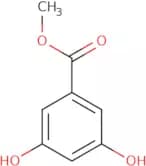
Fórmula:C9H8O3Pureza:Min. 95%Forma y color:PowderPeso molecular:164.16 g/mol3,5-Dihydroxybenzoic acid methyl ester
CAS:3,5-Dihydroxybenzoic acid methyl ester is a potent tyrosinase inhibitor that has been shown to be effective in inhibiting the production of melanin. 3,5-Dihydroxybenzoic acid methyl ester is an active ingredient in skin lightening products and has been shown to be more potent than kojic acid, arbutin and ascorbic acid. The reaction mechanism of 3,5-Dihydroxybenzoic acid methyl ester is stepwise with hydroxybenzoic acid (HBA) being the first substrate. HBA reacts with iron oxides to form a ferric hydroxide intermediate that undergoes gelation reactions with chloride ions. This results in a molecule containing three ether linkages, which are responsible for its inhibitory activity on the enzyme tyrosinase.
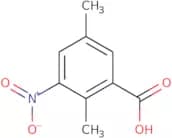
Fórmula:C8H8O4Pureza:Min. 95%Forma y color:PowderPeso molecular:168.15 g/mol2,5-Dimethyl-3-nitrobenzoic acid
CAS:2,5-Dimethyl-3-nitrobenzoic acid is a versatile building block that can be used in the synthesis of a wide range of compounds. It is also an important intermediate for the synthesis of pharmaceuticals and other speciality chemicals. 2,5-Dimethyl-3-nitrobenzoic acid has been shown to be useful in the preparation of high quality fine chemicals and research chemicals. This compound has been found to be an excellent reagent for various chemical reactions.Fórmula:C9H9NO4Pureza:Min. 95%Forma y color:PowderPeso molecular:195.17 g/mol4-Formyl-3-hydroxybenzoic acid
CAS:4-Formyl-3-hydroxybenzoic acid (4FHB) is a member of the phenylacetic acid family. It has been shown to have potential as a substrate for creatine kinase and amines, as well as an inhibitor of the enzyme. 4FHB binds to the surface of silica particles in order to enhance Raman scattering in a solid-phase synthesis. The molecular weight of 4FHB is 148 g/mol, with optical properties that can be described by fluorescence spectroscopy. 4FHB has been shown to be homochiral and tetradentate, with a magnetic resonance spectrum that can be characterized by hydroxyl group and salicylaldehyde groups.Fórmula:C8H6O4Pureza:Min. 96.5 Area-%Forma y color:PowderPeso molecular:166.13 g/mol3-N-Maleimidobenzoic acid
CAS:3-N-Maleimidobenzoic acid is a chemical crosslinking agent that reacts with proteins through the formation of an amide bond. It has been shown to react with both actin subunits and human immunoglobulin. This molecule also reacts with spermatozoa, which are composed primarily of actin filaments, and is used in the preparation of polyclonal antibodies. 3-N-Maleimidobenzoic acid can be used to fix antigen onto a solid support for immunological purposes. It is also a cross-linking agent that can be used in cytochalasin B experiments to inhibit plastid activity in chloroplasts. 3-N-Maleimidobenzoic acid reacts with monoclonal antibodies by forming an amide bond, which can be used as a reaction product.
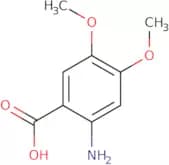
Fórmula:C11H7NO4Pureza:Min. 95%Forma y color:PowderPeso molecular:217.18 g/mol2-Amino-4,5-dimethoxybenzoic acid
CAS:2-Amino-4,5-dimethoxybenzoic acid is a potent antitumor agent that inhibits the growth of tumor cells. It has been shown to inhibit the production of epidermal growth factor (EGF) and plays a role in the inhibition of tumor cell proliferation in vitro. 2-Amino-4,5-dimethoxybenzoic acid has also been shown to have photochemical properties and can be activated by light. This compound can be used as an indicator for gravimetric analysis because it reacts with diazonium salts and produces a colored product. 2-Amino-4,5-dimethoxybenzoic acid is also reactive and may be used in Suzuki coupling reactions. This chemical compound is chemically related to other inhibitors such as mcf7 and suzuki coupling reactions.
Fórmula:C9H11NO4Pureza:Min. 95%Forma y color:Beige PowderPeso molecular:197.19 g/mol3-Amino-2,4,6-triiodobenzoic acid
CAS:3-Amino-2,4,6-triiodobenzoic acid (3AIBA) is a chemical compound that is used as a contrast agent for medical imaging. It has been shown to be useful in the diagnosis of bladder cancer, and is used in the embolization of renal artery and ureteral calculi. 3AIBA functions by binding to the antigen binding sites on the tumor cells and allows visualization with X-rays. It has also been shown to be effective in reducing blood flow in tumors by blocking blood vessels with its cationic monomer. 3AIBA binds to the phosphate groups on DNA and causes crosslinking, which prevents DNA polymerase from binding with DNA. This inhibits DNA synthesis and cell division.Fórmula:C7H4I3NO2Pureza:Min. 95%Forma y color:PowderPeso molecular:514.83 g/mol3-Methoxy-4-methylbenzoic acid methyl ester
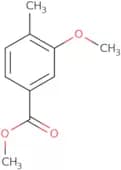
CAS:3-Methoxy-4-methylbenzoic acid methyl ester is a potent inhibitor of the neurotoxic effects of β-amyloid peptide (Aβ) on cultured human neurons. 3-Methoxy-4-methylbenzoic acid methyl ester inhibits fibrillation in vitro and fluorescence assay, suggesting that it may be a promising therapeutic agent for Alzheimer's disease. The fluorescence assay is based on the inhibition of fluorescence by 3-methoxy-4-methylbenzoic acid methyl ester, which competes with Aβ for binding to an acceptor molecule. This inhibition can be used as a marker to measure the amount of Aβ present in vivo.
Fórmula:C10H12O3Pureza:Min. 95%Forma y color:White PowderPeso molecular:180.2 g/mol3-Chloro-5-hydroxybenzoic acid ethyl ester
Please enquire for more information about 3-Chloro-5-hydroxybenzoic acid ethyl ester including the price, delivery time and more detailed product information at the technical inquiry form on this page
Fórmula:C9H9ClO3Pureza:Min. 98 Area-%Forma y color:PowderPeso molecular:200.62 g/mol2,4-Dimethylbenzoic acid
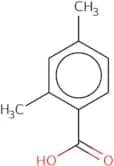
CAS:2,4-Dimethylbenzoic acid is a white solid with the chemical formula CH3C6H2O2. It is an organic acid that can be used as a building block in organic synthesis. The functional groups of 2,4-dimethylbenzoic acid are methyl and carboxyl. The most efficient method for the synthesis of 2,4-dimethylbenzoic acid is by reacting hydrochloric acid with dimethylaniline. This reaction can be carried out in one pot without isolation of intermediates. The structural analysis of 2,4-dimethylbenzoic acid was done using fluorescence lifetimes and hydrochloric acid. The reaction mechanism for the formation of 2,4-dimethylbenzoic acid from dimethylaniline is through a nucleophilic substitution reaction with chloride ion. Sample preparation for 2,4-dimethylbenzoic acid includes dissolution in water and filtration through a 0.45Fórmula:C9H10O2Pureza:Min. 95%Forma y color:White PowderPeso molecular:150.17 g/mol2-Nitrobenzoic acid - Technical
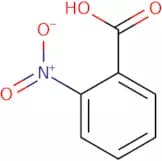
CAS:2-Nitrobenzoic acid is an organic compound that is used as a reagent in the preparation of aldehydes, esters, and amides. It has been shown to be a potent inhibitor of the MCL-1 protein. This protein is an important regulator of mitochondrial permeability transition pore (MPTP) opening and apoptosis induction. The inhibition of the MPTP by 2-nitrobenzoic acid may be due to its ability to react with nitric oxide (NO) to form peroxynitrite, which reacts with MPTP proteins in the mitochondria. The use of 2-nitrobenzoic acid has been found to be effective in treating infectious diseases such as HIV, as well as autoimmune diseases such as psoriasis.
Fórmula:C7H5NO4Pureza:Min. 95%Forma y color:PowderPeso molecular:167.12 g/mol2-Amino-3-methylbenzoic acid
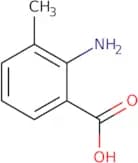
CAS:2-Amino-3-methylbenzoic acid is an organic compound with the formula H2CCH(NH2)(COOH). It is a white solid that is soluble in water. The molecule has a planar geometry, and the copper ion is coordinated by four oxygen atoms and three nitrogen atoms. This coordination geometry can be seen in the crystal structure of the molecule. 2-Amino-3-methylbenzoic acid has been shown to have antifungal activity against Aspergillus niger. It also inhibits 5-nitrosalicyclic acid and sodium carbonate, which are involved in the synthesis of nicotinamide adenine dinucleotide phosphate (NADPH) and ATP respectively. 2-Amino-3-methylbenzoic acid has also been shown to inhibit ryanodine receptor channels, which are important for calcium release from endoplasmic reticulum.
Fórmula:C8H9NO2Pureza:Min. 95%Forma y color:PowderPeso molecular:151.16 g/molMethyl 4-ethylbenzoate
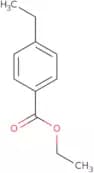
CAS:Methyl 4-ethylbenzoate is a molecule that has been shown to have synergistic effects with magnesium oxide, polyvinylpyrrolidone, and glycerin. It also has the ability to be used as a template molecule for the synthesis of hydrotalcite. Methyl 4-ethylbenzoate can be synthesized from ethyl benzoate and methyl iodide. It is an ingredient in some cosmetics and personal care products, such as skin lotions, hair conditioners, and fragrances. Methyl 4-ethylbenzoate has antioxidant properties due to its ability to scavenge free radicals. This compound is also used as a solvent for paints and lacquers.Fórmula:C11H14O2Pureza:Min. 95%Forma y color:Clear LiquidPeso molecular:178.23 g/mol4-Bromo-3,5-dihydroxybenzoic acid methyl ester
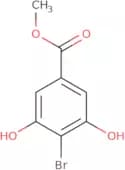
CAS:The compound 4-Bromo-3,5-dihydroxybenzoic acid methyl ester is an ether that is a natural product. It has been shown to have diastereoselective coupling with phenolic groups and unsymmetrically with lactones. This compound also undergoes epoxidation and farnesylation reactions. The intramolecular chain of the ether is methylated by formylation and reductive elimination.Fórmula:C8H7BrO4Pureza:Min. 95%Forma y color:PowderPeso molecular:247.04 g/mol5-Bromo-2-nitrobenzoic acid
CAS:5-Bromo-2-nitrobenzoic acid is a chemical compound that belongs to the group of bromonitrobenzenes. It is an important intermediate in organic chemistry and has been used as a reagent for the synthesis of various heterocyclic compounds. 5-Bromo-2-nitrobenzoic acid can be used as a building block for pharmaceuticals, agrochemicals, dyes, and other chemicals. This versatile chemical has been widely used in research and development as a reaction component for synthesizing pharmaceuticals or speciality chemicals or as a building block to produce useful scaffolds.
Fórmula:C7H4BrNO4Pureza:Min. 95%Forma y color:Slightly Yellow PowderPeso molecular:246.02 g/molMethyl 4-amino-3-hydroxybenzoate
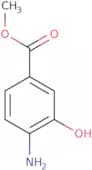
CAS:Methyl 4-amino-3-hydroxybenzoate is a synthetic compound that has been shown to inhibit the neuraminidase enzyme in the influenza virus. It is a ligand for the influenza virus and inhibits the release of progeny virions from infected cells. Methyl 4-amino-3-hydroxybenzoate has been shown to have antiviral effects against influenza A and B viruses in vivo and in vitro. The mechanism of action is thought to be due to its interaction with metal ion, which can reduce the availability of free water needed for viral replication.Fórmula:C8H9NO3Pureza:Min. 95%Forma y color:Off-White PowderPeso molecular:167.16 g/mol2-Amino-5-nitrobenzoic acid
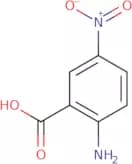
CAS:2-Amino-5-nitrobenzoic acid is a plant metabolite that contains a nitro group. It has been found to be an effective inhibitor of glutamate dehydrogenase, one of the enzymes involved in the metabolism of amino acids. 2-Amino-5-nitrobenzoic acid has also been shown to have no effect on other enzyme activities such as amines and nitrosamines. This natural product has been shown to be useful as a model system for understanding how hydrochloric acid interacts with plants, by inhibiting their growth.
Fórmula:C7H6N2O4Pureza:Min. 97.5%Forma y color:Yellow PowderPeso molecular:182.13 g/mol2-Amino-5-methylbenzoic acid
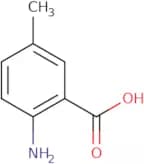
CAS:2-Amino-5-methylbenzoic acid is an anthranilic acid derivative that has been shown to have potent antitumor activity. It inhibits the growth of cancer cells and is effective against light emission. 2-Amino-5-methylbenzoic acid blocks the production of porphyrins, which are necessary for the production of heme, a cofactor in many enzymes. The compound also inhibits serine protease, which is involved in tumor cell proliferation and metastasis.
2-Amino-5-methylbenzoic acid has been shown to inhibit the growth of human liver cancer cells in vitro. This compound can be synthesized by a Suzuki coupling reaction with phenylacetic acid and 3-(2'-aminoethyl)aminobenzene.Fórmula:C8H9NO2Pureza:Min. 95%Forma y color:PowderPeso molecular:151.16 g/mol3-Iodo-4-methylbenzoic acid
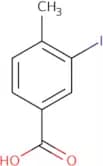
CAS:3-Iodo-4-methylbenzoic acid is a synthetic growth factor that is used in the production of monoclonal antibodies. It is synthesized by reacting 3-iodo-4-methylbenzoic acid with trifluoroacetic acid, then purified by dispersive solid-phase extraction. The synthesis of 3-Iodo-4-methylbenzoic acid requires a labeling agent to be added to the reaction mixture for detection purposes. The labeled compound can be detected using assays such as radioimmunoassay or ELISA. In order to synthesize 3-Iodo-4-methylbenzoic acid, methyl esterification of 3-(2′,2′,2′,-trichloroethoxy)phenylacetic acid is required. This process involves an organic solvent and bromine as a catalyst. This compound has been shown to inhibit the BCR/ABL tyrosine kinase receptorFórmula:C8H7IO2Pureza:Min. 95%Forma y color:PowderPeso molecular:262.04 g/mol2,5-Dichlorobenzoic acid ethyl ester
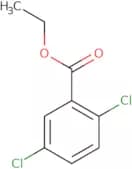
CAS:2,5-Dichlorobenzoic acid ethyl ester is a high quality, versatile building block that can be used as a reagent or intermediate. It is a useful scaffold for the synthesis of fine chemicals and research chemicals. This compound has been used in the synthesis of 2,5-dichloro-N-(2-hydroxyethyl)benzamide (CAS No. 35112-27-7), which is a speciality chemical with potential applications in pharmaceuticals and agrochemicals. 2,5-Dichlorobenzoic acid ethyl ester reacts with an amine to produce an N-[2-(2,5-dichlorophenyl)ethyl]amine (CAS No. 35112-27-7). The reaction proceeds via an amide bond formation by condensation of the amine with the acid chloride formed from the acid and ethyl chloride. This reaction is facilitated by heat andFórmula:C9H8Cl2O2Pureza:Min. 95%Forma y color:PowderPeso molecular:219.06 g/mol4-Methoxybenzoic acid hydrazide
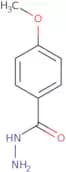
CAS:4-Methoxybenzoic acid hydrazide is a copper complex that binds to the DNA of bacteria, inhibiting the production of proteins. It has been shown to have antimicrobial activity against gram-positive and gram-negative bacteria. 4-Methoxybenzoic acid hydrazide has also been shown to inhibit colorectal carcinoma cells in vitro and in vivo. This compound inhibits the growth of cells by binding to them and disrupting hydrogen bonds. 4-Methoxybenzoic acid hydrazide causes cell death by inhibiting protein synthesis.Fórmula:C8H10N2O2Pureza:Min. 95%Forma y color:White PowderPeso molecular:166.18 g/mol3-Methyl-4-nitrobenzoic acid
CAS:3-Methyl-4-nitrobenzoic acid is a white solid that can be synthesized by heating 2,4-dichlorobenzoic acid with potassium dichromate in the presence of nitrogen. It has been shown to be effective against Candida glabrata strains and other bacteria. 3-Methyl-4-nitrobenzoic acid is soluble in water and other polar solvents, such as acetic acid or sodium carbonate, but insoluble in nonpolar solvents such as hexane or ether. The reaction mechanism for this compound is not yet known. It has been found to have a phase equilibrium between its solid and liquid forms at room temperature. Solubility data for this compound are available from experimental measurements.
Fórmula:C8H7NO4Pureza:Min. 95%Forma y color:PowderPeso molecular:181.15 g/mol2,6-Dimethylbenzoic acid
CAS:2,6-Dimethylbenzoic acid is a colorless solid that has a molecular weight of 162.2 g/mol and an empirical formula of C7H8O2. It has a melting point of about 82 degrees Celsius and a boiling point of about 315 degrees Celsius. 2,6-Dimethylbenzoic acid is soluble in water at 100 degrees Celsius. It has been shown to act as a potent antagonist for the muscarinic acetylcholine receptors. This compound also has basic properties due to its hydrogen bonding interactions with proteins and other molecules. 2,6-Dimethylbenzoic acid has been shown to be efficient in supramolecular chemistry because it is electron deficient and contains thermodynamic functional groups such as carboxylic acids and alcohols.
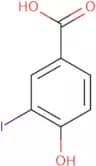
Fórmula:C9H10O2Pureza:Min. 95%Forma y color:PowderPeso molecular:150.17 g/mol4-Hydroxy-3-iodobenzoic acid
CAS:4-Hydroxy-3-iodobenzoic acid is a synthetic retinoid that is used in the synthesis of various other pharmaceutical compounds. It is also an inhibitor of bacterial growth, which may be due to its ability to bind to receptors on the bacterial cell surface. The antibiotic activity of 4-hydroxy-3-iodobenzoic acid has been demonstrated using an in vitro assay with Escherichia coli and Streptococcus pyogenes. 4-Hydroxy-3-iodobenzoic acid has also been shown to have antiestrogen properties when it competes with estradiol for receptor binding sites. This compound binds to the estrogen receptor and blocks its activity, inhibiting estrogen production by the ovaries or from other sources. Structural analysis of 4-hydroxy-3-iodobenzoic acid revealed that this compound has two functional groups: one group that interacts with nitrogen and another that binds to hydrogen or oxygen. These
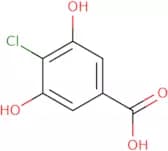
Fórmula:C7H5IO3Pureza:Min. 95%Forma y color:PowderPeso molecular:264.02 g/mol4-Chloro-3,5-dihydroxybenzoic acid
CAS:4-Chloro-3,5-dihydroxybenzoic acid is a chemical substance that can be used as a building block in organic synthesis. It is also a versatile intermediate and scaffold for the synthesis of more complex compounds. 4-Chloro-3,5-dihydroxybenzoic acid has been found to be useful in research and as a reagent because it is an inexpensive, high quality chemical. This compound reacts rapidly with many other chemicals, including alcohols and amines. 4-Chloro-3,5-dihydroxybenzoic acid has been shown to be stable under acidic conditions and can be purified by crystallization or recrystallization.
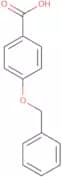
Fórmula:C7H5ClO4Pureza:Min. 95%Forma y color:PowderPeso molecular:188.56 g/mol4-Benzyloxybenzoic acid
CAS:4-Benzyloxybenzoic acid is a carboxylic acid that is structurally related to adenosine. It has been shown to bind to the group P2 adenosine receptor, which may be involved in the regulation of locomotor activity and photophysical properties. This compound also inhibits fatty acid biosynthesis and has inhibitory effects on nerve injury, amide formation, and benzoate degradation. It has been reported that 4-Benzyloxybenzoic acid binds to metal ions such as cobalt and manganese, which may be important for its antimycobacterial activity.
Fórmula:C14H12O3Pureza:Min. 95%Forma y color:PowderPeso molecular:228.24 g/molMethyl 4-iodosalicylate
CAS:Methyl 4-iodosalicylate is a redox potential molecule that can be used in the treatment of HIV infections. Studies have shown that methyl 4-iodosalicylate is able to enhance the activity of antiretroviral therapies, and is also able to increase the light emission from fluorophores when combined with sodium triflate. This compound has been shown to have pharmacokinetic properties that are similar to those of salicylic acid. Methyl 4-iodosalicylate has been shown to transport into human erythrocytes, and fluoresce when excited by light with a wavelength of 365 nm.
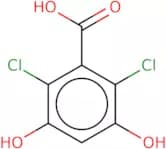
Methyl 4-iodosalicylate has been studied as a possible therapy for various conditions including cancer, arthritis, and heart disease. It may also be useful for improving skin health or for use as a topical antimicrobial agent.Fórmula:C8H7IO3Pureza:Min. 95%Forma y color:PowderPeso molecular:278.04 g/mol2,6-Dichloro-3,5-dihydroxybenzoic acid
CAS:2,6-Dichloro-3,5-dihydroxybenzoic acid is a reagent with a wide range of applications in the research and development of chemical products. It is also a useful intermediate for the synthesis of other compounds. 2,6-Dichloro-3,5-dihydroxybenzoic acid has been shown to be used as a building block for the synthesis of various complex compounds. It is also an important reaction component that can be used in many different reactions to produce valuable products.Fórmula:C7H4Cl2O4Pureza:Min. 95%Forma y color:PowderPeso molecular:223.01 g/mol3-Bromo-4-methoxybenzoic acid
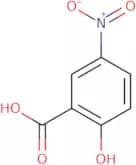
CAS:3-Bromo-4-methoxybenzoic acid is a methyl ester of 3-bromo-4-methoxybenzoic acid. It is used as a reagent in organic synthesis, including the hydrolysis of esters and nitriles to acids and amines respectively. The compound is also used in the synthesis of 3-bromo-4-methoxybenzamide and other bromomethyl benzoates. The trifluoroacetic acid reacts with cuprous cyanide to form ethyl formate and methoxybenzoate, which reacts with thionyl chloride to form the chloride 3-bromo-4-methoxybenzoic acid. This compound can be demethylated by acetaldehyde or alkali metal hydroxides to give methyl formate and methanol. It can also react with acetonitrile to produce 3,3′,3″Fórmula:C8H7BrO3Pureza:Min. 95%Forma y color:PowderPeso molecular:231.04 g/mol5-Nitrosalicylic acid
CAS:5-Nitrosalicylic acid is an ethylene diamine derivative that is used in organic synthesis. It reacts with nitrogen atoms to form stable complexes. 5-Nitrosalicylic acid reacts with hydrogen and forms a protonated acid complex, which is more soluble in water than the molecule itself. The protonated acid complex can be used for the production of glycan, which are biomolecules that play a major role in the human body. Synchronous fluorescence spectroscopy has shown that 5-nitrosalicylic acid reacts with glycan by hydrogen bonding interactions and stabilizing nitro groups.
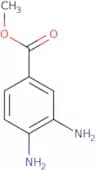
Fórmula:C7H5NO5Pureza:Min. 95%Forma y color:Slightly Yellow PowderPeso molecular:183.12 g/molMethyl 3,4-diaminobenzoate
CAS:Methyl 3,4-diaminobenzoate is a molecule that has been shown to inhibit nitrite reductase. It also binds to the receptor binding domain of the growth factor and to quinoxalines, which are antimicrobial peptides. In vitro assays have revealed that methyl 3,4-diaminobenzoate has antimicrobial properties against bacteria such as Enterococcus faecalis, Pseudomonas aeruginosa, Staphylococcus aureus, and Bacillus cereus. The mechanism of action for these activities is not well understood. Methyl 3,4-diaminobenzoate has been shown to be an inhibitor of tryptophan fluorescence in vitro and may act as a competitive inhibitor of the enzyme tryptophan fluorescence decarboxylase.
Fórmula:C8H10N2O2Pureza:Min. 95%Forma y color:White PowderPeso molecular:166.18 g/mol3,4,5-Tribromobenzoic acid
CAS:3,4,5-Tribromobenzoic acid is a metabolite of 3-indoleacetic acid. It is excreted in the urine and has a phaseolus-like physiological activity. This compound has been found to reduce the number of internodes in plants and increase the number of subjacent nodes. In addition, it has been shown to inhibit abscission (the separation of plant parts) by inhibiting the release of auxin from the upper node. The structural properties of 3,4,5-tribromobenzoic acid are similar to those of benzoic acid and it can be found naturally in some plants. Diversity in this chemical has been found among different species: for example, 2,3,5-triiodobenzoic acid is only present in citrus fruits such as oranges and lemons.
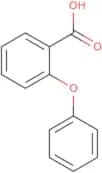
Fórmula:C7H3Br3O2Pureza:Min. 95%Forma y color:PowderPeso molecular:358.81 g/mol2-Phenoxybenzoic acid
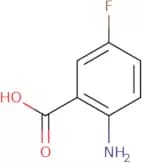
CAS:2-Phenoxybenzoic acid is a hydrochloride salt that is used as a reagent in analytical chemistry. It reacts with the carboxylate group of amino acids, proteins, and peptides to form a stable, water-soluble complex. The reaction is typically monitored by measuring the change in optical density at 260 nm. 2-Phenoxybenzoic acid reacts with bcr-abl kinase and colloidal gold to form an insoluble precipitate that can be detected with electron microscopy. This compound also has biological properties such as inhibiting carbonic anhydrase activity and changing the pH of the solution. 2-Phenoxybenzoic acid was originally synthesized from diphenyl ether and phenol (C6H5OH). 2-Phenoxybenzoic acid can be converted into 2-(4-nitrophenoxy) benzoic acid by reacting it with sodium nitrite followed by hydrochloric acidFórmula:C13H10O3Pureza:Min. 95%Forma y color:PowderPeso molecular:214.22 g/mol5-Fluoroanthranilic acid
CAS:5-Fluoroanthranilic acid is a synthetic compound that belongs to the class of anthranilic acid derivatives. It inhibits the growth of bacteria by reacting with the hydroxyl group on the bacterial cell wall and binding to its target, which is a cellular component found in Gram-positive bacteria. The molecular modeling and gene analysis have shown that this compound has an optimal reaction at pH 8.5, which is not in accordance with the natural environment of bacteria. 5-Fluoroanthranilic acid has been shown to have anticancer activity against wild-type cells but not against resistant mutants.Fórmula:C7H6FNO2Pureza:Min. 95%Forma y color:PowderPeso molecular:155.13 g/molα-Sulfophenylacetic acid
CAS:Alpha-Sulfophenylacetic acid is a high quality reagent that is useful as an intermediate in the synthesis of complex compounds. It is also a fine chemical that can be used as a building block for the synthesis of speciality chemicals and research chemicals. Alpha-sulfophenylacetic acid is a versatile building block for reactions involving organic synthesis, and can be used as a reaction component to produce dyes, pharmaceuticals, pesticides, and herbicides.Fórmula:C8H8O5SPureza:Min. 95.0 Area-%Peso molecular:216.21 g/molRef: 3D-S-9630
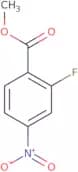
1kgA consultar5kgA consultar10kgA consultar25kgA consultar2500gA consultar-Unit-kgkgA consultar2-Fluoro-4-nitrobenzoic acid methyl ester
CAS:2-Fluoro-4-nitrobenzoic acid methyl ester is a synthetic compound that has been shown to inhibit the activity of protein kinases and may be used as a lead compound for the development of allosteric inhibitors. A high yield synthesis of this compound was achieved using an allyl chloroformate, which is a versatile reagent that can be used to synthesize 2-fluoro-4-nitrobenzoic acid methyl ester. The structural analysis of this compound showed that it binds to the allosteric site on ATP binding proteins. This site is distinct from the active site and regulates ATP binding, hydrolysis, and phosphate transfer.Fórmula:C8H6FNO4Pureza:Min. 98%Forma y color:White PowderPeso molecular:199.14 g/mol4-Acetylbenzoic acid
CAS:4-Acetylbenzoic acid is a reactive functional group that is used to synthesize esters and amides. It has been shown to have anticancer activity in vitro, which may be due to the disruption of basic cellular proteins involved in DNA replication. 4-Acetylbenzoic acid is soluble in neutral pH and reacts with nucleophiles such as hydroxide ions or alcohols, forming alcohols or acetates respectively. The reaction mechanism for this compound is nucleophilic attack on the carbonyl carbon, followed by loss of water from the leaving group. Significant cytotoxicity has been observed in vitro at concentrations of 2mM and higher. This effect was particularly pronounced for cells exposed to radiation or treated with 4-acetylbenzoic acid before being exposed to radiation.
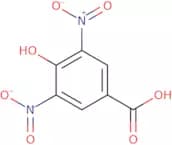
Fórmula:C9H8O3Pureza:Min. 95%Forma y color:White PowderPeso molecular:164.16 g/mol3,5-Dinitro-4-hydroxybenzoic acid
CAS:3,5-Dinitro-4-hydroxybenzoic acid (DNHB) is an organic compound that is used as a reagent in organic synthesis. DNHB has been shown to be a nucleophile, reacting with chloride ions from HCl and forming the corresponding 3,5-dinitrosalicylic acid (DNSA) salt. This reaction has been shown to be efficient at low temperature and pH values. The efficiency of this reaction has been shown to increase by the addition of halides such as fluoride and bromide. Electrospray ionisation mass spectroscopy analysis of DNHB has also revealed that it is an anion with a molecular weight of 228.3 g/mol. DNHB is synthesised by reacting benzoic acid with nitrous acid and hydrochloric acid, followed by treatment with concentrated sulfuric acid.Fórmula:C7H4N2O7Pureza:Min. 95%Forma y color:Yellow PowderPeso molecular:228.12 g/mol