Ácidos benzoicos
Se han encontrado 5474 productos de "Ácidos benzoicos"
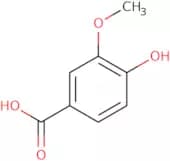
4-Hydroxy-3-methoxybenzoic acid
CAS:Flavoring agent; interacts with TPRV receptors and ASIC channels
Fórmula:C8H8O4Pureza:Min. 98 Area-%Forma y color:White Beige PowderPeso molecular:168.15 g/mol2-Bromo-5-methoxybenzoic acid
CAS:2-Bromo-5-methoxybenzoic acid (BMBA) is a natural compound that belongs to the class of ellagitannins. It has been shown to inhibit the proliferation of leukemia cells and induce apoptosis in these cells. The mechanism of this apoptotic activity may be due to BMBA's inhibition of the progesterone receptor, which has been demonstrated by molecular modeling and 13C NMR spectroscopy experiments. This receptor is involved in cancer development and progression. BMBA also inhibits the mitochondrial membrane potential, leading to cell death. In addition, 2-Bromo-5-methoxybenzoic acid has been shown to have anti-inflammatory properties in mice with chronic colitis. This compound also has an effect on bacteria such as Pseudomonas aeruginosa, which was observed using thermodynamic calculations.Fórmula:C8H7BrO3Pureza:Min. 95%Forma y color:PowderPeso molecular:231.04 g/mol3-Methoxybenzoic acid
CAS:3-Methoxybenzoic acid is a compound that has two carboxyl groups, one on each of the two benzene rings. It is a white crystalline solid with a melting point of 86°C and a boiling point of 240°C at 1 mmHg. 3-Methoxybenzoic acid can be found in plants such as cranberries and strawberries. It also occurs naturally in animal fat, where it functions as an antioxidant and antimicrobial agent. 3-Methoxybenzoic acid has been shown to have synergistic effects when combined with protocatechuic acid in the treatment of carcinoma cells.Fórmula:C8H8O3Pureza:Min. 95%Forma y color:PowderPeso molecular:152.15 g/mol3,4-Diaminobenzoic acid
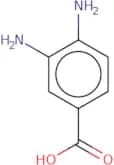
CAS:3,4-Diaminobenzoic acid is a compound that is produced by the condensation of two molecules of hydrochloric acid. 3,4-Diaminobenzoic acid has been used as a reagent in the synthesis of coumarin derivatives. This chemical has been shown to be an effective proton scavenger in an optimum concentration. Benzimidazole compounds are also synthesized from 3,4-diaminobenzoic acid and have been shown to be effective against autoimmune diseases. 3,4-Diaminobenzoic acid can be used for the production of diazonium salts, which are used in the synthesis of anti-inflammatory drugs and other pharmaceuticals. The hydroxyl group on this molecule makes it chemically stable and kinetic data shows that it has high diphenolase activity.Fórmula:C7H8N2O2Pureza:Min. 96 Area-%Forma y color:PowderPeso molecular:152.15 g/mol4-Benzyloxybenzoic acid
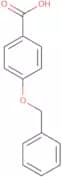
CAS:4-Benzyloxybenzoic acid is a carboxylic acid that is structurally related to adenosine. It has been shown to bind to the group P2 adenosine receptor, which may be involved in the regulation of locomotor activity and photophysical properties. This compound also inhibits fatty acid biosynthesis and has inhibitory effects on nerve injury, amide formation, and benzoate degradation. It has been reported that 4-Benzyloxybenzoic acid binds to metal ions such as cobalt and manganese, which may be important for its antimycobacterial activity.
Fórmula:C14H12O3Pureza:Min. 95%Forma y color:PowderPeso molecular:228.24 g/mol5-Nitrosalicylic acid
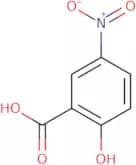
CAS:5-Nitrosalicylic acid is an ethylene diamine derivative that is used in organic synthesis. It reacts with nitrogen atoms to form stable complexes. 5-Nitrosalicylic acid reacts with hydrogen and forms a protonated acid complex, which is more soluble in water than the molecule itself. The protonated acid complex can be used for the production of glycan, which are biomolecules that play a major role in the human body. Synchronous fluorescence spectroscopy has shown that 5-nitrosalicylic acid reacts with glycan by hydrogen bonding interactions and stabilizing nitro groups.
Fórmula:C7H5NO5Pureza:Min. 95%Forma y color:Slightly Yellow PowderPeso molecular:183.12 g/mol3-Methyl-4-nitrobenzoic acid
CAS:3-Methyl-4-nitrobenzoic acid is a white solid that can be synthesized by heating 2,4-dichlorobenzoic acid with potassium dichromate in the presence of nitrogen. It has been shown to be effective against Candida glabrata strains and other bacteria. 3-Methyl-4-nitrobenzoic acid is soluble in water and other polar solvents, such as acetic acid or sodium carbonate, but insoluble in nonpolar solvents such as hexane or ether. The reaction mechanism for this compound is not yet known. It has been found to have a phase equilibrium between its solid and liquid forms at room temperature. Solubility data for this compound are available from experimental measurements.
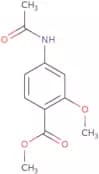
Fórmula:C8H7NO4Pureza:Min. 95%Forma y color:PowderPeso molecular:181.15 g/molMethyl 4-acetamido-2-methoxybenzoate
CAS:Methyl 4-acetamido-2-methoxybenzoate is a chemical compound that belongs to the group of heterocycles. It is a precursor to the imidazopyridine, imidazopyrazine and thiazolopyridine classes of drugs. The protonation of methyl 4-acetamido-2-methoxybenzoate has been shown experimentally to be an important factor in its biological activity, especially for its binding affinity for DNA. Methyl 4-acetamido-2-methoxybenzoate has been used as an inotropic agent and as an atypical antipsychotic drug.Fórmula:C11H13NO4Pureza:Min. 95%Forma y color:PowderPeso molecular:223.23 g/mol2,3-Diaminobenzoic acid methyl ester
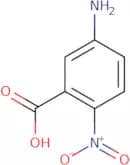
CAS:2,3-Diaminobenzoic acid methyl ester is a redox potential catalyst that has been shown to have anticancer activity in vitro and in vivo. It is a 5-ht4 receptor agonist, which causes an increase in the intracellular concentration of cAMP. The anticancer effect of this compound may be due to its ability to inhibit the growth of cancer cells by blocking DNA synthesis and cell division. The biological properties of this drug are not well understood, but it has been shown to have antioxidant effects, as well as proton-reducing and electron-accepting properties. This compound has also been studied electrochemically.Fórmula:C8H10N2O2Pureza:95%NmrForma y color:PowderPeso molecular:166.18 g/mol5-Amino-2-nitrobenzoic acid
CAS:5-Amino-2-nitrobenzoic acid is a drug that has been shown to inhibit the activity of proteases. It has been used to detect the presence of protease activity in urine samples, as well as to study the inhibition of protease activity by other drugs. 5-Amino-2-nitrobenzoic acid is an inhibitor of chymotrypsin, trypsin, and elastase. This drug has been shown to be effective in inhibiting these enzymes at low concentrations, with a detection sensitivity of approximately 0.1 μM. 5-Amino-2-nitrobenzoic acid inhibits the growth of bacteria by binding to them and preventing protein synthesis. The compound also inhibits the enzyme dihydrolipoamide dehydrogenase in mitochondria, which is required for cellular respiration and energy production.Fórmula:C7H6N2O4Forma y color:Brown Yellow PowderPeso molecular:182.13 g/molMethyl 4-fluorobenzoate
CAS:Methyl 4-fluorobenzoate is a potent inhibitor of human cancer cells. It inhibits tyrosine kinases by binding to an imidazole group and forms a ruthenium complex in the presence of sodium carbonate. Methyl 4-fluorobenzoate has shown inhibitory activity against the amination reaction catalyzed by sulfoxide reductase, which is important for the synthesis of nucleic acids. This inhibition may be due to its ability to reduce oxidized species of thiols, sulfoxides, and disulfides. Further studies are needed to elucidate the mechanism by which methyl 4-fluorobenzoate interacts with redox potentials and functional theory.
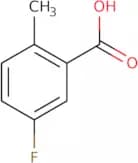
Fórmula:C8H7FO2Pureza:Min. 95%Forma y color:Colorless Clear LiquidPeso molecular:154.14 g/mol5-Fluoro-2-methylbenzoic acid
CAS:5-Fluoro-2-methylbenzoic acid is a synthetic compound that has antiviral potency against the influenza A virus. It is the active form of 5-fluoro-2-methylbenzoyl chloride, which is synthesized from a Grignard reagent and an asymmetric synthesis. 5-Fluoro-2-methylbenzoic acid has been shown to have anticancer properties in vitro, which may be due to its ability to inhibit cancer cell growth through interaction with chloride channels. This drug also inhibits the activity of dehydrogenases, which are enzymes that catalyze the oxidation of various substrates by reducing them.Fórmula:C8H7FO2Pureza:Min. 95%Forma y color:White PowderPeso molecular:154.14 g/molEthyl 4-ethoxybenzoate
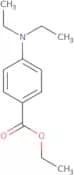
CAS:Ethyl 4-ethoxybenzoate is an antimicrobial agent that inhibits bacterial growth by interfering with the synthesis of DNA. It also has a genotoxic potential and can induce mutations in cells. Ethyl 4-ethoxybenzoate is used as an impurity in pharmaceutical drug production, such as solanum tuberosum extract, to prevent microbial contamination. It also has been shown to inhibit the growth of bacteria in cell cultures by binding to DNA and inhibiting DNA replication. Ethyl 4-ethoxybenzoate is used as a control agent for the detection of antibiotics in natural products, such as ethanol extracts from plants.Fórmula:C11H14O3Pureza:Min. 97.5 Area-%Forma y color:Colorless Clear LiquidPeso molecular:194.23 g/molEthyl 4-(N,N-diethylamino)benzoate
CAS:Ethyl 4-N,N-diethylamino)benzoate is a molecule that contains a carbonyl group. In an exothermic reaction, the carbonyl group reacts with naphthalene in the presence of activated alkyl substituents to form a fluorescent product. The molecule has a constant and is monomeric. It has an aromatic hydrocarbon structure, which results in a red shift in the fluorescence emission spectrum. Ethyl 4-N,N-diethylamino)benzoate reacts with solvents such as water and alcohols to form solutes that are fluorescent.Fórmula:C13H19NO2Pureza:Min. 95%Forma y color:PowderPeso molecular:221.3 g/mol4,5-Dimethoxy-2-nitrobenzoic acid
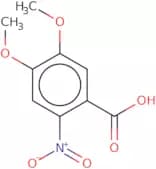
CAS:4,5-Dimethoxy-2-nitrobenzoic acid (DMNB) is a nitrophenol compound that is used as an intermediate in the synthesis of pesticides. DMNB inhibits the growth of bacteria through its ability to inhibit protein synthesis and DNA replication. The inhibition is due to DMNB’s ability to covalently bind to nucleophilic sites on enzymes that are essential for these processes. It has been shown that DMNB can be degraded by microorganisms, such as bacteria, fungi, and algae. The biodegradation process may be facilitated by its solubility in water and its low molecular weight.
Fórmula:C9H9NO6Pureza:Min. 97.5%Forma y color:Yellow SolidPeso molecular:227.17 g/mol2-Methyl-6-nitrobenzoic acid
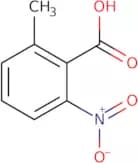
CAS:2-Methyl-6-nitrobenzoic acid is a yellow needle solid that is soluble in organic solvents. It is used as a reagent to prepare other chemicals and has been shown to react with sodium hydrogen sulfate, chloride, and sulfuric acid to form 2-methyl-6-nitrobenzenesulfonic acid. The mixture of 2-methyl-6-nitrobenzoic acid and sodium hydrogen sulfate reacts violently with chlorine gas or argon. This reaction solution can be evaporated by heating at atmospheric pressure or under vacuum, leaving 2-methyl-6-nitrobenzenesulfonic acid behind. 2MBA can also be purified by filtration or recrystallization from a suitable solvent such as chloroform or ether.
Fórmula:C8H7NO4Pureza:Min. 95%Forma y color:Slightly Yellow PowderPeso molecular:181.15 g/mol2-Benzoylbenzoic acid
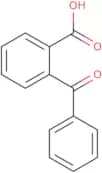
CAS:2-Benzoylbenzoic acid is an organic compound with the chemical formula C6H5CO2. It is a white solid that is soluble in water, ethanol, and ether. 2-Benzoylbenzoic acid is stable at room temperature, but decomposes when heated to above 200°C. This compound can be used as a catalyst for the synthesis of polymers.
2-Benzoylbenzoic acid is used as a raw material for the production of ferrocenecarboxylic acid and ethylene diamine. The activity index of 2-benzoylbenzoic acid was found to be high (0.7) when it was tested against Streptococcus mutans and Staphylococcus aureus.Fórmula:C14H10O3Pureza:Min. 95%Forma y color:White PowderPeso molecular:226.23 g/mol2,4-Dihydroxy-3-methylbenzoic acid
CAS:2,4-Dihydroxy-3-methylbenzoic acid (2,4-DMB) is a potent compound that has been shown to have chemotherapeutic properties. It is a DNA repair agent that also inhibits the activity of topoisomerase II and DNA polymerase III. 2,4-DMB can be used in the treatment of radiation and ionizing radiation induced cancers. The pharmacophore of 2,4-DMB has been identified as being composed of three hydrophobic regions and one hydrophilic region. This pharmacophore has been used to design other potent compounds with similar activity against cancer cells.
Fórmula:C8H8O4Pureza:Min. 95%Forma y color:PowderPeso molecular:168.15 g/molo-Sulfobenzoic acid anhydride
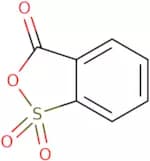
CAS:o-Sulfobenzoic acid anhydride is a chemical that belongs to the class of inorganic acids. It is a white crystalline solid with a melting point of 107°C and can be found in its pure form or as sodium salts. o-Sulfobenzoic acid anhydride is stable when exposed to light and can be used in detergent compositions. It also has pharmacokinetic properties, which are affected by the presence of cationic polymers. This chemical is metabolized by microorganisms through hydrogen bonding interactions and has been shown to have antimicrobial activity against infectious bacteria, such as erythromycin-resistant strains of Staphylococcus aureus and Mycobacterium tuberculosis.
Fórmula:C7H4O4SPureza:Min 98%Forma y color:Slightly Brown PowderPeso molecular:184.17 g/mol2-Methyl-3-nitrobenzoic acid
CAS:Please enquire for more information about 2-Methyl-3-nitrobenzoic acid including the price, delivery time and more detailed product information at the technical inquiry form on this page
Fórmula:C8H7NO4Peso molecular:181.15 g/molRef: 3D-M-4209
1kgA consultar5kgA consultar10kgA consultar25kgA consultar2500gA consultar-Unit-kgkgA consultar3-Methoxy-2,4,5-trifluorobenzoic acid
CAS:3-Methoxy-2,4,5-trifluorobenzoic acid (3MTBF) is a ligand that binds to the active site of bacterial dehydrogenases. It is used to inhibit the growth of bacteria in the environment and food products. 3MTBF inhibits the production of fluoroquinolones by methylating their chlorides with methoxy groups. This compound also has bifunctional properties, as it can act as both a methylating agent and an inhibitor of dehydrogenase enzymes. 3MTBF inhibits the production of cancer cells by inhibiting transcription and translation, preventing cell division and proliferation. 3MTBF is thermostable, meaning it does not break down in high temperatures or at pH extremes.
Fórmula:C8H5F3O3Pureza:Min. 95%Forma y color:White to off-white solid.Peso molecular:206.12 g/mol2-Amino-4,6-dimethoxybenzoic acid
CAS:2-Amino-4,6-dimethoxybenzoic acid is an organic chemical compound that can be used as a building block for the synthesis of other compounds. 2-Amino-4,6-dimethoxybenzoic acid has a number of uses including being a reagent in organic and inorganic reactions, such as the synthesis of dyes, pharmaceuticals, and pesticides. It is also used as a building block for complex compounds that are difficult to make. This chemical has been classified by the Chemical Abstract Services (CAS) registry with CAS number 21577-57-1.
Fórmula:C9H11NO4Pureza:Min. 95%Forma y color:Yellow SolidPeso molecular:197.19 g/mol5-Amino-2-methoxy-benzoic acid methyl ester
CAS:5-Amino-2-methoxy-benzoic acid methyl ester is a synthetic compound that has been shown to have potential as an antibacterial. It has been found to inhibit the growth of bacteria by binding to DNA and preventing transcription. The selectivity for bacterial cells is due to its ability to penetrate the cell membrane, which does not occur in mammalian cells. 5-Amino-2-methoxy-benzoic acid methyl ester is synthesized from 2-(4′-aminophenyl)acetic acid and methoxymethyl chloride in two steps, with a yield of 60%.
Fórmula:C9H11NO3Pureza:Min. 95%Forma y color:Red PowderPeso molecular:181.19 g/mol2-Hydroxy-3-methoxybenzoic acid
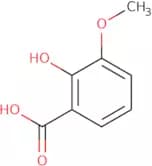
CAS:2-Hydroxy-3-methoxybenzoic acid is a chemical compound that has been studied for its potential use in the treatment of prostate cancer. It is a coordination complex that binds to DNA and inhibits the process of transcription. This compound also possesses anti-inflammatory properties, which are related to its ability to inhibit prostaglandin synthesis. 2-Hydroxy-3-methoxybenzoic acid has been shown to have an effect on human HL60 cells, which may be due to its ability to induce apoptosis. This compound has also been shown to have a high degree of metabolic stability and is not toxic to normal cells at doses up to 100 μM.Fórmula:C8H8O4Pureza:Min. 95%Forma y color:PowderPeso molecular:168.15 g/mol3-Methyl-2-nitrobenzoic acid
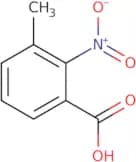
CAS:3-Methyl-2-nitrobenzoic acid is a chemical that can be used for wastewater treatment. It has been shown to be effective against chlorantraniliprole, a pesticide that is often found in wastewater. 3-Methyl-2-nitrobenzoic acid also has the ability to reduce chloride levels by oxidizing it to produce chloride ions and nitrogen gas. This chemical can be used as an oxidation catalyst in wastewater treatment. 3-Methyl-2-nitrobenzoic acid has been shown to have photocatalytic activity with titanium dioxide and copper sulfate (CuSO4) under visible light illumination conditions.Fórmula:C8H7NO4Pureza:Min. 95%Forma y color:PowderPeso molecular:181.15 g/mol3,5-Dihydroxybenzoic acid
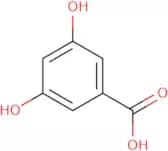
CAS:3,5-Dihydroxybenzoic acid is a phenolic compound that belongs to the class of aromatic compounds. It is an inhibitor of the enzyme 3-hydroxyphenylpyruvate dioxygenase and is used in the treatment of obesity. It has been shown to have a low potency for inhibiting this enzyme, although it does not inhibit other enzymes such as p-hydroxybenzoate hydroxylase. 3,5-Dihydroxybenzoic acid binds to human serum albumin through hydrogen bonding interactions and can inhibit the absorption of dietary phenols by binding to them. This compound also acts as a protocatechuic acid structural analog and has been shown to be hydrated in solution.Fórmula:C7H6O4Pureza:Min. 95%Forma y color:White PowderPeso molecular:154.12 g/mol2,5-Dimethylbenzoic acid
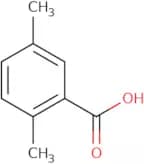
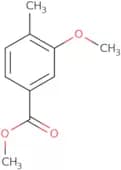
CAS:2,5-Dimethylbenzoic acid is a compound that is found in urine samples. It is the product of the metabolism of 2,5-dihydroxybenzoic acid. 2,5-Dimethylbenzoic acid has a functional group which consists of a carboxylic acid group and two methyl groups. The acidic nature of this compound can be seen through its reaction with camphora, as well as its hydrolysis by hydrochloric acid. This compound also has protease activity when it comes into contact with human urine. 2,5-Dimethylbenzoic acid can be synthesized using solid-phase chemistry and chemical biology techniques. It has been shown to have a functional role in the production of proteins that are involved in cellular signaling pathways such as chemotaxis and apoptosis.Fórmula:C9H10O2Pureza:Min. 95%Forma y color:PowderPeso molecular:150.17 g/mol3-Methoxy-4-methylbenzoic acid methyl ester
CAS:3-Methoxy-4-methylbenzoic acid methyl ester is a potent inhibitor of the neurotoxic effects of β-amyloid peptide (Aβ) on cultured human neurons. 3-Methoxy-4-methylbenzoic acid methyl ester inhibits fibrillation in vitro and fluorescence assay, suggesting that it may be a promising therapeutic agent for Alzheimer's disease. The fluorescence assay is based on the inhibition of fluorescence by 3-methoxy-4-methylbenzoic acid methyl ester, which competes with Aβ for binding to an acceptor molecule. This inhibition can be used as a marker to measure the amount of Aβ present in vivo.Fórmula:C10H12O3Pureza:Min. 95%Forma y color:White PowderPeso molecular:180.2 g/molMethyl 4-formylbenzoate
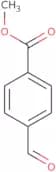
CAS:Methyl 4-formylbenzoate is a trifluoroacetic acid derivative that inhibits the conversion of androgens to estrogens. It has been shown to inhibit aromatase activity in human serum and cell culture, as well as in vitro cultured rat hepatocytes. Methyl 4-formylbenzoate also binds to copper(II) by forming a complex with copper(II) ions, which prevents the formation of an enzyme-substrate complex. The binding of methyl 4-formylbenzoate to copper(II) prevents the production of malonic acid from acetoacetate, which inhibits fatty acid synthesis. This compound also acts as an analytical reagent for the detection of acylation reactions, such as those involving benzimidazole compounds.
Fórmula:C9H8O3Pureza:Min. 95%Forma y color:PowderPeso molecular:164.16 g/molOctyl gallate
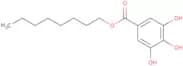
CAS:Octyl gallate is a naturally occurring compound that belongs to the class of gallates. It is a non-toxic, water-soluble antioxidant that has been used as a preservative in foods and pharmaceuticals. Octyl gallate has been shown to inhibit nuclear DNA synthesis by binding to the dinucleotide phosphate (NDP) site on ribonucleotide reductase, thereby preventing the formation of deoxyribonucleotide triphosphates. A rate constant for this reaction has been determined using analytical methods. This compound also inhibits the growth of wild-type strains of Escherichia coli and Staphylococcus aureus, as well as some strains resistant to antibiotics such as erythromycin, chloramphenicol, tetracycline, and clindamycin. Octyl gallate may also have an effect on energy metabolism in bacteria by inhibiting p-hydroxybenzoic acid (PHBA) dehydratase
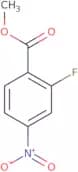
Fórmula:C15H22O5Pureza:Min. 95%Forma y color:White PowderPeso molecular:282.33 g/mol2-Fluoro-4-nitrobenzoic acid methyl ester
CAS:2-Fluoro-4-nitrobenzoic acid methyl ester is a synthetic compound that has been shown to inhibit the activity of protein kinases and may be used as a lead compound for the development of allosteric inhibitors. A high yield synthesis of this compound was achieved using an allyl chloroformate, which is a versatile reagent that can be used to synthesize 2-fluoro-4-nitrobenzoic acid methyl ester. The structural analysis of this compound showed that it binds to the allosteric site on ATP binding proteins. This site is distinct from the active site and regulates ATP binding, hydrolysis, and phosphate transfer.Fórmula:C8H6FNO4Pureza:Min. 98%Forma y color:White PowderPeso molecular:199.14 g/mol3-Amino-4-hydroxybenzoic acid
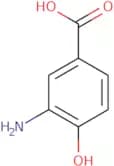
CAS:3-Amino-4-hydroxybenzoic acid is a type of phenolic compound that can be found in human serum. It is also used as a chemical building block for the synthesis of coumarin derivatives, which are important compounds in biochemistry, pharmacology and medical research. 3-Amino-4-hydroxybenzoic acid has been shown to have diphenolase activity, which is an enzyme that cleaves two molecules of phenol from one molecule of diphenol. The light emission is likely due to a metal ion in the active site that acts as a catalyst. The high values seen in the experiments were most likely due to the presence of corynebacterium glutamicum, which is an organism with high levels of 3-amino-4-hydroxybenzoic acid production. This study also found that 3-amino-4-hydoxybenzoic acid may be an antimicrobial agent against HIV
Fórmula:C7H7NO3Pureza:Min. 95%Forma y color:Off-White PowderPeso molecular:153.14 g/mol4-Aminohippuric acid sodium
CAS:4-Aminohippuric acid sodium (4AHA) is a drug that is used as a diagnostic tool for measuring renal plasma flow and renal function. The drug is administered intravenously and its optical properties are measured. 4AHA is filtered by the kidneys, which causes it to be excreted in urine. A sensor is placed on the patient's arm and measures the concentration of 4AHA in the blood flowing through the arm. This measurement can then be used to calculate renal plasma flow, which indirectly indicates kidney function. 4AHA can also be used to measure sodium levels in blood plasma, as it binds to sodium ions in solution. However, this application of 4AHA has been superseded by newer technologies such as ion-selective electrodes and magnetic resonance imaging, which offer improved accuracy at lower cost.Fórmula:C9H10N2NaO3Pureza:Min. 95%Forma y color:PowderPeso molecular:217.18 g/molMethyl 4-methoxybenzoate
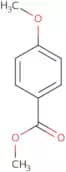
CAS:Methyl 4-methoxybenzoate is a white, crystalline powder that is soluble in alcohol and ether. The chemical formula for methyl 4-methoxybenzoate is C8H10O4. It has a molecular weight of 196.19 g/mol and a melting point of 136°C. Methyl 4-methoxybenzoate has been used as an organic reagent, as well as a pharmaceutical intermediate and additive in food manufacturing. It also has biological properties such as being an anti-inflammatory agent and being able to inhibit the growth of infectious diseases like tuberculosis and malaria. Methyl 4-methoxybenzoate can be synthesized by reacting benzoic acid with methanol, phosphoric acid, or hydrochloric acid. This molecule can also be synthesized from p-hydroxybenzoic acid by electrophilic substitution with methyl iodide followed by hydrolysis using sodium hydroxide. The chemicalFórmula:C9H10O3Pureza:Min. 98%Forma y color:PowderPeso molecular:166.17 g/mol3,5-Dihydroxy-4-methoxybenzoic acid
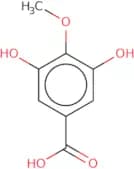
CAS:Inhibitor of redox-based NF-ΚB activationFórmula:C8H8O5Pureza:Min. 95%Forma y color:PowderPeso molecular:184.15 g/mol2-Ethoxy-4-nitrobenzoic acid
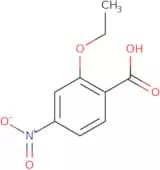
CAS:2-Ethoxy-4-nitrobenzoic acid is a nitrobenzoyl compound that is used as an anticoccidial drug. It has shown to be effective against coccidiosis in poultry. 2-Ethoxy-4-nitrobenzoic acid binds to the aminobenzoate moiety of the enzyme glutamic acid decarboxylase, thereby inhibiting its activity. This inhibits the production of lactic acid and leads to cell death by lack of energy. Amprolium is a coccidiostat that inhibits the synthesis of beta-alanine in cells, which leads to inhibition of protein synthesis and cell death.
Fórmula:C9H9NO5Pureza:Min. 95%Forma y color:PowderPeso molecular:211.17 g/mol2,5-Dimethyl-3-nitrobenzoic acid
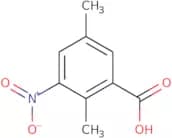
CAS:2,5-Dimethyl-3-nitrobenzoic acid is a versatile building block that can be used in the synthesis of a wide range of compounds. It is also an important intermediate for the synthesis of pharmaceuticals and other speciality chemicals. 2,5-Dimethyl-3-nitrobenzoic acid has been shown to be useful in the preparation of high quality fine chemicals and research chemicals. This compound has been found to be an excellent reagent for various chemical reactions.Fórmula:C9H9NO4Pureza:Min. 95%Forma y color:PowderPeso molecular:195.17 g/mol4-Aminomethylbenzoic acid
CAS:4-Aminomethylbenzoic acid (4AMBA) is a metabolite that is formed from the amino acid methionine. It has been shown to inhibit the growth of prostate cancer cells in vitro and in vivo. 4-Aminomethylbenzoic acid inhibits the activity of polymerase chain reaction (PCR), which is an enzyme that catalyzes DNA replication. The hydroxyl group on 4-aminomethylbenzoic acid reacts with one of the phosphate groups on DNA, forming a covalent bond and inhibiting DNA synthesis. This inhibition occurs at the step called initiation, where DNA synthesis begins by binding of RNA polymerase to a specific sequence of DNA. In addition, 4-aminomethylbenzoic acid also inhibits the activity of x-ray diffraction data, which is an enzyme that catalyzes RNA transcription. Histological analysis shows that 4-aminomethylbenzoic acid causes congestive heart
Fórmula:C8H9NO2Pureza:Min. 98 Area-%Forma y color:White PowderPeso molecular:151.16 g/mol2-Amino-4,5-dimethoxybenzoic acid
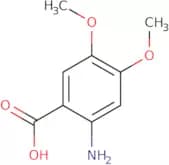
CAS:2-Amino-4,5-dimethoxybenzoic acid is a potent antitumor agent that inhibits the growth of tumor cells. It has been shown to inhibit the production of epidermal growth factor (EGF) and plays a role in the inhibition of tumor cell proliferation in vitro. 2-Amino-4,5-dimethoxybenzoic acid has also been shown to have photochemical properties and can be activated by light. This compound can be used as an indicator for gravimetric analysis because it reacts with diazonium salts and produces a colored product. 2-Amino-4,5-dimethoxybenzoic acid is also reactive and may be used in Suzuki coupling reactions. This chemical compound is chemically related to other inhibitors such as mcf7 and suzuki coupling reactions.Fórmula:C9H11NO4Pureza:Min. 95%Forma y color:Beige PowderPeso molecular:197.19 g/mol2,3-Dihydroxybenzoic acid
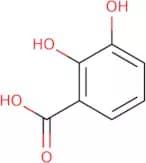
CAS:2,3-Dihydroxybenzoic acid is an antioxidant found in many plants. It has a protective effect against oxidative injury. 2,3-Dihydroxybenzoic acid has been used as a model for the study of infectious diseases and its effects on biological studies. This compound has been shown to prevent the growth of Aerobacter aerogenes and Dinucleotide phosphate. 2,3-Dihydroxybenzoic acid is also used as an ingredient in sephadex g-100 and it acts as an antimicrobial agent that prevents microbial growth in wastewater treatment systems.Fórmula:C7H6O4Pureza:Min. 95%Forma y color:PowderPeso molecular:154.12 g/mol2-Amino-5-methylbenzoic acid
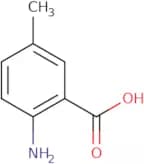
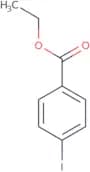
CAS:2-Amino-5-methylbenzoic acid is an anthranilic acid derivative that has been shown to have potent antitumor activity. It inhibits the growth of cancer cells and is effective against light emission. 2-Amino-5-methylbenzoic acid blocks the production of porphyrins, which are necessary for the production of heme, a cofactor in many enzymes. The compound also inhibits serine protease, which is involved in tumor cell proliferation and metastasis. 2-Amino-5-methylbenzoic acid has been shown to inhibit the growth of human liver cancer cells in vitro. This compound can be synthesized by a Suzuki coupling reaction with phenylacetic acid and 3-(2'-aminoethyl)aminobenzene.Fórmula:C8H9NO2Pureza:Min. 95%Forma y color:PowderPeso molecular:151.16 g/molEthyl 4-iodobenzoate
CAS:Ethyl 4-iodobenzoate is an amide that reacts with a variety of substances, including retinoic acid and pemetrexed. It is a reactive substance that can be used in the synthesis of other substances such as iron oxides and transfer mechanism. Ethyl 4-iodobenzoate is also used for the preparation of picolinic acid and crystalline structure. Radical coupling reactions are most common and involve halides, phenyl groups, and aryl halides. The reaction temperature ranges from room temperature to 100 ˚C, while the reaction mechanism varies depending on the type of coupling reaction.Fórmula:C9H9IO2Pureza:Min. 95%Forma y color:PowderPeso molecular:276.07 g/mol2,4-Dinitrobenzoic acid
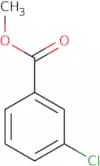
CAS:2,4-Dinitrobenzoic acid (2,4-DNBA) is a chemical reagent that has been used as a positive control for the detection of hydrogen bonding interactions. It is also used in analytical methods to detect protonation, carboxylate, and hydroxyl groups. This compound can be prepared from picric acid by nitration with nitric acid and then reacting with aniline. The 2,4-DNBA molecule contains two intramolecular hydrogen bonds and four intermolecular hydrogen bonds. 2,4-DNBA is classified as a trifluoroacetic acid derivative.Fórmula:C7H4N2O6Pureza:Min. 96 Area-%Forma y color:Slightly Yellow PowderPeso molecular:212.12 g/molMethyl 3-chlorobenzoate
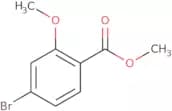
CAS:Methyl 3-chlorobenzoate is a carbonyl compound that is used in the synthesis of salicylhydroxamic acid. This product has been shown to be an effective inhibitor of soil microorganisms, with the greatest inhibitory effect occurring at concentrations of 0.5 mg/L. The methyl 3-chlorobenzoate molecule contains aryl chlorides and a functional group, which can be identified using nmr spectra. Methyl 3-chlorobenzoate also has control experiments that show it does not interfere with the production of ethyl esters or benzoates from acetaldehyde and propionaldehyde respectively. Methyl 3-chlorobenzoate is synthesized by heating copper salt with an isopropyl group and ethyl esters in benzene solvent at refluxing temperature for two hours.Fórmula:C8H7ClO2Pureza:Min. 95%Forma y color:PowderPeso molecular:170.59 g/molMethyl 4-bromo-2-methoxybenzoate
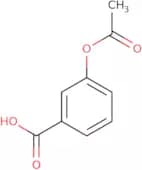
CAS:Methyl 4-bromo-2-methoxybenzoate is a drug molecule that belongs to the amide class. It is a synthetic reagent and can be used as a potential precursor in the synthesis of other drugs. Methyl 4-bromo-2-methoxybenzoate has been shown to react with carboxylic acids to form methyl esters, which are functional groups that contain a carboxyl group (COOH) and an alcohol group (OH). This reaction is called methoxylation. The transformation of methyl 4-bromo-2-methoxybenzoate into methyl esters increases the solubility of the compound and allows for it to be transported in water.Fórmula:C9H9BrO3Pureza:Min. 98 Area-%Forma y color:Yellow PowderPeso molecular:245.07 g/mol3-Acetoxybenzoic acid
CAS:3-Acetoxybenzoic acid is a metabolite of 3-hydroxybenzoic acid, which is an intermediate in the biosynthesis of salicylic acid. It has been shown to have antibacterial properties and may be used as a topical treatment for skin infections caused by staphylococcus. 3-Acetoxybenzoic acid also has antiviral properties, which may be related to its ability to bind histone H3. 3-Acetoxybenzoic acid inhibits leishmania infantum growth and development by binding to chloride ions and preventing the formation of hydrogen bonds in the cell membrane. This prevents chloride ions from entering the cell and causes water channels to close, leading to dehydration and death.Fórmula:C9H8O4Pureza:Min. 95%Forma y color:PowderPeso molecular:180.16 g/mol4,4'-Dibenzoic acid
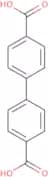
CAS:4,4'-Dibenzoic acid is a chemical compound that has been used as a precursor to other compounds. It is also used in the production of polycarbonates and epoxy resins. 4,4'-Dibenzoic acid has low energy, which means it can be transported more easily than high energy molecules. This property makes it an excellent candidate for use as an enhancement agent for organometallic catalysts such as biphenyl. The structure of 4,4'-dibenzoic acid consists of two benzene rings connected by an ethylene chain. This molecule has one hydrogen bond on each side of the molecule. The 4-hydroxyl group on the left side of the molecule is susceptible to oxidation and can act as an oxidation catalyst when exposed to heat or radiation.Fórmula:C14H10O4Pureza:Min. 95%Forma y color:PowderPeso molecular:242.23 g/mol3-Dimethylaminobenzoic acid
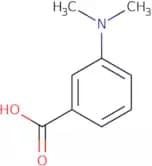
CAS:3-Dimethylaminobenzoic acid is a bacterial enzyme that belongs to the group of p2 carboxylates. It is a non-specific esterase that has been shown to hydrolyze 3-ethylbenzthiazoline-6-sulfonic acid, which is an indicator of root formation. The enzyme activity of 3-dimethylaminobenzoic acid has been demonstrated in kinetic data and redox potential measurements. 3DMBB is found in plants and can be used for the determination of dry weight, as it can hydrolyze triticum aestivum urine samples or cholesterol esters. This enzyme also has catalase activity and can be used in the determination of catalase activity in biological fluids such as urine samples or blood serum.Fórmula:C9H11NO2Pureza:Min. 95%Forma y color:Off-White PowderPeso molecular:165.19 g/mol3,5-Dichloro-4-hydroxybenzoic acid
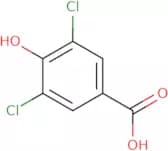
CAS:3,5-Dichloro-4-hydroxybenzoic acid is a phenolic acid that can be found in aromatic hydrocarbons. It has been shown to have antiallergic properties and has been used as an extract to treat acute toxicities. 3,5-Dichloro-4-hydroxybenzoic acid has also been shown to inhibit the production of p-hydroxybenzoic acid by rat liver microsomes. This compound may be useful in treating high blood pressure and vascular disease. It may also be used as a natural remedy for arthritis, as it has shown antiinflammatory effects. In addition, this compound can inhibit the growth of cancer cells and stimulate the immune system by binding to monoclonal antibodies that are specific for acidic pH.Fórmula:C7H4Cl2O3Pureza:Min. 95%Forma y color:PowderPeso molecular:207.01 g/mol2-Amino-5-iodobenzoic acid
CAS:2-Amino-5-iodobenzoic acid (5-AIBA) is a chemical compound with a molecular weight of 152.14 g/mol. It belongs to the group of anthranilic compounds, and has antiinflammatory activity. 5-AIBA also inhibits cancer cell proliferation in vitro and in vivo by inhibiting the synthesis of DNA, RNA, and proteins. The reaction solution for the palladium-catalyzed coupling of 5-AIBA with 2-(N,N′-dimethylcarbamoyl)phenyl boronic acid was found to be stable at room temperature for 24 hours. The inhibitory activity of 5-AIBA against MCL1 protein was potent, as it inhibited MCL1 protein expression by 90%. Molecular modeling studies showed that 5-AIBA binds to the amide region on the ATP binding site in MCL1 protein (mcf7). Carbonyl groups are present on both sides of the am
Fórmula:C7H6INO2Pureza:Min. 98 Area-%Forma y color:PowderPeso molecular:263.03 g/mol