Alcoholes bencílicos
Se han encontrado 1458 productos de "Alcoholes bencílicos"
4-Acetamidophenol
CAS:4-Acetamidophenol (4AP) is a natural compound that has been shown to inhibit nuclear DNA damage in vitro. It also has anti-inflammatory activity, which may be due to its ability to inhibit cyclooxygenase-1 and cyclooxygenase-2 enzymes. 4AP is synthesized by the condensation of acetaminophen with formaldehyde and sodium hydroxide. This drug binds to the signal peptide in the Toll-like receptor 2 (TLR2) protein, preventing TLR2 from activating inflammatory pathways. The matrix effect of 4AP is thought to play a role in its mechanism of action, as well as its biocompatibility with tissues. The analytical method used for this product is high performance liquid chromatography with ultraviolet detection at 280 nm.Fórmula:C8H9NO2Pureza:Min. 95%Forma y color:PowderPeso molecular:151.16 g/mol3-Methoxyphenol - 98%
CAS:3-Methoxyphenol is a chemical that is used in the treatment of wastewater. It has been shown to have antibacterial and antiviral properties, as well as the ability to prevent bowel disease. 3-Methoxyphenol can be used to treat metal hydroxides by reacting with them and converting them into metal oxides. The reaction mechanism of 3-methoxyphenol has been best studied using coumarin derivatives, which are structurally similar to 3-methoxyphenol. The ester hydrochloride salt form of 3-methoxyphenol is a prodrug that is metabolized by cytochrome P450 enzymes in the liver via an esterase pathway. This prodrug may be especially useful for patients with bowel disease or low levels of cytochrome P450 enzymes, such as those with chronic kidney failure or AIDS. 3-Methoxyphenol has been shown to inhibit JakFórmula:C7H8O2Pureza:Min. 98 Area-%Forma y color:Clear LiquidPeso molecular:124.14 g/mol2-Amino-4-nitrophenol
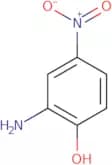
CAS:2-Amino-4-nitrophenol is a chemical compound that has been used in the modeling of hydrogen bonds. It is also used as a reagent for the determination of the concentration of hydrochloric acid and sodium carbonate. 2-Amino-4-nitrophenol is activated with hydrochloric acid and then reacts with sodium carbonate to produce a yellow solution. The solution's colour changes with pH, which can be determined by measuring the absorption at different wavelengths on an nmr spectrometer. Nitro groups are present in 2-amino-4-nitrophenol, which may cause allergic reactions. This chemical also has an acidic nature due to its inorganic acid properties.
Fórmula:C6H6N2O3Pureza:Min. 95%Forma y color:Slightly Yellow PowderPeso molecular:154.12 g/mol2-Chloro-3-fluorobenzyl alcohol
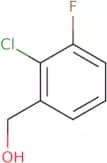
CAS:2-Chloro-3-fluorobenzyl alcohol is a versatile building block for the synthesis of complex compounds. It has been used as a reagent and intermediate in research chemical synthesis. This compound is useful for the preparation of high quality, useful intermediates and reaction components. 2-Chloro-3-fluorobenzyl alcohol can be used as a scaffold to build different organic compounds with different functional groups.Fórmula:C7H6ClFOPureza:Min. 95%Forma y color:PowderPeso molecular:160.57 g/mol4,4'-Oxydiphenol
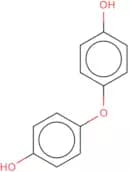
CAS:4,4'-Oxydiphenol is an organic compound that contains a phenolic hydroxyl group. The molecule is activated by the presence of an electron withdrawing group such as a carbonyl or sulfonate. This activation allows for nucleophilic attack on the carbon-carbon double bond to form a new bond. 4,4'-Oxydiphenol can also be synthesized from ethane and epichlorohydrin in the presence of a base such as sodium methoxide. The resulting product is a polyester with resistive properties due to its high molecular weight and low solubility.
Fórmula:C12H10O3Pureza:Min. 95%Forma y color:PowderPeso molecular:202.21 g/mol4-Hydroxybenzyl alcohol
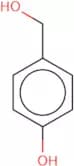
CAS:4-Hydroxybenzyl alcohol is a chemical compound that is found in the rhizoma gastrodiae. It has been shown to have angiogenic properties and may be used as an anti-angiogenic agent. 4-Hydroxybenzyl alcohol is also an inhibitor of matrix metalloproteinases, which are enzymes that degrade the extracellular matrix. This inhibition leads to apoptosis and neuronal death.Fórmula:C7H8O2Pureza:Min. 80%Forma y color:PowderPeso molecular:124.14 g/mol3-Formylbenzyl alcohol
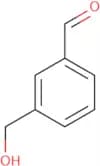
CAS:3-Formylbenzyl alcohol is a fatty acid that has been shown to inhibit the growth of bacteria by binding to the hydroxyl group of the bacterial cell membrane. 3-Formylbenzyl alcohol's antimicrobial activity is due to its ability to inhibit the production of fatty acids in the cell membrane, preventing the formation of an outer layer that protects bacteria from attack. The antibacterial agent also inhibits protein synthesis and prevents DNA replication, resulting in cell death. 3-Formylbenzyl alcohol binds to bacteria through hydrogen bonding and has been shown to be effective against Staphylococcus aureus, Bacillus subtilis, Escherichia coli, and Pseudomonas aeruginosa. The mechanism for this action is not clear but may involve an intramolecular hydrogen bond or nucleophilic attack by one of its carbonyl groups on a nitrogen atom in the bacterial molecule.
Fórmula:C8H8O2Pureza:Min. 95%Forma y color:Off-White PowderPeso molecular:136.15 g/mol1,2,4-Benzenetriol technical grade
CAS:1,2,4-Benzenetriol (BNT) is a reactive molecule that has been shown to have hydrogen bonding interactions with copper chloride. It has been proposed as an inhibitor of methyltransferase, which is involved in the synthesis of methionine. Studies have shown that BNT can also inhibit iron homeostasis and transfer reactions. The x-ray diffraction data for this compound shows that it forms a complex with the hydroxyl group. This complex is stabilized by hydrogen bonding interactions with the hydroxylic proton of the 1,2,4-benzenetriol molecule. BNT has been shown to be toxic to HL-60 cells and K562 cells at concentrations greater than 5 mM. It has also been found to be effective against chlorogenic acids and other compounds in energy metabolism studies at concentrations between 0.5 and 2 mM.Fórmula:C6H6O3Pureza:Min. 95%Forma y color:PowderPeso molecular:126.11 g/mol5-Bromo-2-hydroxybenzyl alcohol
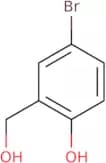
CAS:5-Bromo-2-hydroxybenzyl alcohol (5-BrABA) is a diagnostic agent that is used to detect microbial infections. It has been shown to be useful as an anti-infective agent in the treatment of cancer and inflammatory diseases, such as choroidal neovascularization. 5-BrABA is a cell permeable compound that binds to target tissue and accumulates at the site of infection. It has been shown to inhibit the growth of ophthalmic bacteria, including Acinetobacter baumannii, Pseudomonas aeruginosa, and Staphylococcus epidermidis. 5-BrABA has also been shown to be biocompatible with human retinal pigment epithelial cells and does not induce any detectable toxicity or cytotoxicity in these cells after 24 hours exposure.Fórmula:C7H7BrO2Pureza:Min. 98 Area-%Forma y color:PowderPeso molecular:203.03 g/mol3-Hydroxy-4-methoxybenzyl alcohol
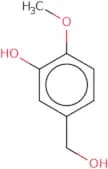
CAS:3-Hydroxy-4-methoxybenzyl alcohol is a metabolite of vanillic acid, an aldehyde that is produced by the oxidation of catecholamines. This compound has been shown to inhibit the activity of aldehyde oxidase, which converts aldehydes into acids. 3-Hydroxy-4-methoxybenzyl alcohol has also been shown to inhibit cellular dehydrogenase and protocatechuic aldehyde dehydrogenase activities, as well as inhibiting cellular metabolism.Fórmula:C8H10O3Pureza:Min. 95%Forma y color:PowderPeso molecular:154.16 g/mol3-Ethoxyphenol
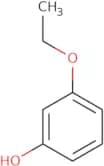
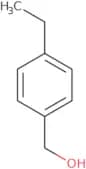
CAS:3-Ethoxyphenol is an organic compound that has a phenolic hydroxyl group attached to the 3-position of an ethyl alcohol. The ethoxy groups on the molecule allow it to bind to receptors in the central nervous system, including the dopamine receptor and the d4 receptor. This binding process is thermodynamically and kinetically favorable, which leads to a high metabolic rate. 3-Ethoxyphenol has been shown to have strong antiviral properties, particularly against chromobacterium violaceum, and can be used as a specific ligand for metal surfaces. The coumarin derivatives of 3-ethoxyphenol have also been shown to inhibit the growth of propionate and covid-19 pandemic.Fórmula:C8H10O2Pureza:Min. 95%Forma y color:PowderPeso molecular:138.16 g/mol4-Ethylbenzyl alcohol
CAS:4-Ethylbenzyl alcohol is a constituent of natural rubber and is produced as a by-product during the manufacture of styrene. It has been shown that 4-ethylbenzyl alcohol can inhibit phosphatidylethanolamine N-methyltransferase, an enzyme that catalyzes the synthesis of phosphatidylethanolamine from phosphatidylcholine, thereby inhibiting lipid biosynthesis in cells. This inhibition may be due to the presence of the hydroxy group on the benzene ring which may bind to the active site of the enzyme and prevent it from binding with its substrate. In addition, 4-ethylbenzyl alcohol may act as an organic solvent and react with other substances in cells to form cytotoxic products. 4-Ethylbenzyl alcohol has been shown to cause narcosis when used in high concentrations or over a long period.
Fórmula:C9H12OPureza:90%Forma y color:PowderPeso molecular:136.19 g/mol4-Allyl-2-methoxyphenol acetate
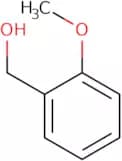
CAS:4-Allyl-2-methoxyphenol acetate is a natural compound that has been shown to have inhibitory properties against Candida glabrata. It also has a synergistic effect with benzoate and eugenol, which are compounds that are found in the essential oils of plants. 4-Allyl-2-methoxyphenol acetate is toxic to aquatic organisms at high concentrations. The water solubility of this compound is low and it has a vapor pressure of 0.0045 mm Hg at 25°C, indicating that it will not evaporate into the atmosphere very quickly.Fórmula:C12H14O3Pureza:Min. 95%Forma y color:Colorless Clear LiquidPeso molecular:206.24 g/mol2-Methoxybenzyl alcohol
CAS:2-Methoxybenzyl alcohol is a reactive compound that contains two methoxy (CH3O-) groups. It can be used for the synthesis of chiral molecules because it forms an asymmetric hydrogen bond. The reaction of 2-methoxybenzyl alcohol with oxygenated substances, such as formaldehyde and acetaldehyde, leads to oxidation products, including hydroxybenzaldehyde, which can be isolated and converted to benzalacetone. This product has been shown to have photocatalytic activity in the presence of ultraviolet light.
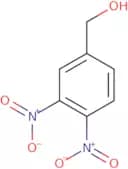
Fórmula:C8H10O2Pureza:Min. 95%Forma y color:Colorless Clear LiquidPeso molecular:138.16 g/mol3,4-Dinitrobenzyl alcohol
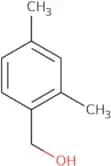
CAS:3,4-Dinitrobenzyl alcohol is a synthetic chemical that is used as an intermediate for the synthesis of other chemicals. It is a dipole with a molecular weight of 188.2 g/mol and has two substituents. 3,4-Dinitrobenzyl alcohol is produced by the oxidation of 3,4-dichlorobenzyl alcohol with nitric acid and sulfuric acid. This process occurs in industrial settings to produce dyes, perfumes, and medicines. 3,4-Dinitrobenzyl alcohol is used as a starting material for the production of other compounds that are used in the textile industry or as insecticides.Fórmula:C7H6N2O5Pureza:Min. 95%Forma y color:Yellow PowderPeso molecular:198.13 g/mol2,4-Dimethylbenzyl alcohol
CAS:2,4-Dimethylbenzyl alcohol is a primary alcohol that is found in many natural products. It is a functional group that can be used as a chemical intermediate or an intermediate for the production of other compounds. 2,4-Dimethylbenzyl alcohol has been shown to have genotoxic activity and can cause DNA damage. This compound has been found in adipose tissue and functions by inhibiting the uptake of pyrethroid insecticides by adipose cells. This compound has also been shown to be oxidized into several different oxidation products that are all isomeric with each other, including 2,6-, 3,5-, and 4,6-dimethylbenzaldehyde. These oxidation products may be esterified with conjugates such as glucuronic acid or sulfate which may aid in its absorption through the gut wall into the bloodstream.Fórmula:C9H12OPureza:Min. 95%Forma y color:Colorless PowderPeso molecular:136.19 g/molBisphenol F diglycidyl ether - mixture of isomers
CAS:Component of polymer coatings in food cans; toxic contaminantFórmula:C19H20O4Pureza:Min. 88.0 Area-%Forma y color:Colorless Clear LiquidPeso molecular:312.36 g/mol2-Aminobenzyl alcohol
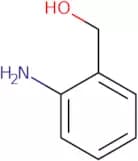
CAS:2-Aminobenzyl alcohol is a chaperone that binds to the polypeptide chain of proteins and prevents them from denaturation. It also has been shown to form hydrogen bonds with other molecules, such as chaperones, and to bind to copper ions. 2-Aminobenzyl alcohol can react with sodium carbonate in an alkaline solution to form 2-aminobenzaldehyde and sodium bicarbonate. The reaction mechanism is thought to involve the formation of a copper complex with x-ray diffraction data showing a new set of peaks at d = 1.81 Å corresponding to the Cu(II) ion coordinated by two amine groups on the benzyl alcohol ring. This compound also reacts with quinoline derivatives in the presence of hydrochloric acid or hydroxyl group in an aprotic solvent such as dimethylformamide (DMF) or acetonitrile (ACN) to produce mianserin hydroFórmula:C7H9NOPureza:Min. 97.5%Forma y color:Off-White PowderPeso molecular:123.15 g/molp-Nitrophenol acetate
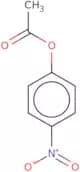
CAS:Substrate for acetyl esterase
Fórmula:C8H7NO4Pureza:Min. 97 Area-%Forma y color:PowderPeso molecular:181.15 g/mol4-Iodophenol
CAS:An enhancer used in chemiluminescent reactions
Fórmula:C6H5IOPureza:Min. 98.5 Area-%Forma y color:PowderPeso molecular:220.01 g/mol