Estándares farmacéuticos
Subcategorías de "Estándares farmacéuticos"
- APIs para investigación e impurezas(276.112 productos)
- Activadores e inhibidores de enzimas(2.829 productos)
- Nitrosaminas(2.617 productos)
- Compuestos y metabolitos farmacéuticos y veterinarios(2.919 productos)
- Toxicología(13.573 productos)
Se han encontrado 7922 productos de "Estándares farmacéuticos"
N-Stearoyl phytosphingosine
CAS:N-Stearoyl phytosphingosine is a molecule with an ester linkage that is used in the study of physiological function. It has been shown to mimic the effect of tebuconazole, a chemical fungicide, on mitochondrial membrane potential and ATP levels. This compound can be synthesized from fatty acids and hydroxyl groups. The molecule has also been shown to have skin nourishing properties when applied topically to skin cells in vivo.
Fórmula:C36H73NO4Pureza:Min. 95%Forma y color:White To Off-White SolidPeso molecular:583.97 g/molRef: 3D-FS27874
Producto descatalogado(Asp371)-Tyrosinase (369-377) (human) trifluoroacetate salt
CAS:Trifluoroacetate saltFórmula:C42H66N10O16S2Pureza:Min. 95%Peso molecular:1,031.16 g/molRef: 3D-FA110240
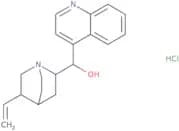
Producto descatalogadoCinchonine Hydrochloride Hydrate
CAS:Cinchonine hydrochloride hydrate is a compound that belongs to the class of amines. It is used as an anti-malarial drug, an anti-arrhythmic agent, and a vasodilator. Cinchonine hydrochloride hydrate has been shown to be heat resistant and can be used in pharmaceutical preparations such as gel permeation chromatography. This compound also has a catalytic effect on reactions with glycerin and piperidone, which are used in the production of various dyes. Cinchonine hydrochloride hydrate can also be used as a solid catalyst for viscosity measurements in wastewater treatment plants.
Fórmula:C19H22N2O·HCl·xH2OPureza:Min. 95%Peso molecular:330.85 g/molRef: 3D-FC59909
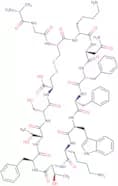
Producto descatalogado(D-Trp8)-Somatostatin-14 trifluoroacetate salt
CAS:Please enquire for more information about (D-Trp8)-Somatostatin-14 trifluoroacetate salt including the price, delivery time and more detailed product information at the technical inquiry form on this page
Fórmula:C76H104N18O19S2Pureza:Min. 95%Peso molecular:1,637.88 g/molRef: 3D-FT108921
Producto descatalogado9-Formylanthracene
CAS:9-Formylanthracene is a hydroxylated derivative of anthracene. This molecule has significant cytotoxicity and shows high resistance to cancer cells. It is also capable of inducing apoptosis in carcinoma cell lines. 9-Formylanthracene binds to DNA polymerase, inhibiting the enzyme activity and blocking synthesis of DNA. It also inhibits other enzymes that are necessary for cellular metabolism, such as the ribonucleotide reductase enzyme. 9-Formylanthracene is a potential anticancer drug candidate due to its ability to inhibit DNA polymerase and induce apoptosis in cancer cells, but it does not show any effect on normal liver cells.
Pureza:Min. 95%Ref: 3D-FF03705
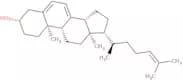
Producto descatalogado7-Dehydro desmosterol
CAS:Producto controlado7-Dehydro Desmosterol is a hydroxylated sterol found in the liver. It is an intermediate in cholesterol synthesis and participates in the regulation of glucose metabolism. The enzyme responsible for its synthesis (7-dehydrocholesterol reductase) is inhibited by radiation, which leads to its accumulation in the liver. 7-Dehydro desmosterol has been shown to have beneficial effects on experimental models of diabetes and metabolic disorders. In these studies, it was found that 7-dehydro desmosterol can inhibit glucose absorption from the intestine and stimulate insulin secretion from pancreatic beta cells.
Fórmula:C27H42OPureza:Min. 95%Forma y color:PowderPeso molecular:382.62 g/molRef: 3D-FD20903
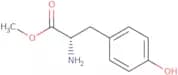
Producto descatalogadoMethyl L-tyrosinate
CAS:Methyl-L-tyrosinate is a drug that has been shown to increase the activity of tyrosinase, an enzyme involved in the production of melanin. It also prevents the oxidation of tyrosine and phenylalanine, which are precursors to melanin. Methyl L-tyrosinate has been studied for its potential effects on hepatitis and Parkinson's disease. This drug binds to the hydroxyl group of tyrosinase and inhibits its activity. The inhibition of this enzyme leads to a decrease in melanin synthesis, which may be beneficial for those with vitiligo or other skin disorders where pigment loss is desired. This drug also prevents oxidative carbonylation and functional assays have shown that it has an affinity for potassium ion coordination chemistry.
Fórmula:C10H13NO3Pureza:Min. 95%Peso molecular:195.22 g/molRef: 3D-FM25520
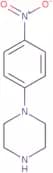
Producto descatalogado1-(4-Nitrophenyl)piperazine
CAS:1-(4-Nitrophenyl)piperazine is a nitro compound with a molecular weight of 147.2. It is soluble in DMSO and ethanol, but not in water. 1-(4-Nitrophenyl)piperazine has the ability to absorb ultraviolet radiation (UV) and it can be used as a UV-absorbing agent in plastics. 1-(4-Nitrophenyl)piperazine can also be used as an intermediate for the synthesis of triazole antifungal agents. The molecule has been shown to have high values at magnetic resonance spectroscopy (NMR). The crystal structure of 1-(4-nitrophenyl)piperazine was determined by x-ray diffraction data and molecular modeling techniques. This molecule's melting point was determined by titration calorimetry, which showed that its melting point is around 195 degrees Celsius.br> 1-(4-Nitrophenyl)piper
Fórmula:C10H13N3O2Pureza:Min. 95%Peso molecular:207.23 g/molRef: 3D-FN75441
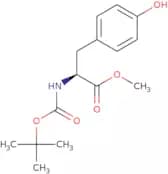
Producto descatalogadoBoc-L-tyrosine methyl ester
CAS:Boc-L-tyrosine methyl ester is a synthetic amino acid that can be used in the production of peptides and proteins. It has been shown to have a high uptake and hydroxyl group, which allows for the synthesis of dopamine. The kinetic study of Boc-L-tyrosine methyl ester in agarose gels has shown that it has a high affinity for dopamine. Boc-L-tyrosine methyl ester has also been used as an intermediate for the synthesis of peptides and proteins. It is not active against cancer cells but has been used to induce matrix metalloproteinase (MMP) activity in Mcf-7 cells.
Fórmula:C15H21NO5Pureza:Min. 95%Forma y color:White PowderPeso molecular:295.33 g/molNecrostatin-1 5-(1
CAS:Necrostatin-1 is a small molecule inhibitor that blocks the NF-κB signaling pathway. Necrostatin-1 is a potent inducer of apoptosis and has been shown to inhibit necroptosis in cell culture. It also blocks the Toll-like receptor 4 (TLR4), which is an important death receptor that causes inflammation. Necrostatin-1 has been found to be effective in reducing injury and death in low doses, but has not been tested for long periods of time or at high doses.
Fórmula:C13H13N3OSPureza:Min. 95%Peso molecular:259.33 g/molRef: 3D-FN111188
Producto descatalogado(-)-Corey lactone diol
CAS:(-)-Corey lactone diol is a synthetic compound that is soluble in organic solvents. It is used for the synthesis of carbocyclic nucleosides, which are analogs of pyrimidine nucleosides. (-)-Corey lactone diol has been shown to inhibit cholesterol synthesis and the synthesis of alkene. (-)-Corey lactone diol also shows anti-inflammatory properties, which may be due to its inhibition of prostaglandin synthesis.
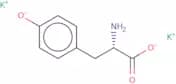
Fórmula:C8H12O4Pureza:Min. 95%Peso molecular:172.18 g/molL-Tyrosine dipotassium
CAS:L-Tyrosine dipotassium salt is a high quality, reagent, complex compound, useful intermediate and fine chemical. It is a useful scaffold that can be used in the synthesis of various important natural products. L-Tyrosine dipotassium salt is a versatile building block that has been widely applied in research on the development of new drugs, such as antiviral agents and antibiotics. L-Tyrosine dipotassium salt can act as a reaction component for many organic reactions. It also has applications in many areas such as medicine, food production, and environmental protection.
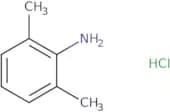
Fórmula:C9H11NO3•K2Pureza:Min. 95%Peso molecular:259.39 g/mol2,6-Dimethylaniline hydrochloride
CAS:Ropivacaine Related Compound A is a chemical compound that has not been fully characterized. It is an inhibitor of the enzyme P-hydroxybenzoic acid, which is involved in the synthesis of tyrosine and phenylalanine. Ropivacaine Related Compound A has shown to be potent inducers of the enzyme polymerase chain reaction (PCR) when combined with other chemicals such as potassium peroxydisulfate. The optimum concentration for this chemical compound to inhibit PCR reactions is 50 mM. Ropivacaine Related Compound A may have carcinogenic potential due to its ability to form p-hydroxybenzoic acid and other carcinogenic compounds. This chemical compound has been found to be a good candidate for wastewater treatment due to its low potency and high solubility in water.
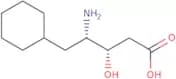
Fórmula:C8H12ClNPureza:Min. 95%Forma y color:PowderPeso molecular:157.64 g/molCyclohexylstatine
CAS:Cyclohexylstatine is a glycopeptide antibiotic that inhibits the synthesis of collagen in animals and humans. It also has been shown to have anticancer activity. Cyclohexylstatine works by inhibiting the biosynthesis of collagen, which is an important component of skin, ligaments, and tendons. The molecule was synthesized in 1975 and has been used as a pharmaceutical agent since 1980. Cyclohexylstatine is the first anti-collagen drug to be developed for use in humans. It has been shown to be effective against autoimmune diseases such as rheumatoid arthritis but not against cancer cells or bacteria. Cyclohexylstatine binds to the zymogen form of collagenase and inhibits its activity. This inhibition leads to an accumulation of polysaccharides in the extracellular matrix that are converted into oligosaccharides by glycosidases present in tissue fluids. These oligosaccharides inhibit collagen synthesis by binding to
Fórmula:C11H21NO3Pureza:Min. 95%Peso molecular:215.29 g/molRef: 3D-FC107902
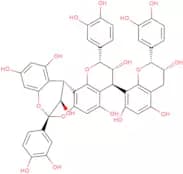
Producto descatalogadoCinnamtannin B-1
CAS:Cinnamtannin B-1 is a cytosolic Ca2+ modulator that binds to and inhibits the activity of ATPases, which are enzymes that hydrolyze ATP. This causes an increase in intracellular Ca2+ levels, which leads to altered cell physiology. Cinnamtannin B-1 also inhibits mitochondrial membrane potential and enzyme activities. Cinnamtannin B-1 is a bioactive phytochemical found in cinnamon extract, which has been shown to have anti-obesity effects due to its ability to reduce the number of fat cells. Cinnamtannin B-1 has been shown to inhibit 3T3-L1 preadipocyte differentiation by targeting proteins such as procyanidins.
Fórmula:C45H36O18Pureza:Min. 95%Forma y color:PowderPeso molecular:864.76 g/molRef: 3D-FC09482
Producto descatalogadoNeuropeptide Y-Lys(biotinyl) (free acid) (human, rat) trifluoroacetate salt
Please enquire for more information about Neuropeptide Y-Lys(biotinyl) (free acid) (human, rat) trifluoroacetate salt including the price, delivery time and more detailed product information at the technical inquiry form on this page
Fórmula:C205H310N58O61S2Pureza:Min. 95%Peso molecular:4,627.14 g/molRef: 3D-FN110180
Producto descatalogadoBiotinyl-Atrial Natriuretic Factor (1-28) (human) trifluoroacetate salt
CAS:Please enquire for more information about Biotinyl-Atrial Natriuretic Factor (1-28) (human) trifluoroacetate salt including the price, delivery time and more detailed product information at the technical inquiry form on this pageFórmula:C137H217N47O41S4Pureza:Min. 95%Peso molecular:3,306.75 g/molRef: 3D-FB110153
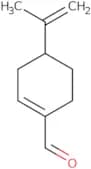
Producto descatalogado(+/-)-Perillaldehyde
CAS:Perillaldehyde is a natural compound that has been used in food and medicine for centuries. It is an antimicrobial agent with dextran sulfate, which is a sugar polymer that inhibits the growth of fungi and bacteria. Perillaldehyde also has been shown to inhibit the energy metabolism of microorganisms by decreasing ATP production. Perillaldehyde has also been shown to have genotoxic activity, as it can cause DNA strand breaks. This compound also causes oxidative stress in cells by reducing mitochondrial membrane potential and inducing reactive oxygen species (ROS). Perillaldehyde has acute toxicities, as it causes electrochemical impedance spectroscopy changes that indicate cell death.
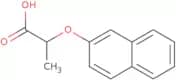
Fórmula:C10H14OPureza:Min. 95%Forma y color:PowderPeso molecular:150.22 g/mol2-(2-Naphthyloxy)propanoic acid
CAS:2-(2-Naphthyloxy)propanoic acid is a naphthalene derivative that is found in the plant species Carthamus tinctorius. It has been shown to have potent antagonist activity against the NMDA receptor, as well as antinociceptive and analgesic properties in vivo. 2-(2-Naphthyloxy)propanoic acid also shows potent anti-inflammatory and cardioprotective effects in vitro and in vivo. 2-(2-Naphthyloxy)propanoic acid can be used for the treatment of bone cancer, congestive heart failure, diabetic neuropathy, or other disorders of the peripheral nervous system.
Fórmula:C13H12O3Pureza:Min. 95%Peso molecular:216.23 g/molRef: 3D-FN112710
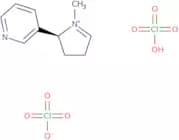
Producto descatalogadoS-(-)-Nicotine-delta1’-(5’)-iminium diperchlorate salt
CAS:Please enquire for more information about S-(-)-Nicotine-delta1’-(5’)-iminium diperchlorate salt including the price, delivery time and more detailed product information at the technical inquiry form on this page
Fórmula:C10H14Cl2N2O8Pureza:Min. 95%Peso molecular:361.13 g/mol4-(2,4-Dinitrophenyl)butanoicacid
CAS:Please enquire for more information about 4-(2,4-Dinitrophenyl)butanoicacid including the price, delivery time and more detailed product information at the technical inquiry form on this page
Fórmula:C10H10N2O6Pureza:Min. 95%Peso molecular:254.2 g/molRef: 3D-FD149753
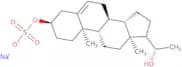
Producto descatalogado20a-Dihydro pregnenolone 3-sulfate sodium salt
CAS:Please enquire for more information about 20a-Dihydro pregnenolone 3-sulfate sodium salt including the price, delivery time and more detailed product information at the technical inquiry form on this page
Fórmula:C21H33NaO5SPureza:Min. 95%Peso molecular:420.54 g/molRef: 3D-FD21937
Producto descatalogado