Estándares farmacéuticos
Los estándares farmacéuticos son un conjunto integral de materiales de referencia esenciales para garantizar la seguridad, eficacia y calidad de los productos farmacéuticos. Esta categoría incluye estándares para ingredientes farmacéuticos activos (APIs), que son los componentes centrales responsables de los efectos terapéuticos. Además, abarca compuestos y metabolitos relevantes tanto para las industrias farmacéutica como veterinaria, proporcionando puntos de referencia para la medición y análisis precisos de estas sustancias. Los estándares de control de nitrosaminas son cruciales para detectar y mitigar las nitrosaminas potencialmente dañinas en las formulaciones de medicamentos. Los estándares de toxicología ayudan a evaluar la seguridad y los posibles efectos adversos de los compuestos farmacéuticos. Además, los estándares de activadores e inhibidores enzimáticos son vitales para la investigación y el desarrollo, permitiendo estudios precisos de las vías bioquímicas y los mecanismos de acción de los medicamentos. Estos estándares farmacéuticos son herramientas indispensables para el cumplimiento normativo, el control de calidad y la investigación, asegurando que los productos farmacéuticos cumplan con estrictos criterios de seguridad y eficacia.
Subcategorías de "Estándares farmacéuticos"
- APIs para investigación e impurezas(273.647 productos)
- Activadores e inhibidores de enzimas(2.827 productos)
- Nitrosaminas(2.605 productos)
- Compuestos y metabolitos farmacéuticos y veterinarios(2.602 productos)
- Toxicología(13.652 productos)
Se han encontrado 7836 productos de "Estándares farmacéuticos"
Ordenar por
Pureza (%)
0
100
|
0
|
50
|
90
|
95
|
100
(-)-β-Sesquiphellandrene
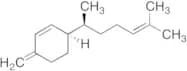
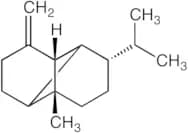
CAS:Producto controlado<p>Applications (-)-β-Sesquiphellandrene are found in Tanacetum vulgare plants. It is also an essential leaf and flower oils in Heracleum species.<br>References Clancy, M. V., et al.: Sci. Rep., 6, 38087 (2016); Usjak, L., et al.: Food Funct., 8, 278-290 (2017);<br></p>Fórmula:C15H24Forma y color:ColourlessPeso molecular:204.35Allantoic Acid
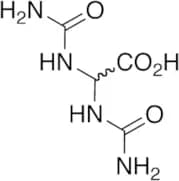
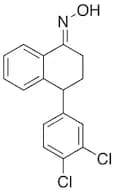
CAS:Producto controlado<p>Applications A metabolic intermediate in nucleic acid metabolism.<br>References Yoon, K., et al.: Nat. Prod. Sci., 14, 254 (2008), Ramazzina, I., et al.: J. Biol. Chem., 283, 23295 (2008), Kim, K., et al.: J. Mol. Biol., 387, 1067 (2009),<br></p>Fórmula:C4H8N4O4Forma y color:White To Off-WhitePeso molecular:176.134-(3’,4’-Dichlorophenyl)-3,4-dihydro-2H-naphthalen-1-one Oxime
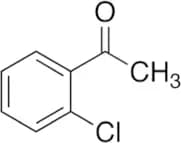
CAS:Producto controlado<p>Applications An intermediate in the synthesis of the drug metabolite for Sertraline.<br></p>Fórmula:C16H13Cl2NOForma y color:NeatPeso molecular:306.192'-Chloroacetophenone
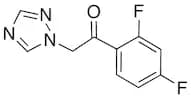
CAS:Producto controlado<p>Applications 2'-Chloroacetophenone (cas# 2142-68-9) is a compound useful in organic synthesis.<br></p>Fórmula:C8H7ClOForma y color:NeatPeso molecular:154.592,4-Difluoro-α-(1H-1,2,4-triazolyl)acetophenone
CAS:Producto controlado<p>Impurity Voriconazole EP Impurity A; Voriconazole USP Related Compound C<br>Applications 2,4-Difluoro-α-(1H-1,2,4-triazolyl)acetophenone (Voriconazole EP Impurity A; Voriconazole USP Related Compound C) is an antifungal activity, particularly toward Candida albicans and Candida parapsilosis<br>References Upadhayaya, R., et al.: Eur. J. Med. Chem., 39, 579 (2004), Sheng, C., et al.: J. Med. Chem., 49, 2512 (2006),<br></p>Fórmula:C10H7F2N3OForma y color:BeigePeso molecular:223.18[Leu5]-Enkephalin Acetate
CAS:<p>Applications [Leu5]-Enkephalin is a neurotransmitter used in molecular dynamics studies for the insertion of neurotransmitters into lipid bilayer membranes and their implication on membrane stability.<br>References Shen, C., et al.: ChemPhysChem, pages ahead of print (2017)<br></p>Fórmula:C28H37N5O7·x(C2H4O2)Forma y color:NeatPeso molecular:615.67N,N,N-Trimethyl-2-oxo-1-propanaminium Chloride
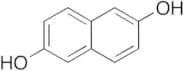
CAS:Producto controlado<p>Applications N,N,N-Trimethyl-2-oxo-1-propanaminium Chloride is an intermediate in the synthesis of 3-Carboxy-N.N,N-trimethyl-2-oxo-1-propanaminium Chloride (C183230), which is a derivative of L-Carnitine (C184110).<br>References Brewer, F. et al.: Arch. Biochem. Biophys., 276, 495 (1990);<br></p>Fórmula:C6H14NO•ClForma y color:NeatPeso molecular:116.11 + (35.45)2,6-Dihydroxynaphthalene
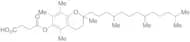
CAS:Producto controlado<p>Applications 2,6-Dihydroxynaphthalene can produce convulsions in mice. Monooxylosylated 2,6-Dihydroxynaphthalene exhibits antiproliferative activity towards certain cells.<br>References Angel, A., et al.: Toxicol. Appl. Pharm., 21, 14 (1972); Jacobsson, M., et al.: J. Med. Chem., 49, 1932 (2006)<br></p>Fórmula:C10H8O2Forma y color:NeatPeso molecular:160.17dl-α-Tocopherol Succinate
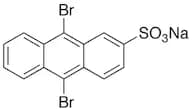
CAS:Producto controladoFórmula:C33H54O5Forma y color:NeatPeso molecular:530.789,10-Dibromoanthracene-2-sulfonic Acid Sodium Salt
CAS:Producto controlado<p>Applications 9,10-Dibromoanthracene-2-sulfonic Acid Sodium Salt (cas# 87796-18-7) is a compound useful in organic synthesis.<br></p>Fórmula:C14H7Br2O3S·NaForma y color:NeatPeso molecular:438.07Hexadecyl Acetate
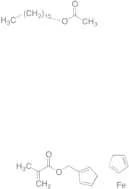
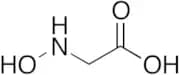
CAS:Producto controlado<p>Applications Hexadecyl Acetate is a plant sex pheromone.<br>References Brasero, N., et al.: J. Chem. Ecol., 44, 9 (2018); Cuervo, M., et al.: J. Chem. Ecol., 43, 469 (2017)<br></p>Fórmula:C18H36O2Forma y color:NeatPeso molecular:284.482-(Hydroxyamino)acetic Acid
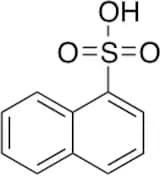
CAS:Producto controlado<p>Applications 2-(Hydroxyamino)acetic Acid is a novel lactase inhibitor.<br>References Hattori, M., et al.: J. Insect Physiol., 51, 1359 (2005); Murao, S., et al.: Biosci. Biotech. Biochem., 56, 987 (1992)<br></p>Fórmula:C2H5NO3Forma y color:NeatPeso molecular:91.07Naphthalene-1-sulfonic Acid (Technical Grade)
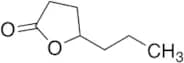
CAS:Producto controlado<p>Applications Naphthalene-1-sulfonic acid (cas# 85-47-2) is a useful research chemical.<br> Not a dangerous good if item is equal to or less than 1g/ml and there is less than 100g/ml in the package<br></p>Fórmula:C10H8O3SForma y color:NeatPeso molecular:208.23γ-Heptalactone
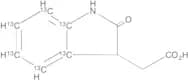
CAS:Producto controlado<p>Applications ��-Heptanolactone, �� 98.0% (cas# 105-21-5) is a useful research chemical.<br></p>Fórmula:C7H12O2Forma y color:NeatPeso molecular:128.17Oxindole-3-acetic Acid-13C6
CAS:Producto controlado<p>Applications Oxindole-3-acetic Acid-13C6 is labelled derivative of Indoleacetic Acid (I577342) which has the potential to be used in anti-cancer therapy in conjunction with horseradish peroxidase.<br>References Kawano, T. et al.: Gen. Hypo. 60, 664 (2003)<br></p>Fórmula:C6C4H9NO3Forma y color:NeatPeso molecular:197.139DL-Lanthionine
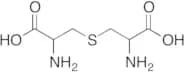
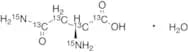
CAS:Producto controlado<p>Applications DL-Lanthionine is a thioether-amino acid which when present in peptides results in antimicrobial activity. Peptides with this amino acid within it become part of a group named lantibiotics.<br>References Lohans, C, et al.: J. Am. Chem. Sic., 136, 13150 (2014);<br></p>Fórmula:C6H12N2O4SForma y color:NeatPeso molecular:208.24L-Asparagine-13C4, 15N2 Hydrate
CAS:Producto controladoFórmula:C4H815N2O3H2OForma y color:NeatPeso molecular:138.0818023,5-Bis(1,1-dimethylethyl)-4-hydroxy-benzenepropanoic Acid C7-9-Branched Alkyl Esters
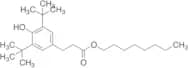
CAS:<p>Applications Octyl-3,5-di-tert-butyl-4-hydroxyhydrocinnamate (cas# 125643-61-0) is an intermediate in synthesizing 7,9-Di-tert-butyl-1-oxaspiro[4.5]deca-6,9-diene-2,8-dione (D493755), an antioxidant naturally found in aerial parts of Gmelina asiatica Linn (Verbenaceae). It is also found in essential oils of some Stachys species from Mediterranean area. It is an impurity of Irganox used in the food packaging.<br>References Merlin, N., et al.: Pharmacogn. Res., 1, 152 (2009); Conforti, F., et al.: Food Chem., 116, 898 (2009), Riquet, A. et al.: Food Chem., 199, 59 (2016);<br></p>Fórmula:C25H42O3Forma y color:ColourlessPeso molecular:390.61Benzoic Acid
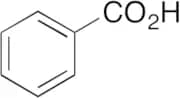
CAS:Producto controlado<p>Impurity Mefenamic Acid EP Impurity D<br>Applications Benzoic Acid is used in the synthesis of 1,3,4-oxadiazoles with pharmaceutical activity. Also used in the synthesis of selective human A3 adenosine receptor antagonists.<br>References Rouhani, M. et al.: Ultrason. Biochem., 21, 262 (2014); Squarcialupi, L. et al.: J. Medic. Chem., 56, 2256 (2013);<br></p>Fórmula:C7H6O2Forma y color:WhitePeso molecular:122.12Psilocin-d4 (1 mg/mL in Acetonitrile)
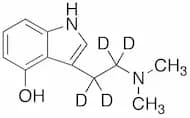
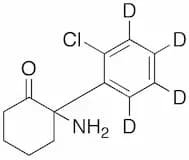
CAS:Producto controladoFórmula:C12D4H12N2OForma y color:ColourlessPeso molecular:208.29Norketamine-d4 (1 mg/ml in Acetonitrile)
CAS:Producto controladoFórmula:C12H10D4ClNOForma y color:Colourless To Light YellowPeso molecular:227.72(-)-β-Copaene
CAS:Producto controlado<p>Applications (-)-β-Copaene is a natural product, present in very small quantities in numerous plants and trees. It is used in the investigations of acid catalyzed, photochemical and thermally induced rearrangements of Germacrene D (G367765).<br>References Bulow, N., Konig, A.: Phytochemistry, 55, 141 (2000);<br></p>Fórmula:C15H24Forma y color:NeatPeso molecular:204.351N-Nitrosodimethylamine-d6 (1 mg/mL in Methanol)
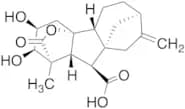
CAS:Producto controlado<p>Applications N-Nitrosodimethylamine-d6 (1.0 mg/mL in Methanol) is a highly toxic semi-volatile organic compound and a suspected human carcinogen. It induces liver tumors in rats after chronic exposure to low doses (1,2). Drinking water contaminant candidate list 3 (CCL 3) compound as per United States Environmental Protection Agency (EPA). Environmental contaminants; Food contaminants.<br>References Chem. and Eng. News, p.5, Feb. 25, 2019<br></p>Fórmula:C2D6N2OForma y color:Single SolutionPeso molecular:80.12Gibberellin A34 (>90%)
CAS:Fórmula:C19H24O6Pureza:>90%Forma y color:Light Yellow SolidPeso molecular:348.39n-Pentyl 4-Hydroxybenzoate-2,3,5,6-d4
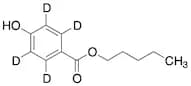
CAS:Producto controlado<p>Applications n-Pentyl 4-Hydroxybenzoate-2,3,5,6-d4 (CAS# 1219798-66-9) is a useful isotopically labeled research compound.<br></p>Fórmula:C12H12D4O3Forma y color:NeatPeso molecular:212.283-Bromocinnamic acid ethyl ester
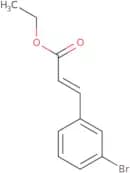
CAS:<p>3-Bromocinnamic acid ethyl ester is a chemical that is useful as a building block for the synthesis of more complex compounds. It is an intermediate in the synthesis of organic compounds and can be used as a reaction component. 3-Bromocinnamic acid ethyl ester has CAS No. 24398-80-9 and is a reagent that can be used to synthesize other chemicals. 3-Bromocinnamic acid ethyl ester is also useful as a scaffold in the development of new drugs, because it has an amide bond, which may lead to new types of drug molecules with different properties.</p>Fórmula:C11H11BrO2Pureza:Min. 95%Peso molecular:255.11 g/molTomoxetine hydrochloride
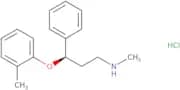
CAS:Producto controlado<p>Noradrenalin reuptake inhibitor</p>Fórmula:C17H22ClNOPureza:(%) Min. 95%Forma y color:White PowderPeso molecular:291.82 g/mol(R)-(-)-3,3′-Bis(triphenylsilyl)-1,1′-binaphthyl-2,2′-diyl hydrogenphosphate
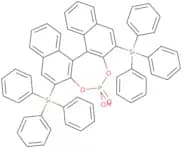
CAS:<p>(R)-(-)-3,3′-Bis(triphenylsilyl)-1,1′-binaphthyl-2,2′-diyl hydrogenphosphate is a fine chemical that is a useful reagent and building block. It can be used as an intermediate in the synthesis of complex compounds. This chemical has a CAS number of 791616-55-2 and is classified as a speciality chemical. (R)-(-)-3,3′-Bis(triphenylsilyl)-1,1′-binaphthyl-2,2′-diyl hydrogenphosphate is also a versatile building block for the synthesis of reaction components with high quality.</p>Fórmula:C56H41O4PSi2Pureza:Min. 94.5 Area-%Forma y color:PowderPeso molecular:865.07 g/mol5-Chlorosalicylic acid
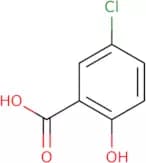
CAS:<p>5-Chlorosalicylic acid is an inhibitor of the enzyme carbonic anhydrase. It is used for the treatment of gout, rheumatoid arthritis, and osteoarthritis. This compound has been shown to be a genotoxic agent, which may result in mutagenic or carcinogenic effects. 5-Chlorosalicylic acid inhibits the growth of probiotic bacteria. It also has anti-inflammatory properties and can be used as a proton donor in organic synthesis reactions.<br>5-Chlorosalicylic acid is a metabolite of acetylsalicylic acid (ASA) that forms when ASA undergoes oxidative deamination in the liver. 5-Chlorosalicylic acid is also formed during metabolism of nonsteroidal anti-inflammatory drugs (NSAIDs).</p>Fórmula:C7H5ClO3Pureza:Min. 95%Forma y color:White Off-White PowderPeso molecular:172.57 g/molMethyl 2-amino-7,7-dimethyl-4-(3-nitrophenyl)-5-oxo-4,6,7,8-tetrahydro2H-chromene-3-carboxylate
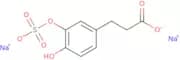
CAS:<p>Please enquire for more information about Methyl 2-amino-7,7-dimethyl-4-(3-nitrophenyl)-5-oxo-4,6,7,8-tetrahydro2H-chromene-3-carboxylate including the price, delivery time and more detailed product information at the technical inquiry form on this page</p>Fórmula:C19H20N2O6Pureza:Min. 95%Forma y color:PowderPeso molecular:372.37 g/molDihydro caffeic acid 3-O-sulfate sodium salt
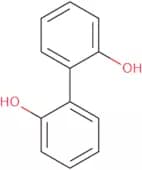
CAS:<p>Dihydro caffeic acid 3-O-sulfate sodium salt is a flavonol that is found in plants. It has been shown to have antioxidant properties and may be effective in the treatment of diseases associated with oxidative stress, such as diabetes mellitus and cancer. Dihydrocaffeic acid 3-O-sulfate sodium salt has also been shown to inhibit the growth of bacteria by modulating the production of nitric oxide. This agent has been quantified in human urine, which provides evidence for its potential use as a biomarker for disease risk due to its association with phenolic metabolites.</p>Fórmula:C9H8Na2O7SPureza:Min. 95%Forma y color:White Off-White PowderPeso molecular:306.2 g/mol2,2'-Biphenol
CAS:<p>2,2'-Biphenol is a phenolic compound that is used in the synthesis of polymers. The thermal expansion coefficient of 2,2'-biphenol can be measured by DSC and found to be ˜6.5 × 10⁻⁴/°C. The UV absorption spectrum of 2,2'-biphenol shows three bands at wavelengths of 290 nm, 320 nm, and 370 nm. 2,2'-Biphenol has been shown to adsorb onto biological surfaces through an adsorption mechanism. It has been observed that this adsorption occurs via x-ray crystal structures and kinetic measurements have shown that the adsorption process is rate-limited by intramolecular hydrogen bonding between the protonated phenolic hydroxyl group and the aromatic ring. The activation energies for protonation and desorption have been determined to be ˜30 kJ/mol and ˜30 kJ/mol respectively. Ac</p>Fórmula:C12H10O2Pureza:Min. 98 Area-%Forma y color:White PowderPeso molecular:186.21 g/mol9-Fluoro-11β,17-Dihydroxy-16α-Methyl-3,20-Dioxopregna-1,4-Dien-21-Yl 2-[2-(2-Ethoxyethoxy)Ethoxy]Acetate
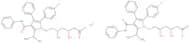
CAS:Producto controlado<p>Methylprednisolone is a corticosteroid that has been used for the treatment of many conditions, including asthma and arthritis. It is used to reduce inflammation and suppress the immune system. Methylprednisolone can be administered orally or as an injection. It is also used in the diagnosis of tumours, especially those that are difficult to diagnose by other means. Methylprednisolone may be given together with another drug called dexamethasone, which has synergistic effects. These drugs have been shown to cause death in animals with certain types of tumours. In humans, they can cause cutaneous lesions, such as follicle cysts and tnf-α expression in skin cells. This drug also causes a microsporum infection (a type of fungus) on the skin to grow more rapidly when it is applied topically, resulting in a larger diameter section than untreated areas.</p>Fórmula:C30H43FO9Pureza:Min. 95%Peso molecular:566.66 g/molAtorvastatin calcium
CAS:<p>HMG-CoA reductase inhibitor; anti-hypercholesterolemia agent</p>Fórmula:C66H68CaF2N4O10Pureza:Min. 97 Area-%Forma y color:White PowderPeso molecular:1,155.34 g/mol6-amino-3-methyl-4-(3-nitrophenyl)-4H-pyrano[3,2-d]pyrazole-5-carbonitrile
CAS:<p>Please enquire for more information about 6-amino-3-methyl-4-(3-nitrophenyl)-4H-pyrano[3,2-d]pyrazole-5-carbonitrile including the price, delivery time and more detailed product information at the technical inquiry form on this page</p>Fórmula:C14H11N5O3Pureza:Min. 95%Forma y color:PowderPeso molecular:297.27 g/molγ-Carotene
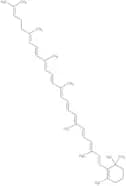
CAS:<p>Gamma-carotene is a polycarboxylic acid that is a major food component. It has been shown to have neuroprotective effects in the brains of mice and may be important for the prevention of dementia. Gamma-carotene is found in plants, where it acts as a photosynthetic pigment, absorbing light energy and converting it into chemical energy. It also functions as an antioxidant, which protects cells from damage by free radicals.<br>The biosynthesis of gamma-carotene starts with geranylgeranyl diphosphate (GGDP), which is then converted to phytoene by phytoene synthase. This reaction involves removal of two hydrogen atoms from GGDP, followed by the addition of two acetate groups. The next step in the pathway is conversion to lycopene by lycopene cyclase, and finally to beta-carotene by beta-carotenoid dehydrogenase.</p>Fórmula:C40H56Pureza:Min. 95%Forma y color:Dark Red SolidPeso molecular:536.87 g/mol1,2,3,4-Tetrahydro-1-naphthylamine hydrochloride
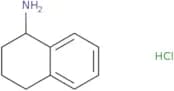
CAS:<p>1,2,3,4-Tetrahydro-1-naphthylamine hydrochloride is a high quality reagent that can be used as an intermediate in the synthesis of various organic compounds. It has been shown to be a useful building block for the synthesis of complex compounds and speciality chemicals. Tetrahydro-1-naphthylamine hydrochloride is also a versatile building block for reactions involving amines or other nucleophiles. Tetrahydro-1-naphthylamine hydrochloride is an interesting scaffold for research chemicals due to its ability to react with various functional groups.</p>Fórmula:C10H13N•HClPureza:Min. 95%Forma y color:PowderPeso molecular:183.68 g/mol7-Hydroxycoumarin-3-carboxylic N-succinimidylester
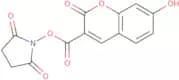
CAS:<p>7-Hydroxycoumarin-3-carboxylic acid N-succinimidylester is a fluorescent probe that is used to monitor the distribution of molecules in cells. It is used as a molecular imaging agent and has been used to image tissues in living animals. This probe can be detected by fluorescence microscopy and confocal microscopy, which are techniques that use light at specific wavelengths to detect the presence of this compound. The emission spectrum of 7-hydroxycoumarin-3-carboxylic acid N-succinimidylester varies depending on its environment, with a maximum emission wavelength of 640 nm when it is in acidic conditions and a maximum emission wavelength of 650 nm when it is in basic conditions.</p>Fórmula:C14H9NO7Pureza:Min. 95%Peso molecular:303.22 g/molDextromethorphan
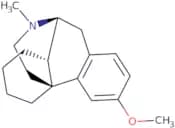
CAS:Producto controlado<p>9-alpha,-14-alpha-3-Methoxy-17-methylmorphinan (914) is a drug that is used in the treatment of bowel disease. It has been shown to inhibit the activity of enzymes such as polymerase chain, which is responsible for DNA replication and repair. 914 also inhibits dextromethorphan, an opioid that is used in cough suppressant medications. The effects of 914 on dextromethorphan are seen in human subjects who have been given the drug intravenously or orally. 914 binds to receptors that are found on cells in the brain and spinal cord, which explains its analgesic properties. This drug can be dangerous when taken with nonsteroidal anti-inflammatory drugs because it can cause kidney damage or failure.</p>Fórmula:C18H25NOPureza:Min. 95%Forma y color:PowderPeso molecular:271.4 g/mol2-Naphthoxyacetic acid
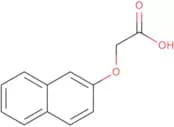
CAS:<p>2-Naphthoxyacetic acid is a chemical compound that has been shown to be a matrix effect agent in the kidney bean extract. It is also used as a nutrient solution in synchronous fluorescence and hydroxyl group. 2-Naphthoxyacetic acid can be used as an analytical method for sodium citrate, dispersive solid-phase extraction, nitrogen atoms, and acid complex. The optical sensor can be used for low light surface methodology. Fluoroacetic acid is a chemical compound that has been shown to have analytical properties similar to 2-Naphthoxyacetic acid.</p>Fórmula:C12H10O3Pureza:Min 98%Forma y color:PowderPeso molecular:202.21 g/mol3-Fluoro-L-tyrosine
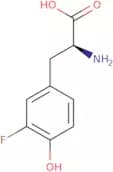
CAS:<p>3-Fluoro-L-tyrosine is a hydroxylated amino acid that is used as a pharmacological agent. 3-Fluoro-L-tyrosine has been shown to be a substrate for the enzyme tyrosinase, which catalyzes the conversion of L-tyrosine into 3,4 dihydroxyphenylalanine (DOPA). 3-Fluoro-L-tyrosine also reacts with bacterial enzymes and may have antibacterial properties.</p>Fórmula:C9H10FNO3Pureza:Min. 95%Forma y color:PowderPeso molecular:199.18 g/mol(2',4',6'-Trimethyl)acetophenone
CAS:<p>(2',4',6'-Trimethyl)acetophenone is a precursor to 2,4,6-trimethylphenol. It is used in the synthesis of trifluoroacetic acid and trifluoromethanesulfonic acid as well as in the production of perfumes. Trifluoroacetic acid and trifluoromethanesulfonic acid are used for the manufacture of pharmaceuticals, plastics, pesticides, and solvents. This compound is also important for the manufacture of certain dyes, such as those used in textile dyeing.<br>The iodination reaction with 2',4',6'-trimethylacetophenone is catalyzed by potassium iodide and acetic acid. The reaction products include ethyl formate, acetaldehyde, water (H2O), hydrogen peroxide (H2O2), and iodine (I). The structural analysis showed that the carbonyl group was not involved in any</p>Fórmula:C11H14OPureza:Min. 95%Forma y color:Clear LiquidPeso molecular:162.23 g/molEosin Y disodium salt
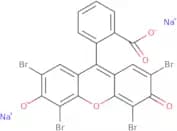
CAS:<p>Eosin Y, a red xanthene dye, has been noted to reduce the affinity of Mg2+-ATPase for ATP and increase the enzyme affinity for Mg2+ at concentrations of 10-50 μM. At higher concentrations near 100 μM the affinity for Mg2+-ATPase for the ion-activator has been shown to be reduced. This compound has also been reported to be a photosensitizer that works as a molecular photoelectrode via catalyzation of the visible-light-driven electron-transfer reaction. Eosin Y has been used to stain structures such as muscle, cytoplasm, and collagen. This agent also enhances fluorescent quenching abilities by forming a complex with polyvinulpyrrolidone.</p>Fórmula:C20H6Br4Na2O5Pureza:Min. 95%Forma y color:Brown PowderPeso molecular:691.85 g/mol4'-tert-Butyl-2',6'-dimethyl-3',5'-dinitroacetophenone
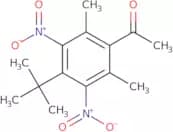
CAS:<p>4'-tert-Butyl-2',6'-dimethyl-3',5'-dinitroacetophenone is a ketone that is used in the synthesis of new chemical substances. It has been shown to have toxicological properties and can be used for the treatment of bacterial infections. 4'-tert-Butyl-2',6'-dimethyl-3',5'-dinitroacetophenone has been shown to produce a high degree of solubility in water, which is an advantageous property for wastewater treatment because it allows for easy removal of this compound from contaminated water.</p>Fórmula:C14H18N2O5Pureza:Min. 95%Forma y color:PowderPeso molecular:294.3 g/molSiastatin B
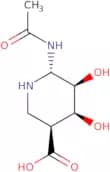
CAS:<p>Inhibitor of viral, bacterial and animal sialidase</p>Fórmula:C8H14N2O5Pureza:Min. 98 Area-%Forma y color:White PowderPeso molecular:218.19 g/mol4-Bromo-3,5-dimethoxybenzoic acid methyl ester
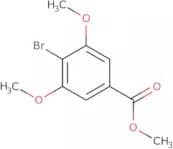
CAS:<p>4-Bromo-3,5-dimethoxybenzoic acid methyl ester is a crystalline solid that can be obtained from the reaction of 4-bromo-3,5-dimethoxybenzoic acid and methyl iodide. It has been shown to undergo an intramolecular cyclization when irradiated with ultraviolet light. This transformation is characterized by an increase in the length of the C=C bond and the appearance of a new C=O bond. The skeleton of 4-bromo-3,5-dimethoxybenzoic acid methyl ester consists of four five membered rings and two six membered rings. The molecule interacts with ligands such as styrene, mesitylene, vinylated benzyl halides, or halides.</p>Fórmula:C10H11BrO4Pureza:Min. 95%Forma y color:PowderPeso molecular:275.1 g/molL-Homoserine lactone HCl
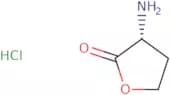
CAS:<p>L-Homoserine lactone HCl is an organic compound that is used as a building block for the synthesis of other compounds. It is also a useful intermediate and building block in the synthesis of natural products, pharmaceuticals and agrochemicals. L-Homoserine lactone HCl is soluble in water and readily reacts with acid to form its salt, which can be easily purified by recrystallization. This product has a CAS number of 2185-03-7.</p>Fórmula:C4H7NO2•HClPureza:Min. 95%Forma y color:White PowderPeso molecular:137.56 g/mol4-Cyanocinnamic acid
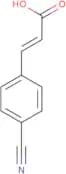
CAS:<p>4-Cyanocinnamic acid is a fatty acid that has been shown to be a substrate for the bacterial enzyme cinnamate 4-hydroxylase. The molecular weight of this compound is 136.16 g/mol, and it has a constant boiling point of 206°C. It can be synthesized from phenylacetic acid and p-coumaric acid using a transesterification reaction. This compound is reactive with carbonyl groups, which makes it useful in the detection of gram-positive bacteria by fluorescent probes or fluorescent dyes. 4-Cyanocinnamic acid is unreactive with esters of carboxylic acids, such as methyl esters, making it useful for the determination of fatty acids in isolates.</p>Fórmula:C10H7NO2Pureza:Min. 95%Forma y color:PowderPeso molecular:173.17 g/mol5-Bromovanillin
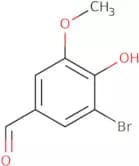
CAS:<p>5-Bromovanillin is an antimicrobial agent that inhibits the growth of bacteria by binding to the enzyme vanillin. It is used as a natural compound, in which it can be found in plants and fruits such as Eugenia caryophyllata and Vanilla planifolia. 5-Bromovanillin has been shown to have a potent inhibitory effect on bacterial growth. The inhibitory effect of this compound is due to its ability to coordinate with the vanillin molecule, forming a complex that blocks the reaction mechanism of the enzyme. This complex also reacts with p-hydroxybenzoic acid, which disrupts the cell membrane and causes leakage of cellular contents. 5-Bromovanillin has been studied using surface methodology and electrochemical impedance spectroscopy (EIS). These studies demonstrated that 5-bromovanillin has a high affinity for methanol solvent and inhibitor molecules, which may contribute to its antimicrobial activity.</p>Fórmula:C8H7BrO3Pureza:Min. 95%Forma y color:Yellow PowderPeso molecular:231.04 g/mol3,4-Dichlorocinnamic acid
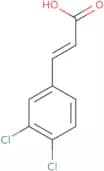
CAS:<p>3,4-Dichlorocinnamic acid is a pentane that has a molecular weight of 144.2 g/mol and melting point of -12 °C. It is soluble in organic solvents such as ethanol and acetone, but insoluble in water. 3,4-Dichlorocinnamic acid is an intermediate in the synthesis of cinnamates from phenylacetic acid and chloroform via methyl esterification with methanol followed by alkylation with chlorine. The reaction rate for this conversion is slow, making it difficult to produce at commercial scale. 3,4-Dichlorocinnamic acid can be obtained by irradiation of 3-chloro-1,2-propanediol with ultraviolet light or by heating hydrotalcite at high temperatures. Hydrotalcite is heated to 600°C where it reacts with air to form 3,4-dichlorocinnamic acid and</p>Fórmula:C9H6Cl2O2Pureza:Min. 95%Forma y color:PowderPeso molecular:217.05 g/mol

![[Leu5]-Enkephalin Acetate](/_next/image/?url=https%3A%2Fstatic.cymitquimica.com%2Fproducts%2FTR%2Fthumb-webp%2FL330340.webp&w=3840&q=75)




![9-Fluoro-11β,17-Dihydroxy-16α-Methyl-3,20-Dioxopregna-1,4-Dien-21-Yl 2-[2-(2-Ethoxyethoxy)Ethoxy]A…](/_next/image/?url=https%3A%2Fstatic.cymitquimica.com%2Fproducts%2F3D%2Fthumb-webp%2FFF103016.webp&w=3840&q=75)
![6-amino-3-methyl-4-(3-nitrophenyl)-4H-pyrano[3,2-d]pyrazole-5-carbonitrile](/_next/image/?url=https%3A%2Fstatic.cymitquimica.com%2Fproducts%2F3D%2Fthumb-webp%2FFA169032.webp&w=3840&q=75)