Estándares farmacéuticos
Subcategorías de "Estándares farmacéuticos"
- APIs para investigación e impurezas(276.210 productos)
- Activadores e inhibidores de enzimas(2.829 productos)
- Nitrosaminas(2.620 productos)
- Compuestos y metabolitos farmacéuticos y veterinarios(2.919 productos)
- Toxicología(13.565 productos)
Se han encontrado 7943 productos de "Estándares farmacéuticos"
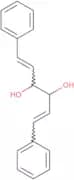
Hydrocinnamoin
CAS:Hydrocinnamaldehyde is a reactive aldehyde that is used for the synthesis of other compounds. It can be obtained by catalyzing the oxidative cleavage of cinnamyl alcohol. Hydrocinnamaldehyde is also found in marine environments, where it reacts with oxygen to form an unstable compound called hydrocinnamic acid. Hydrocinnamic acid then undergoes an oxidation-reduction process that converts it to hydrocinnamaldehyde. Hydrocinnamaldehyde is one of two carbene precursors used in the Grubbs reaction, which allows for the selective formation of C-C bonds from alkenes and alkynes. The other carbene precursor, methyllithium, is commercially unavailable and has been replaced by hydrocinnamaldehyde as a more economical alternative in this reaction.
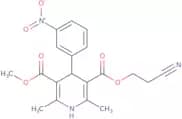
Hydrocinnamaldehyde can also be used to synthesize palytoxin, which is a toxic compound found in shellfish such as oysters and clamsFórmula:C18H18O2Pureza:Min. 95%Forma y color:PowderPeso molecular:266.33 g/mol1,4-Dihydro-2,6-dimethyl-4-(3-nitrophenyl)-3,5-pyridinedicarboxylic acid 3-(2-cyanoethyl) 5-methyl ester
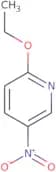
CAS:1,4-Dihydro-2,6-dimethyl-4-(3-nitrophenyl)-3,5-pyridinedicarboxylic acid 3-(2-cyanoethyl) 5-methyl ester is a chemical compound that has the CAS number 75130-24-4. It is a white powder with a melting point of 144°C. This chemical is soluble in acetone, ether and chloroform. It can be used as a building block for organic synthesis due to its versatility and useful scaffold.Fórmula:C19H19N3O6Pureza:Min. 95%Forma y color:White to yellow solid.Peso molecular:385.37 g/mol2-Ethoxy-5-nitropyridine
CAS:2-Ethoxy-5-nitropyridine is a potassium salt of 2-ethoxy-5-nitropyridine. It has been used as a reagent in the synthesis of sulfonates, pyridines, and phenols. The nitrogen atom in this molecule can be oxidized to nitro group. This compound also reacts with anilines to form 2-chloro-5-nitropyridine and 2-hydroxy-5-nitropyridine. In addition, it can react with halogen to form substituted anilines or chloropyridines. 2-Ethoxy-5-nitropyridine is a nucleophile that can be used for the preparation of nucleophiles for biomolecular chemistry studies.Fórmula:C7H8N2O3Pureza:Min. 95%Forma y color:PowderPeso molecular:168.15 g/mol3’,5’-Bis-O-benzoyl-2’-Deoxy-2’-fluoro-4-deoxy-arabinouridine
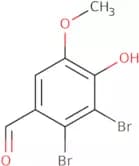
CAS:Please enquire for more information about 3’,5’-Bis-O-benzoyl-2’-Deoxy-2’-fluoro-4-deoxy-arabinouridine including the price, delivery time and more detailed product information at the technical inquiry form on this pagePureza:Min. 95%5,6-Dibromovanillin
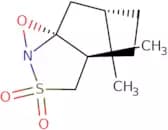
CAS:5,6-Dibromovanillin is a chemical compound that has been shown to have both anti-cancer and anti-inflammatory properties. This drug is metabolized via cytochrome P450 enzymes into 5,6-dibromovanillyl alcohol and 5,6-dibromovanillin acid. The metabolic pathways for this compound are similar to those of estradiol and other estrogens. The effects of 5,6-dibromovanillin on cancer cells are highly dependent on the expression levels of cytochrome P450 enzymes. This drug may be used as a treatment for breast cancer or prostate cancer.Fórmula:C8H6Br2O3Forma y color:PowderPeso molecular:309.94 g/mol(1S)-(+)-(10-Camphorsulfonyl)oxaziridine
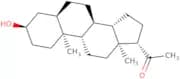
CAS:(1S)-(+)-(10-Camphorsulfonyl)oxaziridine is a chemical compound that is used as a reagent in organic synthesis. It can be used as a building block for the construction of more complex compounds. This chemical has been shown to react with cyclic amines, such as pyrrolidine and piperidine, to form oxazolidines. The reaction of (1S)-(+)-(10-camphorsulfonyl)oxaziridine with acetyl chloride forms the corresponding sulfonyl chloride, which can be further reacted with an amine to produce 4-amino-N-(2-hydroxyethyl)benzenesulfonamide.Fórmula:C10H15NO3SPureza:Min. 95 Area-%Forma y color:White PowderPeso molecular:229.3 g/mol5β-Pregnan-3α-ol-20-one
CAS:Producto controlado5b-Pregnan-3a-ol-20-one is a natural product that belongs to the group of steroids. It has been shown to inhibit the polymerase chain reaction in animals. The drug also inhibits pain and has been shown to be effective in models of epilepsy. 5b-Pregnan-3a-ol-20-one binds to DNA, preventing transcription and replication. It also stabilizes the surface of cells, which may be important for its uptake by cells. This compound interacts with Tlr4, which may activate immune cells and lead to seizures. 5b-Pregnan-3a-ol-20-one is oxidized by cytochrome P450 enzymes, leading to the production of hydrogen peroxide and formation of a carbonyl group on the molecule.
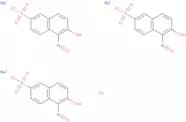
Fórmula:C21H34O2Pureza:Min. 95%Forma y color:White PowderPeso molecular:318.49 g/molNaphthol Green B
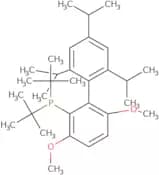
CAS:Naphthol Green B is a highly fluorescent dye that is used in organic light-emitting diodes. It can be synthesized to form nanosheets that are stable and of high quality. The sodium salt of Naphthol Green B has been shown to stabilize the structure of liposomes and increase their stability. This product is also able to cross-link collagen, which may have bifunctional properties. Naphthol Green B can be used as a surfactant or a membrane stabilizer, as well as for its coordination chemistry.Fórmula:C30H15FeN3O15S3·3NaPureza:Min. 95%Forma y color:Dark Green To Black SolidPeso molecular:878.47 g/mol2-(Di-tert-butylphosphino)-2',4',6'- triisopropyl-3,6-dimethoxy-1,1'-biphenyl
CAS:2-(Di-tert-butylphosphino)-2',4',6'-triisopropyl-3,6-dimethoxy-1,1'-biphenyl is a nucleophilic compound that can be used in amination reactions. It has been used to synthesize fluorinated compounds by reacting with various halides under palladium catalysis. This reaction is an efficient method for the synthesis of 5-membered heteroaryl compounds and pyrazole rings. 2-(Di-tert-butylphosphino)-2',4',6'-triisopropyl-3,6-dimethoxy-1,1'-biphenyl has also been shown to inhibit the growth of carcinoma cell lines and profiles in aminoimidazoles.Fórmula:C31H49O2PPureza:Min. 97 Area-%Forma y color:White Off-White PowderPeso molecular:484.69 g/mol7-Dehydrostigmasterol
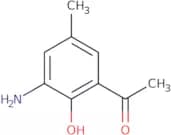
CAS:Producto controlado7-Dehydrostigmasterol is a phytosterol, which is a type of steroid alcohol derived from plant sources, particularly within the metabolic pathway of various sterols. This compound acts as an intermediate in the biosynthesis of other phytosterols, functioning within key enzymatic conversion processes that are part of the larger sterol metabolic network.Pureza:Min. 95%3-Amino-2-hydroxy-5-methylacetophenone
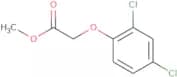
CAS:3-Amino-2-hydroxy-5-methylacetophenone is a reagent for organic synthesis, which is used as a building block for the preparation of various chemical compounds. 3-Amino-2-hydroxy-5-methylacetophenone has been shown to be an intermediate in the synthesis of pharmaceuticals. Due to its versatility, this compound can be used as a reaction component, and is also used as a building block in the preparation of speciality chemicals. This product has high quality, and can be used as a useful scaffold or building block in research chemicals. The CAS number for 3-amino-2 hydroxy 5 methyl acetophenone is 70977 71 8.Fórmula:C9H11NO2Pureza:Min. 95%Peso molecular:165.19 g/mol(2,4-Dichlorophenoxy)acetic acid methyl ester
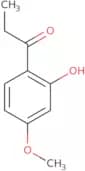
CAS:2,4-Dichlorophenoxyacetic acid methyl ester is a herbicide that inhibits the growth of plants by inhibiting photosynthesis. It is an organic compound with a molecular weight of 168.2 g/mol. This product has been shown to biodegrade in soil and water, as well as be non-persistent in the environment. 2,4-Dichlorophenoxyacetic acid methyl ester is also a pesticide that kills plants by blocking the synthesis of chlorophyll and other plant pigments. This product can be used on trees and shrubs for control of broadleaf weeds and grasses.Fórmula:C9H8Cl2O3Pureza:Min. 95%Forma y color:PowderPeso molecular:235.06 g/mol2'-Hydroxy-4'-methoxypropiophenone
CAS:2'-Hydroxy-4'-methoxypropiophenone is a phenolic compound that belongs to the class of organic chemicals. It has a potent antibacterial activity and inhibits lipid peroxidation. 2'-Hydroxy-4'-methoxypropiophenone has been shown to inhibit the growth of gram-negative bacteria, such as Escherichia coli and Salmonella typhimurium. It also inhibits the production of nitric oxide and prostaglandin E2, which are proinflammatory mediators. This compound is active against anaerobic bacteria such as Clostridium difficile, Enterococcus faecalis, and Bacillus subtilis. 2'-Hydroxy-4'-methoxypropiophenone also exhibits antioxidant activity by inhibiting free radical generation from α-tocopherol.Fórmula:C10H12O3Pureza:Min. 95%Forma y color:PowderPeso molecular:180.2 g/mol3'-O-methylbrazilin
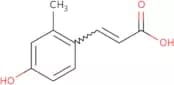
CAS:3'-O-methylbrazilin is a naturally occurring phenolic compound, classified as a methoxy derivative of brazilin. This compound is derived from the heartwood of Caesalpinia sappan, a plant known for its traditional medicinal uses. The mode of action of 3'-O-methylbrazilin involves its potent antioxidant activity, where it effectively scavenges free radicals and inhibits oxidative stress at the cellular level.Fórmula:C17H16O5Pureza:Min. 95%Peso molecular:300.31 g/mol4-Hydroxy-2-methylcinnamic acid
CAS:4-Hydroxy-2-methylcinnamic acid is a chemical intermediate that can be used in organic synthesis as a building block or reagent. It has been shown to have a high quality and purity, and is also an excellent reaction component. This compound is used as a speciality chemical, versatile building block, and complex compound. 4-Hydroxy-2-methylcinnamic acid has been used in the production of drugs such as amiodarone, sotalol, and tacrolimus. It can also be used in the production of other fine chemicals such as benzaldehyde, cinnamyl alcohol, cinnamaldehyde, and hydroxyacetophenone.Fórmula:C10H10O3Pureza:Min. 95%Forma y color:PowderPeso molecular:178.18 g/molRose bengal lactone
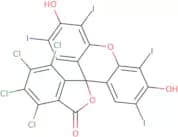
CAS:Rose bengal lactone is a potent inhibitor of human metabolism that binds to the proteasome pathway and inhibits the polymerization of tubulin. It has been shown to bind with high affinity to microtubules and inhibit their assembly, which leads to cell death. Rose bengal lactone also binds with high affinity to potassium ion, which may contribute to its anti-cancer effects. This compound has also been found to be an effective inhibitor of goiters in rats by binding with aliphatic hydrocarbons such as cholesterol.Fórmula:C20H4Cl4I4O5Pureza:Min. 95 Area-%Forma y color:PowderPeso molecular:973.67 g/mol7-Ketocholesterol
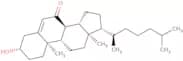
CAS:Producto controlado7-Ketocholesterol is a reactive molecule that can induce inflammation and has been shown to be associated with eye disorders. 7-Ketocholesterol is an intermediate in the biosynthesis of cholesterol and is converted to 7-keto-cholesterol by the enzyme HMG-CoA reductase. This compound has also been shown to be a potent inducer of autophagy, which is a process that degrades intracellular components. 7-Ketocholesterol binds to cell nuclei and alters their shape, which may lead to cancerous cell growth. For example, this molecule induces apoptosis in cultured human retinal pigment epithelial cells. The mechanism of action for 7-ketocholesterol involves mitochondrial membrane potential, ATP binding cassette transporters, and DNA polymerase chain reaction (PCR).
Fórmula:C27H44O2Pureza:Min. 95%Forma y color:PowderPeso molecular:400.64 g/mol3-Fluorocinnamic acid
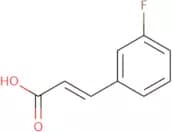
CAS:3-Fluorocinnamic acid is an organic compound that belongs to the class of amides. It reacts with metal ions such as copper, silver, or gold. 3-Fluorocinnamic acid has a constant boiling point and can be used in the preparation of cinnamic acid derivatives. 3-Fluorocinnamic acid also has redox potential and is used as a substrate in enzyme preparations. 3-Fluorocinnamic acid can be synthesized by hydrolysis of malonic acid and metal salts with hydrochloric acid, which then reacts with triticum aestivum. The product is purified by recrystallization from water. This compound inhibits the reaction that converts lactose into glucose and galactose, leading to the production of lactic acid from milk.
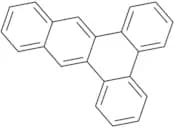
Fórmula:C9H7FO2Pureza:Min. 98 Area-%Forma y color:PowderPeso molecular:166.15 g/mol1,2,3,4-Dibenzanthracene
CAS:1,2,3,4-Dibenzanthracene is a polycyclic aromatic hydrocarbon that is used as a fluorescent probe in fluorescence spectrometry. 1,2,3,4-Dibenzanthracene is a substrate for cytochrome P450 enzymes. The rate of metabolism is dependent on the enzyme concentration and the pH. 1,2,3,4-dibenzanthracene has been shown to inhibit protein synthesis in rat liver microsomes and hamster V79 cells. It also binds to hematopoietic cells through receptor binding and inhibits DNA synthesis by interacting with nitrogen atoms.
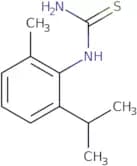
Fórmula:C22H14Pureza:Min. 95%Forma y color:PowderPeso molecular:278.35 g/mol1-(2-Isopropyl-6-methylphenyl)thiourea
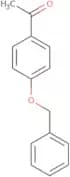
CAS:Please enquire for more information about 1-(2-Isopropyl-6-methylphenyl)thiourea including the price, delivery time and more detailed product information at the technical inquiry form on this pageFórmula:C11H16N2SPureza:Min. 95%Forma y color:PowderPeso molecular:208.32 g/mol4'-Benzyloxyacetophenone
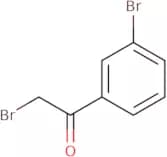
CAS:4'-Benzyloxyacetophenone is a synthetic chemical that can be used in the synthesis of natural products. It has a chiral center and can be synthesized in an asymmetric manner. This compound reacts with primary amines to form acrylates, which are useful for the synthesis of polyesters. 4'-Benzyloxyacetophenone can also react with halides to form alkylating agents, which are useful for the synthesis of amines or other functional groups. The structure of this chemical is similar to estrogen, which may explain its hormonal effects.Fórmula:C15H14O2Pureza:Min. 95%Forma y color:PowderPeso molecular:226.27 g/mol2-Bromo-3'-bromoacetophenone
CAS:2-Bromo-3'-bromoacetophenone is a chemical compound that can be used as an oxidant in organic synthesis. It is a brominated phenol derivative, which undergoes bond cleavage to produce benzoylbenzene and acetone. The reaction is mediated by potassium permanganate in the presence of oxygen. X-ray crystallography and crystallography have been used to identify the molecular structure of 2-bromo-3'-bromoacetophenone. The yield for this reaction is high and can be increased by using solvents such as ethanol or tetrahydrofuran and a reaction time of 1 hour at 100°C.Fórmula:C8H6Br2OPureza:Min. 90%Peso molecular:277.94 g/mol3-Chloro-4-hydroxycinnamic acid
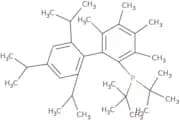
CAS:3-Chloro-4-hydroxycinnamic acid is a coelicolor biosynthetic precursor that is synthesized from 4-hydroxycinnamic acid and chlorinated. It can be used for the synthesis of aminocoumarin moieties and other prenylated molecules. 3-Chloro-4-hydroxycinnamic acid has been shown to be an effective inhibitor of streptomyces coelicolor, which is a type of bacterium that produces antibiotics. The gene responsible for the biosynthesis of 3-chloro-4-hydroxycinnamic acid has also been identified in streptomyces clorobiocin, which is another type of bacterium that produces antibiotics.Fórmula:C9H7ClO3Pureza:Min. 95%Forma y color:PowderPeso molecular:198.6 g/mol2-Di-tert-butylphosphino-3,4,5,6-tetramethyl-2',4',6'-triisopropyl-1,1'-biphenyl
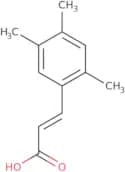
CAS:2-Di-tert-butylphosphino-3,4,5,6-tetramethyl-2',4',6'-triisopropyl-1,1'-biphenyl is a fine chemical that is useful in research and development as a versatile building block. It is used as an intermediate in the synthesis of other compounds and can serve as a reaction component or reagent. This compound has high purity and can be used in the synthesis of pharmaceuticals and other organic compounds.Fórmula:C33H53PPureza:Min. 95%Forma y color:White To Off-White SolidPeso molecular:480.75 g/mol2,4,5-Trimethylcinnamic acid
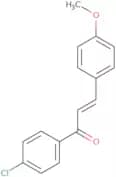
CAS:2,4,5-Trimethylcinnamic acid is a useful scaffold for the synthesis of complex compounds. It is also used as a reagent and reaction component in organic synthesis. This chemical has a CAS number of 205748-06-7 and is classified as a speciality chemical.Fórmula:C12H14O2Pureza:Min. 95%Forma y color:PowderPeso molecular:190.24 g/mol4'-Chloro-4-methoxychalcone
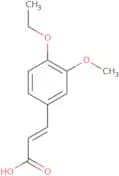
CAS:4'-Chloro-4-methoxychalcone is a dihedral molecule that has been studied by laser spectroscopy. The wavelength and efficiency of the laser have been shown to be dependent on the chalcone's dipole moment. Chalcones are also used in the synthesis of other compounds, such as benzene, which is an aromatic hydrocarbon. Chalcones are used as optical brighteners in detergents and soaps and can also be used to induce evaporation of organic solvents. 4'-Chloro-4-methoxychalcone is used as an intermediate in crystal x-ray diffraction studies.Fórmula:C16H13ClO2Pureza:Min. 95%Forma y color:PowderPeso molecular:272.73 g/mol4-Ethoxy-3-methoxycinnamic acid
CAS:4-Ethoxy-3-methoxycinnamic acid (4EMC) is a metabolite of propionic acid. It is produced by the fungus Phanerochaete chrysosporium when it is grown on lignocellulose. 4EMC can be cleaved from its ester bond with benzyl alcohol and vanillyl alcohol to produce vanillyl, benzyl, and ethanol. These products are then further metabolized to produce other compounds such as acetaldehyde, acetic acid, and butanol. 4EMC also inhibits the enzyme catalysed that converts propanol to butanol in cultures of P. chrysosporium
Fórmula:C12H14O4Pureza:Min. 95%Forma y color:PowderPeso molecular:222.24 g/mol2'-Hydroxy-5'-nitrohexadecanamide
CAS:2'-Hydroxy-5'-nitrohexadecanamide is a synthetic fatty acid derivative that inhibits lysosomal hydrolase, which is an enzyme that breaks down cellular lipids. This compound can be used as a diagnostic agent for the detection of certain types of cancer. 2'-Hydroxy-5'-nitrohexadecanamide reacts with the magnesium ion in the lysosome to form an insoluble precipitate, which then settles to the bottom of the test tube, allowing for easy detection of cells with high levels of lysosomal hydrolase.Fórmula:C22H36N2O4Pureza:Min. 95%Forma y color:PowderPeso molecular:392.53 g/moltrans-3-Nitrocinnamic acid
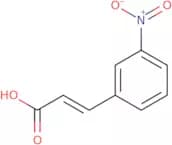
CAS:Trans-3-Nitrocinnamic acid is a white solid that can be obtained by the nitration of cinnamic acid. Trans-3-Nitrocinnamic acid is an isoenzyme as it has different chemical properties than cis-3-nitrocinnamic acid. The intermolecular hydrogen bonding and vibrational frequencies are different in trans-3-nitrocinnamic acid, which causes the dipole to change and increases the solubility in water. The genotoxic activity of trans-3-nitrocinnamic acid was evaluated using the Ames test, which showed that it is not mutagenic. However, there were some genotoxic effects observed in rats after applying trans-3-nitrocinnamic acid on skin.Fórmula:C9H7NO4Pureza:Min. 95%Forma y color:PowderPeso molecular:193.16 g/molrec Glial Cell Line-Derived Neurotrophic Factor (human)
Please enquire for more information about rec Glial Cell Line-Derived Neurotrophic Factor (human) including the price, delivery time and more detailed product information at the technical inquiry form on this pagePureza:Min. 95%3’,5’-Di-O-acetyl-2’-azido-2’-deoxy-5-methyluridine
CAS:Please enquire for more information about 3’,5’-Di-O-acetyl-2’-azido-2’-deoxy-5-methyluridine including the price, delivery time and more detailed product information at the technical inquiry form on this pagePureza:Min. 95%2,3-Dihydroxy-4-methoxycinnamic acid ethyl ester
Please enquire for more information about 2,3-Dihydroxy-4-methoxycinnamic acid ethyl ester including the price, delivery time and more detailed product information at the technical inquiry form on this pagePureza:Min. 95%4'-Methoxy-5,6-benzoflavone
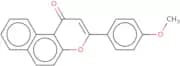
CAS:4'-Methoxy-5,6-benzoflavone is a versatile chemical building block that can be used in the synthesis of complex compounds. It is a high quality reagent for research and has been used as a speciality chemical due to its ability to react with other chemicals. This compound is also useful in the synthesis of pharmaceuticals and agrochemicals. 4'-Methoxy-5,6-benzoflavone can be used as an intermediate for the synthesis of polycyclic aromatic hydrocarbons or it can be used as a scaffold in organic chemistry.Fórmula:C20H14O3Pureza:Min. 95%Forma y color:White Off-White PowderPeso molecular:302.32 g/mol2-Chloro-5-nitroacetophenone
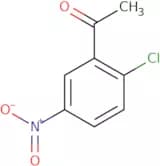
CAS:2-Chloro-5-nitroacetophenone is a synthetic chemical that is used in the synthesis of vismodegib. It has been shown to have pharmacokinetic properties, such as a low clearance and high volume of distribution. A number of impurities are found in this chemical, including halide ions, amines, and benzofuran derivatives. 2-Chloro-5-nitroacetophenone is genotoxic and can cause cancer. This chemical should not be exposed to radiation or chlorine gas.Fórmula:C8H6ClNO3Pureza:Min. 95%Forma y color:PowderPeso molecular:199.59 g/molFluoxetine hydrochloride
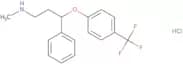
CAS:Producto controladoFluoxetine is a selective serotonin reuptake inhibitor (SSRI) that is used in the treatment of depression, obsessive-compulsive disorder, and other disorders. It is also used to reduce the symptoms of premenstrual dysphoric disorder. Fluoxetine inhibits the reabsorption of serotonin by neurons, which increases the levels of this neurotransmitter in the synaptic space. Fluoxetine hydrochloride binds to serotonergic receptors in the brain that are believed to be involved in mood control and depression. SSRIs act as an active inhibitor of serotonin synthesis, thereby increasing its availability. Studies have shown that fluoxetine can inhibit the proliferation of cancer cells by inhibiting bcl-2 protein expression and promoting apoptosis.
Fórmula:C17H19ClF3NOPureza:Min. 98 Area-%Forma y color:White PowderPeso molecular:345.79 g/mol7a-Hydroxytestosterone
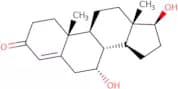
CAS:Producto controladoPlease enquire for more information about 7a-Hydroxytestosterone including the price, delivery time and more detailed product information at the technical inquiry form on this page
Fórmula:C19H28O3Pureza:Min. 95%Peso molecular:304.42 g/mol5beta-Pregnan-3alpha,21-diol-11,20-dione
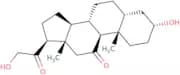
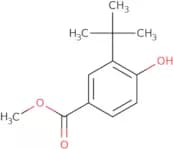
CAS:Producto controlado5beta-Pregnan-3alpha,21-diol-11,20-dione (5beta-pregnan) is a fine chemical used in research and development as a building block or intermediate. It has many uses, including as a useful scaffold for complex compounds. This chemical is also an excellent reagent for the synthesis of new organic compounds. It is a versatile building block that can be used in the production of high quality speciality chemicals. 5beta-pregnan may be used to synthesize many different types of building blocks and intermediates that are useful for the synthesis of other compounds.Fórmula:C21H32O4Pureza:(Tlc) Min. 95.0%Forma y color:PowderPeso molecular:348.48 g/mol3-tert-Butyl-4-hydroxybenzoic acid methyl ester
CAS:3-tert-Butyl-4-hydroxybenzoic acid methyl ester is a chemical compound with the molecular formula CHCOOCH. It is a versatile building block that can be used in research and as a useful intermediate. 3-tert-Butyl-4-hydroxybenzoic acid methyl ester can be used to synthesize complex compounds, such as pharmaceuticals and pesticides. The high quality of this product makes it suitable for use as a reagent or reaction component. !-- --> !-- --> !-- -->Fórmula:C12H16O3Pureza:Min. 98 Area-%Forma y color:PowderPeso molecular:208.25 g/molD-Asparagine
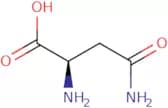
CAS:D-Asparagine is a hydroxamic acid that has shown to have antioxidative activity in vitro. D-Asparagine can be used as an analytical method for the determination of fatty acids. It also has been shown to have protective effects on tissue culture cells and human blood samples, which may be due to its antioxidant activity. The deuterium isotope effect is observed when the hydrogen atoms are replaced with deuterium atoms. This change leads to a decrease in the number of protons that are released during metabolism, which can affect cell viability.
Fórmula:C4H8N2O3Pureza:(Titration) Min. 98%Forma y color:PowderPeso molecular:132.12 g/mol4-Bromobutyric acid methyl ester
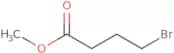
CAS:4-Bromobutyric acid methyl ester is a synthetic compound that can be used to inhibit the activity of the G1 phase cyclin-dependent kinases. It has been shown to inhibit protein synthesis by alkylating the amino groups of proteins and fatty acids. 4-Bromobutyric acid methyl ester also inhibits the growth of cancer cell lines, such as renal carcinoma cells. The mechanism of action for this drug is not well understood, but it may be due to its ability to bind with monoclonal antibodies and enter kidney cells by passive diffusion.Fórmula:C5H9BrO2Pureza:Min. 95%Forma y color:Clear LiquidPeso molecular:181.03 g/mol3’-Azido-3’-deoxyguanosine
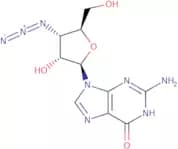
CAS:Please enquire for more information about 3’-Azido-3’-deoxyguanosine including the price, delivery time and more detailed product information at the technical inquiry form on this page
Fórmula:C10H12N8O4Pureza:Min. 95%Peso molecular:308.098154-Bromo-2-chlorocinnamic acid
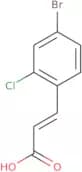
CAS:4-Bromo-2-chlorocinnamic acid is a useful chemical in the synthesis of organic compounds. It is an intermediate in the production of pharmaceuticals and other organic compounds. The compound has been used as a research chemical and as a building block for the production of complex chemicals. 4-Bromo-2-chlorocinnamic acid has also been used as a building block for the production of fine chemicals, such as dyes, perfumes, and pesticides.
Fórmula:C9H6BrClO2Pureza:Min. 95%Forma y color:PowderPeso molecular:261.5 g/molErythropoietin
CAS:Erythropoietin is a glycoprotein hormone, which is primarily produced by interstitial fibroblasts in the kidney in response to hypoxia. Its main mode of action involves binding to erythropoietin receptors on the surface of erythroid progenitor cells in the bone marrow, thereby initiating a signaling cascade that results in the proliferation and differentiation of these progenitors into mature red blood cells.Pureza:(Capillary Zone Electrophoresis) Min. 98.0%Forma y color:Powder3-Ethoxycinnamic acid
CAS:3-Ethoxycinnamic acid is a polyhydric alcohol that has been shown to inhibit the growth of various microorganisms. 3-Ethoxycinnamic acid inhibits the growth of microorganisms by binding to the alkenyl groups in the cell membrane, thereby preventing them from synthesizing their own fatty acids. The binding of 3-ethoxycinnamic acid to alkali metal ions also prevents their uptake into the cell, which leads to an accumulation of these ions outside the cell and eventually results in cell death. 3-Ethoxycinnamic acid is soluble in water and may be used as a stain or quaternary ammonium compound.Fórmula:C11H12O3Pureza:Min. 95%Forma y color:SolidPeso molecular:192.21 g/mol3,5-Diisopropylsalicylic acid
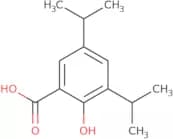
CAS:3,5-Diisopropylsalicylic acid is a reactive chemical substance that has been shown to be an effective anti-inflammatory agent. The compound is active against wild-type viruses and copper complexes. 3,5-Diisopropylsalicylic acid also has been shown to inhibit the growth of human cancer cells in vitro. This drug can be used as an analytical reagent for the detection of water vapor in gas chromatography and other techniques. The acute toxicities associated with 3,5-diisopropylsalicylic acid are not well understood, but it has been shown to have a negative effect on body mass index. It also may affect pluripotent cells and radiation therapy. There are reports of drug interactions when used with certain medications such as acetaminophen or ibuprofen.Fórmula:C13H18O3Pureza:Min. 95%Forma y color:PowderPeso molecular:222.28 g/mol3-(Trifluoromethyl)Phenylurea
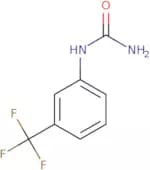
CAS:3-(Trifluoromethyl)phenylurea is a chemotherapeutic agent that is used to treat leukemia and other cancers. It has been shown to be effective in the regression of tumors in mice, when given at a concentration of 1-2 mg/kg. 3-(Trifluoromethyl)phenylurea inhibits cell growth by binding to DNA and inhibiting RNA synthesis. The optimal concentrations for 3-(trifluoromethyl)phenylurea are determined using an equation that includes coefficients obtained from stepwise regression analysis. The coefficient values are also optimized using topological descriptors and genetic algorithms.
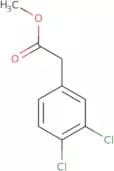
Fórmula:C8H7F3N2OPureza:Min. 95%Peso molecular:204.15 g/mol(3,4-Dichlorophenyl)acetic acid methyl ester
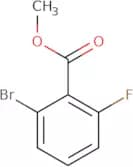
CAS:(3,4-Dichlorophenyl)acetic acid methyl ester is a versatile building block and reagent that can be used in the synthesis of complex compounds. It is also a useful intermediate and reaction component for the synthesis of high-quality chemical products. This compound has been shown to be useful in the production of speciality chemicals, including research chemicals and fine chemicals.Fórmula:C9H8Cl2O2Pureza:Min. 95%Forma y color:PowderPeso molecular:219.06 g/mol2-Bromo-6-fluorobenzoic acid methyl ester
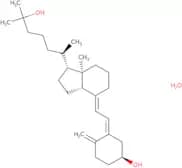
CAS:2-Bromo-6-fluorobenzoic acid methyl ester is a fine chemical that belongs to the family of brominated compounds. It is a useful building block in the synthesis of diverse organic molecules, as well as a reagent for research and speciality chemicals. 2-Bromo-6-fluorobenzoic acid methyl ester is used as a versatile building block in the synthesis of complex compounds, as well as an intermediate or scaffold in organic chemistry. This product can be used to synthesize many diverse products while maintaining high quality and purity.Fórmula:C8H6BrFO2Pureza:Min. 95%Forma y color:PowderPeso molecular:233.03 g/mol25-Hydroxyvitamin D3 monohydrate
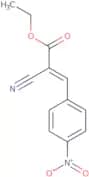
CAS:25-Hydroxyvitamin D3 monohydrate is a vitamin D analog that has been shown to reduce elevated levels of parathyroid hormone and improve bone mineral density. It is used for the treatment of chronic kidney disease, hyperparathyroidism, and osteoporosis. 25-Hydroxyvitamin D3 monohydrate has been found to be effective in the treatment of these conditions because it increases the body's production of calcitriol, the active form of vitamin D. Calcitriol promotes calcium absorption in the gut and reduces renal excretion of calcium by inhibiting parathyroid hormone synthesis. This drug also inhibits pro-inflammatory cytokines such as IL-1β, IL-6, and TNF-α.Fórmula:C27H44O2·H2OPureza:Min. 97 Area-%Forma y color:White PowderPeso molecular:418.65 g/molethyl 2-cyano-3-(4-nitrophenyl)prop-2-enoate
CAS:Ethyl 2-cyano-3-(4-nitrophenyl)prop-2-enoate is a functionalized molecule that contains a dipole. It has high selectivity for 1,3-dipolar cycloadditions because the electron density of the methylene group is greater than that of the aldehyde group. The mechanistic theory for this reaction is that the electron density on the methylene group in ethyl 2-cyano-3-(4-nitrophenyl)prop-2-enoate will cause it to become more reactive than the aldehyde group. The dipoles in this molecule are oriented such that they can react with each other to form an intermediate and then an adduct. This isomerization occurs through either dipolarophilic or electrocyclic mechanisms.Pureza:Min. 95%