Glycoscience
La glicociencia es el estudio de los carbohidratos y sus derivados, así como de las interacciones y funciones biológicas en las que participan. Este campo de investigación es crucial para comprender una amplia variedad de procesos biológicos, incluyendo el reconocimiento celular, la señalización, la respuesta inmune y el desarrollo de enfermedades. La glicociencia tiene aplicaciones importantes en la biotecnología, la medicina, y el desarrollo de nuevos fármacos y terapias. En CymitQuimica, ofrecemos una amplia selección de productos de alta calidad y pureza para la investigación en glicociencia. Nuestro catálogo incluye monosacáridos, oligosacáridos, polisacáridos, glicoconjugados, y reactivos específicos, diseñados para apoyar a los investigadores en sus estudios sobre la estructura, función y aplicaciones de los carbohidratos en sistemas biológicos. Estos recursos están destinados a facilitar descubrimientos científicos y aplicaciones prácticas en diversas áreas de la biociencia y la medicina.
Subcategorías de "Glycoscience"
- Aminoazúcares(108 productos)
- Anticuerpos relacionados con azúcares(282 productos)
- Glicolípidos(46 productos)
- Glicosaminoglicanos (GAGs)(55 productos)
- Glucósidos(419 productos)
- Monosacáridos(6.624 productos)
- Oligosacáridos(3.682 productos)
- Polisacáridos(503 productos)
Se han encontrado 11046 productos de "Glycoscience"
Ordenar por
Pureza (%)
0
100
|
0
|
50
|
90
|
95
|
100
(2R, 3S, 4S) -3- Fluoro- 4- (hydroxymethyl) - N- methyl- 1- (phenylmethyl) -2- azetidinecarboxamide
CAS:<p>(2R, 3S, 4S) -3- Fluoro- 4- (hydroxymethyl) - N- methyl- 1- (phenylmethyl) -2- azetidinecarboxamide is an oligosaccharide that can be synthesized by glycosylation and fluorination. It is a high purity chemical with a custom synthesis and sugar modification. This product is synthesized by Click modification and methylation. The synthesis of this product starts with glycogen which is modified to produce monosaccharides and saccharides. These sugars are then further modified to produce the desired product. As an oligosaccharide, it has many applications including as a sugar for complex carbohydrate research.</p>Pureza:Min. 95%1,2,3,4-Tetra-O-benzyl-α-D-mannopyranoside
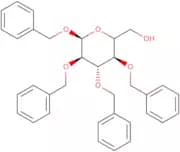
CAS:<p>1,2,3,4-Tetra-O-benzyl-a-D-mannopyranoside is an active drug that belongs to the group of thyromimetics. It is a prodrug that is hydrolyzed in vivo to 1,2,3,4-tetra-O-acetyl-a-D-mannopyranose. This drug has been shown to be effective in treating nervous system diseases such as sclerosis and endogenous disease. The acetylation of the benzyl group on this molecule prevents it from being metabolized by enzymes that are found in the liver. The unmodified form of this drug is rapidly absorbed into the blood and reaches high concentrations quickly.</p>Fórmula:C34H36O6Pureza:Min. 95%Forma y color:Clear LiquidPeso molecular:540.65 g/mol1,2,3,4-Tetra-O-benzoyl-6-O-tert-butyldiphenylsilyl-b-D-glucopyranose
1,2,3,4-Tetra-O-benzoyl-6-O-tert-butyldiphenylsilyl-b-D-glucopyranose is a synthetic sugar that is used as an intermediate in the synthesis of a variety of saccharides. It is prepared by the benzoylation of glucose with 1,2,3,4 tetra O benzoyl chloride in the presence of tert butyldiphenylsilyl chloride. The product is then treated with hydrochloric acid to form the corresponding methyl ester. This compound has been shown to have high purity and excellent solubility in organic solvents.Fórmula:C50H46O10SiPureza:Min. 95%Peso molecular:835 g/mol2,3,4,6-Tetra-O-acetyl-D-mannopyranose
CAS:<p>2,3,4,6-Tetra-O-acetyl-D-mannopyranose is a glycosylated polysaccharide. It is a complex carbohydrate with a methylated D-mannopyranose backbone and an acetylated 2,3,4,6-tetraose sidechain. This product can be fluorinated or saccharified to make it more reactive for click chemistry. 2,3,4,6-Tetra-O-acetyl-D-mannopyranose has been custom synthesized in a high purity form that is suitable for use in various applications including polymeric materials and pharmaceuticals.</p>Fórmula:C14H20O10Pureza:Min. 95%Peso molecular:348.3 g/molN-(4-Fluorobenzyliden)imino-2,3,4,6-tetra-O-pivaloyl-b-D-glucopyranoside
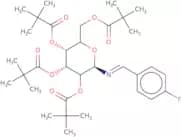
N-(4-Fluorobenzyliden)imino-2,3,4,6-tetra-O-pivaloyl-b-D-glucopyranoside is a custom synthesis of an oligosaccharide that has been modified with fluorination and methylation. This synthetic compound has the CAS number 108879-94-5. It is a polysaccharide that contains saccharides and glycosylation. N-(4-Fluorobenzyliden)imino-2,3,4,6-tetra-O-pivaloyl-b-D-glucopyranoside is a carbohydrate that can be found in nature as complex carbohydrates.Fórmula:C33H48FNO9Pureza:Min. 95%Peso molecular:621.73 g/mol1-Deoxy-1-fluoro-D-tagatose
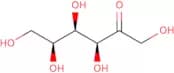
1-Deoxy-1-fluoro-D-tagatose is a sugar with the chemical formula C6H12O6. It has a high purity and can be custom synthesized. The modification of this sugar includes fluorination, glycosylation, and methylation. 1-Deoxy-1-fluoro-D-tagatose is also an oligosaccharide that consists of one monosaccharide and one saccharide. This compound belongs to the group of complex carbohydrates because it is made up of many different sugars that are linked together in chains.Pureza:Min. 95%6-Deoxy-L-glucitol
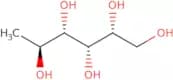
CAS:<p>6-Deoxy-L-glucitol is a sugar alcohol that is found in the body and has been used as a substitute for sucrose. 6-Deoxy-L-glucitol is metabolized by deamination and reduction to produce lactobionic acid. This reaction can be catalyzed by either an enzyme or by chemical means. 6-Deoxy-L-glucitol can also be partially reduced to form 6-phospho--erythritol, which can be further reduced to form erythritol. Muscle cells contain hexokinases and phosphofructokinase, which are required for the final step in glucose metabolism. These enzymes are important in the regulation of blood sugar levels and energy production. In addition, these enzymes play a role in the metabolism of other sugars such as fructose and galactose.</p>Fórmula:C6H14O5Pureza:Min. 95%Peso molecular:166.17 g/molL-Glucose
CAS:<p>L-Glucose is a monosaccharide that belongs to the group of carbohydrates. L-Glucose is an important energy source for living organisms and plays a role in many metabolic pathways, including glycolysis and gluconeogenesis, as well as cell signaling. It is also an essential component of DNA and RNA. L-Glucose has been shown to have effects on brain functions such as memory and learning ability, which may be due to its ability to signal neurons. L-Glucose can be used in model systems to study the effects of diabetes on cells and has been shown to have pluripotent effects on cells. In addition, this molecule has been shown to inhibit the growth of bacteria by binding to the enzyme polysaccharide kinase and reducing its activity. This inhibition leads to decreased synthesis of polysaccharides (e.g., glycogen) that are necessary for cell division.</p>Fórmula:C6H12O6Pureza:Min. 99.5 Area-%Peso molecular:180.16 g/mol3,4-O-Isopropylidene-2,3-di-C-mehtyl-6-O-tert.butyldimethylsilyl-D-allopyranose
<p>3,4-O-Isopropylidene-2,3-di-C-methyl-6-O-tert.butyldimethylsilyl-D-allopyranose is a fluorinated sugar that is synthesized by the reaction of 3,4-O-isopropylidene D-glucal with tert.butyldimethylsilyl chloride and allyl bromide in the presence of tetrapropylammonium perruthenate. This compound has been shown to be useful for glycosylation reactions and as an intermediate for the synthesis of oligosaccharides. It has also been used to introduce click modifications to sugars for applications such as immunoassays and molecular electronics. The compound is available to order from Sigma Aldrich in a custom synthesis or in stock form.</p>Pureza:Min. 95%Allyl D-glucuronate
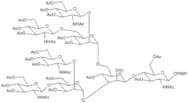
CAS:<p>Used for the synthesis of 1β-O-acyl glucuronides</p>Fórmula:C9H14O7Pureza:Min. 95 Area-%Forma y color:White PowderPeso molecular:234.2 g/mol4-Methoxyphenyl 2-acetamido-3,6-di-O-acetyl-4-O-{2,4-di-O-acetyl-3-O-[3,6-di-O-acetyl-2,4-di-O-(3,4,6-tri-O-acetyl-2-acetamido-2-deo xy-b-D-glucopyranosyl)-a-D-mannopyranosyl]-6-O-[3,4-di-O-acetyl-2,6-di-O-(3,4,6-tri-O-acetyl-2-acetamido-2-deoxy-b-D-g
<p>4-Methoxyphenyl 2-acetamido-3,6-di-O-acetyl-4-O-[2,4-di-O-(3,6,9)-triacetyldi-O-(3,4,6)-triacetyldiacetamido]-bDglucopyranoside (MPPA) is a modification of the natural oligosaccharide 3,6,-di-O-(2,4-di-O-(3,6,9)-triacetyldiacyl)-bDmannopyranosyl. MPPA is synthesized by methylation and glycosylation of glucose residues in the backbone of the natural oligosaccharide. The methylated glycosidic linkages are substituted for acetamido groups in order to confer water solubility to the molecule. MPPA has been shown to be an effective inhibitor of influenza virus replication in vitro.</p>Fórmula:C105H143N5O62Pureza:Min. 95%Peso molecular:2,467.26 g/molDeoxygalactonojirimycin acetonide
<p>Deoxygalactonojirimycin acetonide is a custom-synthesized, complex carbohydrate that belongs to the group of Oligosaccharides. It is a modified saccharide with methylation and glycosylation. Deoxygalactonojirimycin acetonide is an active ingredient that has been synthesized for use in cancer research. This compound is a high-purity, fluorinated sugar with Click modification that can be used to study the structure-activity relationships of carbohydrate-based drugs.</p>Pureza:Min. 95%Propargyl a-D-glucopyranoside
CAS:<p>Propargyl a-D-glucopyranoside is a high purity custom synthesis sugar. It is synthesized by Click modification, fluorination, and glycosylation followed by methylation. Propargyl a-D-glucopyranoside can be used for the modification of oligosaccharides and monosaccharides to produce complex carbohydrates.</p>Fórmula:C9H14O6Pureza:Min. 95%Forma y color:PowderPeso molecular:218.2 g/molRaloxifene-6-D-glucuronide lithium salt
CAS:<p>Raloxifene-6-D-glucuronide lithium salt is a custom synthesis of a complex carbohydrate. It is an oligosaccharide that has been modified by methylation and glycosylation. The modification of the saccharide with click chemistry has provided a high purity product. This compound has been fluorinated to provide an organic molecule with a pharmaceutical grade purity.</p>Fórmula:C34H34NO10S·LiPureza:Min. 95%Peso molecular:655.64 g/mol2,3:4,5-Di-O-Isopropylidene-D-idonic acid methyl ester
<p>2,3:4,5-Di-O-Isopropylidene-D-idonic acid methyl ester is a synthetic chemical that is used in the modification of carbohydrates. It has been used in the synthesis of oligosaccharides and polysaccharides. The compound has also been used to synthesize saccharides and to fluorinate complex carbohydrates. 2,3:4,5-Di-O-Isopropylidene-D-idonic acid methyl ester is an expensive chemical because it is only available through custom synthesis. It can be used for the modification of monosaccharides or sugars.</p>Pureza:Min. 95%Dextran sulfate sodium salt - MW 4500-5500
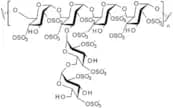
CAS:<p>Dextran sulphate is a dextran derivative whose ulcer (colitis) -causing properties were first reported in hamsters and extrapolated a few years later to mice and rats. The exact mechanisms through which dextran sulphate induces intestinal inflammation are unclear but may be the result of direct damage of the monolayer of epithelial cells in the colon, leading to the crossing of intestinal contents (for e.g. commensal bacteria and their products) into underlying tissue and therefore induction of inflammation. The dextran sulphate sodium induced ulceration model in laboratory animals has some advantages when compared to other animal models of colitisdue to its simplicity and similarities to human inflammatory bowel disease.</p>Pureza:Min. 95%Forma y color:PowderBlood group A type 4 linear trisaccharide-NGL
<p>Useful oligosaccharide-lipid conjugate for raising antibodies.</p>Pureza:Min. 95%α-D-Mannopyranosyl azide
CAS:<p>a-D-Mannopyranosyl azide is a custom synthesis, modification, fluorination, methylation, monosaccharide, synthetic and glycosylation agent. It can be used as a monosaccharide or oligosaccharide for the synthesis of complex carbohydrates.</p>Fórmula:C6H11N3O5Pureza:Min. 95%Forma y color:White PowderPeso molecular:205.17 g/molDisialyl-TF
CAS:<p>Disialyl-TF is a monoclonal antibody that binds to the CD33 antigen on the surface of all types of cancer cells, including breast cancer cells. Disialyl-TF has been shown to reduce the growth and spread of prostate cancer cells in mice, reducing tumor size and weight. Disialyl-TF is also active against infectious diseases such as HIV, which may be due to its ability to inhibit the expression of glycan receptors. The mechanism by which it works is not yet known. Disialyl-TF has been shown to bind with high affinity to erythrocytes bearing A or B blood group antigens, making it an excellent diagnostic tool for detecting these antigens in patients with acute myeloid leukemia or other cancers.</p>Fórmula:C36H59N3O27Pureza:Min. 95%Peso molecular:965.86 g/molHuman milk neutral tetrasaccharides
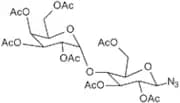
<p>Mainly a mixture of Lacto-N-tetraose, Lacto-N-neo-tetraose, Lactodifucotetraose</p>Pureza:Min. 95%Forma y color:Powder2,3,6,2',3',4',6'-Hepta-O-acetyl-b-lactosyl azide
CAS:<p>2,3,6,2',3',4',6'-Hepta-O-acetyl-b-lactosyl azide is a custom synthesis of a carbohydrate that has been modified by the addition of acetyl groups to one end and the attachment of an azide group to the other. The synthesis of this compound has been completed in high purity and is available for purchase. This compound is a complex carbohydrate that is a sugar that can be modified by fluorination. It is also an oligosaccharide or polysaccharide with saccharide units.</p>Fórmula:C26H35N3O17Pureza:Min. 95%Forma y color:PowderPeso molecular:661.57 g/mol1,3,5-Tri-O-benzoyl-2-deoxy-2-fluoro-a-D-arabinofuranose
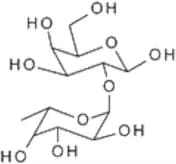
CAS:Resource for the synthesis of Clofarabine and other bioactive arabinosidesFórmula:C26H21FO7Pureza:Min. 98 Area-%Forma y color:White Off-White PowderPeso molecular:464.44 g/mol4-O-(α-L-Fucopyranosyl)-D-galactopyranose
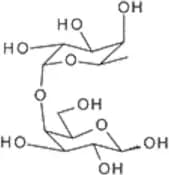
CAS:<p>4-O-(a-L-Fucopyranosyl)-D-galactopyranose is a glycosidic sugar that has an alpha-1,3 linkage and a galactose residue. The sequence of this sugar is the same as that of D-galactose. 4-O-(a-L-Fucopyranosyl)-D-galactopyranose belongs to the group of carbohydrates. It is found in plants, animals, or fungi and can be used as a precursor for the synthesis of many other compounds.</p>Fórmula:C12H22O10Pureza:Min. 95%Forma y color:PowderPeso molecular:326.3 g/mol2,3,4,6-Tetra-O-allyl-D-glucopyranose
CAS:<p>2,3,4,6-Tetra-O-allyl-D-glucopyranose is a synthetic oligosaccharide that is used in the synthesis of glycoproteins and other complex carbohydrates. The sugar has been fluorinated to produce 2,3,4,6-Tetra-O-fluoro-D-glucopyranose. This sugar can be custom synthesized with methylation or click modification. It is a high purity product with no impurities detected.</p>Pureza:Min. 95%D-Glucose 3-sulfate sodium salt
CAS:D-Glucose 3-sulfate sodium salt is a fluorinated, monosaccharide that can be used as a synthetic, oligosaccharide or complex carbohydrate. It is custom synthesized with glycosylation and polysaccharides and has been shown to be useful in click modification. D-Glucose 3-sulfate sodium salt is also methylated and sugar modified. The CAS number for this product is 89830-83-1. It has high purity and can be purchased at any lab supply store.Fórmula:C6H11NaO9SPureza:Min. 98 Area-%Forma y color:PowderPeso molecular:282.2 g/molMethyl 2,3-di-O-acetyl-4,6-O-(4-methoxybenzylidene)-a-D-galactopyranoside
Methyl 2,3-di-O-acetyl-4,6-O-(4-methoxybenzylidene)-a-D-galactopyranoside is a custom synthesis. It is an oligosaccharide and polysaccharide. It has been modified with fluorination and click chemistry. Methyl 2,3-di-O-acetyl-4,6-O-(4 methoxybenzylidene)-a D galactopyranoside is a synthetic sugar.Fórmula:C19H24O9Pureza:Min. 95%Peso molecular:396.4 g/molN,N',N'',N''',N'''',N''''',N''''''-Heptaacetylchitoheptaose
CAS:<p>Chitinases are enzymes that hydrolyze chitin, a polysaccharide found in the exoskeleton of insects, fungi and other invertebrates. Chitohexaose is a sugar that has been shown to have anti-inflammatory properties. It is a carbohydrate with six acetyl groups attached to it. When this sugar reacts with ammonium bicarbonate (NH4HCO3) in an acidic environment, it produces N,N',N'',N''',N'''',N''''',N''''''-heptaacetylchitoheptaose. This reaction system can be used as a chitinase preparation for investigating the biological effects of chitohexaose. The magnetic resonance spectroscopy was used to study the reaction system and revealed that the product is a hexamer with six acetyl groups on each monomer.</p>Fórmula:C56H93N7O36Pureza:Min. 95%Forma y color:PowderPeso molecular:1,440.36 g/mol1,2:5,6-Di-O-isopropylidene-D-mannitol
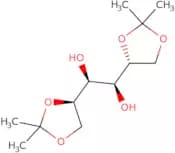
CAS:<p>1,2:5,6-Di-O-isopropylidene-D-mannitol (IDM) is a chemical compound that has been shown to have physiological activities. It has been studied for its potential use as an antimicrobial agent against bacteria and fungi. IDM is structurally similar to 2,3:5,6-Tri-O-methylenetetrahydrofolate (THF), which can be used in the synthesis of polysaccharides and DNA bases. IDM also has properties that may be beneficial in treating congenital heart disease.</p>Fórmula:C12H22O6Pureza:Min. 98 Area-%Forma y color:White PowderPeso molecular:262.3 g/molAllosamizoline
CAS:<p>Allosamizoline is a potent inhibitor of bacterial enzyme that is produced by the bacteria. It inhibits viral replication and has been shown to inhibit the biosynthesis of other bioactive molecules, such as cyclohexane ring, nitrogen atoms, and growth regulators. Allosamizoline is a bicyclic compound with an acetylation at the carbon atom and a cyclohexane ring. This compound also has two nitrogen atoms in its structure that are important for inhibiting bacterial enzymes. In addition, allosamizoline can be conjugated to fluorescein via an ester linkage. The fluorescein-allosamizoline conjugate can be used as a fluorescent probe for the detection of bacterial enzymes in live cells and tissues.</p>Fórmula:C9H16N2O4Pureza:Min. 95%Peso molecular:216.23 g/mol2-Chloro-4-nitrophenyl 2-azido-2-deoxy-b-D-galactopyranoside
CAS:<p>2-Chloro-4-nitrophenyl 2-azido-2-deoxy-b-D-galactopyranoside is a synthetic compound. It has been shown to be an inhibitor of glycosylation by blocking the terminal step of glycosylation, which is the formation of a covalent bond between a sugar and an amino acid. The compound has been used in click chemistry to methylate saccharides.</p>Fórmula:C12H13ClN4O7Pureza:Min. 95%Peso molecular:360.71 g/molFA2B Glycan, 2-AB labelled
<p>This is a monosaccharide with 2-AB labelled. It is a modification of the oligosaccharide, carbohydrate, complex carbohydrate, and custom synthesis. This product has high purity and CAS No. It is methylated and glycosylated. The product is fluorinated and saccharide.</p>Pureza:Min. 95%4-Methoxyphenyl 4-O-(3,6-di-O-benzyl-2-deoxy-2-phthalimido-β-D-glucopyranosyl)-3-O-benzyl-6-O-(2,3,4-tri-O-benzyl-α-L-fucopyranosyl) -2-deoxy-2-phthalimido-β-D-glucopyranoside
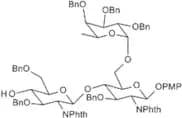
<p>4-Methoxyphenyl 4-O-(3,6-di-O-benzyl-2-deoxy-2-phthalimido-b-D-glucopyranosyl)-3-O-benzyl-6-O-(2,3,4,triO -benzyl--aLfucopyranosyl) -2 deoxy 2 phthalimido b D glucopyranoside is a complex carbohydrate with a molecular weight of 1807. It has been synthesized by the methylation of 4 methoxyphenol and 3 benzaldehyde followed by the click modification of a glycoside. The CAS No. is 123624–72–0. This product has been made in order to be used as an intermediate for the synthesis of oligosaccharides and polysaccharides. The purity level is high and the modification is customized according to customer requirements. This product contains sacchar</p>Fórmula:C83H80N2O18Pureza:Min. 95%Peso molecular:1,393.53 g/molN6-Benzyladenine-7-glucoside
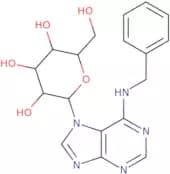
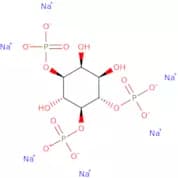
CAS:<p>N6-Benzyladenine-7-glucoside is a benzyladenine derivative that is the major precursor of dihydrozeatin, an important plant growth regulator. N6-Benzyladenine-7-glucoside has been shown to be a potent inhibitor of the uptake of radioactive n6-benzyladenine in tobacco leaves. It also inhibits the uptake of radioactive adenine and guanine in tabacum l. explants and tissues. The compound can inhibit cell division by interfering with hormonal treatments that promote growth and development. The inhibition of cell division may be due to interference with the auxin transport system in plants, which leads to decreased levels of endogenous auxins and growth regulators, such as cytokinins, gibberellins, abscisic acid, and ethylene.</p>Fórmula:C18H21N5O5Pureza:Min. 95%Forma y color:PowderPeso molecular:387.39 g/molD-myo-Inositol-2,4,5-triphosphate sodium salt
<p>D-myo-Inositol-2,4,5-triphosphate sodium salt is a phosphoinositide that is involved in the process of cell signaling. It mediates the release of intracellular calcium ions from the endoplasmic reticulum and is involved in a number of processes including protein synthesis and efflux. D-myo-Inositol-2,4,5-triphosphate sodium salt can be found in many cells and tissues, including the brain and gastrointestinal tract. The concentration of calcium ions affects the activity of this compound by enhancing or terminating its effects. In cells that are not stimulated by an agonist such as ionomycin, divalent cations can enhance the activity of this compound. When stimulated by an agonist like ionomycin, divalent cations will terminate its effects by binding to it more strongly than to guanosine residues. This dual effect on divalent cations enhances the specificity for D</p>Fórmula:C6H12O15P3·xNaPureza:Min. 95%Peso molecular:417.07 g/molmuco-Inositol
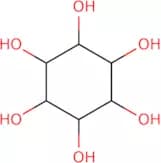
CAS:<p>Muco-Inositol is a compound that is involved in the metabolism of glucose, lipid and protein. It can be synthesized from myo-inositol and plays an important role in the synthesis of phosphatidylinositols. Muco-Inositol has been shown to inhibit enzyme activities in a wild type strain of E. coli. This inhibition may be due to its ability to bind to the active site of these enzymes, thereby inhibiting their activity. Muco-Inositol also inhibits the growth of ovarian cancer cells, as well as myo-inositol levels in maternal blood.</p>Fórmula:C6H12O6Pureza:Min. 95%Forma y color:PowderPeso molecular:180.16 g/molCyclohexyl b-D-glucopyranoside
<p>Cyclohexyl b-D-glucopyranoside is a synthetic sugar that is modified with fluorine. Cyclohexyl b-D-glucopyranoside can be custom synthesized to meet your specific needs. This product has a high purity and is methylated and glycosylated. Cyclohexyl b-D-glucopyranoside's CAS number is 113488-25-8.</p>Pureza:Min. 95%3'-N-Glycolylneuraminyl-D-lactose sodium salt
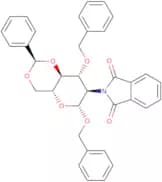
<p>3'-N-Glycolylneuraminyl-D-lactose sodium salt is a carbohydrate that has been modified by the addition of glycosylation, methylation and fluorination. It belongs to the group of complex carbohydrates and is a monosaccharide. 3'-N-Glycolylneuraminyl-D-lactose sodium salt can be used for the synthesis of oligosaccharides and polysaccharides, such as cellulose, chitin and glycogen. This product is high purity, custom synthesis and synthetic.</p>Pureza:Min. 95%Benzyl 3-O-benzyl-4,6-O-benzylidene-2-deoxy-2-N-phthalamido-a-D-glucopyranoside
CAS:Benzyl 3-O-benzyl-4,6-O-benzylidene-2-deoxy-2-N-phthalamido-a-D-glucopyranoside is a sugar that is used as a building block for the synthesis of glycosaminoglycans. This sugar can be fluorinated, glycosylated, or methylated and is a synthetically modified oligosaccharide with an average molecular weight of about 880 Da. The monomer unit consists of two glucose residues linked by an α(1→4) glycosidic bond. It has been shown to have antihypertensive properties in vitro and in vivo.Fórmula:C35H31NO7Pureza:Min. 95%Forma y color:White to off-white solid.Peso molecular:577.62 g/molBenzyl β-D-glucopyranosiduronic acid
CAS:Benzyl b-D-glucopyranosiduronic acid is a synthetic monosaccharide that is used for the synthesis of oligosaccharides, polysaccharides, and saccharides. It has been shown to be a substrate for methylation reactions and can be modified with fluorination or click chemistry. The CAS number for this compound is 5285-02-9.Fórmula:C13H16O7Pureza:Min. 95%Forma y color:Off-White PowderPeso molecular:284.26 g/molHyaluronic acid sodium salt - MW 120,000
CAS:<p>Please enquire for more information about Hyaluronic acid sodium salt - MW 120,000 including the price, delivery time and more detailed product information at the technical inquiry form on this page</p>Fórmula:(C14H20NO11Na)n1,3,4,6-Tetra-O-acetyl-2-deoxy-2-fluoro-D-glucopyranose
CAS:<p>1,3,4,6-Tetra-O-acetyl-2-deoxy-2-fluoro-D-glucopyranose is a sugar that can be used as a starting material for the synthesis of other sugars. It has been shown to crystallize in a number of different forms, including monoclinic and hexagonal crystals. Crystals are grown from solvents such as silver nitrate or chloride. The molecule has three stereoisomers, which are mirror images of each other. These isomers have different chemical properties and react differently with various substances. This property can be utilized to synthesize desired compounds with desired functionalities.</p>Fórmula:C14H19FO9Pureza:Min. 95 Area-%Forma y color:PowderPeso molecular:350.29 g/molPenta-mannuronic acid sodium
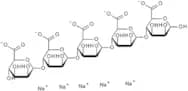
<p>b1-4 penta mannuronosaccharide-from alginate by enzyme or acid hydrolysis</p>Fórmula:C30H37O31Na5Pureza:Min. 95%Forma y color:White PowderPeso molecular:1,008.55 g/mol2-Acetamido-2-deoxy-3-O-(a-D-galactopyranosyl)-D-galactopyranose
CAS:2-Acetamido-2-deoxy-3-O-(a-D-galactopyranosyl)-D-galactopyranose is a high purity synthetic oligosaccharide. It is an off white to light yellow powder with a molecular weight of 514.06 and a melting point of >200 degrees Celsius. The chemical formula for this product is C12H24O11N2. This product has been fluorinated, methylated, glycosylated, and click modified to create a complex carbohydrate that can be used in the synthesis of other molecules.Fórmula:C14H25NO11Pureza:Min. 90.0 Area-%Peso molecular:383.35 g/mol2,3,4,6-Tetra-O-acetyl-β-D-glucopyranosyl fluoride
CAS:2,3,4,6-Tetra-O-acetyl-b-D-glucopyranosyl fluoride is a fluorinated carbohydrate. It is a complex carbohydrate that consists of the sugar galactose. The glycosylation and polysaccharide modifications are used to synthesize this compound. These modifications are done by chemical reactions that include methylation, click chemistry, and glycosylation. This chemical has not been evaluated for safety in humans or animals, but it has been shown to be safe in rats when administered at doses up to 500 mg/kg. 2,3,4,6-Tetra-O-acetyl-b-D-glucopyranosyl fluoride can be found under CAS No. 2823-46-3 and is soluble in water at 25 °C with a solubility of 1 g/L.Fórmula:C14H19FO9Pureza:Min. 95%Forma y color:PowderPeso molecular:350.29 g/mol3,4,6-Tri-O-acetyl-2-deoxy-2-phthalimido-D-glucopyranose
CAS:3,4,6-Tri-O-acetyl-2-deoxy-2-phthalimido-D-glucopyranose is a modified sugar that belongs to the group of carbohydrates. It is a monosaccharide that has been synthesized by the modification of 2,3,4,6-tetraacetyl glucose with 3,4,6-trihydroxybenzaldehyde. The compound is an off white powder and can be used in glycosylation reactions. This product has been shown to have high purity and can be custom synthesized to meet your needs.Fórmula:C20H21NO10Pureza:Min. 95%Peso molecular:435.38 g/molTetra-O-acetyl-L-rhamnopyranose
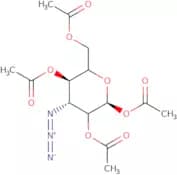
CAS:<p>Tetra-O-acetyl-L-rhamnopyranose is a custom synthesis, complex carbohydrate. It is an Oligosaccharide, Polysaccharide, Modification, saccharide with Methylation, Glycosylation, Carbohydrate that has CAS No. 7404-35-5. Tetra-O-acetyl-L-rhamnopyranose has High purity and Fluorination properties. This product can be Synthetic or Custom synthesis for industrial applications.</p>Fórmula:C14H20O9Pureza:Min. 95%Peso molecular:332.3 g/mol1,2,4,6-Tetra-O-acetyl-3-azido-3-deoxy-D-galactopyranose
CAS:<p>Building block for galectin-3 inhibitors based on 3â-modified LacNAc</p>Fórmula:C14H19N3O9Pureza:Min. 98 Area-%Forma y color:White PowderPeso molecular:373.32 g/mol4-Aminobutyl 2- acetamido - 2- deoxy-b- D- galactopyranoside
<p>4-Aminobutyl 2-acetamido-2-deoxy-b-D-galactopyranoside is a modification of the carbohydrate, which is an Oligosaccharide. It is synthesized by the chemical process of Methylation and Glycosylation. The functional groups on this modification are Carbohydrate and Fluorination. CAS No. for this product is 51310-59-3, and Monosaccharide is the sugar type.</p>Fórmula:C12H24N2O6Pureza:Min. 95%Peso molecular:292.33 g/molLaminaran - from Thallus laminariae
CAS:Laminaran is a polysaccharide that co-occurs with fucoidan and alginate in brown seaweeds such as Laminaria digitata, Laminaria cloustoni, Eisenia bicyclis and Thallus laminariae. It is a β-1,3-linked glucan which it is claimed stimulates the immune system in mammals and fish. The image was kindly provided by Prof Mike Guiry from Cork who runs ‘The Seaweed Site’.Forma y color:PowderCalcium lactate gluconate
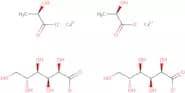
CAS:<p>Calcium lactate gluconate is an antacid and a calcium supplement. It is a salt of calcium with lactic acid, which is often used to treat or prevent kidney stones and periodontal disease. Calcium lactate gluconate also helps to form new bone by stimulating osteoblasts, the cells responsible for bone formation. This drug can be used therapeutically to increase bone growth in people with osteoporosis or to repair bones after injury. It also helps heal fractures, relieves pain from arthritis, and treats cancer by preventing cell proliferation. Calcium lactate gluconate is a white powder that dissolves in water and can be mixed with other liquids such as fruit juice or milk.</p>Fórmula:(C3H5O3)2Ca•(C6H11O7)2CaPureza:Min. 95%Forma y color:PowderPeso molecular:648.59 g/mol2-Iodoethyl 2,3,4-tri-O-acetyl-a-L-fucopyranoside
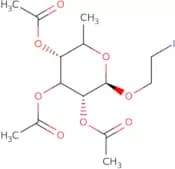
2-Iodoethyl 2,3,4-tri-O-acetyl-a-L-fucopyranoside is a synthetic glycosylate compound that can be used as an intermediate in the synthesis of oligosaccharides. It has been modified with methylation and fluorination to introduce new functional groups. This product is highly pure and can be custom synthesized to meet your needs.Fórmula:C14H21IO8Pureza:Min. 95%Forma y color:White To Off-White SolidPeso molecular:444.22 g/molN2F N-Glycan
CAS:<p>N2F N-Glycan is a custom synthesis, modification and fluorination product that contains a methylated monosaccharide and a saccharide. The saccharide is glycosylated with a complex carbohydrate, which is composed of many sugar molecules. This product can be used for the modification of proteins, peptides and nucleic acids. It can also be used to synthesize oligosaccharides or polysaccharides.</p>Fórmula:C22H38N2O15Pureza:Min. 95 Area-%Forma y color:White PowderPeso molecular:570.54 g/molMethyl 3,4-di-O-acety-2-O-benzyl-β-D-xylopyranoside
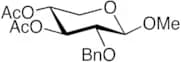
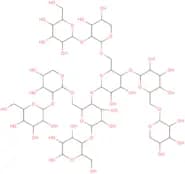
CAS:Methyl 3,4-di-O-acety-2-O-benzyl-β-D-xylopyranoside is a selectively protected xylose building block.Fórmula:C17H22O7Pureza:Min. 95%Forma y color:PowderPeso molecular:338.38 g/molXyloglucan nonasaccharide
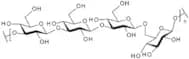
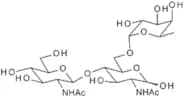
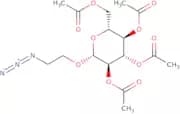
CAS:Xyloglucan is a non-cellulosic polysaccharide polymer that is important in plant cell walls. Xyloglucan nonasaccharide (XN) is a linear molecule with an average molecular weight of 10,000 Da and consists of xylose monomers. The XN molecule has a basic structure, which may be due to the presence of amino acid residues, although the exact function of these amino acids is not known. XN has been shown to inhibit colony-stimulating factor (CSF) production and induce CSF release in mouse bone marrow cells. This inhibition may be due to the binding of XN to the monoclonal antibody CD45R on the surface of mouse bone marrow cells.Fórmula:C51H86O43Pureza:Min. 95%Forma y color:PowderPeso molecular:1,387.2 g/mol2-Azidoethyl 2,3,4,6-tetra-O-acetyl-b-D-glucopyranoside
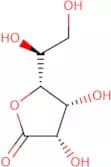
CAS:2-Azidoethyl 2,3,4,6-tetra-O-acetyl-b-D-glucopyranoside is a sugar that is custom synthesized. It is a synthetic compound that has been fluorinated and methylated. This product can be used for glycosylation or oligosaccharide synthesis. It is a high purity product with a purity of 98% and has been modified with click chemistry. The CAS number for this product is 140428-81-5.Fórmula:C16H23N3O10Forma y color:White PowderPeso molecular:417.37 g/molL-Gulonic acid-1,4-lactone
CAS:<p>L-Gulonic acid-1,4-lactone is an ascorbic acid derivative that inhibits the production of matrix metalloproteinases (MMPs) and other enzymes. L-Gulonic acid-1,4-lactone has been shown to inhibit the activity of MMPs in hl-60 cells, which may be due to its ability to chelate metal ions, such as zinc and copper. This molecule also has a stabilizing effect on collagen type I because it prevents cross linking between lysine amino acids. The discovery process for this molecule was found by screening clones from a cDNA library with biochemical properties similar to those of ascorbic acid. This molecule has been shown to inhibit the activation of protein kinase C (PKC) and phosphorylation of extracellular signal regulated kinase (ERK). L-Gulonic acid-1,4-lactone is metabolized through plant metabolism</p>Fórmula:C6H10O6Pureza:Min. 95 Area-%Forma y color:White PowderPeso molecular:178.14 g/molL-Iduronic acid-1,6-13C2
<p>L-Iduronic acid-1,6-13C2 is a modified oligosaccharide that can be used in the synthesis of complex carbohydrates. The carbons in this compound are 13C and 2H labeled.</p>Fórmula:C2C4H10O7Pureza:Min. 95%Peso molecular:196.14 g/mol2-Hydroxydesipramine glucuronide
CAS:<p>2-Hydroxydesipramine glucuronide is a metabolite of desipramine, which is a tricyclic antidepressant that inhibits the uptake of noradrenaline and 5-hydroxytryptamine. 2-Hydroxydesipramine glucuronide is formed by conjugation with glucuronic acid. It has been found in human urine and has been proposed as a biomarker for the clinical monitoring of patients taking desipramine. The pharmacological effects of 2-hydroxydesipramine glucuronide are similar to those of desipramine, but it is less potent and selective than its parent compound. This metabolite also has biliary excretion properties, which may be due to its small molecular size.</p>Fórmula:C24H30N2O7Pureza:Min. 95 Area-%Forma y color:PowderPeso molecular:458.51 g/mol3'-Sialyllactose-BSA
<p>3'-Sialyllactose-BSA binds to human serum albumin. It is used in the detection of tumour cells in blood samples, and has been shown to be sensitive for the detection of malignant cells in sera from patients with metastatic breast cancer. 3'-Sialyllactose-BSA can also be used as a probe for the identification of glycosphingolipids in animal tissues. The antibody's specificity for glycosphingolipids was demonstrated by its ability to bind selectively to glycosphingolipid-containing liposomes, but not lipid vesicles without glycosphingolipids.</p>Forma y color:PowderPeso molecular:75,595.6 g/mol2,3,4-Tri-O-benzyl-L-fucopyranose
CAS:<p>2,3,4-Tri-O-benzyl-L-fucopyranose is a synthetic compound that activates the selectin receptor on the surface of white blood cells. It has been shown to activate the cell surface receptors for the lectin mannose and mannose-binding protein which are involved in the recognition of pathogens. 2,3,4-Tri-O-benzyl-L-fucopyranose is also able to inhibit magnesium ion binding to its target site on the bacterial surface. This inhibition prevents bacteria from attaching themselves to host tissues or other cells by binding with these sites. The compound was synthesized by a stereoselective method using silver trifluoromethanesulfonate as an activating reagent and can be used as an antimicrobial agent in mammals.</p>Fórmula:C27H30O5Pureza:Min. 95%Forma y color:White PowderPeso molecular:434.52 g/molMethyl 2-amino-2-deoxy-a-D-mannopyranoside
CAS:<p>Methyl 2-amino-2-deoxy-a-D-mannopyranoside is a fluorinated monosaccharide, which can be synthesized from the natural amino acid L -lysine. It is an important building block for complex carbohydrates and polysaccharides. Methyl 2-amino-2-deoxy-a-D-mannopyranoside can also be used to modify glycosyl groups, methyl groups, and sugar molecules.</p>Fórmula:C7H15NO5Pureza:Min. 95%Peso molecular:193.2 g/mol2-C-Methyl-D-arabino-1,4-lactone
<p>2-C-Methyl-D-arabinose is a modification of the sugar arabinose. It is an oligosaccharide that can be synthesized in the laboratory. 2-C-Methyl-D-arabinose can be used as a custom synthesis and has been identified by its CAS number, which is 76447-07-6. This compound is a monosaccharide that has a molecular formula of C5H10O4 and an atomic weight of 150.12 g/mol. It is also referred to as methylated arabinose or D(+)-2,3,4,5,6 tetra‑O-methyl‑D‑arabino‑1,4‑lactone. 2-C-Methyl-D-arabinose is also a polysaccharide that contains glucose subunits with modifications such as fluorination or saccharides with glycosylation or methylation.</p>Pureza:Min. 95%L-Sorbose
CAS:<p>Resource for the industrial synthesis of ascorbic acid alias Vitamin C</p>Fórmula:C6H12O6Pureza:Min. 98 Area-%Forma y color:White Off-White PowderPeso molecular:180.16 g/mol3-Deoxy-D-galactopyranose
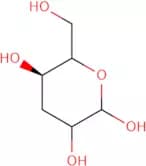
CAS:<p>3-Deoxy-D-galactopyranose is a galectin that has been synthetically produced. It has shown to be an antagonist of galactoside, which may be useful in the treatment of type 2 diabetes. The synthetic method for this molecule is still being developed.</p>Fórmula:C6H12O5Pureza:Min. 95%Forma y color:PowderPeso molecular:164.16 g/mol(2R, 4S) - 3- Fluoro- 1- (phenylmethyl) -2,4- azetidinedimethanol
<p>(2R, 4S) - 3- Fluoro- 1- (phenylmethyl) -2,4- azetidinedimethanol is a high purity custom synthesis. It is synthesized by Click modification, fluorination and glycosylation. It is used in the synthesis of oligosaccharides and saccharides. The CAS number for this compound is 43425-49-8.</p>Pureza:Min. 95%N,N',N''-Triacetylchitotriose
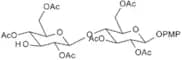
CAS:N,N',N''-Triacetylchitotriose is a chiral compound that is formed from the acetylation of chitin. It has been shown to be an antigen for monoclonal antibodies and a model system for exploring the enzymatic hydrolysis of chitin. N,N',N''-Triacetylchitotriose can be used to investigate the catalytic mechanism of chitinase enzymes, which are involved in breaking down the polysaccharide chitin. It has also been shown to have bioactive properties, such as inhibiting lectins and binding with mannose receptors.Fórmula:C24H41N3O16Pureza:Min. 95 Area-%Forma y color:White PowderPeso molecular:627.59 g/mol4-Methoxyphenyl 2,3,6-O-acetyl-4-O-(2,4,6-tri-O-acetyl-β-D-galactopyranosyl)-β-D-glucopyranoside
The compound is a custom synthesis of a complex carbohydrate. It is an oligosaccharide with CAS No. and polysaccharide that has been modified by methylation, glycosylation, and click modification. The compound is Methylated, Glycosylated, Click-modified Carbohydrate Sugar with high purity and fluorination.Fórmula:C31H40O18Pureza:Min. 95%Peso molecular:700.64 g/mol2-Azido-((R)-3,5-O-benzylidene)-2,6-dideoxy-1,4-di-O-tert.butyldimethylsilyl- L-manno-hexitol
<p>2-Azido-((R)-3,5-O-benzylidene)-2,6-dideoxy-1,4-di-O-tert.butyldimethylsilyl--L--mannopentose is a carbohydrate that is used in the synthesis of oligosaccharides and polysaccharides. It can be custom synthesized with high purity and desired modifications to suit your needs. This product has been fluorinated and glycosylated for increased stability and solubility in organic solvents. This product's CAS number is 617072-75-0.</p>Pureza:Min. 95%L-Ribulose
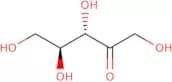
CAS:<p>Valuable chiral building block; rare sugar applied in wood preservation</p>Fórmula:C5H10O5Pureza:Min. 97 Area-%Forma y color:Slightly Yellow Clear LiquidPeso molecular:150.13 g/molDextran 5 - MW 4,000 to 6,000
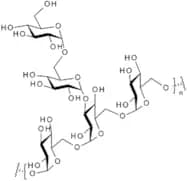
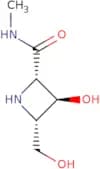
CAS:<p>Dextran is α-(1,6)-linked α-D-glucan with α-(1,3)-linked glucose branch points produced by fermentation of Leuconostoc mesenteroides via the action of the enzyme dextransucrase on sucrose. The main use for native dextran is as an extender in blood transfusions and products having a range of sharp cut-off molecular weights are produced commercially for this and other applications. A complex of iron with dextran, known as iron dextran, is used as a source of iron for baby piglets which are often anaemic at birth.</p>Forma y color:White Powder(2S, 3S, 4S) -3- Hydroxy- 4- (hydroxymethyl) - N- methyl- 2- azetidinecarboxamide
CAS:(2S, 3S, 4S) -3- Hydroxy- 4- (hydroxymethyl) - N- methyl- 2- azetidinecarboxamide is a custom synthesis that has been fluorinated and methylated. It is soluble in water and is used as a saccharide. The compound has been modified by the click modification of the azetidinecarboxamide with an oligosaccharide. It is also used as a sugar for glycosylation or polysaccharide formation. Click modification can be done on oligosaccharides to form complex carbohydrates.Fórmula:C6H12N2O3Pureza:Min. 95%Peso molecular:160.17 g/molCarboxymethyl cellulose sodium - Viscosity 100 - 300 mPa·s
CAS:Food additive; soil suspension polymer in detergents; thickening agentPureza:Min. 95%Forma y color:PowderD-myo-Inositol 1,4,5-triphosphate sodium salt
CAS:D-myo-Inositol 1,4,5-triphosphate sodium salt is a diacylglycerol that is involved in intracellular signaling. It is synthesized by the hydrolysis of phosphatidylinositol 4,5-bisphosphate and dephosphorylation of inositol 1,4,5-trisphosphate. D-myo-Inositol 1,4,5-triphosphate sodium salt has been shown to be a potent agonist at the ryanodine receptor and can protect against neuronal death induced by glutamate or NMDA. It also has been shown to have beneficial effects on bowel disease and cytosolic Ca2+ levels.Fórmula:C6H9Na6O15P3Pureza:Min. 95%Forma y color:Orange To Red SolidPeso molecular:551.99 g/molHexadecyl-D-xylopyranoside
CAS:<p>Hexadecyl-D-xylopyranoside is a synthetic sugar that has been fluorinated and methylated. It is a complex carbohydrate that belongs to the group of modified sugars. This product has many applications in the synthesis of oligosaccharides and saccharides, as well as in glycosylation reactions. Hexadecyl-D-xylopyranoside can be used in custom syntheses, and has been shown to have high purity with a CAS No. 115211-19-3.</p>Fórmula:C21H42O5Pureza:Min. 95 Area-%Forma y color:White Off-White PowderPeso molecular:374.56 g/mol5,6-O-Isopropylidene-phlorigidoside B
<p>5,6-O-Isopropylidene-phlorigidoside B is a glycosylation inhibitor that belongs to the class of oligosaccharides and synthetic compounds. This compound has been shown to inhibit the synthesis of complex carbohydrates by reacting with a phosphoryl group on an activated sugar. The 5,6-O-isopropylidene group on the molecule is fluorinated and methylated, which may be used for custom synthesis or modification. 5,6-O-Isopropylidene-phlorigidoside B can also be used as a fluorescent probe in fluorescence microscopy.</p>Pureza:Min. 95%(3aS, 7S, 9S, 9aR, 9bR) -9- [[(1, 1- Dimethylethyl) dimethylsilyl] oxy] - 2, 2- diethylhexahydro- 7- methyl-1, 3- dioxolo[4, 5- a] i ndolizin- 6(4H) - one
<p>(3aS, 7S, 9S, 9aR, 9bR) -9- [[(1, 1- Dimethylethyl) dimethylsilyl] oxy] - 2, 2- diethylhexahydro- 7- methyl-1, 3- dioxolo[4, 5- a] i ndolizin- 6(4H) - one is an oligosaccharide made of sugar and saccharide. This compound is synthesized in the laboratory by clicking modification. It has a high purity and is custom synthesis. The CAS No. for this compound is 251788-72-8.</p>Pureza:Min. 95%N-(4-Bromobenzyliden)imino-2,3,4,6-tetra-O-pivaloyl-D-glucopyranoside
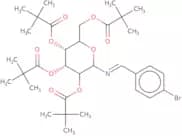
N-(4-Bromobenzyliden)imino-2,3,4,6-tetra-O-pivaloyl-D-glucopyranoside is a custom synthesis that is an oligosaccharide. This product is a complex carbohydrate that can be modified with methylation, glycosylation and click modification. The saccharide unit in this product is a sugar or carbohydrate. It has high purity with fluorination and synthetic modifications.Fórmula:C33H48BrNO9Pureza:Min. 95%Peso molecular:682.66 g/molForssman antigen pentaose
CAS:<p>Tumor associated antigen and target for the development of anti-cancer vaccines</p>Fórmula:C34H58N2O26Pureza:Min. 90 Area-%Forma y color:White PowderPeso molecular:910.82 g/molmyo-Inositol trispyrophosphate hexasodium salt
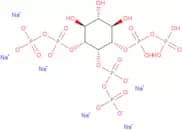
CAS:Myo-Inositol trispyrophosphate (ITPP) hexasodium salt is a drug with anti-cancer properties. It is an allosteric effector that interact with hemoglobin, releasing oxygen into the target tissues to avoid hypoxia. Several studies has shown an increase on the affinity of hemoglobin to oxygen when using ITPP, fact that demonstrated it can be a good strategy for the treatment of several cardiovascular diseases.Fórmula:C6H6Na6O21P6Pureza:Min. 95%Forma y color:White Off-White PowderPeso molecular:737.88 g/mol1-Chloro-2-deoxy-3,5-di-O-p-nitrobenzoyl-D-ribofuranose
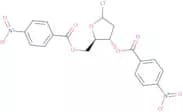
CAS:1-Chloro-2-deoxy-3,5-di-O-p-nitrobenzoyl-D-ribofuranose is a fluorinated sugar that can be used as a probe for the study of glycosylation and methylation reactions. It is also a complex carbohydrate with an Oligosaccharide modification. It is available for custom synthesis and has high purity. This product can be methylated, glycosylated, or modified using Click chemistry. 1-Chloro-2-deoxy-3,5-di-O-p nitrobenzoyl D ribofuranose is also an oligosaccharide sugar that contains one Monosaccharide unit.Fórmula:C19H15ClN2O9Pureza:Min. 95%Forma y color:White to beige solid.Peso molecular:450.78 g/mol2,4-Di-O-methyl-D-glucose
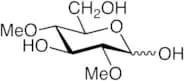
CAS:<p>2,4-Di-O-methyl-D-glucose is a partially O-methylated glucose sugar.</p>Fórmula:C8H16O6Pureza:Min. 95%Forma y color:PowderPeso molecular:208.21 g/mol6-Deoxy-L-allitol
<p>6-Deoxy-L-allitol is a white crystalline solid that melts at 122°C. It has an amorphous character and may be present as a mixture of rotations, form, and crystalline polymorphs. 6-Deoxy-L-allitol can be oxidized to its diol derivative by hydrogen peroxide or sodium periodate. This compound is soluble in water, methanol, and acetone. The molecular weight of this compound is 179.06 g/mol.</p>Pureza:Min. 95%3-C-Methyl-allonolactone
3-C-Methyl-allonolactone is an oligosaccharide that is modified by methylation, glycosylation, and polysaccharide. It is a custom synthesis and has a high purity. 3-C-Methyl-allonolactone may be used as a precursor to 3-carbon sugars.Pureza:Min. 95%Blood Group H disaccharide
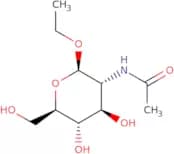
CAS:<p>Core antigen fragment in ABO blood group system</p>Fórmula:C12H22O10Pureza:Min. 95%Forma y color:White PowderPeso molecular:326.3 g/molEthyl 2-acetamido-2-deoxy-β-D-glucopyranoside
CAS:Ethyl 2-acetamido-2-deoxy-β-D-glucopyranoside is an anomeric sugar that contains a substituent at C4. It is used in the synthesis of oxazolidinones and thiazolidinones.Fórmula:C10H19NO6Pureza:Min. 98 Area-%Forma y color:PowderPeso molecular:249.26 g/molD-Lyxono-1,4-lactone
CAS:D-Lyxono-1,4-lactone is a 4-deoxy-l-fucose derivative that is a potent inhibitor of bacterial growth. It is a highly effective antibiotic with a broad spectrum of activity against Gram-positive and Gram-negative bacteria. D-Lyxono-1,4-lactone has been shown to be active against multivorans, including Escherichia coli and Salmonella enterica serovar Typhimurium. This compound was found to be more active than antibiotics such as penicillin and streptomycin. The structure of D-Lyxono-1,4-lactone includes two hydroxamic acid groups that are connected by an acetal linkage to form the benzylidene acetal moiety. The optical enantiomers of this molecule have been characterized using high resolution NMR spectroscopy and magnetic resonance spectroscopy techniques.BR> Dosis: 250Fórmula:C5H8O5Pureza:Min. 95.0 Area-%Peso molecular:148.11 g/molRef: 3D-W-201380
5gA consultar10gA consultar25gA consultar50gA consultar2500mgA consultar-Unit-ggA consultarZymosan A (from Saccharomyces cerevisiae)
CAS:Zymosan is prepared from the cell walls of baker's yeast (Saccharomyces cerevisiae) and consists of polysaccharide chains of various molecular weights, containing approximately 73% polysaccharide, 15% protein, 7% lipid and other inorganic components. When injected into animals, it induces inflammation and has been used for many years in inflammation and immunology research. The conditions activated include components of the complement system, prostaglandins and leukotrienes, platelet aggregation factor, and lysosomal enzymes. Zymosan preparations are often insoluble but can be made soluble for separation on DE cellulose or Sepharose to produce more active fractions.Carboxymethyl chitosan
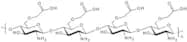
CAS:<p>Carboxymethyl chitosan has good solubility in water and unique chemical, physical and biological properties such as high viscosity, large hydrodynamic volume, low toxicity, biocompatibility and good ability to form films, fibres and hydrogels. For this reason, it has been extensively used in many biomedical fields such as a moisture-retention agent, bactericide, wound dressing agent, in artificial bone and skin, as blood anticoagulant and as a component in different drug delivery matrices. The reactive ligands COOH and NH2 groups are available for metal chelation and dye binding.</p>Forma y color:White PowderIsopropyl-a-D-thiomannopyranoside
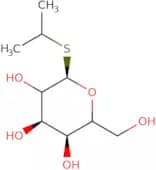
CAS:Isopropyl-a-D-thiomannopyranoside is a custom synthesis that is a methylated oligosaccharide. It has been modified by click chemistry to introduce an acetate group at the C4 position of the mannose residue. This product may be used in the preparation of polysaccharides, saccharides and carbohydrates. Isopropyl-a-D-thiomannopyranoside is a white solid that is soluble in methanol and ethanol but insoluble in water. It has been shown to have high purity and high chemical stability.Fórmula:C9H18O5SPureza:Min. 95%Peso molecular:238.3 g/molBenzyl-2,3,3,6-tetra-O-acetyl-tio-D-glucopyranoside
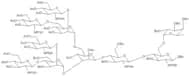
This compound is a custom synthesis, modification and fluorination of an acetylated glycoside. It is a methylated monosaccharide with a saccharide at the reducing end. This product can be used in the synthesis of oligosaccharides, glycosylation and sugar modifications. The CAS number for this compound is 58907-27-3.Pureza:Min. 95%Benzyl 4-O-{4-O-[[2,4-di-O-acetyl-3-O-[2,4-di-O-(3,4,6-tri-O-acetyl-2-deoxy-2-phthalimido-b-D-glucopyranosyl)-3,6-di-O-benzyl-a-D-ma nnopyranosyl]-6-O-[3,4-di-O-acetyl-2,6-di-O-(3,4,6-tri-O-acetyl-2-deoxy-2-phthalimido-b-D-glucopyranosyl)-a-D-mannopyr
CAS:<p>The benzyl group is a type of organic group in which the hydrogen atom at the alpha position is replaced with a phenyl group. In this compound, the benzyl group is attached to a sugar molecule through an ether bond. The benzyl group can be modified to produce different compounds. For example, it can be fluorinated to produce fluoro-benzyl compounds that are used as anti-cancer agents.</p>Fórmula:C203H206N6O71SPureza:Min. 95%Peso molecular:3,897.87 g/mol(2R, 3S, 4S) -3, 4-Dihydroxy- N- methyl- 2- pyrrolidinecarboxami de
CAS:<p>(2R, 3S, 4S) -3, 4-Dihydroxy-N-methyl-2-pyrrolidinecarboxamide is a custom synthesis that has been modified with fluorination and methylation. This compound is a monosaccharide that can be used to synthesize oligosaccharides and polysaccharides. The chemical formula of this compound is C4H8N4O3 and the molecular weight is 192.17 g/mol. This compound belongs to the category of saccharide, which is a carbohydrate made up of sugar molecules linked by glycosylations. This glycosylated carbohydrate can be found in complex carbohydrates such as starch or glycogen.</p>Pureza:Min. 95%4-Formylphenyl 2-acetamido-2-deoxy-b-D-glucopyranoside
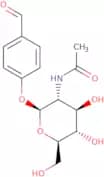
CAS:This product is a custom synthesis of a complex carbohydrate. It has the CAS number 135608-48-9, and is a fluorinated saccharide with an acetamide group in the 4-position. It is synthesized from 2,3-dihydroxybenzoic acid and methyl bromoacetate, which are reacted to form the mesylate ester. This product can be modified by methylation or glycosylation to produce desired derivatives. The purity of this compound is high, with no contaminants detected.Fórmula:C15H19NO7Pureza:Min. 95%Forma y color:PowderPeso molecular:325.31 g/mol2,3,4,6-Tetra-O-pivaloyl-b-D-galactopyranosyl amine
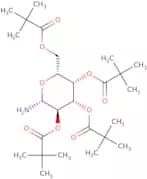
CAS:2,3,4,6-Tetra-O-pivaloyl-b-D-galactopyranosyl amine is a glycosylated monosaccharide with four pivaloyl groups. It is an important component of the glycoconjugate family and has been used in research as a model for glycoprotein synthesis. This compound is synthesized from 2,3,4,6-tetra-O-pivaloylglucose through the use of Click chemistry and fluorination. The 2,3,4,6-Tetra-O-pivaloylglucose can be modified to produce a variety of sugar derivatives including methylated sugars and polysaccharides. This product is custom synthesized to meet customer specifications. 2,3,4,6-Tetra-O-pivaloylglucose can be obtained by reacting 2 equivalents of triacetinFórmula:C26H45NO9Pureza:Min. 95%Forma y color:PowderPeso molecular:515.64 g/mol2-Acetamido-1,3,4,6-tetra-O-benzyl-2-deoxy-a-D-glucopyranoside
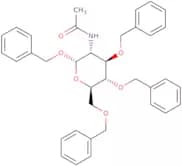
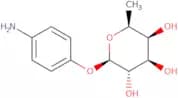
CAS:2-Acetamido-1,3,4,6-tetra-O-benzyl-2-deoxy-a-D-glucopyranoside is a modification of the natural carbohydrate. It is an oligosaccharide synthesized with custom synthesis. The synthetic process involves the methylation and glycosylation of the monosaccharides. Fluorination and saccharide linkages are also used in the production of this compound. 2-Acetamido-1,3,4,6-tetra-O-benzyl-2-deoxyglucopyranoside can be used as a building block for complex carbohydrates or as a research reagent for glycobiology.Fórmula:C36H39NO6Pureza:Min. 95 Area-%Forma y color:PowderPeso molecular:581.7 g/mol4-Aminophenyl b-L-fucopyranoside
CAS:<p>4-Aminophenyl b-L-fucopyranoside is a synthetic, fluorinated carbohydrate with the CAS number 69936-58-9. It can be used in the synthesis of glycosides and oligosaccharides. This product is available for custom synthesis and modification.</p>Fórmula:C12H17NO5Pureza:Min. 97 Area-%Forma y color:White Beige PowderPeso molecular:255.27 g/mol2-Acetamido-2,6-dideoxy-L-galactose
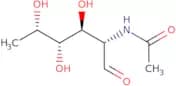
CAS:2-Acetamido-2,6-dideoxy-L-galactose (ADG) is a sugar that belongs to the group of monosaccharides. It is produced by the enzyme synthase and is found in bacteria such as type strain S. mutans and P. aeruginosa. ADG has been shown to be an inhibitor of cell lysis and can be used for the treatment of staphylococcus infections. In addition, it has shown to have anti-inflammatory properties due to its ability to inhibit hydrogen fluoride induced inflammation in mice.Fórmula:C8H15NO5Pureza:Min. 98 Area-%Forma y color:PowderPeso molecular:205.21 g/mol6-O-Malonylgenistin, free acid
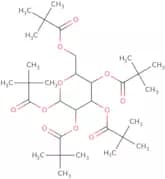
CAS:<p>Genistin is an isoflavone found in soybeans and other plants. It has antioxidative properties, which may be due to its ability to scavenge free radicals. Genistin also has protein-binding activity, and it can inhibit the growth of certain insects by binding to their DNA. Genistin can also bind to a number of enzymes and affect their activities, including amylase, chymotrypsin, trypsin, and lipase. It is also involved in energy metabolism and protein synthesis. The physiological effects of genistin are not well understood but may be related to its ability to act as a phytoestrogen or mimic estrogen.</p>Fórmula:C24H22O13Pureza:Min. 95%Forma y color:Slightly Brown PowderPeso molecular:518.42 g/mol1,2,3,4,6-Penta-O-pivaloyl-α-D-glucopyranoside
CAS:1,2,3,4,6-Penta-O-pivaloyl-a-D-glucopyranoside is a synthetic carbohydrate that has been fluorinated and methylated. This product is a modification of the natural compound D-glucose. It is an oligosaccharide which contains six pivaloyl groups attached to the 1-, 2-, 3-, 4-, 6-, and 7-positions on the glucose molecule. This product can be used in the synthesis of polysaccharides and glycosylations.Fórmula:C31H52O11Pureza:Min. 95%Peso molecular:600.75 g/mol6'-Sialylgalactose sodium salt
CAS:Sialylated oligosaccharide with the ability to inhibit angiogenesis and tumour development by binding to the vascular endothelial growth factor receptor VEGFR-2. Moreover, sialylated N-glycans in intestinal epithelium of chickens were found to carry terminal sialylgalactose, which interacts with influenza viruses during early stages of infection.Fórmula:C17H28NO14·NaPureza:Min. 95%Forma y color:PowderPeso molecular:493.39 g/mol


























![(3aS, 7S, 9S, 9aR, 9bR) -9- [[(1, 1- Dimethylethyl) dimethylsilyl] oxy] - 2, 2- diethylhexahydro- …](/_next/image/?url=https%3A%2Fstatic.cymitquimica.com%2Fproducts%2F3D%2Fthumb-webp%2FMD168732.webp&w=3840&q=75)