Glycoscience
La glicociencia es el estudio de los carbohidratos y sus derivados, así como de las interacciones y funciones biológicas en las que participan. Este campo de investigación es crucial para comprender una amplia variedad de procesos biológicos, incluyendo el reconocimiento celular, la señalización, la respuesta inmune y el desarrollo de enfermedades. La glicociencia tiene aplicaciones importantes en la biotecnología, la medicina, y el desarrollo de nuevos fármacos y terapias. En CymitQuimica, ofrecemos una amplia selección de productos de alta calidad y pureza para la investigación en glicociencia. Nuestro catálogo incluye monosacáridos, oligosacáridos, polisacáridos, glicoconjugados, y reactivos específicos, diseñados para apoyar a los investigadores en sus estudios sobre la estructura, función y aplicaciones de los carbohidratos en sistemas biológicos. Estos recursos están destinados a facilitar descubrimientos científicos y aplicaciones prácticas en diversas áreas de la biociencia y la medicina.
Subcategorías de "Glycoscience"
- Aminoazúcares(108 productos)
- Anticuerpos relacionados con azúcares(282 productos)
- Glicolípidos(46 productos)
- Glicosaminoglicanos (GAGs)(55 productos)
- Glucósidos(419 productos)
- Monosacáridos(6.624 productos)
- Oligosacáridos(3.682 productos)
- Polisacáridos(503 productos)
Se han encontrado 11046 productos de "Glycoscience"
Ordenar por
Pureza (%)
0
100
|
0
|
50
|
90
|
95
|
100
Mono-2-O-(p-toluenesulfonyl)-gamma-cyclodextrin
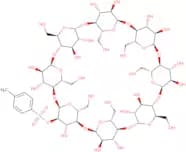
CAS:<p>This gamma-cyclodextrin (γ-CD) derivative is a modified cyclic oligosaccharide composed of eight glucose units, featuring a larger cavity size than α- and β-cyclodextrins. This structural characteristic allows γ-CDs to form inclusion complexes with a wider range of guest molecules, making it particularly versatile in various industries. In the food sector, it is used as a carrier and stabilizer for flavors, fat-soluble vitamins, and polyunsaturated fatty acids, protecting volatile compounds from evaporation. In pharmaceuticals, it enhances the solubility and bioavailability of poorly water-soluble drugs and, thanks to its larger ring size, allows for the encapsulation of larger molecules or even entire drug molecules. γ-CDs and derivatives are also used for environmental remediation and, in analytical chemistry, for the extraction and concentration of target substances.</p>Pureza:Min. 95 Area-%Forma y color:Powder1,2-O-Isopropylidene-a-L-xylofuranose
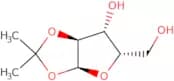
CAS:<p>1,2-O-Isopropylidene-a-L-xylofuranose is a sulfate transport molecule that is present in the blood plasma. It binds to sulfate anions which are then transported by the sodium/sulfate co-transporter from the blood and into cells. This process is called equilibrative or facilitated transport. 1,2-O-Isopropylidene-a-L-xylofuranose also binds to adenosine and transports it across membranes. This process is regulated by surface receptors and uptake transporters that regulate the rate of adenosine uptake at different parts of the body.</p>Fórmula:C8H14O5Pureza:Min. 98 Area-%Forma y color:White PowderPeso molecular:190.2 g/molHyaluronic acid sodium salt - Average MW 0.6 - 1.0 million Da
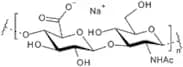
CAS:<p>Gycosaminoglycan in many organs; joint lubricant and shock absorber</p>Fórmula:(C14H20NO11Na)nPureza:Min. 95%Forma y color:Powder1,5-Anhydro-D-fructose
CAS:<p>Antioxidant; antibacterial; suppresses LPS-induced inflammatory response</p>Fórmula:C6H10O5Pureza:Min. 95%Forma y color:PowderPeso molecular:162.14 g/molGlobo-H hexaose
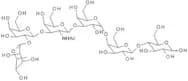
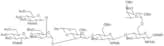
CAS:<p>Cancer-associated carbohydrate antigen</p>Fórmula:C38H65NO30Pureza:Min. 90%Forma y color:White PowderPeso molecular:1,015.91 g/molLewis Y-O-(CH2)8-biotin
<p>Lewis Y-O-(CH2)8-biotin is a carbohydrate with the chemical formula (CHO)(CO)3OH. It is a methylated and glycosylated oligosaccharide that has been custom synthesized for use in biotechnology applications. Lewis Y-O-(CH2)8-biotin has been fluorinated at the C5 position to improve its stability and prevent hydrolysis, which may be due to its high purity. This carbohydrate is not commercially available and must be custom synthesized.</p>Pureza:Min. 95%1,2:3,4-Di-O-isopropylidene-a-D-galactopyranose
CAS:<p>1,2:3,4-Di-O-isopropylidene-a-D-galactopyranose, also known as diacetone-D-galactose and galactose diacetonide, is a partially protected monosaccharide building block with isopropylidene groups on the 1,2 and 3,4 hydroxyls. The 6-hydroxyl is unprotected and able to undergo a variety of chemical transformations, such as glycosylation acting as a glycosyl acceptor to form 1,6-linked disaccharides.</p>Fórmula:C12H20O6Pureza:Min. 96.5 Area-%Forma y color:Clear Viscous LiquidPeso molecular:260.28 g/mol(1S) -1- [(2S, 3S,4R) -4-Hydroxymethyl-3- hydroxy- N-methyl-1- azetidinyl] -1, 2- ethanediol
<p>(1S) -1- [(2S, 3S,4R) -4-Hydroxymethyl-3- hydroxy- N-methyl-1- azetidinyl] -1, 2- ethanediol is a synthetic sugar that can be used as a glycosylation or methylation agent. It is a white powder with a molecular weight of 342. The purity of this product is > 98%. This product has CAS No. 517862-65-8.</p>Pureza:Min. 95%1-Chloro-1-deoxy-D-fructose
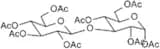
CAS:<p>glycosidase enzyme inhibitor. Formerly code MC04178.</p>Fórmula:C6H11ClO5Peso molecular:198.60 g/mol1,2,4,6-Tetra-O-acetyl-3-O-(2,3,4,6-tetra-O-acetyl-b-D-glucopyranosyl)-a-D-glucopyranose
CAS:<p>Acetyl protected laminaribose</p>Fórmula:C28H38O19Pureza:Min. 95%Peso molecular:678.6 g/mol1,2-O-Cyclohexylidene-myo-inositol
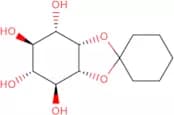
CAS:<p>1,2-O-Cyclohexylidene-myo-inositol (CIM) is a fatty acid that has a 6-hydroxyl group. This compound is used in the diagnosis of chemical biology, immunocomplexes and phosphate derivatives. CIM has been shown to bind to iron and form an immunocomplex with it. CIM also binds to phosphate derivatives, which are found in carbohydrate chemistry. The hydroxyl group on CIM can react with chloride ions and form asymmetric synthesis. Growth factors like insulin and other hormones can be synthesized from this compound through the addition of an amine group or phosphate group. CIM also reacts with monoclonal antibodies for use in diagnostic tests for pancreatic lipase.</p>Fórmula:C12H20O6Pureza:Min. 95%Forma y color:PowderPeso molecular:260.28 g/molLS-tetrasaccharide a
CAS:<p>Sialylated tetrasaccharide found in human milk. Possible health benefits for the neonate, by supporting resistance to pathogens, gut maturation, immune function, and cognitive development.</p>Fórmula:C37H62N2O29Pureza:Min. 95%Forma y color:PowderPeso molecular:998.88 g/mol(1S) -1- [(2S, 3R,4S) - 3- Hydroxy-4-hydroxymethyl- 1- benzyl - 2- azetidinyl] -1, 2- ethanediol
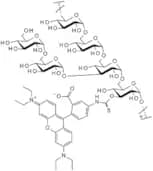
(1S) -1- [(2S, 3R,4S) - 3- Hydroxy-4-hydroxymethyl- 1- benzyl - 2- azetidinyl] -1, 2- ethanediol is a sugar that is made synthetically. It has a CAS number of 76577-11-7 and is available for custom synthesis. The chemical name for this product is (1S)-1-[(2S,3R,4S)-3-[(2E)-3-(hydroxymethyl)oxirane]-4-(hydroxymethyl)-2-(benzyloxy)methyl]-1,2-ethanediol. This product has high purity and can be used for glycosylation or methylation reactions.Pureza:Min. 95%Rhodamine B isothiocyanate-dextran - Average MW 10,000
<p>Rhodamine dextran (RD) is widely used as both an anterograde and retrograde tracer in neurons and for numerous other applications. It is biologically rather inert having α-1,6-linked glucose residues resistant to cleavage by most endogenous cellular glycosidases. It has low immunogenicity and makes an ideal long-term tracer for live cells. RD also serves as a valuable marker for cell loading of macromolecules by micro-injection, vesicular fusion, and electroporation, as well as for the uptake and internal processing of exogenous materials by phagocytotic and endocytic pathways.</p>Forma y color:PowderCharantoside
<p>Charantoside is a natural flavone glycoside that belongs to the group of c-glycosides. It has significant anti-inflammatory activity, inhibiting tumor necrosis factor-α (TNF-α) and matrix metalloproteinase-7 (MMP-7), which are proinflammatory cytokines. Charantoside also has anti-diabetic properties, as it inhibits glucose uptake and stimulates insulin release from pancreatic β cells in vitro. Charantoside is found in plants of the Cucurbitaceae family, such as cucumber and pumpkin. This compound can be detected by fingerprinting techniques and was found to have been present in at least two plant families. Charantoside has been shown to inhibit TNF-α production in vivo studies conducted on mice.</p>Pureza:Min. 95%(5R, 8S, 9R) -8- [(4R) - 2, 2-Dimethyl- 1, 3- dioxolan- 4- yl] - 9- hydroxy- 2, 2- dimethyl- 1, 3, 7- trioxaspiro[4.4] nonan- 6- one
<p>(5R, 8S, 9R) -8- [(4R) - 2, 2-Dimethyl- 1, 3- dioxolan- 4- yl] - 9- hydroxy- 2, 2- dimethyl- 1, 3, 7- trioxaspiro[4.4] nonan- 6- one is a monosaccharide that has been synthesized and modified. The synthesis of this compound was achieved by reacting 5-(2-(benzyloxy)ethoxy)-1-(3-(dimethylamino)propoxy)-2-(4-[(2S)-2,2,-dimethylpropanoyl]phenyl)pentaone (1), with the corresponding bromoacetate or chloroacetate in the presence of base to give the desired product (2). This compound has been methylated and glycosylated. It is a white solid that is soluble in water and DMSO</p>Pureza:Min. 95%Methyl α-L-daunosamide hydrochloride
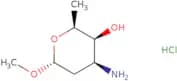
CAS:<p>Methyl α-L-daunosamide hydrochloride is a drug that inhibits the production of DNA. It is used to treat infectious diseases such as malaria, in which it can inhibit the growth of the parasite by preventing DNA replication and transcription. The methyl α-L-daunosamide hydrochloride molecule is a polymerase chain inhibitor that binds to the enzyme adriamycin synthetase, which catalyzes the conversion of daunosamine into adriamycin. This binding prevents the formation of stable complexes with the target enzymes and blocks their activity, leading to inhibition of DNA synthesis and transcription. Methyl α-L-daunosamide hydrochloride has been shown to inhibit glycan biosynthesis in rat liver microsomes and does not have significant interactions with other drugs or with glycan in human serum.</p>Fórmula:C7H15NO3•HClPureza:Min. 85 Area-%Forma y color:PowderPeso molecular:197.66 g/mol4-O-(β-D-Mannopyranosyl)-D-glucose
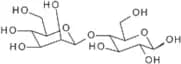
CAS:<p>4-O-(b-D-Mannopyranosyl)-D-glucose is a metabolite of D-mannose. It is a bacterial metabolite produced by Streptococcus pneumoniae that has been shown to inhibit the growth of bacteria by binding to the 50S ribosomal subunit. 4-O-(b-D-Mannopyranosyl)-D-glucose inhibits bacterial growth by binding to DNA dependent RNA polymerase, thereby preventing transcription and replication. The high frequency of human activity has been shown using a patch clamp technique on human erythrocytes. This active form is metabolized through a number of metabolic transformations, including hydrolysis by esterases or glucuronidases, oxidation by cytochrome P450 enzymes, reduction by glutathione reductase, or conjugation with glucuronic acid. Rifapentine also specifically binds to markers expressed at high levels in Mycobacter</p>Fórmula:C12H22O11Pureza:Min. 98 Area-%Forma y color:PowderPeso molecular:342.3 g/molDi-mannuronic acid sodium salt
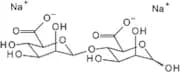
<p>Di-mannuronic acid sodium salt (β-1,4-linked sodium mannuronobiose) is one of a number of oligosaccharides obtained from alginate which is a polysaccharide in brown seaweeds containing: blocks of repeating mannuronic acid sequences (M-M-M-M etc), repeating guluronic acid sequences (G-G-G-G etc), and alternating M-G-M-G sequences.These oligosaccharides can be released using several methods (Lua, 2015; Yanga, 2004) and claims have been published that mannuronic acid oligosaccharides for example, can be effective in the prophylaxis and treatment of Alzheimer's disease, or for the prophylaxis and treatment of diabetes (USP 8835403B2, 2014).</p>Fórmula:C12H16O13Na2Pureza:Min. 98 Area-%Forma y color:White Off-White PowderPeso molecular:414.23 g/mol3,5-Dideoxy-3,5-imino-1,2-O-isopropylidene-N-methyl-L-idofuranose
<p>3,5-Dideoxy-3,5-imino-1,2-O-isopropylidene-N-methyl-L-idofuranose is a custom synthesis that can be modified to the customer's specifications. This product has CAS No. and is a polysaccharide with modification. It is a carbohydrate that is a saccharide with methylation, glycosylation and click modification. This product is high purity, fluorinated and synthetic.</p>Pureza:Min. 95%1-O-Galloyl-b-D-glucose
CAS:<p>1-O-Galloyl-b-D-glucose is a molecule that is found in plants and has been used as an inhibitor of p-hydroxybenzoic acid (PHBA) enzyme activities. 1OGG inhibits the growth of viruses by inhibiting the enzymatic activity of their RNA polymerases. It also inhibits mitochondrial membrane potential, which is vital for cellular respiration. 1OGG has shown to be active against urinary infections and opportunistic fungal infections such as Candida glabrata. In vitro assays have shown that it may have anti-inflammatory properties.</p>Fórmula:C13H16O10Pureza:Min. 98 Area-%Forma y color:White PowderPeso molecular:332.26 g/molFucosyl GM1 oligosaccharide
<p>Oligosaccharide domain of monosialylated glycosphingolipid GM1 with an α1,2-fucosylated galactose at the nonreducing end. The moluecule is minimally expressed in healthy tissues but has high prevalence in some tumours such as small cell lung cancer (SCLC). Fucosyl-GM1 ganglioside is a potential tumour marker for SCLC and a potential antigen target for immunotherapy.</p>Fórmula:C43H71N2O33NaPureza:Min. 90%Forma y color:White PowderPeso molecular:1,167.01 g/molAcarviosin
CAS:<p>Acarviosin is a chemical compound that is structurally related to the antimicrobial peptide Ac-LLL-Nal-OH. It is an antidiabetic agent that has been shown to be effective for the treatment of type 2 diabetes and associated cardiovascular risk factors. Acarviosin was originally isolated from a bacterial strain and has been chemically synthesized for use in the treatment of diabetes. Acarviosin inhibits both glycan synthesis and enzyme activities, leading to reduced levels of glucose in blood plasma. This drug also exhibits pharmacokinetic properties with a half-life of approximately 15 hours, which allows it to be taken once daily. Acarviosin can also be used as an analytical method for identifying disaccharides by cleaving them at the glycosidic bond, releasing monosaccharides as products.</p>Fórmula:C14H25NO8Pureza:Min. 95%Forma y color:PowderPeso molecular:335.35 g/molLaminaran, from laminaria digitata
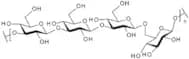
CAS:<p>Laminaran is a polysaccharide that co-occurs with fucoidan and alginate in brown seaweeds such as Laminaria digitata, Laminaria cloustoni, Eisenia bicyclis and Thallus laminariae. It is a β-1,3-linked glucan which it is claimed stimulates the immune system in mammals and fish.<br>The image was kindly provided by Prof Mike Guiry from Cork who runs ‘The Seaweed Site’.</p>Pureza:Min. 95%Forma y color:Off-White Powder2N-Boc-amino-2- deoxy- b- D- galactopyranosylamine
<p>2N-Boc-amino-2-deoxy-b-D-galactopyranosylamine is a synthetic sugar that can be used in the synthesis of oligosaccharides and glycosylations. It is a modification of galactose, which is an important saccharide in the synthesis of polysaccharides. 2N-Boc-amino-2-deoxy-b-D-galactopyranosylamine is also an excellent fluorinating agent that can be used for complex carbohydrate syntheses.</p>Fórmula:C11H22N2O6Pureza:Min. 95%Peso molecular:278.3 g/mol4-Methoxyphenyl 4-O-{4-O-[[2-O-Ac-3-O-[2,4-di-O-(3,4,6-tri-O-Ac-2-PhthN-β-D-Glc)-3,6-di-O-Bn-α-D-Man]-4,6-O-benzylidene-β-D-Man]]-3, 6-di-O-Bn-2-PhthN-β-D-Glc}-3-O-Bn-6-O-(tri-O-Bn-α-L-Fuc)-2-PhthN-β-D-Glc
<p>4-Methoxyphenyl 4-O-{4-O-[[2-O-Ac-3-O-[2,4-di-O-(3,4,6-tri-O-Ac-2-PhthNbDGlc)-3,6--Di--O--Bn--aDMan]-4,6--O--Benzylidene--bDMan]]} -3, 6--Di--Obn2PhthNbDGlc} -2 PhthNbDGlc is a sugar that has been modified by methylation. It also contains saccharide and polysaccharides. This product is CAS No. 899891–14–8 and can be purchased through custom synthesis. The purity of this product is high and the modification is fluorination.</p>Fórmula:C158H156N4O47Pureza:Min. 95%Peso molecular:2,862.93 g/mol2,3,4,5,6-Penta-O-acetyl-D-galactononitrile
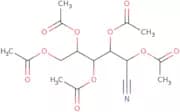
CAS:<p>2,3,4,5,6-Penta-O-acetyl-D-galactononitrile is a synthetic chemical compound that can be used in glycosylation reactions. It has been synthesized by the click modification of 2,3,4,5-tetra-O-acetyl-D-galactose with pentaerythritol tri(nitrile) followed by fluorination. The saccharide was then converted to the methyl ester and acetylated using acetic anhydride. This product is highly pure and can be custom synthesized according to your needs.<br>2,3,4,5,6-Penta-O-acetyl-D-galactononitrile has a molecular weight of 434.2 g/mol and its CAS number is 35439-42-0.</p>Fórmula:C16H21NO10Pureza:Min. 95%Peso molecular:387.34 g/molGalacturonan DP3 sodium salt
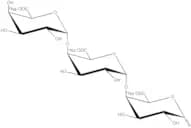
<p>Sodium Trigalacturonate (α-1,4 sodium galacturonotriose) is derived from pectin or pectic acid, by enzymatic or partial acid hydrolysis (Combo, 2012). It is used inâ¯galacturonic acidâ¯metabolism research as a substrate to identify, differentiate, and characterize endo- and exopolygalacturonase(s), and gluconase(s) (Jayani, 2005). The addition of very short fragments of homogalacturonan, tri-galacturonate, and tetra-galacturonate oligosaccharides, restore development in dark-grown, de-etiolated seedling mutants, suggesting that they are unable to generate de-methylesterified pectin fragments. A model of spatiotemporally separated photoreceptive and signal-responsive cell types has been proposed, that contains overlapping subsets of the regulatory network of light-dependent seedling development (Sinclair, 2017).</p>Pureza:Min. 75 Area-%Forma y color:PowderL-Arabinose
CAS:<p>The aldopentose L-arabinose (Ara) is, after xylose, the second most abundant pentose in nature. It is found in plant cell walls as a component of polysaccharides, including: hemicelluloses, pectin, arabinogalactan-protein complexes and in exudate plant gums, such as: Gum Arabic (Fehér, 2018). L-arabinose is an important component of the mycobacterial cell wall and is involved in the synthesis of arabinogalactan and lipoarabinomannan, which suggests that it can modulate cell wall permeability and drug resistance. Mycobacterium smegmatis is a useful tool for research into Mycobacteria due to it being a "fast grower" and non-pathogenic (Zhou, 2019).</p>Fórmula:C5H10O5Pureza:Min. 99 Area-%Peso molecular:150.13 g/molRef: 3D-A-8240
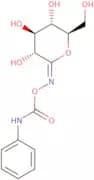
1kgA consultar25gA consultar250gA consultar500gA consultar2500gA consultar-Unit-kgkgA consultarO-(D-Glucopyranosylidene)amino N-phenylcarbamate
CAS:<p>O-(D-glucopyranosylidene)amino N-phenylcarbamate is a synthetic monosaccharide that is used in our laboratory as an intermediate for the synthesis of complex carbohydrates. It is also used in the modification of polysaccharides and glycosylations. This compound has been shown to be stable to hydrolysis, methylation, and oxidation. O-(D-glucopyranosylidene)amino N-phenylcarbamate has been shown to be a high purity product with a CAS number of 104012-84-2.</p>Fórmula:C13H16N2O7Pureza:Min. 95%Peso molecular:312.28 g/mol4-(4-(2-Pyridinyl)-3-(E)-buten-2-one-1-yl)piperidine-2,6-dione
<p>4-(4-(2-Pyridinyl)-3-(E)-buten-2-one-1-yl)piperidine-2,6-dione is a synthetic compound that has been modified with fluorination, methylation, and click modification. It is an oligosaccharide molecule that was synthesized in the laboratory. The molecular weight of this compound is 718.</p>Pureza:Min. 95%Laminaritetraose
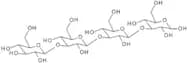
CAS:Ex algal/bacterial polysaccharides-value in b1-3 glucanase assays & diagnosticsFórmula:C24H42O21Pureza:Min. 95 Area-%Forma y color:White PowderPeso molecular:666.6 g/molTri-b-GalNAcAc3-6-aminohexyl-NHCbz
CAS:<p>Tri-b-GalNAc-6-aminohexyl-NHCbz is the peracetylated form with a protected terminal amino group (NHCbz). It is a synthetic ligand designed to target the asialoglycoprotein receptor (ASGPR) on hepatocytes. The three terminal beta-N-acetylgalactosamine (GalNAc) sugars provide an efficient ASGPR binding. It serves as a platform for lysosomal targeting chimera (LYTAC) development, allowing for the creation of chimeras that specifically target unwanted proteins for degradation within hepatocytes. In addition, tri-b-GalNAc-6-aminohexanoate facilitates the delivery of therapeutic cargo, such as RNA or Cas9 complexes, directly to hepatocytes via ASGPR-mediated endocytosis. This approach is promising for gene therapy and RNAi applications in the liver due to the specificity of ASGPR targeting and the versatility of the conjugation moiety.</p>Fórmula:C93H145N11O39Pureza:Min. 95 Area-%Peso molecular:2,041.2 g/molD-Galacturonic acid monohydrate
CAS:<p>D-Galacturonic acid (GalA) is a hexuronic acid with the CH2OH at C5 of galactose replaced by a carboxyl group (Collins, 2006). D-galacturonic acid is abundant in pectic polysaccharides which are characterized by a high α-1,4 linked galacturonic acid content and include pectic acid (polygalacturonic acid), rhamnogalacturonan I (Oomen, 2002), rhamnogalacturonan (RG) II (Vidal, 2000), xylogalacturonan, and homogalacturonan. These polymers play roles in strengthening cell walls, cell adhesion and are established as part of signaling cascades that detect cell wall degradation upon pathogen attack.</p>Fórmula:C6H10O7·H2OPureza:(Titration) Min. 97%Forma y color:White Off-White PowderPeso molecular:212.15 g/molPolysucrose 400
CAS:<p>Water-soluble, nontoxic, enzyme-resistant polymer for biological applications</p>Forma y color:White PowderPeso molecular:400.0Sunitinib N-glucuronide
<p>Sunitinib N-glucuronide is a synthetic small molecule with a molecular weight of 517.63 Da and a chemical formula of C14H18F3N5O6S. Sunitinib N-glucuronide is a monosaccharide sugar that is modified with fluorine. It is one of the products of the methylation, custom synthesis, and click modification reactions. The CAS number for this product is 70698-74-7. Sunitinib N-glucuronide has a purity level of 98%, which means that it has less than 2% impurities. This product can be used in oligosaccharides, polysaccharides, or saccharides as a complex carbohydrate or high purity carbohydrate. It can also be used as an additive to modify the properties of monosaccharides and sugars.</p>Pureza:Min. 95%5-O-tert-Butyldimethylsilyl-1,N-dehydro-1,4-dideoxy-1,4-imino-2,3-O-isopropylidene-D-ribitol
CAS:<p>5-O-tert-Butyldimethylsilyl-1,N-dehydro-1,4-dideoxy-1,4-imino-2,3-O-isopropylidene-D-ribitol is a modified carbohydrate that is synthesized from D ribitol. It has been used in the preparation of oligosaccharides and polysaccharides with methylation and glycosylation. 5BDSR can be fluorinated to give 5BDSF. This product is a white crystalline solid that melts at 120°C.</p>Fórmula:C14H27NO3SiPureza:Min. 95%Peso molecular:285.45 g/mol1-O-Acetyl-2,3,4,6-tetra-O-benzyl-b-D-galactopyranose
CAS:<p>Synthetic building block</p>Fórmula:C36H38O7Pureza:Min. 98 Area-%Forma y color:White PowderPeso molecular:582.68 g/mol1,4-b-D-Mannotetraose
CAS:<p>Isolated from ivory-nut mannan, Picea glauca and Pinus strobus glucomannans</p>Fórmula:C24H42O21Pureza:Min. 95 Area-%Forma y color:White PowderPeso molecular:666.58 g/molMethyl N-benzyl-4,6-dideoxy-4,6-imino-2,3-O-isopropylidene-b-D-talopyranoside
<p>Methyl N-benzyl-4,6-dideoxy-4,6-imino-2,3-O-isopropylidene-b-D-talopyranoside is a fluorinated monosaccharide with a custom synthesis. It is a synthetic oligosaccharide that has undergone glycosylation and polysaccharide modification. This compound has been modified by methylation, click chemistry, and sugar formation. It is available in high purity with a CAS number of 29059-07-1.</p>Pureza:Min. 95%2-Azidoethyl N-acetyl-D-lactosamine
CAS:<p>2-Azidoethyl N-acetyl-D-lactosamine is a custom synthesis that is a complex carbohydrate. It has been modified to include methylation and glycosylation. The saccharide is composed of several sugar molecules, including glucose and galactose, which are linked by alpha (1→4) or beta (1→3) bonds. The carbohydrate can be fluorinated, which increases its stability in the presence of oxygen. This compound has CAS number 338971-38-3. 2-Azidoethyl N-acetyl-D-lactosamine is a high purity product that can be used in the modification of other carbohydrates with click chemistry.</p>Fórmula:C16H28N4O11Pureza:Min. 95%Forma y color:PowderPeso molecular:452.41 g/mol(2S, 3S, 4R) -3- [[[(2S, 3S, 4R) - 3- Azido- 4- [[[(1, 1- dimethylethyl) dimethylsilyl] oxy] methyl] - 1- (phenylmethyl) - 2- azetid inyl] carbonyl] amino] - 4- [[[(1, 1- dimethylethyl) dimethylsilyl] oxy] methyl] - 1- (phenylmethyl) -2- azetidinecarb
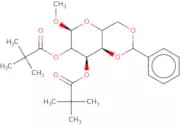
CAS:<p>The product is a custom synthesis of the amino acid azetidine-2-carboxylic acid. It is synthesized from 2-acetamido-3,4-dihydroxybenzoic acid and 1,1'-dimethylethyl dimethylsilyl ether as starting materials. The product is used in glycosylation reactions to form complex carbohydrates with sugars. The product has been shown to be useful in Click chemistry, which is a type of chemical reaction where biotinylated molecules are used to attach other molecules in lab experiments. The CAS number for the product is 1992035-15-0.</p>Fórmula:C37H58N6O5Si2Pureza:Min. 95%Peso molecular:723.06 g/molMethyl 4,6-O-benzylidene-2,3-di-O-pivaloyl-a-D-mannopyranoside
<p>Methyl 4,6-O-benzylidene-2,3-di-O-pivaloyl-a-D-mannopyranoside is a synthetic carbohydrate. It is a methylated saccharide that has been modified with a click modification and an Oligosaccharide. This product is also fluorinated and complexed with other sugars.</p>Fórmula:C24H34O8Pureza:Min. 95%Peso molecular:450.53 g/molD-glucosyl-β-1,1'-N-nervonoyl-D-erythro-sphingosine
CAS:<p>D-glucosyl-β-1,1'-N-nervonoyl-D-erythro-sphingosine is a mouse metabolite that was found to be an acyl group. This metabolite was shown to be a mouse metabolite.</p>Fórmula:C48H91NO8Pureza:Min. 98 Area-%Forma y color:PowderPeso molecular:810.24 g/mol(2R, 3S, 4S) -4- (Azidomethyl) - 3- fluoro- 1- (phenylmethyl) -2- azetidinecarboxylic acid methyl ester
CAS:<p>(2R, 3S, 4S) -4- (Azidomethyl) - 3- fluoro- 1- (phenylmethyl) -2- azetidinecarboxylic acid methyl ester is a synthetic saccharide which is used in the synthesis of oligosaccharides and monosaccharides. It has been shown to be useful for glycosylation reactions and click chemistry. This compound is also fluorinated and has a purity of 98%.</p>Fórmula:C13H15FN4O2Pureza:Min. 95%Peso molecular:278.28 g/molMethyl 4,6-O-(4-methoxybenzylidene)-2,3-di-O-pivaloyl-a-D-galactopyranoside
<p>Methyl 4,6-O-(4-methoxybenzylidene)-2,3-di-O-pivaloyl-a-D-galactopyranoside is a custom synthesis of a sugar that is Click modified with fluorine and glycosylated. Methyl 4,6-O-(4-methoxybenzylidene)-2,3-di-O-pivaloyl-a-D-galactopyranoside is an oligosaccharide that has saccharides and monosaccharides. This complex carbohydrate has been synthesized by methylation and modification. Methyl 4,6-O-(4-methoxybenzylidene)-2,3--di--pivaloyl--a--D--galactopyranoside belongs to the CAS No. of 689717–97–1.</p>Fórmula:C25H36O9Pureza:Min. 95%Peso molecular:480.56 g/mol1,4-Dideoxy-1,4-imino-L-altritol
<p>The compound 1,4-dideoxy-1,4-imino-L-altritol is a synthetic carbohydrate that is made of a monosaccharide and an oligosaccharide. The monosaccharide is a simple sugar with the chemical formula C5H10O5. The oligosaccharide has the chemical formula C2n+1(C3H3O3)n. The monosaccharide has four carbons and one oxygen molecule. The oligosaccharide also has five carbon atoms, but it also has three oxygen molecules. The two sugars are linked by a glycosidic linkage. <br>The compound was created to be used in the synthesis of complex carbohydrates. It can be modified to have fluorine atoms added to it, methyl groups added to it, or both. It can also be modified to make it into an ester or an amide. It is soluble in water and alcohol</p>Pureza:Min. 95%L-Daunosamine hydrochloride
CAS:<p>L-Daunosamine hydrochloride is a fluorinated sugar that is synthesized in the laboratory. It has been used for the modification of polysaccharides and other saccharides. L-Daunosamine hydrochloride is a monosaccharide that can be found in several complex carbohydrates. The CAS number for this chemical is 19196-51-1. This chemical has a high purity level, which makes it valuable for use as a synthetic material.</p>Fórmula:C6H14NClO3Pureza:Min. 95 Area-%Forma y color:PowderPeso molecular:183.63 g/mol1,3,4-Tri-O-acetyl-2-deoxy-2-fluoro-L-fucose
CAS:Peracetylated 2-fluoro-L-fucose is the acetylated form of 2-deoxy-2-fluoro-L-fucose which is a potent inhibitor of protein fucosylation. It exhibits improved cell permeability and is rapidly deacetylated into its active form, inside the cell. It is metabolised inside the cell into a corresponding donor substrate analogue of GDP-fucose or GDP-2FF, via the salvage pathway. GDP-2FF accumulates in the cell causing a shutdown of de novo pathway which leads to the desired fucosylation inhibition. The addition of 100 uM peracetylated-2-fluoro-L-fucose to plants severely inhibits root growth by 95% compared to an untreated plant, and is more potent compared to 2-fluoro-L-fucose. The material is soluble in DMSO at 10mg/ml.Fórmula:C12H17FO7Pureza:Min. 97 Area-%Forma y color:White Off-White PowderPeso molecular:292.26 g/mol2-Acetamido-2-deoxy-4-O-(6-sulfo-β-D-galactopyranosyl)-β-D-glucopyranose sodium
<p>2-Acetamido-2-deoxy-4-O-(6-sulfo-b-D-galactopyranosyl)-b-D-glucopyranose sodium salt (6F3G) is a synthetic, fluorinated monosaccharide that has been used as a probe for the study of glycosylation and polysaccharide synthesis. 6F3G has been shown to be an effective inhibitor of the enzyme D-glycerate kinase, which catalyzes the conversion of D-glycerate to phosphoenolpyruvate. This inhibition leads to a decrease in the formation of ATP and NADH, which provides evidence that 6F3G binds to the active site of this enzyme.</p>Fórmula:C14H25NO14S•NaPureza:Min. 95%Forma y color:White PowderPeso molecular:486.39 g/mol1,3,4-Tri-O-acetyl-2,6-dideoxy-2-fluoro-L-mannose(glucose)
<p>1,3,4-Tri-O-acetyl-2,6-dideoxy-2-fluoro-L-mannose (TOMF) is a modified sugar that can be synthesized from glucose. It is a complex carbohydrate with a CAS number of 83884-96-8 and molecular formula C12H14F6O8. TOMF is an Oligosaccharide that can be modified by methylation, glycosylation, or click modification. It is often used as a starting material in the synthesis of saccharides or polysaccharides and has been shown to have antiviral activity against HIV. TOMF can also be fluorinated to create 1,3,4-tri-O-(2′,6′Dideoxyfluorofluoro)-2-[(1′R)-1′-(3′R)-3′-(trifluoromethyl)butyryl]-L-</p>Pureza:Min. 95%1,2,3,4-Tetra-O-acetyl-β-D-xylopyranose
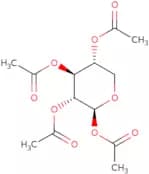
CAS:<p>1,2,3,4-Tetra-O-acetyl-b-D-xylopyranose is a sugar that is used as a regulatory agent in the synthesis of other sugars. It has been shown to inhibit the activity of lipolytic enzymes in vitro and may be useful for controlling obesity. 1,2,3,4-Tetra-O-acetyl-b-D-xylopyranose is also able to disrupt the structure of bacterial membranes and has been shown to have an inhibitory effect on p. aeruginosa. The element analysis indicates that this compound contains carbon, hydrogen, oxygen, and nitrogen.</p>Fórmula:C13H18O9Pureza:Min. 95%Forma y color:PowderPeso molecular:318.28 g/mol4-Methoxyphenyl 4-O-[2,6-di-O-acetyl-3-O-(2,3,4,6-tetra-O-acetyl-α-D-mannopyranosyl)-4-O-benzyl-β-D-mannopranosyl]-3,6-di-O-benzyl-2 -deoxy-2-phthalimido-β-D-glucopyranoside
4-Methoxyphenyl 4-O-[2,6-di-O-acetyl-3-O-(2,3,4,6-tetra-O-acetyl-a-D-mannopyranosyl)-4-O-benzylbDmannopranosyl]-3,6diObenzyl 2 -deoxy2 -phthalimidoBglucopyranoside is a carbohydrate that belongs to the group of oligosaccharides. It is a saccharide that consists of an acetate ester and an acetal linkage. This carbohydrate has been custom synthesized for use in click chemistry. 4MPP4ODABAGMBZ is a synthetic monosaccharide with a methylation and glycosylation modification.Fórmula:C66H71NO24Pureza:Min. 95%Peso molecular:1,262.26 g/mol1,2,3,4-Tetra-O-acetyl-6-O-tosyl-b-D-glucopyranose
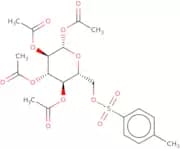
CAS:The tetra-acetyl-6-tosyl-b-D-glucopyranose is a modification of the natural 1,2,3,4-tetra-O-acetyl-6-O-tosyl--D glucopyranose. It is synthesized by reacting the 1,2,3,4 tetra acetyl b glucopyranose with tosyl chloride and anhydrous pyridine in dry dichloromethane. The product is purified by column chromatography on silica gel using a solvent system consisting of ethyl acetate and methanol. The yield of this reaction is about 60%. The molecular weight of this compound is 876.7 g/mol and its melting point is 253°C. The CAS No. for this compound is 661910-9 and its IUPAC name is (1R*, 2S*, 4R*)-1,2,Fórmula:C21H26O12SPureza:Min. 95%Forma y color:White PowderPeso molecular:502.49 g/molPhenyl 2,3,6-tri-O-acetyl-2-deoxy-2-trichloroacetamido-b-D-thioglucopyranoside
<p>Phenyl 2,3,6-tri-O-acetyl-2-deoxy-2-trichloroacetamido-b-D-thioglucopyranoside is a monosaccharide with a molecular weight of 594.5. It is derived from the reaction of methyl acetate and benzene in the presence of sulfuric acid. Phenyl 2,3,6-tri-O-acetyl-2-deoxy-2-trichloroacetamido b D thioglucopyranoside is an intermediate in the synthesis of saccharides that are modified by click chemistry or modification. <br>This product has been shown to be synthesized with high purity and good yield. The product can be used for custom synthesis as well as glycosylation reactions. This product also has a CAS number and can be used for Click chemistry or modification reactions.</p>Fórmula:C20H22Cl3NO8SPureza:Min. 95%Forma y color:White to off-white solid.Peso molecular:542.81 g/molChitooctaose octahydrochloride
CAS:<p>Chitooctaose 8HCl is an antiviral agent that inhibits the replication of viruses. It blocks the virus from entering and infecting cells by binding to its receptor, which prevents cell-to-cell transmission. Chitooctaose 8HCl has a hydrolysable form and can be acetylated to increase its potency. This drug also interacts with ligands such as oligosaccharides, which are molecules consisting of several monomers linked together in a chain. The structural changes in these oligosaccharides are important for the interaction with chitooctaose 8HCl. Chitooctaose 8HCl has been shown to inhibit the replication of RNA viruses such as influenza A virus, human immunodeficiency virus type 1 (HIV-1), and rotavirus. This antiviral agent also inhibits the replication of DNA viruses such as herpes simplex type 2 (HSV-2) and hepatitis B virus (</p>Fórmula:C48H90N8O33•(HCl)8Pureza:Min. 85 Area-%Forma y color:White PowderPeso molecular:1,598.95 g/molCarboxymethyl-dextran sodium salt 10-20% COOH - Average molecular weight 40000
CAS:<p>Drug carrier for cancer therapy & imaging, biocompatible, soluble, biodegradable</p>Forma y color:White Powder1,3,4,6-Tetra-O-acetyl-2-deoxy-2-phthalimido-b-D-glucopyranoside
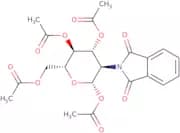
CAS:<p>The interaction of 1,3,4,6-tetra-O-acetyl-2-deoxy-2-phthalimido-b-D-glucopyranoside with DNA is selective for the hydroxyl group and for the stacking of its glycosidic bonds. The data obtained from the spectra show that this compound interacts with the sugar moiety of nucleosides to yield a product with a lower melting point. The binding constants are high and the yields are low.</p>Fórmula:C22H23NO11Pureza:Min. 95%Forma y color:White PowderPeso molecular:477.42 g/mol2,3,5-Tri-O-benzoyl-2-C-methyl-D-ribonic acid-1,4-lactone
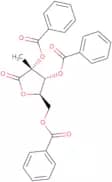
CAS:<p>2,3,5-Tri-O-benzoyl-2-C-methyl-D-ribonic acid-1,4-lactone is a glutamate receptor agonist that has been shown to have pharmacological properties. It binds to the GluR2/3 family of glutamate receptors and is an agonist at these receptors. The experiments with this drug have been conducted on both animals and humans. 2,3,5-Tri-O-benzoyl-2-C-methyl D ribonic acid lactone has also been shown to be an effective probe for the identification of glutamate receptor sequences in the brain and spinal cord.</p>Fórmula:C27H22O8Pureza:Min. 95%Forma y color:White PowderPeso molecular:474.46 g/molN-Acetylneuraminic acid methyl ester
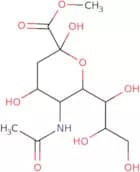
CAS:<p>Biologically relevant in neurotransmission and carbohydrate-protein recognition</p>Fórmula:C12H21NO9Pureza:Min. 97 Area-%Forma y color:White PowderPeso molecular:323.3 g/mol(2E) -4- [(3aS, 4R, 5aR) -5-Hydroxy-( 2, 2- dimethyltetrahydro- 4H- 1, 3- dioxolo)[3, 4- c] piperidin- 2- yl] -2- butenoic acid meth yl ester
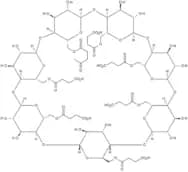
<p>2-Butenoic acid methylester is a carbohydrate compound with a molecular formula of C4H6O4 and a molecular weight of 136.09. It has the chemical name of (2E) -4- [(3aS, 4R, 5aR) -5-hydroxy-( 2, 2-dimethyltetrahydro- 4H- 1, 3- dioxolo)[3, 4- c] piperidin- 2- yl] -2- butenoic acid meth yl ester. This product is an oligosaccharide that can be custom synthesized to meet your needs. This product is also known as an Oligosaccharide or sugar and can be fluorinated to produce a complex carbohydrate. The CAS number for this product is 72695-10-8. This product is available in high purity and has been methylated and glycosylated.</p>Pureza:Min. 95%Succinyl-β-cyclodextrin
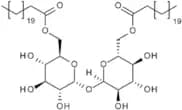
CAS:This beta-cyclodextrin (β-CD) derivative is a functionalized cyclic oligosaccharide composed of seven glucose units, characterized by a hydrophilic exterior and a lipophilic cavity (bigger than α-CD and smaller than γ-CDs), which allows it to encapsulate various guest molecules. This structural feature facilitates its use in multiple applications, including pharmaceuticals, food enhancement, and cosmetics. In the pharmaceutical industry, it enhances the solubility and stability of poorly water-soluble drugs, improving their bioavailability and efficacy while also masking unpleasant tastes. The food sector utilizes it as a stabilizer for flavors, colors, and nutrients, extending shelf life by protecting sensitive ingredients from degradation. In cosmetics, it serves as a complexing agent for fragrances and active components, ensuring their stability and controlled release. Its use expands to many other fields, including nanotechnology for drug delivery systems, environmental remediation for extracting organic pollutants, textiles for slow-release fragrances, and analytical chemistry for chiral separation.Fórmula:C71H100O55Pureza:Min. 95%Forma y color:White PowderPeso molecular:1,833.52 g/molTrehalose-6,6'-dibehenate
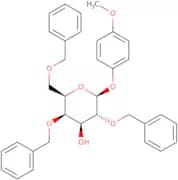
CAS:<p>Trehalose-6,6'-dibehenate (TDB) is a novel synthetic lipid that has been shown to have beneficial effects in the treatment of inflammatory bowel disease. This compound may act as an anti-inflammatory agent by inhibiting toll-like receptor 4 (TLR4)-mediated signaling and TLR4-dependent production of proinflammatory cytokines. TDB also inhibits HIV infection by interfering with CD4+ T cell function and decreasing the number of CD4+ cells in the gut. In addition, TDB has been shown to be effective against lps-induced inflammatory response in cell culture.</p>Fórmula:C56H106O13Pureza:One SpotForma y color:PowderPeso molecular:987.43 g/mol4-Methoxyphenyl 2,4,6-tri-O-benzyl-b-D-galactopyranoside
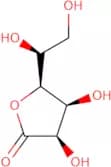
CAS:<p>4-Methoxyphenyl 2,4,6-tri-O-benzyl-b-D-galactopyranoside is a custom synthesis that belongs to the group of complex carbohydrates. It is an Oligosaccharide with CAS No. 247027-79-8 and Polysaccharide. 4MPG has been modified by Methylation, Glycosylation, Carbohydrate, Click modification, sugar, High purity, Fluorination and Synthetic methods. This product is available in high purity and can be used for research purposes.</p>Fórmula:C34H36O7Pureza:Min. 97 Area-%Forma y color:PowderPeso molecular:556.65 g/molL-Mannonic acid-1,4-lactone
CAS:<p>L-Mannonic acid-1,4-lactone is an acidic compound that has kinetic properties. It is used in the assays of chloride ions and neutral pH. L-Mannonic acid-1,4-lactone also has conjugates with hydrolytic activity and can be used as a synthetic intermediate for other organic compounds. L-Mannonic acid-1,4-lactone can be found in group P2 of the periodic table because it contains a hydroxyl group and an organic group with a methyl ethyl side chain. L-Mannonic acid-1,4-lactone hydrolyzes at high temperatures and may exhibit synergistic effects when combined with other agents. This product is also used to incubate cells such as k562 cells.</p>Fórmula:C6H10O6Pureza:Min. 95%Forma y color:PowderPeso molecular:178.14 g/mol2,3:5,6-Di-O-isopropylidene-D-talose
<p>2,3:5,6-Di-O-isopropylidene-D-talose is a custom synthesis of methylated oligosaccharides. It is a complex carbohydrate that contains both a monosaccharide and a polysaccharide. 2,3:5,6-Di-O-isopropylidene-D-talose is a modification of the sugar D(+)-talose (a pentasaccharide), which has been fluorinated to make it more stable. This product has high purity, and can be used in many different applications such as click chemistry, oligosaccharide synthesis, or fluorination reactions.<br>2,3:5,6-Di-O-isopropylidene-D-talose is an Oligosaccharide that is a Polysaccharide. It can be used as an inhibitor for DNA polymerase α and β enzymes in PCR reactions</p>Fórmula:C10H16O6Pureza:Min. 95%Peso molecular:232.23 g/mol2-O-a-D-Glucopyranosyl-D-galactopyranose
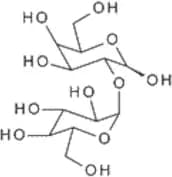
CAS:<p>2-O-a-D-Glucopyranosyl-D-galactopyranose is a synthetic monosaccharide that can be used as a glycosylate building block in the synthesis of oligosaccharides. It has been fluorinated, methylated, and click modified. This high purity material is available for custom synthesis. 2-O-a-D-Glucopyranosyl-D-galactopyranose is also known by its CAS number 7368-73-2.</p>Fórmula:C12H22O11Pureza:Min. 95%Forma y color:White PowderPeso molecular:342.3 g/mol1-O-Aminohexyl 3'-sialyllactose sodium
<p>Key synthetic precursor for the synthesis of lacto-oligosaccharides</p>Fórmula:C29H52N2O19•NaPureza:Min. 95 Area-%Forma y color:PowderPeso molecular:755.71 g/molβ-D-Glucose-1-phosphate disodium
CAS:<p>b-D-Glucose-1-phosphate disodium salt is a white crystalline powder that is soluble in water, ethanol, and acetone. It is a monosaccharide with the molecular formula C6H12O6P2Na2. It has a molecular weight of 348.08 g/mol.</p>Fórmula:C6H13O9P•Na2Pureza:Min. 95%Forma y color:PowderPeso molecular:306.12 g/mola-D-Maltose octaacetate
CAS:<p>Starch breakdown product; sweetening agent; fermentable intermediate in brewing</p>Fórmula:C28H38O19Pureza:Min. 95%Peso molecular:678.59 g/molIsomaltol
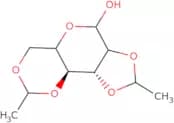
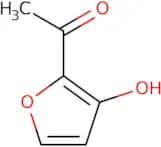
CAS:<p>Isomaltol is a sugar alcohol that is used as a food additive. It is a white, crystalline powder that is soluble in water and has an intense sweet taste. Isomaltol is produced by hydrogenating the reducing ends of sucrose to form maltose, which then undergoes hydrolysis to form maltitol. Isomaltol can be used as a replacement for sugar in foods and drinks. Isomaltol has been shown to inhibit tyrosinase activity, which may be beneficial for skin care products. It also has antimicrobial properties due to its ability to react with aluminium ions.</p>Fórmula:C6H6O3Pureza:Min. 95%Peso molecular:126.11 g/mol2-C-Methyl-3,5-O-(di-tert.butylsilylidene)-D-xylono-1.4-lactone
2-C-Methyl-3,5-O-(di-tert.butylsilylidene)-D-xylono-1.4-lactone is a synthetic, fluorinated oligosaccharide that is custom synthesized with high purity and a CAS Number. It has been modified with a click chemistry reaction to create an Oligosaccharide sugar. This complex carbohydrate can be used in the synthesis of glycosylation reactions, methylation reactions and monosaccharide reactions.Pureza:Min. 95%2,6-Dimethyl-beta-cyclodextrin
CAS:<p>This beta-cyclodextrin (β-CD) derivative is a functionalized cyclic oligosaccharide composed of seven glucose units, characterized by a hydrophilic exterior and a lipophilic cavity (bigger than α-CD and smaller than γ-CDs), which allows it to encapsulate various guest molecules. This structural feature facilitates its use in multiple applications, including pharmaceuticals, food enhancement, and cosmetics. In the pharmaceutical industry, it enhances the solubility and stability of poorly water-soluble drugs, improving their bioavailability and efficacy while also masking unpleasant tastes. The food sector utilizes it as a stabilizer for flavors, colors, and nutrients, extending shelf life by protecting sensitive ingredients from degradation. In cosmetics, it serves as a complexing agent for fragrances and active components, ensuring their stability and controlled release. Its use expands to many other fields, including nanotechnology for drug delivery systems, environmental remediation for extracting organic pollutants, textiles for slow-release fragrances, and analytical chemistry for chiral separation.</p>Fórmula:C56H98O35Pureza:Min. 98%Forma y color:White PowderPeso molecular:1,331.36 g/molParomamine 3HCl
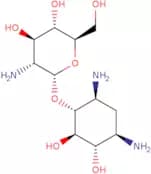
CAS:<p>Paromamine is a chemical compound that inhibits protein synthesis by enzymatic inactivation. It has been shown to have a broad spectrum of antibacterial activity against Gram-positive and Gram-negative bacteria. Paromamine also has the ability to inhibit bacterial growth at high salt concentrations, making it an attractive candidate for development as an oral antibiotic drug. Paromamine is synthesized from natural products, such as salicylaldehyde or phenylhydrazine, which are readily available and inexpensive. The reaction mechanism for the formation of paromamine starts with dehydration of the hydroxyl group on the hydrazine to form a carbonyl group. This carbonyl group reacts with sephadex g-100 to form a cyanohydrin. The cyanohydrin reacts with ammonia to form an amide bond between the two nitrogen atoms in the molecule, which forms paromamine.</p>Fórmula:C12H25N3O7·3HClPureza:Min. 95%Peso molecular:323.34 g/molL-Mannitol
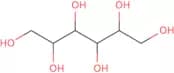
CAS:<p>L-Mannitol is a sugar alcohol that is an important component of pharmaceutical preparations. It is used as a preservative, diluent, and sweetener in many pharmaceutical products. L-Mannitol has been shown to have anti-inflammatory properties and may help prevent allergic reactions by inhibiting the production of prostaglandin D2. L-Mannitol also inhibits the activity of xylitol dehydrogenase, which prevents the conversion of xylitol to DHA, an intermediate metabolite that can cause tissue damage in animals and humans. L-Mannitol has been shown to have a laxative effect when taken orally or injected as an intravenous solution. This property may be due to its ability to stimulate chloride secretion from intestinal cells and increase water reabsorption from the colon. L-Mannitol is also used as a chromatographic matrix for saponins and conjugates with other amino acids.</p>Fórmula:C6H14O6Pureza:Min. 95%Forma y color:PowderPeso molecular:181.6 g/mol1,2-Di-O-acetyl-3-O-benzyl-4-C-(phenylmethoxy)methyl-L-Lyxofuranose 5-methanesulfonate
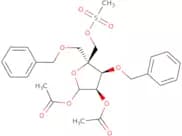
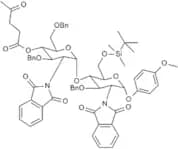
CAS:<p>1,2-Di-O-acetyl-3-O-benzyl-4-C-(phenylmethoxy)methyl-L-Lyxofuranose 5-methanesulfonate is a high purity, custom synthesis sugar that has been modified with fluorination, glycosylation and methylation. It is also a synthetic saccharide that can be used in the modification of oligosaccharides and monosaccharides. This product is available in a variety of different quantities.</p>Fórmula:C25H30O10SPureza:Min. 95%Peso molecular:522.57 g/mol4-Methoxyphenyl 4-O-(3,6-di-O-benzyl-2-deoxy-4-O-levulinoyl-2-phthalimido-β-D-glucopyranosyl)-6-O-tert-butyldimethylsilyl-3-O-benzyl -2-deoxy-2-phthalimido-β-D-glucopyranoside
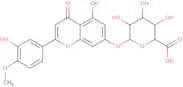
<p>4-Methoxyphenyl 4-O-(3,6-di-O-benzyl-2-deoxy-4-O-levulinoyl-2-phthalimido-b-D-glucopyranosyl)-6-O-tert butyldimethylsilyl 3,O benzyl 2 deoxy 2 phthalimido b D glucopyranoside is a custom synthesis of a synthetic oligosaccharide. This glycosylation product is soluble in water and has CAS No. of 81238.</p>Fórmula:C67H72N2O16SiPureza:Min. 95%Peso molecular:1,189.38 g/mol3,4-Dihydro-5-hydroxy-2-(3-hydroxy-4-methoxyphenyl)-4-oxo-2H-1-benzopyran-7-yl β-D-glucopyranosiduronic acid
CAS:<p>Hesperetin 7-O-b-D-glucuronide is a metabolite of hesperetin, a flavonoid primarily sourced from citrus fruits. This compound is formed through the glucuronidation process, a metabolic pathway that modifies hesperetin to enhance its solubility and facilitate its excretion from the human body. Hesperetin 7-O-b-D-glucuronide exerts biological effects through various modes of action, including antioxidant and anti-inflammatory mechanisms. It is thought to scavenge free radicals and modulate inflammatory pathways by inhibiting specific enzymes and cytokines.In scientific research, Hesperetin 7-O-b-D-glucuronide is studied for its potential therapeutic applications, particularly its role in reducing oxidative stress and inflammation-related diseases. It has garnered attention in the context of cardiovascular health, neuroprotection, and metabolic disorders. The exploration of its bioavailability and specific interactions at the molecular level continues to provide insights into its promising applications in nutraceuticals and pharmaceuticals. Researchers investigate its efficacy and safety to better understand its potential role in disease prevention and therapy.</p>Fórmula:C22H22O12Pureza:Min. 95%Forma y color:PowderPeso molecular:478.4 g/molD-Galactosamine-1-phosphate
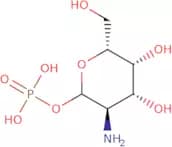
CAS:<p>D-Galactosamine-1-phosphate is a precursor of UDP-glucose and is used in the synthesis of fatty acids. D-Galactosamine-1-phosphate is synthesized by the enzyme UDP-glucose pyrophosphorylase, which catalyzes the reaction between UDP and D-galactose. It is expressed in strains that have been engineered to produce recombinant proteins. This product can be produced in vitro by a number of methods, including enzymatic or chemical synthesis. The enzyme activity of D-galactosamine 1 phosphate synthase is temperature dependent, with optimal activity at 40°C. This product has been shown to inhibit hepatitis virus production and lipid formation in vitro.</p>Fórmula:C6H14NO8PPureza:Min. 95%Forma y color:PowderPeso molecular:259.15 g/molEthyl β-D-glucuronide
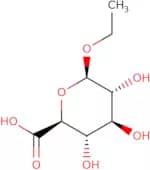
CAS:<p>Ethyl β-D-glucuronide (EBG) is a metabolite of ethanol that is formed by the conjugation of glucuronic acid to ethanol in the liver. EBG has been shown to be a potential biomarker for alcohol consumption, as it can be detected in urine and blood. The presence of this molecule has also been associated with an increased risk of developing type 2 diabetes mellitus, cardiovascular disease, and cancer. EBG may also have pharmacological effects as it has been shown to inhibit lipid oxidation and increase insulin sensitivity. This molecule can be extracted from human serum using solid phase microextraction</p>Fórmula:C8H14O7Pureza:Min. 98 Area-%Forma y color:Slightly Brown PowderPeso molecular:222.19 g/molFleetamine
<p>Fleetamine is a piperidine compound that has been shown to be an inhibitor of the enzyme glycosylation. Inhibitors of glycosylation are useful for treating diseases such as diabetes and Alzheimer's disease. It is thought that Fleetamine may inhibit human glycosylating enzymes, such as glucosyl transferase, which catalyzes the addition of a glucose molecule to a protein. This inhibition prevents the formation of oligosaccharides and glycoconjugates, which are necessary for proper functioning of cells.</p>Pureza:Min. 95%1-O-tert-Butyldimethylsilyl-5-O-DMT-2-O-methyl-D-ribose 3-CE-phosphoramidite
<p>1-O-tert-Butyldimethylsilyl-5-O-DMT-2-O-methyl-D-ribose 3-CE phosphoramidite is a methylated saccharide which can be used in the synthesis of polysaccharides. This product is custom synthesized and has high purity, with a CAS number of 138876-62-1. It is also fluorinated, and can be used for complex carbohydrate synthesis.</p>Fórmula:C42H61N2O8PSiPureza:Min. 95%Peso molecular:781 g/mol2-Acetamido-2-deoxy-a-D-thiogalactopyranose
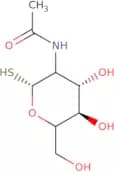
<p>Please enquire for more information about 2-Acetamido-2-deoxy-a-D-thiogalactopyranose including the price, delivery time and more detailed product information at the technical inquiry form on this page</p>Fórmula:C8H15NO5SPureza:Min. 95%Forma y color:PowderPeso molecular:237.27 g/molEmodin 8-O-b-D-glucopyranoside
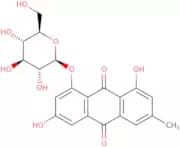
CAS:<p>Emodin is a natural product that can be extracted from the rhizome of Curcuma aromatica, a chinese herb. It has been shown to have neuroprotective effects in animal studies and has been used as an adjuvant in the treatment of cervical cancer. Emodin also inhibits the replication of human immunodeficiency virus type 1 (HIV-1) and herpes simplex virus type 1 (HSV-1). Emodin is also active against microbial infection, including bacterial infections, such as those caused by Staphylococcus aureus, and viral infections, such as influenza A virus. The main mechanism of action of emodin is its inhibition of DNA synthesis by binding to viral dna or bacterial rna polymerase. Emodin has also been found to inhibit protein synthesis by binding to ribosomes. This drug binds to urea nitrogen molecules in bacteria and disrupts their growth by inhibiting protein synthesis.</p>Fórmula:C21H20O10Pureza:Min. 95%Forma y color:PowderPeso molecular:432.38 g/mol1,5-Di-O-acetyl-2,3-O-isopropylidene-D-ribofuranose
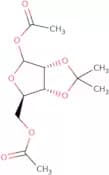
CAS:<p>1,5-Di-O-acetyl-2,3-O-isopropylidene-D-ribofuranose is a sugar that can be modified for various purposes. It is a synthetic sugar with a CAS number of 141979-56-8. The compound has fluoroquinolone resistance and is used in the synthesis of oligosaccharides and polysaccharides. This product can be custom synthesized. It has high purity and a modification of methylation or monosaccharide click modification. It also has complex carbohydrate properties.</p>Fórmula:C12H18O7Pureza:(%) Min. 95%Forma y color:PowderPeso molecular:274.27 g/mol2,3,5-Tri-O-benzyl-L-ribonic acid-1,4-lactone
<p>2,3,5-Tri-O-benzyl-L-ribonic acid-1,4-lactone (2,3,5-TRBA) is a fluorinated monosaccharide that is synthesized from D-ribose and hexafluoroisopropanol. It is also an oligosaccharide that can be custom synthesized for the synthesis of complex carbohydrates. 2,3,5-TRBA can be modified with methylation or glycosylation to yield a range of desired products. The CAS number for this compound is 103514-06-1. This compound has a purity of >98%.</p>Fórmula:C26H26O5Pureza:Min. 95%Forma y color:PowderPeso molecular:418.48 g/molD-Lactose monohydrate
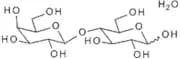
CAS:<p>Lactose is the principal sugar in human and most other mammalian milks, ( 4-O-(β-d-galactopyranosyl)-d-glucopyranose) (Collins, 2006). Lactose undergoes mutarotation; it is a reducing sugar and is significantly less soluble in water than sucrose. Lactose is much less sweet than sucrose (at ~1% about 0.15 (sucrose=1). The enzyme lactase (β-galactosidase), which is present in the small intestine, catalyzes hydrolysis of lactose to form glucose and galactose. Anhydrous lactose is an excipient, filler, diluent, and bulking agent in a wide variety of pharmaceutical tablets, capsules, powders and other preparations. Lactose also has applications as a nutrient and multi-functional ingredient in infant formulae, geriatric, dietetic and health foods (Linko, 1982).</p>Fórmula:C12H22O11·H2OPureza:Min. 96 Area-%Forma y color:White Off-White PowderPeso molecular:360.31 g/molL-Arabinose diethyldithioacetal
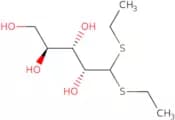
CAS:<p>L-Arabinose diethyldithioacetal is a potassium carbonate derivative of L-arabinose that reacts with sulfur to form 1,2-dithioketals. These dithioketals are used as glycosyl donors in the synthesis of L-fucitol and d-xylose. This reaction is catalyzed by acetobacter, which converts L-arabinose and carbon dioxide into acetaldehyde and acetic acid. The reaction mechanism for this transformation includes an epimerization of the hydroxyl group on the C5 position of L-arabinose to a hydroxyl group on C6, followed by glycosidation with sulfuric acid. The glycosidic bond formed between the hydroxyl group on C6 and the carbonyl group at C1 (in this case, from L-arabinose) is called an acetal linkage. In addition to being antithrombotic</p>Fórmula:C9H20O4S2Pureza:Min. 95%Forma y color:PowderPeso molecular:256.38 g/mol11-Dehydroxygrevilloside B
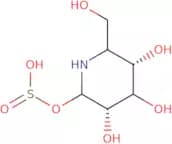
CAS:<p>11-Dehydroxygrevilloside B is a natural glycoside compound, which is primarily isolated from the plant genus Grevillea. This genus is known for its rich diversity of secondary metabolites with various biological activities. The mode of action of 11-Dehydroxygrevilloside B involves interactions with specific molecular targets, potentially influencing biochemical pathways associated with inflammation, oxidative stress, or other cellular processes. Its exact mechanism is still under research, aiming to unravel its potential therapeutic or protective effects. Applications of 11-Dehydroxygrevilloside B are mainly within the realm of biochemical and pharmacological research, where it serves as a subject for in vitro or in vivo experiments to explore its efficacy and safety profile. Its study contributes to understanding how plant-derived compounds can be harnessed for medicinal purposes and augments the exploration of novel drug candidates from natural sources.</p>Fórmula:C17H26O7Pureza:Min. 95 Area-%Forma y color:PowderPeso molecular:342.38 g/molGalactostatin bisulfite
CAS:<p>Inhibitor of β-galactosidase</p>Fórmula:C6H13NO7SPureza:Min. 95%Forma y color:PowderPeso molecular:243.24 g/mol2-O-Hydroxyethyl-D-glucose
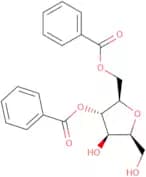
CAS:<p>2-O-Hydroxyethyl-D-glucose is a synthesised compound that has been glycosidically linked to the glucoside. This compound is an intramolecular glucoside with a bicyclic structure. It can be used in the synthesis of other compounds, such as 3-o-hydroxypropyl-D-glucose, which has been shown to have anti-inflammatory effects.</p>Fórmula:C8H16O7Pureza:Min. 95%Forma y color:PowderPeso molecular:224.21 g/mol2,5-Anhydro-4,6-di-O-benzoyl-D-glucitol
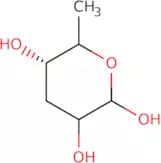
CAS:2,5-Anhydro-4,6-di-O-benzoyl-D-glucitol is a nucleoside analog that has been shown to inhibit the growth of Mycobacterium tuberculosis and other bacterial strains. It inhibits DNA synthesis by binding to the thymine moiety in the helix, which blocks access of thymine to the enzyme DNA polymerase. 2,5-Anhydro-4,6-di-O-benzoyl-D-glucitol also inhibits RNA synthesis by binding to the ribose moiety in nucleotides and blocking access of ribose to enzymes involved in the process. This compound is used as an immunosuppressant for organ transplantation in humans.Fórmula:C20H20O7Pureza:Min. 95%Peso molecular:372.38 g/mol3,6-Dideoxy-D-arabino-hexose
CAS:<p>3,6-Dideoxy-D-arabino-hexose is a sugar that is found in bacterial cell walls. It is made up of three components: 3,6-dideoxy-D-glycero-hexose and two fatty acids. The chemical structure of 3,6-dideoxy-D-arabino-hexose has been determined by chemical synthesis and spectroscopic analysis. This sugar residue is also used in the biosynthesis of the lipid A antigen found on gram negative bacteria.</p>Fórmula:C6H12O4Pureza:Min. 95 Area-%Forma y color:PowderPeso molecular:148.16 g/molFucoidan - Sargassum
CAS:A fucan sulphate found in brown marine algae (Phaeophyta-typically Fucus vesiculotus, Sargassum (illustrated), Alaria and Cladosiphon) and has been shown to have anticoagulant activity. The main constituents are α-1,4 and α-1,2 linked L-fucose sulphates although galactose and L-fucose are also present, our product contains approximately 20% L-fucose, and there are many variations of the basic structure found in different species of Phaeophyta. The image was kindly provided by Prof Mike Guiry from Cork who runs ‘The Seaweed Site’.Pureza:Min. 95%Forma y color:PowderN-Acetyl-D-galactosamine-3,6-di-O-sulphate sodium salt
<p>A sulfated GalNAc analogue</p>Fórmula:C8H13NO12S2·2NaPureza:Min. 95%Forma y color:White to off-white solid.Peso molecular:425.3 g/mol1,4-β-D-Xylotetraose
CAS:<p>1,4-β-D-Xylotetraose is a sugar that is found in the genus Talaromyces and is used as a sweetener. It is produced by plant cells and has been shown to have thermostability. 1,4-β-D-Xylotetraose has been found to have lipidomic activity, which may be related to its ability to bind lipids. It also has a dietary profile, which may contribute to its use as a supplement. 1,4-β-D-Xylotetraose can be used as an affinity agent for lipid profiling because it binds lipids with high affinity.</p>Fórmula:C20H34O17Pureza:Min. 95 Area-%Forma y color:White Off-White PowderPeso molecular:546.47 g/molAcetyl-β-cyclodextrin
CAS:This beta-cyclodextrin (β-CD) derivative is a functionalized cyclic oligosaccharide composed of seven glucose units, characterized by a hydrophilic exterior and a lipophilic cavity (bigger than α-CD and smaller than γ-CDs), which allows it to encapsulate various guest molecules. This structural feature facilitates its use in multiple applications, including pharmaceuticals, food enhancement, and cosmetics. In the pharmaceutical industry, it enhances the solubility and stability of poorly water-soluble drugs, improving their bioavailability and efficacy while also masking unpleasant tastes. The food sector utilizes it as a stabilizer for flavors, colors, and nutrients, extending shelf life by protecting sensitive ingredients from degradation. In cosmetics, it serves as a complexing agent for fragrances and active components, ensuring their stability and controlled release. Its use expands to many other fields, including nanotechnology for drug delivery systems, environmental remediation for extracting organic pollutants, textiles for slow-release fragrances, and analytical chemistry for chiral separation.Fórmula:C42Hn)O35·(C2H3O)nPureza:Min. 98 Area-%Forma y color:PowderPeso molecular:1,387.21 g/molChitosan - water soluble
CAS:<p>Chitosan is the deacetylated form of chitin. The polysaccharide is deacetylated in order to render it soluble, which is then possible at pH values of less than 7 (normally in dilute acid). This then allows the material to be used in a number of industrial applications as a binder and film former.MW typically 10-100kDa.</p>Forma y color:Off-White Powder3-Azido-3-deoxy-1,2:5,6-di-O-isopropylidene-α-D-galactofuranose
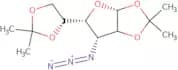
CAS:<p>3-Azido-3-deoxy-1,2:5,6-di-O-isopropylidene-a-D-galactofuranose is a synthetic sugar that can be used as a monosaccharide or oligosaccharide. It is a complex carbohydrate that can be modified with methylation, fluorination, and click chemistry. 3-Azido-3-deoxy-1,2:5,6-di-O-isopropylidene-a-D galactofuranose is an important compound in carbohydrate chemistry due to its ability to undergo glycosylation reactions. The chemical properties of 3ADGFP are comparable to those of other monosaccharides and carbohydrates.</p>Fórmula:C12H19N3O5Pureza:Min. 95%Forma y color:Solidifying oil.Peso molecular:285.3 g/molD-Glucarate monopotassium
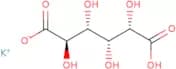
CAS:<p>D-Glucarate monopotassium is a pharmaceutical preparation that is used to inhibit the growth of bacteria. It inhibits the proliferation of cells by inhibiting fatty acid synthesis, which leads to decreased levels of cholesterol, and reduces the uptake of glucose. D-Glucarate monopotassium is also an oxidizing agent that converts uridine into uric acid and has been shown to have inhibitory properties against human cancer cells. D-Glucarate monopotassium can be used as an antioxidant for the prevention or treatment of chronic diseases such as atherosclerosis, diabetes, and cancer. This compound acts as an inhibitor for trypsin treatment on carbohydrates, preventing hydrolysis by this enzyme.</p>Fórmula:C6H9O8·KPureza:Min. 95%Forma y color:PowderPeso molecular:248.23 g/mol




![(1S) -1- [(2S, 3S,4R) -4-Hydroxymethyl-3- hydroxy- N-methyl-1- azetidinyl] -1, 2- ethanediol](/_next/image/?url=https%3A%2Fstatic.cymitquimica.com%2Fproducts%2F3D%2Fthumb-webp%2FMH163379.webp&w=3840&q=75)

![(1S) -1- [(2S, 3R,4S) - 3- Hydroxy-4-hydroxymethyl- 1- benzyl - 2- azetidinyl] -1, 2- ethanediol](/_next/image/?url=https%3A%2Fstatic.cymitquimica.com%2Fproducts%2F3D%2Fthumb-webp%2FMH163532.webp&w=3840&q=75)

![(5R, 8S, 9R) -8- [(4R) - 2, 2-Dimethyl- 1, 3- dioxolan- 4- yl] - 9- hydroxy- 2, 2- dimethyl- 1, 3,…](/_next/image/?url=https%3A%2Fstatic.cymitquimica.com%2Fproducts%2F3D%2Fthumb-webp%2FMD170672.webp&w=3840&q=75)








![(2S, 3S, 4R) -3- [[[(2S, 3S, 4R) - 3- Azido- 4- [[[(1, 1- dimethylethyl) dimethylsilyl] oxy] methy…](/_next/image/?url=https%3A%2Fstatic.cymitquimica.com%2Fproducts%2F3D%2Fthumb-webp%2FMA163463.webp&w=3840&q=75)




![(2E) -4- [(3aS, 4R, 5aR) -5-Hydroxy-( 2, 2- dimethyltetrahydro- 4H- 1, 3- dioxolo)[3, 4- c] piperi…](/_next/image/?url=https%3A%2Fstatic.cymitquimica.com%2Fproducts%2F3D%2Fthumb-webp%2FMH168767.webp&w=3840&q=75)