Glycoscience
La glicociencia es el estudio de los carbohidratos y sus derivados, así como de las interacciones y funciones biológicas en las que participan. Este campo de investigación es crucial para comprender una amplia variedad de procesos biológicos, incluyendo el reconocimiento celular, la señalización, la respuesta inmune y el desarrollo de enfermedades. La glicociencia tiene aplicaciones importantes en la biotecnología, la medicina, y el desarrollo de nuevos fármacos y terapias. En CymitQuimica, ofrecemos una amplia selección de productos de alta calidad y pureza para la investigación en glicociencia. Nuestro catálogo incluye monosacáridos, oligosacáridos, polisacáridos, glicoconjugados, y reactivos específicos, diseñados para apoyar a los investigadores en sus estudios sobre la estructura, función y aplicaciones de los carbohidratos en sistemas biológicos. Estos recursos están destinados a facilitar descubrimientos científicos y aplicaciones prácticas en diversas áreas de la biociencia y la medicina.
Subcategorías de "Glycoscience"
- Aminoazúcares(108 productos)
- Anticuerpos relacionados con azúcares(282 productos)
- Glicolípidos(46 productos)
- Glicosaminoglicanos (GAGs)(55 productos)
- Glucósidos(419 productos)
- Monosacáridos(6.624 productos)
- Oligosacáridos(3.682 productos)
- Polisacáridos(503 productos)
Se han encontrado 11046 productos de "Glycoscience"
Ordenar por
Pureza (%)
0
100
|
0
|
50
|
90
|
95
|
100
1,4-β-D-Xylohexaose
CAS:<p>1,4-beta-D-xylohexaose is a sugar that belongs to the group of xylooligosaccharides. It is an enzymatic inactivator that binds to the enzyme hydrolase family. Xylooligosaccharides are found in plant cell walls, where they can be used as a carbon source by termites. 1,4-beta-D-xylohexaose has been shown to be most active against neutral ph, but it is not active against acidic ph. The enzyme hydrolase family is inhibited by binding with 1,4-beta-D-xylohexaose and this prevents hydrolysis of carbohydrates, which includes glycosidic bonds.br>br><br>1,4-beta-D-xylohexaose has also been shown to be beneficial for sustainable agriculture practices as it inhibits enzymes that break down xylooligosaccharides</p>Fórmula:C30H50O25Pureza:Min. 95%Forma y color:PowderPeso molecular:810.7 g/molHeparin disaccharide II-A disodium salt
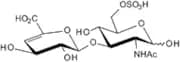
CAS:<p>Heparin Disaccharide II-A Disodium Salt is a modification of heparin. It is an oligosaccharide with a molecular weight of about 2,000 Daltons. This product can be custom synthesized as per the requirement of the customer. The purity level of this product is very high and it has been shown to have antiviral, anticoagulant, anti-inflammatory, and anticlotting properties.</p>Fórmula:C14H19NO14SNa2Pureza:Min. 95 Area-%Forma y color:White Off-White PowderPeso molecular:503.34 g/mol2-Acetamido-3-O-(2,3,4,6-tetra-O-acetyl-b-D-galactopyranosyl)-4,6-di-O-acetyl-2-deoxy-a-D-galactopyranosyl-Fmoc-L-threonine tert-but yl ester
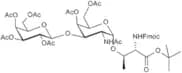
<p>2-Acetamido-3-O-(2,3,4,6-tetra-O-acetyl-b-D-galactopyranosyl)-4,6-di-O-acetyl-2,6 -deoxy--a-,D-,galactopyranosyl--Fmoc--L--threonine tert--but yl ester is a synthetic carbohydrate that contains 2 acetamido groups and 3 O-(2,3,4,6 tetra O acetyl b D galactopyranosyl) groups. The chemical name for this compound is 2 Acetamido 3 O (2 3 4 6 tetra O acetyl b D galactopyranosyl) 4 6 di O acetyl 2 deoxy a D galactopyranosyl Fmoc L threonine tert but yl ester. It has been synthesized by the Click modification reaction of an oligos</p>Fórmula:C49H62N2O21Pureza:Min. 95%Peso molecular:1,015.02 g/mol1,2,3,4-Tetra-O-benzoyl-6-O-tert-butyldiphenylsilyl-a-D-mannopyranose
CAS:<p>1,2,3,4-Tetra-O-benzoyl-6-O-tert-butyldiphenylsilyl-a-D-mannopyranose is a custom synthesis. It is a fluorinated monosaccharide that can be used as a glycosylation or polysaccharide modification reagent. This product has been modified with methyl groups at the 2 and 3 positions of the phenolic ring and tetra-(1,2,3,4)-benzoate groups at the 4 position. The purity of this product is >98%.</p>Fórmula:C40H42O10SiPureza:Min. 95%Peso molecular:710.86 g/mol3,4,6-Tri-O-acetyl-N-azidoacetylmannosamine
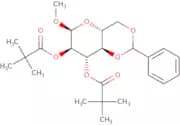
<p>3,4,6-Tri-O-acetyl-N-azidoacetylmannosamine is a custom synthesis, modification and fluorination of mannose. It is an oligosaccharide composed of 3,4,6-tri-O-acetyl-N-azidoacetylmannosamine which is linked to a glycosylated saccharide. The carbohydrate backbone is composed of two glucose molecules with the modified mannose attached at the 1 position on each. This compound can be used in research as a model for N3'-linked sugar modifications and has been shown to have antiviral properties.</p>Pureza:Min. 95%Methyl 4,6-O-benzylidene-2,3-di-O-pivaloyl-a-D-glucopyranoside
CAS:<p>Methyl 4,6-O-benzylidene-2,3-di-O-pivaloyl-a-D-glucopyranoside is a custom synthesis of a high purity and high quality. This product is an oligosaccharide with a complex carbohydrate structure. Methyl 4,6-O-benzylidene-2,3-di-O-pivaloyl-a-D-glucopyranoside has been shown to be highly stable in the presence of strong acids and bases. It can be modified using click chemistry reactions for further experimental research.</p>Fórmula:C24H34O8Pureza:Min. 95%Peso molecular:450.53 g/mol(2S,3R,4R,5S)-5-Acetylamino-3,4-dihydroxy-2-formylpiperidine
<p>(2S,3R,4R,5S)-5-Acetylamino-3,4-dihydroxy-2-formylpiperidine is a custom synthesis that can be modified to meet your needs. It is a fluorinated complex carbohydrate and has been shown to have high purity. The modification process of this chemical is simple and can be done in either the lab or in the field. (2S,3R,4R,5S)-5-Acetylamino-3,4-dihydroxy-2-formylpiperidine is synthesized by methylation of 5-(acetylamino)piperidinone with diazomethane followed by protection of the amine group with an acetyl group. This chemical also has Oligosaccharide and Polysaccharide properties.</p>Pureza:Min. 95%Galactan, from potato
CAS:<p>A linear β-(1,4)-galactan from potato tubers. Other linear β-(1,4)-galactans have been isolated from lemon peel, potato tubers and Norwegian acacia gum.</p>Forma y color:White Powder3,4,6-Tri-O-acetyl-b-D-mannopyranose 1,2-(methyl orthoacetate)
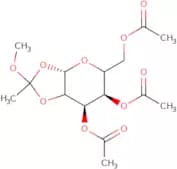
CAS:<p>3,4,6-Tri-O-acetyl-b-D-mannopyranose 1,2-(methyl orthoacetate) is a glycosylation product that is used in the synthesis of oligosaccharides. 3,4,6-Tri-O-acetyl-b-D-mannopyranose 1,2-(methyl orthoacetate) is synthesized by the reaction of 3,4,6-triacetyl b D mannopyranose with methyl orthoacetate in aqueous solution containing an acid catalyst. This compound can be used to modify saccharides and complex carbohydrates. It is also used in click chemistry to create modified sugars. The molecular weight of this compound ranges from 200 to 600 grams per mole and it has a CAS number of 4435 05 6.</p>Fórmula:C15H22O10Pureza:Min. 95%Forma y color:PowderPeso molecular:362.33 g/molMethyl 2,3,4-tri-O-acetyl-6-O-triisopropylsilyl-a-D-mannopyranoside
CAS:<p>Methyl 2,3,4-tri-O-acetyl-6-O-triisopropylsilyl-a-D-mannopyranoside is a custom synthesis of a monosaccharide with a fluorinated methyl group. The compound has been synthesized by the Click modification of an oligosaccharide and polysaccharide. This product is available in high purity, and can be modified to suit your needs. For more information, please contact us today!</p>Fórmula:C22H40O9SiPureza:Min. 95%Peso molecular:476.64 g/molAllitol
CAS:<p>Allitol is a sugar alcohol that is used as a sweetener. It can be found naturally in some fruits and vegetables, but it can also be produced by hydrogenation of xylose. Allitol is metabolized by the liver and has been shown to inhibit fatty acid synthesis. It also has insulin-resistance effects, which may be due to its ability to inhibit the conversion of glucose into fatty acids. Allitol has been shown to decrease the levels of hydrochloric acid in the stomach, which may lead to an increase in gastric pH. Allitol will react with strong bases such as sodium hydroxide or potassium hydroxide to form d-talitol and polycarboxylic acid, respectively. Magnetic resonance spectroscopy (MRS) can be used to study the biochemical properties of allitol because it has a unique magnetic resonance spectrum (MRS).</p>Fórmula:C6H14O6Pureza:Min. 98 Area-%Forma y color:PowderPeso molecular:182.17 g/mol3-OBenzyl-1, 2- O-isopropylidene-a- D- glucofuranose cyclic 5, 6- carbonate
<p>3-OBenzyl-1, 2-O-isopropylidene-a-D-glucofuranose cyclic 5, 6-carbonate is a synthetic monosaccharide. It is a complex carbohydrate that has been modified with fluorination and methylation. This product can be custom synthesized to meet your needs. The CAS No. for this product is 109414-65-3.</p>Pureza:Min. 95%2-C-(tert.Butyldimethylsilyloxy)methyl-2,3:5,6-di-O-isopropylidene-D-allono-1.4-lactone
<p>2-C-(tert.Butyldimethylsilyloxy)methyl-2,3:5,6-di-O-isopropylidene-D-allono-1.4-lactone is a custom synthesis that is a complex carbohydrate with the molecular formula C24H42O8 and molecular weight of 432. It has a CAS number of 71026-13-2 and can be found in the Polysaccharide category. The chemical modification of this compound includes methylation, glycosylation, and fluorination. This product is high purity and has been synthesized by Click chemistry.</p>Pureza:Min. 95%4- β- D-Ribofuranosyl-2, 6- piperidinedione
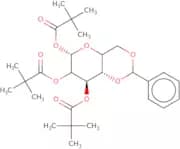
CAS:<p>4-beta-D-Ribofuranosyl-2,6-piperidinedione is a sugar that can be used as a building block in the synthesis of saccharides and oligosaccharides. It has been shown to be useful for glycosylation reactions and click reactions. 4-beta-D-Ribofuranosyl-2,6-piperidinedione is also used in the synthesis of complex carbohydrates.</p>Fórmula:C10H15NO6Pureza:Min. 95%Peso molecular:245.23 g/mol4,6-O-Benzylidene-1,2,3-tri-O-pivaloyl-b-D-galactopyranose
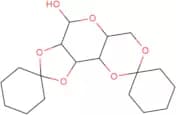
<p>4,6-O-Benzylidene-1,2,3-tri-O-pivaloyl-b-D-galactopyranose is a custom synthesized glycosylation product. It is an oligosaccharide sugar with a molecular weight of 586. The structure has been modified by fluorination and methylation. 4,6-O-Benzylidene-1,2,3-tri-O-pivaloyl -b -D -galactopyranose can be used in the synthesis of saccharides and polysaccharides as well as in click chemistry modification.</p>Fórmula:C28H40O9Pureza:Min. 95%Peso molecular:520.63 g/mol2,3:4,6-Di-O-cyclohexylidene-a-D-mannopyranose
CAS:<p>2,3:4,6-Di-O-cyclohexylidene-a-D-mannopyranose is a custom synthesis product. It can be modified with fluorination, methylation or monosaccharide substitution. The synthesis of 2,3:4,6-Di-O-cyclohexylidene-a-D-mannopyranose involves an oxidative coupling of glycerol and acetone to the corresponding 1,1,2,2 tetraacetate. The latter is then converted to the desired product by means of an acid catalyzed cyclization reaction. This compound is also synthetically derived from the sugar mannose via a series of reactions including methylation and glycosylation.</p>Fórmula:C18H28O6Pureza:Min. 95%Forma y color:PowderPeso molecular:340.41 g/mol5-Azido-6-benzylamino-N-fluorenylmethoxycarbonyl-5,6-dideoxy-1,2-O-isopropylidene-L-idofuranose
<p>5-Azido-6-benzylamino-N-fluorenylmethoxycarbonyl-5,6-dideoxy-1,2-O-isopropylidene-L-idofuranose is a custom synthesis that is used in the methylation of saccharides. It is also used for Click and azide modifications as well as fluorination. 5ABAFM is soluble in methanol and DMSO and has a CAS number of 2591402.</p>Pureza:Min. 95%5,6-O-Isopropylidene-L-gulono-1,4-lactone
CAS:<p>5,6-O-Isopropylidene-L-gulono-1,4-lactone is a glycerol derivative that has potent cytotoxic activity. It is able to inhibit the growth of cancer cells and induce apoptosis in human cell lines. 5,6-O-Isopropylidene-L-gulono-1,4-lactone can be used as an anti-cancer drug for the treatment of various types of cancers. The drug also has an ability to inhibit polyurethane synthesis and introduce new functional groups into polyurethanes. 5,6-O-Isopropylidene L gulono 1,4 lactone is not toxic to healthy cells because it does not bind to DNA or RNA; however it binds to polymers such as proteins and polyurethane chains. This compound has been shown to have a skeleton consisting of triterpenoid structures.</p>Fórmula:C9H14O6Peso molecular:218.20 g/molRef: 3D-I-7971
5gA consultar10gA consultar25gA consultar50gA consultar100gA consultar-Unit-ggA consultar2-Azidomethyl-2-deoxy-3,4-O-isopropylidene-D-ribono-1.5-lactone
<p>2-Azidomethyl-2-deoxy-3,4-O-isopropylidene-D-ribono-1.5-lactone (AIMDOL) is a custom synthesis carbohydrate that has a complex structure of oligosaccharide and polysaccharide. It is an organic compound with CAS number 129814-29-6 and molecular weight of 534.8. AIMDOL can be modified by methylation, glycosylation, or click modification. The chemical name is 2-(azidomethyl)-2-deoxy-[3,4]-O-(isopropylidene)-D-[ribo] -1,5-[lactone]. AIMDOL has fluorination properties and it's synthesized with high purity. It is used in the modification of saccharides or sugar molecules to produce glycosylated products such as monosaccharides, dis</p>Pureza:Min. 95%(4S,9R)-4-Benzyloxy-N-benzyloxycarbonyl-8-oxo-9-methoxy-octahydro-pyrano[4,3-b]pyrrole
<p>The compound is a fluorinated, glycosylated, polysaccharide-linked, custom-synthesized and modified natural product. The compound is of high purity and has been shown to have a range of biological activities including:<br>1) Antibacterial activity against Gram (+) bacteria such as Staphylococcus aureus and Streptococcus pyogenes.<br>2) Anti-inflammatory activity in the carrageenan-induced paw edema model of inflammation in rats.<br>3) Antifungal activity against Candida albicans.<br>4) Inhibition of bacterial biofilm formation and cellular adhesion to surfaces.<br>5) Inhibition of HIV replication in vitro and inhibition of HIV integrase function in vitro.<br>6) Inhibition of TNF-α production by LPS activated macrophages. <br>7) Protection from phototoxicity induced by UVB irradiation in human skin cells.<br>8) Protection from</p>Pureza:Min. 95%1-Deoxy-D-sorbose
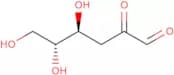
<p>D-sorbose is a diastereomer of D-xylose. It inhibits the glycolysis pathway, which stops the production of energy and leads to cell death. D-sorbose is synthesized from D-xylose by enzymatic conversion with 1,4-dihydroxybenzene. The crystalline form of D-sorbose is polymorphic and can be identified using X-ray diffraction. It has been shown to have cytotoxic effects on C. elegans and A. actinomycetes, but not on E. coli or other Gram negative bacteria. The imbalance in the ratio of these organisms may lead to an increased risk for cancer in humans.</p>Pureza:Min. 95%Canagliflozin hemihydrate
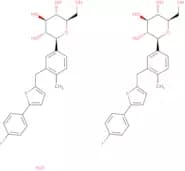
CAS:Canagliflozin is an oral diabetes drug that belongs to the class of sodium-glucose cotransporter 2 (SGLT2) inhibitors. It works by blocking reabsorption of glucose in the kidney, thereby lowering blood sugar levels. Canagliflozin has been shown to be a potent inhibitor of insulin resistance and has been used clinically in combination with metformin hydrochloride. The chemical stability of canagliflozin is dependent on its particle size, which can range from 10 micrometres to 100 micrometres. A number of analytical methods have been developed for canagliflozin, including high performance liquid chromatography with ultraviolet detection, gas chromatography with mass spectrometry detection, and dihedral angle analysis. Canagliflozin is an example of a polymorphic compound: it exists as two enantiomers due to chiral symmetry.Fórmula:(C24H25FO5S)2•H2OPureza:Min. 95%Forma y color:PowderPeso molecular:907.05 g/molFructooligosaccharide
CAS:<p>Fructooligosaccharide is a natural carbohydrate that is used in dietary supplements and as an additive to food products. It is a prebiotic, meaning it stimulates the growth of beneficial bacteria in the colon. Fructooligosaccharide has been shown to be effective against bowel disease by up-regulating protein genes and enzyme activities. Fructooligosaccharide also has significant anti-inflammatory properties. The anti-inflammatory effects may be due to its ability to inhibit prostaglandin synthesis.</p>Pureza:Min. 95 Area-%Forma y color:White PowderGloboside
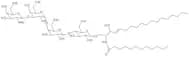
CAS:<p>Globoside is the most abundant neutral glycolipid in the erythrocyte membrane.</p>Fórmula:C56H102N2O23Pureza:Min. 90%Forma y color:White PowderPeso molecular:1,171.41 g/molMethyl 4,6-O-benzylidene-2,3-di-O-methanesulfonyl-a-D-glucopyranoside
CAS:<p>Methyl 4,6-O-benzylidene-2,3-di-O-methanesulfonyl-a-D-glucopyranoside is a glycosylation product that can be used in the synthesis of complex carbohydrates. It is also useful in the synthesis of saccharides, oligosaccharides, and monosaccharides. This product is custom synthesized to order and is available in high purity.</p>Fórmula:C16H22O10S2Pureza:Min. 95%Peso molecular:438.47 g/mol3,5,6-Trichloro-2-pyridinol β-D-glucuronide
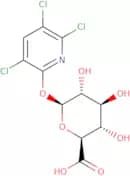
CAS:<p>3,5,6-Trichloro-2-pyridinol b-D-glucuronide is a synthetic glycosylate that has been modified by fluorination and methylation. It is used as an intermediate in the manufacture of a variety of saccharides and oligosaccharides. The sugar has been synthesized to have a high purity. 3,5,6-Trichloro-2-pyridinol b-D-glucuronide is a complex carbohydrate that can be modified using click chemistry. Click chemistry is a modification technique that uses copper (II) ions as catalysts for the formation of carbon–carbon bonds. This process can be used to modify saccharides and oligosaccharides with functional groups such as amines, thiols, alcohols, carboxylic acids, or nitriles.</p>Fórmula:C11H10Cl3NO7Pureza:Min. 95%Forma y color:White PowderPeso molecular:374.56 g/molPregelatinized starch
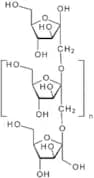
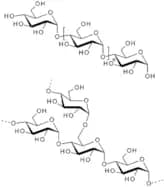
CAS:<p>Starch is a two component polysaccharide mixture of amylose and amylopectin. Amylose is a linear polysaccharide of α (1,4)-linked glucose residues and averages 20 to 30% of the total in most native starches. Amylopectin is a highly branced glucan containing both a (1,4) and a (1,6) linkages. The number of glucose residues in a single starch molecule can vary from five hundred to several hundred thousand, depending on the type of starch. Starch is the major storage form of energy in plants, just as glycogen is the storage form of energy for animals. The plant directs the starch molecules to the amyloplasts, where they are deposited to form granules. Thus, both in plants and in the extracted concentrate, starch exists as granules varying in diameter from 2 to 130 μm.</p>Pureza:Min. 95%Forma y color:PowderAllyl a-D-lactose
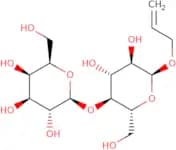
CAS:<p>A functionalized carbohydrate that serves as a valuable precursor for the synthesis of complex glycoconjugates, oligosaccharides, and glycopolymers through reactions like glycosylation and click chemistry</p>Fórmula:C15H26O11Peso molecular:382.36 g/molLiothyronine-acyl-D-glucuronide
<p>Liothyronine-acyl-D-glucuronide is a synthetic compound that is used as a replacement therapy for hypothyroidism. It has been shown to be effective in the treatment of myxedema coma and thyroid storm. Liothyronine-acyl-D-glucuronide is a complex carbohydrate with a sugar moiety attached to its side chain, which may be modified by reactions such as fluorination, monosaccharide synthesis, oligosaccharide synthesis, glycosylation, polysaccharide synthesis, or click modification. This product has high purity and is custom synthesized to your specifications for research purposes only.</p>Fórmula:C21H20I3NO10Pureza:Min. 95%Peso molecular:827.1 g/mol1,2-Di-O-acetyl-3-azido-3-deoxy-5-O-benzoyl-D-ribofuranose
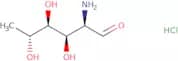
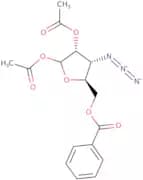
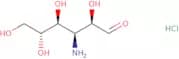
CAS:<p>1,2-Di-O-acetyl-3-azido-3-deoxy-5-O-benzoyl-D-ribofuranose is a sugar that is synthetically modified with a fluorine atom. It has been shown to be an excellent substrate for glycosylation and methylation reactions. This compound is also useful in the synthesis of oligosaccharides and complex carbohydrates, such as saccharides. 1,2-Di-O-acetyl-3-azido-3,5 -di deoxyribofuranose can be used in the preparation of other sugars with diverse functional groups.</p>Pureza:Min. 95%3-Amino-3-deoxy-D-glucose HCl
CAS:<p>3-Amino-3-deoxy-D-glucose HCl is a synthetic compound that inhibits the efflux of glucose from cells. It has been shown to inhibit growth in Saccharomyces cerevisiae, which may be due to its ability to inhibit the function of an efflux pump. 3-Amino-3-deoxy-D-glucose HCl has also shown antifungal activity against Candida albicans and Aspergillus fumigatus.</p>Fórmula:C6H13NO5·HClPureza:Min. 98 Area-%Forma y color:Slightly Yellow PowderPeso molecular:215.63 g/mol6-Chloro-6-deoxy-D-glucose
CAS:<p>6-Chloro-6-deoxy-D-glucose is a sugar that is used as a carbon source in the process of spermatozoa production. It has been shown to increase the fertility of animals by increasing the uptake of phosphorus pentachloride and ganglion cells in the testes. This drug also has contraceptive and antifertility effects, which may be due to its ability to inhibit the uptake of adenine nucleotide in cells. 6-Chloro-6-deoxy-D-glucose may have a role in ATP levels, with intracellular levels being higher than those in control analysis.</p>Fórmula:C6H11ClO5Pureza:Min. 95%Forma y color:White Off-White PowderPeso molecular:198.6 g/mol1,7,7a-Triepialexine
CAS:<p>The compound 1,7,7a-Triepialexine is an alkaloid that is found in plants of the genus Trientalis. It has been shown to have anti-inflammatory properties due to its ability to inhibit prostaglandin synthesis. The compound also has a stereoselective synthesis and a stereoselective syntheses.</p>Pureza:Min. 95%2-Azido- 2- deoxy- 5, 6- O- isopropylidene -L- gulonic acid g- lactone
<p>2-Azido-2-deoxy-5,6-O-isopropylidene-L-gulonic acid g-lactone is a synthetic compound that is used as a building block in the synthesis of various saccharides. It can be modified to form glycosylation products and complex carbohydrates. The chemical name for this compound is 2-azido-2,3,4,5,6 -pentafluoroethane sulfonic acid. This molecule has a molecular weight of 162.14 and a molecular formula of C9H9F7O4S. It has an empirical formula of C8H12FO5S. 2-Azido-2,3,4,5,6 -pentafluoroethane sulfonic acid is soluble in water and ethanol and can be stored at room temperature for up to one year without decomposing.</p>Pureza:Min. 95%Trichloroethyl b-D-glucuronide potassium salt
CAS:<p>Trichloroethyl b-D-glucuronide potassium salt (TCEBG) is a chloral compound that is metabolized to trichloroacetic acid. It has been shown to be carcinogenic in rats, but not in mice. Trichloroethyl b-D-glucuronide potassium salt has been used as an experimental agent for the synthesis of monoclonal antibodies. TCEBG binds to rat liver microsomes and CD1 mouse liver microsomes, which may be due to its high lipophilicity. TCEBG also disrupts cell membranes and induces cell death by inhibiting protein synthesis at the ribosome level.</p>Fórmula:C8H10Cl3KO7Pureza:Min. 98 Area-%Forma y color:PowderPeso molecular:363.62 g/molEstriol 3-O-b-D-glucuronide sodium salt
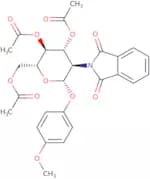
CAS:<p>Estriol 3-O-b-D-glucuronide sodium salt is an estrogenic compound that is metabolized to 17β-estradiol, the most potent endogenous estrogen. Estriol 3-O-b-D-glucuronide sodium salt is found in wastewater and has been detected in effluent from various sources. The presence of estriol 3-O-b-D glucuronide sodium salt in wastewater indicates that it may be discharged from pharmaceutical manufacturing plants. It has been shown to be present at high concentrations in the effluent of a pharmaceutical plant that manufactures estrogens, which may have resulted from incomplete recovery during production. Estriol 3-O-b glucuronide sodium salt can be readily recovered by liquid chromatography with a reversed phase column and eluted with acetonitrile containing 0.1% trifluoroacetic acid (TFA). Recoveries are typically greater than 90%. Estrogen conjugates such</p>Fórmula:C24H31NaO9Pureza:Min. 95%Forma y color:PowderPeso molecular:486.49 g/mol4-Methoxyphenyl 3,4,6-tri-O-acetyl-2-deoxy-2-phthalimido-b-D-glucopyranoside
CAS:<p>4-Methoxyphenyl 3,4,6-tri-O-acetyl-2-deoxy-2-phthalimido-b-D-glucopyranoside (MPEG) is a monoclonal antibody that binds to the glycoprotein MART1 on melanoma cells. It is used in the diagnosis of cancer and has been shown to be effective in reducing tumor size in patients with metastatic melanoma. MPEG has also been shown to have a therapeutic effect against chronic lymphocytic leukemia (CLL). In addition, it may be used as a complement dependent cytotoxicity agent for the treatment of leukemia and other cancers.</p>Fórmula:C27H27NO11Pureza:Min. 95%Peso molecular:541.52 g/mol1-13C-D-Rhamnose
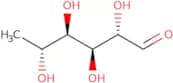
CAS:<p>1-13C-D-Rhamnose is a monosaccharide that belongs to the group of pentoses. It is an inhibitor of bacterial growth and has been shown to inhibit the growth of P. aeruginosa strains. The mechanism of action for 1-13C-D-Rhamnose is not yet known, but it may be due to its ability to inhibit bacterial DNA polymerase, which prevents chain reactions from occurring and leads to cell death. 1-13C-D-Rhamnose has a homologous structure to GDP-D-mannose and can interact with hydrogen bonding interactions. It is found in papillae on the tongue and inhibits taste receptor cells by binding to the sweet taste receptors on the surface of these cells. The optimal pH for 1-13C-D-Rhamnose's inhibitory properties is 5.5</p>Fórmula:C6H12O5Pureza:Min. 95%Peso molecular:164.16 g/mol3,4,6-Tri-O-benzyl-1,2-O-isopropylidene-a-D-glucopyranose
CAS:<p>3,4,6-Tri-O-benzyl-1,2-O-isopropylidene-a-D-glucopyranose is a complex carbohydrate that is typically found in plants and fungi. It is also known as a methylated sugar and can be used to produce monosaccharide derivatives. This compound has been modified with fluorine which increases its stability and prevents degradation of the compound. 3,4,6-Tri-O-benzyl-1,2-O-isopropylidene-a-D-glucopyranose is typically synthesized from glycerol or glucose using a process called the Click reaction. The resulting product is an Oligosaccharide with high purity and high quality.</p>Fórmula:C30H34O6Pureza:Min. 95%Peso molecular:490.59 g/molN,N',N'',N''',N''''-Pentaacetyl chitopentaose
CAS:<p>Chitopentaose is a pentaacetyl derivative of the sugar chitohexaose. It is an oligosaccharide that has been shown to inhibit the activity of glycosidases and lectins, which may be due to its high affinity to these enzymes. Chitopentaose has also been found to bind to insulin receptors in the human tumor cell line A-20, leading to a reduction in tumor growth. The molecule also inhibits the transcriptional regulation of genes encoding for penicillin-binding protein, mouse tumor necrosis factor, and α1-acid glycoprotein.</p>Fórmula:C40H67N5O26Pureza:Min. 95 Area-%Forma y color:PowderPeso molecular:1,033.98 g/molMethyl 2-deoxy-b-D-ribopyranoside
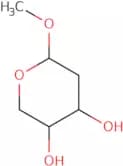
CAS:<p>Methyl 2-deoxy-b-D-ribopyranoside is a synthetic monosaccharide that has been modified by fluorination, monosaccharide, and methylation. It is an oligosaccharide that belongs to the group of complex carbohydrates. This compound can be used for glycosylation reactions or as a sugar donor in click chemistry. Methyl 2-deoxy-b-D-ribopyranoside has CAS No. 17676-20-9 and it's purity is greater than 99%.</p>Fórmula:C6H12O4Pureza:Min. 95%Peso molecular:148.16 g/molHyaluronic acid sodium salt - Average MW 1.5 - 2.5 million Da
CAS:<p>The sodium salt of hyaluronic acid is a glycosaminoglycan found in many organs, where it functions as a joint lubricant and shock absorber. It is obtained principally from synovial fluid, vitreous humor of the eye, umbilical tissue and cocks comb. The chemical structure of hyaluronic is a disaccharide repeat of β-(1,3) glucuronic acid and β-(1,4) N-acetyl glucosamine.</p>Fórmula:(C14H20NO11Na)nPureza:Min. 95%Forma y color:Powder1,2:3,4:5,6-Tri-O-isopropylidene-D-gluconate
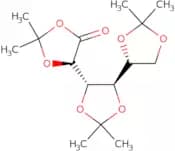
CAS:<p>1,2:3,4:5,6-Tri-O-isopropylidene-D-gluconate is a chain sugar that is extracted from plant sources. It is a product of the methylenation of D-glucose and can be converted to D-mannitol. The reaction mixture yields dimethyl 2,3,4,5,6-tetra-O-methylene erythritol phosphate (DMEP) and diphosphate 1,2:3,4:5,6-tri-O-isopropylidene erythritol (DITEP). The DMEP can be hydrolyzed to form DME and phosphorylated to form DMPP. The crystal structure of this compound has been determined. In the elimination pathway for this compound, the gluconate group is eliminated as carbon dioxide and water with the release of energy in the form of heat. This</p>Fórmula:C15H24O7Pureza:Min. 95%Peso molecular:316.35 g/molN1-α-L-Arabinopyranosylamino-guanidine hydrochloride
CAS:<p>N1-a-L-Arabinopyranosylamino-guanidine HCl is a carbohydrate that belongs to the class of oligosaccharides. It is a synthetic compound, which is custom synthesized for use in research. This product has been shown to be high purity and is methylated, glycosylated, and click modified. The CAS number 109853-78-3 refers to the chemical name of this product. The molecular weight of N1-a-L-Arabinopyranosylamino-guanidine HCl is 597.14 g/mol with an empirical formula C8H23N2O6.</p>Fórmula:C6H14N4O4•HClPureza:Min. 95%Forma y color:White to off-white solid.Peso molecular:242.66 g/mol3-Aminopropyl 4,6-O-benzylidene-3-O-pivaloyl-b-D-galactopyranoside
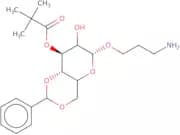
CAS:<p>3-Aminopropyl 4,6-O-benzylidene-3-O-pivaloyl-b-D-galactopyranoside is a glycosylated and fluorinated saccharide that is used as a building block for the synthesis of complex carbohydrates. It can be modified to produce glycans with desired properties, such as improved solubility or stability in high temperatures. This product is available in custom synthesis and high purity.</p>Fórmula:C21H31NO7Pureza:Min. 95%Peso molecular:409.47 g/molBenzyl 2-acetamido-4-O-[2-acetamido-4-O-(2,4-di-O-acetyl-3,6-di-O-benzyl-b-D-glucopyranosyl)-3,6-di-O-(2-O-acetyl-3,4,6-tri-O-benzyl -a-D-mannopyranosyl)-2-deoxy-b-D-glucopyranosyl]-3,6-di-O-benzyl-2-deoxy-5-thio-b-D-glucopyranoside
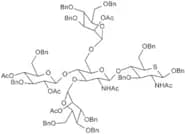
<p>This compound is a custom synthesis for Modification, Fluorination, Methylation, Monosaccharide, Synthetic, Click modification, Oligosaccharide and saccharide. It has CAS No. and Polysaccharide as Carbohydrate. The molecular weight of this compound is</p>Fórmula:C119H132N2O29SPureza:Min. 95%Peso molecular:2,086.38 g/mol1,1,1,1-Kestohexose
CAS:<p>Non-reducing sucrose analog containing glucose and fructose</p>Fórmula:C36H62O31Pureza:Min. 90%Forma y color:White PowderPeso molecular:990.86 g/mol1-O-Sinapoyl-b-D-glucose
CAS:<p>A synthetically produced glucoside. It is also a natural product found in the Swertia Japonica.</p>Fórmula:C17H22O10Pureza:Min. 95 Area-%Forma y color:PowderPeso molecular:386.35 g/molL-Fucitol
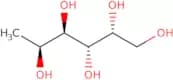
CAS:<p>L-Fucitol is a sugar that is found in the form of D-arabinose and D-xylitol. It is used in flow systems for the detection of herpes simplex virus type 1 (HSV1) glycoproteins and can be used to measure xylitol dehydrogenase activity. L-Fucitol has been shown to inhibit the growth of bacteria that are resistant to penicillin, ampicillin, and erythromycin. L-Fucitol also inhibits enzymes such as galactocerebrosidase, which breaks down galactocerebroside, a myelin constituent. This inhibition leads to accumulation of galactitol, an inhibitor of oligosaccharide synthesis. L-Fucitol also inhibits enzyme activities such as glycosidases and glycosyltransferases, which affect metabolic profiles by inhibiting the breakdown or synthesis of sugars. L-Fucitol is a monosac</p>Fórmula:C6H14O5Pureza:Min. 95%Forma y color:White Off-White PowderPeso molecular:166.17 g/molBis(p-methylbenzylidene)sorbitol
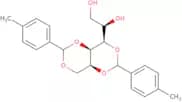
CAS:<p>Bis(p-methylbenzylidene)sorbitol is an organic solvent that has been used in a variety of applications, including polyolefin production, as an additive for plastics, and as a surface treatment for metals. Bis(p-methylbenzylidene)sorbitol also has been used to reduce the weight of paper and textiles. It is synthesized by the reaction of vinyl alcohol with dibenzylidene sorbitol in the presence of base. Bis(p-methylbenzylidene)sorbitol can be identified by its crystalline structure, which consists of three molecules of glucose linked together. Bis(p-methylbenzylidene)sorbitol is a colorless liquid that has no odor or taste and it has a low viscosity. This chemical is also soluble in organic solvents such as benzene or ethylene glycol ethers.</p>Fórmula:C22H26O6Pureza:Min. 95%Forma y color:PowderPeso molecular:386.44 g/molOctyl β-D-galactopyranoside
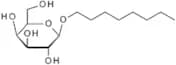
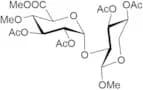
CAS:<p>Octyl β-D-galactopyranoside is a chemosensor that has been used to detect the presence of aldehydes. The transfer mechanism of octyl β-D-galactopyranoside involves micelles, which are aggregates of amphiphilic molecules that form spherical structures in water. Octyl β-D-galactopyranoside has been shown to have antibacterial activity against gram-positive bacteria and leishmania parasites. This compound is also used as a glycosidase inhibitor, which prevents the breakdown of carbohydrates by enzymes called glycosidases. It is believed that this inhibition occurs because octyl β-D-galactopyranoside binds to the active site of the enzyme, thereby preventing access by the substrate. The optimum temperature for octyl β-D-galactopyranoside's activity is between 20 and 25 degrees Celsius. Octyl β-D-galactopyranoside</p>Fórmula:C14H28O6Pureza:Min. 95%Forma y color:PowderPeso molecular:292.37 g/molMethyl 3,4-di-O-acetyl-2-O-(methyl 2,3-di-O-acetyl-4-O-methyl-α-D-glucopyranosyluronate)-β-D-xylopyranoside
CAS:A protected disaccharideFórmula:C22H32O15Pureza:Min. 95%Forma y color:PowderPeso molecular:536.48 g/molHeptadecyl 2-acetamido-3,4,6-tri-O-acetyl-2-deoxy-β-D-glucopyranoside
CAS:<p>Heptadecyl 2-acetamido-3,4,6-tri-O-acetyl-2-deoxy-beta-D-glucopyranoside is a carbohydrate that can be synthesized through the modification of an oligosaccharide. It is a complex carbohydrate and is made up of monosaccharides and polysaccharides. Heptadecyl 2-acetamido-3,4,6-tri-O-acetyl-2-deoxy-beta-D--glucopyranoside has CAS number 262856–89–3 and can be used as a synthetic sugar.</p>Fórmula:C31H55NO9Peso molecular:585.77 g/mol2,3-Di-O-acetyl-6-O-tert-butyldimethylsilyl-γ-cyclodextrin
<p>This gamma-cyclodextrin (γ-CD) derivative is a modified cyclic oligosaccharide composed of eight glucose units, featuring a larger cavity size than α- and β-cyclodextrins. This structural characteristic allows γ-CDs to form inclusion complexes with a wider range of guest molecules, making it particularly versatile in various industries. In the food sector, it is used as a carrier and stabilizer for flavors, fat-soluble vitamins, and polyunsaturated fatty acids, protecting volatile compounds from evaporation. In pharmaceuticals, it enhances the solubility and bioavailability of poorly water-soluble drugs and, thanks to its larger ring size, allows for the encapsulation of larger molecules or even entire drug molecules. γ-CDs and derivatives are also used for environmental remediation and, in analytical chemistry, for the extraction and concentration of target substances.</p>Fórmula:C12H224O56SI8Pureza:Min. 95%Peso molecular:2,313.18 g/molMethyl 2-amino-2-deoxy-β-D-glucopyranoside hydrochloride
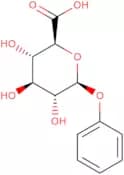
CAS:<p>Methyl 2-amino-2-deoxy-β-D-glucopyranoside hydrochloride is a synthetic compound that is a sugar derivative. The methyl group in this molecule can be used for the synthesis of saccharides, oligosaccharides, and other complex carbohydrates. This product has a CAS number of 3867-93-4. It is soluble in water and has a purity of at least 98%.</p>Fórmula:C7H16ClNO5Pureza:Min. 95%Forma y color:White PowderPeso molecular:229.66 g/molPhenyl-beta-D-glucuronic acid monohydrate
CAS:<p>Phenyl-beta-D-glucuronic acid monohydrate is a genotoxic agent that is metabolized to S-phenylmercapturic acid. This metabolite can be detected in urine as an indicator of exposure to the compound. Phenyl-beta-D-glucuronic acid monohydrate has been shown to have toxic effects on humans, such as decreasing the glomerular filtration rate and increasing reactive oxygen species levels. It also decreases antioxidant vitamin levels and causes blood disorders, including hemolytic anemia. Phenyl-beta-D-glucuronic acid monohydrate may also be used for the treatment of autoimmune diseases by inhibiting certain enzymes involved in inflammation and immune response.</p>Fórmula:C12H16O8Pureza:Min. 98 Area-%Forma y color:White PowderPeso molecular:288.26 g/mol4-Methoxyphenyl 4-O-(3,6-di-O-benzyl-2-deoxy-2-phthalimido-b-D-glucopyranosyl)-3-O-benzyl-2-deoxy-6-O-(4-methoxybenzyl)-2-phthalimid o-b-D-glucopyranoside
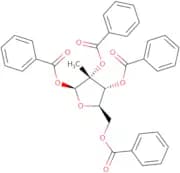
<p>4-Methoxyphenyl 4-O-(3,6-di-O-benzyl-2-deoxy-2-phthalimido-b-D-glucopyranosyl)-3-O-benzyl-2-deoxy -6-(4methoxybenzyl)-2 phthalimid (4) is a carbohydrate compound with the molecular formula C27H32N2O9. It is a white to off white powder that has a molecular weight of 565.5 and an empirical formula of C27H32N2O9.</p>Fórmula:C64H60N2O15Pureza:Min. 95%Peso molecular:1,097.17 g/mol1,2,3,5-Tetra-O-benzoyl-2-C-methyl-b-D-ribofuranose
CAS:<p>Building block for the synthesis of 2'-C-methyl substituted nucleosides</p>Fórmula:C34H28O9Pureza:Min. 95%Forma y color:White Off-White PowderPeso molecular:580.58 g/mol2-C-Hydroxymethyl-2,3:5,6-di-O-isopropylidene-D-manno-1.4-lactone
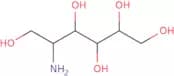
<p>2-C-Hydroxymethyl-2,3:5,6-di-O-isopropylidene-D-manno-1.4-lactone is a synthetic sugar that has been modified by fluorination and methylation. It is a high purity product with custom synthesis. This carbohydrate has been glycosylated and click modified.</p>Pureza:Min. 95%2-Amino-2-deoxy-glucitol
CAS:<p>2-Amino-2-deoxy-glucitol is a kinetic inhibitor of the enzyme glycogen phosphorylase, which catalyzes the rate-limiting step in glycogenolysis. It binds to the enzyme and blocks access to the active site by an amide group, thus inhibiting the phosphorylation of glucose residues. This prevents the breakdown of glycogen and leads to increased levels of blood sugar. 2-Amino-2-deoxy-glucitol is used as a treatment for pertussis (whooping cough) and as an adjunct therapy during insulin shock therapy for diabetic ketoacidosis. The drug has also been shown to bind to histidine residues on the enzyme and inhibit its activity.</p>Fórmula:C6H15NO5Pureza:Min. 95%Peso molecular:181.19 g/mol3,5-Dideoxy-3,5-imino-L-arabinopentitol
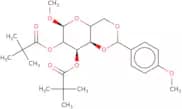
<p>3,5-Dideoxy-3,5-imino-L-arabinopentitol is a compound that belongs to the group of methylated polysaccharides. It is a custom synthesis with high purity and modification. This product has been fluorinated and saccharide modified. It has been synthesized from an oligosaccharide and polysaccharide by Click chemistry. 3,5-Dideoxy-3,5-imino-L-arabinopentitol is a complex carbohydrate that contains a sugar at its end. The sugar can be either monosaccharide or polysaccharide. This product can be used in the study of protein methylation and glycosylation and as an anti-inflammatory agent.</p>Pureza:Min. 95%Methyl 4,6-O-(4-methoxybenzylidene)-2,3-di-O-pivaloyl-a-D-mannopyranoside
<p>Methyl 4,6-O-(4-methoxybenzylidene)-2,3-di-O-pivaloyl-a-D-mannopyranoside is a modification of the sugar mannose. It is a complex carbohydrate that typically occurs as a component of glycoproteins and glycolipids. The synthesis of this compound can be customized to meet your specific needs. This product has been shown to have high purity and is CAS No. 203525-84-8.<br>Methyl 4,6-O-(4-methoxybenzylidene)-2,3-di-O-pivaloyl-aD Mannopyranoside is a monosaccharide that has been methylated at the 4 position with an oxygen atom from methanol in order to produce a reactive methyl group for glycosylation or polysaccharide formation. This modification can also be fluorinated</p>Fórmula:C25H36O9Pureza:Min. 95%Peso molecular:480.56 g/mol3'-N-Glycolylneuraminyl-D-lactose sodium salt
<p>3'-N-Glycolylneuraminyl-D-lactose sodium salt is a carbohydrate that has been modified by the addition of glycosylation, methylation and fluorination. It belongs to the group of complex carbohydrates and is a monosaccharide. 3'-N-Glycolylneuraminyl-D-lactose sodium salt can be used for the synthesis of oligosaccharides and polysaccharides, such as cellulose, chitin and glycogen. This product is high purity, custom synthesis and synthetic.</p>Pureza:Min. 95%(+)-syringaresinol-4,4'-bis-O-b-D-glucopyranoside
<p>(+)-syringaresinol-4,4'-bis-O-b-D-glucopyranoside is a synthetic compound that is fluorinated with (2,2,2-trifluoroethyl)trimethylsilane. It is a sugar molecule that is an oligosaccharide. This compound has been synthesized from syringic acid and (+)-syringaresinol by glycosylation and methylation. It is insoluble in water and has a melting point of 129°C. The CAS number for this compound is 73987-07-8.</p>Pureza:Min. 95%N,N',N'',N''',N'''',N'''''-Hexaacetylchitohexaose
CAS:<p>Hexaacetylchitohexaose is a hexamer of N-acetylgucosamine subunits which are linked by β-(1,4)-glucosidic bonds. N-acetylgucosamine is the monomeric unit of the natural polymer chitin which is degraded by chitinases, in mammals, to form smaller fragments that can induce an immune response. Like chitin and some of its derivatives, hexaacetylchitohexaose is a substrate of lysozymes. Hexaacetylchitohexaose has been shown to significantly inhibit tumour growth in mice by the activation of innate and adaptive immune cells.</p>Fórmula:C48H80N6O31Pureza:Min. 90 Area-%Forma y color:White PowderPeso molecular:1,237.2 g/mol5-Deoxy-1,2-O-ispropylidene-([4-ethoxycarbonyl]-1,2,3-triazol-1-yl)-a-L-galactofuranose
<p>5-Deoxy-1,2-O-ispropylidene-[4-ethoxycarbonyl]-1,2,3-triazol-1-yl)-a-L-galactofuranose is a carbohydrate with the formula C(6)H(8)O(10). It is a modified saccharide with a fluorinated alpha position and an ethoxycarboxylic acid side chain. The compound can be used as a pharmaceutical intermediate or as an analytical reagent. This product is available for custom synthesis and modification.</p>Pureza:Min. 95%3-Deoxy-3-fluoro-D-galactitol
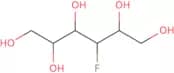
CAS:<p>3-Deoxy-3-fluoro-D-galactitol is a fluorinated sugar that is synthesized through the use of glycosylation and fluorination. This product can be used as a raw material for the production of oligosaccharides, polysaccharides, and other complex carbohydrates. It can also be used in custom synthesis and click modification. The CAS number for this product is 1241800-31-6.</p>Fórmula:C6H13FO5Pureza:Min. 95%Peso molecular:184.16 g/molL-Glycero-L-galacto-heptose
CAS:<p>L-Glycero-L-galacto-heptose is a cyclitol that is structurally similar to glycerol and galactose. It has been found in the Australian sea urchin Strongylocentrotus franciscanus. L-Glycero-L-galacto-heptose can be synthesized by reacting methyl glycosides with calcium ions. This reaction produces an electrophoretic mobility that is greater than that of glycerol, which may be due to the greater degree of hydrogen bonding between methyl glycosides and calcium ions. The presence of hydroxyl groups on the sugar residue allows for the formation of hydrogen bonds with neighboring molecules. These interactions lead to a conformation that is different from other cyclitols, such as D-glycero-D-galactopyranose, which has no hydroxyl group on its sugar residue.</p>Fórmula:C7H14O7Pureza:Min. 95%Peso molecular:210.2 g/molk-Carraoctaitol tetrasulfate tetrasodium salt
<p>k-carrageenan derived octasaccharide alcohol tetrasulfate+(3-6 anhydrogalactose)</p>Fórmula:C48H72O49S4Na4Pureza:Min. 95%Peso molecular:1,653.28 g/mol1,3-α-1,6-α-D-Mannotriose
CAS:<p>Intermediate for synthesis of N-acetyllactosaminic glycans</p>Fórmula:C18H32O16Pureza:Min. 95 Area-%Forma y color:White Off-White PowderPeso molecular:504.44 g/molLewis Y-NHCOCH2NH-biotin
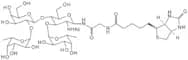
<p>Lewis Y-NHCOCH2NH-biotin is a custom synthesis that contains an Oligosaccharide, CAS No., Polysaccharide, Modification, saccharide, Methylation, Glycosylation, Click modification and Carbohydrate. Lewis Y-NHCOCH2NH-biotin is a high purity product that has been fluorinated and synthesized.</p>Fórmula:C38H63N5O21SPureza:Min. 95%Peso molecular:957.99 g/mol2,3,5-Tri-O-benzoyl-2-C-methyl-D-ribonic acid-1,4-lactone
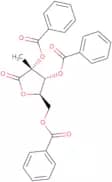
CAS:<p>2,3,5-Tri-O-benzoyl-2-C-methyl-D-ribonic acid-1,4-lactone is a glutamate receptor agonist that has been shown to have pharmacological properties. It binds to the GluR2/3 family of glutamate receptors and is an agonist at these receptors. The experiments with this drug have been conducted on both animals and humans. 2,3,5-Tri-O-benzoyl-2-C-methyl D ribonic acid lactone has also been shown to be an effective probe for the identification of glutamate receptor sequences in the brain and spinal cord.</p>Fórmula:C27H22O8Pureza:Min. 95%Forma y color:White PowderPeso molecular:474.46 g/mol(2-Hydroxypropyl)-gamma-cyclodextrin
CAS:<p>This gamma-cyclodextrin (γ-CD) derivative is a modified cyclic oligosaccharide composed of eight glucose units, featuring a larger cavity size than α- and β-cyclodextrins. This structural characteristic allows γ-CDs to form inclusion complexes with a wider range of guest molecules, making it particularly versatile in various industries. In the food sector, it is used as a carrier and stabilizer for flavors, fat-soluble vitamins, and polyunsaturated fatty acids, protecting volatile compounds from evaporation. In pharmaceuticals, it enhances the solubility and bioavailability of poorly water-soluble drugs and, thanks to its larger ring size, allows for the encapsulation of larger molecules or even entire drug molecules. γ-CDs and derivatives are also used for environmental remediation and, in analytical chemistry, for the extraction and concentration of target substances.</p>Pureza:98 To 102%Forma y color:PowderBenzyl 3-O-benzyl-4,6-O-benzylidene-2-deoxy-2-N-phthalamido-a-D-glucopyranoside
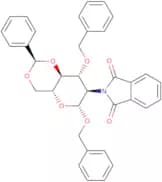
CAS:<p>Benzyl 3-O-benzyl-4,6-O-benzylidene-2-deoxy-2-N-phthalamido-a-D-glucopyranoside is a sugar that is used as a building block for the synthesis of glycosaminoglycans. This sugar can be fluorinated, glycosylated, or methylated and is a synthetically modified oligosaccharide with an average molecular weight of about 880 Da. The monomer unit consists of two glucose residues linked by an α(1→4) glycosidic bond. It has been shown to have antihypertensive properties in vitro and in vivo.</p>Fórmula:C35H31NO7Pureza:Min. 95%Forma y color:White to off-white solid.Peso molecular:577.62 g/mol1,3,4,6-Tetra-O-acetyl-2-deoxy-2-phthalimido-b-D-glucopyranoside
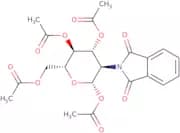
CAS:<p>The interaction of 1,3,4,6-tetra-O-acetyl-2-deoxy-2-phthalimido-b-D-glucopyranoside with DNA is selective for the hydroxyl group and for the stacking of its glycosidic bonds. The data obtained from the spectra show that this compound interacts with the sugar moiety of nucleosides to yield a product with a lower melting point. The binding constants are high and the yields are low.</p>Fórmula:C22H23NO11Pureza:Min. 95%Forma y color:White PowderPeso molecular:477.42 g/mol(1S) -1- [(2S, 3R) - 3-Hydroxy- 1- nonyl-2- azetidinyl] -1, 2- ethanediol
<p>(1S) -1- [(2S, 3R) - 3-Hydroxy- 1- nonyl-2- azetidinyl] -1, 2- ethanediol is a synthetic compound that is modified with fluorination. It has a CAS Number of 55734-14-8. The molecular formula of this compound is C6H8O4 and its molecular weight is 176.13 g/mol. (1S) -1- [(2S, 3R) - 3-Hydroxy- 1- nonyl-2- azetidinyl] -1, 2- ethanediol is used in the synthesis of oligosaccharides and polysaccharides. It can be used as a raw material for saccharide modification or to synthesize monosaccharides and sugar molecules. This product has been shown to have high purity and good quality by using analytical methods such as HPLC, GCMS, N</p>Pureza:Min. 95%5-O-tert-Butyldimethylsilyl-N-cyanomethyl-1,4-dideoxy-1,4-imino-2,3-O-isopropylidene-D-ribitol
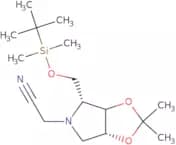
CAS:<p>5-O-tert-Butyldimethylsilyl-N-cyanomethyl-1,4-dideoxy-1,4-imino-2,3-O-isopropylidene--D ribitol is a fluorinated glycosylation product of 5-(O-(tertbutyldimethylsilyl)cyanomethyl)-1,4 dihydroxy imino 2,3 O isopropylidene D ribitol. It is a high purity complex carbohydrate that can be synthesized by click modification of 5-(O-(tertbutyldimethylsilyl)cyanomethyl)-1,4 dihydroxy imino 2,3 O isopropylidene D ribitol with ethynyltrifluoroborate and osmium tetroxide. This compound has CAS No. 577978-59-7.</p>Fórmula:C16H30N2O3SiPureza:Min. 95%Peso molecular:326.51 g/molLaricitrin-3,5'-di-O-glucoside
<p>Laricitrin-3,5'-di-O-glucoside is an organic compound that can be used as a research chemical. Laricitrin-3,5'-di-O-glucoside is a building block for the synthesis of other compounds and has been used in the synthesis of novel antibiotics. This compound is also a useful intermediate in the production of 3,6-dihydroxychalcone.</p>Fórmula:C28H32O18Pureza:Min. 95%Peso molecular:656.54 g/molIsomalt
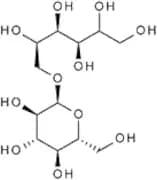
CAS:<p>Used as a sugar replacer in sugar-free confectionery and beverages</p>Fórmula:C12H24O11Pureza:Min. 98 Area-%Forma y color:White PowderPeso molecular:344.31 g/molGalacto-N-biose-sp-biotin
<p>Galacto-N-biose-sp-biotin is a carbohydrate that can be custom synthesized. It is a sugar with a biotin moiety at the reducing end of the chain. It can be modified by fluorination, glycosylation, methylation, and other chemical modifications. Galacto-N-biose-sp-biotin has CAS number 55810-06-5.</p>Fórmula:C33H57N5O14SPureza:Min. 95%Forma y color:White/Off-White SolidPeso molecular:779.9 g/molD-Glucoheptonic acid-1,4-lactone
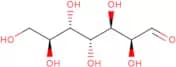
CAS:<p>D-Glucoheptonic acid-1,4-lactone is a chiral compound that can be used as an enantiomer of the natural sugar glucose. The human liver has been shown to metabolize this compound into proton and an analog of glucofuranose. This means that D-Glucoheptonic acid-1,4-lactone is able to be broken down by glycosidases. D-Glucoheptonic acid-1,4-lactone also inhibits α-L-rhamnosidase and other enzymes responsible for the breakdown of carbohydrates. This inhibition may lead to increased blood glucose levels in humans. D-Glucoheptonic acid-1,4-lactone has been shown to have inhibitory activities against both bacterial and mammalian enzymes. Hydrogen fluoride (HF) was used as a catalyst in the synthesis of this compound with benzylidene acetal</p>Fórmula:C7H12O7Pureza:Min. 95%Forma y color:PowderPeso molecular:208.17 g/molUDP-6-azido-6-deoxy-D-glucose x·triethylammonium salt
CAS:<p>UDP-6-azido-6-deoxy-D-glucose is a chemical building block that is used for saccharide synthesis. The azide group can be reduced to give the amine which has been used to make a fluorescent tag for 5-(hydroxymethyl)cytosine in DNA. UDP-6-azido-6-deoxy-D-glucose has also been used to synthesise siderophore conjugates which can be used to deliver functional reagents across bacterial cell membranes.</p>Fórmula:C15H23N5O16P2·x(C6H15N)Pureza:Min. 90 Area-%Forma y color:Off-White PowderPeso molecular:591.31 g/molBenzyl β-D-glucopyranosiduronic acid
CAS:Benzyl b-D-glucopyranosiduronic acid is a synthetic monosaccharide that is used for the synthesis of oligosaccharides, polysaccharides, and saccharides. It has been shown to be a substrate for methylation reactions and can be modified with fluorination or click chemistry. The CAS number for this compound is 5285-02-9.Fórmula:C13H16O7Pureza:Min. 95%Forma y color:Off-White PowderPeso molecular:284.26 g/molD-Ribose
CAS:<p>D-ribose is a pentose that is used in the metabolism of plants and humans. It has been shown to inhibit binding of inhibitors to ribose and to exhibit significant cytotoxicity against tumor cells. D-Ribose also has an important role in energy metabolism, where it is involved in the synthesis of ATP. D-Ribose has been shown to be beneficial for patients with congestive heart failure, as it improves cardiac function and reduces the size of the heart. D-Ribose may also have a role in the treatment of infectious diseases by inhibiting viral replication, as well as preventing neuronal death.</p>Fórmula:C5H10O5Pureza:Min. 99.0 Area-%Peso molecular:150.13 g/molRef: 3D-R-5500
25gA consultar5kgA consultar10kgA consultar25kgA consultar2500gA consultar-Unit-kgkgA consultar3-Deoxy-D-glucosone
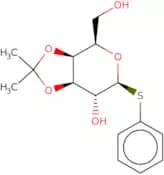
CAS:<p>3-Deoxy-D-glucosone is a compound that belongs to the group of monosaccharides and has a basic structure. It can be found in many types of biological samples, including blood. The x-ray diffraction data for 3-deoxy-D-glucosone shows an asymmetric unit of two molecules with a coordination geometry of 2.3. This compound is known to have high protein oxidation rates, which are caused by dna binding activity. 3-Deoxyglucosone has been shown to be involved in the pathogenic mechanism of many types of cancers.</p>Fórmula:C6H10O5Pureza:Min. 95%Forma y color:PowderPeso molecular:162.14 g/molPhenyl 3,4-O-isopropylidene-b-D-thiogalactopyranoside
CAS:<p>Phenyl 3,4-O-isopropylidene-b-D-thiogalactopyranoside is a custom synthesis of the complex carbohydrate Oligosaccharide, Polysaccharide. It belongs to Modification, saccharide, Methylation, Glycosylation, Carbohydrate. Phenyl 3,4-O-isopropylidene-b-D-thiogalactopyranoside can be used for Click modification, sugar and High purity. This compound is Fluorinated and Synthetic.</p>Fórmula:C15H20O5SPureza:Min. 95%Forma y color:PowderPeso molecular:312.38 g/molChitooctaose octahydrochloride
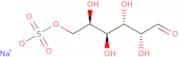
CAS:<p>Chitooctaose 8HCl is an antiviral agent that inhibits the replication of viruses. It blocks the virus from entering and infecting cells by binding to its receptor, which prevents cell-to-cell transmission. Chitooctaose 8HCl has a hydrolysable form and can be acetylated to increase its potency. This drug also interacts with ligands such as oligosaccharides, which are molecules consisting of several monomers linked together in a chain. The structural changes in these oligosaccharides are important for the interaction with chitooctaose 8HCl. Chitooctaose 8HCl has been shown to inhibit the replication of RNA viruses such as influenza A virus, human immunodeficiency virus type 1 (HIV-1), and rotavirus. This antiviral agent also inhibits the replication of DNA viruses such as herpes simplex type 2 (HSV-2) and hepatitis B virus (</p>Fórmula:C48H90N8O33•(HCl)8Pureza:Min. 85 Area-%Forma y color:White PowderPeso molecular:1,598.95 g/molD-Galactose-6-O-sulphate sodium
CAS:<p>D-Galactose-6-O-sulphate sodium salt is used as a diagnostic agent to measure the level of galactose in blood and tissues. The enzyme that hydrolyzes D-galactose-6-O-sulphate, galactose oxidase, is present in leukocytes and chorionic villi. The enzymatic assay for this chemical is based on the reaction between D-galactose and sulfite to form D-galactosulfonic acid. This reaction is catalysed by a sulphatase enzyme. A fluorimetric method can be used to measure the formation of D-galactosulfonic acid.</p>Fórmula:C6H11O9SNaPureza:Min. 95%Forma y color:White PowderPeso molecular:282.2 g/molPhenyl 2,3,6-tri-O-acetyl-2-deoxy-2-trichloroacetamido-b-D-thioglucopyranoside
<p>Phenyl 2,3,6-tri-O-acetyl-2-deoxy-2-trichloroacetamido-b-D-thioglucopyranoside is a monosaccharide with a molecular weight of 594.5. It is derived from the reaction of methyl acetate and benzene in the presence of sulfuric acid. Phenyl 2,3,6-tri-O-acetyl-2-deoxy-2-trichloroacetamido b D thioglucopyranoside is an intermediate in the synthesis of saccharides that are modified by click chemistry or modification. <br>This product has been shown to be synthesized with high purity and good yield. The product can be used for custom synthesis as well as glycosylation reactions. This product also has a CAS number and can be used for Click chemistry or modification reactions.</p>Fórmula:C20H22Cl3NO8SPureza:Min. 95%Forma y color:White to off-white solid.Peso molecular:542.81 g/mol1,3,4,6-Tetra-O-acetyl-2-deoxy-2-fluoro-D-glucopyranose
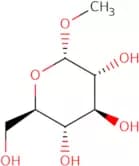
CAS:<p>1,3,4,6-Tetra-O-acetyl-2-deoxy-2-fluoro-D-glucopyranose is a sugar that can be used as a starting material for the synthesis of other sugars. It has been shown to crystallize in a number of different forms, including monoclinic and hexagonal crystals. Crystals are grown from solvents such as silver nitrate or chloride. The molecule has three stereoisomers, which are mirror images of each other. These isomers have different chemical properties and react differently with various substances. This property can be utilized to synthesize desired compounds with desired functionalities.</p>Fórmula:C14H19FO9Pureza:Min. 95 Area-%Forma y color:PowderPeso molecular:350.29 g/molMethyl a-D-glucopyranoside
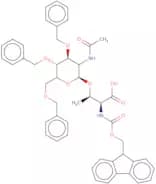
CAS:<p>Methyl α-D- glucopyranoside is a methylated sugar used as an inhibitor of lectin-conjugate binding. Methyl α-D- glucopyranoside is commonly used in protein purification for eluting glycoproteins and other glycoconjugates from affinity chromatography columns of agarose lectin. Methyl α-D- glucopyranoside is also known as Methyl alpha-D-glucoside or alpha-Methyl-glucoside.</p>Fórmula:C7H14O6Pureza:Min. 98 Area-%Forma y color:PowderPeso molecular:194.18 g/mol2-Acetamido-3,4,6-tri-O-benzyl-2-deoxy-a-D-galactopyranosyl-(N-Fmoc)-L-threonine
CAS:<p>2-Acetamido-3,4,6-tri-O-benzyl-2-deoxy-a-D-galactopyranosyl-(N-Fmoc)-L-threonine is a methylated sugar with a saccharide. It is custom synthesized by Click chemistry and modified to be an oligosaccharide. The CAS number for this product is 1398123-86-8. This product has a high purity level and is fluorinated. 2-Acetamido-3,4,6-triObenzyl2deoxyA D Galactopyranosyl-(N Fmoc)L Threonine can be used as a glycosylation agent in the synthesis of complex carbohydrates.</p>Fórmula:C48H50N2O10Pureza:Min. 95%Peso molecular:814.92 g/molD-Quinovosamine hydrochloride
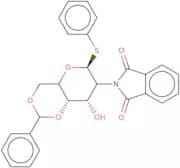
CAS:<p>Quinovosamine hydrochloride (QNH) is a fatty acid that belongs to the group of galacturonic acid. It has been shown to be biologically active in wild-type strains and in some bacterial strains, including Pseudomonas aeruginosa. QNH has also been used for preparation of monoclonal antibodies directed against receptor activity, which are activated by QNH.</p>Fórmula:C6H13NO4·HClPureza:Min. 95%Forma y color:PowderPeso molecular:199.63 g/molPhenyl 4,6-O-benzylidene-2-deoxy-2-phthalimido-b-D-thioglucopyranoside
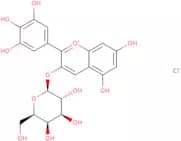
CAS:<p>Phenyl 4,6-O-benzylidene-2-deoxy-2-phthalimido-b-D-thioglucopyranoside is a custom synthesis sugar that has been modified with fluorination, glycosylation, and carbamoylation. It is an oligosaccharide that contains a saccharide at the reducing end of the molecule. The CAS number for this compound is 79528-51-1.</p>Fórmula:C27H23NO6SPureza:Min. 95%Forma y color:White PowderPeso molecular:489.54 g/molDelphinidin 3-galactoside chloride
CAS:<p>Delphinidin 3-galactoside chloride is a natural organic compound that belongs to the flavonol glycosides. It is a pigment that has been identified in flowers and fruits, such as the fruit tree. This compound exhibits antioxidant properties and can scavenge radicals, which may be due to its ability to inhibit dehydroascorbate reductase activity. Delphinidin 3-galactoside chloride also has an effect on high cholesterol levels, which may be due to its ability to inhibit HMG-CoA reductase activity. In addition, it has been shown that this compound can inhibit the growth of human pathogens such as P. aeruginosa and S. aureus.</p>Fórmula:C21H21O12ClPureza:Min. 95%Peso molecular:500.84 g/molGalacturonan oligosaccharides DP25-DP50 sodium salt
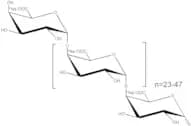
<p>Mixed DP 25-50 Na galacturonans, (α-1,4 25-50 Na galacturonans) are derived from pectin or pectic acid, by enzymatic or partial acid hydrolysis. They are used in galacturonic acid metabolism research as a substrate to identify, differentiate, and characterize endo- and exopolygalacturonase(s) and gluconase(s). In recent studies, it has been shown that long oligogalacturonides (degree of polymerization (DP) from 25â50), help to induce plant defense signaling resulting in enhanced defenses to necrotrophic pathogens.</p>Pureza:Min. 90 Area-%Forma y color:Powder1,2-a-1,2-a-L-Rhamnotriose
<p>1,2-a-1,2-a-L-Rhamnotriose is a carbohydrate that can be modified to suit your needs. It has a CAS number of 57749-83-5. This oligosaccharide is a sugar made up of two monosaccharides joined by an alpha 1,2 glycosidic bond. The product can be custom synthesized and its purity is high. It can be fluorinated or methylated and it can also be glycosylated. Click modification is also possible with this product.</p>Fórmula:C18H32O13Pureza:Min. 95%Forma y color:White PowderPeso molecular:456.44 g/mol6-Aminohexyl 2-deoxy-5-O-DMT-a-D-riboside
6-Aminohexyl 2-deoxy-5-O-DMT-a-D-riboside is a glycosylation agent that can be used in synthetic approaches that require the incorporation of oligosaccharides. This product is also useful for fluoroalkylation reactions and methylations involving saccharides. It can be used to synthesize complex carbohydrates, such as polysaccharides or saccharide complexes, with high purity and CAS number. 6-Aminohexyl 2-deoxy-5-O-DMT-a-D-riboside has been modified using Click chemistry for click modification of proteins and peptides.Fórmula:C32H41N06Pureza:Min. 95%Peso molecular:509.71 g/molNGA1 N-Glycan
<p>NGA1 N-glycan is a modified oligosaccharide, carbohydrate, and complex carbohydrate. It is custom synthesized, high purity, and has CAS No. This monosaccharide is methylated and glycosylated. It has a sugar that has been fluorinated and saccharides.</p>Pureza:Min. 95%1,3,4,6-Tetra-O-acetyl-N-propanoyl-D-mannosamine
CAS:<p>1,3,4,6-Tetra-O-acetyl-N-propanoyl-D-mannosamine is a sugar that is used for the synthesis of novel glycosides. It is prepared by the methylation of D-mannose with acetic anhydride in the presence of sodium methoxide. This reaction can also be carried out on a variety of other sugars and carbohydrates, such as D-galactose, D-xylose, or L-arabinose. 1,3,4,6-Tetra-O-acetyl-N-propanoyl-D-mannosamine has been shown to react with 4-(pyridinium)butanoic acid to produce 4-(pyridinium)butanal (1), which reacts with glycine to produce 1-(pyridinium)butanediamide (2). The carbonyl group in 2 can</p>Fórmula:C17H25NO10Pureza:Min. 95%Peso molecular:403.38 g/mol










![(4S,9R)-4-Benzyloxy-N-benzyloxycarbonyl-8-oxo-9-methoxy-octahydro-pyrano[4,3-b]pyrrole](/_next/image/?url=https%3A%2Fstatic.cymitquimica.com%2Fproducts%2F3D%2Fthumb-webp%2FMB164009.webp&w=3840&q=75)















![5-Deoxy-1,2-O-ispropylidene-([4-ethoxycarbonyl]-1,2,3-triazol-1-yl)-a-L-galactofuranose](/_next/image/?url=https%3A%2Fstatic.cymitquimica.com%2Fproducts%2F3D%2Fthumb-webp%2FMD170288.webp&w=3840&q=75)


![(1S) -1- [(2S, 3R) - 3-Hydroxy- 1- nonyl-2- azetidinyl] -1, 2- ethanediol](/_next/image/?url=https%3A%2Fstatic.cymitquimica.com%2Fproducts%2F3D%2Fthumb-webp%2FMH163526.webp&w=3840&q=75)