Glycoscience
La glicociencia es el estudio de los carbohidratos y sus derivados, así como de las interacciones y funciones biológicas en las que participan. Este campo de investigación es crucial para comprender una amplia variedad de procesos biológicos, incluyendo el reconocimiento celular, la señalización, la respuesta inmune y el desarrollo de enfermedades. La glicociencia tiene aplicaciones importantes en la biotecnología, la medicina, y el desarrollo de nuevos fármacos y terapias. En CymitQuimica, ofrecemos una amplia selección de productos de alta calidad y pureza para la investigación en glicociencia. Nuestro catálogo incluye monosacáridos, oligosacáridos, polisacáridos, glicoconjugados, y reactivos específicos, diseñados para apoyar a los investigadores en sus estudios sobre la estructura, función y aplicaciones de los carbohidratos en sistemas biológicos. Estos recursos están destinados a facilitar descubrimientos científicos y aplicaciones prácticas en diversas áreas de la biociencia y la medicina.
Subcategorías de "Glycoscience"
- Aminoazúcares(108 productos)
- Anticuerpos relacionados con azúcares(282 productos)
- Glicolípidos(46 productos)
- Glicosaminoglicanos (GAGs)(55 productos)
- Glucósidos(419 productos)
- Monosacáridos(6.624 productos)
- Oligosacáridos(3.682 productos)
- Polisacáridos(503 productos)
Se han encontrado 11046 productos de "Glycoscience"
Ordenar por
Pureza (%)
0
100
|
0
|
50
|
90
|
95
|
100
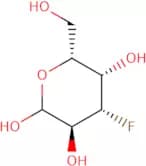
3-Deoxy-3-fluoro-D-galactose - Aqueous solution
CAS:<p>3-Deoxy-3-fluoro-D-galactose (3DFGal) is a potential drug that has been shown to shift the metabolic pathway of gram-positive pathogens from glycolysis to gluconeogenesis. This compound may be used as a tool for studying the enzymatic reaction catalyzed by galactokinase, which is involved in the conversion of 3DFGal to D-galactose. 3DFGal is a stereospecific carbohydrate and can be used as a substrate for biochemical studies. The bacterial surface profile of 3DFGal has been investigated and it has been found that 3DFGal is not significantly toxic to Gram-negative bacteria. The kinetics of 3DFGal hydrolysis have been studied and it was found that the hydrolysis rate was increased when the solution was acidified with hydrofluoric acid.</p>Fórmula:C6H11FO5Pureza:Min. 98 Area-%Forma y color:PowderPeso molecular:182.15 g/molMethyl 4,6-O-(4-methoxybenzylidene)-2,3-di-O-pivaloyl-a-D-galactopyranoside
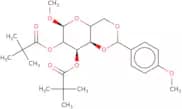
<p>Methyl 4,6-O-(4-methoxybenzylidene)-2,3-di-O-pivaloyl-a-D-galactopyranoside is a custom synthesis of a sugar that is Click modified with fluorine and glycosylated. Methyl 4,6-O-(4-methoxybenzylidene)-2,3-di-O-pivaloyl-a-D-galactopyranoside is an oligosaccharide that has saccharides and monosaccharides. This complex carbohydrate has been synthesized by methylation and modification. Methyl 4,6-O-(4-methoxybenzylidene)-2,3--di--pivaloyl--a--D--galactopyranoside belongs to the CAS No. of 689717–97–1.</p>Fórmula:C25H36O9Pureza:Min. 95%Peso molecular:480.56 g/mol2,3,5-Tri-O-benzhydryloxybis(trimethylsilyloxy)silyl-2-C-methyl-D-ribono-1.4-lactone
2,3,5-Tri-O-benzhydryloxybis(trimethylsilyloxy)silyl-2-C-methyl-D-ribono-1.4-lactone is a custom synthesis that is used as a building block for saccharides and polysaccharides due to its high purity. It is also used for the modification of saccharides and polysaccharides. It is synthesized using Click chemistry, which has been shown to be effective in glycosylation reactions. This product has fluorination at C2 and C3 positions, which provides resistance against hydrolysis by esterases and glucuronidases. It also has methylation at the 3' position of the sugar moiety, which makes it resistant to hydrolysis by phosphodiesterases. The CAS number of this product is 549299-05-5.br>br> br>br> ThisPureza:Min. 95%(2R, 3R, 4S) -3, 4- Dihydroxy- 2, 4- pyrrolidinedimethano l
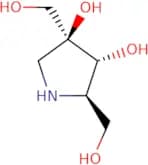
CAS:<p>(2R, 3R, 4S) -3, 4- Dihydroxy- 2, 4- pyrrolidinedimethano l is a fluorinated methylated saccharide that is used in the synthesis of complex carbohydrates. It can be used as a glycosylation or a click modification reagent. This compound has been shown to be effective in the synthesis of oligosaccharides and glycosylations.</p>Pureza:Min. 95%L-Daunosamine hydrochloride
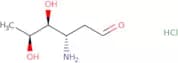
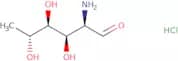
CAS:<p>L-Daunosamine hydrochloride is a fluorinated sugar that is synthesized in the laboratory. It has been used for the modification of polysaccharides and other saccharides. L-Daunosamine hydrochloride is a monosaccharide that can be found in several complex carbohydrates. The CAS number for this chemical is 19196-51-1. This chemical has a high purity level, which makes it valuable for use as a synthetic material.</p>Fórmula:C6H14NClO3Pureza:Min. 95 Area-%Forma y color:PowderPeso molecular:183.63 g/mol3,4,6-Tri-O-benzyl-D-galactal
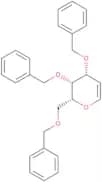
CAS:<p>3,4,6-Tri-O-benzyl-D-galactal is a hydrogen bond donor and has been shown to have physiological activities. It was found to increase the number of lymphocytes in unimmunized mice. It also inhibits the growth of psoralea virus. The glycosidic bond between 3,4,6-tri-O-benzyl-D-galactal and glucose produces a product with an acetylated hydroxyl group and an aldehyde group. This type of bond is stereoselective and benzofuran derivatives are formed from the reaction. 3,4,6-Tri-O-benzyl-D-galactal has been shown to have anticancer activity against cancer cells in laboratory experiments.</p>Fórmula:C27H28O4Pureza:Min. 95%Forma y color:White PowderPeso molecular:416.51 g/mol1,3,4-Tri-O-acetyl-2-deoxy-2-fluoro-L-fucose
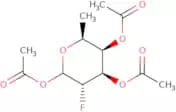
CAS:Peracetylated 2-fluoro-L-fucose is the acetylated form of 2-deoxy-2-fluoro-L-fucose which is a potent inhibitor of protein fucosylation. It exhibits improved cell permeability and is rapidly deacetylated into its active form, inside the cell. It is metabolised inside the cell into a corresponding donor substrate analogue of GDP-fucose or GDP-2FF, via the salvage pathway. GDP-2FF accumulates in the cell causing a shutdown of de novo pathway which leads to the desired fucosylation inhibition. The addition of 100 uM peracetylated-2-fluoro-L-fucose to plants severely inhibits root growth by 95% compared to an untreated plant, and is more potent compared to 2-fluoro-L-fucose. The material is soluble in DMSO at 10mg/ml.Fórmula:C12H17FO7Pureza:Min. 97 Area-%Forma y color:White Off-White PowderPeso molecular:292.26 g/molThermopsoside
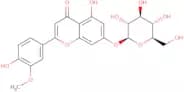
CAS:<p>Thermopsoside is an organic acid that has been isolated from the plant species Vitex agnus-castus. Thermopsoside has shown antibacterial activity against a variety of bacteria and fungi, including Escherichia coli, Staphylococcus aureus, and Candida albicans. It is thought to act by inhibiting the synthesis of fatty acids and vitexin in the bacterial cell membrane or by binding to the bacterial ribosome. Thermopsoside also shows anti-inflammatory effects on skin cells and is used in some cosmetic products as an ingredient in skin-conditioning lotions.<br>Thermopside inhibits prostaglandin production by blocking cyclooxygenase (COX) enzymes.</p>Fórmula:C22H22O11Pureza:Min. 98 Area-%Forma y color:PowderPeso molecular:462.4 g/molN-Acetylneuraminic acid
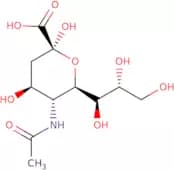
CAS:N-Acetylneuraminic acid (NANA or Neu5Ac), as the most common sialic acid, is a nine-carbon monosaccharide whose amino group is acetylated (Collins, 2006). Sialic acid is found across the animal kingdom and some prokaryotes. Sialic acid occurs as a component of oligosaccharides (N- and O-linked glycoproteins, glycolipids, human milk, blood groups), bacterial polysaccharides and glycoconjugates. Sialic acid is also found in free form in body fluids (Schauer, 1997).Fórmula:C11H19NO9Pureza:Min. 98 Area-%Forma y color:White PowderPeso molecular:309.27 g/molAgarotriose
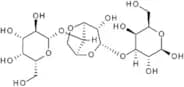
CAS:<p>Agarose is a polysaccharide found in red algae, typically Gelidium and Gracilaria. It is a strictly alternating polysaccharide of β-1,3 linked D-galactose and α-1,4 linked L-3,6 anhydrogalactose with occasional sulfation at position 6 of the anhydrogalactose residue. Agaro-oligosaccharides result from cleavage at galactose residues and neoagaro-oligosaccharides from cleavage at 3,6-anhydro residues. It is reported that agarotriose has prebiotic properties.</p>Fórmula:C18H30O15Pureza:Min. 98 Area-%Forma y color:White PowderPeso molecular:486.42 g/mol6-Aminohexyl 2-deoxy-5-O-DMT-a-D-riboside
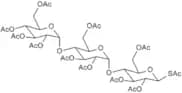
6-Aminohexyl 2-deoxy-5-O-DMT-a-D-riboside is a glycosylation agent that can be used in synthetic approaches that require the incorporation of oligosaccharides. This product is also useful for fluoroalkylation reactions and methylations involving saccharides. It can be used to synthesize complex carbohydrates, such as polysaccharides or saccharide complexes, with high purity and CAS number. 6-Aminohexyl 2-deoxy-5-O-DMT-a-D-riboside has been modified using Click chemistry for click modification of proteins and peptides.Fórmula:C32H41N06Pureza:Min. 95%Peso molecular:509.71 g/mol1,2,3,6-Tetra-O-acetyl-4-O-(2,3,6-tri-O-acetyl-4-O-(2,3,4,6-tetra-O-acetyl-a-D-glucopyranosyl)-a-D-glucopyranosyl)-b-D-thioglucopyra nose
<p>1,2,3,6-Tetra-O-acetyl-4-O-(2,3,6-tri-O-acetyl-4-O-(2,3,4,6-tetra-O-acetylaDglucopyranosyl)-aDglucopyranosyl)-bDthioglucopyra nose is a sugar with the chemical formula C27H42O14. This compound is synthesized by the glycosylation of 1,2,3,6 tetra O acetyl 4 O (2 3 6 tri O acetyl 4 O (2 3 4 6 tetra O acetyl a D glucopyranosyl) a D glucopyranosyl) b D thioglucopyrazine with 2 3 6 tri O acetate 4 O (2 3 4 6 tetra O acetate a D glucopyranoside a D glucopyranoside</p>Fórmula:C40H54O26SPureza:Min. 95%Peso molecular:982.91 g/molD-Quinovosamine hydrochloride
CAS:<p>Quinovosamine hydrochloride (QNH) is a fatty acid that belongs to the group of galacturonic acid. It has been shown to be biologically active in wild-type strains and in some bacterial strains, including Pseudomonas aeruginosa. QNH has also been used for preparation of monoclonal antibodies directed against receptor activity, which are activated by QNH.</p>Fórmula:C6H13NO4·HClPureza:Min. 95%Forma y color:PowderPeso molecular:199.63 g/molSugammadex sodium
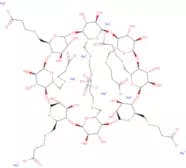
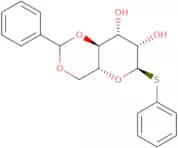
CAS:Steroid-based neuromuscular blocker reversing agentFórmula:C72H112O48S8·8NaPureza:Min. 95%Forma y color:PowderPeso molecular:2,186.08 g/molPhenyl 4,6-O-benzylidene-β-D-glucopyranoside
CAS:<p>Phenyl 4,6-O-benzylidene-b-D-glucopyranoside is a white crystalline powder that belongs to the group of glycoconjugates. It has been made by the modification of glycosides and saccharides. This product can be used as a fluorination agent in organic synthesis, or as a click modification in carbohydrate chemistry. Phenyl 4,6-O-benzylidene-b-D-glucopyranoside can also be used for glycosylation reactions and methylation reactions.</p>Fórmula:C19H20O6Pureza:Min. 95%Forma y color:White to off-white solid.Peso molecular:344.36 g/mol1,3,4,6-Tetra-O-acetyl-2-azido-2-deoxy-β-D-glucopyranose
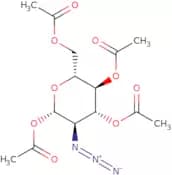
CAS:1,3,4,6-Tetra-O-acetyl-2-azido-2-deoxy-b-D-glucopyranose is a monosaccharide that has been shown to be a potential biomarker for protein synthesis. It has been used in the diagnosis of dissections and potential models in vitro. 1,3,4,6-Tetra-O-acetyl-2-azido-2-deoxy--b -D--glucopyranose has also been used as a model system for the study of protein transport and whole genome sequencing. It is an experimental tool for studying protein synthesis and cell nuclei in vitro.Fórmula:C14H19N3O9Pureza:Min. 95%Forma y color:PowderPeso molecular:373.32 g/molD-Glucoheptonic acid-1,4-lactone
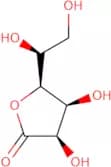
CAS:<p>D-Glucoheptonic acid-1,4-lactone is a chiral compound that can be used as an enantiomer of the natural sugar glucose. The human liver has been shown to metabolize this compound into proton and an analog of glucofuranose. This means that D-Glucoheptonic acid-1,4-lactone is able to be broken down by glycosidases. D-Glucoheptonic acid-1,4-lactone also inhibits α-L-rhamnosidase and other enzymes responsible for the breakdown of carbohydrates. This inhibition may lead to increased blood glucose levels in humans. D-Glucoheptonic acid-1,4-lactone has been shown to have inhibitory activities against both bacterial and mammalian enzymes. Hydrogen fluoride (HF) was used as a catalyst in the synthesis of this compound with benzylidene acetal</p>Fórmula:C7H12O7Pureza:Min. 95%Forma y color:PowderPeso molecular:208.17 g/molCarboxymethyl-dextran sodium salt 10-20% COOH - Average molecular weight 40000
CAS:<p>Drug carrier for cancer therapy & imaging, biocompatible, soluble, biodegradable</p>Forma y color:White Powder4-O-[3-O-(2-Acetamido-2-deoxy-b-D-galactopyranosyl)-b-D-galactopyranosyl]-D-glucose
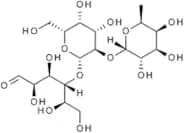
CAS:<p>4-O-[3-O-(2-Acetamido-2-deoxy-b-D-galactopyranosyl)-b-D-galactopyranosyl]-D-glucose is a synthetic sugar that is used in the production of monosaccharide derivatives. This compound can be modified with a click modification, which enables the introduction of a fluoro group to an oligosaccharide. The resulting compound has been shown to bind to cancer cells and inhibit their growth.</p>Fórmula:C20H35NO16Pureza:Min. 95%Peso molecular:545.49 g/mol4-Methoxyphenyl-3-O-allyl-2,4,6-tri-O-benzyl-β-D-galactopyranoside
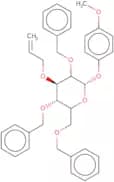
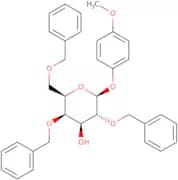
CAS:<p>4-Methoxyphenyl-3-O-allyl-2,4,6-tri-O-benzyl-b-D-galactopyranoside is a synthetic monosaccharide that is used for glycosylation reactions. It has been used in the synthesis of oligosaccharides and polysaccharides. This product is available for custom synthesis and can be ordered with a purity of >98% (w/w).</p>Fórmula:C37H40O7Pureza:Min. 95%Forma y color:White to off-white solid.Peso molecular:596.71 g/mol2,3,5-Tri-O-benzoyl-2-C-methyl-D-ribonic acid-1,4-lactone
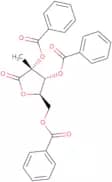
CAS:<p>2,3,5-Tri-O-benzoyl-2-C-methyl-D-ribonic acid-1,4-lactone is a glutamate receptor agonist that has been shown to have pharmacological properties. It binds to the GluR2/3 family of glutamate receptors and is an agonist at these receptors. The experiments with this drug have been conducted on both animals and humans. 2,3,5-Tri-O-benzoyl-2-C-methyl D ribonic acid lactone has also been shown to be an effective probe for the identification of glutamate receptor sequences in the brain and spinal cord.</p>Fórmula:C27H22O8Pureza:Min. 95%Forma y color:White PowderPeso molecular:474.46 g/mol1,3-α-1,6-α-D-Mannotriose
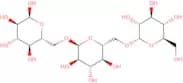
CAS:<p>Intermediate for synthesis of N-acetyllactosaminic glycans</p>Fórmula:C18H32O16Pureza:Min. 95 Area-%Forma y color:White Off-White PowderPeso molecular:504.44 g/molN-Acetylneuraminic acid methyl ester
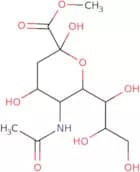
CAS:<p>Biologically relevant in neurotransmission and carbohydrate-protein recognition</p>Fórmula:C12H21NO9Pureza:Min. 97 Area-%Forma y color:White PowderPeso molecular:323.3 g/mol(2E) -4- [(3aS, 4R, 5aR) -5-Hydroxy-( 2, 2- dimethyltetrahydro- 4H- 1, 3- dioxolo)[3, 4- c] piperidin- 2- yl] -2- butenoic acid meth yl ester
<p>2-Butenoic acid methylester is a carbohydrate compound with a molecular formula of C4H6O4 and a molecular weight of 136.09. It has the chemical name of (2E) -4- [(3aS, 4R, 5aR) -5-hydroxy-( 2, 2-dimethyltetrahydro- 4H- 1, 3- dioxolo)[3, 4- c] piperidin- 2- yl] -2- butenoic acid meth yl ester. This product is an oligosaccharide that can be custom synthesized to meet your needs. This product is also known as an Oligosaccharide or sugar and can be fluorinated to produce a complex carbohydrate. The CAS number for this product is 72695-10-8. This product is available in high purity and has been methylated and glycosylated.</p>Pureza:Min. 95%Succinyl-β-cyclodextrin
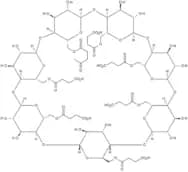
CAS:This beta-cyclodextrin (β-CD) derivative is a functionalized cyclic oligosaccharide composed of seven glucose units, characterized by a hydrophilic exterior and a lipophilic cavity (bigger than α-CD and smaller than γ-CDs), which allows it to encapsulate various guest molecules. This structural feature facilitates its use in multiple applications, including pharmaceuticals, food enhancement, and cosmetics. In the pharmaceutical industry, it enhances the solubility and stability of poorly water-soluble drugs, improving their bioavailability and efficacy while also masking unpleasant tastes. The food sector utilizes it as a stabilizer for flavors, colors, and nutrients, extending shelf life by protecting sensitive ingredients from degradation. In cosmetics, it serves as a complexing agent for fragrances and active components, ensuring their stability and controlled release. Its use expands to many other fields, including nanotechnology for drug delivery systems, environmental remediation for extracting organic pollutants, textiles for slow-release fragrances, and analytical chemistry for chiral separation.Fórmula:C71H100O55Pureza:Min. 95%Forma y color:White PowderPeso molecular:1,833.52 g/molMethyl 4,6-O-(4-methoxybenzylidene)-2,3-di-O-pivaloyl-a-D-mannopyranoside
<p>Methyl 4,6-O-(4-methoxybenzylidene)-2,3-di-O-pivaloyl-a-D-mannopyranoside is a modification of the sugar mannose. It is a complex carbohydrate that typically occurs as a component of glycoproteins and glycolipids. The synthesis of this compound can be customized to meet your specific needs. This product has been shown to have high purity and is CAS No. 203525-84-8.<br>Methyl 4,6-O-(4-methoxybenzylidene)-2,3-di-O-pivaloyl-aD Mannopyranoside is a monosaccharide that has been methylated at the 4 position with an oxygen atom from methanol in order to produce a reactive methyl group for glycosylation or polysaccharide formation. This modification can also be fluorinated</p>Fórmula:C25H36O9Pureza:Min. 95%Peso molecular:480.56 g/mol1-O-Sinapoyl-b-D-glucose
CAS:<p>A synthetically produced glucoside. It is also a natural product found in the Swertia Japonica.</p>Fórmula:C17H22O10Pureza:Min. 95 Area-%Forma y color:PowderPeso molecular:386.35 g/molSodium alginate, Laminaria Hyperborea
CAS:<p>Sodium alginate is a biocompatible polymer that is used in the treatment of wastewater. It is a water-soluble substance that forms a viscous solution when dissolved in water. Sodium alginate has been shown to inhibit the growth of bacteria and fungi, as well as to reduce the number of coliforms and other microorganisms in water. The potential for an alginate to be biocompatible depends on its chemical structure, with Laminaria Hyperborea being the most biocompatible. Alginates have been shown to have surface properties that are similar to those of natural tissue, making them useful for wound dressings.</p>Fórmula:C6H9NAO7Forma y color:PowderPeso molecular:216.12 g/mol2-Acetamido-2-deoxy-D-glucono-1,5-lactone
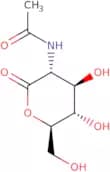
CAS:2-Acetamido-2-deoxy-D-glucono-1,5-lactone is a diagnostic agent that inhibits the activities of enzymes such as protein synthesis and cell division. It can be used to identify viral infections in animals, plants and marine microorganisms. 2-Acetamido-2-deoxy-D-glucono-1,5-lactone has been shown to inhibit the biochemical activity of enzymes in cells grown in culture. 2AADG is also a diagnostic agent that can be used to detect tumors in subcutaneous tissues due to its ability to inhibit the production of proteins essential for cell division.Fórmula:C8H13NO6Pureza:Min. 95%Forma y color:PowderPeso molecular:219.19 g/mol2,3,5-Tri-O-acetyl-L-arabinofuranosyl fluoride
2,3,5-Tri-O-acetyl-L-arabinofuranosyl fluoride is a monosaccharide sugar that has been fluorinated. It is a custom synthesis of methylation and click modification. The CAS number for this product is 565-64-8. This product has been modified to make it more resistant to degradation by enzymes such as alpha amylase and beta amylase. It is also used for polysaccharide synthesis and saccharides with higher purity than other products on the market. This product is synthesized from natural sources, making it high in purity and suitable for use in food production.END>Fórmula:C11H15FO7Pureza:Min. 95%Forma y color:Colourless To Yellow LiquidPeso molecular:278.23 g/mol4-Methoxyphenyl 2,4,6-tri-O-benzyl-b-D-galactopyranoside
CAS:<p>4-Methoxyphenyl 2,4,6-tri-O-benzyl-b-D-galactopyranoside is a custom synthesis that belongs to the group of complex carbohydrates. It is an Oligosaccharide with CAS No. 247027-79-8 and Polysaccharide. 4MPG has been modified by Methylation, Glycosylation, Carbohydrate, Click modification, sugar, High purity, Fluorination and Synthetic methods. This product is available in high purity and can be used for research purposes.</p>Fórmula:C34H36O7Pureza:Min. 97 Area-%Forma y color:PowderPeso molecular:556.65 g/molL-Mannonic acid-1,4-lactone
CAS:<p>L-Mannonic acid-1,4-lactone is an acidic compound that has kinetic properties. It is used in the assays of chloride ions and neutral pH. L-Mannonic acid-1,4-lactone also has conjugates with hydrolytic activity and can be used as a synthetic intermediate for other organic compounds. L-Mannonic acid-1,4-lactone can be found in group P2 of the periodic table because it contains a hydroxyl group and an organic group with a methyl ethyl side chain. L-Mannonic acid-1,4-lactone hydrolyzes at high temperatures and may exhibit synergistic effects when combined with other agents. This product is also used to incubate cells such as k562 cells.</p>Fórmula:C6H10O6Pureza:Min. 95%Forma y color:PowderPeso molecular:178.14 g/mol2,3:5,6-Di-O-isopropylidene-D-talose
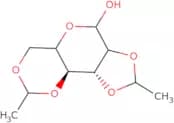
<p>2,3:5,6-Di-O-isopropylidene-D-talose is a custom synthesis of methylated oligosaccharides. It is a complex carbohydrate that contains both a monosaccharide and a polysaccharide. 2,3:5,6-Di-O-isopropylidene-D-talose is a modification of the sugar D(+)-talose (a pentasaccharide), which has been fluorinated to make it more stable. This product has high purity, and can be used in many different applications such as click chemistry, oligosaccharide synthesis, or fluorination reactions.<br>2,3:5,6-Di-O-isopropylidene-D-talose is an Oligosaccharide that is a Polysaccharide. It can be used as an inhibitor for DNA polymerase α and β enzymes in PCR reactions</p>Fórmula:C10H16O6Pureza:Min. 95%Peso molecular:232.23 g/molBlood Group H type II trisaccharide, spacer-biotin conjugate
CAS:<p>Blood group H type II trisaccharide is a carbohydrate that is modified with a spacer-biotin conjugate. It can be used in the synthesis of oligosaccharides and saccharides. This product has been fluorinated, has high purity, and is custom synthesized to order. The product also has methylation, glycosylation, and click modification.</p>Fórmula:C39H67N5O18SPureza:Min. 95%Forma y color:PowderPeso molecular:926.04 g/mol2-Acetamido-3,4,6-tri-O-acetyl-2-deoxy-β-D-glucopyranosyl-Fmoc serine
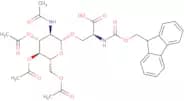
CAS:<p>2-Acetamido-3,4,6-tri-O-acetyl-2-deoxy-β-D-glucopyranosyl Fmoc serine is a modified sugar that is synthesized by the glycosylation of 2,3,4,6-tetra‑O‑acetyl‑2‑deoxy‑α‑D‑glucopyranose with an amino acid. It is used in peptide synthesis and as a building block for other oligosaccharides and saccharides. This compound has been shown to be useful in the production of complex carbohydrates.</p>Fórmula:C32H36N2O13Pureza:Min. 95 Area-%Forma y color:White To Off-White SolidPeso molecular:656.63 g/mol4-Aminophenyl β-D-glucuronide
CAS:<p>4-Aminophenyl b-D-glucuronide sodium is a glycosylation reagent used in the synthesis of complex carbohydrates, polysaccharides and oligosaccharides.</p>Fórmula:C12H15NO7Pureza:Min. 95%Peso molecular:285.25 g/mol2-Azido-2-deoxy-3,5-O-benzylidene-D-xylono-1,4-lactone
<p>2-Azido-2-deoxy-3,5-O-benzylidene-D-xylono-1,4-lactone is a synthetic sugar that is used in the synthesis of glycosylation, methylation and click modification reactions. It has been shown to be a potential precursor for polysaccharides and fluorinated saccharides. This product can be custom synthesized and is available at high purity.</p>Pureza:Min. 95%a-D-Maltose octaacetate
CAS:<p>Starch breakdown product; sweetening agent; fermentable intermediate in brewing</p>Fórmula:C28H38O19Pureza:Min. 95%Peso molecular:678.59 g/mol1,2-Dideoxy-5-O-DMT-D-ribose
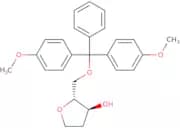
CAS:<p>1,2-Dideoxy-5-O-DMT-D-ribose is a methylation inhibitor that inhibits the transfer of a methyl group from S-adenosylmethionine to a substrate. This modification can be found in many biological systems, including DNA and RNA. It is also used as an intermediate in the synthesis of other compounds such as oligosaccharides and polysaccharides. 1,2-Dideoxy-5-O-DMT-D-ribose has been shown to inhibit the growth of bacteria by inhibiting bacterial cell wall synthesis. It is believed to work by binding to glycosidic bonds in bacterial cell walls, preventing the formation of new bonds and therefore inhibiting cell wall biosynthesis.<br>1,2 - Dideoxy - 5 - O - DMT - D - ribose can be used for fluorination reactions with various types of compounds, including sugars and other complex carbohydrates.</p>Fórmula:C26H28O5Pureza:Min. 97 Area-%Forma y color:White PowderPeso molecular:420.5 g/molIsomaltol
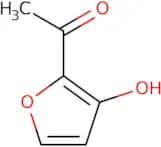
CAS:<p>Isomaltol is a sugar alcohol that is used as a food additive. It is a white, crystalline powder that is soluble in water and has an intense sweet taste. Isomaltol is produced by hydrogenating the reducing ends of sucrose to form maltose, which then undergoes hydrolysis to form maltitol. Isomaltol can be used as a replacement for sugar in foods and drinks. Isomaltol has been shown to inhibit tyrosinase activity, which may be beneficial for skin care products. It also has antimicrobial properties due to its ability to react with aluminium ions.</p>Fórmula:C6H6O3Pureza:Min. 95%Peso molecular:126.11 g/mol3-Deoxypentulose
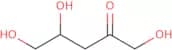
CAS:<p>3-Deoxypentulose is a kinetic, reactive and chromatographic compound that belongs to the family of glycolysis. It is present in small amounts in the blood and is derived from pentose sugars. The reaction mechanism of 3-deoxypentulose can be divided into two steps: glyoxal formation and hydroxide solution modification. In the first step, 3-deoxypentulose reacts with glucose to form glyoxal. In the second step, 3-deoxypentulose reacts with hydroxide solution to form galactose, which can further react with other compounds or be modified by enzymatic reactions. This compound has been used as a tagatose substitute in food products and as an oligosaccharide modifier. Recently, it has been shown that 3-deoxypentulose may be used as a chemical probe for studying glycolic acid synthesis in bacteria.</p>Fórmula:C5H10O4Pureza:Min. 95%Forma y color:PowderPeso molecular:134.13 g/mol2-Acetamido-2-deoxy-β-D-glucopyranosyl amine
CAS:2-Acetamido-2-deoxy-beta-D-glucopyranosyl amine (A2DG) is a diagnostic marker for juvenile idiopathic polyarteritis nodosa. This molecule is an intermediate in the synthesis of the carbohydrate, heparin. The A2DG assay measures concentrations of this metabolite in plasma samples and can be used to diagnose vasculitis and other inflammatory diseases. Novartis has developed a metabolite profiling technique that uses mass spectrometry to identify molecules present in cell culture or plasma samples. This technique has been used to measure levels of A2DG metabolites in patients with vasculitis, including juvenile idiopathic polyarteritis nodosa.Fórmula:C8H16N2O5Pureza:Min. 95.0 Area-%Peso molecular:220.22 g/mol2,6-Dimethyl-beta-cyclodextrin
CAS:<p>This beta-cyclodextrin (β-CD) derivative is a functionalized cyclic oligosaccharide composed of seven glucose units, characterized by a hydrophilic exterior and a lipophilic cavity (bigger than α-CD and smaller than γ-CDs), which allows it to encapsulate various guest molecules. This structural feature facilitates its use in multiple applications, including pharmaceuticals, food enhancement, and cosmetics. In the pharmaceutical industry, it enhances the solubility and stability of poorly water-soluble drugs, improving their bioavailability and efficacy while also masking unpleasant tastes. The food sector utilizes it as a stabilizer for flavors, colors, and nutrients, extending shelf life by protecting sensitive ingredients from degradation. In cosmetics, it serves as a complexing agent for fragrances and active components, ensuring their stability and controlled release. Its use expands to many other fields, including nanotechnology for drug delivery systems, environmental remediation for extracting organic pollutants, textiles for slow-release fragrances, and analytical chemistry for chiral separation.</p>Fórmula:C56H98O35Pureza:Min. 98%Forma y color:White PowderPeso molecular:1,331.36 g/molL-Mannitol
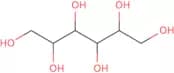
CAS:<p>L-Mannitol is a sugar alcohol that is an important component of pharmaceutical preparations. It is used as a preservative, diluent, and sweetener in many pharmaceutical products. L-Mannitol has been shown to have anti-inflammatory properties and may help prevent allergic reactions by inhibiting the production of prostaglandin D2. L-Mannitol also inhibits the activity of xylitol dehydrogenase, which prevents the conversion of xylitol to DHA, an intermediate metabolite that can cause tissue damage in animals and humans. L-Mannitol has been shown to have a laxative effect when taken orally or injected as an intravenous solution. This property may be due to its ability to stimulate chloride secretion from intestinal cells and increase water reabsorption from the colon. L-Mannitol is also used as a chromatographic matrix for saponins and conjugates with other amino acids.</p>Fórmula:C6H14O6Pureza:Min. 95%Forma y color:PowderPeso molecular:181.6 g/mol2'-Fucosyllactose - min 90%
CAS:<p>Substrate for fucosidase; used in infant formula; improves health in infants</p>Fórmula:C18H32O15Pureza:Min. 90%Forma y color:White PowderPeso molecular:488.44 g/mol(1R) -1- [(2R, 3R,4S) -N-Benzyl-3- benzyloxy- 4-hydroxymethyl-1- azetidinyl] -1, 2- ethanediol
(1R) -1- [(2R, 3R,4S) -N-Benzyl-3- benzyloxy- 4-hydroxymethyl-1- azetidinyl] -1, 2- ethanediol is a modification of the oligosaccharide glycogen. It is a synthetic compound that has been modified by methylation and glycosylation. This compound is soluble in water and ethanol, but insoluble in ether. It has a CAS number of 55634-00-2.Pureza:Min. 95%1,2-Di-O-acetyl-3-O-benzyl-4-C-(phenylmethoxy)methyl-L-Lyxofuranose 5-methanesulfonate
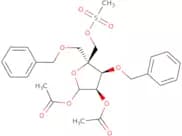
CAS:<p>1,2-Di-O-acetyl-3-O-benzyl-4-C-(phenylmethoxy)methyl-L-Lyxofuranose 5-methanesulfonate is a high purity, custom synthesis sugar that has been modified with fluorination, glycosylation and methylation. It is also a synthetic saccharide that can be used in the modification of oligosaccharides and monosaccharides. This product is available in a variety of different quantities.</p>Fórmula:C25H30O10SPureza:Min. 95%Peso molecular:522.57 g/mol1-O-Methyl-beta-D-xylopyranoside
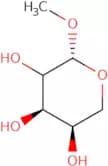
CAS:<p>1-O-Methyl-beta-D-xylopyranoside is a matrix component that is used as an artificial sweetener. This product has been shown to have the ability to protect cells against radiation and toxic chemicals. 1-O-Methyl-beta-D-xylopyranoside also inhibits the growth of coliform bacteria by inhibiting their energy metabolism and may be used for wastewater treatment. It has been shown to be effective in analytical methods to identify the presence of human feces in water samples.</p>Fórmula:C6H12O5Pureza:Min. 98 Area-%Forma y color:White PowderPeso molecular:164.16 g/mol(2R, 3S, 4S, 5R) -3-Hydroxy- 5- [(methylamino) carbonyl] - 4- (phenylmethoxy) - 2- [(phenylmethoxy) methyl] -1- pyrrolidinecarboxyli c acid 1, 1- dimethylethyl ester
CAS:<p>(2R, 3S, 4S, 5R) -3-Hydroxy- 5- [(methylamino) carbonyl] - 4- (phenylmethoxy) - 2- [(phenylmethoxy) methyl] -1- pyrrolidinecarboxylic acid 1, 1-dimethylethyl ester is a synthetic modification of the sugar maltose. It is a highly pure and custom synthesis that is fluorinated and methylated. It has been modified with glycosylation and click chemistry.</p>Fórmula:C26H34N2O6Pureza:Min. 95%Peso molecular:470.56 g/mol3,4-Dihydro-5-hydroxy-2-(3-hydroxy-4-methoxyphenyl)-4-oxo-2H-1-benzopyran-7-yl β-D-glucopyranosiduronic acid
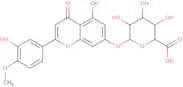
CAS:<p>Hesperetin 7-O-b-D-glucuronide is a metabolite of hesperetin, a flavonoid primarily sourced from citrus fruits. This compound is formed through the glucuronidation process, a metabolic pathway that modifies hesperetin to enhance its solubility and facilitate its excretion from the human body. Hesperetin 7-O-b-D-glucuronide exerts biological effects through various modes of action, including antioxidant and anti-inflammatory mechanisms. It is thought to scavenge free radicals and modulate inflammatory pathways by inhibiting specific enzymes and cytokines.In scientific research, Hesperetin 7-O-b-D-glucuronide is studied for its potential therapeutic applications, particularly its role in reducing oxidative stress and inflammation-related diseases. It has garnered attention in the context of cardiovascular health, neuroprotection, and metabolic disorders. The exploration of its bioavailability and specific interactions at the molecular level continues to provide insights into its promising applications in nutraceuticals and pharmaceuticals. Researchers investigate its efficacy and safety to better understand its potential role in disease prevention and therapy.</p>Fórmula:C22H22O12Pureza:Min. 95%Forma y color:PowderPeso molecular:478.4 g/molD-Galactosamine-1-phosphate
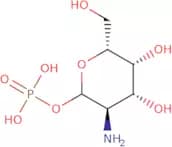
CAS:<p>D-Galactosamine-1-phosphate is a precursor of UDP-glucose and is used in the synthesis of fatty acids. D-Galactosamine-1-phosphate is synthesized by the enzyme UDP-glucose pyrophosphorylase, which catalyzes the reaction between UDP and D-galactose. It is expressed in strains that have been engineered to produce recombinant proteins. This product can be produced in vitro by a number of methods, including enzymatic or chemical synthesis. The enzyme activity of D-galactosamine 1 phosphate synthase is temperature dependent, with optimal activity at 40°C. This product has been shown to inhibit hepatitis virus production and lipid formation in vitro.</p>Fórmula:C6H14NO8PPureza:Min. 95%Forma y color:PowderPeso molecular:259.15 g/molFucoidan - Ascophyllum nodosum, analytical grade
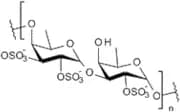
CAS:<p>A fucan sulphate found in brown marine algae (Phaeophyta-typically Fucus vesiculotus, Ascophyllum nodosum (illustrated), Alaria and Cladosiphon) and has been shown to have anticoagulant activity. The main constituents are α-1,4 and α-1,2 linked L-fucose sulphates although galactose also occurs and there are many variations of the basic structure found in different species of Phaeophyta.Molecular weight cut off at 300kDa.The image was kindly provided by Prof Mike Guiry from Cork who runs ‘The Seaweed Site’.</p>Forma y color:Powder2,3-O-Isopropylidene-D-erythronolactone
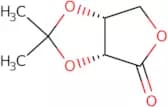
CAS:<p>2,3-O-Isopropylidene-D-erythronolactone is a chromophore that has been synthesised. It is a chiral heterocycle with an anion linker and a boron trifluoride etherate group. The carbon chain of 2,3-O-isopropylidene-D-erythronolactone has been found to be essential for its antibacterial activity against tuberculosis. This compound binds to the adenosine receptor in the bacterial cell membrane and inhibits bacterial growth.</p>Fórmula:C7H10O4Pureza:Area-% Min. 95 Area-%Forma y color:PowderPeso molecular:158.15 g/molBenzyl β-L-arabinopyranoside
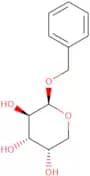
CAS:<p>Benzyl β-L-arabinopyranoside is a Glycosylation, complex carbohydrate, Methylation, Click modification, Polysaccharide, Fluorination, CAS No. 7473-38-3 that can be synthesized in the lab and is available for custom synthesis. It is used in the synthesis of saccharides and other glycosylated natural products.</p>Fórmula:C12H16O5Pureza:(%) Min. 98%Forma y color:White Off-White PowderPeso molecular:240.25 g/molGalactosyl diglyceride - 10 mg/ml solution in chloroform/methanol
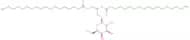
CAS:<p>The galactosyl diglyceride (GalDG) is a lipid molecule that is found naturally in plants. The chemical formula for GalDG is C22H44O8 and it has a molecular weight of 464.36 g/mol. This lipid molecule is composed of two fatty acid chains, one glycerol molecule and one galactose molecule. It can be synthesized with the help of a transition metal catalyst and an oxidizing agent such as hydrogen peroxide or sodium hypochlorite. When heated to a temperature of about 200-250 degrees Celsius, the transformation process takes place which results in the conversion of the lamellar phase to the crystalline phase. The diffraction method was used to determine its crystal structure and it was found that this lipid molecule has a lamellar phase at room temperature but transforms into a crystalline phase when heated to 250 degrees Celsius. The diffraction pattern obtained from x-ray diffraction analysis indicated that this</p>Fórmula:C45H86O10Pureza:Min. 95%Forma y color:Colourless to yellow liquid.Peso molecular:787.16 g/molD-Galactose non-animal origin
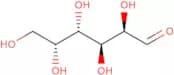
CAS:<p>Galactose from plant origin, animal free production</p>Fórmula:C6H12O6Pureza:Min. 99.0 Area-%Forma y color:White PowderPeso molecular:180.16 g/mol1-O-tert-Butyldimethylsilyl-5-O-DMT-2-O-methyl-D-ribose 3-CE-phosphoramidite
<p>1-O-tert-Butyldimethylsilyl-5-O-DMT-2-O-methyl-D-ribose 3-CE phosphoramidite is a methylated saccharide which can be used in the synthesis of polysaccharides. This product is custom synthesized and has high purity, with a CAS number of 138876-62-1. It is also fluorinated, and can be used for complex carbohydrate synthesis.</p>Fórmula:C42H61N2O8PSiPureza:Min. 95%Peso molecular:781 g/molD-[UL-13C6]Fructose 6-phosphate disodium salt hydrate
CAS:D-[UL-13C6]Fructose 6-phosphate disodium salt hydrate is a compound that inhibits sperm motility by binding to the transmembrane proteins of the plasma membrane. This inhibition leads to an increase in spermatozoa's mitochondrial transmembrane potential, which is necessary for fertilization. D-[UL-13C6]Fructose 6-phosphate disodium salt hydrate also has been shown to significantly increase the fertility of cryopreserved semen samples and can be used as an extender for animal spermatozoa.Fórmula:C6H11Na2O9P•(H2O)xPureza:Min. 95 Area-%Forma y color:PowderPeso molecular:310.1 g/molFormononetin-β-D-glucuronide sodium
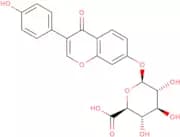
CAS:<p>Formononetin-b-D-glucuronide sodium salt is a synthetic compound that is commonly used as a building block in the synthesis of oligosaccharides and polysaccharides. Formononetin-b-D-glucuronide sodium salt is also known to be an inhibitor of human DNA polymerase alpha, which has been shown to inhibit the replication of human immunodeficiency virus (HIV) and herpes simplex virus type 1 (HSV1). Formononetin-b-D-glucuronide sodium salt has high purity, with a purity level of >99%.</p>Fórmula:C22H19O10NaPureza:Min. 95%Forma y color:White To Off-White SolidPeso molecular:466.37 g/molPhenyl 4,6-O-benzylidene-a-D-thiomannopyranoside
CAS:<p>Phenyl 4,6-O-benzylidene-a-D-thiomannopyranoside is a custom synthesis that is modified with fluorination, methylation and click modification. It is a monosaccharide that is used in the preparation of polysaccharides and glycosylations. Phenyl 4,6-O-benzylidene-a-D-thiomannopyranoside also has saccharide and carbohydrate properties.</p>Fórmula:C19H20O5SPureza:Min. 95%Forma y color:White PowderPeso molecular:360.43 g/molN-Acetylneuraminic acid sodium salt
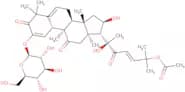
CAS:<p>N-Acetylneuraminic acid sodium salt is present in various natural sources, including glycoproteins and glycolipids found in animal tissues. As a sialic acid, N-Acetylneuraminic acid sodium salt plays a critical role in cellular recognition processes due to its involvement in the terminal position of glycan chains. This position allows it to participate in cellular communication, influencing processes like cell adhesion and pathogen interactions.The compound is extensively utilized in the fields of biochemistry and molecular biology, primarily for studies concerning cell surface glycoconjugates. Its ability to modulate interactions at the cell surface makes it invaluable for research into mechanisms of infection, immunity, and cell signaling. Additionally, N-Acetylneuraminic acid sodium salt finds applications in pharmaceutical research, particularly in the development of antiviral drugs where modulation of sialic acid interactions is key. The compound’s biochemical properties enable scientists to explore and elucidate complex biological phenomena, contributing to advances in therapeutic strategies and molecular pathology.</p>Fórmula:C11H18NO9NaPureza:Min. 95%Peso molecular:331.25 g/mol2-O-b-D-Glucopyranosylcucurbitacin E
CAS:<p>2-O-b-D-glucopyranosylcucurbitacin E is a natural product that has been isolated from the roots of Cucurbita maxima. This compound has been shown to have bioactive properties, including antioxidant and antimicrobial activity. The extract was tested on chronic cough patients with type 2 diabetes mellitus. The treatment group showed significant improvements in symptoms and bioactive phytochemical levels compared to the control group.<br>2-O-b-D-glucopyranosylcucurbitacin E is a white powder that is soluble in methanol and water but not in chloroform or ether. It can be analyzed by liquid chromatography, which separates the different components of a sample by passing it through a column filled with an adsorbent material that retains some components more than others.</p>Fórmula:C38H54O13Pureza:Min. 95%Peso molecular:718.83 g/molMethyl 2-deoxy-b-D-ribopyranoside
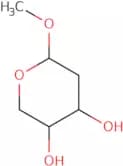
CAS:<p>Methyl 2-deoxy-b-D-ribopyranoside is a synthetic monosaccharide that has been modified by fluorination, monosaccharide, and methylation. It is an oligosaccharide that belongs to the group of complex carbohydrates. This compound can be used for glycosylation reactions or as a sugar donor in click chemistry. Methyl 2-deoxy-b-D-ribopyranoside has CAS No. 17676-20-9 and it's purity is greater than 99%.</p>Fórmula:C6H12O4Pureza:Min. 95%Peso molecular:148.16 g/mol2,3-O-Isopropylidene-D-glyceraldehyde - 50% solution in DCM
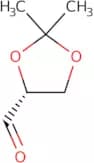
CAS:2,3-O-Isopropylidene-D-glyceraldehyde is an acetal protected glyceraldehyde building block for use in organic chemistry. The aldehyde group of 2,3-O-Isopropylidene-D-glyceraldehyde is left unprotected which allows for a range of reactions to be performed. These include aldol condensations, olefinations, Grignard reactions and imine formation, including reductive amination.Fórmula:C6H10O3Pureza:Min. 95%Forma y color:Colorless Clear LiquidPeso molecular:130.14 g/mol3,4-Di-O-acetyl-L-fucal
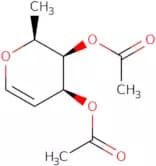
CAS:<p>3,4-Di-O-acetyl-L-fucal is a phosphate derivative that is synthetically derived from ethyl diazoacetate. It has cytotoxic properties and is readily activated by phosphorylation to form the active form. 3,4-Di-O-acetyl-L-fucal has been shown to be effective against leukemia cells in vitro and may be useful as an adjuvant treatment for lymphocytic leukemia. 3,4-Di-O-acetyl-L-fucal also inhibits the growth of staphylococci in vitro, but it is not active against other bacteria such as Escherichia coli or Pseudomonas aeruginosa. The enantiomer of 3,4 Di O acetyl - L - fucal is inactive because it cannot be phosphorylated.</p>Fórmula:C10H14O5Pureza:Min. 95%Forma y color:White PowderPeso molecular:214.22 g/mol1-O-Acetyl-2,3,5-tri-O-benzyl-D-ribofuranose
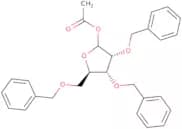
CAS:<p>Apogossypol is a polyunsaturated fatty acid that has been shown to have anticancer and anti-inflammatory properties. Studies have shown that apogossypol inhibits the production of proinflammatory cytokines and nitric oxide, which are compounds that can cause inflammation. Apogossypol also has been shown to inhibit apoptosis in cancer cells, which is a programmed cell death process. Apogossypol may be useful as an anticancer agent due to its ability to induce apoptosis and inhibit inflammation in cancer cells.</p>Fórmula:C28H30O6Pureza:Min. 95%Forma y color:Clear LiquidPeso molecular:462.53 g/molL-Glucurono-3,6-lactone
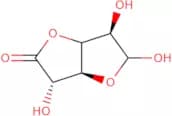
CAS:<p>L-Glucurono-3,6-lactone is an acetonide that is a derivative of L-glucose. L-Glucurono-3,6-lactone can be used as a precursor for the synthesis of polyhydroxybutyrate (PHB).</p>Fórmula:C6H8O6Pureza:Min. 95%Forma y color:PowderPeso molecular:176.12 g/molBenzyl 2-acetamido-2-deoxy-4,6-O-isopropylidene-α-D-glucopyranoside
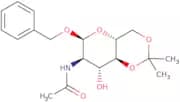
CAS:<p>Benzyl 2-acetamido-2-deoxy-4,6-O-isopropylidene-a-D-glucopyranoside is a custom synthetic sugar that is modified with fluorination and methylation. It is used as a building block for the synthesis of oligosaccharides and glycosylations. This compound has been used in the synthesis of polysaccharides and saccharides.</p>Fórmula:C18H25NO6Pureza:Min. 95%Forma y color:PowderPeso molecular:351.39 g/molDextran 750 - MW: 500,000 to 1,000,000
CAS:<p>Dextran is a polysaccharide that is used as an antimicrobial agent and as a volume expander in the treatment of bowel disease, myocardial infarct, and other diseases. Dextran sulfate is a linear polymer with a molecular weight of 500,000 to 1,000,000. It has minimal toxicity and does not interfere with iron homeostasis or cause fluid overload. Dextran sulfate can be used for the treatment of bowel disease because it has been shown to have anti-inflammatory effects in experimental models. The mechanism by which dextran sulfate inhibits inflammation is unknown, but may involve its ability to bind to macrophages and neutrophils in the gut wall. Dextran sulfate also binds to bacteria and prevents their growth. This binding may prevent bacterial penetration into epithelial cells or block bacterial attachment to cell surfaces. The efficacy of dextran sulfate against pathogenic mechanisms such as inflammation has been demonstrated in experimental models.</p>Pureza:Min. 95%Forma y color:White PowderHexahydro- 1, 2, 8- trihydroxy- [1S- (1a, 2a, 8a, 8ab) ]-5(1H) -indolizinone
CAS:<p>Hexahydro-1,2,8-trihydroxy-[1S-(1a,2a,8a,8ab)]-5(1H)-indolizinone is a custom synthesis of a complex carbohydrate. It is an Oligosaccharide and Polysaccharide. The saccharide Methylation and Glycosylation are the Modification of this molecule. This product has CAS No. 96625-36-4 and Click modification is Carbohydrate sugar. This product is highly pure with Fluorination Synthetic</p>Fórmula:C8H13NO4Pureza:Min. 95%Peso molecular:187.19 g/mol1-Deoxy-D-psicose
<p>1-deoxy-D-psicose is a deoxy sugar that can be used as a reagent for the conversion of 1-deoxy-d-fructose to d-psicose. It is useful in the synthesis of rhamnose, which is a precursor to pharmaceuticals and agrochemicals. 1-Deoxy-D-psicose can be used in the synthesis of l-rhamnose from d-psicose or vice versa. This process of converting one epimer to another isomerization is very efficient, with an 88% yield.</p>Pureza:Min. 95%Galactostatin bisulfite
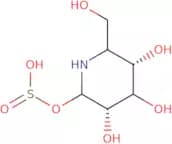
CAS:<p>Inhibitor of β-galactosidase</p>Fórmula:C6H13NO7SPureza:Min. 95%Forma y color:PowderPeso molecular:243.24 g/mol2-O-Hydroxyethyl-D-glucose
CAS:<p>2-O-Hydroxyethyl-D-glucose is a synthesised compound that has been glycosidically linked to the glucoside. This compound is an intramolecular glucoside with a bicyclic structure. It can be used in the synthesis of other compounds, such as 3-o-hydroxypropyl-D-glucose, which has been shown to have anti-inflammatory effects.</p>Fórmula:C8H16O7Pureza:Min. 95%Forma y color:PowderPeso molecular:224.21 g/mol2,5-Anhydro-4,6-di-O-benzoyl-D-glucitol
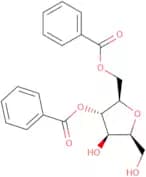
CAS:2,5-Anhydro-4,6-di-O-benzoyl-D-glucitol is a nucleoside analog that has been shown to inhibit the growth of Mycobacterium tuberculosis and other bacterial strains. It inhibits DNA synthesis by binding to the thymine moiety in the helix, which blocks access of thymine to the enzyme DNA polymerase. 2,5-Anhydro-4,6-di-O-benzoyl-D-glucitol also inhibits RNA synthesis by binding to the ribose moiety in nucleotides and blocking access of ribose to enzymes involved in the process. This compound is used as an immunosuppressant for organ transplantation in humans.Fórmula:C20H20O7Pureza:Min. 95%Peso molecular:372.38 g/molFucoidan, durvillea
CAS:<p>A fucan sulphate found in brown marine algae (Phaeophyta-typically Fucus vesiculotus, Durvillea (illustrated), Alaria and Cladosiphon) and has been shown to have anticoagulant activity. The main constituents are α-1,4 and α-1,2 linked L-fucose sulphates although galactose also occurs and there are many variations of the basic structure found in different species of Phaeophyta.<br>The fucose content of this fucan is approximately 27.9% and it also contains galactose (approx. 6.2%), uronic acid (approx. 22.4%) and sulfate (approx. 21.4%).<br>The image was kindly provided by Prof Mike Guiry from Cork who runs ‘The Seaweed Site’.</p>Pureza:Min. 95%Forma y color:White Powder3,6-Dideoxy-D-arabino-hexose
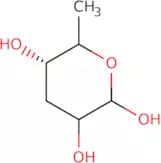
CAS:<p>3,6-Dideoxy-D-arabino-hexose is a sugar that is found in bacterial cell walls. It is made up of three components: 3,6-dideoxy-D-glycero-hexose and two fatty acids. The chemical structure of 3,6-dideoxy-D-arabino-hexose has been determined by chemical synthesis and spectroscopic analysis. This sugar residue is also used in the biosynthesis of the lipid A antigen found on gram negative bacteria.</p>Fórmula:C6H12O4Pureza:Min. 95 Area-%Forma y color:PowderPeso molecular:148.16 g/molFucoidan - Sargassum
CAS:A fucan sulphate found in brown marine algae (Phaeophyta-typically Fucus vesiculotus, Sargassum (illustrated), Alaria and Cladosiphon) and has been shown to have anticoagulant activity. The main constituents are α-1,4 and α-1,2 linked L-fucose sulphates although galactose and L-fucose are also present, our product contains approximately 20% L-fucose, and there are many variations of the basic structure found in different species of Phaeophyta. The image was kindly provided by Prof Mike Guiry from Cork who runs ‘The Seaweed Site’.Pureza:Min. 95%Forma y color:Powder3-O-Benzyl-1,2-O-isopropylidene-a-D-xylopentodialdo-1,4-furanose
CAS:3-O-Benzyl-1,2-O-isopropylidene-a-D-xylopentodialdo-1,4-furanose is a synthetic sugar that can be used as a building block for the synthesis of glycoproteins, polysaccharides and other complex carbohydrates. It is also used for the modification of saccharide chains by methylation and fluorination. 3Bz DAPF was custom synthesized using high purity chemicals and has been shown to have an excellent level of purity.Fórmula:C15H18O5·xH2OPureza:Min. 95%Forma y color:Colourless LiquidPeso molecular:278.34-O-Methyl-D-glucuronic acid
CAS:<p>Component of plant, especially grape, glucuronoxylans</p>Fórmula:C7H12O7Pureza:Min. 95%Forma y color:Colorless PowderPeso molecular:208.17 g/mol1,2-O-Isopropylidene-3-deoxy-3-fluoro-a-D-glucofuranose
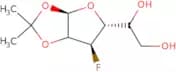
CAS:1,2-O-Isopropylidene-3-deoxy-3-fluoro-a-D-glucofuranose is a synthetic sugar that is used in the preparation of glycoproteins. It is an oligosaccharide and a monosaccharide, which means it consists of many saccharides linked together. It has a molecular weight of 568.8 g/mol and belongs to the class of carbohydrates. 1,2-O-Isopropylidene-3-deoxy-3-fluoro-a -D -glucofuranose can be synthesized from 3,4,5,6 tetraacetyl glucose by a click modification reaction with N-(9H-[1,2]dithiolanyl)sulfenamide and then fluorination with N-[(9H-[1,2]dithiolanyl)sulfonyl]trifluFórmula:C9H15FO5Pureza:Min. 95%Peso molecular:222.21 g/mol1,4-β-D-Xylotetraose
CAS:<p>1,4-β-D-Xylotetraose is a sugar that is found in the genus Talaromyces and is used as a sweetener. It is produced by plant cells and has been shown to have thermostability. 1,4-β-D-Xylotetraose has been found to have lipidomic activity, which may be related to its ability to bind lipids. It also has a dietary profile, which may contribute to its use as a supplement. 1,4-β-D-Xylotetraose can be used as an affinity agent for lipid profiling because it binds lipids with high affinity.</p>Fórmula:C20H34O17Pureza:Min. 95 Area-%Forma y color:White Off-White PowderPeso molecular:546.47 g/molAcetyl-β-cyclodextrin
CAS:This beta-cyclodextrin (β-CD) derivative is a functionalized cyclic oligosaccharide composed of seven glucose units, characterized by a hydrophilic exterior and a lipophilic cavity (bigger than α-CD and smaller than γ-CDs), which allows it to encapsulate various guest molecules. This structural feature facilitates its use in multiple applications, including pharmaceuticals, food enhancement, and cosmetics. In the pharmaceutical industry, it enhances the solubility and stability of poorly water-soluble drugs, improving their bioavailability and efficacy while also masking unpleasant tastes. The food sector utilizes it as a stabilizer for flavors, colors, and nutrients, extending shelf life by protecting sensitive ingredients from degradation. In cosmetics, it serves as a complexing agent for fragrances and active components, ensuring their stability and controlled release. Its use expands to many other fields, including nanotechnology for drug delivery systems, environmental remediation for extracting organic pollutants, textiles for slow-release fragrances, and analytical chemistry for chiral separation.Fórmula:C42Hn)O35·(C2H3O)nPureza:Min. 98 Area-%Forma y color:PowderPeso molecular:1,387.21 g/molO-(2,2',3,3',4',6,6'-Hepta-O-acetyl-b-D-maltosyl)-N-hydroxysuccinimide
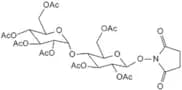
<p>O-(2,2',3,3',4',6,6'-Hepta-O-acetyl-b-D-maltosyl)-N-hydroxysuccinimide is a methylating reagent that is used in the synthesis of glycosides. It can be used to modify saccharides and polysaccharides with the desired sugar moiety.</p>Fórmula:C30H39NO20Pureza:Min. 95%Peso molecular:733.64 g/molDermatan sulphate hexasaccharide ammonium salt
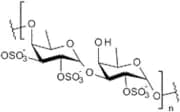
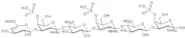
Dermatan sulphate hexasaccharide ammonium salt is a complex carbohydrate modified with an oligosaccharide. Dermatan sulfate hexasaccharide ammonium salt is a synthetic, high purity chemical produced by custom synthesis. This compound has CAS No. 849-27-6. It is a monosaccharide that can be methylated and glycosylated to form polysaccharides of different lengths and configurations. Dermatan sulfate hexasaccharide ammonium salt is a sugar that can be fluorinated or saccharified to produce compounds of varying molecular weights and properties.Pureza:Approx. 88%Forma y color:PowderEthyl 2,3,4-tri-O-acetyl-b-L-thiofucopyranoside
CAS:<p>Ethyl 2,3,4-tri-O-acetyl-b-L-thiofucopyranoside is a modified form of the sugar fucose. It is used as an intermediate in the synthesis of polysaccharides. Ethyl 2,3,4-tri-O-acetyl-b-L-thiofucopyranoside is used in the synthesis of oligosaccharides and polysaccharides by methylation and click modification reactions. This compound has CAS number 127501-41-1 and can be found with a purity of >99%.</p>Fórmula:C14H22O7SPureza:Min. 98 Area-%Forma y color:White PowderPeso molecular:334.39 g/molMethyl 4,6-O-benzylidene-a-D-mannopyranoside
CAS:Methyl 4,6-O-benzylidene-a-D-mannopyranoside is a hexadecanoic acid that is mediated by the target cell. It has been shown to inhibit the growth of bacteria and cancer cells in vitro. Methyl 4,6-O-benzylidene-a-D-mannopyranoside also possesses an antibacterial activity with a low mammalian toxicity. This compound is hydrolyzed by esterases or glucuronidases, oxidized by cytochrome P450 enzymes, reduced by glutathione reductase, or conjugated with glucuronic acid. The residue of this compound has been shown to be carcinogenic in vivo and in vitro. Anticancer activity of this compound may be due to its ability to disrupt DNA synthesis and induce apoptosis of cancer cells.Fórmula:C14H18O6Pureza:Min. 95%Forma y color:PowderPeso molecular:282.29 g/molChitosan - water soluble
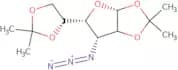
CAS:<p>Chitosan is the deacetylated form of chitin. The polysaccharide is deacetylated in order to render it soluble, which is then possible at pH values of less than 7 (normally in dilute acid). This then allows the material to be used in a number of industrial applications as a binder and film former.MW typically 10-100kDa.</p>Forma y color:Off-White Powder3-Azido-3-deoxy-1,2:5,6-di-O-isopropylidene-α-D-galactofuranose
CAS:<p>3-Azido-3-deoxy-1,2:5,6-di-O-isopropylidene-a-D-galactofuranose is a synthetic sugar that can be used as a monosaccharide or oligosaccharide. It is a complex carbohydrate that can be modified with methylation, fluorination, and click chemistry. 3-Azido-3-deoxy-1,2:5,6-di-O-isopropylidene-a-D galactofuranose is an important compound in carbohydrate chemistry due to its ability to undergo glycosylation reactions. The chemical properties of 3ADGFP are comparable to those of other monosaccharides and carbohydrates.</p>Fórmula:C12H19N3O5Pureza:Min. 95%Forma y color:Solidifying oil.Peso molecular:285.3 g/molD-Glucarate monopotassium
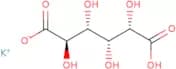
CAS:<p>D-Glucarate monopotassium is a pharmaceutical preparation that is used to inhibit the growth of bacteria. It inhibits the proliferation of cells by inhibiting fatty acid synthesis, which leads to decreased levels of cholesterol, and reduces the uptake of glucose. D-Glucarate monopotassium is also an oxidizing agent that converts uridine into uric acid and has been shown to have inhibitory properties against human cancer cells. D-Glucarate monopotassium can be used as an antioxidant for the prevention or treatment of chronic diseases such as atherosclerosis, diabetes, and cancer. This compound acts as an inhibitor for trypsin treatment on carbohydrates, preventing hydrolysis by this enzyme.</p>Fórmula:C6H9O8·KPureza:Min. 95%Forma y color:PowderPeso molecular:248.23 g/mol1-Octylamino-1-deoxy-D-glucitol
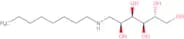
CAS:<p>1-Octylamino-1-deoxy-D-glucitol is a natural product that is extracted from the bark of the tree Streptomyces griseorubens. It has been shown to have a diastereomeric ratio of 97:3 and an optical purity of 98%. The thermodynamic properties of this compound are determined by the reaction time, which can vary from 1 to 24 hours. The enantiomers are separated by chromatography or crystallization, and the solubility data is determined at 25°C.</p>Fórmula:C14H31NO5Pureza:Min. 95%Forma y color:PowderPeso molecular:293.4 g/mol6-Chloro-6-deoxy-D-glucose
CAS:<p>6-Chloro-6-deoxy-D-glucose is a sugar that is used as a carbon source in the process of spermatozoa production. It has been shown to increase the fertility of animals by increasing the uptake of phosphorus pentachloride and ganglion cells in the testes. This drug also has contraceptive and antifertility effects, which may be due to its ability to inhibit the uptake of adenine nucleotide in cells. 6-Chloro-6-deoxy-D-glucose may have a role in ATP levels, with intracellular levels being higher than those in control analysis.</p>Fórmula:C6H11ClO5Pureza:Min. 95%Forma y color:White Off-White PowderPeso molecular:198.6 g/mol3,5,6-Trichloro-2-pyridinol β-D-glucuronide
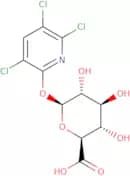
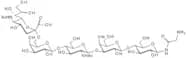
CAS:<p>3,5,6-Trichloro-2-pyridinol b-D-glucuronide is a synthetic glycosylate that has been modified by fluorination and methylation. It is used as an intermediate in the manufacture of a variety of saccharides and oligosaccharides. The sugar has been synthesized to have a high purity. 3,5,6-Trichloro-2-pyridinol b-D-glucuronide is a complex carbohydrate that can be modified using click chemistry. Click chemistry is a modification technique that uses copper (II) ions as catalysts for the formation of carbon–carbon bonds. This process can be used to modify saccharides and oligosaccharides with functional groups such as amines, thiols, alcohols, carboxylic acids, or nitriles.</p>Fórmula:C11H10Cl3NO7Pureza:Min. 95%Forma y color:White PowderPeso molecular:374.56 g/molGlycyl-sialyllacto-N-tetraose c
<p>Glycyl-sialyllacto-N-tetraose c is a custom synthesis of the carbohydrate polysaccharide glycyl-sialyllacto-N-tetraose. It is a complex carbohydrate that has been modified for use in biochemical research. Glycyl-sialyllacto-N-tetraose c contains four sugars, including erythrose and threose, and has been fluorinated at the C5 position. The modification of this carbohydrate was achieved through a click reaction. This product has been purified to be greater than 95% pure and is ready for use as an organic solvent or chemical reagent in laboratory experiments.</p>Fórmula:C39H66N4O29Pureza:Min. 95%Peso molecular:1,054.95 g/mol2,3,4-Tri-O-acetyl-D-ribononitrile
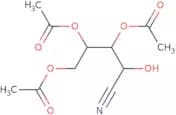
CAS:<p>2,3,4-Tri-O-acetyl-D-ribononitrile is a modification of the sugar ribose. It is used as a building block for oligosaccharides and polysaccharides. This chemical can be custom synthesized by modifying the sugar ribose with acetyl groups on the 2, 3 and 4 positions. The acetyl group on the 2 position can be removed through methylation to give tri-O-methyl-D-ribononitrile.</p>Fórmula:C11H15NO7Pureza:Min. 95%Peso molecular:273.24 g/molAllitol
CAS:<p>Allitol is a sugar alcohol that is used as a sweetener. It can be found naturally in some fruits and vegetables, but it can also be produced by hydrogenation of xylose. Allitol is metabolized by the liver and has been shown to inhibit fatty acid synthesis. It also has insulin-resistance effects, which may be due to its ability to inhibit the conversion of glucose into fatty acids. Allitol has been shown to decrease the levels of hydrochloric acid in the stomach, which may lead to an increase in gastric pH. Allitol will react with strong bases such as sodium hydroxide or potassium hydroxide to form d-talitol and polycarboxylic acid, respectively. Magnetic resonance spectroscopy (MRS) can be used to study the biochemical properties of allitol because it has a unique magnetic resonance spectrum (MRS).</p>Fórmula:C6H14O6Pureza:Min. 98 Area-%Forma y color:PowderPeso molecular:182.17 g/mol3-O-(β-D-Galactopyranosyl)-D-glucopyranose
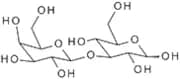
CAS:<p>3-O-(β-D-Galactopyranosyl)-D-glucopyranose is a custom synthesis, modification, and fluorination of a monosaccharide. It is a synthetic and modified saccharide. The molecular formula for this compound is C6H10O5 and its molecular weight is 180.17 g/mol. This chemical has been assigned CAS No. 28447-38-3 and has the following structure:</p>Fórmula:C12H22O11Pureza:Min. 95%Forma y color:White PowderPeso molecular:342.3 g/mol3'-Sialyl-3-fucosyllactose
CAS:<p>Sialyl-3-fucosyllactose is a monosaccharide that is a component of the sialyl-Lewisx oligosaccharide. The il-2 receptor binds to this oligosaccharide, which is involved in energy efficiency. 3'-Sialyl-3-fucosyllactose has been linked to cancer resistance and gene product production. It has also been found to be an important dietary nutrient for animals and humans. 3'-Sialyl-3-fucosyllactose plays an important role in the growth of cells, especially those that have been damaged or are undergoing apoptosis. It also has neurotrophic effects, which are beneficial for the development of neurons and brain function. Body mass index (BMI) is also known to be related to 3'-sialyl-3-fucosyllactose levels in plasma.</p>Fórmula:C29H49NO23Pureza:(%) Min. 90%Forma y color:White Off-White PowderPeso molecular:779.71 g/mol6-Bromo-6-deoxy-a-cyclodextrin
CAS:<p>Alpha-cyclodextrin (α-CD) derivative with a hydrophilic exterior and lipophilic cavity (smaller than β-CDs and γ-CDs) to allocate certain guest molecules. This structural characteristic enables applications in molecular encapsulation, solubility enhancement, and stabilization across multiple industries. In pharmaceuticals, it serves as a drug delivery vehicle, enhancing the bioavailability and stability of active ingredients. The food industry utilizes it as a stabilizer for flavors, colors, and nutrients, as well as a functional ingredient for its effects on lipid metabolism. In cosmetics, it acts as a complex agent for fragrances and active components. Its applications extend to analytical chemistry for chiral separation and to materials science for developing smart materials and nanosystems.</p>Fórmula:C36H54Br6O24Pureza:Min. 95%Peso molecular:1,350.22 g/molMethyl 2,3,4-tri-O-benzyl-α-D-glucuronide benzyl ester
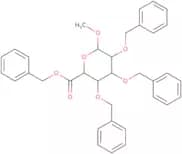
CAS:Methyl 2,3,4-tri-O-benzyl-α-D-glucuronide benzyl ester is a Carbohydrate. It is soluble in water and insoluble in alcohol. The molecular weight of Methyl 2,3,4-tri-O-benzyl-α-D-glucuronide benzyl ester is 584.1 g/mol. The CAS Registry Number for Methyl 2,3,4-tri-O-benzyl-α-D-glucuronide benzyl ester is 14279733.Fórmula:C35H36O7Pureza:Min. 95%Forma y color:Colorless Clear LiquidPeso molecular:568.66 g/molMethy 2-deoxy-5-O-(4-phenylbenzoyl)-a-D-ribofuranoside
CAS:<p>Methyl 2-deoxy-5-O-(4-phenylbenzoyl)-a-D-ribofuranoside is a custom synthesis of an Oligosaccharide, Polysaccharide, saccharide, Carbohydrate. It is a fluorinated modification of a high purity custom synthesis of Methy 2-deoxy-5-O-(3,4,6-trichlorobenzoyl)-a-D-ribofuranoside. The compound has been modified by Click chemistry to include a methyl group at the C2 position and it has been shown to be a complex carbohydrate. The compound has also been synthesized with great purity and high quality. This compound can be used in the study of monosaccharides, sugars and synthetic compounds.</p>Fórmula:C19H20O5Pureza:Min. 95%Peso molecular:328.36 g/mol





![4-O-[3-O-(2-Acetamido-2-deoxy-b-D-galactopyranosyl)-b-D-galactopyranosyl]-D-glucose](/_next/image/?url=https%3A%2Fstatic.cymitquimica.com%2Fproducts%2F3D%2Fthumb-webp%2FOA10781.webp&w=3840&q=75)

![(2E) -4- [(3aS, 4R, 5aR) -5-Hydroxy-( 2, 2- dimethyltetrahydro- 4H- 1, 3- dioxolo)[3, 4- c] piperi…](/_next/image/?url=https%3A%2Fstatic.cymitquimica.com%2Fproducts%2F3D%2Fthumb-webp%2FMH168767.webp&w=3840&q=75)





![(1R) -1- [(2R, 3R,4S) -N-Benzyl-3- benzyloxy- 4-hydroxymethyl-1- azetidinyl] -1, 2- ethanediol](/_next/image/?url=https%3A%2Fstatic.cymitquimica.com%2Fproducts%2F3D%2Fthumb-webp%2FMB163369.webp&w=3840&q=75)
![(2R, 3S, 4S, 5R) -3-Hydroxy- 5- [(methylamino) carbonyl] - 4- (phenylmethoxy) - 2- [(phenylmethoxy…](/_next/image/?url=https%3A%2Fstatic.cymitquimica.com%2Fproducts%2F3D%2Fthumb-webp%2FMH163363.webp&w=3840&q=75)

![D-[UL-13C6]Fructose 6-phosphate disodium salt hydrate](/_next/image/?url=https%3A%2Fstatic.cymitquimica.com%2Fproducts%2F3D%2Fthumb-webp%2FMF167754.webp&w=3840&q=75)
![Hexahydro- 1, 2, 8- trihydroxy- [1S- (1a, 2a, 8a, 8ab) ]-5(1H) -indolizinone](/_next/image/?url=https%3A%2Fstatic.cymitquimica.com%2Fproducts%2F3D%2Fthumb-webp%2FMH163920.webp&w=3840&q=75)