Glycoscience
La glicociencia es el estudio de los carbohidratos y sus derivados, así como de las interacciones y funciones biológicas en las que participan. Este campo de investigación es crucial para comprender una amplia variedad de procesos biológicos, incluyendo el reconocimiento celular, la señalización, la respuesta inmune y el desarrollo de enfermedades. La glicociencia tiene aplicaciones importantes en la biotecnología, la medicina, y el desarrollo de nuevos fármacos y terapias. En CymitQuimica, ofrecemos una amplia selección de productos de alta calidad y pureza para la investigación en glicociencia. Nuestro catálogo incluye monosacáridos, oligosacáridos, polisacáridos, glicoconjugados, y reactivos específicos, diseñados para apoyar a los investigadores en sus estudios sobre la estructura, función y aplicaciones de los carbohidratos en sistemas biológicos. Estos recursos están destinados a facilitar descubrimientos científicos y aplicaciones prácticas en diversas áreas de la biociencia y la medicina.
Subcategorías de "Glycoscience"
- Aminoazúcares(108 productos)
- Anticuerpos relacionados con azúcares(282 productos)
- Glicolípidos(46 productos)
- Glicosaminoglicanos (GAGs)(55 productos)
- Glucósidos(419 productos)
- Monosacáridos(6.624 productos)
- Oligosacáridos(3.682 productos)
- Polisacáridos(503 productos)
Se han encontrado 11046 productos de "Glycoscience"
Ordenar por
Pureza (%)
0
100
|
0
|
50
|
90
|
95
|
100
2-O-b-D-Glucopyranosylcucurbitacin E
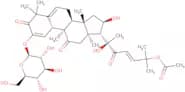
CAS:<p>2-O-b-D-glucopyranosylcucurbitacin E is a natural product that has been isolated from the roots of Cucurbita maxima. This compound has been shown to have bioactive properties, including antioxidant and antimicrobial activity. The extract was tested on chronic cough patients with type 2 diabetes mellitus. The treatment group showed significant improvements in symptoms and bioactive phytochemical levels compared to the control group.<br>2-O-b-D-glucopyranosylcucurbitacin E is a white powder that is soluble in methanol and water but not in chloroform or ether. It can be analyzed by liquid chromatography, which separates the different components of a sample by passing it through a column filled with an adsorbent material that retains some components more than others.</p>Fórmula:C38H54O13Pureza:Min. 95%Peso molecular:718.83 g/mol2,3-O-Isopropylidene-D-glyceraldehyde - 50% solution in DCM
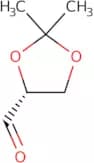
CAS:2,3-O-Isopropylidene-D-glyceraldehyde is an acetal protected glyceraldehyde building block for use in organic chemistry. The aldehyde group of 2,3-O-Isopropylidene-D-glyceraldehyde is left unprotected which allows for a range of reactions to be performed. These include aldol condensations, olefinations, Grignard reactions and imine formation, including reductive amination.Fórmula:C6H10O3Pureza:Min. 95%Forma y color:Colorless Clear LiquidPeso molecular:130.14 g/mol3,4-Di-O-acetyl-L-fucal
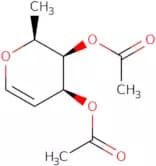
CAS:3,4-Di-O-acetyl-L-fucal is a phosphate derivative that is synthetically derived from ethyl diazoacetate. It has cytotoxic properties and is readily activated by phosphorylation to form the active form. 3,4-Di-O-acetyl-L-fucal has been shown to be effective against leukemia cells in vitro and may be useful as an adjuvant treatment for lymphocytic leukemia. 3,4-Di-O-acetyl-L-fucal also inhibits the growth of staphylococci in vitro, but it is not active against other bacteria such as Escherichia coli or Pseudomonas aeruginosa. The enantiomer of 3,4 Di O acetyl - L - fucal is inactive because it cannot be phosphorylated.Fórmula:C10H14O5Pureza:Min. 95%Forma y color:White PowderPeso molecular:214.22 g/mol1-O-Acetyl-2,3,5-tri-O-benzyl-D-ribofuranose
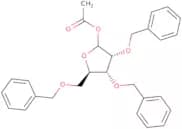
CAS:Apogossypol is a polyunsaturated fatty acid that has been shown to have anticancer and anti-inflammatory properties. Studies have shown that apogossypol inhibits the production of proinflammatory cytokines and nitric oxide, which are compounds that can cause inflammation. Apogossypol also has been shown to inhibit apoptosis in cancer cells, which is a programmed cell death process. Apogossypol may be useful as an anticancer agent due to its ability to induce apoptosis and inhibit inflammation in cancer cells.Fórmula:C28H30O6Pureza:Min. 95%Forma y color:Clear LiquidPeso molecular:462.53 g/molL-Arabinose diethyldithioacetal
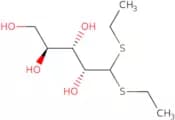
CAS:L-Arabinose diethyldithioacetal is a potassium carbonate derivative of L-arabinose that reacts with sulfur to form 1,2-dithioketals. These dithioketals are used as glycosyl donors in the synthesis of L-fucitol and d-xylose. This reaction is catalyzed by acetobacter, which converts L-arabinose and carbon dioxide into acetaldehyde and acetic acid. The reaction mechanism for this transformation includes an epimerization of the hydroxyl group on the C5 position of L-arabinose to a hydroxyl group on C6, followed by glycosidation with sulfuric acid. The glycosidic bond formed between the hydroxyl group on C6 and the carbonyl group at C1 (in this case, from L-arabinose) is called an acetal linkage. In addition to being antithromboticFórmula:C9H20O4S2Pureza:Min. 95%Forma y color:PowderPeso molecular:256.38 g/mol11-Dehydroxygrevilloside B
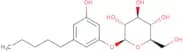
CAS:<p>11-Dehydroxygrevilloside B is a natural glycoside compound, which is primarily isolated from the plant genus Grevillea. This genus is known for its rich diversity of secondary metabolites with various biological activities. The mode of action of 11-Dehydroxygrevilloside B involves interactions with specific molecular targets, potentially influencing biochemical pathways associated with inflammation, oxidative stress, or other cellular processes. Its exact mechanism is still under research, aiming to unravel its potential therapeutic or protective effects. Applications of 11-Dehydroxygrevilloside B are mainly within the realm of biochemical and pharmacological research, where it serves as a subject for in vitro or in vivo experiments to explore its efficacy and safety profile. Its study contributes to understanding how plant-derived compounds can be harnessed for medicinal purposes and augments the exploration of novel drug candidates from natural sources.</p>Fórmula:C17H26O7Pureza:Min. 95 Area-%Forma y color:PowderPeso molecular:342.38 g/molPustulan
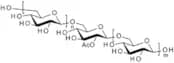
CAS:Pustulan is a β-1,6-glucan isolated from Lasallia pustulata MW (20 kDa). It is recognized by the membrane bound Dectin-1, a C-type lectin-like pattern recognition receptor. Detection of β-glucans by Dectin-1 receptor leads to the CARD9-dependent activation of NF-κB and MAP kinases. Studies have shown that pustulan can stimulate innate immune responses, inducing heat shock protein expression, eliciting phagocytosis, and production of pro-inflammatory cytokines. The image was kindly provided by Prof Mike Guiry from Cork who runs ‘The Seaweed Site’.Pureza:Min. 80%Forma y color:Powder4-Methylphenyl 2-O-acetyl-3-O-benzyl-4-O-levulinoyl-b-D-thioglucuronide methyl ester
4-Methylphenyl 2-O-acetyl-3-O-benzyl-4-O-levulinoyl-b-D-thioglucuronide methyl ester is a high purity, custom synthesis, sugar modified, Click modification, fluorination, glycosylation, synthetic compound. CAS No. is 8072159–1. It is an Oligosaccharide, Monosaccharide and Carbohydrate with complex carbohydrate structure.Fórmula:C28H32O9SPureza:Min. 95%Peso molecular:544.62 g/molLocust bean gum
CAS:Locust bean (carob) gum is the refined endosperm of the seed of the carob tree, an evergreen of the legume family (Ceretonia siliqua). The tree grows extensively in Spain and is cultivated in many other Mediterranean countries. Locust bean gum, like guar gum, is a galactomannan with a backbone of (1,4) β-D-mannopyranosyl units having branches of (1,6)-linked α-D-galactopyranosyl units. However, locust bean gum has substantially fewer side chains than guar gum and these are clustered in blocks leaving longer regions of unsubstituted mannosyl regions. The gum is only partially soluble in water and suspensions require heating before solubility is achieved. As with guar, the polysaccharide forms gels with other gums such as carrageenan and xanthan. Applications are in the food industry to enhance texture, in paper making and in the textile industry.Pureza:Min. 95%Forma y color:Off-White Powder1-Deoxy-D-psicose
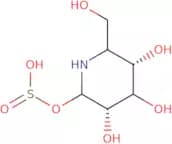
<p>1-deoxy-D-psicose is a deoxy sugar that can be used as a reagent for the conversion of 1-deoxy-d-fructose to d-psicose. It is useful in the synthesis of rhamnose, which is a precursor to pharmaceuticals and agrochemicals. 1-Deoxy-D-psicose can be used in the synthesis of l-rhamnose from d-psicose or vice versa. This process of converting one epimer to another isomerization is very efficient, with an 88% yield.</p>Pureza:Min. 95%Galactostatin bisulfite
CAS:<p>Inhibitor of β-galactosidase</p>Fórmula:C6H13NO7SPureza:Min. 95%Forma y color:PowderPeso molecular:243.24 g/mol2-O-Hydroxyethyl-D-glucose
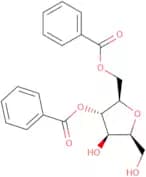
CAS:2-O-Hydroxyethyl-D-glucose is a synthesised compound that has been glycosidically linked to the glucoside. This compound is an intramolecular glucoside with a bicyclic structure. It can be used in the synthesis of other compounds, such as 3-o-hydroxypropyl-D-glucose, which has been shown to have anti-inflammatory effects.Fórmula:C8H16O7Pureza:Min. 95%Forma y color:PowderPeso molecular:224.21 g/mol2,5-Anhydro-4,6-di-O-benzoyl-D-glucitol
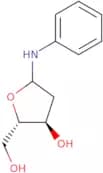
CAS:2,5-Anhydro-4,6-di-O-benzoyl-D-glucitol is a nucleoside analog that has been shown to inhibit the growth of Mycobacterium tuberculosis and other bacterial strains. It inhibits DNA synthesis by binding to the thymine moiety in the helix, which blocks access of thymine to the enzyme DNA polymerase. 2,5-Anhydro-4,6-di-O-benzoyl-D-glucitol also inhibits RNA synthesis by binding to the ribose moiety in nucleotides and blocking access of ribose to enzymes involved in the process. This compound is used as an immunosuppressant for organ transplantation in humans.Fórmula:C20H20O7Pureza:Min. 95%Peso molecular:372.38 g/mol2-Deoxy-L-ribose-anilide
CAS:2-Deoxy-L-ribose-anilide is a chemical compound that has been patented for its use in the detection of magnetic fields. The patent claims that this compound can be used as an intermediate in the preparation of other compounds. 2DRA has different transition temperatures, depending on whether it is in the solid or liquid state. When 2DRA is heated, it changes from a colorless liquid to a yellow crystal at around 100°C and then becomes a white solid at around 150°C. The magnetic properties of 2DRA arise from its ability to form strong bonds with other molecules, which are broken by external magnetic fields.Fórmula:C11H15NO3Pureza:Min. 98 Area-%Forma y color:PowderPeso molecular:209.12 g/mol4-Methoxyphenyl 4-O-(2,4,6-tri-O-acetyl-3-O-allyl-β-D-galactopyranosyl)-3-O-allyl-β-D-glucopyranoside
4-Methoxyphenyl 4-O-(2,4,6-tri-O-acetyl-3-O-allyl-b-D-galactopyranosyl)-3-O-allyl-b-Dglucopyranoside is a synthetic sugar with a molecular weight of 532. This product can be used in the synthesis of oligosaccharides and monosaccharides. It is also used as an intermediate in glycosylation reactions. This product has not been assigned a CAS number yet.Fórmula:C31H42O15Pureza:Min. 95%Peso molecular:654.66 g/molFucoidan, durvillea
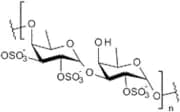
CAS:<p>A fucan sulphate found in brown marine algae (Phaeophyta-typically Fucus vesiculotus, Durvillea (illustrated), Alaria and Cladosiphon) and has been shown to have anticoagulant activity. The main constituents are α-1,4 and α-1,2 linked L-fucose sulphates although galactose also occurs and there are many variations of the basic structure found in different species of Phaeophyta.<br>The fucose content of this fucan is approximately 27.9% and it also contains galactose (approx. 6.2%), uronic acid (approx. 22.4%) and sulfate (approx. 21.4%).<br>The image was kindly provided by Prof Mike Guiry from Cork who runs ‘The Seaweed Site’.</p>Pureza:Min. 95%Forma y color:White PowderN-Acetyl-D-glucosaminitol
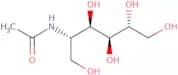
CAS:<p>N-Acetyl-D-glucosaminitol is a fatty acid that is found in blood group antigens. It has been shown to be a potent inhibitor of human liver serine proteases, with an IC50 of 10 μM and a Ki value of 1.6 μM. N-Acetyl-D-glucosaminitol also inhibits the terminal steps in glycolysis and can be used as a substrate for glycosidases. It is capable of forming oligosaccharides with terminal residues and can be analyzed using titration calorimetry. The molecular weight of N-acetyl-D-glucosaminitol is calculated to be 398 Da by nmr spectroscopy. Structural analysis shows that this compound contains monoclonal antibodies and sugar residues, which are important for its function.</p>Fórmula:C8H17NO6Pureza:Min. 95%Forma y color:White PowderPeso molecular:223.22 g/molD-Glucose-1,6-13C2
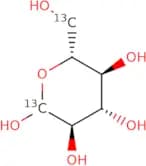
CAS:D-Glucose is a sugar that is used in the production of polysaccharides and glycosylations. It can be modified with fluorination, saccharide methylation, or glycosylation. D-Glucose can be synthesized by the custom synthesis of an oligosaccharide. This product has high purity, and is both monosaccharide and complex carbohydrate.Fórmula:C2C4H12O6Pureza:Min. 95%Forma y color:White PowderPeso molecular:182.14 g/molFucoidan - Laminaria japonica
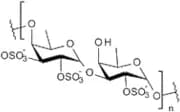
CAS:A fucan sulphate found in brown marine algae (Phaeophyta-typically Fucus serratus, Ascophyllum nodosum, Laminaria japonica (illustrated) and Macrocystis pyrifyra) and has been shown to have anticoagulant activity. The main constituents are α-1,4 and α-1,2 linked L-fucose sulphates although galactose also occurs and there are many variations of the basic structure found in different species of Phaeophyta. The image was kindly provided by Prof Mike Guiry from Cork who runs ‘The Seaweed Site’.Pureza:Min. 95%Forma y color:Off-White Slightly Brown Powder6-Deoxy-6-fluoro-D-galactose
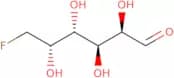
CAS:<p>6-Deoxy-6-fluoro-D-galactose is a fluorinated sugar that has been shown to inhibit the uptake of glucose by human liver cells. This sugar binds to the enzyme activity and inhibits its activity. 6-Deoxy-6-fluoro-D-galactose was found to be metabolized in a dose dependent manner, with higher doses leading to increased uptake of fluorescein and decreased uptake of glucose. 6FDG is also metabolized by chemical reactions, such as oxidation or hydration, which leads to a decrease in its inhibitory effect on glucose uptake. 6FDG has been shown to bind to sequences that are involved in sugar transport and cell culture studies have shown that this sugar can induce inhibition of cell growth at high concentrations.</p>Fórmula:C6H11FO5Pureza:Min. 95%Forma y color:PowderPeso molecular:182.15 g/mol1,5-Anhydro-2,3,4-tri-O-benzoyl-D-threo-pent-1-enitol
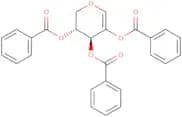
CAS:<p>1,5-Anhydro-2,3,4-tri-O-benzoyl-D-threo-pent-1-enitol is a high purity compound that is synthesized from D-threo pent 1 enitol. It is a sugar that belongs to the category of complex carbohydrates. This product can be custom synthesized and modified according to customer requirements.</p>Fórmula:C26H207Pureza:Min. 95%Forma y color:PowderPeso molecular:444.43 g/mol1,4-β-D-Xylotetraose
CAS:1,4-β-D-Xylotetraose is a sugar that is found in the genus Talaromyces and is used as a sweetener. It is produced by plant cells and has been shown to have thermostability. 1,4-β-D-Xylotetraose has been found to have lipidomic activity, which may be related to its ability to bind lipids. It also has a dietary profile, which may contribute to its use as a supplement. 1,4-β-D-Xylotetraose can be used as an affinity agent for lipid profiling because it binds lipids with high affinity.Fórmula:C20H34O17Pureza:Min. 95 Area-%Forma y color:White Off-White PowderPeso molecular:546.47 g/molAcetyl-β-cyclodextrin
CAS:This beta-cyclodextrin (β-CD) derivative is a functionalized cyclic oligosaccharide composed of seven glucose units, characterized by a hydrophilic exterior and a lipophilic cavity (bigger than α-CD and smaller than γ-CDs), which allows it to encapsulate various guest molecules. This structural feature facilitates its use in multiple applications, including pharmaceuticals, food enhancement, and cosmetics. In the pharmaceutical industry, it enhances the solubility and stability of poorly water-soluble drugs, improving their bioavailability and efficacy while also masking unpleasant tastes. The food sector utilizes it as a stabilizer for flavors, colors, and nutrients, extending shelf life by protecting sensitive ingredients from degradation. In cosmetics, it serves as a complexing agent for fragrances and active components, ensuring their stability and controlled release. Its use expands to many other fields, including nanotechnology for drug delivery systems, environmental remediation for extracting organic pollutants, textiles for slow-release fragrances, and analytical chemistry for chiral separation.Fórmula:C42Hn)O35·(C2H3O)nPureza:Min. 98 Area-%Forma y color:PowderPeso molecular:1,387.21 g/molEthyl 2,3,4-tri-O-acetyl-b-L-thiofucopyranoside
CAS:Ethyl 2,3,4-tri-O-acetyl-b-L-thiofucopyranoside is a modified form of the sugar fucose. It is used as an intermediate in the synthesis of polysaccharides. Ethyl 2,3,4-tri-O-acetyl-b-L-thiofucopyranoside is used in the synthesis of oligosaccharides and polysaccharides by methylation and click modification reactions. This compound has CAS number 127501-41-1 and can be found with a purity of >99%.Fórmula:C14H22O7SPureza:Min. 98 Area-%Forma y color:White PowderPeso molecular:334.39 g/molFuraneol β-D-glucopyranoside
CAS:Furaneol beta-D-glucopyranoside is a synthetic sugar that is used as an intermediate in the synthesis of complex carbohydrates. Furaneol beta-D-glucopyranoside has been modified by methylation and fluorination, which allows it to be used in click chemistry. Furaneol beta-D-glucopyranoside is also a high purity compound with a custom synthesis available for purchase.Fórmula:C12H18O8Pureza:Min. 97 Area-%Forma y color:PowderPeso molecular:290.27 g/molMethyl 4,6-O-benzylidene-a-D-mannopyranoside
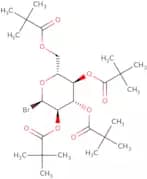
CAS:Methyl 4,6-O-benzylidene-a-D-mannopyranoside is a hexadecanoic acid that is mediated by the target cell. It has been shown to inhibit the growth of bacteria and cancer cells in vitro. Methyl 4,6-O-benzylidene-a-D-mannopyranoside also possesses an antibacterial activity with a low mammalian toxicity. This compound is hydrolyzed by esterases or glucuronidases, oxidized by cytochrome P450 enzymes, reduced by glutathione reductase, or conjugated with glucuronic acid. The residue of this compound has been shown to be carcinogenic in vivo and in vitro. Anticancer activity of this compound may be due to its ability to disrupt DNA synthesis and induce apoptosis of cancer cells.Fórmula:C14H18O6Pureza:Min. 95%Forma y color:PowderPeso molecular:282.29 g/mol2,3,4,6-Tetra-O-pivaloyl-a-D-glucopyranosyl bromide
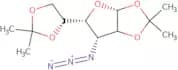
CAS:Intermediate in the synthesis of dapagliflozinFórmula:C26H43BrO9Pureza:Min. 95%Forma y color:PowderPeso molecular:579.52 g/mol3-Azido-3-deoxy-1,2:5,6-di-O-isopropylidene-α-D-galactofuranose
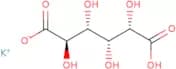
CAS:3-Azido-3-deoxy-1,2:5,6-di-O-isopropylidene-a-D-galactofuranose is a synthetic sugar that can be used as a monosaccharide or oligosaccharide. It is a complex carbohydrate that can be modified with methylation, fluorination, and click chemistry. 3-Azido-3-deoxy-1,2:5,6-di-O-isopropylidene-a-D galactofuranose is an important compound in carbohydrate chemistry due to its ability to undergo glycosylation reactions. The chemical properties of 3ADGFP are comparable to those of other monosaccharides and carbohydrates.Fórmula:C12H19N3O5Pureza:Min. 95%Forma y color:Solidifying oil.Peso molecular:285.3 g/molD-Glucarate monopotassium
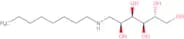
CAS:<p>D-Glucarate monopotassium is a pharmaceutical preparation that is used to inhibit the growth of bacteria. It inhibits the proliferation of cells by inhibiting fatty acid synthesis, which leads to decreased levels of cholesterol, and reduces the uptake of glucose. D-Glucarate monopotassium is also an oxidizing agent that converts uridine into uric acid and has been shown to have inhibitory properties against human cancer cells. D-Glucarate monopotassium can be used as an antioxidant for the prevention or treatment of chronic diseases such as atherosclerosis, diabetes, and cancer. This compound acts as an inhibitor for trypsin treatment on carbohydrates, preventing hydrolysis by this enzyme.</p>Fórmula:C6H9O8·KPureza:Min. 95%Forma y color:PowderPeso molecular:248.23 g/mol1-Octylamino-1-deoxy-D-glucitol
CAS:1-Octylamino-1-deoxy-D-glucitol is a natural product that is extracted from the bark of the tree Streptomyces griseorubens. It has been shown to have a diastereomeric ratio of 97:3 and an optical purity of 98%. The thermodynamic properties of this compound are determined by the reaction time, which can vary from 1 to 24 hours. The enantiomers are separated by chromatography or crystallization, and the solubility data is determined at 25°C.Fórmula:C14H31NO5Pureza:Min. 95%Forma y color:PowderPeso molecular:293.4 g/molChitosan oligomer (Dp 12-20)
Chitosan oligomer (Dp 12-20) is a modification of chitin, a polysaccharide. It can be synthesized by treating chitin with sodium hydroxide in an alkaline environment. Chitosan oligomer (Dp 12-20) has a high degree of saccharide modification and exhibits a variety of functions, including complex carbohydrate, custom synthesis, synthetic, high purity, CAS No., and monosaccharide methylation. This compound has been shown to inhibit the growth of bacteria such as Staphylococcus aureus and Clostridium perfringens.Fórmula:(C6H11NO4)nForma y color:Beige Powder3,5-Di-O-benzoyl-2-deoxy-2,2-difluoro-D-ribonic acid-1,4-lactone
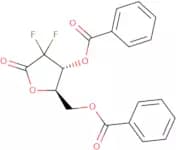
CAS:3,5-Di-O-benzoyl-2-deoxy-2,2-difluoro-D-ribonic acid-1,4-lactone (3DBR) is a nucleoside that has been shown to have antiaging properties. It has been found to be an effective scavenger of peroxyl radicals and reactive oxygen species (ROS). 3DBR also inhibits the formation of aluminum oxide and styrene by catalyzing the salt formation reaction. This compound also has anti-tumour activity and can be used as a chemotherapeutic agent for the treatment of cancer. It is heat resistant and can be combined with gemcitabine hydrochloride in chemotherapy.Fórmula:C19H14F2O6Pureza:Min. 95%Forma y color:White PowderPeso molecular:376.31 g/molD-Galactose - anhydrous
CAS:Galactose (Gal) is the C4 epimer of glucose with one hydroxyl group axial which by Hudsons rules makes it slightly less stable than glucose (Hudson, 1948). However, galactose is very common in plants and animals, and occurs in many polysaccharides, such as, galactomannans (e.g. Guar, Locust Bean Gum), Carrageenans , Agar (L-Galactose), Hemicellulose, Gum Arabic [link] and galactans (e.g. from Lupin) (Whistler, 1993). Galactose is one of the key mammalian monosaccharides (glucose, galactose, mannose, fucose, N-acetyl glucosamine, N-acetyl galactosamine and sialic acid) and it occurs in blood, milk, gangliosides, N- and O-linked glycans (Gabius, 2009). Like glucose, galactose exhibits mutarotation (Acree, 1968) and is optically active (dextrorotary) with L-galactose as its enantiomer (levorotary).Fórmula:C6H12O6Pureza:Min. 98 Area-%Forma y color:White PowderPeso molecular:180.16 g/molN-[2-(4'-Nitrophenylacetonitrile)]-2,3,4,6-tetra-O-pivaloyl-D-glucopyranoside
<p>The chemical name for N-[2-(4'-Nitrophenylacetonitrile)]-2,3,4,6-tetra-O-pivaloyl-D-glucopyranoside is 4'-nitrophenyl 2,3,4,6-tetra-O-pivaloylmethyl glucopyranoside. It is a monosaccharide that has been custom synthesized and modified to contain a methyl group at the C2 position. This compound is also fluorinated at the C1 position and glycosylated at the C4 position. It is soluble in DMSO and methanol. The CAS number for this compound is 1263096-04-8.</p>Fórmula:C34H49N3O11Pureza:Min. 95%Peso molecular:675.77 g/molBenzyl D-glucuronate
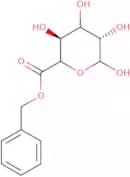
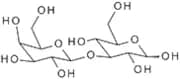
CAS:Used for the synthesis of 1β-O-acyl glucuronidesFórmula:C13H16O7Pureza:Min. 95%Forma y color:White PowderPeso molecular:284.26 g/mol3-O-(β-D-Galactopyranosyl)-D-glucopyranose
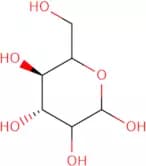
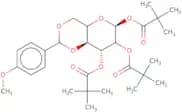
CAS:3-O-(β-D-Galactopyranosyl)-D-glucopyranose is a custom synthesis, modification, and fluorination of a monosaccharide. It is a synthetic and modified saccharide. The molecular formula for this compound is C6H10O5 and its molecular weight is 180.17 g/mol. This chemical has been assigned CAS No. 28447-38-3 and has the following structure:Fórmula:C12H22O11Pureza:Min. 95%Forma y color:White PowderPeso molecular:342.3 g/mol4,6-O-(4-Methoxybenzylidene)-1,2,3-tri-O-pivaloyl-b-D-galactopyranose
4,6-O-(4-Methoxybenzylidene)-1,2,3-tri-O-pivaloyl-b-D-galactopyranose is a custom synthesis of a complex carbohydrate. It is an oligosaccharide that has been modified with methylation and glycosylation. The CAS number for this compound is 123097-29-2. This compound has a high purity and has been fluorinated with the click reaction. It is a synthetic sugar that is also a polysaccharide.Fórmula:C29H42O10Pureza:Min. 95%Peso molecular:550.65 g/mol3'-Sialyl-3-fucosyllactose
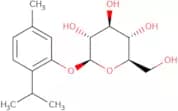
CAS:Sialyl-3-fucosyllactose is a monosaccharide that is a component of the sialyl-Lewisx oligosaccharide. The il-2 receptor binds to this oligosaccharide, which is involved in energy efficiency. 3'-Sialyl-3-fucosyllactose has been linked to cancer resistance and gene product production. It has also been found to be an important dietary nutrient for animals and humans. 3'-Sialyl-3-fucosyllactose plays an important role in the growth of cells, especially those that have been damaged or are undergoing apoptosis. It also has neurotrophic effects, which are beneficial for the development of neurons and brain function. Body mass index (BMI) is also known to be related to 3'-sialyl-3-fucosyllactose levels in plasma.Fórmula:C29H49NO23Pureza:(%) Min. 90%Forma y color:White Off-White PowderPeso molecular:779.71 g/molThymol-β-D-glucopyranoside
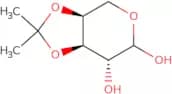
CAS:Thymol-b-D-glucopyranoside is a bactericidal agent that is resistant to encapsulation. It has been shown to be effective against animals and typhimurium in an incubated population and endogenous deaminase inhibitor strategy. The porcine activated food chemistry and abattoir experiments show that thymol-b-D-glucopyranoside has the potential to reduce populations of bacteria in the gastrointestinal tract by inhibiting protein synthesis.Fórmula:C16H24O6Pureza:Min. 95%Forma y color:PowderPeso molecular:312.36 g/mol3,4-O-Isopropylidene-L-arabinose
CAS:<p>3,4-O-Isopropylidene-L-arabinose (3,4-OIRA) is an isopropylidene derivative of L-arabinose. 3,4-OIRA has been shown to be a substrate for glycosylation reactions with various other sugars. It can also undergo methylation reactions and has been modified by fluorination. 3,4-OIRA is a food additive that belongs to the category of complex carbohydrates.</p>Fórmula:C8H14O5Pureza:Min. 98 Area-%Forma y color:PowderPeso molecular:190.19 g/mol1-O-(trans-3-Hydroxycotinine)-b-D-glucuronide ammonium salt
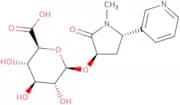
CAS:<p>The glucuronidation of 1-O-(trans-3-hydroxycotinine)-b-D-glucuronide ammonium salt is mediated by the enzyme UDP-glucuronosyltransferase. This reaction is catalyzed by the transfer of a glucuronic acid residue from UDP-glucuronic acid to a hydroxyl group on the side chain of 1-O-(trans-3-hydroxycotinine)-b-D-glucuronide ammonium salt. The kinetic analysis of human urine samples has shown that this reaction is significant. This metabolite can be detected in urine samples using next generation sequencing and its concentration can be used as an indicator for the consumption of tobacco or nicotine containing products. Epidemiological studies have shown that this metabolite has significant effects on cancer risk. Genotyping and genotype studies have shown that this metabolite is responsible for genetic polymorphisms that are associated with increased cancer risk.</p>Fórmula:C16H20N2O8•(NH3)xPureza:Min. 97%Forma y color:White PowderPeso molecular:368.34 g/mol1,4-β-D-Xylotriose
CAS:1,4-β-D-Xylotriose is a pentose sugar that is the main component of hemicellulose. It is found in plant cell walls and has been studied using surface methodology to determine the covalent linkages and structure of 1,4-β-D-Xylotriose. Xylotrioses are also used as a substrate for enzyme reactions and have shown to have a number of enzymatic activities, including glycosidases, cellulases, xylanases, and arabinofuranosidases. Xylotrioses are also part of complex enzyme models that can be used to study disulfide bonds. Xylotrioses are polymers that are important for structural analysis due to the presence of β-1,4 links. The genome DNA has been found to contain many genes coding for xylanase enzymes.Fórmula:C15H26O13Pureza:Min. 95 Area-%Forma y color:White PowderPeso molecular:414.36 g/molGal-b-1-3-GalNAc-b-1-4-Gal-b-1-4-Glc-b-ethylazide
Gal-b-1-3-GalNAc-b-1-4-Gal-b-1-4-Glc is a polysaccharide that is an important component of the outer membrane of Gram negative bacteria. It has been synthesized and modified with methylation, saccharide, Click modification, and glycosylation. The oligosaccharide has a high purity and is synthesized by custom synthesis. GalNAc is purified by HPLC and fluorinated to achieve complex carbohydrate.Pureza:Min. 95%2-C-Methyl-L-ribono-1,4-lactone
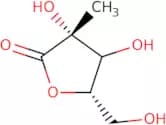
CAS:2-C-Methyl-L-ribono-1,4-lactone is a crystallized carbohydrate that contains the enantiomers L and D. It is a chiral molecule with two asymmetric carbon atoms. The L form has a higher yield than the D form and can be synthesized from l-arabinose, dimethylamine, and isomerisation. This compound is also present in ketoses such as d-xylose and 1-deoxy-d-ribulose. 2CMLR1L4L acts as an inhibitor of the enzyme d-galactose dehydrogenase, which catalyzes the conversion of d-galactose to d-glucose. Cyanide can bind to this compound to form cyanohydrin adducts, which are toxic to cells.Fórmula:C5H10O5Pureza:Min. 95%Peso molecular:150.13 g/molEthyl 2-O-benzoyl-4-O-benzyl-3-O-levulinoyl-b-D-thioglucuronide methyl ester
Ethyl 2-O-benzyl-4-O-benzyl-3-O-levulinoyl-b-D-thioglucuronide methyl ester is a custom synthesis, modification, fluorination, methylation and glycosylation of an oligosaccharide. This compound is a synthetic derivative of the natural product bryostatin. The chemical structure contains a monosaccharide that is modified with two benzoyl groups and one levulinoyl group at the C2 position. Ethyl 2-O-benzoyl-4-O-benzyl-3-O-levulinoyl -b D thioglucuronide methyl ester has been shown to have antiviral properties and can be used as an antiinflammatory agent.Pureza:Min. 95%zeta-Cyclodextrin
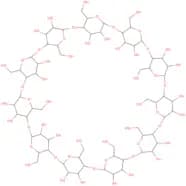
CAS:<p>Zeta-cyclodextrin (ζ-CD) consists of 11 glucose units. Its larger cavity size offers potential for encapsulating larger guest molecules or forming more complex inclusion compounds.</p>Fórmula:C66H110O55Pureza:Min. 95%Peso molecular:1,783.55 g/mol2-Acetamido-4,6-O-benzylidene-2-deoxy-D-galactopyranose
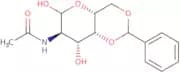
CAS:2-Acetamido-4,6-O-benzylidene-2-deoxy-D-galactopyranose is a fluorescent dye that binds to the hydroxyl group of nucleic acids. It can be used for microscopy of cells and bacteria in culture. This dye is also used for the measurement of cavitation activity. The dye is added at a concentration of 0.1% to the cell culture media. After 24 hours, it can then be observed with a microscope under UV light. 2-Acetamido-4,6-O-benzylidene-2-deoxy-D-galactopyranose has been shown to have lysis effects on cells such as agarose gels and mammalian cells, leading to cell death by apoptosis or necrosis. It's also used as an indicator in gel electrophoresis experiments because it can bind to DNA and RNA molecules, which makesFórmula:C15H19NO6Pureza:Min. 95%Forma y color:White PowderPeso molecular:309.31 g/mol2,3-Dimethyl-6-amino-6-deoxy-γ-cyclodextrin
This gamma-cyclodextrin (γ-CD) derivative is a modified cyclic oligosaccharide composed of eight glucose units, featuring a larger cavity size than α- and β-cyclodextrins. This structural characteristic allows γ-CDs to form inclusion complexes with a wider range of guest molecules, making it particularly versatile in various industries. In the food sector, it is used as a carrier and stabilizer for flavors, fat-soluble vitamins, and polyunsaturated fatty acids, protecting volatile compounds from evaporation. In pharmaceuticals, it enhances the solubility and bioavailability of poorly water-soluble drugs and, thanks to its larger ring size, allows for the encapsulation of larger molecules or even entire drug molecules. γ-CDs and derivatives are also used for environmental remediation and, in analytical chemistry, for the extraction and concentration of target substances.Fórmula:C64H120N8O32Pureza:Min. 95%Peso molecular:1,513.67 g/molGlycogen - from bovine liver
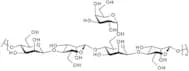
CAS:Glycogen is a highly branched polysaccharide of glucose that serves as a form of energy storage in animals and fungi. It is the main storage form of glucose in the body. In humans, glycogen is made and stored primarily in liver and muscle cells and functions as the second most important energy storage molecule to fat which is held in adipose tissue. Glycogen is analogous to starch and has a structure similar to amylopectin, but is more extensively branched and compact than starch. It occurs as granules in the cytosol/cytoplasm in many cell types, and plays an important role in the glucose cycle.Fórmula:(C6H10O5)nPureza:Min. 95%Forma y color:PowderPeso molecular:162.05282Scleroglucan
CAS:Scleroglucan is produced by the fermentation of the fungus Sclerotium rolfsii. It is a glucan with a main chain of 1,3-linked β-D-glucopyranosyl units with every third unit having a single β-D-glucopyranosyl unit linked 1,6. Scleroglucan powders disperse in water and give very viscous shear thinning solutions. Applications are in the oil industry in enhanced oil recovery, in agriculture in sprays and in the food and pharmaceutical industries. The image was kindly provided by Dr. Chris Lawson.Pureza:Min. 90%Forma y color:Slightly Yellow PowderGlycyl-asialo, galactosylated biantennary
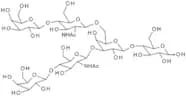
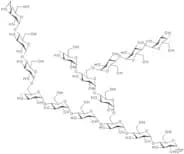
Glycyl-asialo, galactosylated biantennary is a high purity custom synthesis of sugar. Glycyl-asialo, galactosylated biantennary is custom synthesized by the click modification of glycosylation and fluorination with methylation and modification. The CAS number for glycyl-asialo, galactosylated biantennary is **********.Fórmula:C64H108N6O46Pureza:Min. 95%Peso molecular:1,697.56 g/molMethyl cellulose - USP (viscosity ca 1500cP)
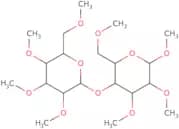
CAS:Cellulose derivative, food thickener and emulsifier, bulk forming laxativeForma y color:PowderGDP-D-mannose diammonium salt
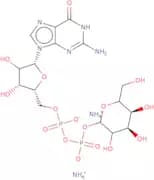
<p>GDP-D-mannose diammonium salt is a custom synthesis. It has been modified with fluorination, methylation, and monosaccharide substitution. The structure of this compound consists of a glucose molecule bonded to a D-mannose molecule by an oxygen linkage at the 1-position. This product has been synthetically modified to include a click modification and oligosaccharides. GDP-D-mannose diammonium salt is used for the production of polysaccharides as well as glycosylation reactions.</p>Fórmula:C16H23N5O16P2·N2H8Pureza:Min. 95%Peso molecular:639.4 g/molD-Glucosamine-2-N, 3-O, 6-O-trisulfate sodium salt
D-Glucosamine-2-N, 3-O, 6-O-trisulfate sodium salt is a high purity oligosaccharide that can be custom synthesized. This product is composed of sugar, Click modification, fluorination, glycosylation, and methylation. It has CAS No. and Oligosaccharide. This product is used in the production of complex carbohydrates due to its saccharide composition.Fórmula:C6H10NNa3O14S3Pureza:Min. 95%Forma y color:White/Off-White SolidPeso molecular:485.31 g/mol6-Methyldiosgenin Acetate
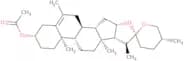
CAS:6-Methyldiosgenin acetate is a saponin that is found in the plant Balanites aegyptiaca. It has been shown to have anti-inflammatory and anti-tumor effects, as well as antioxidant properties. 6-Methyldiosgenin acetate also has been shown to stimulate the production of nitric oxide (NO) in endothelial cells, which may contribute to its anti-inflammatory effects. The chemical structure of 6-methyldiosgenin acetate is similar to that of furostanol and spirostanol, which are both saponins found in plants that can be used for the treatment of cancer. In addition, sapogenols are known to have a variety of therapeutic activities including antidiabetic, antiviral and anticancer activity.Fórmula:C30H46O4Pureza:Min. 95%Peso molecular:470.68 g/molPregnanediol 3α-O-β-D-glucuronide
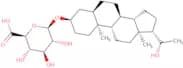
CAS:<p>Pregnanediol 3α-O-β-D-glucuronide is a glucuronide metabolite of progesterone, which is a key steroid hormone in the reproductive system. This compound is derived from the metabolic conversion of progesterone, primarily within the liver, where it undergoes glucuronidation. This process involves the addition of glucuronic acid, mediated by the enzyme UDP-glucuronosyltransferase, enhancing the compound’s solubility for renal excretion.</p>Fórmula:C27H44O8Pureza:Min. 95%Forma y color:PowderPeso molecular:496.63 g/molp-Lacto-N-neohexaose
CAS:<p>Neutral hexasasaccharide naturally present in human breast milk</p>Fórmula:C40H68N2O31Pureza:(%) Min. 90%Forma y color:PowderPeso molecular:1,072.96 g/mol6-Bromo-6-deoxy-D-glucose
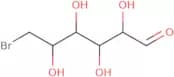
CAS:6-Bromo-6-deoxy-D-glucose is a sugar that is used to study the function of glucose transporters in cellular membranes. This compound has been shown to be a substrate for glucose transporters, where it binds in a nucleophilic manner. 6-Bromo-6-deoxy-D-glucose has been used as an inhibitor of glucose transport and as an x-ray crystal structure model for studying the binding mechanism of glucose transporters. 6-Bromo-6-deoxy-D-glucose has also been used to study the reaction system between glucose and sodium hydrogen carbonate, which is important for understanding how cells regulate blood sugar levels.Fórmula:C6H11BrO5Pureza:Min. 95%Forma y color:White PowderPeso molecular:243.05 g/mol4-Bromophenyl 2-acetamido-3,4,6-tri-O-acetyl-2-deoxy-β-D-glucopyranoside
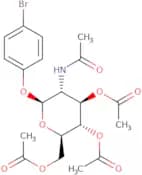
CAS:4-Bromophenyl 2-acetamido-3,4,6-tri-O-acetyl-2-deoxy-b-D-glucopyranoside is a custom synthesis product. It has been modified with fluorination, methylation and click modification. This product is an oligosaccharide which can be used for saccharide or polysaccharide synthesis. The purity of this product is high and it has been synthesized from a monosaccharide.Fórmula:C20H24BrNO9Pureza:Min. 95%Peso molecular:502.31 g/mol4-O-(2,3,4,6-Tetra-O-acetyl-b-D-glucopyranosyl)-1,2,3,6-tetra-O-acetyl-b-D-thioglucopyranose
CAS:4-O-(2,3,4,6-Tetra-O-acetyl-b-D-glucopyranosyl)-1,2,3,6-tetra-O-acetyl-b-D-thioglucopyranose is a glycosylated saccharide that belongs to the group of complex carbohydrates. The glycosylation of 4-O-(2,3,4,6,-Tetra-O-acetyl b -D -glucopyranosyl)-1,2,3,6,-tetra -O -acetyl b -D -thioglucopyranose is achieved by the enzymatic reaction of an acetate donor and an acceptor molecule in the presence of glucose 1 phosphate (G1P) and UDP sugar pyrophosphorylase. It has been modified by methylation with dimethyl sulphate in the presence ofFórmula:C28H38O18SPureza:Min. 95%Peso molecular:694.66 g/molValidamine acetate
CAS:Inhibitor of beta-glucosidaseFórmula:C17H25NO9Pureza:Min. 95%Peso molecular:387.38 g/molPeptidoglycan - from Staphylococcus aureus
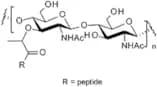
CAS:The sugar component consists of alternating residues of β-(1,4) linked N-acetylglucosamine and N-acetylmuramic acid. A peptide chain of three to five amino acids is attached to the N-acetylmuramic acid. The peptide chain can be cross-linked to the peptide chain of another strand forming the 3D mesh-like layer.Forma y color:PowderD-Xylose
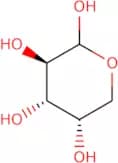
CAS:Xylose (Xyl) is an aldopentose also known as wood sugar (Collins, 2006). The main sources of xylose are hemicelluloses found in hardwood and perennial plants, such as, grasses, cereals, and herbs (Petzold-Welcke, 2014) and some algae. Xylose is used in the production of xylitol, a low calory sugar substitute. Xylose is used in glycosaminoglycan (GAG) biosynthesis, which is initiated by peptide O-xylosyltransferases, which transfer xylose onto selected serine residues in the core proteins. The first enzyme in the pathway, peptide O-xylosyltransferase, catalyzes the transfer of xylose from uridine diphosphate (UDP)-α-D-xylose onto serine and thus determines the site(s) of GAG attachment on the core protein (Briggs, 2018).Fórmula:C5H10O5Pureza:Min. 99.0 Area-%Peso molecular:150.13 g/molβ-Lactopyranosyl phenylisothiocyanate
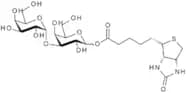
CAS:b-Lactopyranosyl phenylisothiocyanate is a synthetic carbohydrate that has been modified with fluorine, methylation, glycosylation, and click chemistry. It is used in the synthesis of saccharides and oligosaccharides. This compound can also be used to modify saccharides or oligosaccharides with fluorine, methylation, glycosylations, or click chemistry.Fórmula:C19H25NO11SPureza:Min. 95%Forma y color:SolidPeso molecular:475.47 g/mola1-3-Galactobiose-biotin
a1-3-Galactobiose-biotin is a synthetic, fluorinated oligosaccharide that has been modified with 3 biotin molecules. It is synthesized by the glycosylation of 1,3-galactobiose and is used as an intermediate in the synthesis of carbohydrates. The sugar moiety can be modified with different chemical groups and reactions such as methylation or click modification to change its properties.Fórmula:C22H36N2O13SPureza:Min. 95%Forma y color:PowderPeso molecular:568.59 g/mol2-Deoxy-D-ribose
CAS:<p>High purity grade. Used in synthetic organic chemistry and natural product synthesis. Induces apoptosis by inhibiting the synthesis and increasing the efflux of glutathione. It is used for synthesis of optically active dipyrrolyl alkanols from pyrroles on the surface of montmorillonite KSF clay.Due to its integral role in the formation of DNA, 2-Deoxy-D-ribose is critical in studies of genetic expression, DNA repair mechanisms, and the synthesis of nucleotides. Researchers utilize it extensively in molecular biology and biochemistry to understand cell replication and gene function, and it serves as a standard in research pertaining to oxidative stress, where its degradation may indicate the presence of reactive oxygen species. Additionally, it is involved in the development of various pharmacological agents, particularly those targeting cancer and viral infections, where the synthesis and function of DNA are pivotal aspects of pathogenesis and treatment response.</p>Fórmula:C5H10O4Pureza:Min. 99.0 Area-%Peso molecular:134.13 g/mol4-Methylphenyl 4,6-O-[bis(1,1-dimethylethyl)silylene]-1-thio-β-D-galactopyranoside
CAS:<p>4-Methylphenyl 4,6-O-[bis(1,1-dimethylethyl)silylene]-1-thio-β-D-galactopyranoside is a synthetic sugar that is used in the glycosylation of proteins. It is synthesized from 4-methylphenol and 1,1'-dimethylethylsilylene in the presence of trichlorosilane, followed by silylation with trimethylchlorosilane. The fluorinated site can be modified to suit your needs by following a Click chemistry protocol. This product has CAS No. 1242144-05-3 and is available for custom synthesis upon request.</p>Fórmula:C21H34O5SSiPureza:Min. 95%Peso molecular:426.64 g/molGD1b-ganglioside sodium
CAS:GD1b (shown as sodium salt) is one of the major gangliosides in neuronal and glial membranes. It has a core tetrasaccharide structure (Galβ1,3GalNAcβ1,4Galβ1,4Glc) with itâs two sialic acids linked α2,3/α2,8 to the inner galactose residue and ceramide linked β to position 1 on the reducing terminal glucose residue (Ledeen, 2009). GD1b acts as a receptor for BK virus as well as for heat-labile LTII-a toxin, produced by enteropathogenicâ¯E. coli. GD1b ganglioside also interacts with tetanus neurotoxin (TeNT) and is crucial for its entry into cells (Kolter, 2012).Pureza:Min. 95%Forma y color:PowderHexa-guluronic acid sodium
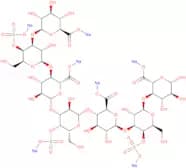
CAS:<p>Hexa-guluronic acid sodium salt (1,4-linked α-L-sodium guluronohexaose) is one of a number of oligosaccharides obtained from alginate which is a polysaccharide in brown seaweeds containing: blocks of repeating mannuronic acid sequences (M-M-M-M etc), repeating guluronic acid sequences (G-G-G-G etc), and alternating M-G-M-G sequences. This oligosaccharide can be released by acid hydrolysis (Shimokawa, 1996) and a number of biological activities have been discussed in a recent review (Xing, 2020).</p>Fórmula:C36H44O37Na6Pureza:Min. 95%Forma y color:White PowderPeso molecular:1,206.65 g/mol(2S, 3S, 4S) -3-Benzyloxy- 4- (hydroxymethyl) - 1- (phenylmethyl) -2- azetidinecarboxylic acid
<p>2-Amino-3,4-dihydroxybenzoic acid is an organic compound. It is a white solid that is soluble in water and polar organic solvents. 2-Amino-3,4-dihydroxybenzoic acid is used as an anti-inflammatory agent and for the treatment of arthritis.</p>Pureza:Min. 95%2,3-O-Isopropylidene-D-ribonic acid-1,4-lactone
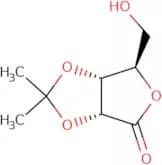
CAS:2,3-O-Isopropylidene-D-ribonic acid-1,4-lactone is an organic compound that belongs to the class of lactones. It is a chiral molecule with two asymmetric carbons and four stereogenic atoms. This compound can be used for the synthesis of optically active compounds. It is also a precursor for the synthesis of morpholines and phosphonates. 2,3-O-Isopropylidene-D-ribonic acid-1,4-lactone can be synthesized by reacting an enolate with an aldehyde in the presence of a base and acid catalyst. The acid catalyst causes elimination of water from the enolate to produce the desired product.Fórmula:C8H12O5Pureza:Min. 97 Area-%Forma y color:White PowderPeso molecular:188.18 g/mol2-Amino-1,6-anhydro-2-deoxy-β-D-glucopyranose
CAS:Please enquire for more information about 2-Amino-1,6-anhydro-2-deoxy-β-D-glucopyranose including the price, delivery time and more detailed product information at the technical inquiry form on this pageFórmula:C6H11NO4Pureza:Min. 95%Peso molecular:161.16 g/molPentagalloylglucose - Bio-X ™
CAS:A gallotannin found in plants, with various biological activities. Its anti-cancer effect has been demonstrated in several cancer cell lines, mediated by inhibition of DNA replication, proliferation and angiogenesis. Elicits anti-inflammatory, antioxidative and anti-diabetic effects. Recently, it has been identified as an inhibitor of c-Myc in hepatocellular carcinoma and multiple myeloma cells.Fórmula:C41H32O26Pureza:Min. 98 Area-%Forma y color:PowderPeso molecular:940.68 g/molL-Arabinose
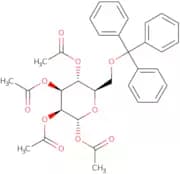
CAS:The aldopentose L-arabinose (Ara) is, after xylose, the second most abundant pentose in nature. It is found in plant cell walls as a component of polysaccharides, including: hemicelluloses, pectin, arabinogalactan-protein complexes and in exudate plant gums, such as: Gum Arabic (Feher, 2018). L-Arabinopyranose is an important component of the mycobacterial cell wall and is involved in the synthesis of arabinogalactan and lipoarabinomannan, which suggests that it can modulate cell wall permeability and drug resistance. Mycobacterium smegmatis is a useful tool for research into Mycobacteria due to it being a "fast grower" and non-pathogenic (Zhou, 2019).Fórmula:C5H10O5Pureza:Min. 99 Area-%Forma y color:White PowderPeso molecular:150.13 g/mol1,2,3,4-Tetra-O-acetyl-6-O-trityl-a-D-mannopyranose
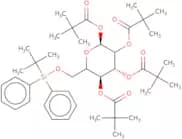
CAS:Tetra-O-acetyl-6-O-trityl-a-D-mannopyranose is a synthetic glycoside that is used as an intermediate in the synthesis of oligosaccharides. It has been modified with a fluorine atom at C1 to form 1,2,3,4-tetra-O-acetyl 6-(trifluoromethyl)-a-D mannopyranoside. This modification can be done through a click reaction. Tetra-O acetyl 6-(trifluoromethyl)-a D mannopyranoside is soluble in water and has a melting point of about 210°C.Fórmula:C33H34O10Pureza:Min. 95%Forma y color:White PowderPeso molecular:590.62 g/mol1,2,3,4-Tetra-O-pivaloyl-6-O-(tert-butyldiphenylsilyl)-b-D-galactopyranose
CAS:1,2,3,4-Tetra-O-pivaloyl-6-O-(tert-butyldiphenylsilyl)-b-D-galactopyranose is a high purity custom synthesis of a sugar. It is a fluorinated tetra saccharide with an unusual 1,2,3,4 linkage that has been modified with methyl groups at the 2 and 6 positions. The modification of this compound with silylation has made it resistant to enzymatic degradation. This compound has shown anti-inflammatory activities in animal models and can be used as an adjuvant therapy for inflammatory bowel disease.Fórmula:C42H62O10SiPureza:Min. 95%Peso molecular:755.04 g/molChitobiose dihydrochloride
CAS:Chitobiose 2HCl is a synthetic sugar that has been modified using Click chemistry. It is a fluorescent sugar that can be used as an indicator for protein-sugar interactions. Chitobiose 2HCl is soluble in water and has a molecular weight of 258.078 g/mol.Fórmula:C12H24N2O9•(HCl)2Pureza:Min. 95%Peso molecular:413.25 g/molLacto-N-neohexaose
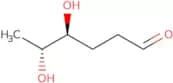
CAS:Neutral hexasasaccharide naturally present in human breast milkFórmula:C40H68N2O31Pureza:Min. 90 Area-%Forma y color:White PowderPeso molecular:1,072.96 g/mol(4S,5R)-4,5-Dihydroxyhexanal
CAS:(4S,5R)-4,5-Dihydroxyhexanal is a conjugate of 4-hydroxy-5-oxononanoic acid and phosphite. It is a hybridized molecule that has been synthesized using an asymmetric synthesis. (4S,5R)-4,5-Dihydroxyhexanal can be used as an analog for digitalis. The compound has the ability to activate cardiac glycoside receptors in the heart and increase the force of contraction of cardiac muscle cells. The effective dose for this drug is not yet known, although it has been shown to have cardiotonic steroid properties.Fórmula:C6H12O3Pureza:Min. 95%Peso molecular:132.16 g/molD-Fructose 1,6-diphosphate, dicalcium salt
CAS:D-Fructose 1,6-diphosphate is an ion-exchange resin that has been used for the isolation of calcium. It is also a calcium salt that is soluble in ethanol and water. This compound can be isolated from seaweed and it has been used as a filler in food. D-Fructose 1,6-diphosphate is often used to precipitate calcium ions from solutions with high pH values and it has been shown to be a potent inhibitor of DNA synthesis.Fórmula:C6H10Ca2O12P2Peso molecular:416.25 g/molRef: 3D-F-7370
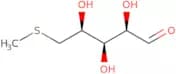
1kgA consultar5kgA consultar250gA consultar500gA consultar2500gA consultar-Unit-ggA consultar5-S-Methyl-5-thio-D-xylose
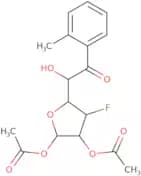
CAS:5-S-Methyl-5-thio-D-xylose is a carbohydrate that can be synthesized from 5,5’ -dithiobis(2-nitrobenzoic acid) and D-xylose. It is a high purity, custom synthesis product. This carbohydrate has been modified with fluorination at the 5 position of the sugar ring and methylation of the alpha carbon to form a methylated xylose. The molecular weight is 488.1 g/mol and it has a CAS number of 53458-58-5. This product can be used to modify saccharides and oligosaccharides with fluorination and methylation reactions.Fórmula:C6H12O4SPureza:Min. 95%Peso molecular:180.22 g/mol1,2-Di-O-acetyl-3-deoxy-3-fluoro-5-O-toluoyl-a-D-ribofuranose
CAS:1,2-Di-O-acetyl-3-deoxy-3-fluoro-5-O-toluoyl-a-D-ribofuranose is a fluorinated sugar molecule. It is a methylated saccharide that has been modified with click chemistry and glycosylation. The modified sugar can be used to synthesize a variety of complex carbohydrates including oligosaccharides and polysaccharides. This product is available in high purity with CAS No. 1884324-99-5.Pureza:Min. 95%Globo H pentenyl glycoside
CAS:GloboH-pentanyl backbone for incorporation onto peptide or conjugated to proteinPureza:Min. 95%D-Cellobiose
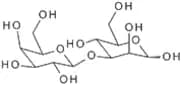
CAS:<p>Cellobiose is a reducing disaccharide consisting of two β(1-4)-linked glucopyranose units. It is produced by the hydrolysis of cellulose, a homopolysaccharide of glucose with β(1-4)-linkages. Cellobiose constitutes the polar part of cellobiose lipids (CLs) that are secreted by yeasts and mycelia fungi. Their various biological activities have led to a range of applications in the food industry, pharmaceutical industry and in medicine. Cellobiose itself has been used as an indicator carbohydrate for Crohns disease and malabsorption syndrome. In biotechnology, cellobiose is one of the sugars explored for the synthesis of biotensides.</p>Fórmula:C12H22O11Pureza:Min. 98.0 Area-%Peso molecular:342.30 g/mol3-O-(b-D-Galactopyranosyl)-D-mannopyranose
<p>3-O-(b-D-Galactopyranosyl)-D-mannopyranose is a synthetic sugar that is modified with fluorine at the C-3 position. It is a member of the carbohydrate family and has been shown to be useful for glycosylation or click chemistry. 3-O-(b-D-Galactopyranosyl)-D-mannopyranose can be custom synthesized to meet your needs. This product also features high purity and methylation, which makes it an excellent candidate for synthesis projects. This product can be used in research applications, such as complex carbohydrate modification, glycosylation, or click chemistry.</p>Fórmula:C12H22O11Pureza:Min. 95%Peso molecular:342.3 g/mol2,3,4,6-Tetra-O-acetyl-a-D-galactopyranosyl azide
CAS:<p>Please enquire for more information about 2,3,4,6-Tetra-O-acetyl-a-D-galactopyranosyl azide including the price, delivery time and more detailed product information at the technical inquiry form on this page</p>Fórmula:C14H19N3O9Pureza:Min. 98 Area-%Forma y color:PowderPeso molecular:373.32 g/mol1-O-Methyl-β-D-glucuronic acid, sodium salt
CAS:1-O-Methyl-β-D-glucuronic acid is a β-glucuronidase inducer.Fórmula:C7H11NaO7Peso molecular:230.15 g/molEugenol-β-D-glucuronide tetraacetate
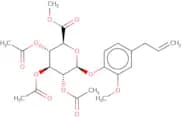
CAS:Eugenol metabolite intermediateFórmula:C23H28O11Peso molecular:480.46 g/molAllyl 3-O-benzyl-2-O-p-toluenesulfonyl-a-L-rhamnopyranoside
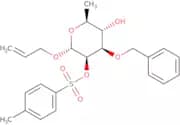
CAS:Allyl 3-O-benzyl-2-O-p-toluenesulfonyl-a-L-rhamnopyranoside (ABTS) is a synthetic sugar derivative that is used in the modification and synthesis of saccharides. ABTS can be modified by fluorination, glycosylation, methylation, or other modifications to produce new compounds. ABTS has a CAS number of 940274-22-6.Fórmula:C23H28O7SPureza:Min. 95%Peso molecular:448.54 g/mol4-O-β-D-Galactopyranosyl-D-glucitol
CAS:<p>Lactitol is a polyol sugar alcohol that has been used in the treatment of chronic viral hepatitis. It is also used to treat constipation, irritable bowel syndrome, and other gastrointestinal disorders. Lactitol is metabolized by certain types of bacteria and can have a laxative effect. Lactitol is not absorbed in the human intestine and thus does not cause an increase in blood sugar levels. Lactitol has been shown to be effective against microbial translocation and bacterial overgrowth in the gut, which may be due to its ability to lower pge2 levels and inhibit histological changes.</p>Fórmula:C12H24O11Pureza:Min. 98.0 Area-%Peso molecular:344.31 g/molRef: 3D-W-109090
1kgA consultar5kgA consultar10kgA consultar500gA consultar2500gA consultar-Unit-kgkgA consultar2,3,4,6-Tetra-O-benzoyl-a-D-glucopyranosyl trichloroacetimidate
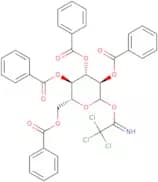
CAS:A calibration system is a device that utilizes a set of parameters to calibrate or correct for errors in measurement. The device utilizes the properties of the signal, such as amplitude and frequency, to compensate for electronic distortion. A calibration system can be used in many different fields including biology, medicine and telecommunications. The optical system includes a sensor that interacts with an organism or cell culture to measure the concentration of a substance. The sensor may utilize light-emitting diodes (LEDs) or photodetectors to detect changes in current or voltage. Calibration is needed to ensure accuracy when using this type of sensor. A linearized data base stores information about polypeptides such as their linear sequence and how they interact with other molecules. This data base can be accessed by programs that calculate the sequence of new polypeptides and predict their function in cells and organisms.Fórmula:C36H28Cl3NO10Pureza:Min. 95%Forma y color:PowderPeso molecular:740.97 g/molD-myo-Inositol 1,4,5,6-tetraphosphate sodium salt
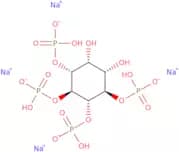
CAS:<p>D-myo-Inositol 1,4,5,6-tetraphosphate sodium salt is a colony-stimulating factor that is involved in the regulation of metabolism and growth. It has been shown to increase the number of blood cells in rats with myeloid leukemia by acting on stem cells. D-myo-Inositol 1,4,5,6-tetraphosphate sodium salt binds to stem cell factor receptors on cell membranes to activate the receptor activity and initiate protein synthesis. This leads to increased production of hematopoietic cells and monoclonal antibodies. D-myo-Inositol 1,4,5,6-tetraphosphate sodium salt also stimulates erythropoiesis by regulating red blood cell production through its interaction with epidermal growth factor (EGF).</p>Fórmula:C6H12O18P4Na4Pureza:Min. 95%Forma y color:PowderPeso molecular:588 g/molSimvastatin acyl-b-D-glucuronide
CAS:Simvastatin acyl-b-D-glucuronide is a synthetic compound that is not naturally occurring. It has a molecular weight of 571.67 and the CAS number 463962-56-3. The chemical formula for this compound is C30H44O8 and its structural formula is shown below. The purity of this product is >99% and it has been modified with fluorination to improve solubility in water.Fórmula:C31H48O12Pureza:Min. 95%Peso molecular:612.71 g/molD-Arabitol
CAS:D-Arabitol (or D-Arabinitol) is the reduced alcohol form of Arabinose. Arabitol is a commonly used food supplement, it is comparably sweet to sucrose but the oral flora cannot metabolize Arabitol, and hence protects from caries. Arabitol plays also an important role in energy controlled diets since it is absorbed slowly by the human digestive tract and has a low caloric content. The differential metabolism of the Arabitol D- and L-forms suggested its use in microbiological diagnostics (Bernard, E.M. et al. 1981) and became a routine urine laboratory test: L-Arabitol is metabolized by a variety of different bacteria and fungi utilizing an arabitol dehydrogenase enzyme. Therefore, it serves as a biomarker for, e.g., invasive candidiasis, since an infection results in an elevated urine D-Arabitol/L-Arabitol (DA/LA) ratio. Cymit Quimica offers both isomers in research grade: D-Arabitol (A-8270) and L-Arabitol (A-8280).Fórmula:C5H12O5Pureza:Min. 99.0 Area-%Peso molecular:152.15 g/molRef: 3D-A-8270
10gA consultar1kgA consultar250gA consultar500gA consultar2500gA consultar-Unit-kgkgA consultarL-Arabitol
CAS:<p>Used as source of carbon in culture medium.</p>Fórmula:C5H12O5Pureza:Min. 98.0 Area-%Peso molecular:152.15 g/molAdonitol
CAS:<p>Used to differentiate bacteria on the basis of carbohydrate fermentation abilities.</p>Fórmula:C5H12O5Pureza:Min. 98.0 Area-%Peso molecular:152.15 g/molRef: 3D-A-3000
1kgA consultar50gA consultar100gA consultar250gA consultar500gA consultar-Unit-kgkgA consultarTri-β-GalNAc-6-aminohexanoate
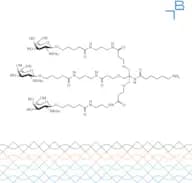
CAS:Tri-b-GalNAc-6-aminohexanoate is a synthetic ligand designed to target the asialoglycoprotein receptor (ASGPR) on hepatocytes. The three terminal beta-N-acetylgalactosamine (GalNAc) sugars provide an efficient ASGPR binding. It serves as a platform for lysosomal targeting chimera (LYTAC) development, allowing for the creation of chimeras that specifically target unwanted proteins for degradation within hepatocytes. In addition, tri-b-GalNAc-6-aminohexanoate facilitates the delivery of therapeutic cargo, such as RNA or Cas9 complexes, directly to hepatocytes via ASGPR-mediated endocytosis. This approach is promising for gene therapy and RNAi applications in the liver due to the specificity of ASGPR targeting and the versatility of the conjugation moiety.Fórmula:C67H121N11O28Pureza:Min. 95 Area-%Peso molecular:1,528.74 g/mol2,3,5-Tri-O-benzoyl-1-O-(4-nitrobenzoyl)-D-ribofuranose
CAS:2,3,5-Tri-O-benzoyl-1-O-(4-nitrobenzoyl)-D-ribofuranose is a custom synthesis of an oligosaccharide. It is used in the synthesis of polysaccharides and glycosylations. This compound has been modified with methylation and fluorination reactions. It has CAS No. 108392-15-0 and is available in high purity.Fórmula:C33H25NO11Pureza:Min. 95%Forma y color:PowderPeso molecular:611.55 g/molMethyl 2,3-di-O-benzoyl-4,6-O-(4-methoxybenzylidene)-a-D-mannopyranoside
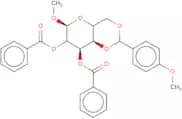
Methyl 2,3-di-O-benzoyl-4,6-O-(4-methoxybenzylidene)-a-D-mannopyranoside is a glycosylation product of the polysaccharide mannan. It is an oligosaccharide with a molecular weight of about 675 Da and a degree of polymerization of about ten. The monosaccharide units are D-glucose, D-mannose and D-galactose. Methyl 2,3-di-O-benzoyl-4,6-O-(4methoxybenzylidene)-a -D -mannopyranoside can be synthesized by the Click reaction in combination with fluorination or saccharification. Methyl 2,3 -di -O -benzoyl -4 ,6 O ( 4 methoxybenzylidene) a -D manFórmula:C29H28O9Pureza:Min. 95%Peso molecular:520.54 g/molChondroitin sulfate C sodium salt, ex shark
CAS:Chondroitin sulphate consists of a repeating disaccharide of [-l-beta)-D-glucopyranosyl uronic acid-(l-3)-N-acetyl-2-amino-2-deoxy-beta-D-galactopyranosyl-(1 ]. It differs from hyaluronic acid by having D-galactosamine instead of D-glucosamine in the second residue of the repeating disaccharide unit. It also has O-sulfate groups attached to the monosaccharide residues. There are two kinds of chondroitin sulphates, with the sulfate group esterified to the hydroxyl group at ei¬ther C-4 or C-6 of the N-acetyl-2-amino-2-deoxy-D-galactopyranose unit. These two sulphated polysaccharides occur separately or in mixtures, depending on the tissue. The chondroitin sulphates are major components of cartilage. Chondroitin sulphates are found in animal and fish cornea of the eye, the aorta, skin, and lung tissue, where they are located between fibrous protein molecules and provide a soft, pliable texture.Ref: 3D-C-5930
1kgA consultar5kgA consultar10kgA consultar25kgA consultar2500gA consultar-Unit-kgkgA consultar








![N-[2-(4'-Nitrophenylacetonitrile)]-2,3,4,6-tetra-O-pivaloyl-D-glucopyranoside](/_next/image/?url=https%3A%2Fstatic.cymitquimica.com%2Fproducts%2F3D%2Fthumb-webp%2FMN08450.webp&w=3840&q=75)










![4-Methylphenyl 4,6-O-[bis(1,1-dimethylethyl)silylene]-1-thio-β-D-galactopyranoside](/_next/image/?url=https%3A%2Fstatic.cymitquimica.com%2Fproducts%2F3D%2Fthumb-webp%2FMM182806.webp&w=3840&q=75)