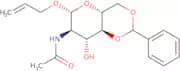
Glycoscience
La glicociencia es el estudio de los carbohidratos y sus derivados, así como de las interacciones y funciones biológicas en las que participan. Este campo de investigación es crucial para comprender una amplia variedad de procesos biológicos, incluyendo el reconocimiento celular, la señalización, la respuesta inmune y el desarrollo de enfermedades. La glicociencia tiene aplicaciones importantes en la biotecnología, la medicina, y el desarrollo de nuevos fármacos y terapias. En CymitQuimica, ofrecemos una amplia selección de productos de alta calidad y pureza para la investigación en glicociencia. Nuestro catálogo incluye monosacáridos, oligosacáridos, polisacáridos, glicoconjugados, y reactivos específicos, diseñados para apoyar a los investigadores en sus estudios sobre la estructura, función y aplicaciones de los carbohidratos en sistemas biológicos. Estos recursos están destinados a facilitar descubrimientos científicos y aplicaciones prácticas en diversas áreas de la biociencia y la medicina.
Subcategorías de "Glycoscience"
- Aminoazúcares(108 productos)
- Anticuerpos relacionados con azúcares(282 productos)
- Glicolípidos(46 productos)
- Glicosaminoglicanos (GAGs)(55 productos)
- Glucósidos(419 productos)
- Monosacáridos(6.624 productos)
- Oligosacáridos(3.682 productos)
- Polisacáridos(503 productos)
Se han encontrado 11046 productos de "Glycoscience"
Ordenar por
Pureza (%)
0
100
|
0
|
50
|
90
|
95
|
100
Ramiprilat-D5 acyl-b-D-glucuronide
Producto controlado<p>Ramiprilat-D5 acyl-b-D-glucuronide is a synthetic, fluorinated, complex carbohydrate. It is a monosaccharide sugar that has been modified by methylation and Click chemistry to produce an elegant compound with a diverse range of applications. Ramiprilat-D5 acyl-b-D-glucuronide is synthesized in high purity, making it an ideal candidate for use in research. This molecule has been shown to be effective as a fluoroquinolone antibiotic against bacterial strains such as Mycobacterium tuberculosis, Mycobacterium avium complex, and Clostridium perfringens.</p>Fórmula:C27H31D5N2O11Pureza:Min. 95%Peso molecular:569.61 g/molRhamnolipids C12
CAS:<p>Rhamnose based 'green' surfactant</p>Fórmula:C18H34O7Pureza:Min. 95%Peso molecular:362.46 g/mol2,3,4,6-Tetra-O-acetyl-b-D-galactopyranosyl-(N2-Fmoc)-L-serine pentafluorophenyl ester
CAS:<p>2,3,4,6-Tetra-O-acetyl-b-D-galactopyranosyl-(N2-Fmoc)-L-serine pentafluorophenyl ester is a carbohydrate that has been modified. This sugar has a CAS number of 243469-45-6 and is classified as an oligosaccharide. Carbohydrates are saccharides that are made up of monosaccharides. The modification of this carbohydrate is fluorination. Fluorination is the process by which a fluorine atom replaces an atom in another compound, typically hydrogen or chlorine. The synthesis of this carbohydrate was custom. Custom synthesis refers to the production of chemicals according to specifications provided by the customer for specific purposes. This carbohydrate has high purity, methylation, glycosylation and click modification.</p>Fórmula:C38F5H34NO14Pureza:Min. 95%Peso molecular:823.68 g/molPent-4-enyl-D-glucopyranoside
CAS:<p>Pent-4-enyl-D-glucopyranoside is a kind of compound that reacts with acetonitrile to form sodium methoxide. The reaction of the sodium methoxide with the acetonitrile will produce 2-chlorobenzoic acid and conformation. The result of this reaction is the stereospecifically, which is a pyranose ring.</p>Fórmula:C11H20O6Pureza:Min. 95%Peso molecular:248.27 g/molC24:1 b-D-Galactosyl ceramide
CAS:<p>C24:1 b-D-Galactosyl ceramide is a fatty acid that is found in mammalian cells. It is one of the major components of cerebrosides and gangliosides, which are important in the development and function of the brain. C24:1 b-D-Galactosyl ceramide has been shown to be an essential component of leukocytes, which are blood cells that help fight infection. The fatty acid composition of this molecule can be used as a marker for diagnosis and research on neurological disorders such as Alzheimer's disease or Parkinson's disease.</p>Fórmula:C48H91NO8Pureza:Min. 95%Peso molecular:810.24 g/molAllyl 2-deoxy-2-phthalimido-b-D-glucopyranoside
CAS:<p>Allyl 2-deoxy-2-phthalimido-b-D-glucopyranoside is a modification of a sugar. It is an oligosaccharide that is synthesized and modified by methylation and glycosylation. Allyl 2-deoxy-2-phthalimido-b-D-glucopyranoside has high purity and is a monosaccharide. This modification contains fluorine atoms, which are added to the saccharide backbone to increase its stability.</p>Fórmula:C17H19NO7Pureza:Min. 95%Peso molecular:349.34 g/molEthyl 2,3,6-tri-O-benzyl-b-D-thioglucopyranoside
CAS:<p>Ethyl 2,3,6-tri-O-benzyl-b-D-thioglucopyranoside is a monosaccharide with a chemical formula of C8H11O5. It has been synthesized from benzyl bromide and D-thioglucose in the presence of sodium hydroxide and potassium carbonate. The compound is used in the synthesis of oligosaccharides and polysaccharides. Ethyl 2,3,6-tri-O-benzyl-b-D-thioglucopyranoside has been shown to have a purity greater than 99% by high performance liquid chromatography (HPLC) analysis.</p>Fórmula:C29H34O5SPureza:Min. 95%Peso molecular:494.64 g/molPropylbeta-D-glucopyranoside
CAS:<p>Propylbeta-D-glucopyranoside is a sugar transport inhibitor that is used to inhibit bacterial growth. It has been shown to bind to the glucose transporter and quench tryptophan fluorescence in plant cells. This active form of Propylbeta-D-glucopyranoside also inhibits bacterial growth by binding to fatty acid esters and cytochalasin, modifiers of cell membrane permeability, which inhibit the synthesis of fatty acids. Microcapsules containing this drug have been shown to be effective against staphylococci and other bacteria. The activity of Propylbeta-D-glucopyranoside can be increased by hydrochloric acid or sodium hydroxide, which increase the solubility of its salts.</p>Fórmula:C9H18O6Pureza:Min. 95%Peso molecular:222.24 g/mol1-Amino-1-deoxy-D-ribitol
CAS:<p>1-Amino-1-deoxy-D-ribitol is a product of the enzymatic conversion of ribose to ribulose. It is an intermediate in the synthesis of other biologically important compounds, such as flavin and coenzyme A. 1-Amino-1-deoxy-D-ribitol can be stabilized with hydrochloric acid, acetylated into 1,2,3,4,-tetrahydroxybutane by acetic anhydride and metaperiodate. The bond cleavage reaction can be activated by hydrogen chloride or metaperiodate. High concentrations of these reagents are needed for this process to take place.</p>Fórmula:C5H13NO4Pureza:Min. 95%Peso molecular:151.16 g/mol4-Aminophenyl b-D-thiocellobiose
CAS:<p>4-Aminophenyl b-D-thiocellobiose is a modified sugar that has been synthesized and fluorinated. 4-Aminophenyl b-D-thiocellobiose is used in the synthesis of glycosylated bioactive molecules, including oligosaccharides and monosaccharides. The modification of this sugar is done by glycosylation, methylation, and conjugation. It can be used in the synthesis of complex carbohydrates as well as saccharides. This product's CAS No. is 68636-49-7.</p>Fórmula:C18H27NO10SPureza:Min. 95%Peso molecular:449.47 g/mol5-Deoxy-3,4-di-O-methyl-D-ribose
<p>5-Deoxy-3,4-di-O-methyl-D-ribose is a fluorinated monosaccharide that has been synthesized from D-ribose and 5-deoxyadenosine. It can be found in glycosylated polysaccharides or as the methylated derivative. This product is custom synthesized for research purposes, and is not intended for use in humans. It is available in high purity, with a CAS number of 6042-92-0.</p>Pureza:Min. 95%3,5-O-Isopropylidene-a-D-xylofuranose
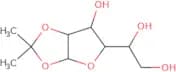
CAS:<p>3,5-O-Isopropylidene-a-D-xylofuranose is a modification of the sugar xylose. It is a complex carbohydrate that can be synthesized by custom synthesis or by glycosylation. 3,5-O-Isopropylidene-a-D-xylofuranose is an oligosaccharide and has high purity. The methylation, fluorination, and saccharide modification of 3,5-O-Isopropylidene-a-D-xylofuranose has been studied extensively. This chemical is also a monosaccharide that can be used in the synthesis of polysaccharides.</p>Fórmula:C8H14O5Pureza:Min. 95%Peso molecular:190.19 g/molPhenyl 2,3,4,6-tetra-O-acetyl-b-D-glucopyranoside
CAS:<p>Phenyl 2,3,4,6-tetra-O-acetyl-b-D-glucopyranoside is an imidate that can be synthesized from glycosides and derivatized with a variety of groups. This molecule is reactive and can be used to form glycosides by the reaction of a saccharide with phenyl 2,3,4,6-tetra-O-acetyl-b-D-glucopyranoside in the presence of acid or base. The resulting compounds are called glycosides because they contain both a sugar and phenyl 2,3,4,6-tetra-O-acetyl-b-D-glucopyranoside. Phenyl 2,3,4,6 tetra O acetyl b D glucopyranoside can also react with disaccharides to form glycosides.</p>Pureza:Min. 95%2,4:3,5-Di-O-benzylidene-L-iditol
CAS:<p>2,4:3,5-Di-O-benzylidene-L-iditol is a custom synthesis that has been modified with methylation and glycosylation. It is a complex carbohydrate consisting of an oligosaccharide and polysaccharide. This product is a modification of saccharides by Methylation and Glycosylation. 2,4:3,5-Di-O-benzylidene-L-iditol is fluorinated at the C2 position. It has high purity with less than 1% impurities. The product is synthetic and consists of one monosaccharide</p>Fórmula:C20H22O6Pureza:Min. 95%Peso molecular:358.39 g/molPhenyl 3,4,6-tri-O-acetyl-2-deoxy-1-thio-2-(2,2,2-trichloroethoxyformamido)-b-D-galactopyranoside
CAS:<p>Phenyl 3,4,6-tri-O-acetyl-2-deoxy-1-thio-2-(2,2,2-trichloroethoxyformamido)-b-D-galactopyranoside is a high purity and custom synthesis sugar that has been modified with fluorination and glycosylation. This product is also methylated and modified with an oligosaccharide. Phenyl 3,4,6-tri-O-acetyl-2-deoxy-1-thio - 2-(2,2,2 trichloroethoxyformamido)-b - D - galactopyranoside is used as a saccharide in the synthesis of complex carbohydrates.</p>Fórmula:C21H24Cl3NO9SPureza:Min. 95%Forma y color:PowderPeso molecular:572.84 g/molD-Ribal
CAS:<p>D-Ribal is a drug that inhibits the growth of tumor cells by binding to epidermal growth factor receptor (EGFR), which is found on the surface of most cells in the body. This binding prevents EGFR from binding to epidermal growth factor, which is needed for cell division and proliferation. The effect of D-Ribal can be enhanced if used in combination with other drugs that inhibit EGFR signaling pathways. D-Ribal has been shown to be effective against urothelial carcinoma and bladder cancer, but not against primary tumors such as breast cancer or prostate cancer.</p>Fórmula:C5H8O3Pureza:Min. 95%Peso molecular:116.12 g/molGentiobiulose
CAS:<p>Gentiobiulose is a natural sweetener that is made from the sugar glucose and has a low glycemic index. It is produced by the enzymatic reaction of glucose with an acid catalyst in the presence of c1-6 alkyl groups. Gentiobiulose has a diameter of 0.5-2 micrometers and is used as a prebiotic, which promotes the growth and activity of beneficial bacteria in the gut. In addition, gentiobiulose can be used as an ingredient for detergent compositions because it has a high viscosity and particle size.</p>Fórmula:C12H22O11Pureza:Min. 95%Forma y color:SolidPeso molecular:342.3 g/molN-Acetylneuraminic acid pentamer penta sodium
<p>N-Acetylneuraminic acid pentamer penta sodium is a modification of the N-acetylneuraminic acid monomer. It is a carbohydrate that is made up of five saccharide units linked by glycosidic bonds. The first four saccharides are N-acetylneuraminic acid and the fifth unit is D-mannose. This molecule has been synthesized for use as a vaccine adjuvant to increase the body's immune response to vaccines.</p>Fórmula:C55H82N5O41Na5Pureza:Min. 95.0 Area-%Forma y color:PowderPeso molecular:1,584.2 g/molMethyl 2,3,4-tri-O-benzyl-b-D-glucuronide benzyl ester
CAS:<p>Methyl 2,3,4-tri-O-benzyl-b-D-glucuronide benzyl ester is a custom synthesis that can be used as a glycosylation or methylation reagent. It has been shown to be an effective click modification reagent and can be used in the synthesis of complex carbohydrates. This compound is a carbohydrate that has been modified with fluorination and methylation. This compound has saccharide units and is a sugar. It is soluble in water and ethanol.</p>Fórmula:C35H36O7Pureza:Min. 95%Peso molecular:568.66 g/molCarbomethoxyethylthioethyl 4-O-(4-O-[6-O-{a-D-glucopyranosyl}-a-D-glucopyranosyl]-a-D-glucopyranosyl)-b-D-glucopyranoside
CAS:<p>Carbomethoxyethylthioethyl 4-O-(4-O-[6-O-{a-D-glucopyranosyl}-a-D-glucopyranosyl]-a-D-glucopyranosyl)-b-D-glucopyranoside is a synthetic carbohydrate with a molecular weight of 1406. It has been custom synthesized and modified to contain fluorine, methyl, and saccharide groups. Carbomethoxyethylthioethyl 4-O-(4 -O-[6 -O-[a -D - glucopyranosyl] - a - D - glucopyranosyl] - a - D - glucopyranosyl) b - D - glucopyranoside has been shown to be useful in the synthesis of oligosaccharides and polysaccharides.</p>Fórmula:C30H52O23SPureza:Min. 95%Peso molecular:812.79 g/mol3'-Sialyllactose-GEL
<p>3'-Sialyllactose-GEL is a custom synthesis of a complex carbohydrate. It has CAS No. and is a polysaccharide that has been modified by methylation, glycosylation, and click modification. 3'-Sialyllactose-GEL is a high purity product with fluorination. It is synthetic and has a molecular weight of 1,000 Daltons.</p>Pureza:Min. 95%2-Amino-a-D-ribofurano[1',2':4,5]oxazoline
CAS:<p>2-Amino-a-D-ribofurano[1',2':4,5]oxazoline is a modified ribose analogue</p>Fórmula:C5H10N2O4Pureza:Min. 95%Peso molecular:162.2 g/mol1,2-O-Isopropylidene-4-hydroxymethyl-3-O-(2-methylnaphthyl)-a-D-ribofuranose
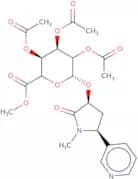
<p>1,2-O-Isopropylidene-4-hydroxymethyl-3-O-(2-methylnaphthyl)-a-D-ribofuranose is a fluorinated saccharide that is synthesized by the Click reaction. It has the CAS number of 29098-01-9 and can be used as a custom synthesis or modification to sugars. This carbohydrate is an oligosaccharide with a high purity level and can be used as a glycosylation reagent. The methylation of this product has been shown to modify the properties of polysaccharides and glycoconjugates.</p>Fórmula:C20H24O6Pureza:Min. 95%Peso molecular:360.4 g/molCotinine b-D-glucuronide
CAS:<p>Cotinine is a major metabolite of nicotine. It is excreted in the urine and has been extensively studied for its role in nicotine addiction and the development of cancer. Cotinine is also used as a biomarker to identify exposure to tobacco smoke, secondhand smoke, and nicotine replacement therapy. The levels of cotinine are proportional to the number of cigarettes smoked per day, with an average half-life of 15 hours. The concentration can be determined by LC-MS/MS with chemical ionization or LC-MS/MS with electron impact ionization. Cotinine can be hydrolyzed by esterases or glucuronidases, oxidized by cytochrome P450 enzymes, reduced by glutathione reductase, or conjugated with glucuronic acid.</p>Fórmula:C16H20N2O7Pureza:Min. 95%Peso molecular:352.34 g/mol3'-Sulpho Lewisa-BSA
<p>3'-Sulpho Lewisa-BSA is a custom synthesis of 3'-sulpho Lewis a-bovine serum albumin. It is an oligosaccharide that has been modified by saccharide methylation and glycosylation. 3'-Sulpho Lewisa-BSA has been modified with the click chemistry reaction and fluorinated with 18F. This complex carbohydrate is high purity, and is used for research purposes.</p>Pureza:Min. 95%Forma y color:PowderMixture of 1,2,3,5-Tetra-O-acetyl-D-arabinofuranose and 1,2,3,4-Tetra-O-acetyl-D-arabinopyranose
CAS:<p>Tetra-O-acetyl-D-arabinose is an organic compound, a saccharide with the chemical formula C4H8O6. It is a white to off-white crystalline solid. Tetra-O-acetyl-D-arabinose is a protected form of arabinose that can be methylated and glycosylated to produce various other compounds. Tetra-O-acetyl-D-arabinose can also be modified by click chemistry or fluorination and it has been used as a synthetic intermediate for the synthesis of oligosaccharides.</p>Fórmula:C13H18O9Pureza:(%) Min. 95%Forma y color:PowderPeso molecular:318.28 g/mol5-b-Androst-1-en-17b-ol-3-one glucuronide
CAS:<p>5-b-Androst-1-en-17b-ol-3-one glucuronide is a carbohydrate that can be used as a building block for oligosaccharides, saccharides, and sugars. It is also a fluorinated compound that has been synthesized with high purity. This custom synthesis can be modified with methylation, glycosylation, or click chemistry.</p>Fórmula:C25H36O9Pureza:Min. 95%Peso molecular:480.56 g/mol3,4,6-Tri-O-acetyl-1,2-O-isopropylidene-b-D-fructofuranose
CAS:<p>3,4,6-Tri-O-acetyl-1,2-O-isopropylidene-b-D-fructofuranose is a modification of the monosaccharide fructose. It is a complex carbohydrate that can be synthesized using custom synthesis or by modifying the monosaccharide fructose. 3,4,6-Tri-O-acetyl-1,2-O-isopropylideneb -D -fructofuranose has high purity and is available in the form of an oligosaccharide. This compound can be methylated and glycosylated and has CAS No. 7651289 5. 3,4,6 Tri O acetyl 1 2 O isopropylidene b D fructofuranose is used for research purposes as a methylating agent and for glycosylation reactions in order to modify saccharides such as sugars or polysacchar</p>Fórmula:C15H22O9Pureza:Min. 95%Peso molecular:346.4 g/mol6-Chloro-6-deoxy-D-galactose
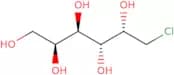
CAS:<p>6-Chloro-6-deoxy-D-galactose is a sugar that is found in the cell wall of Mycobacterium tuberculosis. This sugar is transported by chloride anions and has been shown to be essential for bacterial growth. 6-Chloro-6-deoxy-D-galactose has also been shown to inhibit the transport of dlucose into cells, which may contribute to its inhibitory effect on glucose transport. The process by which this sugar is transported across the membrane is still not fully understood, but it has been shown to involve hydrogen bonds and ionic interactions.</p>Fórmula:C6H11ClO5Pureza:Min. 95%Peso molecular:198.6 g/molIsopropyl-β-D-thioglucopyranoside
CAS:<p>Isopropyl-β-D-thioglucopyranoside is a hydrogen bond donor that has been shown to inhibit the glyceraldehyde-3-phosphate dehydrogenase enzyme, which is involved in lipid biosynthesis. It has been used for the diagnosis of malariae and has potential as a biomarker for diagnosing human tissues. Isopropyl-β-D-thioglucopyranoside may be useful in the study of protein synthesis, due to its ability to bind to recombinant proteins and block the formation of intermolecular hydrogen bonds. Isopropyl-β-D-thioglucopyranoside is also expressed at high levels in Mycobacterium tuberculosis strains (e.g., ESX-1 secretion system protein) and inhibits cell growth in culture.</p>Fórmula:C9H18O5SPureza:Min 95%Forma y color:PowderPeso molecular:238.3 g/molLinear B-6 trisaccharide 1-O-n-pentylamine
<p>Linear B-6 trisaccharide 1-O-n-pentylamine is a glycosylated, fluorinated, saccharide that can be custom synthesized. This compound can be modified with methyl groups, click chemistry, or fluorination. It has a CAS number of 188768-84-0 and is soluble in methanol, ethanol, and water. Linear B-6 trisaccharide 1-O-n-pentylamine is a monosaccharide with a molecular weight of 258.</p>Fórmula:C23H43NO16Pureza:Min. 95%Peso molecular:589.58 g/molOctyl b-D-mannopyranoside
CAS:<p>Octyl b-D-mannopyranoside is a sugar that belongs to the group of complex carbohydrates. It is used in chemical synthesis and is commonly used for click modification, fluorination, glycosylation, carbamoylation, methylation, and other modifications. Octyl b-D-mannopyranoside is a white or off-white powder that can be dissolved in water or alcohols. It has a molecular weight of 536.88 g/mol.</p>Fórmula:C14H28O6Pureza:Min. 95%Forma y color:White To Off-White SolidPeso molecular:292.37 g/molPectic galactan - From lupin
<p>Lupin seeds contain a β-(1,4)-linked linear galactan with a small number of 6-linked residues. These polysaccharides are useful tools in biochemical enzyme assays and in vitro diagnostic analysis.</p>Pureza:Min. 95%3-Pyridinylmethylbeta-D-glucopyranoside
CAS:<p>3-Pyridinylmethylbeta-D-glucopyranoside is a sugar that can be custom synthesized. It is a white to off-white crystalline powder with an odorless taste and is soluble in water. 3-Pyridinylmethylbeta-D-glucopyranoside is used in the synthesis of glycosides, saccharides, oligosaccharides, and monosaccharides. This compound can also be modified with fluorination or methylation reactions. The use of this product has been shown to produce high purity compounds for use in pharmaceuticals, agrochemicals, and other chemical industries.</p>Fórmula:C12H17NO6Pureza:Min. 95%Peso molecular:271.27 g/mol5-O-Benzoyl-1,2-O-isopropylidene-3-keto-α-D-xylofuranoside
CAS:<p>5-O-Benzoyl-1,2-O-isopropylidene 3-keto a D xylofuranoside is a custom synthesis of an oligosaccharide, polysaccharide, saccharide, or carbohydrate. It is a high purity compound with a modification of fluorination and click chemistry. This synthesis can be used for research purposes.</p>Fórmula:C15H16O6Pureza:Min. 95%Peso molecular:292.28 g/molEthyl 2,4,6-tri-O-acetyl-3-O-benzyl-b-D-thioglucopyranoside
<p>Ethyl 2,4,6-tri-O-acetyl-3-O-benzyl-b-D-thioglucopyranoside is a synthetic carbohydrate with a molecular weight of 592. It has been fluorinated at the C2 position and acetylated at the C3 position. This product is used in the synthesis of oligosaccharides and polysaccharides. It is also used in click chemistry and as an intermediate in carbohydrate modifications and fluorination reactions.</p>Fórmula:C21H28O8SPureza:Min. 95%Peso molecular:440.51 g/mol(4-Methylphenyl)methylbeta-D-glucopyranoside
CAS:<p>4-Methylphenyl)methylbeta-D-glucopyranoside is a modified monosaccharide that is synthesized by the methylation of D-glucose. It is a white powder with a molecular weight of 328.4 g/mol and chemical formula C14H22O9. The product's purity level is 99%.</p>Fórmula:C14H20O6Pureza:Min. 95%Peso molecular:284.31 g/molD-Cellohexose eicosaacetate
CAS:<p>Fully acetylated cellohexoses, parts of a polymer homologous series of oligosaccharides isolated from cellulose by acetolysis followed by chromatography.</p>Fórmula:C76H102O51Pureza:Min. 95%Forma y color:PowderPeso molecular:1,831.59 g/molBlood Group B type II linear trisaccharide amine linker
<p>The linear trisaccharide amine linker is an oligosaccharide that is synthesized by glycosylation of a linear trisaccharide with an amine-containing monosaccharide. The resulting product is then methylated using the Mitsunobu reaction to yield the desired product. This product has been shown to be useful as a linker in complex carbohydrates. It has been shown to have high purity and can be custom synthesized for your specific needs.</p>Pureza:Min. 95%Benzyl 2,3-O-isopropylidene-6-O-trityl-a-D-mannofuranose
CAS:<p>Benzyl 2,3-O-isopropylidene-6-O-trityl-a-D-mannofuranose is a synthetic carbohydrate that is a modification of mannose. It has been fluorinated at the 6 position and reacted with benzyl alcohol to give the 2,3-O-isopropylidene derivative. This product is intended for use in glycosylation reactions and can be used as a sugar donor in Click chemistry.</p>Fórmula:C35H36O6Pureza:Min. 95%Peso molecular:552.66 g/molAlphadolone 3-b-D-glucuronide
CAS:<p>Alphadolone 3-b-D-glucuronide is a compound that is synthetically derived from alphadolone. This product can be used for the synthesis of saccharides, polysaccharides, and oligosaccharides with click modification or glycosylation. It can also be used as a starting material for the preparation of methylated saccharides or glycopeptides. The chemical formula is C12H14O6F2, and it has a molecular weight of 290.20 g/mol. Alphadolone 3-b-D-glucuronide is soluble in water, methanol, and ethanol. It's CAS number is 70522-56-4.</p>Fórmula:C27H40O10Pureza:Min. 95%Peso molecular:524.6 g/molPhenyl a-D-thiogalactopyranoside
<p>Phenyl a-D-thiogalactopyranoside is a sugar with a galactose and thioglucose residue linked by an alpha-1,6 glycosidic bond. It is obtained from the hydrolysis of starch or starch derivatives such as maltodextrin. This compound can be modified through various reactions, including fluorination, glycosylation, methylation, and modification. Phenyl a-D-thiogalactopyranoside has CAS number 5664-77-5 and molecular weight of 288.24 g/mol.</p>Fórmula:C12H16O5SPureza:Min. 95%Peso molecular:272.32 g/molPhenyl 4,6-O-benzylidene-3-O-(4-methoxybenzyl)-a-D-thiomannopyranoside
CAS:<p>Phenyl 4,6-O-benzylidene-3-O-(4-methoxybenzyl)-a-D-thiomannopyranoside is a custom synthetic sugar with a molecular weight of 514.87 and an empirical formula of C11H12FNO8. It has fluorination at the 2-, 3-, 4-, and 6-positions and methylation at the 2-, 3-, 4-, 5-, and 6-positions. Phenyl 4,6-O-benzylidene-3-O-(4-methoxybenzyl)-a-D-thiomannopyranoside is a modification of the natural product that is used in the synthesis of Oligosaccharides, Glycosylations, and Click modifications. This product is available for sale to qualified buyers.</p>Pureza:Min. 95%Hyaluronate biotin - Molecular Weight - 10kDa
<p>Hyaluronate biotin is a custom synthesis of a 10kDa molecule. This product is modified and fluorinated, with methylation of the hydroxyl group and the glycosylation of the sugar monosaccharide. It is a synthetic oligosaccharide that is saccharide-containing. This product has CAS number and belongs to the group of polysaccharides or glycosylations. The carbohydrate in this product is complex.</p>Pureza:Min. 95%Forma y color:White Powder2'-(N-Butylcarboamido)phenyl-2-acetamido-2-deoxy-b-D-glucopyranoside
<p>2'-(N-Butylcarboamido)phenyl-2-acetamido-2-deoxy-b-D-glucopyranoside is a custom synthesis that is a complex carbohydrate. It has CAS No. and is modified with methylation, glycosylation, and click modification. The compound is a polysaccharide and fluorinated sugar. The high purity of the product makes it an excellent candidate for further modifications to create other products.</p>Fórmula:C19H28N2O7Pureza:Min. 95%Peso molecular:396.43 g/molEstrone D5 b-D-glucuronide
<p>Estrone D5 b-D-glucuronide is a synthetic compound. It is a methylated estrone derivative with the D5 configuration of the steroid nucleus. Estrone D5 b-D-glucuronide is also known as estrone 5-O-(2,3,4,5,6-pentafluorobenzoyl)glucuronide and has CAS number 70630-03-6. This compound is used in research on oligosaccharides and polysaccharides because it can be used to modify the sugar moiety at the reducing end of the saccharide chain. It can also be used to synthesize complex carbohydrate structures with fluorinated substituents. The chemical structure is shown below:</p>Pureza:Min. 95%Octyl a-L-rhamnopyranoside
CAS:<p>Octyl a-L-rhamnopyranoside is a custom-synthesized, fluorinated, methylated, monosaccharide with saccharide and polysaccharide modifications. It is used for the modification of glycoproteins in the synthesis of complex carbohydrates and as an intermediate in the preparation of monosaccharides and their derivatives. <br>Octyl a-L-rhamnopyranoside is synthesized by condensing 1,2:3,4-di-O-isopropylidene D-mannitol with 5-(bromomethyl)benzene sulfonyl chloride to give 5-(Bromomethyl)benzene sulfonic acid. The acid is then reacted with octanoyl chloride to form octyl a-L-rhamnopyranoside. Octyl a-L-rhamnopyranoside has been shown to inhibit protein</p>Fórmula:C14H28O5Pureza:Min. 95 Area-%Forma y color:PowderPeso molecular:276.37 g/mol6'-Sialyllactose-APD-HSA
<p>6'-Sialyllactose-APD-HSA is a complex carbohydrate that belongs to the group of oligosaccharides. It has a CAS number of 102600-80-4 and it is a polysaccharide. This compound is modified with methylation, glycosylation, and click modification. It is also fluorinated and synthesized.</p>Pureza:Min. 95%1,3,5-Tri-O-acetyl-2-deoxy-a-D-ribofuranose
CAS:<p>1,3,5-Tri-O-acetyl-2-deoxy-a-D-ribofuranose is a monosaccharide with a modified sugar residue that is obtained by the fluorination of 1,3,5-triacetyl-2,6'-dideoxyglucose. It is a complex carbohydrate that can be used as an additive in food and beverage products. The chemical formula for 1,3,5-triacetyl-2,6'-dideoxyglucose is C10H14O8 and the molecular weight is 392.24 g/mol.</p>Fórmula:C11H16O7Pureza:Min. 95%Peso molecular:260.24 g/mol2-Deoxy-D-glucose-6-phosphate
CAS:<p>2-Deoxy-D-glucose-6-phosphate is a glucose analogue that is phosphorylated by hexokinase to 2-deoxy-D-glucose. It has been shown to inhibit the activity of enzymes involved in energy metabolism, such as atp synthase and dpp IV. This drug can also inhibit the synthesis of proteins and RNA by binding to response elements, which are DNA sequences that regulate gene expression. The 2-deoxy glucose analogue has been shown to be a potent inhibitor of ventricular myocardium contractility via its ability to reduce mitochondrial membrane potential.</p>Fórmula:C6H13O8PPureza:Min. 95%Peso molecular:244.14 g/mola-D-1,5-Difluoroglucose
CAS:<p>a-D-1,5-Difluoroglucose is a synthetic sugar that is used in the modification of complex carbohydrates. It is fluorinated to give a stable compound that can be methylated and glucosylated. The compound has been shown to have high purity and a long shelf life.</p>Fórmula:C6H10F2O5Pureza:Min. 95%Peso molecular:200.14 g/molMethimazole thio-b-D-glucuronide
CAS:<p>Methimazole is a drug that inhibits the synthesis of thyroid hormones by blocking the action of thyroperoxidase. Methimazole thio-b-D-glucuronide is a non-toxic, water-soluble derivative of methimazole. It is used in the treatment of hyperthyroidism and thyrotoxicosis. This compound can be synthesized from methimazole by click chemistry, fluorination or glycosylation. The product can be custom synthesized with high purity and high carbohydrate content.</p>Fórmula:C10H14N2O6SPureza:Min. 95%Peso molecular:290.29 g/molD-Glucose-4-D
CAS:Producto controlado<p>D-Glucose-4-D is a deuterated form of glucose. It is a halophilic sugar that is used in the biosynthesis of lipids. D-Glucose-4-D can be synthesized chemically or by isotope effect by using d-glucose as the starting material. This compound can be used to study lipid synthesis and lipid metabolism in bacteria, such as E. coli, because it has been shown to inhibit the enzyme glycerol dehydratase, which catalyzes the conversion of glycerol to dihydroxyacetone phosphate, an intermediate in lipid biosynthesis. D-Glucose-4-D also inhibits the enzyme phosphatidate phosphohydrolase, which converts phosphatidic acid to diacylglycerol. These compounds are important for membrane lipid formation and are involved in cellular signalling pathways.</p>Fórmula:C6H11DO6Pureza:Min. 95%Peso molecular:181.16 g/molOctanoyl-N-hydroxyethylglucamide
CAS:<p>Octanoyl-N-hydroxyethylglucamide is a high purity custom synthesis that is a fluorinated, glycosylated, and methylated modification of glycine. It is an oligosaccharide that contains a saccharide and carbohydrate. Octanoyl-N-hydroxyethylglucamide has been shown to inhibit the growth of bacteria that are resistant to penicillin, ampicillin, erythromycin, and tetracycline.</p>Fórmula:C16H33NO7Pureza:Min. 95%Peso molecular:351.44 g/molBlood group A trisaccharide-APE-[biotin]-BSA
<p>ABO trisaccharide conjugated to BSA via Biotin & an aminophenyl ethyl spacer</p>Pureza:Min. 95%Fusidic acid acyl glucuronide
CAS:<p>Fusidic acid acyl glucuronide is a high purity, custom synthesis, click modification of fusidic acid. It has been modified by fluorination and methylation. Fusidic acid acyl glucuronide is an Oligosaccharide, Polysaccharide, saccharide, sugar with a CAS No. 13013-66-6. It is a complex carbohydrate that has been synthesized using high purity, monosaccharides and polysaccharides.</p>Fórmula:C37H56O12Pureza:Min. 95%Peso molecular:692.83 g/molUndecylenyl b-D-maltoside
<p>Undecylenyl b-D-maltoside is a high purity sugar that can be custom synthesized. It is fluorinated at the hydroxyl group, glycosylated, and methylated. This product is also available in various configurations including oligosaccharides, monosaccharides, and complex carbohydrates. <br>Undecylenyl b-D-maltoside is a carbohydrate that can be used as a synthetic building block for the synthesis of other sugars. It can also be used for glycosylation reactions to create new glycoconjugates with improved properties. Undecylenyl b-D-maltoside is an oligosaccharide with a saccharide chain consisting of 10 units of D-glucose and one unit of D-mannose. The individual units are linked together by alpha 1,6 bonds.</p>Fórmula:C23H42O11Pureza:Min. 95%Peso molecular:494.57 g/molNonanoyl-N-Hydroxyethylglucamide
CAS:<p>Nonanoyl-N-Hydroxyethylglucamide is a novel methylation and click modification reagent that has been shown to be highly effective for the methylation of carbohydrates. It is also a potent fluorinating agent, which can be used for the preparation of complex carbohydrates, such as oligosaccharides and polysaccharides. Nonanoyl-N-Hydroxyethylglucamide is available in high purity and with various modifications.</p>Fórmula:C17H35NO7Pureza:Min. 95%Peso molecular:365.46 g/mol4-Methoxyphenyl 3-O-benzyl-2-deoxy-2-phthalimido-b-D-glucopyranoside
CAS:<p>4-Methoxyphenyl 3-O-benzyl-2-deoxy-2-phthalimido-b-D-glucopyranoside is an antiviral agent that inhibits the replication of papilloma virus and other viruses. It binds to the viral DNA at a site that is not affected by other antiviral agents, preventing the viral DNA from being copied into RNA. 4MPBG also induces coagulation and cell expression in human cells and has been shown to inhibit the production of amyloid beta (Aβ) in Alzheimer's disease. This drug is not active against organisms such as bacteria, yeast, or fungi. The drug was originally synthesized as a potential pharmaceutical for cancer treatment, but it did not exhibit any cytotoxic effects on cancer cells.</p>Fórmula:C28H27NO8Pureza:Min. 95%Peso molecular:505.52 g/molGD2-Oligosaccharide-desthiobiotin
<p>Desthiobiotin is a modified form of biotin that binds less tightly to biomolecules like proteins and carbohydrates than it does biotin, while still providing excellent specificity in affinity purification methods (Hirsch, 2002). The structure of GD2-oligosaccharide-desthiobiotin (sodium salt) comprises (GalNAcβ1,4Galβ1,4Glc) of its two sialic acids linked α2,3/α2,8 to the central galactose residue (Ledeen, 2009). The desthiobiotin is attached β to position 1 of the reducing glucose moiety. GD2 ganglioside is expressed at a low concentration in the central nervous system, nerves, skin melanocytes and stem cells in healthy adults. On the other hand, GD2 ganglioside is overexpressed in a number of tumors including: neuroblastoma, melanoma, small cell lung carcinoma and brain tumors. Recently, GD2 ganglioside has been found in low concentration on breast cancer stem cells (CSC) that possess: self-renewal properties (division without disrupting the undifferentiated state) and tumor-initiating capabilities. It has been suggested that GD2 ganglioside may be developed as an effective target antigen for CSC immunotherapy (Fleurence, 2017).</p>Fórmula:C65H106N10O37·2NaPureza:Min. 95%Forma y color:PowderPeso molecular:1,665.56 g/mol4-Methoxyphenyl 4-O-[6-O-(methyl 5-acetamido-4,7,8,9-tetra-O-acetyl-3,5-dideoxy-D-glycero-a-D-galacto-2-nonulopyranosylonate)-2,3-di -O-benzyl-b-D-galactopyranosyl]-2,3,6-tri-O-benzyl-b-D-glucopyranoside
<p>This is a custom synthesis of a polysaccharide.</p>Fórmula:C74H85NO24Pureza:Min. 95%Peso molecular:1,372.46 g/mol4-Aminophenyl 2-acetamido-2-deoxy-b-D-glucopyranoside
CAS:<p>4-Aminophenyl 2-acetamido-2-deoxy-b-D-glucopyranoside is a monosaccharide that belongs to the group of complex carbohydrates. It is a synthetic compound that has been modified by fluorination and methylation. 4-Aminophenyl 2-acetamido-2-deoxy-b-D-glucopyranoside has been used in the synthesis of polysaccharides and saccharides for various purposes, including as a fluorescence probe for carbohydrate binding proteins. It has also been used as an intermediate in the synthesis of oligosaccharides or polysaccharides.</p>Fórmula:C14H20N2O6Pureza:Min. 95%Peso molecular:312.32 g/molHyaluronate rhodamine - Molecular Weight - 20kDa
<p>Fluorogenic substrate is used for detection of hyaluronidase activity. Urinary hyaluronidase activity is elevated in patients with intermediate and high grade bladder cancer; the expression of hyaluronidase and hyaluronan synthase-1 mRNA in malignant tissue can predict bladder cancer metastasis and disease recurrence (Kramer, 2011). These findings underscore the potential utility of the hyaluronidases to serve as biomarkers for bladder cancer. A novel fluorescent substrate labelled with two dyes: fluorescein as a green donor fluorophore, and rhodamine B as a red acceptor fluorophore, was therefore developed to measure hyaluronidase enzyme kinetics (Zhang, 2008). It was then demonstrated that simultaneous measurements of green and red emission of HAâFRET could be used to measure hyaluronidase presence and activity (Fudala, 2011).</p>Pureza:Min. 95%3,4,6-Tri-O-acetyl-2-deoxy-D-galactopyranose
<p>3,4,6-Tri-O-acetyl-2-deoxy-D-galactopyranose is a methylated saccharide that is the product of the reaction between 3,4,6-triacetyl-2,3,4,6-tetrapropionyl D galactopyranose and formaldehyde. It has been modified by Click chemistry and can be used for glycosylation reactions. This product is available in high purity and yields a complex carbohydrate that can be synthesised from various carbohydrates.</p>Fórmula:C12H18O8Pureza:Min. 95%Peso molecular:290.27 g/mol1,3,6-Tri-O-acetyl-4-O-(2,3,4,6-tetra-O-acetyl-b-D-galactopyranosyl)-2-azido-2-deoxy-D-glucopyranose
<p>1,3,6-Tri-O-acetyl-4-O-(2,3,4,6-tetra-O-acetyl-b-D-galactopyranosyl)-2-azido-2-deoxy--D--glucopyranose is a modification of a natural sugar. It is an oligosaccharide that is composed of one monosaccharide and two disaccharides. The triacetate group on the first saccharide provides protection against hydrolysis and methylation reactions. This compound has been shown to be synthesized chemically in high purity and with high yield.</p>Fórmula:C26H35N3O17Pureza:Min. 95%Peso molecular:661.57 g/molBenzyl 2-acetamido-4-O-(2,3,4,6-tetra-O-acetyl-b-D-galactopyranosyl)-2-deoxy-b-D-galactopyranoside
<p>Benzyl 2-acetamido-4-O-(2,3,4,6-tetra-O-acetyl-b-D-galactopyranosyl)-2-deoxy-b-D-galactopyranoside is a synthetic glycoside that has been modified with fluorination. It is an oligosaccharide sugar that has been synthesized from the monosaccharide galactose and the disaccharide maltose. The chemical formula for this compound is C14H22FNO6. This product can be used in custom synthesis or as a research reagent.</p>Fórmula:C29H39NO15Pureza:Min. 95%Peso molecular:641.62 g/mol2,3,4-Tri-O-acetyl-a-D-xylopyranosyl trichloroacetimidate
CAS:<p>2,3,4-Tri-O-acetyl-a-D-xylopyranosyl trichloroacetimidate is a methylated and fluorinated complex carbohydrate. It is an acetylated sugar that has been modified with the addition of trichloroacetimidate. The chemical name for 2,3,4-Tri-O-acetyl-a-D-xylopyranosyl trichloroacetimidate is 4′-(triethoxy)trityloxymethyl 2,3,4-tri-O-acetyl a -D -xylopyranoside. This product may be used as an intermediate in the synthesis of oligosaccharides and polysaccharides. It is also used to modify saccharides and sugar monomers.</p>Fórmula:C13H16Cl3NO8Pureza:Min. 95%Forma y color:White/Off-White SolidPeso molecular:420.63 g/molNeocarrahexadecaose-41,3,5,7,9,11,13,15-octa-O-sulfate sodium salt
CAS:<p>Neocarrahexadecaose-41,3,5,7,9,11,13,15-octa-O-sulfate sodium salt is a carbohydrate that belongs to the group of modified saccharides. It is synthesized by modifying a sugar with fluorine and methylation. Neocarrahexadecaose-41,3,5,7,9,11,13,15-octa-O-sulfate sodium salt is an oligosaccharide with a high purity and custom synthesis. It is a synthetic compound that has been modified in order to create methylated and glycosylated sugars as well as a click modification. This carbohydrate has not yet been tested for toxicity or side effects in humans.</p>Fórmula:C96H138Na8O97S8Pureza:Min. 95%Peso molecular:3,284.51 g/molC-(2,3,4-Tri-O-acetyl-1-hydroxy-b-D-galactopyranosyl)formamide
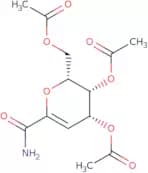
CAS:<p>C-(2,3,4-Tri-O-acetyl-1-hydroxy-b-D-galactopyranosyl)formamide (TRIGAL) is a methylated saccharide that is used to modify polysaccharides. It has been shown to be an effective sugar donor for glycosylation reactions and can be used for the synthesis of complex carbohydrates. TRIGAL is also fluorinated and provides a convenient way to modify oligosaccharides. This product has a high degree of purity and can be custom synthesized with any desired modification.</p>Fórmula:C12H17NO9Pureza:Min. 95%Peso molecular:319.3 g/molN-[(e-N-Benzyloxycarbonylamino)caproyl]-b-D-galactopyranosylamine
CAS:<p>N-[(e-N-Benzyloxycarbonylamino)caproyl]-b-D-galactopyranosylamine is a synthetic glycosaminoglycan. It is an oligosaccharide, which consists of sugar molecules linked together by glycosidic bonds. This product is custom synthesized and the purity is high. It can be used for various purposes, including research, medicine, and food production.</p>Fórmula:C20H31N3O7Pureza:Min. 95%Peso molecular:425.48 g/molD-Myo-inositol 1,4,5-triphosphate ammonium salt
CAS:<p>D-Myo-inositol 1,4,5-triphosphate ammonium salt is a carbohydrate that can be synthesized from D-myo-inositol and phosphoric acid. D-Myo-inositol 1,4,5-triphosphate ammonium salt is a complex carbohydrate that has been fluorinated and glycosylated. It has been used as a synthetic intermediate in the synthesis of oligosaccharides and monosaccharides.</p>Pureza:Min. 95%Benzyl 2,3-di-O-acetyl-4-deoxy-4-C-nitromethylene-b-D-arabinopyranoside
CAS:<p>Benzyl 2,3-di-O-acetyl-4-deoxy-4-C-nitromethylene-b-D-arabinopyranoside is a synthetic sugar. It is a complex carbohydrate with two saccharides and one monosaccharide. The saccharides are glucose and galactose, and the monosaccharide is arabinose. Benzyl 2,3-di-O-acetyl-4-deoxy-4C nitromethylene bD arabinopyranoside has been modified by fluorination, methylation, glycosylation and click chemistry to create a high purity product.</p>Fórmula:C17H19NO8Pureza:Min. 95%Peso molecular:365.33 g/mol4-Methoxyphenyl 4-O-[3-O-(methyl 5-acetamido-4,7,8,9-tetra-O-acetyl-3,5-dideoxy-D-glycero-a-D-galacto-2-nonulopyranosylonate)-2,6-di -O-benzyl-b-D-galactopyranosyl]-2,3,6-tri-O-benzyl-b-D-glucopyranoside
<p>4-Methoxyphenyl 4-O-[3-O-(methyl 5-acetamido-4,7,8,9-tetra-O-acetyl-3,5-dideoxy-D-glycero-a-D-galacto--2--nonulopyranosylonate)-2,6--di -O--benzyl b D galactopyranosyl]-2,3,6--tri -O benzyl b D glucopyranoside is a glycosylation product of the monosaccharide 4 methoxyphenol and 4 O-[3 O methyl 5 acetamido 4 7 8 9 tetra O acetyl 3 5 dideoxy D glycero 2 a D galacto 2 nonulopyranosylonate] 2 6 di O benzyl b D galactopyranoside. It has been modified by fluorination at the C1</p>Fórmula:C74H85NO24Pureza:Min. 95%Peso molecular:1,372.46 g/molBenzyl 2-acetamido-2-deoxy-4-O-(b-D-galactopyranosyl)-a-D-glucopyranoside
CAS:<p>Benzyl 2-acetamido-2-deoxy-4-O-(b-D-galactopyranosyl)-a-D-glucopyranoside is a custom synthesis, complex carbohydrate. It is an Oligosaccharide, Polysaccharide that has been modified and glycosylated. It has a CAS number of 81243-70-1. This product's purity is high and it is fluorinated. The product is synthetic and contains sugar.</p>Fórmula:C21H31NO11Pureza:Min. 95%Peso molecular:473.47 g/molBenzyl 2-acetamido-3-O-(2,3,4,6-tetra-O-acetyl-b-D-galactopyranosyl)-4,6-O-benzylidene-2-deoxy-a-D-glucopyranoside
<p>3-O-Benzyl-2,6-dideoxy-a-D-galactopyranosyl b benzylidene 4,6-O-(2,3,4,6-tetraacetyl)-a D glucopyranoside is a complex carbohydrate with a molecular weight of 1.097 grams per mole. It has been synthesized by the modification of the sugar unit with methylation and glycosylation to yield 3-O-(2,3,4,6 tetraacetyl)-b benzylidene 4,6 O-(2,3,4 6 tetra acetyl) a D glucopyranoside. The carbohydrate is then modified with fluorination to yield 3-O-(2 3 4 6 tetraacetyl)-b benzylidene 4 6 O-(2 3 4 6 tetra acetyl) a D glucopyranoside. This product is offered at high purity and custom synthesis</p>Fórmula:C36H43NO15Pureza:Min. 95%Peso molecular:729.72 g/mol1,3,4,6-Tetra-O-acetyl-2-O-nonafluorobutane-sulfonyl-b-D-mannopyranose
CAS:<p>1,3,4,6-Tetra-O-acetyl-2-O-nonafluorobutane-sulfonyl-b-D-mannopyranose is a fluorinated saccharide that can be custom synthesized. It is a glycosylated carbohydrate with a 1,3,4,6 tetra acetyl substitution at the 2 position of the b D mannopyranose moiety. The chemical formula for this compound is C12H28O8FS2. It has been shown to have potential as an antihyperglycemic agent and has been found to be active in tumor models.</p>Fórmula:C18H19O12SF9Pureza:Min. 95%Peso molecular:630.39 g/mol1,4-Di-O-butanoyl-2,3:5,6-di-O-isopropylidene-D-myo-inositol
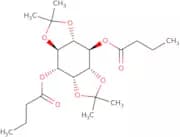
CAS:<p>1,4-Di-O-butanoyl-2,3:5,6-di-O-isopropylidene-D-myo-inositol is a synthetic glycosylation product. It has no known biological activity and is not metabolized by the body. This product is used for complex carbohydrate synthesis, fluorination reactions, methylation reactions, and click modifications.</p>Fórmula:C20H32O8Pureza:Min. 95%Peso molecular:400.46 g/mol3-Amino-2,3,6-trideoxy-L-arabino-hexose hydrochloride
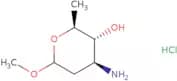
CAS:<p>3-Amino-2,3,6-trideoxy-L-arabino-hexose hydrochloride is a fluorinated sugar. It is synthesized by the fluorination of arabinose. This compound has a high degree of substitution and can be used for glycosylation reactions or modification reactions. 3-Amino-2,3,6-trideoxy-L-arabino-hexose hydrochloride has CAS number 56501-70-3 and is soluble in water.</p>Fórmula:C6H14ClNO3Pureza:Min. 95%Forma y color:SolidPeso molecular:183.63 g/mol2,3-Anhydro-4,6-O-benzylidene-N-(tert-butoxycarbonyl)-1,5-deoxy-1,5-imino-D-glucitol
CAS:<p>2,3-Anhydro-4,6-O-benzylidene-N-(tert-butoxycarbonyl)-1,5-deoxy-1,5-imino-D-glucitol (NTB) is a synthetic glycoside that can be modified with a variety of functional groups for use in bioactive molecules. NTB is a high purity product with an estimated purity of >99%. It is synthesized from glucose by click modification with tertiary butyl bromoacetate followed by fluorination and glycosylation. The product has been shown to be useful in the synthesis of oligosaccharides and complex carbohydrates.</p>Fórmula:C18H23NO5Pureza:Min. 95%Peso molecular:333.38 g/mol(2R,3S,4R)-3,4-Dihydroxypyrrolidine-2-carboxylic acid
CAS:<p>(2R,3S,4R)-3,4-Dihydroxypyrrolidine-2-carboxylic acid is a methylated compound that has been synthesized by the click modification of an oligosaccharide. It is used as an intermediate in the synthesis of saccharides and polysaccharides. This product can be used for the fluorination of complex carbohydrates and for the modification of monosaccharides or sugars. The purity level of this product is high and it has been modified to have a desirable property.</p>Fórmula:C5H9NO4Pureza:Min. 95%Peso molecular:147.13 g/mol2-(L-Arabino-tetrahydroxybutyl)-4(R)-1,3-thiazolidine-4-carboxylic acid
CAS:<p>2-(L-Arabino-tetrahydroxybutyl)-4(R)-1,3-thiazolidine-4-carboxylic acid is a synthetic compound that has been modified to include sugar groups. It can be used for the synthesis of oligosaccharides and monosaccharides. The carbohydrate group has been modified with fluorination, glycosylation, and methylation. This modification can be useful in the production of complex carbohydrates.</p>Fórmula:C8H15NO6SPureza:Min. 95%Peso molecular:253.27 g/mol2,3,4,6-Tetra-O-acetyl-b-D-galactopyranosyl-(N2-Fmoc)-L-threonine
CAS:<p>Mecamylamine is a drug that binds to the active site of the acetylcholine esterase enzyme and prevents the breakdown of acetylcholine, which causes muscle contractions. Mecamylamine is used for the treatment of bowel disorders, such as diarrhoea. Randomised placebo-controlled trials have shown that mecamylamine is an effective treatment for chronic idiopathic constipation. The optimal dose and duration of treatment remain unclear, but it has been suggested that a cycle of 4 weeks on and 4 weeks off may be appropriate. Mecamylamine can cause adverse reactions, such as dizziness and blurred vision. It should not be used by people with asthma or other respiratory problems or by pregnant women.</p>Fórmula:C33H37NO14Pureza:Min. 95%Peso molecular:671.65 g/molPropofol 2,3,4-tri-O-benzoyl-b-D-glucuronide methyl ester
<p>Propofol is a general anesthetic that is used to induce and maintain anesthesia. It binds to GABA receptors in the brain, leading to suppression of neuronal activity. Propofol is metabolized by esterases in the liver, resulting in its active form 2,3,4-tri-O-benzoyl-b-D-glucuronide methyl ester. This active form inhibits glycolysis by inhibiting the conversion of glucose to fructose 1,6-bisphosphate and glyceraldehyde 3-phosphate by phosphoglucose isomerase and triose phosphate isomerase respectively. It also inhibits protein synthesis by binding to the ribosomes and preventing peptide bond formation on amino acids.</p>Fórmula:C40H40O10Pureza:Min. 95%Peso molecular:680.74 g/mol3,4,6-Tri-O-benzyl-2-deoxy-2-phthalimdo-b-D-glucopyranosyl fluoride
<p>3,4,6-Tri-O-benzyl-2-deoxy-2-phthalimdo-b-D-glucopyranosyl fluoride is a modified sugar that is synthesized by the addition of a benzyl group to the 3' hydroxyl group. It's a white powder that is soluble in water and ethanol. This product has been shown to be stable in acid environments and can be used in glycosylation reactions.</p>Fórmula:C35H32FNO6Pureza:Min. 95%Peso molecular:581.63 g/molPhenyl 3-azido-2,4,6-tri-O-benzyl-3-deoxy-b-D-thioglucopyranoside
CAS:<p>Phenyl 3-azido-2,4,6-tri-O-benzyl-3-deoxy-b-D-thioglucopyranoside is a custom synthesis. The compound is an oligosaccharide and polysaccharide with a complex carbohydrate structure. Phenyl 3-azido-2,4,6-tri-O-benzyl-3-deoxyglucopyranoside has been modified by methylation and glycosylation. It has also been fluorinated and synthesized.</p>Fórmula:C33H36N3O4SPureza:Min. 95%Peso molecular:570.72 g/mol17b-Estradiol 3-O-benzyl 17-(2,3,4-tri-O-acetyl-b-D-glucuronide methyl ester)
CAS:<p>17b-Estradiol 3-O-benzyl 17-(2,3,4-tri-O-acetyl-b-D-glucuronide methyl ester) is a modification of estradiol with an attached sugar. It is synthesized from the carbohydrate complex oligosaccharide. The synthesis starts by attaching an acetyl group to the sugar at the 3 position and then reacting it with benzyl alcohol to form a glycosidic linkage. The synthesis ends with a fluorination and saccharide cleavage.</p>Fórmula:C38H46O11Pureza:Min. 95%Peso molecular:678.77 g/molAllo-3a-tetrahydro cortisol 21-O-b-D-glucuronide
CAS:<p>Allo-3a-tetrahydro cortisol 21-O-b-D-glucuronide (A4C21) is a complex carbohydrate with a high degree of modification. The A4C21 is synthesized by the glycosylation and methylation of 3,5,6,7,8,9,10,11-hexahydrodehydrocortisol 21-O-b-D-glucuronide. The synthesis starts with the formation of an acetal between the two hydroxyl groups on one side of the steroid nucleus and two chloroform molecules in order to protect the reactant from further reactions. The reaction product is then subjected to a ketalization reaction with thioglycolic acid to yield an alpha/beta unsaturated ketone which is then reacted with ethylene diamine to produce an amide linkage. This amide linkage is then cleaved to yield an aldol condensation product</p>Fórmula:C27H42O11Pureza:Min. 95%Peso molecular:542.62 g/molAldehydo-D-glucose phthalazin-1-yl hydrazone
CAS:<p>Aldehydo-D-glucose phthalazin-1-yl hydrazone is a synthetic glycosylation agent that can be used in the synthesis of complex carbohydrates, such as polysaccharides, saccharides and oligosaccharides. It has been shown to be useful for the modification of saccharides and oligosaccharides. This compound can also be used for fluorination reactions, fluoroalkylations, click chemistry reactions, methylations and polymerizations. Aldehydo-D-glucose phthalazin-1-yl hydrazone has not yet been assigned CAS number.</p>Fórmula:C14H18N4O5Pureza:Min. 95%Peso molecular:322.32 g/mol1,2,3,4-Tetra-O-acetyl-a-D-arabinopyranose
CAS:<p>1,2,3,4-Tetra-O-acetyl-a-D-arabinopyranose is an Oligosaccharide that is a synthetic derivative of the natural sugar arabinose. It has a tetra acetyl group attached to one of its hydroxyl groups. This modification gives the molecule unique properties that make it useful in glycosylation and other biochemical applications. 1,2,3,4-Tetra-O-acetyl-a-D-arabinopyranose can be used for synthesis of complex carbohydrates and saccharides with Click modifications. The compound is also CAS No. 19186-37-9.</p>Fórmula:C13H18O9Pureza:Min. 95%Peso molecular:318.31 g/molEthyl 2,3,4,6-tetra-O-(4-methoxybenzyl)-b-D-thiogalactopyranoside
CAS:<p>Ethyl 2,3,4,6-tetra-O-(4-methoxybenzyl)-b-D-thiogalactopyranoside is a complex carbohydrate with a molecular weight of 792. It is synthesized by the modification of natural galactose with ethyl bromoacetate and thioglycolic acid. This compound is used to modify saccharides, oligosaccharides, or sugar chains in glycosylation reactions.</p>Fórmula:C40H48O9SPureza:Min. 95%Peso molecular:704.87 g/mol3,4-O-Isopropylidene-1,2-di-O-methyl-a-D-galactopyranoside
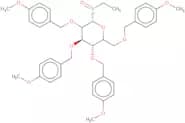
CAS:<p>3,4-O-Isopropylidene-1,2-di-O-methyl-a-D-galactopyranoside is a fluorinated glycoside that is used in the synthesis of oligosaccharides and polysaccharides. It is an excellent substrate for glycosylation reactions. 3,4-O-Isopropylidene-1,2-di-O-methylgalactopyranoside can be modified using methylation or click chemistry to produce derivatives with various functionalities. This product has been shown to be highly pure and suitable for research applications.</p>Fórmula:C11H20O6Pureza:Min. 95%Peso molecular:248.28 g/molEthyl 2,3-di-O-(4-methoxybenzyl)-4,6-O-(4-methoxybenzylidene)-b-D-thiogalactopyranoside S-oxide
<p>Ethyl 2,3-di-O-(4-methoxybenzyl)-4,6-O-(4-methoxybenzylidene)-b-D-thiogalactopyranoside S-oxide is a modification of an oligosaccharide. The carbohydrate has a molecular weight of 682. It is synthesized by the methylation and glycosylation of the monosaccharide, galactose. It can be used in many different applications including as a starting material for other carbohydrates or as a reagent in polysaccharide synthesis.</p>Fórmula:C32H38O9SPureza:Min. 95%Peso molecular:598.72 g/mol2,3,4-Tri-O-acetyl-1-cyano-a-D-xylopyranosyl bromide
CAS:<p>2,3,4-Tri-O-acetyl-1-cyano-a-D-xylopyranosyl bromide is a custom synthesis of a sugar. It is fluorinated, methylated, and acetylated. 2,3,4-Tri-O-acetyl-1-cyano-a-D-xylopyranosyl bromide can be used for the modification of glycosides and oligosaccharides as well as for the synthesis of saccharides and polysaccharides. This product is CAS No. 8349743 -2.</p>Fórmula:C12H14BrNO7Pureza:Min. 95%Peso molecular:364.15 g/molN-Diphenylmethyl 2,5-anhydro-2,5-imino-D-glucitol
CAS:<p>N-Diphenylmethyl 2,5-anhydro-2,5-imino-D-glucitol is a custom synthesis of a monosaccharide that can be modified to form saccharides such as oligosaccharides and polysaccharides. The synthesis involves the fluorination of the methyl groups on the sugar molecule by using Fluorine gas. Click modification is then used to add an amine group to the sugar molecule. This allows for glycosylation with other sugars or carbohydrates during the synthetic process.</p>Fórmula:C19H23NO4Pureza:Min. 95%Peso molecular:329.39 g/mol4-Methoxyphenyl 4-O-(3-O-allyl-b-D-galactopyranosyl)-3-O-allyl-b-D-glucopyranoside
<p>4-Methoxyphenyl 4-O-(3-O-allyl-b-D-galactopyranosyl)-3-O-allyl-b-D-glucopyranoside is a custom synthesis product that is used as a synthetic intermediate in the modification of complex carbohydrates. This product is a fluorinated sugar, with a high purity and high quality. It has been modified to include methyl groups at specific positions on the sugar molecule. The CAS number for this product is 8721401.</p>Fórmula:C25H36O12Pureza:Min. 95%Peso molecular:528.55 g/mol1-Amino-1,5-dideoxy-L-erythro-2-pentulose
CAS:<p>1-Amino-1,5-dideoxy-L-erythro-2-pentulose is a glycoconjugate that contains an amino sugar. It is also a complex carbohydrate that is methylated and fluorinated. 1-Amino-1,5-dideoxy-L-erythro-2-pentulose is a polysaccharide made up of saccharides and oligosaccharides. The saccharides in this compound are modified with the addition of sugars (e.g., glycosylation). This product has been custom synthesized to order and can be ordered as a high purity product.</p>Fórmula:C5H11NO3Pureza:Min. 95%Peso molecular:133.15 g/mol4-Benzyl-4-deoxy-4-C-nitromethyl-b-D-arabinopyranoside
CAS:<p>4-Benzyl-4-deoxy-4-C-nitromethyl-b-D-arabinopyranoside is an Oligosaccharide, sugar, Synthetic, Fluorination, Custom synthesis, Methylation, Monosaccharide, Polysaccharide, saccharide. It is a 4-benzyl glycosylamine derivative of arabinose that has been fluorinated and nitrated. This product also has Click modification and complex carbohydrate. The CAS No. for this product is 383173-66-8.</p>Fórmula:C13H17NO6Pureza:Min. 95%Peso molecular:283.28 g/mol4-Aminophenyl b-D-thiomannopyranoside
CAS:<p>4-Aminophenyl b-D-thiomannopyranoside is a drug that has been used to treat spittlebugs, tropical vegetation, and brain tumours. It is also used to diagnose the process flow of population functions. This drug is a substrate for the enzyme transducer, which converts it into an active form. The enzyme recording then converts this active form back into 4-aminophenyl b-D-thiomannopyranoside.</p>Fórmula:C12H17NO5SPureza:Min. 95%Peso molecular:287.33 g/mol4-Amino-7-(2-deoxy-b-D-ribofuranosyl)-1,7-dihydro-2H-pyrrolo[2,3-d]pyrimidin-2-one
CAS:<p>4-Amino-7-(2-deoxy-b-D-ribofuranosyl)-1,7-dihydro-2H-pyrrolo[2,3-d]pyrimidin-2-one is a synthetic modified carbohydrate that has a variety of applications in the food and pharmaceutical industries. This compound can be used as an ingredient in dietary supplements or food products to increase the sweetness. 4AADFP also acts as an antihypertensive agent and can be used to treat high blood pressure. This product is not intended for use in humans and should only be handled by qualified laboratories.</p>Fórmula:C11H14N4O4Pureza:Min. 95%Peso molecular:266.25 g/mol4-Toluoyl 2-O-benzoyl-3,4-di-O-benzyl-6-O-(9-fluorenylmethoxycarbonyl)-a-D-thiomannopyranoside
<p>This is a custom synthesis that has not been previously described. The molecule is a type of glycosylated mannose compound that contains methyl groups and fluorine atoms. The structure of the molecule is shown below: <br>[[File:4-Toluoyl 2-O-benzoyl-3,4-di-O-benzyl-6-O-(9-fluorenylmethoxycarbonyl)-a-D-thiomannopyranoside.png|thumb|300px|right]]</p>Pureza:Min. 95%3-Deoxy-D-arabino-heptulosonic acid 7-phosphate disodium salt
CAS:<p>3-Deoxy-D-arabinonoheptulosonic acid 7-phosphate disodium salt is a phosphate derivative of 3-deoxy-D-arabinoheptulosonic acid (DAHP), which is an intermediate in the biosynthesis of heparin. DAHP is synthesized by the enzyme DAHP synthetase, which catalyses the conversion of D-xylose to DAHP. The enzyme can be activated by adding xylose or other sugar phosphates, and it can be inhibited by adding anthranilate or arabinose. 3-Deoxy-D-arabinonoheptulosonic acid 7-phosphate disodium salt is used as a substrate for various enzymes, including enzymes in biological samples and model systems. It was also used to study the rate constant for the polymerase chain reaction (PCR).</p>Fórmula:C7H11Na2O10PPureza:Min. 95%Forma y color:Off-White PowderPeso molecular:332.11 g/molArthrobacter stabilis exopolysaccharide
<p>The extracellular polysaccharide produced by Arthrobacter stabilis NRRL B-3225 contains D-glucose, D-galactose, pyruvic acid, O-succinyl, and O-acetyl in the approximate molar ratio of 6:3:1:1:1.5. Succinyl is linked as its half-ester, making it readily removable. The viscosity of aqueous, salt-free solutions of both native and deacylated polymer is relatively low, but atypical of anionic polysaccharides, increases rapidly in the presence of salts, acids, or alkali.</p>Pureza:Min. 95%Rhamnolipids C10
CAS:<p>Rhamnose based 'green' surfactant</p>Fórmula:C32H58O13Pureza:Min. 95%Forma y color:PowderPeso molecular:650.8 g/molMethyl 2,3-dideoxy-3-fluoro-5-O-(4-phenylbenzoyl)-beta-D-erythro pentofuranoside
CAS:<p>Methyl 2,3-dideoxy-3-fluoro-5-O-(4-phenylbenzoyl)-beta-D-erythro pentofuranoside is a custom synthesis of an oligosaccharide and polysaccharide. It is a modification of the natural compound 2,3,5,-trihydroxybenzoic acid. It has CAS No. 129468-51-5 and Methylation, Glycosylation, Carbohydrate as its properties. Methyl 2,3-dideoxy-3-fluoro-5-O-(4-phenylbenzoyl)-beta-D-erythro pentofuranoside is a high purity product that contains Fluorination, Synthetic as its properties.</p>Pureza:Min. 95%Lacto-N-tetraose-a-APD-HSA
<p>Lacto-N-tetraose-a-APD-HSA is a saccharide that is a methylated monosaccharide with an N-acetylgalactosamine residue. This product has been modified by the addition of an acetyl group to the 3' hydroxyl group. It is available in custom synthesis and can be used as a substrate for glycosylation or as an intermediate for fluoroquinolone modification. Lacto-N-tetraose-a-APD-HSA is also a high purity, synthetic product with CAS No. 129004-44-4.</p>Pureza:Min. 95%[UL-13C6glc]Lactose monohydrate
<p>The product is a high purity, custom synthesis, sugar. It is fluorinated and glycosylated. The product has click modification and methylation. This product can be modified with a variety of reagents such as saccharide, oligosaccharide, and monosaccharide. The CAS Number for this product is [UL-13C6glc]Lactose monohydrate.</p>Pureza:Min. 95%(4-Bromophenyl)methyl-beta-D-glucopyranoside
CAS:<p>The 4-Bromophenyl)methyl-beta-D-glucopyranoside is a synthetic monosaccharide with a brominated phenyl group. It is a complex carbohydrate that can be used as an oligosaccharide or sugar. The 4-Bromophenyl)methyl-beta-D-glucopyranoside can be modified with fluorination, methylation, glycosylation and click modification. This product is available in high purity and custom synthesis.</p>Fórmula:C13H17BrO6Pureza:Min. 95%Peso molecular:349.17 g/mol(1S,4aR,8R,8aR)-1-Methyl-3-oxo-8-[(2R,3S,4R,5R,6S)-3,4,5-trihydroxy-6-[[(E)-3-phenylprop-2-enoyl]oxymethyl]oxan-2-yl]oxy-4,4a,8,8a-t etrahydro-1H-pyrano[3,4-c]pyran-5-carboxylic acid
CAS:<p>(1S,4aR,8R,8aR)-1-Methyl-3-oxo-8-[(2R,3S,4R,5R,6S)-3,4,5-trihydroxy-6-[[(E)-3-phenylprop-2-enoyl]oxymethyl]oxan-2-yl]oxy-4,4a,8,8a -tetrahydro-1H-pyrano[3,4c]pyran 5 carboxylic acid is a carbohydrate. It is a complex carbohydrate with high purity and custom synthesis. The methylation and glycosylation of this product make it highly effective in the modification of saccharides in oligosaccharides. This product is synthesized from fluoroquinolones and has complex structures with methylation and glycosylations.</p>Fórmula:C25H28O12Pureza:Min. 95%Peso molecular:520.5 g/mol1-O-(trans-3-Hydroxycotinine)-2,3,4-tri-O-acetyl-b-D-glucuronide methyl ester
<p>1-O-(trans-3-hydroxycotinine)-2,3,4-tri-O-acetyl-b-D-glucuronide methyl ester is a carbohydrate. Carbohydrates are polymers of the monosaccharides, which include glucose, galactose and fructose. The structure of this compound has been modified by fluorination and methylation. This modification has increased the solubility of the molecule and it is synthesized using custom methods. This product is available in high purity at a custom synthesis price.</p>Fórmula:C23H28N2O11Pureza:Min. 95%Peso molecular:508.48 g/molTween 40
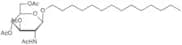
CAS:<p>Tween 40 is a non-ionic surfactant that has been used in the reaction mechanism of lipolytic enzymes. It has been shown to have metabolic effects on fatty acids, with an increase in the rate at which they are metabolized. Tween 40 is also a component of particle suspensions and may be used as a medium for chemiluminescence reactions. Sodium salts such as sodium benzoate or sodium chloride may be added to the solution to produce light emission. Tween 40 has also been shown to provide linear calibration curves for quantitative measurement of glutamate levels in biological fluids by fluorescence photometry. The use of Tween 40 can prevent eye disorders, such as dry eye syndrome, due to its lubricating properties. Tween 40 is synthesized by the esterification of sorbitol and oleic acid with ethylene oxide.</p>Pureza:Min. 95%Tetradecyl 2-acetamido-2-deoxy-3,4,6-tri-O-acetyl-b-D-glucopyranoside
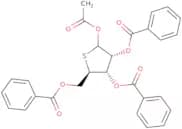
CAS:<p>Tetradecyl 2-acetamido-2-deoxy-3,4,6-tri-O-acetyl-b-D-glucopyranoside is a glycosylation product of tetradecyl acetic acid. It is a complex carbohydrate with a molecular weight of 806.0. Tetradecyl 2-acetamido-2-deoxy-3,4,6-tri-O-acetyl b D glucopyranoside is known for its ability to be methylated and click modified. This product can be used as a polysaccharide or as an oligosaccharide in the synthesis of custom monosaccharides. Tetradecyl 2 acetamido 2 deoxy 3 4 6 tri O acetyl b D glucopyranoside has been fluorinated and saccharified to create high purity.</p>Fórmula:C28H49NO9Pureza:Min. 95%Peso molecular:543.69 g/mol1-O-Acetyl-2,3,5-tri-O-benzoyl-4-thio-b-D-ribofuranose
CAS:<p>1-O-Acetyl-2,3,5-tri-O-benzoyl-4-thio-b-D-ribofuranose is a carbohydrate that has been modified with acetylation and benzoylation. This chemical has not been reported in the literature and is available for custom synthesis to order. 1-O-Acetyl-2,3,5-tri-O-benzoyl -4--thio--b--D--ribofuranose is a white solid that can be used as a monosaccharide or glycosylation building block for the synthesis of oligosaccharides, polysaccharides, or other saccharide derivatives. It also has high purity and is available for fluorination.</p>Fórmula:C28H24O8SPureza:Min. 95%Peso molecular:520.55 g/mol10-Beta-D-glucopyranosyl-1,8-dihydroxy-3-(hydroxymethyl)-anthrone heptaacetate
CAS:<p>10-Beta-D-glucopyranosyl-1,8-dihydroxy-3-(hydroxymethyl)-anthrone heptaacetate is a synthetic saccharide that can be used as a fluorescent probe. It is synthesized by reacting methyl anthrone with 10-beta-D-glucopyranosyl chloride and sodium hydroxide under basic conditions. The fluorination of the compound leads to its fluorescent properties. This product has been custom synthesized for use in click chemistry reactions.</p>Fórmula:C35H36O16Pureza:Min. 95%Peso molecular:712.60 g/mol7-Hydroxycoumarin D5-D-glucuronide sodium salt
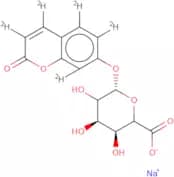
Producto controlado7-Hydroxycoumarin D5-D-glucuronide sodium salt is a synthetic, fluorinated, monosaccharide that is used in glycosylation reactions. It has been shown to be useful for the synthesis of complex carbohydrates and polysaccharides as well as click modification of proteins. 7-Hydroxycoumarin D5-D-glucuronide sodium salt can be used in the synthesis of glycosylations and polysaccharides or as a sugar donor in Click chemistry. This compound can also be methylated or modified by other methods. 7-Hydroxycoumarin D5-D-glucuronide sodium salt is available at high purity and CAS No.Fórmula:C15H8D5O9·NaPureza:Min. 95%Forma y color:White to off-white solid.Peso molecular:365.28 g/molGlucosamine sulfate potassium salt
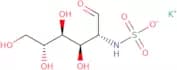
CAS:<p>Glucosamine sulfate potassium salt is a natural amino sugar that is synthesized by the body and can be found in animal tissue. Glucosamine sulfate potassium salt, as well as chondroitin sulfate, are important components of cartilage and synovial fluid. Both substances are necessary for the production of collagen, which provides strength and elasticity to connective tissues. Glucosamine sulfate potassium salt has been shown to be an efficient method for treating osteoarthrosis, alleviating pain and improving function. It has also been shown to reduce the symptoms of metabolic disorders such as diabetes mellitus type II by increasing insulin sensitivity, decreasing inflammation, and reducing oxidative stress. This product is often used in combination with other medicines such as vitamin D3 for adjuvant therapy.</p>Fórmula:C6H12KNO8SPureza:Min. 95%Peso molecular:297.33 g/molMethyl 3-O-(2-acetamido-2-deoxy-b-D-galactopyranosyl)-b-D-galactopyranoside
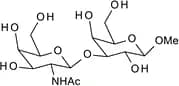
CAS:Methyl 3-O-(2-acetamido-2-deoxy-b-D-galactopyranosyl)-b-D-galactopyranoside is a modified sugar that can be used for synthesis of saccharides, oligosaccharides, and polysaccharides. This product has been custom synthesized to be a high purity compound with CAS No. 130234-66-1. It has been fluorinated and is available in the glycosylation form.Fórmula:C15H27NO11Pureza:Min. 95%Peso molecular:397.36 g/mol2-Acetamido-N-(e-aminocaproyl)-2-deoxy-b-D-glucopyranosyl amine
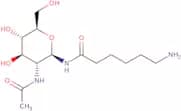
CAS:<p>2-Acetamido-N-(e-aminocaproyl)-2-deoxy-b-D-glucopyranosyl amine (Km) is a compound that has been shown to have hexosaminidase activity. It is a human liver enzyme that catalyzes the cleavage of the terminal alpha-1,4 linkage between N-acetylglucosamine and D-glucose residues from the nonreducing end of the beta 1,4 linked N-acetylglucosamine molecule. The KM value for this enzyme is 3.2 mM. This compound also has affinity chromatography properties, which allows it to be used in affinity chromatography experiments as a ligand for concanavalin A. 2KA can be used in gel electrophoresis to separate polypeptides by their size or charge. The corresponding KM value for this process is 22.5 mM. Denaturing conditions are required to</p>Fórmula:C14H27N3O6Pureza:Min. 95%Peso molecular:333.38 g/molNonyl 2-acetamido-3,4,6-tri-O-acetyl-2-deoxy-b-D-glucopyranoside
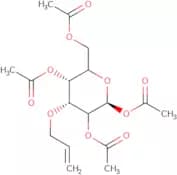
CAS:<p>Nonyl 2-acetamido-3,4,6-tri-O-acetyl-2-deoxy-b-D-glucopyranoside is a novel compound that has been shown to be a potent inhibitor of the bacterial enzyme nicotianamine synthase. This enzyme is responsible for the synthesis of nicotianamine, an important component in siderophore biosynthesis. Nicotianamine is a central component of phytosiderophores, which are compounds that can bind to ferric iron and make it available for uptake by plants. This compound has also been shown to inhibit carboxyl synthase and aminoglycoside acetyltransferase enzymes. Nonyl 2-acetamido-3,4,6-tri-O-acetyl-2-deoxy b -D glucopyranoside has significant stereoselectivity as well as excellent chemical stability and high solubility in water.</p>Fórmula:C23H39NO9Pureza:Min. 95%Peso molecular:473.56 g/mol1,2,4,6-Tetra-O-acetyl-3-O-allyl-b-D-glucopyranose
CAS:<p>1,2,4,6-Tetra-O-acetyl-3-O-allyl-b-D-glucopyranose is a high purity and custom synthesis compound. It is a synthetic monosaccharide with CAS number 39698-00-5. This product is methylated at the C1 and C6 positions. It can be used to modify natural or synthetic oligosaccharides and polysaccharides by click chemistry. The complex carbohydrate has also been fluorinated at the C2 position.</p>Fórmula:C17H24O10Pureza:Min. 95%Peso molecular:388.37 g/molCyclohexylpentanoyl-N-Hydroxyethylglucamide
CAS:<p>Cyclohexylpentanoyl-N-Hydroxyethylglucamide is a building block for the synthesis of complex carbohydrates. It is a custom synthesis product with high purity and good stability. The chemical structure contains a carbohydrate chain with oligosaccharides, which are polysaccharides that contain a few monosaccharide units. The carbohydrate chain also contains methylation and glycosylation sites, which can be modified to produce different saccharides. Cyclohexylpentanoyl-N-Hydroxyethylglucamide has been fluorinated to give it a higher level of hydrophobicity. This process increases the solubility in organic solvents and reduces the activity of the molecule in water.</p>Fórmula:C19H37NO7Pureza:Min. 95%Peso molecular:391.5 g/mol3,4,6-Tri-O-acetyl-2-azido-2-deoxy-a-D-galactopyranosyl bromide - stabilised with 2% CaCO3
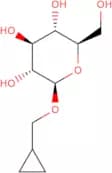
CAS:<p>3,4,6-Tri-O-acetyl-2-azido-2-deoxy-a-D-galactopyranosyl bromide - stabilised with 2% CaCO3 is a complex carbohydrate that is synthesized from 3,4,6-tri-O-acetylgalactose and 2-(bromoethyl) azide. This modification has been used to produce an oligosaccharide for use in the synthesis of glycoproteins. The modification was also used in the synthesis of a polysaccharide that is used as a reagent for the methylation of saccharides.</p>Fórmula:C12H16BrN3O7Pureza:Min. 95%Peso molecular:394.18 g/molCyclopropylmethylbeta-D-glucopyranoside
CAS:<p>Cyclopropylmethylbeta-D-glucopyranoside is a custom synthesis of a fluorinated monosaccharide. It has been modified to include methyl groups at C3, C6 and C7 positions. The modification may lead to the loss of the glucose from the molecule, which can be replaced with other sugars such as mannose or galactose. Cyclopropylmethylbeta-D-glucopyranoside is an oligosaccharide that can be used in glycosylation reactions. This molecule also has saccharide units connected by glycosidic linkages, which are typically either alpha-linked or beta-linked.</p>Fórmula:C10H18O6Pureza:Min. 95%Peso molecular:234.25 g/mol1-O-(2R)-Glycerol-b-D-galactopyranoside
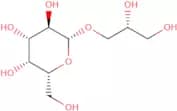
CAS:<p>1-O-(2R)-Glycerol-b-D-galactopyranoside is a biochemical that is produced by the hydrolysis of glycerol. It is found in fatty acid esterification and degradation processes, as well as in the synthesis of glycerin. It is also present in the skin tumor of cryptococcus neoformans. 1-O-(2R)-Glycerol-b-D-galactopyranoside may be used to diagnose or monitor diseases that affect the metabolism of lipids and carbohydrates, such as diabetes mellitus, obesity, or cardiovascular disease. This compound is also used in plant physiology to measure constant rates of photosynthesis.</p>Fórmula:C9H18O8Pureza:Min. 95%Forma y color:Off-White PowderPeso molecular:254.23 g/mol3,6-Anhydro-D-galactose dimethylacetal
CAS:<p>3,6-Anhydro-D-galactose dimethylacetal is a glycosylation intermediate that has been modified for use in synthetic chemistry. It can be used to synthesize complex carbohydrates, polysaccharides, or oligosaccharides. The product is custom-synthesized and available in high purity.</p>Fórmula:C8H16O6Pureza:Min. 95%Peso molecular:208.21 g/molDecyl a-L-rhamnopyranoside
<p>Decyl a-L-rhamnopyranoside is a compound that is used as an anti-inflammatory drug. It is an antioxidant and has been shown to inhibit the production of prostaglandins in inflammatory cells. Decyl a-L-rhamnopyranoside also inhibits the production of leukotrienes, which are involved in inflammation. It has been shown to have a radical scavenging effect and may have potential for use as a medicament. Decyl a-L-rhamnopyranoside has been shown to be effective in the treatment of inflammatory disorders such as lupus erythematosus, rheumatoid arthritis, and ulcerative colitis. The mechanism of action for this drug is not fully understood, but it may involve inhibition of enzymes such as cyclooxygenase or lipoxygenase that are responsible for the production of prostaglandins or leukotrienes.</p>Fórmula:C16H32O5Pureza:Min. 95%Forma y color:PowderPeso molecular:304.42 g/molOctyl 2-acetamido-2-deoxy-b-D-galactopyranoside
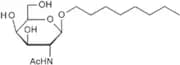
CAS:<p>Octyl 2-acetamido-2-deoxy-b-D-galactopyranoside is a synthetic sugar with a high purity. It is a custom synthesis, which can be fluorinated, monosaccharide, or oligosaccharide. Octyl 2-acetamido-2-deoxy-b-D-galactopyranoside has an Oligosaccharide and Polysaccharide structure that can be modified with methylation and Click modification. This product is CAS No. 383417-49-0 and has an Glycosylation, Carbohydrate structure.</p>Fórmula:C16H31NO6Pureza:Min. 95%Peso molecular:333.42 g/mol3,6-Di-O-tert-butyldimethylsilyl-D-glucal
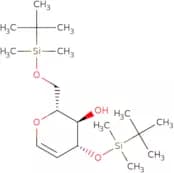
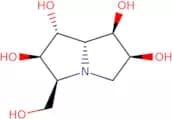
CAS:<p>3,6-Di-O-tert-butyldimethylsilyl-D-glucal is a stereoselective synthetic compound that can be used as a glycosyl donor in the synthesis of glycosides. It is an intermediate in the synthesis of uridine, which is an important component of nucleic acids. 3,6-Di-O-tert-butyldimethylsilyl-D-glucal has been shown to inhibit the action of glycogen synthase and amylo-(1→4)-α-(1→2)-glycosidases. This inhibition prevents the breakdown of glycogen, which leads to a build up of glucose in the body and produces insulin resistance.</p>Pureza:Min. 95%3,7,7a-Triepicasuarine
CAS:<p>3,7,7a-Triepicasuarine is a synthetic compound that belongs to the group of polysaccharides. It can be used as a fluorinated reagent for the synthesis of complex carbohydrates and sugar molecules. 3,7,7a-Triepicasuarine is one of the most widely applied reagents in organic synthesis because it can be easily modified with various functional groups. This product has been shown to have high purity and may be used as an additive in other products.</p>Fórmula:C8H15NO5Pureza:Min. 95%Peso molecular:205.21 g/mol1,2,3-Tri-O-benzyl-4,6-O-benzylidene-b-D-glucopyranoside
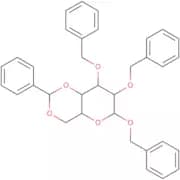
CAS:<p>1,2,3-Tri-O-benzyl-4,6-O-benzylidene-b-D-glucopyranoside is a triol with an O benzyl group on C1. It is a synthetic modification of the sugar glucose and has been used as a building block for the synthesis of glycosides and oligosaccharides. 1,2,3-Tri-O-benzyl-4,6-O-benzylideneb -D -glucopyranoside can be used in methylation reactions to produce saccharides with methyl groups at positions that are not normally present. <br>This product is highly pure and can be used in Click chemistry reactions to modify oligosaccharides. This product does not have an CAS number listed.</p>Fórmula:C34H34O6Pureza:Min. 95%Peso molecular:538.63 g/mol1,2,3-Tri-O-acetyl-4,6-O-benzylidene-a-D-mannopyranose
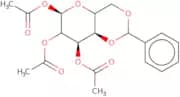
<p>1,2,3-Tri-O-acetyl-4,6-O-benzylidene-a-D-mannopyranose is a synthetic 1,2,3:4,6-di-O-(acetyloxy)-a-D-mannopyranose. It is a monosaccharide that has been selectively fluorinated at C1 and C2 positions. This sugar has been custom synthesized with high purity and methylated at the 3' and 4' positions of the ribose moiety. The synthesis of this carbohydrate is achieved by glycosylation using an acetal linker to attach the sugar fragment to a pentafluorophenyl ester and then click modification on the 4'-hydroxyl group.</p>Fórmula:C19H22O9Pureza:Min. 95%Peso molecular:394.37 g/molRhein 1-D-glucuronide
CAS:<p>Rhein 1-D-glucuronide is a synthetic sugar that can be used in the synthesis of complex carbohydrates. It is a monosaccharide that has been modified with fluorination and has been shown to have high purity. Rhein 1-D-glucuronide is a methylated form of rhein, which is an oligosaccharide or polysaccharide found in plants. The modification of rhein 1-D-glucuronide allows for an increased resistance to hydrolysis by esterases or glucuronidases, allowing for its use as a synthetic intermediate in the production of saccharides.</p>Pureza:Min. 95%1,2:5,6-Dianhydrogalactitol
CAS:<p>1,2:5,6-Dianhydrogalactitol is a drug that has been shown to reduce the growth of tumors in mice. It is an antitumor agent that inhibits the activity of enzymes such as protein kinase A and phosphorylase kinase. This drug also inhibits the activity of the mitochondrial membrane potential, which is necessary for normal cellular function. The structure of 1,2:5,6-dianhydrogalactitol was first determined by analytical methods on mouse tumor tissue and then verified by a preparative high performance liquid chromatography (HPLC) experiment. It has been shown to be effective against pediatric tumors and is currently being evaluated for use in other cancer models.</p>Fórmula:C6H10O4Pureza:Min. 95%Forma y color:PowderPeso molecular:146.14 g/molGD2-Oligosaccharide-b-(N-acetyl-propargyl)
<p>The core trisaccharide of the ganglioside GD2,protected with a propargyl glycoside group, is the most prominent alkynyl glycoside used in oligosaccharide synthesis (Das, 2016). The structure (sodium salt) comprises (GalNAcβ1,4Galβ1,4Glc) of its two sialic acids linked α2,3/α2,8 to the central galactose residue (Ledeen, 2009). GD2 ganglioside is expressed at a low concentration in the central nervous system, nerves, skin melanocytes and stem cells in healthy adults. On the other hand, GD2 ganglioside is overexpressed in a number of tumors including neuroblastoma, melanoma, small cell lung carcinoma and brain tumors. Recently, GD2 ganglioside has been found in low concentrations on breast cancer stem cells (CSC) that possess: self-renewal properties (division without disrupting the undifferentiated state) and tumor-initiating capabilities. It has been suggested that GD2 ganglioside may be developed as an effective target antigen for CSC immunotherapy (Fleurence, 2017).</p>Fórmula:C47H72N4O32Na2Pureza:Min. 95%Peso molecular:1,251.06 g/molD-Galactose-3-O-sulphate sodium salt
<p>A sulfated galactose analogue</p>Fórmula:C6H11NaO9SPureza:Min. 95%Peso molecular:282.19 g/molEthyl 2,3,4,6-tetra-O-(4-methoxybenzyl)-b-D-thiogalactopyranoside S-oxide
<p>Ethyl 2,3,4,6-tetra-O-(4-methoxybenzyl)-b-D-thiogalactopyranoside S-oxide is a custom synthesis product. It is an oligosaccharide with a saccharide structure that has been modified to include fluorine atoms. This modification makes the molecule more stable and resistant to degradation by enzymes. Ethyl 2,3,4,6-tetra-O-(4-methoxybenzyl)-b-D-thiogalactopyranoside S-oxide is a complex carbohydrate that can be used as an ingredient in food products or as a pharmaceutical agent for the treatment of cancer and other diseases.</p>Fórmula:C40H48O10SPureza:Min. 95%Peso molecular:720.87 g/molSinapaldehyde glucoside
CAS:<p>Sinapaldehyde glucoside is a phenolic compound found in the leaves of Sinapis alba. This compound has been shown to have antiviral and antibacterial properties. It has been shown to inhibit staphylococcal growth, with the most effective concentration being 0.5-2% w/v. The chemical structure of sinapaldehyde glucoside is similar to that of pomolic acid, which was also found to have anti-staphylococcal effects. Syringaresinol, a constituent of S. alba, may be responsible for the anti-staphylococcal activity due to its ability to inhibit bacterial protein synthesis. Sinapaldehyde glucoside can also be extracted from S. alba using ethanol or water as solvents and is soluble in both water and alcohols. Sinapaldehyde glucoside can also be extracted from eleutherococcus (Eleutherococcus senticosus) using</p>Pureza:Min. 95%P1-Antigen
CAS:<p>The P1-antigen is a blood group antigen that is encoded by the gene. It is synthesized as a precursor protein of approximately 150 amino acids that undergoes proteolytic processing to generate two peptides, A and B, which are attached to the cell surface. The P1-antigen has been shown to be involved in transcriptional regulation and antimicrobial activity. It has also been shown to be present in metastatic colorectal cancer cells and its expression can be induced by trypsin treatment. The P1-antigen is also one of the most frequently studied proteins for its role in immune responses against bacteria, viruses, and parasites. This protein has been found to have response elements for several transcription factors including NF-κB, AP-1, NFAT, SP-1, and STAT3. The basic structure of this protein contains a diode region with two negatively charged regions that are critical for its function.</p>Fórmula:C20H35NO16Pureza:Min. 95%Forma y color:White Off-White PowderPeso molecular:545.49 g/mol1,4-b-D-Cellopentaitol
CAS:<p>1,4-B-D-Cellopentaitol is a high purity and custom synthesis sugar. It can be modified with fluorination, glycosylation, methylation, or modification. It has CAS No. 61473-65-2 and is an oligosaccharide with a saccharide backbone consisting of 1,4-linked D-glucopyranosyl units joined by alpha-(1,4) linkages and containing one or more monosaccharides (e.g., glucose) or disaccharides (e.g., cellobiose). The carbohydrate may be in the form of a complex carbohydrate.</p>Fórmula:C30H54O26Pureza:Min. 95%Peso molecular:830.73 g/molMethyl 2-deoxy-a-D-ribofuranoside
CAS:<p>Methyl 2-deoxy-a-D-ribofuranoside is an atypical nucleoside, which is a component of the thiourea cofactors. It can be synthesized from chloroacetic acid and hydantoin, which are used as starting materials for the production of this compound. The methyl group in this compound is obtained from the methylation of glucose. Methyl 2-deoxy-a-D-ribofuranoside can be identified by its chromatographic properties, such as dimethylformamide (DMF) and chloride. It also contains anomeric substituents that are necessary for nucleosidation reactions. This nucleoside has been shown to have antiinflammatory activity against carrageenan in mice and rats.</p>Fórmula:C6H12O4Pureza:Min. 95%Peso molecular:148.16 g/molD-Glucose hydrazon
CAS:<p>D-Glucose hydrazon is a custom synthesis of complex carbohydrate. It is made by the reaction of Methylation, Click modification, and Fluorination with saccharide and sugar. The product is a white crystalline solid that is soluble in water.</p>Pureza:Min. 95%Glycerone phosphate
CAS:Glycerone phosphate is a cytosolic calcium (Ca2+) substrate molecule that is used to measure the activity of phospholipase A2, an enzyme that catalyzes the hydrolysis of membrane lipids. Glycerone phosphate has been shown to inhibit neuronal death and may be useful in treating neurodegenerative diseases such as Alzheimer's disease. Glycerone phosphate has also been shown to bind to monoclonal antibodies, which are proteins that bind specifically to antigens on the surface of cancer cells, thereby preventing them from binding to their corresponding receptors on healthy cells. This may limit the spread of tumor growth and increase their sensitivity to platinum-based chemotherapy.Fórmula:C3H7O6PPureza:Min. 95%Peso molecular:170.06 g/molPyrocatechol monoglucoside
CAS:<p>Pyrocatechol monoglucoside is a phenolic compound that is found in many plants. It has an anti-thrombotic effect, inhibits bacterial growth, and has anticarcinogenic effects. Pyrocatechol monoglucoside is also hepatoprotective and can be used as a natural food preservative. It has a bitter taste and can be found in leuconostoc mesenteroides and mesenteroides strains of bacteria.</p>Pureza:Min. 95%D-Desosamine
CAS:<p>D-Desosamine is a chemical compound that has been isolated from human serum. It is an enzyme inhibitor that inhibits the activity of enzymes such as phosphatases, kinases, and proteases. D-Desosamine also has a matrix effect, which can be used to modify the properties of polymer matrices in order to improve their biocompatibility and mechanical properties. The molecular docking analysis indicated that desosamine can bind to bacterial serine/threonine protein kinase Streptococcus pyogenes phage T4 (SpyPK) and inhibit its activity. This inhibition may be due to the transfer reactions caused by desosamine binding to the enzyme's active site and blocking it. Structural analysis showed that D-desosamine forms hydrogen bonds with amino acids in SpyPK's active site, forming a covalent bond with cysteine residue Cys240. D-Desosamine has been shown to have anti-bacterial properties against</p>Pureza:Min. 95%Cellulose - Particle Size approx 50 um
CAS:<p>Cellulose is a linear polysaccharide of β 1-4 linked glucose residues. The polysaccharide chains are bundled as microfibrils in cell walls and provide the essential structural components within growing plants. Each microfibril exhibits a high degree of three-dimensional internal bonding resulting in a crystalline structure that is insoluble in water, resistant to reagents and very strong.</p>Pureza:Min. 95%Forma y color:Powder4-Nitrophenyl 3-O-benzoyl-4,6-cyclohexylidene-b-D-mannopyranoside
CAS:<p>4-Nitrophenyl 3-O-benzoyl-4,6-cyclohexylidene-b-D-mannopyranoside is a Custom synthesis. It is an Oligosaccharide that consists of a Polysaccharide with Modification. The CAS No. 102717-17-9 is Methylation and Glycosylation and Carbohydrate. Click modification and saccharide are sugar and High purity. Fluorination is Synthetic.</p>Fórmula:C25H27NO9Pureza:Min. 95%Peso molecular:485.48 g/molOctadecylthioethyl 4-O-(a-D-galactopyranosyl)-b-D-galactopyranoside
CAS:<p>Octadecylthioethyl 4-O-(a-D-galactopyranosyl)-b-D-galactopyranoside is a synthetic carbohydrate with the CAS number 87019-34-9. It is a non-reducing sugar and has the molecular formula C18H36O22. The chemical structure of Octadecylthioethyl 4-O-(a-D-galactopyranosyl)-b-D-galactopyranoside is: The chemical name for Octadecylthioethyl 4-O-(a-D-galactopyranosyl)-b-D-galactopyranoside is Oligosaccharide, Custom synthesis, Glycosylation, High purity, Carbohydrate, sugar, Synthetic. The molecular weight of Octadecylthioethyl 4 -O-(a-[3]-Galactopyranosyl)-b-[2]-Galactopyr</p>Fórmula:C32H62O11SPureza:Min. 95%Peso molecular:654.89 g/molUndecyl b-D-thiomaltopyranoside
CAS:<p>Undecyl b-D-thiomaltopyranoside is a high purity, custom synthesis, methylated and glycosylated carbohydrate that can be used as a fluorinated sugar. It is an oligosaccharide with 4 glucose units, 1 of which has been modified by the addition of an undecyl group. This modification inhibits the enzyme maltase from hydrolyzing the saccharide. Undecyl b-D-thiomaltopyranoside has CAS No. 148565-57-5 and can be synthesized in high purity for research purposes.</p>Fórmula:C23H44O10SPureza:Min. 95%Forma y color:PowderPeso molecular:512.66 g/molD-Fuculose
CAS:<p>D-Fuculose is a sugar that is used as a sweetener. It is produced by microbial fermentation of l-arabinose, which is an intermediate in the pentose phosphate pathway. D-Fuculose can be synthesized from glucose and fucose using enzymes such as sucrose isomerase or mutarotase. The conversion of glucose to D-fuculose proceeds at temperatures between 50 and 70 degrees Celsius, with optimal activity occurring at 60 degrees Celsius. D-Fuculose has been shown to have high catalytic activity and stability under acidic conditions, making it ideal for use as a food additive in acidic drinks or foods. It also has the highest sweetness intensity of all sugars tested to date.</p>Fórmula:C6H12O5Pureza:Min. 95%Peso molecular:164.16 g/molNicotinic acid acyl-b-D-glucuronide
CAS:<p>Nicotinic acid acyl-b-D-glucuronide is a carbohydrate that is synthesized by the condensation of nicotinic acid with b-D-glucuronic acid. It can be modified by fluorination, methylation, glycosylation, or click modification. The CAS Number for this product is 24719-73-1 and it has a purity of >98%. It has been custom synthesized at our lab and it is available in high purity.</p>Fórmula:C12H13NO8Pureza:Min. 95%Peso molecular:299.23 g/molOctyl 2-acetamido-2-deoxy-3-O-(b-D-galactopyranosyl)-b-D-glucopyranoside
CAS:<p>Octyl 2-acetamido-2-deoxy-3-O-(b-D-galactopyranosyl)-b-D-glucopyranoside is a monosaccharide that is custom synthesized by our company. It is modified with fluorination, methylation, and click modification to generate the desired product. Octyl 2-acetamido-2-deoxy-3-O-(b-D-galactopyranosyl)-b-D-glucopyranoside also has saccharide and polysaccharide groups attached to it. This product can be used as a sugar in the production of complex carbohydrates.</p>Fórmula:C22H41NO11Pureza:Min. 95%Peso molecular:495.56 g/molMethyl 2,3,6-tri-O-acetyl-a-D-glucopyranoside
CAS:<p>Methyl 2,3,6-tri-O-acetyl-a-D-glucopyranoside is a fluorinated monosaccharide that can be used in the synthesis of oligosaccharides, polysaccharides and complex carbohydrates. This product is custom synthesized for customers with specific needs. The modification of Methyl 2,3,6-tri-O-acetyl-a-D-glucopyranoside can also be done to provide desired properties. The purity of this product is high and suitable for various applications.</p>Fórmula:C13H20O9Pureza:Min. 95%Peso molecular:320.29 g/molMethyl 3,4-O-isopropylidene-a-D-galactopyranoside
CAS:<p>Methyl 3,4-O-isopropylidene-a-D-galactopyranoside is a white crystalline powder that is soluble in water. This product is used in the synthesis of complex carbohydrate and glycosylation. It has CAS No. 40269-01-0 and can be custom synthesized to meet your requirements. The purity of this product is over 99%.</p>Fórmula:C10H18O6Pureza:Min. 95%Peso molecular:234.25 g/molUndecyl 2-acetamido-2-deoxy-b-D-glucopyranoside
CAS:<p>Undecyl 2-acetamido-2-deoxy-b-D-glucopyranoside is a cell surface glycosaminoglycan (GAG) that binds to the proteoglycan receptor, which is a GAG binding protein. Undecyl 2-acetamido-2-deoxy-b-D-glucopyranoside has been shown to be involved in signaling pathways and gene expression regulation, as well as having an effect on the activity of other proteins. This glycosaminoglycan has been used to profile gene expression levels in cells and tissues. The high density microarray technique can be used to analyze the expression profile of many genes simultaneously.</p>Fórmula:C19H37NO6Pureza:Min. 95%Peso molecular:375.5 g/mol4,5,7-Tri-O-acetyl-2,6-anhydro-3-deoxy-D-lyxo-hept-2-enonamide
CAS:<p>4,5,7-Tri-O-acetyl-2,6-anhydro-3-deoxy-D-lyxo-hept-2-enonamide is a carbohydrate that belongs to the group of oligosaccharides. It is a synthetic compound that has been modified with fluorination and methylation. This compound has been synthesized with high purity and custom synthesis. The modification process includes glycosylation and click chemistry.</p>Fórmula:C13H17NO8Pureza:Min. 95%Peso molecular:315.28 g/molD-Mannose- 4- 13C
CAS:<p>D-Mannose is a sugar that is found in many plants and animals. It can be extracted from natural sources or synthesized with the use of Click modification, fluorination, glycosylation, and methylation. D-Mannose has been shown to inhibit bacterial adhesion and prevent the formation of biofilms. In addition, it has been shown to have anti-inflammatory activities. D-Mannose is a complex carbohydrate that is composed of saccharides joined together in chains and rings.</p>Pureza:Min. 95%Peso molecular:181.15 g/mol5-O-Benzoyl-4-benzoyloxymethyl-1,2-O-isopropylidene-a-D-xylofuranose
<p>5-O-Benzoyl-4-benzoyloxymethyl-1,2-O-isopropylidene-a-D-xylofuranose is a synthetic monosaccharide that has been modified by fluorination and glycosylation. The chemical formula is C14H10F6O8. It can be custom synthesized to order, and it is available in high purity.</p>Fórmula:C23H24O8Pureza:Min. 95%Peso molecular:428.44 g/mol2-Azido-3,4,6-tri-O-benzyl-2-deoxy-D-glucopyranose
<p>Silver trifluoromethanesulfonate is an ionic silver reagent that is used to modify polysaccharides. It has been shown that the triethylamine can be substituted with other strong bases, such as potassium t-butoxide. This reagent reacts with chlorides to produce 2-azido-3,4,6-tri-O-benzyl-2-deoxy-D-glucopyranose. The modification of this compound is important for the study of glycosylation reactions and for understanding the structure of polysaccharides.</p>Pureza:Min. 95%1,2,3,4-Tetra-O-acetyl-b-L-rhamopyranose
CAS:<p>1,2,3,4-Tetra-O-acetyl-b-L-rhamopyranose is a fluorinated monosaccharide that is synthetically produced. It can be used in the synthesis of oligosaccharides and complex carbohydrates. 1,2,3,4-Tetra-O-acetyl-b-L-rhamopyranose is an important chemical intermediate for glycosylation reactions. This product has been modified with methyl groups and click chemistry to produce a reactive site for subsequent glycosylation reactions. 1,2,3,4 Tetra -O -acetyl -b -L -rhamopyranose has been shown to be stable to heat and acid conditions as well as high purity.</p>Fórmula:C14H20O9Pureza:Min. 95%Peso molecular:332.3 g/mol(8-Ethoxycarbonyloctyl)-3,4,6-tri-O-acetyl-2-deoxy-2-phthalimido-b-D-glucopyranoside
CAS:<p>(8-Ethoxycarbonyloctyl)-3,4,6-tri-O-acetyl-2-deoxy-2-phthalimido-b-D-glucopyranoside is a custom synthesis that has been modified with fluorination, methylation and acetylation. It is also a monosaccharide, which can be modified to form an oligosaccharide or polysaccharide. This product is a sugar that can be glycosylated to form complex carbohydrates.</p>Fórmula:C30H39NO12Pureza:Min. 95%Peso molecular:605.63 g/molSN-38 glucuronide
CAS:<p>SN-38 glucuronide is a metabolite of irinotecan that inhibits the growth of cancer cells by binding to the DNA polymerase, blocking the synthesis of DNA. SN-38 glucuronide has potent antitumor activity and high values for inhibiting tumor metastasis. It is mainly excreted in urine as a conjugate with glucuronic acid, which may be why urine samples are often used to measure its concentration. SN-38 glucuronide also interacts with other drugs, including chemical inhibitors and ATP-binding cassette transporters, which can affect its pharmacological properties.</p>Fórmula:C28H28N2O11Pureza:Min. 97.5 Area-%Forma y color:PowderPeso molecular:568.53 g/mol1,6-Anhydro-β-D-cellotetraose
CAS:<p>1,6-Anhydro-b-D-glucopyranose is a 6-carbon sugar that can be found in small quantities in the human body. It is a type of glycosidic compound and has been used as a food additive for animals. This sugar is also used for analytical methods to measure the quantity of cellotriose in cells. 1,6-Anhydro-b-D-glucopyranose is an oligosaccharide that has been shown to have prebiotic properties due to its ability to be digested by bacteria and promote their growth. Quantifying this sugar is done by measuring the amount of glycosidic bonds present.</p>Fórmula:C24H40O20Pureza:Min. 95%Forma y color:White To Off-White SolidPeso molecular:648.56 g/molKdo2-Lipid A ammonium
CAS:<p>Please enquire for more information about Kdo2-Lipid A ammonium including the price, delivery time and more detailed product information at the technical inquiry form on this page</p>Fórmula:C110H202N2O39P2•(NH3)4Pureza:Min. 95%Peso molecular:2,306.84 g/molMethyl a-L-acosamine hydrochloride
CAS:<p>Methyl a-L-acosamine hydrochloride is a custom synthesis that belongs to the class of complex carbohydrates. It has been modified with methylation, glycosylation, and carbocation modification. This product is also fluorinated and has a high purity level. It can be used as an intermediate in the production of saccharides and other products.</p>Fórmula:C7H15NO3·HClPureza:Min. 95%Peso molecular:197.66 g/mol6-O-(a-D-Galactopyranosyl)-D-mannopyranose
<p>The 6-O-(a-D-galactopyranosyl)-D-mannopyranose, also known as epimelibiose, is an oligosaccharide formed by linking an α-D-galactose molecule to a D-mannose molecule. It could be found in various natural products or glycoconjugates, such as glycolipids or glycoproteins. The configuration and linkage of sugars in such molecules often play a crucial role in their biological functions. 6-O-(a-D-galactopyranosyl)-D-mannopyranose can be used in research to modify polysaccharides and glycans. It has a role as a plant metabolite and a mouse metabolite.</p>Fórmula:C12H22O11Pureza:Min. 95%Lipid A monophosphoryl
CAS:<p>Lipid A monophosphoryl (MPL) is an adjuvant that stimulates the immune response to vaccines so that optimal protection can be achieved. MPL immunostimulant, a monophosphoryllipid A preparation derived from the lipopolysaccharide (LPS) of Salmonella minnesota R595. MPL is being considered as an adjuvant for a number of human vaccines, and experience to date has shown that it is safe, well tolerated, and able to provide a heightened immune response to coadministered antigens.</p>Fórmula:C96H181N2O22PPureza:Min. 95%Forma y color:PowderPeso molecular:1,746.44 g/molEpi-N-Acetyl-lactosamine
CAS:<p>Epi-N-Acetyl-lactosamine is a glycosylation agent that is used to modify proteins, carbohydrates, and other biomolecules. It is also used in the synthesis of oligosaccharides and polysaccharides. This product has been custom synthesized to meet your specifications and has been purified to high purity.</p>Fórmula:C14H25NO11Pureza:Min. 95%Peso molecular:383.35 g/mol1,2,3,4,6-Penta-O-acetyl-a-D-fructofuranose
CAS:<p>1,2,3,4,6-Penta-O-acetyl-a-D-fructofuranose is a glycosylation product that is created by the reaction of 1,2,3,4,6-penta-O-acetylglucose and D-fructose. It is an oligosaccharide that belongs to the class of complex carbohydrates. This compound can be customized to have any desired substitution pattern or modification. 1,2,3,4,6-Penta-O-acetyl-a-D-fructofuranose has been shown to have high purity and can be used in a wide range of applications.</p>Fórmula:C16H22O11Pureza:Min. 95%Peso molecular:390.34 g/mol1,3,4,6-Tetra-O-acetyl-2-amino-2-deoxy-D-galactopyranose HCl
CAS:<p>1,3,4,6-Tetra-O-acetyl-2-amino-2-deoxy-D-galactopyranose HCl is a synthetic compound that is used as a reagent for the synthesis of oligosaccharides and polysaccharides. Its fluoroquinolone modification makes it useful in the synthesis of complex carbohydrate structures. 1,3,4,6-Tetra-O-acetyl-2-amino-2-deoxy -D -galactopyranose HCl is an intermediate in the preparation of 1,3,4,6 tetra acetamido 2 amino 2 deoxy D galactopyranose HCL. It has high purity and can be custom synthesized to meet your needs.</p>Fórmula:C14H21NO9·HClPureza:Min. 95%Forma y color:SolidPeso molecular:383.78 g/mola-D-Mannopyranosyl L-serine
<p>a-D-Mannopyranosyl L-serine is an oligosaccharide that is synthesized by the monosaccharide a-D-mannose and the amino acid serine. It is a complex carbohydrate that has been modified with fluorination, methylation, and click chemistry. This product has a CAS number of 2468-81-7 and can be used in glycosylation reactions. The purity of this product is high, with an optical purity of > 98%.</p>Fórmula:C9H17NO8Pureza:Min. 95%Peso molecular:267.24 g/molCYMAL-6 neopentyl glycol
<p>CYMAL-6 neopentyl glycol (CYMAL-6) is a monoclonal antibody that binds to the chloride channel protein in human cells. CYMAL-6 has been shown to inhibit uptake of chloride ions, leading to an increase in extracellular pH and an inhibition of cellular respiration. It has been shown to be effective in patients with pigmentosa or hematological disorders such as leukemia and lymphoma. The structural studies on CYMAL-6 have shown that this drug can be used as a fluorescent probe for the study of chloride ion channels.</p>Fórmula:C47H84O22Pureza:Min. 95%Peso molecular:1,001.16 g/molLacto-N-fucopentaose II-GEL
CAS:<p>Lacto-N-fucopentaose II-GEL is a complex carbohydrate with a molecular weight of 11,000 Da. This product is not for human use and is intended for research purposes only. It should not be used in food or cosmetics.</p>Pureza:Min. 95%2,3,4-Tri-O-benzoyl-a-D-glucuronide methyl ester trichloroacetimidate
CAS:<p>2,3,4-Tri-O-benzoyl-a-D-glucuronide methyl ester trichloroacetimidate is a custom synthesis. It is a modification of the original molecule that is fluorinated, methylated and modified with a trichloroacetimidate group. This compound can be used to synthesize oligosaccharides and polysaccharides. It has high purity and is available in large quantities.</p>Fórmula:C30H24Cl3NO10Pureza:Min. 95%Forma y color:PowderPeso molecular:664.87 g/molAllyl 2-acetamido-4,6-O-benzylidene-2-deoxy-b-D-glucopyranoside
CAS:<p>Allyl 2-acetamido-4,6-O-benzylidene-2-deoxy-b-D-glucopyranoside is a synthetic compound that belongs to the class of carbohydrates. It is used as a reagent in sugar chemistry and glycosylation reactions. Allyl 2-acetamido-4,6-O-benzylidene-2-deoxy-b-D-glucopyranoside is also used for the modification of polysaccharides and fluorination reactions. This product has been shown to be effective as a substrate for site specific methylation reactions. Allyl 2 acetamido 4,6 O benzylidene 2 deoxy b D glucopyranoside has been tested in vitro against methicillin resistant Staphylococcus aureus (MRSA) with promising results.</p>Fórmula:C18H23NO6Pureza:Min. 95%Peso molecular:349.39 g/mol3,6-Di-O-butanoyl-1,2:4,5-di-O-isopropylidene-D-myo-inositol
CAS:<p>3,6-Di-O-butanoyl-1,2:4,5-di-O-isopropylidene-D-myo-inositol is a custom synthesis of an oligosaccharide. It is a polymer of glucose with 3 to 9 residues, which may be modified by methylation and glycosylation. The chemical formula for 3,6-Di-O-butanoyl-1,2:4,5-di-O-isopropylidene is C(14)H(30)O(8). 3,6 Di O butanoyl 1 2 4 5 di O isopropylidene D myo inositol has a molecular weight of 790.3 g/mol. The CAS number for this compound is 1307298 34 5. This compound is readily soluble in water and methanol. The purity of the material exceeds 98%.</p>Fórmula:C20H32O8Pureza:Min. 95%Peso molecular:400.46 g/molG-NGA2 N-Glycan
CAS:<p>G-NGA2 N-glycan is a custom synthesis and modification of the carbohydrate. This product contains a fluorination, methylation, and monosaccharide. The average molecular weight is 1257. G-NGA2 N-Glycan is a saccharide that is synthesized from glucose by glycosyltransferase. It can be modified with a click reaction to form an oligosaccharide or polysaccharide. G-NGA2 N-Glycan has been assigned the CAS number 103584-68-5 and molecular weight of 1257 Da.</p>Fórmula:C56H94N4O41Pureza:Min. 95%Peso molecular:1,479.35 g/mol3,5-O-Isopropylidene-D-arabinfuranose
<p>3,5-O-Isopropylidene-D-arabinfuranose is a Modification of an oligosaccharide. It is a methylated monosaccharide that is synthesized in the laboratory. This product has been shown to have a CAS number, which is used to uniquely identify substances and establish their quality and purity. 3,5-O-Isopropylidene-D-arabinfuranose can be used as a raw material in the synthesis of complex carbohydrates such as polysaccharides or glycosylation with other compounds.</p>Pureza:Min. 95%1,2-o-Isopropylidene-α-D-glucofuranose
CAS:<p>1,2-o-Isopropylidene-α-D-glucofuranose is a potent inhibitor of xylan, which is essential for the growth and development of cancer cells. This compound has been shown to inhibit the activity of several kinases involved in cancer cell proliferation, including protein kinase C and acetylcholine kinase. 1,2-o-Isopropylidene-α-D-glucofuranose exhibits anticancer properties and induces apoptosis in human cancer cells. It is an analog of aprepitant, a drug used to prevent chemotherapy-induced nausea and vomiting in cancer patients. This compound may have potential as a therapeutic agent for the treatment of various types of tumors.</p>Fórmula:C9H16O6Pureza:Min. 95%Peso molecular:220.22 g/molSialyl-Lex-hexa-APD-HSA
<p>Sialyl-Lex-hexa-APD-HSA is a high purity synthetic glycosylation that is custom synthesized. It has been modified with fluorination, methylation, and click modification. Sialyl-Lex-hexa-APD-HSA can be used in the synthesis of complex carbohydrates and is available in CAS Number: 75869-57-3.</p>Pureza:Min. 95%Methyl 1-(6-tert-butylmethylsilyl-4'-hydroxyraloxifene)-2,3,4,-tri-O-acetyl-b-D-glycopyranuronate
CAS:<p>This is a complex carbohydrate, which is a modification of an oligosaccharide. The structure of this carbohydrate is based on the sugar methyl 1-(6-tert-butylmethylsilyl-4'-hydroxyraloxifene)-2,3,4,-tri-O-acetyl-b-D-glycopyranuronate. This modification has been shown to be useful for glycosylation and polysaccharide synthesis. This compound can be synthesized by click chemistry and has high purity with little or no impurities.</p>Fórmula:C46H55NO13SSiPureza:Min. 95%Peso molecular:890.08 g/molD-Ribose-2,3,4,5-13C4
CAS:<p>D-Ribose-2,3,4,5-13C4 is a complex carbohydrate with saccharide units. It is synthesized by the chemical modification of D-ribose. This product can be used to modify or methylate glucose and other carbohydrates. It has been shown to inhibit the formation of amyloid plaques in Alzheimer's disease, which may be due to its ability to reduce nitric oxide and reactive oxygen species levels. The purity of this product is at least 98%.</p>Fórmula:C5H10O5Pureza:Min. 95%Peso molecular:154.1 g/molLacto-N-neotetraose-GEL
<p>Lacto-N-neotetraose-GEL is a glycosylation product that is used in the synthesis of complex carbohydrates. It is a methylated, fluorinated, and saccharide-modified oligosaccharide. This product can be custom synthesized in high purity with a CAS number and has a very low endotoxin level. Lacto-N-neotetraose-GEL has been shown to have many uses including as an adjuvant for vaccines and monoclonal antibody production. It has also been shown to suppress inflammation and increase the efficacy of cancer treatments.</p>Pureza:Min. 95%3,4-Dideoxyglucosone-3-ene
CAS:<p>3,4-di-deoxyglucosone-3-ene is a bioreactive glucose degradation product which can be formed during heat sterilisation of glucose containing peritoneal dialysis solutions. Chemically, 3,4-Dideoxyglucosone-3-ene is an α,β-unsaturated carbonyl compound which increases its reactivity with cellular sulfhydryl, amino groups, proteins, and DNA. 3,4-Dideoxyglucosone-3-ene induces apoptosis in neutrophils, renal cells and peripheral blood mononuclear cells. Such induction leads to impaired peritoneal antibacterial defence.</p>Fórmula:C6H8O4Pureza:Min. 95 Area-%Forma y color:Colorless PowderPeso molecular:144.13 g/molMinoxidil D-glucuronide
CAS:<p>Minoxidil D-glucuronide is a modification of minoxidil, which is an antihypertensive drug. It has been shown to have stronger activity than minoxidil in the treatment of hypertension. Minoxidil D-glucuronide is a complex carbohydrate that has been synthesized from minoxidil and glucuronic acid. It is a white powder with high purity, and it can be used for glycosylation reactions.</p>Fórmula:C15H23N5O7Pureza:Min. 95%Peso molecular:385.37 g/mol6'-Sialyllactose-PAA-biotin
<p>6'-Sialyllactose-PAA-biotin is a high purity, custom synthesis, and synthetic oligosaccharide with a molecular weight of 792.04 Da. It is a glycosylated saccharide that has been modified with fluorination, glycosylation, methylation and click modification.</p>Pureza:Min. 95 Area-%Forma y color:Powder2,3,4,6 -Tetra-O-benzyl-D-glucitol
CAS:<p>2,3,4,6 -Tetra-O-benzyl-D-glucitol is an atypical compound with a spectrum of activities. It has been shown to inhibit the synthesis of alditols and aldosides in vitro, and it also inhibits miglustat which is the first drug for Gaucher's disease approved by the FDA. 2,3,4,6 -Tetra-O-benzyl-D-glucitol is synthetically produced from D-glucose and benzyl chloride. The compound crystallizes as a chiral form that can exist as either (S) or (R) conformation. The (S) form has been observed to be more active than the (R) form against showdomycin and cyclic peptidase A.</p>Fórmula:C34H38O6Pureza:Min. 95%Forma y color:liquid.Peso molecular:542.66 g/molscyllo-Inosamine hydrochloride
CAS:<p>Scyllo-inosamine is a synthetic compound that is used as an oxime for the treatment of ascites tumors. It is synthesized from benzyl cyanide and cyclohexane. The benzyl groups are removed by catalytic hydrogenation, and the resulting product is hydrolyzed to scyllo-inosamine. Scyllo-inosamine has been shown to have a stereogenic center at C3, which allows it to act as an aminocyclitol, with the nitrogen atom acting as a nucleophile in the ring opening reaction. Scyllo-inosamine has been shown to be active against a number of tumor cells in culture and has been investigated as chemotherapeutic agent for cancer treatment.</p>Fórmula:C6H13NO4·HClPureza:Min. 95%Peso molecular:199.63 g/mol3-Deoxy-2-keto-D-galactonate lithium salt
CAS:<p>3-Deoxy-2-keto-D-galactonate lithium salt is an enzyme inhibitor that belongs to the group of galacturonosyltransferases. It is a competitive inhibitor that binds to the enzyme active site and inhibits the transfer of galacturonic acid from UDP-galactose to various acceptor molecules, including oligosaccharides, polysaccharides, glycoproteins, and glycolipids. 3-Deoxy-2-keto-D-galactonate lithium salt has been shown to inhibit wild type strains of Escherichia coli and Saccharomyces cerevisiae. This compound also inhibits acid analysis enzymes such as catalase and triosephosphate isomerase in Escherichia coli. 3DGLS also inhibits protein synthesis by inhibiting the activity of enzymes such as ribonucleotide reductase and xanthine oxidase in Escherichia coli. The</p>Fórmula:C6H10O6·xLiPureza:Min. 95%1,2,3,4-Tetra-O-acetyl-a-D-glucuronide methyl ester
CAS:<p>1,2,3,4-Tetra-O-acetyl-a-D-glucuronide methyl ester is a synthetic molecule that has been modified with the click chemistry technique. This product is a white solid that can be used to modify saccharides and polysaccharides. It can also be used in the synthesis of oligosaccharides or glycosylation reactions. This product is useful for modifying sugars with custom modifications and fluorination. 1,2,3,4-Tetra-O-acetyl-a-D-glucuronide methyl ester has CAS number 5432-32-6 and can be synthesized from glyceraldehyde and acetone.</p>Fórmula:C15H20O11Pureza:Min. 95%Peso molecular:376.31 g/molMethyl 3-amino-3,6-dideoxy-a-L-taloside
<p>Methyl 3-amino-3,6-dideoxy-a-L-taloside is a custom synthesis of a monosaccharide. It is modified with fluorine and methyl groups and may be used in click chemistry. The CAS number for this compound is 103614-34-8. Methyl 3-amino-3,6-dideoxy-a-L-taloside is an oligosaccharide that can be glycosylated or complexed with sugar. This compound has properties of a carbohydrate and can be classified as a saccharide or polysaccharide.</p>Fórmula:C7H15NO4Pureza:Min. 95%Peso molecular:177.2 g/molCladinose
CAS:<p>Cladinose is a natural compound that has been shown to have potent inhibitory properties against microorganisms, such as bacteria and fungi. Cladinose has been shown to inhibit the growth of bacteria by reacting with the ribosomes of cells in the bacterial cytoplasm. It inhibits bacterial protein synthesis by binding to the ribosomal RNA and blocking access to the mRNA template. Cladinose also inhibits fungal growth by inhibiting ergosterol biosynthesis, which prevents fungal cell membrane formation. Cladinose has been shown to have antiinflammatory activity in mice with induced inflammation. This is due to its ability to bind to cyclooxygenase-2 (COX-2) and prevent its activation, thereby preventing prostaglandin synthesis.</p>Fórmula:C8H16O4Pureza:Min. 95%Peso molecular:176.21 g/molMethyl a-N-acetyllactosamine
CAS:<p>Methyl a-N-acetyllactosamine is a custom synthesis of Methyl a-N-acetylgalactosamine. This compound has been modified by fluorination, methylation, and click modification to yield the desired product. The monosaccharide structure was synthesized from the corresponding glycosyl halide and protected amino acid. The glycosylation reaction between this monosaccharide and the oligosaccharide containing an unprotected hydroxyl group yields the desired product. The purity of this compound is greater than 99%.</p>Fórmula:C15H27NO11Pureza:Min. 95%Peso molecular:397.38 g/mol2-Acetamido-1,6-di-O-benzyl-3-O-(2,3,4-tri-O-benzyl-a-L-fucopyranosyl)-4-O-[2-O-(2,3,4-tri-O-benzyl-a-L-fucopyranosyl)-3,4,6-tri-O-b enzyl-b-D-galactopyranosyl]-2-deoxy-D-glucopyranoside
CAS:<p>The chemical compound 2-Acetamido-1,6-di-O-benzyl-3-O-(2,3,4-tri-O-benzyl-aL-fucopyranosyl)-4-O-[2-O-(2,3,4 -tri-O benzyl aL fucopyranosyl) 3,4,6 tri O benzyl bD galactopyranosyl]-2 deoxy D glucopyranoside has the CAS number 6092097. This is a synthetic monosaccharide that is not found in nature. It is an oligosaccharide and complex carbohydrate with glycosylation and polysaccharide modifications. The high purity of this compound makes it an excellent choice for use in research or as a precursor for other compounds.</p>Fórmula:C103H111NO19Pureza:Min. 95%Peso molecular:1,667.03 g/molEthyl 4,6-O-benzylidene-3-O-tert-butyldimethylsilyl-2-O-levulinoyl-b-D-thioglucopyranoside
CAS:<p>Ethyl 4,6-O-benzylidene-3-O-tert-butyldimethylsilyl-2-O-levulinoyl-b-D-thioglucopyranoside is a synthetic oligosaccharide that can be used for methylation. It is a fluorinated, complex carbohydrate that has been modified to have a high purity and low toxicity. This product has been custom synthesized for Click modification and oligosaccharides.</p>Fórmula:C26H40O7SSiPureza:Min. 95%Peso molecular:524.74 g/molOctyl L-glucopyranoside
CAS:<p>Octyl L-glucopyranoside is a detergent that is used in biochemical research. It is used as a signal peptide to purify proteins by binding to the hydrophobic region of the protein. In addition, it binds to human polymorphonuclear leukocytes and dextran sulfate. Octyl L-glucopyranoside also has a rate constant of 8 × 10 M-1 s-1 and an analytical method for glycol ethers. The octyl glucopyranoside has been shown to inhibit axonal growth, which may be due to its ability to bind toll-like receptor 4 (TLR4) on dendritic cells.</p>Fórmula:C14H28O6Pureza:Min. 95%Peso molecular:292.37 g/mol2-Deoxy-D-glucose 1-14C
CAS:<p>2-Deoxy-D-glucose 1-14C is a radioactive isotope of glucose. It is synthesized by the fluorination and methylation of D-glucose, followed by the addition of a 14C atom. The compound can be used in the study of glycosylations, oligosaccharides, and saccharides.<br>2-Deoxy-D-glucose 1-14C has been shown to react with various sugars to form new compounds that are used in glycobiology research. This compound is highly purified, as it does not undergo any reactions with other compounds or impurities. It is also available for custom synthesis and modification.</p>Pureza:Min. 95%Quinovic acid 3-O-a-L-rhamnopyranoside
CAS:<p>Quinovic acid 3-O-a-L-rhamnopyranoside is a saponin that belongs to the group of steroid alkaloids and glycosides. It has been used in traditional Chinese medicine for the treatment of menopausal symptoms. The chemical structure of quinovic acid 3-O-a-L-rhamnopyranoside has been identified as fukinolic acid, which is an active chemical constituent. Pharmacological studies have shown that this saponin has antiinflammatory and antidiabetic activities, and inhibits the enzymes related to hormone synthesis.</p>Pureza:Min. 95%6-Chloro-6-deoxy-D-galactitol
<p>6-Chloro-6-deoxy-D-galactitol is a sugar with the molecular formula C6H12O6. It is a modification of galactose and has the same chemical structure as 6-chloro-D-mannitol. It can be used in the synthesis of complex carbohydrates, and it is also an intermediate for producing oligosaccharides or polysaccharides. 6-Chloro-6-deoxy-D-galactitol is also known as Lactotriose. This product has been modified by fluorination, which increases its stability and reduces its reactivity to other compounds.</p>Fórmula:C6H13ClO5Pureza:Min. 95%Peso molecular:200.62 g/molN-Allyloxycarbonyl-b-lactosamine
CAS:<p>The linker N-Allyloxycarbonyl-b-lactosamine (NALB) is a bifunctional molecule that can be used to form triplexes with DNA. The NALB has been shown to inhibit the growth of gram-negative bacteria such as Escherichia coli and Haemophilus influenzae by binding to the bacterial cell wall and disrupting its permeability. The linker is synthesized by solid phase synthesis. This process involves the stepwise addition of building blocks in a sequence that is predetermined. The residues are usually protected with protecting groups, which are then removed at the end of the synthesis process.</p>Fórmula:C16H27NO12Pureza:Min. 95%Peso molecular:425.38 g/molPhenyl-α-D-glucopyranoside
CAS:<p>Phenyl-alpha-D-glucopyranoside is a molecule that is found in the β-cell of the pancreas. It is thought to be involved in the biosynthesis of oligosaccharides and interacts with other molecules to form glycosidic bonds. The interaction between phenyl-alpha-D-glucopyranoside and other molecules has been analysed by gas chromatography, which showed that it was hydrophobic, but also interacted with carbohydrates. Phenyl-alpha-D-glucopyranoside has also been shown to inhibit gram negative bacteria, such as Escherichia coli or Salmonella enterica.</p>Fórmula:C12H16O6Peso molecular:256.25 g/mol2-epi-(-)-emtricitabine
CAS:<p>2-epi-(-)-emtricitabine is an analog of the nucleoside cytidine, which inhibits the phosphorylation and subsequent degradation of deoxycytidine kinase, thereby blocking the production of the viral DNA polymerase. The compound also inhibits tyrosine kinases, which are enzymes that play a vital role in cell signaling. This inhibition may contribute to its antiviral activity. 2-epi-(-)-emtricitabine has been shown to inhibit human immunodeficiency virus (HIV) replication in vitro and in vivo. It is a prodrug that is converted to emtricitabine, its active form, by deoxycytidine kinase and then hydrolyzed by esterases. 2-epi-(-)-emtricitabine has been shown to be effective against hepatitis B virus and cancer cells.</p>Fórmula:C8H10FN3O3SPureza:Min. 95%Peso molecular:247.25 g/mol
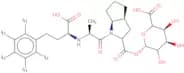


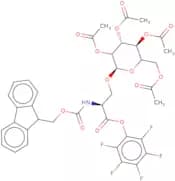
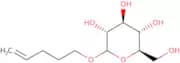

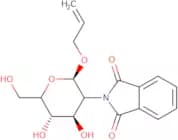
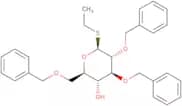
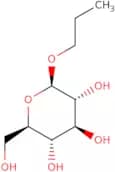
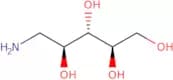
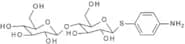
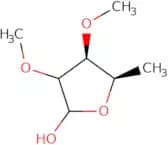
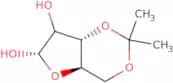
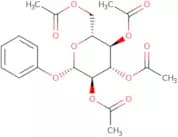
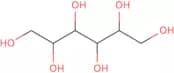
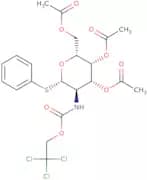
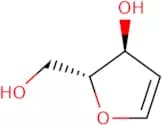


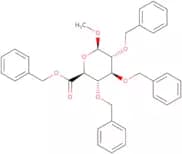
![Carbomethoxyethylthioethyl 4-O-(4-O-[6-O-{a-D-glucopyranosyl}-a-D-glucopyranosyl]-a-D-glucopyranos…](/_next/image/?url=https%3A%2Fstatic.cymitquimica.com%2Fproducts%2F3D%2Fthumb-webp%2FOC06493.webp&w=3840&q=75)
![2-Amino-a-D-ribofurano[1',2':4,5]oxazoline](/_next/image/?url=https%3A%2Fstatic.cymitquimica.com%2Fproducts%2F3D%2Fthumb-webp%2FMA01170.webp&w=3840&q=75)
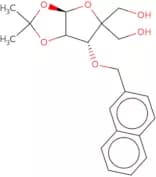


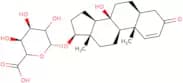

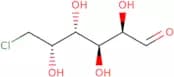
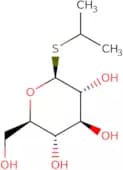
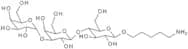
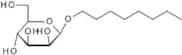
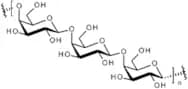

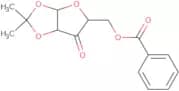
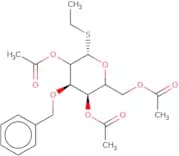


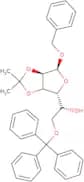
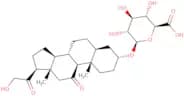
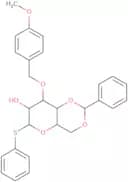
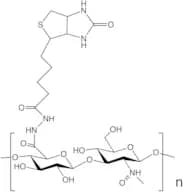
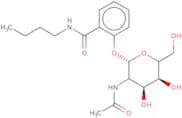


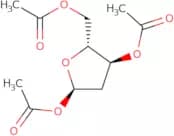
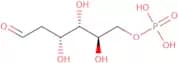
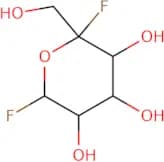
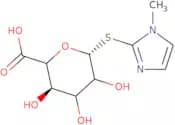
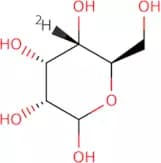
![Blood group A trisaccharide-APE-[biotin]-BSA](/_next/image/?url=https%3A%2Fstatic.cymitquimica.com%2Fproducts%2F3D%2Fthumb-webp%2FOT02519.webp&w=3840&q=75)
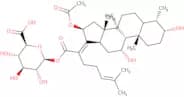
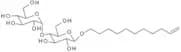
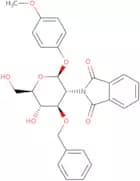
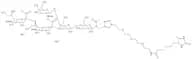
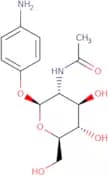
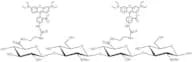
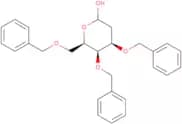
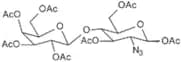
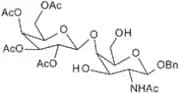
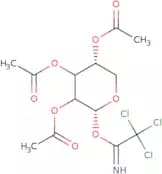

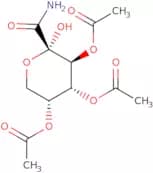
![N-[(e-N-Benzyloxycarbonylamino)caproyl]-b-D-galactopyranosylamine](/_next/image/?url=https%3A%2Fstatic.cymitquimica.com%2Fproducts%2F3D%2Fthumb-webp%2FMB04505.webp&w=3840&q=75)
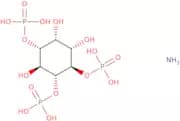
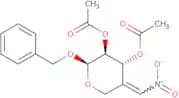

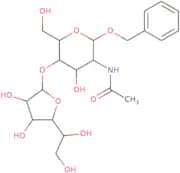
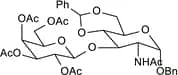
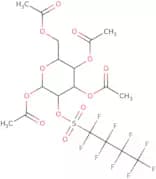
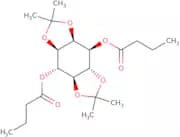
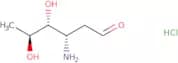
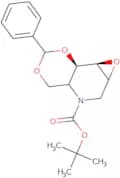


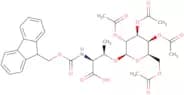
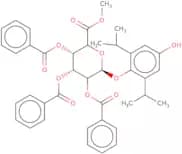
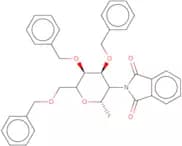

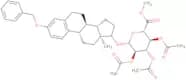

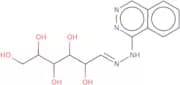

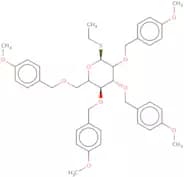
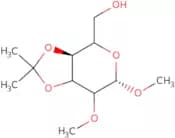
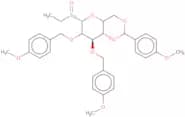
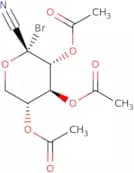
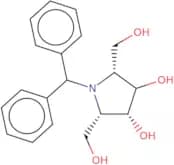
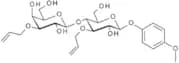

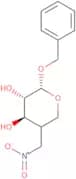
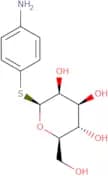
![4-Amino-7-(2-deoxy-b-D-ribofuranosyl)-1,7-dihydro-2H-pyrrolo[2,3-d]pyrimidin-2-one](/_next/image/?url=https%3A%2Fstatic.cymitquimica.com%2Fproducts%2F3D%2Fthumb-webp%2FMA145597.webp&w=3840&q=75)

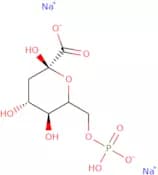

![[UL-13C6glc]Lactose monohydrate](/_next/image/?url=https%3A%2Fstatic.cymitquimica.com%2Fproducts%2F3D%2Fthumb-webp%2FOL16272.webp&w=3840&q=75)
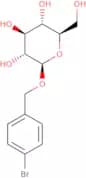
![(1S,4aR,8R,8aR)-1-Methyl-3-oxo-8-[(2R,3S,4R,5R,6S)-3,4,5-trihydroxy-6-[[(E)-3-phenylprop-2-enoyl]o…](/_next/image/?url=https%3A%2Fstatic.cymitquimica.com%2Fproducts%2F3D%2Fthumb-webp%2FDGC98403.webp&w=3840&q=75)