Glycoscience
La glicociencia es el estudio de los carbohidratos y sus derivados, así como de las interacciones y funciones biológicas en las que participan. Este campo de investigación es crucial para comprender una amplia variedad de procesos biológicos, incluyendo el reconocimiento celular, la señalización, la respuesta inmune y el desarrollo de enfermedades. La glicociencia tiene aplicaciones importantes en la biotecnología, la medicina, y el desarrollo de nuevos fármacos y terapias. En CymitQuimica, ofrecemos una amplia selección de productos de alta calidad y pureza para la investigación en glicociencia. Nuestro catálogo incluye monosacáridos, oligosacáridos, polisacáridos, glicoconjugados, y reactivos específicos, diseñados para apoyar a los investigadores en sus estudios sobre la estructura, función y aplicaciones de los carbohidratos en sistemas biológicos. Estos recursos están destinados a facilitar descubrimientos científicos y aplicaciones prácticas en diversas áreas de la biociencia y la medicina.
Subcategorías de "Glycoscience"
- Aminoazúcares(108 productos)
- Anticuerpos relacionados con azúcares(282 productos)
- Glicolípidos(46 productos)
- Glicosaminoglicanos (GAGs)(55 productos)
- Glucósidos(419 productos)
- Monosacáridos(6.624 productos)
- Oligosacáridos(3.682 productos)
- Polisacáridos(503 productos)
Se han encontrado 11046 productos de "Glycoscience"
Ordenar por
Pureza (%)
0
100
|
0
|
50
|
90
|
95
|
100
2,3-Di-O-benzoyl-L-threonic acid-1,4-lactone
2,3-Di-O-benzoyl-L-threonic acid-1,4-lactone is a custom synthesis of a fluorinated monosaccharide methylated at the C2 position. It is an oligosaccharide with a saccharide and polysaccharide linkage. The glycosylation of this compound has been modified by the Click chemistry reaction to create new sugar moieties.Pureza:Min. 95%Maltohexaose
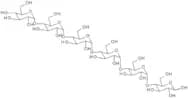
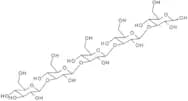
CAS:<p>Maltohexaose is a polysaccharide formed by 6 units of glucose and can be metabolised inside the cell to a substrate-based inhibitor of fucosyltransferases. It can also be converted to GDP-2-deoxy-2-fluoro-L-fucose, a competitive inhibitor of α-1,3-fucosyltransferase. Matohexaose is used as acceptor for measuring the activity of 4-Alpha-Glucanotransferase.</p>Fórmula:C36H62O31Pureza:Min. 70 Area-%Forma y color:White PowderPeso molecular:990.86 g/molLipopolysaccharide - from Porphyromonas gingivalis
CAS:<p>Lipopolysaccharide (LPS) is a molecule that is produced by Porphyromonas gingivalis. This molecule is also found in the outer membranes of Gram-negative bacteria and has been shown to have many effects on animal tissues. LPS activates HIF-1α, which leads to the production of inflammatory cytokines such as necrosis factor (TNF), and interferon regulatory factors (IRFs). These molecules signal for the production of more LPS. LPS also causes tissue growth and development by activating growth factors such as insulin-like growth factor 1. LPS also activates immune cells through signaling with chemokine receptors, promoting inflammation.</p>Pureza:Min. 95%Forma y color:Solid2,3,4,6-Tetra-O-benzyl-D-mannopyranose
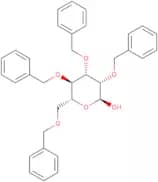
CAS:2,3,4,6-Tetra-O-benzyl-D-mannopyranose is a trisaccharide that consists of two covalently linked glycosyl acceptors and one galacto moiety. This molecule is synthesized by chemoenzymatic synthesis and can be found in the biosynthesis of trehalose. 2,3,4,6-Tetra-O-benzyl-D-mannopyranose is an anomeric form of D-glucopyranose. The anomeric form is determined by the orientation of the hydroxyl group at C1' with respect to the anomeric carbon atom at C2'. This molecule has been isotopically labelled with 13C and 15N for use in studies on carbohydrate metabolism.Fórmula:C34H36O6Pureza:90%Forma y color:Yellow PowderPeso molecular:540.65 g/molLaminaripentaose
CAS:Ex algal/bacterial polysaccharides-value in b1-3 glucanase assays & diagnosticsFórmula:C30H52O26Pureza:Min. 85 Area-%Forma y color:PowderPeso molecular:828.72 g/molLacto-N-hexaose
CAS:<p>Neutral hexasasaccharide naturally present in human breast milk</p>Fórmula:C40H68N2O31Pureza:Min. 95%Forma y color:White PowderPeso molecular:1,072.96 g/moliminosugar 2
<p>Iminosugar 2 is a custom synthesis that is modified with fluorination, methylation, and click modification. This product is a monosaccharide and an oligosaccharide that has glycosylation. It is a saccharide that has polysaccharides as complex carbohydrates. Iminosugar 2 can be used in the production of polymers and pharmaceuticals.</p>Pureza:Min. 95%4-Hydroxy-L-isoleucine
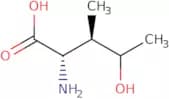
CAS:Insulinotropic; anti-diabeticFórmula:C6H13NO3Pureza:Min. 98 Area-%Forma y color:White PowderPeso molecular:147.17 g/molPhenylethyl β-D-galactopyranoside
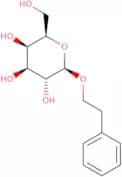
CAS:<p>Phenylethyl b-D-galactopyranoside is a galactose compound that can be hydrolyzed by esterases in the presence of water. It is toxic to organisms, such as E. coli and S. typhimurium, at high concentrations and can be used for the treatment of infections caused by these bacteria. Phenylethyl b-D-galactopyranoside has been shown to have a permeability effect on cells, which may be due to its ability to inhibit the production of ATP in the cell membrane by blocking specific enzymes that are responsible for ATP synthesis.</p>Fórmula:C14H20O6Pureza:Min. 95%Forma y color:PowderPeso molecular:284.31 g/molFructosyl-lysine
CAS:Fructosyl-lysine is a substituted lysine that is formed through the glycation of proteins by sugars. It can be detected by fluorescence spectrometry and has been shown to inhibit the activity of receptor tyrosine kinases, which are involved in physiological functions such as cell growth and differentiation. Fructosyl-lysine also inhibits collagen synthesis and reduces the amount of glucose in human serum. This compound may be used as a model system to study glycation reactions with lysine, fatty acids, and other amino acids. The concentration of fructosyl-lysine found in human serum is at physiological levels and may not have any effect on antibody response.Fórmula:C12H24N2O7Pureza:Min. 95%Forma y color:PowderPeso molecular:308.33 g/mol6-Deoxy-2,3:4,5-di-O-isopropylidene-L-glucose
<p>6-Deoxy-2,3:4,5-di-O-isopropylidene-L-glucose is a methylated sugar that is custom synthesized for research purposes. It is an oligosaccharide with a polysaccharide backbone. 6DG has been modified with fluorination and the Click reaction to produce novel compounds. The compound has been shown to have various biological activities, including anti-inflammatory effects. 6DG is a sugar with a complex carbohydrate structure that can be used in synthetic chemistry for modification and modification reactions.</p>Pureza:Min. 95%UDP-α-L-rhamnose sodium
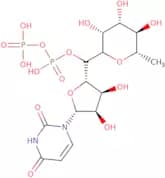
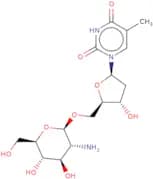
CAS:UDP-α-L-rhamnose sodium is a non-invasive prenatal diagnosis (NIPD) technique that detects the chorionic villus sampling (CVS) or amniocentesis samples of women. It is an in vivo assay that can be performed on pregnant women at any gestational age. The test is based on the detection of the uptake of UDP-α-L-rhamnose by cells, and it accommodates a wide range of sample types. The procedure is rapid, inexpensive, and highly accurate. Furthermore, it can be used as a screening tool for certain genetic disorders such as Down syndrome and Klinefelter syndrome.Fórmula:C15H22N2Na2O16P2Pureza:Min. 95%Forma y color:PowderPeso molecular:594.27 g/mol5'-O-(2-Amino-2-deoxy-D-glucopyranosyl)-thymidine
CAS:<p>5'-O-(2-Amino-2-deoxy-D-glucopyranosyl)-thymidine is a custom synthesis of saccharide that is fluorinated, methylated, and monosaccharide. This compound has been modified with a click modification and an oligosaccharide. The saccharide is glycosylated with sugar and Carbohydrate. 5'-O-(2-Amino-2-deoxy-D-glucopyranosyl)-thymidine has CAS No. 631842-24-5</p>Fórmula:C16H25N3O9Pureza:Min. 95%Peso molecular:403.38 g/molChitotriose undecaacetate
CAS:Chitotriose undecaacetate is a synthetic substrate that is used in transfecting experiments. It has high sensitivity and can be used to introduce nucleic acid into cells. Chitotriose undecaacetate is used as a synthetic fluorometric assay for the determination of chitinase activity in vitro or as a substrate for cell-free synthesis of nucleic acids. It has been shown to possess moieties that are sensitive to hydrogen chloride and chloride ions, making it an effective probe for the determination of these ions. Chitotriose undecaacetate also reacts with sephadex G-200, which makes it useful for separating DNA fragments by electrophoresis.Fórmula:C40H57N3O24Pureza:Min. 95%Forma y color:White PowderPeso molecular:963.89 g/molLacto-N-biose
CAS:Neutral disaccharide naturally present in human breast milk and possible bifidus factor, acceptor for the Helicobacter pylori enzyme α1,2-fucosyltransferase and disaccharide involved in the expression of Lewis blood group antigens.Fórmula:C14H25NO11Pureza:Min. 90%Forma y color:White PowderPeso molecular:383.35 g/molGM1-Pentasaccharide
CAS:GM1 pentasaccharide (sodium salt) has a core tetrasaccharide structure (Galβ1,3GalNAcβ1,4Galβ1,4Glc) with a single sialic acid residue linked α2,3 to the inner galactose residue (Ledeen, 2009). GM1 pentasaccahride is the carbohydrate moiety of GM1 ganglioside. GM1 ganglioside interacts and modulates tyrosine kinases, such a,s neural tropomyosin receptor kinase A (TrkA), by inducing the release of neurotrophins from fibroblast cells and the epidermal growth factor receptor (EGFR) (Higuero, 2009). GM1 ganglioside is also found in epithelial membranes; it is a key element for bacterial toxicity and viral infection as it acts as a receptor for the B-subunits of heat-labile toxin, cholera toxin, rotavirus, and simian virus 40. GM1 ganglioside also has the ability to bind amyloid-β proteins and is involved in Alzheimerâs pathogenesis (Chiricozzi, 2020).Fórmula:C37H62N2O29Pureza:Min. 95%Forma y color:PowderPeso molecular:998.88 g/mol4-Aminobutyl 1,3-a-1,6-a-D-mannotriose
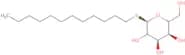
4-Aminobutyl 1,3-a-1,6-a-D-mannotriose is a custom synthesis that belongs to the category of oligosaccharides and polysaccharides. It is an aminotriose with a methyl group at the C4 position. The fluorinated glucose moiety and the 4-aminobutylic acid residue are in an alpha configuration. This oligosaccharide has been modified by click chemistry and features high purity. The modification was carried out by condensing the sugar with a boronic acid and then reacting this with an azide group. The resulting product is then reacted with a maleimide to create a conjugate that can be used in bioconjugation reactions.Pureza:Min. 95%Dodecyl a-D-thiomannopyranoside
Dodecyl a-D-thiomannopyranoside is a glycosylation reagent that has been used in the synthesis of complex carbohydrates, polysaccharides, and oligosaccharides. It is a methylated thioglycoside that can be used for click modification. Dodecyl a-D-thiomannopyranoside is an excellent fluorinating agent for saccharides and sugars, which can be accomplished using sodium hypofluorite. Dodecyl a-D-thiomannopyranoside is also an excellent monosaccharide synthesizer and custom synthesiser. This compound has CAS number 95734-05-1 and can be ordered at very high purity from various chemical suppliers.Fórmula:C18H36O5SPureza:Min. 95%Peso molecular:364.54 g/mol3,6-Anhydro-D-glucose
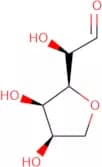
CAS:3,6-Anhydro-D-glucose is a compound that is produced by the dehydration of D-glucose. It has been synthesized in an acidic hydrolysis reaction involving mercaptoacetic acid and sodium carbonate. The synthesis of 3,6-Anhydro-D-glucose involves the use of chloride as a reactive agent and metal ion catalysis. This compound can be used to create isomers with other sugars. It also has supramolecular chemistry properties due to its ability to form complexes with other molecules.Fórmula:C6H10O5Pureza:Min. 97 Area-%Forma y color:White Off-White PowderPeso molecular:162.14 g/mol2-Acetamido-2,6-dideoxy-3,5-((R)-benzylidene-L-mannofuranose
2-Acetamido-2,6-dideoxy-3,5-((R)-benzylidene-L-mannofuranose) is a custom synthetic glycosylation product that has been fluorinated. This product has been synthesized with methylation and click modification. The CAS number for this compound is 66572-01-0. It is a high purity custom synthesis that is an oligosaccharide sugar with a saccharide type of polysaccharide and monosaccharide type of saccharide.Pureza:Min. 95%1-Deoxygalactonojirimycin
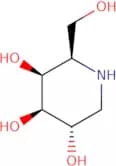
CAS:<p>Specific and potent inhibitor of lysosomal α-galactosidase with IC50 in nanomolar range. It acts as pharmacological chaperone and assists folding of the wild type and mutant versions of the enzyme. It places itself in the instable active site and prevents the damage to the enzyme during the passage through Golgi apparatus, endoplasmatic reticulum and lysosome axis. The exposure to this compound leads to increased levels of functional α-galactosidase in models for lysosomal storage disorders and brings therapeutic benefits to patients with Fabry disease.</p>Fórmula:C6H13NO4Pureza:Min. 95%Peso molecular:163.17 g/molL-Fucose
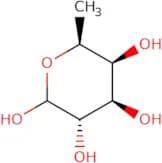
CAS:<p>Fucose (Fuc, 6-deoxy L-galactose) has a methyl group at C6 in place of a hydroxyl group and this gives the molecule a greater degree of hydrophobicity than galactose (Collins, 2006). L-fucose is found in fucoidan, a polysaccharide that occurs in the brown seaweeds (Phaeophyceae) (Percival, 1967). Fucose is also a key component in many mammalian N- and O-linked glycans, glycolipids, blood group substances and Lewis antigens (Becker, 2003). In human milk, neutral (fucosylated) oligosaccharides (HMO) contain fucose at the terminal position (e.g. 2â -fucosyllactose and lactodifucopentaose). They represent 35% to 50% of the total HMO content and many in vitro studies suggest that HMOs directly modulate immune responses, acting either locally on cells of the mucosa-associated lymphoid tissues or systemically to inhibit the expression of inflammatory genes, mainly cytokines (Plaza-Diaz, 2018).</p>Fórmula:C6H12O5Pureza:Min. 98 Area-%Peso molecular:164.16 g/molb-D-Thioglucose sodium salt
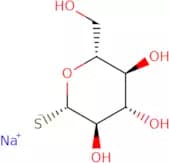
CAS:<p>Keratin-reducing component in cosmetic applications; used in Glc conjugation</p>Fórmula:C6H11NaO5SPureza:Min. 95%Forma y color:White PowderPeso molecular:218.2 g/molL-Ribose-5-phosphate disodium salt hydrate
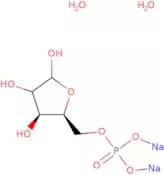
<p>L-Ribose-5-phosphate disodium salt hydrate is a carbohydrate that has been modified by the addition of fluorine. L-Ribose-5-phosphate disodium salt hydrate can be used in the synthesis of complex carbohydrates, oligosaccharides, and sugars. It is also used in the synthesis of glycoconjugates and glycoproteins. L-Ribose-5-phosphate disodium salt hydrate is available for custom synthesis to meet specific requirements. The purity level is high, with less than 0.1% impurities. The methylation, glycosylation, and click modification are all possible modifications for this product.</p>Fórmula:C5H9Na2O8PPureza:Min. 95%Forma y color:PowderPeso molecular:274.07 g/mol2,3-Di-O-benzyl-D-glucopyranose
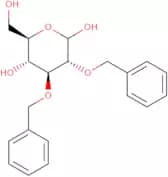
CAS:Taxol is a natural product that is isolated from the bark of the Pacific Yew tree. It has been found to have antitumor activity against human and murine sarcoma, as well as human cancer cell lines. Taxol has been shown to inhibit the growth of cancer cells by binding to the β-subunit of tubulin, preventing polymerization into microtubules and therefore affecting mitosis. Taxol also inhibits glucose uptake and utilization by cancer cells, which may in part account for its anti-tumor activity. Taxol also contains galloyl groups that are responsible for its antifungal activity.Fórmula:C20H24O6Pureza:Min. 95%Forma y color:Off-White PowderPeso molecular:360.4 g/molBenzyl 4-O-(β-D-galactopyranosyl)-β-D-glucopyranoside
CAS:Benzyl 4-O-(b-D-galactopyranosyl)-b-D-glucopyranoside is a Glycosylation product that is custom synthesized to order. It is an oligosaccharide, which is synthesized by the modification of monosaccharides with other saccharides. This product has been fluorinated and acetylated at its C4 position and methylated at its C6 position. This compound has CAS No. 18404-72-3 and can be used as a sugar in the synthesis of complex carbohydrates or as a component of polysaccharides.Fórmula:C19H28O11Pureza:Min. 95%Forma y color:PowderPeso molecular:432.42 g/molMethyl 3-O-(a-D-mannopyranosyl)-a-D-mannopyranoside
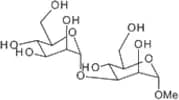
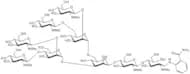
CAS:Used for structural and conformational studies and as enzyme substratesFórmula:C13H24O11Pureza:Min. 95%Forma y color:PowderPeso molecular:356.32 g/molNGA4 Glycan, 2-AB labelled
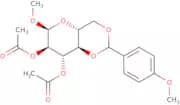
NGA4 Glycan, 2-AB labelled is a synthetic oligosaccharide that has been modified with Click chemistry. This modification has been shown to be useful for the detection of methylation. The NGA4 Glycan, 2-AB labelled has a purity of >99% and is available in quantities of 1 mg or more.Pureza:Min. 95%Methyl 2,3-di-O-acetyl-4,6-O-(4-methoxybenzylidene)-a-D-glucopyranoside
CAS:<p>Methyl 2,3-di-O-acetyl-4,6-O-(4-methoxybenzylidene)-a-D-glucopyranoside is a synthetic saccharide that has been modified with methylation and fluorination. It is an oligosaccharide derived from glucose that can be obtained through the custom synthesis of a polysaccharide. This product has CAS No. 52526-77-9 and is available in high purity. It can be used for the modification of monosaccharides or other carbohydrates.</p>Fórmula:C19H24O9Pureza:Min. 95%Peso molecular:396.4 g/mol3,4,6-Trideoxy-3-(dimethylamino-b-D-xylo-hexopyranose)
CAS:3,4,6-Trideoxy-3-(dimethylamino-b-D-xylo-hexopyranose) is a carbohydrate that belongs to the group of saccharides. It is a sugar that has been modified with fluorine groups. Fluorination increases the hydrophilicity of the sugar and makes it more soluble in water. 3,4,6-Trideoxy-3-(dimethylamino-b-D-xylo-hexopyranose) has been custom synthesized and can be ordered as a high purity material. The synthesis process includes methylation and glycosylation steps. 3,4,6-Trideoxy-3-(dimethylamino-b-D-xylo -hexopyranose) is used as a click modification for proteins.Fórmula:C8H17NO3Pureza:Min. 95%Peso molecular:175.23 g/mol1,2-Di-O-acetyl-3,5-di-O-benzoyl-3-b-C-methyl-D-ribofuranose
CAS:<p>1,2-Di-O-acetyl-3,5-di-O-benzoyl-3-b-C-methyl-D-ribofuranose is a fluorinated monosaccharide that is synthesized by the glycosylation of 2,6 anhydrofructose with benzaldehyde and acetone. It has a CAS number of 22672-43-1. This product can be used in the modification of polysaccharides or as a synthetic glycoside. It can also be used for click chemistry modification of sugars or as a high purity custom synthesis.</p>Pureza:Min. 95%Guar gum
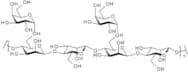
CAS:<p>Guar gum is obtained from the seed of the legume Cyamopsis tetragonolobus, an annual plant that grows mainly in semi-arid regions of India. The structure of the polysaccharide consists of a main chain of (1,4)-linked β-D-mannopyranosyl units with single α-D-galactopyranosyl units linked (1,6) on average to every second main chain unit. Guar has a high viscosity in aqueous solution, shows marked pseudoplastic behaviour and forms synergistic gels in the presence of other gums such as carrageenan and xanthan gum.</p>Fórmula:C10H14N5Na2O12P3Forma y color:White PowderPeso molecular:535.15 g/molColchicoside
CAS:<p>Colchicoside is a natural compound that belongs to the chemical family of phenylpropanoids. It is used in the treatment of gout and pseudogout, and has been shown to be effective against demecolcine-induced hemolytic activity. Colchicoside has also shown to be an analog for other compounds with toxicological studies, such as hydrochloric acid and potassium dichromate. The toxicity studies performed on colchicoside have shown that it can cause damage to cells in culture by inhibiting DNA repair mechanisms.</p>Fórmula:C27H33NO11Pureza:Min. 95%Forma y color:PowderPeso molecular:547.55 g/mol6-a-D-Maltotriosyl-maltotriose
CAS:<p>Derived from pullulan using pullulanase</p>Fórmula:C36H62O31Pureza:Min. 95%Forma y color:PowderPeso molecular:990.86 g/mol4-Acetamidophenyl b-D-glucuronide sodium salt
CAS:<p>4-Acetamidophenyl b-D-glucuronide sodium salt is a pharmaceutical drug that is a metabolite of acetaminophen. It can be detected in the urine by biochips, which are microarrays that contain immobilized binding sites for specific analytes. The analysis of 4-acetamidophenyl b-D-glucuronide sodium salt in urine is used to screen for the use of acetaminophen and to identify cytochrome P450 2C19 (CYP2C19) activity. This drug can also be detected by spectrometric methods using biochemical assays on plates or hepatocytes and mass spectrometric detection methods using liquid chromatography/mass spectrometry (LC/MS). Acetaminophen has been shown to have toxic effects on the liver, kidneys, and lungs in humans, as well as on diode photoluminescence.</p>Fórmula:C14H16NNaO8Pureza:Min. 95%Forma y color:PowderPeso molecular:349.27 g/mol(3R, 4S, 5R, 6R, 7S) -1- Azabicyclo[4.2.0] octane- 3, 4, 5, 7- tetrol
CAS:Fluorination, Monosaccharide, Synthetic, Oligosaccharide, complex carbohydrate, Custom synthesis, Glycosylation, Polysaccharide, Click modification, Methylation Fluorination is a chemical reaction that introduces fluorine into organic compounds. The reactant is typically an alcohol or phenol and the product is a fluoroalcohol or fluoroether. Monosaccharides are simple sugars that cannot be hydrolyzed to smaller carbohydrates. Oligosaccharides are saccharides composed of two to ten monosaccharides. Complex carbohydrates are polymers of saccharides. Click chemistry is a type of chemical reaction used in organic chemistry to create new molecules and modify existing ones with high selectivity and efficiency. Methylation is the process by which methyl groups are introduced into organic compounds such as fats and oils. It can also refer to the addition of a methyl group at one specificPureza:Min. 95%(2R, 3R) -3- [(3aR, 4R, 6aS) - 2, 2- Diethyltetrahydro- 5- (phenylmethyl) - 4H- 1, 3- dioxolo[4, 5- c] pyrrol- 4- yl] - 3- [[(1, 1- dimethylethyl) dimethylsilyl] oxy] - 1, 2- propanediol
<p>(2R, 3R) -3- [(3aR, 4R, 6aS) - 2, 2- Diethyltetrahydro- 5- (phenylmethyl) - 4H- 1, 3- dioxolo[4, 5- c] pyrrol- 4- yl] - 3-[(1, 1-dimethylethyl) dimethylsilyl]oxy]-1, 2- propanediol is a synthetic carbohydrate that is used as a building block for saccharide synthesis. It can be modified with Click chemistry to introduce reactive groups on its molecules. This compound has been shown to react with oligosaccharides and polysaccharides by glycosylation and methylation reactions. The high purity of this product makes it suitable for use in pharmaceuticals and other chemical applications.</p>Pureza:Min. 95%2,3,4,6-Tetra-O-acetyl-b-D-galactopyranosyl ethylxanthate
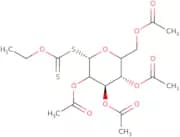
2,3,4,6-Tetra-O-acetyl-b-D-galactopyranosyl ethylxanthate is a carbohydrate that has been modified through the process of fluorination and methylation. It is a synthetic compound that has been custom synthesized to produce high purity. The CAS number for this compound is 56923-48-8. This compound is used in the modification of saccharides and oligosaccharides as well as other sugar compounds. 2,3,4,6-Tetra-O-acetyl-b-D-galactopyranosyl ethylxanthate is also glycosylated and click modified.Fórmula:C17H24O10S2Pureza:Min. 95%Peso molecular:452.5 g/molMethyl 3-azido-3-deoxy-2,4-di-O-acetyl-b-D-xylopyranoside
<p>Methyl 3-azido-3-deoxy-2,4-di-O-acetyl-b-D-xylopyranoside is a synthetic compound that can be used in glycosylation reactions to introduce an azido group at the reducing end of a glycose. This product has been shown to react with the thiol group on cysteine residues and undergoes click chemistry with maleimide groups. It is also useful for the synthesis of polysaccharides and oligosaccharides. The purity of this product is over 99%.<br>Methyl 3-azido-3-deoxy-2,4,-di-(O)-acetyl -b-(D)-xylopyranoside</p>Pureza:Min. 95%1-Chloro-2-deoxy-3,5-di-O-toluoyl-a-D-ribofuranose
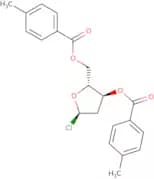
CAS:<p>1-Chloro-2-deoxy-3,5-di-O-toluoyl-a-D-ribofuranose (also known as Hoffer’s chlorosugar) is a synthetic building block used in nucleic acid research to afford an array of both alpha and beta linked 2’-deoxyribose derivatives. Naturally occurring nucleosides are typically beta linked and the efficient synthesis of alpha linked analogues, which are often more stable, offers access to interesting variations in 3D structure and biochemical reactivity.</p>Fórmula:C21H21ClO5Pureza:Min. 90 Area-%Forma y color:PowderPeso molecular:388.84 g/molMethyl 2-deoxy-2-phthalimido-β-D-glucopyranoside
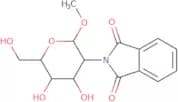
CAS:Methyl 2-deoxy-2-phthalimido-b-D-glucopyranoside is a synthetic sugar that has been modified with fluorine. It is an important building block for the synthesis of complex carbohydrates. Methyl 2-deoxy-2-phthalimido-b-D-glucopyranoside can be used to modify saccharides and oligosaccharides, as well as to add fluorine atoms to glycosyl units. This modification can be done using a click chemistry reaction with azide functionalized molecules. The chemical structure of Methyl 2-deoxy-2-phthalimido-b-D-glucopyranoside is shown below:Fórmula:C15H17NO7Pureza:Min. 95%Forma y color:White to off-white solid.Peso molecular:323.3 g/molPhenyl-beta-D-thioglucopyranoside
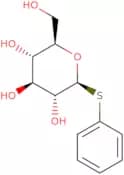
CAS:<p>Phenyl-beta-D-thioglucopyranoside is a heterocycloalkyl compound that contains a phenyl group and a beta-D-thioglucopyranoside. It is used as an intermediate in the production of pharmaceuticals, yellow dye, and cancer drugs. Phenyl-beta-D-thioglucopyranoside binds to the cell membrane of cancer cells and induces apoptosis by inhibiting the synthesis of proteins. This compound also has alkenyl and haloalkyl groups, which may be important for its biological activity. Phenyl-beta-D-thioglucopyranoside can be crystallized in two different forms: one with a crystalline form, which is yellow; the other with a crystalline form, which is colorless.</p>Fórmula:C12H16SO5Pureza:Min. 95%Forma y color:PowderPeso molecular:272.32 g/mol2-C-Hydroxymethyl-2,3:5,6-di-O-isopropylidene-L-gulono-1.4-lactone
<p>2-C-Hydroxymethyl-2,3:5,6-di-O-isopropylidene-L-gulono-1.4-lactone is a Custom synthesis that is used in the production of polysaccharides and other carbohydrates. It is a polysaccharide that contains many glycosylated sugars; it can be modified with methyl groups or fluorine atoms. Carbohydrates are polymers of monosaccharides linked together by glycosidic bonds. The basic structure of a carbohydrate consists of a central carbon atom to which two hydroxyl (OH) groups are attached, and three on each side. This molecule also has an oxo group, which reduces the glycosidic bond to an ether linkage. 2CGHGL is used as an additive for food products and pharmaceuticals due to its high purity and low cost.</p>Pureza:Min. 95%1,2,3,4-Tetra-O-benzyl-6-O-tert-butyldiphenylsilyl-b-D-galactopyranose
1,2,3,4-Tetra-O-benzyl-6-O-tert-butyldiphenylsilyl-b-D-galactopyranose is a custom synthesis of an oligosaccharide. It is a complex carbohydrate that is composed of a glycosylated polysaccharide with a molecular weight of 676. It has been modified by methylation and fluorination (a click modification). The carbohydrate has been synthesized using high purity, fluoroquinolone resistant reagents.Fórmula:C50H54O6SiPureza:Min. 95%Peso molecular:779.07 g/molDextrorphan O-β-D-glucuronide
CAS:Producto controladoDextrorphan O-b-D-glucuronide is a glycosylated form of dextrorphan, an opioid analgesic. The synthesis of this compound is accomplished by the attachment of a glucose to dextrorphan via an ether bond. Dextrorphan O-b-D-glucuronide has been shown to be more potent than the parent drug. This product is available in custom synthesis and click modification. It can be used for a variety of purposes, including as a building block for other molecules, such as oligosaccharides, sugar, or synthetic compounds. It also may be used for fluorination or methylation reactions.Fórmula:C23H31NO7Pureza:Min. 95%Forma y color:PowderPeso molecular:433.51 g/mol3,4-Di-O-acetyl-D-fucal
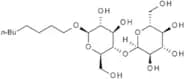
CAS:<p>3,4-Di-O-acetyl-D-fucal is a synthetic carbohydrate with two orientations. It is a synthon for the synthesis of carbohydrates and can be used as a ligand in biomolecular design. The synthetic carbohydrate has been shown to have chemotherapeutic effects, which may be due to its ability to inhibit glycan synthesis. This synthetic carbohydrate also has conformational parameters that are similar to those of natural fucose, which makes it an attractive candidate as a potential drug target.</p>Fórmula:C10H14O5Pureza:Min. 95%Forma y color:PowderPeso molecular:214.22 g/moln-Octyl β-D-maltoside
CAS:n-Octyl β-D-maltoside (OBM) is a fatty acid that is used as a sample preparation agent. OBM is chemically stable and has been shown to be non-carcinogenic in mammalian tissue. The structural analysis of OBM revealed that the molecule contains two nitrogen atoms, one on each end. In addition, OBM binds to antimicrobial peptides and inhibits their activity by preventing them from binding to their target site on the bacterial membrane. OBM also has anti-cancer properties due to its ability to prevent the proliferation of cervical cancer cells.Fórmula:C20H38O11Pureza:Min. 98 Area-%Forma y color:White PowderPeso molecular:454.51 g/molD-Tagatose
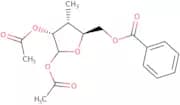
CAS:<p>D-Tagatose is a sugar that is found naturally in some dairy products such as yogurt. It is a complex carbohydrate that can be modified by methylation, fluorination, and click chemistry. D-Tagatose has been shown to have anti-inflammatory properties in animal studies and can inhibit the growth of bacteria such as Escherichia coli and Helicobacter pylori.<br>D-tagatose is water soluble, stable at high temperatures, and does not react with other compounds; it also has a CAS number of 87-81-0. D-tagatose can be custom synthesized to meet your needs.</p>Fórmula:C6H12O6Pureza:Min. 98.5 Area-%Peso molecular:180.16 g/mol1,2-O-Di-O-acetyl-5-O-benzoyl-3-deoxy-3C-methyl-D-ribofuranose
CAS:1,2-O-Di-O-acetyl-5-O-benzoyl-3-deoxy-3C-methyl-D-ribofuranose is a fluorinated monosaccharide that can be used as a building block for the synthesis of complex carbohydrates. It is a custom synthesis and is available in high purity.Fórmula:C17H20O7Pureza:Min. 95%Peso molecular:336.34 g/mol









![(3R, 4S, 5R, 6R, 7S) -1- Azabicyclo[4.2.0] octane- 3, 4, 5, 7- tetrol](/_next/image/?url=https%3A%2Fstatic.cymitquimica.com%2Fproducts%2F3D%2Fthumb-webp%2FMA163391.webp&w=3840&q=75)