Glycoscience
Subcategorías de "Glycoscience"
- Aminoazúcares(108 productos)
- Anticuerpos relacionados con azúcares(283 productos)
- Glicolípidos(46 productos)
- Glicosaminoglicanos (GAGs)(55 productos)
- Glucósidos(419 productos)
- Monosacáridos(6.617 productos)
- Oligosacáridos(3.715 productos)
- Polisacáridos(505 productos)
Se han encontrado 11023 productos de "Glycoscience"
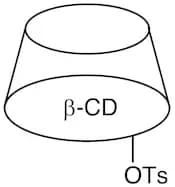
Mono-2-O-(p-toluenesulfonyl)-β-cyclodextrin
CAS:Fórmula:C49H76O37SPureza:>97.0%(HPLC)Forma y color:White to Almost white powder to crystalPeso molecular:1,289.17Bacterial alginate - from fermentation of Azotobacter vinelandii or Pseudomonas mendocina
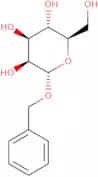
An alginate-like polysaccharide produced by the fermentation of Azotobacter vinelandii or Pseudomonas mendocina. The chemical structure consists of blocks of (1,4) linked-β-D-polymannuronic acid (poly M), (1,4) linked-α-L-polyguluronic acid (poly G) and alternating blocks of the two uronic acids (poly MG). Unlike the alginate from seaweed, this polysaccharide is partially acetylated.Forma y color:PowderPeso molecular:~100KDaBenzyl α-D-mannopyranoside
CAS:Benzyl a-D-mannopyranoside is a pharmaceutical dosage form of the drug benzyl a-D-mannopyranoside, which is used to control analysis of silver trifluoromethanesulfonate. It is administered orally as a monosodium salt, which is the only form that has been studied in humans. This combination therapy group was found to be more effective than benzyl groups or systematically administered drugs when used as monotherapy. Benzyl a-D-mannopyranoside may be glycosidated by cells in culture and this process may cause symptoms such as nausea and vomiting. However, glycosidation does not occur in humans.Fórmula:C13H18O6Pureza:Min. 95%Forma y color:PowderPeso molecular:270.28 g/mol6-Chloro-6-deoxy-gamma-cyclodextrin
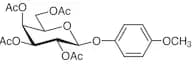
CAS:This gamma-cyclodextrin (γ-CD) derivative is a modified cyclic oligosaccharide composed of eight glucose units, featuring a larger cavity size than α- and β-cyclodextrins. This structural characteristic allows γ-CDs to form inclusion complexes with a wider range of guest molecules, making it particularly versatile in various industries. In the food sector, it is used as a carrier and stabilizer for flavors, fat-soluble vitamins, and polyunsaturated fatty acids, protecting volatile compounds from evaporation. In pharmaceuticals, it enhances the solubility and bioavailability of poorly water-soluble drugs and, thanks to its larger ring size, allows for the encapsulation of larger molecules or even entire drug molecules. γ-CDs and derivatives are also used for environmental remediation and, in analytical chemistry, for the extraction and concentration of target substances.Fórmula:C48H72Cl8O32Pureza:Min. 95%Peso molecular:1,444.69 g/mol4-Methoxyphenyl 2,3,4,6-Tetra-O-acetyl-β-D-galactopyranoside
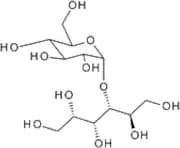
CAS:Fórmula:C21H26O11Pureza:>98.0%(HPLC)Forma y color:White to Almost white powder to crystalPeso molecular:454.43D-Maltitol
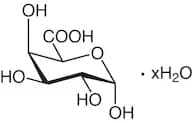
CAS:Bulk sweetener; viscosity/bodying agent; humectant; cryoprotectantFórmula:C12H24O11Pureza:Min. 95%Forma y color:White PowderPeso molecular:344.31 g/molα-D-Galacturonic Acid Hydrate
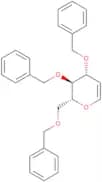
CAS:Fórmula:C6H10O7·xH2OPureza:>95.0%(T)Forma y color:White to Light yellow to Light orange powder to crystalPeso molecular:194.14 (as Anhydrous)3,4,6-Tri-O-benzyl-D-glucal
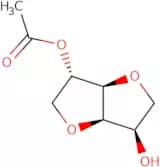
CAS:3,4,6-Tri-O-benzyl-D-glucal is a benzyl protected, 2,3 unsaturated glucal used as a chiral intermediate. The C2-C3 double bond of the pyranose ring can be modified via a variety of reactions including: hydrogenation, oxidation, hydroxylation, and aminohydroxylation, to generate structural complexity. 3,4,6-Tri-O-benzyl-D-glucal also minimizes tedious protecting-group strategies required for fully oxygenated sugars. The products of 2,3 unsaturated glycosides as chiral intermediates have played a role in the synthesis of many biologically active compounds, such as, nucleosides and modified sugar derivatives.Fórmula:C27H28O4Pureza:Min. 98 Area-%Forma y color:White PowderPeso molecular:416.51 g/mol1,4:3,6-Dianhydro-2-O-acetyl-D-glucitol
CAS:1,4:3,6-Dianhydro-2-O-acetyl-D-glucitol is an isosorbide intermediateFórmula:C8H12O5Pureza:Min. 95%Forma y color:PowderPeso molecular:188.18 g/molFlavanone rhamnoglucoside
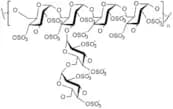
Flavanone rhamnoglucoside is a specialized flavonoid compound, which is derived from various natural sources such as fruits, vegetables, and certain medicinal plants. It functions primarily as an antioxidant by scavenging free radicals, thereby protecting cells from oxidative stress. Additionally, it exhibits anti-inflammatory properties by modulating pathways involved in inflammation, such as NF-kB and COX-2.Pureza:Min. 95%Dextran sulfate sodium - MW 5,000-8,000
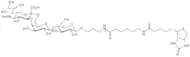
CAS:Dextran sulphate is a dextran derivative whose ulcer (colitis) -causing properties were first reported in hamsters and extrapolated a few years later to mice and rats. The exact mechanisms through which dextran sulphate induces intestinal inflammation are unclear but may be the result of direct damage of the monolayer of epithelial cells in the colon, leading to the crossing of intestinal contents (for e.g. commensal bacteria and their products) into underlying tissue and therefore induction of inflammation. The dextran sulphate sodium induced ulceration model in laboratory animals has some advantages, when compared to other animal models of colitis, due to its simplicity and similarities to human inflammatory bowel disease.Fórmula:(C6H7Na3O14S3)nPureza:Min. 95%Forma y color:Powder6'-Sialyllactose-sp-biotin
CAS:6'-Sialyllactose-sp-biotin is a custom synthesis of a 6'-sialyllactose with a biotin moiety attached to the reducing end. The modification was done through fluorination, methylation, and monosaccharide synthesis. This product has CAS No. 1384441-62-6 and is an oligosaccharide saccharide that is polysaccharide containing glycosylated sugar. It is also a complex carbohydrate that contains many sugars in one molecule.
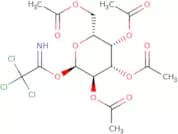
Fórmula:C42H71N5O22SPureza:Min. 95%Forma y color:White PowderPeso molecular:1,030.1 g/mol2,3,4,6-Tetra-O-acetyl-a-D-galactopyranosyl trichloroacetimidate
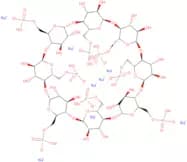
CAS:2,3,4,6-Tetra-O-acetyl-a-D-galactopyranosyl trichloroacetimidate is a disaccharide that is an activated glycoprotein. It is used as a hapten for the production of monoclonal antibodies and as an immunogen in stepwise immunization with bovine serum albumin. This compound has been shown to be specific for the EGF receptor on neoglycoproteins and can be used to detect this receptor. The glycosidic residue of 2,3,4,6-tetra-O-acetyl-a-D-galactopyranosyl trichloroacetimidate allows it to bind to proteins such as albumin and act as a carrier for other molecules.Fórmula:C16H20Cl3NO10Pureza:Min. 95%Forma y color:White PowderPeso molecular:492.69 g/molgamma-Cyclodextrin dihydrogen phosphate sodium salt
CAS:This gamma-cyclodextrin (γ-CD) derivative is a modified cyclic oligosaccharide composed of eight glucose units, featuring a larger cavity size than α- and β-cyclodextrins. This structural characteristic allows γ-CDs to form inclusion complexes with a wider range of guest molecules, making it particularly versatile in various industries. In the food sector, it is used as a carrier and stabilizer for flavors, fat-soluble vitamins, and polyunsaturated fatty acids, protecting volatile compounds from evaporation. In pharmaceuticals, it enhances the solubility and bioavailability of poorly water-soluble drugs and, thanks to its larger ring size, allows for the encapsulation of larger molecules or even entire drug molecules. γ-CDs and derivatives are also used for environmental remediation and, in analytical chemistry, for the extraction and concentration of target substances.Fórmula:C48H80O40Pureza:Min. 95%Peso molecular:1,297.12 g/molD-Glycero-D-talo-heptitol
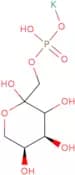
CAS:D-Glycero-D-talo-heptitol is a natural product that is found in plants and bacteria. It is an alditol, which is created by the glycosidic bond of a carbohydrate and a hydroxyl group. D-Glycero-D-talo-heptitol has shown to inhibit the activity of enzymes involved in fatty acid synthesis, such as 3-hydroxyacyl coenzyme A dehydrogenase, and carbohydrate synthesis, such as fructose 1,6 bisphosphatase. This compound also inhibits the borohydride reduction of glycan precursors. This may be due to its hydrophilic interactions with water molecules and its hydrophobic interactions with other lipid molecules.Fórmula:C7H16O7Pureza:Min. 95%Forma y color:White Off-White PowderPeso molecular:212.2 g/molL-Sorbose-1-phosphate potassium salt
CAS:L-Sorbose-1-phosphate potassium salt is a sugar phosphateFórmula:C6H12KO9PPureza:Min. 95%Peso molecular:298.23 g/molMethyl β-L-arabinopyranoside
CAS:Methyl β-L-arabinopyranoside is a monomer that is used for the synthesis of polymers. It has been shown to be an effective polymerization catalyst, with long-term stability and good storage properties. Methyl β-L-arabinopyranoside has been used in gas chromatographic analysis as an analyte to identify hydroxy groups, although it may also interfere with the detection of certain other analytes. This monomer is often used in the production of plastics and rubbers because it enhances bonding between rubber molecules and plasticizers. Methyl β-L-arabinopyranoside has also been shown to have tailing enhancements and extracts that are due to hydroxy groups, which can lead to signal enhancement in gas chromatography. Additives such as ammonium acetate can be added if there is a need to increase sensitivity or reduce tailing effects.Fórmula:C6H12O5Pureza:Min. 95%Forma y color:PowderPeso molecular:164.16 g/molGD1b-Ganglioside ammonium
CAS:GD1b ganglioside (shown as ammonium salt) is one of the major gangliosides in neuronal and glial membranes. It has a core tetrasaccharide structure (Galβ1,3GalNAcβ1,4Galβ1,4Glc) with its two sialic acids linked α2,3/α2,8 to the inner galactose residue, and ceramide linked β to position 1 on the reducing terminal glucose residue (Ledeen, 2009). GD1b ganglioside acts as a receptor for BK virus, as well as for heat-labile LTII-a toxin, produced by enteropathogenicâ¯E. coli. GD1b ganglioside also interacts with tetanus neurotoxin (TeNT) and is crucial for its entry into cells (Kolter, 2012). The functional significance of ammonia in the brain is not yet fully understood: see (Modi 1994).
Pureza:Min. 95%Blood group H pentaose type II
CAS:Blood group H pentaose type II is a carbohydrate. It is a saccharide with the molecular formula C5H11O4. The saccharide can be modified, for example by fluorination, methylation and glycosylation. The CAS number for this compound is 30517-76-1. This product is custom synthesized and has high purity and good quality.Fórmula:C32H55NO25Pureza:Min. 90%Forma y color:PowderPeso molecular:853.77 g/molLactose-6'-phosphate
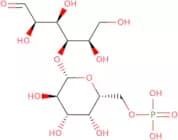
CAS:Lactose-6'-phosphate is a sugar phosphateFórmula:C12H23O14PPureza:Min. 95%Peso molecular:422.28 g/mol1,4-Anhydro-D-mannitol
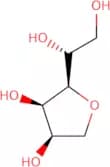
CAS:1,4-Anhydro-D-mannitol is a sugar alcohol that belongs to the group of alditols. It is a tautomer of galactitol, which is found in fetal bovine serum. The dehydrated form of this compound has been shown to have an inhibitory effect on tyrosinase activity. 1,4-Anhydro-D-mannitol may be used as an intermediate in the production of polymers or as a cosmeceutical agent due to its high water solubility and low toxicity.
Fórmula:C6H12O5Pureza:Min. 95%Forma y color:PowderPeso molecular:164.16 g/mol6-bromo-6-deoxy-gamma-cyclodextrin
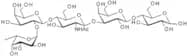
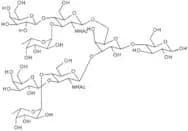
CAS:This gamma-cyclodextrin (γ-CD) derivative is a modified cyclic oligosaccharide composed of eight glucose units, featuring a larger cavity size than α- and β-cyclodextrins. This structural characteristic allows γ-CDs to form inclusion complexes with a wider range of guest molecules, making it particularly versatile in various industries. In the food sector, it is used as a carrier and stabilizer for flavors, fat-soluble vitamins, and polyunsaturated fatty acids, protecting volatile compounds from evaporation. In pharmaceuticals, it enhances the solubility and bioavailability of poorly water-soluble drugs and, thanks to its larger ring size, allows for the encapsulation of larger molecules or even entire drug molecules. γ-CDs and derivatives are also used for environmental remediation and, in analytical chemistry, for the extraction and concentration of target substances.Fórmula:C48H72Br8O32Pureza:Min. 95%Peso molecular:1,800.3 g/molDifucosyllacto-N-hexaose (b)
CAS:Neutral octasasaccharide naturally present in human breast milk.Fórmula:C52H88N2O39Pureza:Min. 90 Area-%Forma y color:PowderPeso molecular:1,365.25 g/molb-Lactose - min 70% b-anomer
CAS:70% β-D-Lactose is used in the pharmaceutical industry to produce tablets. It acts as a nutrient and as a filler in pills. It is also utilized in the dilution of heroin and to sweeten some beers.Fórmula:C12H22O11Forma y color:White PowderPeso molecular:342.3 g/molAnti-Influenza A Virus Neuraminidase N1 Monoclonal Antibody (Preservative : 0.05% NaN3, Stabilizer : 1% BSA)
Forma y color:Colorless to Almost colorless clear liquida-D-Glucoheptonic acid sodium salt
CAS:a-D-Glucoheptonic acid sodium salt is a compound that has been shown to modulate the immune system. It also has been used in pharmaceutical formulations as an excipient and as a carrier for diagnostic and therapeutic agents.
Fórmula:C7H13O8NaPureza:Min. 95%Forma y color:PowderPeso molecular:248.16 g/molL-Arabinose-BSA
L-Arabinose-BSA is a Glycosylation, Oligosaccharide, sugar, Synthetic, Fluorination, Custom synthesis, Methylation, Monosaccharide, Polysaccharide, saccharide. It is a Click modification. L-Arabinose-BSA has CAS No. 1590-84-3 and Modification of complex carbohydrate. This product has High purity.Pureza:Min. 95%Cellulose - Arbocel
CAS:Cellulose is a linear polysaccharide of β 1-4 linked glucose residues. The polysaccharide chains are bundled as microfibrils in cell walls and provide the essential structural components within growing plants. Each microfibril exhibits a high degree of three-dimensional internal bonding resulting in a crystalline structure that is insoluble in water, resistant to reagents and very strong.Forma y color:PowderFerrous gluconate dihydrate
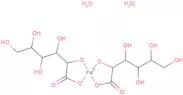
CAS:Ferrous gluconate dihydrate is a fine chemical that has many applications in research and development. It is a versatile building block that can be used as a starting material for the synthesis of complex compounds, such as drugs, pesticides, and perfumes. Ferrous gluconate dihydrate can also be used as a reaction component to produce speciality chemicals, such as benzyl alcohols. In addition to its usefulness in research, ferrous gluconate dihydrate is an important reagent for the production of high-quality pharmaceuticals.Fórmula:C12H22FeO14·2H2OPureza:Min. 95%Forma y color:PowderPeso molecular:482.17 g/molGM2-Ganglioside
CAS:GM2 ganglioside (sodium salt) has a core trisaccharide structure (GalNAcβ1,4Galβ1,4Glc) with sialic acid linked α2,3 to the central galactose residue and ceramide linked β to position 1 on the reducing terminal glucose residue (Ledeen, 2009). GM2 ganglioside is present on neuronal cells and plays a key role in the regulation of dendritogenesis in cortical pyramidal neurons. In lysosomal storage disorders, such as, Tay-Sachs and Sandhoff disease, where hexosaminases A and B are deficient, GM2 ganglioside accumulates in the nervous system (Cachon-Gonzalez, 2018). GM2 ganglioside is also overexpressed in melanomas and other tumours of neuro-ecto origin (Yoshida, 2020). Moreover, the sugar moiety of the GM2 ganglioside is a receptor allowing the viral infection of cells with reovirus and rotavirus (Zhu, 2018).Pureza:Min. 96%Forma y color:PowderLaricitrin-3,7,5'-tri-O-glucoside
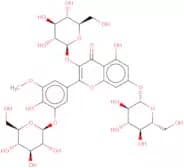
CAS:Laricitrin-3,7,5'-tri-O-glucoside is a fine chemical that can be used as a versatile building block. It is an intermediate in the synthesis of many complex compounds and useful scaffolds. Laricitrin-3,7,5'-tri-O-glucoside has been shown to react with other chemicals in order to form new compounds. This compound also has potential applications in research as a reaction component or speciality chemical. Laricitrin-3,7,5'-tri-O-glucoside has high purity and quality and is available at a reasonable price.
Fórmula:C34H42O23Pureza:Min. 95%Peso molecular:818.68 g/molA,D-6-di-acetyl-beta-Cyclodextrin
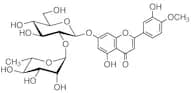
This beta-cyclodextrin (β-CD) derivative is a functionalized cyclic oligosaccharide composed of seven glucose units, characterized by a hydrophilic exterior and a lipophilic cavity (bigger than α-CD and smaller than γ-CDs), which allows it to encapsulate various guest molecules. This structural feature facilitates its use in multiple applications, including pharmaceuticals, food enhancement, and cosmetics. In the pharmaceutical industry, it enhances the solubility and stability of poorly water-soluble drugs, improving their bioavailability and efficacy while also masking unpleasant tastes. The food sector utilizes it as a stabilizer for flavors, colors, and nutrients, extending shelf life by protecting sensitive ingredients from degradation. In cosmetics, it serves as a complexing agent for fragrances and active components, ensuring their stability and controlled release. Its use expands to many other fields, including nanotechnology for drug delivery systems, environmental remediation for extracting organic pollutants, textiles for slow-release fragrances, and analytical chemistry for chiral separation.Fórmula:C46H74O37Pureza:Min. 95%Forma y color:PowderPeso molecular:1,219.06 g/molNeodiosmin
CAS:Fórmula:C28H32O15Pureza:>95.0%(HPLC)Forma y color:Light yellow to Yellow to Orange powder to crystalinePeso molecular:608.55Glycosaminoglycans
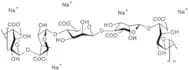
CAS:Glycosaminoglycans (GAGs) are polysaccharides that are found in the extracellular matrix and on the surface of cells. GAGs consist of a linear chain of repeating disaccharide units, with one or more sugar molecules linked by a glycosidic bond. They have been shown to be important for the function and structure of tissues, including those in the gastrointestinal tract. GAGs have been shown to stimulate cellular growth, regulate inflammatory responses, and promote wound healing. They have also been shown to inhibit activity of polymorphonuclear leucocytes (PMN), which play an important role in inflammation. One type of GAG is dextran sulfate, which has been used as a biological scaffold for tissue engineering applications. Glycosaminoglycans may also play a role in regulating immune responses through interaction with toll-like receptor 4 (TLR4).Pureza:Min. 95%Tri-guluronic acid sodium salt
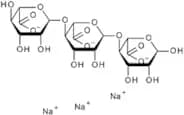
CAS:Tri-guluronic acid sodium salt (1,4-linked α-L-sodium guluronotriose) is one of a number of oligosaccharides obtained from alginate which is a polysaccharide in brown seaweeds containing: blocks of repeating mannuronic acid sequences (M-M-M-M etc), repeating guluronic acid sequences (G-G-G-G etc), and alternating M-G-M-G sequences. This oligosaccharide can be released by acid hydrolysis (Shimokawa, 1996) and a number of biological activities have been discussed in a recent review (Xing, 2020).
Fórmula:C18H23O19Na3Pureza:Min. 98 Area-%Forma y color:White PowderPeso molecular:612.33 g/mol1-O-Methyl-α-D-galactopyranoside monohydrate - Crude
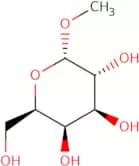
CAS:Inhibitor of Gal-dependent lectin binding; used for synthesis of galactosesFórmula:C7H16O7Pureza:Min. 95%Forma y color:PowderPeso molecular:212.2 g/molGM4-Ganglioside
CAS:GM4-ganglioside (sodium salt) is a disaccharide of sialic acid linked α2,4 to galactose and ceramide linked β to position 1 on the galactose (Ledeen, 2009). Demyelinated plaques in multiple sclerosis have decreased amounts of GM4-ganglioside, localized in myelin and oligodendroglia of the central nervous system. It has been found that the myelin basic protein is capable of releasing large quantities of entrapped [14C]glucose from multilamellar liposomes containing GM4. If the conformation of GM4 ganglioside in liposomal membranes resembles that of GM4 ganglioside in its natural environment, basic protein and GM4 may be associated within the myelin sheath of the central nervous system and their interactions are altered in demyelinating diseases, such as, multiple sclerosis (Mullin, 1981).Fórmula:C57H106N2O17·xNaPureza:Min. 95%Peso molecular:1,091.45 g/molFructosyl-lysine
CAS:Fructosyl-lysine is a substituted lysine that is formed through the glycation of proteins by sugars. It can be detected by fluorescence spectrometry and has been shown to inhibit the activity of receptor tyrosine kinases, which are involved in physiological functions such as cell growth and differentiation. Fructosyl-lysine also inhibits collagen synthesis and reduces the amount of glucose in human serum. This compound may be used as a model system to study glycation reactions with lysine, fatty acids, and other amino acids. The concentration of fructosyl-lysine found in human serum is at physiological levels and may not have any effect on antibody response.Fórmula:C12H24N2O7Pureza:Min. 95%Forma y color:PowderPeso molecular:308.33 g/molDL-Arabinose
CAS:Fórmula:C5H10O5Pureza:>98.0%(HPLC)Forma y color:White to Almost white powder to crystalPeso molecular:150.132,3-Di-O-acetyl-b-cyclodextrin
This beta-cyclodextrin (β-CD) derivative is a functionalized cyclic oligosaccharide composed of seven glucose units, characterized by a hydrophilic exterior and a lipophilic cavity (bigger than α-CD and smaller than γ-CDs), which allows it to encapsulate various guest molecules. This structural feature facilitates its use in multiple applications, including pharmaceuticals, food enhancement, and cosmetics. In the pharmaceutical industry, it enhances the solubility and stability of poorly water-soluble drugs, improving their bioavailability and efficacy while also masking unpleasant tastes. The food sector utilizes it as a stabilizer for flavors, colors, and nutrients, extending shelf life by protecting sensitive ingredients from degradation. In cosmetics, it serves as a complexing agent for fragrances and active components, ensuring their stability and controlled release. Its use expands to many other fields, including nanotechnology for drug delivery systems, environmental remediation for extracting organic pollutants, textiles for slow-release fragrances, and analytical chemistry for chiral separation.
Fórmula:C70H98O49Pureza:Min. 95%Peso molecular:1,723.5 g/molGalβ(1-3)[Neu5Acα(2-6)]GalNAc-β-pNP
CAS:Fórmula:C31H45N3O21Pureza:min. 97.0 area%(HPLC)Forma y color:White to Light yellow to Green powder to crystalPeso molecular:795.702-Acetamido-3-O-(b-D-galactopyranosyl)-2-deoxy-D-thiogalactopyranose
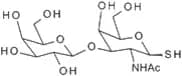
2-Acetamido-3-O-(b-D-galactopyranosyl)-2-deoxy-D-thiogalactopyranose is a synthetic disaccharide analog designed for research in glycoscience and biochemistry, particularly for applications in glycosylation-related studies. This compound is synthesized in the laboratory and is not derived from natural sources, allowing for precise structural modifications that facilitate detailed analyses of glycan interactions.The mode of action of this compound involves its role as a mimic of natural glycans, enabling the examination of carbohydrate-protein interactions, enzymatic activity, and glycan recognition processes with high specificity. It can be leveraged as a probe in structural biology to elucidate the mechanisms underlying biological recognition and signaling events mediated by carbohydrate molecules.This compound finds applications in the study of enzymatic hydrolysis, as an inhibitor of glycosidases, and in the synthesis of glycan-based drugs. It is of particular interest in the field of glycobiology for developing therapeutic agents and probing molecular pathways. The high specificity and structural fidelity of 2-Acetamido-3-O-(b-D-galactopyranosyl)-2-deoxy-D-thiogalactopyranose make it an invaluable tool for advancing our understanding of the intricate roles glycans play in biology.Fórmula:C14H25NO10SPureza:Min. 95%Peso molecular:399.42 g/molLaminarihexaose
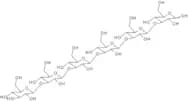
CAS:Ex algal/bacterial polysaccharides-value in b1-3 glucanase assays & diagnosticsFórmula:C36H62O31Pureza:Min. 90 Area-%Forma y color:White Off-White PowderPeso molecular:990.86 g/molMethyl 3,5-di-O-acetyl-2-deoxy-D-ribofuranoside
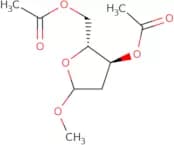
CAS:Methyl 3,5-di-O-acetyl-2-deoxy-D-ribofuranoside is a synthetic, fluorinated monosaccharide. It is an important building block for the synthesis of complex carbohydrates. The compound is also used for glycosylation reactions, click modification reactions and methylation reactions. Methyl 3,5-di-O-acetyl-2-deoxy-D-ribofuranoside can be used as an intermediate to make other products or as a custom synthesis.Fórmula:C10H16O6Pureza:Min. 95%Peso molecular:232.23 g/molAcidic Sophorolipids mix-acetylated - mixture of C30H54O13, C32H56O14 and C34H58O15
Sophorolipids are produced by various yeast species, notably Starmerella bombicola. Acidic Sophorolipids are amphiphilic molecules and therefore possess the attributes of surfactants; however as bio-surfactants they have several advantages over synthetic surfactants including low toxicity, biodegradability and the potential for low cost manufacture.Pureza:Min. 95%Forma y color:White Yellow PowderPeso molecular:622.74. 664.78 and 706.82Heptakis(2,3-di-O-acetyl-6-O-tert-butyldimethylsilyl)cyclomaltoheptaose
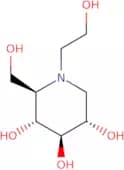
CAS:This beta-cyclodextrin (β-CD) derivative is a functionalized cyclic oligosaccharide composed of seven glucose units, characterized by a hydrophilic exterior and a lipophilic cavity (bigger than α-CD and smaller than γ-CDs), which allows it to encapsulate various guest molecules. This structural feature facilitates its use in multiple applications, including pharmaceuticals, food enhancement, and cosmetics. In the pharmaceutical industry, it enhances the solubility and stability of poorly water-soluble drugs, improving their bioavailability and efficacy while also masking unpleasant tastes. The food sector utilizes it as a stabilizer for flavors, colors, and nutrients, extending shelf life by protecting sensitive ingredients from degradation. In cosmetics, it serves as a complexing agent for fragrances and active components, ensuring their stability and controlled release. Its use expands to many other fields, including nanotechnology for drug delivery systems, environmental remediation for extracting organic pollutants, textiles for slow-release fragrances, and analytical chemistry for chiral separation.Fórmula:C112H196O49Si7Pureza:Min. 95%Peso molecular:2,523.32 g/molN-(b-Hydroxyethyl)-1-deoxynojirimycin
CAS:Inhibitor of α-glucosidase with applications in diabetes therapy for control of post-prandial blood glucose fluctuations. The compound inhibits the digestive breakdown of complex carbohydrates to absorbable monosaccharides and smoothens hyperglycaemic peaks in type 2 diabetes mellitus. It also possesses anti-obesity effects thanks to activation of brown adipose tissue and increasing energy expenditure.
Fórmula:C8H17NO5Pureza:Min. 95%Forma y color:White PowderPeso molecular:207.22 g/molBenzyl 2-azido-3,6-di-O-benzyl-2-deoxy-β-D-glucopyranoside
CAS:Please enquire for more information about Benzyl 2-azido-3,6-di-O-benzyl-2-deoxy-β-D-glucopyranoside including the price, delivery time and more detailed product information at the technical inquiry form on this page
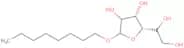
Fórmula:C27H29N3O5Peso molecular:475.54 g/molOctyl D-galactofuranoside
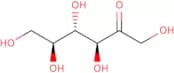
CAS:Octyl D-galactofuranoside is a disaccharide that is found in the plant Gossypium hirsutum. It has been shown to have antibacterial activity and can be used as an alternative to antibiotics. Octyl D-galactofuranoside has been shown to inhibit the growth of bacteria by binding to chloride ions and inhibiting bacterial cell wall synthesis. It also acts synergistically with other antibiotics, such as penicillin, ampicillin, sulfonamides, tetracycline, erythromycin, and cefadroxil. This compound has been shown to be biodegradable and o-glycosylated. Octyl D-galactofuranoside also has anti-leishmanial activity.Fórmula:C14H28O6Pureza:Min. 95%Forma y color:White PowderPeso molecular:292.37 g/molL-Psicose
CAS:L-Psicose is a monosaccharide that is the only metabolite of D-fructose. It is found in many living organisms, such as bacteria and fungi. L-Psicose has been shown to inhibit ribitol dehydrogenase, an enzyme involved in the production of ribitol, which catalyzes the conversion of ribitol to ribulose 5-phosphate. Ribulose 5-phosphate is an important precursor molecule for glycolysis and pentose phosphate pathways. In addition, L-psicose has been shown to bind to proteins through hydrogen bonding, which may prevent the protein from folding properly or interacting with other molecules. This binding can lead to cell death if it inhibits essential cellular functions.Fórmula:C6H12O6Pureza:Min. 95%Forma y color:White PowderPeso molecular:180.16 g/mol










![Galβ(1-3)[Neu5Acα(2-6)]GalNAc-β-pNP](/_next/image/?url=https%3A%2Fstatic.cymitquimica.com%2Fproducts%2F3B%2Fthumb-webp%2FG0345.webp&w=3840&q=75)