Glycoscience
Subcategorías de "Glycoscience"
- Aminoazúcares(108 productos)
- Anticuerpos relacionados con azúcares(282 productos)
- Glicolípidos(46 productos)
- Glicosaminoglicanos (GAGs)(55 productos)
- Glucósidos(419 productos)
- Monosacáridos(6.624 productos)
- Oligosacáridos(3.682 productos)
- Polisacáridos(504 productos)
Se han encontrado 11047 productos de "Glycoscience"
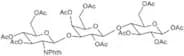
1,2,3,6-Tetra-O-acetyl-4-O-[2,4,6-tri-O-acetyl-3-O-(3,4,6-tri-O-acetyl-2-deoxy-2-phthalimido-b-D-glucopyranosyl)-b-D-galactopyranosy l]-b-D-glucopyranose
The modification of this product has been completed with a high level of purity and the CAS number is 57-49-6. It is an oligosaccharide that is a complex carbohydrate. This product can be synthesized through custom synthesis and it is a synthetic product. It is classified as a monosaccharide, methylation, glycosylation, and polysaccharide. The chemical formula for this compound is C12H14O11. This compound has been fluorinated to increase its solubility in water.Fórmula:C46H55NO27Pureza:Min. 95%Peso molecular:1,053.92 g/molHuman milk neutral penta- to -hexasaccharides
This mixture contains some of the penta- and hexasaccharides in human milk.Pureza:Min. 95%Forma y color:PowderD-Sorbitol
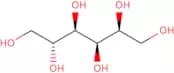
CAS:Sorbitol, also known as glucitol, occurs widely in plants, such as, the fruits of the Sorbus and Crataegus spp. Commercially it is produced by the catalytic hydrogenation of glucose (Collins, 2006). Sorbitol is approved as a sugar substitute with the E number 420 and has âgenerally recognized as safeâ status (GRAS) from the US Food and Drug Administration. It is about 60% as sweet as sucrose and is a mild laxative. Sorbitol has a wide range of other functional properties, including: humectancy, plasticizing ability, non-cariogenicity, and good chemical stability in harsh conditions, such as, alkaline pH and heat. Toothpaste production is the second largest application of sorbitol, accounting for 50,000 tons a year in Western Europe alone. Other important uses of sorbitol as a humectant, include: formulation of cough syrups, multivitamin preparations, emulsions, and suspensions (OâNeil, 2013).
Fórmula:C6H14O6Pureza:Min. 98 Area-%Forma y color:White PowderPeso molecular:182.17 g/mol1,4-β-D-Xylopentaose
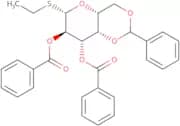
CAS:Xylopentaose is a pentose sugar that belongs to the group of polyols. It has been shown to be a dietary supplement that improves the lipid profile in mice and humans, which may be due to its ability to inhibit diacylglycerol acyltransferase, thereby preventing the synthesis of triglycerides. Xylopentaose is also able to increase serum glucose levels by stimulating insulin secretion through the activation of pancreatic β-cells. Xylopentaose can be used as a sweetener because it has some sweetness but does not cause tooth decay like sugar does.Fórmula:C25H42O21Pureza:Min. 95%Forma y color:PowderPeso molecular:678.59 g/molEthyl 2,3-di-O-benzoyl-4,6-O-benzylidene-β-D-thiogalactopyranoside
CAS:Ethyl 2,3-di-O-benzoyl-4,6-O-benzylidene-b-D-thiogalactopyranoside is a high purity custom synthesis sugar. This product contains the Click modification, fluorination and glycosylation modifications. It can be used in the synthesis of oligosaccharides, monosaccharides and saccharides. Ethyl 2,3-di-O-benzoyl-4,6-O-benzylidenebDthiogalactopyranoside is used to synthesize complex carbohydrates.Fórmula:C29H28O7SPureza:Min. 98 Area-%Forma y color:PowderPeso molecular:520.59 g/mol(R)-3,6-O-Benzylidene-2,6-dideoxy-L-galactono(glucono)-1.4-lactone
CAS:(R)-3,6-O-Benzylidene-2,6-dideoxy-L-galactono(glucono)-1.4-lactone is a synthetic compound that has been prepared by methylation and click modification of the corresponding L-galactonolactone. The product is an oligosaccharide with a polysaccharide chain consisting of saccharides and monosaccharides. This product is also a complex carbohydrate with high purity, custom synthesis, and modification. The synthetic compound has been used in the synthesis of other compounds such as saccharides.Pureza:Min. 95%iota-Cyclodextrin
CAS:Iota-cyclodextrin (ι-CD) contains 14 glucose units. This cyclodextrin has potential applications in host-guest chemistry, particularly for large molecules or assemblies.
Fórmula:C84H140O70Pureza:Min. 95%Peso molecular:2,269.97 g/mol6-Amino-6-deoxy-D-lactosylamine
6-Amino-6-deoxy-D-lactosylamine is a modified sugar that is used to synthesize glycosides. It is also used as a reagent for the methylation of saccharides and polysaccharides. This product can be custom synthesized or ordered from our catalog. We offer high purity 6-amino-6-deoxy-D-lactosylamine, which has been chemically modified with fluorine and has a CAS number of 7092-12-3. It is available in different quantities and can be ordered with other custom modifications, such as Click chemistry.
Pureza:Min. 95%L-Arabinopyranosyl thiosemicarbazide
CAS:L-Arabinopyranosyl thiosemicarbazide is a carbohydrate that belongs to the group of saccharides. It is a synthetic, fluorinated monosaccharide that has been modified with methyl groups and glycosylation. L-Arabinopyranosyl thiosemicarbazide is used in the synthesis of complex carbohydrates and oligosaccharides. This compound can be custom synthesized according to your specifications. L-Arabinopyranosyl thiosemicarbazide is available at high purity and low price.Fórmula:C6H13N3O4SPureza:Min. 95%Peso molecular:223.25 g/molZiyuglycoside II
CAS:Ziyuglycoside II is a steroidal alkaloid that has been shown to have anti-angiogenic properties. It is a natural compound extracted from the Chinese herb ziyuglycoside. This compound has been shown to inhibit the activation of toll-like receptor 4, which plays an important role in inflammation and immunity. Ziyuglycoside II also inhibits the production of reactive oxygen species and autophagy, leading to cell death by apoptosis. This compound has been shown to be effective against bowel disease and epithelial mesenchymal transition (EMT). Ziyuglycoside II has also been shown to have matrix effects on the cells Hl-60, which are related to tumor metastasis.
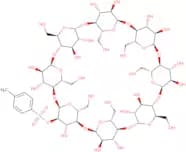
Fórmula:C35H56O8Pureza:Min. 95%Forma y color:White To Off-White SolidPeso molecular:604.81 g/molMono-2-O-(p-toluenesulfonyl)-gamma-cyclodextrin
CAS:This gamma-cyclodextrin (γ-CD) derivative is a modified cyclic oligosaccharide composed of eight glucose units, featuring a larger cavity size than α- and β-cyclodextrins. This structural characteristic allows γ-CDs to form inclusion complexes with a wider range of guest molecules, making it particularly versatile in various industries. In the food sector, it is used as a carrier and stabilizer for flavors, fat-soluble vitamins, and polyunsaturated fatty acids, protecting volatile compounds from evaporation. In pharmaceuticals, it enhances the solubility and bioavailability of poorly water-soluble drugs and, thanks to its larger ring size, allows for the encapsulation of larger molecules or even entire drug molecules. γ-CDs and derivatives are also used for environmental remediation and, in analytical chemistry, for the extraction and concentration of target substances.Pureza:Min. 95 Area-%Forma y color:PowderCarboxymethyl cellulose
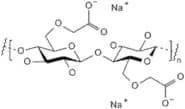
CAS:Carboxymethyl cellulose is used in food as a viscosity modifier, thickener, to stabilise emulsions and are found in gluten-free and reduced-fat products. It is also a constituent of toothpaste, laxatives, diet pills, water-based paints, detergents, textile sizing, and various paper products. In laundry detergents, it is used as a soil suspension polymer. It is also used in pharmaceuticals as a thickening agent and in the oil-drilling industry as a viscosity modifier and water-retaining agent.
Fórmula:C8H16O8Pureza:Min. 95%Forma y color:White PowderPeso molecular:240.21 g/mol1,5-Anhydro-D-fructose
CAS:Antioxidant; antibacterial; suppresses LPS-induced inflammatory responseFórmula:C6H10O5Pureza:Min. 95%Forma y color:PowderPeso molecular:162.14 g/molMethyl 2,6-di-O-p-toluenesulfonyl-D-glucopyranoside
CAS:Fluorination is a process that has been used to synthesize various types of chemical compounds. Fluorination is usually achieved by reacting an organic compound with elemental fluorine gas, or dissolved fluoric acid. Fluorination may also be carried out with silicon tetrachloride, sulfur tetrafluoride, or other fluorinating agents. The term fluorination refers to the substitution of hydrogen atoms in an organic molecule with fluorine atoms. This reaction is most often done on unsaturated carbon-carbon bonds, because these are more reactive than others. Monosaccharides are sugar molecules that consist of one sugar unit and two hydroxyl groups (CAS No. 54497-89-1). They are classified as simple sugars because they can be hydrolyzed into their component parts by hydrolysis or oxidation. Polysaccharides are carbohydrates consisting of long chains of monosaccharides (sugar molecules) bonded together by glycosidic linkagesFórmula:C21H26O10S2Pureza:Min. 95%Peso molecular:502.56 g/molGlucurono-xylomannan polysaccharide from Tremella fuciformis
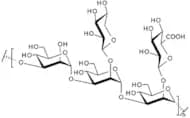
CAS:The polysaccharide, known as glucuronoxylomannan - produced by fruit bodies and in pure culture conditions - has been shown to consist of a mannan backbone that is glycosylated with xylan and glucuronic acid chains in a regular repeating structure. Laboratory tests have associated a number of biological activities with Cryptococcus neoformans glucuronoxylomannan, including immunostimulatory, antidiabetic, anti-inflammatory, hypocholesterolemic, hepatoprotective, and antiallergic effects. The image was kindly provided by Dr. Chris Lawson.Pureza:(%) Min. 60%Forma y color:White Off-White PowderD-Allono-1,5-lactone
CAS:D-Allono-1,5-lactone is a glycoside that has been custom synthesized. It is a high purity product with a variety of modification options. This compound can be used for the synthesis of sugars, Click modification, fluorination, and glycosylation. D-allono-1,5-lactone has CAS No. 894408-50-5 and is classified as an oligosaccharide or sugar. It can also be methylated or modified to create saccharides or complex carbohydrates.Fórmula:C6H10O6Pureza:Min. 95%Peso molecular:178.14 g/molZiyuglycoside I
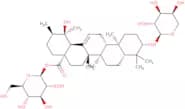
CAS:Ziyuglycoside I is a naturally occurring compound that has been shown to have physiological effects on skin cells. It has been found to bind to collagen and the matrix of skin cells, which may be its mechanism of action. Ziyuglycoside I also has an anti-inflammatory effect, which may be due to its ability to inhibit transcription-polymerase chain reactions (PCR). It has been shown to have antimicrobial activity against some strains of bacteria that are resistant to antibiotics such as erythromycin and tetracycline. Ziyuglycoside I has potential applications in the treatment of infectious diseases and inflammatory skin diseases.
Fórmula:C41H66O13Pureza:Min. 95%Forma y color:White PowderPeso molecular:766.95 g/mol1,2:3,4-Di-O-isopropylidene-a-D-galactopyranose
CAS:1,2:3,4-Di-O-isopropylidene-a-D-galactopyranose, also known as diacetone-D-galactose and galactose diacetonide, is a partially protected monosaccharide building block with isopropylidene groups on the 1,2 and 3,4 hydroxyls. The 6-hydroxyl is unprotected and able to undergo a variety of chemical transformations, such as glycosylation acting as a glycosyl acceptor to form 1,6-linked disaccharides.Fórmula:C12H20O6Pureza:Min. 96.5 Area-%Forma y color:Clear Viscous LiquidPeso molecular:260.28 g/molMethyl 2-benzyloxycarbonylamino-2-deoxy-a-D-glucopyranoside
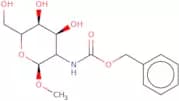
CAS:Methyl 2-benzyloxycarbonylamino-2-deoxy-a-D-glucopyranoside is a monosaccharide that is modified with fluorine. The modification of the sugar molecule can be done by either a click or an oxidative process. In the case of this product, the modification was done by addition of fluorine to the methyl group on the second carbon atom of the benzyloxycarbonyl group. This product belongs to CAS No. 4704-15-8 and has a high purity. It is also a complex carbohydrate and consists of saccharides and sugars. Methyl 2-benzyloxycarbonylamino-2-deoxy-a-D-glucopyranoside can be used in polysaccharides and saccharides, as well as other applications related to carbohydrates such as modifying glycoproteins and glycolipids, as well as being used in pharmaceuticals suchFórmula:C15H21NO7Pureza:Min. 95%Peso molecular:327.33 g/molTri-b-GalNAcAc3-6-aminoheaxanoate TFA
Tri-b-GalNAc-6-aminohexanoate TFA is the peracetylated TFA salt from MT184237. It is a synthetic ligand designed to target the asialoglycoprotein receptor (ASGPR) on hepatocytes. The three terminal beta-N-acetylgalactosamine (GalNAc) sugars provide an efficient ASGPR binding. It serves as a platform for lysosomal targeting chimera (LYTAC) development, allowing for the creation of chimeras that specifically target unwanted proteins for degradation within hepatocytes. In addition, tri-b-GalNAc-6-aminohexanoate facilitates the delivery of therapeutic cargo, such as RNA or Cas9 complexes, directly to hepatocytes via ASGPR-mediated endocytosis. This approach is promising for gene therapy and RNAi applications in the liver due to the specificity of ASGPR targeting and the versatility of the conjugation moiety.Fórmula:C85H140N11O37C2F3O2Pureza:Min. 95 Area-%Peso molecular:2,021.09 g/molPhenyl 2,3,4,6-tetra-O-acetyl-a-D-thiomannopyranoside
CAS:Phenyl 2,3,4,6-tetra-O-acetyl-a-D-thiomannopyranoside is an analog of a sugar molecule. This compound can be synthesized by the metathesis reaction between phenyl 2,3,4,6-tetra-O-acetyl-α-(2′→3′)-D-thiomannopyranoside and bis(trimethylsilyl) sulfate in the presence of polyphosphoric acid and potassium sulfate. The yield of this synthesis is high and can be increased with the addition of potassium sulfonate as a cofactor.Fórmula:C20H24O9SPureza:Min. 98%Forma y color:PowderPeso molecular:440.46 g/molN-Azidoacetylmannosamine
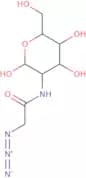
CAS:N-Azidoacetylmannosamine, also called ManNAz and 2-[(2-azidoacetyl)amino]-2-deoxy-D-mannose, is a click reagent for metabolic labelling of ManNAc. The azide is able to react with an alkyne in a 1,3-dipolar cycloaddition reaction (click chemistry) to enable linking to a fluorescent probe or a biotin. N-Azidoacetylmannosamine has been used in the chemical modification of glycoproteins to improve their in vivo efficacy and to label them for detection.Fórmula:C8H14N4O6Pureza:Min. 90%Forma y color:White PowderPeso molecular:262.22 g/mol3-Deoxy-3-fluoro-1,2:5,6-di-O-isopropylidene-a-D-allofuranose
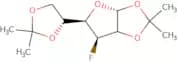
3-Deoxy-3-fluoro-1,2:5,6-di-O-isopropylidene-a-D-allofuranose is a modification of the naturally occurring 3,6-anhydro form of D allofuranose. It is an oligosaccharide that is the product of a synthetic process and has been shown to be useful in glycosylation reactions. 3DFIODA can be methylated at its hydroxyl groups and glycosylated with saccharides. It is also fluorinated at C3 and C6 positions. This compound has CAS number 141173-26-8 and molecular weight of 228.Fórmula:C12H19FO5Pureza:Min. 95%Peso molecular:262.27 g/mol1,2-O-Cyclohexylidene-myo-inositol
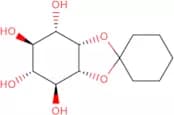
CAS:1,2-O-Cyclohexylidene-myo-inositol (CIM) is a fatty acid that has a 6-hydroxyl group. This compound is used in the diagnosis of chemical biology, immunocomplexes and phosphate derivatives. CIM has been shown to bind to iron and form an immunocomplex with it. CIM also binds to phosphate derivatives, which are found in carbohydrate chemistry. The hydroxyl group on CIM can react with chloride ions and form asymmetric synthesis. Growth factors like insulin and other hormones can be synthesized from this compound through the addition of an amine group or phosphate group. CIM also reacts with monoclonal antibodies for use in diagnostic tests for pancreatic lipase.Fórmula:C12H20O6Pureza:Min. 95%Forma y color:PowderPeso molecular:260.28 g/mol1,5-Diepi-adenophorine
1,5-Diepi-adenophorine is a fluorinated monosaccharide. It is synthesized by an asymmetric glycosylation with 1,5-dideoxyadenosine and α-D-mannose as the donors. The synthesis of this compound requires custom synthesis and high purity. 1,5-Diepi-adenophorine can be modified with methyl groups or click chemistry to make it more suitable for use in biochemistry research.Pureza:Min. 95%GD2-Oligosaccharide-sp-biotin
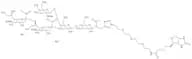
The structure of GD2-oligosaccharide-sp-biotin (sodium salt) comprises (GalNAcβ1,4Galβ1,4Glc) with two sialic acids linked (β-2,3/β-2,8) to the central galactose residue and biotin attached to position 1 of the reducing glucose moiety. GD2 ganglioside is expressed at a low concentration in the central nervous system, nerves, skin melanocytes and stem cells in healthy adults. On the other hand, GD2 ganglioside is overexpressed in a number of tumors, including: neuroblastoma, melanoma, small cell lung carcinoma and brain tumors. Recently, it has been found in low concentrations on breast cancer stem cells (CSC) that possess: self-renewal properties (division without disrupting the undifferentiated state) and tumor-initiating capabilities. It has been suggested that GD2 ganglioside may be developed as an effective target antigen for CSC immunotherapy.
Fórmula:C65H104N10O37S·2NaPureza:One SpotForma y color:White PowderPeso molecular:1,695.61 g/molLS-tetrasaccharide a
CAS:Sialylated tetrasaccharide found in human milk. Possible health benefits for the neonate, by supporting resistance to pathogens, gut maturation, immune function, and cognitive development.Fórmula:C37H62N2O29Pureza:Min. 95%Forma y color:PowderPeso molecular:998.88 g/mol(1S) -1- [(2S, 3R,4S) - 3- Hydroxy-4-hydroxymethyl- 1- benzyl - 2- azetidinyl] -1, 2- ethanediol
(1S) -1- [(2S, 3R,4S) - 3- Hydroxy-4-hydroxymethyl- 1- benzyl - 2- azetidinyl] -1, 2- ethanediol is a sugar that is made synthetically. It has a CAS number of 76577-11-7 and is available for custom synthesis. The chemical name for this product is (1S)-1-[(2S,3R,4S)-3-[(2E)-3-(hydroxymethyl)oxirane]-4-(hydroxymethyl)-2-(benzyloxy)methyl]-1,2-ethanediol. This product has high purity and can be used for glycosylation or methylation reactions.Pureza:Min. 95%Rhodamine B isothiocyanate-dextran - Average MW 10,000
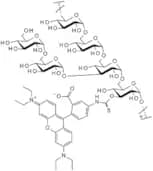
Rhodamine dextran (RD) is widely used as both an anterograde and retrograde tracer in neurons and for numerous other applications. It is biologically rather inert having α-1,6-linked glucose residues resistant to cleavage by most endogenous cellular glycosidases. It has low immunogenicity and makes an ideal long-term tracer for live cells. RD also serves as a valuable marker for cell loading of macromolecules by micro-injection, vesicular fusion, and electroporation, as well as for the uptake and internal processing of exogenous materials by phagocytotic and endocytic pathways.Forma y color:PowderCharantoside
Charantoside is a natural flavone glycoside that belongs to the group of c-glycosides. It has significant anti-inflammatory activity, inhibiting tumor necrosis factor-α (TNF-α) and matrix metalloproteinase-7 (MMP-7), which are proinflammatory cytokines. Charantoside also has anti-diabetic properties, as it inhibits glucose uptake and stimulates insulin release from pancreatic β cells in vitro. Charantoside is found in plants of the Cucurbitaceae family, such as cucumber and pumpkin. This compound can be detected by fingerprinting techniques and was found to have been present in at least two plant families. Charantoside has been shown to inhibit TNF-α production in vivo studies conducted on mice.Pureza:Min. 95%1,3,4,6-Tetra-O-acetyl-N-azidoacetylmannosamine
CAS:1,3,4,6-Tetra-O-acetyl-N-azidoacetylmannosamine, also called ManNAz tetraacetate, 1,3,4,6-tetra-O-acetyl-N-azidoacetyl-D-mannosamine and Ac4ManNAz, is an azide-containing metabolic glycoprotein labelling reagent that can be incorporated into the sialic acid biosynthesis pathway. The azide is able to react with an alkyne in a 1,3-dipolar cycloaddition reaction (click chemistry) to enable linking to a fluorescent probe or a biotin.Fórmula:C16H22N4O10Pureza:Min. 95%Forma y color:PowderPeso molecular:430.37 g/mol(5R, 8S, 9R) -8- [(4R) - 2, 2-Dimethyl- 1, 3- dioxolan- 4- yl] - 9- hydroxy- 2, 2- dimethyl- 1, 3, 7- trioxaspiro[4.4] nonan- 6- one
(5R, 8S, 9R) -8- [(4R) - 2, 2-Dimethyl- 1, 3- dioxolan- 4- yl] - 9- hydroxy- 2, 2- dimethyl- 1, 3, 7- trioxaspiro[4.4] nonan- 6- one is a monosaccharide that has been synthesized and modified. The synthesis of this compound was achieved by reacting 5-(2-(benzyloxy)ethoxy)-1-(3-(dimethylamino)propoxy)-2-(4-[(2S)-2,2,-dimethylpropanoyl]phenyl)pentaone (1), with the corresponding bromoacetate or chloroacetate in the presence of base to give the desired product (2). This compound has been methylated and glycosylated. It is a white solid that is soluble in water and DMSOPureza:Min. 95%(2S, 3S, 4S) -2- (Hydroxymethyl) - 2- methyl- 3, 4- pyrrolidinediol
CAS:The product is a Carbohydrate, Modification, saccharide, Oligosaccharide. It is an artificial sugar that has been synthesized and modified for use in the food industry. The material is a complex carbohydrate with a high purity level and custom synthesis. It can be used in the production of sweeteners or as a flavor enhancer. The product is fluorinated to slow down its rate of degradation, which allows it to be used as an ingredient in processed foods. The product also has glycosylation sites that can be methylated or click-modified.Fórmula:C6H13NO3Pureza:Min. 95%Peso molecular:147.17 g/molMethyl α-L-daunosamide hydrochloride
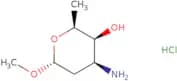
CAS:Methyl α-L-daunosamide hydrochloride is a drug that inhibits the production of DNA. It is used to treat infectious diseases such as malaria, in which it can inhibit the growth of the parasite by preventing DNA replication and transcription. The methyl α-L-daunosamide hydrochloride molecule is a polymerase chain inhibitor that binds to the enzyme adriamycin synthetase, which catalyzes the conversion of daunosamine into adriamycin. This binding prevents the formation of stable complexes with the target enzymes and blocks their activity, leading to inhibition of DNA synthesis and transcription. Methyl α-L-daunosamide hydrochloride has been shown to inhibit glycan biosynthesis in rat liver microsomes and does not have significant interactions with other drugs or with glycan in human serum.Fórmula:C7H15NO3•HClPureza:Min. 85 Area-%Forma y color:PowderPeso molecular:197.66 g/mol4-O-(β-D-Mannopyranosyl)-D-glucose
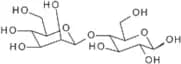
CAS:4-O-(b-D-Mannopyranosyl)-D-glucose is a metabolite of D-mannose. It is a bacterial metabolite produced by Streptococcus pneumoniae that has been shown to inhibit the growth of bacteria by binding to the 50S ribosomal subunit. 4-O-(b-D-Mannopyranosyl)-D-glucose inhibits bacterial growth by binding to DNA dependent RNA polymerase, thereby preventing transcription and replication. The high frequency of human activity has been shown using a patch clamp technique on human erythrocytes. This active form is metabolized through a number of metabolic transformations, including hydrolysis by esterases or glucuronidases, oxidation by cytochrome P450 enzymes, reduction by glutathione reductase, or conjugation with glucuronic acid. Rifapentine also specifically binds to markers expressed at high levels in Mycobacter
Fórmula:C12H22O11Pureza:Min. 98 Area-%Forma y color:PowderPeso molecular:342.3 g/molDi-mannuronic acid sodium salt
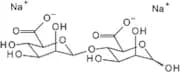
Di-mannuronic acid sodium salt (β-1,4-linked sodium mannuronobiose) is one of a number of oligosaccharides obtained from alginate which is a polysaccharide in brown seaweeds containing: blocks of repeating mannuronic acid sequences (M-M-M-M etc), repeating guluronic acid sequences (G-G-G-G etc), and alternating M-G-M-G sequences.These oligosaccharides can be released using several methods (Lua, 2015; Yanga, 2004) and claims have been published that mannuronic acid oligosaccharides for example, can be effective in the prophylaxis and treatment of Alzheimer's disease, or for the prophylaxis and treatment of diabetes (USP 8835403B2, 2014).Fórmula:C12H16O13Na2Pureza:Min. 98 Area-%Forma y color:White Off-White PowderPeso molecular:414.23 g/mol2,3,4-Tri-O-acetyl-D-arabinopyranosyl bromide - Stabilised with 2% CaCO3
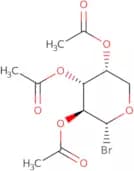
CAS:2,3,4-Tri-O-acetyl-D-arabinopyranosyl bromide - Stabilised with 2% CaCO3 is an organic compound that belongs to the group of glycosylations. It is a sugar derivative of arabinose and has been fluorinated with trifluoromethanesulfonic acid. This product is custom synthesized and can be used for Glycosylation reactions as well as methylations and click modifications. It is also a complex carbohydrate and can be used in the production of polysaccharides. The CAS number for this compound is 113889-50-2 and it has a monosaccharide content of 100%. This product is available for purchase at high purity.Fórmula:C11H15BrO7Pureza:Min. 95%Forma y color:PowderPeso molecular:339.14 g/mol3,5-Dideoxy-3,5-imino-1,2-O-isopropylidene-N-methyl-L-idofuranose
3,5-Dideoxy-3,5-imino-1,2-O-isopropylidene-N-methyl-L-idofuranose is a custom synthesis that can be modified to the customer's specifications. This product has CAS No. and is a polysaccharide with modification. It is a carbohydrate that is a saccharide with methylation, glycosylation and click modification. This product is high purity, fluorinated and synthetic.Pureza:Min. 95%2,3-Di-O-benzyl-4,6-O-ethylidene-D-glucopyranose
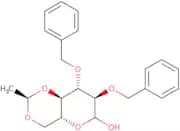
CAS:2,3-Di-O-benzyl-4,6-O-ethylidene-D-glucopyranose is a synthetic oligosaccharide that can be used as a starting material for the synthesis of glycosylated polysaccharides. It is custom synthesized to your specifications and is available in high purity.Fórmula:C22H26O6Pureza:Min. 95%Forma y color:PowderPeso molecular:386.44 g/molL-Glucosamine hydrochloride
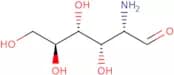
CAS:L-Glucosamine hydrochloride is a fluorescent derivative of L-glucosamine, which is an amino sugar that occurs naturally in the human body. L-glucosamine hydrochloride can be used to measure the uptake of glucose by cells and tissues. The hydroxyl group on the glucosamine molecule is responsible for this activity. L-glucosamine hydrochloride has been shown to have anticancer activity against leukemia cells in tissue cultures and it may be useful as a cancer treatment. It is also capable of inducing cytokine responses when it binds to antigen sites on T cells, which may lead to its use as an immunotherapy agent.Fórmula:C6H13NO5•HClPureza:Min. 95%Forma y color:PowderPeso molecular:215.63 g/mol(2R,3S,4R)-4-O-Benzyl-N-benzyloxycarbonyl-2-hydroxymethyl-3,4-pyrrolidinediol
(2R,3S,4R)-4-O-Benzyl-N-benzyloxycarbonyl-2-hydroxymethyl-3,4-pyrrolidinediol is a carbohydrate that is used in the synthesis of oligosaccharides. This molecule can also be modified with fluorine to produce a complex carbohydrate. The carbons at positions 1 and 2 are hydroxymethylated to create a glycosylated and methylated molecule.Pureza:Min. 95%(2R, 3S, 4R, 5S) -3,4-O-Isopropylidene-2- butyl-3, 4, 5- piperidinetriol
The following product descriptions are from the company's website:Pureza:Min. 95%1-O-Galloyl-b-D-glucose
CAS:1-O-Galloyl-b-D-glucose is a molecule that is found in plants and has been used as an inhibitor of p-hydroxybenzoic acid (PHBA) enzyme activities. 1OGG inhibits the growth of viruses by inhibiting the enzymatic activity of their RNA polymerases. It also inhibits mitochondrial membrane potential, which is vital for cellular respiration. 1OGG has shown to be active against urinary infections and opportunistic fungal infections such as Candida glabrata. In vitro assays have shown that it may have anti-inflammatory properties.Fórmula:C13H16O10Pureza:Min. 98 Area-%Forma y color:White PowderPeso molecular:332.26 g/mol1-O-Acetyl-2,3,5-tri-O-benzoyl-b-D-ribofuranose
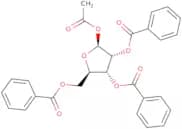
CAS:1-O-Acetyl-2,3,5-tri-O-benzoyl-b-D-ribofuranose is an intermediate used to access a variety of ribonucleoside analogues. The ribosylation of substituted purines and pyrimidines with 1-O-Acetyl-2,3,5-tri-O-benzoyl-b-D-ribofuranose affords ribonucleoside analogues with the potential for biological and medicinal activity. Ribosylation requires the use of a catalyst such as trimethylsilyl trifluoromethane sulfonate and N,O-Bis(trimethylsilyl)trifluoroacetamide.Fórmula:C28H24O9Pureza:Min. 98 Area-%Forma y color:White PowderPeso molecular:504.48 g/molMethyl protodioscin
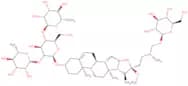
CAS:Methyl protodioscin is a natural compound that has been shown to have a promising therapeutic effect on autoimmune diseases. Methyl protodioscin is derived from soybean extract and it is known to inhibit the translocation of bacteria across the gut wall, which could be due to its ability to regulate mucin gene expression. In vitro assays show that methyl protodioscin has an effect on mitochondrial membrane potential, which may be related to its anti-inflammatory properties. The effects of methyl protodioscin on mitochondrial functions were studied in C. glabrata, and it was shown that this compound can be used as a therapeutic agent for balloon injury. Methyl protodioscin also inhibits the growth of Candida albicans and other fungi in vivo, suggesting that this compound might have antifungal activity.Fórmula:C52H86O22Pureza:Min. 95%Peso molecular:1,063.23 g/mol1,2,3,4,6-Penta-O-galloyl-D-glucopyranose
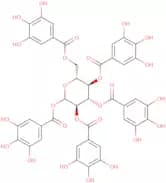
CAS:1,2,3,4,6-Penta-O-galloyl-D-glucopyranose (PGG) is a naturally occurring compound that has been shown to be involved in the transport of glucose across cell membranes. It increases the blood glucose levels in animals and is an inhibitor of phosphatase. PGG has also been shown to have potential therapeutic properties for diabetes. Studies have shown that PGG inhibits the enzymes involved in glycogen synthesis and glycogenolysis, which are important for maintaining normal blood glucose levels. This inhibition may be due to its affinity for receptor binding sites or its ability to act as a competitive inhibitor of these enzymes.Fórmula:C41H32O26Pureza:Min. 95%Peso molecular:940.68 g/molUDP-GlcNAc disodium salt
CAS:Substrate for N-acetylglucosaminyltransferases
Fórmula:C17H25N3O17P2Na2Pureza:Min. 98 Area-%Forma y color:White PowderPeso molecular:651.32 g/mol2-Acetamido-3,4,6-tri-O-acetyl-2-deoxy-α-D-galactopyranosyl-Fmoc serine
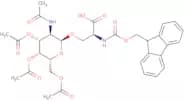
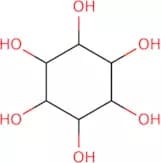
CAS:2-Acetamido-3,4,6-tri-O-acetyl-2-deoxy-α-D-galactopyranosyl-Fmoc serine is an amino sugar that has been shown to be a supplement for soybean cultivars. It is a basic compound that is obtained from the condensation of glycine and acetamidodeoxygalactose. This amino sugar can be used as a matrix in genetic engineering and tissue culture experiments with soybean plants. Transgenic soybeans have been created using 2AAGFS as the source of galactose for glycoprotein synthesis. Soybean plants with transgenes are also able to synthesize high levels of seed protein, which may increase the quality of soybean products.Fórmula:C32H36N2O13Pureza:Min. 95 Area-%Forma y color:White PowderPeso molecular:656.63 g/molmyo-Inositol
CAS:Vitamin added to plant cell culture medium to promote growth. Used to differentiate microorganisms based on their metabolic properties.Fórmula:C6H12O6Pureza:Min. 99.0 Area-%Peso molecular:180.16 g/molCorn starch
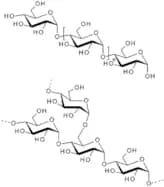
CAS:Starch is a two component polysaccharide mixture of amylose and amylopectin. Amylose is a linear polysaccharide of α (1,4)-linked glucose residues and averages 20 to 30% of the total in most native starches. Amylopectin is a highly branced glucan containing both a (1,4) and a (1,6) linkages. The number of glucose residues in a single starch molecule can vary from five hundred to several hundred thousand, depending on the type of starch. Starch is the major storage form of energy in plants, just as glycogen is the storage form of energy for animals. The plant directs the starch molecules to the amyloplasts, where they are deposited to form granules. Thus, both in plants and in the extracted concentrate, starch exists as granules varying in diameter from 2 to 130 μm.Pureza:Min. 95%Forma y color:Powder








![(1S) -1- [(2S, 3R,4S) - 3- Hydroxy-4-hydroxymethyl- 1- benzyl - 2- azetidinyl] -1, 2- ethanediol](/_next/image/?url=https%3A%2Fstatic.cymitquimica.com%2Fproducts%2F3D%2Fthumb-webp%2FMH163532.webp&w=3840&q=75)


![(5R, 8S, 9R) -8- [(4R) - 2, 2-Dimethyl- 1, 3- dioxolan- 4- yl] - 9- hydroxy- 2, 2- dimethyl- 1, 3,…](/_next/image/?url=https%3A%2Fstatic.cymitquimica.com%2Fproducts%2F3D%2Fthumb-webp%2FMD170672.webp&w=3840&q=75)