Glycoscience
Subcategorías de "Glycoscience"
- Aminoazúcares(108 productos)
- Anticuerpos relacionados con azúcares(282 productos)
- Glicolípidos(46 productos)
- Glicosaminoglicanos (GAGs)(55 productos)
- Glucósidos(419 productos)
- Monosacáridos(6.624 productos)
- Oligosacáridos(3.682 productos)
- Polisacáridos(504 productos)
Se han encontrado 11047 productos de "Glycoscience"
D-Glucal
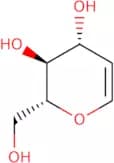
CAS:D-Glucal is a protonated d-glucal, which is a simple sugar. It reacts with the electron acceptor oxygen to form an oxidized product. This product can be reduced back to the original molecule by using a reducing agent, such as sodium borohydride or sodium dithionite. D-Glucal has been shown to inhibit the growth of tumor cells in mice that are resistant to other anticancer drugs. D-Glucal inhibits transcription and replication of DNA by binding to the DNA-dependent RNA polymerase and blocking its ability to transcribe messenger RNA (mRNA). The enzyme is also inhibited by glycosidic bond architectures that prevent it from binding to the DNA template strand. D-Glucal also has an effect on protein synthesis because it binds to proteins and prevents them from performing their normal functions. D-Glucal has been used as a model system for studying cellular processes in mammalian cells, such as oxidationFórmula:C6H10O4Pureza:Min. 98 Area-%Forma y color:White Off-White PowderPeso molecular:146.14 g/mol1-O-Benzyl-2N, 3-O-carbonyl-α-L-sorbofuranosylamine
CAS:Apigenin is a flavone, which is a type of phenolic compound. It is one of the most widely distributed plant flavonoids found in nature. Apigenin has been shown to inhibit glucose uptake and intestinal transport in mice. Apigenin also has been shown to have anti-inflammatory properties, as well as the ability to suppress the growth of cancer cells in vitro. The expression of apigenin was observed after incubation with caco-2 cells and was upregulated when maltose was added to the media. Apigenin can be used as an additive for food products that are high in sugar content, such as cakes and cookies.Fórmula:C14H17NO6Pureza:Min. 95%Forma y color:Colourless LiquidPeso molecular:295.29 g/molN-Acetyl-D-galactosamine-4,6-di-O-sulphate sodium salt
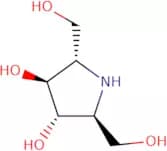
CAS:N-Acetyl-D-galactosamine-4,6-di-O-sulphate sodium salt is a synthetic sugar that is used as an intermediate in the production of glycosides. It can be fluorinated, methylated, and modified with other functional groups such as acetyl or succinyl groups. The chemical name for this product is N-[2-(acetylamino)ethyl]-N'-(3,4,5-trimethoxybenzoyl)glycolamido]benzoic acid 4,6-di-O-(sodium sulfate). It has a molecular weight of 681.32 g/mol and a CAS number of 157296-98-5. This product is soluble in water (10 mg/ml), ethanol (100 mg/ml), ether (100 mg/ml), chloroform (1 mg/ml), and methanol (25 mg/ml).Fórmula:C8H13NO12S2Na2Pureza:Min. 95%Forma y color:PowderPeso molecular:425.29 g/mol1-Amino-D-butane-2,3,4-triol
1-Amino-D-butane-2,3,4-triol is a custom synthesis of 1,2,3,4-1-amino butane. It has been modified with fluorination and methylation. This product has a CAS number of 20897-16-0. The molecular weight is 152.17 g/mol and the molecular formula is C6H11NO3. This product is a synthetic compound that consists of monosaccharides and oligosaccharides. The glycosylation is Oligosaccharide and saccharide. It can be found in the carbohydrate category as it contains complex carbohydrates.
Pureza:Min. 95%2,4,7,8,9-Pentaacetyl-N- [(2- propyn- 1- yloxy) carbonyl] - b- neuraminic acid methyl ester
CAS:2,4,7,8,9-Pentaacetyl-N-[(2-propen-1-yloxy)carbonyl]-b-neuraminic acid methyl ester is a Glycosylation reagent that is used in the synthesis of oligosaccharide and polysaccharide. The product can be modified to produce Click modifications and complex carbohydrates. It has been shown to have high purity and can be custom synthesized.Fórmula:C24H31NO15Pureza:Min. 95%Peso molecular:573.5 g/mol2,3:4,6-Di-O-isopropylidene-α-L-sorbofuranose
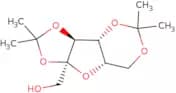
CAS:2,3:4,6-Di-O-isopropylidene-α-L-sorbofuranose is a furanose sugar that is structurally similar to sorbose. It is a five membered ring with two stereocenters. The conformation of this molecule encompasses the techniques of dialkyl and furanose synthesis. This compound can be used as a vitamin and can be degraded by ozonation in water. 2,3:4,6-Di-O-isopropylidene-α-L-sorbofuranose is biodegradable and has been shown to have antiinflammatory properties.Fórmula:C12H20O6Pureza:Min. 95%Forma y color:White PowderPeso molecular:260.28 g/molIsomaltitol
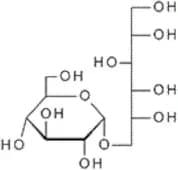
CAS:Bulk sweetener; viscosity/bodying agent; humectant; cryoprotectant
Fórmula:C12H24O11Pureza:Min. 95%Forma y color:White SolidPeso molecular:344.31 g/molNeocarradecaose-41,3,5,7,9-penta-O-sulfate sodium salt
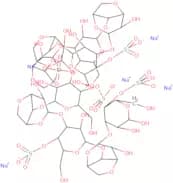
CAS:Neocarradecaose-41,3,5,7,9-penta-O-sulfate sodium salt is a synthetic oligosaccharide that is used as an active ingredient in anti-tuberculosis drugs. It has been shown to have strong inhibitory activity against Mycobacterium tuberculosis. Neocarradecaose-41,3,5,7,9-penta-O-sulfate sodium salt is also a good substrate for glycosylation reactions and can be modified by methylation or click chemistry. This compound is water soluble and suitable for dissolving in organic solvents. The purity of the compound is over 98%.Fórmula:C60H87Na5O61S5Pureza:Min. 95 Area-%Forma y color:Yellow PowderPeso molecular:2,059.58 g/molHexa-mannuronic acid sodium
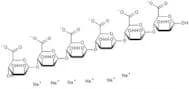
Hexa-mannuronic acid sodium salt (β-1,4-linked sodium mannuronohexaose) is one of a number of oligosaccharides obtained from alginate which is a polysaccharide in brown seaweeds containing: blocks of repeating mannuronic acid sequences (M-M-M-M etc), repeating guluronic acid sequences (G-G-G-G etc), and alternating M-G-M-G sequences.Oligosaccharides can be released using several methods (Lua, 2015; Yanga, 2004) and claims have been published that mannuronic acid oligosaccharides for example, can be effective in the prophylaxis and treatment of Alzheimer's disease, or for the prophylaxis and treatment of diabetes (USP 8835403B2, 2014).Fórmula:C36H44O37Na6Pureza:Min. 95 Area-%Forma y color:PowderPeso molecular:1,206.65 g/mol1,2-Isopropylidene-D,L-myo-inositol
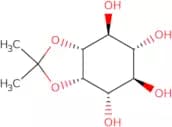
CAS:1,2-Isopropylidene-D,L-myo-inositol is a modification of the natural product myo-inositol. It is synthesized by methylation and glycosylation of inositol with methanol. This chemical compound has been modified to include fluorination and saccharide.
Fórmula:C9H16O6Pureza:Min. 95%Forma y color:White PowderPeso molecular:220.22 g/molMonosialyllacto-N-hexaose III
Monosialyllacto-N-hexaose III is an oligosaccharide. It is a complex carbohydrate that is custom synthesized and purified. Monosialyllacto-N-hexaose III has CAS number: 51486-71-4. It contains six monosaccharides, namely glucose, galactose, mannose, N-acetylglucosamine, and sialic acid (sialic acid). The sugar molecule has a methyl group on the terminal carbon atom at position 3′. Monosialyllacto-N-hexaose III can be fluorinated to form monofluoroacetyl monosialyllacto-N-hexaose III. Monofluoroacetyl monosialyllacto-N-hexaose III can be glycosylated with a hexasaccharide to form hexaglycosylated monofluoroacetPureza:Min. 95%1,3,4,6-Tetra-O-acetyl-a-D-glucopyranose
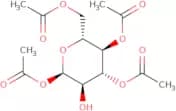
CAS:1,3,4,6-Tetra-O-acetyl-a-D-glucopyranose is a synthon that is used as a synthetic intermediate for the synthesis of other compounds. It is also a reactive compound that can be used to synthesize carboxylic acids and hydroxy ketones by reaction with water or alcohols. 1,3,4,6-Tetra-O-acetyl-a-D-glucopyranose can also be converted into esters by reaction with alcohols.Fórmula:C14H20O10Pureza:Min. 93 Area-%Forma y color:White Off-White PowderPeso molecular:348.3 g/mol2-Allyloxycarbonylamino-1,6-anhydro-2-deoxy-b-D-glucopyranose
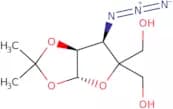
2-Allyloxycarbonylamino-1,6-anhydro-2-deoxy-b-D-glucopyranose is a synthetic saccharide that has been modified with 2,5-difluoroacetophenone. This modification generates a fluorine atom at the C2 position of the glucose ring. The synthesis of this compound is performed by custom synthesis for Click chemistry. The desired reaction product is obtained in high purity and with good yield. The chemical formula for 2,5-difluoroacetophenone is C8H7F3O2 and the molecular weight is 191.19 g/mol. 2,5-Difluoroacetophenone has been shown to be an efficient reagent in glycosylation reactions because it can react selectively with primary alcohols and amines without affecting other functional groups present in the molecule. In addition, 2,5-difluoroacetophenonePureza:Min. 95%3-Azido-3-deoxy-4-hydroxymethyl-1,2-O-isopropylidene-a-D-ribofuranose
CAS:Carbohydrate building blockFórmula:C9H15N3O5Pureza:Min. 95%Forma y color:PowderPeso molecular:245.23 g/mol2,6-Dideoxy-2-fluoro-L-mannose
2,6-Dideoxy-2-fluoro-L-mannose is a monosaccharide that is a fluorinated glycosylate. It is used in the synthesis of oligosaccharides and has been shown to be useful for click modification of proteins. This compound is also used as a substrate for methylation reactions. 2,6-Dideoxy-2-fluoro-L-mannose contains an oxygen atom at the C1 position and two hydroxyl groups at the C3 and C4 positions on the ring. The molecular weight of this compound is 180.16 g/mol.
Pureza:Min. 95%L-Allose
CAS:L-Allose is a monosaccharide that has the chemical formula HOCH(OH)CH(OH)CHO. L-Allose is a stereoisomer of D-allose, which differs in the orientation of the hydroxyl group on its asymmetric carbon atom. L-Allose can be produced by condensation of glucose and galactose, or by hydrogenation of allulose. The enzyme immobilized on alumina catalyzes the synthesis in high yield. L-Allose has been used as a carbon source for molecular modeling studies and as an enzymatic reaction substrate in sugar alcohols production.Fórmula:C6H12O6Pureza:Min. 95%Forma y color:White PowderPeso molecular:180.16 g/mol3'-Galactosyllactose
CAS:Galactosyllactose attenuated NF-κB inflammatory signaling in human intestinal epithelial cells and in human immature intestine. Thus, galactosyllactoses are strong anti-inflammatory agents in human colostrum and early milk, contributing to innate immune modulation. The potential clinical utility of galactosyllactose warrants investigation.Fórmula:C18H32O16Pureza:Min. 95 Area-%Forma y color:White PowderPeso molecular:504.44 g/molDabigatran 3-acyl glucuronide
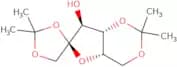
Dabigatran 3-acyl glucuronide is a glycosylation product of the anti-coagulant drug dabigatran. It is synthesized by the reaction of an ester, such as acetyl chloride, with a sugar, typically glucose. Dabigatran 3-acyl glucuronide has been shown to have a high purity and no detectable impurities. The CAS number for this compound is 1073498-74-4.Pureza:Min. 95%1,2:4,6-Di-O-isopropylidene-α-L-sorbofuranose
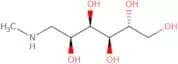
CAS:1,2:4,6-Di-O-isopropylidene-a-L-sorbofuranose is a synthetic glycoside that can be used as a carbohydrate in the synthesis of oligosaccharides and polysaccharides. It can be methylated at the C1 position to form 1,2:4,6-di-O-methylidene-a-L-sorbofuranose and then glycosylated with various saccharides at the O3 position. Fluorination of this compound at the C2 position yields 1,2:4,6-diO-(trifluoromethyl)idenea L sorbofuranose. This product has a melting point of 178°C.Fórmula:C12H20O6Pureza:Min. 95%Forma y color:White To Off-White SolidPeso molecular:260.28 g/molN-Methyl-D-glucamine
CAS:N-Methyl-D-glucamine is a gadolinium chelate that has been used as a contrast agent in magnetic resonance imaging. It is also an antimicrobial agent that binds to DNA and RNA, inhibiting their synthesis. N-Methyl-D-glucamine has been shown to have strong antitumor activity against carcinoma cell lines in vitro. This drug also inhibits the growth of bacteria such as Leishmania, which causes cutaneous leishmaniasis. N-Methyl-D-glucamine can be used for the treatment of infections caused by methicillin resistant Staphylococcus aureus (MRSA) or Mycobacterium tuberculosis due to its ability to inhibit protein synthesis and bacterial growth. MEGLUMINE is an experimental model for human serum with high water solubility and low toxicity. It belongs to the class of nonsteroidal anti-inflammatory drugs (NSAIDs). The MEGLUMFórmula:C7H17NO5Pureza:Min. 95%Forma y color:White PowderPeso molecular:195.21 g/mol3, 6-Anhydro- 1, 2-O- isopropylidene -7-O-tert butyldimethylsilyl-D- glycero- D- altro- heptitol
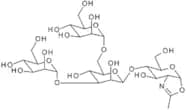
3,6-Anhydro-1,2-O-isopropylidene-7-O-tert butyldimethylsilyl-D-glycero-D-altroheptitol is a methylated saccharide that belongs to the class of polysaccharides. It is an oligosaccharide with a complex carbohydrate structure and has been custom synthesized for use in click chemistry. 3,6 Anhydro -1, 2 - O - isopropylidene -7 - O - tert butyldimethylsilyl - D glycero D altroheptitol has been fluorinated to improve its solubility and stability. This product has high purity and is available in bulk quantities.Pureza:Min. 95%2-Methyl-(4-O-(3,6-di-O-a-D-mannopyranosyl)-b-D-mannopyrannosyl)-1,2-dideoxy-a-D-glucopyrano)-[2,1-d]-2-oxazoline
This is a custom synthesis, modification, and fluorination of a polysaccharide. The monosaccharide units are methylated and then modified with a click reaction. The saccharides are glycosylated with 2-O-a-D-mannopyranosyl moieties for the purpose of increasing their water solubility. This saccharide has been synthesized by the modification of an oligosaccharide that has been modified to include a hydroxyl group. The carbohydrate is complex and contains many different types of sugars including glucose, mannose, and galactose.Fórmula:C26H43NO20Pureza:Min. 95%Forma y color:PowderPeso molecular:689.61 g/molMonogalactosyldiacylglycerol
Monogalactosyldiacylglycerol (MGDG) is a polyunsaturated fatty acid, specifically a galactolipid. MGDG is synthesized by plants and plays an important role in plant physiology. MGDG is involved in the regulation of transcription and translation and also has anti-cancer properties. It has been shown that MGDG can inhibit the proliferation of breast cancer cells such as MDA-MB-231 cells through its interactions with miR-205, a microRNA that regulates cellular growth, differentiation, and apoptosis. The biochemical properties of MGDG are similar to those of diacylglycerol (DAG), which is also involved in transcriptional regulation. It has also been shown that MGDG inhibits the growth of MDA-MB-231 cells when exposed to high salt concentrations.
Fórmula:C45H74O10Pureza:Min. 95%Peso molecular:775.06 g/mol1-Deoxyfuconojirimycin HCl
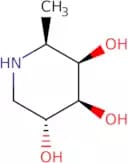
CAS:Specific, potent and competitive inhibitor of α-L-fucosidase with Ki of 10 nM. In human breast cancer cells, it causes increase of fucosylation on cell surface molecules such as Lewis X antigen (CD15) and CD44 glycoprotein. The 1-deoxyfuconojirimycin treatment increases invasiveness of cancer cells.Fórmula:C6H13NO3·HClPureza:Min. 95%Forma y color:Off-White PowderPeso molecular:183.63 g/molMonoacetyl-a-cyclodextrin
Alpha-cyclodextrin (α-CD) derivative with a hydrophilic exterior and lipophilic cavity (smaller than β-CDs and γ-CDs) to allocate certain guest molecules. This structural characteristic enables applications in molecular encapsulation, solubility enhancement, and stabilization across multiple industries. In pharmaceuticals, it serves as a drug delivery vehicle, enhancing the bioavailability and stability of active ingredients. The food industry utilizes it as a stabilizer for flavors, colors, and nutrients, as well as a functional ingredient for its effects on lipid metabolism. In cosmetics, it acts as a complex agent for fragrances and active components. Its applications extend to analytical chemistry for chiral separation and to materials science for developing smart materials and nanosystems.Fórmula:C48H72O36Pureza:Min. 95%Peso molecular:1,225.06 g/molCarboxymethyl cellulose sodium - Viscosity 700-1500 mPa·s
CAS:Food additive; soil suspension polymer in detergents; thickening agentPureza:Min. 95%2,5-Deoxyfructosazine
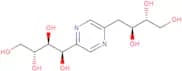
CAS:2,5-Deoxyfructosazine is a physiological agent that inhibits the growth of bacteria and fungi. 2,5-Deoxyfructosazine is active against Gram-positive and Gram-negative bacteria, as well as Candida albicans and other yeasts. This drug is effective in inhibiting water vapor loss in the lungs and has been shown to be an effective antimicrobial agent for the treatment of acute lung infections. 2,5-Deoxyfructosazine has been shown to reduce the development of antibiotic resistance in bacteria by preventing cell wall synthesis. The mechanism of action is thought to involve a matrix effect with cationic compounds, which are deposited on the surface of bacterial cells and destroy them by osmotic lysis. 2,5-Deoxyfructosazine also has antidiabetic effects due to its ability to inhibit glucose uptake into cells by binding to glucose transporters on the cell membrane. A reaction mechanism for this process involves hydrogen
Fórmula:C12H20N2O7Pureza:Min. 98 Area-%Forma y color:PowderPeso molecular:304.3 g/mol3’-Sialyl lewis A intermediate
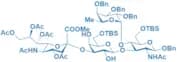
It is a protected tetrasaccharide intermediate of 3-sialyl-lewis (3'-SLa or sLeA), a tumor-associated carbohydrate antigen.Fórmula:C80H112N2O26Si2Peso molecular:1,573.91 g/molPhenyl β-D-thiogalactopyranoside
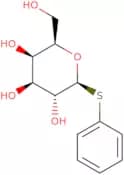
CAS:Phenyl β-D-thiogalactopyranoside is a selective inhibitor of galectin-3, which mediates the growth and metastasis of cancer cells. Phenyl β-D-thiogalactopyranoside has been shown to inhibit the binding of galectin-3 to its receptor on cancer cells, thereby blocking the activation of signaling pathways that promote cell proliferation and survival. The crystalline form can be used as a reagent for the determination of glucose in aqueous solutions.Fórmula:C12H16O5SPureza:Min. 95%Forma y color:White Off-White PowderPeso molecular:272.32 g/mol2,3,4,6-Tetra-O-pivaloyl-D-glucopyranosyl azide
CAS:2,3,4,6-Tetra-O-pivaloyl-D-glucopyranosyl azide is an oligosaccharide that has been modified for use in the synthesis of complex carbohydrates. It is synthesized through a methylation reaction and then click chemistry. The resulting product is a high purity chemical that can be used to modify saccharides or sugars. 2,3,4,6-Tetra-O-pivaloyl-D-glucopyranosyl azide is a white crystalline solid with CAS No. 1251910-91-4.Fórmula:C26H43N3O9Pureza:Min. 95%Forma y color:White SolidPeso molecular:541.63 g/molBlood Group B pentasaccharide
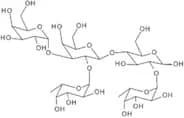
CAS:Core antigen fragment in ABO blood group systemFórmula:C30H52O24Pureza:Min. 95%Forma y color:PowderPeso molecular:796.72 g/molL-Glucono-1,5-lactone
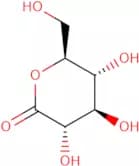
CAS:L-Glucono-1,5-lactone is a crystalline compound that is used in structural biology and as a growth factor. It has been shown to inhibit the transfer of phosphate from ATP to protein substrates, binding to receptor sites and inhibiting the activity of enzymes such as protein kinase C. L-Glucono-1,5-lactone has also been shown to bind to an aluminum ion with a constant of 0.5 M. This binding inhibits the enzymatic activity of phosphatases that hydrolyze phosphate esters which are important for cellular metabolism.Fórmula:C6H10O6Pureza:Min. 85 Area-%Forma y color:White Off-White PowderPeso molecular:178.14 g/mol3'-Sialyllactose sodium salt
CAS:3'-Sialyllactose is found in milk with immunoprotective effects against pathogens in newborns and aids development and maturation of the immune system and gut microbiota. It suppresses adhesion and infectivity of bacteria and viruses, such as influenza viruses, HIV-1 and rotaviruses and inhibits binding of cholera toxin.Fórmula:C23H38NO19NaPureza:Min. 90%Forma y color:White PowderPeso molecular:655.53 g/molAllyl 2,3-anhydro-4,6-O-benzylidene-a-L-mannopyranoside
Allyl 2,3-anhydro-4,6-O-benzylidene-a-L-mannopyranoside is a glycosylation product of L-mannose. It is a synthetic compound that has been fluorinated and methylated. Allyl 2,3-anhydro-4,6-O-benzylidene-a-L-mannopyranoside is used for the modification of complex carbohydrates. This product has high purity and CAS No., and can be modified with click chemistry.Fórmula:C16H18O5Pureza:Min. 95%Forma y color:White to off-white solid.Peso molecular:290.31 g/molEthyl 2,3,4,6-tetra-O-acetyl-a-D-thiogalactopyranoside
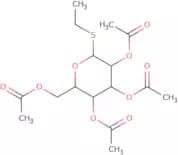
CAS:Ethyl 2,3,4,6-tetra-O-acetyl-a-D-thiogalactopyranoside is a compound that belongs to the group of natural products. It has been shown to be an inhibitor of retrotransposons and retroviruses. This effect may be due to its ability to inhibit the enzymatic activity of reverse transcriptase, which is needed for the synthesis of viral RNA. The compound also inhibits stoloniferum, a plant pathogen that causes phytophthora root rot. Ethyl 2,3,4,6-tetra-O-acetyl-a-D-thiogalactopyranoside can induce epigenetic modifications in human malignant cells and may have potential as a chemotherapeutic agent for malignant melanoma cells.Fórmula:C16H24O9SPureza:Min. 95%Forma y color:PowderPeso molecular:392.42 g/molHyaluronate rhodamine - Molecular Weight - 10kDa
Hyaluronate rhodamine is a fluorescent dye that is used in molecular biology to visualize the distribution of intracellular glycoconjugates. It is a water-soluble, cationic dye that binds to negatively charged saccharides and glycosaminoglycans. The dye fluoresces when bound to these molecules, making it useful for detecting the distribution of glycoproteins in cells. Hyaluronate rhodamine can be used as a marker for carbohydrate-rich tissues such as cartilage, synovial fluid, and vitreous humor. This dye can also be used to detect glycoconjugates on the surface of cells and in extracellular spaces.Pureza:Min. 95%Methyl 3,5-di-O-(p-chlorobenzoyl)-2-deoxy-b-D-ribofuranoside
Methyl 3,5-di-O-(p-chlorobenzoyl)-2-deoxy-b-D-ribofuranoside is a synthetic oligosaccharide. It has been synthesized by the modification of the glycosylation site on an existing saccharide with a methyl group and fluorination at the 3’ position. This molecule is a monosaccharide with a p-chlorobenzoyl group attached to its 2’ position.
Pureza:Min. 95%Fucoidan, fucus serratus
CAS:A fucan sulphate found in brown marine algae (Phaeophyta-typically Fucus serratus, Ascophyllum nodosum (illustrated), Laminaria japonica and Macrocystis pyrifyra) and has been shown to have anticoagulant activity. The main constituents are α-1,4 and α-1,2 linked L-fucose sulphates although galactose also occurs and there are many variations of the basic structure found in different species of Phaeophyta.
The image was kindly provided by Prof Mike Guiry from Cork who runs ‘The Seaweed Site’.Pureza:Min. 95%Forma y color:White Powder6-O-(α-D-Galactopyranosyl)-β-D-thioglucopyranose
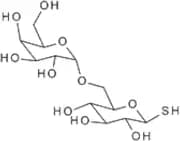
6-O-(a-D-Galactopyranosyl)-b-D-thioglucopyranose is a complex carbohydrate that is used in the synthesis of oligosaccharides and polysaccharides. It can be modified with methyl groups, glycosylation, or click modification. This product has been fluorinated and is available in high purity.Fórmula:C12H22O10SPureza:Min. 95%Forma y color:PowderPeso molecular:358.36 g/mol2-Acetamido-3,4,6-tri-O-acetyl-2-deoxy-β-D-glucopyranosyl-Fmoc-asparagine
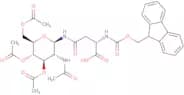
CAS:2-Acetamido-3,4,6-tri-O-acetyl-2-deoxy-β-D-glucopyranosyl-Fmoc-asparagine is a synthetic oligosaccharide that has been modified with a fluorine atom at the 6 position. The acetamido group has been methylated and the sugar moiety is attached to an Fmoc group. The molecular weight of this compound is 1,000. It can be used for the synthesis of saccharides and polysaccharides by click chemistry or as a monosaccharide in carbohydrate research. 2AATGFFmocAsp can also be used for modification purposes with different reagents such as hydrazine, NIS, and TEMPO.Fórmula:C33H37N3O13Pureza:Min. 95 Area-%Forma y color:PowderPeso molecular:683.66 g/molHeparin sodium salt
CAS:Heparin is a glycosaminoglycan which occurs in many mammalian tissues and has important anticoagulant and thrombolytic properties. The chemical structure is composed mainly of two disaccharide repeating units A and B. A is L-iduronic acid 2-suplhate linked α-(1,4) to 2-deoxy-2-sulfamido-D-galactose 6-sulphate while B is D-glucuronic acid β-(1,4) linked to 2-deoxy-2-sulfamido-D-glucose 6-sulphate.Forma y color:White Powder2,5-Di-O-acetyl-3-C-methyl-D-lyxono-1,4-lactone
2,5-Di-O-acetyl-3-C-methyl-D-lyxono-1,4-lactone is a hydrogen bonded lactone. The crystal structure of the compound has been determined by X-ray crystallography and found to be a hydrogen bonded dimer with two molecules of water located between the two monomers. This compound is also known as 3,6,9,12,15,18,21 hexaoxahexacontane 1,4-lactone or DAL.
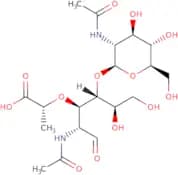
Fórmula:C10H14O7Pureza:Min. 95%Peso molecular:246.21 g/mol2-Acetamido-4-O-(2-acetamido-2-deoxy-β-D-glucopyranosyl)-2-deoxy-D-muramic acid
CAS:A MurNAc disaccharideFórmula:C19H32N2O13Pureza:Min. 95 Area-%Forma y color:PowderPeso molecular:496.46 g/mol(1R) -1- [(2S, 3R,4S) -4-(Acetylamino)methyl-3- hydroxy- 1- azetidinyl] -1, 2- ethanediol hydrochloride
(1R) -1- [(2S, 3R,4S) -4-(Acetylamino)methyl-3- hydroxy- 1- azetidinyl] -1, 2- ethanediol hydrochloride is a custom synthesis of a fluorinated and methylated saccharide. It is modified with a click modification reaction to introduce an azetidine ring at the C6 position of the sugar. This saccharide has been shown to inhibit glycosylation in vitro and in vivo.Pureza:Min. 95%3,4,6-Tri-O-acetyl-2-deoxy-2-phthalimido-b-D-glucopyranosyl trichloroacetimidate
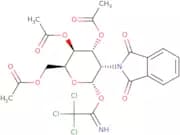
CAS:3,4,6-Tri-O-acetyl-2-deoxy-2-phthalimido-b-D-glucopyranosyl trichloroacetimidate is a custom synthesis that has been modified with fluorine. It is a white powder and is soluble in water. 3,4,6-Tri-O-acetyl-2-deoxy-2-phthalimido-b-D--glucopyranosyl trichloroacetimidate is used for the production of saccharide and carbohydrate derivatives. This product has a CAS number of 871906788 and an ACD/IEC number of P077G10.
Fórmula:C22H21Cl3N2O10Forma y color:PowderPeso molecular:579.77 g/molEthyl 3,6-di-O-benzyl-2-deoxy-2-N-phthalamido-β-D-thioglucopyranoside
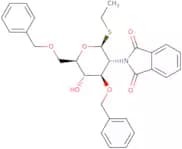
CAS:Ethyl 3,6-di-O-benzyl-2-deoxy-2-N-phthalamido-β-D-thioglucopyranoside is a modification of 2,6 anhydro sugar. It is a white crystalline powder with a melting point of 142°C. This compound has been synthesized by the custom synthesis method and has been shown to be high purity. It has also been methylated and glycosylated. The molecular weight of this compound is 572.81 g/mol.Fórmula:C30H31NO6SPureza:Min. 95%Peso molecular:533.64 g/molD-Ribose-5-phosphate disodium salt hydrate
CAS:Precursor for the synthesis of nucleotides;Fórmula:C5H9Na2O8PForma y color:White Yellow PowderPeso molecular:274.07 g/molBlood Group A trisaccharide, N-aminoethyl nonanamide
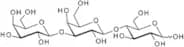
CAS:Blood group antigen derivative for biochemical researchFórmula:C31H57N3O16Pureza:Min. 95 Area-%Forma y color:PowderPeso molecular:727.79 g/molGalacturonan DP7/DP8 sodium
Mixed DP 7/8 Na galacturonans (α-1,4 galacturonoheptoses and octaoses), are derived from pectin or pectic acid, by enzymatic or partial acid hydrolysis. They are used in galacturonic acid metabolism research as a substrate to identify, differentiate, and characterized endo- and exopolygalacturonase(s), and gluconase(s). The addition of very short fragments of homogalacturonan oligosaccharides, restores development in dark-grown, de-etiolated seedling mutants, suggesting that they are unable to generate de-methylesterified pectin fragments. A model of spatiotemporally separated photoreceptive and signal-responsive cell types has been proposed, that contains overlapping subsets of the regulatory network of light-dependent seedling development.Pureza:Min. 95%Forma y color:Powder


![2,4,7,8,9-Pentaacetyl-N- [(2- propyn- 1- yloxy) carbonyl] - b- neuraminic acid methyl ester](/_next/image/?url=https%3A%2Fstatic.cymitquimica.com%2Fproducts%2F3D%2Fthumb-webp%2FMP168633.webp&w=3840&q=75)








![(1R) -1- [(2S, 3R,4S) -4-(Acetylamino)methyl-3- hydroxy- 1- azetidinyl] -1, 2- ethanediol hydrochl…](/_next/image/?url=https%3A%2Fstatic.cymitquimica.com%2Fproducts%2F3D%2Fthumb-webp%2FMA163412.webp&w=3840&q=75)