Glycoscience
La glicociencia es el estudio de los carbohidratos y sus derivados, así como de las interacciones y funciones biológicas en las que participan. Este campo de investigación es crucial para comprender una amplia variedad de procesos biológicos, incluyendo el reconocimiento celular, la señalización, la respuesta inmune y el desarrollo de enfermedades. La glicociencia tiene aplicaciones importantes en la biotecnología, la medicina, y el desarrollo de nuevos fármacos y terapias. En CymitQuimica, ofrecemos una amplia selección de productos de alta calidad y pureza para la investigación en glicociencia. Nuestro catálogo incluye monosacáridos, oligosacáridos, polisacáridos, glicoconjugados, y reactivos específicos, diseñados para apoyar a los investigadores en sus estudios sobre la estructura, función y aplicaciones de los carbohidratos en sistemas biológicos. Estos recursos están destinados a facilitar descubrimientos científicos y aplicaciones prácticas en diversas áreas de la biociencia y la medicina.
Subcategorías de "Glycoscience"
- Aminoazúcares(108 productos)
- Anticuerpos relacionados con azúcares(282 productos)
- Glicolípidos(46 productos)
- Glicosaminoglicanos (GAGs)(55 productos)
- Glucósidos(419 productos)
- Monosacáridos(6.624 productos)
- Oligosacáridos(3.682 productos)
- Polisacáridos(503 productos)
Se han encontrado 11046 productos de "Glycoscience"
Ordenar por
Pureza (%)
0
100
|
0
|
50
|
90
|
95
|
100
Octanoyl b-D-glucosylamine
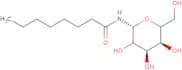
CAS:<p>Octanoyl b-D-glucosylamine is a synthetic compound that has been designed for use in the synthesis of complex carbohydrates. It is an octanoyl derivative of D-glucosamine, which is a sugar. This compound can be used for the modification of saccharides and polysaccharides, as well as sugars. It has been shown to be resistant to glycosylation and fluorination reactions.</p>Fórmula:C14H27NO6Pureza:Min. 95%Peso molecular:305.37 g/molMethyl b-D-fructofuranoside
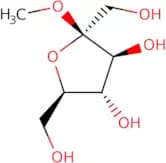
CAS:<p>Methyl b-D-fructofuranoside is a chemical compound that is used in the production of esters and fatty acids. Methyl b-D-fructofuranoside is produced by a dehydration reaction between two molecules of acetone. The product of this reaction, methyl b-D-fructopyranoside, can be broken down into two molecules of acetone and one molecule each of methyl alcohol and carbon dioxide. This process is called alkylation. Furanocoumarin derivatives are often found in plants such as asperulosidic acid and quinquefasciatus. These compounds are found in many species of plant, but they are most concentrated in the roots of these plants because they are more metabolically active there than other parts of the plant. Environmental pollution can lead to high concentrations of furanocoumarins in plants, which can have toxic effects on organisms that come into contact with them.</p>Fórmula:C7H14O6Pureza:Min. 98 Area-%Forma y color:Clear LiquidPeso molecular:194.18 g/molMethyl 1-C-[4-chloro-3-[[4-[[(3S)-tetrahydro-3-furanyl]oxy]phenyl]methyl]phenyl]-a-D-glucopyranoside
CAS:Intermediate in the synthesis of empagliflozinFórmula:C24H29ClO8Pureza:Min. 95%Peso molecular:480.94 g/molN-Acetylneuraminic acid hexamer disodium salt
<p>N-Acetylneuraminic acid hexamer disodium salt is a custom synthesis of a fluorinated, methylated and acetylated N-acetylneuraminic acid. This molecule is an oligosaccharide with three sugar rings. It has been modified by click chemistry and glycosylation to create a complex carbohydrate. The CAS number for this compound is 156587-48-2.</p>Fórmula:C66H98N6O49Na6Pureza:Min. 95%Forma y color:White PowderPeso molecular:1,897.43 g/molβ-1,3-Glucan
CAS:β-1,3-Glucan is a bioactive polysaccharide, which is located predominantly in the cell walls of yeast, fungi, and certain cereals. This compound is characterized by its unique branched structure, which is crucial for its biological function. The mode of action of β-1,3-Glucan involves the binding to specific receptors on immune cells, such as dectin-1, which triggers a cascade of immune responses. This interaction enhances the activity of macrophages, neutrophils, and natural killer cells, thus bolstering the body's innate immune defenses.The uses and applications of β-1,3-Glucan are broad, primarily focused on immunological research and potential therapeutic strategies. It is extensively utilized in studies examining its effects as an immunomodulator, leveraging its ability to potentiate immune system function and examining its role in adjunctive cancer therapies, where it may enhance the efficacy of certain treatments. Additionally, β-1,3-Glucan is investigated for its potential benefits in reducing infection rates and improving recovery times in clinical settings. Moreover, its applications in dietary supplements and functional foods continue to be a subject of scientific inquiry, aiming to harness its health-promoting properties within nutrition science.Pureza:Min. 95%Forma y color:PowderMethyl 2-deoxy-5-O-toluoyl-L-ribofuranoside
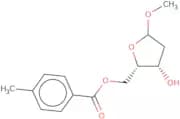
CAS:<p>Methyl 2-deoxy-5-O-toluoyl-L-ribofuranoside is a high purity, custom synthesis, methylated, Glycosylation and Oligosaccharide. It has CAS No. 676598-19-9 and is Glycosylated and Methylated. This complex carbohydrate is a synthetic, monosaccharide or saccharide that can be modified with fluorination, Click modification or glycosylation.</p>Fórmula:C14H18O5Pureza:Min. 95%Forma y color:Brown oil.Peso molecular:266.3 g/molLacto-N-neofucopentaose
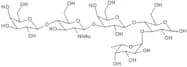
<p>Neutral pentasasaccharide naturally present in human breast milk</p>Fórmula:C32H55NO25Pureza:Min. 90 Area-%Forma y color:PowderPeso molecular:853.77 g/molGlucose dehydrogenase
CAS:<p>Glucose Dehydrogenase is an enzyme, which is typically derived from microbial sources such as bacteria and fungi. It functions by catalyzing the oxidation of glucose to gluconolactone, concurrently reducing a cofactor such as NAD⁺ or PQQ. This biochemical reaction is critical in various analytical applications due to its specificity and efficiency in glucose detection.Glucose Dehydrogenase is widely employed in the development of biosensors and diagnostic assays. Its primary application is in blood glucose monitoring devices, where its ability to accurately quantify glucose levels is crucial for managing diabetes. Additionally, it is utilized in research and development settings for biochemical assays that require precise glucose measurements. The enzyme's rapid and specific action on glucose molecules makes it an indispensable tool in both clinical and laboratory environments, contributing to advancements in biosensing technologies and metabolic studies.</p>1,3,4,6-Tetra-O-acetyl-2-azido-2-deoxy-D-galactopyranose
CAS:1,3,4,6-Tetra-O-acetyl-2-azido-2-deoxy-D-galactopyranose is a carbohydrate that has been shown to bind to the lectin domain of the human insulin receptor. This binding is thought to modulate the activity of this protein. The carbohydrate has also been shown to inhibit the uptake of galactose by pancreatic beta cells in vitro. 1,3,4,6-Tetra-O-acetyl-2-azido-2-deoxy-D-galactopyranose is postulated to have anti cancer properties and may be used as a blocker for tumor growth.Fórmula:C14H19N3O9Pureza:Min. 95%Forma y color:White PowderPeso molecular:373.32 g/molCornuside
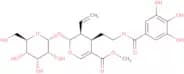
CAS:<p>Cornuside is a natural compound that is found in the fruits of Cornus. It is a dihydrochalcone, which has been shown to have hypoglycemic effects and inhibit the activity of 5-hmf. Cornuside also inhibits the enzyme activities involved in energy metabolism, such as glucose-6-phosphate dehydrogenase and hexokinase. It has also been shown to have genotoxic properties and induce DNA damage. Cornuside may be useful for treating diabetes or cancer, but further research needs to be done before this can be confirmed.</p>Fórmula:C24H30O14Pureza:Min. 95%Forma y color:PowderPeso molecular:542.49 g/mol6-Chloro-6-deoxy-D-mannose
CAS:<p>6-Chloro-6-deoxy-D-mannose is a naturally occurring sugar that is found in the spermatozoa of many animals. It is a mannose derivative that has been shown to be an inhibitor of the enzyme glyceraldehyde 3-phosphate dehydrogenase, which plays an important role in energy metabolism and isomerization of 6-phosphate to glucose-1 phosphate. This property may be responsible for its contraceptive effects. The drug also inhibits phosphoglucomutase and enhances the transfer of glucose from the liver to other tissues, increasing blood glucose concentrations. 6-Chloro-6 deoxy mannose also has antifertility effects in rats by inhibiting transfer of spermatozoa through the female reproductive tract.</p>Fórmula:C6H11ClO5Pureza:Min. 95%Forma y color:White Off-White PowderPeso molecular:198.6 g/mol2,5-Anhydro-1,3-O-isopropylidene-6-O-trityl-D-glucitol
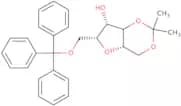
CAS:<p>2,5-Anhydro-1,3-O-isopropylidene-6-O-trityl-D-glucitol is a complex carbohydrate that is synthesized by the modification of glucose. This product has been modified with methylation and glycosylation.<br>2,5-Anhydro-1,3-O-isopropylidene-6-O-trityl--D--glucitol is a white powder that is soluble in water and ethanol. <br>It can be used for fluoroquinolone resistance studies, which are important for developing new antibiotics to combat bacterial infections.</p>Fórmula:C28H30O5Pureza:Min. 95%Peso molecular:446.53 g/molPolysorbate 60
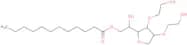
CAS:<p>Polysorbate 60 is a polyoxyethylene-polyoxypropylene block copolymer that is composed of two different saturated fatty acid chains. It has been used as a surfactant and stabilizer in the manufacture of pharmaceuticals, foods, cosmetics, and other products. Polysorbate 60 has been shown to inhibit the growth of epidermal cells by binding to epidermal growth factor (EGF) receptors on the cell surface. The effects of polysorbate 60 are also mediated through hydrogen bonding with the EGF receptor. The pharmacokinetic properties of polysorbate 60 have been studied in vitro using human serum. This polymer is used as an excipient in solid dispersions for oral administration and can be administered intravenously or subcutaneously. Polysorbate 60 is chemically stable at acidic pH levels and hydrochloric acid does not affect its structure. Polysorbate 60 also has protease activity against trypsin at high temperatures,</p>Fórmula:C64H126O26Pureza:Min. 95%Forma y color:Light (Or Pale) Yellow To Yellow Solid Or Liquid (May Vary)Peso molecular:1,311.67 g/molGum Jhingan
<p>Gum Jhingan is a modified carbohydrate with a fluorinated saccharide. It is an oligosaccharide that has been synthesized from the sugar galactose. Gum Jhingan is a high-purity, custom-synthesized product that has been methylated and glycosylated. The modification process of this carbohydrate includes fluorination and click chemistry.</p>Pureza:Min. 95%Forma y color:SolidNeoagarooctaose
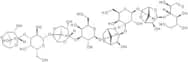
CAS:<p>Agarose is a polysaccharide found in red algae, typically Gelidium and Gracilaria. It is a strictly alternating polysaccharide of α-1,3 linked D-galactose and β-1,4 linked L-3,6 anhydrogalactose with occasional sulfation at position 6 of the anhydrogalactose residue. Agaro-oligosaccharides result from cleavage at galactose residues and neoagaro-oligosaccharides from cleavage at 3,6-anhydro residues. Neoagarooctaose is reported to have potential for novel cosmeceuticals.</p>Fórmula:C48H74O37Pureza:Min. 98 Area-%Forma y color:White PowderPeso molecular:1,243.08 g/molD-Glucosamine-3,4,6-tri-O-sulphate trisodium salt
CAS:<p>D-Glucosamine-3,4,6-tri-O-sulphate trisodium salt is a high purity and custom synthesis of D-glucosamine. It is a sugar with click modification and fluorination. It has CAS No. 157297-03-5 and it is synthesized from glycosylation, methylation, and modification. It has a molecular weight of 517.85 g/mol and the chemical formula C9H14N2O12S3NaO6. Glucosamine is an oligosaccharide that can be found in many complex carbohydrates such as chitin or cellulose.</p>Fórmula:C6H10NO14S3Na3Pureza:Min. 95%Forma y color:PowderPeso molecular:485.31 g/molD-Maltose monohydrate
CAS:Please enquire for more information about D-Maltose monohydrate including the price, delivery time and more detailed product information at the technical inquiry form on this pageFórmula:C12H24O12Pureza:Min. 98 Area-%Forma y color:White PowderPeso molecular:360.31 g/molPseudaminic acid
<p>Pseudaminic acid is a sugar molecule that is found in the cell walls of bacteria, where it provides structural support. It is synthesized enzymatically by transferring the terminal hydroxyl group from glucose-1-phosphate to glycerol-3-phosphate. Pseudaminic acid can be chemoenzymatically synthesized in a scalable manner and has been shown to inhibit the growth of infectious bacteria in biological studies. Structural studies have revealed that pseudaminic acid contains an hydroxyl group and two glycosidic bonds, which are formed between the carbon atom at position C2 and C6 of glucose. This molecule also has an ester linkage between C1 and C2 of mannose. Pseudaminic acid is biosynthesized through a series of reactions that involve phosphorylation, dephosphorylation, and oxidation. This molecule also participates in protein glycosylation as well as water molecules that hydrogen bond</p>Fórmula:C13H22N2O8Pureza:Min. 95%Forma y color:PowderPeso molecular:334.32 g/molD-Fructose-1,6-diphosphate trisodium
CAS:<p>D-Fructose-1,6-diphosphate trisodium salt (D-FDP) is an ATP precursor that is used to study the effects of D-FDP on energy metabolism in rat cardiomyocytes. The results from this study showed that D-FDP increased ATP levels and inhibited the accumulation of intracellular lactate. This compound also inhibits ventricular myocardial hypertrophy induced by pressure overload in animal experiments. In addition, D-FDP has been shown to inhibit the polymerase chain reaction (PCR) process and to be active at a concentration of 25 mM.</p>Fórmula:C6H14O12P2•Na3Pureza:Min. 99 Area-%Forma y color:PowderPeso molecular:409.09 g/molPhenethyl glucosinolate potassium salt
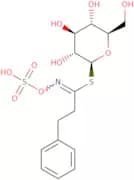
CAS:Phenethyl glucosinolate potassium salt is a compound found in plants belonging to the Brassicaceae family. It has been shown to be highly toxic to larvae of the cabbage butterfly and other insects that feed on brassica plants. Phenethyl glucosinolate potassium salt has been shown to inhibit the development of these insects, probably by inhibiting protein synthesis in the insect's gut. The major sulfur-containing compound in this product is gluconasturtiin, which has been shown to inhibit growth of pekinensis at high temperatures. This compound also inhibits radiation-induced DNA damage and does not show significant effects on nonsignificant organisms such as yeast and mold.Fórmula:C15H20NO9S2KPureza:Min. 95%Forma y color:PowderPeso molecular:461.55 g/mol

![Methyl 1-C-[4-chloro-3-[[4-[[(3S)-tetrahydro-3-furanyl]oxy]phenyl]methyl]phenyl]-a-D-glucopyranosi…](/_next/image/?url=https%3A%2Fstatic.cymitquimica.com%2Fproducts%2F3D%2Fthumb-webp%2FMM137435.webp&w=3840&q=75)