Compuestos relacionados con enzimas, péptidos y proteínas
Los compuestos relacionados con enzimas, péptidos y proteínas son críticos para estudiar y manipular las vías bioquímicas. Estos compuestos incluyen enzimas que catalizan reacciones bioquímicas, péptidos que actúan como hormonas y moléculas de señalización, y proteínas que desempeñan una amplia gama de funciones dentro de los organismos. Esta categoría abarca inhibidores, activadores, sustratos y otros reactivos esenciales para la enzimología, la proteómica y la investigación de péptidos. En CymitQuimica, ofrecemos una diversa selección de compuestos de alta calidad para facilitar su investigación en cinética enzimática, función de proteínas y síntesis de péptidos, asegurando resultados precisos y fiables.
Subcategorías de "Compuestos relacionados con enzimas, péptidos y proteínas"
- Aminoácidos (AA)(40.542 productos)
- Enzimas(3.561 productos)
- Péptidos(30.714 productos)
- Proteínas(15.021 productos)
Se han encontrado 1312 productos de "Compuestos relacionados con enzimas, péptidos y proteínas"
Ordenar por
Pureza (%)
0
100
|
0
|
50
|
90
|
95
|
100
Sulconazole Nitrate
CAS:<p>Sulconazole Nitrate is a broad-spectrum antimicrobial agent that inhibits the growth of fungi by interfering with the synthesis of ergosterol, an important component of fungal cell membranes. Sulconazole Nitrate has been shown to possess in vitro antifungal activity against dimorphic fungi such as Candida albicans and Cryptococcus neoformans. It also has been shown to inhibit the growth of bacteria and other microbes through inhibition of fatty acid synthesis. This drug may be used as an adjuvant therapy for autoimmune diseases or infections caused by resistant strains of bacteria. Sulconazole Nitrate binds to fatty acids in the plasma membrane and prevents their incorporation into the phospholipid bilayer. The disruption of this process results in decreased cell membrane fluidity, which leads to a loss of structural integrity and cell permeability.</p>Fórmula:C18H15Cl3N2S·HNO3Pureza:Min. 95%Peso molecular:460.76 g/molMono-2-O-(p-toluenesulfonyl)-b-cyclodextrin hydrate
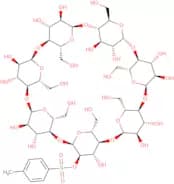
CAS:<p>This beta-cyclodextrin (β-CD) derivative is a functionalized cyclic oligosaccharide composed of seven glucose units, characterized by a hydrophilic exterior and a lipophilic cavity (bigger than α-CD and smaller than γ-CDs), which allows it to encapsulate various guest molecules. This structural feature facilitates its use in multiple applications, including pharmaceuticals, food enhancement, and cosmetics. In the pharmaceutical industry, it enhances the solubility and stability of poorly water-soluble drugs, improving their bioavailability and efficacy while also masking unpleasant tastes. The food sector utilizes it as a stabilizer for flavors, colors, and nutrients, extending shelf life by protecting sensitive ingredients from degradation. In cosmetics, it serves as a complexing agent for fragrances and active components, ensuring their stability and controlled release. Its use expands to many other fields, including nanotechnology for drug delivery systems, environmental remediation for extracting organic pollutants, textiles for slow-release fragrances, and analytical chemistry for chiral separation.</p>Fórmula:C49H76O37S•(H2O)xPureza:Min. 97 Area-%Forma y color:PowderPeso molecular:1,289.17 g/molTrisodium citrate dihydrate
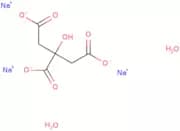
CAS:<p>Trisodium citrate dihydrate is a chemical compound that is used as a buffer and to maintain the pH of solutions. It is often used as an acidity regulator in pharmaceutical formulations and food products. Trisodium citrate dihydrate has been shown to be effective at reducing the matrix effect and increasing the concentration response, which can lead to better analytical results. This compound has also been shown to have anti-inflammatory properties, which may be due to its ability to prevent fatty acid production by inhibiting the enzyme lipase.</p>Fórmula:C6H5Na3O7·2H2OPureza:(Titration) Min. 98%Forma y color:White Off-White PowderPeso molecular:294.1 g/molAmoxicillin trihydrate impurity B
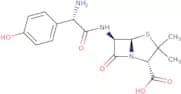
CAS:<p>Amoxicillin trihydrate impurity B is an impurity of amoxicillin trihydrate, a penicillin antibiotic. Impurities are substances that are not intentionally added to the drug and may be formed during the manufacturing process. Impurities can affect the quality and safety of drugs, although their presence does not necessarily indicate a problem with the drug. Impurities in amoxicillin trihydrate include clavulanate potassium (impurity A) and heptane-2-carboxylic acid (impurity C). Impurity A is present in small quantities, typically less than 1% of the total amount of amoxicillin trihydrate. Impurity C is present in larger quantities and can make up to 10% of the total amount of amoxicillin trihydrate.</p>Fórmula:C16H19N3O5SPureza:Min. 95%Peso molecular:365.41 g/molTimolol hemihydrate
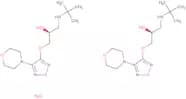
CAS:Producto controlado<p>Timolol hemihydrate is a drug that is used to treat high blood pressure and glaucoma. It is a beta-adrenergic receptor antagonist that blocks the action of these receptors, which are involved in regulating heart rate, contractility, and peripheral vascular resistance. Timolol hemihydrate has shown to be biodegradable in human serum and can be used as an implant for drug delivery. This drug also has been shown to have inhibitory effects on inflammatory bowel disease by blocking the activity of efflux proteins. Timolol hemihydrate has been shown to increase the diameter of the aortic arch by inhibiting the activity of enzymes such as elastase.</p>Fórmula:C26H50N8O7S2Pureza:Min. 95%Peso molecular:650.86 g/mol[Asp371] Tyrosinase(369-377), human
CAS:<p>H-YMDGTMSQVA-OH peptide, corresponding to 369-377 amino acids of enzyme tyrosinase. As a member of the tyrosinase family the corresponding enzyme catalyzes monopheol hydroxylation, dihydroxyindole and catechol dehydrogenation. It is a key enzyme in the conversion of tyrosine to melanin.</p>Fórmula:C42H66N10O16S2Pureza:Min. 95%Peso molecular:1,031.16 g/molParathion-ethyl
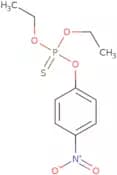
CAS:Producto controlado<p>Parathion-ethyl is a member of the organophosphate class of pesticides. It inhibits acetylcholinesterase and is used to control insects in agriculture, homes, and other areas. The compound can be detected by both the polymerase chain reaction (PCR) and the in vitro method for detecting enzyme activities. Parathion-ethyl has been shown to have minimal toxicity in animal studies, with acute toxicities ranging from mild to moderate. This pesticide has been shown to inhibit signal peptide cleavage and energy metabolism in cells. It also inhibits transcriptional activity when it binds to DNA, which may be due to its interaction with enzymes that are involved in transcriptional regulation or chromatographic analysis. Parathion-ethyl also has minimal toxicity in animals and shows acute toxicities ranging from mild to moderate. It has been shown to inhibit signal peptide cleavage and energy metabolism as well as transcriptional activity when it binds to DNA, possibly due to its interactions with</p>Fórmula:C10H14NO5PSPureza:Min. 95%Peso molecular:291.26 g/molCitronellal hydrate
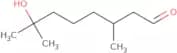
CAS:<p>Citronellal hydrate is a chemical substance that is found in many essential oils, such as citronella, lemon grass, and citronella. It has been shown to have significant effects on the human metabolism and urine samples. Citronellal hydrate can be used as a preservative due to its ability to inhibit bacterial growth, including bacteria that are resistant to benzalkonium chloride. Citronellal hydrate also has been shown to have an effect on cell maturation, which may be predictive for the development of cancer cells. Citronellal hydrate is present in many natural products that are used in cosmetics and personal care products. It is a good analytical method for identifying the presence of other chemicals in a sample because it has been shown to react with molecules such as alcohols, amines, ketones, esters, and ethers. Citronellal hydrate reacts with these molecules by altering their mass through an electron-transfer process called triple-</p>Fórmula:C10H20O2Pureza:Min. 95%Peso molecular:172.26 g/molMercurous(I) nitrate diydrate
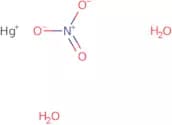
CAS:Producto controlado<p>Please enquire for more information about Mercurous(I) nitrate diydrate including the price, delivery time and more detailed product information at the technical inquiry form on this page</p>Fórmula:Hg•HNO3•(H2O)2Pureza:Min. 95%Forma y color:PowderPeso molecular:599.28 g/mol(Asp371)-Tyrosinase (369-377) (human) acetate salt
CAS:<p>Tyrosinase protein:<br>Peptide Tyrosinase (Asp371) – HLA-A*0201 (YMDGTMSQV) is a human tyrosinase-derived (369-377) peptide by posttranslational conversion of the sequence YMNGTMSQV. Tyrosinase is an oxidase membrane-bound protein. Tyrosinase play a key role in the melanin synthesis pathway. Tyrosinase is presented on the surface of HLA-A*02:01 melanomas and also expressed in melanocytes. Tyrosinase has been still suggested to be a tumor antigen and might be implicated in improvement of immunotherapeutic strategies such as for efficient anticancer vaccine development.<br>Applications of Peptide Tyrosinase (Asp371) – HLA-A*0201 (YMDGTMSQV):<br>Peptide Tyrosinase (Asp371) – HLA-A*0201 (YMDGTMSQV) is used to stimulate specific cytotoxic T lymphocytes (CTL) in PBMCs and then to analyze CTL response especially the cytokine production by ELISPOT assay. Peptide Tyrosinase (Asp371) – HLA-A*0201 (YMDGTMSQV) is also involved in experimental therapies of metastatic melanoma by allogeneic hematopoietic stem cell transplantation. In fact, cytotoxic T cells were generated from peripherical blood mononuclear cells (PBMCs) of HLA-A*02:01 healthy donors after being stimulated by injection of Asp371 antigen (2). This strategy raises issues which concern the graft versus tumor (GvT) effect and graft versus host disease (GvHD).</p>Fórmula:C42H66N10O16S2Pureza:Min. 95%Peso molecular:1,031.16 g/molTributyl Citrate
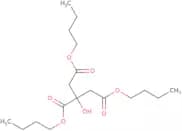
CAS:<p>Tributyl Citrate is a catalyst used in organic synthesis. It is typically used as a reaction solvent and to increase the rate of reactions. Tributyl Citrate reacts with water to produce citric acid, which can then be used as an acidic catalyst. In addition, Tributyl Citrate has been shown to have anticancer properties and is being studied for use in bowel disease and autoimmune diseases. The mechanism of this drug's anticancer properties is not fully understood, but it may have something to do with the ability of Tributyl Citrate to bind water molecules and alter their permeability through cell membranes.</p>Fórmula:C18H32O7Pureza:Min. 95%Peso molecular:360.44 g/molTrimethyl orthobutyrate
CAS:<p>Trimethyl orthobutyrate is a heterocycle that is used in the synthesis of pharmaceuticals. It is synthesized by reacting trimethyl orthoformate with hydrochloric acid. Trimethyl orthobutyrate has been shown to inhibit 3t3-l1 preadipocytes proliferation, which may be due to its ability to bind with the receptor and inhibit protein synthesis. Trimethyl orthobutyrate also has tumor treatment properties and can be useful in amide pharmaceutical preparations.</p>Fórmula:C7H16O3Pureza:Min. 95%Forma y color:Clear LiquidPeso molecular:148.2 g/molEthyl isovalerate
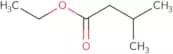
CAS:<p>Ethyl isovalerate is a chemical with the formula CH3CH2CH2C(O)CH=CH2. It is an ester of acetic acid and valeric acid. It has a boiling point of 114°C and a density of 0.8994 g/mL at 20°C. Ethyl isovalerate has been shown to be thermally unstable, with significant expansion occurring when heated to 100°C. This chemical has been shown to have antibacterial properties against bacterial strains that are resistant to carvacrol, thymol, and cinnamaldehyde. Ethyl isovalerate also produces propionic acid when mixed with benzoic acid in liquid phase microextraction (LPME). The production of propionic acid may be due to the reaction between ethyl isovalerate and hydrogen fluoride on the surface of activated carbon particles in LPME. Ethyl decanoate can also be produced from this reaction by adding ethyl dec</p>Fórmula:C7H14O2Pureza:Min. 95%Forma y color:Clear LiquidPeso molecular:130.18 g/mol2-Hydroxybiphenyl sodium salt tetrahydrate
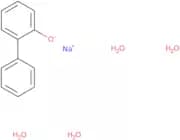
CAS:<p>2-Hydroxybiphenyl sodium salt tetrahydrate is an inorganic, colorimetric mediator that is used for the determination of symbiotic N 2 fixation. It is a salt of 2-hydroxybiphenyl and sodium hydroxide. The color change from yellow to violet is indicative of the presence of nitrogenase activity. This mediator can be used to measure the efficiency of immobilized N 2 -fixing bacteria on various surfaces or to determine the uptake of nutrients by bacteria.</p>Fórmula:C12H17NaO5Pureza:Min. 95%Peso molecular:264.25 g/molCobalt chloride hexahydrate
CAS:<p>Cobalt chloride is the inorganic compound with the chemical formula CoCl2.6H2O. It is a salt of cobalt in the form of a hexahydrate, which means that it contains six water molecules per molecule of cobalt. Cobalt chloride can be used as a chelate ligand to bind metal ions and prevent them from reacting with other substances. In this way, it can be used in wastewater treatment to remove heavy metals such as copper and zinc, or to remove nitrogen from waste water. The cobalt ion binds reversibly to two oxygen atoms on each molecule of hydrogen peroxide, forming HCoO3HO. This process converts one mole of hydrogen peroxide into one mole of water vapor and one mole of oxygen gas. It also catalyzes reactions involving organic compounds containing ammonia, such as ammonium salts or urea-ammonia solutions - reactions that are used for industrial purposes or for agricultural fertilizers. Cobalt chloride hexahydrate has</p>Fórmula:Cl2Co•(H2O)6Pureza:Min. 95%Peso molecular:237.93 g/molMethyl (S)-(+)-3-hydroxybutyrate
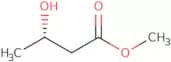
CAS:<p>Methyl (S)-(+)-3-hydroxybutyrate is an amino acid that is used as a building block in the synthesis of chiral compounds. It is an important intermediate in the synthesis of pharmaceuticals, agrochemicals, and other organic compounds. Methyl (S)-(+)-3-hydroxybutyrate has been shown to be a useful substrate for lipases and escherichia coli cells with hydrolytic activity. The reaction between methyl (S)-(+)-3-hydoxybutyrate and aluminum oxide produces hydrogen gas, which can be used as a carbon source for kinetic studies.</p>Fórmula:C5H10O3Pureza:Min. 95%Peso molecular:118.13 g/molD-Glyceric acid calcium dihydrate
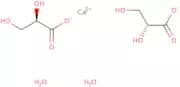
CAS:<p>Please enquire for more information about D-Glyceric acid calcium dihydrate including the price, delivery time and more detailed product information at the technical inquiry form on this page</p>Fórmula:C3H6O4•Ca0•H2OPureza:Min. 95%Peso molecular:288.26 g/molEthyl (R)-(+)-4-chloro-3-hydroxybutyrate
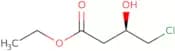
CAS:<p>Ethyl (R)-(+)-4-chloro-3-hydroxybutyrate is a chiral compound with two stereoisomers, one of which is the natural form. It can be synthesized by asymmetric synthesis from ethylene diamine and acetaldehyde. This reaction is catalysed by enzymes such as dehydrogenase, which are used in the biosynthesis of other compounds. The enzyme catalysis results in a high activation energy. Ethyl (R)-(+)-4-chloro-3-hydroxybutyrate also has an organic solvent that is required for its synthesis, d-xylose. The enzyme expression plasmid that is used to express this compound requires recombinant cells.</p>Fórmula:C6H11ClO3Pureza:Min. 95%Forma y color:Clear LiquidPeso molecular:166.6 g/molSodium L-glutamate monohydrate
CAS:<p>L-glutamic acid is a nonessential amino acid that is used as a food additive. L-glutamic acid is found in the form of sodium salt, called monosodium glutamate (MSG), and is used to enhance the flavor of foods. L-glutamic acid has been shown to be essential for the growth of certain bacteria, such as corynebacteria. The l-glutamic acid gene can be found in corynebacteria and corynebacterium glutamicum. It has been shown that l-glutamic acid can be synthesized by these organisms under conditions of low magnesium concentration, high pH, and high temperature.</p>Fórmula:C5H8NNaO4·H2OPureza:Min. 95%Forma y color:PowderPeso molecular:187.13 g/mol4-Chloro bupropion fumarate
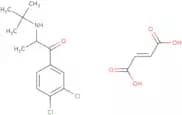
CAS:Producto controlado<p>Please enquire for more information about 4-Chloro bupropion fumarate including the price, delivery time and more detailed product information at the technical inquiry form on this page</p>Fórmula:C17H21Cl2NO5Pureza:Min. 95%Peso molecular:390.26 g/mol


![[Asp371] Tyrosinase(369-377), human](/_next/image/?url=https%3A%2Fstatic.cymitquimica.com%2Fproducts%2F3D%2Fthumb-webp%2FFA73646.webp&w=3840&q=75)