Compuestos relacionados con enzimas, péptidos y proteínas
Los compuestos relacionados con enzimas, péptidos y proteínas son críticos para estudiar y manipular las vías bioquímicas. Estos compuestos incluyen enzimas que catalizan reacciones bioquímicas, péptidos que actúan como hormonas y moléculas de señalización, y proteínas que desempeñan una amplia gama de funciones dentro de los organismos. Esta categoría abarca inhibidores, activadores, sustratos y otros reactivos esenciales para la enzimología, la proteómica y la investigación de péptidos. En CymitQuimica, ofrecemos una diversa selección de compuestos de alta calidad para facilitar su investigación en cinética enzimática, función de proteínas y síntesis de péptidos, asegurando resultados precisos y fiables.
Subcategorías de "Compuestos relacionados con enzimas, péptidos y proteínas"
- Aminoácidos (AA)(40.509 productos)
- Enzimas(3.560 productos)
- Péptidos(30.719 productos)
- Proteínas(15.022 productos)
Se han encontrado 1312 productos de "Compuestos relacionados con enzimas, péptidos y proteínas"
Ordenar por
Pureza (%)
0
100
|
0
|
50
|
90
|
95
|
100
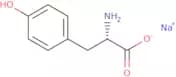
L-Tyrosine disodium salt hydrate
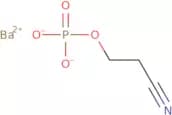
CAS:<p>L-Tyrosine is a precursor of thyroid hormones and catalyzes the conversion of iodide to iodine. It also converts 3-iodo-l-tyrosine to thyroxine. L-Tyrosine is used in vitro assays as an inhibitor of diiodination, a process that involves the use of hydrogen peroxide and produces iodinating agents such as 3-iodo-l-tyrosine. L-Tyrosine has been shown to inhibit peroxidase activity mediated by the enzyme myeloperoxidase. This inhibition may be due to its ability to act as an antioxidant.</p>Fórmula:C9H9NNa2O3·xH2OPureza:Min. 98 Area-%Forma y color:PowderPeso molecular:225.15 g/mol2-Cyanoethyl phosphate barium salt hydrate
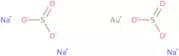
CAS:<p>2-Cyanoethyl phosphate barium salt hydrate is an alkaline compound that is soluble in water. It has been used to synthesize phosphodiesters, benzene, dioxan and alcohols. The chemical was originally developed as a reagent for the quantitative conversion of ethyl acetate esters to their corresponding acid chlorides. This reaction can be carried out quantitatively in tetrahydrofuran at room temperature with yields of about 95%. 2-Cyanoethyl phosphate barium salt hydrate also converts alcohols to their corresponding monophosphates quantitatively in alkaline conditions. Crystalline forms are obtained by reacting the compound with triethylamine and benzene.</p>Fórmula:C3H6BaNO4P•xH2OPureza:Min. 95%Forma y color:PowderPeso molecular:324.42 g/molSodium disulfitoaurate(I) - aqueous solution
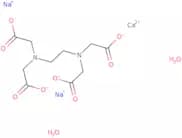
CAS:<p>Sodium disulfitoaurate(I) - aqueous solution is a triamine that is used for the chemical fixation of gold nanoparticles onto fabric. It is also used in the production of solar cells, where it serves as an absorber layer. Sodium disulfitoaurate(I) - aqueous solution has been shown to be able to remove cyanogen from the air and water, which makes it useful in the diagnosis of cyanide poisoning. This agent can be prepared by reacting hydrochloric acid with sodium sulphite or sodium hydrosulphite.</p>Fórmula:AuNa3O6S2Pureza:Min. 95%Forma y color:Colorless Clear LiquidPeso molecular:426.06 g/molEdetate calcium disodium dihydrate
CAS:<p>Edetate calcium disodium dihydrate is an antidote for poisoning by lead, mercury, or arsenic. It is a chelating agent that binds to the metal ions and prevents their absorption into the body. The chemical reaction of edetate calcium disodium dihydrate with lead, mercury, or arsenic produces a stable precipitate that is eliminated in urine. This drug has been shown to be effective when given as a single dose and has been used in clinical trials for long-term efficacy and optimum concentration. Edetate calcium disodium dihydrate has also been used to treat bowel disease and symptoms of lead toxicity such as abdominal pain, nausea, vomiting, constipation, headache, and muscle weakness.</p>Fórmula:C10H12CaN2O8·2H2O·2NaForma y color:White PowderPeso molecular:410.3 g/molPhosphocholine chloride sodium salt hydrate
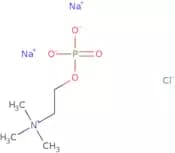
CAS:<p>Phosphocholine chloride sodium salt hydrate is an organic compound that is used as a cross-linking agent in the production of polymers. It is also used as a reactant in ring-opening reactions and as an intermediate in the synthesis of pyridinium salts. This product has been shown to be metabolized by human serum to form fatty acids, which may play a role in metabolic disorders such as obesity and diabetes. The reagent can also be used for the chromatographic determination of cholesterol and other lipids.</p>Fórmula:C5H13ClNNa2O4P·xH2OPureza:Min. 95%Forma y color:White PowderPeso molecular:263.58 g/mol3-Isopropylamino-1,2-propanediol
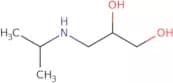
CAS:<p>Metoprolol tartrate impurity N is an impurity of metoprolol succinate and has been shown to have photocatalytic activity. Metoprolol tartrate impurity N has been found in commercially available pharmaceutical products. It has been validated by both phase chromatography and hydrophilic interaction chromatography, with the latter providing a more detailed separation of the compound's various reaction intermediates. Impurities such as metoprolol tartrate impurity N may be present in commercial products due to the use of pyridinium salt as a solvent in the manufacturing process. The enantiomeric purity of metoprolol tartrate impurity N was determined to be 99%.</p>Fórmula:C6H15NO2Pureza:Min. 95%Forma y color:PowderPeso molecular:133.19 g/mol2,9-Dimethyl-1,10-phenanthroline hydrochloride monohydrate
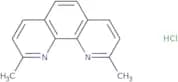
CAS:<p>Chelating agent used to detect aqueous copper ions by electrochemiluminescence</p>Fórmula:C14H12N2·HCl·H2OForma y color:White PowderPeso molecular:262.73 g/molAbiraterone isopropyl ether
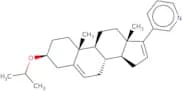
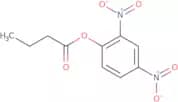
Producto controlado<p>Abiraterone is a fine chemical that can be used as a building block in the synthesis of complex molecules. It is also used as a reagent and speciality chemical in research and development. Abiraterone is an important intermediate in organic synthesis because it is versatile, easy to handle and has high quality. This compound can be used as a reaction component or scaffold for the preparation of useful molecules.</p>Fórmula:C27H37NOPureza:Min. 95%Forma y color:PowderPeso molecular:391.59 g/mol2,4-Dinitrophenyl butyrate
CAS:<p>2,4-Dinitrophenyl butyrate is a plant-derived compound that belongs to the group of fatty acids. It has shown radical scavenging activity in a homogeneous assay and has been found to be a strong inhibitor of pancreatic lipase. 2,4-Dinitrophenyl butyrate has also been used as a marker for proteolytic enzymes and has been shown to have inhibitory effects on pancreatic lipase. This compound is not only useful for studying enzyme inhibition, but it can also be used as an ingredient in food products.</p>Fórmula:C10H10N2O6Pureza:Min. 98 Area-%Forma y color:PowderPeso molecular:254.2 g/molLorcaserin hydrochloride hemihydrate
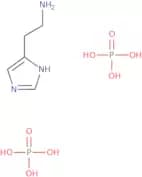
CAS:Producto controlado<p>Serotonin receptor 5-HT2C agonist</p>Fórmula:(C11H14ClN)2•(HCl)2•H2OPureza:Min. 95%Forma y color:White PowderPeso molecular:482.31 g/molHistamine diphosphate monohydrate
CAS:Producto controlado<p>Endogenous ligand for histamine receptors; neurotransmitter</p>Fórmula:C5H9N3·2H3PO4·H2OPureza:Min. 95%Forma y color:White/Off-White SolidPeso molecular:325.15 g/molKisspeptin-10 TFA salt
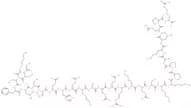
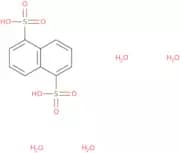
CAS:<p>Kisspeptin-10 is a peptide hormone that belongs to the family of kisspeptins. It is an intracellular regulator of calcium, which plays an important role in the regulation of cell growth and differentiation. The effect of kisspeptin-10 on cytosolic calcium levels can be used as a potential drug target for cancer treatment. It has been shown that kisspeptin-10 inhibits ovarian activity by reducing the production of luteinizing hormone (LH) and follicle stimulating hormone (FSH). Kisspeptin-10 also regulates bone metabolism by inhibiting osteoblasts and promoting osteoclasts, leading to increased bone resorption.</p>Fórmula:C63H83N17O14•xC2HF3O2Pureza:Min. 95 Area-%Forma y color:White Off-White PowderPeso molecular:1,302.44 g/mol1,5-Naphthalenedisulfonic acid tetrahydrate
CAS:<p>1,5-Naphthalenedisulfonic acid tetrahydrate is an acidic molecule that has been observed in the form of nanodots. It has a molecular weight of 212.2g/mol and a water solubility of 0.01g/L at 20°C. 1,5-Naphthalenedisulfonic acid tetrahydrate is soluble in ethanol and methanol, but insoluble in acetone, diethyl ether, ethyl acetate, and chloroform. 1,5-Naphthalenedisulfonic acid tetrahydrate is a hydrogen bond acceptor and donor in its interactions with other molecules. It interacts synergistically with 3,5-dinitrosalicylic acid to produce a red coloration when dissolved in water or alcohols.</p>Fórmula:C10H6(SO3H)2•(H2O)4Pureza:Min. 95%Forma y color:PowderPeso molecular:360.36 g/molS(-)-Raclopride (+)-tartrate salt
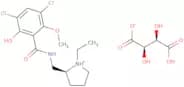
CAS:<p>Dopamine (D2 and D3) receptor antagonist</p>Fórmula:C15H20Cl2N2O3·C4H6O6Pureza:Min. 95%Forma y color:White PowderPeso molecular:497.32 g/mol3-Nitrophenylguanidine nitrate
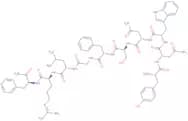
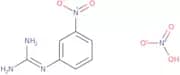
CAS:<p>3-Nitrophenylguanidine nitrate is a drug that targets the enzyme kinases, which are involved in the regulation of cell growth and division. It has been shown to inhibit the activity of stromal tumor cells, as well as chronic myeloid leukemia cells. 3-Nitrophenylguanidine nitrate inhibits protein synthesis by inhibiting demethylation and efflux, which enables imatinib to bind to the target site. This drug also has a rapid onset of action and can be used for monitoring chronic myeloid leukemia patients without the need for positron emission tomography (PET) scanning.</p>Fórmula:C7H8N4O2•HNO3Pureza:Min. 95%Forma y color:PowderPeso molecular:243.18 g/molCrustacean Erythrophore Concentrating Hormone Pyr-Leu-Asn-Phe-Ser-Pro-Gly-Trp-NH2
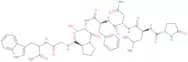
CAS:<p>Crustacean Erythrophore Concentrating Hormone Pyr-Leu-Asn-Phe-Ser-Pro-Gly-Trp-NH2 is a polypeptide hormone that belongs to the family of peptide hormones. It is a type of neurohormone that has been found in crustaceans. Crustacean Erythrophore Concentrating Hormone Pyr-Leu-Asn-Phe-Ser-Pro-Gly-Trp-NH2 shows high affinity for cardiac tissue and blocks the uptake of calcium ions into cells by binding to intracellular receptors. This peptide has been shown to have neurotrophic effects, which may be due to its ability to stimulate the production of nerve growth factor (NGF).</p>Fórmula:C45H59N11O11Pureza:Min. 95%Peso molecular:930.02 g/molMetamizol sodium monohydrate
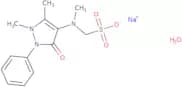
CAS:<p>Metamizol sodium monohydrate is a nonsteroidal anti-inflammatory drug that is used as an analgesic and antipyretic. Metamizol sodium monerate is metabolized in the liver via cytochrome P450 (CYP) to form metamizole. It has been shown to inhibit chemiluminescence of polycyclic aromatic hydrocarbons using a dipyrone-treated biological sample, and the rate constant for this inhibition has been determined by the use of a chemiluminescence method. An analytical method for metamizol sodium monohydrate has also been developed using polymerase chain reaction (PCR) amplification of DNA sequences from human squamous cells, which can be used for forensic purposes. Metamizol sodium monohydrate has shown anti-inflammatory activity against rat paw edema and carrageenan-induced inflammation in rats, but it can cause side effects such as dizziness, drowsiness, headache, nausea,</p>Fórmula:C13H16N3O4S•H2O•NaPureza:Min. 95%Peso molecular:351.36 g/molDextromethorphan hydrobromide monohydrate
CAS:Producto controlado<p>Dextromethorphan is a drug that is used for the treatment of cough and cold symptoms. It has been shown to be effective in human studies, and has minimal side effects. Dextromethorphan hydrobromide monohydrate is a pseudoephedrine prodrug that is metabolized in the liver through demethylation and hydroxylation before being excreted in urine. Dextromethorphan has been shown to have anti-inflammatory properties, which may be due to its ability to inhibit prostaglandin synthesis. The pharmacological mechanism of action of dextromethorphan remains unclear.</p>Fórmula:C18H25NO•HBr•H2OPureza:Min. 98 Area-%Forma y color:White PowderPeso molecular:370.32 g/mol5-Fluoroorotic acid hydrate
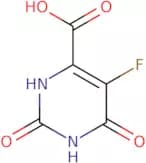
CAS:<p>Selection reagent for orotidine 5'-phosphate decarboxylase mutants</p>Fórmula:C5H3FN2O4·xH2OPureza:(%) Min. 97%Forma y color:Off-White Yellow PowderPeso molecular:174.09 g/molEthyl 4-coumarate
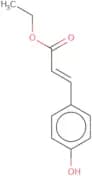
CAS:<p>Ethyl 4-coumarate is a versatile building block that is used in the synthesis of complex compounds. It is a reagent and can be used as a speciality chemical or useful scaffold in research chemicals. This chemical has been found to be a useful building block for the production of high quality and useful intermediates. Ethyl 4-coumarate is also a reaction component and can be used in the synthesis of fine chemicals.</p>Fórmula:C11H12O3Pureza:Min. 99 Area-%Forma y color:PowderPeso molecular:192.21 g/mol6-Amino-4-hydroxy-2-mercaptopyrimidine monohydrate
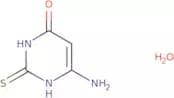
CAS:<p>6-Amino-4-hydroxy-2-mercaptopyrimidine monohydrate (6AP) is a chemical compound that has been shown to have potent antibacterial activity against Gram-positive bacteria. It is also effective at inhibiting the growth of S. aureus, both in vitro and in vivo. 6AP can be used as an alternative treatment for cancer, where it inhibits the growth of tumor cells by blocking ferrocene, which plays an important role in cancer cell proliferation and survival. The efficacy of 6AP against bacterial infections has been demonstrated in vitro with a variety of Gram-positive pathogens, including S. aureus, Streptococcus pneumoniae, Enterococcus faecalis, and Bacillus anthracis.</p>Fórmula:C4H5N3OS•H2OPureza:Min. 95%Forma y color:PowderPeso molecular:161.18 g/molSodium sulfide nonahydrate
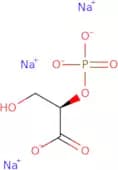
CAS:Producto controlado<p>Sodium sulfide nonahydrate is a chemical compound that has been shown to be statistically significantly more genotoxic than sodium sulfate, but less genotoxic than sodium sulfite. Sodium sulfide nonahydrate is used as a coating material and in the production of polychromatic pigment. It has also been studied for its potential use in analytical methods such as surface methodology, x-ray absorption spectroscopy, and photoelectron spectroscopy. Recent studies have also shown that this compound may enhance the rate of reaction between nucleophiles and electrophiles. Sodium sulfide nonahydrate can cause hematological changes in humans at high doses, including lymphocyte reduction, leukocytosis, and increased erythrocyte sedimentation rate.</p>Fórmula:Na2S•(H2O)9Pureza:Min. 98%Forma y color:PowderPeso molecular:240.18 g/molD-(+)-2-Phosphoglyceric acid sodium hydrate
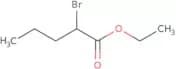
CAS:<p>Please enquire for more information about D-(+)-2-Phosphoglyceric acid sodium hydrate including the price, delivery time and more detailed product information at the technical inquiry form on this page</p>Fórmula:C3H4Na3O7PPureza:Min. 95 Area-%Forma y color:PowderPeso molecular:252 g/molDL-Ethyl 2-bromovalerate
CAS:<p>DL-Ethyl 2-bromovalerate is a fatty acid that inhibits the activity of enzymes involved in fatty acid synthesis. DL-Ethyl 2-bromovalerate has been shown to have anti-inflammatory properties, which may be due to its ability to inhibit prostaglandin synthesis. It also has been found to inhibit the growth of microorganisms such as HIV and Mycobacterium tuberculosis. DL-Ethyl 2-bromovalerate has been used in the treatment of inflammatory bowel disease, as well as congestive heart failure and cardiovascular diseases. This drug also has a pharmacokinetic effect on human population growth, because it can inhibit cell proliferation.</p>Fórmula:C7H13BrO2Pureza:Min. 95%Forma y color:Clear LiquidPeso molecular:209.08 g/molrec β-Defensin 2 (human)
CAS:<p>rec beta-Defensin 2 (human) is a recombinant peptide, which is a human-derived antimicrobial protein. It is sourced through recombinant DNA technology, enabling the production of a synthetic version of the natural peptide found in epithelial cells. Its mode of action involves disrupting microbial cell membranes, leading to cell lysis, in addition to modulating the immune response by interacting with immune cells and enhancing the production of cytokines.</p>Pureza:Min. 95%rec IL-3 (human)
CAS:<p>Please enquire for more information about rec IL-3 (human) including the price, delivery time and more detailed product information at the technical inquiry form on this page</p>Pureza:Min. 95%L-Aspartic acid sodium salt monohydrate
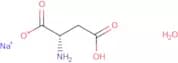
CAS:<p>L-Aspartic acid sodium salt monohydrate is a sodium carbonate salt of L-aspartic acid that has been shown to inhibit the growth of leishmania in vitro. It may also be effective against other protozoa and amoeba, including Entamoeba histolytica and Naegleria fowleri. L-Aspartic acid sodium salt monohydrate inhibits acid formation by inhibiting the enzyme carbonate synthetase. This compound also has potential as a drug target for infantile lysosomal storage disease due to its ability to activate glutamate, which is an amino acid that is deficient in this condition. The surface methodology used for this study was titration calorimetry, which can be used to measure the thermodynamic properties of activated carboxylates.</p>Fórmula:C4H6NO4Na·H2OForma y color:White Off-White Clear LiquidPeso molecular:173.1 g/molS-(-)-Tolterodine d-tartrate
CAS:<p>S-(-)-Tolterodine d-tartrate is a fine chemical that belongs to the class of organic compounds. It has been used as a useful scaffold in the synthesis of various complex compounds, such as reaction components and speciality chemicals. In addition, S-(-)-Tolterodine d-tartrate has served as an intermediate for the synthesis of other chemicals.</p>Fórmula:C22H31NO•C4H6O6Pureza:Min. 95%Forma y color:White to off-white solid.Peso molecular:475.57 g/molEthyl 6-aminoveratrate
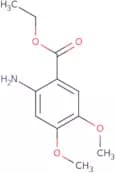
CAS:<p>Ethyl 6-aminoveratrate (EAOV) is a urea derivative that has been shown to have analgesic effects in vitro and in vivo. EAOV was found to be more potent than morphine, but with less side effects. EAOV's antinociceptive effects are due to its ability to inhibit the activity of protein kinase C and phosphorylate the extracellular signal-regulated kinases ERK1/2. EAOV also showed metabolic stability and chemical stability, which may be due to its lack of reactive functional groups. The low potency of EAOV makes it an attractive candidate for research into the development of a new generation of painkillers.</p>Fórmula:C11H15NO4Pureza:Min. 95%Forma y color:PowderPeso molecular:225.24 g/molTris[3-(trimethoxysilyl)propyl] isocyanurate
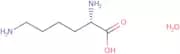
CAS:<p>Tris(trimethoxysilyl)propyl isocyanurate (TTIPi) is an efficient method for the synthesis of conjugates. TTIPi can be used to prepare a variety of conjugates, such as those containing biomolecules such as proteins, peptides, nucleotides, and small molecules. The resulting conjugates can be visualized by microscopy and analyzed using the Anova statistical package. TTIPi has been shown to form covalent bonds with DNA bases and other substrates. It has also been shown to form coordination bonds with ethylene oxide or tetraethyl silane which are worthwhile for dispersive polymerization in organic solvents. The mesoporous silica support used in this process has been shown to be acidic or basic depending on the pH of the solution. This versatile technique is useful for preparing a wide range of conjugates.</p>Fórmula:C21H45N3O12Si3Pureza:Min. 95%Forma y color:Colorless Clear LiquidPeso molecular:615.85 g/molL-Lysine hydrate
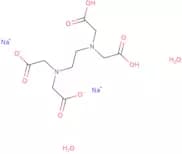
CAS:<p>L-Lysine hydrate is a water-soluble amino acid that is used as an additive in animal feed. L-Lysine has been shown to have minimal toxicity, and can be used for the prevention of colds, flu, and fever. It also has anti-inflammatory effects in humans, which may be due to its ability to inhibit the production of prostaglandins that are involved in pain and inflammation. L-Lysine hydrate binds to several drugs such as nonsteroidal antiinflammatory drugs (NSAIDs) and ethylene diamine dihydrochloride (EDDH), forming stable complexes with them. This binding prevents the NSAID from being broken down by enzymes in the liver and intestines, which can lead to decreased blood levels of these drugs.</p>Fórmula:C6H14N2O2•H2OPureza:Min. 95%Forma y color:White PowderPeso molecular:146.19 g/molEthylenediaminetetraacetic acid disodium dihydrate
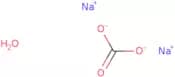
CAS:<p>Hexadentate chelator</p>Fórmula:C10H14N2Na2O8·2H2OForma y color:White PowderPeso molecular:372.24 g/molSodium carbonate monohydrate
CAS:Producto controlado<p>Sodium carbonate monohydrate is a versatile chemical that can be used as a building block in the synthesis of complex compounds. It is also used as an intermediate in the production of research chemicals or as a reagent. Sodium carbonate monohydrate has high quality and is useful in many reactions. This compound can be used to make various scaffolds, which are structures that provide stability for molecules or atoms during a reaction.</p>Fórmula:Na2CO3·H2OPureza:Min. 95%Forma y color:PowderPeso molecular:124 g/molTetraethylammonium acetate tetrahydrate
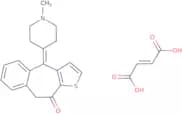
CAS:<p>Tetraethylammonium acetate tetrahydrate (TEAT) is a trifluoroacetic acid salt that is used as a cyclase inhibitor. TEAT inhibits the activity of cyclases, which are enzymes that catalyze the formation of cyclic AMP (cAMP). This inhibition prevents the activation of protein kinases and subsequent phosphorylation of cytosolic proteins. TEAT has been shown to inhibit human serum albumin binding, transport properties, and fluorescence detector response in vitro. It also binds to DNA as a hydrogen-bond acceptor and can be used in enzymatic assays for DNA polymerase chain reaction.</p>Fórmula:C10H23NO2·4H2OForma y color:PowderPeso molecular:261.36 g/molKetotifen fumarate
CAS:<p>Ketotifen fumarate is an anti-inflammatory drug that belongs to the class of histamine H1 receptor antagonists. It has been shown to be effective in the treatment of inflammatory bowel diseases, such as Crohn’s disease and ulcerative colitis. Ketotifen fumarate also has biological properties, such as eosinophil cationic protein release inhibition, that are important for its therapeutic effects. In vitro studies have shown that ketotifen fumarate can inhibit h1-receptor mediated responses in a dose-dependent manner. The drug is metabolized by the liver enzyme CYP3A4 and has been shown to interact with other drugs metabolized through this pathway. Ketotifen fumarate is currently being used as a research tool in experimental models of infectious diseases, such as tuberculosis and influenza A virus infection.</p>Fórmula:C23H23NO5SPureza:Min. 95%Forma y color:White PowderPeso molecular:425.5 g/molrec IL-2 (human)
CAS:<p>Please enquire for more information about rec IL-2 (human) including the price, delivery time and more detailed product information at the technical inquiry form on this page</p>Pureza:Min. 95%L-Malic acid disodium salt monohydrate
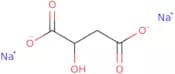
CAS:<p>L-Malic acid disodium salt monohydrate is a versatile building block that can be used in the production of research chemicals, reagents and speciality chemicals. It is also a useful building block for the synthesis of complex compounds with high quality. L-Malic acid disodium salt monohydrate has been used as a reagent in organic syntheses, as well as in the production of pharmaceuticals. In addition, it is an intermediate for the synthesis of polymers and other materials. The CAS number for L-Malic acid disodium salt monohydrate is 207511-06-6.</p>Fórmula:C4H4O5Na2·H2OPureza:Min. 95%Forma y color:PowderPeso molecular:196.07 g/mol1,1'-Dioctadecyl-3,3,3',3'-tetramethylindodicarbocyanine perchlorate
CAS:<p>1,1'-Dioctadecyl-3,3,3',3'-tetramethylindodicarbocyanine perchlorate (DiI) is a useful scaffold for the synthesis of complex compounds. It is a high-quality research chemical that is used in the synthesis of speciality chemicals and fine chemicals. DiI reacts with diazonium salts to produce blue or red fluorescent compounds. This compound can be used as a reagent for the production of amino acids or amines. It also reacts with other organic compounds to form complexes. The CAS number for DiI is 127274-91-3.</p>Fórmula:C61H99N2•ClO4Pureza:Min. 95%Forma y color:Red To Brown SolidPeso molecular:959.9 g/molMalonic acid disodium salt monohydrate
CAS:<p>Malonic acid disodium salt monohydrate is a water-soluble alkanoic acid that is used as a cross-linking agent in the manufacture of polymers. Malonic acid disodium salt monohydrate is also used to produce immunogenic antigens for cancer research and as a synthetic intermediate in the synthesis of pharmaceuticals or agricultural chemicals. Malonic acid disodium salt monohydrate is converted to malic acid by the enzyme cytosolic malate dehydrogenase. Malonic acid disodium salt monohydrate has an acidic pH and can be used to neutralize sodium salts such as sodium bicarbonate. Cell culture studies have shown that exposure to malonic acid disodium salt monohydrate inhibits protein synthesis and cell growth, which may be due to its ability to bind with DNA during transcription.</p>Fórmula:C3H2Na2O4·H2OPureza:Min 98%Forma y color:White PowderPeso molecular:166.04 g/molGhrelin trifluoroacetate
CAS:<p>Ghrelin is a peptide hormone that regulates appetite and has been shown to have potent anti-cachectic effects in animal models. It is thought to be an important regulator of body weight, insulin resistance, and metabolism. Ghrelin is synthesized in the stomach and released into the bloodstream when the stomach is empty. Ghrelin binds to ghrelin receptors in the hypothalamus, which stimulate growth hormone release from the pituitary gland. This hormone also binds to other cells in the hypothalamus, such as neurons that produce orexin, which may account for its effects on sleep patterns. Ghrelin has been shown to inhibit tumor growth by suppressing angiogenesis and inducing apoptosis. The molecular weight of ghrelin is 3497 Da. The sequence of ghrelin consists of 28 amino acids: Gly-Ser-Ser(octanoyl)-Phe-Leu-Ser-Pro-Glu-His-Gln-Lys-Ala</p>Fórmula:C147H245N45O42•(C2HO2F3)xPureza:Min. 95 Area-%Forma y color:PowderPeso molecular:3,314.8 g/molSorbitan monolaurate
CAS:<p>Sorbitan monolaurate is a natural compound that can be isolated from the seeds of the Cucurbitaceae family. It is used in sample preparation for biocompatible polymers, as well as for detergent compositions. Sorbitan monolaurate has been shown to act as an absorption enhancer, which may be due to its ability to form hydrogen bonds with other molecules and its capacity to interact with sodium citrate. Sorbitan monolaurate also has biological properties such as the inhibition of autoimmune diseases, malonic acid production, and bacterial growth.</p>Fórmula:C18H34O6Pureza:Min. 95%Forma y color:Slightly Yellow Clear LiquidPeso molecular:346.46 g/molDiflucortolone valerate
CAS:Producto controlado<p>Diflucortolone valerate is a corticosteroid that is used to treat inflammatory skin diseases. It is a prodrug that is hydrolyzed in vivo to diflucortolone, its active form. Diflucortolone valerate has been shown to be effective against alopecia areata and mycological skin infections. The optimum concentration of this drug for treating these conditions is 0.5% or less, with side effects such as erythema, scaling, and burning at the application site occurring at higher concentrations. Diflucortolone valerate also has broad-spectrum antimicrobial activity against bacteria and fungi, including methicillin-resistant Staphylococcus aureus (MRSA) isolates.</p>Fórmula:C27H36F2O5Pureza:Min. 95%Forma y color:PowderPeso molecular:478.57 g/molNesfatin-1 (human) trifluoroacetate salt
CAS:<p>Please enquire for more information about Nesfatin-1 (human) trifluoroacetate salt including the price, delivery time and more detailed product information at the technical inquiry form on this page</p>Fórmula:C427H691N113O134Pureza:Min. 95%Peso molecular:9,551.74 g/mol17α-Estradiol 17-valerate
CAS:<p>Please enquire for more information about 17α-Estradiol 17-valerate including the price, delivery time and more detailed product information at the technical inquiry form on this page</p>Fórmula:C23H32O3Pureza:Min. 95%Forma y color:PowderPeso molecular:356.5 g/molDibenzoyl-L-tartaric acid monohydrate
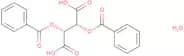
CAS:<p>Dibenzoyl-L-tartaric acid monohydrate is a chiral molecule that can be found in nature. It is soluble in organic solvents, but insoluble in water. Dibenzoyl-L-tartaric acid monohydrate has an affinity for carboxylate ligands and absorbs at 360 nm. The optical rotation of this compound is +20° to -50°, depending on the concentration and pH of the solution. This molecule is a potential pollutant because it can be degraded by oxidation or photolysis, yielding environmentally hazardous compounds. Its conformation may be changed by light or heat and, as a result, its properties may also change.</p>Fórmula:C18H14O8·H2OPureza:Min. 95%Forma y color:PowderPeso molecular:376.31 g/mol(+/-)-Synephrine tartrate
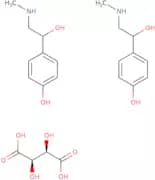
CAS:<p>Synephrine is a drug that is used as an appetite suppressant and weight-loss aid. It can be found in dietary supplements, where it is marketed as a stimulant. Synephrine has been shown to have an inhibitory effect on the carotid sinus reflexes, which are nerve impulses that regulate blood pressure. This drug also has a pressor effect on the heart and causes an increase in systolic and diastolic blood pressures. The enantiomers of synephrine are (+)synephrine or (-)-synephrine tartrate, which differ only in the stereochemistry of their chiral centers. The hydrochloric acid present in synephrine tartrate breaks down into amines such as histamine and serotonin, which cause swelling of smooth muscles found in the walls of blood vessels. When taken orally, this drug is metabolized by hydrolysis to picric acid or (+)-synephrine or (-)-synephrine tartrate,</p>Fórmula:(C9H13NO2)2•C4H6O6Pureza:Min. 95%Forma y color:PowderPeso molecular:484.5 g/molSodium phytate hydrate
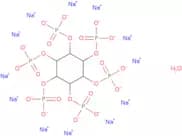
CAS:<p>Chelator of multivalent metal ions; food perservative; antioxidant</p>Fórmula:C6H6Na12O24P6·xH2OPureza:Min. 75.0%Forma y color:White PowderPeso molecular:923.82 g/mol(R)-Apomorphine hydrochloride hemihydrate
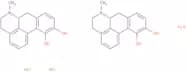
CAS:<p>Apomorphine hydrochloride is the salt form of apomorphine, a morphine derivative D2 dopamine agonist. The high selectivity for D2, D3, D4 and D5 receptors makes apomorphine hydrochloride a possible drug candidate and it is in clinical trials for diagnosis and treatment of Parkinsons disease. Moreover, apomorphine and apomorphine hydrochloride have been investigated in diverse studies for treating movement disorders.</p>Fórmula:C17H17NO2•HCl•(H2O)0Pureza:Min. 95%Forma y color:White PowderPeso molecular:312.79 g/molTolterodine tartrate
CAS:<p>Muscarinic antagonist</p>Fórmula:C22H31NO·C4H6O6Pureza:Min. 95%Forma y color:PowderPeso molecular:475.57 g/molCitric acid monohydrate
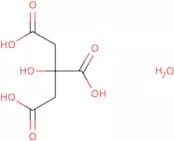
CAS:<p>Citric acid monohydrate is an organic compound that is used in biochemical research. It can be converted to citrate, which is a potential drug for chronic coughs. It has been shown to bind to toll-like receptor 4 and 5 (TLR4 and TLR5), reducing the activation of these receptors. Citric acid monohydrate also has a high rate constant, which makes it a good candidate for use in control analysis. This compound has been shown to have disease-modifying properties by altering iron homeostasis and ameliorating symptoms of inflammatory bowel disease. Citric acid monohydrate is also used as an analytical reagent for benzalkonium chloride in water samples.</p>Fórmula:C6H8O7·H2OPureza:Min. 95%Forma y color:White Clear LiquidPeso molecular:210.14 g/mol




![Tris[3-(trimethoxysilyl)propyl] isocyanurate](/_next/image/?url=https%3A%2Fstatic.cymitquimica.com%2Fproducts%2F3D%2Fthumb-webp%2FFT168667.webp&w=3840&q=75)