Antimicrobianos
Los antimicrobianos son agentes que destruyen o inhiben el crecimiento de microorganismos, incluyendo bacterias, virus, hongos y parásitos. Estos compuestos son esenciales en la prevención y tratamiento de infecciones, desempeñando un papel crucial en la medicina, la agricultura y la industria alimentaria. En CymitQuimica, ofrecemos una extensa gama de antimicrobianos de alta calidad y pureza, adecuados para diversas aplicaciones científicas e industriales. Nuestro catálogo incluye antibióticos, antifúngicos, antivirales y desinfectantes, todos diseñados para satisfacer las necesidades de investigación y desarrollo, así como para aplicaciones clínicas y de producción. Con nuestros productos, los profesionales pueden garantizar la eficacia y seguridad en el control de infecciones y en la protección de la salud pública.
Subcategorías de "Antimicrobianos"
- Antibióticos(4.130 productos)
- Antifúngicos(909 productos)
- Antiparasitarios(703 productos)
- Antivirales(766 productos)
Se han encontrado 2424 productos de "Antimicrobianos"
Ordenar por
Pureza (%)
0
100
|
0
|
50
|
90
|
95
|
100
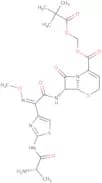
Ceftizoxime alapivoxil
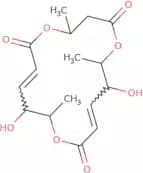
CAS:Ceftizoxime alapivoxil is a prodrug antibiotic, which is derived from ceftizoxime, a third-generation cephalosporin. This semi-synthetic source enables the compound to effectively combat a wide range of bacterial infections by improving oral bioavailability compared to its parent compound. Once administered, ceftizoxime alapivoxil is metabolized in the body to release ceftizoxime, which exerts its antibacterial activity by binding to penicillin-binding proteins (PBPs) on bacterial cell walls. This binding action inhibits the transpeptidation step critical for cell wall synthesis, leading to cell lysis and bacterial death.Pureza:Min. 95%Macrosphelide A
CAS:<p>Macrosphelide A is a bioactive macrocyclic lactone, which is a secondary metabolite derived from the culture of certain fungal species. It functions primarily through the disruption of cell adhesion processes, which is facilitated by its ability to interfere with the function of specific cell surface receptors. This mode of action underlies its potential as an immunosuppressive agent, where it can inhibit the activities of immune cells by altering cellular communication and adhesion.</p>Fórmula:C16H22O8Pureza:Min. 95%Peso molecular:342.34 g/molIkarugamycin
CAS:<p>Ikarugamycin is a polycyclic nitrogenous antibiotic, which is derived from the fermentation of Streptomyces species, a genus of gram-positive bacteria. It acts primarily by inhibiting clathrin-mediated endocytosis, a cellular process involving the internalization of various macromolecules. This inhibition disrupts cellular uptake mechanisms, which has significant implications for its utility in biological research and therapeutic applications.</p>Fórmula:C29H38N2O4Pureza:Min. 95%Peso molecular:478.62 g/molFenaminostrobin
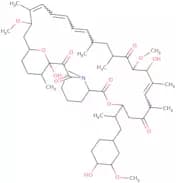
CAS:<p>Fenaminostrobin is a broad-spectrum fungicide, which is synthesized chemically. It operates primarily through inhibition of mitochondrial respiration in fungal cells, targeting the bc1 complex, which disrupts ATP production and leads to the inhibition of spore germination and fungal growth. This mode of action makes Fenaminostrobin effective against a wide range of pathogenic fungi that affect various crops.</p>Fórmula:C21H21Cl2N3O3Pureza:Min. 95%Peso molecular:434.3 g/mol28-Epirapamycin
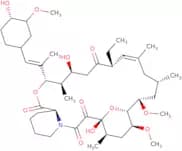
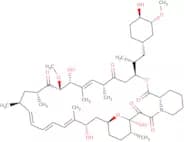
CAS:28-Epirapamycin is a semisynthetic derivative of the macrolide antibiotic rapamycin, which is derived from the bacterium *Streptomyces hygroscopicus*. This compound functions primarily as an mTOR (mechanistic target of rapamycin) inhibitor. The mTOR pathway is crucial for regulating cell growth, proliferation, and survival by integrating signals from nutrients, growth factors, and cellular energy status.Fórmula:C51H79NO13Pureza:Min. 95%Peso molecular:914.2 g/molGramicidin
CAS:<p>Gramicidin is an antibiotic, which is derived from soil bacteria of the genus Bacillus, specifically Bacillus brevis. This polypeptide antibiotic exerts its antibacterial effects by disrupting the cell membranes of susceptible bacteria. Gramicidin forms channels in the phospholipid bilayers of bacterial cell membranes, leading to uncontrolled cation fluxes, which ultimately results in cell death. This mechanism is particularly effective against Gram-positive bacteria due to their specific cell wall structure.</p>Fórmula:C99H140N20O17Pureza:A1.A2.B1.C1 And C2) 95%Forma y color:PowderPeso molecular:1,882.3 g/molZelkovamycin
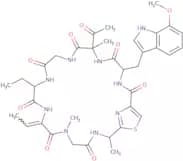
CAS:Zelkovamycin is a novel antibacterial compound isolated from endophytic microorganisms, specifically Streptomyces sp. Endophytes are bacteria or fungi that reside within plant tissues, forming symbiotic relationships and often producing bioactive metabolites. The mode of action of Zelkovamycin involves the inhibition of bacterial cell wall synthesis, interfering with the biosynthesis pathways essential for maintaining the structural integrity and function of bacterial cell walls, particularly in Gram-positive strains.Fórmula:C36H45N9O9SPureza:Min. 95%Forma y color:PowderPeso molecular:779.86 g/molClindamycin
CAS:<p>Inhibitor of protein synthesis; lincosamide class</p>Fórmula:C18H33ClN2O5SPureza:Min. 95%Peso molecular:424.98 g/molPicoxystrobin metabolite M8
CAS:<p>Picoxystrobin metabolite M8 is a chemical metabolite, which is a derivative specifically originating from the degradation of the fungicide Picoxystrobin. It is generated through the metabolic pathways that occur after the application of Picoxystrobin on crops. As a strobilurin derivative, its mode of action is primarily related to its ability to disrupt mitochondrial respiration in fungi by inhibiting the electron transport chain at the cytochrome bc1 complex. This interruption leads to energy depletion and subsequent cell death in pathogenic fungi.</p>Fórmula:C14H10F3NO3Pureza:Min. 95%Peso molecular:297.23 g/mol1-Naphthol-o-sulfate potassium
CAS:<p>1-Naphthol-o-sulfate potassium is a sulfate ester, which is a derivative of naphthol. It is synthesized from 1-naphthol, a phenolic compound, through sulfation, typically using chlorosulfonic acid or oleum, followed by neutralization with potassium hydroxide to produce the potassium salt form. This particular compound is involved in various biochemical pathways, especially as a conjugated metabolite in phase II metabolism.</p>Fórmula:C10H8KO4SPureza:Min. 95%Peso molecular:263.33 g/molAscomycin
CAS:<p>Ascomycin is an immunosuppressant macrolide lactone, which is derived from the soil bacterium *Streptomyces hygroscopicus*. It functions primarily by inhibiting the T-cell activation pathway. The mechanism involves binding to the immunophilin FKBP-12, forming a complex that inhibits the calcium-dependent phosphatase, calcineurin. This inhibition prevents the dephosphorylation and subsequent translocation of nuclear factor of activated T cells (NFAT), which is crucial for the transcription of interleukin-2 and other cytokines. Consequently, this suppresses the activation and proliferation of T-cells, which are essential components of the adaptive immune response.</p>Fórmula:C43H69NO12Pureza:Min. 95%Peso molecular:792.01 g/molDimidazon
CAS:Dimidazon is a synthetic herbicide, which is derived from chemical synthesis processes involving aromatic and heterocyclic compounds. It possesses a mode of action that primarily inhibits specific enzymatic pathways required for plant growth, targeting essential biosynthesis mechanisms within the plant's cellular structure. This disruption leads to the cessation of vital processes, eventually causing plant death.Fórmula:C12H12N2O3Pureza:Min. 95%Peso molecular:232.23 g/molPolymyxin B nonapeptide hydrochloride
CAS:<p>Polymyxin B nonapeptide hydrochloride is a potent antibiotic compound derived from the bacterium *Bacillus polymyxa*. As a cationic polypeptide, it exhibits its antibacterial activity by interacting with the lipopolysaccharides and phospholipids in the bacterial cell membrane, leading to increased permeability and ultimately causing cell lysis. The compound is specifically effective against a broad range of Gram-negative bacteria, making it crucial in studying antibiotic resistance mechanisms.</p>Fórmula:C43H74N14O11•(HCl)xPureza:Min. 95%Peso molecular:963.14 g/molBixlozone
CAS:<p>Bixlozone is a pharmaceutical compound that serves as an antimicrobial agent, developed from synthetic origins. It operates by targeting specific microbial pathways, effectively disrupting the synthesis of essential cellular components within pathogenic organisms. The active mechanisms of Bixlozone involve inhibiting enzymatic functions that are crucial for the survival and replication of these pathogens.</p>Fórmula:C12H13Cl2NO2Pureza:Min. 95%Peso molecular:274.14 g/mol3,4-Dihydro-2H,6H-pyrimido[1,2-c][1,3]benzothiazin-6-imine
CAS:3,4-Dihydro-2H,6H-pyrimido[1,2-c][1,3]benzothiazin-6-imine is a chemical compound classified as a heterocyclic organic compound, which is synthesized through chemical processes in the laboratory. This compound belongs to a novel class of molecules with potential pharmacological applications, particularly in the realm of infectious diseases. Its mode of action involves the inhibition of specific enzymatic pathways essential for the survival of certain pathogenic organisms, such as Plasmodium species responsible for malaria.Fórmula:C11H11N3SPureza:Min. 95%Peso molecular:217.29 g/molRPW-24
CAS:<p>RPW-24 is a microbial inoculant, which is derived from specifically cultivated microbial strains with known capabilities of enhancing soil fertility. Utilizing a proprietary selection of Bacillus and Pseudomonas species, this product functions by facilitating the solubilization of inorganic phosphate compounds in the soil. These microbes secrete organic acids and enzymes that convert insoluble forms of phosphorus into forms that are more readily available to plants, thereby enhancing nutrient uptake and promoting plant growth.</p>Fórmula:C15H13ClN4Pureza:Min. 95%Peso molecular:284.74 g/molButirosin disulfate
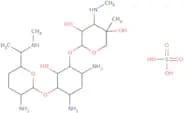
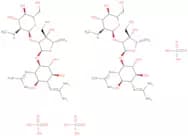
CAS:<p>Butirosin disulfate is an aminoglycoside antibiotic, which is derived from a strain of *Bacillus circulans*. Its primary mode of action involves binding to the 30S subunit of the bacterial ribosome, leading to the inhibition of protein synthesis. This interaction results in the misreading of mRNA, ultimately causing bactericidal effects.</p>Fórmula:C21H45N5O20S2Pureza:Min. 95%Peso molecular:751.7 g/molBecliconazole
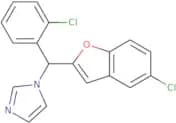
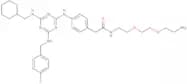
CAS:Please enquire for more information about Becliconazole including the price, delivery time and more detailed product information at the technical inquiry form on this pageFórmula:C18H12Cl2N2OPureza:Min. 95%Peso molecular:343.2 g/molPiperacillin oxalylamide
CAS:<p>Piperacillin oxalylamide is an investigational antibiotic, which is a synthetic derivative of the widely used β-lactam antibiotic, piperacillin. Its development is rooted in the quest to combat β-lactamase-producing resistant bacterial strains, which are a growing threat in clinical settings. It operates by inhibiting bacterial cell wall synthesis, similar to other β-lactam antibiotics, but possesses a modified structure that enhances its resistance to enzymatic degradation by β-lactamases.</p>Fórmula:C23H29N5O8SPureza:Min. 95%Peso molecular:535.57 g/molENOblock
CAS:<p>ENOblock is a biochemical inhibitor, which is synthesized from specific small molecules with the capability to modulate metabolic pathways. This product is derived from a high-throughput screening aimed at identifying novel regulators of enzymatic processes and exhibits unique properties influencing nicotinamide adenine dinucleotide (NAD) metabolism.</p>Fórmula:C31H43FN8O3Pureza:Min. 95%Peso molecular:594.74 g/mol8-Methylpyrido[2,3-d]pyridazin-5(6H)-one
CAS:<p>8-Methylpyrido[2,3-d]pyridazin-5(6H)-one is a heterocyclic compound used in the field of medicinal chemistry. This compound is synthesized through complex organic reactions involving pyridazine and pyridine derivatives. As a molecule, its primary mode of action involves interactions with specific biochemical pathways, potentially influencing enzymatic activity or receptor bindings, leading to modulation of biological activities.</p>Fórmula:C8H7N3OPureza:Min. 95%Peso molecular:161.16 g/molCefonicid
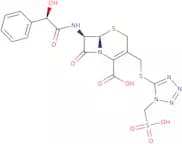
CAS:Cefonicid is a semisynthetic cephalosporin antibiotic, which is derived from the naturally occurring compound cephalosporin C, obtained from the mold *Cephalosporium acremonium*. Its mode of action involves inhibiting bacterial cell wall synthesis by binding to penicillin-binding proteins, leading to cell lysis and death, thereby exhibiting bactericidal activity.Fórmula:C18H16N6O8S3Pureza:Min. 95%Peso molecular:540.55 g/molIndinavir monohydrate
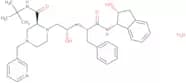
CAS:Indinavir monohydrate is an antiretroviral medication, which is a synthetic pharmaceutical compound, specifically a protease inhibitor, used in the treatment of HIV infection. It is derived from chemical synthesis processes that follow rigorous standards to produce a pharmacologically active compound. Indinavir functions by selectively inhibiting the HIV-1 protease enzyme, which is crucial for the viral replication cycle. By binding to the active site of the enzyme, indinavir prevents the cleavage of viral polypeptides, leading to the production of immature and non-infectious viral particles.Pureza:Min. 95%Erythromycylamine
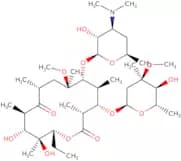
CAS:<p>Erythromycylamine is a semisynthetic antibiotic, which is derived from the parent compound erythromycin. This compound is sourced from the fermentation product of the bacterium *Saccharopolyspora erythraea*. Erythromycylamine acts by inhibiting bacterial protein synthesis, specifically targeting the 50S ribosomal subunit, which ultimately leads to the disruption of bacterial cell growth and replication.</p>Fórmula:C37H70N2O12Pureza:Min. 95%Peso molecular:734.96 g/molArtefenomel
CAS:<p>Artefenomel is an antimalarial agent, which is a synthetic derivative originally based on artemisinin, primarily sourced from the Artemisia annua plant. It exhibits its mode of action by targeting and disrupting the Plasmodium parasite's life cycle within the human host. Specifically, artefenomel interferes with the parasite's ability to degrade hemoglobin, leading to the accumulation of toxic levels of heme, ultimately causing the parasite's death.</p>Fórmula:C28H39NO5Pureza:Min. 95%Peso molecular:469.6 g/molBromophos-methyl-oxon
CAS:<p>Bromophos-methyl-oxon is an organophosphate insecticide and acaricide, which is a synthetic chemical derived from organophosphate compounds. It functions by inhibiting the activity of the enzyme acetylcholinesterase in target organisms. This inhibition leads to the accumulation of acetylcholine at nerve synapses, disrupting normal nerve function and ultimately resulting in the paralysis and death of pests.</p>Fórmula:C8H8BrCl2O4PPureza:Min. 95%Peso molecular:349.93 g/molPikromycin
CAS:<p>Pikromycin is an antibiotic, which is derived from the bacterium *Streptomyces venezuelae*. It functions by specifically binding to the 50S ribosomal subunit, thereby inhibiting bacterial protein synthesis. This action effectively blocks peptide chain elongation, leading to the cessation of bacterial growth and proliferation. Pikromycin serves as an important model compound in antibiotic research, particularly in the study of macrolides and polyketides, due to its unique structure and biosynthetic pathway.</p>Fórmula:C28H47NO8Pureza:Min. 95%Peso molecular:525.7 g/mol(E)-Ceftriaxone disodium
CAS:<p>(E)-Ceftriaxone disodium is a broad-spectrum cephalosporin antibiotic, which is derived from the fermentation of the fungus Acremonium. This semi-synthetic antibiotic works by inhibiting bacterial cell wall synthesis. It achieves this by binding to the penicillin-binding proteins (PBPs) in the bacterial cell membrane, which ultimately interferes with peptidoglycan cross-linking, leading to cell lysis and death.</p>Fórmula:C18H16N8Na2O7S3Pureza:Min. 95 Area-%Peso molecular:598.54 g/mol1H-Indene-2-carboxylic acid
CAS:<p>1H-Indene-2-carboxylic acid is an organic compound, which is primarily utilized in synthetic organic chemistry. This compound is a derivative of indene, a bicyclic hydrocarbon derived from the fusion of benzene and cyclopentene rings. It is most commonly sourced from petrochemical processes involving the polymerization or catalytic conversion of hydrocarbons.</p>Fórmula:C21H17ClF3N3O7Pureza:Min. 95%Peso molecular:515.8 g/molD 13-9001
CAS:Please enquire for more information about D 13-9001 including the price, delivery time and more detailed product information at the technical inquiry form on this pageFórmula:C31H39N11O6SPureza:Min. 95%Peso molecular:693.8 g/molDiclobutrazol
CAS:<p>Diclobutrazol is a plant growth regulator, a synthetic compound primarily derived from chemical synthesis methods. This compound acts by inhibiting the biosynthesis of gibberellins, which are plant hormones that regulate various aspects of growth and development. The inhibition of gibberellin biosynthesis results in reduced plant elongation, leading to more compact growth forms.</p>Fórmula:C15H19Cl2N3OPureza:Min. 95%Peso molecular:328.24 g/molAqabamycin D
CAS:Aqabamycin D is a novel antibiotic compound, which is derived from marine bacteria, particularly from the genus Streptomyces collected from unique marine environments. This compound functions by interfering with bacterial cell wall synthesis, leading to the disruption of essential cellular processes. Aqabamycin D exhibits a broad spectrum of antibacterial activity, particularly against gram-positive bacteria, making it a valuable tool for tackling resistant bacterial strains.Fórmula:C16H9N3O8Pureza:Min. 95%Peso molecular:371.26 g/molPantoprazole-d3
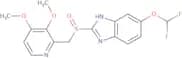
CAS:<p>Pantoprazole-d3 is a stable isotope-labeled version of the proton pump inhibitor pantoprazole, which is derived synthetically for scientific research and analytical applications. Isotope labeling involves substituting hydrogen atoms with deuterium, resulting in Pantoprazole-d3 containing three deuterium atoms. This modification preserves the pharmacological profile of the parent compound while enabling precise tracking in biological studies through advanced spectroscopic techniques.</p>Fórmula:C16H15F2N3O4SPureza:Min. 95%Peso molecular:386.4 g/mol26-Oxofusidic acid
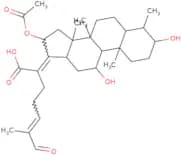
CAS:<p>26-Oxofusidic acid is a derivative of fusidic acid, which is a potent antibacterial compound originally isolated from the fungus Fusidium coccineum. This compound exhibits a unique mode of action by inhibiting bacterial protein synthesis through interference with the elongation factor G (EF-G), a critical component in the translocation step of translation. By targeting this specific aspect of bacterial metabolism, 26-Oxofusidic acid effectively disrupts the growth of gram-positive bacteria, making it an invaluable tool in combating resistant bacterial strains.</p>Fórmula:C31H46O7Pureza:Min. 95%Peso molecular:530.69 g/molChlorhexidine acetate hydrate(1:2:X)
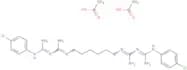
CAS:Producto controlado<p>Chlorhexidine acetate hydrate (1:2:X) is a chemical compound used as a disinfectant and antiseptic. It is derived from chlorhexidine, a well-known antimicrobial agent frequently used in both medical and laboratory settings. The compound functions by disrupting microbial cell membranes, resulting in leakage of cellular components and subsequent cell death. This action makes it particularly effective against a wide range of bacteria, fungi, and some viruses.</p>Fórmula:C26H38Cl2N10O4Pureza:Min. 95%Peso molecular:625.5 g/mol(2RS,4S)-2-[[(phenylacetyl)amino]methyl]-5,5-dimethylthiazolidine-4-carboxylic acid (penilloic acids of benzylpenicillin)
CAS:<p>(2RS,4S)-2-[[(Phenylacetyl)amino]methyl]-5,5-dimethylthiazolidine-4-carboxylic acid, commonly referred to as penilloic acids, is a hydrolytic degradation product of benzylpenicillin. It is derived through the enzymatic or chemical cleavage of the β-lactam ring of benzylpenicillin, which is a classic β-lactam antibiotic.</p>Fórmula:C15H20N2O3SPureza:Min. 95%Peso molecular:308.4 g/molCAP 3
CAS:<p>CAP 3 is an enzymatic product, derived from genetically engineered microorganisms, known for its specificity and efficiency in catalyzing biochemical reactions. This enzyme functions via the hydrolysis of specific chemical bonds, promoting reaction pathways that enhance productivity in various industrial and laboratory settings.</p>Fórmula:C52H82N6O11Pureza:Min. 95%Peso molecular:967.20 g/mol(E)-Coniferin
CAS:(E)-Coniferin is a plant-derived glucoside, which is primarily associated with the lignification process in gymnosperms and angiosperms. It is biosynthesized from the phenylpropanoid pathway, specifically from coniferyl alcohol conjugated with glucose. This conjugation serves as a storage form and transport mechanism for coniferyl alcohol in plants.Fórmula:C16H22O8Pureza:Min. 95%Peso molecular:342.34 g/molBenastatin A
CAS:<p>Benastatin A is an antifungal compound, which is derived from marine-derived Streptomyces species. This bacterial genus, known for its prolific production of bioactive secondary metabolites, serves as a rich source for drug discovery and biosynthesis of unique compounds like Benastatin A. The mode of action of Benastatin A involves the disruption of fungal cell membranes, leading to leakage of vital cellular components and subsequent cell death. This interaction is crucial for understanding its efficacy and specificity against fungal pathogens.</p>Fórmula:C30H28O7Pureza:Min. 95%Peso molecular:500.50 g/mol3-(Methylsulfonyl)-2,5-dioxopyrrolidin-1-yl 4-((5-nitropyridin-2-yl)disulfanyl)butanoate
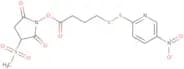
CAS:3-(Methylsulfonyl)-2,5-dioxopyrrolidin-1-yl 4-((5-nitropyridin-2-yl)disulfanyl)butanoate is a sophisticated biochemical compound used primarily in research settings. This compound, derived from synthetic sources, functions through its reactive disulfide linkage, enabling the modification of thiol groups in proteins or other biomolecules. This reactivity is crucial for applications involving targeted chemical modifications, serving as a useful tool in the investigation of biochemical pathways and interactions.Fórmula:C14H15N3O8S3Pureza:Min. 95%Peso molecular:449.5 g/mol(2S)-2-[N-(Furan-2-carbonyl)-2,6-dimethylanilino]propanoic acid
CAS:(2S)-2-[N-(Furan-2-carbonyl)-2,6-dimethylanilino]propanoic acid is a synthetic compound classified as a potentially bioactive molecule. It is derived through a series of organic synthesis steps that involve the coupling of furan-2-carbonyl chloride with 2,6-dimethylaniline, followed by modification with a chiral propanoic acid moiety.Fórmula:C16H17NO4Pureza:Min. 95%Peso molecular:287.31 g/molImibenconazole
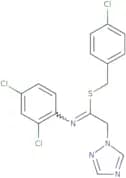
CAS:<p>Imibenconazole is a systemic fungicide, which is a synthetic chemical compound known for its efficacy in controlling a wide spectrum of fungal pathogens. This fungicide operates by inhibiting the biosynthesis of ergosterol, a crucial component of fungal cell membranes, effectively disrupting the growth and spread of fungi. Its action involves the inhibition of the demethylation process in sterol biosynthesis, specifically targeting the cytochrome P450 14α-demethylase enzyme.</p>Fórmula:C17H13Cl3N4SPureza:Min. 95%Peso molecular:411.7 g/molTobramycin, Antibiotic for Culture Media Use Only
CAS:Producto controladoTobramycin is used to treat severe infections with gram-negative bacteria and it is often applied in combination with beta-lactams. It has similar antimicrobial effects to gentamicin and is effective against all Enterobacteriacae, but more effective than gentamicin against P. aeruginosa, which is why it is often used for gentamicin-resistant strains, especially in the case of cystic fibrosis.Fórmula:C18H37N5O9Pureza:Min. 97 Area-%Peso molecular:467.51 g/molRef: 3D-Q-201837
10gA consultar25gA consultar50gA consultar100gA consultar250gA consultar-Unit-ggA consultarTebufenozide-hydroxymethyl
CAS:<p>Tebufenozide-hydroxymethyl is an insect growth regulator, which is synthesized chemically to function as an agonist of the molting hormone, ecdysone, in target pest species. It operates by mimicking the effects of ecdysone, leading to premature and lethal molting in lepidopteran larvae. This disruption in the developmental cycle of the insects effectively suppresses their population by preventing them from reaching maturity and reproducing.</p>Fórmula:C22H28N2O3Pureza:Min. 95%Peso molecular:368.5 g/molAmoscanate
CAS:Amoscanate is an antischistosomal agent, which is a synthetic compound with a broad spectrum of activity against parasitic infections. Its mode of action involves the disruption of parasite metabolism and structure, ultimately leading to the elimination of schistosomes. Schistosomes are trematode worms responsible for schistosomiasis, a significant parasitic disease affecting millions of people worldwide.Fórmula:C13H9N3O2SPureza:Min. 95%Peso molecular:271.3 g/molBromobutide-desbromo
CAS:<p>Bromobutide-desbromo is a chemical compound that functions as a selective herbicide. It is derived from synthetic sources and is specifically formulated to interfere with photosynthesis in target plants. The mode of action of bromobutide-desbromo involves inhibiting photosystem II, a crucial component of the photosynthetic electron transport chain in plants. This inhibition disrupts the energy conversion process, leading to a decrease in ATP and NADPH production, which are essential for plant growth.</p>Fórmula:C15H23NOPureza:Min. 95%Peso molecular:233.35 g/molClarithromycin-13CD3
CAS:<p>Clarithromycin-13CD3 is an isotopically labeled macrolide antibiotic, which is synthesized to include deuterium (D) and carbon-13 (^13C) in its molecular structure. This modified compound serves as a stable isotope-labeled standard, primarily sourced from chemical synthesis. The incorporation of these isotopes differentiates it from the naturally occurring antibiotic, enabling its use in precise analytical studies.</p>Fórmula:C37CH66D3NO13Pureza:Min. 95%Peso molecular:751.97 g/molIclaprim
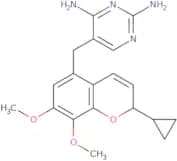
CAS:Iclaprim is an antibiotic, which is a synthetic diaminopyrimidine antimicrobial agent with a specific mechanism of action. It works by selectively inhibiting bacterial dihydrofolate reductase, a crucial enzyme in the bacterial folate synthesis pathway. This inhibition prevents the production of tetrahydrofolate, ultimately disrupting DNA, RNA, and protein synthesis in susceptible bacterial cells.Fórmula:C19H22N4O3Pureza:Min. 95%Peso molecular:354.4 g/molStreptidine
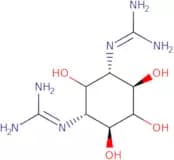
CAS:Streptidine is an amino cyclitol, which is a component of certain aminoglycoside antibiotics. This compound originates from the actinomycete *Streptomyces griseus*, a soil bacterium known for its ability to produce a variety of antibiotics. Streptidine plays a crucial role in the mechanism of aminoglycosides by contributing to the binding affinity of these antibiotics to the bacterial ribosome.Fórmula:C8H18N6O4Pureza:Min. 95%Peso molecular:262.13895S-Ethyl (3-hydroxypropyl)propylthiocarbamate
CAS:S-Ethyl (3-hydroxypropyl)propylthiocarbamate is a selective herbicide used primarily in the agricultural sector. Derived from synthetic organic chemistry, it belongs to the thiocarbamate class of herbicides. These compounds are known for their ability to inhibit the growth of undesirable plant species by interfering with lipid synthesis.Fórmula:C9H19NO2SPureza:Min. 95%Peso molecular:205.32 g/mol7-O-Demethyl rapamycin
CAS:<p>7-O-Demethyl rapamycin is a macrolide compound, which is a derivative of rapamycin, originally sourced from the bacterial species *Streptomyces hygroscopicus*. This compound operates by binding to the FK506-binding protein 12 (FKBP12), forming a complex that inhibits the mammalian target of rapamycin (mTOR) pathway. This inhibition interferes with cellular processes such as cell growth, proliferation, and survival by altering the phosphorylation state of downstream targets.</p>Fórmula:C50H77NO13Pureza:80%MinPeso molecular:900.15 g/molGentamicin c1 sulfate
CAS:Gentamicin c1 sulfate is an aminoglycoside antibiotic, which is derived from the fermentation of the soil bacterium *Micromonospora purpurea*. Its mode of action involves binding to the 30S ribosomal subunit, disrupting protein synthesis by causing misreading of mRNA and inhibiting the initiation of translation. This mechanism is particularly effective against a broad spectrum of Gram-negative bacteria, including *Pseudomonas aeruginosa* and members of the Enterobacteriaceae family.Fórmula:C21H45N5O11SPureza:Min. 95%Peso molecular:575.7 g/molPurfalcamine
CAS:<p>Purfalcamine is a synthetic pharmaceutical compound that belongs to a class of molecules known as small-molecule inhibitors. It is sourced through advanced chemical synthesis, enabling precise structural modifications to optimize its biological activity. The mode of action of Purfalcamine involves selective inhibition of a specific target protein involved in key cellular signaling pathways. This targeted interaction disrupts abnormal cellular processes, making it a promising therapeutic candidate for certain diseases.</p>Fórmula:C29H33FN8OPureza:Min. 95%Peso molecular:528.6 g/molPSI-7409
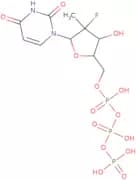
CAS:<p>PSI-7409 is a novel antimicrobial compound, which is synthetically derived with a unique mechanism of action. This compound is engineered through a complex synthesis process ensuring high purity and efficacy. PSI-7409 exerts its effects by disrupting bacterial cell wall synthesis, leading to cell lysis and death. Its precise mode of interaction on the molecular level involves inhibition of key enzymatic pathways essential for peptidoglycan assembly, thereby compromising the structural integrity of bacterial cells.</p>Fórmula:C10H16FN2O14P3Pureza:Min. 95%Peso molecular:500.16 g/molFluxapyroxad-N-desmethyl
CAS:Fluxapyroxad-N-desmethyl is a fungicidal metabolite, which is derived from the parent compound fluxapyroxad, a pyridine carboxamide fungicide. The source of this compound is through the biological or chemical transformation of fluxapyroxad, which involves demethylation. Its mode of action involves the inhibition of succinate dehydrogenase, an essential enzyme in the fungal pathogen's mitochondrial electron transport chain. This inhibition results in disruption of energy production within the fungal cells, ultimately leading to their death.Fórmula:C17H10F5N3OPureza:Min. 95%Peso molecular:367.27 g/molFenbuconazole-lactone B rh-9130
CAS:Fenbuconazole-lactone B rh-9130 is an azole fungicide, which is a chemically synthesized compound. It is derived from the lactone form of fenbuconazole, an established triazole fungicide, and designed to inhibit sterol biosynthesis. Its mode of action involves disrupting the synthesis of ergosterol, a critical component of fungal cell membranes, thereby impeding fungal growth and reproduction.Fórmula:C19H16ClN3O2Pureza:Min. 95%Peso molecular:353.8 g/molN-Biotinyl-12-aminododecanoyltobramycin amide
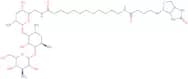
CAS:<p>N-Biotinyl-12-aminododecanoyltobramycin amide is a synthetic bioconjugate, which is derived from the aminoglycoside antibiotic tobramycin. This compound is chemically modified by the addition of a biotin moiety linked through a 12-aminododecanoyl spacer. The source of this product is rooted in the conjugation of biotin to tobramycin, allowing for targeted delivery and potential hybrid applications in both therapeutic and diagnostic fields.</p>Fórmula:C40H74N8O12SPureza:Min. 95%Peso molecular:891.13 g/mol3'-N-Desmethyl-3'-N-formyl azithromycin
CAS:3'-N-Desmethyl-3'-N-formyl azithromycin is a semi-synthetic macrolide antibiotic, derived from the well-known azithromycin. It is created through structural modification, where the 3'-N-demethylated and 3'-N-formyl groups enhance its pharmacokinetic properties and potentially improve its antimicrobial efficacy.Fórmula:C38H70N2O13Pureza:Min. 95%Peso molecular:762.97 g/molBisphenol A d14
CAS:<p>Bisphenol A d14 is an isotopically labeled compound, which is a variant of Bisphenol A (BPA) where hydrogen atoms are partially replaced with deuterium isotopes. This compound is produced through chemical synthesis, ensuring that 14 of the hydrogen atoms in the BPA molecule are replaced by deuterium to create a stable form with a slightly higher atomic mass, facilitating advanced analytical studies.</p>Fórmula:C15H16O2Pureza:Min. 95%Peso molecular:242.37 g/molVapendavir diphosphate
CAS:<p>Vapendavir diphosphate is an antiviral compound, which is a synthesized small molecule with selective activity targeting picornaviruses. This compound is derived from rigorous medicinal chemistry efforts focusing on the inhibition of viral replication. Vapendavir diphosphate functions by binding to a specific site on the viral capsid, thereby inhibiting the uncoating process essential for viral RNA release into the host cell. This mode of action effectively prevents the virus from replicating within the host.</p>Fórmula:C21H32N4O11P2Pureza:Min. 95%Peso molecular:578.4 g/mol8-Hydroxy-3,5,6,7,3',4'-hexamethoxyflavone
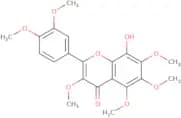
CAS:8-Hydroxy-3,5,6,7,3',4'-hexamethoxyflavone is a flavonoid compound, which is a naturally occurring polyphenolic substance found predominantly in various citrus fruits. As part of the flavone class of flavonoids, its structure is characterized by the presence of multiple methoxy and hydroxyl groups. These functional groups contribute to its biochemical properties, particularly its ability to act as an electron donor.Fórmula:C21H22O9Pureza:Min. 95%Peso molecular:418.4 g/molSatranidazole
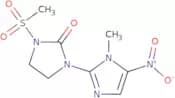
CAS:<p>Satranidazole is an antimicrobial agent that falls under the category of synthetic nitroimidazoles. It is derived from chemical synthesis and is designed to combat infections caused by specific organisms. The mode of action involves the reduction of the nitro group within the organism, creating reactive intermediates that disrupt DNA synthesis and lead to cell death. This mode of action is notably effective against protozoal infections and anaerobic bacterial infections.</p>Fórmula:C8H11N5O5SPureza:Min. 95%Peso molecular:289.27 g/molTunicamycin
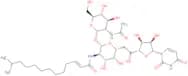
CAS:<p>Inhibitor of N-glycosylation in eukaryotes</p>Fórmula:C37H60N4O16Pureza:Min. 95%Forma y color:PowderPeso molecular:816.89Virginiamycin M1
CAS:<p>Inhibitor of protein synthesis; streptogramin</p>Fórmula:C28H35N3O7Pureza:Min. 95%Peso molecular:525.59 g/molFlorpyrauxifen
CAS:<p>Florpyrauxifen is a synthetic auxin herbicide, which is derived from chemical synthesis. It functions by mimicking natural plant hormones called auxins, which regulate plant growth and development. The mode of action involves disrupting normal cellular function by causing uncontrolled growth, leading to plant death.</p>Fórmula:C13H8Cl2F2N2O3Pureza:Min. 95%Peso molecular:349.11 g/molDihydrostreptomycin sesquisulfate
CAS:<p>Dihydrostreptomycin sesquisulfate is an aminoglycoside antibiotic, which is derived from the bacterium Streptomyces griseus. Its mode of action involves binding to the 30S subunit of the bacterial ribosome, leading to the disruption of protein synthesis. This binding interferes with the initiation complex formation, causing misreading of mRNA and ultimately inhibiting bacterial growth.</p>Fórmula:C21H41N7O12•(H2SO4)1Pureza:Min. 95%Peso molecular:730.71 g/molTazobactam diphenylmethyl ester
CAS:<p>Tazobactam diphenylmethyl ester is a chemical compound that serves as a precursor or intermediate in the synthesis of beta-lactamase inhibitors. This product originates from synthetic organic chemistry and plays a crucial role in antibiotic research and development. Its mode of action involves modifying or blocking the active site of beta-lactamase enzymes, which are responsible for granting bacteria resistance to beta-lactam antibiotics.</p>Fórmula:C23H22N4O5SPureza:Min. 95%Peso molecular:466.5 g/molAvermectin a1b
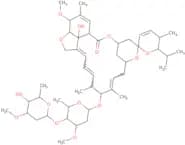
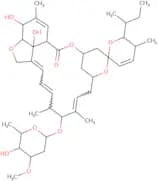
CAS:<p>Avermectin A1b is an antiparasitic compound, which is a macrocyclic lactone isolated from the soil bacterium *Streptomyces avermitilis*. This compound functions primarily by enhancing the release of gamma-aminobutyric acid (GABA) and binding to glutamate-gated chloride channels in nerve and muscle cells of parasites. This interaction leads to an increase in the permeability of cell membranes to chloride ions, resulting in paralysis and death of the parasite.</p>Fórmula:C48H72O14Pureza:Min. 95%Peso molecular:873.1 g/molPosaconazole-d5
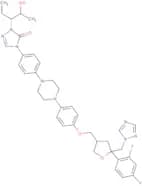
CAS:Posaconazole-d5 is a deuterated form of the antifungal agent posaconazole, which is a synthetic compound derived from triazole. The substitution of hydrogen atoms with deuterium in this compound allows for enhanced stability and differentiation in analytical applications, particularly in pharmacokinetic and metabolic studies.Fórmula:C37H42F2N8O4Pureza:Min. 95%Peso molecular:705.8 g/molPuromycin aminonucleoside
CAS:<p>Inducer of apoptosis; translational inhibitor; aminonucleoside antibiotic</p>Fórmula:C12H18N6O3Pureza:Min. 95%Peso molecular:294.31 g/molGriseoluteic acid
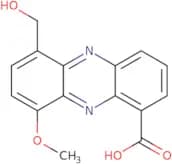
CAS:<p>Griseoluteic acid is a cyclic lipopeptide that inhibits bacterial growth by binding to the enzyme cyclase, which is involved in the production of cyclic AMP. Griseoluteic acid also inhibits the synthesis of rRNA (ribosomal RNA), which is required for protein synthesis. The compound has been shown to have a high degree of resistance against antibiotic-resistant strains and exhibits a low toxicity profile in vitro. Griseoluteic acid also has an inhibitory effect on hydrogen bonding interactions, which may be due to its ability to inhibit energy metabolism. This compound also exhibits anti-inflammatory properties and has been shown to have neurodevelopmental effects in animal models.</p>Fórmula:C15H12N2O4Pureza:Min. 95%Peso molecular:284.27 g/molTriazoxide-desoxy
CAS:Triazoxide-desoxy is an investigational compound, which is a synthetic derivative of triazoxide, originating from pharmacological research aimed at modulating physiological pathways. This compound acts primarily by influencing ion channel activity at a cellular level, impacting the regulation of potassium channels which are crucial for maintaining cellular homeostasis and signaling.Fórmula:C10H6ClN5Pureza:Min. 95%Peso molecular:231.64 g/molDidesethyl chloroquine hydroxyacetamide-d4
CAS:<p>Didesethyl chloroquine hydroxyacetamide-d4 is a deuterated pharmaceutical compound, which serves as a stable isotope-labeled analog. Such compounds are often synthesized in specialized laboratories for research purposes, providing insightful data on pharmacokinetics and metabolic pathways. The deuteration, involving the replacement of hydrogen atoms with deuterium, offers enhanced accuracy in mass spectrometry analysis due to its unique isotopic signature.</p>Fórmula:C16H20ClN3O2Pureza:Min. 95%Peso molecular:325.82 g/mol4′-O-De(2,6-dideoxy-3-O-methyl-α-L-arabino-hexopyranosyl)-5-O-demethylavermectin A1a
CAS:4′-O-De(2,6-dideoxy-3-O-methyl-α-L-arabino-hexopyranosyl)-5-O-demethylavermectin A1a is a semi-synthetic derivative of avermectin, which is a naturally occurring compound isolated from the fermentation broth of the soil bacterium *Streptomyces avermitilis*. This compound exhibits potent antiparasitic activity by targeting the glutamate-gated chloride channels in the nervous systems of parasitic organisms. By binding and activating these channels, it increases the permeability of the cell membrane to chloride ions, resulting in paralysis and death of the parasite.Fórmula:C41H60O11Pureza:Min. 95%Peso molecular:728.91 g/molBaringolin
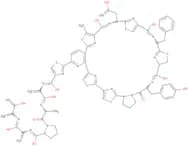
CAS:Baringolin is a peptide-based antibiotic, which is derived from marine sources, specifically linked to natural products obtained from marine microorganisms. Its mode of action involves the inhibition of bacterial protein synthesis, which is achieved by interfering with the bacterial ribosome. This inhibition disrupts the ability of bacteria to produce essential proteins, ultimately leading to cell death.Fórmula:C69H66N18O13S5Pureza:Min. 95%Peso molecular:1,515.7 g/mol(-)-Anthrabenzoxocinone
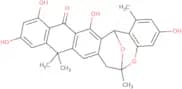
CAS:<p>(-)-Anthrabenzoxocinone is a type of polyketide compound, which is a natural product derived from microbial sources, specifically Streptomyces species. This compound is characterized by its complex aromatic structure, which is a hallmark of polyketides known for their diverse biological activities. The mode of action of (-)-anthrabenzoxocinone primarily involves the inhibition of bacterial RNA synthesis, reflecting its role as an antibiotic. Additionally, it exhibits potential antitumor activity, possibly through the inhibition of topoisomerase enzymes that are crucial for DNA replication and transcription.</p>Fórmula:C27H24O7Pureza:Min. 95%Peso molecular:460.5 g/mol2,4,5,6-Tetrachlorophenol-13C6
CAS:<p>2,4,5,6-Tetrachlorophenol-13C6 is an isotopically labeled chemical compound, primarily used as a reference standard in analytical chemistry. This compound, derived from its non-labeled counterpart 2,4,5,6-tetrachlorophenol, is synthesized through the incorporation of carbon-13 isotopes. Its primary mode of action involves acting as a stable, traceable marker, facilitating accurate quantification and analysis of environmental samples, particularly in mass spectrometry.</p>Fórmula:C6H2Cl4OPureza:Min. 95%Peso molecular:237.8 g/molSars-cov mpro-in-1
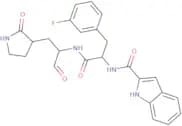
CAS:SARS-CoV Mpro-in-1 is a chemical compound that acts as a selective inhibitor of the main protease (Mpro) of the SARS coronavirus. This inhibitor is synthesized through chemical processes, leveraging medicinal chemistry techniques aimed at designing molecules that specifically target viral proteases. Its mode of action involves binding to the active site of the SARS-CoV main protease, thereby blocking the protease's enzymatic activity essential for viral replication. Inhibition occurs by preventing the cleavage of the viral polyprotein, an event crucial for producing the mature, functional proteins that the virus needs to proliferate within the host.Fórmula:C25H25FN4O4Pureza:Min. 95%Peso molecular:464.5 g/molPhthalic acid, bis[2-(2-ethoxyethoxy)ethyl] ester
CAS:Phthalic acid, bis[2-(2-ethoxyethoxy)ethyl] ester is a specialized industrial plasticizer, which is a type of additive used to enhance the flexibility and durability of polymer-based materials. It is derived from phthalic acid through esterification with ethylene glycol ether derivatives, resulting in a compound that effectively reduces the brittleness of plastic formulations by increasing their plasticity.Fórmula:C20H30O8Pureza:Min. 95%Peso molecular:398.4 g/molRadicinol
CAS:<p>Radicinol is a natural compound, which is a dihydroflavonol primarily sourced from plant origins. This compound is biosynthesized in specific plant species and extracted through meticulous biochemical processes to ensure its purity and efficacy. The mode of action of Radicinol involves the modulation of specific cellular pathways, conferring antioxidative and anti-inflammatory properties. It acts by scavenging free radicals and enhancing cellular resilience against oxidative stress.</p>Fórmula:C12H14O5Pureza:Min. 95%Peso molecular:238.24 g/molAWZ1066S
CAS:AWZ1066S is a synthetic analog, which is a chemically engineered compound designed to mimic or influence biological molecules. This product is derived from sophisticated organic synthesis techniques that enable the precise modification of its molecular structure to enhance its specificity and efficacy. AWZ1066S operates through targeted binding to specific biomolecules or receptors, thereby modulating their function or facilitating their detection in complex biological systems.Fórmula:C19H19F3N6OPureza:Min. 95%Peso molecular:404.4 g/molGentamicin C2 pentaacetate (2 : 1 Mixture of C2 and C2a)
CAS:Producto controlado<p>Gentamicin C2 pentaacetate (2 : 1 Mixture of C2 and C2a) is an aminoglycoside class antibiotic derivative, primarily derived from the fermentation of Micromonospora species. This product is a semi-synthetic compound, combining two closely related gentamicin components, C2 and C2a, in a specified ratio. Its mode of action involves binding to the 30S subunit of the bacterial ribosome, which disrupts protein synthesis resulting in bactericidal activity against a wide spectrum of Gram-negative and some Gram-positive bacteria.</p>Fórmula:C30H61N5O17Pureza:Min. 95%Peso molecular:763.83 g/molNojirimycin bisulfite
CAS:Nojirimycin bisulfite is a potent glycosidase inhibitor, which is a derivative of nojirimycin known for its significant impact on carbohydrate metabolism. This compound originates from microorganisms, primarily isolated from the bacterium *Streptomyces* species. The mechanism through which Nojirimycin bisulfite exerts its effects involves the inhibition of glycosidases, enzymes responsible for breaking down complex carbohydrates into simpler sugars. By interfering with these enzymes, Nojirimycin bisulfite disrupts the normal processing of carbohydrates.Fórmula:C6H13NO7SPureza:Min. 95%Peso molecular:243.24 g/molPyraoxystrobin
CAS:<p>Pyraoxystrobin is a fungicidal compound, which is a chemically synthesized strobilurin derivative. It functions by disrupting the mitochondrial respiration in fungi. Specifically, pyraoxystrobin inhibits the cytochrome bc1 complex in the electron transport chain, effectively preventing adenosine triphosphate (ATP) synthesis.</p>Fórmula:C22H21ClN2O4Pureza:Min. 95%Peso molecular:412.9 g/molFosmidomycin sodium
CAS:Fosmidomycin sodium is an antibiotic compound, which is derived from phosphonic acid. It functions as an inhibitor of the enzyme 1-deoxy-D-xylulose 5-phosphate reductoisomerase (DXR), crucial in the non-mevalonate pathway of isoprenoid biosynthesis. By targeting this enzyme, fosmidomycin sodium disrupts the production of isoprenoids, essential components for the growth and survival of certain bacteria and parasites.Fórmula:C4H9NNaO5PPureza:Min. 95%Peso molecular:205.08 g/molDesmethyl ferroquine
CAS:<p>Desmethyl ferroquine is an antimalarial compound, which is a derivative of ferroquine. It is synthesized through chemical modification processes, specifically designed to enhance its pharmacokinetic and pharmacodynamic properties. This compound exhibits its mode of action by compromising the integrity of the Plasmodium parasite's digestive vacuole. By doing so, it disrupts heme detoxification, which is crucial for the parasite’s survival within red blood cells.</p>Fórmula:C22H22ClFeN3Pureza:Min. 95%Peso molecular:419.7 g/molLicoflavone B
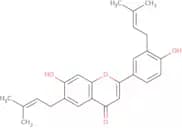
CAS:<p>Licoflavone B is a naturally occurring flavonoid, which is primarily derived from the roots of licorice plants, such as Glycyrrhiza inflata. It functions as a bioactive compound with potential antioxidant and anti-inflammatory activities. The mode of action of Licoflavone B involves the scavenging of free radicals, modulation of signaling pathways, and inhibition of pro-inflammatory mediators. These biological activities render it valuable in research focused on chronic diseases and oxidative stress.</p>Fórmula:C25H26O4Pureza:Min. 95%Peso molecular:390.5 g/molFluhexafon
CAS:<p>Fluhexafon is an innovative acaricide, which is derived from advanced chemical synthesis. Its mode of action involves disrupting critical biological processes in mites, specifically targeting nerve receptor pathways to inhibit their survival and reproduction. By interfering with the neurotransmission, it effectively reduces mite populations, ensuring healthier crops.</p>Fórmula:C12H17F3N2O3SPureza:Min. 95%Peso molecular:326.34 g/molFradimycin B
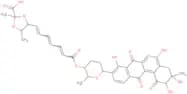
CAS:Fradimycin B is an aminoglycoside antibiotic, which is derived from the bacterium Streptomyces. It exhibits its mode of action by binding to the bacterial 30S ribosomal subunit, thereby inhibiting protein synthesis. This results in a bactericidal effect, effectively disrupting the growth and proliferation of susceptible bacterial strains.Fórmula:C38H38O14Pureza:Min. 95%Peso molecular:718.7 g/mol6-Amino-1-cyclopropyl-7-(3,4-dihydro-1H-isoquinolin-2-yl)-8-methyl-4-oxoquinoline-3-carboxylic acid
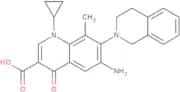
CAS:<p>6-Amino-1-cyclopropyl-7-(3,4-dihydro-1H-isoquinolin-2-yl)-8-methyl-4-oxoquinoline-3-carboxylic acid is a synthetic quinolone antibiotic, which is derived from chemical synthesis processes designed to mimic the naturally occurring quinolone core structure. With a specific mechanism of action, it inhibits bacterial DNA gyrase and topoisomerase IV. These enzymes are critical for supercoiling and uncoiling DNA, meaning that their inhibition results in an inability of bacterial cells to properly replicate their DNA, ultimately leading to cell death.</p>Fórmula:C23H23N3O3Pureza:Min. 95%Peso molecular:389.4 g/molWybutosine
CAS:<p>Modified nucleoside of phenylalanine tRNA</p>Fórmula:C21H28N6O9Pureza:Min. 95%Peso molecular:508.48 g/molNeticonazole
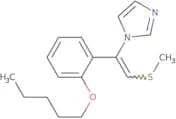
CAS:<p>Neticonazole is a synthetic antifungal compound, which is derived from pharmaceutical chemical synthesis. It functions primarily as an imidazole derivative, disrupting the synthesis of ergosterol, a crucial component of fungal cell membranes. This interference leads to increased cell membrane permeability, ultimately causing cell lysis and death of the fungal organism.</p>Fórmula:C17H22N2OSPureza:Min. 95%Peso molecular:302.4 g/molA2ti-1
CAS:A2ti-1 is a specialized therapeutic agent, which is derived from recombinant DNA technology with the specific mode of action of targeting and modulating cytokine signaling pathways within the immune system. It is designed to interact with specific cytokine receptors, thereby inhibiting or modulating the downstream signaling cascades that are pivotal in the inflammatory response and immune regulation.Fórmula:C20H22N4O2SPureza:Min. 95%Peso molecular:382.5 g/molGatifloxacin hydrate
CAS:<p>Gatifloxacin hydrate is a fluoroquinolone antibiotic, which is synthesized chemically. It exerts its bactericidal effects primarily by inhibiting bacterial DNA gyrase and topoisomerase IV. These enzymes are crucial for bacterial DNA replication, transcription, and repair. By preventing these processes, gatifloxacin effectively halts bacterial cell division, ultimately leading to cell death.</p>Fórmula:C19H24FN3O5Pureza:Min. 95%Peso molecular:393.4 g/molBleomycin HCl
CAS:Inducer of DNA strand breaks; glycopeptide antibiotic, anti-neoplasticFórmula:C50H71N16O21S2R•(HCl)xPureza:Min. 95%Forma y color:White To Off-White SolidDimethenamid-oxalamid
CAS:<p>Dimethenamid-oxalamid is a pre-emergent herbicide, which is a synthetic compound developed for agricultural use. It is derived from research focused on improving crop protection through chemical innovation. The mode of action involves inhibiting the synthesis of very long-chain fatty acids (VLCFAs) in weeds, disrupting their cell division and growth processes, ultimately leading to the prevention of weed emergence.</p>Fórmula:C12H17NO4SPureza:Min. 95%Peso molecular:271.33 g/mol7-epi-Clindamycin
CAS:<p>7-epi-Clindamycin is a clindamycin derivative, which is a semisynthetic antibiotic derived from the bacterium *Streptomyces lincolnensis*. Its mode of action involves binding to the 50S subunit of the bacterial ribosome, thereby inhibiting protein synthesis. This results in the suppression of bacterial growth, making it effective against certain Gram-positive bacteria and anaerobic species.</p>Fórmula:C18H34Cl2N2O5SPureza:Min. 95%Forma y color:White To Off-White SolidPeso molecular:461.44 g/molFaldaprevir
CAS:Hepatitis C virus protease inhibitorFórmula:C40H49BrN6O9SPureza:Min. 95%Forma y color:White PowderPeso molecular:869.82 g/molAcetoxypolygodial
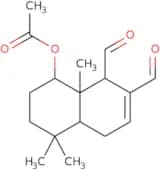
CAS:Acetoxypolygodial is a sesquiterpenoid compound, which is a naturally derived product from the roots of the plant Polygonum hydropiper. This compound exhibits its mode of action through its ability to disrupt microbial cell membranes, leading to increased permeability and eventual cell death. Its primary mechanism involves direct interaction with lipid bilayers, causing destabilization.Fórmula:C17H24O4Pureza:Min. 95%Peso molecular:292.4 g/molQuinthiophos
CAS:<p>Quinthiophos is an organophosphate insecticide, which is synthesized chemically. Its mode of action involves the inhibition of the enzyme acetylcholinesterase, which is critical in nerve function. By disrupting this enzyme, quinthiophos causes an accumulation of acetylcholine at the synapses, leading to continual nerve signal transmission, paralysis, and eventual death of the targeted pests.</p>Fórmula:C17H16NO2PSPureza:Min. 95%Peso molecular:329.4 g/mol





![3,4-Dihydro-2H,6H-pyrimido[1,2-c][1,3]benzothiazin-6-imine](/_next/image/?url=https%3A%2Fstatic.cymitquimica.com%2Fproducts%2F3D%2Fthumb-webp%2FXCA59674.webp&w=3840&q=75)

![8-Methylpyrido[2,3-d]pyridazin-5(6H)-one](/_next/image/?url=https%3A%2Fstatic.cymitquimica.com%2Fproducts%2F3D%2Fthumb-webp%2FQDA00407.webp&w=3840&q=75)



![(2RS,4S)-2-[[(phenylacetyl)amino]methyl]-5,5-dimethylthiazolidine-4-carboxylic acid (penilloic aci…](/_next/image/?url=https%3A%2Fstatic.cymitquimica.com%2Fproducts%2F3D%2Fthumb-webp%2FAAA50134.webp&w=3840&q=75)


![(2S)-2-[N-(Furan-2-carbonyl)-2,6-dimethylanilino]propanoic acid](/_next/image/?url=https%3A%2Fstatic.cymitquimica.com%2Fproducts%2F3D%2Fthumb-webp%2FTEA59719.webp&w=3840&q=75)








![Phthalic acid, bis[2-(2-ethoxyethoxy)ethyl] ester](/_next/image/?url=https%3A%2Fstatic.cymitquimica.com%2Fproducts%2F3D%2Fthumb-webp%2FAAA11785.webp&w=3840&q=75)