Antimicrobianos
Subcategorías de "Antimicrobianos"
- Antibióticos(4.146 productos)
- Antifúngicos(912 productos)
- Antiparasitarios(712 productos)
- Antivirales(767 productos)
Se han encontrado 2427 productos de "Antimicrobianos"
Fenpicoxamid-phenol
CAS:Fenpicoxamid-phenol is a fungicide, which is a synthetic chemical compound primarily used in agriculture. It originates from advanced chemical synthesis methods that leverage specific molecular architectures to inhibit fungal growth effectively. The mode of action involves targeting and disrupting fungal respiration at the mitochondrial level, specifically inhibiting complex III of the electron transport chain. This selective interference curtails energy production in the fungal cells, thereby halting their growth and propagation.
Fórmula:C26H30N2O9Pureza:Min. 95%Peso molecular:514.5 g/molRef: 3D-SGA17385
Producto descatalogadoMecillinam, Antibiotic for Culture Media Use Only
CAS:Mecillinam is a beta-lactam antibiotic specifically designed for use in culture media. It is derived from the amidinopenicillin family, featuring a unique ability to interfere with bacterial cell wall synthesis. Its mode of action involves inhibiting penicillin-binding protein 2 (PBP2), an essential enzyme for cell wall elongation and maintenance in Gram-negative bacteria. This targeted inhibition results in the formation of spherical cells and subsequent cell lysis.
Fórmula:C15H23N3O3SPureza:Min. 95 Area-%Peso molecular:325.43 g/molDesmethyl ferroquine
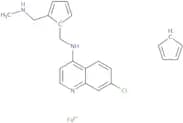
CAS:Desmethyl ferroquine is an antimalarial compound, which is a derivative of ferroquine. It is synthesized through chemical modification processes, specifically designed to enhance its pharmacokinetic and pharmacodynamic properties. This compound exhibits its mode of action by compromising the integrity of the Plasmodium parasite's digestive vacuole. By doing so, it disrupts heme detoxification, which is crucial for the parasite’s survival within red blood cells.
Fórmula:C22H22ClFeN3Pureza:Min. 95%Peso molecular:419.7 g/molRef: 3D-DLB54618
Producto descatalogadoFormycin A
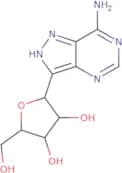
CAS:Formycin A is a nucleoside analog, which is an antibiotic product derived from certain Streptomyces species. Its mode of action involves mimicking adenosine, one of the four nucleosides in RNA. By doing so, it interferes with the RNA processing of certain microorganisms, ultimately disrupting their ability to synthesize proteins effectively. This interference results in the inhibition of bacterial and parasitic growth.
Fórmula:C10H13N5O4Pureza:Min. 95%Peso molecular:267.24 g/mol10, 11-Dehydrocurvularin
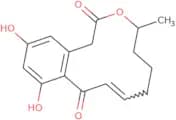
CAS:10, 11-Dehydrocurvularin is a fungal phytotoxin with heat shock response and immune-modulatory activitie. Curvularins inhibit the expression of the inducible nitric oxide synthase (iNOS), thereby acting as anti-inflammatory agents and immune system modulators
Pureza:Min. 95%Forma y color:PowderClindamycin 2-palmitate sulfoxide
CAS:Clindamycin 2-palmitate sulfoxide is a semisynthetic antibiotic, which is a derivative of clindamycin. It originates from lincomycin, a natural antibiotic produced by the bacterium *Streptomyces lincolnensis*. This compound functions as a prodrug, which is converted into its active form in the body. Its mode of action involves inhibiting bacterial protein synthesis by binding to the 50S subunit of the ribosome, thereby preventing the growth and replication of susceptible bacteria.
Fórmula:C34H64Cl2N2O7SPureza:Min. 95%Peso molecular:715.9 g/molRef: 3D-BKD92892
Producto descatalogadoLeptomycin A
CAS:Leptomycin A is a Streptomyces-produced inhibitor, which is derived from the bacterium Streptomyces spiroverticillatus. It functions by specifically binding to and inhibiting the CRM1 (exportin 1), a nuclear export receptor. This action blocks the nuclear export of proteins that contain a leucine-rich nuclear export signal (NES), thereby leading to their accumulation within the nucleus. The inhibition of CRM1 disrupts various cellular processes, including cell cycle regulation and signal transduction pathways.
Fórmula:C32H46O6Pureza:Min. 95%Peso molecular:526.7 g/molMetolachlor mercapturate
CAS:Metolachlor mercapturate is a metabolite of the herbicide Metolachlor, which is derived from the degradation of the primary active ingredient found in various agricultural herbicide formulations. It is formed through biotransformation processes in plants, soil, and water, where the parent compound undergoes enzymatic reactions leading to its metabolic products. The primary mode of action involves the inhibition of elongase enzymes, which are crucial for the synthesis of fatty acids in plants, thus preventing cell division and impacting weed growth effectively.
Fórmula:C20H30N2O5SPureza:Min. 95%Peso molecular:410.5 g/molRef: 3D-JGA95664
Producto descatalogado21-Norrapamycin
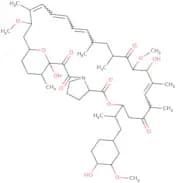
CAS:21-Norrapamycin is a macrocyclic lactone antibiotic, which is derived from the bacterium Streptomyces hygroscopicus. Its chemical structure is closely related to that of rapamycin, a well-known immunosuppressant. The mode of action of 21-Norrapamycin involves the inhibition of the mechanistic target of rapamycin (mTOR) signaling pathway. By binding to the FK506-binding protein 12 (FKBP12), it forms a complex that then inhibits mTOR, a crucial regulator of cell growth, proliferation, and survival.
Fórmula:C50H77NO13Pureza:Min. 95%Peso molecular:900.1 g/molSatranidazole
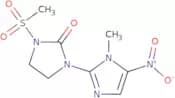
CAS:Satranidazole is an antimicrobial agent that falls under the category of synthetic nitroimidazoles. It is derived from chemical synthesis and is designed to combat infections caused by specific organisms. The mode of action involves the reduction of the nitro group within the organism, creating reactive intermediates that disrupt DNA synthesis and lead to cell death. This mode of action is notably effective against protozoal infections and anaerobic bacterial infections.
Fórmula:C8H11N5O5SPureza:Min. 95%Peso molecular:289.27 g/molAminosidine
CAS:Aminosidine is a nucleoside analogue that inhibits the HIV-1 reverse transcriptase and the integrase, which are enzymes involved in viral DNA synthesis. Aminosidine is active against Leishmania spp., but not against bacteria. Aminosidine has been shown to be effective in experimental models of human bowel disease and in patients with inflammatory bowel disease. It was also found to be active against wild-type strains of human immunodeficiency virus type 1, but not resistant mutants. The mechanism of action is the inhibition of cellular mitochondrial membrane potential.
Pureza:Min. 95%Purfalcamine
CAS:Purfalcamine is a synthetic pharmaceutical compound that belongs to a class of molecules known as small-molecule inhibitors. It is sourced through advanced chemical synthesis, enabling precise structural modifications to optimize its biological activity. The mode of action of Purfalcamine involves selective inhibition of a specific target protein involved in key cellular signaling pathways. This targeted interaction disrupts abnormal cellular processes, making it a promising therapeutic candidate for certain diseases.
Fórmula:C29H33FN8OPureza:Min. 95%Peso molecular:528.6 g/molRef: 3D-NRB62068
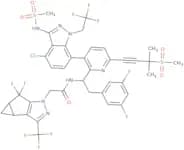
Producto descatalogadoLenacapavir
CAS:Lenacapavir is a capsid inhibitor with a mode of action that interferes with the HIV capsid protein, disrupting multiple stages of the viral lifecycle. It is used for treating multidrug-resistant HIV infections.
Fórmula:C39H32ClF10N7O5S2Pureza:Min. 95%Forma y color:PowderPeso molecular:968.28 g/molClarithromycin-13CD3
CAS:Clarithromycin-13CD3 is an isotopically labeled macrolide antibiotic, which is synthesized to include deuterium (D) and carbon-13 (^13C) in its molecular structure. This modified compound serves as a stable isotope-labeled standard, primarily sourced from chemical synthesis. The incorporation of these isotopes differentiates it from the naturally occurring antibiotic, enabling its use in precise analytical studies.
Fórmula:C37CH66D3NO13Pureza:Min. 95%Peso molecular:751.97 g/molRef: 3D-AC72406
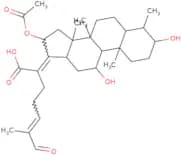
Producto descatalogado26-Oxofusidic acid
CAS:26-Oxofusidic acid is a derivative of fusidic acid, which is a potent antibacterial compound originally isolated from the fungus Fusidium coccineum. This compound exhibits a unique mode of action by inhibiting bacterial protein synthesis through interference with the elongation factor G (EF-G), a critical component in the translocation step of translation. By targeting this specific aspect of bacterial metabolism, 26-Oxofusidic acid effectively disrupts the growth of gram-positive bacteria, making it an invaluable tool in combating resistant bacterial strains.
Fórmula:C31H46O7Pureza:Min. 95%Peso molecular:530.69 g/molDidesethyl chloroquine hydroxyacetamide-d4
CAS:Didesethyl chloroquine hydroxyacetamide-d4 is a deuterated pharmaceutical compound, which serves as a stable isotope-labeled analog. Such compounds are often synthesized in specialized laboratories for research purposes, providing insightful data on pharmacokinetics and metabolic pathways. The deuteration, involving the replacement of hydrogen atoms with deuterium, offers enhanced accuracy in mass spectrometry analysis due to its unique isotopic signature.
Fórmula:C16H20ClN3O2Pureza:Min. 95%Peso molecular:325.82 g/molRef: 3D-RYB95686
Producto descatalogado(R)-Ambrisentan
CAS:(R)-Ambrisentan is an endothelin receptor antagonist, which is a pharmacological agent derived synthetically to target and inhibit specific cellular pathways. It is primarily utilized in the treatment of pulmonary arterial hypertension (PAH), where it plays a crucial role in modulating vascular function. The mode of action of (R)-Ambrisentan involves selective antagonism of the endothelin type A (ETA) receptors, which are responsible for vasoconstriction and proliferation of vascular smooth muscle cells. By blocking these receptors, it mitigates the effects of endothelin, a potent vasoconstrictor, thus reducing blood pressure and improving blood flow in pulmonary arteries.
Fórmula:C22H22N2O4Pureza:Min. 95%Peso molecular:378.40 g/molRef: 3D-HQB35876
Producto descatalogadoFlufenoxystrobin
CAS:Flufenoxystrobin is a synthetic fungicide, which is derived from the strobilurin class of compounds known for their antifungal properties. It operates by inhibiting mitochondrial respiration in fungal cells, specifically blocking the electron transport chain at the Qo site of cytochrome b. This disruption in energy production is lethal to the targeted fungi.
Fórmula:C19H16ClF3O4Pureza:Min. 95%Peso molecular:400.8 g/molRef: 3D-TLB16202
Producto descatalogadoTebufenozide-hydroxymethyl
CAS:Tebufenozide-hydroxymethyl is an insect growth regulator, which is synthesized chemically to function as an agonist of the molting hormone, ecdysone, in target pest species. It operates by mimicking the effects of ecdysone, leading to premature and lethal molting in lepidopteran larvae. This disruption in the developmental cycle of the insects effectively suppresses their population by preventing them from reaching maturity and reproducing.
Fórmula:C22H28N2O3Pureza:Min. 95%Peso molecular:368.5 g/molRef: 3D-RGA54761
Producto descatalogadoPikromycin
CAS:Pikromycin is an antibiotic, which is derived from the bacterium *Streptomyces venezuelae*. It functions by specifically binding to the 50S ribosomal subunit, thereby inhibiting bacterial protein synthesis. This action effectively blocks peptide chain elongation, leading to the cessation of bacterial growth and proliferation. Pikromycin serves as an important model compound in antibiotic research, particularly in the study of macrolides and polyketides, due to its unique structure and biosynthetic pathway.
Fórmula:C28H47NO8Pureza:Min. 95%Peso molecular:525.7 g/molRef: 3D-UAA72156
Producto descatalogadoSofosbuvir impurity N
CAS:Sofosbuvir impurity N is a chemical impurity found as a byproduct in the synthesis of sofosbuvir, a nucleotide analog used as an antiviral drug. Its origin is directly linked to the complex chemical processes involved in producing the active pharmaceutical ingredient. This impurity is specifically identified and analyzed to ensure the purity and efficacy of the sofosbuvir drug. Impurities like these are of significant interest in pharmaceutical development, as they provide insights into the synthetic pathways and potential degradation products.
Fórmula:C20H25FN3O9PPureza:Min. 95%Peso molecular:501.4 g/molPiperacillin oxalylamide
CAS:Piperacillin oxalylamide is an investigational antibiotic, which is a synthetic derivative of the widely used β-lactam antibiotic, piperacillin. Its development is rooted in the quest to combat β-lactamase-producing resistant bacterial strains, which are a growing threat in clinical settings. It operates by inhibiting bacterial cell wall synthesis, similar to other β-lactam antibiotics, but possesses a modified structure that enhances its resistance to enzymatic degradation by β-lactamases.
Fórmula:C23H29N5O8SPureza:Min. 95%Peso molecular:535.57 g/molCAP 3
CAS:CAP 3 is an enzymatic product, derived from genetically engineered microorganisms, known for its specificity and efficiency in catalyzing biochemical reactions. This enzyme functions via the hydrolysis of specific chemical bonds, promoting reaction pathways that enhance productivity in various industrial and laboratory settings.
Fórmula:C52H82N6O11Pureza:Min. 95%Peso molecular:967.20 g/molRef: 3D-SRD12303
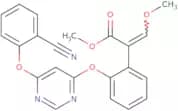
Producto descatalogado(Z)-Azoxystrobin
CAS:(Z)-Azoxystrobin is a strobilurin fungicide, which is a synthetic derivative of naturally occurring antifungal compounds produced by fungi such as *Strobilurus tenacellus*. Its mode of action involves the inhibition of mitochondrial respiration in target fungi, specifically by binding to the Qo site of the cytochrome bc1 complex. This disrupts electron transport in the mitochondria, leading to the cessation of ATP production and subsequent cell death.
Fórmula:C22H17N3O5Pureza:Min. 95%Peso molecular:403.4 g/molRef: 3D-TFA13094
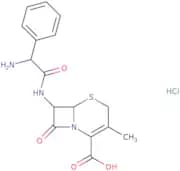
Producto descatalogadoCephalexin hydrochloride
CAS:Cephalexin hydrochloride is a cephalosporin antibiotic, which is a type of beta-lactam antibiotic. It is derived from the fungus Acremonium, previously known as Cephalosporium, with a bactericidal mode of action. This compound works by inhibiting bacterial cell wall synthesis. Specifically, it binds to one or more of the penicillin-binding proteins (PBPs), which in turn disrupts the final stages of bacterial cell wall formation and results in cell lysis mediated through autolytic enzyme action.
Fórmula:C16H18ClN3O4SPureza:Min. 95%Peso molecular:383.9 g/molE-Ceftazidime
CAS:E-Ceftazidime is a third-generation cephalosporin antibiotic, which is derived from the mold Acremonium. It functions by inhibiting bacterial cell wall synthesis, a crucial component for bacterial survival and replication. This inhibition occurs through the binding to specific penicillin-binding proteins (PBPs) within the bacterial cell wall, thus preventing cross-linking of the peptidoglycan chains, which results in the eventual lysis and death of the bacterial cell.
Fórmula:C22H22N6O7S2Pureza:Min. 95%Peso molecular:546.60 g/molRef: 3D-XDA14838
Producto descatalogadoOmaciclovir
CAS:Please enquire for more information about Omaciclovir including the price, delivery time and more detailed product information at the technical inquiry form on this page
Fórmula:C10H15N5O3Pureza:Min. 95%Peso molecular:253.26 g/molRef: 3D-ZEA26589
Producto descatalogadoβ-Lactoglobulin A from bovine milk
CAS:β-Lactoglobulin A is a whey protein found predominantly in bovine milk, characterized as a globular protein. It is sourced from the milk of cows and serves as a major component of whey, the liquid by-product of cheese production. The structure of β-Lactoglobulin A allows it to bind hydrophobic molecules, such as fatty acids and vitamins, which may facilitate their transport and absorption in the digestive tract.
Pureza:Min. 95%Ref: 3D-ACA86392
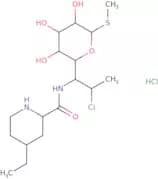
Producto descatalogadoPirlimycin HCl
CAS:Pirlimycin HCl is an antibacterial product, which is a semi-synthetic derivative of the natural antibiotic lincomycin produced by Streptomyces lincolnensis. Its mode of action involves the inhibition of bacterial protein synthesis by binding to the 50S ribosomal subunit, thereby preventing the elongation of peptide chains. This action is particularly effective against Gram-positive bacteria, including Staphylococcus and Streptococcus species.
Fórmula:C17H31ClN2O5S·HClPureza:Min. 95%Forma y color:White PowderPeso molecular:447.42 g/mol1-Naphthol-o-sulfate potassium
CAS:1-Naphthol-o-sulfate potassium is a sulfate ester, which is a derivative of naphthol. It is synthesized from 1-naphthol, a phenolic compound, through sulfation, typically using chlorosulfonic acid or oleum, followed by neutralization with potassium hydroxide to produce the potassium salt form. This particular compound is involved in various biochemical pathways, especially as a conjugated metabolite in phase II metabolism.
Fórmula:C10H8KO4SPureza:Min. 95%Peso molecular:263.33 g/molRef: 3D-GAA29574
Producto descatalogadoPenciclovir diacetate
CAS:Penciclovir diacetate is an antiviral compound, which is synthesized as a prodrug derivative of penciclovir. This compound originates from chemical modification processes designed to improve the pharmacokinetic properties of its active metabolite. Once administered, penciclovir diacetate undergoes in vivo conversion to penciclovir, an active nucleoside analog. The mode of action involves selective inhibition of viral DNA polymerase after being phosphorylated to its triphosphate form, thereby impeding viral DNA synthesis and replication.
Fórmula:C14H19N5O5Pureza:Min. 95%Peso molecular:337.33 g/molRef: 3D-XDA84572
Producto descatalogadoMalformin C
CAS:Malformin C is a cyclic pentapeptide, which is a secondary metabolite derived from certain strains of the fungus Aspergillus. Its mode of action involves disrupting cellular processes by interfering with cell division. Specifically, it is thought to affect mitotic spindle formation, leading to abnormal cell cycle progression.
Fórmula:C23H39N5O5S2Pureza:Min. 95%Forma y color:PowderPeso molecular:529.72 g/molRef: 3D-JCA92678
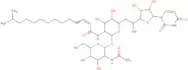
Producto descatalogadoTunicamycin V
CAS:Tunicamycin V is an antibiotic and nucleoside analog, which is a secondary metabolite derived from various Streptomyces species. It functions predominantly by inhibiting the initial step of N-linked glycosylation, a critical post-translational modification process in eukaryotic cells. This inhibition occurs through the blockage of UDP-N-acetylglucosamine: dolichyl-phosphate N-acetylglucosamine-1-phosphate transferase, thereby preventing the synthesis of dolichol-linked oligosaccharides and ultimately affecting protein folding and quality control mechanisms within the endoplasmic reticulum.
Fórmula:C38H62N4O16Pureza:Min. 95%Peso molecular:830.9 g/molRef: 3D-RCA05436
Producto descatalogadoThiadiazin
CAS:Thiadiazin is a synthetic compound, belonging to the class of heterocyclic chemical substances, which is primarily derived from chemical synthesis processes involving sulfur, nitrogen, and carbon atoms. It is characterized by a five-membered ring structure containing both sulfur and nitrogen atoms, which contributes to its diverse chemical properties.
Fórmula:C12H22N4S4Pureza:Min. 95%Peso molecular:350.6 g/molRef: 3D-DAA77349
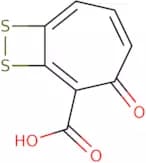
Producto descatalogadoTropodithietic acid
CAS:Tropodithietic acid is a bioactive compound, which is a potent antibacterial agent derived from certain marine bacteria, including the genus Phaeobacter. This antibiotic is characterized by its ability to disrupt quorum sensing, a mechanism that bacteria use for communication and coordination of group behaviors, including virulence. By interfering with this process, tropodithietic acid impedes bacterial colonization and biofilm formation, effectively inhibiting pathogenic activity.
Pureza:Min. 95%Ref: 3D-BT162750
Producto descatalogadoDioxohongdenafil
CAS:Dioxohongdenafil is a synthetic compound, which is a type of pharmaceutical analog. It is derived from sildenafil, a well-known phosphodiesterase type 5 (PDE5) inhibitor, originally conceptualized through chemical modification of the parent compound. The mode of action of Dioxohongdenafil involves competitive inhibition of the PDE5 enzyme, leading to an increase in cyclic guanosine monophosphate (cGMP) levels. This biochemical alteration results in vasodilation and increased blood flow, mimicking the therapeutic mechanism observed in sildenafil.
Fórmula:C25H30N6O5Pureza:Min. 95%Peso molecular:494.5 g/molRef: 3D-JPC40533
Producto descatalogado2-Sec-butyl-1-(decyloxy)-4-tritylbenzene
CAS:2-Sec-butyl-1-(decyloxy)-4-tritylbenzene is a synthetic organic compound, typically utilized in chemical research and development. It is sourced through a series of organic synthesis reactions, involving alkylation, etherification, and aromatic substitution, primarily in a controlled laboratory environment.
Fórmula:C39H48OPureza:Min. 95%Peso molecular:532.8 g/molRef: 3D-EGC19037
Producto descatalogadoCladosporin
CAS:Cladosporin is a secondary metabolite and natural product, specifically a fungal cyclodepsipeptide, which is isolated from the fungus *Cladosporium cladosporioides*. It exhibits its mode of action by selectively inhibiting the lysyl-tRNA synthetase enzyme in the Plasmodium species, the causative agent of malaria. This inhibition disrupts the protein synthesis pathway crucial for the survival and proliferation of the parasite.
Fórmula:C16H20O5Pureza:Min. 95%Peso molecular:292.33 g/molRef: 3D-KBA81831
Producto descatalogadoVebufloxacin
CAS:Vebufloxacin is an antibacterial agent, which is synthesized as a member of the fluoroquinolone class of antibiotics. This compound is derived from chemical synthesis, specifically designed to target and inhibit bacterial DNA gyrase and topoisomerase IV. These enzymes play crucial roles in DNA replication and transcription, making them ideal targets for disrupting bacterial cell function.
Fórmula:C19H22FN3O3Pureza:Min. 95%Peso molecular:359.4 g/molOfloxacin methyl ester
CAS:Ofloxacin methyl ester is a chemical compound, which is a derivative utilized in scientific research, particularly in the synthesis of ofloxacin-related compounds. It is a synthetic ester, derived from chemical synthesis involving ofloxacin, a fluoroquinolone antibiotic. The mode of action of ofloxacin methyl ester is based on its role as an intermediate compound. It facilitates the creation of active forms or analogs that can be tested for their pharmacological properties. Although not directly used as a therapeutic agent, it plays a crucial role in the development and modification of molecules for antibacterial applications.
Fórmula:C19H22FN3O4Pureza:Min. 95%Peso molecular:375.4 g/molRef: 3D-IEA22482
Producto descatalogadoTolnifanide
CAS:Tolnifanide is a fungicidal product, which is a synthetic compound derived from chemical synthesis. It operates by interfering with the normal cellular function of fungi, inhibiting their growth and reproduction. This mode of action involves disrupting key processes within the fungal cells, rendering them unable to thrive in their host environment.
Fórmula:C15H15ClN2O4SPureza:Min. 95%Peso molecular:354.8 g/molRef: 3D-EMA91198
Producto descatalogadoCarbovir monophosphate
CAS:Carbovir monophosphate is an antiviral agent, which is a metabolite derived from the prodrug abacavir. It functions as a nucleotide analog that interferes with viral replication. The source of Carbovir monophosphate is the metabolic conversion of abacavir, an antiretroviral medication used in the treatment of HIV. This conversion occurs primarily in the liver, facilitated by cellular enzymes.
Fórmula:C11H14N5O5PPureza:Min. 95%Peso molecular:327.23 g/molRef: 3D-UFA49073
Producto descatalogadoTaxiphyllin
CAS:Taxiphyllin is a type of cyanogenic glucoside, which is a naturally occurring compound found in certain plants. It is derived primarily from bamboo shoots, among other plant sources. The compound undergoes hydrolysis when the plant tissue is damaged, such as during chewing or processing. This hydrolytic reaction, typically catalyzed by the enzyme β-glucosidase, results in the release of hydrogen cyanide, a potent defense mechanism for the plant against herbivores and pests.
Fórmula:C14H17NO7Pureza:Min. 95%Peso molecular:311.29 g/molRef: 3D-WAA40121
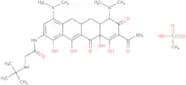
Producto descatalogadoTigecycline mesylate
CAS:Tigecycline mesylate is a novel glycylcycline antibiotic, which is a derivative of the tetracycline class of antibiotics. It is a semi-synthetic product derived from minocycline, exhibiting a broad spectrum of antibacterial activity. Tigecycline mesylate functions through the inhibition of bacterial protein synthesis. It achieves this by binding to the 30S ribosomal subunit, thereby preventing the incorporation of amino acid residues into elongating peptide chains, a crucial step in protein production.
Fórmula:C30H43N5O11SPureza:Min. 95%Peso molecular:681.8 g/molRef: 3D-KVB87127
Producto descatalogadoCefotiam
CAS:Cefotiam is a broad-spectrum cephalosporin antibiotic, which is a beta-lactam compound derived from the mold Acremonium. It functions by inhibiting bacterial cell wall synthesis, particularly by targeting penicillin-binding proteins, which leads to cell lysis and death in susceptible bacteria. This mechanism of action makes it effective against various Gram-positive and Gram-negative bacteria.
Fórmula:C18H23N9O4S3Pureza:Min. 95%Forma y color:PowderPeso molecular:525.62 g/molRef: 3D-AC183647
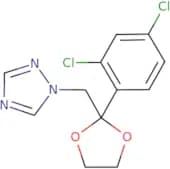
Producto descatalogadoAzaconazole
CAS:Azaconazole is a systemic fungicide, which is derived from synthetic chemical processes, specifically within the class of triazoles. This compound functions by interfering with the biosynthesis of ergosterol, a critical component of fungal cell membranes. By inhibiting the cytochrome P450 enzyme 14α-demethylase, azaconazole disrupts the production of ergosterol, thereby compromising membrane integrity and inhibiting fungal growth.
Fórmula:C12H11Cl2N3O2Pureza:Min. 95%Peso molecular:300.14 g/molRef: 3D-KCA20731
Producto descatalogado8-Fluoro erythromycin
CAS:8-Fluoro erythromycin is a synthetic derivative of the macrolide antibiotic erythromycin. It is derived from the fermentation of *Streptomyces erythraeus*, a species known for producing erythromycin, which is chemically modified to include a fluorine atom at the eighth position. This modification enhances its pharmacokinetic properties, improving its stability and bioavailability compared to the parent compound.
Fórmula:C37H66FNO13Pureza:Min. 95%Peso molecular:751.92 g/molRef: 3D-AF16726
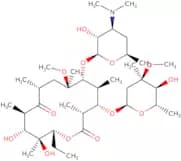
Producto descatalogadoClarithromycin - EP
CAS:A macrolide, broad-spectrum antibiotic that targets cytochrome P4503A4 (CYP3A4). Clarithromycin has been used to potentiate the pharmacological effects of some drugs that are metabolised by the cytochrome P450.
Fórmula:C38H69NO13Pureza:Min. 95%Peso molecular:747.95 g/mol2,4,5,6-Tetrachlorophenol-13C6
CAS:2,4,5,6-Tetrachlorophenol-13C6 is an isotopically labeled chemical compound, primarily used as a reference standard in analytical chemistry. This compound, derived from its non-labeled counterpart 2,4,5,6-tetrachlorophenol, is synthesized through the incorporation of carbon-13 isotopes. Its primary mode of action involves acting as a stable, traceable marker, facilitating accurate quantification and analysis of environmental samples, particularly in mass spectrometry.
Fórmula:C6H2Cl4OPureza:Min. 95%Peso molecular:237.8 g/molNonactin
CAS:Nonactin is a macrotetrolide antibiotic with action as an ionophore for potassium and ammonium ions and is used for research on ion transport and bacterial inhibition.
Fórmula:C40H64O12Pureza:Min. 95%Forma y color:PowderPeso molecular:736.93 g/molRef: 3D-AN32543
Producto descatalogado