Antimicrobianos
Subcategorías de "Antimicrobianos"
- Antibióticos(4.137 productos)
- Antifúngicos(904 productos)
- Antiparasitarios(700 productos)
- Antivirales(767 productos)
Se han encontrado 2432 productos de "Antimicrobianos"
Anhydro erythromycin A
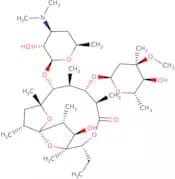
CAS:Anhydro erythromycin A is a semi-synthetic derivative of erythromycin A, which has been shown to be an effective inhibitor of bacterial growth, showing higher selectivity for this inhibition. It is a prodrug that is activated by acid catalysis and can be used as a substitute against methicillin-resistant staphylococcus. Anhydro erythromycin A was developed with the goal of increasing its stability and its potency against methicillin-resistant Staphylococcus aureus, which has been shown to be resistant to erythromycin.Fórmula:C37H65NO12Pureza:Min. 95%Forma y color:White PowderPeso molecular:715.91 g/molDesciclovir
CAS:Desciclovir is an antiviral agent, which is a synthetic nucleoside analog derived from guanine. Its mode of action involves the selective inhibition of viral DNA polymerase, leading to the termination of viral DNA chain elongation. By mimicking the natural substrates of the viral nucleic acid synthesis machinery, Desciclovir effectively disrupts the replication of viral genetic material, impeding the proliferation of the virus within the host cells.Fórmula:C8H11N5O2Pureza:Min. 95%Peso molecular:209.21 g/molGSK 3532795
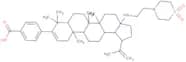
CAS:GSK 3532795 is an investigational antiretroviral compound, which is a synthetic small molecule designed to inhibit HIV-1 capsid function. The source of this compound is GlaxoSmithKline, a pharmaceutical company actively engaged in the development of novel therapeutic agents. GSK 3532795 functions by disrupting the HIV-1 capsid, an essential protein shell that encases the viral RNA and associated enzymes. By targeting this structure, the compound interferes with numerous stages of the viral replication cycle, including disassembly, nuclear import, and encapsidation—thereby effectively inhibiting viral replication.Fórmula:C42H62N2O4SPureza:Min. 95%Peso molecular:691 g/mol(3aR,4R,5R,7S,8S,9R,9aS,12R)-8-Hydroxy-4,7,9,12-tetramethyl-3-oxo-7-vinyldecahydro-4,9a-propanocyclopenta[8]annulen-5-yl 2-((7-fluor o-1-hydroxy-1,3-dihydrobenzo[C][1,2]-oxaborol-6-yl)oxy)acetate
CAS:(3aR,4R,5R,7S,8S,9R,9aS,12R)-8-Hydroxy-4,7,9,12-tetramethyl-3-oxo-7-vinyldecahydro-4,9a-propanocyclopenta[8]annulen-5-yl 2-((7-fluoro-1-hydroxy-1,3-dihydrobenzo[C][1,2]-oxaborol-6-yl)oxy)acetate is a novel antifungal compound derived from boron chemistry, representing a new class of therapeutic agents in the field of antifungal treatments. The compound primarily originates from the synthesis and refinement of boron-based molecular scaffolds, yielding a structure capable of disrupting fungal growth through a unique mode of action. It functions by inhibiting the fungal enzyme leucyl-tRNA synthetase, which is crucial in protein synthesis and thus vital for fungal cell survival and proliferation. By targeting this specific enzyme, the compound effectively halts the production of essential proteins, leading to the cessation of fungal growth and eventual cell death. The primary application of this compound is in the treatment of a range of fungal infections, particularly those that are resistant to conventional antifungal drugs, offering a potent alternative in clinical settings. The application of this compound spans both topical and systemic treatments, addressing a critical need for more effective antifungal therapies.Fórmula:C29H38BFO7Pureza:Min. 95%Peso molecular:528.4 g/molElsulfavirine
CAS:Elsulfavirine is a non-nucleoside reverse transcriptase inhibitor (NNRTI), which is derived from advanced medicinal chemistry efforts targeting specific interactions with the HIV-1 reverse transcriptase enzyme. The mode of action of Elsulfavirine involves the inhibition of reverse transcriptase activity by binding to an allosteric site on the enzyme, thereby preventing the transcription of viral RNA into DNA, a critical step in the HIV replication process.
Fórmula:C24H17BrCl2FN3O5SPureza:Min. 95%Peso molecular:629.3 g/molSteffimycin B
CAS:Steffimycin B is an anthracycline antibiotic, which is a metabolite produced by certain Streptomyces species. This compound functions by intercalating into DNA, thereby inhibiting the synthesis of nucleic acids and disrupting essential cellular processes. Its mode of action involves preventing the replication and transcription of bacterial DNA, leading to cell death. Steffimycin B has been primarily explored for its antibiotic properties, particularly in research settings for its potential to combat specific bacterial infections. Additionally, its structural similarities to other anthracyclines suggest potential use in studying mechanisms of drug resistance and interactions with DNA. Further investigation may reveal additional therapeutic applications or synergistic effects in combination with other antimicrobial agents.Fórmula:C29H32O13Pureza:Min. 95%Peso molecular:588.6 g/molAzddmec
CAS:Please enquire for more information about Azddmec including the price, delivery time and more detailed product information at the technical inquiry form on this pageFórmula:C10H14N6O3Pureza:Min. 95%Peso molecular:266.26 g/molClindamycin palmitate hydrochloride
CAS:Clindamycin palmitate hydrochloride is a semisynthetic antibiotic prodrug, which is derived from the lincomycin family, originally sourced from the bacterium *Streptomyces lincolnensis*. This compound functions through its conversion into the active form, clindamycin, once inside the body. Clindamycin acts by inhibiting bacterial protein synthesis, binding to the 50S subunit of the bacterial ribosome, thereby impeding peptide chain initiation and elongation.Fórmula:C34H63ClN2O6SPureza:Min. 95%Peso molecular:663.4 g/molBeauvericin
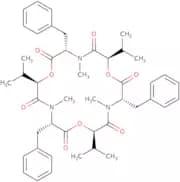
CAS:Beauvericin is a cyclic peptide that is isolated from the fungus Fusarium. It has been shown to have antimicrobial activity against bacteria, as well as a variety of other biological properties. Beauvericin has been shown to inhibit mitochondrial membrane potential and induce toxicity in some animal models. Beauvericin also inhibits protein synthesis and causes cell death by inhibiting DNA polymerase activity. This compound is active against cancer cells, including HL-60 cells, which are derived from human lymphocytes and are used as a model for leukemia. Beauvericin can be extracted from an ETOA extract of the fungus Fusarium oxysporum; this extract has shown anti-cancer effects in vitro assays.
Fórmula:C45H57N3O9Pureza:Min. 95%Peso molecular:783.95 g/mol(±)-Salbutamol
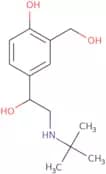
CAS:Producto controlado(±)-Salbutamol is a racemic mixture of a beta-2 adrenergic agonist, which is synthetically derived. This compound functions primarily by selectively stimulating beta-2 adrenergic receptors, which are predominantly located on the smooth muscle cells lining the airways. The activation of these receptors leads to the relaxation of bronchial muscle tissue, resulting in bronchodilation and improved airflow.Fórmula:C13H21NO3Peso molecular:239.31 g/mol(3R,4R)-A2-32-01
CAS:(3R,4R)-A2-32-01 is an innovative insecticide, which is a synthetic product derived from intensive research in entomology and organic chemistry. It operates by targeting the neurological pathways of specific insect pests, leading to rapid cessation of feeding and, ultimately, death. This mode of action is highly selective, affecting only targeted pest species while minimizing impact on non-target organisms such as beneficial pollinators.Fórmula:C19H27NO2Pureza:Min. 95%Peso molecular:301.4 g/molParecoxib sodium
CAS:Producto controladoParecoxib sodium is a nonsteroidal anti-inflammatory drug (NSAID) prodrug, which is synthesized pharmaceutically. It exerts its therapeutic effects through the selective inhibition of cyclooxygenase-2 (COX-2) enzymes. This inhibition reduces the synthesis of prostaglandins, compounds involved in the mediation of inflammation and pain, thereby providing analgesic and anti-inflammatory effects.
Fórmula:C19H17N2NaO4SPureza:Min. 95%Peso molecular:392.4 g/molHaloxyfop-phenol
CAS:Haloxyfop-phenol is a selective herbicide, which is a synthetic chemical compound derived from aryloxyphenoxypropionate. It acts as an acetyl-CoA carboxylase (ACCase) inhibitor, targeting the enzyme critical for fatty acid synthesis in grasses. This mode of action disrupts lipid production in susceptible grass species, leading to cessation of growth and eventual plant death.Fórmula:C12H7ClF3NO2Pureza:Min. 95%Peso molecular:289.64 g/molAurantimycin A
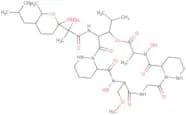
CAS:Aurantimycin A is an antibiotic compound, which is a polypeptide derived from the bacterium genus *Streptomyces*, a type of Actinobacteria. This compound exhibits its mode of action through inhibition of bacterial protein synthesis, specifically by interfering with the ribosomal function, thereby preventing the growth and proliferation of susceptible bacterial strains. The potent activity of Aurantimycin A against Gram-positive bacteria makes it a crucial tool in microbial and biochemical research.Fórmula:C38H64N8O14Pureza:Min. 95%Peso molecular:857 g/mol2-Ethylhexyl 4-(4-chloro-2-methylphenoxy)butyrate
CAS:2-Ethylhexyl 4-(4-chloro-2-methylphenoxy)butyrate is a pre-emergent herbicide, which is synthesized from phenoxyalkanoic acid derivatives. Its mode of action involves inhibiting essential plant lipid synthesis pathways, specifically targeting the acetyl-coenzyme A carboxylase (ACCase) enzyme. This enzyme is pivotal for fatty acid synthesis, which is critical for the development of cellular lipids necessary for plant growth and survival.
Fórmula:C19H29ClO3Pureza:Min. 95%Peso molecular:340.9 g/molCefoxitin EP impurity F
Cefoxitin EP Impurity F is a pharmaceutical reference impurity, which is a derivative of the cefoxitin antibiotic. This impurity arises from the degradation or synthesis processes related to cefoxitin, a semi-synthetic, beta-lactam antibiotic of the cephamycin group. The mode of action of cefoxitin involves interfering with bacterial cell wall synthesis by binding to penicillin-binding proteins, ultimately leading to cell lysis and death.Fórmula:C17H19N3O8S2Pureza:Min. 95%Peso molecular:457.48 g/molMarbofloxacin hydrochloride
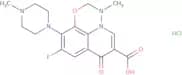
CAS:Marbofloxacin hydrochloride is a synthetic, broad-spectrum antibacterial agent. It is derived from the fluoroquinolone class, which is known for its potent activity against a variety of bacterial pathogens. The mode of action of marbofloxacin hydrochloride involves the inhibition of bacterial DNA gyrase and topoisomerase IV, enzymes critical for DNA replication, transcription, and repair processes. This inhibition disrupts bacterial cell division and ultimately leads to cell death.Fórmula:C17H20ClFN4O4Pureza:Min. 95%Peso molecular:398.8 g/molNybomycin
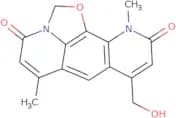
CAS:Nybomycin is a quinolone-based antibiotic, which is a synthetic derivative originally derived from actinomycetes, a type of filamentous bacteria known for producing numerous bioactive compounds. Its mode of action involves targeting and inhibiting bacterial DNA gyrase and topoisomerase IV, enzymes critical for DNA replication and transcription. This mechanism disrupts DNA synthesis, thereby exerting bactericidal effects on susceptible bacterial populations.
Fórmula:C16H14N2O4Pureza:Min. 95%Peso molecular:298.29 g/molValtrate hydrine B4
CAS:Valtrate hydrine B4 is a valepotriate derivative, which is a naturally occurring compound extracted from the roots of Valeriana species. It operates through its interaction with the central nervous system, primarily by modulating gamma-aminobutyric acid (GABA) receptors. This mode of action results in sedative and anxiolytic effects, making it a compound of interest in the research of natural tranquilizers and sleep aids.Fórmula:C27H40O10Pureza:Min. 95%Peso molecular:524.6 g/mol(S)-N-Phenyl-1-((4-(3-(4-(trifluoromethyl)phenyl)ureido)phenyl)sulfonyl)pyrrolidine-2-carboxamide
CAS:(S)-N-Phenyl-1-((4-(3-(4-(trifluoromethyl)phenyl)ureido)phenyl)sulfonyl)pyrrolidine-2-carboxamide is a specialized inhibitor used in biochemical research, which is synthesized through advanced organic chemistry techniques. The compound acts by selectively binding to specific enzymatic or protein targets, disrupting their normal function and allowing scientists to study pathways and interactions at a molecular level.Fórmula:C25H23F3N4O4SPureza:Min. 95%Peso molecular:532.5 g/mol