Antimicrobianos
Subcategorías de "Antimicrobianos"
- Antibióticos(4.504 productos)
- Antifúngicos(939 productos)
- Antiparasitarios(808 productos)
- Antivirales(1.058 productos)
Se han encontrado 2643 productos de "Antimicrobianos"
Phthalic acid, bis[2-(2-ethoxyethoxy)ethyl] ester
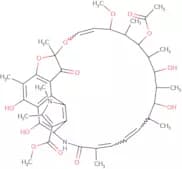
CAS:Phthalic acid, bis[2-(2-ethoxyethoxy)ethyl] ester is a specialized industrial plasticizer, which is a type of additive used to enhance the flexibility and durability of polymer-based materials. It is derived from phthalic acid through esterification with ethylene glycol ether derivatives, resulting in a compound that effectively reduces the brittleness of plastic formulations by increasing their plasticity.Fórmula:C20H30O8Pureza:Min. 95%Peso molecular:398.4 g/molRifampicin, Antibiotic for Culture Media Use Only
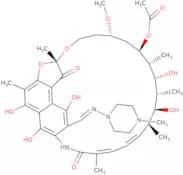
CAS:Rifampicin is a drug that inhibits protein synthesis in bacteria and is used to treat tuberculosis. Rifampicin binds to the beta subunit of the bacterial RNA polymerase, inhibiting transcription and translation. It has been shown to inhibit the acetylcholine receptor function in rats, which may be related to its antituberculosis activity. Histopathological studies have shown that rifampicin inhibits the growth of human tumors in mice, including lung cancer, breast cancer, and leukemia. The drug is also being studied for its potential use in treating Alzheimer's disease. The pharmacokinetics and oral bioavailability of rifampicin have been studied and Rifampicin has been shown to be an effective anti-tuberculosis drug.Fórmula:C43H58N4O12Pureza:Min. 90.0 Area-%Peso molecular:822.94 g/molRef: 3D-R-6000
-Unit-ggA consultar1gA consultar1kgA consultar100gA consultar250gA consultar500gA consultarValidamycin B
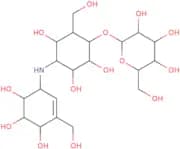
CAS:Validamycin B is an aminoglycoside antibiotic, which is a type of product derived from the bacterium *Streptomyces hygroscopicus*. Its mode of action involves inhibiting the trehalase enzyme, an essential component for fungal cell viability, thereby disrupting the energy supply within the fungal cells. This disruption leads to impediments in fungal growth and proliferation.Fórmula:C20H35NO14Pureza:Min. 95%Peso molecular:513.5 g/molCPFX2090
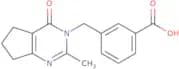
CAS:CPFX2090 is a sophisticated software platform designed for advanced data analytics and visualization, which is developed by a team of computational scientists utilizing cutting-edge algorithms and machine learning techniques. It operates through a dynamic interface that enables automated data processing, multidimensional analysis, and real-time visualization. The platform's mode of action involves ingesting large datasets, performing parallel computations, and visualizing results with interactive graphical tools.
Fórmula:C28H28ClNO6Pureza:Min. 95%Peso molecular:510 g/molMarbofloxacin hydrochloride
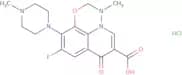
CAS:Marbofloxacin hydrochloride is a synthetic, broad-spectrum antibacterial agent. It is derived from the fluoroquinolone class, which is known for its potent activity against a variety of bacterial pathogens. The mode of action of marbofloxacin hydrochloride involves the inhibition of bacterial DNA gyrase and topoisomerase IV, enzymes critical for DNA replication, transcription, and repair processes. This inhibition disrupts bacterial cell division and ultimately leads to cell death.Fórmula:C17H20ClFN4O4Pureza:Min. 95%Peso molecular:398.8 g/mol3,4,5-Trichlorophenol acetate
CAS:3,4,5-Trichlorophenol acetate is a chlorinated aromatic compound, which is a derivative of trichlorophenol. It is typically sourced from chemical synthesis involving the chlorination and acetylation of phenolic compounds. The mode of action involves its interaction and potential binding with biological molecules, making it a subject of interest for biochemical studies.Fórmula:C8H5Cl3O2Pureza:Min. 95%Peso molecular:239.5 g/molCefoxitin EP impurity F
Cefoxitin EP Impurity F is a pharmaceutical reference impurity, which is a derivative of the cefoxitin antibiotic. This impurity arises from the degradation or synthesis processes related to cefoxitin, a semi-synthetic, beta-lactam antibiotic of the cephamycin group. The mode of action of cefoxitin involves interfering with bacterial cell wall synthesis by binding to penicillin-binding proteins, ultimately leading to cell lysis and death.Fórmula:C17H19N3O8S2Pureza:Min. 95%Peso molecular:457.48 g/molCyclopentylalbendazole
CAS:Cyclopentylalbendazole is an anthelmintic compound, which is a synthetic derivative of benzimidazole, originally sourced from chemical synthesis processes. Its mode of action involves the selective binding to beta-tubulin, disrupting the polymerization of microtubules within the parasites. This inhibition of microtubule formation is crucial for cellular processes such as nutrient uptake and intracellular transport, eventually leading to immobilization and subsequent death of the parasites.
Fórmula:C14H17N3O2SPureza:Min. 95%Peso molecular:291.37 g/molN-Demethylclindamycin
CAS:N-Demethylclindamycin is a metabolite of clindamycin, which is a semi-synthetic antibiotic derived from the naturally occurring compound lincomycin. This product is synthesized by enzymatic or chemical processes that remove the N-methyl group from clindamycin's molecular structure, making it an important derivative in the study of antibiotic activity and metabolic pathways.
Fórmula:C17H31ClN2O5SPureza:Min. 95%Peso molecular:411 g/molPerfluidone
CAS:Perfluidone is a systematic herbicide, which is a synthetic chemical compound with a specific mode of action targeting pre-emergent weed growth. It functions by inhibiting the synthesis of carotenoids, essential pigments in photosynthesis, thereby disrupting the cellular processes required for plant growth. This inhibition leads to an accumulation of toxic intermediates, causing the bleaching and eventual death of susceptible plant tissues.Fórmula:C14H12F3NO4S2Pureza:Min. 95%Peso molecular:379.4 g/molVapendavir diphosphate
CAS:Vapendavir diphosphate is an antiviral compound, which is a synthesized small molecule with selective activity targeting picornaviruses. This compound is derived from rigorous medicinal chemistry efforts focusing on the inhibition of viral replication. Vapendavir diphosphate functions by binding to a specific site on the viral capsid, thereby inhibiting the uncoating process essential for viral RNA release into the host cell. This mode of action effectively prevents the virus from replicating within the host.
Fórmula:C21H32N4O11P2Pureza:Min. 95%Peso molecular:578.4 g/molNITD-916
CAS:NITD-916 is an antiviral compound, which is a synthetic molecule designed for therapeutic purposes. Its source lies in medicinal chemistry, where it was developed through a detailed process of molecular optimization and testing to enhance its efficacy and pharmacokinetic properties. The mode of action of NITD-916 involves inhibiting viral replication by targeting specific non-structural proteins essential for the replication process of certain RNA viruses.Fórmula:C20H25NO2Pureza:Min. 95%Peso molecular:311.4 g/molLenampicillin
CAS:Lenampicillin is a semi-synthetic antibiotic, which is derived from ampicillin, a widely used beta-lactam antibiotic. It originates from the penicillin group of compounds, which are produced by the Penicillium fungi. This group of antibiotics is characterized by their bactericidal properties, which function through the inhibition of bacterial cell wall synthesis. Specifically, Lenampicillin targets and binds to penicillin-binding proteins present in susceptible bacteria. This action inhibits the transpeptidation step of peptidoglycan synthesis, weakening the cell wall and eventually causing cell lysis and death.Fórmula:C21H23N3O7SPureza:Min. 95%Peso molecular:461.5 g/molSTAADIUM™ PeptiZide L-Pyr
CAS:STAADIUM⢠PeptiZide L-Pyr is a targeted inhibitor for pyroglutamyl-aminopeptidase-producing bacteria. The antibacterial activity of STAADIUM⢠PeptiZide L-Pyr is triggered by the enzyme pyroglutamyl aminopeptidase (a.k.a. pyrase or pyrrolidonyl peptidase) that is present, not only in bacteria, but also in archaea, plants and animals. STAADIUM⢠PeptiZide can be used to suppress the growth of Citrobacter freundii on diagnostic agar plates for Salmonella. L-pyrrolidonyl peptidase activity has also been exploited to distinguish Enterococcus species and Streptococcus pyogenes from other Streptococaceae species. More details in the application notes document.
Fórmula:C17H17N3O3SPureza:Min. 95 Area-%Peso molecular:343.41 g/molCephalosporin 87/359(cefoxitin impurity H)
CAS:Cephalosporin 87/359 (cefoxitin impurity H) is an analytical reference standard, which is a secondary metabolite that can arise during the synthesis or degradation of the cephalosporin antibiotic, cefoxitin. It is sourced from chemical synthesis processes where isolation and purification of impurities are essential for ensuring the efficacy and safety of pharmaceutical products. The mode of action of this impurity is not therapeutic but crucial for analytical purposes, serving as a comparator to detect and quantify potential contaminants in cefoxitin production.
Fórmula:C15H15N3O6S2Pureza:Min. 95%Peso molecular:397.40 g/mol1-Naphthol-o-sulfate potassium
CAS:1-Naphthol-o-sulfate potassium is a sulfate ester, which is a derivative of naphthol. It is synthesized from 1-naphthol, a phenolic compound, through sulfation, typically using chlorosulfonic acid or oleum, followed by neutralization with potassium hydroxide to produce the potassium salt form. This particular compound is involved in various biochemical pathways, especially as a conjugated metabolite in phase II metabolism.
Fórmula:C10H8KO4SPureza:Min. 95%Peso molecular:263.33 g/molFervenulin
CAS:Fervenulin is a synthetic compound, which is a chemically designed product developed for laboratory use. It is synthesized through a series of organic reactions, allowing for precise control over its molecular structure and properties. The mode of action for Fervenulin involves altering microbial growth pathways, particularly targeting specific enzymes and cellular processes critical for microbial proliferation. This mode of action effectively inhibits or modifies the activity of these cellular components, providing a tool for microbiologists to investigate microbial behavior under controlled conditions.
Fórmula:C7H7N5O2Pureza:Min. 95%Peso molecular:193.16 g/molRifamycin pr-3
CAS:Rifamycin PR-3 is an antibiotic, which is derived from bacterial fermentation, specifically from the bacterium Amycolatopsis rifamycinica. It acts by inhibiting DNA-dependent RNA polymerase, thereby blocking RNA synthesis in susceptible bacteria. This inhibition disrupts protein synthesis, ultimately leading to bacterial cell death. Rifamycin PR-3 is primarily used for the treatment of various bacterial infections, particularly those caused by gram-positive bacteria and certain mycobacteria. Its application is crucial in managing diseases such as tuberculosis, where it targets the Mycobacterium tuberculosis. As a member of the rifamycin class of antibiotics, it is also explored for use in treating refractory cases and in combinations to prevent the development of resistance. This compound’s efficacy in penetrating phagocytic cells makes it an important player in addressing intracellular infections. Scientists continue to study its pharmacokinetics and potential for synergistic combinations, which may expand its utility in infectious disease therapy.Fórmula:C43H54N2O13Pureza:Min. 95%Peso molecular:806.9 g/molBephenium
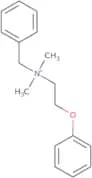
CAS:Bephenium is an anthelmintic agent, which is a type of product used to treat infections caused by parasitic worms. It originates from synthetic chemical processes specifically designed to combat nematode infestations. The mode of action involves disrupting the neuromuscular activity of susceptible parasitic worms, such as hookworms and roundworms, leading to their paralysis and eventual expulsion from the host organism.Fórmula:C17H22NOPureza:Min. 95%Peso molecular:256.36 g/molSP187
CAS:Please enquire for more information about SP187 including the price, delivery time and more detailed product information at the technical inquiry form on this page
Fórmula:C16H33NO5Pureza:Min. 95%Peso molecular:319.44 g/mol
![Phthalic acid, bis[2-(2-ethoxyethoxy)ethyl] ester](/_next/image/?url=https%3A%2Fstatic.cymitquimica.com%2Fproducts%2F3D%2Fthumb-webp%2FAAA11785.webp&w=3840&q=75)