Antimicrobianos
Subcategorías de "Antimicrobianos"
- Antibióticos(4.504 productos)
- Antifúngicos(940 productos)
- Antiparasitarios(808 productos)
- Antivirales(1.058 productos)
Se han encontrado 2643 productos de "Antimicrobianos"
Borrelidin
CAS:Borrelidin is a potent antibiotic of the polyketide class, which is isolated from various Streptomyces species. Its mode of action is characterized by its inhibition of threonyl-tRNA synthetase, effectively disrupting protein synthesis within bacteria. Additionally, Borrelidin is known for its unique anti-angiogenic properties, which result from the inhibition of endothelial cell proliferation, making it a compound of interest in cancer research.
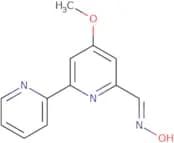
Pureza:Min. 95%Caerulomycin A
CAS:Caerulomycin A is a bioactive compound classified as a natural broad-spectrum antibiotic, which is derived from various Streptomyces species found in soil. Its mode of action involves inhibiting fungal and bacterial growth by interfering with essential cellular processes, effectively curbing the proliferation of pathogenic microorganisms. This potent molecule achieves its effects by binding to specific cellular targets, thereby disrupting cell wall synthesis and other critical metabolic pathways.Fórmula:C12H11N3O2Pureza:Min. 95%Peso molecular:229.23 g/mol(3R,4R)-A2-32-01
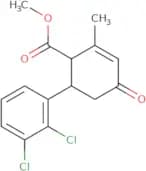
CAS:(3R,4R)-A2-32-01 is an innovative insecticide, which is a synthetic product derived from intensive research in entomology and organic chemistry. It operates by targeting the neurological pathways of specific insect pests, leading to rapid cessation of feeding and, ultimately, death. This mode of action is highly selective, affecting only targeted pest species while minimizing impact on non-target organisms such as beneficial pollinators.Fórmula:C19H27NO2Pureza:Min. 95%Peso molecular:301.4 g/molMethyl 6-(2,3-dichlorophenyl)-2-methyl-4-oxocyclohex-2-ene-1-carboxylate
CAS:Methyl 6-(2,3-dichlorophenyl)-2-methyl-4-oxocyclohex-2-ene-1-carboxylate is a synthetic organic compound that can be classified as a specialized chemical reagent. It is primarily sourced from chemical synthesis, utilizing a series of controlled reactions involving halogenated aromatic compounds and cyclohexene derivatives.Fórmula:C15H14Cl2O3Pureza:Min. 95%Peso molecular:313.2 g/molTuberculosis inhibitor 3
CAS:Tuberculosis inhibitor 3 is a synthesized chemical compound designed to target the Mycobacterium tuberculosis bacterium, which is the causative agent of tuberculosis. This inhibitor is derived through advanced chemical synthesis techniques, involving the modification of specific molecular structures to enhance its binding affinity and specificity toward the bacterial cellular targets.
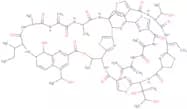
Fórmula:C21H22F6N4O3SPureza:Min. 95%Peso molecular:524.5 g/molThiostrepton
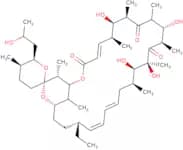
CAS:Thiostrepton is a thiopeptide antibiotic with action on bacterial protein synthesis by binding to the ribosome and is used for treating bacterial infections in veterinary medicine and research applications.Fórmula:C72H85N19O18S5Pureza:Min. 95%Forma y color:White To Light (Or Pale) Yellow SolidPeso molecular:1,664.89 g/molOligomycin
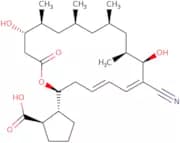
CAS:Oligomycin is a macrolide antibiotic, which is derived from species of the bacterium Streptomyces. It acts as a potent inhibitor of the mitochondrial ATP synthase complex, specifically targeting the F₀ portion of the enzyme. This interference results in the blockage of proton translocation across the mitochondrial membrane, thereby preventing ATP synthesis. Due to this mode of action, Oligomycin is primarily utilized in biochemical research to study cellular respiration and energy metabolism. It serves as a valuable tool in elucidating the mechanisms of oxidative phosphorylation and the role of ATP in various cellular processes. In addition, its application extends to investigations on mitochondrial dysfunctions and the screening of mitochondrial-targeted drugs.Fórmula:C45H74O11Pureza:Min. 95%Peso molecular:791.06 g/mol(2RS,4S)-2-[[(phenylacetyl)amino]methyl]-5,5-dimethylthiazolidine-4-carboxylic acid (penilloic acids of benzylpenicillin)
CAS:(2RS,4S)-2-[[(Phenylacetyl)amino]methyl]-5,5-dimethylthiazolidine-4-carboxylic acid, commonly referred to as penilloic acids, is a hydrolytic degradation product of benzylpenicillin. It is derived through the enzymatic or chemical cleavage of the β-lactam ring of benzylpenicillin, which is a classic β-lactam antibiotic.
Fórmula:C15H20N2O3SPureza:Min. 95%Peso molecular:308.4 g/mol3-Chloro-10,11-dihydro-5H-dibenzo[B,D]azepine
CAS:3-Chloro-10,11-dihydro-5H-dibenzo[B,D]azepine is a tricyclic compound, which is typically synthesized through organic chemical processes involving multiple reaction steps to introduce the chloro and dihydro functionalities. With its distinct azepine ring structure, it acts primarily on the central nervous system by modulating neurotransmitter pathways, specifically targeting neurotransmitter reuptake.Fórmula:C14H12ClNPureza:Min. 95%Peso molecular:229.7 g/molClomocycline
CAS:Clomocycline is an antibiotic, which is a derivative of tetracycline originating from Streptomyces species. The mechanism of action involves inhibition of bacterial protein synthesis by binding to the 30S ribosomal subunit. This action blocks the attachment of aminoacyl-tRNA to the acceptor site on the mRNA-ribosome complex, ultimately impeding the addition of amino acids to the growing peptide chain and thus hindering bacterial growth.Fórmula:C23H25ClN2O9Pureza:Min. 95%Peso molecular:508.9 g/molOxpoconazole fumarate
CAS:Oxpoconazole fumarate is a systemic antifungal agent, which is a synthetic compound derived from chemical synthesis. It functions by inhibiting the biosynthesis of ergosterol, a critical component of fungal cell membranes, ultimately disrupting cell growth and replication. This inhibition interferes with the integrity and functionality of the fungal cell membrane, leading to cell death.
Fórmula:C42H52Cl2N6O8Pureza:Min. 95%Peso molecular:839.8 g/molAcepromazine hydrochloride
CAS:Acepromazine hydrochloride is a phenothiazine derivative tranquilizer, which is synthesized chemically. Its mode of action is primarily through antagonism of dopamine receptors in the central nervous system, leading to a sedative effect. Additionally, it exerts peripheral actions, including alpha-adrenergic blockade and diminished release of hypothalamic and hypophyseal hormones, contributing to vasodilation and other physiological effects.
Fórmula:C19H23ClN2OSPureza:Min. 95%Peso molecular:362.9 g/molS-Ethyl (3-hydroxypropyl)propylthiocarbamate
CAS:S-Ethyl (3-hydroxypropyl)propylthiocarbamate is a selective herbicide used primarily in the agricultural sector. Derived from synthetic organic chemistry, it belongs to the thiocarbamate class of herbicides. These compounds are known for their ability to inhibit the growth of undesirable plant species by interfering with lipid synthesis.Fórmula:C9H19NO2SPureza:Min. 95%Peso molecular:205.32 g/molClindamycin B hydrochloride
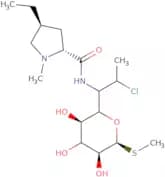
CAS:Clindamycin B hydrochloride is a semi-synthetic antibiotic, which is derived from the parent compound, lincomycin, obtained from the bacterium *Streptomyces lincolnensis*. It exerts its antibacterial effects by binding to the 50S subunit of the bacterial ribosome, inhibiting protein synthesis by preventing peptide bond formation, which is essential for bacterial growth and survival.Fórmula:C17H31ClN2O5S•HClPureza:Min. 95%Forma y color:White To Off-White SolidPeso molecular:447.42 g/molBeauvericin
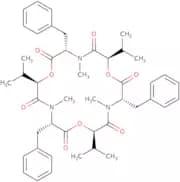
CAS:Beauvericin is a cyclic peptide that is isolated from the fungus Fusarium. It has been shown to have antimicrobial activity against bacteria, as well as a variety of other biological properties. Beauvericin has been shown to inhibit mitochondrial membrane potential and induce toxicity in some animal models. Beauvericin also inhibits protein synthesis and causes cell death by inhibiting DNA polymerase activity. This compound is active against cancer cells, including HL-60 cells, which are derived from human lymphocytes and are used as a model for leukemia. Beauvericin can be extracted from an ETOA extract of the fungus Fusarium oxysporum; this extract has shown anti-cancer effects in vitro assays.
Fórmula:C45H57N3O9Pureza:Min. 95%Peso molecular:783.95 g/molPiericidin A
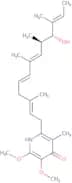
CAS:Piericidin A is a microbial metabolite, specifically a type of polyketide, which is derived from the bacterium of the genus Streptomyces. This compound acts as an electron transport chain inhibitor by specifically binding to the ubiquinone binding site of complex I (NADH:ubiquinone oxidoreductase) in mitochondria. This mode of action results in the disruption of ATP production through oxidative phosphorylation.
Fórmula:C25H37NO4Pureza:Min. 95%Peso molecular:415.57 g/molDuocarmycin MA
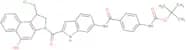
CAS:Duocarmycin MA is a cytotoxic compound, which is a derivative of natural products isolated from bacteria of the Streptomyces genus. Its mode of action involves the alkylation of DNA, leading to the cleavage of the DNA helix and ultimately resulting in cell apoptosis. This process is highly selective for adenine-thymine rich regions, allowing it to precisely target and disrupt cancerous cells.Fórmula:C34H31ClN4O5Pureza:Min. 95%Peso molecular:611.1 g/molDequalinium chloride
CAS:Dequalinium chloride is a novel, broad spectrum antimicrobial agent with a mechanism of action that inhibits the mitochondria-dependent respiratory chain. Studies have shown that it inhibits the growth of resistant microorganisms in cell-based experiments and in bacterial infections. Dequalinium chloride also has cytopathic effects on thp-1 cells, which are specific for Mycobacterium tuberculosis. In addition to inhibiting mitochondria-dependent respiration, this compound also increases acetylcholine receptor sensitivity in A549 lung cancer cells. Dequalinium chloride is a quaternary ammonium cation and has been shown to be effective against clinical isolates and inhibitory concentrations of a variety of virus species, including human rhinovirus (HRV) and Coxsackie virus type B4 (CoxB4).
Fórmula:C30H40Cl2N4Pureza:Min. 95.0 Area-%Peso molecular:527.57 g/molRef: 3D-W-105841
-Unit-ggA consultar5gA consultar10gA consultar25gA consultar50gA consultar100gA consultarNorfloxacin methyl ester
CAS:Norfloxacin methyl ester is a synthetic derivative of the fluoroquinolone antibiotic, norfloxacin, which is sourced from chemical synthesis. Its mode of action involves inhibiting bacterial DNA gyrase and topoisomerase IV, enzymes crucial for DNA replication, transcription, repair, and recombination. This specific mechanism disrupts bacterial replication and cell division, leading to bacterial cell death.
Fórmula:C17H20FN3O3Pureza:Min. 95%Peso molecular:333.36 g/molDicloxacillin sodium salt monohydrate
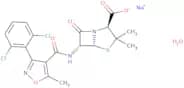
CAS:Dicloxacillin sodium salt monohydrate is a beta-lactam antibiotic with action on bacterial cell wall synthesis and is used for treating infections caused by penicillinase-producing bacteria.
Fórmula:C19H16Cl2N3NaO5S·H2OPureza:Min. 95%Forma y color:White PowderPeso molecular:510.32 g/mol



![(2RS,4S)-2-[[(phenylacetyl)amino]methyl]-5,5-dimethylthiazolidine-4-carboxylic acid (penilloic aci…](/_next/image/?url=https%3A%2Fstatic.cymitquimica.com%2Fproducts%2F3D%2Fthumb-webp%2FAAA50134.webp&w=3840&q=75)
![3-Chloro-10,11-dihydro-5H-dibenzo[B,D]azepine](/_next/image/?url=https%3A%2Fstatic.cymitquimica.com%2Fproducts%2F3D%2Fthumb-webp%2FPBA60790.webp&w=3840&q=75)