


Ácidos grasos
Subcategorías de "Ácidos grasos"
- Acilgliceroles / Glicéridos(42 productos)
- Eicosanoides(6 productos)
- Ésteres de ácidos grasos(950 productos)
- Ácidos grasos halogenados(32 productos)
Se han encontrado 2463 productos de "Ácidos grasos"
4-Cyanobenzoic acid ethyl ester
CAS:4-Cyanobenzoic acid ethyl ester is a hydrogen-bonding acceptor that is also able to form exciplexes with styrene. It has a conformation that is similar to that of aminobenzoate, which is a hydrogen-bonding donor. 4-Cyanobenzoic acid ethyl ester reacts with solvents such as benzene and chloroform, undergoing hydration reactions to form the corresponding 4-cyanophenol derivatives. It undergoes cyclization when heated in the presence of ruthenium(II) chloride to produce 1,4-dihydropyridine derivatives. The reaction mechanism for this reaction consists of two steps: an intramolecular nucleophilic attack followed by an intramolecular electrophilic substitution. The deionized water used in this synthetic process eliminates the need for drying agents and stabilizers, making it easier to carry out the synthesis.Fórmula:C10H9NO2Pureza:Min. 95%Forma y color:PowderPeso molecular:175.18 g/mol3,5-Dihydroxybenzoic acid ethyl ester
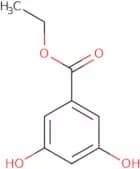
CAS:3,5-Dihydroxybenzoic acid ethyl ester (3,5-DHBA) is a compound that inhibits the growth of cancer cells by binding to the active site of serine protease. It has been shown to inhibit the activity of two enzymes that are involved in phosphatase and hydroxylation reactions. 3,5-DHBA is also a photophysical reagent for palladium complexes which have been used for the treatment of cancers. This compound also binds to oxadiazole, a substance found in plants that may have anticancer properties. The synthesis of 3,5-DHBA has been studied extensively and it has been shown to be synthesized from hydroxybenzoic acid and carbinols.Fórmula:C9H10O4Pureza:90%Forma y color:PowderPeso molecular:182.17 g/mol4-Chloro-3-nitrobenzoic acid ethyl ester
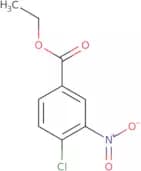
CAS:4-Chloro-3-nitrobenzoic acid ethyl ester is a six-membered, planar, hydrogen bond that has a crystal structure with a six-membered ring. It has hydrogen bonds and five-membered ring. The molecule is coplanar and oriented.Fórmula:C9H8ClNO4Pureza:Min. 95%Forma y color:PowderPeso molecular:229.62 g/mol4-Bromo-2,6-pyridinedicarboxylic acid ethyl ester
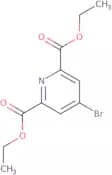
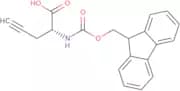
CAS:4-Bromo-2,6-pyridinedicarboxylic acid ethyl ester is a luminescent compound that emits light in the visible region of the spectrum. It can be used as a ligand for polymerized monolayers or as a bifunctional covalent coupling agent. The carboxylate group on 4-Bromo-2,6-pyridinedicarboxylic acid ethyl ester interacts with lanthanide metal ions to produce luminescence. This chemical also has low frequency emission and can be used for supramolecular interactions.Fórmula:C11H12BrNO4Pureza:Min. 95%Peso molecular:302.12 g/molFmoc-L-propargylglycine
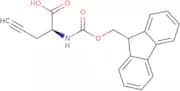
CAS:Fmoc-L-propargylglycine is a cyclic peptide that is synthesized by chemical ligation. It has antiviral, anti-tumor, and anti-inflammatory activities. Fmoc-L-propargylglycine inhibits the growth of cancer cells in vitro. The mechanism of action is not fully understood, but it may involve the inhibition of cellular proliferation and the induction of apoptosis. This compound also inhibits epidermal growth factor (EGF) induced cell proliferation in caco-2 cells.Fórmula:C20H17NO4Pureza:Min. 98 Area-%Forma y color:White PowderPeso molecular:335.35 g/mol4-Bromo-2-methylbenzoic acid ethyl ester
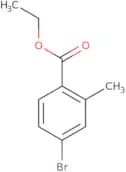
CAS:4-Bromo-2-methylbenzoic acid ethyl ester is a high quality and versatile building block. It is a useful intermediate in the synthesis of organic compounds, and can be used as a reaction component in the synthesis of complex compounds. 4-Bromo-2-methylbenzoic acid ethyl ester is also a useful scaffold for the construction of new chemical entities. It has been shown to react with potassium tert-butoxide to produce 4-(2,6-dimethylphenyl)piperidine (CAS No. 220389-34-4).Fórmula:C10H11BrO2Pureza:Min. 95%Forma y color:Clear LiquidPeso molecular:243.1 g/molIndole-5-carboxylic acid ethyl ester
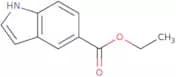
CAS:Indole-5-carboxylic acid ethyl ester is a formamide activated analog of piperidine. It is an effective antibacterial agent against Staphylococcus aureus. Indole-5-carboxylic acid ethyl ester inhibits the growth of bacteria by binding to the extracellular surface and interfering with cell membrane permeability. The compound also has anti-cancer properties, and may be used in pharmaceuticals as a pyrazole derivative.Fórmula:C11H11NO2Pureza:Min. 95%Forma y color:PowderPeso molecular:189.21 g/molIndole-2-carboxylic acid ethyl ester
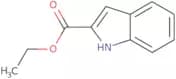
CAS:Indole-2-carboxylic acid ethyl ester is a synthetic compound that binds to cancer cells. It has been shown to inhibit the growth of leukemia cells and breast cancer cells in vitro. Indole-2-carboxylic acid ethyl ester inhibits the binding of collagen to cells, which may be due to its ability to bind to β-carboline alkaloids on collagen. The binding of indole-2-carboxylic acid ethyl ester with these alkaloids prevents them from binding to collagen, thereby preventing the formation of new collagen fibers. This drug also inhibits aldehyde production, which is important for DNA synthesis in cancer cells.Fórmula:C11H11NO2Pureza:Min. 95%Forma y color:PowderPeso molecular:189.21 g/molAscorbyl palmitate
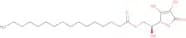
CAS:Ascorbyl palmitate is an ester of ascorbic acid and palmitic acid. It is a water-soluble antioxidant that has been shown to be safe for oral ingestion at doses of up to 3 grams per day. Ascorbyl palmitate is used in topical formulations to provide protection against sun damage, and also has been shown to have anti-inflammatory properties, which may be due to its inhibitory effect on the mcl-1 protein. Ascorbyl palmitate has a phase transition temperature at about 41°C. This compound can be used in pharmaceuticals for the treatment of infectious diseases caused by bacteria such as tuberculosis or herpes simplex virus type 1 (HSV-1). This chemical also has been shown to have physiological effects on bowel disease and toxicity studies show that it does not cause any adverse reactions in rats or rabbits when given orally.
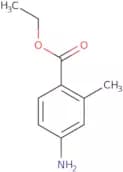
Fórmula:C22H38O7Pureza:Min 98%Forma y color:White PowderPeso molecular:414.53 g/mol4-Amino-2-methylbenzoic acid ethyl ester
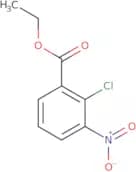
CAS:4-Amino-2-methylbenzoic acid ethyl ester is a versatile building block that can be used in the synthesis of complex compounds. It has been shown to have a number of useful applications, such as in the synthesis of pharmaceuticals, research chemicals, and speciality chemicals. 4-Amino-2-methylbenzoic acid ethyl ester is also an important reagent for the production of high quality pharmaceuticals and intermediates. This chemical is also a useful scaffold for organic reactions.Fórmula:C10H13NO2Pureza:Min. 95%Peso molecular:179.22 g/mol2-Chloro-3-nitrobenzoic acid ethyl ester
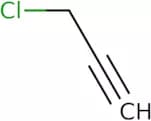
CAS:2-Chloro-3-nitrobenzoic acid ethyl ester is a reactive chemical intermediate that can be used as a building block in organic synthesis. It is a versatile reagent that can be used in many reactions, such as condensation, cyclization, amination, and oxidation. The compound has been shown to be useful in the synthesis of polymers, pharmaceuticals, and natural products. 2-Chloro-3-nitrobenzoic acid ethyl ester is an environmentally friendly compound with a low toxicity profile. It has been classified as a high quality fine chemical with CAS number 3979-45-1.Fórmula:C9H8ClNO4Pureza:Min. 95%Forma y color:PowderPeso molecular:229.62 g/molPropargyl chloride
CAS:Propargyl chloride is a chemical that is used as an inhibitor in organic synthesis. It can be used to synthesize compounds with reactive groups such as alkenes, ketones, and amines. Propargyl chloride reacts with the hydroxyl group of an alcohol to form a propargyl alcohol. The reaction mechanism involves intramolecular hydrogen bonding between the hydroxyl group of the propargyl chloride and the carbon atom adjacent to it. Kinetic energy is required for this reaction to occur. The product of this reaction can then react with other molecules in order to form new compounds. Propargyl chloride has been shown to have therapeutic effects on chronic coughs due its ability to reduce the amount of kinetic energy needed for respiratory tract cells, which may have reduced coughing frequency. END>>Fórmula:C3H3ClPureza:Min. 95%Forma y color:Colorless Yellow Clear LiquidPeso molecular:74.51 g/molAzidopalmitic acid
CAS:Azidopalmitic acid is a synthetic fatty acid that is used in the detection of cellular DNA. It can be detected using methods such as tritiated, expressed, or myristic azide. Azidopalmitic acid has also been shown to be compatible with polymerase chain reaction (PCR) and immobilized metal ion affinity chromatography (IMAC). This molecule is useful for conjugates that are radiolabeled with [3H]azidoacetyl palmitate and [14C]azidoacetyl palmitate. Azidopalmitic acid has been synthetically produced by reacting malonic acid with sodium azide. This compound is also reusable, which makes it an ideal way to label nucleotides during PCR reactions.
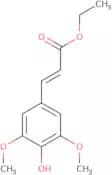
Fórmula:C16H31N3O2Pureza:Min. 95%Forma y color:White PowderPeso molecular:297.44 g/mol3,5-Dimethoxy-4-hydroxycinnamic acid ethyl ester
CAS:3,5-Dimethoxy-4-hydroxycinnamic acid ethyl ester is a redox potential with an acidic character. It can be synthesized from p-hydroxybenzoic acid and acetate extract of the plant Carthamus tinctorius. The synthesis starts with an asymmetric synthesis of protocatechuic acid and its derivatives. This compound is also found in the surface methodology of fatty acids and radiation that has been studied by nmr spectroscopic data. 3,5-Dimethoxy-4-hydroxycinnamic acid ethyl ester has bioactive phenolic properties and can be used for the treatment of various diseases such as cancer or diabetes.Fórmula:C13H16O5Pureza:Min. 95%Forma y color:PowderPeso molecular:252.26 g/molFmoc-Cys((S)-2,3-di(palmitoyloxy)-propyl)-OH
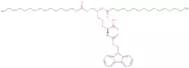
CAS:Fmoc-Cys((S)-2,3-di(palmitoyloxy)-propyl)-OH is a reagent used in the synthesis of complex compounds. It is also a useful scaffold for the synthesis of speciality chemicals and versatile building blocks. This compound is an intermediate that can be used in the preparation of fine chemicals and pharmaceuticals. Fmoc-Cys((S)-2,3-di(palmitoyloxy)-propyl)-OH has a CAS number of 139573-78-7 and can be purchased as a high quality chemical.Fórmula:C53H83NO8SPureza:Min. 95 Area-%Forma y color:Slightly Yellow PowderPeso molecular:894.29 g/mol(all-Z)-6,9,12,15,18-Heneicosapentaenoic acid ethyl ester 98%, 10mg/ml ethanol solution
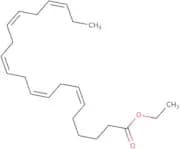
CAS:(all-Z)-6,9,12,15,18-Heneicosapentaenoic acid ethyl ester 98% is a quaternary ammonium salt that is useful as a reaction component or reagent. It has been shown to be a useful scaffold for the synthesis of complex compounds with high quality. This chemical can also be used as a building block for the synthesis of speciality chemicals and versatile building blocks. This compound is highly reactive and can be used in reactions with other chemicals to form more complex compounds. (all-Z)-6,9,12,15,18-Heneicosapentaenoic acid ethyl ester 98% has CAS No. 131775-86-5 and is soluble in ethanol solution at 10mg/ml.Fórmula:C23H36O2Pureza:Min. 98 Area-%Forma y color:Clear LiquidPeso molecular:344.53 g/molPropargylamine
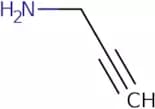
CAS:Propargylamine is an irreversible inhibitor that binds to the active site of the enzyme acetylcholinesterase (AChE) and blocks the breakdown of acetylcholine. This leads to increased levels of acetylcholine in the synaptic cleft, which enhances neurotransmission and causes increased muscle contractions. Propargylamine has been shown to be a potent chemotherapy agent against cancer cells, causing neuronal death. It also inhibits epidermal growth factor receptor (EGFR) signaling pathways, leading to decreased tumor cell proliferation. The drug may also have neurotrophic effects by stimulating nerve growth factors or preventing neuronal apoptosis.Fórmula:C3H5NPureza:Min. 95%Forma y color:Colorless Yellow Clear LiquidPeso molecular:55.08 g/molβ-Naphthoic acid ethyl ester
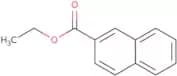
CAS:β-Naphthoic acid ethyl ester (BNAE) is a synthetic compound that has been used as an intermediate in the synthesis of organic compounds. It is also used to prepare hydroxamic acids, which are active methylene compounds. BNAE reacts with nucleophiles and is susceptible to nucleophilic attack. The reaction mechanism for this type of compound involves a cavity with a constant volume, which increases the reactivity of the molecule. This type of reaction can be explained using the functional theory and the use of organic solvents. BNAE is stable when exposed to carbon tetrachloride and hydroxamic acids, but not when exposed to diethyl succinate or chemical agents such as sodium nitrite.Fórmula:C13H12O2Pureza:Min. 95%Forma y color:PowderPeso molecular:200.23 g/molPropargyl benzenesulfonate
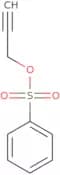
CAS:Propargyl benzenesulfonate is a chemical compound that has been shown to inhibit protease activity, an enzyme that breaks down proteins. It is also used in the synthesis of aminoindane and cyclic peptides. The chemical stability of propargyl benzenesulfonate has been demonstrated by its ability to withstand trifluoroacetic acid and hydrochloric acid, as well as malonic acid and immobilized conditions. Propargyl benzenesulfonate binds to integrin receptors on cells and inhibits depression-like behavior in animal models. It also has the ability to form hydrogen bonds with amines. The structural formula for propargyl benzenesulfonate is shown below:Fórmula:C9H8O3SPureza:Min. 98%Forma y color:Clear LiquidPeso molecular:196.22 g/mol4-Benzyloxyindole-2-carboxylic acid ethyl ester
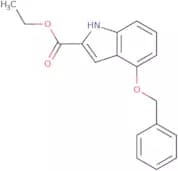
CAS:4-Benzyloxyindole-2-carboxylic acid ethyl ester is a cyclic compound that has been synthesized through an intramolecular carboxylate cyclization. This class of compounds are known for their ability to form propargylic analogues, which have the potential to be used as anticancer drugs. The compound was first reported in 1969 by Schardt and co-workers and was found to have activity against leukemia cells. It has been shown to undergo a series of cyclizations, which are triggered by the presence of oxygen or other electron acceptors.Fórmula:C18H17NO3Pureza:Min. 95%Peso molecular:295.33 g/mol1-palmitoyl-2-(10-(4-((trifluoromethyl)diazirinyl)phenyl)-8-oxadecanoyl)-sn-glycero-3-phosphocholine
CAS:1-palmitoyl-2-(10-(4-((trifluoromethyl)diazirinyl)phenyl)-8-oxadecanoyl)-sn-glycero-3-phosphocholine (PPC) is a liposome that induces necrotic cell death. It binds to the mitochondria and inhibits adenine nucleotide translocation, leading to the loss of mitochondrial membrane potential and the release of cytosolic calcium. This leads to activation of proapoptotic proteins, such as Bax and Bak, which initiates caspase-independent apoptosis. PPC also induces light emission from phospholipid hydroperoxide decomposition, which can be used as a biomarker for cellular physiology.Fórmula:C41H68TF3N3O9PPureza:Min. 95%Peso molecular:837.98 g/molPalmitoyl-DL-carnitine chloride
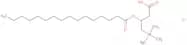
CAS:Palmitoyl-DL-carnitine chloride is a fatty acid that is an important component of cellular membranes. It has been shown to inhibit the growth of cancer cells in rats and mice by increasing the concentration of diacylglycerol in the cell membrane, which leads to increased formation of procyanidins. Palmitoyl-DL-carnitine chloride can also be used as an absorption enhancer for drugs and other compounds. The compound can be used to deliver drugs or other substances into cells, such as Caco-2 cells, for therapeutic purposes. Palmitoyl-DL-carnitine chloride has been shown to increase the production of ornithine in cultured mouse fibroblasts, which may be due to its ability to enhance cellular carnitine levels.
Fórmula:C23H46ClNO4Pureza:Min. 95%Forma y color:PowderPeso molecular:436.07 g/molPaliperidone palmitate
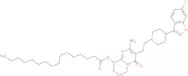
CAS:Producto controladoPaliperidone palmitate is a drug that is used in the treatment of schizophrenia. It is the most potent and selective atypical antipsychotic agent available. Paliperidone palmitate has shown long-term efficacy and low risk of extrapyramidal symptoms, which are associated with some other antipsychotic agents. The drug has been shown to have minimal effects on prolactin levels, although it can cause an increase in serum prolactin levels when administered with risperidone. Paliperidone palmitate is a prodrug that is metabolized by esterases to its active form, paliperidone. Paliperidone does not bind to plasma proteins and therefore may be more suitable for patients with hepatic impairment.
Fórmula:C39H57FN4O4Pureza:Min. 95%Forma y color:PowderPeso molecular:664.89 g/mol2'-Hydroxy-5'-nitrohexadecanamide
CAS:2'-Hydroxy-5'-nitrohexadecanamide is a synthetic fatty acid derivative that inhibits lysosomal hydrolase, which is an enzyme that breaks down cellular lipids. This compound can be used as a diagnostic agent for the detection of certain types of cancer. 2'-Hydroxy-5'-nitrohexadecanamide reacts with the magnesium ion in the lysosome to form an insoluble precipitate, which then settles to the bottom of the test tube, allowing for easy detection of cells with high levels of lysosomal hydrolase.Fórmula:C22H36N2O4Pureza:Min. 95%Forma y color:PowderPeso molecular:392.53 g/molPropargyl Alcohol
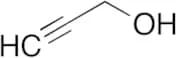
CAS:Producto controladoApplications Propargyl Alcohol is used as a corrosion inhibitor, a metal complex solution, a solvent stabilizer and an electroplating brightener additive. It is also used as an intermediate in organic synthesis.
Not a dangerous good if item is equal to or less than 1g/ml and there is less than 100g/ml in the package
References Zhang, T., et al.: Res. Chem. Interm. (2013); Choudhary, Y., et al.: SPE Product. Operat., 28, 268 (2013); Hed, Y., et al.: J. Mater. Chem. Mater. Bio. Med., 1, 6015 (2013);Fórmula:C3H4OForma y color:NeatPeso molecular:56.06rac 1-Oleoyl-2-linoleoylglycerol
CAS:Stability Light Sensitive, Temperature Sensitive
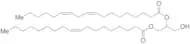
Applications rac 1-Oleoyl-2-linoleoylglycerol is a diacylglycerol from palm oil.
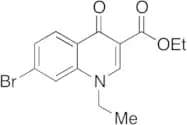
References Narvaez-Rivas, M., et al.: J. Agric. Food Chem., 55, 10953 (2007),Fórmula:C39H70O5Forma y color:NeatPeso molecular:618.977-Bromo-1-ethyl-1,4-dihydro-4-oxo-3-quinolinecarboxylic Acid Ethyl Ester
CAS:Producto controladoApplications 7-Bromo-1-ethyl-1,4-dihydro-4-oxo-3-quinolinecarboxylic Acid Ethyl Ester is an intermediate in the synthesis of Rosoxacin (R693580), an antibacterial agent used against Escherichia coli, Klebsiella pneumoniae, Pseudomonas aeruginosa, Staphylococcus aureus and Streptococcus pneumoniae.
References Koba, M., et. al.: J. Mol. Modeling, 16, 327 (2010)Fórmula:C14H14BrNO3Forma y color:NeatPeso molecular:324.17(2E)-2-Hexadecenoic Acid Ethyl Ester
CAS:Producto controladoApplications (2E)-2-Hexadecenoic Acid Ethyl Ester (cas# 135251-95-5) is a compound useful in organic synthesis.
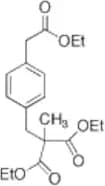
Fórmula:C18H34O2Forma y color:NeatPeso molecular:282.464-(2,2-Dicarboethoxy-propyl)phenylacetic Acid Ethyl Ester
CAS:Producto controladoStability 0-50C
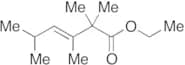
Applications 4-(2,2-Dicarboethoxy-propyl)phenylacetic Acid Ethyl Ester (cas# 223123-63-5) is a compound useful in organic synthesis.Fórmula:C19H26O6Forma y color:NeatPeso molecular:350.41(E)-2,2,3,5-Tetramethylhex-3-enoic Acid Ethyl Ester
CAS:Producto controladoApplications (E)-2,2,3,5-Tetramethylhex-3-enoic Acid Ethyl Ester is an intermediate in the synthesis of 2,2,3,5-Tetramethylhexanoic Acid (T302890), a compound used in analytical studies as a method to quantitatively determine the total organic acid content in aqueous coolant.
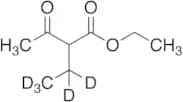
Fórmula:C12H22O2Forma y color:NeatPeso molecular:198.32-Acetylbutanoic-d5 Acid Ethyl Ester
CAS:Producto controladoApplications 2-Acetylbutanoic-d5 Acid Ethyl Ester (cas# 141327-44-8) is a compound useful in organic synthesis.
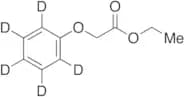
Fórmula:C82H5H9O3Forma y color:NeatPeso molecular:163.23Phenoxy-d5-acetic Acid Ethyl Ester
CAS:Producto controladoApplications Phenoxy-d5-acetic Acid Ethyl Ester (cas# 1189442-18-9) is a compound useful in organic synthesis.
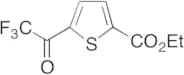
Fórmula:C10H7D5O3Forma y color:NeatPeso molecular:185.235-(2,2,2-Trifluoroacetyl)-2-thiophenecarboxylic Acid Ethyl Ester
CAS:Producto controladoApplications 5-(2,2,2-Trifluoroacetyl)-2-thiophenecarboxylic Acid Ethyl Ester is an intermediate in the synthesis of reagents for fluoroacetylthiophene oxadiazoles a class II human histone deacetylase inhibitors.
References Ontoria, J. M., et al.: J. Med. Chem., 52, 6782 (2009);Fórmula:C9H7F3O3SForma y color:NeatPeso molecular:252.21Chlorosulfonyl Acetic Acid Ethyl Ester
CAS:Producto controladoApplications Chlorosulfonyl acetic acid ethyl ester
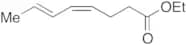
Fórmula:C4H7ClO4SForma y color:NeatPeso molecular:186.614(4Z,6E)-4,6-Octadienoic Acid Ethyl Ester
CAS:Producto controladoApplications (4Z,6E)-4,6-Octadienoic Acid Ethyl Ester is an intermediate in the synthesis of Spilanthol (S681850), a fatty acid amide isolated from Acmella oleracea.
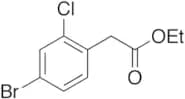
References Khadir, H., et al.: Pestic. Sci., 25, 329 (1989); Cech, N., et al.: Planta Med., 72, 1372 (2006); Saritha, K., et al.: Biol. Plant, 52, 334 (2008),Fórmula:C10H16O2Forma y color:NeatPeso molecular:168.234-Bromo-2-chlorobenzeneacetic Acid Ethyl Ester
CAS:Producto controladoApplications 4-Bromo-2-chlorobenzeneacetic Acid Ethyl Ester (cas# 1261606-45-4) is a compound useful in organic synthesis.
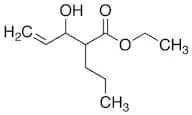
Fórmula:C10H10BrClO2Forma y color:NeatPeso molecular:277.543-Hydroxy-2-propyl-4-pentenoic Acid Ethyl Ester(Mixture of diastereomers)
CAS:Producto controladoApplications Intermediate in the preparation of Valproic acid metabolites
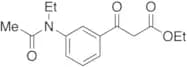
References Lee, R., et al.: J. Pharm. Sci., 78, 667 (1989),Fórmula:C10H18O3Forma y color:NeatPeso molecular:186.253-(Acetylethylamino)-β-oxo-benzenepropanoic Acid Ethyl Ester
CAS:Producto controladoApplications 3-(Acetylethylamino)-β-oxo-benzenepropanoic Acid Ethyl Ester is an intermediate used in the preparation of 5-Oxo-Zaleplon (O870470).
Fórmula:C15H19NO4Forma y color:NeatPeso molecular:277.3167-Bromo-1,4-dihydro-4-oxo-3-quinolinecarboxylic Acid Ethyl Ester
CAS:Producto controladoApplications 7-Bromo-1,4-dihydro-4-oxo-3-quinolinecarboxylic Acid Ethyl Ester is an intermediate in the synthesis of Rosoxacin (R693580), an antibacterial agent used against Escherichia coli, Klebsiella pneumoniae, Pseudomonas aeruginosa, Staphylococcus aureus and Streptococcus pneumoniae.
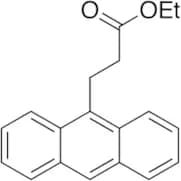
References Koba, M., et. al.: J. Mol. Modeling, 16, 327 (2010)Fórmula:C14H24N2OSiForma y color:NeatPeso molecular:264.4399-Anthracenepropanoic Acid Ethyl Ester
CAS:Producto controladoApplications A 9-substituted derivative of the polycyclic aromatic hydrocarbon (PAH) Anthracene (A678400).
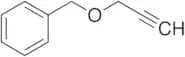
Fórmula:C24H20OForma y color:NeatPeso molecular:324.415Propargyl Benzyl Ether
CAS:Producto controladoApplications A propargyl derivative used in the synthesis of substituted carbocyclic aromatic compounds and pharmaceutical compounds.
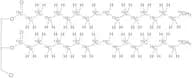
References Takahashi, H. et al.: J. Org. Chem., 74, 3632 (2009); Ding, F. & Jennings, M.: J. Org. Chem., 73, 5965 (2008)Fórmula:C10H10OForma y color:NeatPeso molecular:146.19rac 1,2-Dioleoyl-3-chloropropanediol-13C36
CAS:Producto controladoApplications New lipids in food protein hydrolyzates. Fatty acid esters of chloropropanediol isolated from fresh goat milk.
References Velisek, J., et al.: J. Agric. Food Chem., 28, 1142 (1980), Myher, J.J., et al.: Lipids, 21, 309 (1986),Fórmula:C36C3H71ClO4Forma y color:NeatPeso molecular:675.1675-Hydroxy-2-oxo-2,3-dihydro-1H-[1]benzazephe-4-carboxylic Acid Ethyl Ester
CAS:Producto controladoApplications 5-Hydroxy-2-oxo-2,3-dihydro-1H-[1]benzazephe-4-carboxylic Acid Ethyl Ester (cas# 108993-98-2) is a compound useful in organic synthesis.
Not a dangerous good if item is equal to or less than 1g/ml and there is less than 100g/ml in the packageFórmula:C13H13NO4Forma y color:NeatPeso molecular:247.256,7-Dichloro-1,4-dihydro-4-oxo-3-quinolinecarboxylic Acid Ethyl Ester
CAS:Producto controladoApplications 6,7-Dichloro-1,4-dihydro-4-oxo-3-quinolinecarboxylic Acid Ethyl Ester is an intermediate in synthesizing 6-Chloro-6-defluoro Ciprofloxacin (C368035). It is an impurity of Ciprofloxacin (C482500), which is a fluorinated quinolone antibacterial.
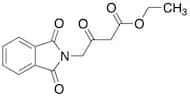
References Hoffken, G., et al.: Antimicrob. Ag. Chemother., 27, 375 (1985), Scully, B.E., et al.: Lancet, 1, 819 (1986)Fórmula:C12H9Cl2NO3Forma y color:NeatPeso molecular:286.114-Phthalimidoacetoacetic Acid Ethyl Ester
CAS:Producto controladoApplications 4-Phthalimidoacetoacetic Acid Ethyl Ester is an intermediate in the synthesis of 5-Aminolevulinic Acid-3-13C Hydrochloride which is a naturally occurring amino acid; precursor of tetrapyrroles in the biosynthesis of chlorophyll and heme. Antineoplastic (photosensitizer).
References Sisler, E.C., et al.: Physiol. Plant., 16, 315 (1963), Herdeis, C., et al.: Arch. Pharm., 317, 304 (1984), Peng, Q., et al.: Cancer, 79, 2282(1997),Fórmula:C14H13NO5Forma y color:NeatPeso molecular:275.26(1S,3R,4R)-3-[(tert-Butoxycarbonyl)amino]-4-[(methylsulfonyl)oxy]cyclohexanecarboxylic Acid Ethyl Ester
CAS:Producto controladoApplications (1S,3R,4R)-3-[(tert-Butoxycarbonyl)amino]-4-[(methylsulfonyl)oxy]cyclohexanecarboxylic Acid Ethyl Ester is a starting material and useful building block of various pharmaceuticals.
Fórmula:C15H27NO7SForma y color:NeatPeso molecular:365.44Beta-Cyano-Beta-methyl-hydrocinnamic Acid Ethyl Ester
CAS:Producto controladoApplications Can be used in the preparation of CCR5 antagonists, for treatment of HIV-1.
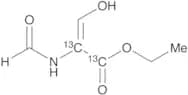
References Tallant, M. et al., Bioorg. Med. Chem. 21, 1394 (2011)Fórmula:C13H15NO2Forma y color:NeatPeso molecular:217.262-(Formylamino)-3-hydroxy-2-propenoic-13C2 Acid Ethyl Ester
CAS:Producto controladoApplications 2-(Formylamino)-3-hydroxy-2-propenoic-13C2 Acid Ethyl Ester (cas# 1391062-48-8) is a compound useful in organic synthesis.
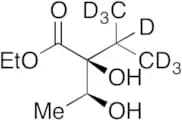
Fórmula:C413C2H9NO4Forma y color:NeatPeso molecular:161.13(-)-(2S,3S)-Viridifloric Acid Ethyl Ester-d7
CAS:Producto controladoApplications (-)-(2S,3S)-Viridifloric Acid Ethyl Ester is an intermediate in the synthesis of (+)-amabiline, an unsaturated pyrrolizidine alkaloid from Cynoglossum amabile.
References Senter, T. J., et al.: Org. Lett., 14, 1869 (2012);Fórmula:C9D7H11O4Forma y color:NeatPeso molecular:197.281-[(1E)-2-Nitroethenyl]-2-naphthalenol
CAS:Producto controladoApplications 1-[(1E)-2-Nitroethenyl]-2-naphthalenol is an intermediate in the synthesis of 1-(2-Nitroethyl)-2-naphthol (N495895), an aromatic alcohol that is used in photoacid for extremely long lived and reversible pH jumps.
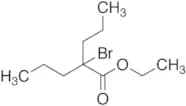
References Hu, K.L., et al.: Tetrahedron., 70, 181 (2014);Fórmula:C12H9NO3Forma y color:NeatPeso molecular:215.22-Bromo-2-propylpentanoic Acid Ethyl Ester
CAS:Producto controladoApplications 2-Bromo-2-propylpentanoic Acid Ethyl Ester (cas# 99174-91-1) is a compound useful in organic synthesis.
Fórmula:C10H19BrO2Forma y color:NeatPeso molecular:251.16(1E,5E)-1-Iodopentadeca-1,5-diene
Producto controladoApplications (1E,5E)-1-Iodopentadeca-1,5-diene is an intermediate in the synthesis of (4E, 8E)-Sphingadienine-C18-1-phosphate (S680680), which is an analogue of (4E, 14Z)-Sphingadienine-C18 (S680630), a sphingoid base of sea cucumber cerebroside that may have cytotoxicity activity against human colon cancer cells.
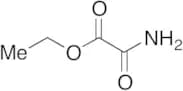
References Sugawara, T., et. al.: Biosci. Biotech. Bioch., 70, 2906 (2006)Fórmula:C27H38O18Forma y color:NeatPeso molecular:650.582-Amino-2-oxo-acetic Acid Ethyl Ester
CAS:Producto controladoApplications 2-Amino-2-oxo-acetic Acid Ethyl Ester is a reagent used to prepare methanotetrahydroisoquinolinecarboxylic acid. It can also be used in preparation of 1,2,4-Thiadiazole, a Cathepsin B inhibitor.
References Czombos, J., et al.: J. Org. Chem., 65, 5469 (2000); Leung-Toung, R., et al.: Bioorgan. Med. Chem., 11, 5529 (2003)Fórmula:C4H7NO3Forma y color:NeatPeso molecular:117.12'-Hydroxy-5'-nitrohexadecanamide sodium
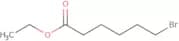
CAS:2'-Hydroxy-5'-nitrohexadecanamide sodium is a reagent that can be used for a variety of laboratory reactions. It is a versatile building block, useful intermediate, and useful building block for complex compounds. This compound has also been shown to be useful in the synthesis of pharmaceuticals and other fine chemicals.Fórmula:C22H36N2O4NaPureza:Min. 95%Peso molecular:415.52 g/mol6-Bromohexanoic acid ethyl ester
CAS:6-Bromohexanoic acid ethyl ester is a fluorescent compound that has been used to assess the presence of azobenzene in urine samples. This product is also used as a marker for capsicum annuum, which is an edible plant. 6-Bromohexanoic acid ethyl ester has been shown to be effective in the diagnosis of cancer, especially carcinoma cells. Coumarin derivatives have been found to possess fluorescence properties similar to 6-bromohexanoic acid ethyl ester and are also used as markers for cancer cells. The use of polyclonal antibodies and hydrochloric acid for this product can lead to fluorescence properties that are specific for cancer cells.Fórmula:C8H15BrO2Pureza:Min. 95%Forma y color:Colourless To Pale Yellow LiquidPeso molecular:223.11 g/molChrysanthemum monocarboxylic acid ethyl ester
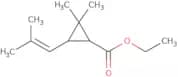
CAS:Chrysanthemum monocarboxylic acid ethyl ester is a chemical compound that belongs to the group of chrysanthemic acid derivatives. It is synthesized by reacting the carboxylic acid with an alcohol in the presence of hydrochloric acid and sodium ethoxide. Chrysanthemum monocarboxylic acid ethyl ester has been shown to have genotoxic effects, as well as fatty acids that can induce lysine residues. This drug also has a pharmaceutical use for tissue culture, which may be due to its ability to inhibit l-tartaric acid, an alkanoic acid.Fórmula:C12H20O2Pureza:Min. 95%Peso molecular:196.29 g/molEthyl Erucate
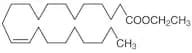
CAS:Fórmula:C24H46O2Pureza:>95.0%(GC)Forma y color:Colorless to Light yellow to Light orange clear liquidPeso molecular:366.63Bimatoprost
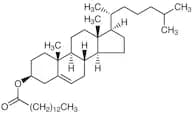
CAS:Fórmula:C25H37NO4Pureza:>98.0%(HPLC)Forma y color:White to Almost white powder to crystalPeso molecular:415.57Cholesterol Myristate
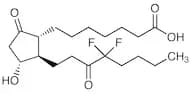
CAS:Fórmula:C41H72O2Pureza:>98.0%(T)Forma y color:White to Almost white powder to crystalPeso molecular:597.03Lubiprostone
CAS:Fórmula:C20H32F2O5Pureza:>97.0%(HPLC)Forma y color:White to Light yellow powder to crystalPeso molecular:390.47Palmitoleic acid - 98%
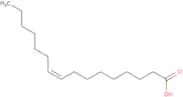
CAS:Palmitoleic acid is a fatty acid with a molecular weight of 256. It is an unsaturated fatty acid that contains 16 carbon atoms and two double bonds. Palmitoleic acid has been shown to be effective in treating bowel disease, such as ulcerative colitis and Crohn's disease, by influencing the production of inflammatory cytokines. This active form inhibits the activity of toll-like receptor 4 (TLR4) and lipopolysaccharide (LPS)-induced signal peptide activation of nuclear factor kappa B (NF-κB), which leads to reduced inflammation. Palmitoleic acid has also been shown to have anti-inflammatory properties in vitro and in vivo, which may be due to its ability to inhibit IL-1β production by macrophages.Fórmula:C16H30O2Pureza:Min. 95%Forma y color:Clear Colourless To Pale Yellow LiquidPeso molecular:254.41 g/mol1,16-Hexadecanediol
CAS:1,16-Hexadecanediol is a plant hormone that is structurally related to abscisic acid and gibberellins. It is found in the tissues of plants. 1,16-Hexadecanediol has been shown to have the ability to regulate plant growth and development. The diffusional properties of this molecule suggest that it may be a model system for studying other molecules with similar properties. The conformational properties of this molecule are also important because they allow for hydrogen bonding, which stabilizes the molecule and prevents it from decomposing. This property also makes 1,16-hexadecanediol an excellent candidate as a low-energy sweetener. The molecule can be seen in nmr spectra as having two peaks at different chemical shifts because it contains intramolecular hydrogen bonds. The formula weight of 1,16-hexadecanediol is 270.27 g/mol.
Fórmula:C16H34O2Pureza:Min. 95%Forma y color:White/Off-White SolidPeso molecular:258.44 g/molSodium Palmitate
CAS:Sodium palmitate is a saturated fatty acid that has been shown to induce phase transition temperature in the range of 37-40°C. The Toll-like receptor 4 (TLR4) is a pattern recognition receptor that has been found to be important in the pathogenesis of infectious diseases. Sodium palmitate enhances TLR4-mediated responses, and as such can be used for the treatment of infectious diseases. Sodium palmitate also has significant cytotoxicity and potent inducers of polymer compositions. It is also an effective agonist for toll-like receptor 4, which may be due to its ability to stimulate RhoA activity, leading to increased production of reactive oxygen species.Fórmula:C16H31NaO2Pureza:Min. 95%Forma y color:White PowderPeso molecular:278.41 g/molDL-Propargylglycine
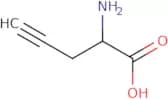
CAS:DL-Propargylglycine is a molecule that has been used as a model system for studying the interaction of neurokinin-1 receptor with response elements. It has also been shown to have inhibitory properties on polymerase chain, which is important in the process of energy metabolism. This compound has been shown to increase cytosolic Ca2+ and inhibit nuclear DNA synthesis in certain cells. DL-Propargylglycine can be used to study the effects of growth factor-β1 on myocardial infarcts and bowel disease.Fórmula:C5H7NO2Pureza:Min. 95%Forma y color:White Off-White PowderPeso molecular:113.11 g/mol4-[Bis(2-hydroxypropyl)amino]benzoic acid ethyl ester, 90%
CAS:4-[Bis(2-hydroxypropyl)amino]benzoic acid ethyl ester is an absorber that is used in the production of cationic surfactants. It has been shown to have clinical properties and can be combined with antibiotics for the treatment of inflammatory diseases. 4-[Bis(2-hydroxypropyl)amino]benzoic acid ethyl ester is also used as a radiation absorber, which prevents the formation of free radicals by absorbing radiation. This drug also has an antioxidant effect and may protect skin cells from damage caused by UV light.Fórmula:C15H23NO4Pureza:Min. 95%Forma y color:Yellow PowderPeso molecular:281.35 g/molCholest-5-en-3b-yl hexadecanoate
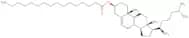
CAS:Producto controladoCholest-5-en-3b-yl hexadecanoate is a fatty acid that is used to synthesize dextran sulfate. It is a subcutaneous tumor model and has been shown to be effective against human body mass index (BMI) with human serum in vitro. Cholest-5-en-3b-yl hexadecanoate has also been found to inhibit atherosclerotic lesions in vivo and can be used as a fluorescence probe for cholesteryl. This fatty acid also inhibits the growth of infectious diseases, such as Staphylococcus aureus, which infects humans. The melting point of this compound is around 100°C and it becomes liquid at room temperature.Fórmula:C43H76O2Pureza:Min. 95%Forma y color:PowderPeso molecular:625.06 g/mol2-Fluoro-5-hydroxybenzoic acid ethyl ester
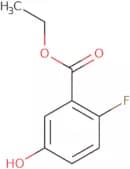
CAS:2-Fluoro-5-hydroxybenzoic acid ethyl ester is a fine chemical that is used as a versatile building block, complex compound, and reagent. It has been used in the synthesis of novel drugs, such as oseltamivir. 2-Fluoro-5-hydroxybenzoic acid ethyl ester has been shown to have useful properties in research, such as being an intermediate for the synthesis of other compounds. This chemical can also be used as a scaffold for the synthesis of other compounds.Fórmula:C9H9FO3Pureza:Min. 95%Peso molecular:184.16 g/molFumaryl Chloride
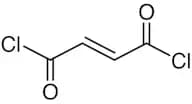
CAS:Fórmula:C4H2Cl2O2Pureza:>95.0%(GC)(T)Forma y color:Colorless to Light orange to Yellow clear liquidPeso molecular:152.96Fmoc-D-propargylglycine
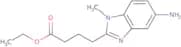
CAS:D-propargylglycine is a chemical compound that belongs to the group of valency modifiers. It is a modulator that can be used in cancer research and as an anti-inflammatory agent. It has been shown to have protein–protein interaction by binding to casein kinase, which may lead to its use in cancer therapy. D-propargylglycine can also interact with other proteins and inflammatory agents, leading to potential applications in the treatment of inflammatory conditions such as arthritis.Fórmula:C20H17NO4Pureza:Min. 95%Forma y color:PowderPeso molecular:335.35 g/mol1-Methyl-5-amino-1H-benzimidazole-2-butanoic acid ethyl ester
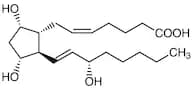
CAS:1-Methyl-5-amino-1H-benzimidazole-2-butanoic acid ethyl ester is a fine chemical that can be used to make a variety of other compounds. It is also used as a reagent in the synthesis of complex compounds, research chemicals, and speciality chemicals. The CAS number for this compound is 3543-73-5. This product has a high quality and is useful as an intermediate or reaction component in the synthesis of useful scaffolds.Fórmula:C14H19N3O2Pureza:Min. 95%Forma y color:Orange To Brown SolidPeso molecular:261.32 g/molProstaglandin F2α
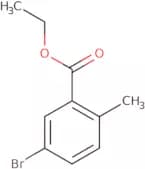
CAS:Fórmula:C20H34O5Pureza:>95.0%(T)Forma y color:White or Colorless to Almost white or Almost colorless powder to lump to clear liquidPeso molecular:354.495-Bromo-2-methylbenzoic acid ethyl ester
CAS:5-Bromo-2-methylbenzoic acid ethyl ester is a fine chemical used as a versatile building block in organic synthesis. It is also used as a reagent for the conversion of alcohols to alkyl bromides, and for the preparation of 2-bromoacetophenones from 2-bromobenzenes. 5-Bromo-2-methylbenzoic acid ethyl ester can be used as a useful intermediate in the synthesis of other compounds or in reactions with other chemicals. This product has high quality and can be used as a useful scaffold for synthesizing new compounds.Fórmula:C10H11BrO2Pureza:Min. 95%Peso molecular:243.1 g/molPimeloyl-CoA
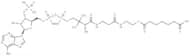
CAS:Pimeloyl-CoA is a CoA derivative formed from pimelate, serving as a precursor in the biotin biosynthesis pathway of certain bacteria.
Fórmula:C28H46N7O19P3SPureza:100%Forma y color:SolidPeso molecular:909.693-Bromo-4-fluoro-benzoic Acid Ethyl Ester
CAS:Producto controladoFórmula:C9H8BrFO2Forma y color:NeatPeso molecular:247.06(2E,4E)-2,4-Decadienoic Acid Ethyl Ester-d5
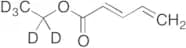
CAS:Producto controladoFórmula:C12D5H15O2Forma y color:NeatPeso molecular:201.317(2E)-2,4-Pentadienoic Acid Ethyl Ester-d5
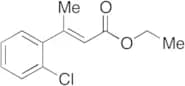
CAS:Producto controladoFórmula:C7H5D5O2Forma y color:NeatPeso molecular:579.98(2E)-3-(2-Chlorophenyl)-2-butenoic Acid Ethyl Ester
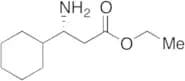
CAS:Producto controladoFórmula:C12H13ClO2Forma y color:NeatPeso molecular:224.68(betaR)-β-Aminocyclohexanepropanoic Acid Ethyl Ester
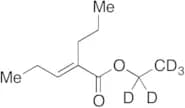
CAS:Producto controladoFórmula:C11H21NO2Forma y color:NeatPeso molecular:199.29(E/Z)-2-Propyl-2-pentenoic Acid Ethyl Ester-d5
CAS:Producto controladoFórmula:C10H13D5O2Forma y color:NeatPeso molecular:229.299N-[1-(2,3-Dioleyloxy)propyl]-N,N,N-trimethylammonium Chloride
CAS:Producto controladoApplications Small unilamellar liposomes containing DOTMA interact spontaneously with DNA to form lipid-DNA complexes with 100% entrapment of DNA. Facilitates fusion of the complex with the plasma membrane of tissue culture cells, resulting in both uptake and expression of the DNA. Effective technique for transient and stable expression of transfected DNA.
References Zhu., N., et al.: Science, 261, 209 (1993), Wang, J., et al.: Pharmazie, 62, 723 (2007), Shur, J., et al.: J. Pharm. Sci., 97, 4857 (2008),Fórmula:C42H84ClNO2Forma y color:NeatPeso molecular:670.57rac-2-Linoleoyl-3-chloropropanediol, 95%
CAS:Producto controladoApplications rac-2-Linoleoyl-3-chloropropanediol, 95% (cas# 1470071-08-9) is a compound useful in organic synthesis.
Fórmula:C21H37ClO3Pureza:95%Forma y color:NeatPeso molecular:372.97rac 1-Linolenoyl-3-chloropropanediol
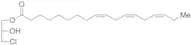
CAS:Producto controladoApplications New lipids in food protein hydrolyzates.
References Velisek, J., et al.: J. Agric. Chem., 28, 1142 (1980),Fórmula:C21H35ClO3Forma y color:NeatPeso molecular:370.95Methyl Propargyl Ether
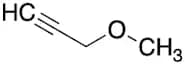
CAS:Producto controladoApplications Methyl Propargyl Ether (cas# 627-41-8) is a useful research chemical.
Fórmula:C4H6OForma y color:NeatPeso molecular:70.08Clorazepic Acid Ethyl Ester-d5
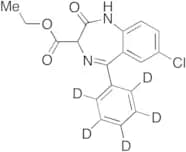
CAS:Producto controladoFórmula:C18D5H10ClN2O3Forma y color:NeatPeso molecular:347.807(E)-4-Hydroxycrotonoic Acid Ethyl Ester (~85%)
CAS:Producto controladoStability No Date Available
Applications (E)-4-Hydroxycrotonoic Acid Ethyl Ester is an intermediate in the preparation of unusual amino acids that are potential Michael acceptor based antiplasmodial and antitrypanosomal cysteine protease inhibitors.
References Breuning, A., et al.: J. Med. Chem., 53, 1951 (2010);Fórmula:C6H10O3Pureza:~85%Forma y color:NeatPeso molecular:130.142-(Dimethoxyphosphinyl)-2-[[(phenylmethoxy)carbonyl]amino]acetic Acid Ethyl Ester
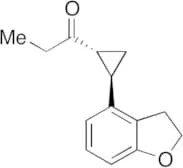
CAS:Producto controladoFórmula:C14H20NO7PForma y color:NeatPeso molecular:345.285(1R,2R)-2-(2,3-Dihydro-4-benzofuranyl)-cyclopropanecarboxylic Acid Ethyl Ester
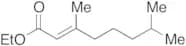
CAS:Producto controladoFórmula:C14H16O2Forma y color:NeatPeso molecular:216.276(E)-3,7-Dimethyl-2-octenoic Acid Ethyl Ester
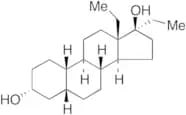
CAS:Producto controladoFórmula:C12H22O2Forma y color:NeatPeso molecular:198.302(3α,5β,17α)-13-Ethyl-18,19-dinorpregnane-3,17-diol
CAS:Producto controladoApplications (3α,5β,17α)-13-Ethyl-18,19-dinorpregnane-3,17-diol is an anabolic androgenic steroid.
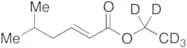
References Fragkaki, A. et a.: J. Ster. Biochem. Mol. Biol., 115, 44 (2009);Fórmula:C21H36O2Forma y color:NeatPeso molecular:320.515-Methyl-2-hex-2-enoic Acid Ethyl Ester-d5
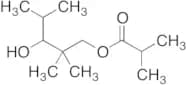
CAS:Producto controladoFórmula:C9H11D5O2Forma y color:NeatPeso molecular:470.6842-Methyl-propanoic Acid 3-Hydroxy-2,2,4-trimethylpentyl Ester
CAS:Producto controladoApplications 2-Methyl-propanoic acid 3-Hydroxy-2,2,4-trimethylpentyl Ester is a plasticizer. It can also be used to synthesize hard and flexible nanocomposite coatings.
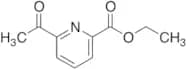
References Dieckmann, D., et al.:J. Vinyl Addit. Technol., 12, 217 (1990); Fogelstroem, L., et al.: ACS Appl. Mater. Interfaces, 2, 1679 (2010)Fórmula:C12H24O3Forma y color:NeatPeso molecular:216.326-Acetyl-picolinic Acid Ethyl Ester
CAS:Producto controladoApplications 6-ACETYL-PICOLINIC ACID ETHYL ESTER (cas# 114578-70-0) is a useful research chemical.
Fórmula:C10H11NO3Forma y color:NeatPeso molecular:193.19Propargyl Sulfide
CAS:Producto controladoStability Air Sensitive, Light Sensitive
Applications Propargyl Sulfide (cas# 13702-09-5) is a useful research chemical.
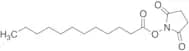
Not a dangerous good if item is equal to or less than 1g/ml and there is less than 100g/ml in the packageFórmula:C6H6SForma y color:NeatPeso molecular:110.182,5-Dioxopyrrolidin-1-yl dodecanoate
CAS:Producto controladoApplications 2,5-Dioxopyrrolidin-1-yl dodecanoate (cas# 14565-47-0) is a useful research chemical.
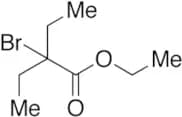
Fórmula:C16H27NO4Forma y color:Off-WhitePeso molecular:297.39α-Bromodiethylacetic Acid Ethyl Ester
CAS:Producto controladoFórmula:C8H15BrO2Forma y color:NeatPeso molecular:223.107Tuberculostearic Acid Ethyl Ester
CAS:Producto controladoFórmula:C21H42O2Forma y color:NeatPeso molecular:811.87(betaS)-β-Aminocyclohexanepropanoic Acid Ethyl Ester
CAS:Producto controladoFórmula:C11H21NO2Forma y color:NeatPeso molecular:199.296-Bromo-1,4-dioxa-8-azaspiro[4.5]decane-8-carboxylic Acid Ethyl Ester
CAS:Producto controladoApplications 6-Bromo-1,4-dioxa-8-azaspiro[4.5]decane-8-carboxylic Acid Ethyl Ester is an intermediate in the synthesis of loratadine (L469575) related compounds.
References Bruttmann, G., et al.: J. Allergy Clin. Immunol., 83, 411 (1989), Haria, M., et al.: Drugs, 48, 617 (1994)Fórmula:C10H16BrNO4Forma y color:NeatPeso molecular:294.14








![5-Hydroxy-2-oxo-2,3-dihydro-1H-[1]benzazephe-4-carboxylic Acid Ethyl Ester](/_next/image/?url=https%3A%2Fstatic.cymitquimica.com%2Fproducts%2FTR%2Fthumb-webp%2FH950810.webp&w=3840&q=75)

![(1S,3R,4R)-3-[(tert-Butoxycarbonyl)amino]-4-[(methylsulfonyl)oxy]cyclohexanecarboxylic Acid Ethyl …](/_next/image/?url=https%3A%2Fstatic.cymitquimica.com%2Fproducts%2FTR%2Fthumb-webp%2FB750055.webp&w=3840&q=75)

![1-[(1E)-2-Nitroethenyl]-2-naphthalenol](/_next/image/?url=https%3A%2Fstatic.cymitquimica.com%2Fproducts%2FTR%2Fthumb-webp%2FN495905.webp&w=3840&q=75)






![4-[Bis(2-hydroxypropyl)amino]benzoic acid ethyl ester, 90%](/_next/image/?url=https%3A%2Fstatic.cymitquimica.com%2Fproducts%2F3D%2Fthumb-webp%2FFB18673.webp&w=3840&q=75)



![N-[1-(2,3-Dioleyloxy)propyl]-N,N,N-trimethylammonium Chloride](/_next/image/?url=https%3A%2Fstatic.cymitquimica.com%2Fproducts%2FTR%2Fthumb-webp%2FD484000.webp&w=3840&q=75)


![2-(Dimethoxyphosphinyl)-2-[[(phenylmethoxy)carbonyl]amino]acetic Acid Ethyl Ester](/_next/image/?url=https%3A%2Fstatic.cymitquimica.com%2Fproducts%2FTR%2Fthumb-webp%2FD446715.webp&w=3840&q=75)


![6-Bromo-1,4-dioxa-8-azaspiro[4.5]decane-8-carboxylic Acid Ethyl Ester](/_next/image/?url=https%3A%2Fstatic.cymitquimica.com%2Fproducts%2FTR%2Fthumb-webp%2FB688715.webp&w=3840&q=75)