Ácidos grasos
Los ácidos grasos son ácidos carboxílicos con largas cadenas de hidrocarburos, que pueden ser saturados o insaturados. Son componentes esenciales de los lípidos, sirviendo como building blocksclave para lípidos complejos, fuentes de energía y moléculas de señalización. Los ácidos grasos están involucrados en varios procesos biológicos, incluyendo el metabolismo, la estructura de las membranas celulares y la inflamación. En CymitQuimica, ofrecemos una amplia gama de ácidos grasos de alta calidad para apoyar su investigación en bioquímica de lípidos, nutrición y campos relacionados.
Subcategorías de "Ácidos grasos"
- Acilgliceroles / Glicéridos(43 productos)
- Eicosanoides(6 productos)
- Ésteres de ácidos grasos(860 productos)
- Ácidos grasos halogenados(32 productos)
Se han encontrado 2456 productos de "Ácidos grasos"
Ordenar por
Pureza (%)
0
100
|
0
|
50
|
90
|
95
|
100
5,7-Docosadiynoic Acid
CAS:Producto controlado<p>Applications Amphiphilic molecule used in the synthesis of artificial cell membranes for diagnostics and therapeutics.<br>References Deckert, A.A., et al.: Langmuir, 11, 643 (1995); Charych, D., and Nagy, J.O.: Chemtech, 26(9), 24 (1996); Pan, J.J. and Charych, D.: Langmuir, 13, 1365 (1997)<br></p>Fórmula:C23H38O2Forma y color:NeatPeso molecular:346.552-Morpholinecarboxylic Acid Ethyl Ester
CAS:Producto controladoFórmula:C7H13NO3Forma y color:NeatPeso molecular:159.18(9Z)-9-Octadecen-1-ol, 85%
CAS:<p>Applications (9Z)-9-Octadecen-1-ol, is an unsaturated fatty alcohol, that can be used a nonionic surfactant, emulsifier, emollient and thickener in skin creams, lotions and many other cosmetic products.<br>References Linh D.D, et al.: Int. J. Gre. Eng., 8, 748 (2011);<br></p>Fórmula:C18H36OPureza:85%Forma y color:Colourless LiquidPeso molecular:268.482-(5Z)-5-Tetradecen-1-yl-cyclobutanone
CAS:Producto controladoFórmula:C18H32OForma y color:NeatPeso molecular:264.45cis-7,10,13,16-Docosatetraenoic Acid Ethyl Ester-d5
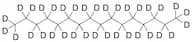
CAS:Producto controlado<p>Applications cis-7,10,13,16-Docosatetraenoic Acid Ethyl Ester-d5 is an isotopic analog of cis-7,10,13,16-Docosatetraenoic Acid Ethyl Ester. cis-7,10,13,16-Docosatetraenoic Acid Ethyl Ester is an ethyl analog of cis-7,10,13,16-Docosatetraenoic Acid (D494510). cis-7,10,13,16-Docosatetraenoic Acid has been identified as a protein kinase inhibitor, affecting serotonin levels in studies.<br>References Mirnikjoo, B. et al.: J. Biol. Chem., 276, 10888 (2001);<br></p>Fórmula:C24D5H35O2Forma y color:NeatPeso molecular:365.604n-Hexadecane-d34
CAS:Producto controlado<p>Applications n-Hexadecane-d34 is the labeled compound of Hexadecane(H293630). Hexadecane has been used to prepare emulsions in water. It is also used as a substrate for the bacterial production of biosurfactants.<br>References Rang, M., et al.: J. Colloid Interface Sci., 209, 179 (1999); Hills, B., et al.: Magn. Reson. Imaging, 18, 319 (2000); Noordman, W., et al.: Appl. Environ. Microbiol., 68, 4502 (2002)<br></p>Fórmula:C162H34Forma y color:ColourlessPeso molecular:260.65(9Z,12Z,15Z)-Octadeca-9,12,15-trien-1-ol (>90%)
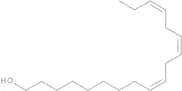
CAS:<p>Stability Light Sensitive<br>Applications (9Z,12Z,15Z)-octadeca-9,12,15-trien-1-ol is an essential oil component of Osmanthus fragrans.<br>References Hu, C., et al.: Huaxue Shiji, 32, 231 (2010); Tian, G., et al.: Anhui Nongye Kexue, 36, 7214 (2008)<br></p>Fórmula:C18H32OPureza:>90%Forma y color:ColourlessPeso molecular:264.45Tetrahydro 11-Deoxycorticosterone
CAS:Producto controlado<p>Applications Tetrahydro 11-Deoxycorticosterone is a metabolite of 11-Deoxycorticosterone (DOC) (D232590).<br>References Fedele, E., et al.: J. Neurochem., 75, 782 (2000), Adkins, C., et al.: J. Biol. Chem., 276, 38934 (2001), Erceg, S., et al.: Brain Res., 1036, 115 (2005),<br></p>Fórmula:C21H34O3Forma y color:White To Off-WhitePeso molecular:334.49N-Boc-propargylamine
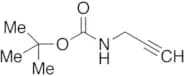
CAS:Producto controlado<p>Applications N-Boc-propargylamine is used in the preparation of triazolobenzylidene-thiazolopyrimidines which act as CDC25 phosphatase inhibitors. Also used in the synthesis of β-glucan polysaccharide analogs.<br>References Duval, R. et al.: J. Comb. Chem., 11, 947 (2009); Tanaka, H. et al.: Tetrahedron Lett., 53, 4104 (2012);<br></p>Fórmula:C8H13NO2Forma y color:NeatPeso molecular:155.2Perhydrofarnesyl Acetone
CAS:Producto controlado<p>Applications Perhydrofarnesyl Acetone is used as a flavor and fragrance agent, it is often used in jasmine compositions.<br>References Toda, H. et al.: Dev. Food Sci., 17, 181 (1988); Maggi, F. et al.: Food Chem., 113, 216 (2009); Maggi, F. et al.: Chem. Biodiv., 8, 2057 (2011);<br></p>Fórmula:C18H36OForma y color:ColourlessPeso molecular:268.48rac cis-9,10-Epoxystearic Acid
CAS:Producto controlado<p>Applications An epoxy fatty acid found in Pneumocystis carinii lipids.<br>References Gibson, G., et al.: Xenobiotica, 19, 1123 (1989), Pellegrini, L., et al.: Plant Physiol., 103, 509 (1993), Scheller, U., et al.: J. Biol. Chem., 273, 32528 (1998), Tijet, N., et al.: Biochem. J., 332, 583 (1998),<br></p>Fórmula:C18H34O3Forma y color:NeatPeso molecular:298.465-Bromopentanoic Acid Ethyl Ester
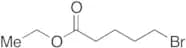
CAS:Producto controlado<p>Applications 5-Bromopentanoic Acid Ethyl Ester was used in the preparation of S(γ-Carboxypropyl)-DL-homocysteine and S(δ-Carboxybutyl)-DL-homocysteine. It was also used in the preparation of ethyl 5-azidovalerate.<br>References Awad, W.: J. Biol. Chem., 258, 12790 (1983); Li, Z., et al.: Tetrahedron Lett., 45, 3143 (2004)<br></p>Fórmula:C7H13BrO2Forma y color:NeatPeso molecular:209.08Hexadecanal
CAS:Producto controlado<p>Stability Air and Moisture sensitive<br>Applications It is used in the production of lipid and fatty acids.<br>References Cerniglia, C., et al.: J. Bacteriol., 118, 844 (1974), Leahy, J., et al.: Microbiolog. Rev., 54, 305 (1990),<br></p>Fórmula:C16H32OForma y color:NeatPeso molecular:240.42Hexadecanamide
CAS:Producto controlado<p>Applications Hexadecanamide (cas# 629-54-9) is a useful research chemical.<br></p>Fórmula:C16H33NOForma y color:NeatPeso molecular:255.45Cetyl Stearate
CAS:Producto controlado<p>Applications Cetyl Stearate is a wax ester of stearic acid. Wax esters are esters between long chained fatty alcohols and fatty acids. Wax esters have significance in pharmaceutical and cosmetics applications and occur naturally in plants and animals. Stearate esters are used most frequently in the formulation of eye makeup, skin makeup, lipstick and skin care products.<br>References Wheatley, V., et al.: Biochem. J., 58, 167 (1954); Shichijo, S., et al.: Biochem. Med., 22, 256 (1979); Robosky, L., et al.: J. Lipid Res., 49, 686 (2008);<br></p>Fórmula:C34H68O2Forma y color:NeatPeso molecular:508.901,2-Dipalmitoyl-sn-glycero-3-phosphatidic acid sodium
CAS:<p>1,2-Dipalmitoyl-sn-glycero-3-phosphatidic acid sodium (DPPA) is a drug substance that has been used in primary culture to study the cell membrane of hepatocytes. This compound is a phospholipid with a cavity at one end and contains two hydroxy groups that can be conjugated to other molecules. It has been shown to be effective against Hepatitis B virus and mesenchymal stromal cells. DPPA has also been used as an adjuvant for gadolinium contrast agents for magnetic resonance imaging. Gadolinium may bind to the hydroxy groups on DPPA, which increases its birefringence and brightness on MRI scans.</p>Fórmula:C35H69Na2O8PPureza:Min. 98 Area-%Forma y color:White PowderPeso molecular:694.87 g/mol(aS,2S)-α-Phenyl-2-piperidineacetic acid Ethyl ester hydrochloride
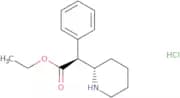
CAS:Producto controlado<p>Please enquire for more information about (aS,2S)-alpha-Phenyl-2-piperidineacetic acid Ethyl ester hydrochloride including the price, delivery time and more detailed product information at the technical inquiry form on this page</p>Fórmula:C15H21NO2·HClPureza:Min. 95%Peso molecular:283.79 g/molPyruvic acid ethyl ester
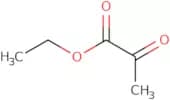
CAS:<p>Ethyl pyruvate, also known as 2-oxo-propionic acid ethyl ester, is a colourless transparent liquid at room temperature with a fresh, sweet, floral aroma. Ethyl pyruvate is a novel anti-inflammatory agent for the treatment of critical inflammatory conditions as it has potent anti-inflammatory properties and tissue protection activity, in multiple animal models of disease including: pancreatitis, ischemia-reperfusion injury, sepsis, renal injury, and endotoxemia.</p>Fórmula:C5H8O3Pureza:Min. 95%Forma y color:Colorless Clear LiquidPeso molecular:116.12 g/mol5-Methoxyisoxazole-4-carboxylic acid ethyl ester
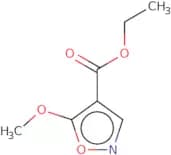
CAS:<p>5-Methoxyisoxazole-4-carboxylic acid ethyl ester is a fine chemical that has been used as a reagent, speciality chemical, and complex building block. It is also useful as a versatile intermediate for the synthesis of other organic compounds. 5-Methoxyisoxazole-4-carboxylic acid ethyl ester has been shown to react with alcohols and amines to form ethers and amides respectively. The compound can be used in the synthesis of polymers and pharmaceutical intermediates. 5-Methoxyisoxazole-4-carboxylic acid ethyl ester has a molecular weight of 210.24 g/mol and CAS No. 1314983-30-6.</p>Fórmula:C7H9NO4Pureza:Min. 95%Peso molecular:171.15 g/mol1-Hexadecanethiol
CAS:<p>1-Hexadecanethiol (1-HDT) is a chemical substance that is used in the synthesis of polymers and as a reagent for surface modification. It has been shown to be an effective cationic surfactant with antimicrobial properties. 1-HDT has also been used to pattern surfaces and is found in water vapor, where it can react with oxygen to form 3-mercaptopropionic acid. 1-HDT reacts with thiols, alcohols, amines, and amino acids to form sulfides. In vitro assays have shown that 1-HDT can inhibit the growth of carboxy terminal protein polymer films. Chemical stability is dependent on the chemical species, which can be predicted by examining chemical structure and reactivity.</p>Fórmula:C16H34SPureza:Min. 95%Forma y color:PowderPeso molecular:258.5 g/mol4-Amino-2-methylbenzoic acid ethyl ester
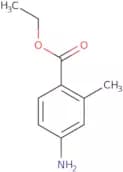
CAS:<p>4-Amino-2-methylbenzoic acid ethyl ester is a versatile building block that can be used in the synthesis of complex compounds. It has been shown to have a number of useful applications, such as in the synthesis of pharmaceuticals, research chemicals, and speciality chemicals. 4-Amino-2-methylbenzoic acid ethyl ester is also an important reagent for the production of high quality pharmaceuticals and intermediates. This chemical is also a useful scaffold for organic reactions.</p>Fórmula:C10H13NO2Pureza:Min. 95%Peso molecular:179.22 g/mol4-Hydroxy-3-nitrobenzoic acid ethyl ester
CAS:<p>4-Hydroxy-3-nitrobenzoic acid ethyl ester is a small molecule that binds to DNA and RNA. It is cytotoxic, inhibiting cell growth in the presence of amides, nucleosides, or nucleotides. 4-Hydroxy-3-nitrobenzoic acid ethyl ester also inhibits the proliferation of cancer cells in culture. This drug has been shown to be effective against pancreatic cancer, ovarian cancer, and glioblastoma cells. The structure of this compound was elucidated by spectral analysis of its NMR and mass spectra data. It has yielded a 2780% increase in glioblastoma cell line growth rates when compared to control cells.</p>Fórmula:C9H9NO5Pureza:Min. 95%Forma y color:PowderPeso molecular:211.17 g/mol5-Amino-2-bromobenzoic acid ethyl ester
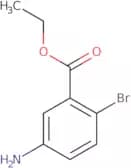
CAS:<p>5-Amino-2-bromobenzoic acid ethyl ester is a chemical compound that can be used for the production of pharmaceuticals and research chemicals. It is a versatile building block that can be used in the synthesis of complex compounds with valuable applications. 5-Amino-2-bromobenzoic acid ethyl ester is a reagent, speciality chemical, and useful building block that can be used in the synthesis of high quality compounds. This compound has been identified as an intermediate in organic reactions and as a reaction component. CAS No. 208176-32-3</p>Fórmula:C9H10BrNO2Pureza:Min. 95%Forma y color:PowderPeso molecular:244.09 g/molFmoc-S-[2,3-bis(palmitoyloxy)propyl]-L-cysteine
CAS:<p>Fmoc-S-[2,3-bis(palmitoyloxy)propyl]-L-cysteine is a fine chemical that is used as a building block in the synthesis of complex natural products and pharmaceuticals. It has versatile applications in both research and industry. Fmoc-S-[2,3-bis(palmitoyloxy)propyl]-L-cysteine is an intermediate or scaffold for the synthesis of many types of compounds, including antibiotics, anti-cancer agents, hormones, and anti-inflammatory drugs. This compound is soluble in organic solvents such as DMSO and DMF.</p>Fórmula:C53H83NO8SPureza:Min. 95 Area-%Forma y color:White Off-White PowderPeso molecular:894.29 g/mol2,3,4,5-Tetrafluorobenzoic acid ethyl ester
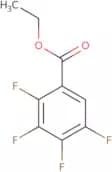
CAS:<p>2,3,4,5-Tetrafluorobenzoic acid ethyl ester is a fine chemical that is useful in the synthesis of complex compounds. It is a versatile building block with many potential applications in research and as a reagent. 2,3,4,5-Tetrafluorobenzoic acid ethyl ester has been shown to have high purity and quality. This compound can be used as a reaction component for other chemical reactions and as an intermediate for the production of pharmaceuticals. CAS No. 122894-73-9</p>Fórmula:C9H6F4O2Pureza:Min. 95%Peso molecular:222.14 g/molFmoc-HomoGly(Propargyl)-OH
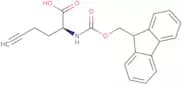
CAS:<p>Fmoc-HomoGly(Propargyl)-OH is a useful scaffold that can be used as a building block for the synthesis of complex compounds. It is also a useful intermediate and research chemical that can be reacted with other building blocks to create new compounds. Fmoc-HomoGly(Propargyl)-OH has been shown to be a high quality reagent for the synthesis of other chemicals.</p>Fórmula:C21H19NO4Pureza:Min. 95%Forma y color:White PowderPeso molecular:349.38 g/mol3-Fluoro-6-nitrobenzoic acid ethyl ester
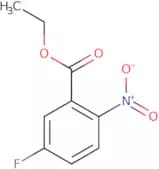
CAS:<p>3-Fluoro-6-nitrobenzoic acid ethyl ester is a high quality chemical that is used as an intermediate in the synthesis of complex compounds. It is also a useful scaffold for the synthesis of other compounds and can be used as a building block in the production of speciality chemicals. 3-Fluoro-6-nitrobenzoic acid ethyl ester has many reactions that it participates in, such as being a reaction component for the synthesis of pharmaceuticals and agrochemicals. This compound is versatile enough to be used in research or for commercial purposes.</p>Fórmula:C9H8FNO4Pureza:Min. 95%Forma y color:PowderPeso molecular:213.16 g/molPalmitoyl-DL-carnitine chloride
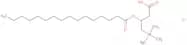
CAS:<p>Palmitoyl-DL-carnitine chloride is a fatty acid that is an important component of cellular membranes. It has been shown to inhibit the growth of cancer cells in rats and mice by increasing the concentration of diacylglycerol in the cell membrane, which leads to increased formation of procyanidins. Palmitoyl-DL-carnitine chloride can also be used as an absorption enhancer for drugs and other compounds. The compound can be used to deliver drugs or other substances into cells, such as Caco-2 cells, for therapeutic purposes. Palmitoyl-DL-carnitine chloride has been shown to increase the production of ornithine in cultured mouse fibroblasts, which may be due to its ability to enhance cellular carnitine levels.</p>Fórmula:C23H46ClNO4Pureza:Min. 95%Forma y color:PowderPeso molecular:436.07 g/molN-Benzyl Hexadecanamide
CAS:<p>N-Benzyl Hexadecanamide is a long-chain amide that is used in analytical chemistry as a sample preparation agent and to extract fatty acids from biological samples. It has been shown to have neuroprotective properties by reducing the uptake of glutamate and preventing neuronal cell death. N-Benzyl Hexadecanamide has also been found to prevent tumor growth and induce apoptosis in human cancer cells, which may be due to its ability to inhibit creatine kinase activity. This compound has also been shown to have anti-inflammatory effects, which are mediated through the inhibition of the activation of nuclear factor kappa B (NF-κB).</p>Fórmula:C23H39NOPureza:Min. 98 Area-%Forma y color:PowderPeso molecular:345.56 g/mol3-Cyanobenzoic acid ethyl ester
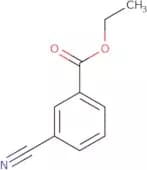
CAS:<p>3-Cyanobenzoic acid ethyl ester is a reaction component that is used in organic synthesis. It is a versatile building block, useful intermediate, and useful building block. 3-Cyanobenzoic acid ethyl ester is a fine chemical that can be used as a reagent for the preparation of other compounds. This compound has been assigned CAS No. 2463-16-3 and has the molecular formula C7H6O2.</p>Fórmula:C10H9NO2Pureza:Min. 95%Forma y color:PowderPeso molecular:175.18 g/molPalmitoleic acid, 70%
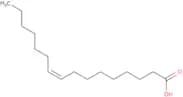
CAS:<p>Palmitoleic acid is a fatty acid that has been shown to have anti-inflammatory effects. Palmitoleic acid inhibits the production of pro-inflammatory cytokines and attenuates the activation of macrophages, as well as inhibiting the expression of genes involved in cell proliferation. Palmitoleic acid has also been shown to be effective against bowel disease, such as Crohn's disease. In a low-dose group, palmitoleic acid inhibited the production of matrix metalloproteinases in 3T3-L1 preadipocytes and hl-60 cells. It also decreased the release of basic proteins from these cells and increased their energy metabolism.</p>Fórmula:C16H30O2Pureza:Min. 70%Forma y color:Clear LiquidPeso molecular:254.41 g/mol4-Cyanobenzoic acid ethyl ester
CAS:<p>4-Cyanobenzoic acid ethyl ester is a hydrogen-bonding acceptor that is also able to form exciplexes with styrene. It has a conformation that is similar to that of aminobenzoate, which is a hydrogen-bonding donor. 4-Cyanobenzoic acid ethyl ester reacts with solvents such as benzene and chloroform, undergoing hydration reactions to form the corresponding 4-cyanophenol derivatives. It undergoes cyclization when heated in the presence of ruthenium(II) chloride to produce 1,4-dihydropyridine derivatives. The reaction mechanism for this reaction consists of two steps: an intramolecular nucleophilic attack followed by an intramolecular electrophilic substitution. The deionized water used in this synthetic process eliminates the need for drying agents and stabilizers, making it easier to carry out the synthesis.</p>Fórmula:C10H9NO2Pureza:Min. 95%Forma y color:PowderPeso molecular:175.18 g/molHexadecanal
CAS:<p>Hexadecanal is a chemical compound that belongs to the group of basic proteins. It is an intermediate in the synthesis of hexanol and hexadecanoic acid. Hexadecanal has been shown to have receptor activity on rat liver microsomes, as well as p450 activity. The physiological functions of this molecule are unknown, but it has been shown to have synergic effects with other bioactive phytochemicals such as sodium citrate.</p>Fórmula:C16H32OPureza:Min. 95 Area-%Forma y color:White Off-White PowderPeso molecular:240.42 g/molPaliperidone palmitate
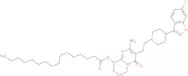
CAS:Producto controlado<p>Paliperidone palmitate is a drug that is used in the treatment of schizophrenia. It is the most potent and selective atypical antipsychotic agent available. Paliperidone palmitate has shown long-term efficacy and low risk of extrapyramidal symptoms, which are associated with some other antipsychotic agents. The drug has been shown to have minimal effects on prolactin levels, although it can cause an increase in serum prolactin levels when administered with risperidone. Paliperidone palmitate is a prodrug that is metabolized by esterases to its active form, paliperidone. Paliperidone does not bind to plasma proteins and therefore may be more suitable for patients with hepatic impairment.</p>Fórmula:C39H57FN4O4Pureza:Min. 95%Forma y color:PowderPeso molecular:664.89 g/molDL-α-Hydroxypalmitic acid
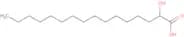
CAS:<p>Palmitic acid is a fatty acid that is found in animal and vegetable fats. It is also an important component of the cell membrane. Palmitic acid has been shown to inhibit the growth of bacteria by interfering with the synthesis of cell membranes, which are largely composed of lipids. Palmitic acid has been shown to be active against Gram-positive bacteria, including Bacillus subtilis and Staphylococcus epidermidis, as well as Gram-negative bacteria such as Salmonella enterica Serovar Typhi and Escherichia coli O157:H7. Palmitic acid can be used to produce monolayers for use in magnetic resonance spectroscopy. These monolayers have been shown to have an effect on the rate at which glucose is transported across the surface of the membrane. Palmitic acid also inhibits glucosylceramide production in ganoderma lucidum, a type of fungus that causes plant diseases, by blocking</p>Fórmula:C16H32O3Pureza:Min. 98 Area-%Forma y color:PowderPeso molecular:272.42 g/mol3-Bromo-4-methoxyphenylacetic acid ethyl ester
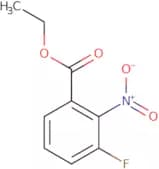
CAS:<p>3-Bromo-4-methoxyphenylacetic acid ethyl ester is a versatile building block that can be used to synthesize a variety of compounds. It is also a useful intermediate for research chemicals and pharmaceuticals. 3-Bromo-4-methoxyphenylacetic acid ethyl ester is a fine chemical with high quality and can be used as a reagent or speciality chemical. As a reaction component, this product makes an excellent scaffold for complex compounds.</p>Fórmula:C11H13BrO3Pureza:Min. 95%Forma y color:Clear LiquidPeso molecular:273.12 g/mol3-Fluoro-2-nitrobenzoic acid ethyl ester
CAS:<p>3-Fluoro-2-nitrobenzoic acid ethyl ester is a fine chemical that is useful as a versatile building block in the synthesis of complex compounds. It can be used as an intermediate in the preparation of research chemicals and has been shown to react with amines to form nitrosoamines, which are useful reaction components. 3-Fluoro-2-nitrobenzoic acid ethyl ester has CAS number 163077-89-2 and is available at high quality.</p>Fórmula:C9H8FNO4Pureza:Min. 95%Forma y color:PowderPeso molecular:213.16 g/molL-Propargylglycine
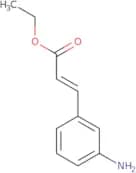
CAS:<p>L-Propargylglycine is a novel, synthetic compound that has been shown to inhibit bacterial growth. It is a strong inhibitor of the polymerase chain reaction (PCR) and nuclear DNA replication. L-Propargylglycine has also been shown to inhibit mitochondrial membrane potential and human serum which may lead to its anti-inflammatory properties. L-Propargylglycine has antioxidative properties, antimicrobial peptide activity, and ATP channel inhibition. This drug also has a number of other pharmacological effects including modulation of intestinal inflammation in models of inflammatory bowel disease and improvement of atherosclerotic lesions in animal models.</p>Fórmula:C5H7NO2Pureza:(%) Min. 98%Forma y color:PowderPeso molecular:113.11 g/mol3-Aminocinnamic acid ethyl ester
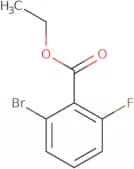
CAS:<p>3-Aminocinnamic acid ethyl ester is a synthetic compound that is derived from pyridine and has a liriodenine ring. The synthesis of this compound starts with an olefinic coupling reaction, which yields an imine intermediate. The imine is hydrolyzed to yield the desired product. 3-Aminocinnamic acid ethyl ester can be found in plants such as liriodenine and liriodendronine, as well as in animal tissues. It also acts as a neurotransmitter and activates the nitrate receptor on nerves, which leads to increased blood pressure or heart rate. 3-Aminocinnamic acid ethyl ester also binds to the cation channel of benzoquinoline drugs and mediates their effects on the central nervous system.</p>Fórmula:C11H13NO2Pureza:Min. 95%Forma y color:PowderPeso molecular:191.23 g/mol2-Bromo-6-fluorobenzoic acid ethyl ester
CAS:<p>2-Bromo-6-fluorobenzoic acid ethyl ester is a chemical that reacts with other chemicals to form new substances. It is a useful scaffold for complex compounds and can be used as a building block for fine chemicals, pharmaceuticals, agrochemicals, and other organic compounds. 2-Bromo-6-fluorobenzoic acid ethyl ester is also a versatile building block or intermediate in the synthesis of many different substances.</p>Fórmula:C9H8BrFO2Pureza:Min. 90%Forma y color:PowderPeso molecular:247.06 g/mol2-Chloro-5-hydroxybenzoic acid ethyl ester
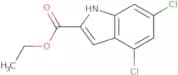
CAS:<p>2-Chloro-5-hydroxybenzoic acid ethyl ester is synthesized by the substitution of anthranilic acid with an aryl ring. The substituents on the aryl ring are chloro and hydroxy, which are attached to carbon atoms. 2-Chloro-5-hydroxybenzoic acid ethyl ester can be metabolized into a number of different metabolites. For example, it can be converted into acid metabolites that have substituents on the benzene ring such as nitro or nitroso groups. These metabolites are then excreted in urine or bile.</p>Fórmula:C9H9ClO3Pureza:Min. 95%Forma y color:Off-White To Yellow To Brown SolidPeso molecular:200.62 g/mol4,6-Dichloro-1H-indole-2-carboxylic acid ethyl ester
CAS:<p>4,6-Dichloro-1H-indole-2-carboxylic acid ethyl ester is a synthetic compound that functions as an agonist of the indole 2 receptor. It has been shown to have affinity for cortical and brain membranes, with a greater affinity for acidic regions of the membrane. 4,6-Dichloro-1H-indole-2-carboxylic acid ethyl ester is also capable of binding to the indole 2 receptor and activating it. The carboxyl group in this compound is substituted with benzene rings, which are connected by a moiety containing two carboxylic groups. 4,6-Dichloro-1H-indole-2-carboxylic acid ethyl ester was synthesised from 1H -indole acetic acid and chloroethane in four steps.</p>Fórmula:C11H9Cl2NO2Pureza:Min. 95%Forma y color:SolidPeso molecular:258.1 g/mol3-Amino-4-methoxybenzoic acid ethyl ester
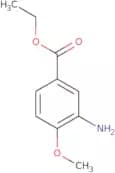
CAS:<p>3-Amino-4-methoxybenzoic acid ethyl ester is a chemical building block that can be used in the synthesis of various organic compounds. It is an important reaction component, and can also be used as a reagent or useful scaffold. 3-Amino-4-methoxybenzoic acid ethyl ester is soluble in organic solvents and has a high quality. This chemical has been shown to be useful for research purposes.</p>Fórmula:C10H13NO3Pureza:Min. 95%Forma y color:PowderPeso molecular:195.22 g/molGlycerol tripalmitate
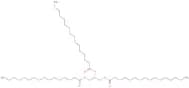
CAS:<p>Glycerol tripalmitate is a triglyceride that is composed of three molecules of glycerol and one molecule of palmitic acid. It is used in the manufacture of sephadex g-100, a chromatographic material that separates proteins based on their size. Glycerol tripalmitate has been shown to have high chemical stability, which is important for its use as a pharmaceutical excipient. This substance also has a physiological function in the human body, including the production of lipids, such as fatty acids and triglycerides. Glycerol tripalmitate can be used to study phase transition temperature by using surface methodology. Carbonyl oxygens are present on the surface of this substance, which may have neurotrophic effects.</p>Fórmula:C51H98O6Pureza:Min. 85 Area-%Forma y color:PowderPeso molecular:807.32 g/molPalmitoyl pentapeptide trifluoroacetic acid
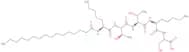
CAS:<p>Palmitoyl pentapeptide trifluoroacetic acid is a synthetic molecule that has been shown to have antimicrobial and anti-inflammatory properties. It has been shown to reduce the activity of gsh-px, which is an enzyme involved in the metabolism of glutathione. This compound also inhibits the production of ATP in cells, which may be responsible for its cancer-inhibiting effects. Palmitoyl pentapeptide trifluoroacetic acid has been shown to inhibit skin cancer cell growth by interfering with fatty acid synthesis and increasing epidermal growth factor levels.</p>Fórmula:C41H76N7O12Pureza:Min. 95%Forma y color:PowderPeso molecular:802.05 g/molEicosapentaenoic acid ethyl ester
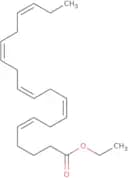
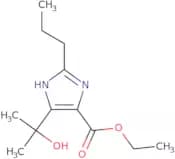
CAS:<p>Eicosapentaenoic acid ethyl ester (EPA-E) is a natural compound that belongs to the group of polyunsaturated fatty acids. EPA-E has been shown to be an antioxidant, which prevents oxidative damage and reduces inflammation. It has been found to lower LDL cholesterol and triglycerides in clinical trials. EPA-E also decreases body mass index, hepatic steatosis, and symptoms of metabolic syndrome. The mechanism of action for these effects is not fully understood but may be due to increased activity of the enzyme spal2. EPA-E has been shown to have favorable biochemical properties in animal models of atherosclerosis.</p>Fórmula:C22H34O2Pureza:Min. 96 Area-%Forma y color:Clear LiquidPeso molecular:330.5 g/mol4-(1-Hydroxy-1-methylethyl)-2-propyl-1H-imidazole-5-carboxylic acid ethyl ester
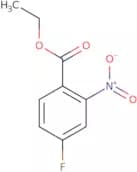
CAS:<p>4-(1-Hydroxy-1-methylethyl)-2-propyl-1H-imidazole-5-carboxylic acid ethyl ester is a synthetic drug with pharmacological properties that are similar to those of the natural product medoxomil. It has been shown to be a potent blocker of the GABA receptor and is used for the treatment of epilepsy. 4-(1-Hydroxy-1-methylethyl)-2-propyl-1H-imidazole-5-carboxylic acid ethyl ester has been shown to be an inhibitor of rat liver microsomes and also has a high affinity for the enzyme cilexetil, which is responsible for the conversion of cilexetil into its active form.</p>Fórmula:C12H20N2O3Pureza:Min. 95%Forma y color:PowderPeso molecular:240.3 g/mol4-Fluoro-2-nitrobenzoic acid ethyl ester
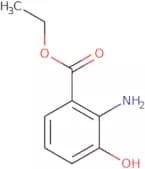
CAS:<p>4-Fluoro-2-nitrobenzoic acid ethyl ester is a fine chemical that can be used as a reagent, intermediate compound, building block, scaffold and building block for speciality chemicals. It has been shown to be an effective chemical in the synthesis of 4-fluoro-2-nitrobenzoic acid, which is a versatile building block with many potential applications. 4-Fluoro-2-nitrobenzoic acid ethyl ester is also useful in reactions involving amines and alcohols as well as metal catalyzed reactions. This product has CAS No. 1072207-10-3.</p>Fórmula:C9H8FNO4Pureza:(%) Min. 85%Forma y color:Clear LiquidPeso molecular:213.16 g/mol2-Amino-3-hydroxybenzoic acid ethyl ester
CAS:<p>2-Amino-3-hydroxybenzoic acid ethyl ester is soluble in organic solvents and is a catalyst for the hydrolysis of phenoxazinones. It has been shown to be the most active among the amino acid esters at pH 7. The optimum temperature for this enzyme is 37 degrees Celsius. The substrate specificity of this enzyme, which was purified by fractionation, is 3-hydroxyanthranilic acid and 3-hydroxyanthranilic acid with metals such as copper or zinc ions. This enzyme also catalyses the hydrolysis of proteins and peptides containing hydrophobic amino acids.</p>Fórmula:C9H11NO3Pureza:Min. 95%Forma y color:PowderPeso molecular:181.19 g/mol

















![Fmoc-S-[2,3-bis(palmitoyloxy)propyl]-L-cysteine](/_next/image/?url=https%3A%2Fstatic.cymitquimica.com%2Fproducts%2F3D%2Fthumb-webp%2FFF47755.webp&w=3840&q=75)