Ácidos grasos
Los ácidos grasos son ácidos carboxílicos con largas cadenas de hidrocarburos, que pueden ser saturados o insaturados. Son componentes esenciales de los lípidos, sirviendo como building blocksclave para lípidos complejos, fuentes de energía y moléculas de señalización. Los ácidos grasos están involucrados en varios procesos biológicos, incluyendo el metabolismo, la estructura de las membranas celulares y la inflamación. En CymitQuimica, ofrecemos una amplia gama de ácidos grasos de alta calidad para apoyar su investigación en bioquímica de lípidos, nutrición y campos relacionados.
Subcategorías de "Ácidos grasos"
- Acilgliceroles / Glicéridos(42 productos)
- Eicosanoides(6 productos)
- Ésteres de ácidos grasos(850 productos)
- Ácidos grasos halogenados(32 productos)
Se han encontrado 2455 productos de "Ácidos grasos"
Ordenar por
Pureza (%)
0
100
|
0
|
50
|
90
|
95
|
100
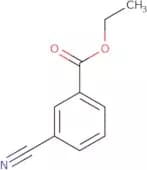
3-Cyanobenzoic acid ethyl ester
CAS:<p>3-Cyanobenzoic acid ethyl ester is a reaction component that is used in organic synthesis. It is a versatile building block, useful intermediate, and useful building block. 3-Cyanobenzoic acid ethyl ester is a fine chemical that can be used as a reagent for the preparation of other compounds. This compound has been assigned CAS No. 2463-16-3 and has the molecular formula C7H6O2.</p>Fórmula:C10H9NO2Pureza:Min. 95%Forma y color:PowderPeso molecular:175.18 g/molDL-α-Hydroxypalmitic acid
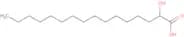
CAS:<p>Palmitic acid is a fatty acid that is found in animal and vegetable fats. It is also an important component of the cell membrane. Palmitic acid has been shown to inhibit the growth of bacteria by interfering with the synthesis of cell membranes, which are largely composed of lipids. Palmitic acid has been shown to be active against Gram-positive bacteria, including Bacillus subtilis and Staphylococcus epidermidis, as well as Gram-negative bacteria such as Salmonella enterica Serovar Typhi and Escherichia coli O157:H7. Palmitic acid can be used to produce monolayers for use in magnetic resonance spectroscopy. These monolayers have been shown to have an effect on the rate at which glucose is transported across the surface of the membrane. Palmitic acid also inhibits glucosylceramide production in ganoderma lucidum, a type of fungus that causes plant diseases, by blocking</p>Fórmula:C16H32O3Pureza:Min. 98 Area-%Forma y color:PowderPeso molecular:272.42 g/mol1,2-Dipalmitoyl-sn-glycero-3-phosphoethanolamine
CAS:<p>1,2-Dipalmitoyl-sn-glycero-3-phosphoethanolamine is a phospholipid that plays an important role in many cellular processes. It is a major component of the lipid bilayer that surrounds cells and provides stability to the membrane. 1,2-Dipalmitoyl-sn-glycero-3-phosphoethanolamine can form hydrogen bonding interactions with other molecules in the cytoplasm. The redox potential of this compound is also high enough to allow it to participate in oxidation reactions. This phospholipid also has a phase transition temperature at which it changes from a liquid state to a solid state at room temperature. 1,2-Dipalmitoyl-sn-glycero-3-phosphoethanolamine can be used as a reaction mechanism for synthesizing glycosylated proteins or lipids. In vitro assays have been performed using this compound as</p>Fórmula:C37H74NO8PPeso molecular:691.96 g/mol2-Chloro-5-hydroxybenzoic acid ethyl ester
CAS:<p>2-Chloro-5-hydroxybenzoic acid ethyl ester is synthesized by the substitution of anthranilic acid with an aryl ring. The substituents on the aryl ring are chloro and hydroxy, which are attached to carbon atoms. 2-Chloro-5-hydroxybenzoic acid ethyl ester can be metabolized into a number of different metabolites. For example, it can be converted into acid metabolites that have substituents on the benzene ring such as nitro or nitroso groups. These metabolites are then excreted in urine or bile.</p>Fórmula:C9H9ClO3Pureza:Min. 95%Forma y color:Off-White To Yellow To Brown SolidPeso molecular:200.62 g/mol1,2-Dipalmitoyl-sn-glycero-3-phosphatidic acid sodium
CAS:<p>1,2-Dipalmitoyl-sn-glycero-3-phosphatidic acid sodium (DPPA) is a drug substance that has been used in primary culture to study the cell membrane of hepatocytes. This compound is a phospholipid with a cavity at one end and contains two hydroxy groups that can be conjugated to other molecules. It has been shown to be effective against Hepatitis B virus and mesenchymal stromal cells. DPPA has also been used as an adjuvant for gadolinium contrast agents for magnetic resonance imaging. Gadolinium may bind to the hydroxy groups on DPPA, which increases its birefringence and brightness on MRI scans.</p>Fórmula:C35H69Na2O8PPureza:Min. 98 Area-%Forma y color:White PowderPeso molecular:694.87 g/mol4-Fluoro-2-nitrobenzoic acid ethyl ester
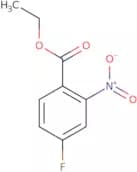
CAS:<p>4-Fluoro-2-nitrobenzoic acid ethyl ester is a fine chemical that can be used as a reagent, intermediate compound, building block, scaffold and building block for speciality chemicals. It has been shown to be an effective chemical in the synthesis of 4-fluoro-2-nitrobenzoic acid, which is a versatile building block with many potential applications. 4-Fluoro-2-nitrobenzoic acid ethyl ester is also useful in reactions involving amines and alcohols as well as metal catalyzed reactions. This product has CAS No. 1072207-10-3.</p>Fórmula:C9H8FNO4Pureza:(%) Min. 85%Forma y color:Clear LiquidPeso molecular:213.16 g/mol2-Acetyl-3-oxo-butyric acid ethyl ester - 90%
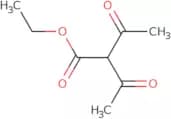
CAS:<p>2-Acetyl-3-oxo-butyric acid ethyl ester (2ABEE) is a chemokine receptor antagonist that binds to the CCR5 receptor. It is a small molecule drug candidate with potential therapeutic value for HIV and other diseases. 2ABEE has been shown to be active against human immunodeficiency virus type 1 (HIV-1) in cell culture and animal models, as well as against influenza virus in mice. This compound also inhibits the production of chemokines, which are inflammatory proteins that recruit immune cells from the blood stream to the site of infection. In addition, 2ABEE is not toxic to healthy human cells, indicating that it may have fewer side effects than other anti-HIV drugs.</p>Fórmula:C8H12O4Pureza:Min. 95%Forma y color:Clear LiquidPeso molecular:172.18 g/mol1-Palmitoyl-2-ω-(2-Diazo-3,3,3-Trifluoropropionyloxy)Lauroyl-Sn-Glycero-3-Phosphocholine
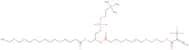
CAS:<p>1-Palmitoyl-2-omega-(2-Diazo-3,3,3-Trifluoropropionyloxy)Lauroyl-Sn-Glycero-3-Phosphocholine is a potential therapy for pulmonary fibrosis. It is an admixture of two phospholipids containing the fatty acid palmitic acid and omega-(2,3,3,3,-trifluoroethoxy)acetyl lauroylglycerophosphocholine. The molecule is activated by carbon monoxide (CO), which converts it to a form that can be taken up by cells. CO has been shown to inhibit the growth of cells in culture and in animal models of pulmonary fibrosis. Treatment with the molecule also inhibits production of galacturonic acid and oligosaccharides from lysophosphatidylethanolamine and its derivatives.</p>Fórmula:C39H71F3N3O10PPureza:Min. 95%Peso molecular:829.96 g/molEtomidate
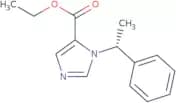
CAS:Producto controlado<p>Etomidate is a potent, non-competitive, centrally acting α-adrenergic receptor agonist that has been used as a diagnostic agent and anesthetic. It is also used in the treatment of diabetic neuropathy. Etomidate binds to the α-adrenergic receptors on the presynaptic membrane and blocks the release of norepinephrine. This prevents nerve impulses from being transmitted to the muscle cells, leading to relaxation of muscles. Etomidate also inhibits locomotor activity by inhibiting postsynaptic neurons in the spinal cord that are responsive to acetylcholine. Etomidate is not active against polymorphonuclear leucocytes or water vapor. The risk group for etomidate includes patients who have had intubations, those with systolic pressures greater than 120 mmHg, and those with heart rates greater than 100 beats per minute. The mechanism of action for etomidate is thought to be through formation of stable complexes with nitrogen atoms.</p>Fórmula:C14H16N2O2Pureza:Min. 95%Forma y color:PowderPeso molecular:244.29 g/mol1-Palmitoyl-rac-glycerol
CAS:<p>1-Palmitoyl-rac-glycerol is a fatty acid that contains nitrogen atoms. It has hypoglycemic effects and is used to treat metabolic disorders. 1-Palmitoyl-rac-glycerol has been shown to have a protective effect on the liver by decreasing the levels of triglycerides in the blood and preventing lipid peroxidation. It also improves glucose metabolism and insulin sensitivity. 1-Palmitoyl-rac-glycerol is an important component of biological membranes, where it forms a hydrophobic region that helps maintain membrane structure. This compound also has hemolytic activity, which may be due to its ability to bind with phospholipids or cell membranes, leading to changes in their permeability or stability. The stability of 1-palmitoyl-rac glycerol can be tested by adding reagents such as sodium nitrite or potassium permanganate, which will cause a color change from yellow to brown if it reacts</p>Fórmula:C19H38O4Pureza:Min. 95%Forma y color:PowderPeso molecular:330.5 g/mol7-Ethylindole-3-glyoxylic acid ethyl ester
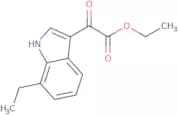
CAS:<p>7-Ethylindole-3-glyoxylic acid ethyl ester is a versatile building block that can be used in the synthesis of complex compounds. It is a useful intermediate in the synthesis of pharmaceuticals, which can also be used as a reagent and speciality chemical. The compound has been shown to have high quality and is a useful scaffold for the synthesis of new compounds.</p>Fórmula:C14H15NO3Pureza:Min. 95%Peso molecular:245.27 g/mol1,1,3,3,4,4,4a,5,5,6,6,7,7,8,8,8a-Hexadecafluoro-2-(trifluoromethyl)decahydroisoquinoline
CAS:Producto controlado<p>1,1,3,3,4,4,4a,5,5,6,6,7,7,8,8,8a-Hexadecafluoro-2-(trifluoromethyl)decahydroisoquinoline is an organic solvent that has a very low boiling point and high volatility. It can be used in dry powder inhalers or as a component of hydrogel compositions for oxygen delivery to the lungs. The uptake of 1HF-2TFI into human colon carcinoma cells was found to be significantly higher than uptake by mammary carcinomas. This may be due to the difference in cell types and/or the phosphate group on the molecule. The binding constants of this molecule are also higher than those of other organic solvents such as acetone and ethanol. The results from a questionnaire study also indicated that 1HF-2TFI can be used for perfusion with oxygenated gas mixtures for</p>Fórmula:C10F19NPureza:Min. 95%Peso molecular:495.08 g/molFmoc-L-propargylglycine
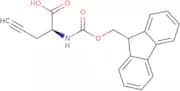
CAS:<p>Fmoc-L-propargylglycine is a cyclic peptide that is synthesized by chemical ligation. It has antiviral, anti-tumor, and anti-inflammatory activities. Fmoc-L-propargylglycine inhibits the growth of cancer cells in vitro. The mechanism of action is not fully understood, but it may involve the inhibition of cellular proliferation and the induction of apoptosis. This compound also inhibits epidermal growth factor (EGF) induced cell proliferation in caco-2 cells.</p>Fórmula:C20H17NO4Pureza:Min. 98 Area-%Forma y color:White PowderPeso molecular:335.35 g/molPalmitoyl-glycine
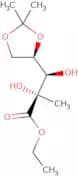
CAS:<p>Palmitoyl-glycine is a fatty acid amide. It is an analog of the naturally occurring amino acid glycine that has been modified by adding a palmitoyl group to the side chain. Palmitoyl-glycine is enzymatically inactivated by bacterial enzymes and cationic surfactants and can be used as a skin cell model system for basic structure and physiological effects.<br>Palmitoyl-glycine has been shown to have skin cell protective effects against oxidative stress, which may be due to its ability to form hydrogen bonds with the acyl chains of lipids.</p>Fórmula:C18H35NO3Pureza:Min. 95%Forma y color:White PowderPeso molecular:313.48 g/mol(2S,3R)-3-((4R)-2,2-Dimethyldioxolan-4-yl)-2-methyl-2,3-dihydroxypropanoic acid ethyl ester
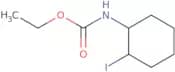
CAS:<p>(2S,3R)-3-((4R)-2,2-Dimethyldioxolan-4-yl)-2-methyl-2,3-dihydroxypropanoic acid ethyl ester is a high quality reagent that is used as an intermediate for the synthesis of complex compounds. It is also a useful building block for the synthesis of speciality chemicals and research chemicals. The versatility of this compound makes it a useful scaffold and building block for reaction components.</p>Fórmula:C11H20O6Pureza:Min. 95%Forma y color:PowderPeso molecular:248.27 g/mol(2-Iodocyclohexyl)carbamic acid ethyl ester
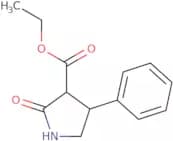
CAS:<p>(2-Iodocyclohexyl)carbamic acid ethyl ester is a fine chemical that can be used as a building block, reagent, or speciality chemical in research. It is soluble in organic solvents and can be used as a reaction component, useful intermediate, or useful scaffold. This compound has been shown to react with various groups including amines, alcohols, phenols and thiols.</p>Fórmula:C9H16INO2Pureza:Min. 95%Forma y color:PowderPeso molecular:297.13 g/mol4-Phenyl-2-pyrrolidone-3-carboxylic acid ethyl ester
CAS:<p>4-Phenyl-2-pyrrolidone-3-carboxylic acid ethyl ester is an organic compound. It is an intermediate in the synthesis of 2,4,6-trichloroisonicotinic acid and 2,4,6-trichloropyrimidine. The compound has a variety of uses as a reagent and building block for organic synthesis. 4-Phenyl-2-pyrrolidone-3-carboxylic acid ethyl ester is soluble in many solvents such as acetone, ethers and chloroform. It has a CAS number of 5245032. This chemical can be used as a speciality chemical or fine chemical to produce drugs.</p>Fórmula:C13H15NO3Pureza:Min. 95%Forma y color:PowderPeso molecular:233.26 g/mol7-Bromo-1,4-dihydro-4-oxo-3-quinolinecarboxylic Acid Ethyl Ester
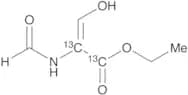
CAS:Producto controlado<p>Applications 7-Bromo-1,4-dihydro-4-oxo-3-quinolinecarboxylic Acid Ethyl Ester is an intermediate in the synthesis of Rosoxacin (R693580), an antibacterial agent used against Escherichia coli, Klebsiella pneumoniae, Pseudomonas aeruginosa, Staphylococcus aureus and Streptococcus pneumoniae.<br>References Koba, M., et. al.: J. Mol. Modeling, 16, 327 (2010)<br></p>Fórmula:C14H24N2OSiForma y color:NeatPeso molecular:264.4392-(Formylamino)-3-hydroxy-2-propenoic-13C2 Acid Ethyl Ester
CAS:Producto controlado<p>Applications 2-(Formylamino)-3-hydroxy-2-propenoic-13C2 Acid Ethyl Ester (cas# 1391062-48-8) is a compound useful in organic synthesis.<br></p>Fórmula:C413C2H9NO4Forma y color:NeatPeso molecular:161.132-Bromo-2-propylpentanoic Acid Ethyl Ester
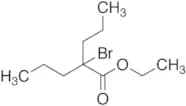
CAS:Producto controlado<p>Applications 2-Bromo-2-propylpentanoic Acid Ethyl Ester (cas# 99174-91-1) is a compound useful in organic synthesis.<br></p>Fórmula:C10H19BrO2Forma y color:NeatPeso molecular:251.165-(2,2,2-Trifluoroacetyl)-2-thiophenecarboxylic Acid Ethyl Ester
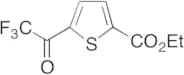
CAS:Producto controlado<p>Applications 5-(2,2,2-Trifluoroacetyl)-2-thiophenecarboxylic Acid Ethyl Ester is an intermediate in the synthesis of reagents for fluoroacetylthiophene oxadiazoles a class II human histone deacetylase inhibitors.<br>References Ontoria, J. M., et al.: J. Med. Chem., 52, 6782 (2009);<br></p>Fórmula:C9H7F3O3SForma y color:NeatPeso molecular:252.21rac 1-Oleoyl-2-linoleoylglycerol
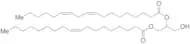
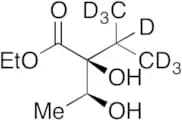
CAS:<p>Stability Light Sensitive, Temperature Sensitive<br>Applications rac 1-Oleoyl-2-linoleoylglycerol is a diacylglycerol from palm oil.<br>References Narvaez-Rivas, M., et al.: J. Agric. Food Chem., 55, 10953 (2007),<br></p>Fórmula:C39H70O5Forma y color:NeatPeso molecular:618.97(-)-(2S,3S)-Viridifloric Acid Ethyl Ester-d7
CAS:Producto controlado<p>Applications (-)-(2S,3S)-Viridifloric Acid Ethyl Ester is an intermediate in the synthesis of (+)-amabiline, an unsaturated pyrrolizidine alkaloid from Cynoglossum amabile.<br>References Senter, T. J., et al.: Org. Lett., 14, 1869 (2012);<br></p>Fórmula:C9D7H11O4Forma y color:NeatPeso molecular:197.282-Amino-2-oxo-acetic Acid Ethyl Ester
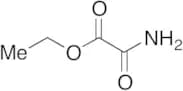
CAS:Producto controlado<p>Applications 2-Amino-2-oxo-acetic Acid Ethyl Ester is a reagent used to prepare methanotetrahydroisoquinolinecarboxylic acid. It can also be used in preparation of 1,2,4-Thiadiazole, a Cathepsin B inhibitor.<br>References Czombos, J., et al.: J. Org. Chem., 65, 5469 (2000); Leung-Toung, R., et al.: Bioorgan. Med. Chem., 11, 5529 (2003)<br></p>Fórmula:C4H7NO3Forma y color:NeatPeso molecular:117.15-Hydroxy-2-oxo-2,3-dihydro-1H-[1]benzazephe-4-carboxylic Acid Ethyl Ester
CAS:Producto controlado<p>Applications 5-Hydroxy-2-oxo-2,3-dihydro-1H-[1]benzazephe-4-carboxylic Acid Ethyl Ester (cas# 108993-98-2) is a compound useful in organic synthesis.<br> Not a dangerous good if item is equal to or less than 1g/ml and there is less than 100g/ml in the package<br></p>Fórmula:C13H13NO4Forma y color:NeatPeso molecular:247.252-Acetylbutanoic-d5 Acid Ethyl Ester
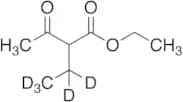
CAS:Producto controlado<p>Applications 2-Acetylbutanoic-d5 Acid Ethyl Ester (cas# 141327-44-8) is a compound useful in organic synthesis.<br></p>Fórmula:C82H5H9O3Forma y color:NeatPeso molecular:163.23β-Cyano-β-methyl-hydrocinnamic Acid Ethyl Ester
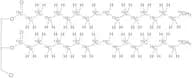
CAS:Producto controlado<p>Applications Can be used in the preparation of CCR5 antagonists, for treatment of HIV-1.<br>References Tallant, M. et al., Bioorg. Med. Chem. 21, 1394 (2011)<br></p>Fórmula:C13H15NO2Forma y color:NeatPeso molecular:217.26rac 1,2-Dioleoyl-3-chloropropanediol-13C36
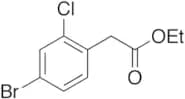
CAS:Producto controlado<p>Applications New lipids in food protein hydrolyzates. Fatty acid esters of chloropropanediol isolated from fresh goat milk.<br>References Velisek, J., et al.: J. Agric. Food Chem., 28, 1142 (1980), Myher, J.J., et al.: Lipids, 21, 309 (1986),<br></p>Fórmula:C36C3H71ClO4Forma y color:NeatPeso molecular:675.1674-Bromo-2-chlorobenzeneacetic Acid Ethyl Ester
CAS:Producto controlado<p>Applications 4-Bromo-2-chlorobenzeneacetic Acid Ethyl Ester (cas# 1261606-45-4) is a compound useful in organic synthesis.<br></p>Fórmula:C10H10BrClO2Forma y color:NeatPeso molecular:277.54(E)-2,2,3,5-Tetramethylhex-3-enoic Acid Ethyl Ester
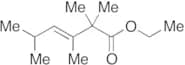
CAS:Producto controlado<p>Applications (E)-2,2,3,5-Tetramethylhex-3-enoic Acid Ethyl Ester is an intermediate in the synthesis of 2,2,3,5-Tetramethylhexanoic Acid (T302890), a compound used in analytical studies as a method to quantitatively determine the total organic acid content in aqueous coolant.<br></p>Fórmula:C12H22O2Forma y color:NeatPeso molecular:198.33-(Acetylethylamino)-β-oxo-benzenepropanoic Acid Ethyl Ester
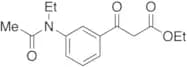
CAS:Producto controlado<p>Applications 3-(Acetylethylamino)-β-oxo-benzenepropanoic Acid Ethyl Ester is an intermediate used in the preparation of 5-Oxo-Zaleplon (O870470).<br></p>Fórmula:C15H19NO4Forma y color:NeatPeso molecular:277.316Phenoxy-d5-acetic Acid Ethyl Ester
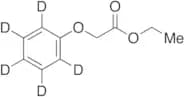
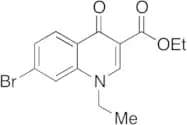
CAS:Producto controlado<p>Applications Phenoxy-d5-acetic Acid Ethyl Ester (cas# 1189442-18-9) is a compound useful in organic synthesis.<br></p>Fórmula:C10H7D5O3Forma y color:NeatPeso molecular:185.237-Bromo-1-ethyl-1,4-dihydro-4-oxo-3-quinolinecarboxylic Acid Ethyl Ester
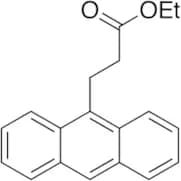
CAS:Producto controlado<p>Applications 7-Bromo-1-ethyl-1,4-dihydro-4-oxo-3-quinolinecarboxylic Acid Ethyl Ester is an intermediate in the synthesis of Rosoxacin (R693580), an antibacterial agent used against Escherichia coli, Klebsiella pneumoniae, Pseudomonas aeruginosa, Staphylococcus aureus and Streptococcus pneumoniae.<br>References Koba, M., et. al.: J. Mol. Modeling, 16, 327 (2010)<br></p>Fórmula:C14H14BrNO3Forma y color:NeatPeso molecular:324.179-Anthracenepropanoic Acid Ethyl Ester
CAS:Producto controlado<p>Applications A 9-substituted derivative of the polycyclic aromatic hydrocarbon (PAH) Anthracene (A678400).<br></p>Fórmula:C24H20OForma y color:NeatPeso molecular:324.415(1E,5E)-1-Iodopentadeca-1,5-diene
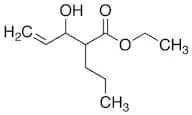
Producto controlado<p>Applications (1E,5E)-1-Iodopentadeca-1,5-diene is an intermediate in the synthesis of (4E, 8E)-Sphingadienine-C18-1-phosphate (S680680), which is an analogue of (4E, 14Z)-Sphingadienine-C18 (S680630), a sphingoid base of sea cucumber cerebroside that may have cytotoxicity activity against human colon cancer cells.<br>References Sugawara, T., et. al.: Biosci. Biotech. Bioch., 70, 2906 (2006)<br></p>Fórmula:C27H38O18Forma y color:NeatPeso molecular:650.583-Hydroxy-2-propyl-4-pentenoic Acid Ethyl Ester(Mixture of diastereomers)
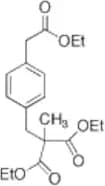
CAS:Producto controlado<p>Applications Intermediate in the preparation of Valproic acid metabolites<br>References Lee, R., et al.: J. Pharm. Sci., 78, 667 (1989),<br></p>Fórmula:C10H18O3Forma y color:NeatPeso molecular:186.254-(2,2-Dicarboethoxy-propyl)phenylacetic Acid Ethyl Ester
CAS:Producto controlado<p>Stability 0-50C<br>Applications 4-(2,2-Dicarboethoxy-propyl)phenylacetic Acid Ethyl Ester (cas# 223123-63-5) is a compound useful in organic synthesis.<br></p>Fórmula:C19H26O6Forma y color:NeatPeso molecular:350.41(2E)-2-Hexadecenoic Acid Ethyl Ester
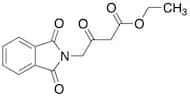
CAS:Producto controlado<p>Applications (2E)-2-Hexadecenoic Acid Ethyl Ester (cas# 135251-95-5) is a compound useful in organic synthesis.<br></p>Fórmula:C18H34O2Forma y color:NeatPeso molecular:282.464-Phthalimidoacetoacetic Acid Ethyl Ester
CAS:Producto controlado<p>Applications 4-Phthalimidoacetoacetic Acid Ethyl Ester is an intermediate in the synthesis of 5-Aminolevulinic Acid-3-13C Hydrochloride which is a naturally occurring amino acid; precursor of tetrapyrroles in the biosynthesis of chlorophyll and heme. Antineoplastic (photosensitizer).<br>References Sisler, E.C., et al.: Physiol. Plant., 16, 315 (1963), Herdeis, C., et al.: Arch. Pharm., 317, 304 (1984), Peng, Q., et al.: Cancer, 79, 2282(1997),<br></p>Fórmula:C14H13NO5Forma y color:NeatPeso molecular:275.26(1S,3R,4R)-3-[(tert-Butoxycarbonyl)amino]-4-[(methylsulfonyl)oxy]cyclohexanecarboxylic Acid Ethyl Ester
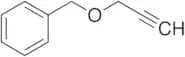
CAS:Producto controlado<p>Applications (1S,3R,4R)-3-[(tert-Butoxycarbonyl)amino]-4-[(methylsulfonyl)oxy]cyclohexanecarboxylic Acid Ethyl Ester is a starting material and useful building block of various pharmaceuticals.<br></p>Fórmula:C15H27NO7SForma y color:NeatPeso molecular:365.44Propargyl Benzyl Ether
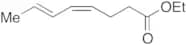
CAS:Producto controlado<p>Applications A propargyl derivative used in the synthesis of substituted carbocyclic aromatic compounds and pharmaceutical compounds.<br>References Takahashi, H. et al.: J. Org. Chem., 74, 3632 (2009); Ding, F. & Jennings, M.: J. Org. Chem., 73, 5965 (2008)<br></p>Fórmula:C10H10OForma y color:NeatPeso molecular:146.19(4Z,6E)-4,6-Octadienoic Acid Ethyl Ester
CAS:Producto controlado<p>Applications (4Z,6E)-4,6-Octadienoic Acid Ethyl Ester is an intermediate in the synthesis of Spilanthol (S681850), a fatty acid amide isolated from Acmella oleracea.<br>References Khadir, H., et al.: Pestic. Sci., 25, 329 (1989); Cech, N., et al.: Planta Med., 72, 1372 (2006); Saritha, K., et al.: Biol. Plant, 52, 334 (2008),<br></p>Fórmula:C10H16O2Forma y color:NeatPeso molecular:168.231-[(1E)-2-Nitroethenyl]-2-naphthalenol
CAS:Producto controlado<p>Applications 1-[(1E)-2-Nitroethenyl]-2-naphthalenol is an intermediate in the synthesis of 1-(2-Nitroethyl)-2-naphthol (N495895), an aromatic alcohol that is used in photoacid for extremely long lived and reversible pH jumps.<br>References Hu, K.L., et al.: Tetrahedron., 70, 181 (2014);<br></p>Fórmula:C12H9NO3Forma y color:NeatPeso molecular:215.26,7-Dichloro-1,4-dihydro-4-oxo-3-quinolinecarboxylic Acid Ethyl Ester
CAS:Producto controlado<p>Applications 6,7-Dichloro-1,4-dihydro-4-oxo-3-quinolinecarboxylic Acid Ethyl Ester is an intermediate in synthesizing 6-Chloro-6-defluoro Ciprofloxacin (C368035). It is an impurity of Ciprofloxacin (C482500), which is a fluorinated quinolone antibacterial.<br>References Hoffken, G., et al.: Antimicrob. Ag. Chemother., 27, 375 (1985), Scully, B.E., et al.: Lancet, 1, 819 (1986)<br></p>Fórmula:C12H9Cl2NO3Forma y color:NeatPeso molecular:286.11Palmitoleic acid - 98%
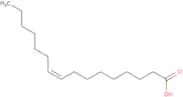
CAS:<p>Palmitoleic acid is a fatty acid with a molecular weight of 256. It is an unsaturated fatty acid that contains 16 carbon atoms and two double bonds. Palmitoleic acid has been shown to be effective in treating bowel disease, such as ulcerative colitis and Crohn's disease, by influencing the production of inflammatory cytokines. This active form inhibits the activity of toll-like receptor 4 (TLR4) and lipopolysaccharide (LPS)-induced signal peptide activation of nuclear factor kappa B (NF-κB), which leads to reduced inflammation. Palmitoleic acid has also been shown to have anti-inflammatory properties in vitro and in vivo, which may be due to its ability to inhibit IL-1β production by macrophages.</p>Fórmula:C16H30O2Pureza:Min. 95%Forma y color:Clear Colourless To Pale Yellow LiquidPeso molecular:254.41 g/mol2'-Hydroxy-5'-nitrohexadecanamide sodium
CAS:<p>2'-Hydroxy-5'-nitrohexadecanamide sodium is a reagent that can be used for a variety of laboratory reactions. It is a versatile building block, useful intermediate, and useful building block for complex compounds. This compound has also been shown to be useful in the synthesis of pharmaceuticals and other fine chemicals.</p>Fórmula:C22H36N2O4NaPureza:Min. 95%Peso molecular:415.52 g/molChrysanthemum monocarboxylic acid ethyl ester
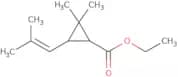
CAS:<p>Chrysanthemum monocarboxylic acid ethyl ester is a chemical compound that belongs to the group of chrysanthemic acid derivatives. It is synthesized by reacting the carboxylic acid with an alcohol in the presence of hydrochloric acid and sodium ethoxide. Chrysanthemum monocarboxylic acid ethyl ester has been shown to have genotoxic effects, as well as fatty acids that can induce lysine residues. This drug also has a pharmaceutical use for tissue culture, which may be due to its ability to inhibit l-tartaric acid, an alkanoic acid.</p>Fórmula:C12H20O2Pureza:Min. 95%Peso molecular:196.29 g/molSodium Decanoate
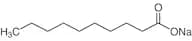
CAS:Fórmula:C10H19NaO2Pureza:>99.0%(T)Forma y color:White to Light yellow powder to crystalPeso molecular:194.25Ethyl Erucate
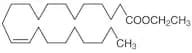
CAS:Fórmula:C24H46O2Pureza:>95.0%(GC)Forma y color:Colorless to Light yellow to Light orange clear liquidPeso molecular:366.63









![5-Hydroxy-2-oxo-2,3-dihydro-1H-[1]benzazephe-4-carboxylic Acid Ethyl Ester](/_next/image/?url=https%3A%2Fstatic.cymitquimica.com%2Fproducts%2FTR%2Fthumb-webp%2FH950810.webp&w=3840&q=75)



![(1S,3R,4R)-3-[(tert-Butoxycarbonyl)amino]-4-[(methylsulfonyl)oxy]cyclohexanecarboxylic Acid Ethyl …](/_next/image/?url=https%3A%2Fstatic.cymitquimica.com%2Fproducts%2FTR%2Fthumb-webp%2FB750055.webp&w=3840&q=75)
![1-[(1E)-2-Nitroethenyl]-2-naphthalenol](/_next/image/?url=https%3A%2Fstatic.cymitquimica.com%2Fproducts%2FTR%2Fthumb-webp%2FN495905.webp&w=3840&q=75)