Esteroides
Los esteroides son una clase de compuestos orgánicos con una estructura molecular característica compuesta por cuatro anillos fusionados. Desempeñan un papel vital en diversos procesos biológicos, actuando como hormonas que regulan el metabolismo, la función inmunitaria y la reproducción. Los esteroides se utilizan ampliamente en medicina por sus propiedades antiinflamatorias, inmunosupresoras y anabólicas. En la investigación, se estudian por su potencial terapéutico en el tratamiento de afecciones como la artritis, el asma y los desequilibrios hormonales. En CymitQuimica, encontrarás una amplia selección de esteroides, esenciales para la investigación en farmacología, bioquímica y el desarrollo de terapias basadas en esteroides.
Subcategorías de "Esteroides"
Se han encontrado 1702 productos de "Esteroides"
Ordenar por
Pureza (%)
0
100
|
0
|
50
|
90
|
95
|
100
Cortisone acetate
CAS:Producto controlado<p>Cortisone acetate is a synthetic corticosteroid, which is a derivative of cortisone, a naturally occurring hormone produced by the adrenal cortex. As a pharmaceutical compound, cortisone acetate acts primarily as an anti-inflammatory and immunosuppressive agent. Its mode of action involves the conversion into cortisol, a glucocorticoid, which then interacts with glucocorticoid receptors to modulate the transcription of responsive genes. This process reduces the production of pro-inflammatory cytokines and inhibits the function of immune cells, thereby producing an anti-inflammatory effect.</p>Fórmula:C23H30O6Pureza:95%MinForma y color:PowderPeso molecular:402.48 g/molLanosterol (Isocholesterol) - Lanosterol 60%
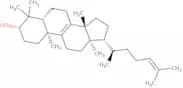
CAS:Producto controlado<p>Composed of Lanosterol (~65%), dihydrolanosterol, agnosterol,dihydroagnosterol.Extracted from wool.</p>Fórmula:C30H50OPureza:Min. 60 Area-%Forma y color:White Off-White PowderPeso molecular:426.72 g/molPregnenolone acetate
CAS:Producto controlado<p>Pregnenolone acetate is a synthetic compound classified as a steroidal hormone precursor. It is derived from pregnenolone, which is a naturally occurring steroid hormone in the body. Pregnenolone is primarily synthesized from cholesterol, a fundamental component upon which steroidogenesis is based. The acetate form is an ester derivative, which can enhance stability and bioavailability.</p>Fórmula:C23H34O3Pureza:Min. 98 Area-%Forma y color:White PowderPeso molecular:358.51 g/mol9,10-Secocholesta-5,7,10(19)-trien-3beta-ol
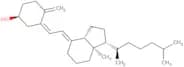
CAS:<p>9,10-Secocholesta-5,7,10(19)-trien-3beta-ol is a secosteroid compound, which is predominantly derived from the photochemical conversion of 7-dehydrocholesterol in the skin upon exposure to ultraviolet B radiation. This compound undergoes a series of hepatic and renal hydroxylations to form active vitamin D metabolites, such as calcitriol. These active forms modulate calcium and phosphate homeostasis through a nuclear receptor-mediated mechanism that governs gene expression relevant to mineral metabolism.</p>Fórmula:C27H44OPureza:Min. 97 Area-%Forma y color:White Yellow PowderPeso molecular:384.64 g/molTeasterone
CAS:Producto controladoPlease enquire for more information about Teasterone including the price, delivery time and more detailed product information at the technical inquiry form on this pageFórmula:C28H48O4Pureza:Min. 95%Peso molecular:448.35526Cholesterol
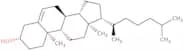
CAS:Producto controlado<p>Cholesterol is a complex lipid molecule, which is an essential component of cell membranes in animals. It is primarily synthesized in the liver, though it can also be obtained from dietary sources such as meat, dairy, and eggs. Cholesterol's mode of action involves its incorporation into the phospholipid bilayer of cell membranes, where it modulates fluidity and structural integrity, impacting membrane protein function and cellular signaling pathways.</p>Fórmula:C27H46OPureza:Min. 95 Area-%Forma y color:White Clear LiquidPeso molecular:386.65 g/molSaponins
CAS:<p>Saponins are naturally occurring glycosides, which are compounds sourced primarily from various plant species, including legumes, herbs, and certain vegetables. These compounds are characterized by their unique structure, comprising a hydrophobic aglycone linked to hydrophilic sugar moieties. This dual nature endows saponins with surfactant-like properties, allowing them to interact with both hydrophilic and hydrophobic molecules.</p>Pureza:(Uv) Min. 90%Forma y color:Brown Off-White PowderUzarigenin
CAS:<p>Uzarigenin is a steroidal sapogenin, which is a naturally derived chemical compound typically extracted from plants belonging to the Apocynaceae family. It is primarily sourced from species like *Cynanchum* and *Xysmalobium*, where it exists as part of glycosidic complexes. The mode of action of uzarigenin involves its interaction with cellular steroid pathways, providing insights into various biological processes involving steroidal regulation and interaction. Such properties make it valuable in the study of steroid biosynthesis and the pharmacodynamics of cardiotonic steroids.</p>Fórmula:C23H34O4Pureza:Min. 97 Area-%Forma y color:PowderPeso molecular:374.52 g/molPromegestone
CAS:Producto controlado<p>Promegestone is a synthetic progestogen, which is derived from progesterone. It functions by mimicking the effects of natural progesterone in the body, acting primarily on progesterone receptors to modulate reproductive processes. This progestogenic agent alters the lining of the uterus and inhibits gonadotropin production, thereby exerting its effects on ovulation and menstrual cycles.</p>Fórmula:C22H30O2Pureza:Min. 95%Peso molecular:326.47 g/molZuclomiphene
CAS:Producto controlado<p>Zuclomiphene is a selective estrogen receptor modulator (SERM), which is derived from clomiphene citrate, a mixture containing two isomers, zuclomiphene and enclomiphene. Zuclomiphene acts by binding to estrogen receptors, exhibiting both estrogenic and anti-estrogenic effects depending on the target tissue. This dual action makes it a valuable tool in modulating estrogen receptor activity for scientific research.</p>Fórmula:C26H28ClNOPureza:Min. 95%Peso molecular:405.96 g/molCholesterol 3-sulfate sodium
CAS:<p>Cholesterol 3-sulfate sodium salt is a fine chemical that is used as a versatile building block and reagent. It is a useful intermediate that can be used in the synthesis of complex compounds, speciality chemicals, and reaction components. Cholesterol 3-sulfate sodium salt can be used to synthesize cholesterol derivatives. This compound has been shown to have high reactivity with nucleophiles and can be used as a building block for other organic compounds. The CAS number for Cholesterol 3-sulfate sodium salt is 2864-50-8.</p>Fórmula:C27H45NaO4SPureza:Min. 95%Forma y color:White PowderPeso molecular:488.7 g/molEpibrassinolide
CAS:<p>Epibrassinolide is a plant growth regulator, which is a synthetic analog of brassinosteroids derived from natural plant steroids. It exerts its effects through modulating gene expression and activating signaling pathways that enhance cell elongation, division, and differentiation. Additionally, Epibrassinolide plays a crucial role in improving a plant's tolerance to environmental stresses such as drought, salinity, and temperature extremes. It is widely used in agricultural research and practices to boost crop yield and quality. Researchers apply Epibrassinolide to study its potential in promoting growth, increasing resistance to pathogens, and enhancing overall plant vitality. Its applications extend to various plant species, where it is utilized to explore genetic expressions and physiological adaptations in response to its regulatory effects.</p>Fórmula:C28H48O6Pureza:(%) Min. 85%Forma y color:White PowderPeso molecular:480.68 g/molCoumestrol-9-methyl ether
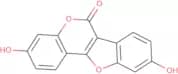
CAS:<p>Coumestrol-9-methyl ether is a synthetic estrogen analogue, which is derived from coumestrol, a naturally occurring phytoestrogen found in various plant sources such as soybeans and clover. This compound is synthesized through chemical modification to enhance its stability and bioactivity, differing from its naturally occurring counterpart by the addition of a methyl group.</p>Fórmula:C16H10O5Pureza:Min. 95%Peso molecular:282.25 g/molProtodioscin
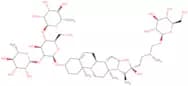
CAS:<p>Protodioscin is a steroidal saponin, which is a naturally occurring glycoside. It is predominantly sourced from the plant Tribulus terrestris but can also be found in other medicinal plants such as Dioscorea species. The mode of action of protodioscin involves its ability to influence the levels of dehydroepiandrosterone (DHEA) and other hormones, potentially affecting physiological functions related to vitality and performance.</p>Fórmula:C51H84O22Pureza:Min. 95%Forma y color:PowderPeso molecular:1,049.22 g/molPregnenolone
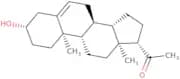
CAS:Producto controlado<p>Pregnenolone is a steroidal hormone precursor, which is synthesized from cholesterol in the mitochondria of adrenal glands and other tissues. Its mode of action involves serving as a precursor for other critical steroid hormones, including progesterone, mineralocorticoids, glucocorticoids, androgens, and estrogens. As a neurosteroid, it plays a significant role in modulating synaptic function and neurogenesis.</p>Fórmula:C21H32O2Pureza:Min. 98 Area-%Forma y color:PowderPeso molecular:316.48 g/molCoumestrol
CAS:<p>Coumestrol is a phytoestrogen compound, which is a naturally occurring compound found in a variety of plants, such as soybeans, clover, and alfalfa. It is derived from the metabolic processes within these plants. Coumestrol exhibits estrogenic activity, acting as an agonist for estrogen receptors. This biological activity enables coumestrol to mimic the action of endogenous estrogens, thereby influencing estrogen-responsive pathways.</p>Fórmula:C15H8O5Pureza:Min. 95%Forma y color:PowderPeso molecular:268.22 g/molBetamethasone
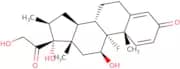
CAS:Producto controlado<p>Betamethasone is a synthetic corticosteroid, which is an analogue of a glucocorticoid sourced from adrenal cortex hormones. Its mode of action involves modulating the immune response by inhibiting the release of substances in the body that cause inflammation. This is achieved through its binding affinity to glucocorticoid receptors, leading to transcriptional changes that suppress pro-inflammatory cytokine production and other mediators of inflammation.</p>Fórmula:C22H29FO5Pureza:Min. 97 Area-%Forma y color:White PowderPeso molecular:392.46 g/molPolyphyllin B (Formosanin C)
CAS:<p>Polyphyllin B (Formosanin C) is a natural saponin compound, which is derived from the rhizomes of plants in the genus Paris, particularly Paris polyphylla. Known for its biological activity, Polyphyllin B functions primarily by disrupting cellular membranes and inducing apoptosis in cancer cells through various signaling pathways, including the mitochondrial pathway. This mechanism is attributed to its ability to interfere with cancer cell proliferation and promote cell death, making it a compound of interest in oncological research.</p>Fórmula:C51H82O20Pureza:Min. 95%Forma y color:PowderPeso molecular:1,015.19 g/mol4,4,4-Trimethoxybutanoic Acid Methyl Ester
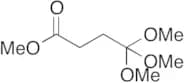
CAS:Producto controlado<p>Applications 4,4,4-Trimethoxybutanoic Acid Methyl Ester is an substituent in the synthesis of Methyl Prednisolone (M325934).<br>References Ueno, H., et al.: J. Med. Chem., 34, 2468 (1991);<br></p>Fórmula:C8H16O5Forma y color:NeatPeso molecular:192.2116-Oxo Ethynyl Estradiol
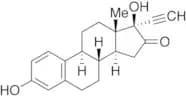
CAS:Producto controlado<p>Impurity Ethinylestradiol EP Impurity H<br>Applications A degradation product of Ethynyl Estradiol (EE), (E685100).<br> Not a dangerous good if item is equal to or less than 1g/ml and there is less than 100g/ml in the package<br></p>Fórmula:C20H22O3Forma y color:Off-WhitePeso molecular:310.39