Terpenoides
Subcategorías de "Terpenoides"
- Diterpenos (C₂₀)(671 productos)
- Hemiterpenos (C₅)(21 productos)
- Monoterpenos (C₁₀)(709 productos)
- Sesquiterpenos (C₂₅)(452 productos)
- Tetraterpenos (C₄₀)(63 productos)
- Triterpenos (C₃₀)(1.128 productos)
Se han encontrado 1423 productos de "Terpenoides"
8(17)14-Labdadiene-13,18-diol, picea sitchensis (sitka spruce)
CAS:8(17)14-Labdadiene-13,18-diol is a diterpene, a class of chemical compounds known for their diverse structural traits and biological activities. This compound is derived from Picea sitchensis, commonly known as Sitka spruce, which is native to the western regions of North America. The diterpene structure of 8(17)14-Labdadiene-13,18-diol is significant due to its potential biological interactions.
Fórmula:C20H34O2Pureza:Min. 95%Peso molecular:306.48 g/molDiosbulbin B
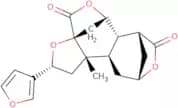
CAS:Diosbulbin B is a naturally occurring sesquiterpene lactone, which is derived primarily from the plant Dioscorea bulbifera, commonly known as "air potato" or "bitter yam." As a bioactive compound, Diosbulbin B demonstrates a mode of action that involves the induction of cytotoxicity in malignant cells, primarily through the disruption of microtubule dynamics, leading to cell cycle arrest and apoptosis.Fórmula:C19H20O6Pureza:Min. 98 Area-%Forma y color:PowderPeso molecular:344.36 g/molHederagenin
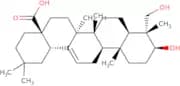
CAS:Producto controladoHederagenin is a triterpenoid saponin, which is a naturally occurring organic compound typically found in various plant species, particularly in the Araliaceae family. It is derived from the hydrolysis of saponins such as hederacoside C, present in plants like ivy (Hedera helix). This compound exhibits a wide array of biological activities due to its ability to interact with cellular membranes and proteins.Fórmula:C30H48O4Pureza:Min. 95.0 Area-%Forma y color:White PowderPeso molecular:472.70 g/molOrthosphenic acid
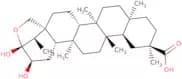
CAS:Please enquire for more information about Orthosphenic acid including the price, delivery time and more detailed product information at the technical inquiry form on this pageFórmula:C30H48O5Pureza:Min. 95%Forma y color:PowderPeso molecular:488.7 g/molSoyasaponin Bb
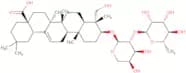
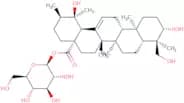
CAS:Soyasaponin Bb is a naturally occurring saponin, which is a type of glycoside, derived from soybeans (Glycine max). It is primarily sourced from the seeds and roots of the soybean plant. The mode of action of soyasaponin Bb involves its ability to interact with lipid membranes, affecting cellular pathways and exerting antioxidant and anti-inflammatory effects. Additionally, it has been shown to modulate cholesterol metabolism and exhibit potential anticancer activities through apoptosis induction and inhibition of tumor cell proliferation.Fórmula:C48H78O18Pureza:Min. 94.0 Area-%Peso molecular:943.12 g/molRef: 3D-Q-100575
1gA consultar50mgA consultar100mgA consultar250mgA consultar500mgA consultar-Unit-mgmgA consultarGibberellic acid
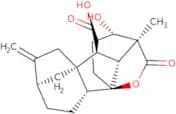
CAS:Gibberellic acid is a plant growth regulator, which is derived from fungal species, particularly Gibberella fujikuroi. It functions by stimulating and regulating various growth and developmental processes within plants. Gibberellic acid works through promoting cell elongation, breaking seed dormancy, and influencing enzyme production that leads to plant growth and development.Gibberellic acid is extensively utilized in agricultural and horticultural applications to enhance plant growth, improve fruit size, and increase yields. It is also employed in seed treatment to facilitate more uniform and quicker germination. Additionally, gibberellic acid is used to regulate flowering and to promote the development of certain plant species under controlled environmental conditions. This compound plays a critical role in research, providing insights into plant physiology and the hormonal interactions that govern plant development.
Fórmula:C19H22O6Peso molecular:346.38 g/molα-Hederin
CAS:Antispasmodic, moliscicidic, anthelmithic and inhibitor of cell proliferationFórmula:C41H66O12Pureza:Min. 98 Area-%Forma y color:White PowderPeso molecular:750.96 g/molPeduncloside II
CAS:Peduncloside II is a rare glucoside, a type of chemical compound, that is naturally derived from specific plant sources. The source of Peduncloside II is primarily the traditional medicinal plant, which has been utilized in various indigenous pharmacopeias, particularly in certain regions of Asia. It is isolated from plant tissues where it functions as a secondary metabolite.
Fórmula:C36H58O10Pureza:Min. 95%Forma y color:PowderPeso molecular:650.84 g/molCimigenoside
CAS:Cimigenoside is a naturally occurring triterpene saponin, which is a phytochemical compound extracted primarily from the roots of the Cimicifuga species, such as Cimicifuga racemosa, commonly known as black cohosh. The source of this compound is rooted in traditional medicinal practices, where these plants have been used for their therapeutic benefits.Fórmula:C35H56O9Pureza:Min. 95%Forma y color:Off-White PowderPeso molecular:620.81 g/molManool
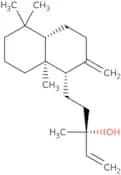
CAS:Manool is a diterpene compound, which is derived from natural plant sources, predominantly from the essential oils of certain coniferous trees. It exhibits a unique cyclic structure and is classified within the group of labdane diterpenes. Manool is extracted through steam distillation of the plant material followed by purification processes to isolate its active form.Fórmula:C20H34OPureza:Min. 90 Area-%Forma y color:Yellow PowderPeso molecular:290.48 g/molGinsenoside Rc
CAS:Ginsenoside Rc is a bioactive compound, which is a triterpenoid saponin derived from the root of the Panax ginseng plant. It possesses a unique mode of action through its interaction with cell membrane receptors, influencing various signaling pathways. Among its many effects, Ginsenoside Rc modulates immune response, exhibits antioxidant properties, and can regulate glucose metabolism and cardiovascular function.
Fórmula:C53H90O22Pureza:Min. 98 Area-%Forma y color:White Off-White PowderPeso molecular:1,079.3 g/molPseudoginsenoside FII
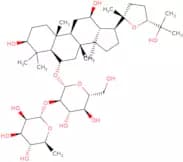
CAS:Pseudoginsenoside FII is a ginsenoside derivative, which is an active saponin constituent derived from the plant Panax ginseng. This compound is known for its complex interaction with cellular pathways, primarily influencing metabolic and signaling processes within the human body. The mode of action involves modulation of various signal transduction pathways, including MAPK and PI3K/Akt, impacting apoptosis, proliferation, and differentiation of cells.Fórmula:C42H72O14Pureza:Min. 95%Forma y color:PowderPeso molecular:801.01 g/molUrsolic acid - 98%
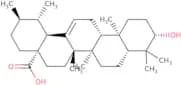
CAS:Producto controladoUrsolic acid - 98% is a naturally occurring triterpenoid compound, which is sourced primarily from the waxy coating of fruits, such as apples, as well as from several medicinal herbs like rosemary and holy basil. This compound is known to possess a variety of biological activities due to its molecular structure.Fórmula:C30H48O3Forma y color:White Off-White PowderPeso molecular:456.7 g/mol(+)-Aromadendrene
CAS:(+)-Aromadendrene is a sesquiterpene, which is a type of hydrocarbon compound found in the essential oils of various plants, particularly those within the Myrtaceae family. This compound is primarily sourced from the leaves and branches of Eucalyptus species, where it contributes to the plant’s aromatic profile.
Fórmula:C15H24Pureza:Min. 80 Area-%Forma y color:Yellow Clear LiquidPeso molecular:204.35 g/molGibberellic acid A4
CAS:Gibberellic acid A4 is a phytohormone and plant growth regulator, which is a diterpene acid derived from the fungal genus *Gibberella*. This compound functions by stimulating the production of enzymes that degrade cell wall components, allowing for cell elongation and division. Additionally, it influences the expression of genes related to growth and development processes.Fórmula:C19H24O5Pureza:Min. 90 Area-%Forma y color:White PowderPeso molecular:332.39 g/molGentiopicroside
CAS:Gentiopicroside is a bitter iridoid glycoside, which is predominantly sourced from plants of the Gentianaceae family, such as Gentiana lutea. It acts as a natural compound with several biological activities emanating from its unique chemical structure. The mode of action of gentiopicroside involves modulating various enzymatic pathways and exhibiting antioxidant properties due to its ability to scavenge free radicals and reduce oxidative stress.Fórmula:C16H20O9Pureza:Min. 95%Forma y color:PowderPeso molecular:356.33 g/molBenzoylpaeoniflorin
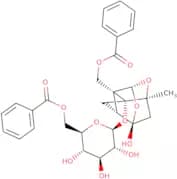
CAS:Benzoylpaeoniflorin is a glycoside, which is a naturally occurring compound found in certain plants. It is primarily sourced from the roots of *Paeonia lactiflora*, a herbaceous plant commonly used in traditional medicine. The compound exerts its effects through several mechanisms, including the inhibition of inflammatory mediators and modulation of oxidative stress pathways. Benzoylpaeoniflorin acts by targeting specific signaling pathways that regulate inflammation and cellular stress responses, contributing to its therapeutic potential.Fórmula:C30H32O12Pureza:Min. 95%Forma y color:White Off-White PowderPeso molecular:584.57 g/molDigitoxose
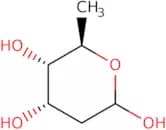
CAS:Digitoxose is a deoxy sugar, which is an integral component of certain cardiac glycosides. These glycosides, such as digitoxin, are predominantly sourced from the leaves of the digitalis species, particularly Digitalis purpurea or Digitalis lanata. The sugar moiety, digitoxose, is critical for the glycoside's ability to exert its pharmacological effects through interactions with cellular components.
Fórmula:C6H12O4Pureza:Min. 95%Forma y color:Off-White Yellow PowderPeso molecular:148.16 g/molDeltoidin
CAS:Deltoidin is a cutting-edge biochemical compound, which is developed through intricate synthetic processes involving organic precursors. It functions by interacting at the molecular level with specific biochemical pathways, thereby modulating cellular responses precisely and effectively. This mode of action makes it highly valuable for targeted research applications where specific cellular mechanisms need to be studied or manipulated.Fórmula:C20H22O9Pureza:Min. 95%Peso molecular:406.38 g/molEupatolide
CAS:Eupatolide is a sesquiterpene lactone, which is a class of naturally occurring organic compounds. It is primarily derived from certain plants in the Asteraceae family, such as Eupatorium species. Eupatolide exhibits its biological effects through the modulation of various signaling pathways, including the inhibition of the nuclear factor kappa B (NF-κB) pathway, which plays a critical role in the regulation of immune and inflammatory responses.
Fórmula:C15H20O3Pureza:Min. 98 Area-%Forma y color:PowderPeso molecular:248.32 g/mol