Fenilpropanoides
Les phénylpropanoïdes sont un groupe diversifié de métabolites végétaux dérivés de l'acide aminé phénylalanine. Ils jouent des rôles importants dans la structure des plantes, la défense et la pigmentation. De plus, les phénylpropanoïdes ont été étudiés pour leurs propriétés anti-inflammatoires, antioxydantes et antimicrobiennes. Ces composés sont utilisés dans la recherche sur les produits naturels, la biologie végétale et la pharmacologie.
Subcategorías de "Fenilpropanoides"
Se han encontrado 1290 productos de "Fenilpropanoides"
Ordenar por
Pureza (%)
0
100
|
0
|
50
|
90
|
95
|
100
Dimethylcurcumin
CAS:<p>Dimethylcurcumin is a synthetic, small-molecule compound that is a derivative of curcumin, a naturally occurring polyphenol found in the spice turmeric. Curcumin is known for its various biological activities, but its clinical use is limited due to poor bioavailability. Dimethylcurcumin is chemically modified to enhance its stability and bioavailability, making it a more potent alternative.</p>Fórmula:C23H24O6Pureza:Min. 95%Peso molecular:396.43 g/molRottlerin
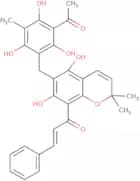
CAS:<p>Rottlerin is a polyphenolic compound, which is a natural product derived from the plant species Mallotus philippensis. It is primarily isolated from the fruits or glands of this plant. Rottlerin operates as a selective inhibitor, notably targeting specific protein kinases such as PKC-delta (Protein Kinase C delta). It also affects various other cellular processes and pathways, offering a diverse range of biological effects.</p>Fórmula:C30H28O8Pureza:Min. 95 Area-%Forma y color:Orange PowderPeso molecular:516.54 g/molNeochlorogenic acid
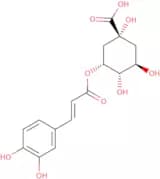
CAS:<p>Neochlorogenic acid is a phenolic compound, specifically a type of polyphenol, commonly found in various plants, including fruits, vegetables, and coffee beans. It is derived from natural sources through the metabolism of chlorogenic acid pathways in plants. As a powerful antioxidant, neochlorogenic acid works by scavenging free radicals and reducing oxidative stress in biological systems.</p>Fórmula:C16H18O9Pureza:Min. 98 Area-%Forma y color:White PowderPeso molecular:354.31 g/mol1,3-Dicaffeoylquinic acid
CAS:<p>1,3-Dicaffeoylquinic acid is a bioactive compound, which is a type of caffeoylquinic acid. This compound is commonly found in various plant sources, including coffee, artichokes, and certain herbal extracts. It is part of a larger family of polyphenolic compounds that are notable for their diverse biological activities.</p>Fórmula:C25H24O12Pureza:Min. 95%Forma y color:White PowderPeso molecular:516.45 g/molEchinacoside
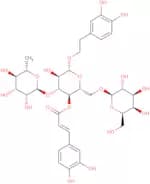
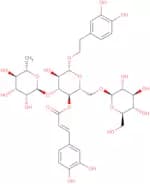
CAS:<p>Echinacoside is a caffeic acid derivative naturally found in plants, such as, Echinacea angustifolia DC. Echinacoside belongs to the class of phenylethanoid glycosides. In vitro studies have revealed the mode of action of echinacoside in breast cancer cells; echinacoside suppresses the Wnt/β-catenin signalling pathway exerting anticancer activity (Tang et al, 2020). Echinacoside has been reported as beneficial for human health in terms of neuroprotection, cardioprotectiony, anti-inflammatory, antioxidant and anti-osteoporotic activity (Liu, 2018).</p>Fórmula:C35H46O20Pureza:Min. 98 Area-%Forma y color:PowderPeso molecular:786.74 g/molMalabaricone A
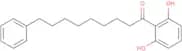
CAS:<p>Malabaricone A is a naturally occurring compound, which is a diarylnonanoid isolated from the fruits of Myristica malabarica, commonly known as the Malabar nutmeg tree. This compound exhibits diverse biological activities due to its unique chemical structure, primarily contributing to its mode of action as an antioxidant and anti-inflammatory agent. Malabaricone A scavenges free radicals and modulates cellular pathways involved in the inflammatory response, making it a potential therapeutic candidate in the management of oxidative stress-related disorders.</p>Fórmula:C21H26O3Pureza:Min. 98 Area-%Forma y color:White Off-White PowderPeso molecular:326.43 g/molMarein
CAS:<p>Please enquire for more information about Marein including the price, delivery time and more detailed product information at the technical inquiry form on this page</p>Fórmula:C21H22O11Pureza:Min. 95%Peso molecular:450.39 g/mol[6]-Shogaol
CAS:Fórmula:C17H24O3Pureza:>90.0%(HPLC)Forma y color:Light yellow to Yellow clear liquidPeso molecular:276.38Puerarin
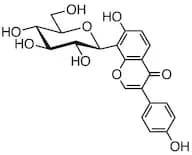
CAS:Fórmula:C21H20O9Pureza:>98.0%(T)(HPLC)Forma y color:White to Almost white powder to crystalPeso molecular:416.38Ellagic Acid
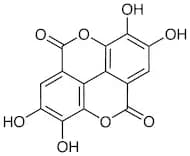
CAS:Fórmula:C14H6O8Pureza:>95.0%(T)(HPLC)Forma y color:White to Light yellow powder to crystalPeso molecular:302.19(-)-Deguelin
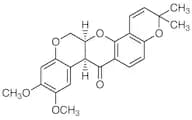
CAS:Fórmula:C23H22O6Pureza:>95.0%(HPLC)Forma y color:White to Yellow to Green powder to crystalPeso molecular:394.42Dihydrodehydrodiconiferyl alcohol
CAS:<p>Dihydrodehydrodiconiferyl alcohol is a lignan compound, which is a type of polyphenol. It is primarily sourced from plants, including species like conifers and other woody plants. The compound is notable for its ability to modulate various biochemical pathways, primarily through its antioxidant and anti-inflammatory activities. Its mode of action involves scavenging free radicals and inhibiting pro-inflammatory enzyme pathways, thereby reducing oxidative stress and inflammation at the cellular level.</p>Fórmula:C20H24O6Pureza:Min. 95%Peso molecular:360.4 g/molPodophyllotoxone
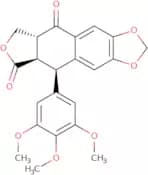
CAS:<p>Podophyllotoxone is a potent antimitotic compound derived from the rhizomes and roots of the Podophyllum plant, predominantly Podophyllum peltatum and Podophyllum hexandrum. It functions primarily by binding to and destabilizing microtubules, which are essential components of the cell division process. This action hinders the polymerization of tubulin, effectively arresting cells in the metaphase of mitosis, leading to the inhibition of cellular proliferation.</p>Fórmula:C22H20O8Pureza:Min. 95%Peso molecular:412.39 g/mol3,5-Di-O-caffeoylquinic acid methyl ester
CAS:<p>3,5-Di-O-caffeoylquinic acid methyl ester is a specialized ester compound that belongs to the family of caffeoylquinic acids. This molecule is typically derived from plant sources, where it functions as part of the secondary metabolites with notable biochemical significance. It is often found in various plant species, notably those used in traditional medicine. The compound acts as a potent antioxidant due to its capacity to neutralize free radicals and reduce oxidative stress within biological systems.</p>Fórmula:C26H26O12Pureza:Min. 95%Peso molecular:530.48 g/molMyricoside
CAS:<p>Myricoside is a glycoside compound, which is derived from the bark and leaves of the plant _Myrica rubra_, commonly known as the Chinese bayberry. This compound exhibits potential biological activities primarily due to its nature as a plant secondary metabolite with a specific chemical structure that fosters interactions at the cellular level.</p>Fórmula:C34H44O19Pureza:Min. 95%Peso molecular:756.7 g/molEthyl ferulate - Natural grade
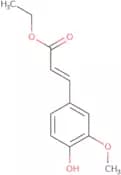
CAS:<p>Ethyl ferulate - Natural grade is a phenolic compound, which is derived from the esterification of ferulic acid, a compound commonly extracted from plant sources such as rice bran and oats. The mode of action of ethyl ferulate involves its ability to scavenge free radicals, thereby exhibiting potent antioxidant properties. Additionally, it is known for its anti-inflammatory effects, as it can modulate the expression of various inflammatory mediators, making it a valuable molecule in the context of cellular protection.</p>Pureza:Min. 95%Purpureaside C
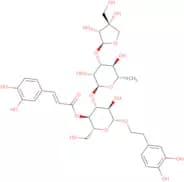
CAS:<p>Purpureaside C is a natural compound, which is a type of iridoid glycoside. It is derived from plants belonging to the genus *Cistanche*, commonly found in dry and arid environments. These plants have been used in traditional medicine, providing a rich source for isolating various bioactive substances.</p>Pureza:Min. 95%10Isovaleryloxy-8,9-epoxythymol-3-isovalerate
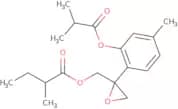
CAS:<p>10Isovaleryloxy-8,9-epoxythymol-3-isovalerate is a bioactive compound, which is a naturally occurring derivative of thymol, often sourced from plant species belonging to the Lamiaceae family. It exhibits noteworthy antimicrobial properties by interacting with microbial cell membranes, disrupting their integrity, and ultimately leading to cell death. This mechanism involves the compound's ability to penetrate the lipid bilayer, causing leakage of cellular contents and interfering with essential biological processes.</p>Fórmula:C19H26O5Pureza:Min. 95%Peso molecular:334.41 g/molMaritimein
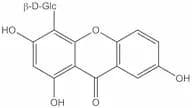
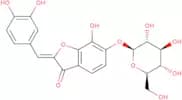
CAS:<p>Maritimein is an advanced bioactive compound, which is isolated from specific marine organisms, particularly those inhabiting unique ecological niches. This marine-derived compound operates through complex biochemical pathways, often involving the modulation of cellular signaling and interaction with specific protein targets, which can lead to effects such as inhibiting enzymes or altering gene expression.</p>Fórmula:C21H20O11Pureza:Min. 95%Forma y color:Yellow PowderPeso molecular:448.38 g/mol




![[6]-Shogaol](/_next/image/?url=https%3A%2Fstatic.cymitquimica.com%2Fproducts%2F3B%2Fthumb-webp%2FH1771.webp&w=3840&q=75)