Flavonoides
Subcategorías de "Flavonoides"
- Antocianidinas(46 productos)
- Antocianina(46 productos)
- Catequina(88 productos)
- Chalconas(237 productos)
- Pterocarpan(28 productos)
Se han encontrado 2410 productos de "Flavonoides"
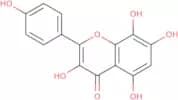
Herbacetin
CAS:Herbacetin is a naturally occurring flavonoid, which is a type of polyphenolic compound extracted from plants, particularly from the leaves of the flax plant. It functions primarily by inhibiting the activity of various enzymes and signaling pathways that are involved in oxidative stress and inflammatory responses. The inhibition of these pathways can modulate cellular processes, making it a subject of interest in the study of disease mechanisms and potential treatments.Fórmula:C15H10O7Pureza:Min. 95%Forma y color:Off-White PowderPeso molecular:302.24 g/molIsoglabrone
CAS:Isoglabrone is a flavonoid compound, which is derived primarily from certain plant species known for their medicinal properties. As a plant-derived compound, isoglabrone is part of a broader class of natural products that are the focus of extensive research due to their diverse biological activities. The mode of action of isoglabrone involves the modulation of various signaling pathways, which may include antioxidant, anti-inflammatory, and anticancer activities. These actions are mediated through interactions with cellular receptors and enzyme systems, altering gene expression and cellular responses.Fórmula:C20H16O5Pureza:Min. 95%Peso molecular:336.34 g/molDiosmin - 90%
CAS:Phlebotropic drug used in the treatment of venous diseaseFórmula:C28H32O15Pureza:Min. 95%Forma y color:Yellow PowderPeso molecular:608.54 g/molAlfalone
CAS:Please enquire for more information about Alfalone including the price, delivery time and more detailed product information at the technical inquiry form on this pageFórmula:C17H14O5Pureza:Min. 95%Forma y color:PowderPeso molecular:298.29 g/mol3,6,2',4',5'-Pentamethoxyflavone
CAS:3,6,2',4',5'-Pentamethoxyflavone is a flavonoid compound, which is a type of polyphenolic secondary metabolite found in various plants. It is isolated from certain plant species known for their medicinal properties, such as Orthosiphon stamineus. This compound is characterized by the presence of five methoxy groups attached to the flavone backbone, which is thought to significantly influence its biological activity.
Fórmula:C20H20O7Pureza:Min. 95%Peso molecular:372.37 g/molHegoflavon B
CAS:Please enquire for more information about Hegoflavon B including the price, delivery time and more detailed product information at the technical inquiry form on this pageFórmula:C30H20O12Pureza:Min. 95%Peso molecular:572.47 g/molKakkatin
CAS:Kakkatin is a natural antimicrobial agent, which is derived from specific plant extracts known for their inherent bioactive properties. It functions by disrupting the cellular membranes of pathogenic microorganisms, leading to their subsequent inactivation. This mode of action is attributed to its unique phytochemical constituents, which interact with microbial cell structures to inhibit growth and proliferation.
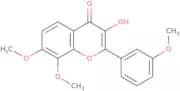
Fórmula:C16H12O5Pureza:Min. 95%Peso molecular:284.26 g/mol3-Hydroxy-7,8,3'-trimethoxyflavone
CAS:3-Hydroxy-7,8,3'-trimethoxyflavone is a specialized flavonoid compound, which is isolated predominantly from certain plant sources known for their diverse array of secondary metabolites. The compound belongs to the flavone subclass, characterized by its distinctive hydroxyl and methoxy functional groups, which are crucial in determining its biochemical properties and interactions.Fórmula:C18H16O6Pureza:Min. 95%Peso molecular:328.32 g/mol2',7,8-Trimethoxyflavone
CAS:2',7,8-Trimethoxyflavone is a specialized flavonoid compound, which is naturally derived from certain medicinal plants. This compound belongs to the broader class of polyphenolic molecules known as flavones, often found in various fruits and vegetables. It is primarily isolated from plants such as Kaempferia parviflora, renowned for its traditional use in herbal medicine.
Fórmula:C18H16O5Pureza:Min. 95%Peso molecular:312.32 g/mol2'-O-Methylisoliquiritigenin
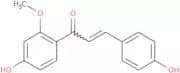
CAS:2'-O-Methylisoliquiritigenin is a methylated flavonoid, which is a specialized biologically active compound found naturally in certain plants, most notably in licorice species. It is an analog of isoliquiritigenin, produced through methylation at the 2' position of the molecule, which enhances its chemical stability and potential bioactivity. The primary mode of action for 2'-O-Methylisoliquiritigenin involves the modulation of various biological pathways, including anti-inflammatory and antioxidant mechanisms. It has been shown to interact with key cellular signaling pathways influencing gene expression, cell cycle regulation, and apoptosis.
Fórmula:C16H14O4Pureza:Min. 95%Forma y color:PowderPeso molecular:270.28 g/molFlavanone hydrazone - 99%
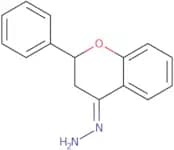
CAS:Flavanone hydrazone - 99% is a highly pure chemical compound that serves as an important intermediate in organic synthesis. It originates primarily from synthetic processes involving hydrazides and flavanones, which are derivatives of flavonoids noted for their wide range of biological activities. The mode of action of flavanone hydrazone involves the introduction of a hydrazone group, which can facilitate the formation of various heterocyclic compounds. This makes it valuable in the construction of complex organic molecules, a process crucial in the fields of medicinal chemistry and drug discovery.
Fórmula:C15H14N2OPureza:(%) Min. 99%Forma y color:PowderPeso molecular:238.28 g/mol3,7,8,2',4'-Pentamethoxyflavone
CAS:3,7,8,2',4'-Pentamethoxyflavone is a naturally occurring flavonoid, which is a type of polyphenolic compound, broadly found in various plants. This compound is typically isolated from plant sources known for their rich bioactive profiles, such as certain species within the Rutaceae and other plant families. The distinctive feature of flavonoids, including 3,7,8,2',4'-Pentamethoxyflavone, lies in their diverse biological activities, which are attributed to their multi-targeted mode of action.Fórmula:C20H20O7Pureza:Min. 95%Peso molecular:372.37 g/molLuteolin 3′,7-diglucoside
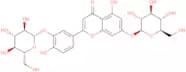
CAS:Luteolin 3′,7-diglucoside is a flavonoid compound, which is predominantly found in a variety of plant species. It acts as an antioxidant, which is significant in its ability to neutralize free radicals, thereby potentially reducing oxidative stress at the cellular level. This compound is derived from natural sources such as fruits, vegetables, and herbs, where it exists as a glycosylated form of luteolin, bonded with glucose molecules.
Fórmula:C27H30O16Pureza:Min. 95%Forma y color:PowderPeso molecular:610.52 g/mol5,2'-Dimethoxyflavone
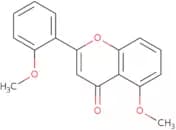
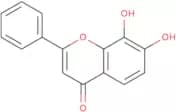
CAS:5,2'-Dimethoxyflavone is a synthetic or naturally occurring flavone, which is derived from certain plants. It belongs to the class of polyphenolic compounds found predominantly in the plant kingdom. As a secondary metabolite, this compound is linked to the plant's defense mechanisms, typically sourced from herbs known for their therapeutic potential.Fórmula:C17H14O4Pureza:Min. 95%Forma y color:PowderPeso molecular:282.29 g/mol7,8-Dihydroxyflavone
CAS:7,8-Dihydroxyflavone is a synthetic flavonoid, which is derived from naturally occurring compounds found in plants. It is known to act as a tropomyosin receptor kinase B (TrkB) agonist, mimicking the action of brain-derived neurotrophic factor (BDNF). By selectively binding to TrkB receptors, it activates downstream signaling pathways involved in neuronal survival, differentiation, and synaptic plasticity.Fórmula:C15H10O4•(H2O)xPureza:Min. 95%Forma y color:PowderPeso molecular:254.24 g/molFluoxastrobin
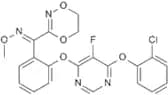
CAS:Fluoxastrobin is a systemic fungicide, which is a synthetic chemical compound designed for use in agriculture. Its source is derived from laboratory synthesis, specifically created to inhibit key fungal pathogens. The mode of action of Fluoxastrobin involves disrupting mitochondrial respiration by targeting the pathogens' electron transport chain, thereby inhibiting energy production and ultimately halting their growth and proliferation.
Fórmula:C21H16ClFN4O5Pureza:Min. 95%Forma y color:PowderPeso molecular:458.83 g/mol6,8-Diprenylorobol
CAS:6,8-Diprenylorobol is a prenylated isoflavonoid, which is a type of bioactive compound. It is isolated primarily from various plant sources, such as those belonging to the Fabaceae family. The structural uniqueness of 6,8-Diprenylorobol arises from the addition of prenyl groups to the isoflavonoid backbone, which enhances its biological activity.
Fórmula:C25H26O6Pureza:Min. 95%Forma y color:PowderPeso molecular:422.47 g/mol5,7-Di-O-methyl-8-prenylflavanone
CAS:5,7-Di-O-methyl-8-prenylflavanone is a prenylated flavanone, which is a type of natural compound known for its structural complexity and biological activities. This compound is primarily sourced from plants, especially those in the Leguminosae family, where it plays a role in the plant's defense mechanisms. Its mode of action involves the modulation of various intracellular signaling pathways, often contributing to its anti-inflammatory and anti-cancer properties. This compound can inhibit certain enzyme activities and interfere with cellular proliferation and apoptosis processes.Fórmula:C22H24O4Pureza:Min. 95%Peso molecular:352.42 g/molPrunetin
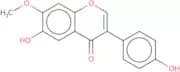
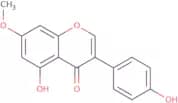
CAS:Prunetin is a naturally occurring isoflavone, which is an organic compound derived from plant sources. It is primarily found in legumes and other plant materials where it naturally occurs as part of the plant's phytochemical arsenal. The mode of action of prunetin involves modulating various biochemical pathways, including acting as an antioxidant, influencing estrogenic activity, and affecting cellular signaling pathways. Its biochemical properties allow it to interact with multiple cellular targets, leading to its diverse biological activities.
Fórmula:C16H12O5Pureza:Min. 95%Forma y color:Slightly Brown PowderPeso molecular:284.26 g/molSigmoidin C
CAS:Sigmoidin C is a naturally occurring alkaloid, which is derived from the roots of certain species within the genus Alstonia. This compound is notable for its complex chemical structure and its potential therapeutic effects, which stem from its plant-based origin. Sigmoidin C operates primarily through modulating neurotransmitter systems, where it influences synaptic transmission and neuronal excitability.Fórmula:C20H18O6Pureza:Min. 95%Peso molecular:354.35 g/mol