Flavonoides
Subcategorías de "Flavonoides"
- Antocianidinas(46 productos)
- Antocianina(46 productos)
- Catequina(88 productos)
- Chalconas(237 productos)
- Pterocarpan(28 productos)
Se han encontrado 2408 productos de "Flavonoides"
3'-Hydroxy-5'-prenylbiochanin A
CAS:3'-Hydroxy-5'-prenylbiochanin A is a prenylated isoflavone, which is a type of naturally occurring polyphenolic compound. It is predominantly sourced from various plant species, particularly those belonging to the Fabaceae family, such as legumes and soy. These compounds are often found in the plant's roots, stems, and leaves and play crucial roles in plant defense mechanisms.
Fórmula:C21H20O6Pureza:Min. 95%Peso molecular:368.38 g/molKaempferol
CAS:Kaempferol is a naturally occurring flavonoid, which is a type of plant secondary metabolite, prevalent in a variety of fruits, vegetables, and plants such as kale, beans, tea, broccoli, apples, and grapes. It belongs to the class of flavonols, which are compounds that contribute to the pigments of plants. Kaempferol is typically sourced through plant extraction processes and is often found in significant amounts in dietary sources.Fórmula:C15H10O6Pureza:Min. 95%Forma y color:Yellow PowderPeso molecular:286.24 g/molAmentoflavone-7”,4”’-dimethyl ether
CAS:Amentoflavone-7",4"'-dimethyl ether is a synthetic biflavonoid derivative, which is modeled on natural compounds found in certain plant species. Biflavonoids are typically sourced from plants like Gingko biloba and Selaginella, known for their varied biological activities. The dimethyl ether modification enhances the molecule's chemical stability and potentially its bioavailability.Fórmula:C32H22O10Pureza:Min. 95%Peso molecular:566.51 g/mol5,6,7-Trimethoxyflavone
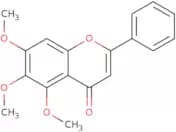
CAS:5,6,7-Trimethoxyflavone is a specialized flavonoid compound, which is derived from natural plant sources. This compound exists primarily in certain species of the plant kingdom, such as citrus fruits, where it is part of a group of polyphenolic compounds known for their diverse biological activities. Its structure is characterized by the presence of three methoxy groups at positions 5, 6, and 7 on the flavone backbone, contributing to its distinct biochemical properties.
Fórmula:C18H16O5Pureza:Min. 95%Forma y color:PowderPeso molecular:312.32 g/mol2',3,5,7-Tetrahydroxyflavone
CAS:2',3,5,7-Tetrahydroxyflavone is a naturally occurring flavonoid compound, which is primarily derived from various plant sources known for their rich polyphenolic content. This compound is characterized by its multiple hydroxyl groups that confer significant antioxidant properties. Its mode of action primarily involves the scavenging of free radicals and the inhibition of oxidative enzyme systems. Additionally, it is known to modulate several intracellular signaling pathways, including those involved in inflammation and apoptosis.Fórmula:C15H10O6Pureza:Min. 95%Forma y color:PowderPeso molecular:286.24 g/molIsookanin
CAS:Isookanin is a naturally occurring flavonoid compound, which is derived from various plant sources, including certain flowers and herbs. Its mode of action involves interacting with cellular pathways to exhibit anti-inflammatory and antioxidant properties. Isookanin achieves this by modulating the activity of enzymes and signaling molecules involved in inflammatory responses, thereby potentially reducing oxidative stress and inflammation.Fórmula:C15H12O6Pureza:Min. 98 Area-%Forma y color:PowderPeso molecular:288.25 g/molAcacetin 7-O-methyl ether
CAS:Acacetin 7-O-methyl ether is a flavonoid derivative, which is a secondary metabolite primarily derived from various plants, including those in the Asteraceae family. This compound is biosynthesized as part of the plant's natural defense mechanism against herbivores and pathogens. Acacetin 7-O-methyl ether exhibits its biological activities through various modes of action, including anti-inflammatory and antioxidant effects, by inhibiting key signaling pathways and modulating enzyme activities.Fórmula:C17H14O5Pureza:Min. 95%Forma y color:White PowderPeso molecular:298.29 g/molDidymin
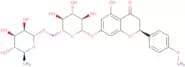
CAS:Didymin is a flavonoid compound, which is a type of polyphenolic molecule. It occurs naturally in certain citrus fruits and plants, representing a secondary metabolite with bioactive properties. Didymin exhibits antioxidative activity by neutralizing free radicals and reducing oxidative stress, primarily through the modulation of cellular signaling pathways. This mechanism involves the enhancement of endogenous antioxidant defenses and the inhibition of pro-inflammatory mediators.Fórmula:C28H34O14Pureza:Min. 98 Area-%Forma y color:PowderPeso molecular:594.56 g/molPodocarpusflavone A
CAS:Podocarpusflavone A is a flavonoid compound, which is a type of polyphenolic molecule. It is isolated from the Podocarpus genus, a source known for yielding bioactive phytochemicals. The mode of action of Podocarpusflavone A involves modulation of various cellular signaling pathways, including antioxidative and anti-inflammatory mechanisms, which can influence cell proliferation and apoptosis.
Fórmula:C31H20O10Pureza:Min. 95%Forma y color:PowderPeso molecular:552.48 g/molAzoxystrobin
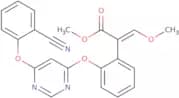
CAS:Azoxystrobin is a fungicide, which is a synthesized chemical compound, derived from natural strobilurin compounds produced by fungi. Its mode of action involves inhibiting mitochondrial respiration in fungi by blocking the cytochrome bc1 complex, disrupting energy production essential for fungal growth and survival.Fórmula:C22H17N3O5Pureza:Min. 95%Forma y color:PowderPeso molecular:403.39 g/mol6,4'-Dimethoxyflavanone
6,4'-Dimethoxyflavanone is a flavanone derivative, which is a type of organic compound belonging to the larger class of flavonoids. These compounds are primarily sourced from natural products, frequently occurring in various plant species. Flavonoids are known for their diverse bioactive properties, which can include antioxidant, anti-inflammatory, and potential anticancer activities. The mode of action for 6,4'-Dimethoxyflavanone typically involves interacting with cellular pathways to modulate enzyme activities or signaling processes, potentially influencing oxidative stress and cellular proliferation.
Fórmula:C17H16O4Pureza:Min. 95%Peso molecular:284.31 g/mol3',4',7,8-Tetrahydroxyflavone
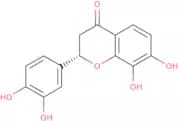
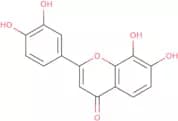
CAS:3',4',7,8-Tetrahydroxyflavone is a polyhydroxyflavone compound, which is a type of flavonoid systematically derived from plant sources known for their rich polyphenolic content. It is characterized primarily by the presence of multiple hydroxyl groups that contribute to its significant biochemical activity. This compound exhibits its mode of action through the modulation of various biochemical pathways, primarily through its antioxidant properties that enable it to scavenge free radicals, thus reducing oxidative stress within biological systems.Fórmula:C15H10O6Pureza:Min. 95%Forma y color:Off-White Yellow PowderPeso molecular:286.24 g/molKaempferol-3-glucoside(6”-O-acetate)-7-rhamnoside
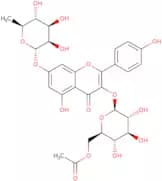
CAS:Kaempferol-3-glucoside(6”-O-acetate)-7-rhamnoside is a flavonoid glycoside derivative, which is naturally sourced from various plants, particularly those in the Brassicaceae family. This compound is known for its significant antioxidant properties, allowing it to scavenge free radicals and reduce oxidative stress within biological systems. Its mode of action involves the modulation of several cellular pathways, including the inhibition of protein kinases and the regulation of anti-inflammatory responses. This results in potential therapeutic benefits in conditions related to oxidative stress and inflammation.Fórmula:C29H32O16Pureza:Min. 95%Forma y color:PowderPeso molecular:636.55 g/mol3,6,2',4',5'-Pentamethoxyflavone
CAS:3,6,2',4',5'-Pentamethoxyflavone is a flavonoid compound, which is a type of polyphenolic secondary metabolite found in various plants. It is isolated from certain plant species known for their medicinal properties, such as Orthosiphon stamineus. This compound is characterized by the presence of five methoxy groups attached to the flavone backbone, which is thought to significantly influence its biological activity.
Fórmula:C20H20O7Pureza:Min. 95%Peso molecular:372.37 g/molAlfalone
CAS:Please enquire for more information about Alfalone including the price, delivery time and more detailed product information at the technical inquiry form on this pageFórmula:C17H14O5Pureza:Min. 95%Forma y color:PowderPeso molecular:298.29 g/mol7-Hydroxy-5-methylflavone
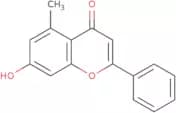
CAS:7-Hydroxy-5-methylflavone is a flavonoid compound, which is a diverse group of phytonutrients present in a variety of plants. These compounds are derived from flavonoid biosynthesis pathways that commonly occur in fruits, vegetables, and certain beverages like tea. Flavonoids are well-regarded for their roles in plant defense mechanisms and their antioxidative properties.
Fórmula:C16H12O3Pureza:Min. 95%Forma y color:PowderPeso molecular:252.26 g/molFerreirin
CAS:Ferreirin is an iron chelator, which is derived from natural sources. It functions by binding to excess iron ions in biological systems, forming a stable complex that can be excreted from the body. This mode of action is critical in managing iron overload conditions, often seen in various pathological states such as thalassemia or hemochromatosis where excess iron poses a risk of oxidative damage to cells and tissues.
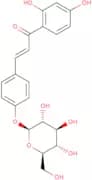
Fórmula:C16H14O6Pureza:Min. 95%Peso molecular:302.28 g/molNeoisoliquiritin
CAS:Neoisoliquiritin is a bioactive flavonoid glycoside, which is a derivative of isoliquiritin. It is primarily sourced from the roots of Glycyrrhiza species, commonly known as licorice plants. This compound is formed through the natural modifications of flavonoids within the plant, involving glycosylation processes that enhance its solubility and stability.
Fórmula:C21H11O9Pureza:Min. 95%Forma y color:PowderPeso molecular:418.39 g/molSilymonin
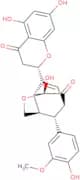
CAS:Silymonin is a herbal supplement, which is derived from the seeds of the milk thistle plant, Silybum marianum. The active components of Silymonin are flavonolignans, collectively known as silymarin. These compounds exhibit potent antioxidant activity by scavenging free radicals and interfering with lipid peroxidation, thereby protecting cellular membranes from oxidative damage. Additionally, Silymonin modulates the expression of genes associated with inflammation and apoptosis, contributing further to its hepatoprotective effects.
Fórmula:C25H22O9Pureza:Min. 95%Forma y color:PowderPeso molecular:466.44 g/mol6-Prenyl-3'-methoxydaidzein
6-Prenyl-3'-methoxydaidzein is a prenylated isoflavonoid, which is a secondary metabolite frequently found in the Leguminosae family, particularly in the roots of certain plant species. This compound exhibits a unique structural modification that involves the addition of a prenyl group, which can enhance its biological activity. Known for its potential antioxidant properties, 6-Prenyl-3'-methoxydaidzein acts by scavenging free radicals and reducing oxidative stress within cellular systems.Fórmula:C21H20O5Pureza:Min. 95%Peso molecular:352.38 g/mol