Flavonoides
Los flavonoides son un grupo de metabolitos vegetales con propiedades antioxidantes que contribuyen al color de frutas y flores. Desempeñan un papel significativo en la protección de las plantas contra la radiación UV y los patógenos. Los flavonoides se estudian por sus potenciales beneficios para la salud, incluidas propiedades antiinflamatorias, antivirales y anticancerígenas. Son ampliamente investigados en los campos de la farmacología, la nutrición y la biología molecular.
Subcategorías de "Flavonoides"
- Antocianidinas(46 productos)
- Antocianina(46 productos)
- Catequina(88 productos)
- Chalconas(237 productos)
- Pterocarpan(28 productos)
Se han encontrado 2408 productos de "Flavonoides"
Ordenar por
Pureza (%)
0
100
|
0
|
50
|
90
|
95
|
100
Robinetin
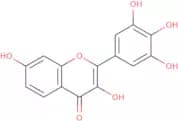
CAS:Robinetin is a flavonoid, which is a type of polyphenolic compound, isolated primarily from the black locust tree (Robinia pseudoacacia). As a naturally occurring compound, it is biosynthesized within the plant's tissues and is responsible for various physiological activities. The mode of action of Robinetin primarily involves its antioxidant properties, where it interacts with free radicals to neutralize oxidative stress, thus protecting cells from damage. Additionally, it has been observed to modulate enzyme activities and may influence signaling pathways related to inflammation and cellular responses.Fórmula:C15H10O7Pureza:Min. 95%Forma y color:Yellow PowderPeso molecular:302.24 g/molAbyssinone IV
CAS:<p>Abyssinone IV is a naturally occurring isoflavonoid, which is derived from plants, particularly those in the genus Erythrina. Isoflavonoids are a class of secondary metabolites known for their diverse pharmacological properties. The source of Abyssinone IV is primarily the Erythrina species, which have been traditionally used in various ethnomedicinal practices.</p>Fórmula:C25H28O4Pureza:Min. 95%Peso molecular:392.49 g/molGenistin
CAS:Genistin is a naturally occurring isoflavone glycoside, which is derived primarily from soybeans and other legumes. It serves as a glycoside form of genistein, a well-known phytoestrogen. The mode of action of Genistin involves its bioconversion into genistein through hydrolysis. Once converted, it functions by binding to estrogen receptors, exhibiting estrogenic activity that can modulate various biological pathways.Fórmula:C21H20O10Pureza:Min. 97 Area-%Forma y color:Off-White PowderPeso molecular:432.38 g/molRetusin
CAS:<p>Retusin is an alkaloid compound, which is derived from organic botanical sources, specifically certain plant species known for their medicinal properties. It functions primarily through a bactericidal mode of action by interfering with bacterial cell wall synthesis and disrupting critical metabolic pathways essential for bacterial survival. This interference effectively inhibits bacterial growth and proliferation, leading to cell death.</p>Fórmula:C19H18O7Pureza:Min. 95%Forma y color:SolidPeso molecular:358.34 g/mol3'-Methoxy-β-naphthoflavone
CAS:3'-Methoxy-β-naphthoflavone is a synthetic compound, classified as a flavonoid derivative, which is widely utilized in scientific research as a potent inducer and modulator of cytochrome P450 enzymes, particularly CYP1A1 and CYP1A2. Its source is entirely chemical synthesis, allowing for controlled study of its physiological effects without interference from naturally occurring impurities.Fórmula:C20H14O3Pureza:90%Forma y color:PowderPeso molecular:302.32 g/molCarthamidin tetramethyl ether
CAS:<p>Carthamidin tetramethyl ether is a chemical compound classified as a flavonoid, which is a naturally occurring phytochemical. It is derived from the safflower plant (Carthamus tinctorius), which belongs to the Asteraceae family. The primary mode of action of Carthamidin tetramethyl ether involves its antioxidant properties, which allow it to scavenge free radicals and reduce oxidative stress. Additionally, it may interact with specific cellular pathways, influencing gene expression and enzyme activities related to inflammatory responses and cellular metabolism.</p>Fórmula:C19H20O6Pureza:Min. 95%Peso molecular:344.36 g/mol7,8,4'-Trihydroxyflavone
CAS:7,8,4'-Trihydroxyflavone is a synthetic flavonoid compound, which is a type of polyphenolic molecule derived through chemical synthesis. Its structure mimics naturally occurring flavonoids found in various plants but is specifically designed and manufactured in laboratory settings to achieve precise molecular composition and enhanced activity.Fórmula:C15H10O5Pureza:Min. 95%Forma y color:PowderPeso molecular:270.24 g/mol6,3'-Dihydroxyflavone
CAS:<p>6,3'-Dihydroxyflavone is a naturally occurring flavonoid, which is a type of polyphenolic compound. It is sourced from various plant species known for their beneficial phytochemicals. This compound acts primarily as a selective TrkB agonist, mimicking the effects of brain-derived neurotrophic factor (BDNF), thereby influencing neurotrophic signaling pathways. By promoting TrkB phosphorylation, 6,3'-Dihydroxyflavone supports neuronal survival, differentiation, and synaptic plasticity.</p>Fórmula:C15H10O4Pureza:Min. 95%Forma y color:PowderPeso molecular:254.24 g/molWogonin
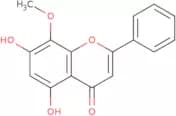
CAS:<p>Wogonin is a bioactive flavonoid compound, which is isolated from the roots of the plant Scutellaria baicalensis, commonly known as Baikal skullcap. Its mode of action involves modulating various signaling pathways, including the inhibition of pro-inflammatory cytokines and the suppression of cancer cell proliferation through the induction of apoptosis and cell cycle arrest. By influencing these molecular pathways, Wogonin exhibits significant pharmacological potential.</p>Fórmula:C16H12O5Pureza:Min. 98 Area-%Forma y color:Yellow PowderPeso molecular:284.26 g/mol4'-Hydroxyflavonol
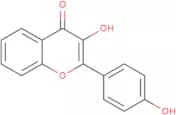
CAS:<p>4'-Hydroxyflavonol is a flavonoid compound, which is a naturally occurring phenolic structure commonly found in various plants. It is derived from sources such as fruits, vegetables, and certain medicinal herbs known for their rich polyphenolic content. The mode of action of 4'-Hydroxyflavonol primarily involves its antioxidant properties. It is capable of scavenging free radicals and chelating metal ions, thus protecting cells from oxidative stress and potential damage. Additionally, it may influence signaling pathways related to inflammation and immune response.</p>Fórmula:C15H10O4Forma y color:Slightly Yellow PowderPeso molecular:254.24 g/mol5',8''-Biluteolin
CAS:<p>5',8''-Biluteolin is a naturally occurring flavonoid, which is a specific type of plant-derived polyphenolic compound. It is primarily sourced from various plant species known for their rich flavonoid content, including certain herbs and fruits. This compound exerts its effects by modulating key signaling pathways, including the inhibition of specific kinases and transcription factors, which are critical in the regulation of cellular inflammation and proliferation.</p>Fórmula:C30H18O12Pureza:Min. 95%Forma y color:Orange PowderPeso molecular:570.46 g/molHispidulin
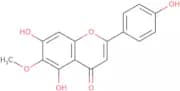
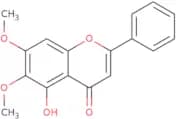
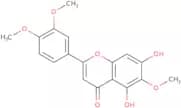
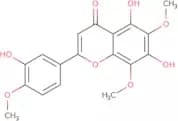
CAS:Hispidulin is a naturally occurring flavonoid compound, which is predominantly derived from plants such as Salvia and Artemisia species. This bioactive compound exhibits a broad spectrum of pharmacological activities that have garnered attention in the scientific community. Its mode of action involves the modulation of cellular pathways, including the inhibition of enzymes like cyclooxygenases, which are pivotal in inflammatory responses. Furthermore, Hispidulin has been shown to influence neurotransmitter systems, including GABAergic activity, indicating potential neuroprotective effects.Fórmula:C16H12O6Pureza:Min. 98 Area-%Forma y color:Off-White PowderPeso molecular:300.26 g/mol6-Prenylnaringenin
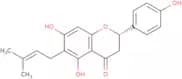
CAS:6-Prenylnaringenin is a prenylflavonoid, which is a type of isoflavonoid, primarily derived from hops (Humulus lupulus). It is recognized for its potent phytoestrogenic properties, functioning as a selective agonist for estrogen receptors. By binding to estrogen receptors, 6-Prenylnaringenin can modulate estrogenic activities within the body, influencing various biological processes.Fórmula:C20H20O5Pureza:Min 98%Forma y color:PowderPeso molecular:340.37 g/mol6,3'-Dihydroxydaidzein
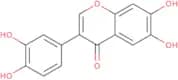
CAS:<p>6,3'-Dihydroxydaidzein is an isoflavonoid compound, which is a type of naturally occurring polyphenol. This compound is primarily sourced from plants, particularly legumes like soybeans, where it functions as a metabolite in the daidzein biosynthesis pathway. Mechanistically, 6,3'-Dihydroxydaidzein exhibits antioxidant properties by scavenging free radicals and inhibiting oxidative stress at the cellular level.</p>Fórmula:C15H10O6Pureza:Min. 95%Forma y color:Brown PowderPeso molecular:286.24 g/molNarcissin
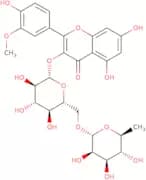
CAS:Narcissin is a flavonoid glycoside, which is a bioactive compound isolated from the Narcissus species, particularly found in various plant parts of the genus Narcissus. The source of narcissin is primarily within the botanical family Amaryllidaceae, known for its diverse metabolic profile and prominent ornamental species.Fórmula:C28H32O16Pureza:Min. 95%Forma y color:PowderPeso molecular:624.54 g/mol5,2',3'-Trimethoxyflavanone
<p>5,2',3'-Trimethoxyflavanone is a specialized methoxyflavanone, which is a derivative of flavanone compounds. This compound is typically sourced from naturally occurring flavonoids found in various plant species. Its structure incorporates methoxy groups that contribute to its distinct chemical properties and potential biological activity.</p>Fórmula:C18H16O5Pureza:Min. 95%Peso molecular:312.3 g/molMosloflavone
CAS:Mosloflavone is a naturally occurring flavonoid, which is derived from certain plant sources, particularly those belonging to the Moraceae family. This compound is recognized for its bioactive properties, functioning primarily through antioxidant and anti-inflammatory mechanisms. The mode of action involves the scavenging of free radicals and the inhibition of various pro-inflammatory pathways, thereby reducing oxidative stress and inflammation at the cellular level.Fórmula:C17H14O5Pureza:Min. 98 Area-%Forma y color:PowderPeso molecular:298.29 g/molGenistein
CAS:Genistein is a naturally occurring isoflavone, which is derived primarily from soy products and other legumes. Its chemical structure allows it to mimic the function of 17-beta-estradiol, a form of estrogen, by binding to estrogen receptors. This selective binding primarily targets estrogen receptor beta, leading to a range of biological effects. Moreover, Genistein exhibits antioxidant properties by scavenging free radicals and inhibiting oxidative stress.Fórmula:C15H10O5Pureza:Min. 95%Forma y color:White PowderPeso molecular:270.24 g/molCladrin-7-O-glucoside
CAS:<p>Cladrin-7-O-glucoside is a flavonoid glycoside, which is a type of secondary metabolite commonly found in various plants. This compound is derived from natural sources, particularly plants belonging to the genus Cleome. Flavonoid glycosides are known for having a sugar molecule attached to a flavonoid backbone, which influences their solubility and bioavailability.</p>Fórmula:C23H24O10Pureza:Min. 95%Peso molecular:460.43 g/mol3,7,3'-Trimethoxyflavone
CAS:3,7,3'-Trimethoxyflavone is a type of flavonoid, which is a class of polyphenolic compounds. It is naturally occurring and can be derived from certain plant species. Flavonoids are well-known for their presence in fruits, vegetables, and various other plant sources, contributing to the plants' color, flavor, and disease resistance.Fórmula:C18H16O5Pureza:Min. 95%Peso molecular:312.32 g/molEupatilin
CAS:<p>Eupatilin is a flavonoid compound, which is derived from the Artemisia species. This plant-based source has been traditionally used in various medicinal applications across different cultures. Eupatilin’s mode of action involves inhibition of pro-inflammatory cytokines and modulation of signaling pathways associated with inflammation, such as the NF-kB pathway. Additionally, it has been found to possess antioxidant activities, which further contributes to its therapeutic potential.</p>Fórmula:C18H16O7Pureza:Min. 95%Forma y color:PowderPeso molecular:344.32 g/mol7-Hydroxy-2',3',4'-trimethoxyisoflavone
CAS:<p>7-Hydroxy-2',3',4'-trimethoxyisoflavone is a naturally occurring isoflavone, which is a type of flavonoid commonly found in certain plants. It is typically sourced from various botanical species known for their rich flavonoid content. Isoflavones are derived from plants such as soybeans, and in some cases, isolated from other legumes and herbs.</p>Fórmula:C18H16O6Pureza:Min. 95%Peso molecular:328.32 g/mol5,7-Dihydroxyisoflavone
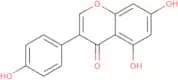
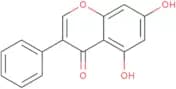
CAS:5,7-Dihydroxyisoflavone is a naturally occurring isoflavone, which is a type of flavonoid compound commonly found in various plants. It is primarily derived from sources such as soybeans and other legumes, which are known to contain a wide array of phytonutrients. The mode of action of 5,7-Dihydroxyisoflavone involves its ability to act as an antioxidant, scavenging free radicals and thereby reducing oxidative stress within biological systems. This function is crucial in preserving cellular health and preventing damage that can lead to chronic diseases.Fórmula:C15H10O4Pureza:Min. 95%Forma y color:PowderPeso molecular:254.24 g/molIsorhamnetin-3-O-b-D-glucoside
CAS:<p>Isorhamnetin-3-O-b-D-glucoside is a flavonoid glycoside, which is typically extracted from various plant sources, notably from fruits and medicinal herbs like sea buckthorn and Ginkgo biloba. This compound is recognized for its role in modulating oxidative stress due to its antioxidant capabilities. The glycoside linkage enhances the solubility and bioavailability compared to the aglycone, isorhamnetin.</p>Fórmula:C22H22O12Pureza:Min. 95 Area-%Forma y color:Yellow PowderPeso molecular:478.4 g/molQuercetin 3,4'-dimethyl ether
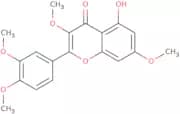
CAS:<p>Quercetin 3,4'-dimethyl ether is a flavonoid derivative, which is a naturally occurring compound found in various plants. It is part of the larger family of flavonoids, known for their diverse biological activities and presence in numerous botanical sources such as fruits, vegetables, and medicinal herbs. The modification of quercetin by methylation alters its solubility and bioavailability, potentially enhancing its biological effects.</p>Fórmula:C17H14O7Pureza:Min. 95%Peso molecular:330.29 g/mol7-O-Methyl quercetin
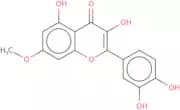
CAS:<p>7-O-Methyl quercetin is a flavonoid derivative, which is a naturally occurring compound found in several plant species, often referred to as a methylated form of the flavonoid quercetin. It is primarily sourced from plants such as onion, green tea, and various berries, where it serves diverse ecological roles, including defense mechanisms against herbivores and pathogens.</p>Fórmula:C16H12O7Pureza:90%Forma y color:PowderPeso molecular:316.26 g/molApigenin - 97%
CAS:Apigenin - 97% is a high-purity flavonoid compound, which is primarily derived from various plant sources such as parsley, chamomile, and celery. This compound is known for its significant presence in the plant kingdom, where it functions as a secondary metabolite contributing to plant defense.Fórmula:C15H10O5Pureza:Min. 97 Area-%Forma y color:PowderPeso molecular:270.24 g/molHinokiflavone pentamethyl ether
CAS:<p>Hinokiflavone pentamethyl ether is a synthetic flavonoid derivative, which is a chemically modified compound sourced from the natural biflavonoid, hinokiflavone. It is characterized by the methylation of phenolic hydroxyl groups, enhancing its stability and solubility. This compound can be derived through organic synthesis techniques involving the catalytic methylation of hinokiflavone.</p>Fórmula:C35H28O10Pureza:Min. 95%Peso molecular:608.59 g/molTheaflavin-3,3'-digallate
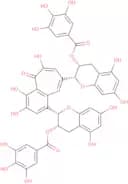
CAS:Theaflavin-3,3'-digallate is a polyphenolic compound, which is primarily derived from black tea through the oxidative fermentation of tea leaves. This compound is part of the theaflavins, which result from the enzymatic oxidation of catechins, the major constituents of green tea. It exhibits various biological activities due to its complex molecular structure, which includes multiple hydroxyl groups that facilitate specific intermolecular interactions.Fórmula:C43H32O20Pureza:Min. 95%Forma y color:Red PowderPeso molecular:868.7 g/mol3-Methylflavone-8-carboxylic acid
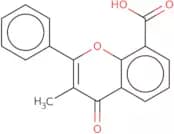
CAS:3-Methylflavone-8-carboxylic acid is a synthetic compound, which is known primarily as an antagonist of the gamma-aminobutyric acid (GABA) receptor system. This product is derived from chemical synthesis processes involving flavone derivatives. The mode of action involves competitive inhibition at the GABA-A receptor sites, thereby modulating neurotransmitter activity within the central nervous system.Fórmula:C17H12O4Pureza:Min. 95%Forma y color:PowderPeso molecular:280.27 g/molButin
CAS:<p>Butin is a flavonoid compound, which is naturally derived from certain plants and is characterized by a chalcone structure. This compound acts as an antifungal agent by disrupting the cell membrane integrity of pathogenic fungi, ultimately inhibiting their growth and reproduction. The mechanism is thought to involve interference with key enzymatic pathways essential for cell wall synthesis, though precise molecular interactions are still under investigation.</p>Fórmula:C15H12O5Pureza:Min. 95%Forma y color:PowderPeso molecular:272.25 g/mol4',6,7-Trimethoxyisoflavone
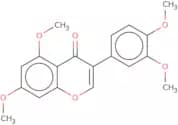
CAS:4',6,7-Trimethoxyisoflavone is a naturally occurring isoflavone, which is a type of phytoestrogen found in certain plants. This compound is generally derived from plant sources that are rich in isoflavones, such as soybeans and other legumes. Isoflavones like 4',6,7-Trimethoxyisoflavone are known to exhibit a range of biological activities due to their structural similarity to estrogens, allowing them to bind to estrogen receptors.Fórmula:C18H16O5Pureza:Min. 95%Forma y color:White Off-White PowderPeso molecular:312.32 g/molAcerosin
CAS:Acerosin is a naturally derived antibiotic compound, sourced from Streptomyces bacteria, with a unique dual mode of action. It exhibits both antimicrobial activity and anti-inflammatory effects. The antimicrobial action is primarily achieved through disruption of bacterial cell wall synthesis, leading to bacterial cell lysis. Additionally, Acerosin modulates immune responses by inhibiting the production of pro-inflammatory cytokines, which reduces inflammation at the site of infection.Pureza:Min. 95%4',5,7,8-Tetrahydroxyflavanone
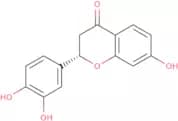
CAS:4',5,7,8-Tetrahydroxyflavanone is a naturally occurring flavonoid, which is a type of polyphenolic compound found in various plants. These compounds are well-regarded for their potential health benefits and are often derived from natural sources such as fruits, vegetables, and certain herbs. The mode of action of 4',5,7,8-Tetrahydroxyflavanone involves its interaction with free radicals, effectively neutralizing them due to its antioxidant properties. By mitigating oxidative stress, it may exert a protective effect at the cellular level.Fórmula:C15H12O6Pureza:Min. 95%Peso molecular:288.25 g/molVicenin III
CAS:<p>Vicenin III is a natural flavonoid compound, which is a type of polyphenolic metabolite commonly found in various plant species. It is primarily extracted from herbaceous plants and certain fruits and vegetables, where it acts as a secondary metabolite contributing to the plant's defense mechanisms. The compound exerts its effects through antioxidant properties, which involve scavenging free radicals and reducing oxidative stress at the cellular level. Additionally, it demonstrates anti-inflammatory activity by modulating key signaling pathways and inhibiting pro-inflammatory mediators.</p>Fórmula:C26H28O14Pureza:Min. 95%Forma y color:PowderPeso molecular:564.49 g/molAspalathin
CAS:AntioxidantImage created by Dave Richardson sourced from https://www.inaturalist.org/photos/171407970Fórmula:C21H24O11Pureza:Min. 97 Area-%Forma y color:White PowderPeso molecular:452.41 g/molOrobol 5,7,3',4'-tetramethyl ether
CAS:Orobol 5,7,3',4'-tetramethyl ether is a flavonoid derivative compound, which is synthesized from natural flavonoid sources such as plants. This compound operates primarily through its antioxidant properties, scavenging free radicals and reducing oxidative stress, which may contribute to its potential therapeutic activities.Fórmula:C19H18O6Pureza:Min. 95%Forma y color:PowderPeso molecular:342.34 g/molBryacarpene-2
CAS:<p>Bryacarpene-2 is a terpene compound, which is derived from natural sources, specifically marine bryozoans. Its mode of action involves interacting with specific biological pathways, potentially influencing cellular processes such as apoptosis and inflammation. This interaction suggests its potential as a therapeutic agent in various biomedical fields. The uses and applications of Bryacarpene-2 are currently under investigation, particularly its role in medical research related to anti-cancer, anti-inflammatory, and antimicrobial properties. The exploration of Bryacarpene-2 highlights its capacity as a candidate for drug development, offering a promising avenue for scientific exploration and potential clinical applications.</p>Fórmula:C18H16O6Pureza:Min. 95%Peso molecular:328.32 g/molLeucocyanidin polymer
CAS:Leucocyanidin polymer is an oligomeric flavonoid compound, which is primarily sourced from plants, particularly abundant in certain fruits, seeds, and barks. These naturally occurring polymers belong to a class of compounds known as proanthocyanidins, which are part of the larger flavonoid family.Fórmula:(C15H14O7•C15H14O6)xPureza:Min. 95%Forma y color:PowderKaempferol-3-glucoside-7-rhamnoside
CAS:<p>Kaempferol-3-glucoside-7-rhamnoside is a flavonoid glycoside, which is a natural compound found in several plant species, including tea, broccoli, and propolis. It is synthesized through glycosylation, where sugar moieties are enzymatically attached to the kaempferol backbone. This compound is known for its potent antioxidant activity, capable of scavenging free radicals and protecting cells from oxidative stress.</p>Fórmula:C27H30O15Pureza:Min. 95%Forma y color:PowderPeso molecular:594.52 g/molDillenetin
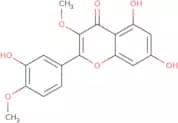
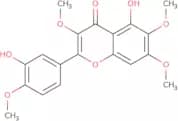
CAS:<p>Dillenetin is a flavonoid compound, which is derived from natural plant sources, particularly found in the genus Dillenia. It exhibits significant bioactivity with a mode of action primarily involving the modulation of cell signaling pathways. Dillenetin is known to bind to specific enzymes and receptors, influencing cellular processes such as proliferation, apoptosis, and oxidative stress responses.</p>Fórmula:C17H14O7Pureza:Min. 95%Forma y color:PowderPeso molecular:330.29 g/mol5,4'-Dimethoxyflavanone
<p>5,4'-Dimethoxyflavanone is a flavonoid compound, which is a type of polyphenolic product ubiquitously found in various plant sources. These flavonoids are synthesized by plants as secondary metabolites, which aid in plant defense against herbivores and pathogens, and also contribute to the plant's coloration. The mode of action of 5,4'-Dimethoxyflavanone involves the modulation of oxidative stress and inflammation pathways. It achieves this by scavenging free radicals and inhibiting pro-inflammatory enzymes, thus providing a protective effect at the cellular level.</p>Fórmula:C17H16O4Pureza:Min. 95%Peso molecular:284.31 g/molVitexicarpin
CAS:<p>Vitexicarpin is a type of flavonoid compound, which is derived from plants in the Vitex genus, commonly known as the chaste tree. This naturally occurring bioactive compound acts primarily through the inhibition of various signaling pathways involved in inflammation and cancer progression. Its mechanism often targets pathways such as NF-kB and MAPK, which play crucial roles in inflammatory responses and cellular proliferation.</p>Fórmula:C19H18O8Pureza:Min. 95%Forma y color:PowderPeso molecular:374.34 g/molNaringin hydrate
CAS:<p>Naringin hydrate is a flavonoid compound, which is found predominantly in citrus fruits such as grapefruits. This compound is a glycoside, sourced primarily from the peels and seeds of these fruits, playing a role as a natural constituent of the fruit's phytonutrient profile. The mode of action of naringin hydrate involves its ability to modulate a variety of biological pathways. It exhibits antioxidant properties by scavenging free radicals and enhancing the body’s endogenous antioxidant enzymes. Additionally, naringin hydrate demonstrates anti-inflammatory actions through the inhibition of pro-inflammatory cytokines and the modulation of signaling pathways such as NF-kB and MAPK.</p>Fórmula:C27H32O14•H2OPureza:Min. 95%Forma y color:PowderPeso molecular:598.55 g/molKaempferol-3-sophoroside-7-glucoside
CAS:Kaempferol-3-sophoroside-7-glucoside is a flavonoid glycoside, which is a type of bioactive compound commonly found in various plant species. It is typically isolated from plant sources known for high flavonoid content, such as vegetables, fruits, and certain medicinal herbs. The compound's mode of action is primarily characterized by its ability to engage in redox reactions, thereby exerting antioxidative effects. This antioxidative action is facilitated via the scavenging of free radicals and reactive oxygen species, contributing to its role in cellular protection.Fórmula:C33H40O21Pureza:Min. 95%Peso molecular:772.66 g/mol4'-Geranyloxyisoliquiritigenin
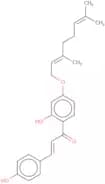
CAS:<p>4'-Geranyloxyisoliquiritigenin is a prenylated chalcone, which is naturally derived from certain plants, especially those belonging to the Fabaceae family. It is a bioactive compound that emerges from the prenylation of isoliquiritigenin, a chalcone found in licorice root. This modification enhances the lipophilicity and bioavailability of the molecule.</p>Fórmula:C25H28O4Pureza:Min. 95%Peso molecular:392.49 g/molPatulin
CAS:Patulin is a mycotoxin, which is a toxic secondary metabolite produced by certain species of fungi, particularly those within the genera Penicillium, Aspergillus, and Byssochlamys. It is predominantly sourced from moldy fruits, especially apples and apple-derived products, where these fungi thrive and synthesize the compound. The mode of action of patulin involves disrupting cellular processes by forming covalent adducts with proteins and nucleic acids, ultimately leading to cellular damage and oxidative stress.Fórmula:C7H6O4Pureza:Min. 95%Forma y color:White PowderPeso molecular:154.12 g/molKaempferol 3-O-b-D-glucuronide
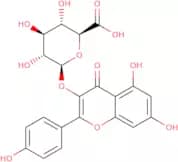
CAS:<p>Kaempferol 3-O-b-D-glucuronide is a bioactive flavonoid glucuronide, which is a naturally occurring compound found in various plants, fruits, and vegetables. It is formed through the glucuronidation of the parent compound, kaempferol, a process which enhances its solubility and bioavailability. This compound exhibits significant antioxidant activity through its ability to scavenge free radicals and reduce oxidative stress within biological systems.</p>Fórmula:C21H18O12Pureza:Min. 95%Forma y color:PowderPeso molecular:462.36 g/molScutellarin
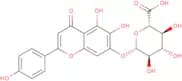
CAS:<p>Scutellarin is a bioactive flavonoid compound, which is derived primarily from the plant Scutellaria baicalensis and other species within the Scutellaria genus. As a naturally occurring phytochemical, Scutellarin exerts its effects through multiple biological pathways, including antioxidant, anti-inflammatory, and anti-apoptotic activities.</p>Fórmula:C21H18O12Pureza:Min. 95%Forma y color:Yellow PowderPeso molecular:462.36 g/molIsosativan
CAS:Isosativan is a targeted therapeutic compound, which is derived from specific plant alkaloids. These alkaloids originate from a unique botanical source known for its rich pharmacological properties. The mode of action for Isosativan involves interacting with specific cellular receptors, thereby modulating biochemical pathways that are crucial for maintaining cellular homeostasis and function. By doing so, it exhibits effects that can alter physiological responses, making it a valuable tool for research and therapeutic interventions.Fórmula:C17H18O4Pureza:Min. 95%Forma y color:PowderPeso molecular:286.32 g/mol