Flavonoides
Subcategorías de "Flavonoides"
- Antocianidinas(46 productos)
- Antocianina(46 productos)
- Catequina(88 productos)
- Chalconas(237 productos)
- Pterocarpan(28 productos)
Se han encontrado 2410 productos de "Flavonoides"
Eucomin dimethyl ether
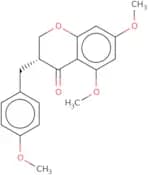
CAS:Eucomin dimethyl ether is a synthetic compound, which is a specially synthesized chemical molecule derived through a series of controlled laboratory reactions. Its mode of action involves acting as a methylating agent where it can add methyl groups to other compounds, a key property exploited in various chemical syntheses.Fórmula:C19H20O5Pureza:Min. 95%Peso molecular:328.36 g/mol3,5,6,2'-Tetrahydroxyflavone
CAS:3,5,6,2'-Tetrahydroxyflavone is a hydroxylated flavone compound, which is a type of polyphenolic compound widely recognized for its potential antioxidant properties. Naturally occurring in various plant sources, it can be isolated from species commonly known for their medicinal or nutritional benefits.Fórmula:C15H10O6Pureza:Min. 95%Peso molecular:286.24 g/mol3',4',7-Trihydroxyisoflavone
CAS:3',4',7-Trihydroxyisoflavone is a naturally occurring isoflavone, which is derived from plants, particularly those in the legume family. This compound is part of the flavonoid class of polyphenols, known for their extensive presence in various plant and food sources. The source of 3',4',7-Trihydroxyisoflavone can often be traced back to soybeans and other similar legumes, which are rich in these phenolic compounds.Fórmula:C15H10O5Pureza:Min. 95%Forma y color:Slightly Yellow PowderPeso molecular:270.24 g/mol3-Hydroxy-7,2'-dimethoxyflavone
CAS:3-Hydroxy-7,2'-dimethoxyflavone is a specialized flavonoid, which is a type of polyphenolic compound commonly found in various plants. Flavonoids are known for their diverse roles in plant defense and pigmentation. This compound is sourced from natural plant materials, where it's synthesized as a secondary metabolite. Its mode of action involves acting as an antioxidant, offering protection against oxidative stress by neutralizing free radicals. Such activity is essential in preserving cellular integrity and preventing damage to biomolecules such as DNA, lipids, and proteins.Fórmula:C17H14O5Pureza:Min. 95%Peso molecular:298.29 g/molAcacetin
CAS:Anti-peroxidative; anti-inflammatory; anti-proliferative; induces apoptosisFórmula:C16H12O5Pureza:Min. 97 Area-%Forma y color:Yellow PowderPeso molecular:284.26 g/mol7,8-Dimethoxy-4'-hydroxyisoflavone
CAS:7,8-Dimethoxy-4'-hydroxyisoflavone is an isoflavone compound, which is a type of phytoestrogen commonly found in various plants. Isoflavones like this one are often derived from legumes and other plant sources. These compounds are characterized by their chemical structure, which is similar to that of estrogen, allowing them to exert estrogen-like effects in biological systems.Fórmula:C17H14O5Pureza:Min. 95%Peso molecular:298.29 g/mol(-)-Epiafzelechin 3-O-gallate(4b-6)
CAS:(-)-Epiafzelechin 3-O-gallate(4b-6) is a catechin derivative, which is a type of flavonoid known for its potential bioactive properties. It is sourced primarily from plant materials, particularly those belonging to the family Theaceae, which includes tea plants. This compound is a part of the polyphenolic group, often extracted from natural sources using solvent extraction methods followed by chromatographic techniques for purification.Fórmula:C44H34O20Pureza:Min. 95%Peso molecular:882.73 g/molOrobol 7,4'-dimethyl ether
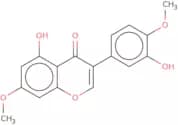
CAS:Orobol 7,4'-dimethyl ether is a methylated flavonoid compound, which is synthesized from natural flavonoid precursors derived from plant sources such as legumes and soy. This compound acts primarily through its antioxidant properties, where it can scavenge free radicals and stabilize reactive oxygen species, thus protecting cellular components from oxidative damage.
Fórmula:C17H14O6Pureza:Min. 95%Forma y color:White/Off-White SolidPeso molecular:314.29 g/mol5,7,3'-Trimethoxyflavone
CAS:5,7,3'-Trimethoxyflavone is a naturally occurring flavonoid compound, which is primarily sourced from certain plant species. As a member of the flavone category, this compound is characterized by its distinctive chemical structure featuring multiple methoxy groups. It is extracted from plants known for their medicinal properties, where it exists as a minor component contributing to the plant’s bioactive profile.Fórmula:C18H16O5Pureza:Min. 95%Peso molecular:312.32 g/mol3-Hydroxy-6,2'-dimethoxyflavone
CAS:3-Hydroxy-6,2'-dimethoxyflavone is a flavonoid compound, which is a type of polyphenolic secondary metabolite. It is found in certain plants and is derived from natural sources known for their diverse pharmacological profiles. Flavonoids like 3-Hydroxy-6,2'-dimethoxyflavone often play crucial roles in plant defense mechanisms and pigmentation.
Fórmula:C17H14O5Pureza:Min. 95%Peso molecular:298.29 g/molCalycosin-7-O-β-D-glucoside
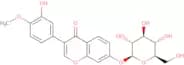
CAS:Calycosin-7-O-β-D-glucoside is a flavonoid glycoside, which is primarily derived from the root of Astragalus membranaceus, a plant widely used in traditional Chinese medicine. This compound is characterized by its antioxidative and anti-inflammatory activities, mediated through modulation of various signaling pathways in the body, such as the MAPK and NF-κB pathways. It plays a significant role in scavenging free radicals and inhibiting inflammatory mediators, thus contributing to cellular protection and reducing oxidative stress.
Fórmula:C22H22O10Pureza:Min. 95%Forma y color:White PowderPeso molecular:446.4 g/mol7,8-Dimethoxyflavanone
CAS:7,8-Dimethoxyflavanone is a flavonoid derivative, which is a type of natural compound commonly found in various plants. It is typically extracted from plant sources such as fruits, vegetables, and herbs. This compound is part of a larger class of flavonoids, which are known for their diverse biological activities.Fórmula:C17H16O4Pureza:Min. 95%Peso molecular:284.31 g/mol3,2'-Dimethoxyflavone
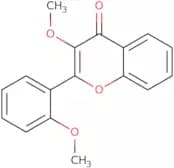
CAS:3,2'-Dimethoxyflavone is a specialized type of naturally occurring flavone, which is commonly derived from various plant sources such as leaves, stems, and roots. As a flavonoid compound, it is part of a larger class of polyphenolic substances known for their diverse biological activities. The mode of action of 3,2'-Dimethoxyflavone primarily involves its interaction with cellular oxidative pathways, where it exhibits potential antioxidant properties. Additionally, it may act as an enzyme inhibitor, possibly affecting pathways tied to signal transduction and metabolism.
Fórmula:C17H14O4Pureza:Min. 95%Peso molecular:282.29 g/mol7,3'-Dimethoxy-3-methylflavone
7,3'-Dimethoxy-3-methylflavone is a synthetic flavonoid compound, which is based on the structural class of flavones known for their diverse biological activities. Flavonoids are primarily found in plants, where they contribute to pigmentation, UV filtration, symbiotic nitrogen fixation, and plant growth regulation. This particular compound, however, is synthesized in laboratory settings to replicate and modify these natural attributes for specific research purposes.Fórmula:C18H16O4Pureza:Min. 95%Peso molecular:296.32 g/molHesperetin 7-O-glucoside
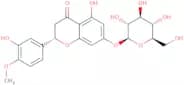
CAS:Hesperetin 7-O-glucoside is a flavonoid derivative, which is commonly found in citrus fruits, particularly in their peels. This compound belongs to the class of flavonoids known as glycosylated flavonoids, which are characterized by the attachment of a glucose molecule to the flavonoid aglycone.Fórmula:C22H24O11Pureza:Min. 95%Forma y color:White PowderPeso molecular:464.42 g/mol3',5'-Diprenyl-dihydroacacetin
CAS:3',5'-Diprenyl-dihydroacacetin is a prenylated flavonoid, which is a type of secondary metabolite commonly found in plants. It is derived from natural botanical sources, particularly within the flavonoid-rich family of medicinal herbs. Prenylation, a biochemical modification involving the addition of hydrophobic prenyl groups, enhances the biological activity of flavonoids by increasing their lipophilicity and cellular uptake.Fórmula:C26H30O5Pureza:Min. 95%Peso molecular:422.51 g/mol3-Hydroxy-3',4'-dimethoxy-6-methyl flavone
CAS:3-Hydroxy-3',4'-dimethoxy-6-methyl flavone is a naturally occurring flavone, which is a type of flavonoid, commonly found in various plants. Flavones are known for their diverse range of biological activities, including anti-inflammatory, antioxidant, and anticancer properties. This particular flavone is derived from plant sources such as certain fruits, vegetables, and herbs, where it often plays a role in the plant's defense mechanisms.Fórmula:C18H16O5Pureza:Min. 95%Forma y color:PowderPeso molecular:312.32 g/mol4'-Hydroxy-β-naphthoflavone
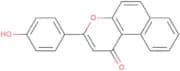
CAS:4'-Hydroxy-β-naphthoflavone is a synthetic chemical compound, which is a derivative of flavone. It is primarily sourced through chemical synthesis, allowing for the production of a highly pure and consistent compound for research purposes. The mode of action of 4'-Hydroxy-β-naphthoflavone involves its role as a potent agonist of the aryl hydrocarbon receptor (AhR), a transcription factor involved in the regulation of biological responses to planar aromatic hydrocarbons.Fórmula:C19H12O3Pureza:Min. 95%Peso molecular:288.3 g/molGossypin
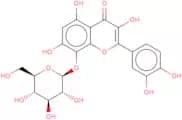
CAS:Gossypin is a flavonoid compound, which is a type of polyphenol found in various natural sources, such as plants. It is primarily isolated from the flowers of Hibiscus species. The mode of action of gossypin involves various biochemical pathways, including its role as a free-radical scavenger and modulator of several enzymes. It exhibits antioxidant, anti-inflammatory, and neuroprotective properties through interactions with cellular receptors and signaling pathways.Fórmula:C21H20O13Forma y color:Yellow PowderPeso molecular:480.38 g/mol3,2',4',5'-Tetra methoxyflavone
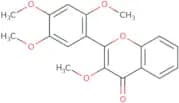
CAS:3,2',4',5'-Tetra methoxyflavone is a specialized flavonoid compound, which is derived primarily from various plant sources, such as those belonging to the genus Kaempferia, a member of the ginger family. This compound is characterized by its four methoxy groups attached to its flavonoid backbone, which significantly influences its biological activity and solubility.Fórmula:C19H18O6Pureza:Min. 95%Peso molecular:342.34 g/mol