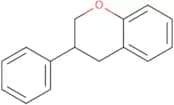
Flavonoides
Subcategorías de "Flavonoides"
- Antocianidinas(46 productos)
- Antocianina(46 productos)
- Catequina(88 productos)
- Chalconas(237 productos)
- Pterocarpan(28 productos)
Se han encontrado 2410 productos de "Flavonoides"
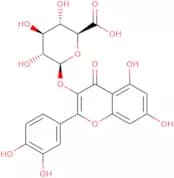
Quercetin 3-O-b-D-glucuronide
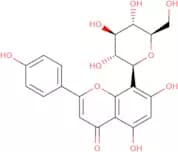
CAS:Quercetin 3-O-b-D-glucuronide is a flavonoid compound, which is a metabolite of quercetin, found in various fruits and vegetables. This compound, specifically a glucuronide conjugate of quercetin, is derived from plant sources such as apples, onions, and berries. It is formed through phase II metabolism where quercetin is glucuronidated by the enzyme UDP-glucuronosyltransferase.Fórmula:C21H18O13Pureza:Min. 95%Forma y color:PowderPeso molecular:478.37 g/molVitexin
CAS:Vitexin is a naturally occurring flavonoid, which is primarily extracted from plants such as the passionflower (Passiflora) and hawthorn (Crataegus). This bioactive compound is classified under the category of C-glycosyl flavones and is characterized by its unique structural features, including a glycosidic linkage that contributes to its stability and bioavailability.
Fórmula:C21H20O10Pureza:Min. 95%Forma y color:PowderPeso molecular:432.38 g/molHinokiflavone-7,7”,4”’-trimethyl ether
CAS:Hinokiflavone-7,7”,4”’-trimethyl ether is a specialized biflavonoid compound, which is a type of plant secondary metabolite. Derived primarily from certain species of the Cupressaceae family, it showcases the diverse capabilities of flavonoids in biochemical pathways. This compound functions by modulating enzyme activities, interacting with cellular receptors, and exhibiting antioxidant properties. It acts through mechanisms involving inhibition of specific kinases and other enzymes, thereby influencing cell signaling pathways and inflammatory responses.Fórmula:C33H24O10Pureza:Min. 95%Peso molecular:580.54 g/molEucomol
CAS:Eucomol is a synthetic compound derived from plant-based sources, designed as an antioxidant agent. It functions by scavenging reactive oxygen species (ROS), thereby reducing oxidative stress in biological systems. Eucomol's mode of action involves donating electrons to neutralize free radicals, which prevents cellular damage and maintains cellular homeostasis.
Fórmula:C17H16O6Pureza:Min. 95%Peso molecular:316.31 g/molIsorhamnetin
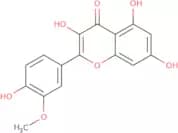
CAS:Isorhamnetin is a naturally occurring flavonoid, which is isolated from various plant sources such as fruits, vegetables, and medicinal herbs like Ginkgo biloba. As a member of the flavonoid family, it is primarily derived from the glycosylation and methylation of quercetin. The mode of action of isorhamnetin is mainly attributed to its potent antioxidant capabilities. It scavenges reactive oxygen species and inhibits oxidative stress, which may lead to beneficial effects in preventing cellular damage.Fórmula:C16H12O7Pureza:Min. 95%Forma y color:Yellow PowderPeso molecular:316.26 g/molQuercetagetin
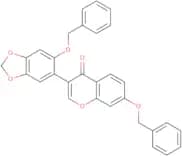
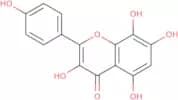
CAS:Quercetagetin is a flavonoid compound, which is naturally sourced from the marigold plant, *Tagetes* species. This flavonoid is structurally related to other polyphenols and is synthesized in plants through the phenylpropanoid pathway. Quercetagetin primarily exerts its biological effects through the scavenging of reactive oxygen species (ROS) and modulating various signaling pathways associated with oxidative stress.Fórmula:C15H10O8Pureza:Min. 95 Area-%Forma y color:PowderPeso molecular:318.24 g/mol7,2'-Dibenzyloxy-4',5'-methylenedioxyisoflavone
CAS:7,2'-Dibenzyloxy-4',5'-methylenedioxyisoflavone is a synthetic compound derived from isoflavones, a class of naturally occurring organic compounds related to flavonoids. Isoflavones are typically found in plants, especially in legumes, and are known for their diverse biological activities. This particular derivative has been designed to explore advanced pharmacological properties through structural modification aimed at improving bioactivity and specificity.Fórmula:C30H22O6Pureza:Min. 95%Peso molecular:478.49 g/molDiosmetin
CAS:Diosmetin is a flavonoid compound, which is derived from natural sources such as citrus fruits and certain herbs. As an aglycone of the flavonoid glycoside diosmin, it is primarily sourced through the metabolic transformation of diosmin in the body. Diosmetin functions through modulation of oxidative stress pathways and inhibition of pro-inflammatory enzymes. Its biochemical activity includes scavenging free radicals and reducing the activity of certain inflammatory mediators, which contributes to its potential therapeutic effects.Fórmula:C16H12O6Pureza:Min. 95%Forma y color:Yellow PowderPeso molecular:300.26 g/molRhamnetin 3-rhamnoside
CAS:Rhamnetin 3-rhamnoside is a flavonoid glycoside, which is a type of polyphenolic compound typically found in plants. It is primarily derived from natural sources such as fruits, vegetables, and certain medicinal plants, where it often contributes to the plant's natural defense mechanisms. The compound acts as a potent antioxidant due to its capability to scavenge free radicals, thereby protecting cells from oxidative stress and potential damage.
Fórmula:C22H22O11Pureza:Min. 95%Peso molecular:462.4 g/mol5,6,7-Trihydroxyflavone
CAS:Baicalein is a natural compound found in Scutellaria baicalensis, a medicinal plant used in the Chinese traditional medicine. Baicalein has anti-tumoral properties as it was shown to interact with several molecular targets involved in tumour biology, such as Erk, ROS, MMP-2/-9, p53 and MAPK. Baicalein was also reported as a non-covalent, non-peptidomimetic inhibitors of the main protease Mpro (3CLpro) from SARS-CoV-2 with IC50 of 0.94 μM and EC50 of 1.69 μM.Fórmula:C15H10O5Pureza:Min. 95%Forma y color:Yellow PowderPeso molecular:270.24 g/molHerbacetin
CAS:Herbacetin is a naturally occurring flavonoid, which is a type of polyphenolic compound extracted from plants, particularly from the leaves of the flax plant. It functions primarily by inhibiting the activity of various enzymes and signaling pathways that are involved in oxidative stress and inflammatory responses. The inhibition of these pathways can modulate cellular processes, making it a subject of interest in the study of disease mechanisms and potential treatments.Fórmula:C15H10O7Pureza:Min. 95%Forma y color:Off-White PowderPeso molecular:302.24 g/molIsoglabrone
CAS:Isoglabrone is a flavonoid compound, which is derived primarily from certain plant species known for their medicinal properties. As a plant-derived compound, isoglabrone is part of a broader class of natural products that are the focus of extensive research due to their diverse biological activities. The mode of action of isoglabrone involves the modulation of various signaling pathways, which may include antioxidant, anti-inflammatory, and anticancer activities. These actions are mediated through interactions with cellular receptors and enzyme systems, altering gene expression and cellular responses.Fórmula:C20H16O5Pureza:Min. 95%Peso molecular:336.34 g/molDiosmin - 90%
CAS:Phlebotropic drug used in the treatment of venous diseaseFórmula:C28H32O15Pureza:Min. 95%Forma y color:Yellow PowderPeso molecular:608.54 g/molAlfalone
CAS:Please enquire for more information about Alfalone including the price, delivery time and more detailed product information at the technical inquiry form on this pageFórmula:C17H14O5Pureza:Min. 95%Forma y color:PowderPeso molecular:298.29 g/mol3,6,2',4',5'-Pentamethoxyflavone
CAS:3,6,2',4',5'-Pentamethoxyflavone is a flavonoid compound, which is a type of polyphenolic secondary metabolite found in various plants. It is isolated from certain plant species known for their medicinal properties, such as Orthosiphon stamineus. This compound is characterized by the presence of five methoxy groups attached to the flavone backbone, which is thought to significantly influence its biological activity.
Fórmula:C20H20O7Pureza:Min. 95%Peso molecular:372.37 g/molHegoflavon B
CAS:Please enquire for more information about Hegoflavon B including the price, delivery time and more detailed product information at the technical inquiry form on this pageFórmula:C30H20O12Pureza:Min. 95%Peso molecular:572.47 g/molKakkatin
CAS:Kakkatin is a natural antimicrobial agent, which is derived from specific plant extracts known for their inherent bioactive properties. It functions by disrupting the cellular membranes of pathogenic microorganisms, leading to their subsequent inactivation. This mode of action is attributed to its unique phytochemical constituents, which interact with microbial cell structures to inhibit growth and proliferation.
Fórmula:C16H12O5Pureza:Min. 95%Peso molecular:284.26 g/mol3-Hydroxy-7,8,3'-trimethoxyflavone
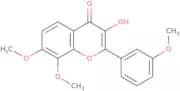
CAS:3-Hydroxy-7,8,3'-trimethoxyflavone is a specialized flavonoid compound, which is isolated predominantly from certain plant sources known for their diverse array of secondary metabolites. The compound belongs to the flavone subclass, characterized by its distinctive hydroxyl and methoxy functional groups, which are crucial in determining its biochemical properties and interactions.Fórmula:C18H16O6Pureza:Min. 95%Peso molecular:328.32 g/molIsoflavan
CAS:Isoflavan is a naturally occurring isoflavonoid derivative, which is primarily sourced from soybeans and other legumes. These compounds are secondary metabolites found in the plant kingdom, notable for their structural similarity to estrogens. Isoflavans act as phytoestrogens, binding to estrogen receptors and exerting both estrogenic and antiestrogenic effects depending on the presence of endogenous hormones. They exhibit a multifaceted mode of action, encompassing antioxidant activities by neutralizing free radicals and modulating oxidative stress pathways.
Fórmula:C15H14OPureza:Min. 95%Peso molecular:210.27 g/mol2',7,8-Trimethoxyflavone
CAS:2',7,8-Trimethoxyflavone is a specialized flavonoid compound, which is naturally derived from certain medicinal plants. This compound belongs to the broader class of polyphenolic molecules known as flavones, often found in various fruits and vegetables. It is primarily isolated from plants such as Kaempferia parviflora, renowned for its traditional use in herbal medicine.
Fórmula:C18H16O5Pureza:Min. 95%Peso molecular:312.32 g/mol