Flavonoides
Subcategorías de "Flavonoides"
- Antocianidinas(46 productos)
- Antocianina(46 productos)
- Catequina(88 productos)
- Chalconas(237 productos)
- Pterocarpan(28 productos)
Se han encontrado 2410 productos de "Flavonoides"
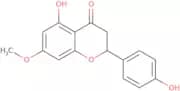
Sakuranetin
CAS:Sakuranetin is a flavonoid, which is a natural compound derived predominantly from cherry blossoms and various citrus plants. As a phytochemical, it is primarily sourced from plants where it functions as a natural defense mechanism against environmental stressors. The mode of action of sakuranetin involves the inhibition of key pro-inflammatory pathways, notably blocking the activation of NF-κB, a protein complex that plays a crucial role in controlling the transcription of DNA, cytokine production, and cell survival.Fórmula:C16H14O5Pureza:Min. 95%Forma y color:PowderPeso molecular:286.28 g/molPoncirin
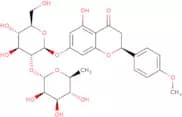
CAS:Poncirin is a natural flavonoid glycoside, which is derived from the fruit of Poncirus trifoliata, commonly known as bitter orange. This compound is extracted from the plant materials using solvents followed by purification processes to isolate the active flavonoid.Fórmula:C28H34O14Pureza:Min. 95%Forma y color:PowderPeso molecular:594.56 g/molDihydropunctatin
CAS:Dihydropunctatin is a natural compound, which is an organic molecule derived from specific fungal sources. The biosynthesis of Dihydropunctatin typically occurs in endophytic fungi, which inhabit the internal tissues of plants and contribute to the host's adaptability and survival. These fungi are known for producing a diverse range of secondary metabolites with potential bioactive properties.Fórmula:C20H26O7Pureza:Min. 95%Peso molecular:378.42 g/molEpimedin C
CAS:Epimedin C is a flavonoid compound, which is derived from natural sources, specifically from plants belonging to the genus Epimedium. It is a bioactive constituent commonly found in traditional Chinese medicinal herbs known as "Horny Goat Weed." The mode of action of Epimedin C involves the modulation of various biological pathways, including the inhibition of specific enzymes and interaction with estrogen receptors. These actions contribute to its potential effects on bone health, cardiovascular function, and sexual health.Fórmula:C39H50O19Pureza:Min. 95%Forma y color:PowderPeso molecular:822.8 g/molGarciniflavanone
CAS:Garciniflavanone is a naturally occurring flavonoid compound, which is primarily derived from plants in the Garcinia genus. It acts as an antioxidant through the scavenging of free radicals, thereby mitigating oxidative stress within cellular environments. Additionally, garciniflavanone influences various cellular signaling pathways, contributing to its anti-inflammatory and potential anticancer effects.Fórmula:C30H22O13Pureza:Min. 95%Peso molecular:590.49 g/molSyringetin
CAS:Syringetin is a flavonoid compound, which is derived from natural sources such as grapes and other plants. This compound belongs to the class of polyphenolic compounds known as flavonols, which are secondary metabolites found abundantly in nature. Syringetin exhibits its mode of action primarily through its strong antioxidant properties, which allow it to neutralize free radicals and reduce oxidative stress in biological systems. This activity can contribute to the protection of cells and biomolecules from oxidative damage, a process implicated in aging and various diseases.Fórmula:C17H14O8Pureza:Min. 95%Forma y color:PowderPeso molecular:346.29 g/mol5,7-Dimethoxy-4'-hydroxyflavanone
CAS:5,7-Dimethoxy-4'-hydroxyflavanone is a synthetic flavonoid compound, which is derived from the structural modification of naturally occurring flavonoids found in plants. Alterations in its chemical structure provide enhanced properties for various scientific applications. The mode of action of this compound primarily involves its ability to act as a potent antioxidant. By scavenging free radicals, it protects biological systems from oxidative stress, thereby playing a pivotal role in cellular protection and homeostasis.
Fórmula:C17H16O5Pureza:Min. 95%Forma y color:PowderPeso molecular:300.31 g/molMyricetin
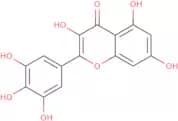
CAS:Myricetin is a naturally occurring flavonoid, which is primarily sourced from various fruits, vegetables, teas, and medicinal plants. It is found abundantly in the bark of the Myrica species, as well as in grapes, onions, and berries. Myricetin functions as an antioxidant by scavenging free radicals, thus mitigating oxidative stress. It also exerts anti-inflammatory effects through modulation of signaling pathways, including the inhibition of nuclear factor-κB (NF-κB) and downregulation of pro-inflammatory cytokines.Fórmula:C15H10O8Pureza:Min. 95%Forma y color:Yellow Green PowderPeso molecular:318.24 g/mol4',5,7-Trimethoxyflavone
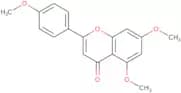
CAS:4',5,7-Trimethoxyflavone is a polymethoxyflavone, which is a type of naturally occurring flavonoid compound. It is primarily sourced from various plants, notably within the Rutaceae family. These compounds are characterized by the presence of multiple methoxy groups attached to the flavone core structure.
Fórmula:C18H16O5Pureza:Min. 95%Forma y color:White PowderPeso molecular:312.32 g/molLupinisoflavone A
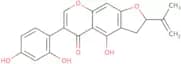
CAS:Lupinisoflavone A is a naturally occurring bioactive compound, specifically an isoflavone, which is extracted from the seeds and other parts of lupine plants. The lupine species are known for their rich phytochemical profile, which includes various bioactive compounds with potential health benefits. Lupinisoflavone A is structurally characterized by its isoflavone backbone, contributing to its diverse biological effects.
Fórmula:C20H16O6Pureza:Min. 95%Peso molecular:352.34 g/mol7-Benzyloxy-2',4',5'-trimethoxyisoflavone
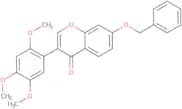
CAS:7-Benzyloxy-2',4',5'-trimethoxyisoflavone is a specialized type of isoflavone, which is a class of naturally occurring organic compounds related to flavonoids. It is typically derived from plant sources, showcasing the vast chemical diversity and potential bioactivity present in botanicals. This compound operates through various biochemical pathways, often interacting with specific cellular receptors or enzymes to exert its effects. Its mode of action can include antioxidant activity or modulation of signaling pathways, which are crucial for maintaining cellular homeostasis and function. The applications of 7-Benzyloxy-2',4',5'-trimethoxyisoflavone are primarily in the realm of pharmacological research, where it is explored for its potential therapeutic uses. It may be investigated for its roles in combating oxidative stress or influencing pathways associated with inflammation and cellular growth. científicos pursue its study to uncover new medical insights and develop novel therapeutic strategies.
Fórmula:C25H22O6Pureza:Min. 95%Peso molecular:418.44 g/molQuercetin 3-O-b-D-glucuronide
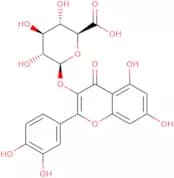
CAS:Quercetin 3-O-b-D-glucuronide is a flavonoid compound, which is a metabolite of quercetin, found in various fruits and vegetables. This compound, specifically a glucuronide conjugate of quercetin, is derived from plant sources such as apples, onions, and berries. It is formed through phase II metabolism where quercetin is glucuronidated by the enzyme UDP-glucuronosyltransferase.Fórmula:C21H18O13Pureza:Min. 95%Forma y color:PowderPeso molecular:478.37 g/molVitexin
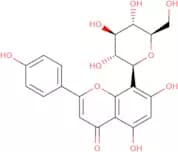
CAS:Vitexin is a naturally occurring flavonoid, which is primarily extracted from plants such as the passionflower (Passiflora) and hawthorn (Crataegus). This bioactive compound is classified under the category of C-glycosyl flavones and is characterized by its unique structural features, including a glycosidic linkage that contributes to its stability and bioavailability.
Fórmula:C21H20O10Pureza:Min. 95%Forma y color:PowderPeso molecular:432.38 g/molHinokiflavone-7,7”,4”’-trimethyl ether
CAS:Hinokiflavone-7,7”,4”’-trimethyl ether is a specialized biflavonoid compound, which is a type of plant secondary metabolite. Derived primarily from certain species of the Cupressaceae family, it showcases the diverse capabilities of flavonoids in biochemical pathways. This compound functions by modulating enzyme activities, interacting with cellular receptors, and exhibiting antioxidant properties. It acts through mechanisms involving inhibition of specific kinases and other enzymes, thereby influencing cell signaling pathways and inflammatory responses.Fórmula:C33H24O10Pureza:Min. 95%Peso molecular:580.54 g/molIsorhamnetin
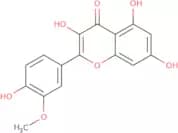
CAS:Isorhamnetin is a naturally occurring flavonoid, which is isolated from various plant sources such as fruits, vegetables, and medicinal herbs like Ginkgo biloba. As a member of the flavonoid family, it is primarily derived from the glycosylation and methylation of quercetin. The mode of action of isorhamnetin is mainly attributed to its potent antioxidant capabilities. It scavenges reactive oxygen species and inhibits oxidative stress, which may lead to beneficial effects in preventing cellular damage.Fórmula:C16H12O7Pureza:Min. 95%Forma y color:Yellow PowderPeso molecular:316.26 g/molQuercetagetin
CAS:Quercetagetin is a flavonoid compound, which is naturally sourced from the marigold plant, *Tagetes* species. This flavonoid is structurally related to other polyphenols and is synthesized in plants through the phenylpropanoid pathway. Quercetagetin primarily exerts its biological effects through the scavenging of reactive oxygen species (ROS) and modulating various signaling pathways associated with oxidative stress.Fórmula:C15H10O8Pureza:Min. 95 Area-%Forma y color:PowderPeso molecular:318.24 g/mol7,2'-Dibenzyloxy-4',5'-methylenedioxyisoflavone
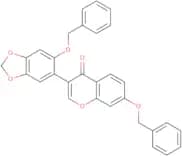
CAS:7,2'-Dibenzyloxy-4',5'-methylenedioxyisoflavone is a synthetic compound derived from isoflavones, a class of naturally occurring organic compounds related to flavonoids. Isoflavones are typically found in plants, especially in legumes, and are known for their diverse biological activities. This particular derivative has been designed to explore advanced pharmacological properties through structural modification aimed at improving bioactivity and specificity.Fórmula:C30H22O6Pureza:Min. 95%Peso molecular:478.49 g/molDiosmetin
CAS:Diosmetin is a flavonoid compound, which is derived from natural sources such as citrus fruits and certain herbs. As an aglycone of the flavonoid glycoside diosmin, it is primarily sourced through the metabolic transformation of diosmin in the body. Diosmetin functions through modulation of oxidative stress pathways and inhibition of pro-inflammatory enzymes. Its biochemical activity includes scavenging free radicals and reducing the activity of certain inflammatory mediators, which contributes to its potential therapeutic effects.Fórmula:C16H12O6Pureza:Min. 95%Forma y color:Yellow PowderPeso molecular:300.26 g/molRhamnetin 3-rhamnoside
CAS:Rhamnetin 3-rhamnoside is a flavonoid glycoside, which is a type of polyphenolic compound typically found in plants. It is primarily derived from natural sources such as fruits, vegetables, and certain medicinal plants, where it often contributes to the plant's natural defense mechanisms. The compound acts as a potent antioxidant due to its capability to scavenge free radicals, thereby protecting cells from oxidative stress and potential damage.
Fórmula:C22H22O11Pureza:Min. 95%Peso molecular:462.4 g/mol5,6,7-Trihydroxyflavone
CAS:Baicalein is a natural compound found in Scutellaria baicalensis, a medicinal plant used in the Chinese traditional medicine. Baicalein has anti-tumoral properties as it was shown to interact with several molecular targets involved in tumour biology, such as Erk, ROS, MMP-2/-9, p53 and MAPK. Baicalein was also reported as a non-covalent, non-peptidomimetic inhibitors of the main protease Mpro (3CLpro) from SARS-CoV-2 with IC50 of 0.94 μM and EC50 of 1.69 μM.Fórmula:C15H10O5Pureza:Min. 95%Forma y color:Yellow PowderPeso molecular:270.24 g/mol