Nucleótidos
Los nucleótidos son compuestos orgánicos que sirven como building blocks de los ácidos nucleicos, esenciales para la formación del ADN y ARN. Cada nucleótido está compuesto por una base nitrogenada, una molécula de azúcar y uno o más grupos fosfato. Estos nucleótidos se unen para formar largas cadenas, creando el material genético que lleva y transmite la información genética en todos los organismos vivos. En esta sección, encontrará una amplia variedad de nucleótidos cruciales para la investigación en genética, biología molecular y bioquímica. Son fundamentales para estudiar los procesos genéticos, sintetizar ácidos nucleicos y desarrollar herramientas diagnósticas y terapéuticas. En CymitQuimica, ofrecemos nucleótidos de alta calidad para apoyar su investigación científica y aplicaciones, asegurando precisión y fiabilidad en sus experimentos.
Subcategorías de "Nucleótidos"
Se han encontrado 2634 productos de "Nucleótidos"
Ordenar por
Pureza (%)
0
100
|
0
|
50
|
90
|
95
|
100
5-Methoxycarbonylmethyluridine
CAS:<p>5-Methoxycarbonylmethyluridine is a nucleoside that is a precursor in the synthesis of other nucleotides. It has been shown to have potential as a biomarker for various diseases, such as metabolic disorders and hepatic steatosis. 5-Methoxycarbonylmethyluridine also inhibits the activity of methyltransferases, which are enzymes that catalyze the transfer of methyl groups from S-adenosylmethionine to substrates. It is also used as a model system for polymerase chain reaction in cancer research, because it has been shown to inhibit DNA replication by blocking the incorporation of uracil into DNA.<br>5-Methoxycarbonylmethyluridine has been found at high levels in fetal bovine serum and eukaryotic cells, but not in prokaryotes or cancerous tissues.</p>Fórmula:C12H16N2O8Pureza:Min. 95%Forma y color:PowderPeso molecular:316.26 g/mol1-(2'-Deoxy-2'-fluoro-b-D-arabinofuranosyl)-5-ethyluracil
CAS:<p>1-(2'-Deoxy-2'-fluoro-b-D-arabinofuranosyl)-5-ethyluracil is a nucleoside analog with modifications to alter its biological activity. It contains a β-D-arabinofuranose sugar instead of the standard β-D-deoxyribose in natural nucleosides and<br>the fluorine (F) at the 2'-position increases resistance to enzymatic degradation and alters its biological activity. The 5-ethyl modification on the uracil ring enhances its interaction with viral polymerases.</p>Fórmula:C11H15FN2O5Pureza:Min. 95%Forma y color:White PowderPeso molecular:274.25 g/molCyclopentenyl cytosine
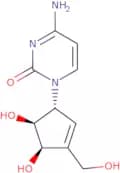
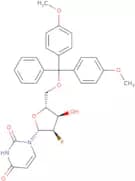
CAS:<p>Cyclopentenyl cytosine is a cytotoxic drug that inhibits the synthesis of DNA, RNA, and proteins. It is a nucleoside analogue that inhibits the enzyme activity of ribonucleotide reductase. Cyclopentenyl cytosine has significant cytotoxicity against hl-60 cells, as well as squamous carcinoma and MDA-MB-231 breast cancer cells. It also has significant activity against cyclopentenyl, dextran sulfate, and mitochondrial functions in vivo in human cells. Cyclopentenyl cytosine binds to the response element on the DNA strand, preventing transcription of genes for protein synthesis and cell division.</p>Fórmula:C10H13N3O4Pureza:Min. 95%Forma y color:PowderPeso molecular:239.23 g/mol2'-Deoxy-5'-O-DMT-2'-fluorouridine
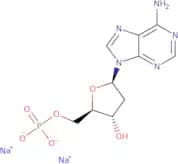
CAS:<p>2'-Deoxy-5'-O-DMT-2'-fluorouridine is a medicament that belongs to the group of antineoplastic agents and is used in cancer treatment. It inhibits the synthesis of DNA by inhibiting the enzyme thymidylate synthetase, which is required for the formation of thymine nucleotides. This drug has been shown to be effective against some cancer cells in vitro and in vivo, but not all. 2'-Deoxy-5'-O-DMT-2'-fluorouridine can also inhibit terminal growth phases and induce programmed cell death. Solid phase synthesis has been used to synthesize this molecule as a phosphoramidite.</p>Fórmula:C30H29FN2O7Pureza:Min. 98 Area-%Forma y color:White PowderPeso molecular:548.57 g/mol2'-Deoxyadenosine-5'-monophosphate disodium salt
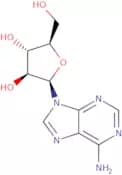
CAS:<p>2'-Deoxyadenosine-5'-monophosphate disodium salt (DAP) is a white crystalline powder. It is soluble in water and insoluble in ethanol. DAP can be neutralised by aqueous solutions of hydroxide, such as sodium hydroxide or ammonium hydroxide. DAP is also reactive with aluminium oxide, which can be used for drying the compound to form anhydrous particles. DAP reacts with chloride ions to form 2',3'-diacetylpyridine-5'-diphosphate dibasic chloride, which has been shown to inhibit bacterial growth and act as an antibacterial agent. Autoclaving may be required for preparation of this drug due to its sensitivity to heat energy.</p>Fórmula:C10H12N5Na2O6PPureza:Min. 99 Area-%Forma y color:White PowderPeso molecular:375.19 g/mol9-(b-D-Arabinofuranosyl)adenine
CAS:<p>9-(b-D-Arabinofuranosyl)adenine is a nucleoside that is used as an antiviral agent. It binds to viral RNA and inhibits viral replication. 9-(b-D-Arabinofuranosyl)adenine has been shown to have potent side-effect profiles, including myocardial infarct, neuronal death, and immunological reactions. These effects are due to its ability to inhibit the synthesis of guanine nucleotides in the heart and brain cells, which are essential for energy production and neurotransmitter release respectively. 9-(b-D-Arabinofuranosyl)adenine also binds to toll-like receptors (TLRs), which are proteins found on the surface of cells that recognize invading microbes or foreign substances. This binding leads to activation of immune response pathways.</p>Fórmula:C10H13N5O4Pureza:Min. 95%Forma y color:White PowderPeso molecular:267.24 g/mol2'-O-Methyluridine-5'-triphosphate sodium salt - 100mM aqueous solution
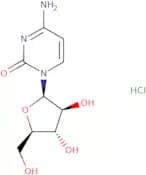
CAS:<p>2'-O-Methyluridine-5'-triphosphate sodium salt is a nucleoside containing a 2'-O-methyl group at the 5' position. It is a novel antiviral and anticancer agent that can inhibit viral replication and induce cell apoptosis. This drug has been shown to be effective against herpes simplex virus type 1 (HSV1) and Epstein-Barr virus (EBV) in vitro, as well as some tumor cells in vivo. 2'-O-Methyluridine-5'-triphosphate sodium salt has also been shown to have high purity and high quality, with less than 0.01% impurities by HPLC, NMR, and elemental analysis analyses.</p>Fórmula:C10H17N2O15P3·xNaPureza:Min. 95%Forma y color:PowderPeso molecular:498.17 g/molCytarabine hydrochloride
CAS:<p>Anti-viral; anti-neoplastic</p>Fórmula:C9H13N3O5·HClPureza:Min. 98 Area-%Forma y color:White PowderPeso molecular:279.68 g/mol2'-Deoxycytidine HCl
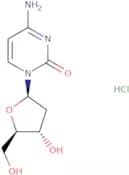
CAS:<p>2'-Deoxycytidine HCl is a nucleoside analogue that is used as a radiation sensitizer in the treatment of tumors. It is converted into 2'-deoxycytidine-5'-triphosphate by incorporation into DNA during replication and inhibits DNA synthesis. This compound has been shown to have anti-leukemic activity against murine leukemia virus (MLV) and murine sarcoma virus (MSV) in mice, although it does not inhibit the proliferation of Swiss-Webster mice. The protonated form of 2'-deoxycytidine HCl has been observed using nuclear magnetic resonance spectroscopy, with a cyclohexane ring as the proton acceptor. The monosodium salt also forms a stable complex with amino groups, which may be due to its acidic ph.</p>Fórmula:C9H13N3O4·HClPureza:Min. 98 Area-%Forma y color:White PowderPeso molecular:263.68 g/molN2-Phenoxyacetylguanosine
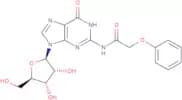
CAS:<p>N2-Phenoxyacetylguanosine is a nucleoside that contains an uridine, phenoxyacetyl, and ribose moiety. N2-Phenoxyacetylguanosine is synthesized from the corresponding 2′-deoxyribonucleoside by coupling to an activated phosphoramidite derivative of phenoxyacetyl. It can be used as a building block for oligonucleotides.</p>Fórmula:C18H19N5O7Pureza:Min. 95%Forma y color:White PowderPeso molecular:417.37 g/mol5-Azacytidine 5'-monophosphate
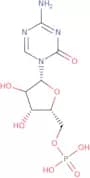
CAS:<p>5-Azacytidine 5'-monophosphate (5-Aza-CMP) is a modified nucleoside that inhibits DNA synthesis by competitively inhibiting the incorporation of deoxycytidine 5'-triphosphate into DNA. It is used as an antiviral and anticancer agent. 5-Aza-CMP has been shown to inhibit the proliferation of human cancer cells in vitro, including T cell leukemia, lymphoma, breast cancer, and melanoma.</p>Fórmula:C8H13N4O8PPureza:Min. 95%Forma y color:White to off-white solid.Peso molecular:324.18 g/mol5-Iodocytidine
CAS:<p>5-Iodocytidine is a nucleoside analogue that has been shown to possess potent antitumor activity. It is also used as a fluorescent probe for detection of uridine in biological samples. 5-Iodocytidine is structurally similar to uridine, which allows it to be taken up by cells and incorporated into RNA. This analog can also be detected with antibody response, as well as with the use of a fluorescence microscope. 5-Iodocytidine may have the potential to treat infectious diseases and autoimmune diseases because it binds to response elements on DNA and activates gene transcription.</p>Fórmula:C9H12IN3O5Pureza:Min. 98 Area-%Forma y color:White PowderPeso molecular:369.11 g/molS-(5'-Adenosyl)-L-methionine chloride dihydrochloride
CAS:<p>S-adenosyl-L-methionine chloride dihydrochloride is a form of S-adenosyl-L-methionine. It is used as a nutritional supplement and has been shown to increase the production of antibodies in the body. This drug is also used for the treatment of inflammatory diseases, such as rheumatoid arthritis and osteoarthritis, because it inhibits cyclooxygenase enzymes. S-adenosyl-L-methionine chloride dihydrochloride binds to the response element on DNA that regulates gene expression and inhibits polymerase chain reactions by blocking the binding of nucleic acids to their complementary strands. The mechanism of action of this drug has not been established but may be related to its ability to inhibit nuclear DNA transcription or cell proliferation by affecting camp concentration.</p>Fórmula:C15H23ClN6O5S·2HClPureza:Min. 75 Area-%Forma y color:White Off-White PowderPeso molecular:507.82 g/molInosine
CAS:<p>Inosine is a purine nucleoside in which hypoxanthine is attached to ribofuranose via a beta-N(9)-glycosidic bond. Inosine derives from a hypoxanthine and a ribofuranose. Inosine plays a key role as a metabolite in bacteria, fungi, humans, and other animals. There is preliminary evidence that inosine may have neurorestorative, anti-inflammatory, immunomodulatory, and cardioprotective effects.</p>Fórmula:C10H12N4O5Pureza:Min. 98 Area-%Forma y color:White PowderPeso molecular:268.23 g/molb-Nicotinamide adenine dinucleotide phosphate disodium salt
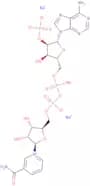
CAS:<p>Coenzyme and regenerating electron donor in catabolic processes</p>Fórmula:C21H26N7Na2O17P3Pureza:Min. 93 Area-%Forma y color:White PowderPeso molecular:787.4 g/mol2'-Deoxy-5-propynyluridine
CAS:<p>2'-Deoxy-5-propynyluridine is a nucleoside that is naturally synthesized in the body. It is an intermediate in the synthesis of pyrimidine nucleotides and has been shown to be useful for the treatment of cardiac arrhythmias. 2'-Deoxy-5-propynyluridine has also been found to have a stabilizing effect on RNA, enhancing its biological relevance. This compound can be used as a fluorescent probe and can be used to study transcriptional regulation mechanisms.</p>Fórmula:C12H14N2O5Pureza:Min. 95%Forma y color:PowderPeso molecular:266.26 g/mol3'-Azido-3'-deoxyuridine
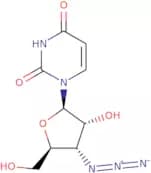
CAS:<p>3'-Azido-3'-deoxyuridine is a nucleoside analog that is used as a substrate for DNA synthesis in the cell. 3'-Azido-3'-deoxyuridine is transported across the blood-brain barrier by a sodium-independent transporter and accumulates in the carotid artery, where it is converted to uridine. This drug has been shown to be activated at the site of infection and may have regiospecific activity against bacteria. 3'-Azido-3'-deoxyuridine has an imidazole ring and dinucleoside structure, which are important for its activity as a terminal half-life enhancer and anticancer agent. 3'-Azido-3'-deoxyuridine has also been used in liquid chromatography to purify nucleic acids research products.</p>Fórmula:C9H11N5O5Pureza:Min. 95%Forma y color:PowderPeso molecular:269.21 g/mol2'-Deoxy-N6-methyladenosine
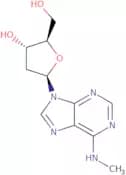
CAS:<p>2'-Deoxy-N6-methyladenosine (2DMA) is a nucleoside that has been found to inhibit the phosphorylation of p2y receptors in rat kidney cells. 2DMA inhibits the production of collagen, which may have a matrix effect on cells. Studies have shown that 2DMA can be used as a sample preparation reagent for nuclear DNA. It has also been shown to be effective at inhibiting transcription and replication of human mitochondrial DNA.</p>Fórmula:C11H15N5O3Pureza:Min. 95%Forma y color:White PowderPeso molecular:265.27 g/molUridine-2',3'-cyclic monophosphate sodium salt
CAS:<p>Uridine-2',3'-cyclic monophosphate sodium salt (CAS No. 15718-50-0) is a novel anticancer agent that has been shown to inhibit the growth of cancer cells in vitro and in vivo. It is a nucleoside analog that inhibits the synthesis of DNA by inhibiting ribonucleotide reductase and deoxyribonucleotide reductase, two enzymes involved in the production of DNA. Uridine-2',3'-cyclic monophosphate sodium salt is also an antiviral agent used to treat herpesvirus infections, such as herpes simplex type 1 and 2. This drug binds to viral RNA polymerase, which prevents viral replication by preventing mRNA synthesis.</p>Fórmula:C9H10N2NaO8PPureza:Min. 98 Area-%Forma y color:PowderPeso molecular:328.15 g/mol4-Thiouridine
CAS:<p>4-Thiouridine (4-SU) is a photoactivatable ribonucleoside analogue that is widely used for RNA analysis, including short-range RNA-RNA crosslinking and nascent RNA labelling. 4-SU is typically used to modify RNA oligonucleotides, or in structure studies of RNA-protein complexes. The crosslinking thiol moiety is attached directly to the nucleotide base, thus 4-SU differs from the nucleoside uridine only by a single sulfur substitution. This means it can be incorporated into an RNA chain with minimal structural perturbation and with similar base-pairing properties, reducing the likelihood that substitution will significantly impair RNA interactions or activities.</p>Fórmula:C9H12N2O5SPureza:Min. 98 Area-%Forma y color:PowderPeso molecular:260.27 g/mol3',5'-Di-O-benzoyl-2'-deoxy-2',2'-difluorouridine
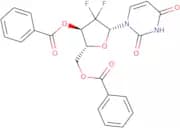
CAS:<p>An intermediate for the preparation of modified oligonucleotides and other uridine derivatives containing a 2',2'-difluoro modification.</p>Fórmula:C23H18F2N2O7Pureza:Min. 95%Forma y color:White PowderPeso molecular:472.4 g/mol5-Iodouridine
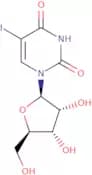
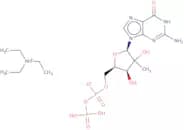
CAS:<p>5-Iodouridine is a pyrimidine nucleoside that is found in the human body. It is used as a starting material for the synthesis of 5-iodo-2'-deoxyuridine, which has been shown to have biological properties. 5-Iodouridine binds to the dna template and prevents radiation from altering it's conformation. This binding has been shown to be specific for ultraviolet (UV) radiation, with little absorption at visible wavelengths. The biological effects of 5-iodouridine are dependent on its acidic pH and hydrogen bonding ability. In vitro assays have demonstrated that this compound can inhibit prostate cancer cells from proliferating and may be useful in treating cervical cancer.</p>Fórmula:C9H11IN2O6Pureza:Min. 95%Forma y color:White PowderPeso molecular:370.1 g/mol2'-C-Methylguanosine 5'-diphosphate triethylammonium salt
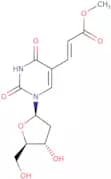
<p>2'-C-Methylguanosine 5'-diphosphate triethylammonium salt is a synthetic nucleotide analog for use in research</p>Fórmula:C11H16N5O11P2·C18H45N3Pureza:Min. 95%Forma y color:PowderPeso molecular:759.79 g/molE-5-(2-Carbomethoxyvinyl)-2'-deoxyuridine
CAS:<p>E-5-(2-Carbomethoxyvinyl)-2'-deoxyuridine is a nucleoside that is a modified form of uridine. It is a nucleotide analog that inhibits the synthesis of DNA and RNA and can be used to treat cancer. E-5-(2-Carbomethoxyvinyl)-2'-deoxyuridine is an activator that activates the phosphoramidites in the synthesis of DNA and RNA. This drug can also be used as antiviral therapy for herpes simplex virus type 1, influenza virus, and HIV. E-5-(2-Carbomethoxyvinyl)-2'-deoxyuridine has been shown to have anti-inflammatory properties by inhibiting prostaglandin synthesis.</p>Fórmula:C13H16N2O7Pureza:Min. 95%Forma y color:White to off-white solid.Peso molecular:312.28 g/mol5-O-[[[(1S)-1-Methyl-2-(1-methylethoxy)-2-oxoethyl]amino]-phenoxyphosphinyl]-cytidine
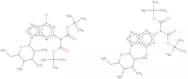
CAS:<p>5-O-[[[(1S)-1-Methyl-2-(1-methylethoxy)-2-oxoethyl]amino]-phenoxyphosphinyl]-cytidine is a modified nucleoside analog that inhibits the synthesis of DNA and RNA. It has been shown to have antiviral, anticancer, and antiinflammatory activities. 5-O-[[[(1S)-1-Methyl-2-(1-methylethoxy)-2-oxoethyl]amino]-phenoxyphosphinyl]-cytidine is a ribonucleoside that can be used as a building block for the production of deoxyribonucleosides (i.e., as an activator). This product also has high purity and quality, as well as being novel in structure.</p>Fórmula:C21H29N4O9PPureza:Min. 95%Forma y color:White to off-white solid.Peso molecular:512.45 g/molN2-Diboc-7/9-(2,3,4,6-tetra-O-acetyl-D-mannopyranosyl)-6-chloro-2-aminopurine
<p>N2-Diboc-7/9-(2,3,4,6-tetra-O-acetyl-D-mannopyranosyl)-6-chloro-2-aminopurine is a nucleoside that is modified with a chlorine group. The modification of the nucleoside may enhance its anticancer activity. N2-Diboc-7/9-(2,3,4,6-tetra-O-acetyl-D-mannopyranosyl)-6-chloro-2 aminopurine has been shown to inhibit the growth of virus and cancer cells by inhibiting DNA synthesis. It has also been shown to induce apoptosis in human leukemia cells.</p>Fórmula:C21H30ClN5O9Pureza:Min. 95%Forma y color:White to beige solid.Peso molecular:531.94 g/molCytidine-2'-monophosphate sodium
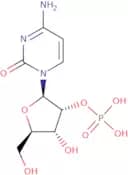
CAS:<p>Cytidine-2'-monophosphate sodium (CMP) is a nucleotide that is used as a monophosphate or diphosphate. It can be used to synthesize DNA and RNA. CMP also has antiviral, anticancer, and high purity properties. CMP is an activator of DNA polymerases and helps in the synthesis of DNA. It has novel properties that make it different from other nucleotides, such as its modified sugar moiety.</p>Fórmula:C9H12Na2N3O8PPureza:Min. 90%Forma y color:PowderPeso molecular:367.18 g/mol5'-O-DMT-2'-O-methyl-N6-phenylacetyladenosine
<p>5'-O-DMT-2'-O-methyl-N6-phenylacetyladenosine is a synthetic nucleoside with anticancer properties. It is modified to be more resistant to phosphodiesterase which blocks the synthesis of DNA and RNA. This drug has been shown to activate the immune system, inhibit tumor growth, and inhibit viral replication. It has been shown to be effective in animal models against leukemia and lymphoma. The high quality pure chemical will be used for use in research purposes only.</p>Pureza:Min. 95%6-O-Methylinosine
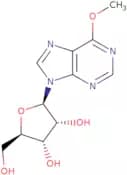
CAS:<p>6-O-Methylinosine is a modified nucleoside that is used in the synthesis of recombinant proteins. It is synthesized from the reaction of methylphosphate and 6-O-methylguanosine. The phosphate group of the 6-O-methylguanosine molecule reacts with methylphosphate in an acid or neutral environment, while it reacts with phosphoric acid in a basic environment. This reaction can be monitored by measuring the amount of free phosphate groups present after the reaction. The rate of this reaction can be increased by increasing temperature and pH. 6-O-Methylinosine has been shown to have anticancer activity, which may be due to its ability to inhibit enzyme catalysis and modify DNA structure.</p>Fórmula:C11H14N4O5Pureza:Min. 95%Forma y color:White PowderPeso molecular:282.25 g/mol7-Deaza-2'-deoxyguanosine
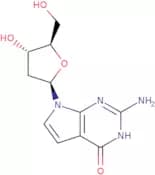
CAS:<p>7-Deaza-2'-deoxyguanosine is an analog of guanosine that has been shown to inhibit the activity of telomerase. This enzyme synthesizes a sequence of DNA called a telomere, which protects the ends of chromosomes from deterioration and prevents chromosomal end-to-end fusion. 7-Deaza-2'-deoxyguanosine has an inhibitory effect on the polymerase chain reaction (PCR) in mammalian cells and inhibits the transcription-polymerase chain reaction (PCR) in vitro. It has also been shown to be potent against cancer cells. 7-Deaza-2'-deoxyguanosine is synthesized by solid phase synthesis, which is a chemical process that involves attaching one molecule to another molecule with similar structure, using organic solvents as intermediates.</p>Fórmula:C11H14N4O4Pureza:Min. 95%Forma y color:White PowderPeso molecular:266.26 g/mol2'-Deoxy-2'-fluoro-L-uridine
CAS:<p>2'-Deoxy-2'-fluoro-L-uridine is a synthetic nucleoside analog of uridine where the sugar is both fluorinated at the 2' position and in the L-configuration, which is the mirror image of naturally occurring D-nucleosides. This modification makes it structurally distinct and biologically significant for certain applications in drug development and biochemical research.</p>Fórmula:C9H11FN2O5Pureza:Min. 95%Forma y color:White PowderPeso molecular:246.2 g/mol2-Amino-6-chloro-9-(2'-deoxy-b-D-ribofuranosyl)purine
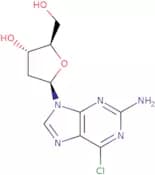
CAS:<p>2-Amino-6-chloro-9-(2'-deoxy-b-D-ribofuranosyl)purine is a purine nucleoside where the purine base has a 2-amino group at position 2 and a chlorine at position 6. The sugar is 2'-deoxy, meaning it is like the sugar found in DNA, lacking the 2'-hydroxyl group that is present in RNA. The amino and chloro groups on the purine base modify how this molecule behaves in biological systems making it useful in research applications.</p>Fórmula:C10H12ClN5O3Pureza:Min. 97 Area-%Forma y color:White PowderPeso molecular:285.69 g/mol5-Methyluridine
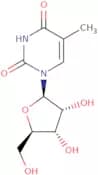
CAS:<p>5-Methyluridine is a nucleoside that is used to inhibit the replication of cells. It is also used for the treatment of cancer, infectious diseases, and other conditions. 5-Methyluridine inhibits cellular replication by binding to ribothymidine and uridine in the nucleus. The inhibition of cellular proliferation is due to a lack of dna synthesis and RNA synthesis. This nucleoside has been shown to have inhibitory properties against mouse tumor cells grown in vitro, as well as the wild-type strain grown in vivo. 5-Methyluridine may be useful for the treatment of cancer tissues because it can suppress the growth of tumors by inhibiting their ability to replicate.</p>Fórmula:C10H14N2O6Pureza:Min. 98 Area-%Forma y color:White PowderPeso molecular:258.23 g/molTrifluorothymidine
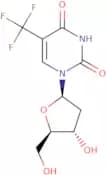
CAS:<p>Treats herpes-associated keratitis and keratoconjunctivitis; antineoplastic</p>Fórmula:C10H11F3N2O5Pureza:Min. 95%Forma y color:PowderPeso molecular:296.2 g/molCytidine-5'-diphosphate trisodium
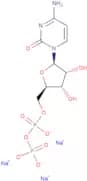
CAS:<p>Cytidine-5'-diphosphate trisodium (CDP-Tris) is a copolymerization agent that contains a formamide molecule, which is used to increase the viscosity of the polymer. It is also used as a hydrogen bond donor and acceptor in the synthesis of polymers. CDP-Tris can be used for DNA replication and repairs damaged DNA by binding to 7-methylguanine, one of the most common lesions found in DNA. This agent has been shown to be effective in diluting crude cell extracts from E. coli bacteria. CDP-Tris is also used to synthesize polymers with 3-methylcytidine monomers that contain nitrogen atoms. These polymers are then used as substitutes for natural polymers such as cellulose and starch, which can be difficult to process because they are hydrophobic.</p>Fórmula:C9H12N3Na3O11P2Pureza:Min. 95 Area-%Forma y color:White Yellow PowderPeso molecular:469.12 g/mol2',3'-Di-O-acetyl-D-uridine
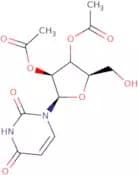
CAS:<p>2',3'-Di-O-acetyl-D-uridine is a nucleoside for use in research applications</p>Fórmula:C13H16N2O8Pureza:Min. 98 Area-%Forma y color:White PowderPeso molecular:328.27 g/mol2'-Deoxy-6-methylthioguanosine
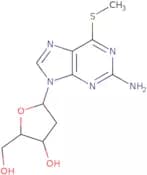
CAS:<p>2'-Deoxy-6-methylthioguanosine is a novel nucleoside and nucleotide analog with antiviral and anticancer activities. It has been shown to inhibit the replication of DNA by inhibiting the activity of DNA polymerase. The target of this drug is not related to any virus or bacterial species, but it inhibits the growth of cancer cells in vitro. The synthesis of 2'-deoxy-6-methylthioguanosine can be achieved by modifying commercially available phosphoramidites.</p>Fórmula:C11H15N5O3SPureza:Min. 95%Forma y color:PowderPeso molecular:297.33 g/mol2'-O-Benzoyl-5'-O-DMT-4-thiouridine
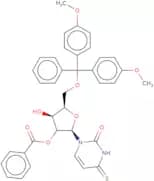
<p>2'-O-Benzoyl-5'-O-DMT-4-thiouridine is a phosphoramidite monophosphate nucleoside analog. It has antiviral and anticancer properties, and has been shown to activate the immune system in mice. 2'-O-Benzoyl-5'-O-DMT-4-thiouridine is also novel because it is structurally different from all other nucleosides that have been studied for antiviral and anticancer activity. This drug can be used as an activator of DNA synthesis in vitro.</p>Fórmula:C37H34N2O8SPureza:Min. 95%Forma y color:Yellow SolidPeso molecular:666.76 g/mol3',5'-O-(1,1,3,3-Tetraisopropyldisiloxane-1,3-diyl)-2'-ketouridine
CAS:<p>Used as a protected 2'-ketouridine nucleoside in the synthesis of modified RNA oligonucleotides. The 1,1,3,3-tetraisopropyldisiloxane-1,3-diyl (TIPDS or TBDPSi2) group protects the 3' and 5' hydroxyl groups, while the 2'-keto (or 2'-oxo) modification introduces a specific functional group at the 2' position of the ribose sugar.</p>Fórmula:C21H36N2O7Si2Pureza:Min. 95%Forma y color:White PowderPeso molecular:484.69 g/mol2'-O-Methyladenosine
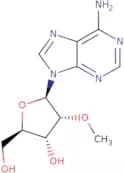
CAS:<p>2'-O-Methyladenosine (2'-OMeA) is a nucleoside that is a low-energy analog of adenosine. It has been shown to be an effective inhibitor of protein synthesis in vitro, by inhibiting RNA polymerase in the process of transcription. 2'-OMeA has also been shown to inhibit virus replication in vitro and to have potent inhibitory activity against human immunodeficiency virus type 1 (HIV-1). 2'-OMeA inhibits viral replication by binding to the viral ribonucleotide reductase enzyme and blocking the conversion of ribonucleotides into deoxyribonucleotides. The chemical structures of 2'-OMeA are similar to those found in fatty acids and can be detected using chemical ionization mass spectroscopy. The sequence for 2'-OMeA was determined through sequencing methods including NMR spectroscopy and nuclear magnetic resonance data analysis.</p>Fórmula:C11H15N5O4Pureza:Min. 98 Area-%Forma y color:White Off-White PowderPeso molecular:281.27 g/mol5-Fluorouridine-5'-triphosphate triethylammonium salt - aqueous solution
<p>5-Fluorouridine-5'-triphosphate triethylammonium salt - aqueous solution is an activated nucleoside that is synthesized from the triethylamine salt of 5-fluorouridine. This product has antiviral and anticancer activities, and can be used as a DNA-synthesizing agent in the synthesis of deoxyribonucleosides. It has been shown to inhibit replication of human immunodeficiency virus (HIV) by inhibiting viral reverse transcriptase, as well as cytomegalovirus (CMV) by inhibiting viral DNA polymerase.</p>Fórmula:C33H74N6O15P3FPureza:Min. 95%Forma y color:Colorless PowderPeso molecular:906.89 g/mol2'-Deoxy-a-cytidine
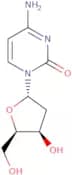
CAS:<p>2'-Deoxy-a-cytidine is a nucleoside analog that inhibits the growth of bacteria by competitively binding to the 5' position of the ribose sugar in RNA. This prevents the enzyme from adding a new linkage to the ribose, which results in an irreversible blockage of RNA synthesis. 2'-Deoxy-a-cytidine has been shown to be bacteriostatic against Escherichia coli and other bacterial species. It is also able to inhibit adenosine production, although it does not show any activity against DNA synthesis.<br>2'-Deoxy-a-cytidine has been shown to be effective against E. coli and other bacterial species, but does not show any activity against DNA synthesis</p>Fórmula:C9H13N3O4Pureza:Min. 95 Area-%Forma y color:PowderPeso molecular:227.22 g/molInosine 5'-diphosphate disodium salt
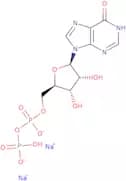
CAS:<p>Inosine-5'-diphosphate disodium salt (IDPS) is a nitro compound that is used in the synthesis of antibacterial drugs. It is also used in the production of polymers and as a precursor to other organic compounds. IDPS has been shown to have antibacterial activity against halogeno bacteria, such as buprestidae, and many Gram-positive bacteria, including encapsulated strains. IDPS has been shown to be effective against both damaged cells and healthy cells in culture. The mechanism of action may involve inhibition of protein synthesis by blocking the ribosomes or by interfering with DNA replication. This drug also inhibits growth rate of japonica rice and heterocycles.</p>Fórmula:C10H12N4Na2O11P2Pureza:Min. 90.0 Area-%Forma y color:White PowderPeso molecular:472.15 g/molBucladesine calcium salt
CAS:<p>Protein kinase A inhibitor; cAMP agonist</p>Fórmula:C18H24N5O8PCaPureza:Min. 95%Forma y color:PowderPeso molecular:489.42 g/mol5-Hydroxymethylcytidine
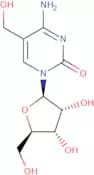
CAS:<p>5-Hydroxymethylcytidine is a nucleoside that has been shown to inhibit the activity of RNA polymerase by forming hydrogen bonds with the enzyme. It is used in vitro to study the role of messenger RNA in regulating gene expression, and also as a probe for transcriptase activity. 5-Hydroxymethylcytidine has also been shown to have a biological function in solid tumours and may be an analytical method for detecting cancer.</p>Fórmula:C10H15N3O6Pureza:Min. 95 Area-%Forma y color:White PowderPeso molecular:273.24 g/mol5-Fluorocytidine
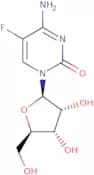
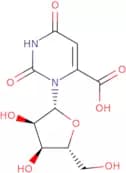
CAS:<p>5-Fluorocytidine (5FC) is an antiviral drug that inhibits the synthesis of DNA. 5FC is a prodrug that is converted to cytosine in vivo, and then incorporated into viral DNA by polymerase chain reactions. The incorporation of 5FC into viral DNA prevents replication and transcription, which can lead to the death of cells infected with HIV. In addition, 5FC has been shown to be effective in treating chronic viral hepatitis and bowel diseases such as Crohn's disease. It also has potential use as a drug target for cancer treatments.<br>5FC has been shown to inhibit transcription activators in murine hepatoma cells and inhibit the growth of tumors in transfection experiments using human colon cancer cells. This antiviral agent has also been shown to have antimicrobial activity against Gram-positive bacteria, including Clostridium difficile, Staphylococcus aureus, Streptococcus pyogenes and Enterococcus faec</p>Fórmula:C9H12FN3O5Pureza:Min. 99 Area-%Forma y color:White PowderPeso molecular:261.21 g/molOrotidine
CAS:<p>Orotidine is a decarboxylase inhibitor. It inhibits the enzyme that converts orotate to uridine and the enzyme that converts orotate to decarboxylase. Orotidine has been shown to inhibit the growth of opportunistic fungal organisms and may be useful in treating infections caused by these pathogens. Orotidine is an analytical method for measuring the activity of orotidase, which catalyzes conversion of orotate to uridine. The enzyme form of orotidase found in human erythrocytes is very sensitive to inhibition by picolinic acid, which is used as a substrate for this reaction.</p>Fórmula:C10H12N2O8Pureza:Min. 95 Area-%Forma y color:White PowderPeso molecular:288.21 g/mol2'-Deoxyinosine
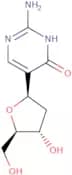
CAS:<p>2'-Deoxyinosine is an antimicrobial peptide that has been shown to have potent activity against Gram-positive bacteria, including Staphylococcus aureus. 2'-Deoxyinosine binds to the 3′-hydroxyl group of nucleic acid, preventing DNA replication and transcription. This binding also prevents ribosomal RNA from binding to the ribosome, inhibiting protein synthesis. 2'-Deoxyinosine has been detected using a highly sensitive optical sensor and can be used as a model system for studying the interaction between dsDNA duplexes and other biomolecules. The pharmacokinetic properties of this molecule have been determined in rats by measuring its concentration in serum over time after injection. These data were then used to determine the amount of 2'-deoxyinosine that was needed to inhibit bacterial growth in water samples.</p>Fórmula:C10H12N4O4Pureza:Min. 98 Area-%Forma y color:White PowderPeso molecular:252.23 g/mol2'-Deoxypseudoisocytidine
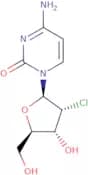
CAS:<p>2'-Deoxypseudoisocytidine is a synthetic nucleoside that is structurally similar to pseudoisocytidine. It is used as an anti-cancer agent in labeling studies. The compound exhibits cytotoxic activity against tumor cells and inhibits the growth of cultured human cancer cell lines. 2'-Deoxypseudoisocytidine has been shown to be effective in preventing the growth of brain tumors in mice by targeting DNA synthesis, which may be due to its ability to act as an analog of cytosine and bind to DNA. This drug also has potential for use as a chemotherapeutic agent for leukemia and other cancers.</p>Fórmula:C9H13N3O4Pureza:Min. 95%Forma y color:PowderPeso molecular:227.22 g/mol2'-Chloro-2'-deoxycytidine
CAS:<p>2'-Chloro-2'-deoxycytidine is a synthetic nucleoside analog. It is a modified deoxycytidine with a chlorine atom at the 2'-position of the deoxyribose sugar. This molecule can be used in research applications</p>Fórmula:C9H12ClN3O4Pureza:Min. 95%Forma y color:PowderPeso molecular:261.66 g/mol








![5-O-[[[(1S)-1-Methyl-2-(1-methylethoxy)-2-oxoethyl]amino]-phenoxyphosphinyl]-cytidine](/_next/image/?url=https%3A%2Fstatic.cymitquimica.com%2Fproducts%2F3D%2Fthumb-webp%2FNM46513.webp&w=3840&q=75)