Nucleósidos
Se han encontrado 3569 productos de "Nucleósidos"
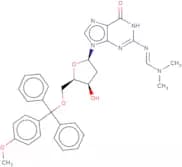
2'-Deoxy-N2-DMF-5'-O-MMT-guanosine
2'-Deoxy-N2-DMF-5'-O-MMT-guanosine, also known as 2'-deoxy-N2,5'-O-(dimethoxytrityl)-guanosine, is a high quality, novel nucleoside analog that has been shown to be an effective antiviral. It was synthesized in 1972 by the group of E.J. Corey and is structurally similar to other nucleosides such as ribonucleosides or deoxyribonucleosides. It is a monophosphate that can be converted into a diphosphate by adding phosphorus ions and ATP. 2'-Deoxy-N2,5'-O-(dimethoxytrityl)-guanosine is not found in nature but can be used as an antiviral agent because it inhibits the replication of RNA viruses such as HIV and influenza A virus.
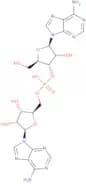
Fórmula:C33H34N6O5Pureza:Min. 95%Peso molecular:594.66 g/molAdenylyl-3'-5'-adenosine ammonium salt
CAS:Adenylyl-3'-5'-adenosine ammonium salt is a novel and activator. CAS No. 21027-46-3. Ribonuclesides, Deoxyribonucleosides, diphosphate, Phosphoramidites, Modified, Anticancer, Antiviral, monophosphate, Nucleosides, Synthetic. High quality and high purity.
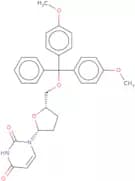
Fórmula:C20H25N10O10PPureza:Min. 95%Peso molecular:596.45 g/mol2',3'-Dideoxy-5'-O-DMT-uridine
CAS:2',3'-Dideoxy-5'-O-DMT-uridine is a nucleoside for use in research applications
Fórmula:C30H30N4O6Pureza:Min. 95%Forma y color:White To Off-White SolidPeso molecular:514.58 g/molRef: 3D-ND08411
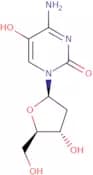
Producto descatalogado2'-Deoxy-5-hydroxycytidine
CAS:2'-Deoxy-5-hydroxycytidine is a nucleoside analog that is used to treat human immunodeficiency virus (HIV). It inhibits the synthesis of HIV by inhibiting the enzyme reverse transcriptase. This drug binds to DNA duplexes, and has been shown to be reactive with damaged DNA. The compound has been shown to inhibit viral replication in a model system, and also inhibits the polymerase chain reaction. 2'-Deoxy-5-hydroxycytidine may also have thermodynamic properties that are related to its potential for reactivity with oxidative DNA.
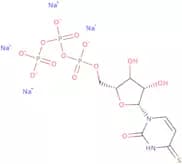
2'-Deoxy-5-hydroxycytidine is an analog of cytidine. It can be synthesized using solid phase synthesis on a resin support.Fórmula:C9H13N3O5Pureza:Min. 95%Forma y color:White PowderPeso molecular:243.22 g/mol4-Thiouridine-5'-triphosphate sodium salt - aqueous solution
CAS:4-Thiouridine-5'-triphosphate sodium salt - aqueous solution (4TUTP) is an analog of uridine and can be used as a template for the synthesis of single-stranded DNA. 4TUTP has been shown to have a high affinity for dsDNA, allowing it to form a ternary complex with DNA polymerase and single-stranded DNA template. 4TUTP can also be used to prepare samples for profiling experiments or other molecular studies. It is reactive, so should be handled with caution in order to avoid unwanted crosslinking. 4TUTP may also be used in chloroplast research.Fórmula:C9H15N2O14P3S·xNaPureza:Min. 95 Area-%Forma y color:Clear LiquidPeso molecular:500.20 g/molRef: 3D-NT34810
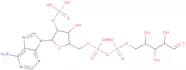
Producto descatalogadoAdenosine-5'-O-diphosphoribose phosphate
CAS:Potential metabolite of NADP+
Fórmula:C15H24N5O17P3Pureza:Min. 95 Area-%Forma y color:PowderPeso molecular:639.3 g/molRef: 3D-NA63573
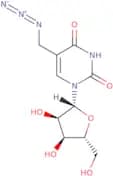
Producto descatalogado5-(Azidomethyl)uridine
CAS:5-(Azidomethyl)uridine (5-AZA-U) is a cytosolic nucleoside analog that inhibits the replication of herpes simplex virus type 1 (HSV-1). It is resistant to degradation by cellular nucleases and is fluorescent, making it a clickable substrate for microscopy. 5-AZA-U has been shown to inhibit the transcription of viral DNA and the synthesis of viral proteins in mammalian cells. This drug has also been shown to be effective against cancer and hepatitis B virus (HBV). 5-AZA-U can be used as an antiviral agent because of its ability to inhibit the posttranscriptional gene expression of HSV-1. 5-(Azidomethyl)uridine is also an analog of uridine, which can be used to study intracellular signaling pathways that regulate proliferation, differentiation, or apoptosis in mammalian cells.
Fórmula:C10H13N5O6Pureza:Min. 95%Forma y color:PowderPeso molecular:299.24 g/molO6-Methylguanosine-5'-monophosphate
CAS:O6-Methylguanosine-5'-monophosphate is an antiviral agent that is modified ribonucleoside. It has been shown to inhibit the replication of human cytomegalovirus (HCMV) and herpes simplex virus type 1 (HSV-1) in cell culture. O6-Methylguanosine-5'-monophosphate inhibits viral DNA synthesis by competitively inhibiting the activity of diphosphorylated guanosine triphosphate, which is needed for DNA synthesis. This drug also inhibits the growth of cancer cells in culture and can be used as a potential anticancer agent.
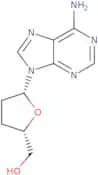
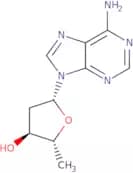
Pureza:Min. 95%2',5'-Dideoxyadenosine
CAS:2',5'-Dideoxyadenosine is a nucleotide analog that inhibits the enzyme adenylate cyclase, by binding non-competitively via the P-site
Fórmula:C10H13N5O2Pureza:Min. 95%Forma y color:White Off-White PowderPeso molecular:235.25 g/molRef: 3D-ND07997
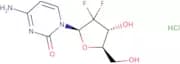
Producto descatalogadoGemcitabine HCl
CAS:Anticancer nucleoside; DNA synthesis interference
Fórmula:C9H11F2N3O4·HClPureza:Min. 98 Area-%Forma y color:White PowderPeso molecular:299.66 g/molN6-Benzoyl-3'-O-tert-butyldimethylsilyl-2'-O-(2-methoxyethyl)adenosine
N6-Benzoyl-3'-O-tert-butyldimethylsilyl-2'-O-(2-methoxyethyl)adenosine is a modified nucleoside with antiviral activity. This compound is synthesized by a modified method that avoids the use of phosphoramidites, which are usually used to synthesize nucleosides. N6-Benzoyl-3'-O-tert-butyldimethylsilyl-2'-O-(2-methoxyethyl)adenosine is an activator of viral RNA polymerase and has been shown to be active against HIV and herpes simplex virus type 1.
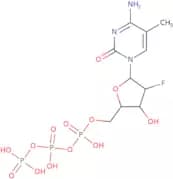
Pureza:Min. 95%2'-Deoxy-2'-fluoro-5-methylcytidine 5'-triphosphate
CAS:2'-Deoxy-2'-fluoro-5-methylcytidine 5'-triphosphate is a novel antiviral and antitumor agent, which is synthesized from 2'-deoxy-2'-fluoro-5-methylcytidine. This compound is a cytosine ribonucleotide analog that can be activated to form the corresponding triphosphate. Its chemical name is 5'-O-(4,4'-dimethoxytrityl)-2'-deoxy-2'-fluoro-5-methylcytidine 5',3' -O-(1,1,3,3,-tetraisopropyldisiloxanyl) diphosphate. The CAS number for this compound is 847647-94-3.
Fórmula:C10H17FN3O13P3Pureza:Min. 95%Peso molecular:499.17 g/mol3'-Deoxyinosine
CAS:3'-Deoxyinosine is a nucleoside analog that is used in the treatment of leukemia, lymphoma, and AIDS-related Kaposi's sarcoma. The drug inhibits DNA synthesis by inhibiting enzymes such as ribonucleotide reductase, thymidylate synthase, and dihydrofolate reductase. 3'-Deoxyinosine has minimal toxicity and may be administered orally or intravenously. It has been shown to have an inhibitory effect on the growth of skin cancer cells and leishmania parasites in cell culture. This drug also lowers blood pressure by interfering with the synthesis of angiotensin II and may be useful for treating hypertension. The drug is synthetically prepared in a laboratory by chemists.
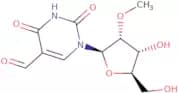
Fórmula:C10H12N4O4Pureza:Min. 95%Forma y color:PowderPeso molecular:252.23 g/mol5-Formyl- 2'- O- methyluridine
CAS:5-Formyl-2'-O-methyluridine is a nucleoside that can be used as an antiviral and anticancer agent. It is a novel modified monophosphate nucleotide analog with high purity and high quality. 5-Formyl-2'-O-methyluridine has shown to inhibit the growth of cancer cells in vitro and to reduce tumor size in vivo. It also inhibits viral replication by inhibiting viral DNA synthesis. 5-Formyl-2'-O-methyluridine has been shown to be an effective inhibitor of HIV and HSV, where it has been found to inhibit the synthesis of viral RNA, which prevents the virus from replicating.
Fórmula:C11H14N2O7Pureza:Min. 95%Peso molecular:286.24 g/mol2’C-Methyl-2-thiouridine
CAS:2’C-Methyl-2-thiouridine is a novel nucleoside phosphoramidite that has been synthesized to serve as an activator for DNA polymerases. 2’C-Methyl-2-thiouridine is a potent antiviral agent that inhibits the replication of the hepatitis C virus in vitro. It also has antiproliferative effects against certain cancer cells and can be used as an anticancer drug. 2’C-Methyl-2-thiouridine contains a methylated thiol group, which confers a high degree of resistance to degradation by thiols, including glutathione (GSH). This compound is stable to hydrolysis and may be used in the synthesis of deoxyribonucleosides or monophosphate nucleotides.
Pureza:Min. 95%2'-Deoxy-2'-fluoro-L-uridine
CAS:2'-Deoxy-2'-fluoro-L-uridine is a synthetic nucleoside analog of uridine where the sugar is both fluorinated at the 2' position and in the L-configuration, which is the mirror image of naturally occurring D-nucleosides. This modification makes it structurally distinct and biologically significant for certain applications in drug development and biochemical research.
Fórmula:C9H11FN2O5Pureza:Min. 95%Forma y color:White PowderPeso molecular:246.2 g/molRef: 3D-ND02886
Producto descatalogadoFluorescein-5(6)-carboxamidocaproyl-[5(3-aminoallyl)2-deoxyuridine-5-tr
Fluorescein-5(6)-carboxamidocaproyl-[5(3-aminoallyl)2-deoxyuridine-5-triphosphate] is a modified nucleoside analog that is used as an antiviral agent against herpesviruses. This compound is phosphorylated by the virus encoded thymidine kinase, which converts it to the monophosphate form. Fluorescein-5(6)-carboxamidocaproyl-[5(3-aminoallyl)2-deoxyuridine-5-triphosphate] inhibits DNA synthesis by inhibiting viral DNA polymerase and has been shown to be active against human papillomavirus type 16 (HPV16) in vitro. It has also been shown to inhibit tumor cell proliferation and induce apoptosis in some types of cancer cells.
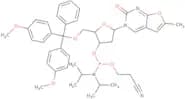
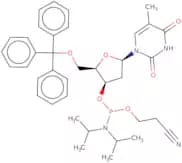
Pureza:Min. 95%5'-O-Tritylthymidine 3'-CE phosphoramidite
CAS:5'-O-Tritylthymidine 3'-CE phosphoramidite is a synthetic, modified nucleoside. It is an ester of thymidine and trityl chloride. 5'-O-Tritylthymidine 3'-CE phosphoramidite is used as an anticancer drug and has been shown to activate the transcription of ribonucleic acid (RNA) in vitro, which may be due to inhibition of the enzyme RNA polymerase II. This product has also been shown to have antitumour activity against human colon and ovarian cancer cells in vivo.
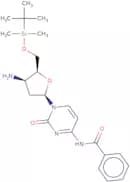
Fórmula:C38H45N4O6PPureza:Min. 95%Peso molecular:684.78 g/mol3'-Amino-N4-benzoyl-5'-O-tert-butyldimethylsilyl-2',3'-dideoxycytidine
CAS:3'-Amino-N4-benzoyl-5'-O-tert-butyldimethylsilyl-2',3'-dideoxycytidine (3'-ABT) is a novel diphosphate nucleoside that has been used in clinical trials as an activator of anticancer drugs. 3'-ABT is also used as a building block for synthesis of 2',3'-dideoxyuridine, which has antiviral properties. 3'-ABT can be synthesized by reacting N4-benzoyl-5'-O-tert-butyldimethylsilylcytosine with sodium bis(trimethylsilyl)amide and 2,6,8,10,-dodecatriene.
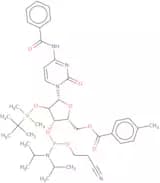
Fórmula:C22H32N4O4SiPureza:Min. 95%Peso molecular:444.6 g/molN4-Benzoyl-2'-O-tert-butyldimethylsilyl-5'-O-toluoylcytidine 3'-CE phosphoramidite
N4-Benzoyl-2'-O-tert-butyldimethylsilyl-5'-O-toluoylcytidine 3'-CE phosphoramidite is an anticancer agent that acts by inhibiting the formation of DNA and RNA. It is a nucleoside analogue that has been modified to contain a benzoyl group at the 2' carbon atom, which leads to increased cytotoxicity. N4-Benzoyl-2'-O-tert-butyldimethylsilyl-5'-O-toluoylcytidine 3'-CE phosphoramidite is a synthetic nucleoside analogue with novel properties. It inhibits the synthesis of DNA and RNA in cells, which may be due to its ability to inhibit DNA polymerases and ribonucleases.
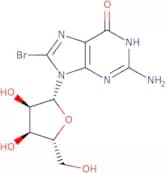
Fórmula:C39H54N5O8PSiPureza:Min. 95%Peso molecular:779.95 g/mol8-Bromoguanosine
CAS:8-Bromoguanosine (8BrG) is a potent inhibitor of cyclase enzymes that lead to the formation of cyclic guanosine monophosphate (cGMP). It has been shown to inhibit signal pathways, such as those regulated by the G protein-coupled receptor (GPCR), which are activated by the 2-adrenergic receptor. 8BrG has been shown to be effective against C. glabrata and other fungi and has been used in experimental models for infectious diseases.
Fórmula:C10H12BrN5O5Pureza:Min. 95%Forma y color:White PowderPeso molecular:362.14 g/mol3'-O-Acetyl-5'-tert-butyldiphenylsilyl-2'-deoxy-2'-fluoro-5-methyluridine
3'-O-Acetyl-5'-tert-butyldiphenylsilyl-2'-deoxy-2'-fluoro-5-methyluridine is a synthetic nucleoside that has antiviral activity. It is a modified nucleoside that contains a monophosphate group, which makes it an activator of DNA polymerase. 3'-O-Acetyl-5'-tert-butyldiphenylsilyl-2'-deoxy-2'-fluoro-5-methyluridine is novel because it contains an acetyl group at the 3' position and a silyl ether on the 2' oxygen atom. 3'-O-Acetyl-5'-tert-butyldiphenylsilyl-2'-deoxy-2'-fluoro -5 -methyluridine has CAS No. 62768‑36‑3 and is available in high purity.Pureza:Min. 95%Allopurinol riboside
CAS:Allopurinol riboside is a hydroxyl analog of allopurinol. Allopurinol riboside has minimal toxicity in tissue culture and exhibits no cytotoxicity in human serum. It is a potent inhibitor of microbial infection, including infections caused by Hepatitis C virus (HCV), Leishmania amazonensis, and Mycobacterium tuberculosis. Allopurinol riboside binds to adenine nucleotide and inhibits the synthesis of purines, which are necessary for DNA replication. This binding also inhibits the production of ATP, leading to cell death. In addition, allopurinol riboside inhibits the growth of human macrophages in vitro by inhibiting protein synthesis. Allopurinol riboside may be useful for treating HCV-induced liver disease or leishmaniasis.
Fórmula:C10H12N4O5Pureza:Min. 97 Area-%Forma y color:White PowderPeso molecular:268.23 g/molOBEA-Fluorescein-2'-deoxy-5'-O-DMT-cytidine 3'CE-amidite
OBEA-Fluorescein-2'-deoxy-5'-O-DMT-cytidine 3'CE-amidite is an anticancer drug that belongs to the class of deoxyribonucleosides. It is a novel nucleoside analogue that has been modified with fluorescein and a cytidine derivative. The synthesis of this compound is carried out by coupling a cytidine derivative with fluorescein and the phosphoramidite of the corresponding ribonucleotide. OBEA-Fluorescein-2'-deoxy-5'-O-DMT-cytidine 3'CE amidite has antiviral activity against DNA viruses, such as hepatitis B virus and human immunodeficiency virus, as well as RNA viruses, such as influenza A virus. This compound also has antiinflammatory activities.
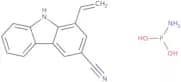
Pureza:Min. 95%3-Cyanovinylcarbazole phosphoramidite
CAS:3-Cyanovinylcarbazole phosphoramidite is a novel compound that has not been previously described. It is a deoxyribonucleoside monophosphate and can be used as an anticancer agent. 3-Cyanovinylcarbazole phosphoramidite is also an antiviral, which can inhibit the synthesis of viral DNA. The modified nucleosides in this compound are synthesized by modifying the ribonucleotide with a cyanovinyl group at the C-3 position, which can be used as phosphoramidites for DNA synthesis.
Fórmula:C50H53N4O6PPureza:Min. 95%Forma y color:PowderPeso molecular:836.95 g/molRef: 3D-PC31915
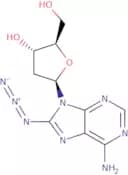
Producto descatalogado8-Azido-2'-deoxyadenosine
CAS:8-azido-2-deoxyadenosine is an azide funcationalised nuceleoside
Fórmula:C10H12N8O3Pureza:Min. 95%Forma y color:PowderPeso molecular:292.25 g/molRef: 3D-NA44903
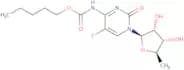
Producto descatalogadoCapecitabine
CAS:Pro-drug of 5-FU; anti-cancer agent
Fórmula:C15H22FN3O6Pureza:Min. 95%Forma y color:PowderPeso molecular:359.35 g/molRef: 3D-ND09160
Producto descatalogadoClevudine
CAS:Clevudine is a synthetic pyrimidine analogue effective against the hepatitis B virus (HBV). Once inside the cell, it is converted into its active forms, clevudine monophosphate and clevudine triphosphate. The triphosphate form competes with thymidine to be incorporated into viral DNA, leading to DNA chain termination and inhibition of the HBV DNA polymerase (reverse transcriptase). Due to its long half-life, clevudine significantly reduces covalently closed circular DNA (cccDNA), making relapse less likely after treatment ends.
Fórmula:C10H13FN2O5Pureza:Min. 95%Forma y color:White PowderPeso molecular:260.22 g/molRef: 3D-NC09470
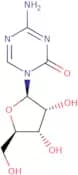
Producto descatalogado5-Azacytidine
CAS:An azanucleoside and epigenetic modulator that interferes with nucleic acid metabolism. The compound gets incorporated into RNA and inhibits ribonucleotide reductase subunit RRM2 in leukemia cell lines. Intracellularly, 5-azacytidine can get converted into 2′-deoxy-5-azacytidine (decitabine) and subsequently incorporated in DNA, where it irreversibly inhibits DNMT1 methyltransferase. In human epithelial cell lines, this compound decreases Src-activated expression of a histone chaperone CAF1 and inhibits cell motility and invasiveness.
Fórmula:C8H12N4O5Pureza:Min. 95%Forma y color:White Off-White PowderPeso molecular:244.21 g/molThymidine-5'-triphosphate trisodium
CAS:Thymidine-5'-triphosphate or dTTP, is a nucleotide used by the cell to synthesize DNA molecules. Thymidine-5'-triphosphate is used in molecular biology techniques and assays as a substrate of the enzyme DNA polymerase, e.g. polymerase chain reaction (PCR), DNA sequencing, pyrosequencing reactions. Salt form of thymidine-5'-triphosphate has been used in a newly developed detection system for SARS-CoV-2 that combines bioluminescence in real-time (BART) with reverse-transcriptase loop-mediated amplification (RT-LAMP).Fórmula:C10H17N2O14P3•Na3Pureza:(%) Min. 90%Forma y color:White PowderPeso molecular:551.14 g/mol2'-Deoxy-5-iodocytidine
CAS:2'-Deoxy-5-iodocytidine is a modified monophosphate of deoxyribonucleosides. It is used as an activator in the synthesis of phosphoramidites and nucleosides, as well as in antiviral and anticancer drug development. This product has been shown to have high purity and quality. 2'-Deoxy-5-iodocytidine has also been shown to be active against HIV, hepatitis B, herpes simplex virus type 1, and cytomegalovirus.
Fórmula:C9H12IN3O4Pureza:Min. 98 Area-%Peso molecular:353.11 g/molRef: 3D-W-203284
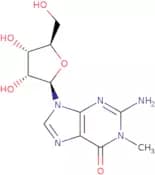
Producto descatalogadoN1-Methylguanosine
CAS:Producto controladoN1-Methylguanosine is a methylated nucleotide that is incorporated into the growing DNA chain during protein synthesis. The incorporation of N1-methylguanosine into the growing DNA chain can cause frameshifting, which creates an unusual amino acid sequence. This effect has been shown in model organisms, such as Saccharomyces cerevisiae and Escherichia coli. In these organisms, N1-methylguanosine has been shown to induce cancer when added to the growth medium. It is also found in urine samples from people with bladder cancer and has been used to identify urinary tract cancers. Titration calorimetry studies have shown that N1-methylguanosine binds to a chelate ligand and forms a disulfide bond with cysteine residues on proteins or peptides, which may lead to mitochondrial dysfunction by interfering with hydrogen bonding interactions. Messenger RNA studies show that N1-methylguanosine inhibits translation of mRNA by binding to
Fórmula:C11H15N5O5Pureza:Min. 95%Forma y color:White PowderPeso molecular:297.27 g/mol5-Carboxy-2’-deoxycytidine
CAS:Please enquire for more information about 5-Carboxy-2’-deoxycytidine including the price, delivery time and more detailed product information at the technical inquiry form on this page
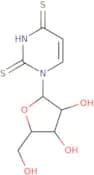
Fórmula:C10H13N3O6Peso molecular:271.23 g/mol2,4-Dithiouridine
CAS:2,4-Dithiouridine is a nucleoside for use in a variety of applications
Fórmula:C9H12N2O4S2Pureza:Min. 95%Forma y color:PowderPeso molecular:276.33 g/molRef: 3D-ND10281
Producto descatalogadoChloro-AlaOiPr-amidite
Chloro-AlaOiPr-amidite is an anticancer drug that is a modified form of the nucleoside 2'-deoxyadenosine. It has been shown to be active against both DNA and RNA tumor cells in vitro. Chloro-AlaOiPr-amidite was also found to be effective against HIV-1 when tested in vivo, showing antiviral activity. The drug is synthesized by reacting an acid chloride with the amine group of AlaOiPr. In this reaction, the chloride ion attacks the amine group, displacing a proton from the nitrogen atom and forming a chloroamine species. The chloramine then reacts with the nucleoside to give rise to an intermediate called chloro-AlaOiPr-amidite which can then be reacted with a phosphoramidite or ribonucleotide to yield chloro-AlaOiPr-phosphoramidite
Pureza:Min. 95%3'-b-Amino-2',3'-dideoxy-5'-O-trityl-5-methyluridine
3'-b-Amino-2',3'-dideoxy-5'-O-trityl-5-methyluridine is a phosphoramidite, which is an intermediate in the synthesis of nucleosides. It is a novel deoxyribonucleoside that has been modified to include a methyl group at the 5' position. 3'-b-Amino-2',3'-dideoxy-5'-O-trityl-5-methyluridine is often used as an activator for DNA polymerases and ribonucleases, as well as for the synthesis of ribonucleosides. This product has shown anticancer activity by inhibiting RNA synthesis.
Pureza:Min. 95%Peso molecular:227.22 g/mol3'-Deoxyuridine
CAS:3'-Deoxyuridine is a synthetic antibiotic that is used in the treatment of viral infections, such as hepatitis B and C, and HIV. 3'-Deoxyuridine competitively inhibits the synthesis of RNA by binding to the enzyme RNA polymerase. This drug also has antiviral activity against the human cytomegalovirus (CMV) and Hepatitis C virus (HCV). 3'-Deoxyuridine is synthesized from uracil in an organic solvent, trifluoroacetic acid, at low temperatures. The incorporation of deoxynucleoside triphosphates into DNA occurs after cleavage of the terminal phosphate group by water vapor.
Fórmula:C9H12N2O5Pureza:Min. 95%Forma y color:PowderPeso molecular:228.21 g/molRef: 3D-ND05963
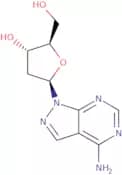
Producto descatalogado6-Amino-4-hydrazino-1-(b-D-ribofuranosyl)-1H-pyrazolo[3,4-d]pyrimidine
6-Amino-4-hydrazino-1-(b-D-ribofuranosyl)-1H-pyrazolo[3,4-d]pyrimidine is a nucleoside phosphoramidite which is used in the synthesis of oligonucleotides. It is a novel modified nucleoside and has antiviral and anticancer activities. 6-Amino-4-hydrazino-1-(b-D ribofuranosyl)-1H pyrazolo[3,4 d]pyrimidine can be used as an activator for 2'-deoxyribonucleotide synthesis and an inhibitor of ribonucleotide synthesis.
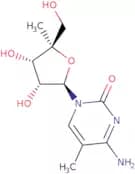
Pureza:Min. 95%4’-C-Methyl-5-methylcytidine
CAS:4’-C-Methyl-5-methylcytidine is a phosphoramidite nucleoside that is used as a reagent in the synthesis of DNA. It is modified with a 4′-methyl and 5′-methyl group at the C4 and C5 positions of the cytosine base, respectively. The 4′-C methyl group is an antiviral agent that inhibits viral replication by inhibiting reverse transcriptase. The 5′-methyl group prevents deamination of cytosine residues by inhibiting uracil glycosylase. This product has anticancer properties due to its ability to inhibit cell division and activate apoptosis in tumor cells.
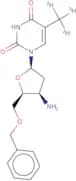
Pureza:Min. 95%3'-Amino-5'-O-benzyl-3'-deoxy-D3-thymidine
Producto controlado3'-Amino-5'-O-benzyl-3'-deoxy-D3-thymidine is a novel antiviral agent that inhibits the replication of retroviruses. It is an activator of ribonucleotide reductase, which converts ribonucleotides to deoxyribonucleotides. The drug has been shown to inhibit DNA and RNA synthesis in vitro. 3'-Amino-5'-O-benzyl-3'-deoxy-D3-thymidine is also being studied for its anticancer properties.
Fórmula:C17H18N3O4D3Pureza:Min. 95%Peso molecular:334.39 g/molN6-Benzoyl-2’-chloro-2’-deoxyadenosine
CAS:N6-Benzoyl-2’-chloro-2’-deoxyadenosine is a synthetic nucleoside that has antiviral properties. It is used to treat viral diseases, such as herpes and hepatitis B. N6-Benzoyl-2’-chloro-2’-deoxyadenosine can be used in the synthesis of DNA or RNA, and it is also used as an activator for other phosphoramidites. This product has been shown to have high purity and quality.
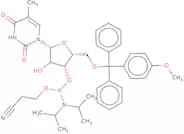
Fórmula:C17H16ClN5O4Pureza:Min. 95%Peso molecular:389.79 g/mol5'-O-Methoxytrityluridine 3'-CE phosphoramidite
5'-O-Methoxytrityluridine 3'-CE phosphoramidite is a modified nucleoside that can be used in the synthesis of DNA and RNA. It is an activator that activates ribonucleotides to diphosphates. 5'-O-Methoxytrityluridine 3'-CE phosphoramidite has been shown to have antiviral, anticancer, and novel activities. This product is CAS No. 57747-00-2, High purity, deoxyribonucleosides, and high quality.
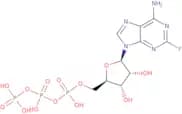
Fórmula:C39H47N4O8PPureza:Min. 95%Peso molecular:730.81 g/mol2-Fluoroadenosine 5'-triphosphate sodium
CAS:2-Fluoroadenosine 5'-triphosphate sodium salt is an analog of adenosine 5'-triphosphate (ATP) that has been used as a target molecule in binding experiments to identify cells that express the ATP receptor. 2-Fluoroadenosine 5'-triphosphate sodium salt binds to the surface glycoprotein on target cells and is internalized by endocytosis, resulting in cell death. This drug has also been shown to be effective against cancer cells grown in culture.Fórmula:C10H15FN5O13P3•Na3Pureza:Min. 95%Forma y color:PowderPeso molecular:594.12 g/molRef: 3D-NF77069
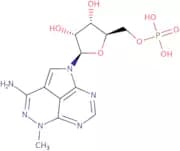
Producto descatalogadoTricyclic nucleoside phosphate
CAS:Akt activation inhibitor
Fórmula:C13H17N6O7PPureza:Min. 95%Peso molecular:400.28 g/molRef: 3D-NT44794
Producto descatalogado8-Aza-7-deaza-2'-deoxyadenosine
CAS:8-Aza-7-deaza-2'-deoxyadenosine is a single-stranded DNA analogue that is used as a conjugate to deliver drugs to cells. It has been shown to be effective in the treatment of HIV by suppressing viral replication and the production of infectious virions. The drug is photolabile, which means it can be activated with light and then delivered to cells. 8-Aza-7-deaza-2'-deoxyadenosine has also been shown to inhibit the growth of human immunodeficiency virus (HIV) in vitro, but does not inhibit the growth of other viruses such as herpes simplex virus type 1 or adenovirus.
Fórmula:C10H13N5O3Pureza:Min. 95%Forma y color:PowderPeso molecular:251.24 g/mol3-Cyanovinyl-9-(5’-O-DMT-2’-deoxyribofuranosyl)carbazole
CAS:3-Cyanovinyl-9-(5’-O-DMT-2’-deoxyribofuranosyl)carbazole is a nucleoside analog that is an antiviral and anticancer agent. It is a monophosphate, which has been shown to inhibit the replication of DNA by binding to the enzyme DNA polymerase. 3-Cyanovinyl-9-(5’-O-DMT-2’-deoxyribofuranosyl)carbazole also inhibits protein synthesis and cell division by preventing the production of proteins vital for cell division. This drug has shown high purity and quality, as well as novel properties.
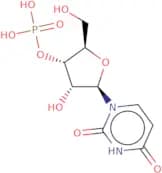
Fórmula:C41H36N2O5Pureza:Min. 95%Peso molecular:636.74 g/mol3′-UMP
CAS:3′-UMP is a modified nucleoside that has antiviral activity, and is synthesized by the phosphoramidite method. It is a novel compound, which has not been previously reported. 3′-UMP is an activator of ribonucleotide reductase and can be used to treat viral infections. This drug also has anticancer effects and can be used as a chemotherapeutic agent for the treatment of leukemia. 3′-UMP has high purity and high quality.
Fórmula:C9H13N2O9PPureza:Min. 95%Peso molecular:324.18 g/mol9-[2'-O-Acetyl-3'-azido-3'-deoxy-5'-O-toluoyl-b-L-ribofuranosyl)-6-chloropurine
CAS:9-[2'-O-Acetyl-3'-azido-3'-deoxy-5'-O-toluoyl-b-L-ribofuranosyl)-6-chloropurine is a modified nucleoside. It is synthesized by attaching an acetyl group to the 2' position of the sugar moiety and a toluoyl group to the 3' position of the ribose moiety. 9-[2'-O-Acetyl-3'-azido-3'-deoxy-5'-O-toluoyl]-6 chloropurine has been shown to be an activator of RNA polymerase II and III, which are involved in transcription and replication. This drug also has antiviral properties against influenza virus, herpes simplex virus type 1, Epstein Barr Virus (EBV), and HIV as well as anticancer activity against human cells. 9-[2'-O-Acetyl]-6 chlor
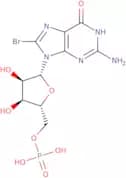
Pureza:Min. 95%8-Bromoguanosine-5'-monophosphate
CAS:8-Bromoguanosine-5'-monophosphate (8BrGMP) is a nucleotide analog that modulates the expression of genes involved in circulatory and metabolic processes. 8BrGMP has been shown to be effective in clinical studies, including neonates with hypoxemia or low blood pressure. It also has a dose-dependent effect on the newborn's circulation and blood pressure, and can be used to treat neonatal transition. 8BrGMP is an advance in neonatal care due to its ability to improve oxygenation and promote better cardiovascular stability.
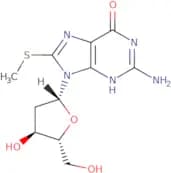
Fórmula:C10H13BrN5O8PPureza:Min. 95%Peso molecular:442.12 g/mol2’-Deoxy-8-methylthioguanosine
CAS:2’-Deoxy-8-methylthioguanosine is a synthetic nucleoside, which is an activator of DNA polymerase. It has shown anticancer and antiviral properties in vitro. 2’-Deoxy-8-methylthioguanosine is a modified nucleotide with high quality and novel structures for use as a potential anticancer and antiviral drug. This compound has not been tested in vivo, but its mechanism of action suggests that it may be safe for human use.
Pureza:Min. 95%1-(2'-Deoxy-5'-O-DMT-b-D-xylofuranosyl)cytosine
1-(2'-Deoxy-5'-O-DMT-b-D-xylofuranosyl) cytosine is a modified nucleoside that is phosphoramidite activated by the addition of a diphosphate. The diphosphate group on the sugar moiety may be hydrolyzed to form 1-(2'-deoxy-5'-O-DMT-b-D-xylofuranosyl)cytosine monophosphate. Cytidine is an antiviral and antifungal agent that is used in the treatment of herpes zoster, chronic myeloid leukemia, and other cancers. It has been shown to inhibit DNA synthesis and viral replication in vitro.
!--More-->
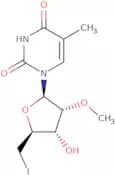
Cytidine is an antiviral and antifungal agent that is used in the treatment of herpes zoster, chronic myeloid leukemia, and other cancers. It has been shown to inhibit DNAPureza:Min. 95%5’-Deoxy-5’-iodo-2’-O-methyl-5-methyluridine
CAS:5’-Deoxy-5’-iodo-2’-O-methyl-5-methyluridine is a monophosphate nucleoside. It is an antiviral and anticancer agent that inhibits viral replication by inhibiting the synthesis of viral DNA. It also has been shown to have antitumor activity, but it can only be used in cancer treatments when combined with other drugs such as 5FU. The chemical formula for 5’-Deoxy-5’-iodo-2’O methyl -5 methyl uridine is C10H14N4O8P.
Pureza:Min. 95%2,2'-Anhydro-5'-O-toluoyluridine
2,2'-Anhydro-5'-O-toluoyluridine is a synthetic nucleoside analog that is used as an antiviral agent for the treatment of herpes simplex virus. It activates ribonucleotide reductase and inhibits DNA synthesis by inhibiting the enzyme DNA polymerase. 2,2'-Anhydro-5'-O-toluoyluridine has been shown to be active against colon cancer cells in vitro and in vivo. This drug has also been shown to inhibit the growth of certain types of leukemia cells and may be useful in treating patients with chronic myeloid leukemia.
Fórmula:C17H16N2O6Pureza:Min. 95%Peso molecular:344.32 g/mol(E)-Ferulic acid 4-O-β-D-glucoside
CAS:(E)-Ferulic acid 4-O-β-D-glucoside is made up of ferulic acid, which is a natural compound found in things like rice, wheat and oats. Attached to this is a glucose molecule. This product can be used in research and potential be used to study its potential health benefits.
Fórmula:C16H20O9Pureza:Min. 95%Forma y color:PowderPeso molecular:356.32 g/molN4-Benzoyl-1-(b-L-threonyl)cytosine
N4-Benzoyl-1-(b-L-threonyl)cytosine is a cytidine nucleoside with antiviral and anticancer activities. It is synthesized by the reaction of 2,4-diaminobutyric acid, 2'-deoxyadenosine, and 1,3-bis(2',4',6'-trichlorophenyl)-2H-1,2,3-triazine in the presence of tetrazole. N4-Benzoyl-1-(bL threonyl)cytosine is a novel nucleoside analogue that has been shown to inhibit the replication of human immunodeficiency virus (HIV). N4-Benzoyl cytidine also inhibits DNA synthesis and may be useful in cancer chemotherapy.
Pureza:Min. 95%5-Methyl-7-(2-C-methyl-b-D-ribofuranosyl)-7H-pyrrolo[2,3-d]pyrimidin-4-amine
CAS:5-Methyl-7-(2-C-methyl-b-D-ribofuranosyl)-7H-pyrrolo[2,3-d]pyrimidin-4-amine is a synthetic nucleoside analog of 2'-deoxyadenosine. It is an activator of DNA synthesis and replication by virtue of its ability to inhibit the enzyme ribonucleotide reductase. The compound has antiviral and anticancer activities, as well as antitumor activity. 5-Methyl-7-(2-C-methyl-b-Dribofuranosyl)-7H-[1,2] pyrrolo[2,3]-d]pyrimidin--4--amine has shown good results in treating chronic myelogenous leukemia.
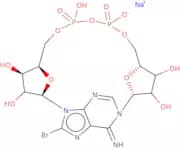
Fórmula:C13H18N4O4Pureza:Min. 95%Peso molecular:294.31 g/mol8-Bromocyclic adenosine diphosphate ribose sodium
CAS:8-Bromocyclic adenosine diphosphate ribose sodium salt (8BCAR) is a cytosolic cyclase inhibitor that inhibits the synthesis of cyclic adenosine monophosphate (cAMP). 8BCAR blocks the activation of protein kinase A, which is an enzyme involved in the phosphorylation of cAMP. 8BCAR has been shown to inhibit cardiac hypertrophy induced by growth factor-β1 and to increase mitochondrial membrane potential, as well as to suppress cardiomyocyte apoptosis. In addition, this drug can be used for the treatment of cancers such as leukemia and lymphoma.
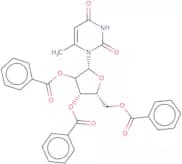
Fórmula:C15H19BrN5NaO13P2Pureza:Min. 95%Forma y color:PowderPeso molecular:642.19 g/mol2',3',5'-Tri-O-benzoyl-6-methyluridine
2',3',5'-Tri-O-benzoyl-6-methyluridine is a nucleoside analogue that has been synthesized by modifying the ribonucleoside uridine with phosphoramidites. This compound is an anticancer agent and antiviral agent, and it is also used for activation of the immune system. The chemical properties of this product are high purity and high quality, with a CAS number of 1012-93-4.
Fórmula:C31H26N2O9Pureza:Min. 95%Peso molecular:570.55 g/mol6-O-[2-(4-Nitrophenyl)ethyl]-2-[(3-pyridyl)pyrrolidin-1- yl]-2’-deoxyinosine
6-O-[2-(4-Nitrophenyl)ethyl]-2-[(3-pyridyl)pyrrolidin-1- yl]-2’-deoxyinosine is a novel antiviral and anticancer agent that belongs to the class of nucleosides. It is a monophosphate and diphosphate analog of deoxyinosine, which has been modified with a 2-(4-nitrophenyl)ethyl group at the 6 position. This modification prevents phosphorylation by kinases, which inhibits DNA synthesis. The nitro group in 6-O-[2-(4-Nitrophenyl)ethyl]-2-[(3-pyridyl)pyrrolidin-1- yl]-2’-deoxyinosine provides an additional mechanism for inhibiting DNA synthesis by interacting with the DNA minor groove and preventing the binding of DNA polymerase. In addition, this compound has antic
Pureza:Min. 95%8-Azido-ATP-γ-biotin sodium
8-Azido-ATP is a novel nucleoside that has been shown to be an activator of DNA and RNA synthesis in human cells. It is synthesized by the enzymatic transfer of a gamma-biotin moiety from ATP to dATP, resulting in 8-azido-ATP. This drug has antiviral and anticancer activity and has been shown to inhibit the replication of HIV. The 8-azido-ATP can be used as an activator for purine nucleotide incorporation into DNA or RNA, which may help with cancer treatment or prevention. 8-Azido-ATP also inhibits the growth of certain viruses, such as herpes simplex virus type 1 (HSV1) and cytomegalovirus (CMV).Fórmula:C25H41N12O14P3S•NaxPureza:Min. 95%Forma y color:White/Off-White SolidPeso molecular:858.65 g/molN4-Methylcytidine
CAS:N4-Methylcytidine is a member of the group P2. Its chemical structure consists of two nitrogen atoms, one carbon atom, and four hydrogen atoms. It is a nucleoside analogue that inhibits synthesis of human mitochondrial DNA by inhibiting bacterial enzyme uridine-cytidine kinase, which converts uridine to cytidine in the mitochondria. N4-Methylcytidine has been shown to be potent against viruses such as HIV and herpes simplex virus type 1 (HSV-1) in cell culture studies. This antiviral effect is due to the interference with viral dna replication and protein synthesis by preventing incorporation of uracil into dna and ribosomal RNA.
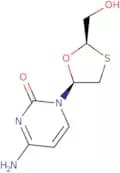
Fórmula:C10H15N3O5Pureza:Min. 95%Forma y color:PowderPeso molecular:257.24 g/molLamivudine
CAS:Anti-viral; reverse transcriptase inhibitor
Fórmula:C8H11N3O3SPureza:Min. 95%Forma y color:White PowderPeso molecular:229.26 g/mol3'-O-Amino-2'-deoxycytidine
CAS:3'-O-Amino-2'-deoxycytidine (3'-AAC) is an activator nucleoside that has antiviral and anticancer properties. It can be used with other anticancer agents such as doxorubicin, methotrexate, and 5-fluorouracil to increase the efficacy of these compounds. 3'-AAC is a phosphoramidite monophosphate that can be used in the synthesis of oligodeoxynucleotides. This product is also a novel chemical entity that has not been previously described in any publication or patent application.
Fórmula:C9H14N4O4Pureza:Min. 95%Peso molecular:242.23 g/mol2',3'-Dideoxyadenosine
CAS:2',3'-Dideoxyadenosine is a nucleoside analog that inhibits HIV replication and is a competitive inhibitor of adenylyl cyclase. This latter action reduces levels of cyclic adenosine monophosphate (cAMP)
Fórmula:C10H13N5O2Pureza:Min. 95%Forma y color:PowderPeso molecular:235.25 g/mol5-Methoxy-4’-thiouridine
5-Methoxy-4’-thiouridine is a monophosphate nucleoside that is synthesized by the phosphorylation of 5-methoxy-4’-thioguanosine. It has antiviral activity, which is due to its ability to inhibit viral DNA polymerase and prevent the production of viral DNA. 5-Methoxy-4’-thiouridine also inhibits the synthesis of deoxyribonucleosides and ribonucleosides, thereby preventing the formation of RNA and DNA. This agent has been shown to be an anticancer agent that can cause cell death by inhibiting protein synthesis.
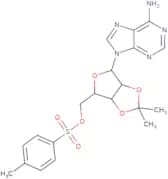
Pureza:Min. 95%5'-O-Tosyl-2',3'-O-isopropylideneadenosine
CAS:5'-O-Tosyl-2',3'-O-isopropylideneadenosine is a novel modified nucleoside with antiviral and anticancer activities. It is an activator of the enzyme ribonucleotide reductase, which converts ribonucleotides to deoxyribonucleotides. This drug has been shown to have anticancer activity in a variety of tumor cell lines, including leukemias, lymphomas, and sarcomas. In addition, it has been shown to be active against HIV and herpes simplex virus type 1 (HSV-1). 5'-O-Tosyl-2',3'-O-isopropylideneadenosine is also known by CAS No. 5605-63-0.
Fórmula:C20H23N5O6SPureza:Min. 95%Forma y color:PowderPeso molecular:461.49 g/molRef: 3D-NT15541
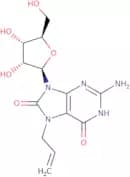
Producto descatalogado7-Allyl-7,8-dihydro-8-oxoguanosine
CAS:Agonist of toll-like receptors TLR7
Fórmula:C13H17N5O6Pureza:Min. 95%Forma y color:White PowderPeso molecular:339.3 g/mol6-Azauridine
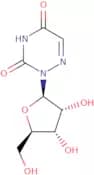
CAS:Inhibitor of uridine monophosphate synthase
Fórmula:C8H11N3O6Pureza:Min. 95%Forma y color:White PowderPeso molecular:245.19 g/mol2'-Deoxyguanosine-5'-carboxylic acid
CAS:2'-Deoxyguanosine-5'-carboxylic acid is a synthetic nucleoside that has antiviral and anticancer properties. It is an activator of DNA polymerase, which is used in the synthesis of DNA. 2'-Deoxyguanosine-5'-carboxylic acid also inhibits the activity of ribonucleotide reductase and deoxyribonucleotide reductase, which are enzymes that catalyze the conversion of ribose-5-phosphate to deoxyribose-5-phosphate. This substance also blocks viral replication by inhibiting RNA synthesis in cells infected with HIV or herpes simplex virus type 1.
Fórmula:C10H11N5O5Pureza:Min. 95%Peso molecular:281.23 g/mol2'(3')-O-(4-Benzoyl)benzoyladenosine-5'-triphosphate triethylammonium salt
CAS:2'(3')-O-(4-Benzoyl)benzoyladenosine-5'-triphosphate triethylammonium salt is a nucleoside analog of Adenosine-5'-triphosphate (ATP), a key player in cellular energy transfer. 2'(3')-O-(4-Benzoyl)benzoyl has been added to this molecule as well as a triethylammonium salt which helps to increase the stability of the molecule in solutions. 2'(3')-O-(4-Benzoyl)benzoyladenosine-5'-triphosphate triethylammonium salt has potential use as a tool for understanding how cells use ATP and how changes to ATP affect cellular processes. Other possible uses are in the study of how ATP interacts with enzymes.
Fórmula:C24H24N5O15P3·C6H15NPureza:Min. 75 Area-%Forma y color:White PowderPeso molecular:816.58 g/molAdenosine 5'-triphosphate magnesium salt
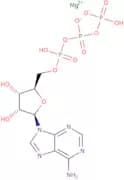
CAS:Adenosine-5'-triphosphate (ATP) is a nucleotide found in all living cells. It is used as a coenzyme for adenosine kinase, adenosine phosphokinase, and adenosine deaminase. ATP also acts as an important signaling molecule and has been shown to be involved in the regulation of cell metabolism, muscle contraction, and other cellular processes. The human body normally produces enough ATP to meet its needs through aerobic metabolism of glucose or fatty acids, but under certain conditions such as intense muscular activity or insufficient oxygen, more ATP must be produced by anaerobic metabolism. In these situations the mitochondria use glycolysis to produce lactic acid which is then converted into pyruvic acid by the enzyme lactate dehydrogenase. Pyruvic acid is then oxidized by the enzyme pyruvate dehydrogenase complex to produce acetyl-CoA which is further oxidized by the enzyme complex called Krebs
Fórmula:C10H18N5O13P3•xMgPureza:Min. 95 Area-%Forma y color:White Off-White PowderPeso molecular:509.20 g/mol2'-Deoxyuridine-5'-diphosphate triethylammonium, 10 mM aqueous solution
CAS:a deoxynucleotide diphosphate
Fórmula:C9H14N2O11P2•C6H15NPeso molecular:489.35 g/molCytidine based prodrug with gemcitabine
Cytidine based prodrug with gemcitabine is a nucleoside analog that has antiviral and anticancer properties. It is a modified cytidine-based prodrug with gemcitabine which is an anticancer drug. Cytidine based prodrug with gemcitabine inhibits viral DNA synthesis by competitively inhibiting the incorporation of deoxycytidine monophosphate into the viral DNA chain. The prodrug also inhibits the proliferation of cancer cells by interfering with DNA synthesis, which leads to cell death.
Pureza:Min. 95%N6-Benzoyl-2'-deoxy-5'-O-DMT-adenosine 3'-O-succinate triethylammonium salt
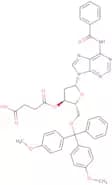
CAS:N6-Benzoyl-2'-deoxy-5'-O-DMT-adenosine 3'-O-succinate triethylammonium salt is a novel nucleoside analog that has antiviral and anticancer properties. It is a ribonucleotide with an N6-(benzoyl)-2'-deoxyadenosine base linked to the 3' position of the sugar through an acetyl group, with a succinic acid moiety at the 5' position. This drug inhibits DNA synthesis and has been shown to block HIV replication in vitro. It also has activity against human papillomavirus type 16 (HPV16) infections in vivo.
Fórmula:C42H39N5O9·C6H15NPureza:Min. 95%Forma y color:PowderPeso molecular:858.98 g/molRef: 3D-NB10413
Producto descatalogado3'-Azido-3'-deoxy-5'-O-MMT-D3-thymidine
Producto controlado3'-Azido-3'-deoxy-5'-O-MMT-D3-thymidine is a novel nucleoside phosphoramidite that is used to synthesize oligonucleotides. It is an activator of ribonucleotide synthesis, a process in which the 5'-phosphate group is attached to the 3' hydroxyl group of a ribose sugar molecule. This phosphoramidite has antiviral and anticancer activities. 3'-Azido-3'-deoxy-5'-O-MMT-D3-thymidine has been shown to inhibit viral replication by inhibiting viral reverse transcriptase, an enzyme required for viral replication. It also inhibits DNA synthesis in cancer cells, leading to apoptosis (programmed cell death) and cell cycle arrest.
Fórmula:C30H26N5O5D3Pureza:Min. 95%Peso molecular:542.61 g/molN6-Acetyl-2',3',5'-tri-O-acetyl-8-hydroxyadenosine
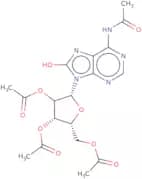
N6-Acetyl-2',3',5'-tri-O-acetyl-8-hydroxyadenosine is a modified nucleoside that is used in the synthesis of oligonucleotides. It is an activator with antiviral and anticancer properties, as well as various other biological activities. The CAS number for this product is 91359-02-2. The purity of this product ranges from 99% to 100%. This chemical has not been previously synthesized and has not been modified by any substituents or moieties.
Fórmula:C18H21N5O9Pureza:Min. 95%Forma y color:PowderPeso molecular:451.39 g/molRef: 3D-NA08462
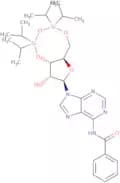
Producto descatalogadoN6-Benzoyl-3',5'-O-(1,1,3,3- tetraisopropyl-1,3-disiloxanediyl)adenosine
CAS:N6-Benzoyl-3',5'-O-(1,1,3,3-tetraisopropyl-1,3-disiloxanediyl)adenosine is a novel antiviral agent that belongs to the class of nucleoside analogues. It has high antiviral activity against human cytomegalovirus and herpes simplex virus type 1. N6-Benzoyl-3',5'-O-(1,1,3,3-tetraisopropyl-1,3-disiloxanediyl)adenosine also has anticancer effects and is used in the treatment of leukemia. This drug inhibits DNA synthesis by acting as a competitive inhibitor for deoxyribonucleotide triphosphates and binds to ribonucleosides in order to inhibit DNA replication.Fórmula:C29H43N5O6Si2Pureza:Min. 95%Forma y color:White PowderPeso molecular:613.87 g/molRef: 3D-NB09330
Producto descatalogadoTFA-aha-dC
TFA-aha-dC is a modified nucleoside analog that is an antiviral and anticancer drug. It inhibits the enzyme DNA polymerase, which is required for replication of viral and bacterial DNA. TFA-aha-dC binds to the active site of the enzyme, preventing it from binding to DNA and blocking its activity. TFA-aha-dC also has demonstrated anti-inflammatory properties.
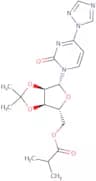
Fórmula:C20H28F3N5O6Pureza:Min. 95%Peso molecular:491.46 g/mol5'-O-Isobutyryl-2',3'-O-isopropylidene-N4-triazolylcytidine
5'-O-Isobutyryl-2',3'-O-isopropylidene-N4-triazolylcytidine (IBITC) is a novel antiviral agent. IBITC is a diphosphate derivative of cytidine with antiviral activity against herpes simplex virus type 1 (HSV1). It has been shown to inhibit HSV1 replication in vitro and in vivo. IBITC is currently undergoing Phase I clinical trials for the treatment of HSV1.Fórmula:C18H23N5O6Pureza:Min. 90%Peso molecular:405.4 g/molRef: 3D-ND181579
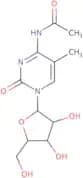
Producto descatalogadoN4-Acetyl-5-methylcytidine
CAS:N4-Acetyl-5-methylcytidine is a novel, modified nucleoside with antiviral and anticancer properties. It is an activator of RNA polymerase II and inhibits DNA synthesis by inhibiting the activity of DNA polymerase. N4-Acetyl-5-methylcytidine has been shown to be effective in treating cancers that are sensitive to chemotherapy, such as lymphomas, myelomas, and leukemias. It can be used as a substitute for cytosine in the synthesis of oligonucleotides and phosphoramidites.
Pureza:Min. 95%7-Deaza-2'-deoxy-7-iodoadenosine
CAS:7-Deaza-2'-deoxy-7-iodoadenosine (7DADI) is a modified nucleoside that has antiviral and anticancer properties. It is synthesized by the reaction of 2'-deoxyadenosine with iodine in the presence of an activator such as sodium hypochlorite. 7DADI binds to ribonucleosides, forming a phosphoramidate bond at the 3' position, which leads to inhibition of viral RNA synthesis and DNA replication. This drug also inhibits the growth of cancer cells by inhibiting DNA synthesis and protein synthesis. 7DADI is novel because it is not found in nature or produced by any other organism.
Fórmula:C11H13IN4O3Pureza:Min. 98 Area-%Peso molecular:376.16 g/mol3’-O-Levulinyl-2’-deoxyadenosine
CAS:3’-O-Levulinyl-2’-deoxyadenosine is a nucleoside and a prodrug for the anticancer drug 2’,3’-dideoxyadenosine. 3’-O-Levulinyl-2’-deoxyadenosine is an activator of deoxyribonucleic acid (DNA) synthesis and also inhibits DNA repair. In mammals, 3’-O-levulinyl-2’deoxyadenosine is converted to 2’,3′ dideoxyadenosine monophosphate (ddAMP), which can be phosphorylated to ddATP in cells. 3′ -O -levulinyl -2′ -deoxyadenosine has been shown to inhibit the growth of cancer cells in vitro and in vivo.
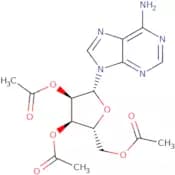
Pureza:Min. 95%2',3',5'-Tri-O-acetyladenosine
CAS:2',3',5'-Tri-O-acetyladenosine is a chemically protected form of adenosine with potential for use as an intermediate in nucleoside synthesis and nucleic acid chemistry. The hydroxyl (–OH) groups at the 2′, 3′, and 5′ positions of the ribose are protected by acetyl groups (–COCH₃), which can prevent unwanted chemical reactions during chemical synthesis.
Fórmula:C16H19N5O7Pureza:Min. 95%Forma y color:PowderPeso molecular:393.35 g/molRef: 3D-NT04548
Producto descatalogadoFurano-dt cep
CAS:Furano-dt cep is a novel antiviral drug that has been shown to inhibit the production of viral nucleic acid and to activate the immune system. Furano-dt cep is a phosphoramidite compound that is synthesized from ribonucleosides and deoxyribonucleosides, which are modified with 2,2-dithiobis(propionitrile). Furano-dt cep binds to the 5'-terminal phosphate group on the DNA strand, preventing RNA synthesis. Furano-dt cep also inhibits tumor growth by causing cell death through apoptosis.
Fórmula:C42H49N4O8PPureza:Min. 95%Peso molecular:768.8 g/mol9-(β-D-Xylofuranosyl)adenine
CAS:9-(β-D-Xylofuranosyl)adenine is a nucleoside analog that inhibits the activity of adenine nucleotide. It has been shown to be effective against a wide range of viruses and bacteria, including HIV, herpes simplex virus, influenza A virus, and Mycobacterium tuberculosis. The chemical structure of 9-(β-D-Xylofuranosyl)adenine resembles that of adenosine and this similarity confers inhibitory properties on it. 9-(β-D-Xylofuranosyl)adenine is an analog of adenosine. The steric interactions between the intramolecular hydrogen bonds in 9-(β-D-Xylofuranosyl)adenine are weaker than those in adenosine, which allows it to bind more easily with the enzyme responsible for the conversion of adenosine to inosinic acid. This inhibition prevents the formation of ATP from AMP, leading
Fórmula:C10H13N5O4Pureza:Min. 95%Forma y color:PowderPeso molecular:267.24 g/molRef: 3D-FX144729
Producto descatalogado2'-Deoxyinosine
CAS:2'-Deoxyinosine is an antimicrobial peptide that has been shown to have potent activity against Gram-positive bacteria, including Staphylococcus aureus. 2'-Deoxyinosine binds to the 3′-hydroxyl group of nucleic acid, preventing DNA replication and transcription. This binding also prevents ribosomal RNA from binding to the ribosome, inhibiting protein synthesis. 2'-Deoxyinosine has been detected using a highly sensitive optical sensor and can be used as a model system for studying the interaction between dsDNA duplexes and other biomolecules. The pharmacokinetic properties of this molecule have been determined in rats by measuring its concentration in serum over time after injection. These data were then used to determine the amount of 2'-deoxyinosine that was needed to inhibit bacterial growth in water samples.
Fórmula:C10H12N4O4Pureza:Min. 98 Area-%Forma y color:White PowderPeso molecular:252.23 g/molRef: 3D-ND05750
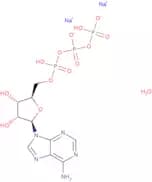
Producto descatalogadoAdenosine 5'-triphosphate disodium salt hydrate
CAS:Adenosine 5'-triphosphate disodium salt hydrate (ATP 2Na) is a nucleoside triphosphate acting as the essential part of energy storage and metabolism in vivo. It plays a crucial role in many biological processes including neurotransmission, signal transduction, muscle contraction and cardiac function, often described as the "molecular unit of currency" for intracellular energy transfer.
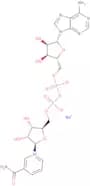
Fórmula:C10H14N5Na2O13P3·xH2OPureza:Min. 97 Area-%Forma y color:White PowderPeso molecular:551.14 g/molβ-Nicotinamide adenine dinucleotide sodium dihydrate
CAS:Coenzyme and regenerating electron donor in catabolic processes
Fórmula:C21H26N7NaO14P2•(H2O)2Pureza:Min. 95%Forma y color:White PowderPeso molecular:721.44 g/molRef: 3D-NN44827
Producto descatalogadoStavudine 5'-triphosphate sodium salt - 100 mM aqueous solution
Stavudine 5'-triphosphate sodium salt is a modified nucleoside analog with antiviral and anticancer properties. It is a phosphoramidate of stavudine, which has been modified by the replacement of the L-cysteine moiety with a 2-thiophenecarboxamide group. The novel chemical structure of stavudine 5'-triphosphate sodium salt leads to higher solubility in water than other analogues and improved pharmacokinetics. Stavudine 5'-triphosphate sodium salt is an activator for the synthesis of DNA, RNA, and protein. It also inhibits viral replication by interfering with viral DNA polymerase and ribonucleotide reductase, which are essential enzymes for viral replication.Fórmula:C10H17N2O13P3·xNaPureza:Min. 95 Area-%Forma y color:Clear LiquidPeso molecular:466.17 g/mol5-Bromo-2'-deoxyuridine
CAS:5-Bromo-2'-deoxyuridine (5-BrDU) is a nitrate reductase inhibitor that prevents the reduction of nitrate to nitrite by inhibiting the enzyme nitrate reductase. It is a genotoxic agent that has been shown to cause DNA damage and cell death in vitro. 5-BrDU has been shown to induce preconditioning in vivo, reducing neuronal injury after ischemia. This drug also binds to NMDA receptors and may be useful as a model system for studying neurodegenerative diseases such as Alzheimer's disease. 5-BrDU has been shown to inhibit the polymerase chain reaction in wild-type strains of bacteria, but not in strains with a mutation in their DNA gyrase genes.
Fórmula:C9H11BrN2O5Pureza:Min. 99 Area-%Forma y color:White Off-White PowderPeso molecular:307.1 g/molRef: 3D-NB06315
Producto descatalogadoN2-Isobutyryl-N-trityl-morpholino guanine
CAS:N2-Isobutyryl-N-trityl-morpholino guanine is a synthetic nucleoside analogue. It has been shown to be an activator of ribonucleotide reductase, and it is a potential anticancer agent. N2-Isobutyryl-N-trityl-morpholino guanine has also been shown to inhibit the replication of DNA and RNA viruses. This compound is being studied for its possible use in the treatment of HIV infection, as well as other viral infections that affect the central nervous system.
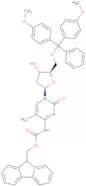
Pureza:Min. 95%2'-Deoxy-5’-O-DMT-N4-Fmoc-5-methylcytidine
CAS:2'-Deoxy-5'O-DMT-N4-Fmoc-5-methylcytidine is a modified nucleoside that is used to synthesize antiviral ribonucleosides and deoxyribonucleosides. It can be used to synthesize novel anticancer drugs, which are effective against tumor cells.
Pureza:Min. 95%7-Deaza-2'-deoxy-7-iodoguanosine
CAS:The phosphoramidite 7-Deaza-2'-deoxy-7-iodoguanosine is a modified nucleotide that is used in the synthesis of DNA. This compound has antiviral and anticancer properties, as it inhibits viral replication by preventing the synthesis of viral RNA or DNA. It also prevents the production of cancer cells by inhibiting ribonucleotide reductase, an enzyme that reduces ribonucleotides to deoxyribonucleotides for DNA synthesis. The purity of this product is high and the novel nature of this product makes it a valuable reagent for research.
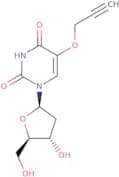
Fórmula:C11H13IN4O4Pureza:Min. 97 Area-%Peso molecular:392.16 g/mol2'-Deoxy-5-propargyloxyuridine
CAS:2'-Deoxy-5-propargyloxyuridine is a synthetic compound that inhibits the herpes simplex virus by inhibiting thymidylate synthase, an enzyme in the synthesis of DNA. It is used to study the growth rate of herpes virus and has been shown to inhibit murine leukemia L1210 and human l1210 cells at concentrations of 10-20 μg/mL. 2'-Deoxy-5-propargyloxyuridine has also been shown to have inhibitory activities against other viruses, such as polio virus and influenza virus. 2'-Deoxy-5-propargyloxyuridine inhibits biosynthesis by binding to enzymes involved in the synthesis of nucleic acids. The inhibitory dose for this compound is not yet known, but it has been shown to have an inhibitory effect on cell culture when preincubated with cells before infection with herpes simplex virus.
Fórmula:C12H14N2O6Pureza:Min. 95%Forma y color:PowderPeso molecular:282.26 g/molRef: 3D-ND08234
Producto descatalogado5-Ethynyl-2'-O-methyluridine triphosphate
5-Ethynyl-2'-O-methyluridine triphosphate is a novel nucleoside that contains a methyl group at the 5 position of the uracil ring. It is an antiviral agent for use in the treatment of HIV, herpes simplex virus, cytomegalovirus, and influenza virus infections. 5-Ethynyl-2'-O-methyluridine triphosphate is also used as a precursor to synthesize DNA and RNA. This compound has been shown to have anticancer properties against breast cancer cells.
Pureza:Min. 95%5’(R)-C-Methyluridine
CAS:5’(R)-C-Methyluridine is a synthetic nucleoside that is an antiviral agent. It inhibits the enzyme RNA polymerase and thereby prevents the production of viral RNA. The compound can be used as a potential anticancer drug because it inhibits the synthesis of DNA in tumor cells. 5’(R)-C-Methyluridine has been shown to inhibit the growth of some bacterial species, such as Mycobacterium tuberculosis, but not other bacteria, such as Escherichia coli.
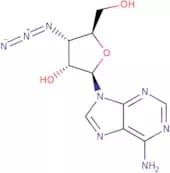
Pureza:Min. 95%3'-Azido-3'-deoxyadenosine
CAS:3'-Azido-3'-deoxyadenosine is an initiator that can be used in oligoribonucleotide synthesis. It is stable, nonhydrolyzable and does not require any protecting groups for its use. 3'-Azido-3'-deoxyadenosine is efficient at initiating the synthesis of ribosomal RNA and has been shown to be a good substrate for biochemical studies. This compound is functionalized with a ribose group, which can be linked to other substances. The linkage of this compound to other substances allows it to be used as a building block for the production of oligoribonucleotides.
Fórmula:C10H12N8O3Pureza:Min. 95%Forma y color:PowderPeso molecular:292.25 g/molRef: 3D-FA144620
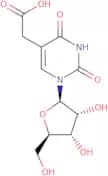
Producto descatalogado5-(Carboxymethyl)uridine
CAS:5-(Carboxymethyl)uridine is an uridine compound that has been shown to inhibit protein synthesis in cultured cells. It binds to the ribosome and inhibits protein synthesis by inhibiting the formation of peptide bonds. 5-Carboxymethyl-uridine has been shown to be effective against two strains of bacteria, Escherichia coli and Staphylococcus aureus, in cell culture experiments. The inhibition of bacterial protein synthesis was shown to be dose-dependent for both strains. The mechanism of action is believed to be due to its binding to the ribosome and inhibiting the formation of peptide bonds.
Fórmula:C11H14N2O8Pureza:Min. 95 Area-%Forma y color:White Off-White PowderPeso molecular:302.24 g/molRef: 3D-NC159474
Producto descatalogado9-(2’-Deoxy-2’-fluoro-arabinofuranosyl)adenine 5’-triphosphate triethyl ammonium salt
Ai Product Descriptions 50 Creative
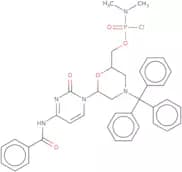
Pureza:Min. 95%Morpholino C monomer
CAS:Morpholino C monomer is a nucleoside amidite used to prepare morpholino oligomers
Fórmula:C37H37ClN5O5PPureza:Min. 98 Area-%Forma y color:White PowderPeso molecular:698.15 g/molRef: 3D-PM137473
Producto descatalogado
















![6-Amino-4-hydrazino-1-(b-D-ribofuranosyl)-1H-pyrazolo[3,4-d]pyrimidine](/_next/image/?url=https%3A%2Fstatic.cymitquimica.com%2Fproducts%2F3D%2Fthumb-webp%2FNA162943.webp&w=3840&q=75)






![5-Methyl-7-(2-C-methyl-b-D-ribofuranosyl)-7H-pyrrolo[2,3-d]pyrimidin-4-amine](/_next/image/?url=https%3A%2Fstatic.cymitquimica.com%2Fproducts%2F3D%2Fthumb-webp%2FNM14093.webp&w=3840&q=75)
![6-O-[2-(4-Nitrophenyl)ethyl]-2-[(3-pyridyl)pyrrolidin-1- yl]-2’-deoxyinosine](/_next/image/?url=https%3A%2Fstatic.cymitquimica.com%2Fproducts%2F3D%2Fthumb-webp%2FFN162927.webp&w=3840&q=75)