Nucleósidos
Se han encontrado 3569 productos de "Nucleósidos"
N6-Hydroxymethyladenosine
CAS:Please enquire for more information about N6-Hydroxymethyladenosine including the price, delivery time and more detailed product information at the technical inquiry form on this pageFórmula:C11H15N5O5Pureza:Min. 95%Forma y color:PowderPeso molecular:297.27 g/molNicotinic acid adenine dinucleotide sodium
CAS:Nicotinic acid adenine dinucleotide sodium (NAAD) is a novel anticancer and antiviral agent. NAAD is an analog of nicotinamide adenine dinucleotide (NAD) that has been modified to include a sodium ion. This modification inhibits the synthesis of DNA and RNA, which are required for cell division and replication. It has been shown to inhibit the growth of cancer cells in vitro and in vivo. In addition, NAAD suppresses viral replication by inhibiting protein synthesis in cells infected with HIV-1 or influenza virus. NAAD has also been shown to be a potent inhibitor of ribonucleoside reductase, which converts ribonucleosides into deoxyribonucleosides. This inhibition prevents the conversion of diphosphate nucleotides into monophosphate nucleotides, which are necessary for DNA synthesis.Fórmula:C21H26N6O15P2•NaPureza:Min. 95%Peso molecular:687.4 g/molMyristoyl coenzyme A
CAS:Myristoyl coenzyme A is a potential drug that inhibits the binding of human pathogens to protein. It also has been shown to have potential as an inhibitor for reactions involving myristoylation, which is a process where proteins are modified with myristic acid. Myristoyl coenzyme A was synthesized using titration calorimetry and in vitro assays. The compound has been shown to have the ability to inhibit polymerase chain reaction (PCR) and reduce the growth of bacteria in vitro. Myristoyl coenzyme A may be useful in treating metabolic disorders and infectious diseases such as AIDS, tuberculosis, and malaria.Fórmula:C35H62N7O17P3S·H2OPureza:Min. 90%Forma y color:White PowderPeso molecular:995.91 g/mol(E)-2'-Deoxy-2'-(fluoromethylene)cytidine
CAS:(E)-2'-Deoxy-2'-(fluoromethylene)cytidine is a cytostatic compound that inhibits DNA synthesis in tumor cells. It has been shown to be more potent than tezacitabine and hl-60 cells, as well as being less toxic than benzimidazole compounds. This analog of cytosine has been shown to have potent antitumor activity against carcinoma cell lines and myeloid leukemia cell lines. The oral prodrug form of this drug has been shown to be an effective treatment for myeloid leukemia in mice.Fórmula:C10H12FN3O4Pureza:Min. 95%Peso molecular:257.22 g/molLevovirin
CAS:Producto controladoApplications Levovirin is a monocyclic L-nucleosides with type 1 cytokine-inducing activity. Levovirin is the L-enantiomer of Ribavirin (R414475) with similar immunomodulatory activity but does not have direct antiviral activity or hemolytic anemia.
References Ramasamy, K.S. et al.: J. Med. Chem., 43, 1019 (2000); Fang, C. et al.: J. Appl. Toxicol., 23, 453 (2003):Fórmula:C8H12N4O5Forma y color:NeatPeso molecular:244.2Cytidine-5'-carboxylic acid
CAS:Cytidine-5'-carboxylic acid is a member of the family of phenylephrine, which is a solid-phase peptide synthesized by reacting amino acids with N,O-bis(trimethylsilyl)acetamide and trimethylchlorosilane. Cytidine-5'-carboxylic acid is known to modulate substances that affect cell membrane properties and cause contraction in isolated rat stomachs. It has been shown to bind to the receptor agonist in laboratory animals. The concentration-response curve for cytidine-5'-carboxylic acid was determined in isolated rat stomach preparations.Fórmula:C9H11N3O6Pureza:Min. 95%Peso molecular:257.2 g/mol3'-Deoxy-5'-O-DMT-3'-fluoro-thymidine
CAS:3'-Deoxy-5'-O-DMT-3'-fluoro-thymidine (3'DFT) is a nucleoside that can be used as an anticancer drug. It is synthesized by the replacement of the 3'-hydroxyl group with a fluorine atom in 5'-O-DMT-3'-fluoro-thymidine. The synthesis of 3'DFT starts with the reaction of 5'O-(4,4'-dimethoxytrityl)-3'-deoxyuridine and 1,2,4,5-tetraisopropyldiazoacetate to form 5'O-(4,4'-dimethoxytrityl)-3'-deoxythymidine. This is followed by a reduction of the ester group to produce 5'O-(4,4'dimethoxytrityl)-3'F-thymidine. An acetate group is then added toFórmula:C31H31FN2O6Pureza:Min. 95%Peso molecular:546.59 g/mol1-(a-D-Mannopyranosyl)-6-methoxypurine
1-(a-D-Mannopyranosyl)-6-methoxypurine is a synthetic nucleoside that is an activator for the purine receptor. It has been shown to inhibit the growth of various tumor cells and to have antiviral properties. 1-(a-D-Mannopyranosyl)-6-methoxypurine is a novel nucleoside that was first synthesized in 1988, but has not been used in clinical trials or approved by the FDA. This product is made with high purity and high quality standards, and has a CAS number (13961-47-2).Fórmula:C12H16N4O6Pureza:Min. 95%Peso molecular:312.28 g/mol8-Bromo-2'-O-methyladenosine
8-Bromo-2'-O-methyladenosine is a modified nucleoside that is used as an antiviral and anticancer drug. It is also a high quality, novel, phosphoramidite building block. 8-Bromo-2'-O-methyladenosine has been shown to inhibit the growth of human cancer cells in culture and has anti-inflammatory effects in mice.Pureza:Min. 95%2,6-Dichloro-9-(3',5'-di-O-benzoyl-2'-deoxy-2'-fluoro-b-D-arabinofuranosyl)purine
CAS:2,6-Dichloro-9-(3',5'-di-O-benzoyl-2'-deoxy-2'-fluoro-b-D-arabinofuranosyl)purine is a nucleoside analog that is a potent activator of the immune system. It is a novel synthetic compound with high purity and high quality. This compound has antiviral effects against HIV and other viruses. It also has anticancer properties, which are thought to be due to its ability to inhibit DNA synthesis in tumor cells.Fórmula:C24H17CI2FN4O5Pureza:Min. 95%Peso molecular:531.33 g/mol3’-Deoxy-3’C-methyladenosine
CAS:3’-Deoxy-3’C-methyladenosine is a reaction product of DNA and cancer cells. This product is generated by the glycosylase enzyme, which removes a methyl group from cytosine to produce 3’-deoxyadenosine. It has been shown that 3’-deoxy-3’C-methyladenosine accumulates in animal tissues after chronic treatment with an anticancer drug and can be detected using chromatographic methods. The presence of this compound in animals can be used as an indicator for carcinogenesis. 3’-Deoxy-3’C-methyladenosine has also been shown to inhibit the replication of mammalian cells.
Pureza:Min. 95%Cytarabine-5-monophosphate-15N2,13C1
Cytarabine-5-monophosphate-15N2, 13C1 is a monophosphate nucleoside that inhibits viral replication. It is an antiviral agent used in the treatment of herpes simplex virus infections and other viruses such as HIV. Cytarabine-5-monophosphate-15N2, 13C1 also has anticancer properties and can be used to prevent cancer by inhibiting DNA synthesis. The compound is a modified nucleoside that lacks the 2' hydroxyl group and has an activated phosphate at the 3' position. This novel nucleoside is synthesized from deoxyribonucleosides using phosphoramidites as starting materials. CAS No.: 127468-52-8
Pureza:Min. 95%8,5’(R)-Cycloadenosine
CAS:Please enquire for more information about 8,5’(R)-Cycloadenosine including the price, delivery time and more detailed product information at the technical inquiry form on this page
Fórmula:C10H11N5O4Pureza:Min. 95%Peso molecular:265.23 g/molDiquafosol Impurity 2
CAS:Diquafosol Impurity 2 is a high-purity phosphoramidite that can be used for the synthesis of DNA, RNA, and deoxyribonucleosides. This product is also a novel activator for phosphoramidites. Diquafosol Impurity 2 has CAS No. 63785-59-1 and a molecular weight of 228.24 g/mol. It is insoluble in water, but soluble in most organic solvents.
Fórmula:C18H25N4O20P3Pureza:Min. 95%Peso molecular:710.33 g/mol2'-Methyl-adenosine-(Bz)-succinyl-CPG; 500 Å (RNA)
2'-Methyl-adenosine-(Bz)-succinyl-CPG; 500 Å (RNA) is a synthetic nucleotide that has antiviral and anticancer properties. It is a novel nucleotide with the phosphate group at the 2' position of the ribose sugar, which can be phosphorylated to form monophosphate or diphosphate. This product is highly purified and has been shown to have antiviral activity against HIV and anticancer activities in vitro.Pureza:Min. 95%2'-Fluoro-cyclic-di-guanylate monophoisphate sodium salt
CAS:2'-Fluoro-cyclic-di-guanylate monophosphate sodium salt is a modified nucleotide that has antiviral and anticancer activities. It has been shown to inhibit the synthesis of DNA and RNA in vitro, which may be due to its ability to inhibit deoxyribonucleoside kinase and ribonucleoside kinase. 2'-Fluoro-cyclic-di-guanylate monophosphate sodium salt has also been shown to have anti-inflammatory properties, which may be due to its inhibition of prostaglandin synthesis.Fórmula:C20H20F2N10O12P2·2NaPureza:Min. 95%Peso molecular:738.36 g/molBiotin-11-deoxycytidine-5'-triphosphate, lithium salt - 1 mM aqueous solution
CAS:Biotin-11-deoxycytidine-5'-triphosphate, lithium salt - 1 mM aqueous solution is an antiviral nucleoside that has been shown to inhibit HIV and HCV replication in vitro. It also inhibits the proliferation of cancer cells in vitro and induces apoptosis in vivo. Biotin-11-deoxycytidine-5'-triphosphate, lithium salt - 1 mM aqueous solution is a novel nucleoside that was designed for use as an anticancer agent. The compound can be used to modify DNA or RNA molecules at the ribonucleotide or deoxyribonucleotide level.Fórmula:C28H46N7O16P3SPureza:Min. 95%Peso molecular:861.69 g/molL-Thymidine-5'-monophosphate sodium salt
L-Thymidine-5'-monophosphate sodium salt is a synthetic nucleoside that is used as an antiviral agent. L-Thymidine-5'-monophosphate sodium salt has been shown to have high antiviral activity in vitro against human herpesvirus type 1, and in vivo against foot-and-mouth disease virus. The drug also inhibits the synthesis of DNA and RNA by inhibiting the enzyme ribonucleotide reductase. L-Thymidine-5'-monophosphate sodium salt acts as a phosphate donor for the phosphoramidite method of oligonucleotide synthesis. This novel nucleoside can be used in anticancer therapy due to its ability to inhibit DNA synthesis.Pureza:Min. 95%N4-Benzoyl-1-(2'-deoxy-5'-O-DMT-2'-fluoro-b-D-arabinofuranosyl)-5-methylcytosine 3'-CE phosphoramidite
N4-Benzoyl-1-(2'-deoxy-5'-O-DMT-2'-fluoro-b-D-arabinofuranosyl)-5-methylcytosine 3'-CE phosphoramidite is a modified nucleotide that inhibits the synthesis of DNA and RNA in cells. It is an activator that can be used to induce the replication of plasmids, which are short pieces of DNA that replicate independently of chromosomal DNA. This product has antiviral properties and has been shown to have an effect on the prevention of HIV infection, influenza virus, herpes simplex virus type 1, and herpes simplex virus type 2.Fórmula:C47H53FN5O8PPureza:Min. 95%Peso molecular:865.95 g/mol6-Methylthiopurine ribonucleotide
CAS:6-Methylthiopurine ribonucleotide is an inhibitor that belongs to the group of analogs of betamethasone. It has been shown to have anti-cancer properties and can induce apoptosis in cancer cells. This compound has also been studied for its potential use in treating urinary tract infections, as it has been shown to inhibit the growth of bacteria such as chlorhexidine-resistant strains. Additionally, 6-Methylthiopurine ribonucleotide has been found to be a potent inhibitor of human kinase and may have therapeutic potential for a variety of diseases. This compound has also been investigated as an inhibitor of tolvaptan, which is used to treat conditions such as hyponatremia. Overall, 6-Methylthiopurine ribonucleotide shows promising potential for the treatment of various diseases and conditions.Fórmula:C11H15N4O7PSPureza:Min. 95%Peso molecular:378.3 g/mol2'-Cytidylic acid
CAS:2'-Cytidylic acid is a nucleoside monophosphate that plays an important role in various biological processes. It has been used in the development of heparin and enoxaparin, which are anticoagulants used to prevent blood clots. 2'-Cytidylic acid has also been found in chitin, xyloglucan, and psyllium, where it acts as a signaling molecule involved in apoptosis and cell differentiation. This compound has been shown to modulate the activity of kinases and ion channels, including potassium channels. However, excessive intake of 2'-Cytidylic acid can cause bleeding due to its anticoagulant properties. Additionally, there is some evidence suggesting that this compound may have anti-cancer effects through its ability to inhibit cell growth and induce apoptosis. Heparin sodium containing 2'-Cytidylic acid is widely used in clinical practice for its anticoagulant properties.
Fórmula:C9H14N3O8PPureza:Min. 95%Peso molecular:323.2 g/mol2',3',5'-Tris-O-[tert-butyldimethylsilyl]-2-chloroadenosine
CAS:2',3',5'-Tris-O-[tert-butyldimethylsilyl]-2-chloroadenosine is a phosphoramidite that can be used in the synthesis of ribonucleosides, deoxyribonucleosides, and nucleoside analogues. It is a novel compound that has antiviral and anticancer properties. This product is synthesized from 2,3,5-trichloropyrimidine by reaction with tert-butyldimethylsilyl chloride in the presence of triethylamine. The product is purified by vacuum distillation and characterized using proton nuclear magnetic resonance (NMR) spectroscopy.Fórmula:C28H54ClN5O4Si3Pureza:Min. 95%Peso molecular:644.47 g/mol2'-O-tert-Butyldimethylsilyl-5'-O-DMT-5-iodouridine 3'-CE phosphoramidite
2'-O-tert-Butyldimethylsilyl-5'-O-DMT-5-iodouridine 3'-CE phosphoramidite is a modified nucleoside that can be used to synthesize oligonucleotides. The 2'-O group is a protecting group and the 5' hydroxyl group is the site of attachment for the phosphate group. This product is an anticancer, antiviral, and antiretroviral agent. It has been shown to inhibit the growth of cancer cells in vitro and in vivo.Fórmula:C45H60IN4O9PSiPureza:Min. 95%Peso molecular:986.97 g/mol2-Amino-4-(4-bromophenyl)pyrimidine
CAS:2-Amino-4-(4-bromophenyl)pyrimidine is a phosphoramidite, modified nucleoside. It is an antiviral and anticancer agent that inhibits DNA synthesis. 2-Amino-4-(4-bromophenyl)pyrimidine is a novel nucleotide analog with the ability to inhibit replication of RNA and DNA in vitro. This compound has been shown to be active against herpes simplex virus type 1 (HSV1), cytomegalovirus (CMV), and HIV in cell culture. Furthermore, this phosphoramidite has been shown to have no detectable toxicity in mice at doses up to 2000 mg/kg.Fórmula:C10H8BrN3Pureza:Min. 95%Peso molecular:250.09 g/mol5-Aminomethyluridine
CAS:5-Aminomethyluridine is a chemical compound that is involved in protein synthesis. It has been shown to inhibit the production of methylated uridines and cytosine, as well as the formation of 5-methylcytosine by methyltransferase. It also inhibits protein synthesis in human cells. 5-Aminomethyluridine may be able to block the progression of infectious diseases by inhibiting protein synthesis in the host cell. The compounds have been shown to inhibit the catalytic subunit of ribonucleotide reductase and RNA polymerase II, which are vital for cellular replication.Fórmula:C10H15N3O6Pureza:Min. 95%Forma y color:PowderPeso molecular:273.24 g/mol¹⁵N5, 2’-deoxy-8-oxoguanosine
CAS:A 15N5 labelled version of 2'-Deoxy-8-oxoguanosine (8-OHdG) ND06344.Supplied as 30ug in 1ml waterFórmula:C10H13N5O5Pureza:Min. 95%Peso molecular:288.2 g/mol3’-O-(2-Methoxyethyl)guanosine
CAS:3’-O-(2-Methoxyethyl)guanosine is a nucleoside analogue of guanosine. It is a modified, deoxyribonucleoside that is synthesized from 2-methoxyethanol and 1,2-dihydroxybenzene. 3’-O-(2-Methoxyethyl)guanosine has antiviral, anticancer, and DNA synthesis inhibitory activities. This nucleoside analogue increases the intracellular concentration of guanosine by inhibiting its degradation. 3’-O-(2-Methoxyethyl)guanosine has been used as an antiviral agent in the treatment of influenza A virus infection in humans and animals.
Pureza:Min. 95%1-(2'-O-4-C-Methylene-b-D-ribofuranosyl)guanine
CAS:1-(2'-O-4-C-Methylene-b-D-ribofuranosyl)guanine is a nucleoside that is used in the synthesis of DNA. It is a novel, synthetic nucleoside that has been modified to contain a 2'-O-4-C methylene bridge and an additional ribose moiety at the 3' position. This modification increases the stability of the nucleotide, making it more resistant to degradation by phosphodiesterases. 1-(2'-O-4-C-Methylene-b-D-ribofuranosyl)guanine may be used as an antiviral agent against HIV and influenza A virus. The compound has also shown anticancer activities in mice with leukemia induced by busulfan.Fórmula:C11H13N5O5Pureza:Min. 95%Peso molecular:295.25 g/mol3'-Epi gemcitabine
CAS:3'-Epi-GEMCITABINE is a nucleoside phosphoramidite that is used in the synthesis of DNA and RNA. It is an antiviral agent and also has anticancer activity. 3'-Epi-GEMCITABINE inhibits the growth of cells by inhibiting DNA synthesis, which leads to cell death. The chemical name for 3'-epigemcitabine is 2',3'-dideoxyinosine monophosphate. 3'-Epi-GEMCITABINE can be synthesized from 2',3'-dideoxyinosine monophosphate and 5-bromo-2'-deoxyuridine diphosphate.Fórmula:C9H11F2N3O4Pureza:Min. 95%Peso molecular:263.2 g/mol2'-OMe-5-Me-U ce-phosphoramidite
CAS:Please enquire for more information about 2'-OMe-5-Me-U ce-phosphoramidite including the price, delivery time and more detailed product information at the technical inquiry form on this pageFórmula:C41H51N4O9PPureza:Min. 95%Peso molecular:774.8 g/mol5-Chloro-2',3'-O-isopropylideneuridine
CAS:5-Chloro-2',3'-O-isopropylideneuridine (5Cl-2',3'-O-diP) is a nucleoside that is used in the synthesis of DNA and RNA. It can be phosphorylated to 5Cl-2',3'-O-[(beta, gamma)-di]P, which is an antiviral agent. 5Cl-2',3'-O-diP inhibits the growth of tumor cells in vitro and has been shown to be effective against herpes simplex virus type 1 (HSV1) at low concentrations. This drug also shows anticancer properties, with a potency similar to that of adriamycin. 5Cl-2',3'-O-diP is a novel synthetic nucleoside that has not been reported in the literature before.Fórmula:C12H15ClN2O6Pureza:Min. 95%Peso molecular:318.72 g/molL-Cystine dihydrochloride
CAS:L-Cystine dihydrochloride is a white crystalline powder that is used to treat acute radiation syndrome. It is an amino acid that contains two cysteine residues linked by a disulfide bond. Cysteine is necessary for the formation of proteins and peptides, which are important in antibody production. L-Cystine dihydrochloride has been shown to increase the uptake of radioactive substances in cells. This drug also increases the amount of bioactive molecules such as glutathione, which protects cells from oxidative damage caused by radiation. The effects of L-cystine dihydrochloride are dose dependent, with higher doses leading to greater cellular death.
The unpaired cysteines in L-cystine dihydrochloride can react with each other, forming a new molecule called S-thiolactone. This reaction is catalyzed by porcine pancreatic lipase (PPLL), a membrane protein found in pancreatFórmula:C6H14Cl2N2O4S2Pureza:Min. 95%Peso molecular:313.2 g/molAdenosine 2',3'-O-phenylboronate
CAS:Adenosine 2',3'-O-phenylboronate is a nucleoside that is used as an antiviral and anticancer drug. It is used in the treatment of AIDS, leukemia, and lymphoma. Adenosine 2',3'-O-phenylboronate inhibits viral replication by preventing the formation of viral DNA. This nucleoside has also been shown to have antitumor properties and can be used to inhibit cancer cell growth. br>br> Adenosine 2',3'-O-phenylboronate can be modified with phosphoramidites, which allow for the synthesis of modified adenosine 2',3'-O-phenylboronates. These modifications include substituting one or more hydrogen atoms with a variety of substituents, including fluorines, chlorine, bromines, nitro groups, alkyl groups, alkoxy groups and others. This modification provides for a novel type of antiFórmula:C16H16BN5O4Pureza:Min. 95%Peso molecular:353.14 g/mol(4-N,N-(Dipropyl-1,1-diido-2-)aminophenyl)(5'-deoxy-5'-glycylamino-2'-O-tetrahydropyranylcytidyl-3')hydrogen phosphate
This is an activator, CAS No. is not available, Anticancer, monophosphate, Deoxyribonucleosides, Novel, Synthetic, High purity, High quality, Modified. It is a nucleoside phosphoramidite that contains a modified phosphate group at the 5' position and can be used in the synthesis of oligonucleotides or polynucleotides. This compound is also an antiviral and diphosphate.Pureza:Min. 95%2'-Deoxy-5'-O-DMT-5-D-uridine 3'-CE phosphoramidite
Producto controlado2'-deoxy-5'-O-DMT-5-D-uridine 3'-CE phosphoramidite (2'DMTU) is a synthetic nucleoside with anticancer, antiviral and antiretroviral activity. 2'DMTU is a ribonucleotide monophosphate that can be used to modify RNA in the laboratory. It is a modified nucleoside that prevents RNA polymerase from adding onto the DNA strand and has been shown to activate apoptosis in cells that are resistant to anticancer drugs.Fórmula:C39H46N4O8PDPureza:Min. 95%Peso molecular:731.81 g/mol4-(4-Methoxyphenyl)-2-pyrimidinethiol
CAS:4-(4-Methoxyphenyl)-2-pyrimidinethiol is a synthetic nucleoside analog. It is a monophosphate that inhibits the production of RNA by inhibiting ribonucleotide reductase. 4-(4-Methoxyphenyl)-2-pyrimidinethiol has antiviral properties and can be used to treat infections caused by herpes simplex virus or HIV. This compound also has anticancer activity and can inhibit DNA synthesis in tumor cells. 4-(4-Methoxyphenyl)-2-pyrimidinethiol can also inhibit bacterial growth and is used as an antibiotic for Mycobacterium tuberculosis, Mycobacterium avium, and other bacteria.Fórmula:C11H10N2OSPureza:Min. 95%Peso molecular:218.28 g/mol5'-Ethylcarboxamido-2-iodoadenosine
CAS:5'-Ethylcarboxamido-2-iodoadenosine is a novel antiviral drug that belongs to the class of deoxyribonucleosides. It has been shown to inhibit viral replication at the level of DNA synthesis and RNA transcription. 5'-Ethylcarboxamido-2-iodoadenosine has shown activity against cancer cells as well as antiviral activity against HIV and influenza virus. This compound has also been shown to be an activator of phosphoramidites, which are used in many industrial chemical reactions. 5'-Ethylcarboxamido-2-iodoadenosine is synthesized from 2',3'-dideoxyadenosine by replacing the 3' hydroxyl group with ethyl carboxamide group. It is then reacted with iodine to give the final product, 5'-ethylcarboxamido-2-iodoadenosine.Fórmula:C12H15IN6O4Pureza:Min. 95%Peso molecular:434.19 g/mol2,6-Bis-o-[2-(4-nitrophenyl)ethyl]-2'-deoxyxanthosine
CAS:2,6-Bis-o-[2-(4-nitrophenyl)ethyl]-2'-deoxyxanthosine is a novel nucleotide analog that exhibits anticancer activity. It has been shown to inhibit the growth of human leukemia cells and enhance the cytotoxic effect of doxorubicin. 2,6-Bis-o-[2-(4-nitrophenyl)ethyl]-2'-deoxyxanthosine is a potent inhibitor of DNA synthesis with a high selectivity index for cancer cells. This agent inhibits DNA synthesis by competing with deoxyribonucleosides for incorporation into the growing DNA strand. 2,6-Bis-o-[2-(4-nitrophenyl)ethyl]-2'-deoxyxanthosine is an activator at the adenine phosphoribosyltransferase (APRT) enzyme and may also have an effect on ribonucleotide reductase (RFórmula:C26H26N6O9Pureza:Min. 95%Peso molecular:566.5 g/mol2'-Methyl-adenosine-(benzoyl)-succinyl-CPG; 500 Å (RNA)
2'-Methyl-adenosine-(benzoyl)-succinyl-CPG; 500 Å (RNA) is a nucleic acid that is used to synthesize DNA. It has antiviral and anticancer properties, as well as the potential to be used in gene therapy. 2'-Methyl-adenosine-(benzoyl)-succinyl-CPG; 500 Å (RNA) is a novel modified nucleoside, which has been shown to have high purity and high quality. It has been registered with the Chemical Abstract Service (CAS No.).Pureza:Min. 95%2'-Ethylfluoro-5'-O-DMT-5-methylcytidine
2'-Ethylfluoro-5'-O-DMT-5-methylcytidine is a novel antiviral agent that is synthesized from 2'-deoxyribonucleosides. This product has been shown to be an effective activator of the human immune system and has potent anticancer activity. It inhibits DNA synthesis and protein synthesis, which leads to the death of cancer cells. In addition, this product has a high purity and high quality.Pureza:Min. 95%6-Azathymidine ce-phosphoramidite
CAS:Please enquire for more information about 6-Azathymidine ce-phosphoramidite including the price, delivery time and more detailed product information at the technical inquiry form on this pageFórmula:C39H48N5O8PPureza:Min. 95%Peso molecular:745.8 g/mol5-Fluoro-1-(2',3'-dideoxy-2',3'-didehydro-5'-O-acetyl-b-L-ribofuranosyl)-uracil
CAS:5-Fluoro-1-(2',3'-dideoxy-2',3'-didehydro-5'-O-acetyl-b-L-ribofuranosyl)-uracil is a modified nucleoside that is phosphorylated and activated to 5'-triphosphate. It has antiviral, anticancer, and antimalarial activities.Fórmula:C11H12N2O5Pureza:Min. 95%Peso molecular:252.22 g/mol2'-Deoxy-6N-DMF-5'-O-DMT-adenosine
CAS:2'-Deoxy-6N-DMF-5'-O-DMT-adenosine is a novel antiviral agent that is activated by phosphoramidites and has high quality, high purity, and good stability. It has been shown to inhibit the replication of DNA by binding to the 3' hydroxyl group of deoxyribonucleotides. 2'-Deoxy-6N-DMF-5'-O-DMT-adenosine also inhibits the synthesis of RNA by binding to nucleoside monophosphates. This compound is synthesized in a modified form as an analog of adenosine and has been shown to be active against herpes simplex virus type 1 (HSV1).Fórmula:C34H36N6O5Pureza:Min. 95%Forma y color:White Off-White PowderPeso molecular:608.274728-Bromo-2'-deoxy-N2-DMF-5'-O-DMT-guanosine 3'-CE phosphoramidite
CAS:8-Bromo-2'-deoxy-N2-DMF-5'-O-DMT guanosine 3'-CE phosphoramidite is a novel synthetic phosphoramidite and activator for the synthesis of oligodeoxynucleotides. The product is a white to off-white powder with a purity of 99% and an average molecular weight of 635.8. It has been used in the synthesis of oligonucleotides as an activator and monophosphate, including DNA, RNA, and PNA (peptide nucleic acid). 8-Bromo-2'-deoxy-N2-DMF 5'-O DMT guanosine 3'-CE phosphoramidite may be used as an anticancer drug or antiviral agent.Fórmula:C43H52BrN8O7PPureza:Min. 95%Peso molecular:903.82 g/mol5'-Azido-2',5'-dideoxycytidine
CAS:5'-Azido-2',5'-dideoxycytidine is a macrocyclic nucleoside that has been shown to be a potent inhibitor of human immunodeficiency virus type 1 (HIV-1) replication. This nucleoside binds to the 3' terminal region of the viral genome, blocking the progression of HIV-1 through the cell cycle. 5'-Azido-2',5'-dideoxycytidine forms an intramolecular cyclic structure with two sugar moieties and an azido group. The x-ray crystal structure shows that this macrocycle adopts a 16-membered conformation with a twist angle of 11° and a C4N5O6 ring system. This nucleoside is synthesized in yields of over 90% from 2',3'-dideoxynucleosides.Fórmula:C9H12N6O3Pureza:Min. 95%Forma y color:PowderPeso molecular:252.23 g/mol2',3'-Cyclic guanosine monophosphate-adenosine monophosphate
CAS:cyclic guanosine monophosphate (cGMP) is increasingly recognized as having widespread consequences for human health which include regulation of biofilm formation as well as virulence. It has now been identified as a specific and high affinity ligand for the GEMM class of bacterial riboswitches that regulate gene expression.Fórmula:C20H24N10O13P2Pureza:Min. 95%Peso molecular:674.41 g/molBiotin-18-cytidine-5'-triphosphate triethylammonium salt - 5mM aqeous solution
Biotin-18-cytidine-5'-triphosphate triethylammonium salt - 5mM aqeous solution is an activator of DNA synthesis. It is a cytidine nucleoside with a biotin label at the 5' position that is used as a substrate in DNA synthesis reactions. Biotin-18-cytidine-5'-triphosphate triethylammonium salt - 5mM aqeous solution is also used to make phosphoramidites, which are building blocks for oligonucleotide synthesis. This product can be used in anticancer and antiviral research.
Fórmula:C34H55N8O18P3SPureza:Min. 95%Peso molecular:988.83 g/mol2'-O-tert-Butyldimethylsilyl-N2-isobutyrylguanosine
CAS:2'-O-tert-Butyldimethylsilyl-N2-isobutyrylguanosine is an antiviral nucleoside that has been shown to inhibit the activity of a novel human DNA polymerase. This nucleoside is a monophosphate, CAS No. 182007-86-9, and is highly reactive with various phosphoramidites. 2'-O-tert-Butyldimethylsilyl-N2-isobutyrylguanosine is synthesized by the reaction of guanosine with dimethylchlorosilane in the presence of triethylamine. It can be used as a building block for synthesis of oligodeoxyribonucleotides or modified ribonucleotides.Fórmula:C20H33N5O6SiPureza:Min. 95%Forma y color:PowderPeso molecular:467.59 g/molRibavirin 5'-monophosphate sodium salt
CAS:Ribavirin is an antiviral drug that is used in the treatment of a number of viral infections, including chronic hepatitis C, respiratory syncytial virus, and influenza. Ribavirin inhibits the synthesis of RNA by interfering with ribonucleotide reductase. Ribavirin 5'-monophosphate sodium salt (RPMPS) is a prodrug that is hydrolyzed to form ribavirin 5'-triphosphate (RTP). This active form inhibits the polymerase chain reaction by binding to DNA polymerase. Ribavirin has been shown to be effective against cell lines resistant to other antiviral drugs such as zirconium oxide. RPMPS has also been shown to be an inhibitor of structural analysis and energy metabolism in erythrocytes.Fórmula:C8H13N4O8P·xNaPureza:Min. 95%Forma y color:PowderPeso molecular:324.18 g/mol1-[(5E)-5',6'-Dideoxy-6'-diethoxylphosphinyl-2'-O-methyl-b-D-ribo-hex-5-enofuranosyl]uracil 3'-CE phosphoroamidite
1-[(5E)-5',6'-Dideoxy-6'-diethoxylphosphinyl-2'-O-methyl-b-D-ribo-hex-5-enofuranosyl]uracil 3'-CE phosphoroamidite is a nucleoside analog that is a modified form of uracil. It has been shown to inhibit the growth of cancer cells in vitro and in vivo. 1-[(5E)-5',6'-Dideoxy-6'-diethoxylphosphinyl-2'-O-methyl-b-D-ribo-hex-5-enofuranosyl]uracil 3'-CE phosphoroamidite inhibits cellular proliferation by blocking the enzyme ribonucleotide reductase, which plays an essential role in DNA synthesis. This drug also inhibits viral replication by inhibiting reverse transcriptase and integrase, key enzymes in the life cycle of retroviruses andFórmula:C22H36N4O9P2Pureza:Min. 95%Peso molecular:562.49 g/molN4-Benzoyl-2'-deoxy-5'-O-DMT-3'-O-(methanesulfonyl)cytidine
N4-Benzoyl-2'-deoxy-5'-O-DMT-3'-O-(methanesulfonyl)cytidine is a novel nucleoside with anticancer and antiviral activities. It is synthesized by reacting 4-benzoyl cytidine with 2'-deoxy-5'-O-DMT, followed by the treatment with methanesulfonyl chloride. This compound can be used as an activator of DNA polymerase. It has also been shown to be effective against HIV in vitro.Pureza:Min. 95%N4-Benzoyl-3'-O-tert-butyldimethylsilyl-5'-O-DMT-cytidine 2'-CE phosphoramidite
N4-Benzoyl-3'-O-tert-butyldimethylsilyl-5'-O-DMT-cytidine 2'-CE phosphoramidite is a monophosphate nucleotide analog that inhibits the growth of cancer cells by binding to DNA and inhibiting the synthesis of RNA. This drug is a novel, modified nucleoside with anticancer properties. It binds to DNA and inhibits the synthesis of RNA, which may be due to its ability to inhibit the enzyme ribonucleotide reductase. N4-Benzoyl-3'-O-tert-butyldimethylsilyl-5'-O-DMT-cytidine 2'-CE phosphoramidite also has antiviral activity against HIV and Herpes Simplex Virus Type 1 (HSV1).Fórmula:C52H66N5O9PSiPureza:Min. 95%Peso molecular:964.17 g/mol3',5',N2-Tri-O-acetyl-2'-deoxyguanosine
CAS:Tri-O-acetyl-2'-deoxyguanosine is an anticancer and antiviral agent. It is used as a precursor for the synthesis of deoxyribonucleosides and ribonucleosides. This compound has been shown to be a potent activator of DNA polymerase α, and it also inhibits the replication of diphosphate nucleotides. Tri-O-acetyl-2'-deoxyguanosine has also been found to inhibit influenza virus in vitro.Fórmula:C16H19N5O7Pureza:Min. 95%Peso molecular:393.35 g/molN6-Benzoyl-2’-O-tert-butyldimethylsilyl-3’-O-DMT-adenosine
CAS:N6-Benzoyl-2’-O-tert-butyldimethylsilyl-3’-O-DMT-adenosine is a novel nucleoside that is an activator of ribonucleotide reductase and an inhibitor of deoxyribonucleotide reductase. It has been shown to have antiviral and anticancer activities, as well as the ability to inhibit DNA synthesis. The synthetic route to this compound begins with the synthesis of N6-(benzoyl)-2'-O-(tert-butyldimethylsilyl)-3'-O-(dimethoxytrityl)adenosine, which is then converted to the final product by removal of the silyl protecting group and oxidation.Pureza:Min. 95%Tert-Butyl 2-Phenyl-4-(P-Tolylsulfonyloxy)-7,8-Dihydropyrido[4,3-D]Pyrimidine-6(5H)-Carboxylate
CAS:Tert-Butyl 2-Phenyl-4-(P-tolylsulfonyloxy)-7,8-dihydropyrido[4,3-D]pyrimidine-6(5H)-carboxylate is an antiviral agent that inhibits the replication of DNA and RNA. It is a phosphoramidate nucleoside analog and a novel compound that has been modified to improve its stability. Tert-butyl 2-phenyl-4-(P-tolylsulfonyloxy)-7,8-dihydropyrido[4,3-D]pyrimidine-6(5H)-carboxylate is currently being investigated for use as a drug to treat HIV/AIDS. This compound has been shown to inhibit HIV protease by binding to the active site of the enzyme and preventing it from cutting the polypeptide chain into smaller pieces. Tert butyl 2 phenyl 4Fórmula:C25H27N3O5SPureza:Min. 95%Peso molecular:481.57 g/molN4-p-Anisoylcytidine
CAS:N4-p-Anisoylcytidine is a labile, crystalline, and water soluble oligoribonucleotide. It is an intermediate in the synthesis of cytidine and phenyl ring. N4-p-Anisoylcytidine can be prepared by reacting p-anisic acid with 4-benzoylcytosine. The reaction yields a mixture of products that can be purified by recrystallization or chromatography. It is hydrolyzed by acidic conditions to yield cytidine and phenyl ring. N4-p-Anisoylcytidine has been used as an intermediate in the synthesis of cytidine, which is subsequently converted to phenyl ring by reaction with benzene. This compound also has been used as an esterification agent for orthoesters.Fórmula:C17H19N3O7Pureza:Min. 95%Peso molecular:377.35 g/mol2'-Deoxy-N2-Isobutyryl-3',5'-O-(1,1,3,3-tetraisopropyl-1,3-disiloxanediyl)guanosine
2'-Deoxy-N2-isobutyryl-3',5'-O-(1,1,3,3-tetraisopropyl-1,3-disiloxanediyl)guanosine (TIG) is a nucleoside and ribonucleoside analog that has antiviral activity. It is synthesized from 2'-deoxyguanosine by the introduction of an isobutyryl moiety at the C2 position and a 1,1,3,3-tetraisopropyl group at the 3' hydroxyl position. TIG is an activator of DNA polymerase β with high quality and high purity and can be used for the synthesis of oligodeoxynucleotide phosphoramidites. TIG can be used to synthesize DNA or RNA molecules with deoxyribonucleosides or modified nucleotides.Pureza:Min. 95%2'/3'-O-Trinitrophenyl-adenosine-5'-diphosphate triethylammonium salt
CAS:2'/3'-O-Trinitrophenyl-adenosine-5'-diphosphate triethylammonium salt (TPENAP) is an irreversible inhibitor of the enzyme adenosine kinase. TPENAP binds to the active site of the enzyme and blocks ATP synthesis, resulting in a rapid decrease in ATP levels. TPENAP is a potent fluorescence probe that reacts with tryptophan residues in proteins, thereby enhancing the fluorescence intensity. It has been shown to inhibit actin polymerization and depolymerize actin filaments, which may be due to its ability to inhibit ATP production.Fórmula:C16H16N8O16P2Pureza:Min. 95%Peso molecular:638.29 g/mol2-(2-Deoxy-b-D-ribofuranosyl)-2,3,8,9-tetrahydro-7-oxa-2,3,5,6-tetraazabenz[cd]azulen-4-amine
CAS:2-(2-Deoxy-b-D-ribofuranosyl)-2,3,8,9-tetrahydro-7-oxa-2,3,5,6-tetraazabenz[cd]azulen-4-amine is a novel and structurally distinct nucleoside analog. It has been shown to be an activator of human telomerase reverse transcriptase (hTERT), with low toxicity in vitro and in vivo. 2-(2-Deoxyribofuranosyl)-2,3,8,9 tetrahydro 7 oxa 2 3 5 6 tetraazabenz[cd]azulen 4 amine has been shown to have antiviral activity against the influenza virus A/PR/8/34 (H1N1) and SARS coronavirus in cell cultures. This compound also inhibits the replication of HIV type 1 by inhibiting the reverse transcriptase enzymeFórmula:C13H17N5O4Pureza:Min. 95%Peso molecular:307.31 g/molPyrido[3,4-d]pyrimidine-2,4(1H,3H)-dione
CAS:Pyrido[3,4-d]pyrimidine-2,4(1H,3H)-dione is a small molecule that can function as a transcriptional activator or repressor by binding to DNA. This drug has been shown to upregulate the expression of genes that are involved in the immune system and inflammation.Pureza:Min. 95%8-Chloroguanosine
CAS:8-Chloroguanosine is a purine nucleoside that is activated by the addition of adenosine triphosphate (ATP). It reacts with DNA to form a covalent glycosidic bond. 8-Chloroguanosine has been found in urine samples and cell nuclei, as well as in activated and reactive sites in DNA. 8-Chloroguanosine is genotoxic and can cause oxidative damage to DNA. It also has potential as a biomarker for atherosclerosis, because it can be used to detect the group P2 phosphorylation status of proteins in lesions on arteries.Fórmula:C10H12ClN5O5Pureza:Min. 95%Forma y color:SolidPeso molecular:317.69 g/mol2',3'-Di-O-acetyl-5'-deoxy-5-fluoro-N4-(pentoxycarbonxyl)cytidine
CAS:2',3'-Di-O-acetyl-5'-deoxy-5-fluoro-N4-(pentoxycarbonxyl)cytidine is a nucleoside analog that inhibits DNA polymerase and RNA polymerase, which are enzymes vital for the production of DNA and RNA, respectively. This drug has been shown to be effective in treating cancer cells that are resistant to other chemotherapeutic agents. 2',3'-Di-O-acetyl-5'-deoxy-5-fluoro-N4-(pentoxycarbonxyl)cytidine has also been shown to inhibit viral replication by inhibiting viral reverse transcriptase.Fórmula:C19H26FN3O8Pureza:Min. 95%Peso molecular:443.43 g/mol2',3'-Didehydro-2',3'-dideoxy-5'-acetate inosine
CAS:2',3'-Didehydro-2',3'-dideoxy-5'-acetate inosine (ddA) is a prodrug that is activated by hydrolysis to didanosine. The sodium salt of ddA has been shown to be effective in the treatment of HIV infection. Sodium ddA is a crystalline, neutralized salt with an alkaline pH and a pKa of 9.4. It has been crystallized from an alkaline solution using Raney nickel as a catalyst. This product can be used to synthesize intermediates for pharmaceuticals or other chemical products.Fórmula:C12H12N4O4Pureza:Min. 95%Peso molecular:276.25 g/mol2',3'-Dideoxyxanthosine
CAS:Producto controlado2',3'-Dideoxyxanthosine is a purine nucleoside analog that inhibits the production of human immunodeficiency virus (HIV). It has potent activity against HIV and is more potent than other drugs in its class. This drug also inhibits the growth of cells by preventing the synthesis of DNA, RNA, and proteins. 2',3'-Dideoxyxanthosine has shown to be an effective treatment for HIV infection.Fórmula:C10H12N4O4Pureza:Min. 95%Peso molecular:252.23 g/mol2',5'-Dideoxy-8,5'-cycloadenosine
CAS:2',5'-Dideoxy-8,5'-cycloadenosine is an anticancer nucleoside. It is a modified deoxyribonucleoside that contains a 2'-deoxyribose sugar with a ribose sugar at the 5' position. This product has been shown to be active against DNA and RNA viruses in the lab. It also has antiviral properties and can inhibit the synthesis of DNA, RNA, or both. The chemical structure of this product is novel and has not been found in nature.
Fórmula:C10H11N5O2Pureza:Min. 95%Peso molecular:233.23 g/mol5-Bromo-deoxyuridine CPG
5-Bromo-deoxyuridine CPG is a novel nucleoside. The chemical name of this compound is 5-bromo-2'-deoxyuridine (CAS No. 2305-39-4). 5-Bromo-deoxyuridine CPG has been synthesized from diphosphate and phosphoramidite. It is used to produce the monophosphate form, which acts as an antiviral and anticancer agent.Pureza:Min. 95%3'-O-Allylcytidine
3'-O-Allylcytidine is a phosphoramidite nucleoside that is synthesized by the coupling of cytidine with allyl bromoacetate. It has antiviral activity, and has been shown to be active against herpes simplex virus type 1 (HSV-1) and hepatitis B virus (HBV). 3'-O-Allylcytidine has also been shown to inhibit the growth of cells in culture, suggesting that it may have anticancer properties. 3'-O-Allylcytidine is a novel monophosphate nucleoside that has not been previously reported.br>
Fórmula:C12H17N3O5Pureza:Min. 95%Forma y color:PowderPeso molecular:283.28 g/mol2'-Deoxyadenosine-5'-[(a,b)-methyleno]triphosphate sodium salt - 10 mM aqueous solution
CAS:2'-Deoxyadenosine-5'-[(a,b)-methyleno]triphosphate sodium salt - 10 mM aqueous solution is a molecule that binds to the epidermal growth factor receptor (EGFR). It is a nucleotide that is used in pharmaceutical preparations to treat certain types of cancer. This drug can be used in tissue culture to increase follicular growth and pge2 levels. 2'-Deoxyadenosine-5'-[(a,b)-methyleno]triphosphate sodium salt - 10 mM aqueous solution has been shown to inhibit the proliferation of monoclonal antibody-producing cells by inhibiting DNA synthesis through the inhibition of RNA polymerase II and polymerase chain reaction.Fórmula:C11H18N5O11P3·xNaPureza:Min. 95%Forma y color:PowderPeso molecular:489.21 g/mol2'-Deoxyuridine-5'-[(a,b)-methyleno]triphosphate sodium salt - 10 mM aqueous solution
CAS:2'-Deoxyuridine-5'-[(a,b)-methyleno]triphosphate sodium salt - 10 mM aqueous solution is an activator of nucleoside diphosphates. It is a novel and anticancer nucleoside analog with high purity, high quality and a CAS number of 170428-84-9. This activator has been shown to inhibit the growth of tumor cells by inhibiting DNA synthesis and ribonucleotide reductase activity. The 2'-deoxyuridine-5'-[(a,b)-methyleno]triphosphate sodium salt - 10 mM aqueous solution can be used in the synthesis of deoxyribonucleosides and phosphoramidites as well as modified DNA.Fórmula:C10H17N2O13P3Pureza:Min. 95%Forma y color:liquid.Peso molecular:466.17 g/mol5-[3-(Trifluoroacetamido)-E-1-propenyl]-2’- deoxyuridine
CAS:5-[3-(Trifluoroacetamido)-E-1-propenyl]-2’-deoxyuridine is a monophosphate nucleoside analog that inhibits DNA synthesis by inhibiting the activity of ribonucleotide reductase. It is also antiviral, and has been shown to inhibit the growth of human erythroleukemia cells in vitro and to produce cytotoxic effects on murine leukemia cells. 5-[3-(Trifluoroacetamido)-E-1-propenyl]-2’-deoxyuridine is an anticancer drug that has been shown to be effective against a variety of cancers, including those of the breast, lung, prostate, and colon. It has also been shown to have high quality as it does not cause any significant side effects or show cross resistance with other cancer drugs.Fórmula:C14H16F3N3O6Pureza:Min. 95%Peso molecular:379.29 g/mol5-Bromo-2'-deoxy-5'-O-DMT-uridine 3'-CE phosphoramidite
CAS:5-Bromo-2'-deoxy-5'-O-DMT-uridine 3'-CE phosphoramidite is a nucleoside analog and a potential anticancer drug. It is an excellent monophosphate, which can be used as a building block for synthesis of DNA. 5-Bromo-2'-deoxy-5'-O-DMT-uridine 3'-CE phosphoramidite has antiviral activity against HIV and herpes simplex virus, as well as antifungal activity against Candida albicans. This compound has also been shown to have antitumor activity in vitro in the presence of other anticancer drugs.Fórmula:C39H46BrN4O8PPureza:Min. 95%Peso molecular:809.7 g/molγ-(2-Azidoethyl)-ATP sodium, 10 mM aqueous solution
Please enquire for more information about γ-(2-Azidoethyl)-ATP sodium, 10 mM aqueous solution including the price, delivery time and more detailed product information at the technical inquiry form on this page
Fórmula:C12H19N8O13P3•NaxPureza:Min. 95%2,3'-Anhydrothymidine, methyl-D3
Producto controlado2,3'-Anhydrothymidine, methyl-D3 is a monophosphate nucleoside analogue that has antiviral and anticancer properties. It is a synthetic compound that has been modified to have some of the characteristics of natural DNA. 2,3'-Anhydrothymidine, methyl-D3 is an activator of ribonucleotide reductase and inhibits the synthesis of deoxyribonucleotides in cells. This compound can also be used as an anticancer agent due to its ability to inhibit DNA synthesis in cells.Fórmula:C10H9D3N2O4Pureza:Min. 95%Peso molecular:227.23 g/mol2'-13CUridine
CAS:2'-13CUridine is a nucleoside that is a pyrimidine nucleoside. It is a structural analogue of cytidine and deamination. 2'-13CUridine has been used in the synthesis of anti-cancer drugs such as cytarabine and 5-flurouracil. Cytarabine, a purine analog, is an important component of chemotherapy for the treatment of leukemia, lymphoma, and other cancers.Fórmula:CC8H12N2O6Pureza:Min. 95%Forma y color:PowderPeso molecular:245.19 g/mol3'-O-Acetyl-2'-deoxy-2'-fluoro-5-methyluridine
3'-O-Acetyl-2'-deoxy-2'-fluoro-5-methyluridine (3'-O-AFA) is a synthetic, novel antiviral agent that has been shown to inhibit the synthesis of DNA and RNA in cells infected with viruses. 3'-O-AFA is an activator that binds to ribonucleosides and deoxyribonucleosides, which are used in the synthesis of DNA and RNA respectively. The phosphoramidites are then converted into monophosphate or diphosphate nucleotides by the enzyme DNA polymerase. 3'-O-AFA is a modified nucleoside which can be incorporated into viral DNA during replication, inhibiting its production. This drug has also been shown to have anticancer properties against human tumor cells and may be effective against other cancers such as leukemia.Fórmula:C12H15FN2O6Pureza:Min. 95%Peso molecular:302.26 g/mol5'-O-DMT-2'-O-methylinosine 3'-CE phosphoramidite
CAS:5'-O-DMT-2'-O-methylinosine 3'-CE phosphoramidite is a novel modified nucleoside analog. It is synthesized from the corresponding ribonucleoside and deoxyribonucleoside by means of a high-yield, convergent method. This compound has antiviral activity against herpes simplex virus type 1 (HSV-1) and cytomegalovirus (CMV) in vitro. 5'-O-DMT-2'-O-methylinosine 3'-CE phosphoramidite also exhibits anticancer activities in cell culture.Fórmula:C41H49N6O8PPureza:Min. 95%Peso molecular:784.86 g/mol8-Bromo-DA cep
CAS:8-Bromo-2'-deoxyadenosine cep is a modified nucleoside that is used in the treatment of cancer. It has been shown to be effective in treating leukemia, lymphoma and myeloma. 8-Bromo-2'-deoxyadenosine cep inhibits the growth of cells by inhibiting DNA synthesis through inhibition of deoxynucleotide biosynthesis. This drug also has antiviral activity against herpes simplex virus type 1 (HSV1), herpes simplex virus type 2 (HSV2) and human immunodeficiency virus type 1 (HIV1). 8-Bromo-2'-deoxyadenosine cep is a synthetic nucleoside that is phosphoramidite that can be used to synthesize DNA or RNA.
Fórmula:C43H52BrN8O6PPureza:Min. 95%Forma y color:PowderPeso molecular:887.8 g/mol3,5-Di-o-acetyl-5-fluoro-O4-(2,4,6-trimethylphenyl)-2-deoxyuridine
CAS:3,5-Di-o-acetyl-5-fluoro-O4-(2,4,6-trimethylphenyl)-2-deoxyuridine is a novel modified monophosphate nucleoside. It is an antiviral agent and has been shown to have anticancer activity. 3,5-Di-o-acetyl-5-fluoro-O4-(2,4,6-trimethylphenyl)-2-deoxyuridine is synthesized by the reaction of 5'-triphosphates with 2'-deoxyribonucleosides in the presence of a phosphoramidite. This nucleoside has been found to be cytotoxic in vitro and in vivo against cancer cell lines and can be used as a therapeutic agent for the treatment of leukemia.Fórmula:C22H25FN2O7Pureza:Min. 95%Peso molecular:448.40 g/molGuanosine 5'-triphosphate
CAS:Guanosine 5'-triphosphate (GTP) is a nucleotide that is involved in many cellular processes including transcription, protein synthesis, and intracellular signaling. GTP binds to the enzyme guanine nucleotide-binding proteins and regulates the activity of certain enzymes. One such enzyme is adenylyl cyclase, which converts ATP into cAMP. GTP also activates other enzymes that are involved in signal transduction pathways, such as phospholipase C-β1 and phospholipase D. The antimicrobial agents can inhibit these enzymes, thereby preventing bacterial growth and replication.
Fórmula:C10H16N5O14P3Pureza:Min. 95%Peso molecular:523.18 g/mol2'-Deoxy-5'-O-DMT-inosine 3'-succinyl CPG 1000Å
2'-Deoxy-5'-O-DMT-inosine 3'-succinyl CPG 1000Å is an antiviral and anticancer nucleoside. It is synthesized by the reaction of 2'-deoxy-5'-O-dimethoxytrityl-N4-benzoyladenosine with succinic anhydride. This product is a modified nucleoside that can be used in the synthesis of DNA or RNA, as well as to produce antiviral and anticancer compounds. The purity of this compound is typically greater than 99% and it has been shown to be stable for up to six months at room temperature.
2'-Deoxy-5'-O-DMT-inosine 3'-succinyl CPG 1000Å is also known by CAS number 57568-24-8.Pureza:Min. 95%N6-Benzoyl-9-(2'-deoxy-5'-O-DMT-2'-fluoro-b-D-arabinofuranosyl)adenine
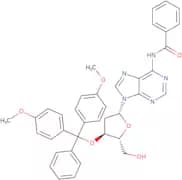
CAS:N6-Benzoyl-9-(2'-deoxy-5'-O-DMT-2'-fluoro-b-D-arabinofuranosyl)adenine is a synthetic nucleoside that has antiviral activity. It is activated by the enzyme ribonucleotide reductase and inhibits viral DNA synthesis. This agent also inhibits the production of deoxyribonucleosides, which are needed for DNA synthesis. In addition, this compound inhibits bacterial growth by inhibiting the enzyme DNA gyrase. N6-Benzoyl-9-(2'-deoxy-5'-O-DMT-2'-fluoro-b-D-arabinofuranosyl)adenine has novel properties in that it does not contain any ribose or phosphate groups. This product is available as a white powder with a purity of at least 98%.Fórmula:C38H34FN5O6Pureza:Min. 95%Peso molecular:675.71 g/mol2',3'-Dideoxyinosine-5'-monophosphate sodium salt
CAS:2',3'-Dideoxyinosine-5'-monophosphate sodium salt (ddI-MP) is an antiviral drug that is effective against HIV. It inhibits the reverse transcriptase enzyme, which is responsible for the conversion of RNA to DNA. ddI-MP has cytotoxic properties and prevents the production of DNA and protein. This agent also has a prophylactic effect against retroviruses, such as HIV, by preventing them from establishing latency in lymphocytes.Fórmula:C10H11N4O6P·Na2Pureza:Min. 95%Peso molecular:360.17 g/mol2'-O-Methylguanosine 5'-triphosphate lithium salt - 100mM aqueous solution
CAS:2'-O-Methylguanosine 5'-triphosphate lithium salt is a synthetic nucleotideFórmula:C11H18N5O14P3·xLiPureza:Min. 95%Forma y color:Clear LiquidPeso molecular:537.21 g/mol1-(3',5'-Di-O-benzoyl-2'-deoxy-2'-fluoro-b-D-arabinofuranosyl)-5-bromo-uracil
CAS:1-(3',5'-Di-O-benzoyl-2'-deoxy-2'-fluoro-b-D-arabinofuranosyl)-5-bromo-uracil is a novel antiviral and antitumor agent, synthesized by using a new synthetic approach. It has been shown to be effective in vitro against influenza A virus and herpes simplex virus types 1 and 2. This compound is also active against HIV type 1 (HIV) and Kaposi's sarcoma cells. The antiviral activity of this compound may be due to its ability to inhibit viral DNA polymerase activity. The antitumor activity of this compound may be due to its ability to inhibit the proliferation of tumor cells, leading to their death by apoptosis or necrosis.Fórmula:C23H18BrN2O7Pureza:Min. 95%Peso molecular:514.3 g/mol5'-Adenylic acid monoanhydride with (dichlorophosphonomethyl)phosphonic acid
CAS:5'-Adenylic acid monoanhydride with (dichlorophosphonomethyl)phosphonic acid is a neuronal blocker that inhibits the enzyme acetylcholinesterase. It is an efficient inhibitor of AChE and has been shown to be effective in animal models of Alzheimer's disease. The inhibition of AChE by 5'-Adenylic acid monoanhydride with (dichlorophosphonomethyl)phosphonic acid leads to increased levels of acetylcholine, which can stimulate nerve impulses and slow or stop the progression of Alzheimer's disease.Fórmula:C11H16Cl2N5O12P3Pureza:Min. 95%Peso molecular:574.1 g/mol2'-Deoxyuridine-5'-[(a,b)-methyleno]diphosphate sodium salt - 10mM aqueous solution
2'-Deoxyuridine-5'-[(a,b)-methyleno]diphosphate sodium salt is a nucleoside and ribonucleoside that is modified with a methylene group at the 2' position of the sugar moiety. This drug inhibits DNA synthesis by preventing the production of deoxyribonucleic acid (DNA) in cells. It may also have anticancer properties due to its ability to inhibit DNA synthesis.Fórmula:C10H16N2O10P2Pureza:Min. 95%Peso molecular:386.19 g/mol4'-Ethynylthymidine
CAS:4'-Ethynylthymidine is a novel nucleoside analog that has been shown to be active against HIV-1. It has been shown to inhibit the incorporation of uridine into viral DNA and terminate elongation of viral DNA. 4'-Ethynylthymidine has also been shown to be active against other viruses such as vesicular stomatitis virus, influenza virus, and hepatitis C virus. The cytotoxicity of this drug is significant and may provide potential therapeutics for cancer treatment.
Pureza:Min. 95%2'-Deoxy-2'-methyleneadenosine
CAS:2'-Deoxy-2'-methyleneadenosine is a potential mechanism for the treatment of cancer. It has been shown to be active against the murine leukemia cell line, L1210, and to cause inactivation of the cells. This drug inhibits cellular RNA synthesis by binding to either the ribonucleoside or deoxyribonucleoside pools in the cell and preventing their conversion into nucleotides. 2'-Deoxy-2'-methyleneadenosine has also been shown to be an effective inhibitor of gamma-aminobutyric acid (GABA) uptake and cross-resistance with other drugs that are GABA uptake inhibitors.Fórmula:C11H13N5O3Pureza:Min. 95%Peso molecular:263.25 g/mol4-(2-Cyanoethylthio)-2'-deoxy-5'-DMT-uridine 3'-CE phosphoramidite
CAS:4-(2-Cyanoethylthio)-2'-deoxy-5'-DMT-uridine 3'-CE phosphoramidite is a novel DNA synthesis inhibitor that is synthesized by the reaction of 4-(2-cyanoethylthio)-2'-deoxy-5'-DMT-uridine and phosphorous oxychloride. This product has antiviral and anticancer activities, as well as high purity and high quality. It can be used in cellular biology research, including the study of ribonucleosides, nucleosides, and deoxyribonucleosides. This product also inhibits HIV replication in vitro.Fórmula:C42H50N5O7PSPureza:Min. 95%Peso molecular:799.93 g/molL-Thymidine-5'-triphosphate sodium salt
L-Thymidine-5'-triphosphate sodium salt (L-TTP) is a modified nucleoside that is used as an anticancer agent. L-TTP is phosphorylated by ATP to form L-thymidine 5'-monophosphate (L-TMP). It also inhibits viral replication by inhibiting the synthesis of DNA and RNA, leading to cell death. L-TTP has been shown to be active against herpes simplex virus type 1, herpes simplex virus type 2, and cytomegalovirus.
Pureza:Min. 95%p-Topolin riboside-5'-monophosphate sodium salt
p-Topolin riboside-5'-monophosphate sodium salt is a novel modified nucleotide, which is an activator of the RNA polymerase I and III. It has been shown to be an effective antiviral agent, by inhibiting the synthesis of viral DNA and RNA. p-Topolin riboside-5'-monophosphate sodium salt also inhibits the growth of cancer cells in vitro and in vivo. This drug has been shown to inhibit tumor growth by targeting regulatory proteins that control cell proliferation, such as cyclin D1, CDK4, and CDK6.Fórmula:C17H18N5Na2O8P·H2OPureza:Min. 95%Peso molecular:515.32 g/molN6-Benzoyl-2'-deoxy-5'-O-levulinoyladenosine
N6-Benzoyl-2'-deoxy-5'-O-levulinoyladenosine is a modified nucleoside which can be used in the synthesis of DNA. It is phosphorylated to form N6-benzoyl-2'-deoxyadenosine monophosphate (BADAMP), which is converted to N6-benzoyl-2'-deoxyadenosine diphosphate (BADAP) through the action of ATP. The drug has antiviral properties and can be used to treat HIV infection.Fórmula:C22H23N5O6Pureza:Min. 95%Peso molecular:453.46 g/mol5-Carboxymethylaminomethyl- 2'-O-methyluridine
CAS:5-Carboxymethylaminomethyl- 2'-O-methyluridine (5CmAMU) is a modified nucleobase that is categorized as a modified base. It is an analog of uridine, which has been shown to be effective against tuberculosis in mice. 5CmAMU inhibits the methylation of rRNA and DNA by binding to the enzyme RNA methyltransferase, thereby inhibiting transcription and replication. This modification has also been shown to inhibit cellular proliferation and promote apoptosis. 5CmAMU binds to guanine with a stoichiometry of 1:1, which provides evidence for its role in DNA synthesis and repair. The structural modifications on this molecule may lead to diagnostic applications or treatments for diseases such as tuberculosis.Fórmula:C13H19N3O8Pureza:Min. 95%Forma y color:PowderPeso molecular:345.31 g/molBiotin-11-uridine-5'-triphosphate, lithium salt - 1 mM aqueous solution
CAS:Biotin-11-uridine-5'-triphosphate, lithium salt (BUP) is a nucleoside analog that has been modified to allow the incorporation of BUP into DNA. The modification of BUP with lithium salts allows for the covalent attachment of BUP to DNA. This incorporation of BUP into DNA prevents the polymerase from binding to DNA and thus inhibits replication. Biotin-11-uridine-5'-triphosphate, lithium salt (BUP) has demonstrated anticancer and antiviral activity as well as being novel and high quality.Fórmula:C28H45N6O18P3S·xLiPureza:Min. 95%Peso molecular:878.67 g/molN4-Benzoyl-1-(2'-deoxy-5'-O-DMT-2'-fluoro-b-D-arabinofuranosyl)-5-methylcytosine
N4-Benzoyl-1-(2'-deoxy-5'-O-DMT-2'-fluoro-b-D-arabinofuranosyl)-5-methylcytosine is a synthetic nucleoside analog that is used as an antiviral agent. It inhibits the activity of reverse transcriptase, which is an enzyme that synthesizes DNA from RNA. N4-Benzoyl-1-(2'-deoxy-5'-O-DMT-2'-fluoro-b-D-arabinofuranosyl)-5 methylcytosine has been shown to be active against human immunodeficiency virus type 1 (HIV), herpes simplex virus type 2 (HSV), and cytomegalovirus (CMV). The drug has also been shown to be potent in inhibiting the replication of HIV in cell culture.
Fórmula:C38H36FN3O7Pureza:Min. 95%Peso molecular:665.72 g/molN4-Acetyl-2'-deoxy-5'-O-DMT-cytidine 3'-Rp-oxazaphospholidine
N4-Acetyl-2'-deoxy-5'-O-DMT-cytidine 3'-Rp-oxazaphospholidine is a novel modified nucleoside and antiviral agent. It is the first nucleoside to be synthesized in which the ribose of the sugar moiety has been acetylated at the 2' position. N4-acetyl-2'-deoxy-5'-O-DMT cytidine 3'-Rp oxazaphospholidine has been shown to inhibit viral replication in vitro and in vivo, with activity against HSV type 1 (HSV1) and HSV type 2 (HSV2) viruses. This drug can also be used as an anticancer agent, by inhibiting DNA synthesis. N4-acetyl-2'-deoxy-5'-O-DMT cytidine 3'-Rp oxazaphospholidine is a high purity, synthetic compound, with highPureza:Min. 95%5'-O-DMT-N2-isobutyryl-2'-O-propynylguanosine 3'-CE phosphoramidite
CAS:5'-O-DMT-N2-isobutyryl-2'-O-propynylguanosine 3'-CE phosphoramidite is a novel modified monophosphate. It has antiviral and anticancer activities. The CAS number of 5'-O-DMT-N2-isobutyryl-2'-O-propynylguanosine 3'-CE phosphoramidite is 171486-61-6.Fórmula:C47H56N7O9PPureza:Min. 95%Peso molecular:893.96 g/molFluorous propanol cep
CAS:Producto controladoFluorous propanol cep is a novel activator of ribonucleosides and deoxyribonucleosides. It is a nucleoside phosphoramidite that can be used to synthesize modified nucleosides, and has anticancer, antiviral and antibacterial properties. Fluorous propanol cep is an excellent activator for the synthesis of ribonuclesides and deoxyribonucleosides from their corresponding monophosphate derivatives. The product has been shown to inhibit replication of the human immunodeficiency virus (HIV-1) in vitro, with IC50 values less than 1 mM.
Fórmula:C20H24F17N2O2PPureza:Min. 95%Peso molecular:678.4 g/mol3'-Deoxy-3'-fluoroxylocytidine
CAS:3'-Deoxy-3'-fluoroxylocytidine is a synthetic phosphate derivative of cytidine. It is an activator for phosphoramidites, deoxyribonucleosides and ribonucleosides. 3'-Deoxy-3'-fluoroxylocytidine is an anticancer agent that has been shown to have activity against various cancer cell lines, including prostate cancer cells. This compound has also been shown to have antiviral activity against herpes simplex virus type 1 (HSV-1) and influenza A virus in the laboratory.Pureza:Min. 95%2,6-Diamino-9-(3'-O-methyl-b-D-ribofuranosyl)purine
CAS:2,6-Diamino-9-(3'-O-methyl-b-D-ribofuranosyl)purine is an activator of antineoplastic drugs. It is a synthetic nucleoside that is modified at the 2' and 6' positions. The modification of the 2' position increases the stability and bioavailability of the drug in vivo. This product can be used to synthesize deoxyribonucleosides, phosphoramidites, ribonucleotides, or antiviral drugs.Fórmula:C11H16N6O4Pureza:Min. 95%Peso molecular:296.29 g/mol3'-Azido-3'-deoxythymidine 2,3,4-tri-O-acetyl-b-D-glucuronide methyl ester
3'-Azido-3'-deoxythymidine 2,3,4-tri-O-acetyl-b-D-glucuronide methyl ester is a novel nucleoside analogue with anticancer and antiviral properties. It is an activator of ribonucleosides and deoxyribonucleosides, which are used for the synthesis of DNA and RNA respectively. 3'-Azido-3'-deoxythymidine 2,3,4-tri-O-acetyl-b-D-glucuronide methyl ester can be used to synthesize phosphoramidites and modified nucleosides. The compound has been shown to have antitumor activity in vitro against human leukemia cells.Fórmula:C23H29N5O13Pureza:Min. 95%Peso molecular:583.5 g/mol2'-Azido-2'-deoxyguanosine-5'-triphosphate lithium salt - 100mM aqueous solution
2'-Azido-2'-deoxyguanosine-5'-triphosphate lithium salt is a chemically modified nucleotide analog in which the 2'-hydroxyl group of guanosine is replaced by an azido group, and the molecule is phosphorylated at the 5' position with a triphosphate moiety, forming a lithium salt for stability and solubility. This molecule has potential in research applicationsFórmula:C10H15N8O13P3Pureza:Min. 95%Forma y color:Clear LiquidPeso molecular:548.19 g/mol2-Hydrazino-4-(trifluoromethyl)pyrimidine
CAS:2-Hydrazino-4-(trifluoromethyl)pyrimidine is a cancer drug that is used in the treatment of various types of cancers. It is a chelate ring with a coordination geometry group P2, which has been shown to have low detection in urine and blood samples. 2-Hydrazino-4-(trifluoromethyl)pyrimidine binds copper ions, forming a copper complex, which causes the release of chloride ions. This process leads to an increased level of hydrogen peroxide and hydroxyl radicals that induce cancer cell death by inhibiting DNA synthesis and protein synthesis. 2-Hydrazino-4-(trifluoromethyl)pyrimidine also inhibits the production of certain enzymes (such as cyclooxygenase), which are involved in the production of prostaglandins that promote tumor growth.Pureza:Min. 95%m7G(5')ppp(5')Guanosine
CAS:A cap analog that can incorporated into mRNAFórmula:C21H29N10O18P3Pureza:Min. 95%Peso molecular:802.43 g/mol2'-Deoxy-5- chloro -2', 2'- difluorocytidine
CAS:2'-Deoxy-5-chloro-2',2'-difluorocytidine is a monophosphate nucleoside with antiviral and anticancer activity. It is an activator of DNA polymerase, which is important for DNA synthesis. 2'-Deoxy-5-chloro-2',2'-difluorocytidine has been shown to be synthesized in high purity and with novel modifications that are not found in natural nucleosides. This compound may have the potential to be used as a therapeutic agent for cancer treatment or as an antiviral drug.Pureza:Min. 95%N6-Benzoyl-5'-O-DMT-2'-O-(2-methoxyethyl)adenosine 3'-O succinate TEA salt
N6-Benzoyl-5'-O-DMT-2'-O-(2-methoxyethyl)adenosine 3'-O succinate TEA salt is a modified nucleotide that has been shown to have anticancer and antiviral activity. N6-Benzoyl-5'-O-DMT-2'-O-(2-methoxyethyl)adenosine 3'-O succinate TEA salt inhibits the synthesis of viral DNA and also inhibits the production of DNA in tumor cells. This compound is a phosphoramidite, which is an activated ester of a nucleoside with a phosphate group. The active form of this drug is adenosine triphosphate (ATP), which acts as an activator for DNA synthesis, leading to the production of deoxyribonucleosides and monophosphate, which are necessary for DNA replication.Pureza:Min. 95%N4-Acetyl-3'-O-tert-butyldimethylsilyl-5'-O-DMT-cytidine
CAS:N4-Acetyl-3'-O-tert-butyldimethylsilyl-5'-O-DMT-cytidine is a novel nucleoside analogue that was synthesized from a cytidine analogue. This compound has antiproliferative activity against cancer cells in vitro and in vivo. The mechanism of action is not yet known, but it is thought to be due to the inhibition of DNA synthesis and/or the induction of apoptosis. N4-Acetyl-3'-O-tert-butyldimethylsilyl-5'-O-DMT-cytidine is not active against HIV, herpes simplex virus type 1, or herpes simplex virus type 2. It also has no effect on the replication of the influenza A virus and cannot inhibit the replication of poliovirus type 1.
Fórmula:C38H47N3O8SiPureza:Min. 95%Peso molecular:701.88 g/molCytarabine-5-b,Y-(1-hydroxyethylidene) triphosphate-d3
Cytarabine-5-b,Y-(1-hydroxyethylidene) triphosphate-d3 is a novel nucleotide analogue that is synthesized from the corresponding phosphoramidite. It has antiviral activity and can be used as an analog of cytosine arabinoside for the treatment of herpes zoster. Cytarabine-5-b,Y-(1-hydroxyethylidene) triphosphate-d3 has been shown to inhibit viral replication by interacting with DNA and RNA synthesis. This drug also inhibits DNA polymerase activity in vitro and blocks viral transcription. Cytarabine can be used in combination with other antiviral drugs such as acyclovir or ganciclovir.Pureza:Min. 95%5'-O-DMT-N2-isobutyryl-9-(b-D-arabinofuranosyl)guanine
5'-O-DMT-N2-isobutyryl-9-(b-D-arabinofuranosyl)guanine is a nucleoside analog drug that has antiviral and anticancer properties. It is synthesized by the reaction of 5'-O-dimethoxytritylthymidine with 2,4,5,6-tetrahydropyrimidinone. This compound has been shown to be active in vitro against several viruses including herpes simplex virus type 1 (HSV1) and human immunodeficiency virus type 1 (HIV1). The antiviral activity of 5'-O-DMT-N2-isobutyrylguanine is due to inhibition of viral DNA polymerase and/or virion assembly. It also inhibits tumor cell growth in vitro.Fórmula:C35H37N5O8Pureza:Min. 95%Peso molecular:655.71 g/mol2',3'-Didehydro-3'-deoxy-thymidine-5'-triphosphate, lithium salt
2',3'-Didehydro-3'-deoxy-thymidine-5'-triphosphate, lithium salt is a nucleoside analog that inhibits DNA synthesis by inhibiting the enzyme DNA polymerase. It has been shown to be effective against cancer cells in vitro and in vivo. Although it is not active against mycobacterium and other acid-fast bacteria, 2',3'-didehydro-3'-deoxy-thymidine-5'-triphosphate, lithium salt has shown promising anticancer properties and may be useful for the treatment of leukemia, lymphoma, and breast cancer.Pureza:Min. 95%8-(2-Aminoethyl)aminoadenosine 3',5'-cyclic monophosphate
CAS:8-(2-Aminoethyl)aminoadenosine 3',5'-cyclic monophosphate (8-AEACMP) is a structural analog of the purine nucleotide adenosine. It has been shown to be an effective inhibitor of HIV replication in vitro and in vivo. 8-AEACMP blocks HIV transcription by binding to the cellular target, the enzyme ribonucleotide reductase. This binding prevents the formation of an enzyme-substrate complex that is required for DNA synthesis. 8-AEACMP binds to two sites on this enzyme: one site is at a catalytic site that is not involved in substrate binding, and the other site is at a regulatory site. The inhibitory effect of 8-AEACMP on HIV transcription results from its ability to bind at both sites simultaneously.Fórmula:C12H18N7O6PPureza:Min. 95%Peso molecular:387.29 g/mol2',3'-Dideoxyguanosine-5'-triphosphate lithium salt - 100mM aqueous solution
CAS:2',3'-Dideoxyguanosine-5'-triphosphate lithium salt (ddGTP) is a nucleotide analogue that inhibits the activity of DNA polymerase, RNA polymerase, and other enzymes. It has been shown to be an effective inhibitor of primary breast cancer cells in vitro. ddGTP is also a fluorescent compound with a light emission maximum at about 520 nm. The fluorescence intensity increases with increasing concentrations of ddGTP. This product is supplied as a 100mM aqueous solution containing ddGTP.Fórmula:C10H16N5O12P3Pureza:Min. 95%Peso molecular:491.18 g/mol[(2R,3S,4R,5R)-5-(4-Benzamido-2-oxo-1,2-dihydropyrimidin-1-yl)-3-(benzoyloxy)-4-fluoro-4-methyloxolan-2-yl]methyl benzoate
CAS:[(2R,3S,4R,5R)-5-(4-Benzamido-2-oxo-1,2-dihydropyrimidin-1-yl)-3-(benzoyloxy)-4-fluoro-4-methyloxolan-2-yl]methyl benzoate is a novel anticancer drug that selectively inhibits the proliferation of cancer cells. It binds to the DNA and RNA in tumor cells to inhibit nucleotide synthesis and leads to cell death. This product has high purity and is modified for use.Fórmula:C31H26FN3O7Pureza:Min. 95%Peso molecular:571.6 g/mol4'-C-Azido-2'-deoxy-2'-fluoro-uridine
CAS:4'-C-Azido-2'-deoxy-2'-fluoro-uridine is a novel nucleoside with antiviral and anticancer properties. 4'-C-Azido-2'-deoxy-2'-fluoro-uridine is activated by ribonucleoside kinase, which phosphorylates the 4'-C position on the sugar moiety to form the monophosphate. This drug has been shown to inhibit proliferation of human lymphoid leukemia cells in culture and to inhibit replication of HIV in cell culture. 4'-C-Azido-2'-deoxy-2'-fluoro-uridine also inhibits herpes simplex virus type 1 (HSV1) replication in vitro.
Fórmula:C9H10FN5O5Pureza:Min. 95%Peso molecular:287.2 g/mol8-Allyloxy-N2-(dimethylaminomethylidene)-2-deoxyguanosine
CAS:8-Allyloxy-N2-(dimethylaminomethylidene)-2-deoxyguanosine is an anti-cancer, antiviral, and anticancer agent. It has shown anticancer activity in a number of animal models. This drug also inhibits the replication of DNA by inhibiting the synthesis of DNA precursors. 8-Allyloxy-N2-(dimethylaminomethylidene)-2-deoxyguanosine is synthesized from 2,6-diaminohexane and 1,3,5-triazine by reaction with formaldehyde and allyl bromide in the presence of potassium hydroxide. The product is purified by chromatography on silica gel using a mixture of chloroform/methanol (1:1) as eluent to yield a colorless liquid. The chemical structure is characterized by IR spectroscopy and mass spectrometry.Fórmula:C16H22N6O5Pureza:Min. 95%Peso molecular:378.38 g/mol1-(2'-Deoxy-5'-O-DMT-b-D-lyxofuranosyl)thymine
CAS:1-(2'-Deoxy-5'-O-DMT-b-D-lyxofuranosyl)thymine is a nucleoside that can be used as a reagent in the synthesis of oligodeoxynucleotides. It has been shown to bind to DNA, and it is phosphoramidite monomer for solid phase synthesis of oligodeoxynucleotides. It is also a nonamer, octamer, and dinucleoside. 1-(2'-Deoxy-5'-O-DMT-b-D-lyxofuranosyl)thymine binds to the receptor protein and has been shown to have efficiencies as high as 45%.Fórmula:C31H32N2O7Pureza:Min. 95%Peso molecular:544.6 g/molAdenosine 5'-triphosphate potassium salt
CAS:Adenosine 5'-triphosphate potassium salt is a membrane potential-sensitive fluorescent probe. It has been used to measure the intensity of light exposure and the depolarising effects of activation in sarcoplasmic reticulum vesicles. Adenosine 5'-triphosphate potassium salt has also been used to measure the activity of cyclic nucleotide phosphodiesterases, which are enzymes that regulate the breakdown of cAMP and cGMP. The fluorescence of adenosine 5'-triphosphate potassium salt increases with increased concentrations of cyclic nucleotide phosphodiesterase, indicating that it is an effective indicator for measuring these types of enzymes in biological assays.
Fórmula:C10H14K2N5O13P3Pureza:Min. 95%Peso molecular:583.36 g/molUridine 5'-O-(1-thiotriphosphate) lithium salt - 100mM aqueous solution
CAS:Mixture of Rp and Sp isomers.Fórmula:C9H15N2O14P3SPureza:Min. 95%Peso molecular:500.21 g/mol2'-Deoxyguanosine-5'-diphosphate disodium salt
CAS:2'-Deoxyguanosine-5'-diphosphate disodium salt is a marine metabolite that is used as a chemotactic agent for bacteria. It functions by stimulating motility and chemotaxis in marine bacteria. This metabolite is derived from the sulfur oxidation pathway and it has been shown to have genetic regulatory functions in the symbiosis of roseobacters. 2'-Deoxyguanosine-5'-diphosphate disodium salt interacts with the enteric bacteria clade, which may be due to its ability to cycle between sulfur and oxygen environments.Fórmula:C10H13N5O10P2·2NaPureza:Min. 95%Forma y color:White PowderPeso molecular:471.16 g/mol5-Aza-2'-deoxycytidine 5'-triphosphate sodium salt
5-Aza-2'-deoxycytidine 5'-triphosphate sodium salt is an antiviral drug, which is a synthetic nucleoside analogue of cytidine. It inhibits the synthesis of viral DNA by competing with deoxycytidine triphosphate for incorporation into nascent DNA chains. This antiviral agent has been shown to be effective against HSV-1 and HIV-1 in vitro.Pureza:Min. 95%2-Deoxy-1-(5'-O-DMT-b-D-ribofuranosyl)-5-nitroindole
CAS:2-Deoxy-1-(5'-O-DMT-b-D-ribofuranosyl)-5-nitroindole is a nucleoside with anticancer activity. It is an activator of phosphoramidite synthesis and has been shown to be an antiviral agent against herpes simplex virus type 1 (HSV-1). 2-Deoxy-1-(5'-O-DMT-b-D-ribofuranosyl)-5-nitroindole is a nucleoside that can be used for the synthesis of DNA or RNA. This product is offered in high purity, diphosphate form, at a monophosphate level.Fórmula:C34H32N2O7Pureza:Min. 95%Peso molecular:580.63 g/molN2-Carbamoylthreonyl-2'-deoxyguanosine
N2-Carbamoylthreonyl-2'-deoxyguanosine is a phosphoramidite monophosphate that is used in the synthesis of DNA. It has antiviral and anticancer properties. N2-Carbamoylthreonyl-2'-deoxyguanosine is synthesized by modifying the nucleoside thymidine, which contains a 2'-deoxyribose sugar and an amino sugar, with carbamate linkages at the 2' position. This modification stabilizes the sugar moiety, preventing it from undergoing hydrolysis to form ribose and deoxyribose. The stability of the modified nucleoside allows for increased solubility in aqueous solution and increased resistance to degradation by nucleases. N2-Carbamoylthreonyl-2'-deoxyguanosine also has high purity and quality as well as novel modifications not found in other DNA building blocksPureza:Min. 95%N4-Acetyl-2'-O-tert-butyldimethylsilyl-5'-O-DMT-cytidine
CAS:N4-Acetyl-2'-O-tert-butyldimethylsilyl-5'-O-DMT-cytidine is a novel modified nucleoside that is an activator of ribonucleosides. It has antiviral and anticancer activities, in addition to its potential as a DNA polymerase inhibitor. N4-Acetyl-2'-O-tert-butyldimethylsilyl-5'-O-DMT-cytidine is chemically synthesized with high purity and can be used for the synthesis of phosphoramidites for DNA synthesis. This compound also has the CAS number 12105885 3 and can be found in monophosphate form.Fórmula:C38H47N3O8SiPureza:Min. 95%Forma y color:PowderPeso molecular:701.88 g/mol2'-Deoxy-5-fluorocytidine 5'-monophosphate
CAS:2'-Deoxy-5-fluorocytidine 5'-monophosphate is a nucleotide that is synthesized by the enzyme cytidine deaminase. It is used as a diagnostic agent in the detection of infectious diseases such as HIV, Mycobacterium tuberculosis, and cytomegalovirus (CMV). 2'-Deoxy-5-fluorocytidine 5'-monophosphate inhibits DNA synthesis by blocking the incorporation of deoxycytidylate into DNA. The compound is also an inhibitor of collagen synthesis in tissues and cells. Hydrogen bonds between this compound and its target enzymes are thought to be important for its inhibitory effects.
Fórmula:C9H13FN3O7PPureza:Min. 95%Peso molecular:325.19 g/mol4'-C-Azido-3'-deoxy-3'-fluorocytidine
CAS:4'-C-Azido-3'-deoxy-3'-fluorocytidine is an antiviral, anticancer, and nucleoside phosphoramidite. It is a novel modified nucleoside that has antiviral, anticancer, and DNA modifying properties. 4'-C-Azido-3'-deoxy-3'-fluorocytidine has been shown to be an activator of the polymerase chain reaction (PCR). This product has high purity with no detectable impurities. The CAS number for this compound is 1145869-46-0. This product is available in bulk quantities.
Fórmula:C9H11FN6O4Pureza:Min. 95%Peso molecular:286.22 g/mol2'-Deoxy-2'-fluoroguanosine-5'-triphosphate sodium salt - 100mM aqueous solution
2'-Deoxy-2'-fluoroguanosine-5'-triphosphate sodium salt is a novel, synthetic nucleoside. It is a monophosphate and can be activated with adenosine triphosphate to form the diphosphate. 2'-Deoxy-2'-fluoroguanosine-5'-triphosphate sodium salt is also an antiviral agent that inhibits viral RNA synthesis. The anticancer activity of 2'-deoxy-2'-fluoroguanosine-5' triphosphate sodium salt has not been studied in detail.Fórmula:C10H15FN5O13P3·NaPureza:Min. 95%Peso molecular:548.16 g/mol2',3'-Anhydrothymidine
CAS:2',3'-Anhydrothymidine is a nucleoside analogue that has been shown to inhibit HIV-1 transcriptase and polymerase by binding to the enzyme's active site. It also inhibits DNA synthesis in human cells and inhibits the growth of E. coli. 2',3'-Anhydrothymidine is a prodrug that can be taken up by cells, where it is converted into an epoxide, which then binds to the enzyme's active site. This prevents the enzyme from catalyzing reactions and terminating DNA synthesis at the correct point during transcription. 2',3'-Anhydrothymidine may also have immunodeficiency-related benefits due to its ability to bind more tightly to dsDNA than natural nucleotides, causing termination of RNA synthesis at the wrong point.Fórmula:C10H12N2O5Pureza:Min. 95%Peso molecular:240.21 g/molN-(2-Amino-3,8-dimethylimidazo[4,5-f]quinoxalin-5-yl) 2'-deoxyguanosine
CAS:N-(2-Amino-3,8-dimethylimidazo[4,5-f]quinoxalin-5-yl) 2'-deoxyguanosine (NADG) is a monophosphate nucleoside analog that inhibits the human immunodeficiency virus (HIV). NADG inhibits HIV by binding to the viral enzyme reverse transcriptase and inhibiting its activity. NADG also has anticancer activity through inhibition of DNA synthesis and protein synthesis. This compound is a novel nucleoside analog that has not been previously described in the literature.Fórmula:C21H22N10O4Pureza:Min. 95%Peso molecular:478.46 g/mol1-(2-Deoxy-b-D-threo-pentofuranosyl)-5-fluorouracil
CAS:1-(2-Deoxy-b-D-threo-pentofuranosyl)-5-fluorouracil (1dTfu) is an anticancer drug that belongs to the group of anti-metabolites. It is used in the treatment of colon cancer, head and neck cancer, urinary bladder cancer, and prostate cancer. 1dTfu inhibits the production of tyrosinase and other growth factors, which may be due to its ability to bind to a receptor called factor receptor on the surface of cells. This binding inhibits DNA synthesis by inhibiting the enzyme DNA polymerase. 1dTfu also has been shown to inhibit collagen synthesis via an extracellular mechanism.Fórmula:C9H11FN2O5Pureza:Min. 95%Peso molecular:246.19 g/mol2'-Azido-N6-benzoyl-2'-deoxy-5'-O-DMT-adenosine
2'-Azido-N6-benzoyl-2'-deoxy-5'-O-DMT-adenosine is a novel nucleoside that can be activated with phosphoramidite and used to synthesize a variety of modified nucleosides. It has been shown to have anticancer and antiviral activities, as well as the ability to inhibit the replication of RNA viruses. 2'-Azido-N6-benzoyl-2'-deoxy-5'-O-DMT-adenosine is also useful in the synthesis of monophosphate nucleotides, which are important for DNA synthesis. This product is available in high purity and quality and is CAS No.Pureza:Min. 95%2'-Deoxy-5'-O-DMT-N2-isobutyryl-a-guanosine 3'-CE phosphoramidite
2'-Deoxy-5'-O-DMT-N2-isobutyryl-a-guanosine 3'-CE phosphoramidite is a novel, high quality nucleoside that is synthesized by the reaction of 5'-O-DMT-2'-deoxyguanosine with isobutyryl chloride. It has antiviral and anticancer properties and has been shown to be an activator of RNA polymerase. CAS number: 89879-16-1Fórmula:C44H54N7O8PPureza:Min. 95%Peso molecular:839.94 g/mol4-Amino-6-chloropyrimidine-5-carbaldehyde
CAS:4-Amino-6-chloropyrimidine-5-carbaldehyde is a reactive molecule that is used in the synthesis of macrocyclic aldehydes. It is prepared by the oxidation of anilines with oxalyl chloride in the presence of hydrochloric acid and amines. 4-Amino-6-chloropyrimidine-5-carbaldehyde reacts with hydrazine to form diamines, which are used as building blocks for pharmaceuticals. This molecule has been shown to have anticancer properties, by inhibiting DNA replication and cell growth through its ability to inhibit protein synthesis.Fórmula:C5H4ClN3OPureza:Min. 95%Peso molecular:157.56 g/mol5-Ethynyl-1-(b-D-ribofuranosyl)-imidazo-4-carbonitrile
CAS:5-Ethynyl-1-(b-D-ribofuranosyl)-imidazo-4-carbonitrile is a novel, modified ribonucleoside monophosphate that has antiviral, anticancer, and antiretroviral properties. It was originally synthesized as an activator of the DNA polymerase and is capable of stimulating the synthesis of RNA from DNA templates. It has been shown to inhibit the growth of cancer cells in vitro and in vivo. 5-Ethynyl-1-(b-D-ribofuranosyl)-imidazo-4-carbonitrile is also a phosphoramidite nucleotide analog that can be incorporated into DNA during DNA synthesis.Fórmula:C11H11N3O4Pureza:Min. 95%Peso molecular:249.22 g/molS-(2-Hydroxy-5-nitrobenzoyl)-6-thioinosine
CAS:S-(2-Hydroxy-5-nitrobenzoyl)-6-thioinosine is a population of endogenous inotropic agents that are transported by the uptake system. It interacts with benzodiazepine receptor and has been shown to act as an agonist. The uptake system is responsible for the uptake of S-(2-hydroxy-5-nitrobenzoyl)-6-thioinosine, which then binds to the benzodiazepine receptor. This binding causes an increase in cAMP levels and subsequent relaxation of smooth muscle cells. S-(2-hydroxynitrobenzoyl)-6-thioinosine has been shown to be a transport inhibitor, which affects the uptake of other drugs such as benzodiazepines and antiepileptics. It also modulates responsiveness through interaction with the transport system.Fórmula:C17H17N5O7SPureza:Min. 95%Peso molecular:435.41 g/mol2-Amino-6-chloro-9-(3'-deoxy-3'-fluoro-b-D-ribofuranosyl)-9H-purine
CAS:2-Amino-6-chloro-9-(3'-deoxy-3'-fluoro-b-D-ribofuranosyl)-9H-purine is a novel, activator ribonucleoside phosphoramidite and monophosphate nucleoside. It is synthesized from 2,4,5,6,-tetraiodo-1H-[1]pyrrole and 6-chloropurine ribofuranose. The chemical name is 1-[2'-(deoxyribofuranosyl) (3', 3'', 5', 5'', 5'')-2'-(2,4,5,6 tetraiodophenyl)] -2-(3'-fluorobenzoyl) -4-(3'-triazolecarboxamide) -1H-[1]pyrrole 4,5 dione. CAS No. 1612192-05-8.Pureza:Min. 95%2'-O-tert-Butyldimethylsilyl-5'-O-DMT-N6-(2-Isopentenyl)adenosine 3'-CE phosphoramidite
2'-O-tert-Butyldimethylsilyl-5'-O-DMT-N6-(2-Isopentenyl)adenosine 3'-CE phosphoramidite is an antiviral nucleoside, which is synthesized by the reaction of 2'-deoxyribonucleosides with the activator. This product is a novel chemical compound that has antiviral and anticancer activity. It can be used as a precursor for other nucleosides.Pureza:Min. 95%Guanosine 5'-triphosphate trisodium hydrate
CAS:Guanosine 5'-triphosphate trisodium hydrate is a novel antiviral agent that was discovered in the course of a research program to find new antiviral agents. It is an activator of guanylyl cyclase and it has been shown to have high quality and high purity. Guanosine 5'-triphosphate trisodium hydrate binds to ribonucleosides and deoxyribonucleosides, preventing their incorporation into viral DNA or RNA. This compound also has anticancer activity.Fórmula:C10H18N5NaO15P3Pureza:Min. 95%Peso molecular:564.19 g/mol1-[(5E)-5,6-Dideoxy-6-(diethoxy phosphinyl)-2-O-methyl-beta-D-ribo-hex-5-enofuranosyl]uracil
CAS:1-[(5E)-5,6-Dideoxy-6-(diethoxy phosphinyl)-2-O-methyl-beta-D-ribo-hex-5-enofuranosyl]uracil is a novel monophosphate that was synthesized by modifying a known anticancer nucleoside. It is an activator of the antiviral ribonucleotide reductase and deoxyribonucleotide reductase. 1-[(5E)-5,6-Dideoxy-6-(diethoxy phosphinyl)-2-O-methyl-beta-D-ribohexanofuranosyl]uracil has been shown to inhibit the proliferation of cancer cells in vitro and in vivo. It also inhibits tumor growth without affecting normal tissue.Pureza:Min. 95%2-Chloro-6-(2'-deoxy-b-D-ribofuranosyl)-3,5-diaminopyrazine
CAS:2-Chloro-6-(2'-deoxy-b-D-ribofuranosyl)-3,5-diaminopyrazine is a modified nucleoside that can be used to synthesize DNA and RNA. It is an activator that activates the phosphoramidite coupling reaction of the synthesis of DNA. 2-Chloro-6-(2'-deoxy-b-D-ribofuranosyl)-3,5-diaminopyrazine has been shown to have anticancer and antiviral activities in vitro, but no in vivo data are currently available. It also has high purity and high quality.Fórmula:C9H13ClN4O3Pureza:Min. 95%Forma y color:White to off-white solid.Peso molecular:260.68 g/mol2',3'-Anhydroinosine
CAS:2',3'-Anhydroinosine is an analog of the purine nucleoside inosine, which has been synthesized by catalytic dehalogenation of 2-fluoro-adenosine. The synthesis of this compound is based on a chemical reaction between 2-fluoro-adenosine and sodium hydroxide. This reaction produces 2',3'-anhydroinosine as a byproduct. 2',3'-Anhydroinosine inhibits the enzyme purine nucleoside phosphorylase, which prevents the conversion of inosine to hypoxanthine. This prevents purines from being used for protein synthesis, leading to cell death.Fórmula:C10H10N4O4Pureza:Min. 95%Peso molecular:250.21 g/mol2',3'-Didehydro-3'-dideoxy-thymidine-5'-monophosphate, lithium salt
2',3'-Didehydro-3'-dideoxy-thymidine-5'-monophosphate, lithium salt is a novel antiviral nucleoside analog that inhibits the synthesis of DNA. The drug is currently being studied to treat herpes simplex virus infections. It has been shown to inhibit viral replication in vitro and in vivo, and to induce reactivation of latent virus. 2',3'-Didehydro-3'-dideoxy-thymidine-5'-monophosphate, lithium salt also has anticancer activity by inhibiting DNA synthesis and inducing apoptosis via activation of the caspase cascade.
2',3'-Didehydro-3'-dideoxy-thymidine-5'-monophosphate, lithium salt is a modified nucleoside analog that is synthesized from 3’,5’-O-(1H-tetrazole)-2’,4’,6Pureza:Min. 95%3'-Azido-N6-benzoyl-2'-O-tert-butyldimethylsilyl-5'-O-DMT-adenosine
3'-Azido-N6-benzoyl-2'-O-tert-butyldimethylsilyl-5'-O-DMT-adenosine is a synthetic nucleoside that belongs to the group of modified nucleosides. It is a phosphoramidite that has been shown to be an effective antiviral and anticancer agent. 3'-Azido-N6-benzoyl-2'-O-tert-butyldimethylsilyl-5'-O-DMT-adenosine inhibits viral replication by interfering with DNA synthesis and repair, which is necessary for viral reproduction. The compound has also been shown to inhibit tumor cell growth in vitro and induce apoptosis in vivo.Fórmula:C38H34N8O6Pureza:Min. 95%Peso molecular:698.73 g/mol2'-O-tert-Butyldimethylsilyl-5'-O-DMT-N2-methylguanosine 3'-CE phosphoramidite
2'-O-tert-Butyldimethylsilyl-5'-0-DMT-N2-methylguanosine 3'-CE phosphoramidite can be used as a building block for the incorporation of N2-methylguanosine (m2G) into oligoribonucleotides by standard automated RNA solid-phase synthesis. Nucleosides that are methylated at their nucleobase account for the second largest number of naturally occurring nucleoside modifications after 2’-O methylation. They are encountered in all major RNA species, such as tRNA, rRNA, snRNA and mRNA.Fórmula:C47H64N7O8PSiPureza:Min. 95%Peso molecular:914.11 g/mol2'-Deoxy-2'-fluoro-2'-C-methyluridine 5'-triphosphate sodium salt
CAS:2'-Deoxy-2'-fluoro-2'-C-methyluridine 5'-triphosphate sodium salt is a novel nucleoside phosphoramidite that is used in the synthesis of DNA. It has antiviral and anticancer properties, and it inhibits viral replication and also induces apoptosis in cancer cells. 2'-Deoxy-2'-fluoro-2'-C-methyluridine 5'-triphosphate sodium salt has been shown to inhibit HIV replication with an IC50 value of 0.5 mM. It specifically targets HIV reverse transcriptase, which is responsible for the conversion of RNA into DNA during the early stages of infection. The compound also inhibits cellular proliferation and induces apoptosis in cancer cells, including prostate cancer cells.Fórmula:C10H16FN2O14P3Pureza:Min. 95%Peso molecular:500.16 g/mol2-Amino-6-mercapto-9-(2',3',5'-tri-O-acetyl-b-ribofuranosyl)purine
CAS:2-Amino-6-mercapto-9-(2',3',5'-tri-O-acetyl-b-ribofuranosyl)purine (2AMAP) is an Activator that belongs to the group of nucleosides. It is a novel, modified nucleoside consisting of 2'-deoxyribonucleosides and phosphoramidites. 2AMAP has been shown to inhibit the proliferation of cancer cells and HIV viruses. This drug also has antiviral properties and can be used as a chemotherapeutic agent for the treatment of diseases such as chronic hepatitis B or C, cytomegalovirus or herpes virus infection. 2AMAP is highly purified, with a purity level of >99%.Fórmula:C16H19N5O7SPureza:Min. 95%Peso molecular:425.42 g/mol2'-Deoxycytidine-5'-O-(1-thiotriphosphate) lithium salt
CAS:2'-Deoxycytidine-5'-O-(1-thiotriphosphate) lithium salt (dCTPTP) is a nucleotide analogue that inhibits DNA replication. It is a substrate for DNA polymerase and can be incorporated into the growing strand of DNA. This drug has been shown to inhibit the replication of retroviruses, such as murine leukemia virus and human immunodeficiency virus type 1, in tissue cultures with relatively low concentrations. It also inhibits dengue virus when present at high concentrations. 2'-Deoxycytidine-5'-O-(1-thiotriphosphate) lithium salt has been used to study the mechanism of transcription-polymerase chain reactions by inhibiting RNA synthesis in vitro and in vivo.
Fórmula:C9H16N3O12P3S·Li4Pureza:Min. 95%Peso molecular:506.95 g/molN6-Benzyl-5'-ethylcarboxamidoadenosine
CAS:N6-Benzyl-5'-ethylcarboxamidoadenosine is a novel nucleoside that has shown anticancer and antiviral activity. It is one of the first phosphoramidites to be synthesized in high purity, and it can be used as an activator for ribonucleoside synthesis. This compound also has been shown to have anti-inflammatory properties, which may be due to its ability to inhibit prostaglandin synthesis.
Fórmula:C19H22N6O4Pureza:Min. 95%Peso molecular:398.42 g/mol6-Amino-9-(2',3',5'-tri-O-benzoyl-2'-C-methyl-b-D-ribofuranosyl)purine
6-Amino-9-(2',3',5'-tri-O-benzoyl-2'-C-methyl-b-D-ribofuranosyl)purine is a novel nucleoside analog that has been modified to include a 2'-C methyl group at the 5' position. This modification prevents the formation of an undesired phosphodiester linkage between the nucleotide and ribonucleotide moieties, which can lead to degradation of the drug. The purine base is attached at the 3' position, which is important for its antiviral activity. 6-Amino-9-(2',3',5'-tri-O-benzoyl-2'-C-methylbDribofuranosyl)purine is active against DNA viruses and has anticancer properties.Fórmula:C32H27N5O7Pureza:Min. 95%Peso molecular:593.6 g/mol5-[N-(6-Aminohexyl)-3-E-acrylamido]-2'-deoxy-5'-O-DMT-uridine
CAS:5-[N-(6-Aminohexyl)-3-E-acrylamido]-2'-deoxy-5'-O-DMT-uridine is a novel, activator ribonucleoside derived from the modified nucleosides 5-[N-(6-aminohexyl)-3-E-acrylamido]-2'-deoxyadenosine and 2'-deoxyuridine. It has been shown to be an effective anticancer, antiviral and antiparasitic agent. 5-[N-(6-Aminohexyl)-3-E-acrylamido]-2'-deoxy-5'-O-DMT-uridine has exhibited anticancer activity against human leukemia cells in culture, inhibiting DNA synthesis by blocking the enzyme DNA polymerase. This novel compound also blocks viral replication by inhibiting the synthesis of RNA by an enzyme called RNA polymerase II.Fórmula:C39H46N4O8Pureza:Min. 95%Peso molecular:698.82 g/mol3'-Azido-2',3'-dideoxy-5'-O-DMT-5-methylcytidine N4-succinate
3'-Azido-2',3'-dideoxy-5'-O-DMT-5-methylcytidine N4-succinate is a novel modified nucleoside that is activated by diphosphate. It is an antiviral agent that inhibits the synthesis of viral DNA and RNA. 3'-Azido-2',3'-dideoxy-5'-O-DMT-5-methylcytidine N4-succinate may be used as a chemotherapeutic agent for cancer treatment. The chemical name for this compound is 5,6,7,8,-tetrahydro-[1,2,4]triazolo[4,3a][1,4]benzodiazepin-[1,2a]-one 3'N4-(N',N',N'')-trisuccinoyl ester (3'azido) 2',3'-dideoxyadenosine 5'Pureza:Min. 95%2',3'-Di(9-phenylxanthen-9-yl)dithiouridine
CAS:2',3'-Di(9-phenylxanthen-9-yl)dithiouridine is a synthetic nucleoside that has antiviral, anticancer and antitumor properties. It is an activator of the enzyme ribonucleotide reductase, which converts ribonucleotides to deoxyribonucleotides. 2',3'-Di(9-phenylxanthen-9-yl)dithiouridine is used as a monophosphate or diphosphate for the treatment of cancer and HIV/AIDS. This drug has shown high purity and quality and can be synthesized in high yield.Fórmula:C47H36N2O6S2Pureza:Min. 95%Peso molecular:788.93 g/molN6-Benzoyl-2'-deoxy-5'-O-DMT-adenosine 3'-succinyl CPG 2000 Å
N6-Benzoyl-2'-deoxy-5'-O-DMT-adenosine 3'-succinyl CPG 2000 Å, a novel nucleoside analog, is an antiviral agent that inhibits the synthesis of viral DNA. It also induces apoptosis and cell cycle arrest in cancer cells. N6-Benzoyl-2'-deoxy-5'-O-DMT-adenosine 3'-succinyl CPG 2000 Å is synthesized by the coupling of deoxyribonucleotide phosphoramidite monomers onto a carrier support with a molecular weight of 2000Å. This product is available as white solid, and it has purity greater than 99%.Pureza:Min. 95%Adenosine 3',5'-cyclic monophosphothioate Rp-isomer triethylammonium salt
CAS:Adenosine 3',5'-cyclic monophosphothioate Rp-isomer triethylammonium salt is a neurotrophic factor that can be used in the treatment of neurological disorders. It has been shown to activate various biological processes, such as neurotransmitter release and neurite outgrowth. Adenosine 3',5'-cyclic monophosphothioate Rp-isomer triethylammonium salt also has been shown to have an effect on body mass index (BMI) and colony stimulating factor (CSF). It stimulates the production of IGF-I, which is involved in the regulation of metabolic processes and has a positive effect on cell proliferation. Adenosine 3',5'-cyclic monophosphothioate Rp-isomer triethylammonium salt also has been shown to stimulate signal pathways that are involved in apoptosis and neuronal differentiation.Fórmula:C10H11N5O5PS·C6H16NPureza:Min. 95%Peso molecular:446.46 g/molStavudine 5'-triphosphate triethyammonium salt
CAS:Stavudine 5'-triphosphate triethyammonium salt is a novel, modified nucleoside that has antiviral and anticancer properties. It is synthesized as a phosphoramidite and used in the synthesis of ribonucleotides, which are incorporated into RNA. Stavudine 5'-triphosphate triethyammonium salt inhibits viral DNA replication by inhibiting the activity of reverse transcriptase, an enzyme that copies the DNA sequence to create a complementary RNA sequence. In vitro studies have shown that stavudine 5'-triphosphate triethyammonium salt inhibits cell proliferation in human cancer cells.Pureza:Min. 95%Pyrazolo[1,5-a]pyrimidine-2-carboxylic acid
CAS:Pyrazolo[1,5-a]pyrimidine-2-carboxylic acid is a high purity chemical substance. It is an antiviral and anticancer agent, which has been shown to inhibit the replication of DNA in vitro. Pyrazolo[1,5-a]pyrimidine-2-carboxylic acid can be used for the synthesis of ribonucleosides, deoxyribonucleosides, nucleoside phosphoramidites, diphosphate and triphosphate. This novel chemical substance is also a potential inhibitor of DNA polymerase and RNA polymerase.Fórmula:C7H5N3O2Pureza:Min. 95%Peso molecular:163.13 g/mol5'-O-DMT-2'-O-(2-methylacetamido)-5-methyluridine
5'-O-DMT-2'-O-(2-methylacetamido)-5-methyluridine is a monophosphate of deoxyribonucleosides. It is an antiviral and anticancer agent that inhibits the synthesis of RNA in cells, which can lead to the death of the cell. The novel chemical structure of 5'-O-DMT-2'-O-(2-methylacetamido)-5-methyluridine makes it a useful drug for treatment against viral infections and cancer.Pureza:Min. 95%Cytidine-5'-phosphate-3'-(6-aminohexyl)phosphate-biotin triethylammonium salt - 1 mM aqueous solution (10 mM Tris-HCl)
Cytidine-5'-phosphate-3'-(6-aminohexyl)phosphate-biotin triethylammonium salt - 1 mM aqueous solution (10 mM Tris-HCl) is a nucleoside phosphate activator with antiviral effects. It has been successfully synthesized and shown to be an effective anticancer agent. Cytidine-5'-phosphate-3'-(6-aminohexyl)phosphate-biotin triethylammonium salt - 1 mM aqueous solution (10 mM Tris-HCl) is modified from cytidine, which contains the amino acid L-alanine in place of D-alanine. This modification increases the stability and bioavailability of this molecule. Cytidine, or cytidylate, is a nucleoside phosphate that is widely used in biochemistry as an activator for other nucleosides or as a substrate for enzymesFórmula:C25H42N6O13P2S1Pureza:Min. 95%Forma y color:Colorless PowderPeso molecular:728.65 g/mol5'-o-Methyl-dt cep
CAS:5'-o-Methyl-dt cep is a modified phosphoramidite that has been synthesized to provide a novel, highly active anticancer and antiviral agent. It is used as an activator for the synthesis of DNA or RNA in the nucleoside or deoxyribonucleoside pathway. 5'-o-Methyl-dt cep could be used in the treatment of HIV, Hepatitis C, and other viral infections.Fórmula:C20H33N4O6PPureza:Min. 95%Peso molecular:456.5 g/mol6-Thioguanosine-5'-O-diphosphate sodium salt - 10mM aqueous solution
CAS:6-Thioguanosine-5'-O-diphosphate sodium salt is a nucleotide derivative of guanosine that binds to the regulatory site of ATP synthase in the chloroplast. It is an allosteric inhibitor that has been shown to inhibit the synthesis of proteins and chlorophyll, as well as ATP synthesis in plastids of plants. 6-Thioguanosine-5'-O-diphosphate sodium salt has been shown to be effective at inhibiting protein synthesis in mammalian cells, which may be due to its ability to bind to the metabotropic glutamate receptor. The molecule was also found to bind with high affinity to a ternary complex that includes glutamine, glutamate, and ammonia.Fórmula:C10H15N5O10P2SxNaPureza:Min. 95%Forma y color:PowderPeso molecular:459.27 g/molN6-Benzoyl-3'-O-tert-butyldimethylsilyl-adenosine 2'-CE phosphoramidite
N6-Benzoyl-3'-O-tert-butyldimethylsilyl-adenosine 2'-CE phosphoramidite is a novel nucleoside that has been synthesized and characterized. It is an antiviral agent and has been demonstrated to have anticancer properties. N6-Benzoyl-3'-O-tert-butyldimethylsilyl-adenosine 2'-CE phosphoramidite is a phosphoramidite and is used in DNA synthesis as a replacement for diphosphate, which can be toxic when it reacts with ribonucleotides or deoxyribonucleotides. This novel nucleoside also inhibits the enzyme DNA polymerase, which is required for viral replication.Fórmula:C53H66N7O8PSiPureza:Min. 95%Peso molecular:988.19 g/molN-(tert-butylphenoxyacetyl)-5'-O-DMT-2'-O-methylguanosine 3'-CE phosphoramidite
N-(tert-butylphenoxyacetyl)-5'-O-DMT-2'-O-methylguanosine 3'-CE phosphoramidite is a novel nucleoside analogue with antiviral and anticancer activity. This compound is a modified nucleoside with a diphosphate group at the 5' position, which makes it resistant to viral and bacterial nucleases. N-(tert-butylphenoxyacetyl)-5'-O-DMT-2'-O-methylguanosine 3'-CE phosphoramidite also inhibits DNA synthesis and can induce apoptosis in cancer cells. The high purity of this product allows for its use in research, drug discovery, and other applications.Fórmula:C53H64N7O10PPureza:Min. 95%Peso molecular:990.09 g/mol2'-Deoxy-5'-O-DMT-nebularine 3'-CE phosphoramidite
CAS:2'-Deoxy-5'-O-DMT-nebularine 3'-CE phosphoramidite is an anticancer agent that is used in the treatment of leukemia. It inhibits DNA and RNA synthesis, leading to cell death by inhibiting the production of proteins vital for cell division. 2'-Deoxy-5'-O-DMT-nebularine 3'-CE phosphoramidite has been shown to be effective against leukemia cells that are resistant to other anticancer drugs such as 5FU. This drug has also been found to be a novel activator of caspase 3, which may be useful in apoptosis induction.Fórmula:C40H47N6O6PPureza:Min. 95%Peso molecular:738.81 g/mol2,6-Diamino-9-(2'[2-methylacetamido]-b-D-ribofuranosyl)purine
2,6-Diamino-9-(2'[2-methylacetamido]-b-D-ribofuranosyl)purine is an antiviral drug that is an analogue of adenosine. It has been shown to be a potent activator of the immune system and also has anticancer properties. 2,6-Diamino-9-(2'[2-methylacetamido]-b-D-ribofuranosyl)purine is synthesized from 2',3'-dideoxyadenosine and 2,6 diaminopurine riboside by the use of activated phosphoramidites in a modified nucleoside synthesizer. The CAS number for this compound is 70717-54-8.Pureza:Min. 95%2',3'-Dideoxyadenosine-5'-monophosphate
CAS:2',3'-Dideoxyadenosine-5'-monophosphate (ddAMP) is an adenosine analog that is a substrate for the enzyme dideoxyribonucleoside kinase. It is activated by phosphorylation to the 5' ends of DNA molecules and inhibits viral replication. ddAMP has been shown to be effective in treating human immunodeficiency virus (HIV) infection, at least in part, by inhibiting the production of p24 antigen levels and reducing the number of CD4+ lymphocytes. The mechanism of action may involve binding to HIV-1 RNA, which prevents it from interacting with cellular dsDNA and inhibits its transcription into DNA.Fórmula:C10H14N5O5PPureza:Min. 95%Peso molecular:315.22 g/mol5-Bromo-2'-O-tert-butylbutyldimethylsilyl-5'-O-DMT-uridine 3'-CE phosphoramidite
5-Bromo-2'-O-tert-butylbutyldimethylsilyl-5'-O-DMT-uridine 3'-CE phosphoramidite is a novel phosphoramidite that can be used in the synthesis of ribonucleosides. Ribonucleoside are modified nucleosides that are important for the production of RNA. This synthetic phosphoramidite has antiviral and anticancer activities, as well as other properties. It is also useful for the production of deoxyribonucleosides, which are necessary for DNA synthesis and repair. 5-Bromo-2'-O-tert-butylbutyldimethylsilyl-5'-O-DMT-uridine 3'-CE phosphoramidite is a high purity, high quality compound that can be used to synthesize nucleic acids.Fórmula:C45H60BrN4O9PSiPureza:Min. 95%Peso molecular:939.97 g/mol8-Allyloxy-N2-isobutyryl-2-deoxyguanosine
CAS:8-Allyloxy-N2-isobutyryl-2-deoxyguanosine is an anticancer drug that has been modified to be resistant to degradation by nucleases. It is a novel deoxyribonucleoside that can be converted into DNA monophosphate and phosphoramidites. 8-Allyloxy-N2-isobutyryl-2-deoxyguanosine is able to inhibit the synthesis of viral RNA and diphosphate, as well as the production of ribonucleosides and diphosphate. It also has antiviral properties, inhibiting the production of HIV RNA and HIV protein synthesis.Fórmula:C17H23N5O6Pureza:Min. 95%Peso molecular:393.40 g/mol3'-Azido-5'-O-benzoyl-2',3'-dideoxyuridine
3'-Azido-5'-O-benzoyl-2',3'-dideoxyuridine is a novel nucleoside that is synthesized by reacting 3'-azido-5'-deoxyuridine with 5-(benzoyl)salicylic acid. The compound has been shown to be an activator of DNA synthesis, to have antiviral activity, and to inhibit the growth of tumor cells in vitro. 3'-Azido-5'-O-benzoyl-2',3'-dideoxyuridine is a nucleoside analogue that may be useful in anticancer therapy.
Fórmula:C16H15N5O5Pureza:Min. 95%Peso molecular:357.32 g/mol6-Chloro-N-phenyl-9-(2,3,5-tri-O-acetyl-b-D-ribofuranosyl)-9H-purin-2-amine
CAS:6-Chloro-N-phenyl-9-(2,3,5-tri-O-acetyl-b-D-ribofuranosyl)-9H-purin-2-amine is a monophosphate nucleoside analog. It is an antiviral agent that inhibits the synthesis of DNA and RNA. 6CNP has been shown to be cytotoxic against cancer cells in vitro, as well as in vivo. This compound also shows anticancer activity by inhibiting the production of ribonucleosides and deoxyribonucleosides.Fórmula:C22H22ClN5O7Pureza:Min. 95%Peso molecular:503.89 g/mol4-Amino-2-methoxypyrimidine
CAS:4-Amino-2-methoxypyrimidine is a fluorescent compound that is used for the detection of hydrogen bonds, and as a precursor in the synthesis of other compounds. 4-Amino-2-methoxypyrimidine has been shown to be able to absorb ultraviolet radiation, which leads to its fluorescence. The compound can also form hydrogen bonds with other molecules and it has been shown to react with n-hexane. 4-Amino-2-methoxypyrimidine reacts with orthophosphate, producing singlet oxygen and transferring a proton. It also reacts with solvents such as water or ethanol, giving off light.Fórmula:C5H7N3OPureza:Min. 95%Peso molecular:125.13 g/mol2',3'-Di-O-acetyl-5'-deoxy-5-fluoro-N-[(2-methylbutoxy)carbonyl]cytidine
CAS:2',3'-Di-O-acetyl-5'-deoxy-5-fluoro-N-[(2-methylbutoxy)carbonyl]cytidine is an activator, anticancer, monophosphate nucleoside that is synthesized from 2'-deoxycytidine and 5'-fluorouracil. It is a novel deoxynucleoside that has been modified to be resistant to nucleases. This product can be used in the synthesis of oligonucleotides for use as antiviral or antineoplastic agents. 2',3'-Di-O-acetyl-5'-deoxy-5-fluoro-N-[(2-methylbutoxy)carbonyl]cytidine is also known by its CAS number 1341231-51-3.Fórmula:C19H26FN3O8Pureza:Min. 95%Peso molecular:443.42 g/mol2'-Deosy-O6-diphenylcarbamoyl-5'-O-DMT-N2-isobutyrylguanine
2'-Deoxy-2'-O-diphenylcarbamoyl-5'-O-DMT-N2-isobutyrylguanine (2'-DPCG) is a novel antiviral and anticancer agent. It has been shown to inhibit the replication of both DNA and RNA viruses. 2'-DPCG is synthesized in a high yield and purified to near homogeneity. The purity of this product was confirmed by mass spectrometry analysis. The CAS number for this product is 1227071-12-0.Pureza:Min. 95%N4-Benzoyl-3'-O-tert-butyldimethylsilyl-5'-O-DMT-cytidine
N4-Benzoyl-3'-O-tert-butyldimethylsilyl-5'-O-DMT-cytidine is a nucleoside with anticancer, antiviral, and antiretroviral properties. It is synthesized by reacting cytidine with benzoyl chloride in the presence of tert-butyldimethylsilyl chloride. N4-Benzoyl-3'-O-tert-butyldimethylsilyl-5'-O-DMTcytidine has shown to be a novel and potent inhibitor of the human immunodeficiency virus type 1 (HIV1) reverse transcriptase. It also inhibits DNA synthesis and has been shown to inhibit tumor cell growth in vitro.Fórmula:C43H49N3O8SiPureza:Min. 95%Peso molecular:763.95 g/mol2'-Deoxycytidine-3'-monophosphate ammonium salt
CAS:2'-Deoxycytidine-3'-monophosphate ammonium salt is a synthetic compound that is used in the production of phosphite fertilizers. It is also used to detect the presence of phosphorus and sulfur in elements, as well as to synthesize alkylene compounds. In addition, 2'-Deoxycytidine-3'-monophosphate ammonium salt can be used in the synthesis of ribozymes and deoxyadenosyl compounds.Fórmula:C9H14N3O7P·2NH3Pureza:Min. 95%Peso molecular:341.26 g/mol6-Iodo-uridine
CAS:6-Iodo-uridine is an antiviral drug that is used to treat tuberculosis, influenza, and hepatitis. It has a propionyl group in place of the hydroxyl group on the pyrimidine ring. This substitution stabilizes the molecule and prevents it from being broken down by enzymes in the body. 6-Iodo-uridine can be synthesized from uridine through a cross-coupling reaction with formaldehyde and propionaldehyde. 6-Iodo-uridine can also be synthesized by coupling orotic acid 5′ monophosphate decarboxylase with formaldehyde.
Fórmula:C9H11IN2O6Pureza:Min. 95%Peso molecular:370.1 g/mol2’,3’-Dideoxy-5-fluorocytidine
CAS:2’,3’-Dideoxy-5-fluorocytidine is a nucleoside analog that inhibits the growth of tumor cells in animals. It has been shown to inhibit the replication of hepatitis B virus and HIV without affecting normal cell division. 2′,3′-Dideoxy-5-fluorocytidine also has potent antitumor activity against human hematopoietic cells and induces apoptosis.
Fórmula:C9H12FN3O3Pureza:Min. 95%Peso molecular:229.21 g/mol5-Ethyl-3',5'-bis-(p-chlorobenzoyl)-2'-deoxyuridine
CAS:5-Ethyl-3',5'-bis-(p-chlorobenzoyl)-2'-deoxyuridine is a phosphoramidite nucleoside analog that inhibits viral replication. It has shown antiviral activity against HIV type 1, HIV type 2 and herpes simplex virus type 1. 5-Ethyl-3',5'-bis-(p-chlorobenzoyl)-2'-deoxyuridine is an analogue of the natural nucleoside uridine and is used in the synthesis of modified DNA and RNA molecules. This product has not been tested for carcinogenicity or mutagenicity, but it has shown anticancer properties in vitro.Fórmula:C25H22Cl2N2O7Pureza:Min. 95%Peso molecular:533.36 g/mol1,5-Anhydro-4,6-O-benzylidene-2,3-dideoxy-2-[uracil-1-yl]-D-glucitol
CAS:1,5-Anhydro-4,6-O-benzylidene-2,3-dideoxy-2-[uracil-1-yl]-D-glucitol is a synthetic nucleoside that is used as an antiviral agent. This compound is a potent inhibitor of human immunodeficiency virus (HIV) reverse transcriptase and has been shown to be active against influenza A virus. 1,5-Anhydro-4,6-O-benzylidene-2,3-dideoxy-2-[uracil]-D glucitol is also an anticancer agent that inhibits DNA synthesis in cancer cells. As a modified nucleoside with a sugar group at the 5' position, this compound inhibits the incorporation of uridine into DNA by competitively inhibiting ribonucleotide reductase.Fórmula:C17H18N2O5Pureza:Min. 95%Peso molecular:330.34 g/mol1-(5',6'-Dideoxy-6'-dimethylphosphono-2'-O-(2-methoxyethyl)-5-methyl-b-D-ribo-hex-5(E)-enofuranosyl)uracil 3'-CE phosphoroamidite
1-(5',6'-Dideoxy-6'-dimethylphosphono-2'-O-(2-methoxyethyl)-5-methyl-b-D-ribo-hex-5(E)-enofuranosyl)uracil 3'-CE phosphoroamidite is a novel nucleoside analogue that has antiviral activity. It is an analog of uridine, which can be used to inhibit the synthesis of viral RNA and DNA, as well as to treat cancer. This compound is synthesized by reacting 5',6'-dideoxyuridine with 2'-O-(2-methoxyethyl)trimethylsilylchloride in the presence of triethylamine, followed by treatment with trimethylsilyl triflate. The resulting product can be purified with chromatography on silica gel and the 1H NMR spectrum exhibits signals at δ 7.06 (d, J = 8 Hz) andFórmula:C25H42N4O10P2Pureza:Min. 95%Peso molecular:620.57 g/mol2',3',5'-Tri-O-acetyl-2N,2N-dimethylguanosine
CAS:2',3',5'-Tri-O-acetyl-2N,2N-dimethylguanosine (TAMG) is a novel nucleoside that is synthesized from 2',3',5'-tri-O-acetyl-1,3,5-trioxohexanecarboxylic acid. TAMG has been shown to inhibit HIV and Hepatitis B virus replication by inhibiting the synthesis of viral DNA and RNA. The antiviral properties of TAMG are due to its incorporation into the growing DNA chain and blocking the polymerization process. TAMG also has anticancer activity and can be used as a chemotherapeutic agent against various types of cancer cells.Fórmula:C18H23N5O8Pureza:Min. 95%Peso molecular:437.4 g/mol2'-Deoxy-5'-O-DMT-5-(3-methacryloyl)uridine 3'-CE phosphoramidite
CAS:2'-Deoxy-5'-O-DMT-5-(3-methacryloyl)uridine 3'-CE phosphoramidite is a synthetic nucleoside analogue. It is an antiviral and anticancer agent that inhibits viral DNA synthesis by inhibiting the enzyme DNA polymerase. The compound also induces apoptosis in cancer cells by inhibiting RNA synthesis. 2'-Deoxy-5'-O-DMT-5-(3-methacryloyl)uridine 3'-CE phosphoramidite has been shown to be cytotoxic to human breast cancer cells, and is currently being studied as a potential treatment for prostate cancer.Fórmula:C43H51N4O10PPureza:Min. 95%Peso molecular:814.88 g/mol2'-Deoxyadenosine-5'-triphosphate dilithium salt
2'-Deoxyadenosine-5'-triphosphate dilithium salt is a modified nucleoside that is used in the synthesis of DNA. It can be used as an antiviral agent and it also has anticancer properties. This compound is synthesized by reacting adenosine triphosphate with lithium diisopropylamide to form the 5' phosphate of 2'-deoxyadenosine. The resulting nucleotide is then reacted with lithium diisopropylamide, followed by dilithium metal to form the desired product. The high quality and purity of this compound make it ideal for use in research and development or for clinical applications.Fórmula:C10H13N5O12P3·2LiPureza:Min. 95%Peso molecular:502.04 g/mol2',3'-Dideoxyinosine-5'-monophosphate triethylammonium salt
2',3'-Dideoxyinosine-5'-monophosphate triethylammonium salt is a synthetic nucleoside that is used to inhibit the production of viral DNA. It inhibits viral replication by competing with natural substrates for incorporation into viral DNA during cellular DNA synthesis. 2',3'-Dideoxyinosine-5'-monophosphate triethylammonium salt also has antiviral and anticancer activity. This product is not for human use, but for research purposes only.Pureza:Min. 95%N4-Acetyl-2'-deoxy-5'-O-DMT-cytidine 3'-succinyl CPG 500 Å
N4-Acetyl-2'-deoxy-5'-O-DMT-cytidine 3'-succinyl CPG 500 Å is a novel modified nucleoside that has been shown to inhibit the replication of HIV and other viruses. N4-Acetyl-2'-deoxy-5'-O-DMT-cytidine 3'-succinyl CPG 500 Å is an activator for DNA synthesis. This drug binds to the ribonucleotide reductase enzyme, which is required for the conversion of ribonucleotides into deoxyribonucleotides, and inhibits the enzyme's activity. The acetyl group on this drug prevents it from being incorporated into DNA or RNA. This drug can be used as an antiviral or anticancer agent.Pureza:Min. 95%Forma y color:Powder5-(2-(Trimethylsilyl)-1-ethynyl)-1-(2',3',5'-tri-O-acetyl-b-D-ribofuranosyl)imidazo-4-carbonitrile
CAS:Ribonucleosides are a class of nucleoside analogues that have been used as antiviral and anticancer agents. Ribonucleosides are synthesized in a two-step process. The first step is the conversion of an appropriate ribose or deoxyribose to the corresponding monophosphate. The second step is the coupling of the monophosphate with an appropriate nucleotide. 5-(2-(Trimethylsilyl)-1-ethynyl)-1-(2',3',5'-tri-O-acetyl-b-D-ribofuranosyl)imidazo-4-carbonitrile is a novel nucleoside analogue, which has been shown to be active against cancer cells and to inhibit viral replication by interacting with DNA polymerase and other enzymes involved in DNA synthesis.Pureza:Min. 95%5-Methyl-4'-thiouridine
CAS:5-Methyl-4'-thiouridine is a novel, synthetic nucleoside that has antiviral and anticancer activities. It is an activator of ribonucleotide reductase and a substrate for diphosphate reductase. 5-Methyl-4'-thiouridine (also known as 5-methyluridine) is used in the synthesis of DNA, RNA, and phosphoramidites. The CAS number for this compound is 6741-71-5.Pureza:Min. 95%1,N6-Ethenoadenosine-5'-monophosphate sodium salt
CAS:1,N6-Ethenoadenosine-5'-monophosphate sodium salt is a synthetic nucleoside analog. It serves as an antiviral and anticancer agent by inhibiting viral DNA polymerase and tumor cell proliferation. This drug has been shown to be effective in animal models of cancer. 1,N6-Ethenoadenosine-5'-monophosphate sodium salt also inhibits the enzyme ribonucleotide reductase, which is needed for deoxyribonucleotide synthesis. 1,N6-Ethenoadenosine-5'-monophosphate sodium salt is chemically related to adenosine monophosphate (AMP). However, it is not active against AMP phosphohydrolases that are found in bacteria and some protozoa.Fórmula:C12H14N5O7PPureza:Min. 95%Peso molecular:371.24 g/mol2'-Deoxy-5'-O-DMT-N2-isobutyrylguanosine 3'-Rp-oxazaphospholidine
2'-Deoxy-5'-O-DMT-N2-isobutyrylguanosine 3'-Rp-oxazaphospholidine is a novel nucleoside analog that is modified from 2'-deoxy-5'-O-dimethoxytritylguanosine 6'-Rp-oxazaphospholidine. It has antiviral and anticancer activities, as well as inhibiting DNA synthesis by competing with natural substrates for the enzyme DNA polymerase. It is synthesized from the corresponding phosphoramidites and can be used in high purity for chemical synthesis of oligonucleotides.Pureza:Min. 95%3',5'-Bis-O-(tert-butyldimethylsilyl)-2'-deoxyuridine
CAS:3',5'-Bis-O-(tert-butyldimethylsilyl)-2'-deoxyuridine is a synthetic nucleoside that is used in antiviral and anticancer research. It is an activator of the monophosphate form of DNA and RNA, leading to their synthesis. 3',5'-Bis-O-(tert-bulyldimethylsilyl)-2'-deoxyuridine has been shown to have antitumour activity against cancer cells.Fórmula:C21H40N2O5Si2Pureza:Min. 95%Peso molecular:456.72 g/mol2'-O-(tert-Butyldimethylsilyl)-3'-O-(phenoxythioncarbonyl)-5'-O-trityluridine
CAS:2'-O-(tert-Butyldimethylsilyl)-3'-O-(phenoxythioncarbonyl)-5'-O-trityluridine (TBS-PTU) is a modified nucleoside that has antiviral activity. TBS-PTU inhibits viral replication by interfering with the synthesis of viral RNA and DNA. The antiviral activity of TBS-PTU is increased in the presence of ribonucleotide reductase, an enzyme that converts ribonucleotides to deoxyribonucleotides. TBS-PTU is used as a building block for DNA synthesis and as a precursor to other modified nucleosides.Fórmula:C41H44N2O7SSiPureza:Min. 95%Peso molecular:736.95 g/molN6-Benzoyl-9-(2'-deoxy-2'-fluoro-b-D-arabinofuranosyl)adenine
CAS:N6-Benzoyl-9-(2'-deoxy-2'-fluoro-b-D-arabinofuranosyl)adenine is a novel nucleoside analogue that inhibits HIV, Herpes simplex virus type 1 and 2, Hepatitis C virus, and influenza A virus. It is structurally similar to adenosine but has a benzoyl group at the 6 position on the ribose moiety. N6-Benzoyl-9-(2'-deoxy-2'-fluoro-b-D-arabinofuranosyl)adenine is phosphoramidite, which means it can be synthesized by chemical means or enzymatically. It has high purity and quality with a CAS number of 1446113-65-0. This product also has antiviral activity against several viruses.Fórmula:C17H16FN5O4Pureza:Min. 95%Peso molecular:373.35 g/mol2'-O-tert-Butyldimethylsilyl-5'-O-DMT-5-methyluridine 3'-CE phosphoramidite
CAS:2'-O-tert-Butyldimethylsilyl-5'-O-DMT-5-methyluridine 3'-CE phosphoramidite is a novel DNA synthesis building block that contains a 5'-dimethoxytrityl group. This compound is an activator, which means it helps in the initiation of DNA synthesis. It is used to synthesize oligonucleotides with 5'-terminal deoxyribonucleoside monophosphates and 5'-terminal diphosphates. The 2'-O-tert-butyldimethylsilyl-5'-O-DMT-5-methyluridine 3'-ce phosphoramidite is an anticancer agent, antiviral agent, and an antifungal agent.
Fórmula:C46H63N4O9PSiPureza:Min. 95%Peso molecular:875.07 g/mol(2R,3R,4S,5R)-2-[6-Amino-2-(propylsulfanyl)-9H-purin-9-yl]-5-(hydroxymethyl)oxolane-3,4-diol
CAS:(2R,3R,4S,5R)-2-[6-Amino-2-(propylsulfanyl)-9H-purin-9-yl]-5-(hydroxymethyl)oxolane-3,4-diol is a novel nucleoside that has antiviral and anticancer properties. It is synthesized from deoxyribonucleosides and phosphoramidites by reacting with high purity acetic anhydride in the presence of triethylamine as catalyst. The compound is also known as (2R,3R,4S,5R)-2-[6-Amino-2-(propylsulfanyl)-9H-purin-9-yl]-5-(hydroxymethyl)oxolane-3,4-diol or 2'-deoxy[(2R,3R,4S,5R)-2-[6-(aminopropylsFórmula:C13H19N5O4SPureza:Min. 95%Peso molecular:341.39 g/mol5'-Deoxy-5-fluoro-5'-iodo-2',3'-O-isopropylidenecytidine
CAS:5'-Deoxy-5-fluoro-5'-iodo-2',3'-O-isopropylidenecytidine is a nucleoside with antiviral and anticancer activity. It is an activator of phosphoramidites, and is used in the production of DNA and RNA. 5'-Deoxy-5-fluoro-5'-iodo-2',3'-O-isopropylidenecytidine also has a high purity, which makes it suitable for use in the synthesis of oligonucleotides and ribonucleotides.Fórmula:C12H15FIN3O4Pureza:Min. 95%Peso molecular:411.17 g/molN6-Benzoyl-2'-deoxy-3'-O-DMT-adenosine
CAS:N6-Benzoyl-2'-deoxy-3'-O-DMT-adenosine is a novel nucleoside analog that is structurally related to the natural nucleotide adenosine. It is an activator of ribonucleotide reductase, which converts ribonucleosides to deoxyribonucleosides. This product has antiviral and anticancer properties. N6-Benzoyl-2'-deoxy-3'-O-DMT-adenosine can be used in research or as an intermediate for the manufacture of other pharmaceuticals.Pureza:Min. 95%N6-Benzoyl-3'-O-tert-butyldiphenylsilyl-2'-Deoxy-2'-fluoroadenosine
N6-Benzoyl-3'-O-tert-butyldiphenylsilyl-2'-Deoxy-2'-fluoroadenosine is a modified nucleoside that is an antiviral and anticancer agent. It inhibits the replication of DNA and RNA, and has shown to be effective in treating leukemia and other cancers. N6-Benzoyl-3'-O-tert-butyldiphenylsilyl-2'-Deoxy-2'-fluoroadenosine has also been used as a starting material for the synthesis of phosphoramidites, which are used in the production of DNA. This product is available at high purity with a modified structure.Fórmula:C34H38FN5O2SiPureza:Min. 95%Peso molecular:595.78 g/mol3',5'-Di-O-acetyl-5-chloro-2'-deoxyuridine
CAS:3',5'-Di-O-acetyl-5-chloro-2'-deoxyuridine (3,5'-diacetyl-2'-deoxyuridine) is a modified nucleoside with antiviral and anticancer properties. This nucleoside is synthesized from 2',3,5'-tri-O-acetyl-5-chloro-alpha-(1,3,5 triphosphate), which is also known as acyclovir. 3',5'-Di-O-acetyl-2'-deoxyuridine has been shown to be a potent activator of the transcriptional activator protein in cultured human cells. 3',5'-Di-O acetyl 2' deoxyuridine is also a novel phosphoramidite monomer that can be used in the synthesis of DNA and RNA. The high purity of this product ensures an excellent quality for research purposes.Fórmula:C13H15ClN2O7Pureza:Min. 95%Peso molecular:346.73 g/mol9-(5'-O-t-Butyldimethylsilyl-2',3'-O-isopropylidene-b-D-ribofuranosyl)-6-chloro-7-deazaguanine
CAS:9-(5'-O-t-Butyldimethylsilyl-2',3'-O-isopropylidene-b-D-ribofuranosyl)-6-chloro-7-deazaguanine is a novel nucleoside phosphoramidite. It is an analogue of the nucleoside 7-(4,4'-dimethoxytrityl)guanine and 9-(4,4'-dimethoxytrityl)guanine. This product has been shown to have anticancer activity and antiviral activity against HIV in vitro. 9-(5'-O-t-Butyldimethylsilyl-2',3'-O-isopropylidene b -D ribofuranosyl)-6 chloro -7 deazaguanine has also been shown to inhibit DNA synthesis in cells. The purity of this product is over 98%. It is a novel compound thatFórmula:C20H33ClN4O4SiPureza:Min. 95%Peso molecular:457.04 g/molN4-Benzoyl-2'-deoxy-5'-O-DMT-cytidine 3'-phosphonate triethylammonium salt
CAS:N4-Benzoyl-2'-deoxy-5'-O-DMT-cytidine 3'-phosphonate triethylammonium salt (BENZYT) is a novel nucleoside analogue that is phosphorylated to the monophosphate (BENZYTP). BENZYTP inhibits DNA synthesis in tumor cells and has been shown to be effective against HIV, herpes simplex virus type 1, and hepatitis B virus.Fórmula:C37H35N3O9P·C6H16NPureza:Min. 95%Peso molecular:798.86 g/molCyclic di-adenosine monophosphate sodium salt
CAS:Cyclic di-adenosine monophosphate sodium salt (c-di-AMP) is a cyclic nucleotide that is structurally similar to its natural counterpart, Adenosine 5'-triphosphate. It binds to the Toll-like receptor 4 (TLR4) and blocks the activation of TLR4 by lipopolysaccharide, thereby inhibiting the downstream inflammatory response. c-di-AMP also inhibits the production of proinflammatory cytokines such as TNFα, IL1β, and IL6 in vitro. c-di-AMP has shown anti-inflammatory properties in vivo and can be used for the treatment of infectious diseases.Fórmula:C20H24N10O12P2·xNaPureza:Min. 95%Peso molecular:658.41 g/molN4-Acetyl-2'-deoxy-5'-O-DMT-cytidine 3'-succinyl CPG 1400 Å
N4-Acetyl-2'-deoxy-5'-O-DMT-cytidine 3'-succinyl CPG 1400 Å is a novel antiviral agent that inhibits the synthesis of viral RNA. This compound has been shown to be effective against influenza A and B, human cytomegalovirus, and herpes simplex virus type 1. N4-Acetyl-2'-deoxy-5'-O-DMT-cytidine 3'-succinyl CPG 1400 Å also has anticancer activity in vitro and in vivo. It has been shown to inhibit the proliferation of tumor cells by interfering with DNA replication, RNA synthesis, and protein synthesis.
Pureza:Min. 95%
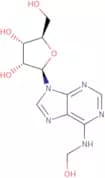



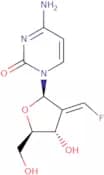
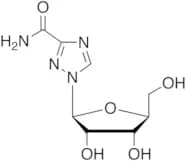

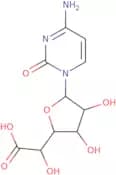
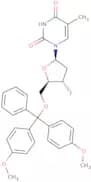
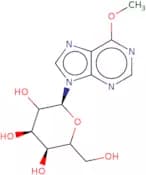

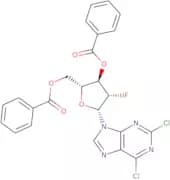
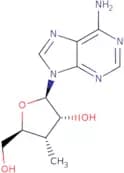

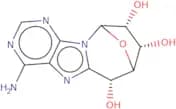
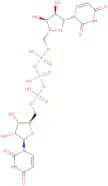


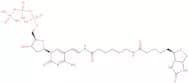

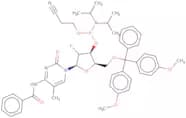
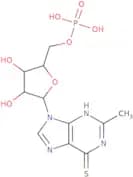
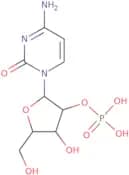
![2',3',5'-Tris-O-[tert-butyldimethylsilyl]-2-chloroadenosine](/_next/image/?url=https%3A%2Fstatic.cymitquimica.com%2Fproducts%2F3D%2Fthumb-webp%2FNT16652.webp&w=3840&q=75)
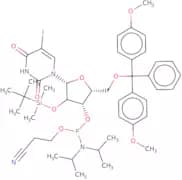
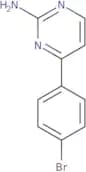
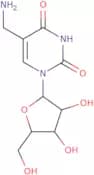
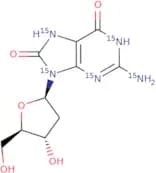

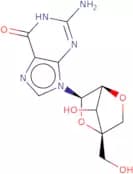
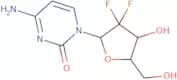
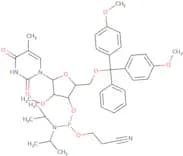
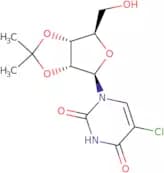
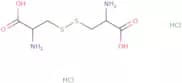
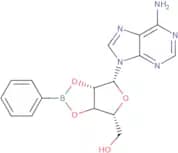


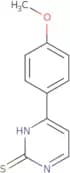
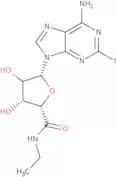
![2,6-Bis-o-[2-(4-nitrophenyl)ethyl]-2'-deoxyxanthosine](/_next/image/?url=https%3A%2Fstatic.cymitquimica.com%2Fproducts%2F3D%2Fthumb-webp%2FYEA10774.webp&w=3840&q=75)


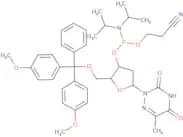
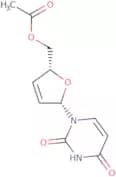
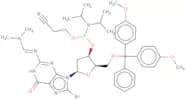
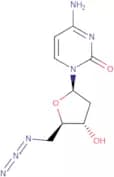
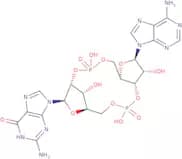

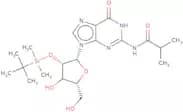
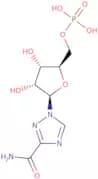
![1-[(5E)-5',6'-Dideoxy-6'-diethoxylphosphinyl-2'-O-methyl-b-D-ribo-hex-5-enofuranosyl]uracil 3'-CE …](/_next/image/?url=https%3A%2Fstatic.cymitquimica.com%2Fproducts%2F3D%2Fthumb-webp%2FPD76593.webp&w=3840&q=75)
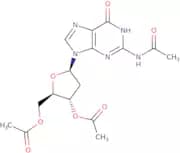

![Tert-Butyl 2-Phenyl-4-(P-Tolylsulfonyloxy)-7,8-Dihydropyrido[4,3-D]Pyrimidine-6(5H)-Carboxylate](/_next/image/?url=https%3A%2Fstatic.cymitquimica.com%2Fproducts%2F3D%2Fthumb-webp%2FNB57393.webp&w=3840&q=75)
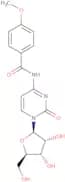

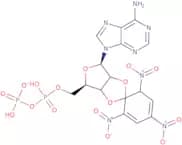
![2-(2-Deoxy-b-D-ribofuranosyl)-2,3,8,9-tetrahydro-7-oxa-2,3,5,6-tetraazabenz[cd]azulen-4-amine](/_next/image/?url=https%3A%2Fstatic.cymitquimica.com%2Fproducts%2F3D%2Fthumb-webp%2FND145590.webp&w=3840&q=75)
![Pyrido[3,4-d]pyrimidine-2,4(1H,3H)-dione](/_next/image/?url=https%3A%2Fstatic.cymitquimica.com%2Fproducts%2F3D%2Fthumb-webp%2FNP44307.webp&w=3840&q=75)
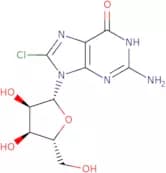
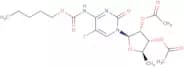

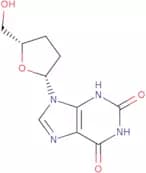
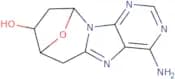

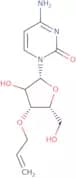
![2'-Deoxyadenosine-5'-[(a,b)-methyleno]triphosphate sodium salt - 10 mM aqueous solution](/_next/image/?url=https%3A%2Fstatic.cymitquimica.com%2Fproducts%2F3D%2Fthumb-webp%2FND46688.webp&w=3840&q=75)
![2'-Deoxyuridine-5'-[(a,b)-methyleno]triphosphate sodium salt - 10 mM aqueous solution](/_next/image/?url=https%3A%2Fstatic.cymitquimica.com%2Fproducts%2F3D%2Fthumb-webp%2FND45198.webp&w=3840&q=75)
![5-[3-(Trifluoroacetamido)-E-1-propenyl]-2’- deoxyuridine](/_next/image/?url=https%3A%2Fstatic.cymitquimica.com%2Fproducts%2F3D%2Fthumb-webp%2FNT57550.webp&w=3840&q=75)
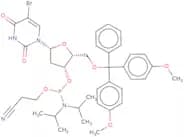

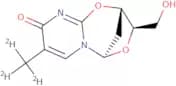
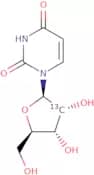
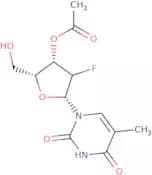
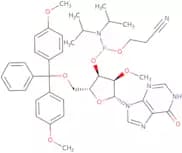

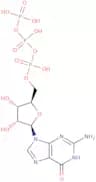
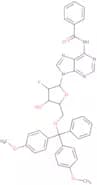
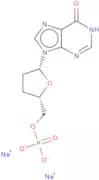

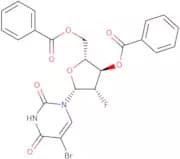
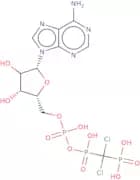
![2'-Deoxyuridine-5'-[(a,b)-methyleno]diphosphate sodium salt - 10mM aqueous solution](/_next/image/?url=https%3A%2Fstatic.cymitquimica.com%2Fproducts%2F3D%2Fthumb-webp%2FND45197.webp&w=3840&q=75)
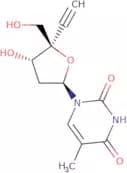
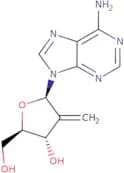
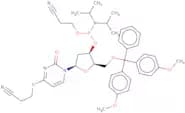


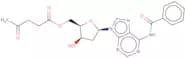




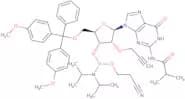

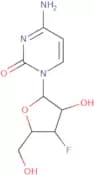
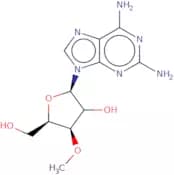
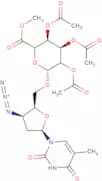
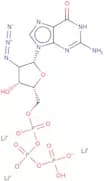
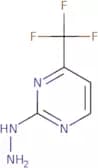
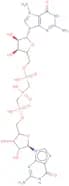
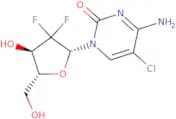

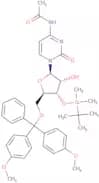

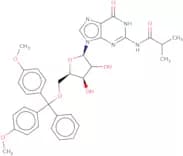

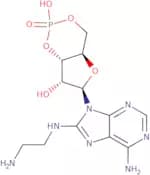
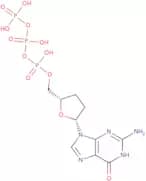

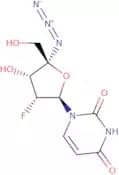
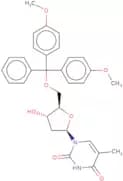
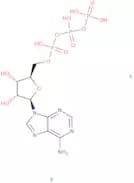

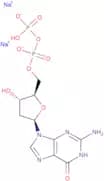

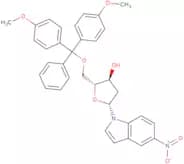
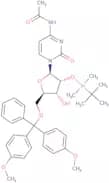
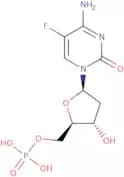
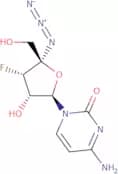

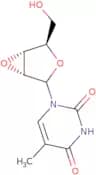
![N-(2-Amino-3,8-dimethylimidazo[4,5-f]quinoxalin-5-yl) 2'-deoxyguanosine](/_next/image/?url=https%3A%2Fstatic.cymitquimica.com%2Fproducts%2F3D%2Fthumb-webp%2FNA16594.webp&w=3840&q=75)
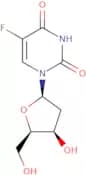

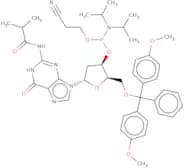
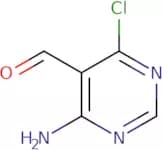
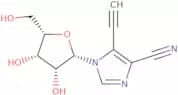
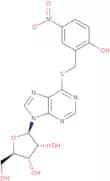


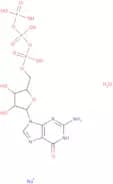
![1-[(5E)-5,6-Dideoxy-6-(diethoxy phosphinyl)-2-O-methyl-beta-D-ribo-hex-5-enofuranosyl]uracil](/_next/image/?url=https%3A%2Fstatic.cymitquimica.com%2Fproducts%2F3D%2Fthumb-webp%2FPD162928.webp&w=3840&q=75)
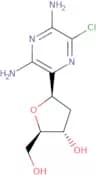
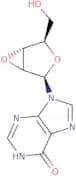

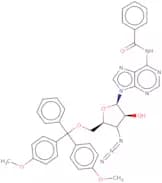

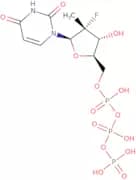
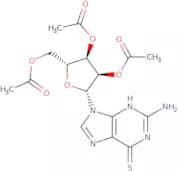
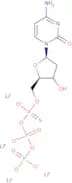
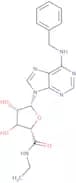
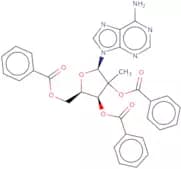
![5-[N-(6-Aminohexyl)-3-E-acrylamido]-2'-deoxy-5'-O-DMT-uridine](/_next/image/?url=https%3A%2Fstatic.cymitquimica.com%2Fproducts%2F3D%2Fthumb-webp%2FNA08232.webp&w=3840&q=75)

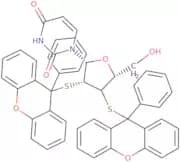


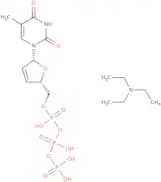
![Pyrazolo[1,5-a]pyrimidine-2-carboxylic acid](/_next/image/?url=https%3A%2Fstatic.cymitquimica.com%2Fproducts%2F3D%2Fthumb-webp%2FNP57366.webp&w=3840&q=75)


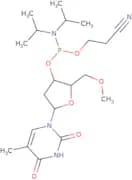
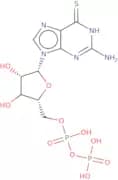


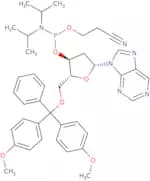
![2,6-Diamino-9-(2'[2-methylacetamido]-b-D-ribofuranosyl)purine](/_next/image/?url=https%3A%2Fstatic.cymitquimica.com%2Fproducts%2F3D%2Fthumb-webp%2FND167504.webp&w=3840&q=75)
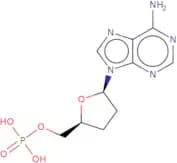
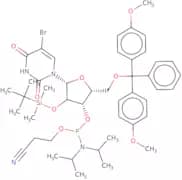
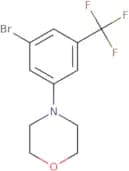
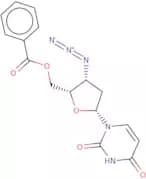
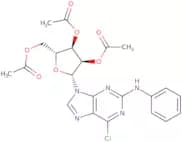
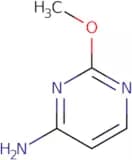
![2',3'-Di-O-acetyl-5'-deoxy-5-fluoro-N-[(2-methylbutoxy)carbonyl]cytidine](/_next/image/?url=https%3A%2Fstatic.cymitquimica.com%2Fproducts%2F3D%2Fthumb-webp%2FND100109.webp&w=3840&q=75)


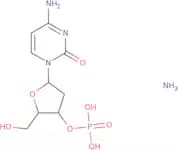
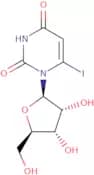
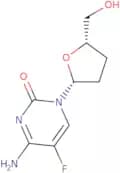
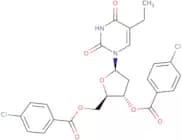
![1,5-Anhydro-4,6-O-benzylidene-2,3-dideoxy-2-[uracil-1-yl]-D-glucitol](/_next/image/?url=https%3A%2Fstatic.cymitquimica.com%2Fproducts%2F3D%2Fthumb-webp%2FNA04723.webp&w=3840&q=75)
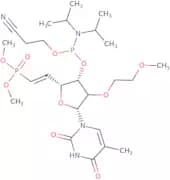
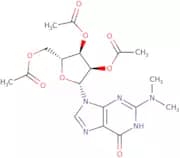




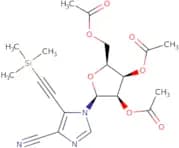
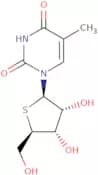
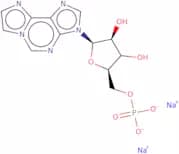



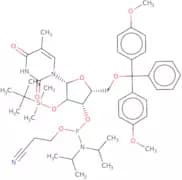
![(2R,3R,4S,5R)-2-[6-Amino-2-(propylsulfanyl)-9H-purin-9-yl]-5-(hydroxymethyl)oxolane-3,4-diol](/_next/image/?url=https%3A%2Fstatic.cymitquimica.com%2Fproducts%2F3D%2Fthumb-webp%2FGBA52853.webp&w=3840&q=75)