Otros
Se han encontrado 6278 productos de "Otros"
Ordenar por
Pureza (%)
0
100
|
0
|
50
|
90
|
95
|
100
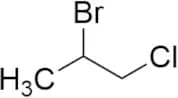
2-Bromo-1-chloropropane
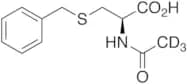
CAS:Fórmula:C3H6BrClPureza:>90%Forma y color:Colourless LiquidPeso molecular:157.44N-(Acetyl-d3)-S-benzyl-L-cysteine
CAS:Producto controlado<p>Applications A labelled metabolite of Toluene.<br>References Gargas, M., et al.: Toxicol. Appl. Pharmacol., 98, 87 (1989), Commandeur, J., et al.: Pharmacol. Rev., 47(2), 271 (1995), Campo, P., et al.: Neurotoxicol. Teratol., 21, 427 (1999), Lohse, C., et al.: J. Agr. Food Chem., 48, 5913 (2000),<br></p>Fórmula:C122H3H12NO3SForma y color:White To Off-WhitePeso molecular:256.34Ref: 10-F609857
1gA consultar2gA consultar5gA consultar10gA consultar100mgA consultar250mgA consultar500mgA consultar(1Z)-N,5,5-Trimethyl-3-(methylamino)cyclohex-2-en-1-iminium iodide
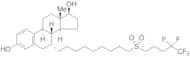
CAS:Pureza:96%Peso molecular:294.17999267578125Fulvestrant 9-Sulfone
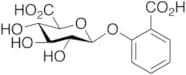
CAS:Producto controlado<p>Impurity Fulvestrant EP Impurity B<br>Applications A metabolite of Fulvestrant (F862500).<br>References Rao, P., et al.: J. Steroid Biochem., 25, 417 (1986), Wakeling, A., et al.: J. Steroid Biochem. Mol. Biol., 43, 173 (1992), DeFriend, D., et al.: Cancer Res., 54, 408 (1994),<br></p>Fórmula:C32H47F5O4SForma y color:NeatPeso molecular:622.77Salicylic Acid β-D-O-Glucuronide
CAS:Producto controlado<p>Applications Salicylic Acid β-D-O-Glucuronide is a metabolite of Acetylsalicylic Acid (Aspirin) (A187780).<br>References Grootveld, M., et al.: Biochem. Pharmacol., 37, 271 (1988), Subbegowda, R., et al.: Cancer Res., 58, 2772 (1998), Yoshida, Y., et al.: Eur. J. Pharmacol., 349, 49 (1998),<br></p>Fórmula:C13H14O9Forma y color:NeatPeso molecular:314.247-(6-(2-Hydroxypropan-2-yl)pyridin-3-yl)-1-(trans-4-methoxycyclohexyl)-3,4-dihydropyrazino[2,3-b]pyrazin-2(1H)-one
CAS:Pureza:98.0%Peso molecular:397.2113897242,3-Dihydro-1-(3-hydroxypropyl)-5-[(2R)-2-[[2-[2-(2,2,2-trifluoroethoxy)phenoxy]ethyl]amino]propyl]
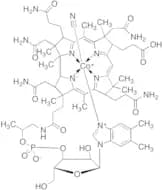
CAS:Producto controlado<p>Applications An impurity in the synthesis of Silodosin (S465000), an α1a-adrenoceptor antagonist. It is used in treatment of benign prostatic hypertophy.<br>References Barve, I. et al.: Tetra., 69, 2834 (2013); Shibata, K., et al.: Mol. Pharmacol., 48, 250 (1995), Murata, S., et al.: J. Urol., 164, 578 (2000),<br></p>Fórmula:C25H30F3N3O3Forma y color:Light YellowPeso molecular:477.52Cyanocobalamin-b-carboxylic Acid
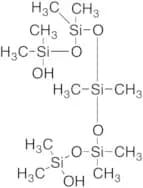
CAS:<p>Applications Cyancobalamin-b-carboxylic Acid is a Vitamin B12 (V676005) derivative, which is a water-soluble vitamin with a key role in the normal functioning of the brain and nervous system, and for the formation of blood.<br>References Rickes, et al.: Science, 107, 396 (1948); Kirschbaum, J., et al.: Anal. Profiles Drug Subs., 10, 183 (1981); Grasbeck, R., et al.: Clin. Biochem., 17, 99 (1984)<br></p>Fórmula:C63H87CoN13O15PForma y color:NeatPeso molecular:1356.35Decamethyl-1,9-Pentasiloxanediol
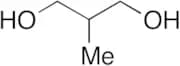
CAS:Producto controladoFórmula:C10H32O6Si5Forma y color:ColourlessPeso molecular:388.782-Methyl-1,3-propandiol (b-Hydroxyisobutanol)
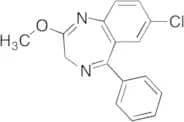
CAS:Producto controlado<p>Applications β-Hydroxyisobutanol is used as a reagent in the synthesis of pyrazolo[1,5-a]pyridinecarbonyl-substituted spirocyclic piperidine ketals as inhibitors of HCV protein NS4B and of hepatitis C viral replication and their lack of cytotoxicity in human cells.<br>References Tai, V.W.-F., et al.: Bioorg. Med. Chem. Lett., 24, 2288 (2014);<br></p>Fórmula:C4H10O2Forma y color:ColourlessPeso molecular:90.1217-Chloro-2-methoxy-5-phenyl-3H-1,4-benzodiazepine
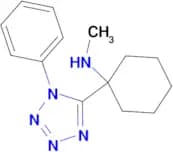
CAS:Producto controlado<p>Impurity Diazepam<br>Applications 7-Chloro-2-methoxy-5-phenyl-3H-1,4-benzodiazepine is an impurity of Diazepam (D416855), which is an anxiolytic, muscle relaxant, and anticonvulsant medication.<br>References MacDonald, A., et al.: Anal. Profiles Drug Subs., 1, 79 (1972); Mandelli, M., et al.: Clin. Pharmacokinet., 3, 72 (1978); Bertilsson, L., et al.: Pharmacol. Ther., 45, 85 (1990); Murray, J.B., et al.: J. Psychol., 124, 655 (1990); Pellock, J.M., et al.: Drug Saf., 27, 383 (2004);<br></p>Fórmula:C16H13ClN2OForma y color:White SolidPeso molecular:284.74N-methyl-1-(1-phenyl-1H-tetrazol-5-yl)cyclohexanamine
CAS:Pureza:95.0%Peso molecular:257.34100341796875MDV 3100-d3
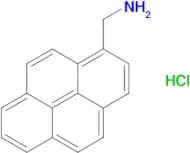
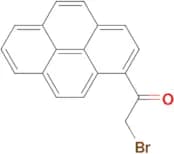
CAS:Producto controlado<p>Applications Labelled MDV 3100. MDV 3100 is an androgen-receptor antagonist that blocks androgens from binding to the androgen receptor and prevents nuclear translocation and co-activator recruitment of the ligand-receptor complex. MDV 3100 has also been shown to induce tumor cell apoptosis, and has no agonist activity. MDV 3100 is a candidate for the treatment of castration-resistant prostate cancer.<br>References Scher, H.I. et al.: Lancet, 375, 1437 (2010); Bellmunt, J. et al.: Ther. Adv. Med. Oncol., 2, 189 (2010); Ryan, C.J. et al.: J. Clin. Oncol., 29, 3651 (2011);<br></p>Fórmula:C21H13D3F4N4O2SForma y color:NeatPeso molecular:467.45Pyren-1-ylmethanamine hydrochloride
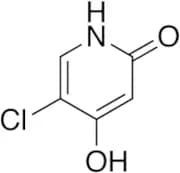
CAS:Pureza:97.0%Forma y color:SolidPeso molecular:267.760009765625Gimeracil
CAS:Producto controlado<p>Applications Gimeracil is an antitumor agent. Gimeracil is a potent inhibitor of dihydropyrimidine dehydrogenase (DPD).<br>References Shirasaka, T., et al.: Cancer Res., 56, 2602 (1996), Patt, Y., et al.: J. Clin. Oncol., 22, 271 (2004), Shirao, K., et al.: Cancer, 100, 2355 (2004), Kelly, H., et al.: J. Clin. Oncol., 23, 4553 (2005),<br></p>Fórmula:C5H4ClNO2Forma y color:NeatPeso molecular:145.54α-Methyl-5-oxo-5H-[1]benzopyrano[2,3-b]pyridine-7-acetic Acid
CAS:<p>Applications 7-Ethyl-5-oxo-5H-[1]benzopyrano[2,3-b]pyridine is known to show antihistiminic and anaphylactic compounds. Maintains potential anti-inflammatory compounds.<br>References Valhondo, M. et al.: J. Med. Chem., 56, 7851 (2013); Ozcan, S. et al.: J. Med. Chem., 56, 3783 (2013); Tozzi, S. et al.: J. Med. Chem., 18, 1 (1975);<br></p>Fórmula:C15H11NO4Forma y color:NeatPeso molecular:269.2521(trans,trans)-4-Pentylphenyl 4'-propyl-[1,1'-bi(cyclohexane)]-4-carboxylate
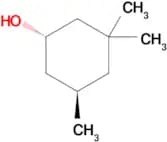
CAS:Pureza:97.0%Forma y color:Liquid, No data available.Peso molecular:398.63101196289061,3,5-Trimethyladamantane
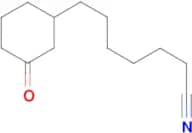
CAS:Producto controlado<p>Applications An alkyladamantane derivative that are biotransformed via strains of Pseudomonas. It is used to study alkyladamantane adsorption on graphitized thermal carbon black.<br>References Yashkin, S.N. et al.: Rus. Che,. Bull., 57, 2472 (2008); Slepen’kin, A. et al.: Nefeckhim., 33, 406 (1993);<br></p>Fórmula:C13H22Forma y color:NeatPeso molecular:178.317-(3-oxocyclohexyl)heptanenitrile
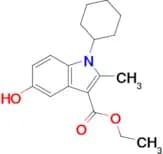
CAS:Pureza:97.0%Forma y color:LiquidPeso molecular:207.31700134277344Ethyl 1-cyclohexyl-5-hydroxy-2-methyl-1h-indole-3-carboxylate
CAS:Pureza:98+%Peso molecular:301.385986328125Rhodamine B
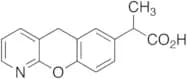
CAS:Producto controlado<p>Stability Light Sensitive<br>Applications Rhodamine B is used in biological studies for an anti-reactive oxygen species/hepatic fibrosis drug delivery system based on salvianolic acid B loaded mesoporous silica nanoparticles. Dyes and metabolites, Environmental Testing.<br>References He, Q., et al.: Biomaterials, 31, 7785 (2010)<br></p>Fórmula:C28H31N2O3·ClForma y color:RedPeso molecular:479.01Pranoprofen
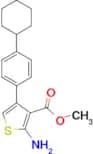
CAS:Producto controlado<p>Applications Pranoprofen is an anti-inflammatory used in ophthalmology.<br>References Ayaki, M., et al.: Biocont. Sci., 15, 97 (2010); Lee, X., et al.: For. Toxicol., 28, 96 (2010);<br></p>Fórmula:C15H13NO3Forma y color:Off White CrystallinePeso molecular:255.272-Amino-4-(4-cyclohexyl-phenyl)-thiophene-3-carboxylic acid methyl ester
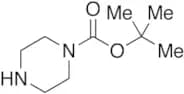
CAS:Fórmula:C18H21NO2SPureza:97%Forma y color:SolidPeso molecular:315.43N-Boc-piperazine
CAS:<p>Applications N-Boc-piperazine (cas# 57260-71-6) is a compound useful in organic synthesis.<br></p>Fórmula:C9H18N2O2Forma y color:NeatPeso molecular:186.252-[1-(Aminomethyl)cyclohexyl]acetic acid
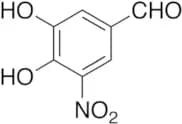
CAS:Pureza:97.0%Forma y color:Solid, Off-white crystalline powderPeso molecular:171.240005493164063,4-Dihydroxy-5-nitrobenzaldehyde
CAS:Producto controladoFórmula:C7H5NO5Forma y color:NeatPeso molecular:183.124,4'-[[(1-Methylethyl)imino]bis[(2-hydroxy-3,1-propanediyl)oxy]]bis-benzeneacetamide (Atenolol Impurity F)
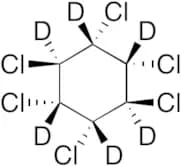
CAS:<p>Impurity Atenolol USP Related Compound D; Atenolol EP Impurity F<br>Applications 4,4'-[[(1-methylethyl)imino]bis[(2-hydroxy-3,1-propanediyl)oxy]]bis-benzeneacetamide (Atenolol USP Related Compound D; Atenolol EP Impurity F) is an impurity of Atenolol (A790075), a cardioselective β-adrenergic blocker.<br>References Caplar, V., et al.: Anal. Profiles Drug Subs., 13, 1 (1984); Caplar, V., et al.: Acta. Pharma. Jugoslavica., 33, 71 (1983);<br></p>Fórmula:C25H35N3O6Forma y color:Off-WhitePeso molecular:473.56Lindane-d6
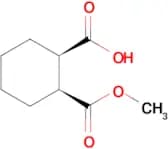
CAS:Producto controlado<p>Applications Lindane-d6 is very toxic. It was an effective insecticide on mosquitoes, house flies, and on German and American cockroaches.<br>References Tanaka, K., et al.: Pestic. Biochem. Physiol., 6, 386-391 (1976)<br></p>Fórmula:C62H6Cl6Forma y color:Off WhitePeso molecular:296.87(1R,2S)-2-(methoxycarbonyl)cyclohexane-1-carboxylic acid
CAS:Pureza:98%Forma y color:SolidPeso molecular:186.20700074,4'-(Propane-2,2-diyl)dicyclohexanone
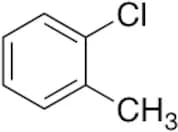
CAS:Pureza:95.0%Forma y color:Solid, White to slightly pale yellow powderPeso molecular:236.354995727539062-Chlorotoluene
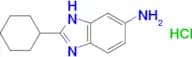
CAS:<p>Applications 2-CHLOROTOLUENE (cas# 95-49-8) is a useful research chemical.<br> Not a dangerous good if item is equal to or less than 1g/ml and there is less than 100g/ml in the package<br></p>Fórmula:C7H7ClForma y color:NeatPeso molecular:126.582-Cyclohexyl-1 H -benzoimidazol-5-ylamine hydrochloride
Fórmula:C13H18ClN3Forma y color:SolidPeso molecular:251.76trans-2-Fluorocyclohexanol
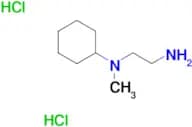
CAS:Pureza:97.0%Forma y color:Solid, CrystallinePeso molecular:118.1510009765625N1-Cyclohexyl-N1-methylethane-1,2-diamine dihydrochloride
CAS:Pureza:95.0%Peso molecular:229.19000244140625((1S,2S,5R)-2-Isopropyl-5-methylcyclohexyl)diphenylphosphine
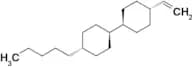
CAS:Fórmula:C22H29PPureza:98%Forma y color:SolidPeso molecular:324.448(trans,trans)-4-Pentyl-4'-vinyl-1,1'-bi(cyclohexane)
CAS:Pureza:95.0%Forma y color:SolidPeso molecular:262.48098754882812',3,4,5-Tetrafluoro-4'-(trans-4-propylcyclohexyl)biphenyl
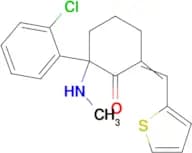
CAS:Pureza:97.0%Forma y color:SolidPeso molecular:350.40100097656252-(2-Chlorophenyl)-2-(methylamino)-6-(thiophen-2-ylmethylidene)cyclohexan-1-one
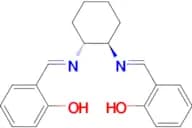
CAS:Pureza:98%Peso molecular:331.862,2'-(1E,1'E)-(TRANS (+/-)-CYCLOHEXANE-1,2- DIYLBIS(AZAN-1-YL-1-YLIDENE)BIS(METHAN-1-YL-1-YLIDENE)DIPHENOL
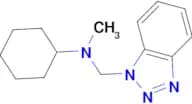
CAS:Pureza:95.0%Forma y color:Liquid, No data available.Peso molecular:322.4079895019531N-(1H-1,2,3-Benzotriazol-1-ylmethyl)-N-methylcyclohexanamine
CAS:Pureza:95.0%Peso molecular:244.3419952392578Ref: 10-F468985
1gA consultar2gA consultar5gA consultar100mgA consultar250mgA consultar500mgA consultar1-((4'-methoxy-[1,1'-biphenyl])-4-sulfonamido)cyclohexane-1-carboxylic acid
CAS:Pureza:95.0%Peso molecular:389.47000122070313,4-Difluoro-4'-(4'-pentyl-[1,1'-bi(cyclohexan)]-4-yl)-1,1'-biphenyl
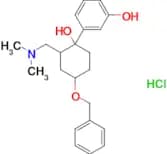
CAS:Pureza:98%Peso molecular:424.61999511718753-(4-(Benzyloxy)-2-((dimethylamino)methyl)-1-hydroxycyclohexyl)phenol hydrochloride
CAS:Pureza:95.0%Peso molecular:391.94000244140625Ref: 10-F530504
1gA consultar2gA consultar5gA consultar100mgA consultar250mgA consultar500mgA consultar2-Amino-4-(4-cyclohexyl-phenyl)-5-methyl-thiophene-3-carboxylic acid methyl ester
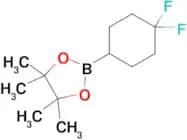
CAS:Peso molecular:329.45999145507812-(4,4-Difluorocyclohexyl)-4,4,5,5-tetramethyl-1,3,2-dioxaborolane
CAS:Pureza:97%Peso molecular:246.10000610351562Lindane
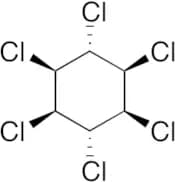
CAS:Producto controlado<p>Applications Lindane is an insecticide that is used as a treatment for scabies and lice. Lindane has been used as a broad-spectrum insecticide for seed and soil treatment, foliar applications, tree and wood treatment and against ectoparasites in both veterinary and human applications. Lindane is persistent, bioaccumulates easily in the food chain and bioconcentrates rapidly. There is evidence for long-range transport and toxic effects (immunotoxic, reproductive and developmental effects) in laboratory animals and aquatic organisms. One of the new POPs under the Stockholm Convention.<br> Not a dangerous good if item is equal to or less than 1g/ml and there is less than 100g/ml in the package<br>References Bist, R., et al.: Int. J. Pharm. Pharma. Sci., 4, 117 (2012); Heinz, M., et al.: Human. Health. Handbook., 1, 355 (2012); Bay, S.M., et al.: Enviro. Toxciol. Chem., 31, 2711 (2012);<br></p>Fórmula:C6H6Cl6Forma y color:White To Off-WhitePeso molecular:290.83Perfluorophenol
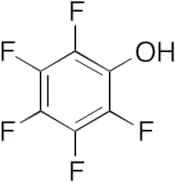
CAS:Producto controlado<p>Applications Perfluorophenol is used in the synthesis of PGA-films as biodegradable polymers. It also participates in the synthesis of tripod macrocyclic Gd(III) chelates for cancer molecular MRI.<br>References Lee, K. et al.: Langmuir., 20, 2531 (2004); Zhou, Z. et al.: Biomater., 34, 7683 (2013);<br></p>Fórmula:C6HF5OForma y color:NeatPeso molecular:184.06N-Demethyl Chlordiazepoxide
CAS:Producto controlado<p>Applications The main metabolite of Chlordiazepoxide (C327050).<br>References Barbone, F., et al.: Lancet, 352, 1331 (1998); Miki, A., et al.: J. Anal. Toxicol., 26, 87 (2002);<br></p>Fórmula:C15H12ClN3OForma y color:Off-White To Light YellowPeso molecular:285.737b-Fulvestrant
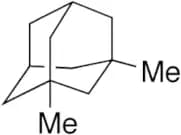
CAS:Producto controlado<p>Impurity Fulvestrant EP Impurity A<br>Applications Fulvestrant (F862500) impurity A. The S-isomer of Fulvestrant.<br>References Sharman, G.J., et al.: Mag. Resonance Chem., 39, 549 (2001),<br></p>Fórmula:C32H47F5O3SForma y color:Light Brown SolidPeso molecular:606.771,3-Dimethyladamantane
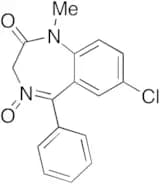
CAS:<p>Impurity Memantine Related Compound A (1,3-Dimethyladamantane)<br>Applications 1,3-Dimethyladamantane is a dimethylated adamantane derivative. Memantine impurity A. Memantine Related Compound A (1,3-Dimethyladamantane).<br> Not a dangerous good if item is equal to or less than 1g/ml and there is less than 100g/ml in the package<br></p>Fórmula:C12H20Forma y color:NeatPeso molecular:164.29Diazepam N-Oxide
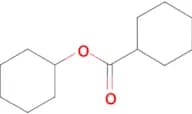
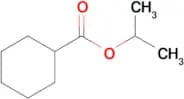
CAS:Producto controlado<p>Applications Diazepam N-Oxide is a derivative of Diazepam (D416855), an anxiolytic.<br>References MacDonald, A., et al.: Anal. Profiles Drug Subs., 1, 79 (1972); Mandelli, M., et al.: Clin. Pharmacokinet., 3, 72 (1978); Bertilsson, L., et al.: Pharmacol. Ther., 45, 85 (1990); Murray, J.B., et al.: J. Psychol., 124, 655 (1990); Pellock, J.M., et al.: Drug Saf., 27, 383 (2004)<br></p>Fórmula:C16H13ClN2O2Forma y color:NeatPeso molecular:300.74Methyl cyclohexanecarboxylate
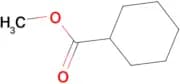
CAS:Fórmula:C8H14O2Pureza:98.0%Forma y color:LiquidPeso molecular:142.1987-Hydroxy Memantine Hydrochloride
CAS:Producto controlado<p>Stability Hygroscopic<br>Applications A metabolite of Memantine (M218000), used for the treatment of neurological disorders.<br>References Eiichi, K., et al.: Chem. Pharm. Bull., 33, 4680 (1985),<br></p>Fórmula:C12H21NO·ClHForma y color:NeatPeso molecular:231.76N-(3-(3-Cyano-7-oxo-4,7-dihydropyrazolo[1,5-a]pyrimidin-5-yl)phenyl)-N-ethylacetamide
Producto controlado<p>Applications N-(3-(3-Cyano-7-oxo-4,7-dihydropyrazolo[1,5-a]pyrimidin-5-yl)phenyl)-N-ethylacetamide is an impurity of Zaleplon (Z145000), Selective non-benzodiazepine GABAA receptor agonist.<br>References Allen, D., et al.: Eur. J. Clin. Pharmacol., 45, 313 (1993), Beer, B., et al.: J. Clin. Pharmacol., 34, 335 (1994), Rosen, A.S., et al.: Biopharm. Drug Dispos., 20, 171 (1999), Elie, R., et al.: J. Clin. Psychiatry, 60, 536 (1999), Heydorn, W.E., et al.: Expert Opin. Invest. Drugs, 9, 841 (2000)<br></p>Fórmula:C17H15N5O2Forma y color:White To Off-WhitePeso molecular:321.33MDV 3100-d6 (Enzalutamide-d6)
CAS:Producto controlado<p>Applications Isotope labelled MDV 3100 is an androgen-receptor antagonist that blocks androgens from binding to the androgen receptor and prevents nuclear translocation and co-activator recruitment of the ligand-receptor complex. MDV 3100 has also been shown to induce tumor cell apoptosis, and has no agonist activity. MDV 3100 is a candidate for the treatment of castration-resistant prostate cancer.<br></p>Fórmula:C21H10D6F4N4O2SForma y color:NeatPeso molecular:470.48Zopiclone
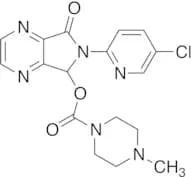
CAS:Producto controlado<p>Stability Hygroscopic<br>Applications Cyclopyrrolone member of a family of non-benzodiazepine GABAA receptor agonists. This is a controlled substance (depressant) in the US but not in Canada. Sedative, hypnotic.<br>References Noble, S., et al.: Drugs, 55, 277 (1998), Musch, B., et al.: Int. J. Clin. Psychopharmacol., 5, 147 (1990),<br></p>Fórmula:C17H17ClN6O3Forma y color:White To Off-WhitePeso molecular:388.817-Methyl Memantine Hydrochloride
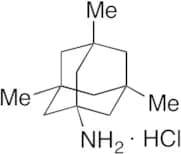
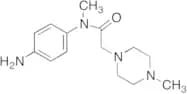
CAS:<p>Stability Hygroscopic<br>Applications 7-Methyl Memantine is an impurity of Memantine (HCl salt, M218000) which is used as an antiparkinsonian and antispasmodic.<br>References Rohde, H., et al.: Fortschr. Med., 100, 2023 (1982), Kornhuber, J., et al.: Eur. J. Pharmacol., 166, 589 (1989), Gortelmeyer, R. and Erbler, H.: Arzneimittel-Forsch., 42, 904 (1992)<br></p>Fórmula:C13H23N·ClHForma y color:White SolidPeso molecular:229.79N-(4-Aminophenyl)-N-methyl-2-(4-methylpiperazin-1-yl)acetamide
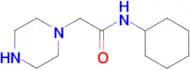
CAS:Fórmula:C14H22N4OForma y color:Off-White To BeigePeso molecular:262.35N-Cyclohexyl-2-piperazin-1-yl-acetamide
CAS:Pureza:98.0%Forma y color:SolidPeso molecular:225.33599853515625Ethyl 4-cyclohexyl-3-oxobutanoate
CAS:Pureza:95.0%Forma y color:Liquid, No data available.Peso molecular:212.289001464843754-[[4-Fluoro-3-(1-piperazinylcarbonyl)phenyl]methyl]-1(2H)-phthalazinone
CAS:Producto controladoFórmula:C20H19FN4O2Forma y color:Off-WhitePeso molecular:366.39Zafirlukast
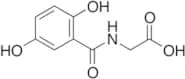
CAS:Producto controlado<p>Applications A potent, selective and orally active cysteinyl leukotriene type 1 receptor antagonist. Used as an antiasthmatic.<br> Not a dangerous good if item is equal to or less than 1g/ml and there is less than 100g/ml in the package<br>References Matassa, V.G., et al.: J. Med. Chem., 33, 1781 (1990), Findlay, S.R., et al.: J. Allergy Clin. Immunol., 89, 1040 (1992), Krell, R.D., et al.: Am. Rev. Respir. Dis., 141, 978 (1990), Dunn, C.J., Drugs, 61, 285 (2001),<br></p>Fórmula:C31H33N3O6SForma y color:Pink Light OrangePeso molecular:575.68Gentisuric Acid
CAS:<p>Applications Gentisuric Acid is a metabolite that was found in hen plasma, tissues, and eggs as a result of the consumption of naturally occurring salicylates.<br>References Protasiuk, E., & Olejnik, M.: Food Addit. Contam. Part A, 37, 946 (2020)<br></p>Fórmula:C9H9NO5Forma y color:NeatPeso molecular:211.17{5-[1-(benzylamino)cyclohexyl]-1H-tetrazol-1-yl}acetic acid
CAS:Pureza:95.0%Peso molecular:315.37701416015625Silodosin
CAS:<p>Applications Silodosin is an α1a-adrenoceptor antagonist. It is used in treatment of benign prostatic hypertrophy.<br>References (1) Shibata, K., et al.: Mol. Pharmacol., 48, 250 (1995) (2) Murata, S., et al.: J. Urol., 164, 578 (2000)<br></p>Fórmula:C25H32F3N3O4Forma y color:NeatPeso molecular:495.53(S)-Prunasin
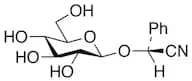
CAS:<p>Stability Unstable in Methanol<br>Applications Used in the synthesis of cyanogen glycoside. A component contains in antiperspirants, deodorants, body soaps, shampoos, hair rinses, and hair; it inhibits volatile steroid formation by resident bacteria.<br> Not a dangerous good if item is equal to or less than 1g/ml and there is less than 100g/ml in the package<br>References Marouf, A., et al.: Pharm. Biol., 39, 263 (2001), Fukuda, T., et al.: Biol. Pharm. Bull., 26, 271 (2003), Butler, M., et al.: J. Nat. Prod., 67, 2141 (2004), He, J., et al.: J. Nat. Prod., 69, 121 (2006),<br></p>Fórmula:C14H17NO6Forma y color:White To Off-WhitePeso molecular:295.292-cyclohexyl-1H-1,3-benzodiazole-4-carboxylic acid
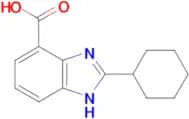
CAS:Pureza:95.0%Forma y color:Liquid, No data available.Peso molecular:244.29400634765625Bimatoprost-d5
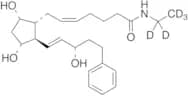
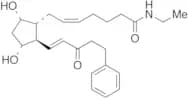
CAS:Producto controlado<p>Applications Labelled Bimatoprost (B386800). Bimatoprost is an antiglaucoma agent. Bimatoprost is an synthetic prostamide; structurally related to prostaglandin F2α.<br>References Brandt, J.D., et al.: Ophthalmology, 108, 1023 (2001), Woodward, D.F., et al.: J. Pharmacol. Exp. Ther., 305, 772 (2003), Quinones, R., et al.: J. Ocul. Pharmacol. Ther., 20, 115 (2004),<br></p>Fórmula:C25H32D5NO4Forma y color:NeatPeso molecular:420.615-Keto Bimatoprost
CAS:<p>Applications 15-Keto Bimatoprost is an impurity of Bimatoprost (B386800). Bimatoprost impurity III.<br>References Stjernschantz, J., et al.: Drugs Fut., 17, 691 (1992), Resul, B., et al.: J. Med. Chem., 36, 243 (1993),<br></p>Fórmula:C25H35NO4Forma y color:NeatPeso molecular:413.55Ref: 10-F654194
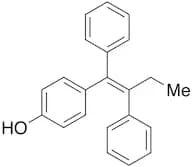
1gA consultar5gA consultar10gA consultar100mgA consultar250mgA consultar500mgA consultar(Z)-1,2-Diphenyl-1-(4-hydroxyphenyl)-1-butene (contain up to 10% E-isomer)
CAS:Producto controladoFórmula:C22H20OForma y color:NeatPeso molecular:300.394N-(3-(3-Cyano-7-oxo-4,7-dihydropyrazolo[1,5-a]pyrimidin-5-yl)phenyl)-N-(ethyl-d5)acetamide
Producto controladoFórmula:C17H10D5N5O2Forma y color:NeatPeso molecular:326.36C-Desmethyl Atenolol
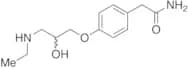
CAS:Producto controlado<p>Impurity Atenolol Desmethyl Impurity<br>Applications Cis-Desmethyl Atenolol is an impurity of Atenolol (A790075), a cardioselective β-adrenergic blocker and antihypertensive agent. Atenolol Desmethyl Impurity<br>References Caplar, V., et al.: Anal. Profiles Drug Subs., 13, 1 (1984);<br></p>Fórmula:C13H20N2O3Forma y color:White To Off-WhitePeso molecular:252.31Naphthol AS-BI β-L-fucopyranoside
CAS:<p>Substrate for the detection of beta-D-fucosidase</p>Fórmula:C24H24BrNO7Pureza:Min. 95%Peso molecular:518.35 g/mol6-Chloro-3-indoxyl-α-D-glucopyranoside
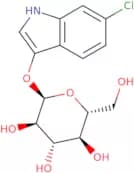
CAS:<p>Chromogenic substrate for α-glucosidase yielding a salmon-colored precipitate.</p>Fórmula:C14H16ClNO6Pureza:Min. 98 Area-%Peso molecular:329.74 g/molRef: 3D-C-5015
1gA consultar5gA consultar10gA consultar25gA consultar2500mgA consultar-Unit-ggA consultar3,4-Cyclohexenoesculetine β-D-glucopyranoside
CAS:<p>Chromogenic substrate for beta-glucosidase</p>Fórmula:C19H22O9Pureza:Min. 95%Forma y color:PowderPeso molecular:394.37 g/mol8-Hydroxyquinoline-beta-D-glucuronic acid, sodium salt
CAS:<p>8-Hydroxyquinoline-beta-D-glucuronic acid, sodium salt is a fluorogenic substrate that can be used for enzymatic detection of peroxidase. The substrate is available in a variety of forms, including powder and liquid. This product has been tested for environmental and bioluminescence activity, as well as food safety. It has also been shown to be a useful ligand in immunoassays.</p>Fórmula:C15H14NNaO7Pureza:Min. 98 Area-%Forma y color:White PowderPeso molecular:343.26 g/mol4-Nitrophenyl-β-D-fucopyranoside
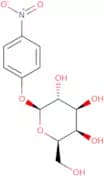
CAS:<p>A chromogenic substrate for β-galactosidase.</p>Fórmula:C12H15NO7Pureza:Min. 99 Area-%Peso molecular:285.26 g/molN,N,N',N'-Tetramethyl-p-phenylenediamine dihydrochloride
CAS:<p>Reducing co-substrate for heme peroxidases; test reagent in microbiology</p>Fórmula:C10H16N2·2HClPureza:Min. 95%Forma y color:White PowderPeso molecular:237.17 g/mol5-Bromo-4-chloro-3-indoxyl caprylate
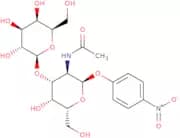
CAS:<p>Chromogenic substrate for esterase with C8 activity yielding a blue precipitate upon cleavage.</p>Fórmula:C16H19BrClNO2Pureza:Min. 99 Area-%Peso molecular:372.70 g/mol4-Nitrophenyl 2-acetamido-2-deoxy-4-O-(β-D-galactopyranosyl)-β-D-glucopyranoside
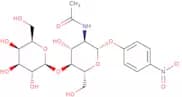
CAS:<p>4-Nitrophenyl 2-acetamido-2-deoxy-4-O-(b-D-galactopyranosyl)-b-D-glucopyranoside is an efficient chromogenic pNP enzyme substrate ideal for monitoring enzyme activity and understanding carbohydrate metabolism. This galacto-glucoside compound is designed specifically for use with glycosidases such as hexosaminidases and delivers unparalleled performance in your enzymatic assays.</p>Fórmula:C20H28N2O13Pureza:Min. 95%Forma y color:White PowderPeso molecular:504.44 g/mol3-Nitrophenyl a-D-galactopyranoside
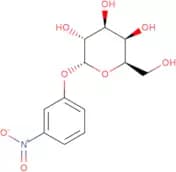
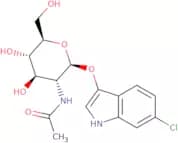
CAS:<p>3-Nitrophenyl alpha-D-galactopyranoside is a chromogenic substrate to measure the activity of the alpha-galactosidase enzymes. Upon hydrolysis by galactosidase, 3NPG releases a yellowish product, 3-nitrophenol, which can be easily measured spectrophotometrically. Some of the applications include enzyme assays, screening for alpha-galactosidase-producing microorganisms, and studying the kinetics and inhibition of alpha-galactosidase enzymes.</p>Pureza:Min. 95%Forma y color:PowderPeso molecular:301.25 g/mol6-Chloro-3-indolyl 2-acetamido-2-deoxy-β-D-glucopyranoside
CAS:<p>6-Chloro-3-indolyl 2-acetamido-2-deoxy-b-D-glucopyranoside is a pink enzyme substrate commonly used in biochemical research and diagnostic applications. This compound is a derivative of indolyl glucopyranoside, which is known for its ability to produce a colored product upon enzymatic hydrolysis. 6-Chloro-3-indolyl 2-acetamido-2-deoxy-b-D-glucopyranoside is particularly useful for studying glycosidases, enzymes that cleave glycosidic bonds in complex carbohydrates. Its pink coloration makes it an ideal choice for colorimetric assays, enabling researchers to monitor enzyme activity in real-time and facilitating the development of new diagnostic tools and therapeutic strategies.</p>Fórmula:C16H19ClN2O6Pureza:Min. 95%Forma y color:White to off-white solid.Peso molecular:370.78 g/molAldol® 518 ammonium myo-inositol-1-phosphate, Biosynth Patent: EP 2427431 and US 8940909
CAS:<p>Aldol® 518 myo-inositol phosphate is a chromogenic and fluorogenic enzyme substrate used for detection of phosphatidylinositol specific phospholipase C (PI-PLC, EC 4.6.1.13) activity. The colorless enzyme substrate is cleaved by PI-PLC positive microorganisms grown in liquid or solid media, yielding intense red color. In combination with Aldol® 355 fluorescence enhancer, red fluorescence can also be obtained. Aldol® 518 myo-inositol phosphate thus enables the detection and identification of various bacteria, such as, pathogenic strains of Listeria, Clostridium, Bacillus, and Staphylococcus species. Aldol® 518 myo-inositol phosphate is suitable for use under aerobic and anaerobic conditions.</p>Fórmula:C29H33ClN3O10PPureza:Min. 95.0 Area-%Peso molecular:650.02 g/mol5-Bromo-4-chloro-3-indolyl palmitate
CAS:<p>5-Bromo-4-chloro-3-indolyl palmitate is a chromogenic substrate used to detect the specific enzymatic activity of lipase. After cleavage, 5-bromo-4-chloro-indoxyl is released, resulting in a blue to blue-green color change in bacterial colonies or media. 5-Bromo-4-chloro-3-indolyl palmitate is used in lipase activity assays or cystic fibrosis diagnostics.</p>Pureza:Min. 95%Forma y color:PowderPeso molecular:484.9 g/mol5-Bromo-4-chloro-3-indolyl a-L-arabinofuranoside
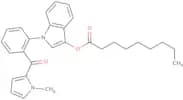
<p>5-Bromo-4-chloro-3-indolyl a-L-arabinofuranoside is a chromogenic substrate used to detect the specific enzymatic activity of alpha-L-arabinofuranosidase. After cleavage, 5-bromo-4-chloro-indoxyl is released, resulting in a blue to blue-green color change in bacterial colonies or media. 5-Bromo-4-chloro-3-indolyl a-L-arabinofuranoside is used in bacterial arabinan degradation assays (e.g. Bacillus spp.).</p>Fórmula:C13H13BrClNO5Pureza:Min. 98.0 Area-%Forma y color:PowderPeso molecular:378.6 g/molAldol® 495 nonanoate, Biosynth Patent: EP 2427431 and US 8940909
CAS:Producto controlado<p>Aldol 495 nonanoate is a bioluminescent substrate that can be used to measure the activity of Aldolase, which is an enzyme that catalyzes the conversion of glyceraldehyde-3-phosphate and dihydroxyacetone phosphate to D-glyceraldehyde. This substrate is used in various diagnostic assays, including food testing and staining. Aldol 495 nonanoate was developed by Cymit Quimica Pharmaceuticals and has been patented by EP 2427431 and US 8940909.</p>Fórmula:C29H31ClN2O3Pureza:Min. 95.0 Area-%Peso molecular:491.02 g/molAldol® 495 β-D-glucuronic acid, Biosynth Patent: EP 2427431 and US 8940909
CAS:<p>Aldol® 495 beta-D-glucuronic acid is a chromogenic and fluorogenic enzyme substrate used for detection of beta-glucuronidase activity. The living cells of Escherichia coli can be reliably detected in growth media containing Aldol® 495 beta-D-glucuronic acid, as beta-glucuronidase occurs almost exclusively in E. coli. Aldol® 495 beta-D-glucuronic acid can also be in GUS reporter assays. Aldol® 495 beta-D-glucuronic acid can be used in liquid culture and solid media, and is suitable for use under aerobic and anaerobic conditions. Upon exposure to active beta-glucuronidase, Aldol® 495 beta-D-glucuronic acid develops orange colour and green fluorescence.</p>Fórmula:C26H23ClN2O8Pureza:Min. 95.0 Area-%Peso molecular:526.93 g/mol5-Bromo-4-chloro-3-indolyl b-D-galactofuranoside
<p>5-Bromo-4-chloro-3-indolyl b-D-galactofuranoside is a chromogenic substrate used to detect the specific enzymatic activity of beta-D-galactofuranosidase. After cleavage, 5-bromo-4-chloro-indoxyl is released, resulting in a blue to blue-green color change in bacterial colonies or media. 5-Bromo-4-chloro-3-indolyl b-D-galactofuranoside is used in assays for detecting bacterial pathogens (e.g., Mycobacterium tuberculosis).</p>Fórmula:C14H15BrClNO6Pureza:Min. 95%Forma y color:PowderPeso molecular:408.63 g/molp-Nitrophenylphosphorylcholine
CAS:<p>p-Nitrophenylphosphorylcholine is a substrate molecule for enzymes that catalyze phospholipid biosynthesis. It is the most common substrate used to study the enzyme activity of phosphatidylcholine synthase and phospholipase A2 in human serum. The reaction mechanism is not well understood, but it appears to involve autocatalysis and an initial nucleophilic attack by p-nitrophenolate on the carbonyl carbon atom of the choline moiety. p-Nitrophenylphosphorylcholine has been shown to exhibit receptor activity on cells, which may be due to its ability to bind with basic proteins. This compound can also inhibit meiosis in Drosophila melanogaster and increase levels of natriuretic peptides in rats, as well as cause cell lysis and polymerase chain reactions in mammalian cells.</p>Fórmula:C11H17N2O6PPeso molecular:304.24 g/molAldol® 458 nonanoate solution, 0.75 M in DMSO, Biosynth Patent: EP 2427431 and US 8940909
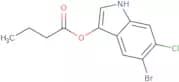
CAS:Producto controlado<p>Aldol 458 nonanoate solution is a high quality, enzyme substrate that can be used for a number of applications. It has been shown to be an excellent chromogenic substrate, bioluminescence, ligand and chemiluminescence. Aldol 458 nonanoate solution has also been used for the detection of staining and diagnostics. The compound is a conjugate with an excellent binding affinity to proteins. This product can be used in food testing, culture media, fluorogenic substrate and environmental testing. CAS No. 2484873-15-4</p>Fórmula:C25H29NO4Pureza:Of Solute (Hplc) 98.0 To 100.0 Area-%Peso molecular:407.51 g/mol5-Bromo-6-chloro-3-indoxyl butyrate
CAS:<p>5-Bromo-6-chloro-3-indoxyl butyrate is a chromogenic substrate that yields a magenta-colored product after cleavage. The chromophore 5-bromo-6-chloro-indoxyl is released, generating the observable color. It is used in lipid digestion assays.</p>Fórmula:C12H11BrClNO2Pureza:Min. 95%Forma y color:PowderPeso molecular:316.58 g/mol5-Bromo-6-chloro-3-indoxyl myo-inositol-1-phosphate, ammonium salt
<p>Indoxyl substrate targeting the enzyme inositol monophosphatase; Magenta color</p>Fórmula:C14H19BrClN2O9PPureza:Min. 99 Area-%Peso molecular:505.65 g/mol4-Nitrophenyl 2,3,4,6-tetra-O-acetyl-b-D-thioglucopyranoside
CAS:<p>4-Nitrophenyl 2,3,4,6-tetra-O-acetyl-b-D-thioglucopyranoside is a fluorescent dye that is used in recording and registration. It has been shown to be a very sensitive reporter of protein interactions in living cells. This dye binds to proteins via the hydroxyl groups on its sugar moiety, and has been shown to bind to a variety of proteins such as myosin light chain kinase and phosphatidylinositol 4-kinase. The fluorescent properties of this dye make it useful for tracking protein localization in the cell.</p>Pureza:Min. 95%Peso molecular:485.46 g/mol2-(N-Hexadecanoylamino)-4-nitrophenylphosphocholine hydroxide
CAS:<p>2-(N-Hexadecanoylamino)-4-nitrophenylphosphocholine hydroxide, often abbreviated as HDA-PC, is a chromogenic substrate for acid sphingomyelinase enzyme. HDA-PC is used as a key substrate for measuring the activity of this enzyme, responsible for catalyzing the hydrolysis of sphingomyelin to ceramide. The activity assay for this measuring this enzyme's acitivy is to detect a deficiency (or lack) of the enzyme which is directly related to the Niemann-Pick disease.</p>Fórmula:C27H50N3O8PPureza:Min. 95%Forma y color:Off-White PowderPeso molecular:575.68 g/mol6-Bromo-2-naphthyl b-D-glucuronide
CAS:<p>6-Bromo-2-naphthyl beta-D-glucuronide is a substrate for beta-glucuronidase, an enzyme involved in detoxification and bacterial metabolism. Upon enzymatic hydrolysis, it releases 6-bromo-2-naphthol, which forms a detectable dye when reacted with diazonium salts. This compound is widely used in microbiology to detecting E. coli in water testing and histochemical staining. 6-Bromo-2-naphthyl beta-D-glucuronide is also been used in cancer research studies. It has been found that some tumors are related to a high activity of beta-glucuronidase, responsible to reactivate the carcinogens and promote tumor progression, developing a drug resistance to chemotherapy.</p>Fórmula:C16H15BrO7Pureza:Min 97%Forma y color:White Off-White PowderPeso molecular:399.2 g/mol5-Bromo-6-chloro-3-indoxylphosphat, disodium salt trihydrate
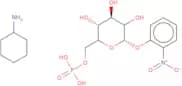
<p>5-Bromo-6-chloro-3-indoxylphosphate, disodium salt trihydrate is a bioluminescent substrate that can be used in a variety of diagnostic applications. This compound reacts with luciferase to yield light and can serve as an indicator for various enzymes and chemical reactions. 5-Bromo-6-chloro-3-indoxylphosphate, disodium salt trihydrate has been shown to be compatible with both culture media and food testing.</p>Pureza:Min. 95%2-Nitrophenyl b-D-galactopyranoside-6-phosphate cyclohexylammonium salt
CAS:<p>2-Nitrophenyl beta-D-galactopyranoside-6-phosphate cyclohexylammonium salt is a chromogenic substrate used to detect the enzymatic activity of beta-galactosidase-6-phosphatase. After cleavage, the nitrophenyl moiety is released exhibiting a light yellowish color. 2-Nitrophenyl beta-D-galactopyranoside-6-phosphate cyclohexylammonium salt is used in diagnostic assays such as lysosomal storage disorder.</p>Pureza:Min. 95%Forma y color:PowderPeso molecular:480.4 g/mol4-Nitrophenyl 3-O-(a-D-glucopyranosyl)-a-D-glucopyranoside
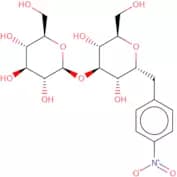
CAS:<p>4-Nitrophenyl 3-O-(a-D-glucopyranosyl)-a-D-glucopyranoside (pNP-Glc-Glc) is a highly sensitive and potent chromogenic substrate for the enzymatic detection and measurement of alpha-glucosidase activity. The rapid color change triggered by the hydrolysis of pNP-Glc-Glc provides a clear and efficient method for monitoring enzyme kinetics, screening inhibitors, and functional characterization of α-glucosidases. This substrate is soluble in aqueous and polar organic solvents and yields a detectable 4-nitrophenol product with a distinct yellow color under both visible and ultraviolet light, enabling quantitative spectrophotometric measurements. With a superior signal-to-noise ratio and maximal sensitivity, pNP-Glc-Glc is a reliable and robust option for biochemical and biomedical research involving glucosidase enzymes.</p>Pureza:Min. 95%Forma y color:PowderPeso molecular:463.39 g/mol2-Nitrophenyl b-D-arabinopyranoside
<p>2-Nitrophenyl b-D-arabinopyranoside is a chemical compound that is used in the detection of ATP by chemiluminescence. It acts as a substrate for enzymes such as luciferase and catalase, which catalyze the oxidation of 2-nitrophenyl b-D-arabinopyranoside to phenol and carbon dioxide with the release of light. This reaction can be used in diagnostic applications such as detecting bacteria in culture media or diagnosing food spoilage. 2-Nitrophenyl b-D-arabinopyranoside can also be used as a conjugate to detect proteins or nucleic acids by fluorescence spectroscopy. The CAS number for this compound is 107772-06-1.</p>Pureza:Min. 95%Peso molecular:271.22 g/molAldol® 458 acetate, Biosynth Patent: EP 2427431 and US 8940909
CAS:Producto controlado<p>Aldol 458 acetate is a synthetic chemical that is used in the food industry as an enzyme substrate and in diagnostic tests to measure the level of enzymes. Aldol 458 acetate is a ligand that binds to proteins, such as horseradish peroxidase and alkaline phosphatase, which are commonly used for detection of antibodies or other proteins. This product can be used as a culture medium additive for bacteria, fungi, and yeast. It can also be used for diagnostics and chemiluminescence reactions. Aldol 458 acetate has high purity and quality.</p>Fórmula:C18H15NO4Pureza:Min. 95.0 Area-%Peso molecular:309.32 g/mol5-Bromo-6-chloro-3-indoxyl-3-acetate
CAS:<p>Chromogenic substrate for carboxylesterase yielding a magenta precipitate upon cleavage. Mainly used in histochemistry.</p>Fórmula:C10H7BrClNO2Pureza:Min. 98.0 Area-%Peso molecular:288.53 g/molRef: 3D-B-6304
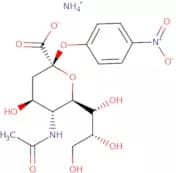
1gA consultar5gA consultar10gA consultar500mgA consultar2500mgA consultar-Unit-ggA consultar2-O-(4-Nitrophenyl)-a-D-N-acetylneuraminic acid ammonium salt
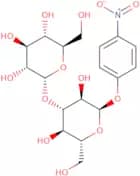
CAS:<p>2-O-(4-Nitrophenyl)-a-D-N-acetylneuraminic acid ammonium salt is a chromogenic substrate commonly used in the detection and quantification of sialidase activity. Sialidases are a family of enzymes that hydrolyze sialic acid residues from glycoconjugates. This substrate is used to detect bacterial and viral sialidases, which play an important role in pathogen infectivity. The ammonium salt form of the substrate is preferred for its solubility in water-based assay systems.</p>Pureza:Min. 95%Peso molecular:447.39 g/mol4-Nitrophenyl 3-O-(β-D-glucopyranosyl)-α-D-glucopyranoside
<p>4-Nitrophenyl 3-O-(beta-D-glucopyranosyl)-alpha-D-glucopyranoside is a chromogenic substrate for alpha-glucosidase. Upon hydrolysis, para-nitrophenol is released yielding a yellowish colour. 4-Nitrophenyl 3-O-(beta-D-glucopyranosyl)-alpha-D-glucopyranoside is used in different applications such as the Gaucher disease screening, carbohydrate metabolism studies</p>Fórmula:C18H25NO13Pureza:Min. 95%Peso molecular:463.39 g/mol5-Bromo-4-chloro-3-indolyl a-D-maltopyranoside
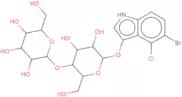
CAS:<p>5-Bromo-4-chloro-3-indolyl a-D-maltopyranoside is a chromogenic substrate used to detect the specific enzymatic activity of alpha-glucosidase. After cleavage, 5-bromo-4-chloro-indoxyl is released, resulting in a blue to blue-green color change in bacterial colonies or media. 5-Bromo-4-chloro-3-indolyl a-D-maltopyranoside is used in Pompe disease screening and glycogen storage disorder diagnosis.</p>Fórmula:C20H25BrClNO11Pureza:Min. 95%Forma y color:PowderPeso molecular:570.77 g/mol5-Bromo-4-chloro-3-indoxyl choline phosphate
CAS:<p>5-Bromo-4-chloro-3-indoxyl choline phosphate is a synthetic enzyme substrate for detecting phosphatidylcholine-specific phospholipase C.</p>Fórmula:C13H17BrClN2O4PPureza:Min. 99 Area-%Peso molecular:411.63 g/mol6-Chloro-3-indolyl butyrate
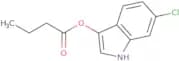
CAS:<p>6-Chloro-3-indolyl butyrate is a chromogenic substrate for lipases. Use in lipid digestion and metabolism studies, it produces a salmon-pink color when 6-chloro-3-indolyl is released after enzymatic cleavage.</p>Fórmula:C12H12ClNO2Pureza:Min. 95%Forma y color:PowderPeso molecular:237.68 g/mol2-Naphthyl-α-D-glucopyranoside
CAS:<p>2-Naphthyl-α-D-glucopyranoside is a substrate for α-glucosidase. 2-Naphthol is released upon hydrolyzation. By simultaneous coupling with a suitable staining reagent, such as hexazonium p-rosaniline, the corresponding reddish-brown azo-dye is formed. Naphthols can also be detected by fluorescence analysis.</p>Fórmula:C16H18O6Pureza:Min. 98.0 Area-%Peso molecular:306.32 g/mol4-Nitrophenyl 2-acetamido-6-O-(2-acetamido-2-deoxy-b-D-glucopyranosyl)-3-O-(b-D-galactopyranosyl)-2-deoxy-a-D-galactopyranoside
CAS:<p>4-Nitrophenyl 2-acetamido-6-O-(2-acetamido-2-deoxy-b-D-glucopyranosyl)-3-O-(b-D-galactopyranosyl)-2-deoxy-a-D-galactopyranoside is a specific chromogenic substrate designed for the highly sensitive and accurate detection of glycosidase enzyme activity. Glycosidases are responsible for the cleavage of glycosidic bonds between saccharide units in various carbohydrates. The hydrolysis of this substrate by glycosidase enzymes produces 4-nitrophenol, a yellow-colored compound that can be easily monitored through spectrophotometric measurements due to its strong absorbance at 405 nm. This chromogenic substrate is widely used in the analysis of glycosidase activity in various biological samples, including bacterial, fungal, and plant tissues, as well as in environmental samples and biotechnological applications.</p>Fórmula:C28H41N3O18Pureza:Min. 95 Area-%Forma y color:White PowderPeso molecular:707.63 g/mol4-Nitrophenyl α-L-fucopyranoside
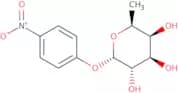
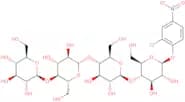
CAS:<p>Chromogenic substrate for alpha-L-fucosidase</p>Fórmula:C12H15NO7Pureza:(%) Min. 98.0%Forma y color:PowderPeso molecular:285.25 g/mol2-Chloro-4-nitrophenyl-β-D-cellotetraoside
CAS:<p>2-chloro-4-nitrophenyl-beta-D-cellotetraoside is a chromogenic substrate for measuring cellulase activity and other glycosyl hydrolases. The release of 2-chloro-4-nitrophenol can be detected at 405 nm.</p>Fórmula:C30H44ClNO23Pureza:Min. 95%Forma y color:PowderPeso molecular:822.12 g/mol4-Nitrophenyl b-L-arabinofuranoside
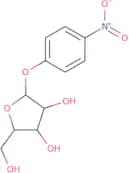
CAS:<p>Chromogenic substrate targeting alpha-L-arabinofuranosidase</p>Pureza:Min. 95%Forma y color:White/Off-White SolidPeso molecular:271.22 g/mol5-Bromo-4-chloro-3-indoxyl-β-D-glucuronic acid, sodium salt trihydrate
CAS:<p>Chromogenic substrate for beta-glucuronidase (GUS) yielding blue precipitate upon cleavage. Used for identification of beta-glucuronidase. X-beta-D-glucuronide has been reported as chromogenic substrate in a number of chromogenic E. coli/ coliform culture media. About 95% of common E. coli possess beta-D-glucuronidase activity. Such chromogenic culture media are used for detection and enumeration of E. coli in food samples such as meat, dairy products and shellfish and have clinical applications in the assessment of urinary infections. It has gained international acceptance as highly accurate test for the presence of E. coli in drinking water samples. It is also used for the detection of the expression of GUS (E. coli beta-glucuronidase) gene fusion marker constructs in plants. The sodium salt has advantages over the cyclohexylammonium salt as being non-electrostatic and possessing a naturally-occurring cation.</p>Fórmula:C14H18BrClNNaO10Pureza:Min. 99.0 Area-%Peso molecular:498.65 g/mol4-Nitrophenyl 2-acetamido-2-deoxy-3-O-(b-D-galactopyranosyl)-a-D-galactopyranoside
CAS:<p>4-Nitrophenyl 2-acetamido-2-deoxy-3-O-(b-D-galactopyranosyl)-a-D-galactopyranoside is a superior chromogenic pNP enzyme substrate designed to deliver enhanced enzyme detection and outstanding assay performance. This cutting-edge substrate boasts excellent specificity, sensitivity, and stability, making it a powerful tool in the measurement of enzyme activity, substrate profiles, and inhibitor characterization. This premium substrate is perfect for researchers and professionals seeking reliable and efficient results for their enzyme-based investigations.</p>Fórmula:C20H28N2O13Pureza:Min. 98 Area-%Forma y color:White PowderPeso molecular:504.44 g/molAldol® 495 acetate, Biosynth Patent: EP 2427431 and US 8940909
CAS:Producto controlado<p>Aldol 495 acetate is a chromogenic substrate that contains the chemical compound Aldol. It is used in food testing, diagnostics, and environmental testing. Aldol 495 acetate can be used as a ligand to detect the presence of enzymes or bacteria in culture media and diagnostics. This product has been shown to have a high purity and quality.</p>Fórmula:C22H17ClN2O3Pureza:Min. 95.0 Area-%Peso molecular:392.83 g/mol2-Naphthyl caprylate
CAS:<p>2-Naphthyl caprylate is a substrate that is employed in an assays for carboxylesterase and lipase and when hydrolyzed, produces 2-naphthol, a compound that can also be identified via fluorescence analysis. By combining it with a diazonium salt, the formation of the corresponding azo dye occurs. In particular, this substrate is used to detect the extracellular lipase of Pseudomonas fluorescens B52.</p>Fórmula:C18H22O2Pureza:Min. 95%Forma y color:White PowderPeso molecular:270.37 g/molAldol® 470 acetate, Biosynth Patent: EP 2427431 and US 8940909
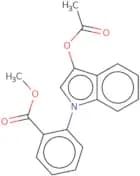
CAS:Producto controlado<p>Aldol® 470 acetate is a Fluorogenic substrate that is used in enzymatic reactions to produce a fluorescent product. Aldol® 470 acetate can be used as a ligand or a chromogenic substrate. This product is also used in diagnostic tests, such as conjugates and chemiluminescence, to detect the presence of certain enzymes or microorganisms. It can be used in culture media to measure the amount of certain enzymes, such as phosphatases or proteases, and has been shown to have high purity and quality. This product has CAS No. 1318785-37-3, 1318785-38-4, 1318785-39-5, 1318785-40-6 and 1318785-41-7.</p>Fórmula:C25H21NO5Pureza:Min. 95%Forma y color:PowderPeso molecular:415.44 g/mol4-Nitrophenyl-β-D-maltopyranoside
CAS:<p>Chromogenic beta-maltosidase substrate</p>Fórmula:C18H25NO13Pureza:Min. 95%Forma y color:White PowderPeso molecular:463.39 g/mol4-Nitrophenyl β-D-galactofuranoside
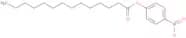
CAS:<p>Chromogenic substrate for beta-galactofuranosidase</p>Fórmula:C12H15NO8Pureza:Min. 98 Area-%Forma y color:White PowderPeso molecular:301.25 g/mol4-Nitrophenyl myristate
CAS:<p>4-Nitrophenyl myristate (NphOMy) is a chromogenic enzyme substrate used as a diagnosis tool for detection of β-lactamase hydrolysis activities. In the presence of certain drugs, 4-nitrophenyl myristate HSA-Tyr411-catalyzed hydrolysis seems to be inhibited.</p>Fórmula:C20H31NO4Pureza:Min. 95 Area-%Forma y color:White PowderPeso molecular:349.46 g/mol6-Bromo-2-naphthyl 2-acetamido-2-deoxy-b-D-glucopyranoside
CAS:<p>6-Bromo-2-naphthyl 2-acetamido-2-deoxy-b-D-glucopyranoside is a chromogenic substrate used for the detection of chitinase activity. Upon hydrolysis by chitinase, it releases a yellow-brown color, which is easily detected by spectrophotometry. This substrate has been used to study chitinases in various organisms, including bacteria, fungi, and insects. It can also be used to quantitate chitinase activity in various biological samples.</p>Fórmula:C18H20BrNO6Pureza:Min 97%Forma y color:White PowderPeso molecular:426.26 g/mol5-Bromo-4-chloro-3-indoxyl oleate
CAS:<p>5-Bromo-4-chloro-3-indoxyl oleate is a fluorescent substrate that is used for staining and enzyme substrate. It is a conjugate that is used in environmental testing, food testing, and diagnostics. 5-Bromo-4-chloro-3-indoxyl oleate has a CAS number of 341972-97-2 and its molecular weight is 229.5 g/mol. It's purity is > 98%, with a specific optical rotation of +147° (c=1, CHCl3). This compound can be used as a chromogenic or fluorogenic substrate in bioluminescence assays. 5BRIO3 has been shown to be an excellent ligand for the detection of DNA polymerase I activity.</p>Fórmula:C26H37BrClNO2Pureza:Min. 98 Area-%Peso molecular:510.95 g/mol3-Indoxyl phosphate p-toluidine Salt
CAS:Producto controlado<p>3-Indoxyl phosphate p-toluidine salt is a secretor of blood group A. It is used in the detection of the presence of alkaline phosphatase in serum and other body fluids. This compound has been shown to be an isoform of 3-indoxyl phosphate with a molecular mass of about 4,000 daltons. It is also used as a substrate for gel electrophoresis and filtration experiments. The purified form of this compound has been shown to have an alkaline phosphatase activity that is ˜4 times greater than that found in human serum and intestinal extracts.</p>Fórmula:C8H8NO4P·C7H9NPureza:Min. 98 Area-%Forma y color:PowderPeso molecular:320.28 g/mol3-Indolyl β-D-galactopyranoside
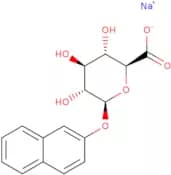
CAS:<p>Chromogenic substrate for β-D-galactosidase, yielding a blue precipitate upon cleavage.</p>Fórmula:C14H17NO6Pureza:Min. 95%Forma y color:PowderPeso molecular:295.29 g/mol2-Naphthyl-β-D-Glucuronide Sodium Salt
CAS:<p>2-Naphthyl-beta-D-glucuronide sodium salt is an enzyme substrate to detect beta-glucuronidase. The enzyme cleaves the glycosidic bond in 2-naphthyl-beta-D-glucuronide to release 2-naphtol and glucuronic acid. Beta-glucuronidase activity assays are important in many fields such as cancer research, as the enzyme is expressed in some tumors and its activity can be targeted for cancer therapy. The enzyme has also an important role in drug metabolism as it recognizes and binds to drug glucuronide conjugate (as 2-naphthyl-beta-D-glucuronide) facilitating its hydrolysis to release the active part. 2-Naphthyl-beta-D-glucuronide sodium salt has a higher solubility as it is in its salt form.</p>Fórmula:C16H15NaO7Pureza:Min. 95%Forma y color:PowderPeso molecular:342.28 g/mol4-Nitrophenyl b-D-thioglucopyranoside
CAS:<p>4-Nitrophenyl b-D-thioglucopyranoside is a highly sensitive chromogenic substrate designed for the colorimetric detection and quantification of thioglucosidase enzymes. Upon enzymatic cleavage, it releases a highly absorbing 4-nitrophenyl moiety, generating a yellow color that can be readily measured spectrophotometrically. This substrate is widely utilized in the study of enzyme kinetics, substrate specificity, and inhibitor screening for thioglucosidases involved in various metabolic pathways and biological processes.</p>Fórmula:C12H15NO7SPureza:Min. 95%Forma y color:White PowderPeso molecular:317.32 g/mol2-Naphthyl-β-D-galactopyranoside
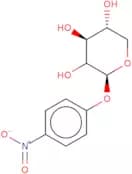
CAS:<p>2-Naphthyl-β-D-galactopyranoside is a substrate for β-galactosidase. 2-Naphthol is released upon hydrolyzation. By simultaneous coupling with a suitable staining reagent, such as hexazonium p-rosaniline, the corresponding reddish-brown azo-dye is formed. Naphthols can also be detected by fluorescence analysis.</p>Fórmula:C16H18O6Pureza:Min. 99 Area-%Peso molecular:306.32 g/mol4-Nitrophenyl b-D-arabinopyranoside
CAS:<p>Chromogenic substrate targeting beta-L-arabinofuranosidase</p>Pureza:Min. 95%Peso molecular:271.22 g/molAldol® 458 acetate, Biosynth Patent: EP 2427431 and US 8940909
CAS:Producto controlado<p>Aldol 458 acetate is a fluoroquinolone antibiotic. It is an enzyme substrate that can be used in the detection of β-galactosidase, alkaline phosphatase, and other enzymes. Aldol 458 acetate can be used for the detection of β-galactosidase by chemiluminescence or bioluminescence. It has been shown to have high purity and high quality as well as being a ligand that can be conjugated with a fluorescent dye to provide a fluorescent substrate. Aldol 458 acetate can also be used in culture media for the growth of bacteria. It has been shown to have strong inhibitory effects on Escherichia coli, Bacillus subtilis, Pseudomonas aeruginosa, and Staphylococcus aureus.</p>Fórmula:C18H15NO4Pureza:Min. 95%Forma y color:PowderPeso molecular:309.32 g/mol5-Bromo-4-chloro-3-indoxyl-α-L-arabinofuranoside
<p>5-Bromo-4-chloro-3-indoxyl-alpha-L-arabinofuranoside is a fluorogenic substrate. It is also used as a ligand to detect the presence of an enzyme in a sample. 5BCIAF may be used as an enzyme substrate to measure the activity of enzymes such as beta-galactosidase, alpha-glucuronidase, and esterases. It is also used for diagnostic purposes, with the most common use being for the detection of Mycobacterium tuberculosis in clinical specimens. 5BCIAF can be conjugated to other compounds to form fluorescent probes for detecting specific compounds or cells within a sample. This compound has been shown to have activity against bacteria, fungi, and viruses when tested in culture media and food samples. The chemical structure of 5BCIAF is similar to that of fluorescein, which has been shown to have chemiluminescent properties</p>Fórmula:C13H13BrClNO5Pureza:Min. 99.0 Area-%Peso molecular:378.61 g/mol5-Bromo-6-chloro-3-indoxyl-N-acetyl-β-D-glucosaminide
CAS:<p>Chromogenic substrate for N-Acetyl-β-D-glucosaminidase yielding a magenta precipitate.</p>Fórmula:C16H18BrClN2O6Pureza:Min. 99 Area-%Peso molecular:449.69 g/molRef: 3D-B-7020
1gA consultar5gA consultar10gA consultar500mgA consultar2500mgA consultar-Unit-ggA consultarAldol® 470 phosphate, disodium salt, Biosynth Patent: EP 2427431 and US 8940909
CAS:<p>Aldol 470 phosphate is a chromogenic substrate for phosphatases yielding a yellow precipitate. Furthermore it shows some fluorescence (excitationat 320 nm to 490 nm). In contrast to classical indoxyl substrates, Aldolsubstrates work not only under aerobic but also under anaerobic conditions.</p>Fórmula:C23H18NNa2O7PPureza:Min. 95.0 Area-%Peso molecular:497.34 g/molChlorophenol red-β-D-cellotrioside
CAS:<p>Chromogenic substrate for cellulases; red color</p>Fórmula:C37H42Cl2O20SPureza:Min. 95%Forma y color:Orange to red solid.Peso molecular:909.69 g/molAldol® 455 β-D-galactopyranoside, Biosynth Patent: EP 2427431 and US 8940909
CAS:<p>Aldol® 455 beta-D-galactopyranoside is a chromogenic substrate for the enzyme β-galactosidase. It is used to detect the activity of β-galactosidase in cell culture, and has been shown to be highly purified and of high quality. This product can be used as a ligand for receptor binding studies or as an agent in enzyme substrates in fluorescence and chemiluminescence reactions.</p>Fórmula:C27H24ClNO7Pureza:Min. 93.0 Area-%Peso molecular:509.94 g/mol4-Nitrophenyl b-D-glucopyranoside-6-phosphate
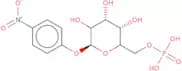
CAS:<p>4-Nitrophenyl beta-D-glucopyranoside-6-phosphate is a chromogenic substrate for glucose-6-phosphatase. Upon hydrolysis, para-nitrophenol is released yielding a yellowish colour. 4-Nitrophenyl beta-D-glucopyranoside-6-phosphate is used in different applications such as the Glycogen storage disease diagnosis (e.g., von Gierke disease)</p>Fórmula:C12H16NO11PPureza:Min. 98 Area-%Forma y color:PowderPeso molecular:381.23 g/mol4-Nitrophenyl α-D-glucuronide
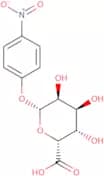
CAS:<p>4-Nitrophenyl alpha-D-glucuronide is a chromogenic substrate widely used for detecting and quantifying the activity of alpha glucuronidase enzyme. Upon cleavage by the enzyme, it releases the yellow-colored 4-nitrophenol, whose absorbance can be monitored spectrophotometrically. This substrate is routinely employed in biochemistry and molecular biology applications, such as enzyme assays, enzyme kinetics studies, and characterization of recombinant enzymes. As a non-toxic and easy-to-use reagent, 4-Nitrophenyl alpha-D-glucuronide provides a convenient and sensitive method for studying alpha-glucuronidase activity in various biological samples, including cell extracts, tissue homogenates, and purified enzyme preparations.</p>Fórmula:C12H13NO9Pureza:Min. 97 Area-%Forma y color:Off-White PowderPeso molecular:315.23 g/mol4-Nitrophenyl-β-D-galactopyranoside
CAS:<p>Chromogenic β-galactosidase substrate yielding a yellow solution upon cleavage. Can be used for the detection of coliforms due to their β-galactosidase activity.</p>Fórmula:C12H15NO8Pureza:Min. 98.0 Area-%Peso molecular:301.26 g/mol6-Chloro-4-(2-chlorophenyl)-2-quinazolinecarboxaldehyde
CAS:<p>6-Chloro-4-(2-chlorophenyl)-2-quinazolinecarboxaldehyde is a colorimetric reagent that can be used to detect Cl. It has been shown to react with Cl in the presence of an acidic solution and produce a red color. The reagent is stable in organic solvents, such as chloroform, but decomposes in water. 6-Chloro-4-(2-chlorophenyl)-2-quinazolinecarboxaldehyde is also used to detect chloride by titrimetric or polarographic methods.</p>Fórmula:C15H8Cl2N2OPureza:Min. 95%Forma y color:Off-White PowderPeso molecular:303.14 g/mol4-Nitrophenyl-α-L-arabinofuranoside
CAS:<p>Chromogenic substrate for α-L-arabinofuranosidase yielding a yellow solution upon cleavage.</p>Fórmula:C11H13NO7Pureza:Min. 99.0 Area-%Peso molecular:271.22 g/mol5-Bromo-3-indoxyl myo-inositol-1-phosphate, ammonium salt
<p>Please enquire for more information about 5-Bromo-3-indoxyl myo-inositol-1-phosphate, ammonium salt including the price, delivery time and more detailed product information at the technical inquiry form on this page</p>Fórmula:C14H20BrN2O9PPeso molecular:471.2 g/mol2-Nitrophenyl-β-D-cellobioside
CAS:<p>Chromogenic substrate for β-D-Cellobiosidase yielding a yellow solution upon cleavage.</p>Fórmula:C18H25NO13Pureza:Min. 98.0 Area-%Peso molecular:463.4 g/mol4-Nitrophenyl β-rutinoside
CAS:<p>4-Nitrophenyl beta-rutinoside is a chromogenic substrate for beta-glucosidase. Upon hydrolysis, para-nitrophenol is released yielding a yellowish colour. 4-Nitrophenyl beta-rutinoside is used in different applications such as the Flavonoid glycoside hydrolysis, food industry applications</p>Fórmula:C18H25NO12Pureza:Min. 95%Forma y color:PowderPeso molecular:447.39 g/mol



![N-ethyl-N-[(oxiran-2-yl)methyl]cyclohexanamine](/_next/image/?url=https%3A%2Fstatic.cymitquimica.com%2Fproducts%2F10%2Fthumb-webp%2FF522615.webp&w=3840&q=75)
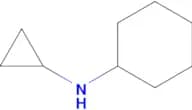

![4-[cyclohexyl(methyl)amino]-4-oxobutanoic acid](/_next/image/?url=https%3A%2Fstatic.cymitquimica.com%2Fproducts%2F10%2Fthumb-webp%2FF315589.webp&w=3840&q=75)
![7-(6-(2-Hydroxypropan-2-yl)pyridin-3-yl)-1-(trans-4-methoxycyclohexyl)-3,4-dihydropyrazino[2,3-b]p…](/_next/image/?url=https%3A%2Fstatic.cymitquimica.com%2Fproducts%2F10%2Fthumb-webp%2FF547754.webp&w=3840&q=75)
![2,3-Dihydro-1-(3-hydroxypropyl)-5-[(2R)-2-[[2-[2-(2,2,2-trifluoroethoxy)phenoxy]ethyl]amino]propyl]](/_next/image/?url=https%3A%2Fstatic.cymitquimica.com%2Fproducts%2FTR%2Fthumb-webp%2FD449705.webp&w=3840&q=75)



![α-Methyl-5-oxo-5H-[1]benzopyrano[2,3-b]pyridine-7-acetic Acid](/_next/image/?url=https%3A%2Fstatic.cymitquimica.com%2Fproducts%2FTR%2Fthumb-webp%2FM325405.webp&w=3840&q=75)


![(trans,trans)-4-Pentylphenyl 4'-propyl-[1,1'-bi(cyclohexane)]-4-carboxylate](/_next/image/?url=https%3A%2Fstatic.cymitquimica.com%2Fproducts%2F10%2Fthumb-webp%2FF519493.webp&w=3840&q=75)



![2-[1-(Aminomethyl)cyclohexyl]acetic acid](/_next/image/?url=https%3A%2Fstatic.cymitquimica.com%2Fproducts%2F10%2Fthumb-webp%2FF040287.webp&w=3840&q=75)
![4,4'-[[(1-Methylethyl)imino]bis[(2-hydroxy-3,1-propanediyl)oxy]]bis-benzeneacetamide (Atenolol Imp…](/_next/image/?url=https%3A%2Fstatic.cymitquimica.com%2Fproducts%2FTR%2Fthumb-webp%2FM304230.webp&w=3840&q=75)

![5-(Benzo[d][1,3]dioxol-5-yl)cyclohexane-1,3-dione](/_next/image/?url=https%3A%2Fstatic.cymitquimica.com%2Fproducts%2F10%2Fthumb-webp%2FF729767.webp&w=3840&q=75)

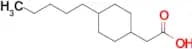
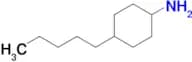
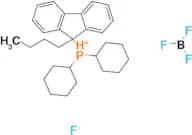
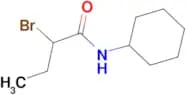






![1-((4'-methoxy-[1,1'-biphenyl])-4-sulfonamido)cyclohexane-1-carboxylic acid](/_next/image/?url=https%3A%2Fstatic.cymitquimica.com%2Fproducts%2F10%2Fthumb-webp%2FF512251.webp&w=3840&q=75)
![Cyclohexyl [1,1'-biphenyl]-3-ylcarbamate](/_next/image/?url=https%3A%2Fstatic.cymitquimica.com%2Fproducts%2F10%2Fthumb-webp%2FF233853.webp&w=3840&q=75)
![3,4-Difluoro-4'-(4'-pentyl-[1,1'-bi(cyclohexan)]-4-yl)-1,1'-biphenyl](/_next/image/?url=https%3A%2Fstatic.cymitquimica.com%2Fproducts%2F10%2Fthumb-webp%2FF779214.webp&w=3840&q=75)





![N-(3-(3-Cyano-7-oxo-4,7-dihydropyrazolo[1,5-a]pyrimidin-5-yl)phenyl)-N-ethylacetamide](/_next/image/?url=https%3A%2Fstatic.cymitquimica.com%2Fproducts%2FTR%2Fthumb-webp%2FC979513.webp&w=3840&q=75)



![4-[[4-Fluoro-3-(1-piperazinylcarbonyl)phenyl]methyl]-1(2H)-phthalazinone](/_next/image/?url=https%3A%2Fstatic.cymitquimica.com%2Fproducts%2FTR%2Fthumb-webp%2FF594442.webp&w=3840&q=75)

![Ethyl 3-[(2-methylcyclohexyl)amino]propanoate](/_next/image/?url=https%3A%2Fstatic.cymitquimica.com%2Fproducts%2F10%2Fthumb-webp%2FF522788.webp&w=3840&q=75)
![{5-[1-(benzylamino)cyclohexyl]-1H-tetrazol-1-yl}acetic acid](/_next/image/?url=https%3A%2Fstatic.cymitquimica.com%2Fproducts%2F10%2Fthumb-webp%2FF313669.webp&w=3840&q=75)

![5-[3-(Trifluoromethyl)phenyl]cyclohexane-1,3-dione](/_next/image/?url=https%3A%2Fstatic.cymitquimica.com%2Fproducts%2F10%2Fthumb-webp%2FF068112.webp&w=3840&q=75)

![N-(3-(3-Cyano-7-oxo-4,7-dihydropyrazolo[1,5-a]pyrimidin-5-yl)phenyl)-N-(ethyl-d5)acetamide](/_next/image/?url=https%3A%2Fstatic.cymitquimica.com%2Fproducts%2FTR%2Fthumb-webp%2FC979514.webp&w=3840&q=75)