Cetonas y Derivados
Las cetonas son compuestos orgánicos que contienen un grupo carbonilo (C=O) unido a dos átomos de carbono, formando una estructura en la que el grupo carbonilo está flanqueado por grupos alquilo o arilo. En farmacología, las cetonas se utilizan en la formulación de APIs debido a su capacidad para mejorar la solubilidad y estabilidad de los principios activos. Algunas cetonas tienen propiedades antiinflamatorias, analgésicas y antimicrobianas. Los derivados de cetonas incluyen compuestos en los que el grupo carbonilo está modificado, como los enoles, que tienen aplicaciones en la síntesis de fármacos y como intermediarios químicos en la fabricación de otros compuestos bioactivos. Los derivados de cetonas se utilizan en el diseño de nuevos medicamentos, incluidos aquellos para tratar enfermedades neurodegenerativas, trastornos metabólicos y ciertos tipos de cáncer, gracias a sus efectos específicos sobre enzimas y procesos celulares.
Se han encontrado 2528 productos para "Cetonas y Derivados".
Filtrar por
Porcentaje de pureza
0
100
|
0
|
50
|
90
|
95
|
100
- Precio más bajo
- Precio más alto
- Pureza más baja
- Pureza más alta
- Entrega estimada más rápida
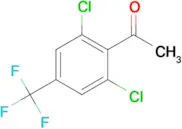
1-(2,6-Dichloro-4-(trifluoromethyl)phenyl)ethanone
CAS:Fórmula:C9H5Cl2F3OPureza:95%Forma y color:LiquidPeso molecular:257.03Cyclohexanone, ACS, 99+%
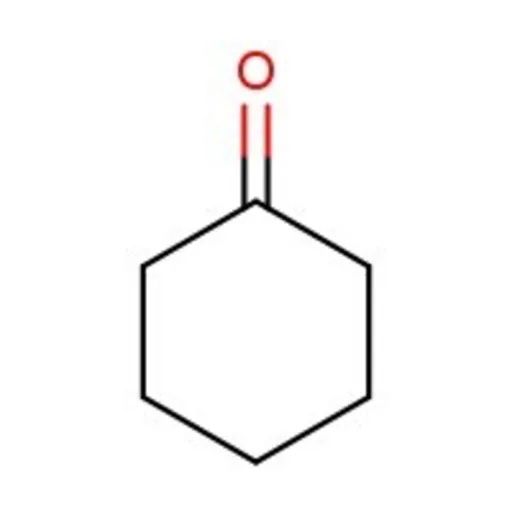
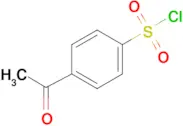
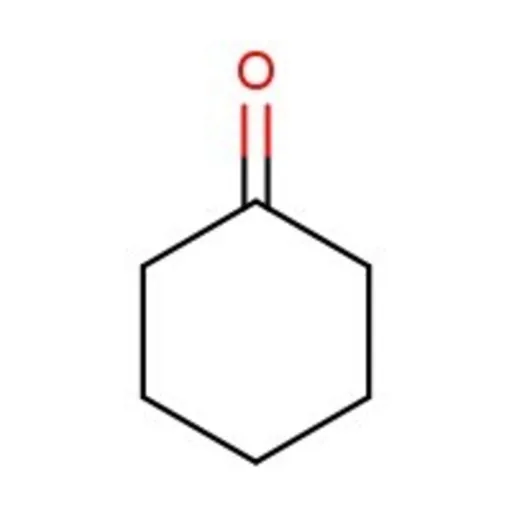
CAS:Cyclohexanone is used as an industrial solvent and paint remover. It acts as a precursor to nylon 6,6 and nylon 6 and cyclohexanone oxime, which gives caprolactam on rearrangement. Further, it is used as a chemical reaction medium, adhesives, sealants and agricultural products. This Thermo ScientifiFórmula:C6H10OPureza:99+%Peso molecular:98.154-Acetylbenzenesulfonyl chloride
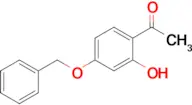
CAS:Fórmula:C8H7ClO3SPureza:95%Forma y color:SolidPeso molecular:218.654-Benzyloxy-2-hydroxyacetophenone
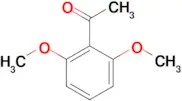
CAS:Fórmula:C15H14O3Pureza:98%Forma y color:SolidPeso molecular:242.2741-(2,6-dimethoxyphenyl)ethanone
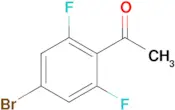
CAS:Fórmula:C10H12O3Pureza:95%Forma y color:LiquidPeso molecular:180.2031-(4-Bromo-2,6-difluorophenyl)ethanone
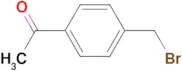
CAS:Fórmula:C8H5BrF2OPureza:95%Forma y color:LiquidPeso molecular:235.0281-(4-(Bromomethyl)phenyl)ethanone
CAS:Fórmula:C9H9BrOPureza:97%Forma y color:SolidPeso molecular:213.074Cyclohexanone, 99+%
CAS:Cyclohexanone is used in the preparation of synthetic polymer such as nylon 6,6 and nylon 6. It acts as a solvent in organic synthesis. Its derivatives are used for the synthesis of dyes, rubber chemicals, plasticizers and pharmaceuticals. Further, it is involved in the preparation of cyclohexanoneFórmula:C6H10OPureza:99+%Forma y color:Clear colorless, LiquidPeso molecular:98.15