Cetonas y Derivados
Las cetonas son compuestos orgánicos que contienen un grupo carbonilo (C=O) unido a dos átomos de carbono, formando una estructura en la que el grupo carbonilo está flanqueado por grupos alquilo o arilo. En farmacología, las cetonas se utilizan en la formulación de APIs debido a su capacidad para mejorar la solubilidad y estabilidad de los principios activos. Algunas cetonas tienen propiedades antiinflamatorias, analgésicas y antimicrobianas. Los derivados de cetonas incluyen compuestos en los que el grupo carbonilo está modificado, como los enoles, que tienen aplicaciones en la síntesis de fármacos y como intermediarios químicos en la fabricación de otros compuestos bioactivos. Los derivados de cetonas se utilizan en el diseño de nuevos medicamentos, incluidos aquellos para tratar enfermedades neurodegenerativas, trastornos metabólicos y ciertos tipos de cáncer, gracias a sus efectos específicos sobre enzimas y procesos celulares.
Se han encontrado 2393 productos de "Cetonas y Derivados"
Ordenar por
Pureza (%)
0
100
|
0
|
50
|
90
|
95
|
100
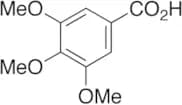
3,4,5-Trimethoxybenzoic Acid
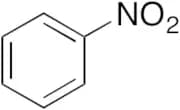
CAS:<p>Applications A metabolite of Trimebutine (T795605(P)), which is an opioid receptor agonist and an antispasmodic.<br>References Dieks, H., et al.: J. Labelled Comp. Radiopharm., 28, 1093 (1990), Delvaux, M., et al.: J. Int. Med. Res., 25, 225 (1997), Lavit, M., et al.: Arzneim.-Forsch., 50, 640 (2000),<br></p>Fórmula:C10H12O5Forma y color:White To BeigePeso molecular:212.20Nitrobenzene
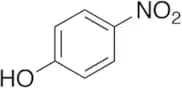
CAS:Producto controlado<p>Applications Nitrobenzene is a compound that exhibits chromosomal genotoxicity against hamster lung cells, and has the potential to cause cancer in humans (1,2). Nitrobenzene is also used as a starting material to synthesize 4-Aminophenol (A618920) through catalytic hydrogenation (3). Drinking water contaminant candidate list 3 (CCL 3) compound as per United States Environmental Protection Agency (EPA), environmental, and food contaminants.<br> Not a dangerous good if item is equal to or less than 1g/ml and there is less than 100g/ml in the package<br>References 1. Bonacker, D. et al.: Arch. Toxicol. 2004 Jan;78(1):49-57.2. Hsu, C. et al.: J. Environ. Sci. Health. C. Environ. Carcinog. Ecotoxicol. Rev. 2007 Apr-Jun;25(2):155-843. Rode, C. et al.: Org. Proc. Res. Dev. 1999 Nov;3(6), pp 465–470<br></p>Fórmula:C6H5NO2Forma y color:Light YellowPeso molecular:123.113-(1-Cyanoethyl)benzoic Acid
CAS:Producto controlado<p>Applications 3-(1-Cyanoethyl)benzoic Acid is an intermediate for the synthetic preparation of various pharmaceutical compounds. 3-(1-Cyanoethyl)benzoic Acid was used in studies examining the enantioselectivity of nitrile hydratases.<br>References Rzeznicka, K., et al.: App. Microbiol. Biotechnol., 85, 1417 (2010); Van Pelt. S., et al.: Org. Biomole. Chem., 9, 3011 (2011);<br></p>Fórmula:C10H9NO2Forma y color:BeigePeso molecular:175.18N-[5-(Acetylamino)-2-hydroxyphenyl]-N-(4-hydroxyphenyl)acetamide
CAS:Producto controlado<p>Impurity Acetaminophen Impurity B<br>Applications N-[5-(Acetylamino)-2-hydroxyphenyl]-N-(4-hydroxyphenyl)acetamide is an impurity of Acetaminophen (A161220), which is an analgesic and antipyretic (1,2,3,4). N-[5-(Acetylamino)-2-hydroxyphenyl]-N-(4-hydroxyphenyl)acetamide may be a useful reagent to investigate mechanisms related to liver and kidney damage from acetaminophen. Acetaminophen Impurity B.<br>References (1) Potter, D. W. and Hinson, J. A.: Drug Metab Rev. 20, 341 (1989) (2) Potter, D. W. and Hinson, J. A.: J. Biol. Chem. 260, 12174 (1985) (3) Fairbrother, J.E., et al.: Anal. Profiles Drug Subs., 3, 1 (1974)(4) Hinson, J.A., et al.: Rev. Biochem. Toxicol., 2, 103 (1980)<br></p>Fórmula:C16H16N2O4Forma y color:NeatPeso molecular:300.314-Acetylamino-2-chlorophenol
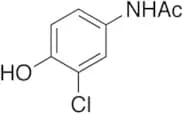
CAS:Producto controlado<p>Impurity Paracetamol EP Impurity C/ Acetaminophen impurity C<br>Applications 4-Acetylamino-2-chlorophenol is an impuirty of Acetaminophen (A161220), an analgesic and antipyretic agent used as a pain reliever to treat headache, muscle aches, and arthritis (1,2,3).<br>References (1) McGill, M. R. and Jaeschke, H. Pharm Res. 30, 2174 (2013)(2) Fairbrother, J.E., et al.: Anal. Profiles Drug Subs., 3, 1 (1974) (3) Hinson, J.A., et al.: Rev. Biochem. Toxicol., 2, 103 (1980)<br></p>Fórmula:C8H8ClNO2Forma y color:White To Light PurplePeso molecular:185.61rac 1-Methoxy Ketorolac
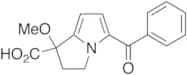
CAS:Producto controlado<p>Applications An impurity of the analgesic Ketorolac (K235650).<br></p>Fórmula:C16H15NO4Forma y color:NeatPeso molecular:285.293-Carboxy-α-methylbenzeneacetic Acid(Ketoprofen Impurity)
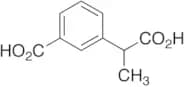
CAS:<p>Impurity Ketoprofen EP Impurity C; Ketoprofen USP Compound C: (2-(3-Carboxyphenyl)propionic Acid)<br>Applications 3-Carboxy-α-methylbenzeneacetic Acid (Ketoprofen EP Impurity C) is a impurity of Ketoprofen (K200800). Ketoprofen USP Compound C: (2-(3-Carboxyphenyl)propionic Acid)<br>References Dvorak, J., et al.: J. Pharm. Biomed. Anal., 36, 625 (2004), Allegretti, M., et al.: J. Med. Chem., 48, 4312 (2005),<br></p>Fórmula:C10H10O4Forma y color:Off-WhitePeso molecular:194.18rac 2-(4-Formylphenyl)propionic Acid (Ibuprofen Impurity K)
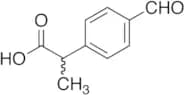
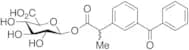
CAS:<p>Impurity Ibuprofen EP Impurity K<br>Applications rac 2-(4-Formylphenyl)propionic Acid (Ibuprofen EP Impurity K) is a degradation product of Ibuprofen arising from oxidative and thermal treatments. Ibuprofen impurity K.<br>References Heikkinen, L., et al.: Acta Pharm. Fenn., 92, 275 (1983), Vargas, F., et al.: Pharmazie, 11, 767 (1991), Lee, J., et al.: Pharm. Res., 9, S170 (1995),<br></p>Fórmula:C10H10O3Forma y color:White To Light YellowPeso molecular:178.18Ketoprofen Acyl-β-D-glucuronide (Mixture of Diastereomers)
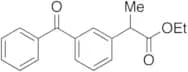
CAS:Producto controlado<p>Stability Hygroscopic<br>Applications A metabolite of Ketoprofen (K200800(P)), which is an anti-inflammatory; analgesic.<br> Not a dangerous good if item is equal to or less than 1g/ml and there is less than 100g/ml in the package<br>References Skordi, E., et al.: Xenobiotica, 34, 1075 (2004); Ueno, K., et al.: J. Med. Chem., 19, 941 (1976); Liversidge, G.G., Anal. Profiles Drug Subs., 10, 443 (1981); Jamali, F., et al.: Clin. Pharmacokinet., 19, 197 (1990)<br></p>Fórmula:C22H22O9Forma y color:NeatPeso molecular:430.40Ketoprofen Ethyl Ester
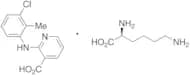
CAS:Producto controlado<p>Applications Ketoprofen ethyl ester is an impurity of Ketoprofen (K200800).<br> Not a dangerous good if item is equal to or less than 1g/ml and there is less than 100g/ml in the package<br>References Borodkin, S., et al.: J. Pharm. Sci., 59, 481 (1970), Shanbag, V., et al.: J. Pharm. Sci., 81, 149 (1991), Khan, M., et al.: Eur. J. Med. Chem., 40, 371 (2005),<br></p>Fórmula:C18H18O3Forma y color:ColourlessPeso molecular:282.33L-Lysine Clonixinate
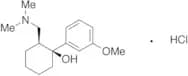
CAS:<p>Applications L-Lysine Clonixinate is a non-morphinic andalgesic.<br>References Krymchantowski, A., et al.: Curr. Ther. Res., 64, 505 (2003), Di Girolamo, G., et al.: Brit. J. Pharmacol., 141, 1234 (2004),<br></p>Fórmula:C13H11ClN2O2·C6H14N2O2Forma y color:Off WhitePeso molecular:408.88(-)-Tramadol Hydrochloride
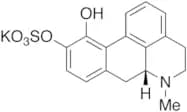
CAS:Producto controlado<p>Stability Hygroscopic<br>Applications An analgesic. Used in the treatment of urinary incontinence.<br> Not a dangerous good if item is equal to or less than 1g/ml and there is less than 100g/ml in the package<br>References Raffa, R.B., et al.: J. Pharmacol. Exp. Ther., 267, 331 (1993)<br></p>Fórmula:C16H25NO2·ClHForma y color:NeatPeso molecular:299.84(R)-Apomorphine-10-sulfate
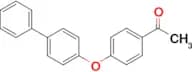
CAS:Producto controladoFórmula:C17H17NO5SForma y color:NeatPeso molecular:347.391-(2,4-Bis(benzyloxy)-6-hydroxyphenyl)ethanone
CAS:Pureza:95.0%Forma y color:Liquid, No data available.Peso molecular:348.39801025390625Ref: 10-F229499
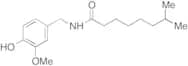
1gA consultar5gA consultar10gA consultar25gA consultar100gA consultar250mgA consultarNordihydrocapsaicin
CAS:Producto controlado<p>Applications Nordihydrocapsaicin is a capsaicinoid and analog and congener of capsaicin in chili peppers.<br> Not a dangerous good if item is equal to or less than 1g/ml and there is less than 100g/ml in the package<br>References Iwai, K., et al.: Agri. Biol. Chem., 43, 2493 (1979); Kozukue, N., et al.: J. Agr. Food Chem., 53, 9172 (2005)<br></p>Fórmula:C17H27NO3Forma y color:Off-WhitePeso molecular:293.402-Butyl-6-methoxynaphthalene
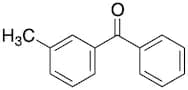
CAS:Producto controlado<p>Applications 2-Butyl-6-methoxynaphthalene is an impurity of Nabumetone (N200500), an anti-inflammatory and antibacterial agent.<br>References Najera, C., et al.: Adv. Syn. Cat., 346, 1798 (2004); Kumpulainen, H., et al.: J. Med. Chem., 49, 1207 (2006)<br></p>Fórmula:C15H18OForma y color:White To GreyPeso molecular:214.33-Methylbenzophenone
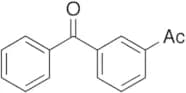
CAS:<p>Applications 3-Methylbenzophenone (cas# 643-65-2) is a useful research chemical.<br></p>Fórmula:C14H12OForma y color:NeatPeso molecular:196.243-Acetylbenzophenone
CAS:<p>Impurity Ketoprofen EP Impurity A; Ketoprofen USP Related Compound D<br>Applications 3-Acetylbenzophenone (Ketoprofen EP Impurity A) is a Ketoprofen intermediate. Ketoprofen USP Related Compound D.<br>References Dvorak, J., et al.: J. Pharm. Biomed. Anal., 36, 625 (2004), Zhang, X., et al.: Bioorg. Med. Chem. Lett., 14, 1205 (2004),<br></p>Fórmula:C15H12O2Forma y color:Off-White To Light YellowPeso molecular:224.25

![N-[5-(Acetylamino)-2-hydroxyphenyl]-N-(4-hydroxyphenyl)acetamide](/_next/image/?url=https%3A%2Fstatic.cymitquimica.com%2Fproducts%2FTR%2Fthumb-webp%2FA161245.webp&w=3840&q=75)