Monosacáridos
Subcategorías de "Monosacáridos"
- Allosas(11 productos)
- Arabinosas(21 productos)
- Eritrosas(11 productos)
- Fructosas(9 productos)
- Fucosas(36 productos)
- Galactosamina(41 productos)
- Galactosa(261 productos)
- Glucosas(365 productos)
- Ácidos glucurónicos(52 productos)
- Glico-sustratos para enzimas(78 productos)
- Gulosas(6 productos)
- Idosas(4 productos)
- Inositoles(15 productos)
- Lyxosas(4 productos)
- Manosas(65 productos)
- O-glicanos(48 productos)
- Psicosas(3 productos)
- Ramnosas(10 productos)
- Ribosas(61 productos)
- Ácidos siálicos(100 productos)
- Sorbosas(4 productos)
- Azúcares(173 productos)
- Tagatosis(4 productos)
- Taloses(8 productos)
- Xilosas(20 productos)
Se han encontrado 6088 productos de "Monosacáridos"
2-Deoxy-D-ribonic acid-1,4-lactone
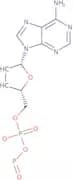
CAS:2-Deoxy-D-ribonic acid-1,4-lactone (2DRA) is a chemical compound with physiological effects. 2DRA is an irreversible inhibitor of DNA polymerase that has been shown to be a potent inhibitor of nuclear DNA synthesis in vitro and in vivo. The 2DRA inhibits the transfer reactions that are required for the replication of DNA. 2DRA binds to the nuclease domain of the enzyme and prevents it from cutting the phosphodiester bonds, leading to inhibition of DNA synthesis. This compound also has genotoxic effects and can cause mutation in cells through radiation or chemical treatment.Fórmula:C5H8O4Pureza:Min. 95%Forma y color:Colorless Yellow PowderPeso molecular:132.12 g/mol2-Amino- 2- deoxy- 3, 4- di- O- methyl-D- glucose
CAS:2-Amino- 2-deoxy-3,4-di-O-methyl-D-glucose is a sugar that belongs to the group of carbohydrates. It has been custom synthesized and modified with fluorine and methyl groups. This product is available in high purity, which can be used as a building block for glycosylation or click modification.Fórmula:C8H17NO5Pureza:Min. 95%Peso molecular:207.22 g/mol1,3,4,6-Tetra-O-acetyl-N-azidoacetylgalactosamine
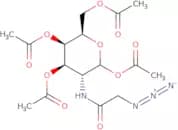
CAS:1,3,4,6-Tetra-O-acetyl-N-azidoacetylgalactosamine is an azido-tagged analogue of N-acetylgalactosamine. It features azide functionality on the N-acyl side chain and is acetylated to aid in cell membrane permeation. It is metabolised by mammalian cells and incorporated into mucin-type-O-linked glycoproteins. The azide functionality is exploited as a biorthogonal functional group that can be reacted with phosphine probes by the Staudinger ligation.Fórmula:C16H22N4O10Pureza:Min. 95 Area-%Forma y color:White Off-White PowderPeso molecular:430.37 g/molL-Xylonic acid-1,4-lactone
CAS:L-Xylonic acid-1,4-lactone is an enzyme that functions as a glycolytic enzyme. It catalyzes the conversion of D-xylose to L-xylonic acid and L-xylonic acid-1,4-lactone. This enzyme is expressed in leukemia HL60 cells and is activated by acidic conditions. L-Xylonic acid-1,4-lactone has been shown to be catabolized by the enzyme xylanase. The kinetic properties of this reaction have been studied using mass spectrometric techniques and biochemical methods. The rate of the reaction was found to be dependent on the presence of divalent cations (Mg2+ or Ca2+) or monovalent ions (Na+ or K+). L-Xylonic acid 1,4 lactone also catabolizes glucose with a similar rate constant.
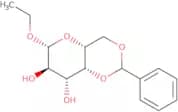
Fórmula:C5H8O5Pureza:Min. 95 Area-%Forma y color:White PowderPeso molecular:148.11 g/molEthyl 4,6-O-benzylidene-b-D-galactopyranoside
CAS:Ethyl 4,6-O-benzylidene-β-D-galactopyranoside is a carbohydrate that belongs to the monosaccharide class. It is glycosylated with an ethyl group at the hydroxyl group at the 6th position and methylated on the benzene ring at the 4th position. This modification has been shown to increase its solubility in water and its stability in basic solutions. The synthesis of this compound is performed through a click reaction, which allows for high purity and custom synthesis. Ethyl 4,6-O-benzylidene-β-D-galactopyranoside can be used as a sugar substitute or in pharmaceuticals for treatment of diabetes mellitus type 2.Fórmula:C15H20O6Pureza:Min. 95%Forma y color:PowderPeso molecular:296.32 g/mol1,3,5-Tri-O-benzoyl-a-L-ribofuranose
CAS:1,3,5-Tri-O-benzoyl-a-L-ribofuranose is a synthetic sugar with a complex carbohydrate structure. It is synthesized by the sequential addition of benzoyl groups to the alditol acetal of ribose. The molecular weight of this compound is 598.6 g/mol and its CAS number is 171866-30-1. 1,3,5-Tri-O-benzoyl-a-L-ribofuranose has been shown to be an excellent substrate for glycosylation and methylation reactions due to the presence of three reactive hydroxyl groups that can react with nucleophiles such as amines or thiols. Methylation reactions are typically carried out in the presence of sodium methoxide in methanol at room temperature for several hours. Glycosylation reactions require the use of activated glycosyl donors such as UDP glucose, UDP galactose
Fórmula:C26H22O8Pureza:Min. 97 Area-%Forma y color:PowderPeso molecular:462.45 g/mol(2S, 3S, 4S) -2- (Hydroxymethyl) - 2- methyl- 3, 4- pyrrolidinediol
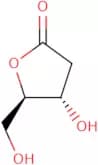
CAS:The product is a Carbohydrate, Modification, saccharide, Oligosaccharide. It is an artificial sugar that has been synthesized and modified for use in the food industry. The material is a complex carbohydrate with a high purity level and custom synthesis. It can be used in the production of sweeteners or as a flavor enhancer. The product is fluorinated to slow down its rate of degradation, which allows it to be used as an ingredient in processed foods. The product also has glycosylation sites that can be methylated or click-modified.Fórmula:C6H13NO3Pureza:Min. 95%Peso molecular:147.17 g/molD-Erythrono-1.4-lactone
D-Erythrono-1.4-lactone is a carbohydrate that belongs to the group of oligosaccharides. It is a synthetic sugar with the CAS number 687-83-0. This carbohydrate is a monosaccharide with an oxygen atom in the alpha position, which has been fluorinated and methylated. The methylation on this sugar can be accomplished by either a glycosylation or click chemistry modification. This sugar can be used as an anti-tumor agent or as an adjuvant for chemotherapy treatments.
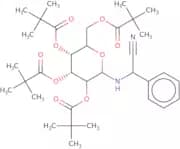
Pureza:Min. 95%N-(2'-Phenylacetonitrile)-2,3,4,6-tetra-O-pivaloyl-D-glucopyranoside
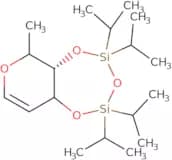
CAS:N-(2'-Phenylacetonitrile)-2,3,4,6-tetra-O-pivaloyl-D-glucopyranoside is a synthetic glycosyl compound that has been modified with fluorine. The compound has been shown to be effective in the methylation of saccharides and oligosaccharides. It can be used for modification of polysaccharides and carbohydrates by Click chemistry. This product is offered as a custom synthesis and can be ordered in high purity.Fórmula:C34H50N2O9Pureza:Min. 95%Peso molecular:630.77 g/mol3,4-O-(1',1',3',3'-Tetraisopropyl-1,3-disiloxanediyl)-L-rhamnal
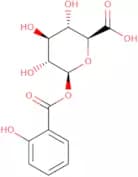
CAS:3,4-O-(1',1',3',3'-Tetraisopropyl-1,3-disiloxanediyl)-L-rhamnal is a synthetic sugar that is used as a building block for the synthesis of glycoproteins and other polymers. It can be methylated to give 3,4-O-(1',1',3',3'-tetramethyl-1,3-disiloxanediyl)-L-rhamnal, which is an inhibitor of protein glycosylation. 3,4-O-(1',1',3',3'-Tetraisopropyl-1,3-disiloxanediyl)-L-rhamnal has been fluorinated to give 3,4-O-(2'-fluoroethylidene) -L-rhamnal and used in Click chemistry reactions.Fórmula:C18H36O4Si2Pureza:Min. 95%Peso molecular:372.65 g/molSalicylic acid-acyl-b-D-glucuronide
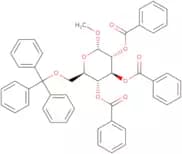
CAS:Salicylic acid-acyl-b-D-glucuronide is an anti-inflammatory compound that is found in the urine of diabetic patients. It has been shown to inhibit the production of a number of proinflammatory compounds, including prostaglandin E2 (PGE2), in human serum. Salicylic acid-acyl-b-D-glucuronide is formed by the reaction of salicylic acid with acetylsalicylic acid. The rate of formation is dependent on the concentration of salicylic acid and pH. The reactive product can form covalent adducts with tyrosinase and other proteins, leading to inhibition of tyrosinase activity and melanin synthesis.Fórmula:C13H14O9Pureza:Min. 95%Forma y color:White PowderPeso molecular:314.24 g/molMethyl 2,3,4-tri-O-benzoyl-6-O-trityl-a-D-glucopyranoside
CAS:Methyl 2,3,4-tri-O-benzoyl-6-O-trityl-a-D-glucopyranoside is a synthetic compound that has been modified. This modification includes the addition of fluorine at the 6th carbon on the right side of the molecule. The methylation and tritylation of the molecule have also been performed to create a new product with a better stability. Methyl 2,3,4-tri-O-benzoyl-6-O-trityl-aDglucopyranoside can be used as a monosaccharide or oligosaccharide in glycosylation reactions. It can also be used as an intermediate in the synthesis of complex carbohydrate molecules.Fórmula:C47H40O9Pureza:Min. 95%Peso molecular:748.84 g/mol2-C-(Hydroxymethyl)-2,3-O-isopropylidene-L-lyxono-1.4-lactone
2-C-(Hydroxymethyl)-2,3-O-isopropylidene-L-lyxono-1.4-lactone is a synthetic modification of the oligosaccharide, 2,3-O-isopropylidene L-lyxonic acid lactone. It is a white to off-white crystalline powder that is soluble in water. This product has been custom synthesized and can be used as a monosaccharide or methylated in the glycosylation step. The CAS number for this product is 72893-21-6 and it has a molecular weight of 252.24 g/mol.Pureza:Min. 95%1,3,4,6-Tetra-O-acetyl-a-D-galactopyranose
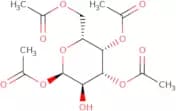
CAS:1,3,4,6-Tetra-O-acetyl-a-D-galactopyranose is a custom synthesis of 1,3,4,6-tetra-O-acetyl-a-D-galactopyranose. It is used in the modification of saccharides and polysaccharides. The modification is done by Click chemistry with the incorporation of fluorine in the sugar ring. This product is available as a white powder and has a CAS number of 19186-40-4.Fórmula:C14H20O10Pureza:Min. 95%Forma y color:White PowderPeso molecular:348.3 g/mol6-Azido-6-deoxy-L-galactose
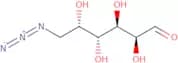
CAS:6-Azido-6-deoxy-L-galactose is an analog of the natural L-galactose. It has been shown to inhibit the growth and survival of a number of human pathogens, including those that cause tuberculosis, staphylococcal infections, and meningitis. 6-Azido-6-deoxygalactose is reactive with cellular structures and glycoconjugates, which may have contributed to its antimicrobial activity in tissue culture. 6A6DG blocks fatty acid synthesis by inhibiting enzymes called acyltransferases. It also inhibits glycolysis by interfering with the conversion of glucose into glycogen through inhibition of glycogen synthase kinase 3β (GSK3β), which leads to decreased levels of ATP in cells. This compound also inhibits glutaminase activity in the brain, leading to impaired neurotransmitter release and subsequent neuronal cell death.Fórmula:C6H11N3O5Pureza:Min. 95%Forma y color:White PowderPeso molecular:205.17 g/mol2,3-O-Isopropylidene-D-lyxofuranose
CAS:2,3-O-Isopropylidene-D-lyxofuranose is a synthetic disaccharide that is used as an antiinflammatory agent. It has been shown to inhibit the production of e-selectin, a protein that mediates inflammation by binding to cells in the vicinity of the site of injury. This compound has also been shown to inhibit diacetate formation from oxocarbenium ions and glycosidic linkage formation. 2,3-O-Isopropylidene-D-lyxofuranose may be synthesized via a Wittig reaction with phytosphingosine or wittig reaction with acetone.Fórmula:C8H14O5Pureza:Min. 98 Area-%Forma y color:White PowderPeso molecular:190.19 g/mol1-O-Acetyl-3,5-bis(4-chlorobenzoyl)-2-deoxy-D-ribose
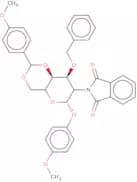
CAS:1-O-Acetyl-3,5-bis(4-chlorobenzoyl)-2-deoxy-D-ribose is a methylated saccharide that can be synthesized from D-ribose and 4-(chloromethyl)benzaldehyde. It has been used for the modification of polysaccharides with click chemistry to produce oligosaccharides. This compound has also been used in the synthesis of glycosyls such as N,N'-diacetylchitobiose and N,N'-diacetylchitotriose. 1-O-Acetyl 3,5 bis (4 chlorobenzoyl)-2 deoxy D ribose is an Oligosaccharide that is soluble in water and is stable at high temperatures. The purity of this compound exceeds 99% and it's CAS number is 1207459-15-1.Fórmula:C21H18Cl2O7Pureza:(%) Min. 95%Forma y color:White PowderPeso molecular:453.27 g/mol4-Methoxyphenyl 2-deoxy-3-benzyl-4,6-O-(4-methoxybenzylidene)-2-phthalimido-β-D-glucopyranoside
4-Methoxyphenyl 2-deoxy-3-benzyl-4,6-O-(4-methoxybenzylidene)-2-phthalimido-b-D-glucopyranoside is a custom synthesis that has been modified with fluorination and carbamoylation. This product is an oligosaccharide that belongs to the group of polysaccharides. It is a complex carbohydrate that has been synthesized from monosaccharides and sugar. 4MPBGP is soluble in water and has high purity levels. *The following content was automatically generated by eCommerce software:Fórmula:C36H33NO9Pureza:Min. 95%Peso molecular:623.65 g/molD-Galactose non-animal origin
CAS:D-Galactose is a monosaccharide that is found in the cells of plants and animals. It can be synthesized from D-glucose by adding a D-galactose molecule to the alpha carbon of an existing glucose molecule. The resulting bond is called a glycosidic linkage. This process is called glycosylation. Glycosylation occurs when a sugar molecule reacts with another molecule, such as an amino acid, lipid, or nucleotide, to form what is known as a glycoside linkage. In this case, the sugar is D-galactose and the other molecules are either amino acids or lipids. The reaction between D-galactose and other molecules often results in polysaccharides and complex carbohydrates such as cellulose, chitin, and glycogen.
Methylation of D-galactose can produce methyl galactoside (CAS No. 1881-42-7), whichFórmula:C6H12O6Pureza:Min. 98 Area-%Peso molecular:180.16 g/mol(R)-1,4-Anhydro-2-O-(2,4-dimethoxybenzoyl)-3,5-O-(1,1,3,3- tetraisopropyldisiloxane-1,3-diyl)-4-sulfinyl-D-ribitol
CAS:(R)-1,4-Anhydro-2-O-(2,4-dimethoxybenzoyl)-3,5-O-(1,1,3,3- tetraisopropyldisiloxane-1,3-diyl)-4-sulfinyl-D-ribitol is a synthetic carbohydrate. It is a monosaccharide that has been modified with methylation and fluorination. The compound is used in the synthesis of oligosaccharides and polysaccharides. (R)-1,4-Anhydro-2-O-(2,4-dimethoxybenzoyl)-3,5--O-(1,1,3,3--tetraisopropyldisiloxane) -D ribitol has been found to be an active ingredient in pharmaceutical products.Pureza:Min. 95%D-Gulose
CAS:D-Gulose is a sugar that has been shown to have inhibitory properties on blood glucose levels. It also has insulin-like effects and can be used as an alternative to insulin injections in patients with Type 1 diabetes. D-Gulose is metabolized by the liver into 5-deoxy-D-gluconic acid and then into glucose, which can then be used for cellular energy production. The rate constant for this process was determined in experiments using rat liver slices. D-Gulose may also have potent angiogenic effects, as it increased the proliferation of pluripotent cells and caused significant increases in growth factor β1 expression. D-Gulose may also have potential anti-cancer effects, as it inhibited nitrate reductase activity in tumor cells and decreased xanthine oxidase activity.Fórmula:C6H12O6Pureza:Min. 99 Area-%Forma y color:White PowderPeso molecular:180.16 g/mol(2R, 3S, 4S) -4- (Azidomethyl) - 3- fluoro- 1- (phenylmethyl) -2- azetidinecarboxylic acid methyl ester
CAS:(2R, 3S, 4S) -4- (Azidomethyl) - 3- fluoro- 1- (phenylmethyl) -2- azetidinecarboxylic acid methyl ester is a synthetic saccharide which is used in the synthesis of oligosaccharides and monosaccharides. It has been shown to be useful for glycosylation reactions and click chemistry. This compound is also fluorinated and has a purity of 98%.Fórmula:C13H15FN4O2Pureza:Min. 95%Peso molecular:278.28 g/molADP-D-glucose disodium salt
CAS:ADP-D-glucose disodium salt is a synthetic saccharide with the chemical formula C6H14N2O8. It is used as a building block for the synthesis of complex carbohydrates, such as polysaccharides and oligosaccharides. ADP-D-glucose disodium salt can be modified to create methylated, glycosylated, and fluorinated derivatives. These modifications allow ADP-D-glucose disodium salt to be used in Click chemistry and other advanced applications.br>br>ADP-D-glucose disodium salt is also known by its CAS number 102129-65-7.br>br> br>br>Fórmula:C16H23N5O15P2·2NaPureza:Min. 95%Forma y color:PowderPeso molecular:633.31 g/mol3,6-Dideoxy-3,6-imino-1,2-O-isopropylidene-a-D-glucofuranose
3,6-Dideoxy-3,6-imino-1,2-O-isopropylidene-a-D-glucofuranose is an oligosaccharide that has been modified to contain fluorine. This sugar is a complex carbohydrate that can be custom synthesized for use in glycosylation reactions. It can be used to modify polysaccharides and has been shown to have a high purity.Pureza:Min. 95%(2R, 3R, 3aS, 9aR) -2, 3, 3a, 9a- Tetrahydro- 3- hydroxy- 6- imino- 3a- methyl- 6H- furo[2', 3':4, 5] oxazolo[3, 2- a] pyrimidine- 2 - methanol
(2R, 3R, 3aS, 9aR) -2, 3, 3a, 9a- Tetrahydro- 3- hydroxy- 6- imino- 3a- methyl- 6H- furo[2', 3':4, 5] oxazolo[3, 2- a] pyrimidine- 2 - methanol is a custom synthesized molecule that has been modified to include fluorination and methylation. This compound is an oligosaccharide that contains saccharides and sugar units. It is a polysaccharide with glycosylation on the sugar unit.Pureza:Min. 95%Methy 2-deoxy-5-O-(4-phenylbenzoyl)-a-D-ribofuranoside
CAS:Methyl 2-deoxy-5-O-(4-phenylbenzoyl)-a-D-ribofuranoside is a custom synthesis of an Oligosaccharide, Polysaccharide, saccharide, Carbohydrate. It is a fluorinated modification of a high purity custom synthesis of Methy 2-deoxy-5-O-(3,4,6-trichlorobenzoyl)-a-D-ribofuranoside. The compound has been modified by Click chemistry to include a methyl group at the C2 position and it has been shown to be a complex carbohydrate. The compound has also been synthesized with great purity and high quality. This compound can be used in the study of monosaccharides, sugars and synthetic compounds.Fórmula:C19H20O5Pureza:Min. 95%Peso molecular:328.36 g/mol3,4,6-Tri-O-allyl-D-glucal
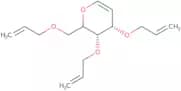
CAS:3,4,6-Tri-O-allyl-D-glucal is a custom synthesis of a complex carbohydrate. It is an Oligosaccharide and Polysaccharide that can be modified by methylation and glycosylation. The product is a Modification of saccharides that has been shown to have Methylation, Glycosylation, Carbohydrate and Click modification. 3,4,6-Tri-O-allyl-D-glucal has CAS No. 434327-45-4 and is available in High purity with Fluorination.Fórmula:C15H22O4Pureza:Min. 95%Peso molecular:266.33 g/molD-Salicin
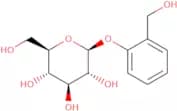
CAS:D-Salicin is a naturally occurring compound, classified as a biologically active glycoside. It is acquired from the bark of willow trees, primarily species within the genus Salix. The primary mode of action of D-Salicin involves its metabolic conversion into salicylic acid within the human body. This conversion occurs in the gastrointestinal tract and bloodstream, ultimately displaying effects similar to non-steroidal anti-inflammatory drugs (NSAIDs).Fórmula:C13H18O7Pureza:Min. 98 Area-%Forma y color:White Off-White PowderPeso molecular:286.28 g/mol2-Acetamido-2-deoxy-L-mannopyranose
CAS:2-Acetamido-2-deoxy-L-mannopyranose is a sugar that is synthesized by the enzyme arabinofuranosidase. This enzyme catalyzes the hydrolysis of arabinose to form 2-acetamido-2-deoxy-l-mannopyranose. The enzyme has been shown to be thermostable and can be used as an acceptor for other enzymes, such as glycosyltransferases and glucosidases. The biosynthesis of 2-acetamido-2-deoxymannopyranose starts with l -arabinose, which is converted into d -arabinose by the action of aldaribinofuranosidase, followed by conversion into 2 acetamido--2 deoxymannopyranose by the action of arabinofuranosidase. Mutations in these enzymes have been found to affect the stereospecificFórmula:C8H15NO6Pureza:Min. 95%Forma y color:PowderPeso molecular:221.2 g/molD-Xylose-5-phosphate disodium
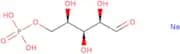
CAS:D-Xylose-5-phosphate disodium salt is a Custom synthesis that has been fluorinated, methylated, and modified with a click reaction. D-Xylose-5-phosphate disodium salt is also an oligosaccharide and polysaccharide. The CAS No. for this compound is 1083083-57-1.Fórmula:C5H11O8P•Na2Pureza:(%) Min. 80%Forma y color:White/Off-White SolidPeso molecular:276.09 g/molN-Amyl β-D-glucopyranoside
CAS:N-Amyl b-D-glucopyranoside is a monosaccharide with a glucose residue at the 1 position and an amyl group at the 2 position. It is a synthetic sugar that can be used as a starting material in glycosylation reactions to modify oligosaccharides, saccharides, and complex carbohydrates. N-Amyl b-D-glucopyranoside can also be fluorinated, methylated, or modified by click chemistry to produce novel compounds. N-Amyl b-D-glucopyranoside is typically obtained by the glycosylation of amylamine with dibenzoyl glucose in the presence of an acid catalyst. This reaction produces a mixture of mono-, di-, tri-, tetra-, penta-, hexa-, hepta-, octa-, nona-, deca-, undeca-, dodeca-, and tetradecasaccharides, whichFórmula:C11H22O6Pureza:Min. 95%Forma y color:White to off-white solid.Peso molecular:250.29 g/mol2,4,6-Tri-O-acetyl-3-O-benzyl-b-D-glucopyranosylamine
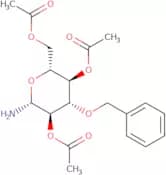
CAS:Building block for 3-O-modified glucosylamide-linked glyconconjugatesFórmula:C19H25NO8Pureza:Min. 95%Forma y color:PowderPeso molecular:395.4 g/molD-Galactosamine hydrochloride - Synthetic origin
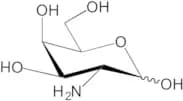
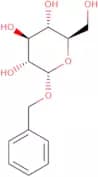
CAS:D-Galactosamine (GalN) is an aldohexose (2-Amino-2-deoxygalactose) in which the hydroxyl group at position 2 is replaced by an amino group (Collins, 2006). Galactosamine (as the N-Acetyl derivative) forms a key part of both N- and O-linked glycoproteins, glycolipids and glycosaminoglycans. Treatment of experimental animals with D-galactosamine / lipopolysaccharide causes lethal liver injury characterized by apoptosis of the hepatocyte and it is used as a laboratory model to study the effect of therapeutic agents (Hirono, 2001).Fórmula:C6H13NO5·HClPureza:Min. 98 Area-%Forma y color:White PowderPeso molecular:215.63 g/molBenzyl α-D-glucopyranoside
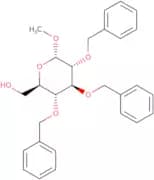
CAS:Benzyl a-D-glucopyranoside is an organic compound with the chemical formula CHO. It is a benzoyl derivative of glucose, which has been shown to be useful in the synthesis of other glycosides. The reaction yield and condition are dependent on reaction temperature and yield rate. The chloride ion reacts with the benzoyl chloride to form an ester, which then hydrolyzes to produce the desired product and hydrogen chloride. The reaction can be carried out at room temperature or under reflux conditions.Fórmula:C13H18O6Pureza:Min. 95%Forma y color:PowderPeso molecular:270.28 g/molMethyl 2,3,4-tri-O-benzyl-α-D-glucopyranoside
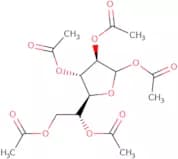
CAS:Resource for the 6-O-modification of Glc e.g. in glucuronic acid synthesisFórmula:C28H32O6Pureza:Min. 95%Forma y color:White PowderPeso molecular:464.55 g/mol1,2,3,5,6-Penta-O-acetyl-D-galactofuranose
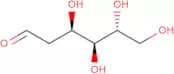
CAS:1,2,3,5,6-Penta-O-acetyl-D-galactofuranose is a condensation product of a 4-methylumbelliferone with the anomeric form of D-galactose. It is a white crystalline solid that can be obtained in yields up to 200 g per multigram of reactants. This compound has been shown to react with chloride ion and zinc chloride at elevated temperatures to yield the corresponding chloride or zinc salt. The crystal structure of this compound has been studied by x-ray diffraction and found to have an anomeric configuration and a space group P2(1)22(1). Carbohydrates are polyhydroxyaldehydes or polyhydroxyketones containing at least one hemiacetal or hemiketal group in their structure. The general formula for carbohydrates is (Cx(H2O)y)z where x is usually 2 or 3, y isFórmula:C16H22O11Pureza:Min. 95%Forma y color:PowderPeso molecular:390.4 g/mol2-Deoxy-D-glucose
CAS:Glycolytic inhibitor; pro-apoptotic; anti-cancer agent
Fórmula:C6H12O5Pureza:Min. 98 Area-%Forma y color:White Off-White PowderPeso molecular:164.16 g/mol1,2:5,6-Di-O-isopropylidene-a-D-gulofuranose
CAS:Synthetic building blockFórmula:C12H20O6Pureza:Min. 98 Area-%Forma y color:White PowderPeso molecular:260.28 g/molGypsogenin-3-O-glucuronide
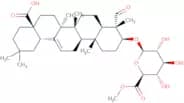
CAS:Gypsogenin-3-O-glucuronide is a saponin found in the roots of Gypsophila paniculata, a plant native to China. It has been shown to have anti-inflammatory and anti-tumor activities. Gypsogenin-3-O-glucuronide has been shown to inhibit tumor growth in mice by inhibiting protein synthesis. The pentasaccharides that make up gypsogenin are present in different proportions, which leads to differences in the biological activity of this compound. This is one of the reasons why saponins have not yet been fully explored for potential use in medicine.Fórmula:C37H56O10Pureza:Min. 95%Forma y color:PowderPeso molecular:660.83 g/molβ-D-Thiogalactose sodium
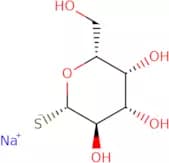
CAS:β-D-Thiogalactose sodium (DTGS) is a radiometric technique that evaluates the profiles of gases by measuring their molecular weights. DTGS is used to measure gas concentrations in the atmosphere, which are transferred to positions on a map. The DTGS technique is validated and calibrated by comparing its measurements with those of other techniques, such as infrared spectroscopy. It can be used to evaluate water vapor and other gases in the atmosphere. This technique has been shown to have accurate results at temperatures ranging from −5°C up to 100°C and at frequencies from 1 Hz up to 10 MHz.Fórmula:C6H11NaO5SPureza:Min. 95%Forma y color:PowderPeso molecular:218.2 g/molN-Methyl-L-glucosamine
CAS:N-Methyl-L-glucosamine is a monosaccharide that is used as a building block for glycosaminoglycans. It can be synthesized by the enzyme glucoamylase from glucose and UDP-N-acetylglucosamine, or supplied exogenously as a dietary supplement. N-Methyl-L-glucosamine is stable in the presence of light and resistant to microbial degradation. This agent has been shown to be effective in inhibiting skin cancer in mice when combined with other agents such as hydroquinone, retinoic acid, and tretinoin. N-Methyl-L-glucosamine has been shown to have antiangiogenic properties on tubule cells, which may be due to its ability to inhibit the production of vascular endothelial growth factor (VEGF) in these cells.Fórmula:C7H15NO5Pureza:Min. 95%Peso molecular:193.2 g/molN-(4-Methylbenzyliden)imino-2,3,4,6-tetra-O-pivaloyl-D-glucopyranoside
N-(4-Methylbenzyliden)imino-2,3,4,6-tetra-O-pivaloyl-D-glucopyranoside is a synthetic monosaccharide with a complex carbohydrate structure. It can be used in custom synthesis and glycosylation reactions. This product is not found in nature and has not been reported to be found in any natural products. The CAS number for this compound is 51492-04-3.Fórmula:C34H51NO9Pureza:Min. 95%Peso molecular:617.77 g/mol1-Chloro-2-deoxy-3,5-di-O-toluoyl-D-ribofuranose
CAS:Synthetic building block for nucleic acid researchFórmula:C21H21ClO5Pureza:Min. 95%Forma y color:Off-White PowderPeso molecular:388.84 g/molVoglibose
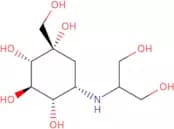
CAS:Voglibose is a competitive inhibitor of α-glucosidase used for the control of blood sugar levels in patients with type 2 diabetes mellitus. The compound binds reversibly to intestinal carbohydrate-active digestive enzymes with α-glucosidase activity, inhibits breakdown of complex sugars and consequently delays the absorption of glucose into blood.Fórmula:C10H21NO7Forma y color:White PowderPeso molecular:267.28 g/molN-Benzyl-6-fluoro-3,5,6-trideoxy-3,5-imino-L-idofuranose
N-Benzyl-6-fluoro-3,5,6-trideoxy-3,5-imino-L-idofuranose is an NMR spectroscopic heterocyclic compound. It has a molecular weight of 532.8 g/mol and a molecular formula of C12H14N2O8F3. This is a synthetic compound that belongs to the category of carbohydrates.Pureza:Min. 95%2-Deoxy-2-fluoro-L-fucose
CAS:2-Deoxy-2-fluoro-L-fucose (2FF) is a fluorinated analogue of fucose that can be converted to GDP (Guanosine Diphosphate)-2FF in vitro, a competitive inhibitor of alpha-1,3-fucosyltransferase V. It can also be metabolised inside the cell to a substrate-based inhibitor of fucosyltransferases. 2FF reduces fucosylation of IgG in antibodies, which increases therapeutic efficacies of antibodies that cause antibody-dependent cellular cytotoxicity.Fórmula:C6H11FO4Pureza:Min. 98.0 Area-%Forma y color:White PowderPeso molecular:166.15 g/mol3,4,6-Tri-O-benzyl-1-deoxy-D-sorbofuranose
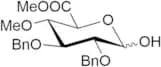
3,4,6-Tri-O-benzyl-1-deoxy-D-sorbofuranose is a custom synthesis of a monosaccharide that can be modified to include other sugars. It is an example of a complex carbohydrate, which are carbohydrates composed of multiple saccharides. Carbohydrates are vital for all living organisms as they provide the basic fuel for cellular respiration and serve as structural components of cells and tissues. 3,4,6-Tri-O-benzyl-1-deoxy-D-sorbofuranose is used in the synthesis of polysaccharides and glycosylations. This compound has been fluorinated to create an important chemical intermediate for synthesizing saccharides with a high purity.Pureza:Min. 95%Methyl (2,3-di-O-benzyl-4-O-methyl-α,β-D-glucopyranoside)uronate
CAS:A protected glucuronide which is an anomeric mixture.Fórmula:C22H26O7Pureza:Min. 95%Forma y color:PowderPeso molecular:402.44 g/mol3,5-((R)-Benzylidene)-6-deoxy-L-glucono-1,4-lactone
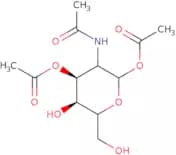
3,5-((R)-Benzylidene)-6-deoxy-L-glucono-1,4-lactone is a synthesized sugar that can be modified to include fluorination, glycosylation, methylation and other modifications. It is an oligosaccharide with a saccharide backbone made up of glucose units. The monosaccharides are galactose and glucuronic acid. 3,5-(R) Benzylidene)-6-deoxy-L-glucono-1,4-lactone is used in the synthesis of complex carbohydrates for research purposes.Pureza:Min. 95%2-Acetamido-1,3-di-O-acetyl-2-deoxy-D-glucopyranose
CAS:2-Acetamido-1,3-di-O-acetyl-2-deoxy-D-glucopyranose is a synthetic sugar that is used in the synthesis of complex carbohydrates. It has been shown to be an effective fluorinating agent for glycosylations and can be methylated or click modified. 2-Acetamido-1,3-di-O-acetyl-2-deoxy-D-glucopyranose has high purity and can be custom synthesized to order.Fórmula:C12H19NO8Pureza:Min. 95%Forma y color:White PowderPeso molecular:305.28 g/mol1,3:4,6-Di-O-benzylidene-D-mannitol
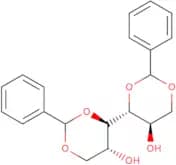
CAS:1,3:4,6-Di-O-benzylidene-D-mannitol is a chiral sugar that is synthesized from d-mannitol. It is used for the preparation of polymers with acrylonitrile and phosphine. 1,3:4,6-Di-O-benzylidene-D-mannitol can be obtained by copolymerizing the monomers d-mannitol and acrylonitrile in an enantioselective manner. The yield of this compound depends on the analytical methods used to determine the composition of the polymer. The product is also used as a ligand in metal hydrides and simplifies the synthesis of chiral methyl esters.Fórmula:C20H22O6Pureza:Min. 95%Forma y color:PowderPeso molecular:358.39 g/mol3,4-Di-O-acetyl-L-arabinal
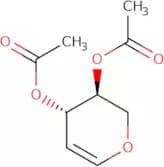
CAS:3,4-Di-O-acetyl-L-arabinal is a synthetic compound that belongs to the class of monofluorides. It has been synthesized from l-arabinose by a stereoselective process, with triflic acid as the catalyst and propargylation as the key step. The synthetic pathway starts from an acid hydrolysis of L-arabinose to yield 3,4-di-O-acetyl-L-arabinonic acid. This acid is then converted to 3,4 diacetyl L arabinonic acid with acetic anhydride and acetic acid in the presence of triethylamine. The final product is then obtained by reacting this intermediate with 1 equivalent of sodium fluoride in tetrahydrofuran (THF) using catalytic reduction with sodium borohydride at 0 °C. The major advantage of this synthetic process is that it provides two stereoisomers: (
Fórmula:C9H12O5Pureza:Min. 95%Forma y color:Yellow Clear LiquidPeso molecular:200.19 g/mol3-Azido-1-O-t-butyldimethylsilyl-2,3,6-trideoxy-b-L-arabino-hexopyranose
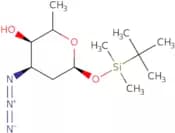
3-Azido-1-O-t-butyldimethylsilyl-2,3,6-trideoxy-b-L-arabinohexopyranose is a modified sugar. It is used as a building block in the synthesis of oligosaccharides and polysaccharides. This product is custom synthesized to customer's specifications and is available in high purity.Fórmula:C12H25N3O3SiPureza:Min. 95%Peso molecular:287.43 g/mol2-Methyl-(3,4,6-tri-O-acetyl-1,2-dideoxy-a-D-glucopyrano)-[2,1-d]-2-oxazoline
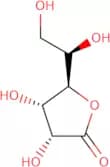
CAS:2-Methyl-(3,4,6-tri-O-acetyl-1,2-dideoxy-a-D-glucopyrano)-[2,1-d]-2-oxazoline (TAO) is a molecule that is produced during the glycosylation of proteins. TAO has been shown to enhance chemotherapy by targeting and inhibiting the growth of cancer cells. TAO binds to the epidermal growth factor receptor (EGFR), which is a protein that regulates cell proliferation. TAO inhibits cancer cell growth by blocking the activation of EGFR and its downstream signaling pathways. This inhibition leads to tumor regression in xenografts in mice. TAO also blocks o-glycosylation, which is a process that enhances cancer therapy resistance.Fórmula:C14H19NO8Pureza:90%Forma y color:Yellow PowderPeso molecular:329.31 g/molL-Galactono-1,4-lactone
CAS:L-Galactono-1,4-lactone is a biochemical compound that is found in plants and some living cells. It is an intermediate in the Krebs cycle and can be used as a nutrient solution for plant science research. L-Galactono-1,4-lactone has been shown to have enzyme activities on chronic exposure to sephadex g-100. This compound also has an optimum pH of 5.2 and shows acid formation with titration calorimetry. L-Galactono-1,4-lactone is also used in vitro assays for polymerase chain reactions (PCR).Fórmula:C6H10O6Pureza:Min. 98%Forma y color:White Off-White PowderPeso molecular:178.14 g/mol2- Azido-3,5-di-O-benzoyl- 2- deoxy- 2- C- methyl-D- ribonic acid g- lactone
CAS:2-Azido-3,5-di-O-benzoyl-2-deoxy--C-methyl-D--ribonic acid g--lactone is a methylated saccharide that can be used for the synthesis of polysaccharides. The 2'-azido group in this compound can be used to modify oligosaccharides and glycosylations. This compound is a custom synthesis and is not commercially available. It has been shown to have high purity and a yield of 99%.Fórmula:C20H17N3O6Pureza:Min. 95%Peso molecular:395.37 g/mol2,3,4,6-Tetra-O-acetyl-β-D-galactopyranosyl azide
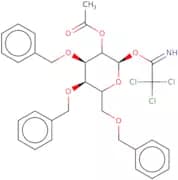
CAS:2,3,4,6-Tetra-O-acetyl-β-D-galactopyranosyl azide is a catalyst that has been used in the production of carbonate catalysts. It can also be used to reoxidize metallic catalysts.Fórmula:C14H19N3O9Pureza:Min. 95%Forma y color:White PowderPeso molecular:373.32 g/mol2-O-Acetyl-3,4,6-tri-O-benzyl-a-D-glucopyranosyl trichloroacetimidate
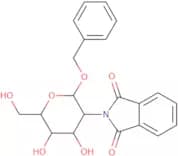
CAS:2-O-Acetyl-3,4,6-tri-O-benzyl-a-D-glucopyranosyl trichloroacetimidate is a custom synthesis. It is a modified oligosaccharide with a fluorinated carbon atom in the 2 position of the acetyl group. This chemical has been shown to be effective for click modification and glycosylation reactions. The CAS number for this chemical is 108869-64-3.Pureza:Min. 95%Benzyl 2-deoxy-2-phthalimido-β-D-glucopyranoside
CAS:Benzyl 2-deoxy-2-phthalimido-b-D-glucopyranoside is a custom synthesis that belongs to the group of complex carbohydrates. It is an oligosaccharide or polysaccharide that is modified with methylation, glycosylation, and carbamylation, and has a CAS number of 80035-32-1. This compound has been used in the synthesis of saccharides for the preparation of an antibody drug conjugate. Benzyl 2-deoxy-2-phthalimido-b-D-glucopyranoside is also known as 6Fluoro 3 indoxyl beta D galactopyranoside.Fórmula:C21H21NO7Pureza:Min. 95%Peso molecular:399.39 g/mol6-O-Acetyl-D-glucose
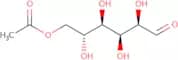
CAS:6-O-Acetyl-D-glucose is a natural sugar that is found in Holothuria, a sea cucumber. It has been shown to have anti-cancer and anti-inflammatory properties. 6-O-Acetyl-D-glucose inhibits the production of extracellular Ca2+ and has shown therapeutic effects against colorectal carcinoma. This active substance also exhibits allergenic reactions, which may be due to its ability to bind to IgE antibodies on mast cells and basophils. 6-O-Acetyl-D-glucose is a glycoside that contains an acetate group linked by an O atom to the hydroxyl residue of glucose. The glycosidic bond can be hydrolyzed with the enzyme β glucosidase, releasing the aglycone (sugar) and β glucosidase.Fórmula:C8H14O7Pureza:Min. 95%Forma y color:PowderPeso molecular:222.19 g/mol2,3,5-Tri-O-benzoyl-1-O-(4-nitrobenzoyl)-D-ribofuranose
CAS:2,3,5-Tri-O-benzoyl-1-O-(4-nitrobenzoyl)-D-ribofuranose is a custom synthesis of an oligosaccharide. It is used in the synthesis of polysaccharides and glycosylations. This compound has been modified with methylation and fluorination reactions. It has CAS No. 108392-15-0 and is available in high purity.Fórmula:C33H25NO11Pureza:Min. 95%Forma y color:PowderPeso molecular:611.55 g/mol2-Chloro-4-nitrophenyl 2-azido-2-deoxy-b-D-galactopyranoside
CAS:2-Chloro-4-nitrophenyl 2-azido-2-deoxy-b-D-galactopyranoside is a synthetic compound. It has been shown to be an inhibitor of glycosylation by blocking the terminal step of glycosylation, which is the formation of a covalent bond between a sugar and an amino acid. The compound has been used in click chemistry to methylate saccharides.Fórmula:C12H13ClN4O7Pureza:Min. 95%Peso molecular:360.71 g/mol(2R, 3S, 4S, 5R) - 2- (Hydroxymethyl) - 5- methyl-3, 4- pyrrolidinediol
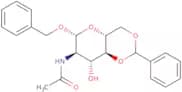
CAS:(2R, 3S, 4S, 5R) - 2- (Hydroxymethyl) - 5- methyl-3, 4- pyrrolidinediol is a synthetic compound that can be used as a building block in the synthesis of complex carbohydrates. This product is custom synthesized to order. It has high purity and is available for bulk or small quantities. It can be modified with fluorination or methylation. The product contains an oligosaccharide or polysaccharide as a saccharide. This product is also known as Methylation, CAS No. 1932460-16-6, Custom synthesis, Click modification, Oligosaccharide, Polysaccharide, saccharide, Carbohydrate, Fluorination, complex carbohydrate, High purity, Modification, Monosaccharide, sugar.Pureza:Min. 95%Benzyl 2-acetamido-4,6-O-benzylidene-2-deoxy-β-D-glucopyranoside
CAS:This product is a computational, experimental, and acoustic expansion of benzyl 2-acetamido-4,6-O-benzylidene-2-deoxy-b-D-glucopyranoside. It is used as an additive to motorcycle fuel, with the purpose of preventing engine knock. The experiment was conducted by measuring the pressure levels in a cylinder at different temperatures. The results showed that the highest pressure level was obtained when the temperature was increased to 220 degrees Celsius and the pressure level decreased when it was lowered to 200 degrees Celsius.Fórmula:C22H25NO6Pureza:Min. 95%Forma y color:White to off-white solid.Peso molecular:399.44 g/mol4-O-Acetyl-2,5-anhydro-1,3-isopropylidene-D-glucitol
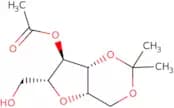
CAS:4-O-Acetyl-2,5-anhydro-1,3-isopropylidene-D-glucitol (4AIG) is a modification of glucose. 4AIG is a white to light yellow crystalline solid that melts with decomposition at 150°C. It is soluble in water and acetone but insoluble in ether. 4AIG can be used as a raw material for the synthesis of oligosaccharides and polysaccharides.Fórmula:C11H18O6Pureza:Min. 95%Peso molecular:246.26 g/mol(2R, 3S, 4S, 5R) -3, 4-Dihydroxy- 5- (hydroxymethyl) - N- methyl-2- pyrrolidinecarboxami de
CAS:(2R, 3S, 4S, 5R) -3, 4-Dihydroxy-5-(hydroxymethyl)-N-methyl-2-pyrrolidinecarboxamide is an oligosaccharide that is synthesized by the glycosylation of 2-amino-2-deoxyribose with a methylated form of glucuronic acid. The glycosylation reaction is catalyzed by the enzyme UDP-glucose: (2R, 3S, 4S, 5R) -3, 4-dihydroxy-5-(hydroxymethyl)-N-methyl-2pyrrolidinecarboxamide N’ 1′ N’’ glycosyltransferase. This compound is a sugar that can be modified to include fluorination or methylation. It has been used as a click modification for complex carbohydrate studies and was found to have a high purity.Pureza:Min. 95%2-O-Benzoyl-3,4-O-benzylidene-D-ribono-1,5-lactone
2-O-Benzoyl-3,4-O-benzylidene-D-ribono-1,5-lactone (2BBL) is a glycosylation agent that can be used for the synthesis of complex carbohydrates. It is also an effective methylating agent for glycosides and saccharides. 2BBL is fluorinated to yield 2FBL, which has been shown to be a powerful click reagent. The CAS number for 2BBL is 53478-55-0. This product is custom synthesized in high purity and can also be used as a monosaccharide in oligosaccharide synthesis.Pureza:Min. 95%L-Erythrono-1,4-lactone
CAS:L-Erythrono-1,4-lactone is a dicarboxylic acid that is synthesized from l-threonic acid and d-arabinose. L-Erythrono-1,4-lactone is biosynthesized by the conversion of l-serine to pyruvate and then to erythrose 4-phosphate. This compound is also produced by the oxidation of ascorbic acid and can be used for the synthesis of dermatan sulfates. The accumulation of L-Erythrono-1,4-lactone in high concentrations has been found in patients with dermatan sulfate deficiency.Fórmula:C4H6O4Pureza:Min. 95%Forma y color:PowderPeso molecular:118.09 g/molMethyl 4,6-O-benzylidene-2,3-di-O-pivaloyl-a-D-glucopyranoside
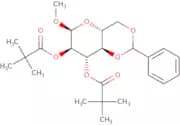
CAS:Methyl 4,6-O-benzylidene-2,3-di-O-pivaloyl-a-D-glucopyranoside is a custom synthesis of a high purity and high quality. This product is an oligosaccharide with a complex carbohydrate structure. Methyl 4,6-O-benzylidene-2,3-di-O-pivaloyl-a-D-glucopyranoside has been shown to be highly stable in the presence of strong acids and bases. It can be modified using click chemistry reactions for further experimental research.Fórmula:C24H34O8Pureza:Min. 95%Peso molecular:450.53 g/molb-D-Galactopyranosyl azide
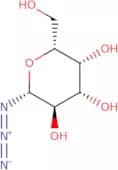
CAS:b-D-Galactopyranosyl azide is a fluorescent probe that can be used to identify the presence of beta-glucosidase in muscle tissue. This compound is hydrolyzed by alpha-galactosidase and it is detectable under UV light, yielding a green fluorescence. The b-D-Galactopyranosyl azide has been shown to be able to differentiate between alpha-galactosidase and beta-glucosidase, which are both glycosidases, by measuring the rate of hydrolysis of the probe. This chemical can also be used as an indicator for detecting muscle glycogen in homogenates.Fórmula:C6H11N3O5Pureza:Min. 95%Forma y color:PowderPeso molecular:205.17 g/mol5-Azido-N-benzyl-2,6-imino-2,5,6-trideoxy-L-galactose acetyl methyl acetal
5-Azido-N-benzyl-2,6-imino-2,5,6-trideoxy-L-galactose acetyl methyl acetal is a sugar that is used in the synthesis of complex carbohydrates. This substance has a molecular formula of C10H14N4O12 and a molecular weight of 416.27 g/mol. The CAS number for this compound is 82462-77-9.Pureza:Min. 95%1,2,5-Tri-O-benzoyl-3-methyl-D-xylofuranose
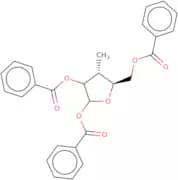
CAS:1,2,5-Tri-O-benzoyl-3-methyl-D-xylofuranose is a triol that is a methyl glycoside of 3,4,6-trihydroxybenzoic acid. It is an important building block in the synthesis of various saccharides and oligosaccharides. This product is often used as a precursor in the modification of saccharides to produce new products with different properties. This molecule has been shown to be resistant to degradation by enzymes such as glycosidases and oxidases. 1,2,5-Tri-O-benzoyl-3-methyl-D-xylofuranose can also be fluorinated or modified with other chemical groups. 1,2,5-Tri -O -benzoyl -3 -methyl -D -xylofuranose may be available from one or more custom synthesis providers.Fórmula:C27H24O7Pureza:Min. 95%Peso molecular:460.48 g/mol3-O-Benzyl-1-thiophenyl-L-iduronic acid
3-O-Benzyl-1-thiophenyl-L-iduronic acid is a modification of the carbohydrate, complex carbohydrate, and sugar. It is synthesized by custom synthesis and has been shown to be highly pure with a CAS No. This product is also a monosaccharide that can be methylated or glycosylated. The main function of 3-O-Benzyl-1-thiophenyl-L-iduronic acid is to function as a saccharide in polysaccharides, sugars, and glycosides.Pureza:Min. 95%Ibuprofen acyl-b-D-glucuronide
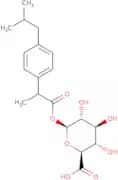
CAS:Ibuprofen acyl-b-D-glucuronide is a biologically active molecule. It is metabolized in humans by first being hydrolyzed to ibuprofen and then glucuronidated. The enzyme that catalyzes this reaction is uridine 5'-diphosphate glucuronosyltransferase 1A1 (UGT1A1). Ibuprofen acyl-b-D-glucuronide has been shown to have an inhibitory effect on inflammation in vitro assays, such as the rat paw edema assay. This drug also has a reactive and chromatographic profile that allows it to be used in wastewater treatment.Fórmula:C19H26O8Pureza:Min. 95%Forma y color:White PowderPeso molecular:382.4 g/molDucheside A pentaacetate
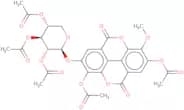
Ducheside A pentaacetate is a fluorescent sugar that can be used as a fluorescent probe to study the glycosylation of proteins. This compound has been shown to be effective in inhibiting the growth of Gram-positive bacteria such as Mycobacterium tuberculosis, Clostridium perfringens, and Streptococcus pyogenes. Ducheside A pentaacetate is synthesized from duchesidin I and an acetyl group, which is then fluorinated with N-fluorobenzenesulfonamide. The product can be modified through methylation or click chemistry reactions. Ducheside A pentaacetate is soluble in water and has a molecular weight of 585.5 g/mol. It has CAS number 314965-07-8 and purity greater than 99%.Pureza:Min. 95%1-Deoxy-1-nitro-D-galactitol
CAS:1-Deoxy-1-nitro-D-galactitol is a methoxide that exhibits mutagenic activity. It reacts with nitromethane to form an intermediate, which then reacts with sodium methoxide to produce the final product. This product can be used as a precursor for other compounds.Fórmula:C6H13NO7Pureza:Min. 95%Peso molecular:211.17 g/molTelmisartan acyl-b-D-glucuronide
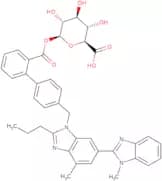
CAS:Telmisartan acyl-b-D-glucuronide is a drug metabolite that is formed by the conjugation of telmisartan with glucuronic acid. Telmisartan acyl-b-D-glucuronide is activated in vivo and reversibly inhibits the enzyme creatine kinase, which is involved in the metabolism of creatine to creatinine. The effective dose for this compound has been shown to be 10 mg/kg (orally) in humans. Telmisartan acyl-b-D-glucuronide has been shown to be an at1 receptor antagonist and may have some antihypertensive effects via modulation of ion channels. This drug also appears to have some proliferative effects on cells that are inhibited by radiation.Fórmula:C39H38N4O8Pureza:Min. 95%Forma y color:Off-White PowderPeso molecular:690.74 g/mol2,3-O-Isopropylidene-1,4-di-O-tosyl-D-threitol
CAS:Please enquire for more information about 2,3-O-Isopropylidene-1,4-di-O-tosyl-D-threitol including the price, delivery time and more detailed product information at the technical inquiry form on this page
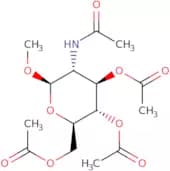
Fórmula:C21H26O8S2Pureza:Min. 95%Forma y color:PowderPeso molecular:470.56 g/molMethyl 2-acetamido-3,4,6-tri-O-acetyl-2-deoxy-β-D-glucopyranoside
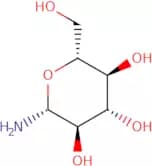
CAS:Methyl 2-acetamido-3,4,6-tri-O-acetyl-2-deoxy-β-D-glucopyranoside is an Oligosaccharide that is used in the preparation of complex carbohydrates. It has a CAS number of 2771-48-4 and can be synthesized using a custom synthesis. This product is available in high purity and monosaccharide form. It has been glycosylated and methylated as well as fluorinated and saccharified.Fórmula:C15H23NO9Pureza:Min. 95%Forma y color:White Off-White PowderPeso molecular:361.34 g/molb-D-Glucopyranosyl amine
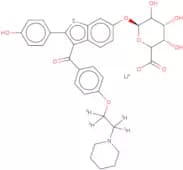
CAS:The b-D-glucopyranosyl amine is a glucose analogue that has been shown to have biochemical properties. It is the hydrochloride salt form of the molecule, which can be found in human liver cells. B-D-glucopyranosyl amine has been shown to inhibit the growth of bacteria and fungi. This compound also has anti-inflammatory activities, as it inhibits the release of reactive oxygen species from neutrophils. B-D-glucopyranosyl amine is an anti-infective agent that specifically targets bacterial cell wall synthesis and inhibits their growth by binding to the enzyme β1-glycosidase. This compound is also able to bind to lipid membranes and induce membrane leakage, leading to cell death.Fórmula:C6H13NO5Pureza:Min. 98 Area-%Forma y color:White Off-White PowderPeso molecular:179.17 g/molRaloxifene-6-D-glucuronide D4 lithium salt
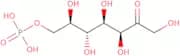
Producto controladoThis is a custom synthesis of an oligosaccharide with a 6-D-glucuronide D4 lithium salt. It is a complex carbohydrate that has been modified with methylation and glycosylation. This compound can be used as a synthetic intermediate for the production of other compounds or it can be used as a pharmaceutical agent.Fórmula:C34H30NO10SD4·LiPureza:Min. 95%Peso molecular:659.66 g/molD-Sedoheptulose-7-phosphate barium salt
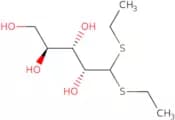
CAS:Substrate of phosphofructokinase; pentose phosphate pathway intermediateFórmula:C7H13O10PBaPureza:Min. 75 Area-%Forma y color:White PowderPeso molecular:425.47 g/molL-Arabinose diethyldithioacetal
CAS:L-Arabinose diethyldithioacetal is a potassium carbonate derivative of L-arabinose that reacts with sulfur to form 1,2-dithioketals. These dithioketals are used as glycosyl donors in the synthesis of L-fucitol and d-xylose. This reaction is catalyzed by acetobacter, which converts L-arabinose and carbon dioxide into acetaldehyde and acetic acid. The reaction mechanism for this transformation includes an epimerization of the hydroxyl group on the C5 position of L-arabinose to a hydroxyl group on C6, followed by glycosidation with sulfuric acid. The glycosidic bond formed between the hydroxyl group on C6 and the carbonyl group at C1 (in this case, from L-arabinose) is called an acetal linkage. In addition to being antithromboticFórmula:C9H20O4S2Pureza:Min. 95%Forma y color:PowderPeso molecular:256.38 g/molMethyl β-L-arabinopyranoside
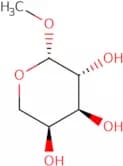
CAS:Methyl β-L-arabinopyranoside is a stereochemically pure monosaccharide that has been used to calibrate and quantify the conformational, stereochemical, and spectrometric methods. Methyl β-L-arabinopyranoside has a conformation that is restricted by the presence of an α-hydroxyl group at C2. The chloride ion can be used to monitor this conformation. The diameter of methyl β-L-arabinopyranoside can be measured with a micropipette and monitored using an aerosol detector. Methyl β-L-arabinopyranoside can also be quantified by mass spectrometry or spectrophotometry. The conformational, stereochemical, and spectrometric methods have been calibrated using methyl β-L-arabinopyranoside as a standard to determine their accuracy in measuring the size of other molecules.
Fórmula:C6H12O5Pureza:Min. 95%Forma y color:White Off-White PowderPeso molecular:164.16 g/mol1- Deoxy- 2, 3:4, 5:6, 7- Tris- O- (1- methylethylidene) -D- glycero- D- gulo- heptitol
CAS:1-Deoxy-2,3:4,5:6,7-Tris-O-(1-methylethylidene)-D-glycero-D-guloheptitol is a high purity custom synthesis sugar that can be modified with fluorination and glycosylation. This product is synthesized from monosaccharides and saccharides. It has the CAS No. 1801528-80-2 and molecular weight of 354.25 g/mol. 1,2,3,4,5,6,7 -Tris (1 methylethylidene) -D glycero D gulo heptitol is a complex carbohydrate that is used in the synthesis of oligosaccharides and monosaccharides.Pureza:Min. 95%1,2:4,5-Biscyclohexylidene-DL-myo-inositol
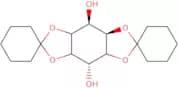
CAS:1,2:4,5-Biscyclohexylidene-DL-myo-inositol is an Oligosaccharide that is synthetically made. It belongs to the group of Glycosylation and can be used in a variety of applications. This compound can be used as a sugar in protein glycosylation, or it can act as an initiator for polysaccharide synthesis. 1,2:4,5-Biscyclohexylidene-DL-myo-inositol has been modified with Click chemistry and has been shown to be high purity and complex carbohydrate.Fórmula:C18H28O6Pureza:Min. 95%Forma y color:PowderPeso molecular:340.41 g/mol3-O-benzyl-D-xylose
3-O-benzyl-D-xylose is a sugar that belongs to the group of dimethyl, diisobutylaluminium, dicarboxylate, malonate, oxygenated, acetylation, cyclopentane. It has been shown to be effective in cleavage and condensation reactions. 3-O-benzyl-D-xylose can be used in the synthesis of pyridinium chlorochromate and chlorochromate. This compound also reacts with pyridinium via hydride reduction and hydroxide cleavage.Pureza:Min. 95%3,4-Dihydro-5-hydroxy-2-(3-hydroxy-4-methoxyphenyl)-4-oxo-2H-1-benzopyran-7-yl β-D-glucopyranosiduronic acid
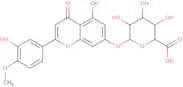
CAS:Hesperetin 7-O-b-D-glucuronide is a metabolite of hesperetin, a flavonoid primarily sourced from citrus fruits. This compound is formed through the glucuronidation process, a metabolic pathway that modifies hesperetin to enhance its solubility and facilitate its excretion from the human body. Hesperetin 7-O-b-D-glucuronide exerts biological effects through various modes of action, including antioxidant and anti-inflammatory mechanisms. It is thought to scavenge free radicals and modulate inflammatory pathways by inhibiting specific enzymes and cytokines.In scientific research, Hesperetin 7-O-b-D-glucuronide is studied for its potential therapeutic applications, particularly its role in reducing oxidative stress and inflammation-related diseases. It has garnered attention in the context of cardiovascular health, neuroprotection, and metabolic disorders. The exploration of its bioavailability and specific interactions at the molecular level continues to provide insights into its promising applications in nutraceuticals and pharmaceuticals. Researchers investigate its efficacy and safety to better understand its potential role in disease prevention and therapy.Fórmula:C22H22O12Pureza:Min. 95%Forma y color:PowderPeso molecular:478.4 g/molPhenyl b-L-thiofucopyranoside
Phenyl b-L-thiofucopyranoside is a custom-synthesized, fluorinated, modified sugar that is used in the synthesis of oligosaccharides and polysaccharides. This compound is an excellent choice for methylation reactions due to its high reactivity and stability under harsh conditions. Phenyl b-L-thiofucopyranoside can be used as a precursor for the synthesis of saccharide derivatives, such as monosaccharides and complex carbohydrates. It has been shown to be stable to heat and pH extremes, making it ideal for use in organic syntheses.Fórmula:C12H16O4SPureza:Min. 95%Forma y color:PowderPeso molecular:256.32 g/molPhenyl 2,3,6-tri-O-acetyl-2-deoxy-2-trichloroacetamido-b-D-thioglucopyranoside
Phenyl 2,3,6-tri-O-acetyl-2-deoxy-2-trichloroacetamido-b-D-thioglucopyranoside is a monosaccharide with a molecular weight of 594.5. It is derived from the reaction of methyl acetate and benzene in the presence of sulfuric acid. Phenyl 2,3,6-tri-O-acetyl-2-deoxy-2-trichloroacetamido b D thioglucopyranoside is an intermediate in the synthesis of saccharides that are modified by click chemistry or modification. This product has been shown to be synthesized with high purity and good yield. The product can be used for custom synthesis as well as glycosylation reactions. This product also has a CAS number and can be used for Click chemistry or modification reactions.Fórmula:C20H22Cl3NO8SPureza:Min. 95%Forma y color:White to off-white solid.Peso molecular:542.81 g/mol1’,2’-Di-O-acetyl-5’-O-benzoyl-3’-deoxy-3’-fluoro-D-ribofuranose
1’,2’-Di-O-acetyl-5’-O-benzoyl-3’-deoxy-3’-fluoro-D-ribofuranose is a glycosylated monosaccharide that is custom synthesized for use as a fluorinated probe in the detection of protein glycosylation. This compound has been shown to react with Methyl groups to form a complex carbohydrate. 1’,2’-Di-O-acetyl-5’-O-benzoyl-3’ -deoxy -3’ -fluoro D ribofuranose is soluble in water and organic solvents such as ethanol or methanol. The CAS number for this compound is 522611–41–0.
Pureza:Min. 95%Methyl (phenyl 2,3-di-O-benzyl-1-thio-b-D-glucopyranoside)uronate
CAS:Methyl (phenyl 2,3-di-O-benzyl-1-thio-b-D-glucopyranoside)uronate is a synthetic glycosylation product. It is the methyl ester of 2,3,4,6-tetra-O-benzylated glucuronic acid. This product can be used for the modification of polysaccharides and saccharides with click chemistry. The synthesis of this compound can be customized to meet your needs.Pureza:Min. 95%Methyl 2-deoxy-3,5-di-O-toluoyl-L-ribofuranoside
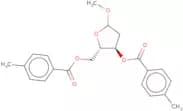
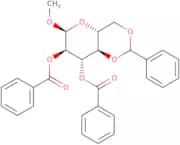
CAS:Methyl 2-deoxy-3,5-di-O-toluoyl-L-ribofuranoside is a custom synthesis that is a complex carbohydrate that is used in the modification of saccharides. It has been shown to be able to methylate and glycosylate carbohydrates and can be fluorinated for use in click chemistry experiments. Methyl 2-deoxy-3,5-di-O-toluoyl-L-ribofuranoside is highly pure and can be synthesized with high yield.Fórmula:C22H24O6Pureza:Min. 95%Forma y color:Brown oil.Peso molecular:384.43 g/molMethyl 2,3-di-O-benzoyl-4,6-O-benzylidene-a-D-glucopyranoside
CAS:Methyl 2,3-di-O-benzoyl-4,6-O-benzylidene-a-D-glucopyranoside is a synthetic compound that has been shown to be an inhibitor of the receptor for the proinflammatory cytokine TNF. It has been proposed as a possible treatment for chronic kidney disease, acute phase, and neurodegenerative diseases such as chronic pain. Methyl 2,3-di-O-benzoyl-4,6-O-benzylidene-a-D-glucopyranoside is an inhibitor of factor receptors and inhibits the activation of NFκB in a dose dependent manner. This inhibition leads to decreased production of proinflammatory cytokines such as TNF.Fórmula:C28H26O8Pureza:Min. 95%Forma y color:PowderPeso molecular:490.5 g/mol2,3,4,6-Tetra-O-acetyl-β-D-glucopyranosyl trichloroacetimidate
CAS:Gadolinium is a magnetic, paramagnetic metal that is used to enhance the contrast in magnetic resonance imaging (MRI) and has been shown to be effective in ectopic expression of gene products. Gadolinium-enhanced MRI has been shown to be a more sensitive method for detection of pancreatic cancer cells than CT scans. Gadolinium also binds to monoclonal antibodies and can be detected using immunohistochemical staining. Gadolinium is a prohormone that is converted into its active form by cleavage of the glycosidic bond between carbons 2 and 3 in the 6-phosphate position. The gadolinium ion is chemically neutral, which may account for its lack of toxicity in vivo.Fórmula:C16H20Cl3NO10Pureza:Min. 98 Area-%Forma y color:PowderPeso molecular:492.69 g/molMethyl 2,3-di-O-acetyl-4,6-O-(4-methoxybenzylidene)-a-D-mannopyranoside
Methyl 2,3-di-O-acetyl-4,6-O-(4-methoxybenzylidene)-a-D-mannopyranoside is a custom synthesis that contains a fluorinated sugar with a methyl group attached to the 4 position. The oligosaccharide is synthesized through click chemistry and has been modified with an acetate at the 6 position. The CAS number is 108739-53-0. The carbohydrate is a complex carbohydrate that can be found in nature or synthesized in the laboratory.
Fórmula:C19H24O9Pureza:Min. 95%Peso molecular:396.4 g/molD-Allono-1,4-lactone
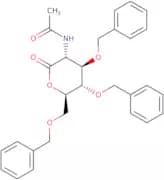
CAS:D-Allono-1,4-lactone is a biochemical compound that has been shown to have immunosuppressant properties. D-Allono-1,4-lactone is an inhibitor of maltase, an enzyme involved in the digestion of starch and glycogen. D-Allono-1,4-lactone also inhibits transglucosylase, an enzyme involved in the conversion of sucrose into glucose. It binds to sulfur transfer proteins and has been shown to be effective against mutants with altered biochemical properties.Fórmula:C6H10O6Pureza:Min. 95%Forma y color:PowderPeso molecular:178.14 g/mol2-Acetamido-3,4,6-tri-O-benzyl-2-deoxy-D-glucono-1,5-lactone
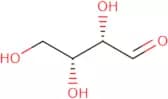
CAS:2-Acetamido-3,4,6-tri-O-benzyl-2-deoxy-D-glucono-1,5-lactone is a methylated saccharide with a modified sugar. This compound can be used as a building block for the synthesis of glycosides and oligosaccharides. 2AATGL has been shown to be compatible with click chemistry and is available in high purity. It can also be custom synthesized to meet your needs.Fórmula:C29H31NO6Pureza:Min. 90%Forma y color:PowderPeso molecular:489.56 g/molD-(-)-Threose
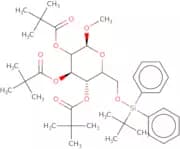
CAS:Popular resource for chiral-pool based organic syntheses Sold as an aqueous solution and by weight of active materialFórmula:C4H8O4Pureza:Min. 90 Area-%Forma y color:Colorless Clear LiquidPeso molecular:120.1 g/molMethyl 6-O-tert-butyldiphenylsilyl-2,3,4-tri-O-pivaloyl-a-D-galactopyranoside
Methyl 6-O-tert-butyldiphenylsilyl-2,3,4-tri-O-pivaloyl-a-D-galactopyranoside is a high purity custom synthesis sugar. The methyl group on the sugar prevents it from being hydrolyzed by esterases and glucuronidases. This product can be used in glycosylation and sialylation reactions to create saccharides with a modified oligosaccharide. This product is synthesized in lab conditions, which includes fluorination, glycosylation, methylation, and modification steps. It has CAS number 1314897-28-5 and molecular weight of 454. Methyl 6-O-tert-butyldiphenylsilyl -2,3,4 -tri - O -pivaloyl -a - D -galactopyranoside is an oligosaccharFórmula:C38H56O9SiPureza:Min. 95%Peso molecular:684.95 g/mol














![2-Methyl-(3,4,6-tri-O-acetyl-1,2-dideoxy-a-D-glucopyrano)-[2,1-d]-2-oxazoline](/_next/image/?url=https%3A%2Fstatic.cymitquimica.com%2Fproducts%2F3D%2Fthumb-webp%2FMM07263.webp&w=3840&q=75)