Monosacáridos
Subcategorías de "Monosacáridos"
- Allosas(11 productos)
- Arabinosas(21 productos)
- Eritrosas(11 productos)
- Fructosas(9 productos)
- Fucosas(36 productos)
- Galactosamina(41 productos)
- Galactosa(261 productos)
- Glucosas(365 productos)
- Ácidos glucurónicos(52 productos)
- Glico-sustratos para enzimas(78 productos)
- Gulosas(6 productos)
- Idosas(4 productos)
- Inositoles(15 productos)
- Lyxosas(4 productos)
- Manosas(65 productos)
- O-glicanos(48 productos)
- Psicosas(3 productos)
- Ramnosas(10 productos)
- Ribosas(61 productos)
- Ácidos siálicos(100 productos)
- Sorbosas(4 productos)
- Azúcares(173 productos)
- Tagatosis(4 productos)
- Taloses(8 productos)
- Xilosas(20 productos)
Se han encontrado 6088 productos de "Monosacáridos"
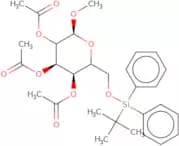
Methyl 2,3,4-tri-O-acetyl-6-O-tert-butyldiphenylsilyl-a-D-mannopyranoside
Methyl 2,3,4-tri-O-acetyl-6-O-tert-butyldiphenylsilyl-a-D-mannopyranoside is a custom synthesis of an oligosaccharide. It is modified by fluorination, methylation and acetylation. This compound can be used in the production of glycosylated proteins for use as pharmaceuticals. The CAS number for this compound is 568792–66–8.Fórmula:C29H38O9SiPureza:Min. 95%Peso molecular:558.71 g/mol(3aS, 4S, 6aR) Tetrahydro- 2, 2, 6a- trimethyl- 4H- 1, 3- dioxolo[4, 5- c] pyrrole- 4- methanol
(3aS, 4S, 6aR) Tetrahydro- 2, 2, 6a- trimethyl- 4H- 1, 3- dioxolo[4, 5- c] pyrrole- 4- methanol is a synthetic compound that is a member of the class of compounds known as tetrahydropyrroloquinolines. It is a monosaccharide sugar with an alkyl group at C6 and an amine group at C2. The compound has been shown to inhibit bacterial growth by inhibiting DNA synthesis. This inhibition leads to the production of less nucleotides and nucleic acids necessary for DNA replication. The methylation at C2 is critical for this inhibitory effect.Pureza:Min. 95%meso-D-glycero-D-gulo-heptitol
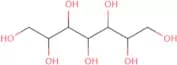
CAS:Meso-D-glycero-D-gulo-heptitol is an enzyme inhibitor that is used in food composition. It has a redox potential of +0.5 V and can be used to inhibit the growth of metal hydroxides through chelation. This compound was found to have skin cell protective effects, as well as an ability to inhibit protein synthesis. Meso-D-glycero-D-gulo-heptitol is also a natural compound with physiological function, such as the prevention of dmannnoheptulose from being converted into D-mannitol. The hydrochloric acid or alcohol residue on this compound does not cause any adverse effects on human cells because it does not affect their redox potentials.Fórmula:C7H16O7Pureza:Min. 95%Peso molecular:212.2 g/mol2-Azidoethyl 2-acetamido-2-deoxy-b-D-glucopyranoside
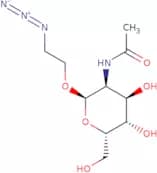
CAS:2-Azidoethyl 2-acetamido-2-deoxy-b-D-glucopyranoside is a toxic compound that inhibits protein synthesis by binding to the enzyme glucokinase. It has been shown to inhibit the release of fatty acids in hepatocytes and to inhibit triglyceride lipase activity in cell culture. This chemical also has a damaged sequence, which is a factor that may lead to toxicity. 2-Azidoethyl 2-acetamido-2-deoxy-b-D-glucopyranoside also has been shown to have physiological activities, such as inhibition of cardiac cells and symptoms such as inflammation. These effects are thought to be mediated by its ability to bind with DNA and RNA, altering their function.Fórmula:C10H18N4O6Pureza:Min. 95%Forma y color:White PowderPeso molecular:290.27 g/mol1-Deoxy- 4- C- methyl- 3, 4-isopropylidene-L- erythro- 2- pentulose
1-Deoxy-4-C-methyl-3,4-isopropylidene-L-erythro-2-pentulose is a custom synthesis of saccharide in nature. It has fluorination and methylation modification. It is a monosaccharide, which can be modified to form an oligosaccharide or polysaccharide. The CAS number for this compound isPureza:Min. 95%D-Xylo-Pentodialdose-5-hydrate
D-Xylo-Pentodialdose-5-hydrate is a custom synthesis that is used for the preparation of oligosaccharides and polysaccharides. It is an active form that is synthesized by the fluorination of D-xylose. The monomeric sugar penta-D-xylo-D-galactopyranoside has a molecular weight of 259.28 g/mol and a purity of >99%. This compound has been modified in order to increase its activity.Pureza:Min. 95%6-Deoxy-2,3:4,5-di-O-isopropylidene-L-glucose
6-Deoxy-2,3:4,5-di-O-isopropylidene-L-glucose is a methylated sugar that is custom synthesized for research purposes. It is an oligosaccharide with a polysaccharide backbone. 6DG has been modified with fluorination and the Click reaction to produce novel compounds. The compound has been shown to have various biological activities, including anti-inflammatory effects. 6DG is a sugar with a complex carbohydrate structure that can be used in synthetic chemistry for modification and modification reactions.
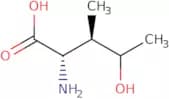
Pureza:Min. 95%4-Hydroxy-L-isoleucine
CAS:Insulinotropic; anti-diabeticFórmula:C6H13NO3Pureza:Min. 98 Area-%Forma y color:White PowderPeso molecular:147.17 g/mol2, 5- Anhydro- 3- deoxy-D- xylo- hexonic acid 1-propyl ester
2,5-Anhydro-3-deoxy-D-xylo-hexonic acid 1-propyl ester is a modification of the oligosaccharide xylan. The compound has been synthesized using chemical methods and can be used as a raw material in the production of other products. 2,5-Anhydro-3-deoxy-D-xylo-hexonic acid 1-propyl ester has been custom synthesized to produce high purity and is available with CAS number. It is a monosaccharide that can be methylated and glycosylated and is a polysaccharide made up of sugars (sucrose, glucose, fructose) with various types of saccharides (sugar).Pureza:Min. 95%[(2S, 3R,4S) - 3-Hydroxy-4-hydroxymethyl- 1- benzyl - 2- azetidinyl]carboxylic acid methylamide
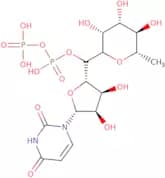
(2S, 3R,4S) - 3-Hydroxy-4-hydroxymethyl- 1- benzyl - 2- azetidinyl]carboxylic acid methylamide is a custom synthesis. It has been fluorinated at the 3 position. The glycosylation of this compound can be done by using a variety of sugars such as monosaccharides and disaccharides or oligosaccharides. This compound can also be methylated at the alpha position to produce (2S,3R,4S) - 3-methyoxy-4-hydroxymethyl-1-benzyl - 2-azetidinyl]carboxylic acid methylamide. This molecule is a carbohydrate. It is a complex carbohydrate that contains saccharide and oligosaccharide moieties.Pureza:Min. 95%UDP-α-L-rhamnose sodium
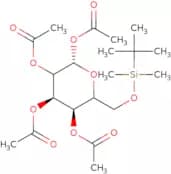
CAS:UDP-α-L-rhamnose sodium is a non-invasive prenatal diagnosis (NIPD) technique that detects the chorionic villus sampling (CVS) or amniocentesis samples of women. It is an in vivo assay that can be performed on pregnant women at any gestational age. The test is based on the detection of the uptake of UDP-α-L-rhamnose by cells, and it accommodates a wide range of sample types. The procedure is rapid, inexpensive, and highly accurate. Furthermore, it can be used as a screening tool for certain genetic disorders such as Down syndrome and Klinefelter syndrome.Fórmula:C15H22N2Na2O16P2Pureza:Min. 95%Forma y color:PowderPeso molecular:594.27 g/mol1,2,3,4-Tetra-O-acetyl-6-O-(tert-butyldimethylsilyl)-b-D-glucopyranose
CAS:1,2,3,4-Tetra-O-acetyl-6-O-(tert-butyldimethylsilyl)-b-D-glucopyranose is a custom synthesis of an Oligosaccharide. It is a complex carbohydrate that has been modified with Methylation and Glycosylation. Carbohydrate Click chemistry has been used to modify the sugar molecule with Fluorination. This product is manufactured in high purity and can be used for pharmaceutical purposes.Fórmula:C20H34O10SiPureza:Min. 95%Peso molecular:462.57 g/mol2-Amino-2-deoxy-D-talose
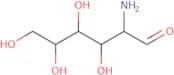
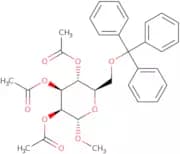
CAS:2-Amino-2-deoxy-D-talose (2ADDT) is an intermediate in the synthesis of 2,3:4,5-di-O-acetylideneamino-2,3:4,5-di-O-methylideneamino D -talose. It is obtained by the hydrolysis of 2,3:4,5-di-O-acetylideneamino D -talose with hydrochloric acid and methanol. The product is a white solid that can be purified by recrystallization from water or ethanol. 2ADDT can be converted to 2,3:4,5-di - O - acetylideneamino D - talose by treatment with sodium methoxide in methanolic solution. 2ADDT also reacts with nitromethane in methanolic solution to produce d - lyxose and 1 deoxy 1 nitroPureza:Min. 95%Methyl 2,3,4-tri-O-acetyl-6-O-trityl-a-D-mannopyranoside
CAS:Methyl 2,3,4-tri-O-acetyl-6-O-trityl-a-D-mannopyranoside is a custom synthesis that is fluorinated and acetylated. It is an oligosaccharide with a complex carbohydrate structure. Methyl 2,3,4-tri-O-acetyl-6-O-trityl -a D mannopyranoside has been modified to include fluorine atoms as well as acetyl groups. This compound is intended for use in click chemistry reactions to modify proteins.Fórmula:C32H34O9Pureza:Min. 95%Peso molecular:562.62 g/mol(1R) -1- [(2S, 3R) - 3- Hydroxy- 1- butyl - 2- azetidinyl] -1, 2- ethanediol
(1R) -1- [(2S, 3R) - 3- Hydroxy- 1- butyl - 2- azetidinyl] -1, 2- ethanediol is a glycosylase that catalyzes the hydrolysis of terminal sialic acid residues from oligosaccharides and monosaccharides. It is used in the synthesis of complex carbohydrates. This glycosylase has been shown to be highly specific for terminal sialic acids and can also be used to produce oligosaccharides with desired linkages between the sugars. The enzyme is most active at low pH and high temperatures.
Pureza:Min. 95%D-myo-Inositol-1,2,6-triphosphate sodium salt
D-myo-Inositol-1,2,6-triphosphate sodium salt is a modification of the sugar inositol. It is an oligosaccharide that is composed of three components: D-myo-inositol, 1,2,6-triphosphate and sodium. This compound can be used as a complex carbohydrate with anticancer properties.Fórmula:C6H12O15P3·xNaPureza:Min. 95%Peso molecular:417.07 g/mol3,6-Anhydro-D-glucose
CAS:3,6-Anhydro-D-glucose is a compound that is produced by the dehydration of D-glucose. It has been synthesized in an acidic hydrolysis reaction involving mercaptoacetic acid and sodium carbonate. The synthesis of 3,6-Anhydro-D-glucose involves the use of chloride as a reactive agent and metal ion catalysis. This compound can be used to create isomers with other sugars. It also has supramolecular chemistry properties due to its ability to form complexes with other molecules.Fórmula:C6H10O5Pureza:Min. 97 Area-%Forma y color:White Off-White PowderPeso molecular:162.14 g/mol5-O-Benzoyl-3-deoxy-1,2-O-isopropylidene-3C-methyl-a-D-ribofuranose
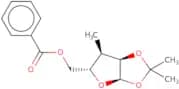
CAS:5-O-Benzoyl-3-deoxy-1,2-O-isopropylidene-3C-methyl-a-D-ribofuranose is a methylated sugar that has been modified with a click modification. It has been synthesized from D-(+)-ribose and 5′,5′′′-(1,2,3,4,5,6) -O-(benzoyl)-D-(+)-glycero 3C -methyluridine. This compound is soluble in water and can be used to modify polysaccharides.Pureza:Min. 95%D-[5-2H]Glucose
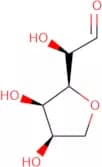
CAS:Producto controladoD-[5-2H]Glucose is a deuterated form of glucose that is used in the study of lipid synthesis. This isotopically labeled compound can be incorporated into cellular lipids and their derivatives, such as glycerides and phospholipids. D-[5-2H]Glucose can be used to investigate the biosynthesis of lipids by measuring the incorporation rate and the number of 2H atoms found in each molecule. D-[5-2H]Glucose may also be used to study membrane lipid synthesis, which includes anomeric effects on lipid synthesis. The theory behind this is that when a molecule is incorporated into a lipid, it will have at least one hydrogen atom from deuterium instead of hydrogen. This isotopically labeled compound can be used to measure how anomeric effects influence lipid synthesis.Fórmula:C6H11DO6Pureza:Min. 95%Forma y color:White PowderPeso molecular:181.16 g/molMethyl 3-azido-3-deoxy-2,4-di-O-acetyl-b-D-xylopyranoside
Methyl 3-azido-3-deoxy-2,4-di-O-acetyl-b-D-xylopyranoside is a synthetic compound that can be used in glycosylation reactions to introduce an azido group at the reducing end of a glycose. This product has been shown to react with the thiol group on cysteine residues and undergoes click chemistry with maleimide groups. It is also useful for the synthesis of polysaccharides and oligosaccharides. The purity of this product is over 99%. Methyl 3-azido-3-deoxy-2,4,-di-(O)-acetyl -b-(D)-xylopyranosidePureza:Min. 95%1,3,5-Tri-O-benzoyl-2-deoxy-2-fluoro-α-L-arabinofuranose
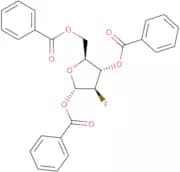
CAS:Intermediate in synthesis of clevudineFórmula:C26H21FO7Pureza:Min. 98 Area-%Forma y color:PowderPeso molecular:464.44 g/molN-[2-(4'-Chlorophenylacetonitrile)]-2,3,4,6-tetra-pivaloyl-D-glucopyranoside
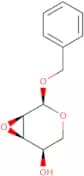
CAS:N-[2-(4'-Chlorophenylacetonitrile)]-2,3,4,6-tetra-pivaloyl-D-glucopyranoside is a synthetic monosaccharide that has been modified with fluorine. The synthesis of this compound involves the glycosylation of 2,3,4,6-tetra-pivaloyl-D-glucopyranoside with methyl 3-(4'-chlorophenyl)acetonitrile. This product is an oligosaccharide that has been used as a model for complex carbohydrates and as a sugar donor in click chemistry. It is soluble in water and ethanol and has a purity level of ≥98%.Fórmula:C34H49ClN2O8Pureza:Min. 95%Peso molecular:649.23 g/molBenzyl-2,3-anhydro-a-D-ribopyranoside
CAS:Benzyl-2,3-anhydro-a-D-ribopyranoside is a monosaccharide that is synthesized by the modification of the sugar benzyl 2,3-anhydro-a-D-ribofuranose. It is a white powder. Benzyl-2,3-anhydro-a-D-ribopyranoside is used as a reagent in glycosylation and methylation reactions. It has CAS No. 61134–24–5 and molecular weight of 230.22 g/mol. The molecule contains an anhydro group at C1 and hydroxyl groups at C6 and C8 positions. This product is soluble in water and ethanol.Fórmula:C12H14O4Pureza:Min. 95%Peso molecular:222.24 g/mol3-Deoxy- 3- fluoro- 1, 2- O- isopropylidene - D- allofuranose
3-Deoxy-3-fluoro-1,2-O-isopropylidene-D-allofuranose is an oligosaccharide that has been fluorinated at the 3 position and 3' position of the allofuranose moiety. It is a synthetic monosaccharide that belongs to a family of complex carbohydrates. The modification of this sugar with fluorine atoms is done by click chemistry, which entails the use of copper (II) ions. This sugar can be used for glycosylation and polysaccharide synthesis. Its high purity makes it ideal for use in laboratory settings.Fórmula:C9H15FO5Pureza:Min. 95%Peso molecular:222.21 g/mol3,5-Di-O-benzoyl-2-C-methyl-D-ribonic acid-1.4-lactone
3,5-Di-O-benzoyl-2-C-methyl-D-ribonic acid-1.4-lactone is a custom synthesis that can be modified to suit your needs. Glycosylation, Oligosaccharide, sugar, Synthetic, Fluorination, Custom synthesis, Methylation, Monosaccharide, Polysaccharide, saccharide Click modification and complex carbohydrate are some of the modifications that can be done. 3DMBRL is a high purity product with CAS No.Pureza:Min. 95%1, 4:3, 6- Dianhydro-D- iditol
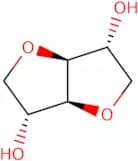
CAS:1,4:3,6-Dianhydro-D-iditol is an organic compound. It is the L-enantiomer of 1,4:3,6-dianhydro-L-iditol. This compound can be used as a substrate for the cytochrome P450 system and soluble guanylate cyclase. 1,4:3,6-Dianhydro-D-iditol has been shown to have an inhibitory effect on both tissues and guanylate cyclase in vitro. This compound also inhibits the production of reactive oxygen species by oxidases.Fórmula:C6H10O4Pureza:Min. 95%Peso molecular:146.14 g/molAllyl 2,3,4-tri-O-benzyl b-D-galactopyranoside
Allyl 2,3,4-tri-O-benzyl b-D-galactopyranoside is a custom synthesis of an oligosaccharide with a complex carbohydrate and a high purity. Allyl 2,3,4-tri-O-benzyl b-D-galactopyranoside can be used for a variety of applications including as an intermediate for the production of other chemicals or as a food additive. It is also used in the synthesis of other carbohydrates and saccharides. This compound has been shown to be effective in methylation reactions and glycosylation reactions.Pureza:Min. 95%1,2,3,6-Tetra-O-acetyl-α-D-glucopyranose
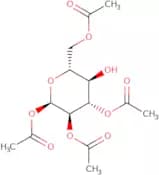
CAS:1,2,3,6-Tetra-O-acetyl-a-D-glucopyranose is a high purity chemical that can be custom synthesized. It is a sugar that has been fluorinated and glycosylated with a Click modification. It is a synthetic compound that contains methylation and modification. It has CAS No. 55286-97-0, which indicates its oligosaccharide and monosaccharide saccharide composition. This product can be used for complex carbohydrate synthesis in the laboratory or for research purposes.Fórmula:C14H20O10Pureza:Min. 98 Area-%Forma y color:PowderPeso molecular:348.3 g/mol4-Methoxyphenyl 2-azido-3,6-di-O-benzyl-2-deoxy-b-D-glucopyranoside
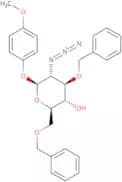
CAS:4-Methoxyphenyl 2-azido-3,6-di-O-benzyl-2-deoxy-b-D-glucopyranoside is a supramolecular compound that belongs to the group of curcumin analogs. It has shown anticancer activity against human papilloma virus and intestinal papilloma. 4-Methoxyphenyl 2-azido-3,6-di-O-benzyl-2-(2′,4′,6′)triphosphate is a hybridized compound with low bioavailability. This compound can be used for the treatment of cancers and other diseases as an anticancer agent.Fórmula:C27H29N3O6Pureza:Min. 95%Forma y color:White PowderPeso molecular:491.54 g/mol5-Azido-5-deoxy-2,3-O-isopropylidene-L-lyxofuranose
5-Azido-5-deoxy-2,3-O-isopropylidene-L-lyxofuranose (AIL) is a synthetic molecule that belongs to the group of carbohydrates. It is synthesized by the glycosylation and methylation of 5-(azido)-5,6-dideoxyglucose. AIL has been shown to have anti-inflammatory effects in cell culture models and in mice with inflammatory bowel disease.Pureza:Min. 95%Methyl 2-O-methyl-α-D-xylofuranoside
CAS:A partially protected methyl xyloside
Fórmula:C7H14O5Pureza:Min. 95%Forma y color:PowderPeso molecular:178.18 g/molN-(4-Methoxybenzylidene)-b-D-glucosamine
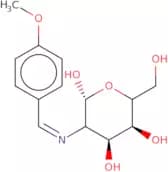
CAS:N-(4-Methoxybenzylidene)-b-D-glucosamine is a fluorinated synthetic monosaccharide. It is used in the synthesis of oligosaccharides and polysaccharides. N-(4-Methoxybenzylidene)-b-D-glucosamine can be modified with methyl groups, which are important for glycosylation, or click modification (a reaction in which a carbon atom and an oxygen atom are covalently bonded through a single bond). The sugar also has high purity and can be used as an analytical reference standard.Fórmula:C14H19NO6Pureza:Min. 95%Peso molecular:297.3 g/molD-Gluconic acid lithium salt
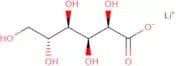
CAS:D-Gluconic acid lithium salt is a cationic compound that has been shown to inhibit the growth of bacteria by forming a covalent linkage with the ribose in RNA. This inhibits the enzyme activity of the cell and prevents transcription and replication. The chemical formula for this compound is CH3CH2OH-CH2COOH+Li+→CH3CH2OLi+H2O, where D-gluconic acid is carboxylate anion and lithium ion is cation. Electrophoresis studies have shown that this compound binds to proteins, which may be due to its hydrophilic properties. X-ray diffraction data has revealed that it forms a crystalline structure. This compound can be used as an antimicrobial agent against Group P2 Gram-positive cocci (e.g., Enterococcus faecalis) and other infectious diseases such as Staphylococcus aureus, Streptococcus pneumoniaFórmula:C6H11O7LiPureza:Min. 95%Forma y color:White PowderPeso molecular:202.09 g/molEthyl 2,3-O-isopropylidene-a-L-thiorhamnopyranoside
CAS:Ethyl 2,3-O-isopropylidene-a-L-thiorhamnopyranoside (Ip) is a glycosylation inhibitor that inhibits the formation of an alpha-(1,2)-link between glucose and mannose in the glycosylation of the pentasaccharide. The maximum tolerated dosages of Ip have been determined in HL-60 cells. Trichloroacetimidate is used as a substitute for Ip in these experiments because it can be dissolved in water and has a high therapeutic index. Convergent synthesis of Ip was achieved by reacting pentasaccharides with trichloroacetimidate to produce pentasaccharides with substituted mannose residues at position two and three.Fórmula:C11H20O4SPureza:Min. 95%Peso molecular:248.34 g/mol(5R, 6R, 7R, 8S) -5, 7-Bis[[tert.butyl dimethylsilyl] oxy] - 8- [(tert.butyldimethylsilyl)oxy] methyl-1- azabicyclo[4.2.0] octan- 2- one
(5R, 6R, 7R, 8S) -5, 7-Bis[[tert.butyl dimethylsilyl] oxy] - 8- [(tert.butyldimethylsilyl)oxy] methyl-1- azabicyclo[4.2.0] octan- 2- one is a custom synthesis that can be modified to fit your needs. It is an oligosaccharide with a high purity and low toxicity. This product is used in glycosylation reactions and has a CAS number of 976841-40-0. The modification of this product includes fluorination, methylation, and click chemistry modifications.Pureza:Min. 95%Ethyl 3-O-allyl-4-O-levulinoyl-2-O-(2-naphthylmethyl)-b-D-thioglucuronide benzyl ester
Ethyl 3-O-allyl-4-O-levulinoyl-2-O-(2-naphthylmethyl)-b-D-thioglucuronide benzyl ester is a custom synthesis that has been modified with fluorination, methylation and click chemistry. It is a water soluble polysaccharide that consists of monosaccharides, oligosaccharides and saccharides. This product is a glycosylated carbohydrate that can be used as an additive in food products or as an excipient for drug delivery systems.Pureza:Min. 95%N-Benzyl-3,5-dideoxy-3,5-imino-1,2-O-isopropylidene-L-lyxofuranose
N-Benzyl-3,5-dideoxy-3,5-imino-1,2-O-isopropylidene-L-lyxofuranose is a compound that belongs to the group of complex carbohydrates. It is a monosaccharide with a molecular weight of 538.32 g/mol and a CAS number of 1607741-34-8. This product has been custom synthesized for research purposes. The purity level is high and it can be used in glycosylation reactions.Pureza:Min. 95%2-Azido-2-deoxy-3,4:5,6-di-O-isopropylidene-D-idonic acid methyl ester
2-Azido-2-deoxy-3,4:5,6-di-O-isopropylidene-D-idonic acid methyl ester is an oligosaccharide that is synthesized by the click reaction. It is a fluorinated carbohydrate and can be modified for glycosylation. The compound has high purity and is suitable for modification with azido groups. CAS Number: 570181-97-8
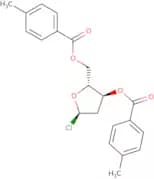
Pureza:Min. 95%1-Chloro-2-deoxy-3,5-di-O-toluoyl-a-D-ribofuranose
CAS:1-Chloro-2-deoxy-3,5-di-O-toluoyl-a-D-ribofuranose (also known as Hoffer’s chlorosugar) is a synthetic building block used in nucleic acid research to afford an array of both alpha and beta linked 2’-deoxyribose derivatives. Naturally occurring nucleosides are typically beta linked and the efficient synthesis of alpha linked analogues, which are often more stable, offers access to interesting variations in 3D structure and biochemical reactivity.Fórmula:C21H21ClO5Pureza:Min. 90 Area-%Forma y color:PowderPeso molecular:388.84 g/mol1-Deoxy- 3- O- tert.butyldimethylsilyl - 4, 5- O- isopropylidene -D- fructose
1-Deoxy-3-O-tert.butyldimethylsilyl -4,5-O-isopropylidene -D-fructose is a glycosylation reagent used to modify the carbohydrate moieties of proteins and other molecules. It reacts with a protein to produce an alpha O-linked glycosylation at the N terminus of the protein. 1DOTBSDF can be prepared by reacting 1,3,5,7-tetraacetylbenzene with methyl methanolate in the presence of butyllithium. The product is purified by crystallization from hexane and diethylether and has a melting point range of 114°C – 117°C. This compound has been reported in the literature as being used for Click modification reactions that have been reported to have improved yields in comparison to other methods.
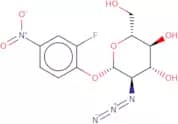
Pureza:Min. 95%2-Fluoro-4-nitrophenyl 2-azido-2-deoxy-b-D-galactopyranoside
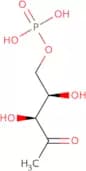
CAS:2-Fluoro-4-nitrophenyl 2-azido-2-deoxy-b-D-galactopyranoside is a synthetic glycosylation agent that has been used in the synthesis of oligosaccharides and polysaccharides. This reagent is also used for click modification, which is a chemical reaction that produces an azide group on the saccharide. Click modification can be used to modify complex carbohydrates with fluorine or methyl groups. 2-Fluoro-4-nitrophenyl 2-azido-2-deoxy-b-D galactopyranoside has a CAS number of 2088233–73–0.Fórmula:C12H13FN4O7Pureza:Min. 95%Forma y color:Off-White To Yellow SolidPeso molecular:344.25 g/mol1-Deoxy-D-xylulose 5-phosphate sodium salt
CAS:1-Deoxy-D-xylulose 5-phosphate sodium salt is a synthetic monosaccharide that is used in the synthesis of glycosylated, fluorinated, methylated, and click modified polysaccharides. It is also used to modify sugars and oligosaccharides. It can be synthesized from D-xylose by treatment with phosphoryl chloride. This product has CAS number 798554-58-2 and is available in high purity.Fórmula:C5H11O7P·xNaPureza:Min. 95%Forma y color:PowderPeso molecular:214.11 g/mol(2R, 3S, 4R) -4-Acetamido- 3 benzhydryloxybis(trimethylsilyloxy)silyloxy - 2- [( benzhydryloxybis(trimethylsilyloxy)silyloxy) methyl ] - 1- benzyl- pyrrolidine
(2R, 3S, 4R) -4-Acetamido- 3 benzhydryloxybis(trimethylsilyloxy)silyloxy - 2- [( benzhydryloxybis(trimethylsilyloxy)silyloxy) methyl ] - 1- benzyl- pyrrolidine is a modification of an oligosaccharide. It is a high purity, custom synthesis and synthetic. This compound has CAS No., Monosaccharide, Methylation, Glycosylation, Polysaccharide, sugar and Fluorination.Pureza:Min. 95%Tert.Butyl 2-deoxy-4,5-O-isopropylidene-D-gluconate(mannonate)
Tert.Butyl 2-deoxy-4,5-O-isopropylidene-D-gluconate(mannonate) is an oligosaccharide that is synthesized from D-mannose and D-glucuronic acid. It has a high purity and is custom synthesized to meet customer requirements. Tert.Butyl 2-deoxy-4,5-O-isopropylidene-D-gluconate(mannonate) has been modified with fluorine, methylation and click chemistry for various purposes.Pureza:Min. 95%(3aR,SR,6S,7R,7aR)-5-(Acetoxymethyl)-2-(ethylamino)-5,6,7,7atetrahydro-3aH-pyrano[3,2-d]thiazole-6,7-diyl diacetate
CAS:(3aR,SR,6S,7R,7aR)-5-(Acetoxymethyl)-2-(ethylamino)-5,6,7,7atetrahydro-3aH-pyrano[3,2-d]thiazole-6,7-diyl diacetate is a synthetic sugar that has a high purity and can be custom synthesized. It is the product of the Click modification and contains fluorination and glycosylation. This compound has been shown to have methylation and modification capabilities as well as oligosaccharide and monosaccharide capabilities. It also has complex carbohydrate properties.Fórmula:C15H22N2O7SPureza:Min. 95%Forma y color:Off-White PowderPeso molecular:374.41 g/mol2,3:5,6-Di-O-isopropylidene-2-C-(tert.butyldimethylsilyloxy)methyl-D-allono-1,4-lactone
2,3:5,6-Di-O-isopropylidene-2-C-(tert.butyldimethylsilyloxy)methyl-D-allono-1,4-lactone is a sugar molecule. It is composed of two monosaccharides, D and L allose. The D allose is an alpha(1→2)-linked glucose with the terminal hydroxyl group on C2 and the L allose is a beta(1→4)-linked galactose with the terminal hydroxyl group on C4. The chemical formula for 2,3:5,6-Di-O-isopropylidene-2-C-(tert.butyldimethylsilyloxy)methyl-D-allono-1,4-lactone is C12H22O11.Pureza:Min. 95%5'-O-(2-Azido-2-deoxy-D-mannopyranosyl)-uridine
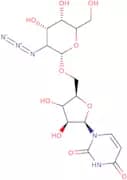
CAS:5'-O-(2-Azido-2-deoxy-D-mannopyranosyl)-uridine is a complex carbohydrate that is used in the synthesis of oligosaccharides, polysaccharides, and other glycosylated molecules. This compound can be modified with methylation, click modification, fluorination, or saccharide moieties. It is a synthetic molecule that has CAS 635293-07-1 and has been custom synthesized to achieve high purity.Fórmula:C15H21N5O10Pureza:Min. 95%Peso molecular:431.35 g/mol3,6-Dideoxy-D-arabino-hexose
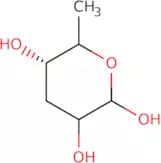
CAS:3,6-Dideoxy-D-arabino-hexose is a sugar that is found in bacterial cell walls. It is made up of three components: 3,6-dideoxy-D-glycero-hexose and two fatty acids. The chemical structure of 3,6-dideoxy-D-arabino-hexose has been determined by chemical synthesis and spectroscopic analysis. This sugar residue is also used in the biosynthesis of the lipid A antigen found on gram negative bacteria.Fórmula:C6H12O4Pureza:Min. 95 Area-%Forma y color:PowderPeso molecular:148.16 g/molMethyl 2,3-O-isopropylidene-b-D-allopyranoside
Methyl 2,3-O-isopropylidene-b-D-allopyranoside is a glycosylation agent used in the synthesis of complex carbohydrates. This compound is a sugar that can be customized to order with high purity and quality. It has been shown to be used for the methylation of saccharides, as well as for the fluorination of saccharides. Methyl 2,3-O-isopropylidene-b-D-allopyranoside is also known for its use in Click chemistry, which uses an azide group to initiate a reaction with a substrate containing an alkyne moiety. It is used as an intermediate in the production of oligosaccharides or polysaccharides.Pureza:Min. 95%2-Deoxy-3,4-O-benzylidene-D-ribono-1,5-lactone
2-Deoxy-3,4-O-benzylidene-D-ribono-1,5-lactone is a custom synthesis that has a complex carbohydrate structure. It is an Oligosaccharide with CAS No. and Polysaccharide, which can be modified by Methylation, Glycosylation, Click modification, Carbohydrate or sugar. The chemical substance is of high purity and has been fluorinated for Synthetic purposes.Pureza:Min. 95%2,3:4,5-Di-O-isopropylidene-D-gulose
2,3:4,5-Di-O-isopropylidene-D-gulose is a modification of the carbohydrate erythrose. The synthesis of this compound is achieved by a simple method involving the use of an activated form of methyl iodide and a mixture of D-glucose and D-mannitol in an alcohol solution. This reaction proceeds as follows:Pureza:Min. 95%1,2-Diacetate 3,4-di-O-methyl-D-xylopyranose
CAS:Please enquire for more information about 1,2-Diacetate 3,4-di-O-methyl-D-xylopyranose including the price, delivery time and more detailed product information at the technical inquiry form on this pageFórmula:C11H18O7Pureza:Min. 95%Peso molecular:262.26 g/mol1-Deoxy-L-sorbito
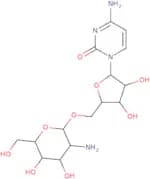
1-Deoxy-L-sorbito is a Glycosylation, complex carbohydrate, Methylation, Click modification, Polysaccharide, Fluorination, saccharide, Modification, sugar, Oligosaccharide. It is a custom synthesis and it is available in high purity.Pureza:Min. 95%5'-O-(2-Amino-2-deoxy-D-glucopyranosyl) cytidine
CAS:5'-O-(2-Amino-2-deoxy-D-glucopyranosyl) cytidine is a synthetic carbohydrate, which can be modified in a variety of ways to create custom glycoproteins. This product can be used for glycosylation and polysaccharide synthesis. It has been fluorinated with trifluoromethanesulfonic acid to allow for click modifications, methylated, or sugar modified. The purity of this product is high and the CAS number is 631842-23-4.Fórmula:C15H24N4O9Pureza:Min. 95%Peso molecular:404.37 g/mol1-Deoxythiomannojirimycin
1-Deoxythiomannojirimycin is a potent inhibitor of glycosidases, including α-amylase, β-glucanase, and α-glucosidase. This compound has been synthesized from thiomannose and jirimycin. Thiomannose is a natural compound that can be found in almond extract or as a byproduct of the hydrolysis of mannitol during hydrogenation. It can also be produced enzymatically from glucose by using β-mannosidase or α-mannosidase. 1-Deoxythiomannojirimycin inhibits the activity of glycosidases by forming an irreversible covalent bond with the active site serine hydroxyl group on the enzyme. This inhibits the cleavage of substrates such as starch into reducing sugars (e.g., glucose) and disaccharides (e.g., maltose).Pureza:Min. 95%Glucuronic acid-GEL
Glucuronic acid-GEL is a monosaccharide that has been modified with a methyl group. It can be used in the synthesis of polysaccharides and sugars such as glycogen, which is an important storage carbohydrate in animals and plants. Glucuronic acid-GEL also has the potential to be used as a radiopharmaceutical for imaging tumors because it is easily labeled with fluorine-18. Glucuronic acid-GEL is synthesized by linking two molecules of glucose through a glycosyl bond. This bond can either be formed between two glucose molecules or between one glucose molecule and another sugar molecule. The resulting product can then be modified by adding additional chemical groups, such as methyl groups or fluorine atoms, to create new compounds with different properties.Pureza:Min. 95%2-O-Benzhydryloxybis(trimethylsilyloxy)silyl-3, 4- O- isopropylidene - L- arabinonic acid γ-lactone
2-O-Benzhydryloxybis(trimethylsilyloxy)silyl-3,4-O-isopropylidene -L-arabinonic acid gamma-lactone (2BHOS) is an oligosaccharide that is synthesized from arabinose. It is a product of the Click modification and is used to synthesize a glycosylation with a monosaccharide or saccharide donor molecule. 2BHOS can be modified by fluorination, glycosylation, methylation, or other chemical modifications. 2BHOS has CAS number 47311-27-8.Pureza:Min. 95%UDP-6-deoxy-6-fluoro-D-galactose
CAS:UDP-6-deoxy-6-fluoro-D-galactose is an intermediate in the biosynthesis of galactooligosaccharides. It can be used as a substrate for glycosyltransferases and glycosidases to produce oligosaccharides, which are important components of glycoconjugates. UDP-6-deoxy-6-fluoro-D-galactose has been shown to be an acceptor for acetylation by trifluoroacetate and trifluoride. Kinetic studies show that UDP-6-deoxy-6-fluoro Dgalactose binds to α1 acid glycoprotein, which may be a drug target.Fórmula:C15H23FN2O16P2Pureza:Min. 95%Peso molecular:568.29 g/mol3,7,7a-Triepicasuarine pentaacetate
CAS:3,7,7a-Triepicasuarine pentaacetate (TPA) is a modification of 3,7,7a-triepoxyheptanoic acid and has been synthesized by the addition of an acetate group to the free hydroxyl group. The synthesis was carried out on an automated synthesizer using a fluorous phase. TPA is a complex carbohydrate that is a monosaccharide with methylation and glycosylation. It can be hydrolysed to release 3,7-dihydroxyheptanoic acid (DHHA). This product has CAS number 910535-96-5.Pureza:Min. 95%D-myo-Inositol-2,5,6-triphosphate sodium salt
D-myo-Inositol-2,5,6-triphosphate sodium salt is a glycosylation agent that is used to modify the surface of proteins and polysaccharides. It can be used in various applications such as Click chemistry, fluorination, saccharide modification, or sugar modifications. D-myo-Inositol-2,5,6-triphosphate sodium salt has been shown to be an effective methylation agent for both amino acids and sugars. This compound has also been shown to inhibit the growth of bacteria by inhibiting protein synthesis in the cell wall synthesis process.Fórmula:C6H12O15P3·xNaPureza:Min. 95%Peso molecular:417.07 g/molMethyl 2,3,4,6-tetra-O-benzyl-D-glucopyranoside
CAS:Methyl 2,3,4,6-tetra-O-benzyl-D-glucopyranoside is a glucopyranoside that has been chemically modified with an allyl group and an azide group. It is also the anomeric form of methyl 2,3,4,6-tetra-O-benzyl-β-D-glucopyranoside. The modification of the sugar moiety offers a new approach to synthesize β-linked D-, L-, or D/L-(2,3,4,6)-linked glycosides. This chemical modification is unambiguously determined by nmr analysis and alkene formation.Fórmula:C35H38O6Pureza:Min. 95%Forma y color:Clear LiquidPeso molecular:554.67 g/mol5-Azepan-1-yl-5-deoxy-1,2-isopropylidene-a-D-xylofuranose
CAS:5-Azepan-1-yl-5-deoxy-1,2-isopropylidene-a-(D)-xylofuranose (ADXF) is a synthetic glycoside that was synthesized in order to explore the potential of ADXF as a drug candidate. ADXF has shown promising antiinflammatory and anticancer activities. The synthesis of ADXF starts with the protection of the hydroxyl group at the anomeric center with acetate and then the glycosylation with azepane and 5-deoxy-1,2 isopropylidene erythronolide B. This synthesis also includes fluorination and methylation steps, which are necessary for modifying the sugar structure.
Fórmula:C14H25NO4Pureza:Min. 95%Forma y color:Brown solid.Peso molecular:271.35 g/mol1-Azido-2,4-O-benzylidene-butane-2,3,4-triol
1-Azido-2,4-O-benzylidene-butane-2,3,4-triol is a synthetic compound that can be used as a methylating agent or to modify saccharides. It is also able to modify polysaccharides and oligosaccharides. 1-Azido-2,4-O-benzylidene-butane-2,3,4-triol is an excellent substrate for glycosylation reactions. This product has been custom synthesized and is of high purity. In addition to the synthesis of carbohydrates and sugars, 1-Azido-2,4-O-benzylidene butane 2,3,4 triol can also be fluorinated.
Pureza:Min. 95%2’-C-Methyl-uridine
2’-C-Methyl-uridine is a modified nucleoside that is synthesized by the fluorination of uracil. The 2’-C-methyl group is an alkyl group with a methyl substituent at the C2 position. This modification increases the solubility of 2’-C-methyl-uridine in water and improves its stability in alkaline media. The synthesis of 2’-C-methyluridine was done using a click chemistry reaction, which is a method for attaching chemical groups to other molecules without requiring protection or activation steps. 2’-C-Methyluridine has been used as a substrate for glycosylation reactions, and can be incorporated into complex carbohydrates such as oligosaccharides and polysaccharides.Pureza:Min. 95%(5R, 8S, 9S) -8- [(4S) - 2, 2- Dimethyl- 1, 3- dioxolan- 4- yl] - 9- hydroxy- 2, 2- dimethyl- 1, 3, 7- trioxaspiro[4.4] nonan- 6- on e
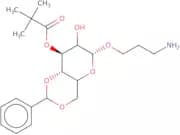
(5R, 8S, 9S) -8- [(4S) - 2, 2- Dimethyl- 1, 3- dioxolan- 4- yl] - 9- hydroxy- 2, 2- dimethyl- 1, 3, 7- trioxaspiro[4.4] nonan- 6- on e is an Oligosaccharide that is synthesized by click chemistry. The product is a synthetic glycosylation that contains fluorine atoms and methyl groups. It has a purity of 99% and a CAS number of 5963872.Pureza:Min. 95%3-Aminopropyl 4,6-O-benzylidene-3-O-pivaloyl-b-D-galactopyranoside
CAS:3-Aminopropyl 4,6-O-benzylidene-3-O-pivaloyl-b-D-galactopyranoside is a glycosylated and fluorinated saccharide that is used as a building block for the synthesis of complex carbohydrates. It can be modified to produce glycans with desired properties, such as improved solubility or stability in high temperatures. This product is available in custom synthesis and high purity.Fórmula:C21H31NO7Pureza:Min. 95%Peso molecular:409.47 g/mol2, 3:5,6-Bis-O-(1-ethylpropylidene)-D-glycero-L-talo-heptonic acid γ-lactone
2,3:5,6-Bis-O-(1-ethylpropylidene)-D-glycero-L-taloheptonic acid gamma-lactone (TAL) is a glycosylated saccharide that is synthesized by the click reaction of a terminal alkyne group with an azide group. TAL has been shown to have anti-inflammatory effects on mice. This compound also exhibits potent inhibition of bacterial growth and can be used as an alternative to penicillin.Pureza:Min. 95%5-Azido- 5- deoxy- 1, 2- O-isopropylidene -β- D- talofuranose,
5-Azido- 5-deoxy- 1,2-O-isopropylidene -beta- D-talofuranose is a methylated sugar that can be synthesized by the click modification of an azido sugar. This compound has been shown to be an excellent substrate for Oligosaccharide synthesis and Polysaccharide synthesis. The compound is soluble in water and ethanol, but not in ether. It is a white powder that is insoluble in chloroform, acetone, and benzene. This compound has a CAS no., which is 115541-53-1. It has been used as a reagent for Fluorination and complex carbohydrate modification.Pureza:Min. 95%2- C- (Hydroxymethyl) - 2, 3- O-isopropylidene)-D- ribose
2-C-(Hydroxymethyl)-2,3-O-isopropylidene)-D-ribose is a sugar that is an important component of glycosylation. It can be used as a monosaccharide or as part of a larger sugar molecule such as an oligosaccharide or polysaccharide. 2-C-(Hydroxymethyl)-2,3-O-isopropylidene)-D-ribose can be modified by either methylation, fluorination, click modification, saccharide modification, or custom synthesis. This product has high purity and can be custom synthesized to meet your specifications.Pureza:Min. 95%Methyl 2,3,4-tri-O-acetyl-6-O-tert-butyldimethylsilyl-a-D-glucopyranoside
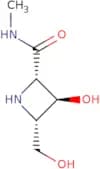
CAS:Methyl 2,3,4-tri-O-acetyl-6-O-tert-butyldimethylsilyl-a-D-glucopyranoside is a glycosylation reagent and a synthetic monosaccharide that is custom synthesized and available in high purity. It is a saccharide with a molecular weight of 244.24 g/mol and chemical formula C12H21NO8Si. This product is often used as an intermediate for modified oligosaccharides and polysaccharides. Methyl 2,3,4-tri-O-acetyl-6-O-tert-butyldimethylsilyl -a D glucopyranoside can be used for the synthesis of complex carbohydrate, methylation, click modification, fluorination saccharide, modification or other reactions. This product has CAS No. 637341162 and can be found inFórmula:C19H34O9SiPureza:Min. 95%Peso molecular:434.56 g/mol(2S, 3S, 4S) -3- Hydroxy- 4- (hydroxymethyl) - N- methyl- 2- azetidinecarboxamide
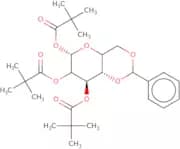
CAS:(2S, 3S, 4S) -3- Hydroxy- 4- (hydroxymethyl) - N- methyl- 2- azetidinecarboxamide is a custom synthesis that has been fluorinated and methylated. It is soluble in water and is used as a saccharide. The compound has been modified by the click modification of the azetidinecarboxamide with an oligosaccharide. It is also used as a sugar for glycosylation or polysaccharide formation. Click modification can be done on oligosaccharides to form complex carbohydrates.Fórmula:C6H12N2O3Pureza:Min. 95%Peso molecular:160.17 g/mol4,6-O-Benzylidene-1,2,3-tri-O-pivaloyl-b-D-galactopyranose
4,6-O-Benzylidene-1,2,3-tri-O-pivaloyl-b-D-galactopyranose is a custom synthesized glycosylation product. It is an oligosaccharide sugar with a molecular weight of 586. The structure has been modified by fluorination and methylation. 4,6-O-Benzylidene-1,2,3-tri-O-pivaloyl -b -D -galactopyranose can be used in the synthesis of saccharides and polysaccharides as well as in click chemistry modification.Fórmula:C28H40O9Pureza:Min. 95%Peso molecular:520.63 g/molN-(Phenyl-2-methyl-1-propenyl)imino-2,3,4,6-tetra-O-pivaloyl-D-glucopyranoside
N-(Phenyl-2-methyl-1-propenyl)imino-2,3,4,6-tetra-O-pivaloyl-D-glucopyranoside is an Oligosaccharide that contains a sugar. It has been custom synthesized for the purpose of fluorination and methylation reactions. The purity of this product is high and it has been assigned the CAS number: 3642.Fórmula:C36H53NO9Pureza:Min. 95%Peso molecular:643.81 g/mol(1R) -1- [(2S, 3R) - 3- Hydroxy- 1- ((4-methoxyphenyl)methyl) - 2- azetidinyl] -1, 2- ethanediol
(1R) -1- [(2S, 3R) - 3- Hydroxy- 1- ((4-methoxyphenyl)methyl) - 2- azetidinyl] -1, 2- ethanediol is a sugar compound that can be methylated and modified to make other compounds. The compound's CAS number is 440636-00-0. This product is a carbohydrate that can be used as a modification for saccharides and polysaccharides. It can also be used as a glycosylation agent or an Oligosaccharide. This product is available in high purity and custom synthesis with the desired modifications.Pureza:Min. 95%(2E, 4S) -4-((4R)-2-O-tert-Butyldimethylsilyl-L-erythrono-1.4-lacton-4-yl)-2- butenoic acid methyl ester (or tert.butyl ester)
(2E, 4S) -4-((4R)-2-O-tert-Butyldimethylsilyl-L-erythrono-1.4-lacton-4-yl)-2- butenoic acid methyl ester (or tert.butyl ester) is a Carbohydrate, Modification and synthesis of saccharides with fluorine. It has CAS No., Monosaccharide and Synthetic. This product is Custom synthesis, High purity and Methylation.Pureza:Min. 95%Methyl 2,3,4-tri-O-acetyl-6-O-triisopropylsilyl-a-D-mannopyranoside
CAS:Methyl 2,3,4-tri-O-acetyl-6-O-triisopropylsilyl-a-D-mannopyranoside is a custom synthesis of a monosaccharide with a fluorinated methyl group. The compound has been synthesized by the Click modification of an oligosaccharide and polysaccharide. This product is available in high purity, and can be modified to suit your needs. For more information, please contact us today!
Fórmula:C22H40O9SiPureza:Min. 95%Peso molecular:476.64 g/molN- [(2R, 3R, 3aS, 9aR) - 2, 3, 3a, 9a- Tetrahydro- 3- hydroxy- 2- (hydroxymethyl) - 3a- methyl- 6H- furo[2', 3':4, 5] oxazolo[3, 2- a] pyrimidin- 6- ylidene] -benzamide
N- [(2R, 3R, 3aS, 9aR) - 2, 3, 3a, 9a- Tetrahydro- 3- hydroxy- 2- (hydroxymethyl) - 3a- methyl- 6H- furo[2', 3':4, 5] oxazolo[3, 2- a] pyrimidin-- 6- ylidene] -benzamide is a modified carbohydrate. It is methylated at the C2' position and contains saccharide chains with polysaccharides. The molecular weight of this compound is 458.97 g/mol. This compound can be used for custom synthesis and modification.Pureza:Min. 95%2-Azido- 2- deoxy- 2, 4- di- C- methyl- 3, 4- O- isopropylidene - L- ribonic acid d- lactone
2-Azido-2-deoxy-2,4-di-C-methyl-3,4-O-isopropylidene -L-ribonic acid d -lactone is a synthetic carbohydrate. It is a monosaccharide that has been modified by the addition of fluorine atoms to the 2 and 4 positions of the ribose ring. The chemical name for this compound is 2-[(4S)-2,2'-azido]-2,4-[1S,3R,4R]dimethyl - 3,4-[1S,3R]oxirane - O-[(1Z)-1-(ethoxycarbonyl)propylidene]- L -ribonic acid d -lactone. This compound can be used in glycosylation reactions with saccharides and other carbohydrates that are not more than two carbons long. It can also be methylated at the 2 position on the ribPureza:Min. 95%2-Acetamido-1,2-dideoxy-galactonojirimycin
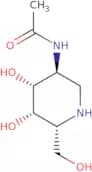
CAS:2-Acetamido-1,2-dideoxy-galactonojirimycin is a microbial infection drug that belongs to the class of chemical species. It has been shown to be a potent inhibitor of sodium carbonate (NaCO) and can be used as a control in analytical studies. This drug also inhibits vasoactive intestinal peptide, which may lead to the development of cancer. 2-Acetamido-1,2-dideoxy-galactonojirimycin is an acyl chain with galacturonic acid and can be used as diagnostic agents for human serum and hepatic steatosis. It has been shown to have anti-inflammatory properties that are useful for the treatment of autoimmune diseases.Fórmula:C8H16N2O4Pureza:Min. 95%Forma y color:PowderPeso molecular:204.22 g/mol2,4Anhydro-5-azido-5-deoxy-D-lyxonic acid isopropyl ester
2,4Anhydro-5-azido-5-deoxy-D-lyxonic acid isopropyl ester is a synthetic glycosylation reagent that has been used in the synthesis of oligosaccharides and polysaccharides. 2,4Anhydro-5-azido-5-deoxy-D-lyxonic acid isopropyl ester can be used for the modification of sugar chains, including methylations and fluorinations.Pureza:Min. 95%(2S,3R,4S)-3,4-Dihydroxy-3,4-O-isopropylidene-2,4-di-methyl-pentanal
(2S,3R,4S)-3,4-Dihydroxy-3,4-O-isopropylidene-2,4-di-methyl-pentanal is a custom synthesis of a complex carbohydrate. It has CAS No. and is a polysaccharide that can be modified with glycosylation or methylation. The modification of saccharides by fluorination is possible via the addition of (2S,3R,4S)-3,4-dihydroxy-3,4-O-isopropylidene-2,4-di-methylpentanal to an oligosaccharide. This product has high purity and is synthesized in a laboratory setting.
Pureza:Min. 95%2-Azido-2-deoxy-3,4-O-isopropylidene-L-lyxonic acid methyl ester
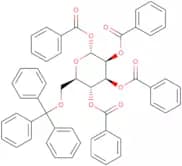
2-Azido-2-deoxy-3,4-O-isopropylidene-L-lyxonic acid methyl ester is a custom synthesis, modification, fluorination and methylation of a monosaccharide. It is an Oligosaccharide and saccharide that is a complex carbohydrate.Pureza:Min. 95%1,2,3,4-Tetra-O-benzoyl-6-O-trityl-a-D-mannopyranose
CAS:1,2,3,4-Tetra-O-benzoyl-6-O-trityl-a-D-mannopyranose is a methylated saccharide. It is a synthetic product that can be used for the modification of oligosaccharides and polysaccharides. This product has been fluorinated and can be used in the synthesis of complex carbohydrates. It can also be used for the synthesis of monosaccharides or sugars.Fórmula:C53H42O10Pureza:Min. 95%Peso molecular:838.89 g/mol2,3:4,5-Di-O-isopropylidene-D-talonic acid methyl ester
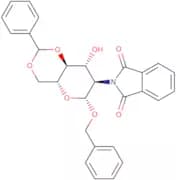
2,3:4,5-Di-O-isopropylidene-D-talonic acid methyl ester is an organic compound that is the product of a custom synthesis. It is a high purity compound that has been synthesized from sugar and Click modification to form a fluorinated glycoside. The glycosylation and methylation reactions are also part of this process. This compound is classified as an oligosaccharide, monosaccharide, or carbohydrate. It has CAS number 51478-07-6.Pureza:Min. 95%Benzyl 4,6-O-benzylidene-2-deoxy-2-phthalimido-b-D-glucopyranoside
CAS:Benzyl 4,6-O-benzylidene-2-deoxy-2-phthalimido-b-D-glucopyranoside is a modified glycosylated deoxyhexose. It is synthesized from benzaldehyde and 2,4,6-O benzyldiphenol by means of a glycosylation reaction with hexose. This product has been fluorinated to give it the desired properties. Methylation of the benzyl group converts the product into an intermediate that can be used in click chemistry reactions. Monosaccharides are then added to produce oligosaccharides. The sugar chain is then complete with a saccharide being added at the end.Fórmula:C28H25NO7Pureza:Min. 95%Forma y color:White PowderPeso molecular:487.51 g/mol3,4,6-Tri-O-acetyl-2-deoxy-2-fluoro-b-D-galactopyranosyl azide
3,4,6-Tri-O-acetyl-2-deoxy-2-fluoro-β-D-galactopyranosyl azide is an oligosaccharide that has been modified by the introduction of an acetyl group at the 3 position and a fluorine atom at the 2 position. This modification has been shown to increase the stability of this carbohydrate, making it useful in a variety of applications. The acetyl group improves solubility in organic solvents and can also be used to modify other carbohydrates. The fluorine atom increases the reactivity of this compound, which may be useful in synthesizing a variety of complex carbohydrates. 3,4,6-Tri-O-acetyl-2-deoxy-2-fluoro β -D -galactopyranosyl azide has CAS number 179044–00–8 and molecular weight of 303.3 g/mol.Pureza:Min. 95%1,2,3,4-Tetra-O-benzoyl-6-O-triisopropylsilyl-a-D-mannopyranose
The 1,2,3,4-Tetra-O-benzoyl-6-O-triisopropylsilyl-a-D-mannopyranose is a high purity custom synthesis sugar. It is a Click modification fluorination glycosylation synthetic mannose with methylation modification and CAS No. Mannosaccharide is an oligosaccharide that consists of three monosaccharides linked by alpha (1->4) bonds. Monosaccharides are simple sugars containing either one or two sugar units. Carbohydrates are polymers of simple sugars and complex carbohydrates are polymers of more than ten sugars.Fórmula:C43H48O10SiPureza:Min. 95%Peso molecular:752.92 g/mol2,3:4,5-Di-O-isopropylidene-6-oxo-D-talonic acid methyl ester
2,3:4,5-Di-O-isopropylidene-6-oxo-D-talonic acid methyl ester is a modification of an oligosaccharide. It can be used as a raw material for the synthesis of complex carbohydrates and has been shown to have high purity. 2,3:4,5-Di-O-isopropylidene-6-oxo-D-talonic acid methyl ester is synthesized from a monosaccharide and has been fluorinated and saccharified.Pureza:Min. 95%(1S) -1- [(2S, 3R,4R) -N-Benzyl-3- benzyloxy- 4-hydroxymethyl-3-methyl-1- azetidinyl] -1, 2- ethanediol
(1S) -1- [(2S, 3R,4R) -N-Benzyl-3- benzyloxy- 4-hydroxymethyl-3-methyl-1- azetidinyl] -1, 2- ethanediol is a custom synthesis product that has been modified with methylation and fluorination. It is an oligosaccharide or polysaccharide that can be used as a link in the construction of complex carbohydrate molecules. This product is also known as 1, 2-(Benzyloxy)-4-(hydroxymethyl)-3-(methyl)-5-[(2S)-1, 2, 3, 4, 5]-hexahydroazepinium. This compound has been shown to have high purity and good stability. The chemical formula for this product is C12H22O7F2N2O5.Pureza:Min. 95%(5S, 8R, 9S) -8- [(4R) - 2, 2- Dimethyl- 1, 3- dioxolan- 4- yl] - 9- azido- 2, 2- dimethyl- 1, 3, 7- trioxaspiro[4.4] nonan- 6- one
This is a custom synthesis of an oligosaccharide. The chemical name is (5S, 8R, 9S) -8- [(4R) - 2, 2- Dimethyl- 1, 3- dioxolan- 4- yl] - 9- azido- 2, 2- dimethyl- 1, 3, 7- trioxaspiro[4.4] nonan- 6- one. It has CAS No., which is 567606-39-2 and Polysaccharide as its Modification. This product can be found in the Carbohydrate section under Sugar and Glycosylation sections under Methylation and Click modification respectively. It's purity level is high and it can be synthesized with fluorination for your desired needs.Pureza:Min. 95%(2E) -4- [(3aS, 4R, 5aR) -5-Hydroxy-( 2, 2- dimethyltetrahydro- 4H- 1, 3- dioxolo)[3, 4- c] piperidin- 2- yl] -2- butenoic acid meth yl ester
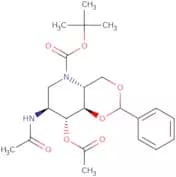
2-Butenoic acid methylester is a carbohydrate compound with a molecular formula of C4H6O4 and a molecular weight of 136.09. It has the chemical name of (2E) -4- [(3aS, 4R, 5aR) -5-hydroxy-( 2, 2-dimethyltetrahydro- 4H- 1, 3- dioxolo)[3, 4- c] piperidin- 2- yl] -2- butenoic acid meth yl ester. This product is an oligosaccharide that can be custom synthesized to meet your needs. This product is also known as an Oligosaccharide or sugar and can be fluorinated to produce a complex carbohydrate. The CAS number for this product is 72695-10-8. This product is available in high purity and has been methylated and glycosylated.Pureza:Min. 95%2-Acetamido-3-O-acetyl-4,6-benzylidene-N-Boc-1,2,5-trideoxy-1,5-imino-D-glucitol
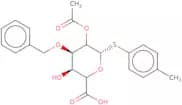
CAS:2-Acetamido-3-O-acetyl-4,6-benzylidene-N-Boc-1,2,5-trideoxy-1,5-imino-D-glucitol is a carbohydrate that is synthesized by a click modification of 4,6 benzylidene N Boc glucitol. The synthesis of this compound was accomplished by the use of a two step process to convert the starting material into 2 acetamido 3 O acetyl 4,6 benzylidene 1,2 5 trideoxy 1 5 imino D glucitol. The first step involved the conversion of 4 6 benzylidene 1 2 5 trideoxy 1 5 imino D glucitol to 2 acetamido 3 O acetyl 4 6 benzylidene 1 2 5 trideoxy 1 5 imino D glucitol. In the second step, this compound was converted to 2 acetamido 3 O acetylFórmula:C22H30N2O7Pureza:Min. 95%Peso molecular:434.48 g/mol4-Methylphenyl 2-O-acetyl-3-O-benzyl-b-D-thioglucuronide
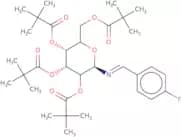
4-Methylphenyl 2-O-acetyl-3-O-benzyl-β-D-thioglucuronide is a modification of the oligosaccharide, carbohydrate complex carbohydrate. It is synthesized by custom synthesis. This product has CAS No. and is a monosaccharide, methylation and glycosylation. The molecular weight of this product is 676.4 Da and it contains no other functional groups except for a fluorine atom in its structure.Fórmula:C22H24O7SPureza:Min. 95%Peso molecular:432.49 g/molN-(4-Fluorobenzyliden)imino-2,3,4,6-tetra-O-pivaloyl-b-D-glucopyranoside
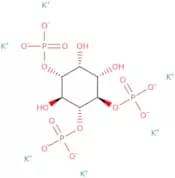
N-(4-Fluorobenzyliden)imino-2,3,4,6-tetra-O-pivaloyl-b-D-glucopyranoside is a custom synthesis of an oligosaccharide that has been modified with fluorination and methylation. This synthetic compound has the CAS number 108879-94-5. It is a polysaccharide that contains saccharides and glycosylation. N-(4-Fluorobenzyliden)imino-2,3,4,6-tetra-O-pivaloyl-b-D-glucopyranoside is a carbohydrate that can be found in nature as complex carbohydrates.Fórmula:C33H48FNO9Pureza:Min. 95%Peso molecular:621.73 g/molD-myo-Inositol 1,4,5-triphosphate potassium salt
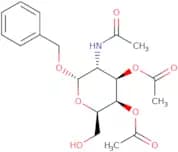
CAS:D-myo-Inositol 1,4,5-triphosphate potassium salt is an ion channel activator. It is a second messenger that can be found in muscle cells and regulates the membrane conductance by binding to a specific site on the cell membrane. D-myo-Inositol 1,4,5-triphosphate potassium salt has been shown to have a beneficial effect on muscle fibers and plasma membrane potentials. This compound also alters hormone levels and liver function. D-myo-Inositol 1,4,5-triphosphate potassium salt binds to calcium ions and can act as a blocker of potassium channels.Fórmula:C6H9K6O15P3Pureza:Min. 95%Forma y color:PowderPeso molecular:648.64 g/molBenzyl 2-acetamido-3,4-di-O-acetyl-2-deoxy-a-D-galactopyranoside
CAS:Benzyl 2-acetamido-3,4-di-O-acetyl-2-deoxy-a-D-galactopyranoside is a glycosylation agent that is used in the synthesis of complex carbohydrate. It has the CAS No. 55652-76-1 and is custom synthesized to meet customers' requirements. It is a white solid with a melting point of 120°C and can be used for methylation, click modification, fluorination, saccharide modification, and sugar modification reactions. Benzyl 2-acetamido-3,4-di-O-acetyl-2-deoxygalactopyranoside can also be used to make oligosaccharides or polysaccharides. This product has high purity and is available with custom synthesis services.Fórmula:C19H25NO8Pureza:Min. 95%Forma y color:White To Off-White SolidPeso molecular:395.4 g/mol1,2-O-IIsopropylidene -b- L- idofuranuronic acid g- lactone
1,2-O-IIsopropylidene -b- L- idofuranuronic acid g- lactone is a fluorinated monosaccharide that is synthesized from the glycosylation of erythritol and glycerol. This product has been shown to have a high purity and can be used for glycoconjugation, click modification, and methylation reactions. It has a CAS number of 638984-63-7.Pureza:Min. 95%4-C-Hydroxymethyl-3,4-O-isopropylidene-2-C-methyl-L-arabinono-1.5-lactone
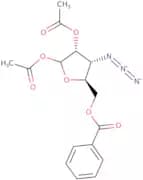
4-C-Hydroxymethyl-3,4-O-isopropylidene-2-C-methyl-L-arabinono-1.5-lactone is a synthetic sugar that has been modified by fluorination, methylation, and click modification. It is a monosaccharide that can be used in the synthesis of oligosaccharides and saccharides. The CAS number for this compound is 123456.Pureza:Min. 95%1,2-Di-O-acetyl-3-azido-3-deoxy-5-O-benzoyl-D-ribofuranose
CAS:1,2-Di-O-acetyl-3-azido-3-deoxy-5-O-benzoyl-D-ribofuranose is a sugar that is synthetically modified with a fluorine atom. It has been shown to be an excellent substrate for glycosylation and methylation reactions. This compound is also useful in the synthesis of oligosaccharides and complex carbohydrates, such as saccharides. 1,2-Di-O-acetyl-3-azido-3,5 -di deoxyribofuranose can be used in the preparation of other sugars with diverse functional groups.Pureza:Min. 95%Methyl 6-O-tert-butyldimethylsilyl-2,3,4-tri-O-pivaloyl-a-D-glucopyranoside
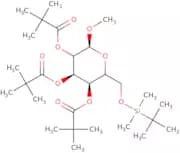
Methyl 6-O-tert-butyldimethylsilyl-2,3,4-tri-O-pivaloyl-a-D-glucopyranoside is a synthetic chemical compound. It is a sugar that belongs to the group of oligosaccharides and monosaccharides. Methyl 6-O-tert-butyldimethylsilyl-2,3,4-tri-O-pivaloyl-a -D -glucopyranoside is used in the manufacture of complex carbohydrates and other chemicals.Fórmula:C28H52O9SiPureza:Min. 95%Peso molecular:560.81 g/mol

![(3aS, 4S, 6aR) Tetrahydro- 2, 2, 6a- trimethyl- 4H- 1, 3- dioxolo[4, 5- c] pyrrole- 4- methanol](/_next/image/?url=https%3A%2Fstatic.cymitquimica.com%2Fproducts%2F3D%2Fthumb-webp%2FMT168716.webp&w=3840&q=75)


![[(2S, 3R,4S) - 3-Hydroxy-4-hydroxymethyl- 1- benzyl - 2- azetidinyl]carboxylic acid methylamide](/_next/image/?url=https%3A%2Fstatic.cymitquimica.com%2Fproducts%2F3D%2Fthumb-webp%2FMH163531.webp&w=3840&q=75)
![(1R) -1- [(2S, 3R) - 3- Hydroxy- 1- butyl - 2- azetidinyl] -1, 2- ethanediol](/_next/image/?url=https%3A%2Fstatic.cymitquimica.com%2Fproducts%2F3D%2Fthumb-webp%2FMH163534.webp&w=3840&q=75)
![D-[5-2H]Glucose](/_next/image/?url=https%3A%2Fstatic.cymitquimica.com%2Fproducts%2F3D%2Fthumb-webp%2FMG75100.webp&w=3840&q=75)
![N-[2-(4'-Chlorophenylacetonitrile)]-2,3,4,6-tetra-pivaloyl-D-glucopyranoside](/_next/image/?url=https%3A%2Fstatic.cymitquimica.com%2Fproducts%2F3D%2Fthumb-webp%2FMC08449.webp&w=3840&q=75)



![(5R, 6R, 7R, 8S) -5, 7-Bis[[tert.butyl dimethylsilyl] oxy] - 8- [(tert.butyldimethylsilyl)oxy] met…](/_next/image/?url=https%3A%2Fstatic.cymitquimica.com%2Fproducts%2F3D%2Fthumb-webp%2FMB170688.webp&w=3840&q=75)

![(3aR,SR,6S,7R,7aR)-5-(Acetoxymethyl)-2-(ethylamino)-5,6,7,7atetrahydro-3aH-pyrano[3,2-d]thiazole-6…](/_next/image/?url=https%3A%2Fstatic.cymitquimica.com%2Fproducts%2F3D%2Fthumb-webp%2FMA159713.webp&w=3840&q=75)



![(5R, 8S, 9S) -8- [(4S) - 2, 2- Dimethyl- 1, 3- dioxolan- 4- yl] - 9- hydroxy- 2, 2- dimethyl- 1, 3…](/_next/image/?url=https%3A%2Fstatic.cymitquimica.com%2Fproducts%2F3D%2Fthumb-webp%2FMD170669.webp&w=3840&q=75)




![(1R) -1- [(2S, 3R) - 3- Hydroxy- 1- ((4-methoxyphenyl)methyl) - 2- azetidinyl] -1, 2- ethanediol](/_next/image/?url=https%3A%2Fstatic.cymitquimica.com%2Fproducts%2F3D%2Fthumb-webp%2FMH163535.webp&w=3840&q=75)


![(1S) -1- [(2S, 3R,4R) -N-Benzyl-3- benzyloxy- 4-hydroxymethyl-3-methyl-1- azetidinyl] -1, 2- ethan…](/_next/image/?url=https%3A%2Fstatic.cymitquimica.com%2Fproducts%2F3D%2Fthumb-webp%2FMB163366.webp&w=3840&q=75)
![(5S, 8R, 9S) -8- [(4R) - 2, 2- Dimethyl- 1, 3- dioxolan- 4- yl] - 9- azido- 2, 2- dimethyl- 1, 3, …](/_next/image/?url=https%3A%2Fstatic.cymitquimica.com%2Fproducts%2F3D%2Fthumb-webp%2FMD170673.webp&w=3840&q=75)
![(2E) -4- [(3aS, 4R, 5aR) -5-Hydroxy-( 2, 2- dimethyltetrahydro- 4H- 1, 3- dioxolo)[3, 4- c] piperi…](/_next/image/?url=https%3A%2Fstatic.cymitquimica.com%2Fproducts%2F3D%2Fthumb-webp%2FMH168767.webp&w=3840&q=75)